INTERNACIONAL
Otro país aliado de Trump cierra su embajada en Cuba y retira a su personal diplomático





NEWYou can now listen to Fox News articles!
Director of National Intelligence Tulsi Gabbard declined to say whether intelligence showed that Iran posed an «imminent threat» to the U.S. prior to the launch of recent offensive operations, as President Donald Trump repeatedly has asserted.
«Was it the assessment of the intelligence community that there was an ‘imminent nuclear threat’ posed by the Iranian regime? Yes or no?» Sen. Jon Ossoff, D-Ga., asked Gabbard during the Senate Intelligence Committee’s annual worldwide threats hearing Wednesday.
«The only person who can determine what is and is not an imminent threat is the president,» Gabbard said.
TRUMP RESURFACES OLD TWEET FROM INTEL OFFICIAL WHO RESIGNED
The White House has repeatedly argued Iran’s nuclear stockpiles and ballistic missile capacity pose an imminent threat to the U.S.
«Our objective is to defend the American people by eliminating imminent threats from the Iranian regime,» Trump said March 1.
Ossoff pressed Gabbard further Wednesday: «Was it the intelligence community’s assessment … there was an ‘imminent nuclear threat’? Yes or no?»
«It is not the intelligence community’s responsibility to determine what is and is not an imminent threat,» Gabbard said.
Gabbard highlighted the impact of U.S. operations in Iran.
«The IC assesses that Operation Epic Fury is advancing fundamental change in the region,» she said. Iran’s «conventional military power projection capabilities have largely been destroyed, leaving limited options. Iran’s strategic position has been significantly degraded.»
Director of National Intelligence Tulsi Gabbard testifies before a Senate Intelligence Committee hearing on Capitol Hill in Washington. (Kevin Lamarque/Reuters )
Her refusal to directly answer comes one day after Trump’s director at the National Counterterrorism Center, Joe Kent, resigned after publicly stating he did not believe Iran posed an imminent threat.
CIA Director John Ratcliffe struck a more assertive tone at the hearing.
«Is there anything to indicate that Iran had ceased in its nuclear ambitions or in its desire to continue to build ballistic missiles capable of threatening American troops and allies in the Middle East?» Sen. John Cornyn, R-Texas, asked him.
«No. In fact, the intelligence reflects the contrary,» Ratcliffe said.
«So you disagree with Mr. Kent?» Cornyn asked.
«I do,» Ratcliffe said.
TRUMP BIDS GOODBYE TO INTEL OFFICIAL WHO RESIGNED OVER IRAN: ‘GOOD THING THAT HE’S OUT’
«I think Iran has been a constant threat to the United States for an extended period of time and posed an immediate threat at this time,» he later added.
Top administration officials have argued that Iran was building up its missile stockpiles to a point where foreign powers could no longer effectively intervene.
Iran is not believed to currently possess missiles capable of reaching the U.S. homeland, but Trump has said the Islamic Republic is working toward that capability.
«They attempted to rebuild their nuclear program and to continue developing long range missiles that can now threaten our very good friends and allies in Europe, our troops stationed overseas and could soon reach the American homeland,» Trump said.
The Defense Intelligence Agency said in May 2025 that Iran could develop a long-range missile capable of reaching the U.S. by 2035. Russia, China and North Korea, some of Iran’s closest allies, already possess intercontinental ballistic missiles.

CIA Director John Ratcliffe asserted that U.S. intelligence asserts Iran has not ceased nuclear ambitions. (Kevin Lamarque/Reuters)
Iran possessed roughly 441 kilograms of uranium enriched to 60% as of mid-2025, according to the International Atomic Energy Agency. Enough, if further enriched to weapons-grade levels, to fuel multiple nuclear weapons.
Experts estimate that final enrichment to 90% could take weeks under ideal conditions. However, producing a functional nuclear weapon would require additional steps, including weaponization and delivery system development, which could take months or longer.
Gabbard, a former Democratic congresswoman, rose to national prominence in part for her opposition to U.S. military interventions overseas.
She has said little publicly about the Iran conflict, but in a statement posted to X following Kent’s resignation, Gabbard emphasized that the determination of an imminent threat rests with the president.

Gabbard’s refusal to directly answer comes one day after Trump’s director at the National Counterterrorism Center, Joe Kent, resigned after publicly stating he did not believe Iran posed an imminent threat. (Tom Williams/CQ-Roll Call, Inc via Getty Images)
«Donald Trump was overwhelmingly elected by the American people to be our President and Commander in Chief. As our Commander in Chief, he is responsible for determining what is and is not an imminent threat,» she wrote on X.
CLICK HERE TO DOWNLOAD THE FOX NEWS APP
«After carefully reviewing all the information before him, President Trump concluded that the terrorist Islamist regime in Iran posed an imminent threat and he took action based on that conclusion.»
Her comments underscored a central tension in Wednesday’s hearing: While the administration has framed the conflict as a response to an imminent threat, intelligence officials stopped short of publicly affirming that assessment.
tulsi gabbard,war with iran,senate,donald trump,cia
NEWYou can now listen to Fox News articles!
Russia is covertly shipping oil to Cuba using deceptive shipping tactics to bypass U.S. sanctions, according to maritime intelligence reports, and as the island grapples with fuel shortages and power outages.
One alleged delivery came amid one of Cuba’s worst energy crises and ahead of a grid collapse on March 16 which left roughly 10 million people without electricity, according to Cuban authorities and the U.S. Embassy in Cuba.
«The Hong Kong-flagged tanker, which is not sanctioned, has AIS patterns that suggest the tanker spoofed its location and likely sailed to Cuba to discharge its cargo in early March,» Windward AI said.
The Financial Times also reported March 18 that another Russian-flagged tanker, Anatoly Kolodkin, carrying crude oil, was expected to reach Cuba by April 4.
«We are ready to provide all possible assistance,» Kremlin spokesman Dmitry Peskov had told reporters at a briefing on Cuba on March 17, The Moscow Times reported.
PROTESTERS TORCH COMMUNIST PARTY HQ IN CUBA AS VIDEO APPEARS TO CAPTURE GUNFIRE
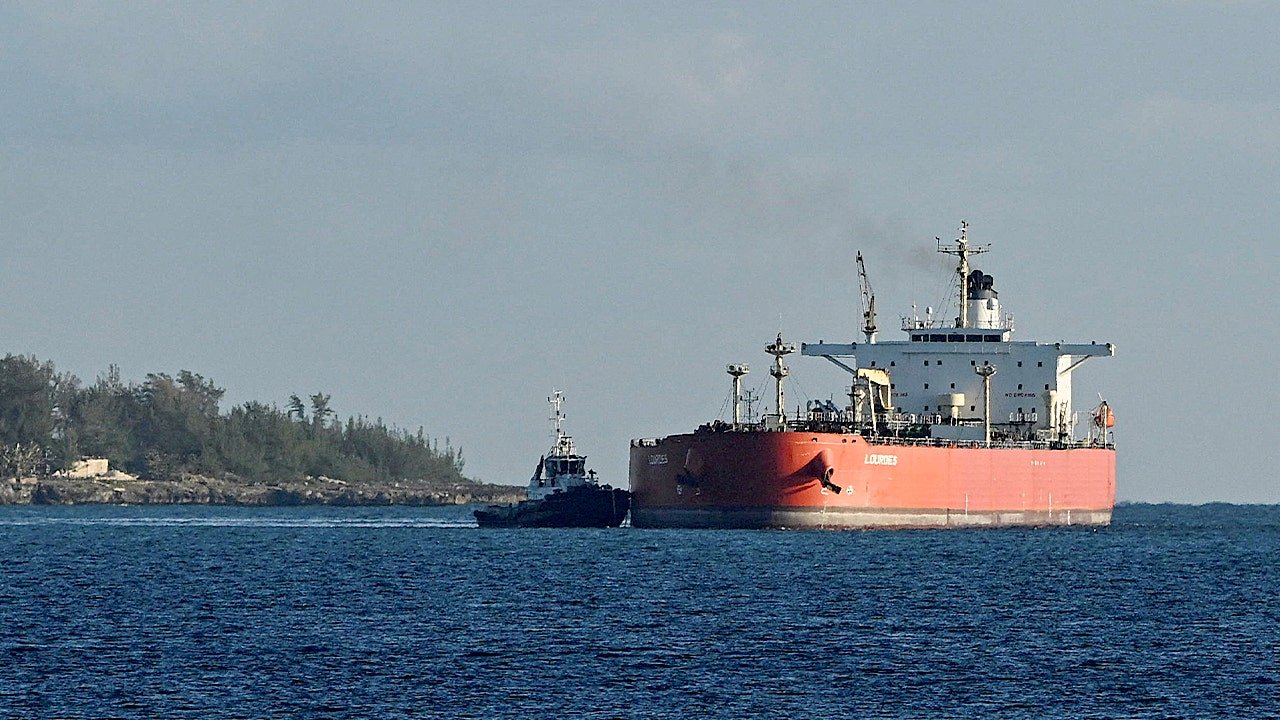
Russia uses deceptive maritime tactics to bypass U.S. sanctions on struggling Cuba amid energy shortages (AP Photo/Ramon Espinosa)
The alleged shipments came as senior officials at the State Department told Fox News that, under existing law, there are ways for Cuban companies and citizens to purchase oil, but said the Cuban regime is making that impossible.
The U.S. oil embargo prevents the Cuban regime from purchasing oil only, the official confirmed.
Windward AI first identified the tanker, Sea Horse, as the key vessel in the suspected clandestine oil delivery in its report on March 18.
The firm said the vessel was thought to have transported around 190,000 to 200,000 barrels to Cuba while engaging in behavior consistent with sanctions evasion. Although the vessel is not under sanctions, Windward analysts flagged several suspicious activities.
These included switching off its Automatic Identification System (AIS) during a ship-to-ship transfer near Cyprus — where it likely loaded its cargo — and sailing without Western insurance, both common indicators of sanctions circumvention.
The tanker also repeatedly altered its stated destination, initially signaling Havana before changing to «Gibraltar for orders,» a tactic often used to obscure final delivery points.
CUBAN ACTIVIST TO TRUMP: ‘MAKE CUBA GREAT AGAIN’ BY ENDING COMMUNIST RULE
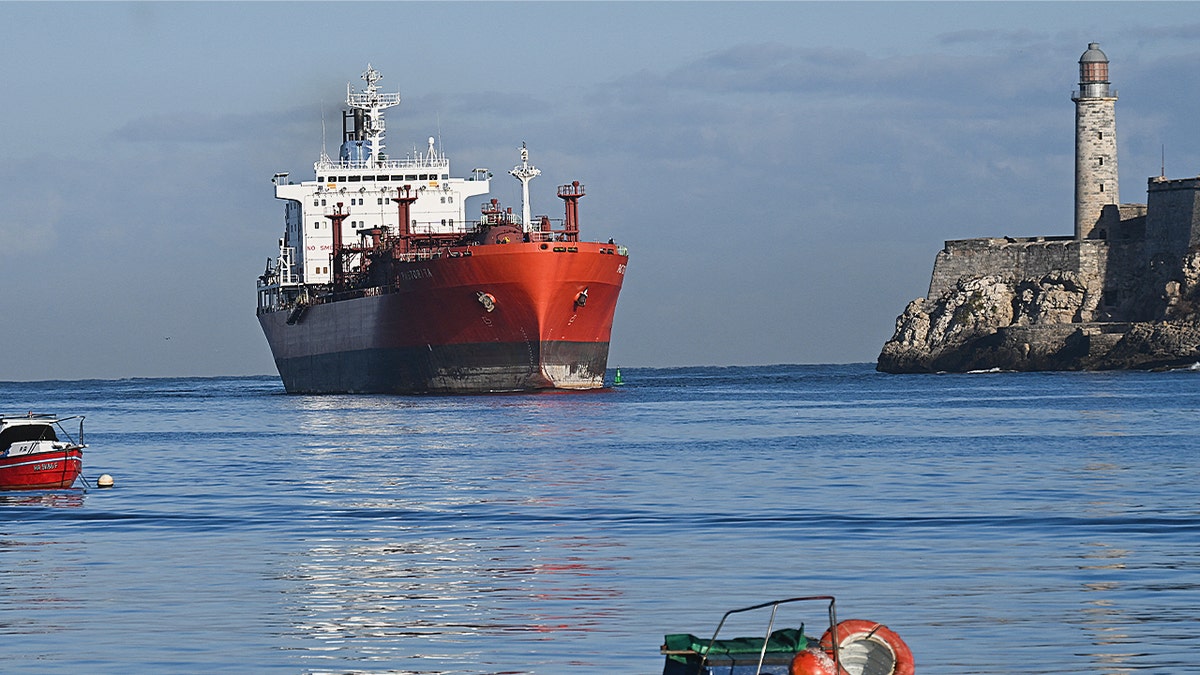
A tanker sailing under the flag of Cuba, arrives at the port of Havana on Feb. 9, 2026. (YAMIL LAGE / AFP via Getty Images)
After crossing the Atlantic, it appeared to drift while broadcasting that it was «not under command,» with analysts suggesting its AIS signals may have been manipulated to conceal its true location and activities.
These movements strongly indicate that the vessel may have completed an unreported delivery to Cuba before resuming normal transmissions.
Since Jan. 29, U.S. measures — effectively creating an oil blockade — have disrupted fuel shipments to the island.
The policy shift followed major changes in Venezuela and the arrest of Nicolás Maduro, further tightening supply to Cuba and discouraging other tankers from approaching its ports.
President Donald Trump had warned that countries supplying oil to Cuba could face tariffs, while Cuban President Miguel Díaz-Canel condemned the measures as an «economic war» and pledged continued resistance in a post shared on X.
«The only way for Cuba to fix its energy crisis is to address the root cause of its economic failures: total government control of economic life,» a U.S. official told Fox News on March 17.
RUSSIA TO SUSPEND FLIGHTS TO CUBA AS TRUMP SANCTIONS CUT FUEL SUPPLY

People walk on the street during a blackout in Havana, Cuba, on Monday, March 16, 2026. (Ramon Espinosa/AP)
«The regime must make significant changes, allowing for privatization and for the Cuban people to provide for themselves,» they said.
Otherwise, another senior State Department official said Cuba’s blackouts have «sadly become common for many years in Cuba — a symptom of the failing regime’s incompetence and inability to provide even the most basic goods and services for its people.»
«This is the tragic result of over 60 years of Communist rule. An island that was once the crown jewel of the Caribbean has plunged into extreme poverty and darkness.
CLICK HERE TO DOWNLOAD THE FOX NEWS APP
«As President Trump has said, what is left of the regime should make a deal and finally let the Cuban people be free and prosperous, with the help of the United States,» the official said.
«Cuba right now is in very bad shape. They’re talking to Marco,» Trump told reporters March 17 before adding that «we’ll be doing something with Cuba very soon.»
russia,sanctions,vladimir putin,donald trump,cuba,state department

En el corazón del suroeste de Alaska, una decisión drástica encendió la polémica: el Estado eliminó casi 200 osos, en su mayoría grizzlies, y 20 lobos desde helicópteros, con el objetivo de revertir el colapso del rebaño de caribú Mulchatna. La medida, que se implementó entre 2022 y 2025, busca aumentar la supervivencia de los caribúes, un recurso vital para la alimentación y la cultura de las comunidades locales.
La campaña, impulsada por el Departamento de Pesca y Caza de Alaska y respaldada por organizaciones tribales como la Alaska Federation of Natives y el Orutsararmiut Native Council de Bethel, surgió tras una caída histórica en la población de caribúes. En los años 90, el rebaño Mulchatna llegó a tener 200.000 ejemplares. Pero en 2022, la cifra se desplomó a 12.000, según datos oficiales.
Leé también: Estados Unidos utiliza ratas con paracetamol para combatir serpientes invasoras en una isla del Pacífico
Un repunte que no convence a todos
Desde que se prohibió la caza de caribú en 2021 y se intensificó la eliminación de depredadores, la población mostró una leve recuperación: en el último año contabilizado, el rebaño subió a 16.000 animales, un 30% más desde el inicio del programa. El rebaño de caribú subió a 16.000 animales desde el incio del programa. (Foto: Adobe Stock)
Sin embargo, la polémica no tardó en llegar. Jeff Stetz, biólogo de fauna y excoordinador de la investigación sobre el caribú Mulchatna, advirtió que es apresurado atribuir el repunte a la matanza de osos y lobos. Para Stetz y otros científicos, faltan pruebas sólidas que vinculen directamente la eliminación de depredadores con la recuperación del rebaño.
Demandas, bloqueos y un debate científico sin fin
El programa estatal desató una ola de demandas judiciales. Organizaciones como la Alaska Wildlife Alliance y el Center for Biological Diversity acusaron al Estado de llevar adelante una “masacre” sin suficiente respaldo científico y sin evaluar el impacto sobre los osos, cuya población ronda los 30.000 ejemplares en Alaska.
En varias ocasiones, jueces estatales frenaron temporalmente el operativo por falta de consulta pública y por no garantizar la viabilidad de las poblaciones de osos. El Departamento de Pesca y Caza respondió reautorizando las operaciones en períodos breves, amparándose en nuevas investigaciones que, según la bióloga Kristin Denryter, muestran que la predación es la principal causa de muerte de crías y hembras adultas en el rebaño Mulchatna.
Pero la evidencia sigue siendo motivo de discusión. En 2022, biólogos estatales presentaron datos preliminares que apuntaban a la malnutrición y las enfermedades —como la brucelosis— como factores más graves que la depredación. Además, la falta de estudios sobre el hábitat, según Patrick Walsh del Togiak National Wildlife Refuge, impide entender qué regula realmente la dinámica del rebaño.
“Si el hábitat es el verdadero problema, eliminar depredadores no sirve de mucho”, explicó Walsh.
El caribú, clave para la vida y la cultura local
Para habitantes como Janet Bavilla, cazadora de la comunidad Yup’ik en Platinum, el caribú es mucho más que alimento: es el corazón de la cultura y la economía de subsistencia en una región aislada y con precios altísimos para los productos importados.
El derrumbe del rebaño coincidió con malas temporadas de salmón y el aumento del costo de vida. Para Bavilla y otros defensores del programa, la recuperación del caribú es una señal de esperanza: “Creo que los caribúes están en un punto de inflexión. Solo necesitan un poco de ayuda”, sostuvo.
Sin embargo, la postura indígena no es unánime. Mientras algunas organizaciones tribales apoyan la intervención para asegurar la comida, expertos indígenas como Michelle Quillin, bióloga Koyukon Athabascan, sostienen que la estrategia choca con los valores tradicionales y no ataca las verdaderas causas del declive: el cambio climático, la degradación del hábitat y las enfermedades.
El impacto del clima y el futuro del programa
Un informe de la NOAA reveló que las poblaciones de caribú del Ártico cayeron un 65% en las últimas décadas por el calentamiento global y la expansión industrial. En el caso del Mulchatna, sin grandes explotaciones industriales, la variabilidad climática y el sobrepastoreo en años de auge parecen ser los factores clave, según coinciden cazadores y biólogos.
El futuro del programa depende de nuevas evaluaciones. El Alaska Board of Game revisará los objetivos de población en 2028, cuando vence la autorización actual para el control de depredadores. Hasta entonces, la caza de caribú sigue suspendida en casi toda el área, salvo permisos muy limitados en tierras federales.
Un dilema sin solución fácil
La gestión estatal enfrenta sus propios límites: puede manejar hábitats y depredadores, pero no el clima. Para la bióloga Anne Gunn, con décadas de experiencia en caribús, la clave está en proteger el hábitat y frenar el desarrollo industrial, más que en eliminar depredadores.
“Persistir con métodos reduccionistas no alcanza para resolver un sistema tan complejo”, advirtió Gunn.
Mientras tanto, los habitantes de las aldeas buscan alternativas, como la carne de alce o productos importados desde Anchorage, a más de 600 kilómetros. Pero la falta de caribú sigue cambiando la alimentación, la cultura y la vida de toda una región.
Alaska, osos, Lobos, TNS

Horacio Rodríguez Larreta y Claudio “El Turco” García compartieron guiños electorales en las redes sociales

La Argentina e India avanzan en el impulso de su intercambio comercial que hoy llega a USD 7.000 millones por año

Y no para hasta los mil: Lionel Messi anotó el gol número 900 en su carrera futbolística

Sonic Racing Crossworlds comparte su imagen principal actualizada con los nuevos personajes – Nintenderos

Milei arremetió contra empresarios, periodistas y opositores en un homenaje a Adam Smith

Tras reunirse con Cristina Kirchner, Pichetto suma encuentros con exlibertarios para armar un frente electoral amplio

TRAICIÓN Y ÉXODO: La promesa rota de Monteoliva que desató una ola masiva de bajas en la Policía Federal

Adorni se disculpó por el viaje de su esposa: “Fue una pésima decisión, más allá de que no generó gasto para el Estado”

Horacio Rodríguez Larreta reapareció y lanzó “Metrópolis”, su nuevo espacio en la Ciudad de Buenos Aires

Insólito: un esquiador británico terminó la Copa del Mundo de Oslo bajo los efectos del alcohol

 POLITICA2 días ago
TRAICIÓN Y ÉXODO: La promesa rota de Monteoliva que desató una ola masiva de bajas en la Policía Federal
- POLITICA2 días ago
Adorni se disculpó por el viaje de su esposa: “Fue una pésima decisión, más allá de que no generó gasto para el Estado”
- POLITICA2 días ago
Horacio Rodríguez Larreta reapareció y lanzó “Metrópolis”, su nuevo espacio en la Ciudad de Buenos Aires