INTERNACIONAL
Pablo Maurette, Premio Herralde: “Me considero un hombre del pasado, no me interesa cambiar”


Pablo Maurette contemplaba la gigantesca estatua de Ovidio —¿o la estatua de Ovidio contemplaba al pequeño Pablo Maurette?— cuando sonó el celular. Número desconocido. Estaba frente a la escultura de casi tres metros que hizo el italiano Ettore Ferrari, en Constanza, Rumania, junto a otros argentinos (Mariano Llinás y el equipo de El Pampero Cine), filmando una película. De pronto, sonó el celular. “¿Hola?” “Felicitaciones”. Así, era el nuevo ganador del Premio Herralde de Novela.

Por qué nos creemos los cuentos
eBook
El jurado eligió, entre ochocientos noventa y dos manuscritos, a El contrabando ejemplar, que había presentado con el seudónimo Carlos Bernárdez. . “Estábamos en Constanza, una ciudad en la costa del Mar Negro. Fuimos a filmar el mar y la estatua de Ovidio, quien estuvo exiliado ahí cuando lo echaron de Roma por degenerado. Estábamos filmando en el momento en que me llamaron con la noticia. Así que le di las gracias a Ovidio, por supuesto”, cuenta desde Barcelona, a horas de la premiación.
De la novela no sabemos nada salvo lo que adelantó la editorial: hay un argentino, aspirante a escritor, que viaja a Madrid para recuperar el manuscrito inacabado de su amigo, un texto que parece “desentrañar el enigma del destino argentino, marcado en el siglo XVII por un sistema de comercio clandestino conocido como contrabando ejemplar”. En la tapa vemos el famoso pulpo del Italpark, parque de diversiones porteño que funcionó hasta 1990, tras un accidente fatal. La novela sale en diciembre.

Este autor argentino residente en Florencia, Italia, publicó los ensayos El sentido olvidado, La carne viva, Por qué nos creemos los cuentos y Atlas ilustrado del cuerpo humano, y las novelas La migración y La Niña de Oro; esta última editada en Anagrama. “No he mandado muchas cosas a premios antes, pero el Premio Herralde siempre me gustó sobre todos los otros premios que hay en castellano a los que se puede mandar libros”, asegura. La dotación de este galardón es de 25 mil euros.
“El Herralde me gusta particularmente porque, primero, lo ganaron autores que admiro muchísimo, como Marías y Bolaño, algunos que son incluso queridos amigos, como Alan Pauls, Martín Caparrós, Álvaro Enrique, y segundo, porque me parece que es un verdadero premio panhispánico, es decir, que cubre todo el mundo hispanoparlante: España y toda América Latina. Siempre me pareció el más atractivo de todos”, y agrega: “No me lo esperaba. Sabía que era algo muy, muy difícil. Fue una sorpresa increíble”.
Si el desarrollo de la tecnología editorial permitió una expansión inédita de sellos, así como las redes sociales generaron incontables ecos y lugares y de validación, ¿qué lugar ocupan los premios? ¿Tal vez un poco de institucionalidad? Maurette prefiere ir a lo concreto: “Ayudan al escritor a acercarse a lo que para mí es el objetivo principal: tener la mayor cantidad de tiempo posible para escribir: tiempo libre y libertad para escribir. Después sí: son arbitrarios, subjetivos, no demuestran nada, pero ayudan”.

“En cierta forma es una novela sobre el plagio y el robo a la literatura. A mi entender, es un gran acto de paramnesia: estamos constantemente repitiendo frases que leímos en otro lado cuando creemos que estamos escribiendo algo único y original. Todo es robado, todo es sacado de algún otro lado. Y la novela, en parte, tiene que ver con eso, porque trata de un narrador que quiere ser escritor famoso y se roba un manuscrito con la idea de escribir una gran novela. Y obviamente, falla, no le sale”, cuenta.
El jurado que eligió la novela estuvo conformado por Gonzalo Pontón Gijón, Marta Sanz, Juan Pablo Villalobos y Silvia Sesé. También Cecilia Fanti, que en su comentario sobre el libro dijo que de alguna manera intenta responder a la pregunta de cuándo se jodió la Argentina. “La novela la responde: la Argentina se jodió en 1635 cuando hubo un nacimiento monstruoso y ese niño fue enterrado abajo de la catedral. Ahí nos jodieron por toda la eternidad. Esa es la respuesta mitológica, pero creo que no hay respuesta”.
“¿Cuándo se jodió…? Es una pregunta que nos hacemos siempre, no solo respecto de países, sino de nuestras propias vidas, nuestras relaciones. Tratar de detectar el punto exacto en que todo empezó a decaer. Una pregunta muy humana, ¿no?“, agrega.

Hace veintiún años Pablo Maurette se subió a un avión y dejó Argentina. Vivió en distintos países hasta que el en 2018 se afincó en Italia, en la ciudad de Florencia. “Simplemente tenía ganas de ver el mundo, viajar, conocer lugares, vivir otras vidas. No me fui por ningún tipo de apremio. Tenía una buena vida en Buenos Aires, me encanta Buenos Aires y vuelvo todos los años. Me encantaría pasar más tiempo en Buenos Aires. Quizás se podría decir en términos novelísticos que fue hambre de mundo”.
Desde allá, Argentina se ve distante y cercana a la vez. “Últimamente Argentina está mucho en las noticias de Europa con Milei”, comenta Maurette, que navega velozmente en su memoria inmediata y dice que “se habla mucho más que nunca”. La pregunta que mucha gente le hace es qué pasa en Argentina. Es una recurrencia insoportable. “Argentina tiene todo para ser un país pujante y próspero, pero siempre está cayendo en una crisis tras otra. Es lo que todos te preguntan acá: ¿qué pasa en Argentina?“
En un mundo desbordado de consumos culturales, entre tanta oferta, posiblemente más que la demanda, entre tanta plataforma, entre tanta pantalla, ¿por qué seguir apostando a la literatura, es decir, a la lectura? “La respuesta es vaga, perezosa: porque siempre leí. No leo en ebook, pero no tengo nada en contra del ebook. Simplemente prefiero el papel. Sigo apostando a la lectura porque es lo que hago, porque es lo que hice siempre. Sí es cierto que está cambiando mucho cómo la gente lee”, responde.
“Cuando todos nosotros, la última generación que vivió la era analógica, estemos muertos, va a ser muy distinto el panorama: cómo se lee, se publica, se difunde la literatura”, continúa Maurette. “Me considero un hombre del pasado. Y estoy cómodo siéndolo. No me interesa cambiar”, concluye.

INTERNACIONAL
Donald Trump dice que “no está contento” con las conversaciones con Irán y crecen los temores a un ataque de EE.UU.

NEWYou can now listen to Fox News articles!
U.S. Immigration and Customs Enforcement (ICE) accused Everett, Washington, Mayor Cassie Franklin of escalating tensions with federal authorities after she issued a directive limiting immigration enforcement in the city.
Franklin issued a mayoral directive this week establishing citywide protocols for staff, including law enforcement, that restrict federal immigration agents from entering non-public areas of city buildings without a judicial warrant.
«We’ve heard directly from residents who are afraid to leave their houses because of the concerning immigration activity happening locally and across our country. It’s heartbreaking to see the impacts on Everett families and businesses,» Franklin said in a statement.
«With this directive, we are setting clear protocols, protecting access to services and reinforcing our commitment to serving the entire community.»
ICE blasted the directive Friday, writing on X it «escalates tension and directs city law enforcement to intervene with ICE operations at their own discretion,» thereby «putting everyone at greater risk.»
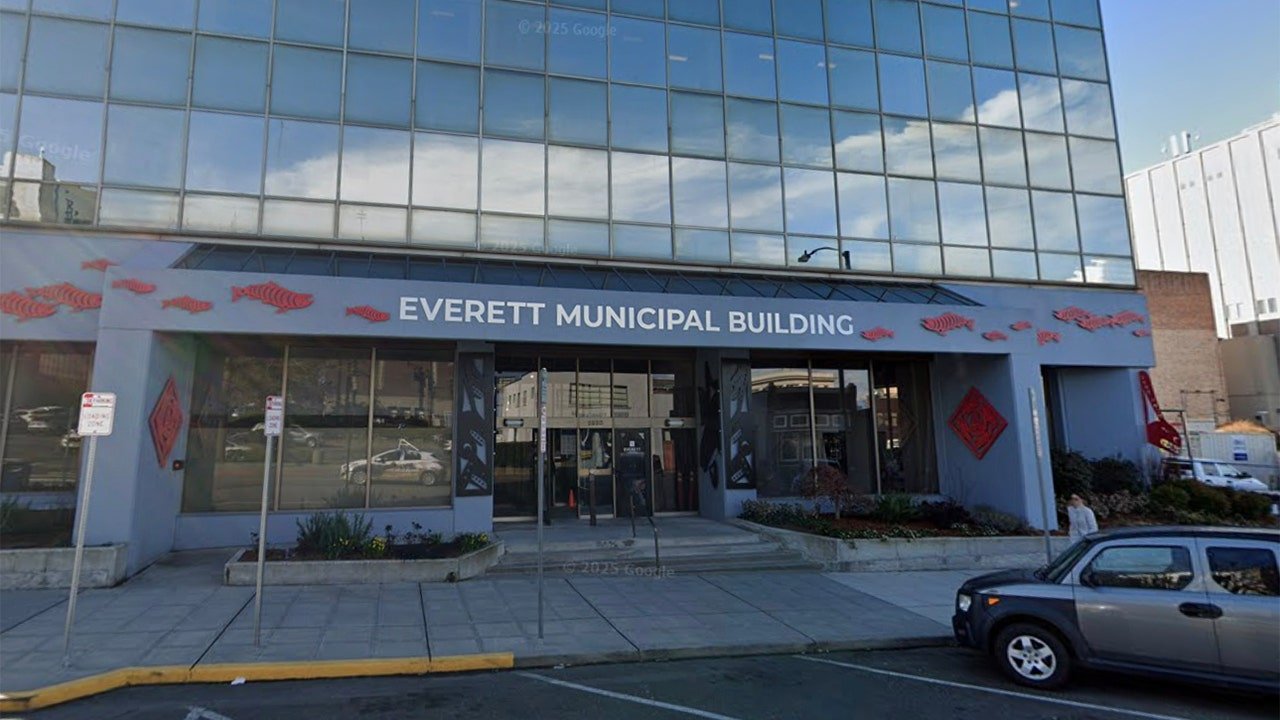
Mayor Cassie Franklin said her new citywide immigration enforcement protocols are intended to protect residents and ensure access to services, while ICE accused her of escalating tensions with federal authorities. (Google Maps)
ICE said Franklin was directing city workers to «impede ICE operations and expose the location of ICE officers and agents.»
«Working AGAINST ICE forces federal teams into the community searching for criminal illegal aliens released from local jails — INCREASING THE FEDERAL PRESENCE,» the agency said. «Working with ICE reduces the federal presence.»
«If Mayor Franklin wanted to protect the people she claims to serve, she’d empower the city police with an ICE 287g partnership — instead she serves criminal illegal aliens,» ICE added.
DHS, WHITE HOUSE MOCK CHICAGO’S LAWSUIT OVER ICE: ‘MIRACULOUSLY REDISCOVERED THE 10TH AMENDMENT’

U.S. Immigration and Customs Enforcement blasted Everett’s mayor after she issued a directive restricting federal agents from accessing non-public areas of city facilities without a warrant. (Victor J. Blue/Bloomberg via Getty Images)
During a city council meeting where she announced the policy, Franklin said «federal immigration enforcement is causing real fear for Everett residents.»
«It’s been heartbreaking to see the racial profiling that’s having an impact on Everett families and businesses,» she said. «We know there are kids staying home from school, people not going to work or people not going about their day, dining out or shopping for essentials.»
The mayor’s directive covers four main areas, including restricting federal immigration agents from accessing non-public areas of city buildings without a warrant, requiring immediate reporting of enforcement activity on city property and mandating clear signage to enforce access limits.
BLOCKING ICE COOPERATION FUELED MINNESOTA UNREST, OFFICIALS WARN AS VIRGINIA REVERSES COURSE

Everett, Wash., Mayor Cassie Franklin said her new directive is aimed at protecting residents amid heightened immigration enforcement activity. (iStock)
It also calls for an internal policy review and staff training, including the creation of an Interdepartmental Response Team and updated immigration enforcement protocols to ensure compliance with state law.
Franklin directed city staff to expand partnerships with community leaders, advocacy groups and regional governments to coordinate responses to immigration enforcement, while promoting immigrant-owned businesses and providing workplace protections and «know your rights» resources.
The mayor also reaffirmed a commitment to «constitutional policing and best practices,» stating that the police department will comply with state law barring participation in civil immigration enforcement. The directive outlines protocols for documenting interactions with federal officials, reviewing records requests and strengthening privacy safeguards and technology audits.
CLICK HERE TO DOWNLOAD THE FOX NEWS APP
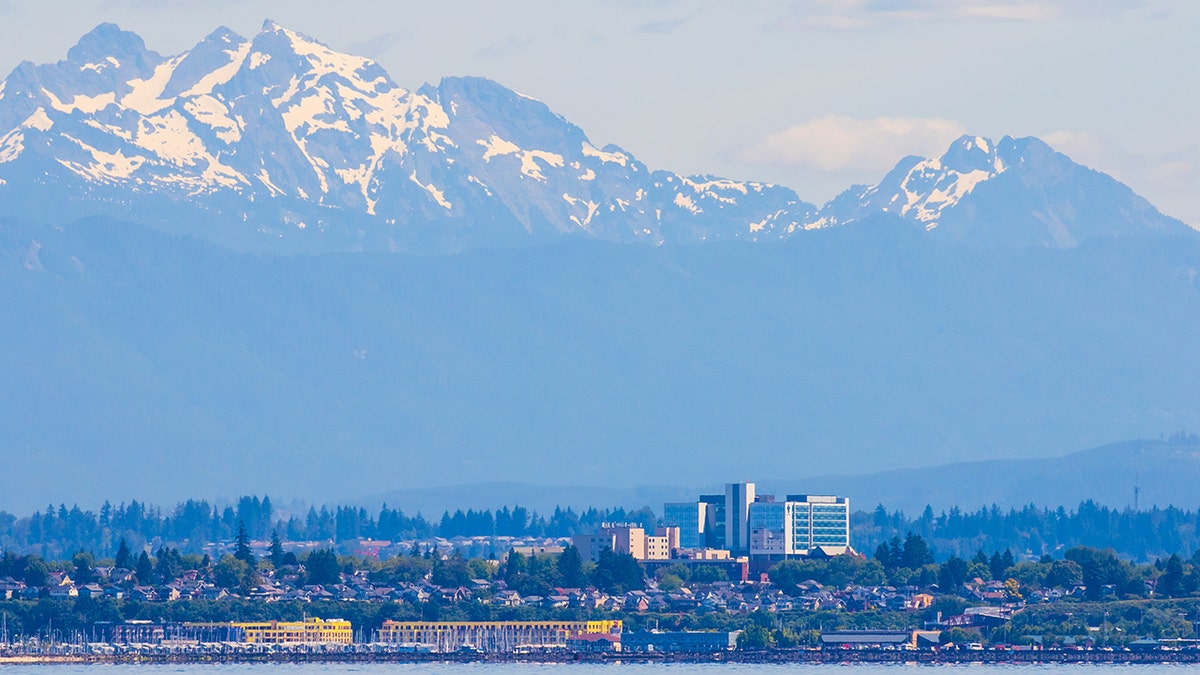
Everett, Wash., Mayor Cassie Franklin issued a directive limiting federal immigration enforcement in city facilities. (iStock)
«We want everyone in the city of Everett to feel safe calling 911 when they need help and to know that Everett Police will not ask about your immigration status,» Franklin said during the council meeting. »I also expect our officers to intervene if it’s safe to do so to protect our residents when they witness federal officers using unnecessary force.»
Fox News Digital has reached out to Mayor Franklin’s office and ICE for comment.
Related Article

police and law enforcement,immigration,washington,immigrant rights
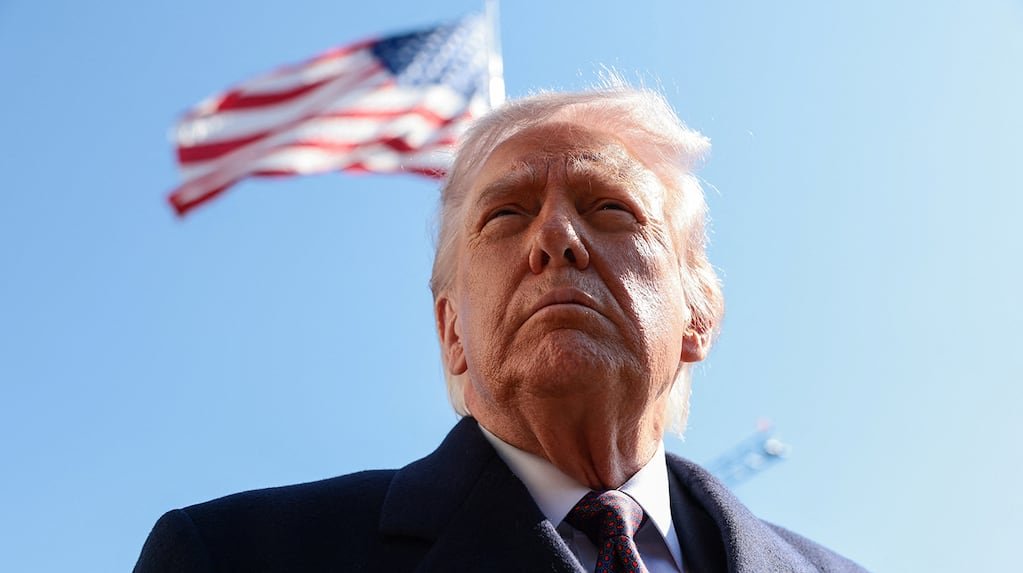
El presidente de Estados Unidos, Donald Trump, sorprendió este viernes al afirmar que su país podría avanzar hacia una eventual “toma de control amistosa de Cuba”, en un contexto de crecientes tensiones bilaterales marcadas por el endurecimiento del bloqueo impuesto por Washington y el colapso del sistema energético en la isla.
“Ellos no tienen nada ahora, pero están hablando con nosotros y tal vez podamos hacer una toma amistosa de Cuba”, declaró el mandatario ante periodistas en la Casa Blanca, sin ofrecer mayores precisiones sobre el alcance político o diplomático de esa afirmación.
Leé también: Donald Trump autorizó la venta de combustible y gas a Cuba en medio del colapso energético
Estas declaraciones se produjeron mientras el gobierno estadounidense ajusta su estrategia de presión sobre La Habana, combinando sanciones con autorizaciones limitadas para el sector privado en crisis.
En ese marco, el Departamento del Tesoro anunció esta semana que Estados Unidos permitirá la venta de petróleo y gas a Cuba, siempre que las operaciones se destinen exclusivamente a ciudadanos y empresas del sector privado. Según una nota explicativa, el gas y otros productos energéticos exportados o reexportados al sector privado cubano podrán ser autorizados bajo la Excepción de Licencia SCP.
La medida busca, según Washington, aliviar parcialmente la crisis humanitaria sin beneficiar al Estado cubano ni a las Fuerzas Armadas. La Oficina de Control de Activos Extranjeros (OFAC) precisó que no se permitirá la venta de combustible al gobierno, al ejército ni a hoteles administrados por entidades militares incluidas en las listas de sanciones del Departamento de Estado.
Leé también: Cuba activó el modo supervivencia: no entran dólares y las familias dependen de la plata que llega del exilio
En paralelo, la administración Trump habilitó a empresas estadounidenses a revender petróleo de origen venezolano al sector privado cubano. La decisión se conoció luego de que la Casa Blanca bloqueara el suministro directo de crudo desde Venezuela hacia el gobierno de La Habana, en el marco de la presión ejercida sobre Caracas tras la captura de Nicolás Maduro.
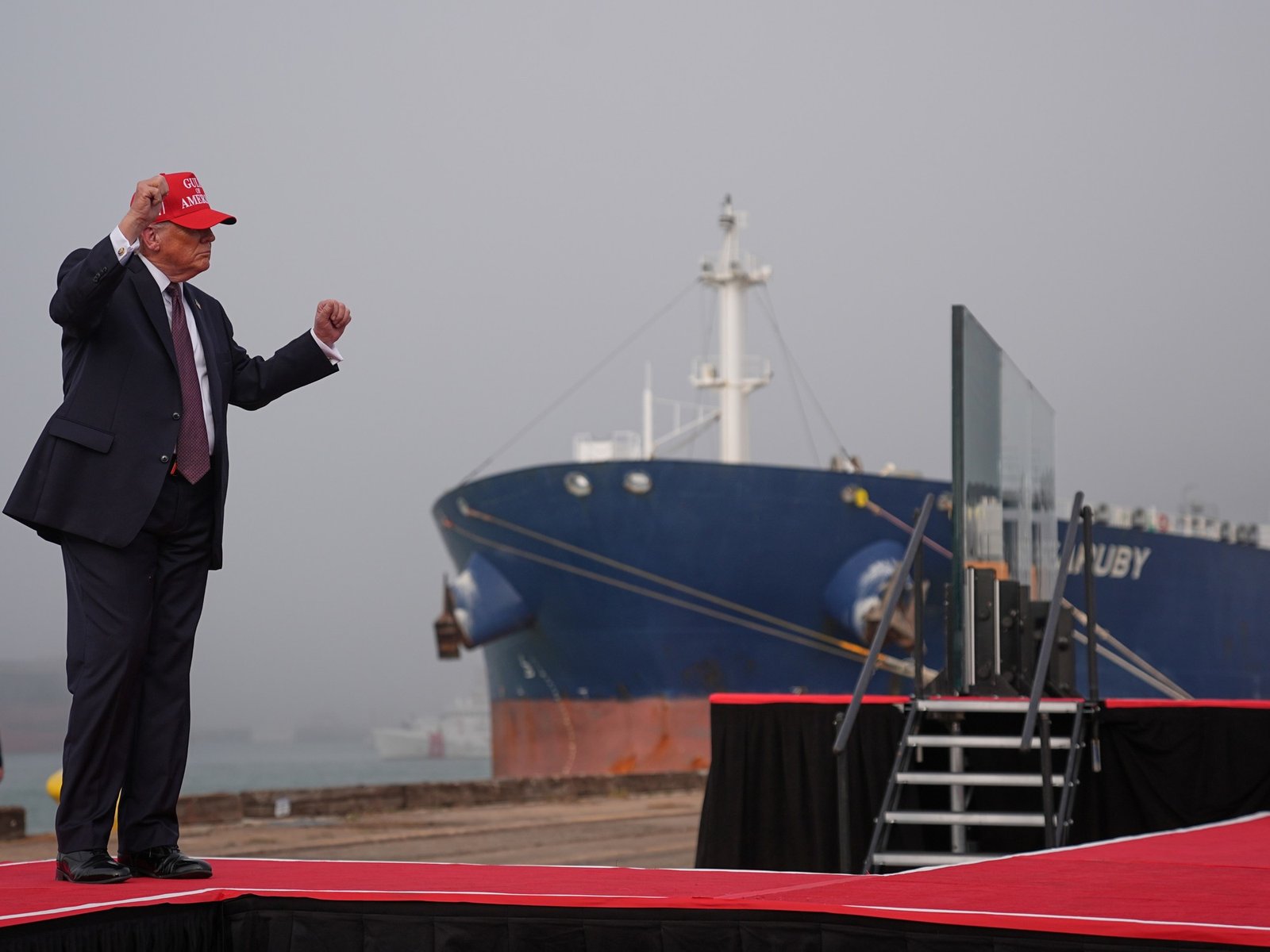
Cuba atraviesa un virtual colapso energético, con apagones prolongados, escasez de transporte, cortes de agua y la interrupción de servicios básicos como la recolección de residuos, una situación que se agravó tras el anuncio de un bloqueo total a la venta de combustible a la isla. El presidente de Estados Unidos, Donald Trump, partió este viernes de la Casa Blanca hacia Texas. (Foto: Evelyn Hockstein/REUTERS)
Irán y la advertencia nuclear
En otro frente de la política exterior estadounidense, Trump también se refirió este viernes a las negociaciones con Irán por su programa nuclear.
El mandatario expresó su frustración por la postura de Teherán, aunque aclaró que aún no tomó una “decisión final” sobre la posibilidad de un ataque militar.
“No me complace que no estén dispuestos a darnos lo que necesitamos. Así que no estoy entusiasmado”, dijo el presidente a la prensa, al admitir que las conversaciones bilaterales no avanzan al ritmo esperado.
Las declaraciones refuerzan un clima de incertidumbre en torno a la estrategia de Washington con el país persa y se producen en momentos de máxima tensión regional.
Este viernes, Estados Unidos recomendó al personal no esencial de su embajada en Jerusalén que abandone Israel, ante el riesgo de una escalada militar vinculada a un eventual ataque contra Irán.
China también pidió a sus ciudadanos que evacúen Irán “lo antes posible” y el Reino Unido anunció el retiro de personal diplomático tanto de Teherán como de Tel Aviv.
Alemania, en tanto, desaconsejó “con carácter de extrema urgencia” viajar a Israel.
El endurecimiento del tono diplomático coincide con un fuerte despliegue militar estadounidense en la región, el mayor en décadas, que incluye dos portaaviones. Uno de ellos es el USS Gerald Ford, el mayor del mundo, que zarpó desde Creta y se dirige a la costa israelí. El secretario de Estado, Marco Rubio, viajará el lunes a Israel para mantener conversaciones sobre las “prioridades regionales”, con Irán como eje central.
Washington sostiene que su objetivo es impedir que Irán acceda a armas nucleares, algo que Teherán niega de manera reiterada.
Pese a los contactos diplomáticos y a los reportes de “progresos significativos” en las conversaciones, Trump mantiene abierta la opción militar.
(Con información de AFP y EFE)
Donald Trump, cuba

Donald Trump dice que “no está contento” con las conversaciones con Irán y crecen los temores a un ataque de EE.UU.

El detalle técnico que perturbó la votación por la reforma laboral: la bronca de Mayans y la explicación de Villarruel

La CGT ajusta su impugnación contra la reforma laboral: qué decisión clave tiene que tomar en tiempo récord

Crisis total en una de las grandes biotecnológicas del país: quiebra, socios en guerra y denuncias por desmanejos millonarios

Mourinho vuelve a contar con Prestianni

Qué pasó con Marcelo Boschi, el empresario de 55 años que encontraron muerto en el río Paraná

Jorge Macri prepara su discurso para abrir el año legislativo: el deseo de reelección y el espejo en Bukele

Crisis en la industria: otra multinacional se achica y cierra una planta en la Argentina

Alarma por la salud de Divina Gloria tras salir de Gran Hermano: “La internaron directamente en terapia intensiva”

Uno por uno, todos los famosos que saludaron a Mirtha Legrand por sus 99 años

 POLITICA3 días ago
Jorge Macri prepara su discurso para abrir el año legislativo: el deseo de reelección y el espejo en Bukele
- ECONOMIA2 días ago
Crisis en la industria: otra multinacional se achica y cierra una planta en la Argentina
- CHIMENTOS1 día ago
Alarma por la salud de Divina Gloria tras salir de Gran Hermano: “La internaron directamente en terapia intensiva”