INTERNACIONAL
Pentagon speech crackdown on anti-Kirk posts echoes 2021 drive against right-wing extremism

NEWYou can now listen to Fox News articles!
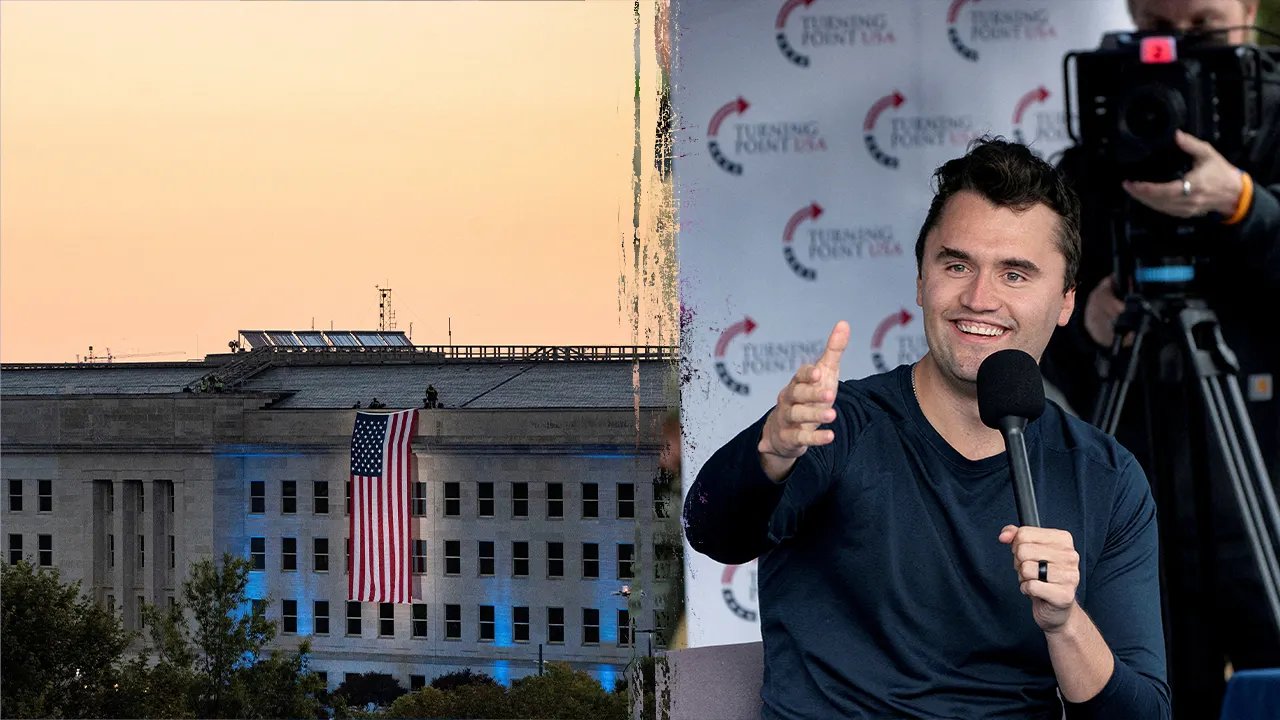
Those who dismiss celebrations of Charlie Kirk’s murder as harmless free speech may have forgotten that the Pentagon’s crackdown on extremism began in 2021 after the Jan. 6 Capitol riot.
That year, the then-Defense Department, which was renamed the Department of War under the Trump administration, rewrote its standards for «extremism» within the ranks, making clear that even liking or retweeting certain content could prompt discipline. At the time, the initiative largely targeted right-wing extremism.
Now, Pentagon leaders are once again scouring social media — this time suspending officers who appear to cheer on the political assassination that has shaken the country over the past six days.
«It is unacceptable for military personnel and Department of War civilians to celebrate or mock the assassination of a fellow American. The Department of War has zero tolerance for it,» Sean Parnell, chief Pentagon spokesman and senior advisor, declared in a post on X.
Pentagon leaders are once again scouring social media — this time suspending officers who appear to cheer on the political assassination that has shaken the country over the past several days. (istock)
«Hunting down and prosecuting service members for their individual political beliefs is dangerous and un-American,» Rep. Jason Crow, D-Colo., a former Army Ranger, warned on X in response to the directive.
In 2021, after several service members were implicated in the Capitol riot, then-Defense Secretary Lloyd Austin ordered a department-wide «stand-down» and created a Countering Extremist Activity Working Group. Its recommendations led to changes in the War Department’s code (DoDI 1325.06), which formally defined «extremist activities,» such as advocating violence, terrorism or the overthrow of the U.S. government.
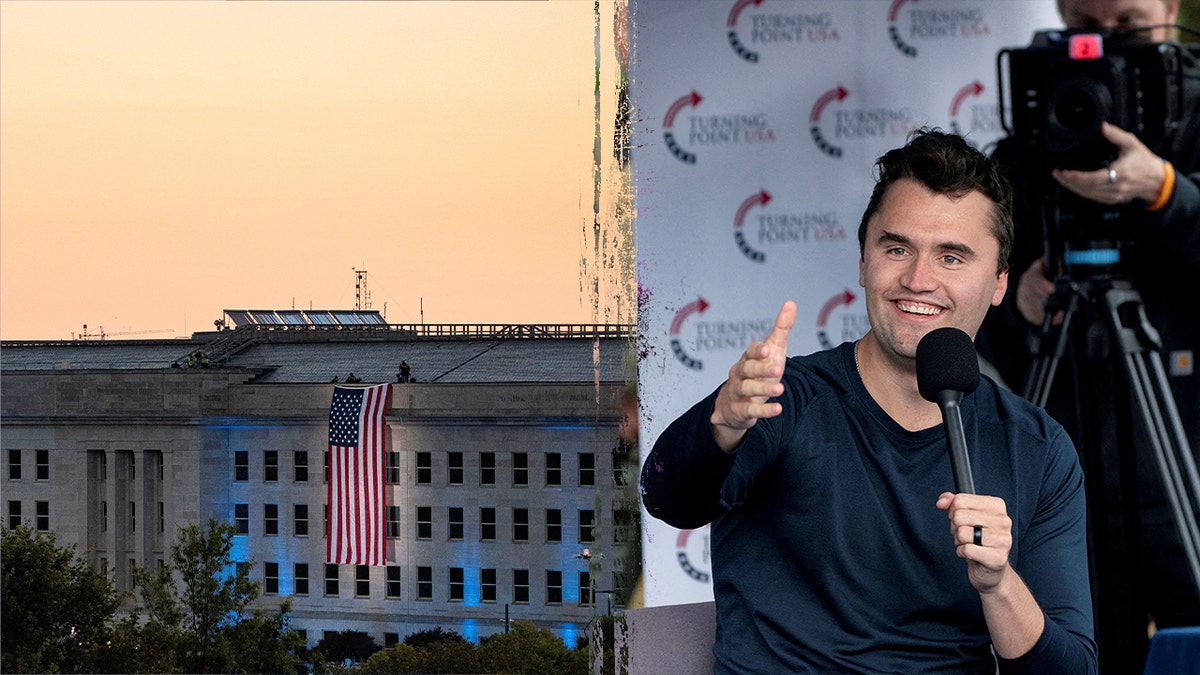
Pentagon is cracking down on service members who mock or celebrate Charlie Kirk death. (David Ryder/Reuters)
PENTAGON CALLS CHARLIE KIRK POSTS ‘DOMESTIC TERRORISM’; DEM WARNS DISCIPLINE IS ‘UN-AMERICAN’
For the first time, the Pentagon explicitly stated that social media activity — including likes or shares — could be treated as an endorsement of extremism and grounds for discipline. The code also standardized recruit screening questions on extremist ties and issued new warnings to departing service members about the risks of extremist recruitment.
By the end of 2021, fewer than 100 service members had been found in violation of the new standards.
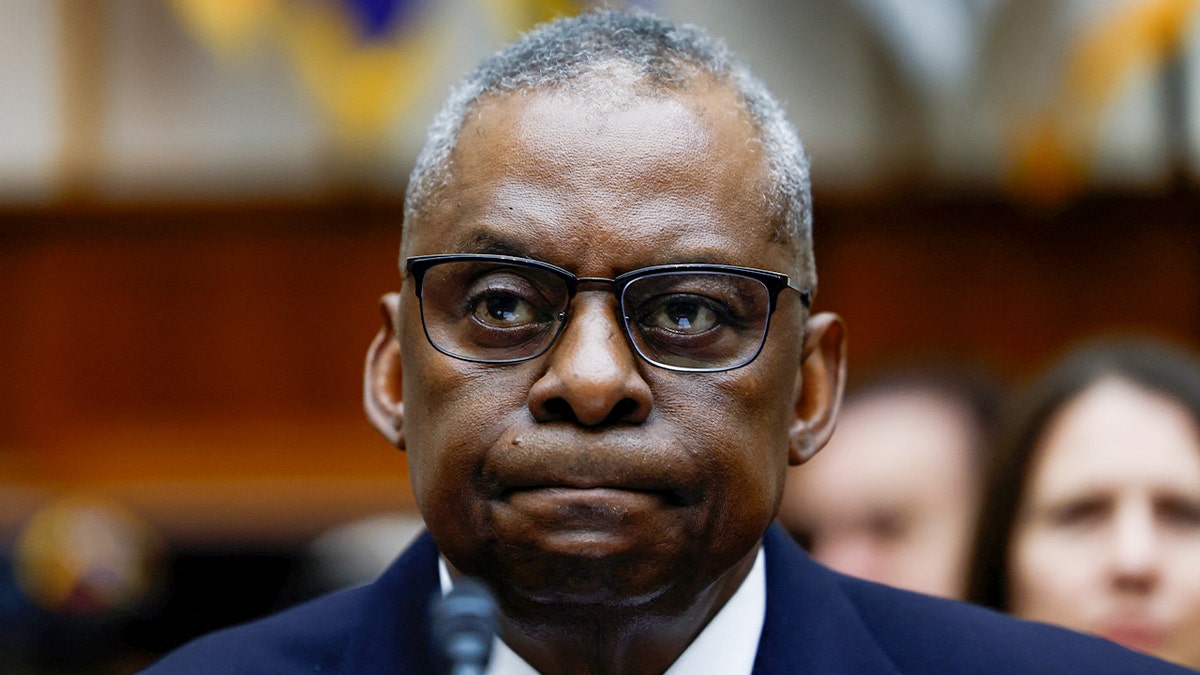
In 2021, after several service members were implicated in the Capitol riot, then-Defense Secretary Lloyd Austin ordered a department-wide «stand-down» and created a Countering Extremist Activity Working Group. (Evelyn Hockstein/Reuters)
A June 2025 update left most of those rules intact, reaffirming that liking or sharing extremist content could be punished if it implied endorsement. But it did make one notable change: removing «gender identity» from a list of protected categories in the section banning advocacy of widespread unlawful discrimination. The 2021 version had barred discrimination based on «sex (including pregnancy), gender identity, or sexual orientation.»
Other agencies are taking even more aggressive steps. The State Department has announced it will revoke visas of foreigners who celebrate Kirk’s death, while Attorney General Pam Bondi said the Justice Department will pursue cases against those engaged in hate speech.
JAY LENO CALLS CHARLIE KIRK ASSASSINATION THE ‘DEATH OF FREE SPEECH’
Critics warn that the wave of firings and suspensions — across the Pentagon, other federal agencies and even private industry — risks going beyond curbing calls for violence to punishing those who merely criticize Kirk or fail to publicly mourn him.
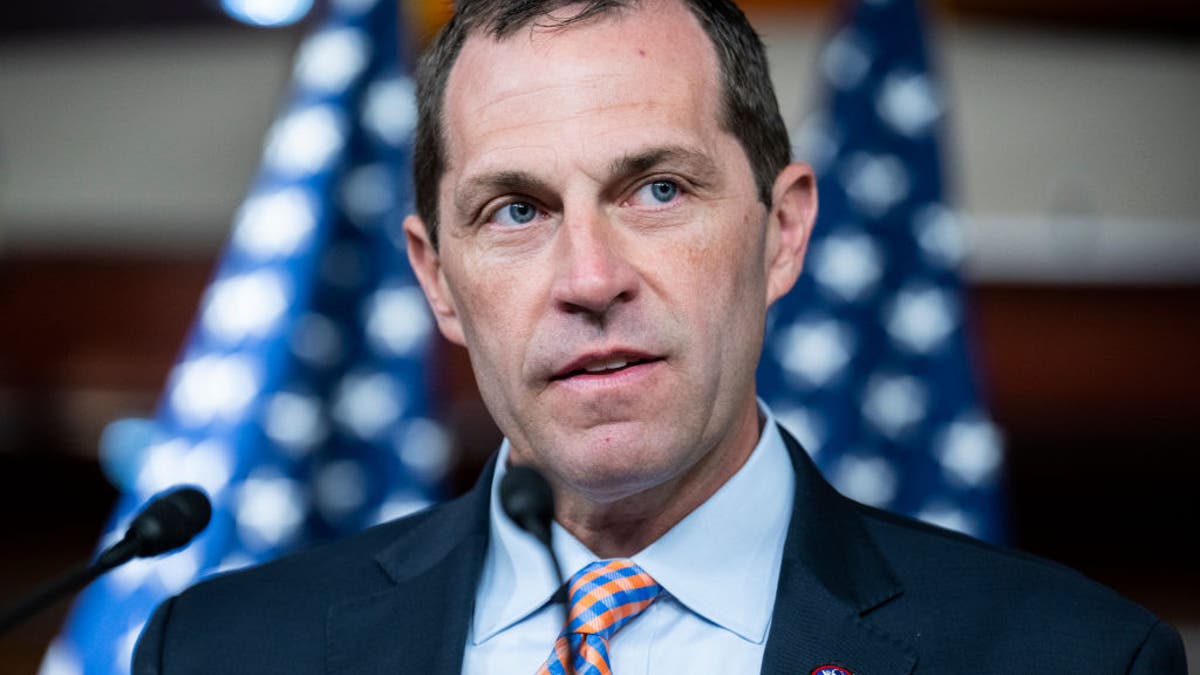
«Hunting down and prosecuting service members for their individual political beliefs is dangerous and un-American,» Rep. Jason Crow, D-Colo., a former Army Ranger, warned on X in response to the directive. (Tom Williams/CQ-Roll Call, Inc via Getty Images)
«Government employees, including military personnel, don’t give up their First Amendment rights when they take the job,» Aaron Terr, FIRE’s director of public advocacy, told Fox News Digital. «The military does have leeway to impose discipline for speech that directly undermines discipline or the chain of command, but simply expressing an opinion that others consider ugly or wrongheaded doesn’t meet that standard.»
Another First Amendment lawyer noted that in some instances, service members may enjoy stronger speech protections than private-sector employees, who can be fired «at will.»
«Usually, the way a government employer gets around [free speech arguments] is to say the government has the right to protect itself from statements that cast the institution in a negative light or pose a security issue,» said Jeff Lewis, a California-based attorney.
«So, although public employees have stronger First Amendment protections than private-sector employees, the government as an employer usually wins when free speech rights come up against its ability to hire and fire.»
Already, Army Col. Scott Stephens was suspended following posts purportedly belonging to him that praised the killing.
«The death of Charlie Kirk in Utah was tragic. However, we can take comfort in the fact that Charlie was doing what he loved best — spreading hate, racism, homophobia, misogyny and transphobia on college campuses,» one post read.
CLICK HERE TO GET THE FOX NEWS APP
Another Army Reserve officer was suspended over the weekend.
«A monster died today,» read one post allegedly belonging to Maj. Bryan Bintliff, who went by «Bryan Harlow» on social media. «It’s sad Charlie’s kids are traumatized for life, but it’s not a sad thing that he’s dead.»
pentagon,first amendment,politics













Un total de 26 mil sociedades serán disueltas en Panamá este 31 de marzo de 2026, como parte del proceso de depuración del registro corporativo que impulsa el Gobierno.
Esta nueva fase se suma a las 180,346 personas jurídicas ya disueltas, correspondientes al universo del año 2016, en un esfuerzo que busca ordenar la información empresarial, reforzar la trazabilidad de las estructuras legales y fortalecer la transparencia del sistema financiero panameño.
Con esta jornada, el país alcanzará un avance acumulado del 71% en la depuración de ese grupo histórico, lo que convierte esta etapa en una de las más relevantes dentro del proceso de saneamiento corporativo.
La medida no se limita a borrar registros, sino que apunta a eliminar sociedades que permanecían suspendidas, inactivas o con inconsistencias, afectando la calidad de los datos oficiales y debilitando los mecanismos de control institucional.
Una persona jurídica es una entidad creada conforme a la ley, como una sociedad anónima, fundación o empresa, que puede tener derechos y obligaciones propias, distintas a las de sus dueños o representantes.

En la práctica, este tipo de estructura permite firmar contratos, abrir cuentas, declarar impuestos, adquirir bienes y desarrollar actividades económicas. Precisamente por ese peso legal y operativo, el Estado exige que estas entidades mantengan su información actualizada y cumplan con los requisitos establecidos por la normativa panameña.
El problema aparece cuando esas estructuras dejan de operar o incumplen con obligaciones básicas, pero siguen figurando en los registros oficiales. Eso genera un sistema más opaco, menos confiable y más vulnerable al uso indebido de sociedades para fines distintos a los declarados.
Por eso, la depuración busca dejar activo únicamente el universo de entidades que realmente cumplen con sus deberes, permitiendo una mejor supervisión, una base de datos más limpia y un entorno corporativo más coherente.
Para avanzar en ese objetivo, el gobierno implementó mejoras en las plataformas tecnológicas que conectan al Registro Público, la Superintendencia de Sujetos No Financieros y la Dirección General de Ingresos.

Entre los cambios figura la incorporación de un identificador único de persona jurídica y la conformación del Registro Único de Contribuyentes (RUC) a partir de los datos registrales, lo que permite una verificación cruzada de la información y fortalece la confiabilidad del sistema.
Ese cruce automático de datos tiene un valor práctico importante. Permite detectar duplicidades, inconsistencias y errores en los registros, pero también mejora la capacidad del Estado para rastrear el estatus real de cada sociedad.
En otras palabras, ya no se trata solo de revisar expedientes de forma aislada, sino de tener un ecosistema institucional donde las entidades puedan validar información entre sí y actuar con más rapidez frente a irregularidades.
Las autoridades también han advertido que la depuración no termina con esta fase. De manera adicional, ya se encuentra en curso el análisis de las personas jurídicas correspondientes al período 2017–2025, y como parte de ese proceso se prevé que al 30 de abril de 2026 se realice la disolución de aproximadamente 100 mil sociedades ya homologadas, dentro de una etapa previamente planificada y ejecutada de forma ordenada.
Como parte de la estrategia de transparencia, el Registro Público habilitó en su portal institucional un espacio con listados descargables en Excel de personas jurídicas candidatas a disolución y de sociedades que serán disueltas. egistro

Además, el sitio incluye información para corregir inconsistencias en el RUC, resolver duplicidades y comprender las implicaciones de una suspensión o una disolución. Con eso, las autoridades buscan que los propios contribuyentes revisen el estado de sus sociedades antes de que avancen las próximas etapas.
En paralelo, la DGI recordó que toda persona jurídica debe mantener un único RUC activo. Si existen duplicidades u otras inconsistencias, el trámite debe hacerse de forma presencial en la sección correspondiente de la sede central, con documentos como poder notariado, memorial de solicitud, copia de identificación del representante legal y certificación vigente del Registro Público o copia del pacto social.
Las autoridades también exhortaron a verificar si la persona jurídica presenta otras causales de suspensión en el Registro Público, como problemas con el agente residente, los registros contables, los beneficiarios finales o el incumplimiento de otras leyes. Si esas observaciones siguen activas, la sociedad puede ser objeto de disolución en próximas fases.
La importancia de este proceso va más allá del papeleo. Panamá lleva años bajo presión internacional para demostrar que su sistema corporativo cuenta con controles reales y que no sirve como refugio para estructuras opacas.
Por eso, depurar sociedades suspendidas, homologar datos y mejorar la interoperabilidad institucional no es un ejercicio decorativo: es una pieza clave en la estrategia del país para mejorar su posición ante evaluaciones técnicas internacionales y avanzar hacia la salida de listas fiscales.
H-1B,visa,Estados Unidos,inmigración,costos,requisitos,abaco,documentos,legal,economía
NEWYou can now listen to Fox News articles!
House Republicans’ gambit to end the ongoing Department of Homeland Security shutdown survived a critical hurdle on Friday evening, teeing up a chamber-wide vote that will put the chamber on a collision course with the Senate.
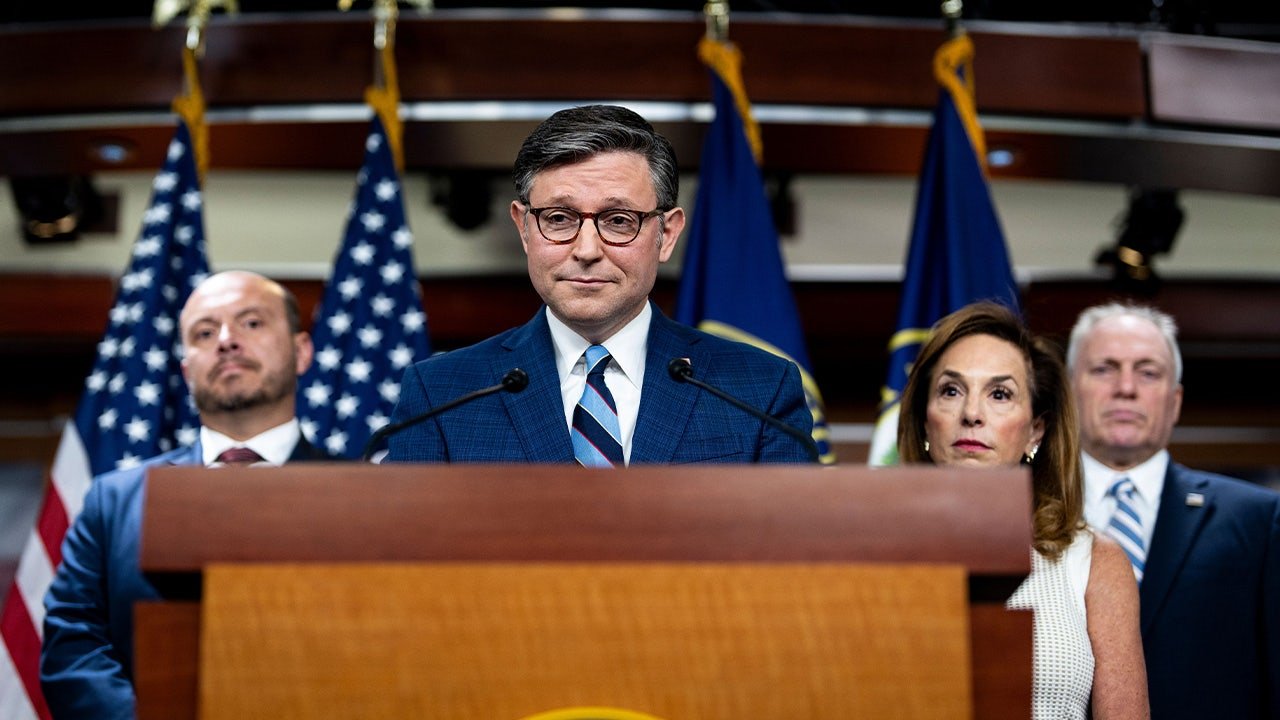
The House Rules Committee advanced a two-month DHS stopgap measure after House GOP leadership vigorously rejected a Senate-passed deal earlier on Friday with House Speaker Mike Johnson, R-La., dubbing the funding bill a «joke.» President Donald Trump also criticized the Senate bill in an interview with Fox News.
The Senate deal provided full-year appropriations for DHS minus funding for Immigration and Customs Enforcement (ICE), halting roughly $5.5 billion for the agency. It also largely nixed funds for U.S. Customs and Border Protection (CBP), save for just over $11 billion for operations and support.
«The Senate’s proposal is nothing more than unconditional surrender masquerading as a solution, and the House will not bend itself into submission by acquiescing,» House Rules Committee Chairwoman Rep. Virginia Foxx, R-N.C., said Friday.
Chairwoman Rep. Virginia Foxx, R-N.C., arrives for the House Rules Committee hearing in the Capitol on Wednesday, April 9, 2025. (Bill Clark/CQ-Roll Call, Inc via Getty Images)
DHS SHUTDOWN BREAKTHROUGH COMES AT COST FOR REPUBLICANS AS FUNDING FIGHTS NEARS END
House Republicans are expected to have the votes to pass the 60-day CR in a chamber-wide vote, though Johnson will be able to spare just one GOP defection in a party-line scenario. A vote on final passage could occur as early as Friday evening.
House Democrats are expected to line up against the short-term funding patch, citing their opposition to funding Trump’s immigration enforcement efforts absent myriad reforms. House Minority Leader Hakeem Jeffries, D-N.Y., is also pinning the blame on House Republicans for prolonging the 42-day government shutdown.
«This could end and should end today,» Jeffries said Friday. «There is a bipartisan bill that has been sent over from the Senate that would reopen the non-controversial parts of the Department of Homeland Security, make sure TSA agents are paid and end the chaos at airports throughout the nation.»
Any CR from the House stands no chance of surviving in the Senate, given that Senate Democrats blocked numerous attempts by Republicans throughout the shutdown to pass short-term, two-week extensions.
Lawmakers in the upper chamber have also left Washington, D.C., with some going abroad on congressional delegations.
Senate Minority Leader Chuck Schumer, D-N.Y., immediately came out against Johnson’s plan and said that Democrats and Republicans reached unanimous agreement to advance the DHS funding bill while carving out immigration enforcement funding.
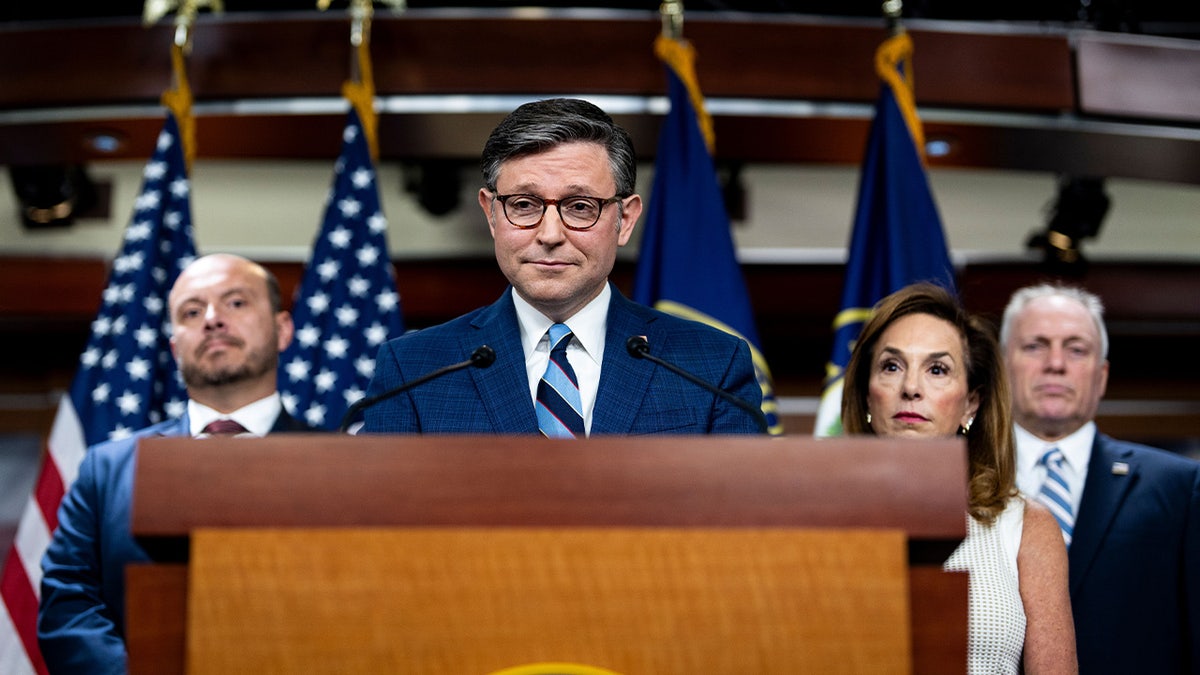
House Speaker Mike Johnson, Representative Lisa McClain, and Representative Steve Scalise, left to right, during a news conference at the U.S. Capitol in Washington, DC, US, on Thursday, Oct. 16, 2025. (Al Drago/Bloomberg via Getty Images)
‘SHIP HAS SAILED’: THIS IS WHAT DEMS WON’T GET IN DHS DEAL AFTER SHUNNING GOP
«A 60-day CR that locks in the status-quo is dead on arrival in the Senate, and Republicans know it,» Schumer said.
And a GOP aide told Fox News Digital that «the easiest way to end this shutdown is for the House to pass the Senate-passed bill.»
«We know the Democrats are not going to support a CR, in fact the Senate tried to pass CRs for the last 40 days and Dems have blocked Every. Single. One,» they said.
When asked about its uncertain prospects in the Senate, House GOP leadership Conference Chair Lisa McClain, R-Mich., told Fox News Digital that she hoped the upper chamber returned to Washington next week.
«I will tell you what can’t pass is what is what the Senate sent us at three in the morning,» McClain said. «We will not go back to the Biden administration, where we had wide open borders.»
Senate Republicans are already determined to front-load funding for ICE and CBP for the next several years in a new budget reconciliation bill, just as they did last year when Congress passed President Donald Trump’s «big, beautiful bill.»
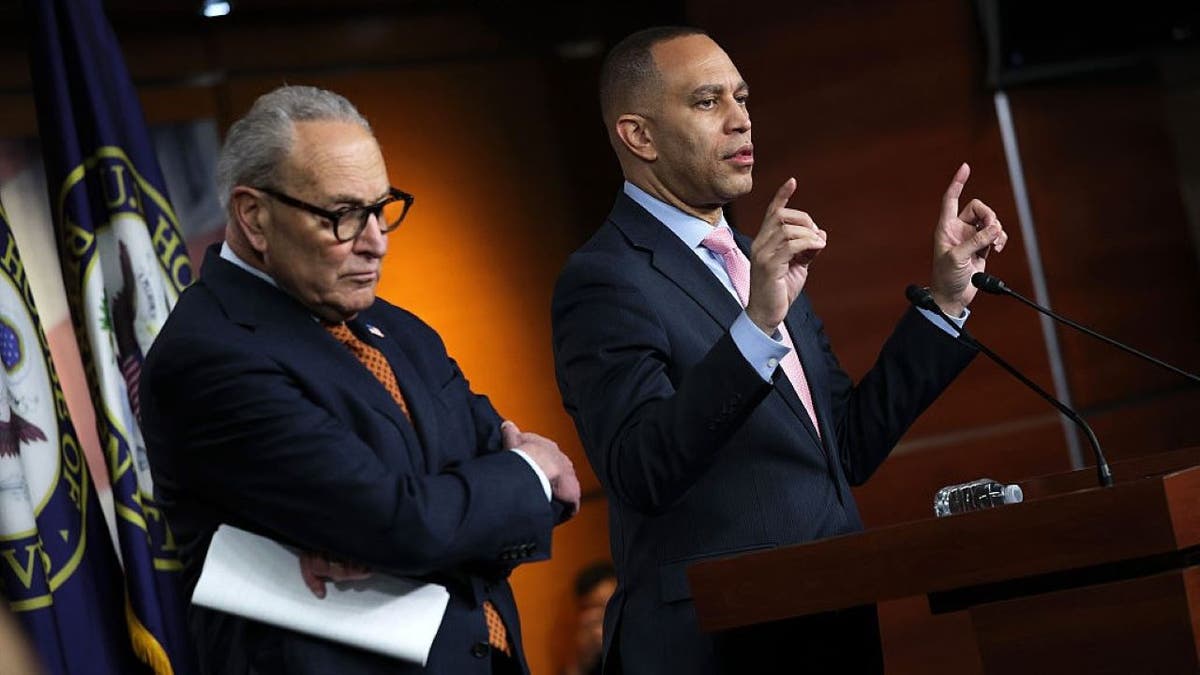
Senate Majority Leader John Thune, R-S.D., didn’t believe that Senate Minority Leader Chuck Schumer, D-N.Y., nor House Minority Leader Hakeem Jeffries, D-N.Y., would be honest brokers in the upcoming DHS negotiations. (Photo by Kevin Dietsch/Getty Images)
CLICK HERE TO DOWNLOAD THE FOX NEWS APP
However, McClain insisted Friday that funding for ICE and Border Patrol must be handled through the appropriations process, rather than receiving additional money through another party-line megabill.
«Border deserves a guarantee. I’m not willing to roll the dice on ‘Oh, let’s try and do it in reconciliation.’ No. Let’s do what the American people sent us here in the ‘24 election to do, and that’s make sure our people are safe and our borders remain closed.»
homeland security, government shutdown, republicans, immigration, democrats

Panamá anunció que Venezuela aprobó la extradición del principal sospechoso del atentado contra el vuelo 901 de Alas Chiricanas, un paso que reactiva, fortalece y acelera un proceso judicial que llevaba más de tres décadas en espera.
La decisión permite que el requerido enfrente a la justicia panameña, luego de que las autoridades confirmaran que el procedimiento avanzó por los canales diplomáticos establecidos entre ambos países.
Este hecho marca un punto de inflexión en una investigación que ha sido compleja, prolongada y seguida de cerca por familiares de las víctimas y gobiernos involucrados.
El Ministerio de Relaciones Exteriores informó que la solicitud de extradición fue formalmente presentada por Panamá en enero de 2026 y posteriormente evaluada por las autoridades venezolanas, que finalmente dieron su aprobación.
El sospechoso, identificado como Ali Zaki Hage Jalil, había sido detenido previamente en Venezuela tras una alerta internacional emitida por Panamá. Su condición de nacional colombiano por nacimiento y venezolano por naturalización generó obstáculos jurídicos, debido a las limitaciones legales que existen en ese país para extraditar a sus ciudadanos, lo que hizo más delicado y prolongado el proceso.

El atentado contra el vuelo 901 de Alas Chiricanas ocurrió el 19 de julio de 1994, cuando una bomba explotó a bordo de la aeronave poco después de despegar desde el aeropuerto France Field, en la provincia de Colón.
La explosión provocó que el avión se desintegrara en pleno vuelo y cayera en una zona selvática, causando la muerte de 21 personas, entre ellas 3 tripulantes y 18 pasajeros. Entre las víctimas se encontraban ciudadanos panameños, estadounidenses y comerciantes de origen hebreo que se trasladaban desde la Zona Libre de Colón hacia la ciudad de Panamá.
Las investigaciones posteriores determinaron que el explosivo fue introducido en el avión dentro de un radio portátil, presuntamente manipulado mediante un mecanismo remoto.
El individuo que portaba el artefacto fue identificado como Ali Hawa Jamal, quien también falleció en la explosión y fue señalado como el autor material del atentado.
De acuerdo con las pesquisas, este hombre había viajado múltiples veces entre Colón y Panamá en los días previos al ataque, utilizando identidades falsas y sin dejar rastro claro de su historial personal, lo que complicó su identificación.

Con el paso de los años, la investigación fue reabierta en 2017 por la Fiscalía Superior de Descarga de Homicidio, tras recibir nueva información proporcionada por el Estado de Israel.
En ese momento el caso fue reclasificado bajo la figura de terrorismo y considerado un delito de lesa humanidad, lo que permitió su reactivación pese al tiempo transcurrido. Esta decisión permitió profundizar en nuevas líneas investigativas y establecer la posible participación de otros individuos vinculados al ataque.
Las autoridades panameñas, con el apoyo del FBI y organismos internacionales, lograron identificar la posible participación de un segundo sospechoso de origen libanés, nacido en Colombia, quien habría tenido vínculos directos con el grupo Hezbolá.
Según la información recopilada, este individuo habría mantenido comunicación con el autor material del atentado y podría haber estado involucrado en la planificación y ejecución logística del ataque.
Además, se estableció una posible conexión con el atentado ocurrido un día antes en Argentina contra la Asociación Mutual Israelita Argentina (AMIA), que dejó 85 muertos.
La Oficina del Director Nacional de Inteligencia de Estados Unidos concluyó que Hezbolá fue responsable del atentado contra el vuelo 901, lo que reforzó la hipótesis de que el ataque formaba parte de una operación internacional coordinada.
En ese contexto, el Departamento de Estado de Estados Unidos activó el programa Recompensas para la Justicia, ofreciendo hasta $5 millones por información que condujera al arresto o condena de los responsables. Esta medida buscó incentivar la colaboración internacional y acelerar el avance del caso.
A lo largo de los años, el proceso ha contado con la participación de múltiples instituciones, incluyendo la Dirección de Investigación Judicial, el Instituto de Medicina Legal y Ciencias Forenses, y unidades especializadas de la Policía Nacional.

Incluso se han realizado inspecciones recientes en el área donde ocurrió el siniestro, en Cerro San Rita, con el objetivo de reconstruir los hechos y recabar testimonios. Uno de los testigos recordó haber escuchado la explosión y ver los restos caer desde el cielo, una escena que evidencia la magnitud del impacto del atentado.
En medio de este contexto, familiares de las víctimas agrupados en el Comité Conciencia Viva han reiterado su respaldo a las gestiones del Gobierno panameño y han señalado que este avance representa un momento crucial en la búsqueda de justicia.
En un comunicado, destacaron que la extradición del sospechoso constituye un paso significativo para esclarecer los hechos y determinar responsabilidades, luego de más de 30 años de espera. Además, subrayaron que este proceso no solo honra la memoria de las víctimas, sino que también fortalece los principios de justicia y respeto a la vida.
Las familias agrupadas en el Comité Conciencia Viva señalaron que el avance en la extradición no solo representa un logro judicial, sino también un reconocimiento a una lucha sostenida por décadas para evitar que el caso quedara en la impunidad.
Indicaron que este paso devuelve credibilidad a las instituciones y abre la posibilidad de esclarecer responsabilidades tanto materiales como intelectuales. Asimismo, enfatizaron que el proceso debe mantenerse con transparencia y firmeza, hasta alcanzar una resolución completa que honre la memoria de las víctimas y establezca un precedente claro frente a actos de terrorismo.
El avance en la extradición abre ahora una nueva fase en el proceso judicial, enfocada en la coordinación para el traslado, la presentación de cargos y la eventual judicialización del caso en Panamá.
Las autoridades han reiterado su compromiso de continuar trabajando hasta lograr el esclarecimiento total de los hechos y la sanción de los responsables. Para las familias afectadas, este paso representa una oportunidad real de cerrar un capítulo marcado por la incertidumbre, el dolor y la exigencia constante de justicia.
mazo,juez,abogado,justicia,ley,tribunal,derecho,judicial,sala de justicia

«Fue una invitación de Grandio»: los detalles de la declaración de la testigo que complicaría a Adorni en la causa del vuelo privado

Araujo lesiona a Foden tras una dura entrada durante el Inglaterra-Uruguay

Panamá eliminará 26 mil sociedades este 31 de marzo

El mensaje de la Procuración del Tesoro tras el fallo de la Justicia de Estados Unidos sobre YPF

House GOP’s DHS funding measure survives critical hurdle but path uncertain in Senate

Súper en rojo: anticipan ola de despidos en gigante que acaba de vender sucursales a La Anónima

¡VERGÜENZA NACIONAL! Humillan a la Policía Federal mandándolos a un merendero antes de darles un aumento de sueldo digno

24 DE MARZO: La historia completa que el relato omitió sobre el golpe de 1976 y el Juicio a las Juntas

El Presidente y Karina Milei volvieron a respaldar a Manuel Adorni tras la polémica por sus vuelos

Manuel Adorni: “Mi patrimonio lo construí antes de entrar al Gobierno, no tengo nada que esconder”

 POLITICA2 días ago
¡VERGÜENZA NACIONAL! Humillan a la Policía Federal mandándolos a un merendero antes de darles un aumento de sueldo digno
- POLITICA2 días ago
El Presidente y Karina Milei volvieron a respaldar a Manuel Adorni tras la polémica por sus vuelos
- POLITICA2 días ago
Manuel Adorni: “Mi patrimonio lo construí antes de entrar al Gobierno, no tengo nada que esconder”