INTERNACIONAL
Polonia confirmó el derribo de drones rusos que violaron su espacio aéreo tras la ofensiva de Moscú en Ucrania

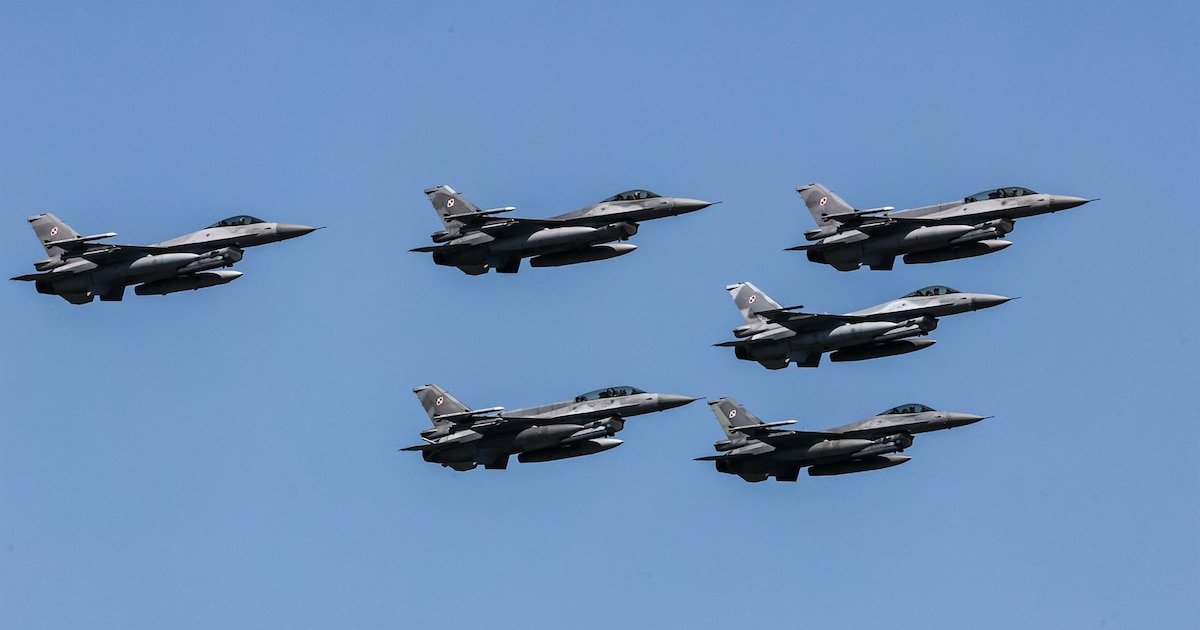
Polonia desplegó aviones propios y de países aliados durante la madrugada de este miércoles, después de una oleada de ataques rusos contra regiones occidentales de Ucrania junto a la frontera común.
El Comando Operacional de las Fuerzas Armadas informó que su espacio aéreo “fue violado en repetidas ocasiones por objetos tipo dron” provenientes del territorio ucraniano, como parte de la ofensiva rusa.
Las Fuerzas Armadas polacas anunciaron que actualmente continúa una operación para identificar y neutralizar las aeronaves no tripuladas que ingresaron en el país, según el último comunicado oficial.
“Por orden del Comandante Operacional, se utilizó armamento y las fuerzas de seguridad realizan acciones para localizar los objetos derribados”, detalló el organismo. Se recomendó a la población que permanezca en sus hogares, especialmente en las zonas más vulnerables: Podlaskie, Mazowieckie y Lubelskie.
El viceministro de Defensa de Polonia, Cezary Tomczyk, comunicó a través de su cuenta oficial en X que “el presidente y el primer ministro han sido informados. Todos los servicios están en acción. Por favor, sigan los comunicados del Ejército polaco y de la Policía”.

En paralelo, el vice primer ministro polaco, Władysław Kosiniak-Kamysz, declaró que se estaba llevando a “una operación para neutralizar los objetos que violaron la frontera polaca”. “Las aeronaves han desplegado armas contra objetivos hostiles. Mantenemos contacto constante con el mando de la OTAN”, mencionó por medio de un comunicado publicado en X.
A raíz de los ataques rusos sobre las provincias de Volinia y Leópolis en el oeste de Ucrania, Polonia elevó el nivel de alerta y activó todos sus sistemas de radar y defensa antiaérea. El Comando reiteró que las medidas adoptadas buscan proteger tanto la integridad del espacio aéreo nacional como la seguridad de la población en regiones limítrofes, y subrayó que las fuerzas armadas se encuentran en total disponibilidad de respuesta inmediata.
El Comando Operacional de las Fuerzas Armadas de Polonia informó, además, que se mantiene una vigilancia intensiva frente a cualquier amenaza. Las autoridades enfatizaron que la situación sigue en constante monitoreo y que las unidades policiales y militares están listas para actuar ante cualquier contingencia que afecte al territorio nacional.
Horas más tarde, el Mando operativo indicó por medio de X que “las operaciones de la aviación polaca y aliada relacionadas con las violaciones del espacio aéreo polaco han concluido”.
En un contexto de creciente tensión regional, el presidente polaco Karol Nawrocki aseguró que el líder ruso Vladimir Putin está dispuesto a invadir otros países tras su decisión de iniciar el conflicto en Ucrania.

“No confiamos en las buenas intenciones de Vladimir Putin”, declaró Nawrocki a los periodistas en una rueda de prensa con el presidente finlandés, Alexander Stubb, en Helsinki.
“Mientras esperamos, por supuesto, una paz duradera, una paz permanente, que es necesaria para nuestras regiones, creemos que Vladimir Putin está dispuesto a invadir también otros países”, afirmó Nawrocki.
Añadió que “Por eso precisamente estamos desarrollando nuestras fuerzas armadas, estamos desarrollando nuestra asociación y nuestras relaciones aliadas”, sin detallar medidas específicas.
El presidente polaco sostuvo que la “arquitectura de seguridad” de la región había cambiado y que el presidente estadounidense Donald Trump era “el único líder del mundo libre” que podía obligar a Putin a negociar. Stubb señaló que “no se puede confiar en Putin, está utilizando sus habituales tácticas dilatorias”.

La semana pasada, Trump se ofreció a enviar más tropas a Polonia al recibir a Nawrocki en la Casa Blanca con un desfile aéreo militar. Las advertencias de los líderes reflejaron preocupaciones similares expresadas por el canciller alemán Friedrich Merz, quien afirmó que el “plan imperialista de Putin no terminaría con la conquista de Ucrania”, sino que sería solo el comienzo.
(Con información de REUTERS y AFP)

INTERNACIONAL
Con el apoyo de EE.UU.: así fue el operativo militar para asesinar al capo narco mexicano «El Mencho»
El líder del Cártel Jalisco Nueva Generación (CJNG), Nemesio Oseguera Cervantes, alias “El Mencho”, fue asesinado este domingo tras un operativo militar en el municipio de Tapalpa, en el estado de Jalisco, México. La acción de las fuerzas especiales del Ejército con apoyo de la Guardia Nacional provocó la inmediata reacción del grupo criminal con bloqueos, quema de vehículos y ataques en distintos puntos del país.
Según informó la Secretaría de la Defensa Nacional, el capo narco de 59 años resultó gravemente herido durante el enfrentamiento y falleció mientras era trasladado vía aérea a Ciudad de México. En el procedimiento murieron también otros seis integrantes del CJNG, dos fueron detenidos y tres militares resultaron heridos.
Leé también: El narcotráfico dio una brutal muestra de poder de fuego ante el cambio de estrategia del gobierno mexicano
El operativo contó con trabajos de inteligencia militar central y con “información complementaria” aportada por autoridades estadounidenses, de acuerdo con el comunicado oficial y cables de AFP y EFE. Washington ofrecía una recompensa de US$15 millones por información que condujera a su captura.
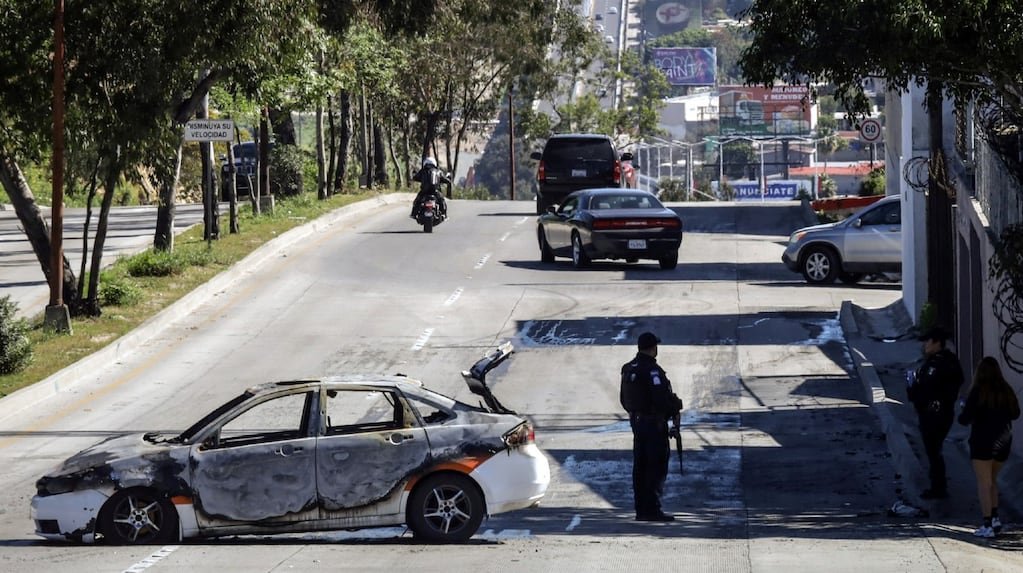
Horas después de conocerse la muerte, comenzaron bloqueos coordinados en carreteras y avenidas de Jalisco y estados vecinos. Gobernadores activaron protocolos de emergencia, suspendieron servicios de transporte, clases y eventos masivos, y recomendaron a la población no salir de sus casas.
Cómo fue el operativo que terminó con el líder narco
De acuerdo con el parte oficial, fuerzas especiales del Ejército, con apoyo de aeronaves de la Fuerza Aérea, se desplegaron en Tapalpa, a unos 130 kilómetros de Guadalajara, tras tareas de inteligencia que ubicaron al líder narco en la zona.
Durante la intervención se produjo un enfrentamiento armado. El Ejército señaló que el personal fue atacado y que respondió en defensa propia. En total murieron siete presuntos integrantes del cartel, entre ellos su líder.
Además, se incautaron vehículos blindados y armamento pesado, incluidos lanzacohetes capaces de derribar aeronaves y destruir vehículos, según detalló la Defensa mexicana. El Gobierno informó que la acción se realizó en coordinación con autoridades de Estados Unidos, que aportaron información clave para el despliegue.
La muerte de “El Mencho” se produjo en un contexto de presión de Washington para que México intensifique el combate contra el narcotráfico, en particular por el tráfico de fentanilo.
Reacción narco: bloqueos, incendios y violencia en las calles
Tras el operativo, grupos narcos realizaron bloqueos con autos y camiones incendiados en rutas estratégicas de Jalisco y Michoacán. Según EFE, también se registraron quemas de comercios en Guanajuato y cortes de carreteras en Tamaulipas.
El académico mexicano Rafael Prieto Curial, investigador del Centro de Ciencias de la Complejidad, con sede en Viena, consultado por TN dijo que el CJNG cuenta con 25.000 miembros.
Comercios incendiados en Guanajuato, México, tras la muerte del líder del Cartel Jalisco Nueva Generación, Nemesio Rubén Oseguera Cervantes, conocido como «El Mencho» Foto: AP/Alfredo Valadez).
En Jalisco, los ataques se concentraron en Guadalajara, Puerto Vallarta y Chapala. El gobernador Pablo Lemus confirmó que el operativo federal “derivó en enfrentamientos en la zona” y que, como reacción, individuos incendiaron y atravesaron vehículos para inhibir la acción de las autoridades.
El mandatario activó el “código rojo”, suspendió el transporte público en algunas áreas y recomendó a la población permanecer en sus hogares. En Michoacán se reportaron bloqueos en carreteras y suspensión de salidas en la terminal de autobuses de Morelia.
Además, aerolíneas internacionales cancelaron vuelos hacia Puerto Vallarta y en el puerto de Manzanillo se detuvieron operaciones como medida preventiva, según Ansa.
El mensaje oficial tras el operativo
La presidenta de México, Claudia Sheinbaum, llamó a la población a mantenerse “en calma” tras el operativo y los hechos de violencia desatados. En un mensaje en redes sociales afirmó que existe “absoluta coordinación con gobiernos de todos los estados” y sostuvo que “en la mayor parte del territorio nacional se desarrollan actividades con plena normalidad”, según EFE.
“Debemos mantenernos informados y en calma”, escribió la mandataria, tras destacar el trabajo del Ejército, la Guardia Nacional y el Gabinete de Seguridad.
Leé también: Ante la ola de violencia en México, la Cancillería argentina recomienda no viajar a Jalisco
Desde Estados Unidos, el subsecretario de Estado Christopher Landau calificó la muerte del capo narco como “un gran hito para México y Estados Unidos”, de acuerdo con AFP, aunque expresó preocupación por la violencia desatada posteriormente.
El abatimiento del fundador del CJNG representa uno de los golpes más relevantes contra el narcotráfico en los últimos años. Sin embargo, la secuencia que siguió a su muerte volvió a mostrar la capacidad de reacción del cartel mexicabno y abrió interrogantes respecto de un intento de reconfiguración tras la caída de su líder histórico.
México, Narcotráfico
NEWYou can now listen to Fox News articles!
More than half a million women and girls in the United States are living with the physical and psychological scars of female genital mutilation — including many in Minnesota, home to a large Somali community from a country where roughly 98% of women have undergone the procedure, according to United Nations data.
Yet despite a state law that makes performing the procedures a felony, Minnesota has never secured a single criminal prosecution under its law — raising questions about enforcement, and whether cases could be going on undetected.
Female genital mutilation, or FGM, involves the cutting or removal of parts of a female’s genital organs, typically for cultural rather than medical reasons. The practice is irreversible.
«It’s hidden — it’s a cultural practice, and who is doing the cutting could be a family member or a doctor who is also in that same culture,» Minnesota Republican state Rep. Mary Franson told Fox News Digital, noting it may be carried out within tight-knit communities. She said the secrecy surrounding the practice makes it exceptionally difficult to detect and confront.
MINNESOTA ‘ON THE CLOCK’ AS HHS THREATENS PENALTIES OVER CHILDCARE FRAUD SCANDAL
Razor blades often used before carrying out female genital mutilation. (REUTERS/James Akena)
For some within Minnesota’s Somali community, the issue is less about public crime statistics and more about private silence — a practice survivors say is carried in secrecy, shame and fear.
The lack of prosecutions comes amid broader scrutiny of how Minnesota agencies handle oversight failures, including high-profile welfare and daycare fraud cases in which prosecutors allege billions of taxpayer dollars were siphoned off while warning signs went unaddressed. Investigators and watchdogs later concluded that officials were reluctant to probe deeply in culturally sensitive contexts — a reluctance, critics say, allowed large-scale violations to persist in plain sight.
The estimate of more than half a million survivors in the United States comes from the Centers for Disease Control and Prevention’s most recent national analysis, published in 2016.
Together, the scale of the issue and the difficulty of detection have raised questions about whether Minnesota’s ban on FGM is being effectively enforced when the crime is often carried out in secrecy.

Ayaan Hirsi Ali, a Somali-born activist and author who survived FGM, recalled the harm the practice has had on her and the need for accountability. ((Photo by Leonardo Cendamo/Getty Images))
Survivor warns of lasting harm
Ayaan Hirsi Ali, a Somali-born activist and author who survived FGM, described the lasting physical and psychological damage she endured and called for legal accountability.
«Female genital mutilation is violence against the most vulnerable — children,» Hirsi Ali told Fox News Digital. «It causes infection, incontinence, unbearable pain during childbirth and deep physical and emotional scars that never heal. Religious or cultural practices that deliberately and cruelly harm children must be confronted. No tradition can ever justify torture.»
Hirsi Ali, who founded the AHA Foundation as a means to end FGM, said that the pressure placed on parents in these groups to enforce the practice poses an overwhelming risk to girls.
«Only legal accountability can help reduce that risk,» Hirsi Ali said. «I survived female genital mutilation and I carry its scars with me. But I refuse to accept that another girl in America must endure what I did in Somalia.»
‘I remember being held down’
Zahra Abdalla, a Minnesota-based Somali survivor of female genital mutilation, told Fox News Digital that the practice survives in secrecy, shielded by family pressure and silence.
Abdalla, who spoke to Fox News Digital on camera but asked that her face be blurred, said she was between six and seven years old when she was forcibly restrained in a refugee camp in Kenya while adult women in her community carried out the procedure without anesthesia, using a razor blade.
«They tied my hands and my legs,» Abdalla said. «I remember being held down. I remember the pain — and knowing I could not escape.»
Abdalla said she was «lucky» because she fought back during the procedure, kicking one of the women who was pregnant at the time. The disruption, she said, caused the cutting to stop before it was fully completed. She said the wound was later washed with salt water.
«That pain — I thought I was going to pass out,» she said.
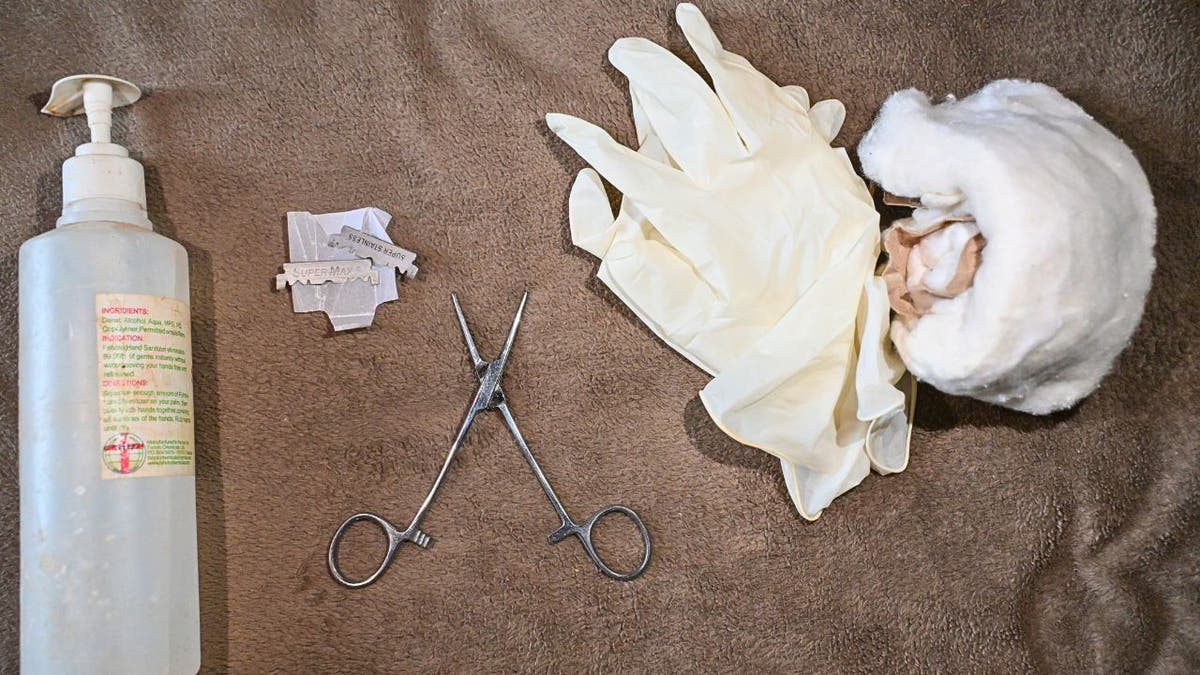
Tools used to perform medicalized female genital mutilation (FGM) procedures are displayed in Kisii, Kenya in 2023. (Simon Maina/AFP)
The damage followed her into adulthood, she said, later requiring surgery and, in her view, contributing to multiple miscarriages. She also said intercourse was very difficult.
She said the practice is often driven by marriage expectations, adding that in some communities men are reluctant to marry women who have not undergone the procedure.
«It’s tied to dowry. It’s tied to marriage,» she said, referring to the financial and social expectations placed on families when arranging marriages. «It’s tied to what men expect,» she said. «Families believe it protects a girl’s value.»
She said silence remains one of the biggest barriers to enforcement. She is the executive director of the nonprofit Somaliweyn Relief Agency (SRA), which seeks to raise awareness about the practice.
«You don’t talk about it,» she said. «You’re told to stay quiet.»
While she said she cannot confirm specific cases inside Minnesota, she said she believes some families take girls back to Somalia during school breaks to have the procedure performed.
No prosecutions despite felony law
Her warning mirrors how some of the only known U.S. cases have surfaced.
In a high-profile federal case in Michigan in 2017, prosecutors alleged that two young girls were taken from Minnesota to undergo female genital mutilation. The case later collapsed because the judge ruled that Congress did not clearly have the constitutional authority, at the time, which expanded federal jurisdiction in cases involving interstate or international travel.
That ruling prompted Congress to strengthen the statute, a change signed into law by President Donald Trump in 2021 under the Stop FGM Act, which expanded federal jurisdiction in cases involving interstate or international travel.
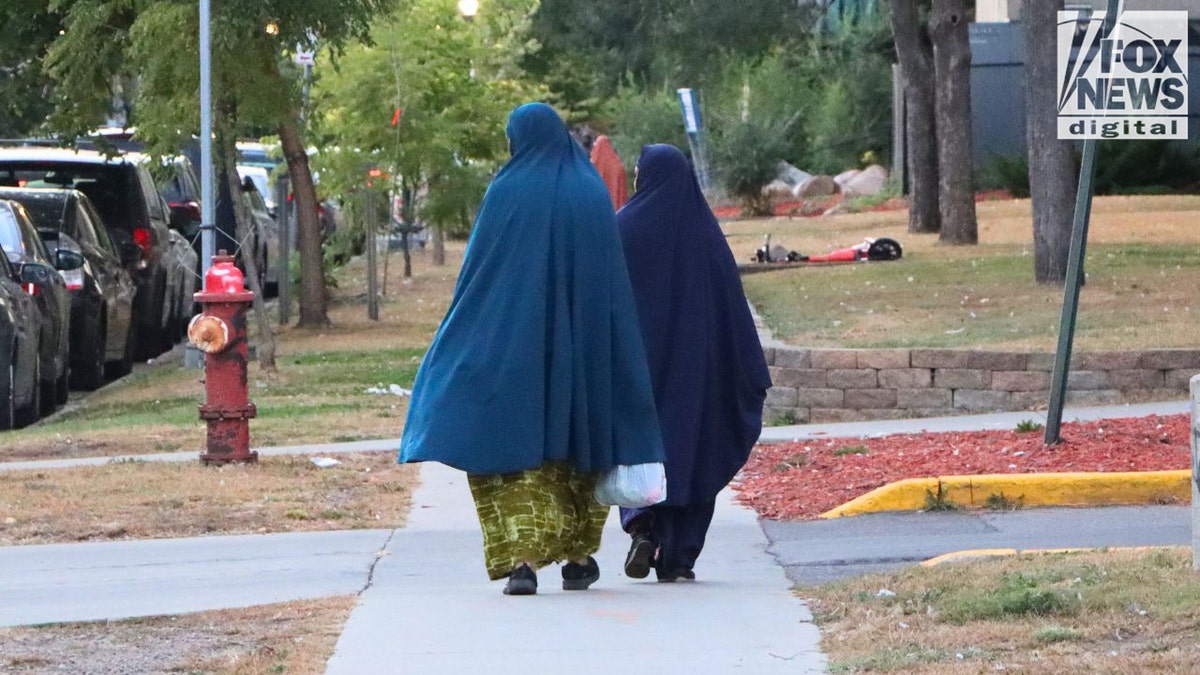
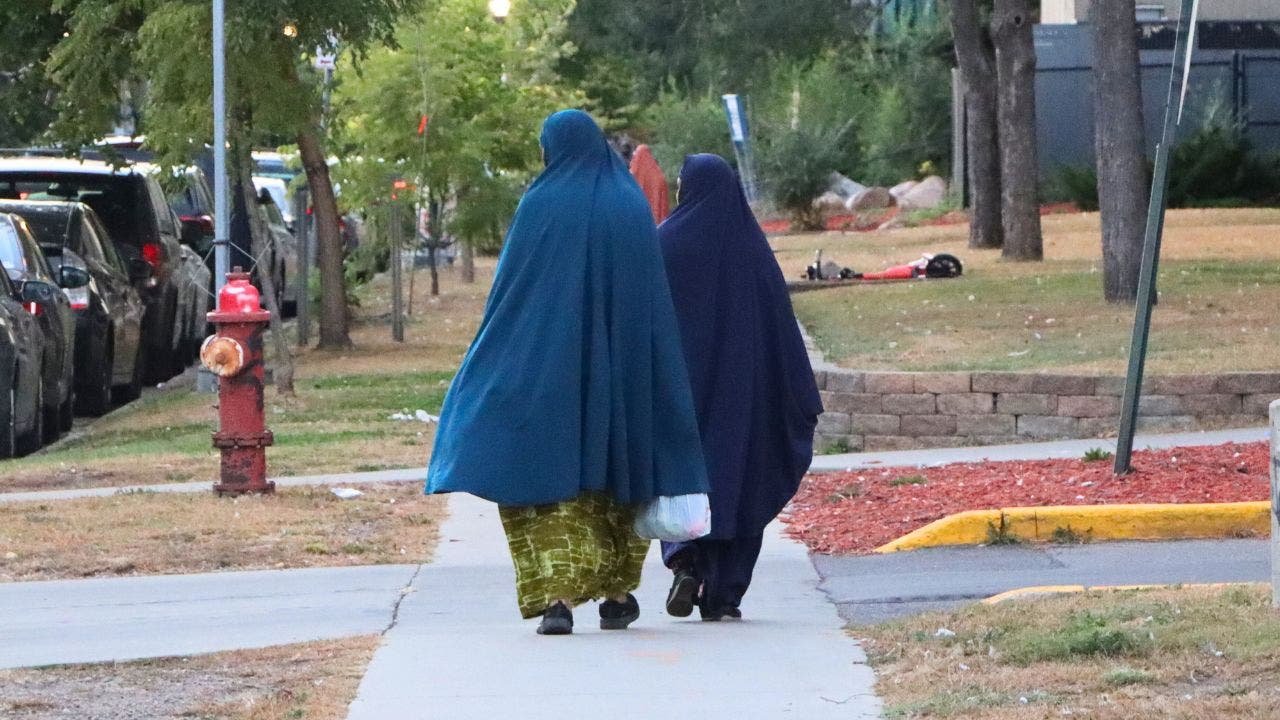
Women wearing traditional Muslim clothing walk along a sidewalk in Minneapolis. The city is home to a large Muslim population. (Michael Dorgan/Fox News Digital) (Michael Dorgan/Fox News Digital)
However, a Fox News Digital review of publicly available Minnesota court records, enforcement announcements and professional licensing disciplinary records found no documented prosecutions or sanctions tied to FGM. The Minnesota Attorney General’s Office said prosecutions for state crimes like female genital mutilation are handled by county attorneys and did not identify any FGM cases. County prosecutors contacted for this story also did not identify any prosecutions.
Those provisions, however, have not resulted in documented criminal prosecutions.
Minnesota criminalized female genital mutilation in 1994, classifying the practice as a felony.
The Minnesota Department of Health told Fox News Digital that it does not track specific data on female genital mutilation, underscoring how difficult the practice is to monitor or enforce.
Global context, local uncertainty
Around the world, FGM is most prevalent in parts of Africa and the Middle East.
Somalia has among the highest prevalence rates in the world, with United Nations data estimating roughly 98% of women ages 15 to 49 there have undergone the procedure. The United Nations, World Health Organization and UNICEF classify FGM as a human rights violation rooted in efforts to control female sexuality and enforce gender inequality, and the UN observes an annual day of awareness in February to combat the practice globally.
Those figures describe conditions in Somalia and are not proof the procedure is occurring in Minnesota, but they help explain why risk is acknowledged even as the practice remains difficult to detect.
Medical experts say the procedure can cause chronic pain, severe bleeding, infections, urinary problems, sexual dysfunction, childbirth complications and, in some cases, death. Because it permanently alters genital tissue, the harm cannot be undone. Survivors often require repeated medical care and carry lasting psychological trauma.
Critics say the gap between the law and enforcement is fueled by silence.
Survivors often do not report the practice out of fear, stigma, family pressure or concern about involving authorities — even when mandatory reporting laws exist. Medical professionals, particularly OB-GYNs, are often the first to encounter adult survivors, placing clinicians near the center of any enforcement effort that has yet to materialize.
MINNESOTA FRAUD WHISTLEBLOWER SAYS ‘LACK OF GUARDRAILS WAS PRETTY SHOCKING’
The CDC has not released a newer national estimate, and there is no data on the number of people in Minnesota who are victims. However, a CDC-supported Women’s Health Needs Study conducted from 2019 to 2021 included Minneapolis as one of four U.S. metro areas documenting a significant survivor population.
The study did not track where procedures occurred or whether anyone was charged, underscoring how little the public knows about enforcement.
Fox News Digital also contacted multiple Minnesota clinics that provide reproductive and women’s health services asking whether clinicians encounter patients with physical evidence of female genital mutilation. None responded.
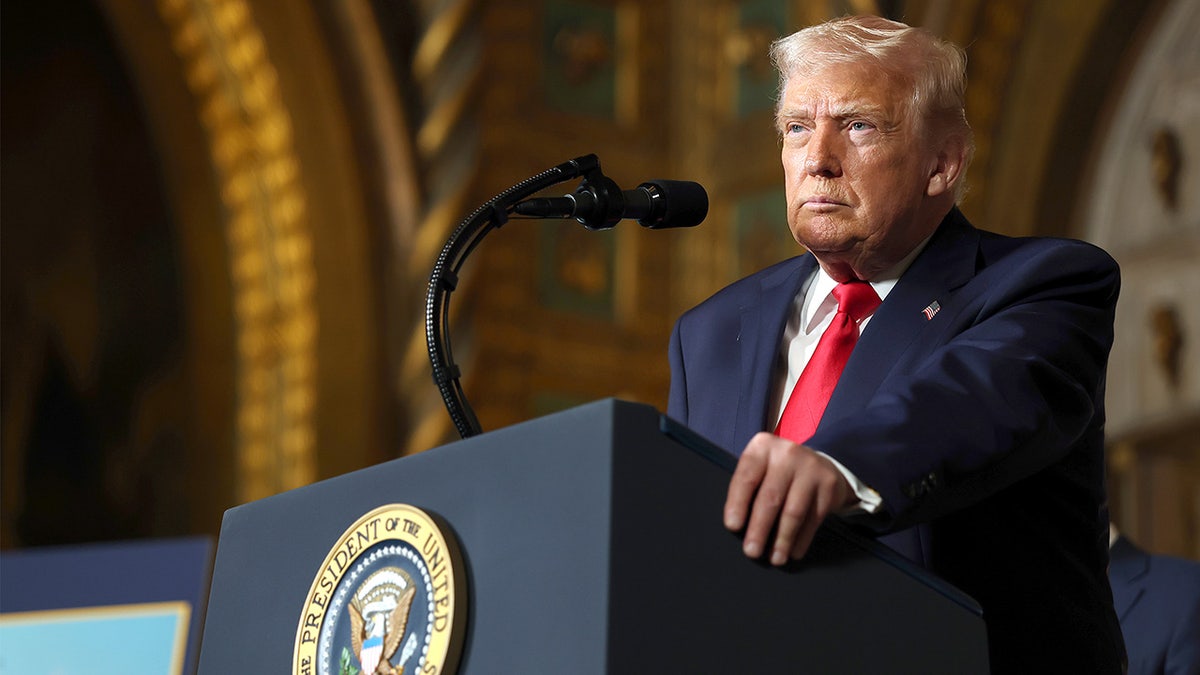
The AHA Foundation said it is pushing for President Donald Trump to sign an executive order to make combating female genital mutilation a national priority. (Tasos Katopodis/Getty Images)
Lawmakers push task force amid accountability questions
Some Minnesota state lawmakers have introduced legislation this session to establish a «task force on prevention of female genital mutilation» — a step that Rep. Mary Franson said reflects concerns raised by women in the community that the practice may be occurring or going undetected in Minnesota.
Franson said the legislation was prompted by concerns raised by women in the Somali community. The bill’s chief author is Rep. Huldah Momanyi-Hiltsley, a Democrat of Kenyan heritage, and it is co-sponsored by Franson along with Democratic Reps. Kristin Bahner, Kristi Pursell and Anquam Mahamoud, who is Somali-American. None of them responded to multiple Fox News Digital requests for comment.
Franson said she became a focal point of opposition once she became publicly associated with the bill.
«The bill was brought forward by women in the Somali community. I was the chief author, but then Democrats told one of the DFL women that if I carried the bill, they would not support it,» Franson said. «Of course, it’s because they believe I am a racist.»
Franson, who is white, first introduced FGM-related legislation in 2017 that would have classified the practice as child abuse and clarified parental accountability. That effort stalled and never became law.
CLICK HERE TO DOWNLOAD THE FOX NEWS APP
At the federal level, Congress criminalized female genital mutilation in 1996 and later expanded federal jurisdiction in 2018 under legislation signed by then-President Donald Trump, explicitly covering cases involving interstate or international travel.
Even so, prosecutions nationwide have remained rare, with the only widely cited state-level conviction occurring in Georgia in 2006, where a woman was convicted under Georgia state law for performing FGM on a minor.
In Minnesota, where the practice has been a felony since 1994, there is no public record of a single criminal prosecution — raising an unavoidable question: with laws on the books and a documented survivor population, who is responsible for enforcing the ban, and why have prosecutions not followed?
immigration,minnesota fraud exposed,minnesota,minneapolis st paul,politics,donald trump,africa,health
NEWYou can now listen to Fox News articles!
Ruben «Nemesio» Oseguera Cervantes, known as «El Mencho,» the powerful leader of the Mexican Jalisco New Generation Cartel (CJNG) who rose to prominence after the fall of Joaquin «El Chapo» Guzman, the former head of the rival Sinaloa Cartel, was killed Sunday in a Mexican military operation, authorities said.
Under Oseguera’s leadership, CJNG expanded aggressively across Mexico, battling Sinaloa for control of key trafficking corridors into the United States and cementing its status as one of the world’s most formidable drug trafficking organizations.
His death marks the fall of one of the most influential and elusive cartel bosses of the post–El Chapo era, long viewed by U.S. and Mexican officials as a central architect of fentanyl and methamphetamine trafficking.
Deputy Secretary of State Christopher Landau said he had been informed that Mexican security forces killed Oseguera, calling it a significant victory.
MEXICO FLIES 37 CARTEL MEMBERS TO US UNDER PRESSURE FROM TRUMP ADMIN
El Mencho was killed during a Mexican operation in Jalisco on Sunday. (Drug Enforcement Administration)
«I’ve just been informed that Mexican security forces have killed ‘El Mencho,’ one of the bloodiest and most ruthless drug kingpins,» Landau wrote on X. «This is a great development for Mexico, the U.S., Latin America and the world. The good guys are stronger than the bad guys.»
A senior State Department official separately confirmed Oseguera’s death and referred to Landau’s remarks.
The State Department issued a travel alert Sunday for multiple areas of Mexico, urging U.S. citizens to shelter in place due to «ongoing security operations and related road blockages and criminal activity,» including parts of Jalisco, Tamaulipas, Michoacan, Guerrero and Nuevo León.
TOURISTS IN MEXICAN SEASIDE CITY TOLD TO STAY ON RESORT AS GOVERNMENT WARNS OF ‘CLASHES’
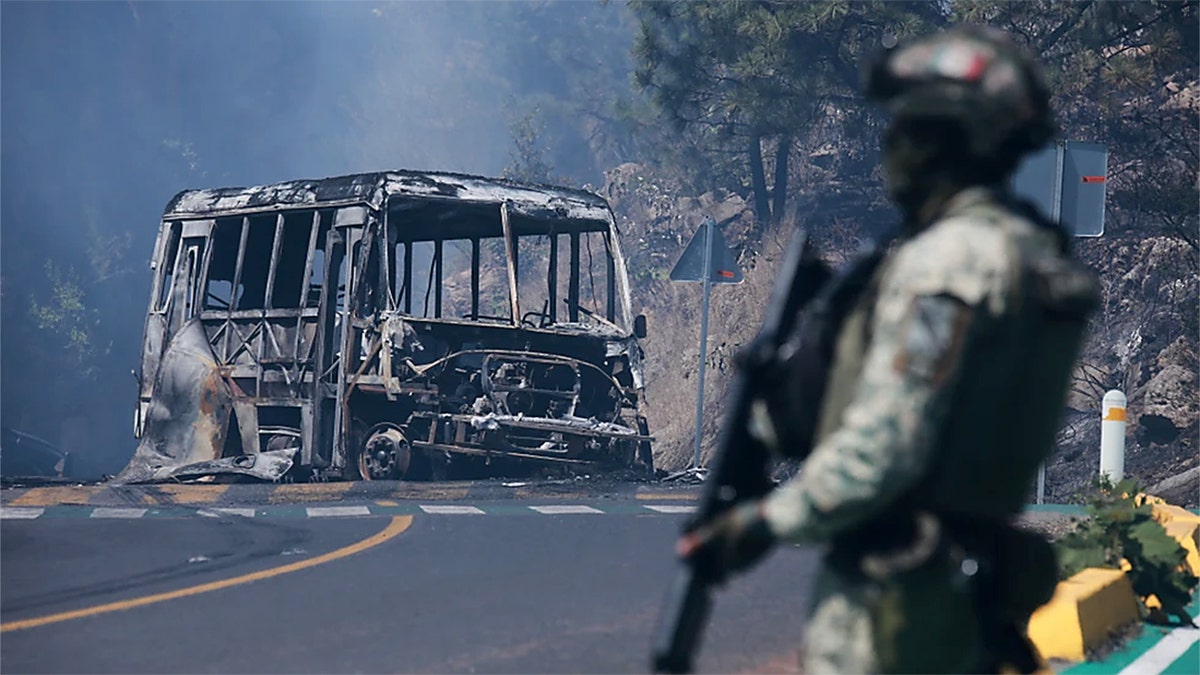
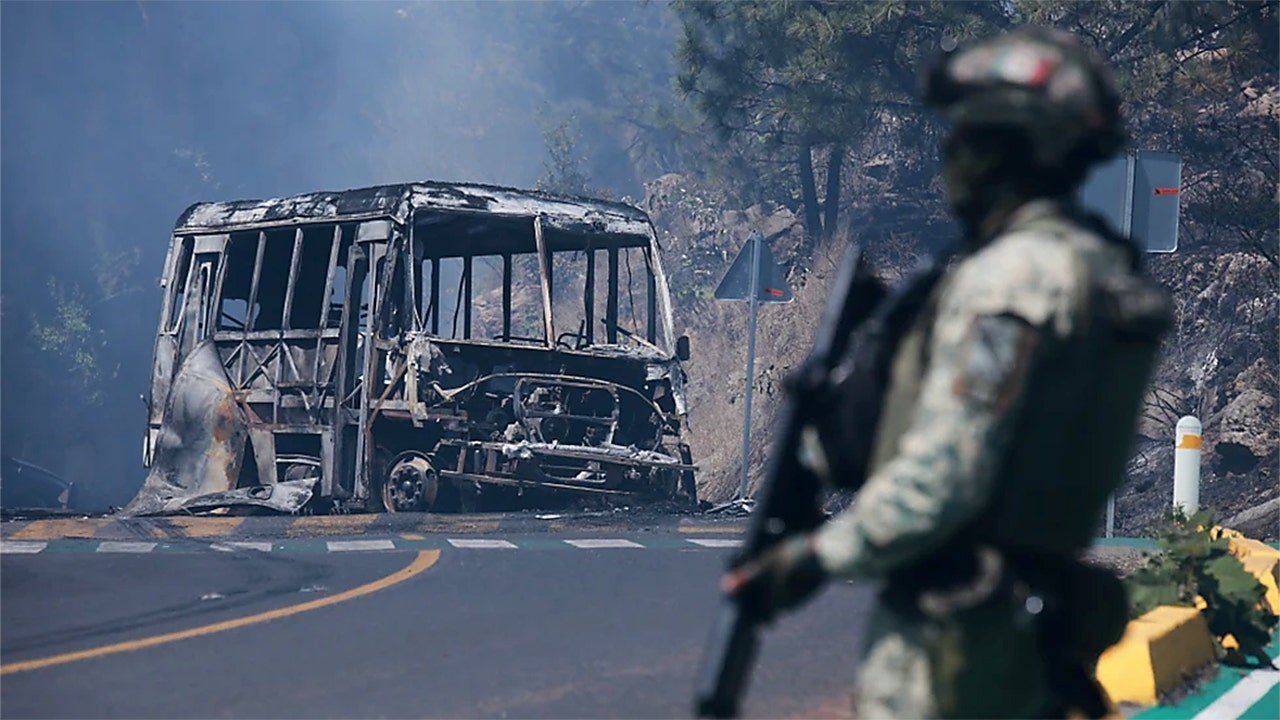
A soldier stands guard by a charred vehicle after it was set on fire, in Cointzio, Michoacán state, Mexico, Sunday, Feb. 22, 2026, following the death of the leader of the Jalisco New Generation Cartel, Nemesio Oseguera, known as «El Mencho.» (Armando Solis/AP Photo)
Oseguera, a former police officer, helped found CJNG around 2009 after splintering from the Sinaloa Cartel. In the years that followed, the group evolved from a regional faction into one of the most dominant trafficking networks in the world.
U.S. authorities steadily increased the reward for information leading to his capture, at one point offering up to $15 million, placing him among the most wanted fugitives globally.
Former U.S. Drug Enforcement Administration official Paul Craine once described Oseguera as «public enemy No. 1» and said he commanded an «army of thousands.»
BARBARIC KILLINGS, AMPUTATIONS, RUTHLESS EXTORTION: THE ALARMING RISE OF MEXICO’S JALISCO NEW GENERATION
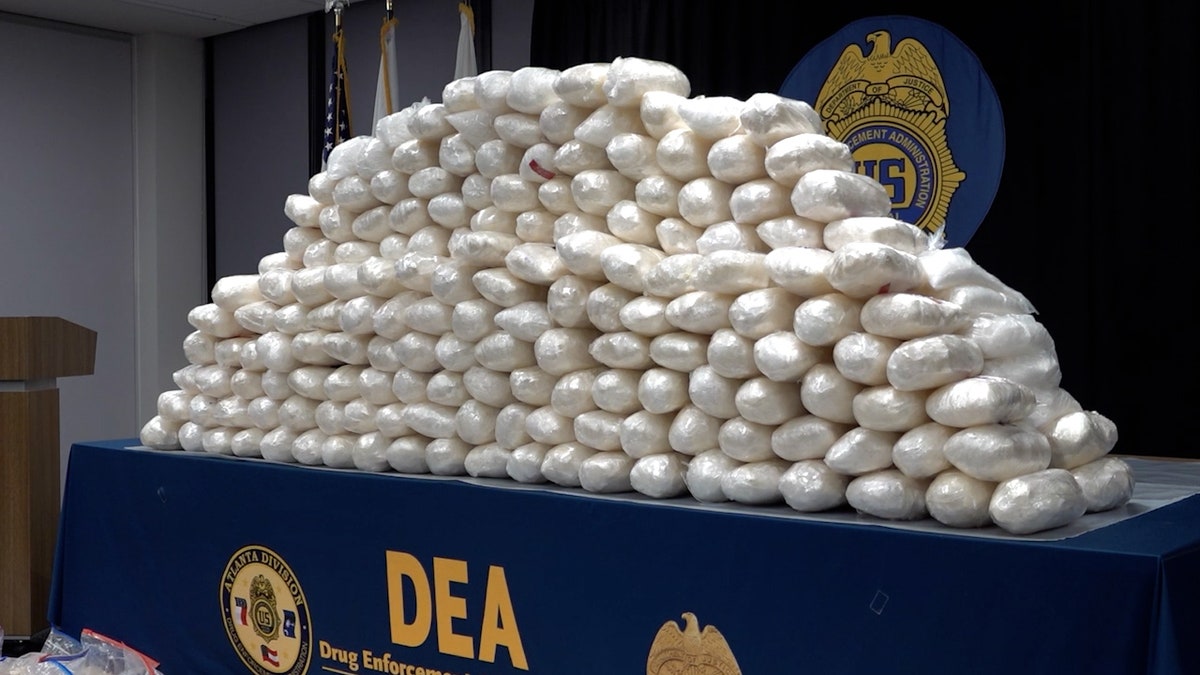
The Drug Enforcement Administration in Atlanta seized more over 1,000 pounds of meth linked to the violent ‘Cartel Jalisco New Generation.’ (Fox News)
Authorities have linked him to coordinated attacks on Mexican security forces, including a 2015 assault in Jalisco in which cartel gunmen used rocket-propelled grenades to bring down a military helicopter.
Over time, CJNG gained a reputation for projecting strength through public displays of force and social media messaging, reinforcing its position as one of Mexico’s most feared criminal organizations.
CLICK HERE TO DOWNLOAD THE FOX NEWS APP
His death removes one of the most dominant figures in Mexico’s criminal underworld and could reshape the balance of power among rival cartels.
location mexico,mexican cartel violence,organized crime,manhunt

Vuelven las protestas de controladores aéreos: demora en los vuelos y desafío a la reforma laboral

Tomás Etcheverry campeón del Río Open: venció al chileno Alejandro Tabilo y logró el primer título de su carrera

Con el apoyo de EE.UU.: así fue el operativo militar para asesinar al capo narco mexicano «El Mencho»

Tensión en México: el Gobierno recomendó a los ciudadanos argentinos no viajar a Jalisco tras la muerte de “El Mencho”

‘It’s hidden’: Female genital mutilation and the secret shame of Minnesota’s Somalis

“Nunca ha funcionado”: Robin Brooks, un economista de EEUU, volvió a criticar la política cambiaria del gobierno de Milei

Escándalo en MasterChef: una famosa abandonó a los gritos y acusando que está todo arreglado

Del himno peronista de Kelly Olmos al exabrupto de Agustina Propato: las perlitas del debate por la reforma laboral

Villarruel cuestionó la apertura de importaciones: «Sin industria, se pasa a depender de China»

“Ahora es la hora de jugarse”: el mensaje de Patricia Bullrich a los empresarios tras aprobarse la reforma laboral

 CHIMENTOS3 días ago
Escándalo en MasterChef: una famosa abandonó a los gritos y acusando que está todo arreglado
- POLITICA3 días ago
Del himno peronista de Kelly Olmos al exabrupto de Agustina Propato: las perlitas del debate por la reforma laboral
- ECONOMIA2 días ago
Villarruel cuestionó la apertura de importaciones: «Sin industria, se pasa a depender de China»