INTERNACIONAL
Popes who have served the Catholic Church for the past 100 years: Champions of truth, faith and love

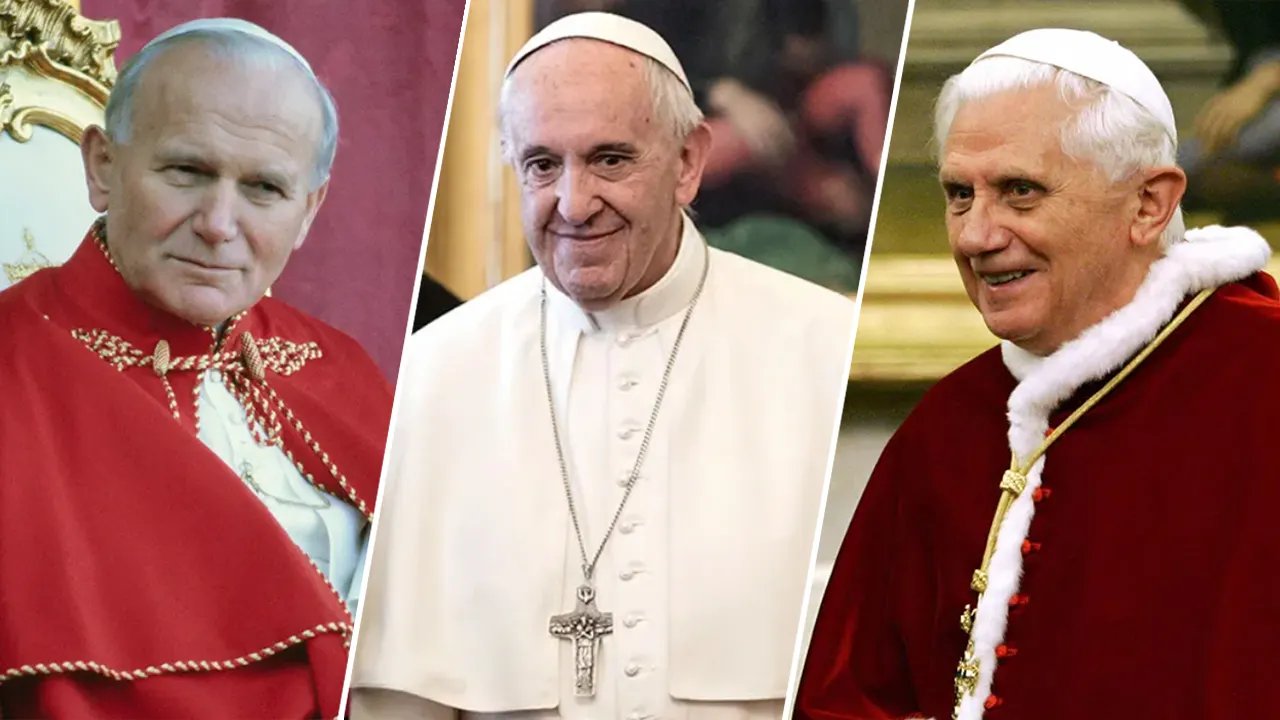
Pope Francis, 88, was recently diagnosed with bilateral pneumonia, and as concerned Catholics around the world pray for the Holy Father, the Vatican revealed last week that he will remain hospitalized for treatment.
The popes of the last 100 years have seen their fair share of political divides and controversy, from pontiffs breaking centuries-old practices to backlash over the Vatican’s response to Hilter’s regime to the teachings of God’s love and grace and traveling the world to reach the sick and lonely;
Pope Benedict XVI (2005-2013)
Before Pope Francis was elected by the College of Cardinals in 2013, Pope Benedict XVI, born Joseph Ratzinger, led the Catholic Church from 2005-2013.
POPE FRANCIS GOT OUT OF BED TO EAT BREAKFAST ON 7TH DAY IN HOSPITAL: VATICAN
Pope John Paul II, Pope Francis and Pope Benedict XVI (Getty Images)
Ratzinger was born in Bavaria, Germany. Upon witnessing horrific acts during the Nazi regime, he desired to commit to the church at a young age. Ratzinger and his family experienced abuse and punishment at the hands of the Nazi Party. Despite his resolute disdain for the regime, at 14 years old he was required by law to join the Hitler Youth, a paramilitary organization.
During his enrollment in the seminary, Ratzinger was drafted into World War II, putting his theological teachings on hold. He was captured and held as a prisoner of war by Americans for several months. Upon his release, he left the military and was ordained in 1951 alongside his brother.
Ratzinger was elected pope in 2005 and, during his papacy he preached a message of God’s eternal love, encouraged Catholics to remain faithful to God, and implored the presence of love, joy and truth in life.
Citing health concerns, Benedict, in 2013, was the first pontiff to resign the papacy in 600 years.
He died at 95 years old in 2022.
POPE FRANCIS WILL REMAIN IN HOSPITAL, VATICAN SAYS
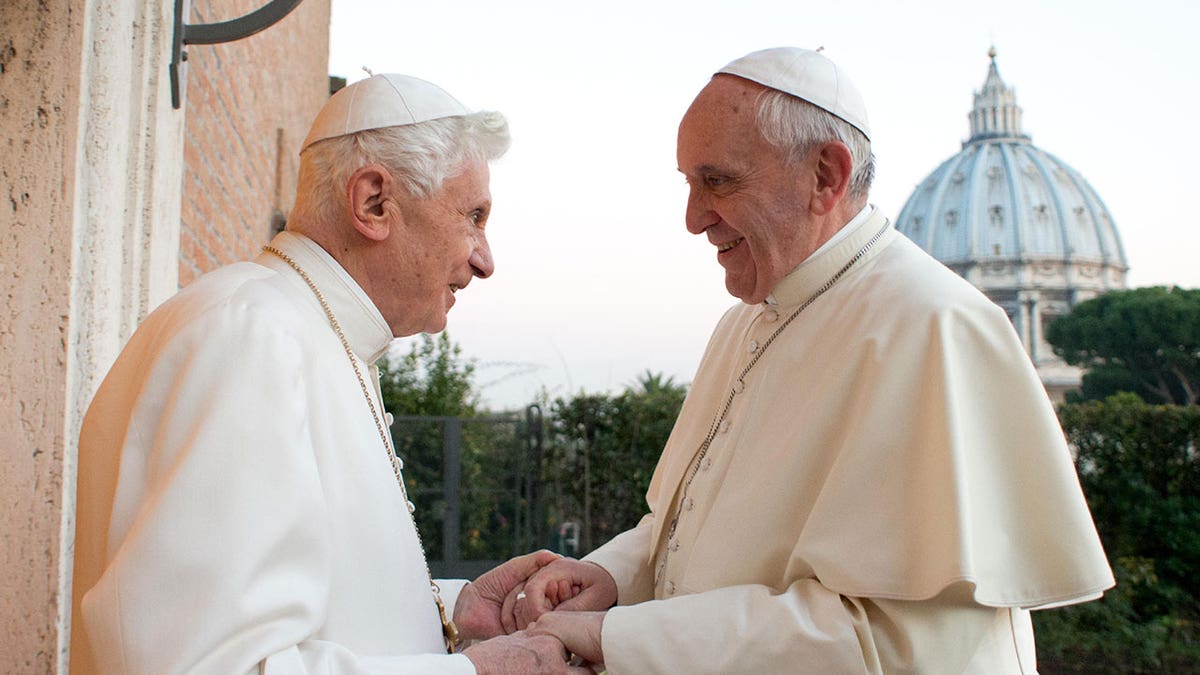
Pope Francis met former Pope Benedict XVI to exchange Christmas greetings in 2013, the year Benedict XVI resigned as pope. (Maurix/Gamma-Rapho via Getty Images))
Pope John Paul II (1978-2005)
Pope John Paul II, born Karol Wojtyła, was elected pope on Oct. 16, 1978. He was the first Polish pontiff.
Wojtyła took the regnal name after his predecessor, Pope John Paul I, who passed away only a month into his reign as the sovereign of Vatican City.
Wojtyła’s election by the College of Cardinals marked the first time a non-Italian would serve as pope in over 400 years. At 58 years old, Wojtyła was one of the youngest popes in history.
Wojtyla studied theology in Rome and served as the archbishop of Krakow. Through his 26-year pontificate, John Paul II traveled to 129 countries, becoming the most traveled pope in history.
POPE FRANCIS DIAGNOSED WITH BILATERAL PNEUMONIA, VATICAN SAYS
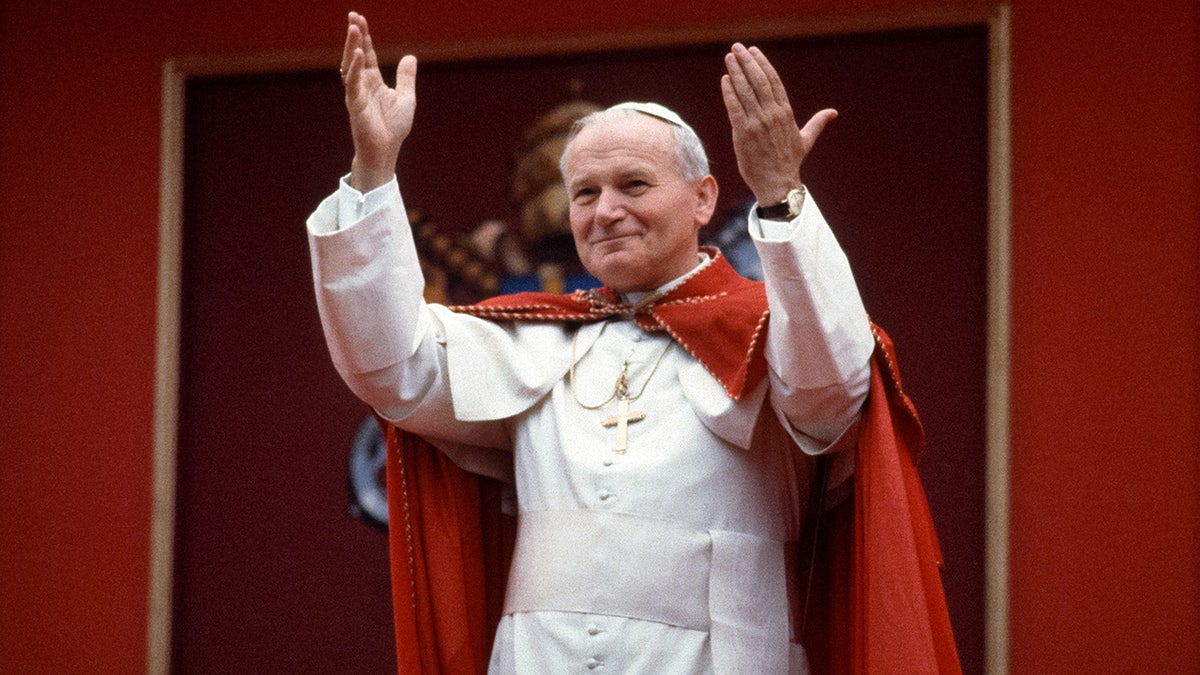
Pope John Paul II was the first Polish pope in history. (Chuck Fishman/Getty Images)
During his papacy, John Paul II preached service, the responsibility for peace and the protection of life. In 1981, a lone gunman, Mehmet Ali Ağca, attempted to assassinate the pope in St. Peter’s Square in Vatican City. He was struck twice while riding in an open car and seriously wounded. He was rushed to Gemelli Hospital in Rome and treated for his injuries.
John Paul II later visited Ağca in prison and forgave the shooter in person.
In 2005, John Paul died in his apartment in the Vatican at 84 years old. He was canonized as a saint in 2014.
Pope John Paul I (1978-1978)
Pope John Paul I, born Albino Luciani, was elected as pope on Aug. 26, 1978. His reign as the sovereign of Vatican City was brief, as he died 33 days later.
He was ordained in 1935, appointed bishop in 1958 and created archbishop of Venice in 1969. He is often referred to as «the Smiling Pope.»
Pope Paul VI (1963-1978)
Pope Paul VI was born Giovanni Battista Montini in Brescia, Italy. He was elected as pontiff in 1963 after being appointed archbishop of Milan.
During his papacy, Montini concluded three sessions of the Second Vatican Council, a significant renewal of the Catholic Church. The official documents marked a milestone in the church and condemned antisemitism.
WARTIME LETTER SHOWS POPE PIUS XII MAY HAVE KNOWN ABOUT HOLOCAUST EARLIER THAN PREVIOUSLY THOUGHT
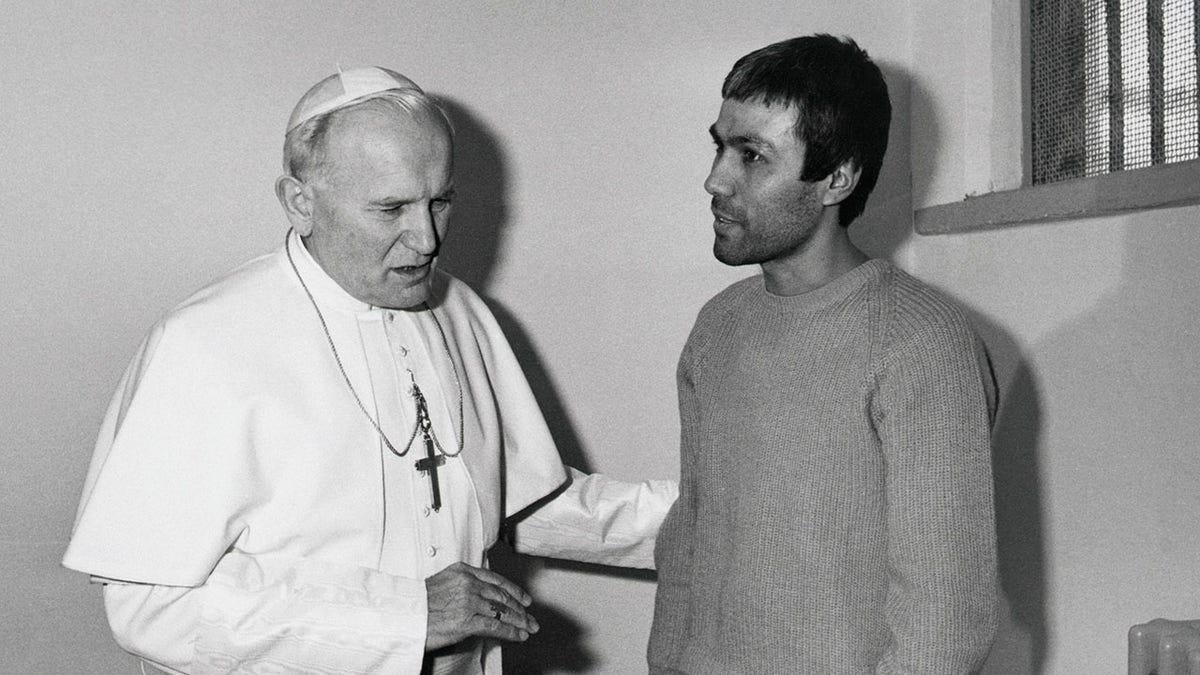
Pope John Paul II was shot at by Mehmet Ali Ağca in 1981. He visited his would-be assassin in Rebibbia Jail, Rome. (Getty Images)
Montini traveled to the Holy Land in the Middle East, India, Uganda, the Philippines and parts of the United States during his reign.
In 2018, Pope Paul VI was canonized as a saint. He was recognized as a strong leader, and his efforts to build stronger bonds among other religions are cited as just one of the reasons for his canonization.
Pope Paul VI died in 1978 at 80 years old.
Pope John XXIII (1958-1963)
Pope John XXIII, born Angelo Giuseppe Roncalli, was born into a family of 13 children in Sotto il Monte, Italy.
In 1892, Roncalli entered the seminary. He was ordained in 1904, and was named a cardinal and the patriarch of Venice in 1953.
CATHOLIC CHURCH BEATIFIES POLISH FAMILY WHO SHELTERED JEWS DURING WWII: ‘PAID THE HIGHEST PRICE OF MARTYRDOM’
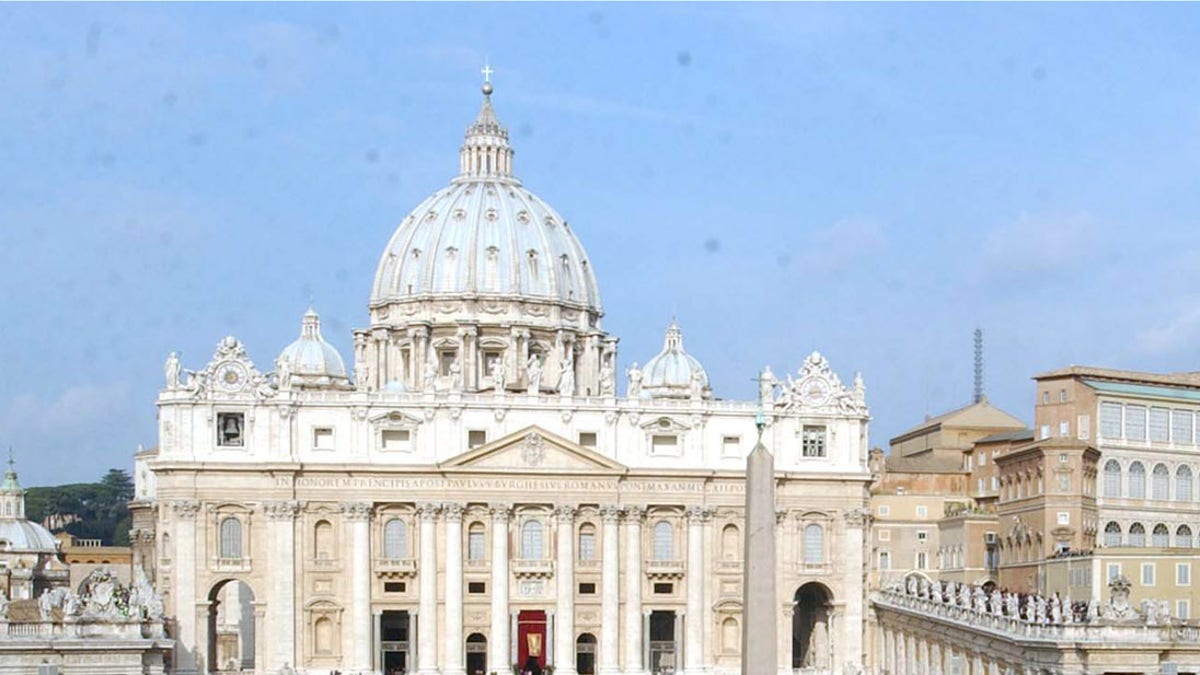
Funerals of past popes take place at Vatican City’s St. Peter’s, where many are interred. (AP)
As pontiff, Roncalli convened the Second Vatican Council, which modernized the Catholic Church by renewing liturgy and theology and developing better relationships with other religions.
Pope John XXIII died of cancer in 1963 and was canonized as a saint along with John Paul II in 2014.
Pope Pius XII (1939-1958)
Pope Pius XII, born Eugenio Pacelli, was an Italian cardinal before being elected pope on his 63rd birthday in 1939.
Pope Pius XI named Pacelli a cardinal after a one-day conclave among the College of Cardinals in 1929.
Pacelli was pope during World War II and through the Holocaust. Correspondence from Vatican archives shows Pacelli received word of the atrocities happening against Jewish people in Germany, and he often received pleas to help Jews.
POPE: VATICAN NEXT YEAR TO OPEN ARCHIVES ON WARTIME PIUS XII
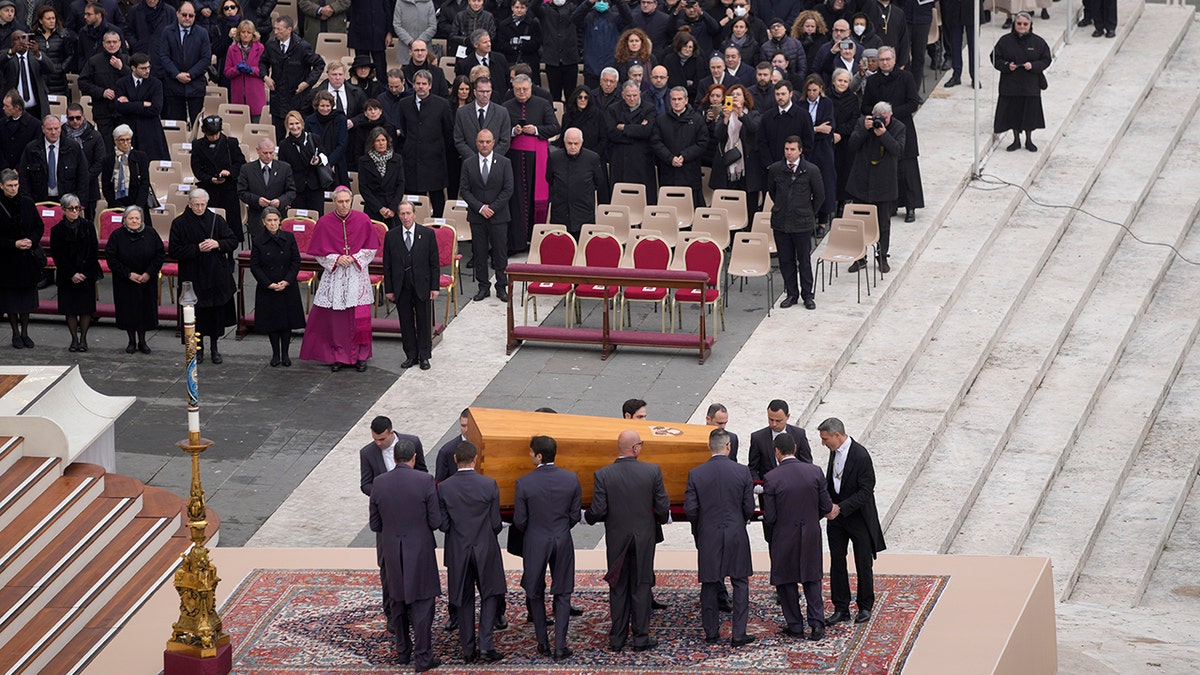
Pope Emeritus Benedict XVI died at 95 years old. His funeral took place in St. Peter’s Square and around 50,000 people were in attendance. (AP Photo/Ben Curtis)
Pope Pius XII has been intensely criticized for what has been called his lack of support for Jews during World War II, but the Vatican has remained steadfast in his defense.
Pius XII died in 1958 at 82 years old.
Pope Pius XI (1922-1939)
Pope Pius XI, born Ambrogio Damiano Achille Ratti, was ordained a priest in 1879. He was named a cardinal and archbishop of Milan in 1921 by Pope Benedict XV and elected pope in 1922.
CLICK HERE TO GET THE FOX NEWS APP
Benito Mussolini, the Italian dictator, came to power in 1922. The Lateran Treaty signed by Mussolini and the papacy acknowledged papal sovereignty over the Vatican City, making the state a neutral territory and the pope politically independent.
Pius XI died in 1939 at 81 years old.

NEWYou can now listen to Fox News articles!
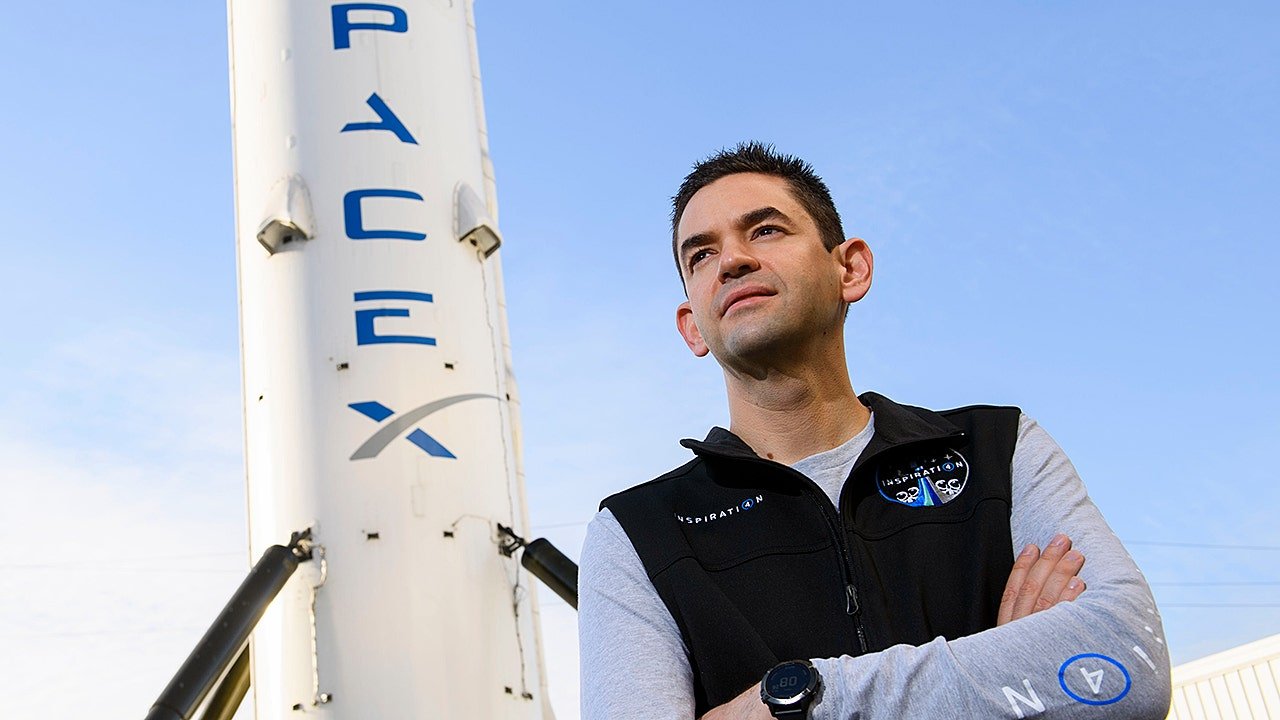
EXCLUSIVE: NASA Administrator Jared Isaacman laid out the timeline for the Artemis Moon landing and discussed the current delay to the Artemis II mission during an exclusive interview with Fox News Digital.
The agency announced Friday that Artemis III, Artemis IV and Artemis V will all be launched before the end of President Donald Trump’s second term. Artemis IV and Artemis V will be missions where astronauts return to the surface of the Moon.
«To be overwhelmingly clear, we did not stretch out our timeline or delay anything. What we did is insert additional missions, standardized, so we can actually achieve the national policy that President Trump set out to return American astronauts to the Moon, and build an enduring presence to stay,» Isaacman told Fox News Digital.
«Artemis II, we’re going to launch in a matter of weeks [and] go around the Moon,» Isaacman explained. «Artemis III will launch by mid 2027 with the aim to buy down risk and low Earth orbit for subsequent [Moon] landing attempts in 2028.»
NASA Administrator Jared Isaacman told Fox News Digital that Artemis II will launch in early April and that additional standardized missions will enable astronauts to return to the Moon by 2028 under President Trump’s timeline. (Patrick T. FALLON / AFP)
The Artemis program was initially established by President Donald Trump during his first term in December 2017.
Isaacman is seeking to complete four Artemis missions under his tenure at the agency, while the Biden administration successfully completed just one non-manned test flight in 2022.
The NASA administrator was critical of the Biden administration for the delay in launches, telling Fox News Digital «the previous administration didn’t make any decisions over the last four years that need to be done.»
INSIDE NASA’S FAST-TRACK PLANS FOR LUNAR NUCLEAR POWER AND NEW SPACE STATIONS TO OUTPACE GLOBAL RIVALS

Jared Isaacman defended the Artemis delays as necessary adjustments, criticizing the Biden administration for inaction and emphasizing a faster, more consistent launch cadence to build a sustained lunar presence. (REUTERS/Joe Skipper)
«That’s being corrected now,» Isaacaman said. «You need to standardize, you need to launch with cadence. That’s how you get back to the moon. That’s how you stay. President Trump’s 100% behind that.»
Artemis II was scheduled to launch in early February, though the Space Launch System (SLS) rocket was transferred from the launchpad back to the Vehicle Assembly Building (VAB) to repair a helium leak on Wednesday.
In response to the Artemis II delay, the administrator also pointed out that the three-year delay between the Biden administration’s last successful Artemis mission and the current one set the agency back.
SENATE CONFIRMS JARED ISAACMAN AS NASA CHIEF MONTHS AFTER TRUMP-MUSK RIFT THAT MAY HAVE PULLED HIS NOMINATION
«You can’t launch a rocket this complex and important every three years, and expect to get it right,» Isaacman added. «There’s just, there’s just no muscle memory there. There’s going to be mistakes.»
«We’re not going to rush this, because, clearly, we’re, again, we’re relearning the same lessons, which means we didn’t get the technical root cause last time, three years ago,» Isaacman said. «We’re hoping, in a matter of days, we’ll have our arms around [Artemis II].»

The agency plans to complete four Moon missions during President Donald Trump’s second term. (AP Photo/J. David Ake)
Isaacman said that the current launch window for Artemis II is set for early April.
NASA RETURNS HUMANS TO DEEP SPACE AFTER OVER 50 YEARS WITH FEBRUARY ARTEMIS II MOON MISSION
The 43-year-old billionaire was sworn in as the administrator of the space agency last December. Isaacman himself is a space fanatic, having commanded the first ever commercial spacewalk in September 2024.
In the less than one hundred days that he has served as administrator, Isaacman has been vocal about his dedication to Trump’s mission to return Americans to the surface of the Moon and beyond — a daunting task for a mission that was last completed during Apollo 17 in 1972, more than half a century ago.
«The approach we were taking is the right way, and it’s consistent with NASA’s history,» Isaacman told Fox News Digital. «We didn’t go right to Apollo 11. We launched with frequency, and we continued to learn and buy down risk.»

America has not landed on the Moon since 1972. (Getty Images)
NASA SAYS AMERICA WILL WIN ‘THE SECOND SPACE RACE’ AGAINST CHINA
«NASA, throughout our history, has launched, on average, every three months, our design vehicles from Mercury, Gemini, Apollo, through space shuttle. Apollo 8 launched less than two months after Apollo 7’s splashdown,» Isaacaman said.
«This is how you get back to the Moon and be able to stay,» the NASA administrator added.
He also noted that funding for the missions and resources needed for success already exist at the agency, and that «we got everything we need.»
TRANSPORTATION SECRETARY DUFFY TO ANNOUNCE NUCLEAR REACTOR DEVELOPMENT PLAN FOR THE MOON
One of the key components to ensuring the completion of each Artemis mission is labor, and Isaacman took issue with the large number of contractors that work with the space agency, yet are not employed by NASA itself.

Jared Isaacman, who has been outspoken about his support for President Donald Trump’s plan to return to the Moon, was sworn in as NASA administrator last December. (Kevin Dietsch/Getty Images, Tom Williams/CQ-Roll Call, Inc via Getty Images)
When asked if he planned on transitioning contractors to NASA employees, Isaacman said, «100%.»
«One of the first observations I had in the job after visiting every one of the NASA centers is all of the core competencies that we either outsourced or lost over the years,» Isaacman explained. «Contractors are great and should contribute to NASA in areas that we are not supposed to be the best in the world at.»
«But when we’re talking about launchpad, launch control, mission control in Houston, those should be civil servants,» Isaacman told Fox News Digital. «That should be a core competency in NASA. We should be the best in the world at it. We are going to exercise the workforce directive that went out weeks ago to convert contractors to civil servants, rebuild core competencies.»
CLICK HERE TO DOWNLOAD THE FOX NEWS APP
The NASA administrator said that top companies who provide contractors, like Boeing, Elon Musk’s SpaceX, and Jeff Bezos’s Blue Origin, have told him that they support the timeline that would ultimately achieve Trump’s vision of returning mankind to the Moon.
«We have universal support in this,» Isaacman explained. «Support from every one of the prime contractors in this program. Lockheed, Boeing, ULA, SpaceX, Blue Origin and all of the congressional leaders that have space equities understand that this is the way back to the Moon.»
Preston Mizell is a writer with Fox News. Story tips can be sent to Preston.Mizell@fox.com and on X @MizellPrestonRelated Article

spaceflight,air and space,donald trump
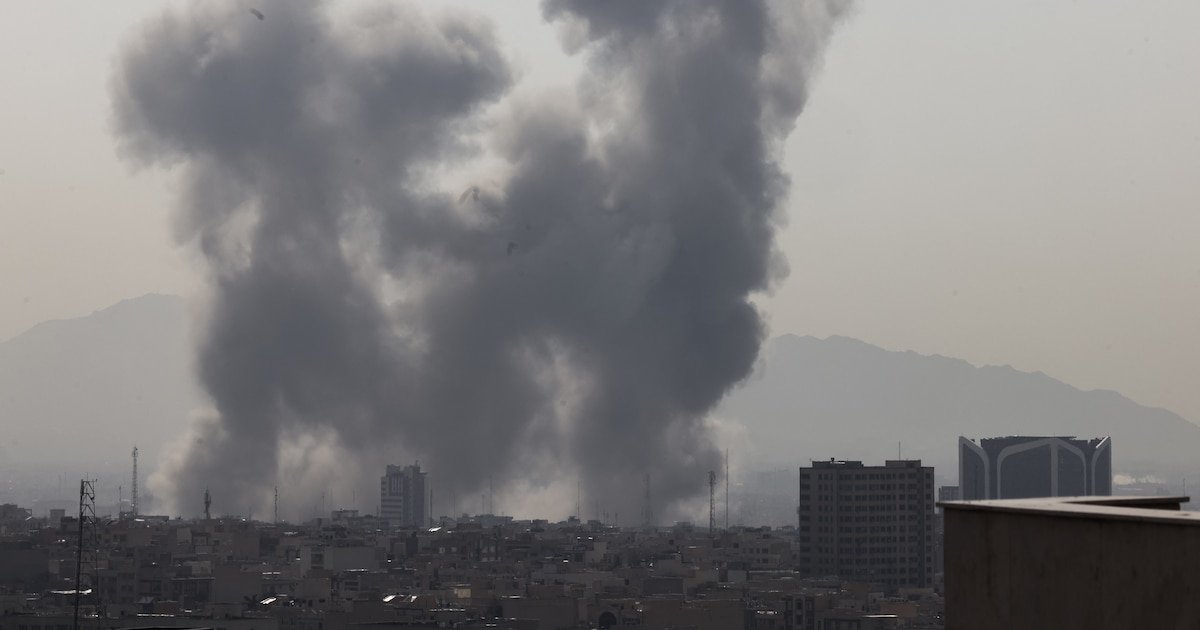
Estados Unidos e Israel lanzaron este sábado un ataque “de gran envergadura” contra el régimen de Irán, provocando explosiones en Teherán y otras ciudades tras semanas de amenazas de intervención militar. Teherán respondió con el lanzamiento de misiles y drones en represalia, según informaron los Guardianes de la Revolución. Mientras tanto, diplomáticos estadounidenses presentes en el Golfo y civiles israelíes recibieron órdenes de buscar refugio.
“El Estado de Israel lanzó un ataque preventivo contra Irán. El ministro de Defensa, Israel Katz, declaró el estado de emergencia especial e inmediato en todo el país”, indicó la oficina del ministro en un comunicado.
En un mensaje en video, luego de que Estados Unidos e Israel comenzaran a bombardear Irán, Trump dejó claro que el objetivo era amplio: derrocar al régimen instaurado desde la revolución de 1979. “Vamos a destruir sus misiles y arrasar su industria de misiles por completo. Será totalmente—de nuevo—aniquilada. Vamos a destruir su armada”, afirmó en el mensaje publicado en su plataforma Truth Social.
Asimismo, envió un mensaje directo a la población iraní: “La hora de su libertad está cerca”. “Permanezcan resguardados. No salgan de sus hogares. Es muy peligroso afuera. Caerán bombas por todos lados. Cuando terminemos, tomen el control de su gobierno. Les pertenecerá a ustedes”, agregó.
Posteriormente, el primer ministro israelí, Benjamin Netanyahu, afirmó este sábado que Israel y Estados Unidos habían atacado a Irán con el objetivo de “eliminar la amenaza existencial” que representa la república islámica.
“Hermanos y hermanas, ciudadanos de Israel: Hace instantes, Israel y Estados Unidos lanzaron una operación para eliminar la amenaza existencial que representa el régimen terrorista de Irán”, señaló Netanyahu en un mensaje en video difundido por el gobierno israelí.
Según el primer ministro, la acción conjunta creará las condiciones para que el valiente pueblo iraní tome su destino en sus propias manos.
La Guardia Revolucionaria del régimen iraní anunció el inicio de la primera oleada de misiles y drones contra Israel, tras los ataques coordinados de las fuerzas israelíes y estadounidenses. “En respuesta a la agresión del enemigo hostil y criminal contra la República Islámica de Irán, ha comenzado la primera oleada de amplios ataques con misiles y drones de la República Islámica de Irán hacia los territorios ocupados”, indicó el cuerpo militar en un comunicado.
Pocas horas después de los primeros ataques contra el régimen iraní, Israel había detectado misiles lanzados desde Teherán y llamó a su población a refugiarse.
El Ejército israelí explicó que el estado de emergencia se trata de una “alerta proactiva para preparar al público ante la posibilidad de lanzamiento de misiles hacia el Estado de Israel”. En un comunicado difundido en redes sociales, las Fuerzas de Defensa de Israel anunciaron que, a partir de las 08.00 horas (hora local), “se realizarán cambios inmediatos a las Pautas del Comando del Frente Interno”, incluyendo la “prohibición de actividades educativas, reuniones y lugares de trabajo, excepto los sectores esenciales”.
Las autoridades israelíes también ordenaron el cierre del espacio aéreo al tráfico civil e instaron a los civiles a no acudir al aeropuerto. El Ministerio de Transporte informó que permanecerá cerrado hasta que las condiciones de seguridad lo permitan y que su reapertura será anunciada con al menos 24 horas de antelación.

La operación militar israelí ocurrió contra una zona cercana a las oficinas del líder supremo, el ayatollah Ali Khamenei, según la agencia The Associated Press. Por otra parte, el medio mencionó Estados Unidos está participando en los ataques israelíes contra Irán, según un funcionario estadounidense.
El líder supremo de Irán no está en Teherán y fue trasladado a un lugar seguro, según el informe de Reuters. Las autoridades iraníes bloquearon los accesos por carretera al complejo de Khamenei, en el centro de la capital iraní, mientras continuaban escuchándose más explosiones en distintos puntos de la capital.
Ataque de Irán a EEUU en Bahréin
Horas después de los ataques coordinados, Teherán también bombardeó con misiles la base de Estados Unidos en Bahréin, Emiratos Árabes Unidos, Kuwait y Qatar. “Cualquier base en toda la región que ayude a Israel será nuestro objetivo”, dijo el portavoz del Estado Mayor de las Fuerzas Armadas iraníes citado por la agencia iraní Mehr.
Según este medio, el régimen de los ayatolás lanzó ataques con misiles simultáneamente a la mayor bases en la región, la de Al Udeid en Qatar, a la de Al Salem en Kuwait, la de Al Dhafra en EAU y a la quinta base estadounidense en Bahréin.

En medio de esta creciente tensión, la Unión Europea (UE) pidió “la máxima moderación”, y afirmó que garantizar la seguridad nuclear es “crucial”. “Garantizar la seguridad nuclear y prevenir cualquier acción que pueda agravar aún más las tensiones o socavar el régimen mundial de no proliferación es de importancia crucial”, señaló la presidenta de la Comisión Europea, Ursula von der Leyen.
“Pedimos a todas las partes que ejerzan la máxima moderación, que protejan a la población civil y respeten plenamente el derecho internacional”, añadió en una declaración conjunta con el presidente del Consejo Europeo, António Costa.
War,Middle East,Military Conflicts
INTERNACIONAL
«Dejen las armas y tendrán inmunidad, o enfrentarán una muerte segura»: el mensaje completo de Trump tras el ataque de Estados Unidos a Irán


NASA chief vows four Moon missions before Trump’s term ends in ambitious 2028 timeline

Estados Unidos e Israel llevaron a cabo ataques coordinados contra el régimen de Irán

Qué son las sesiones ordinarias y extraordinarias en el Congreso

El Gobierno activa el protocolo para reforzar las fronteras tras el ataque de EE.UU. a Irán

Jason Statham solo sale 18 segundos en este thriller de Tom Cruise. Suficientes para hacernos creer en un crossover

Flavio Azzaro contó cómo vive sus primeros días como padre tras el nacimiento de Piero: “Adaptándome a dormir dos horas”

Jorge Macri prepara su discurso para abrir el año legislativo: el deseo de reelección y el espejo en Bukele

Crisis en la industria: otra multinacional se achica y cierra una planta en la Argentina

Alarma por la salud de Divina Gloria tras salir de Gran Hermano: “La internaron directamente en terapia intensiva”

Catherine Fulop contó el difícil momento que atraviesa su madre en Venezuela: “Está postrada”

 ECONOMIA3 días ago
Crisis en la industria: otra multinacional se achica y cierra una planta en la Argentina
- CHIMENTOS1 día ago
Alarma por la salud de Divina Gloria tras salir de Gran Hermano: “La internaron directamente en terapia intensiva”
- CHIMENTOS3 días ago
Catherine Fulop contó el difícil momento que atraviesa su madre en Venezuela: “Está postrada”