INTERNACIONAL
Por qué los microbios marinos son los diminutos héroes que mantienen vivos a los océanos


El océano representa uno de los mayores misterios de la naturaleza. No solo por su inmensidad, sino por la vida diminuta que lo habita.
Entre las criaturas más importantes se encuentran los microbios marinos: organismos tan pequeños que son invisibles, pero imprescindibles para el equilibrio de la Tierra.
Un estudio publicado en la revista Sustainable Microbiology de Oxford University Press destacó que estos seres minúsculos desempeñan tareas esenciales como producir oxígeno, limpiar el agua y reciclar nutrientes.
Sin su presencia, el océano y la vida humana perderían estabilidad. Los científicos que hicieron el artículo hicieron un llamado de atención: proteger a los microbios marinos es una urgencia ambiental mundial.

La investigación contó con la colaboración de especialistas de numerosos países, entre ellos México y Chile, además de Estados Unidos, Reino Unido, Alemania, Austria, Sudáfrica, Australia, China, Arabia Saudita y Canadá.
Figuran instituciones como la Universidad Nacional Autónoma de México y el Centro de Estudios del Cuaternario de Fuego-Patagonia y Antártica de Chile.
Los investigadores señalaron que existe un gran desconocimiento sobre la función y la influencia de los microbios marinos en la salud de los mares y de las personas.

Las amenazas también son muchas. La contaminación, el calentamiento global y la actividad humana ponen en peligro la diversidad de estas comunidades formadas por millones de especies todavía no identificadas.
Resaltaron que hay un vacío de información científica: la mayoría de los microbios marinos siguen sin clasificar.
Por eso, los científicos intentaron mostrar cómo influyen en el ciclo del agua y en la estabilidad de los ecosistemas para luego promover el diseño de estrategias efectivas de conservación.

El estudio publicado en Sustainable Microbiology recopila información disponible de distintas investigaciones científicas y subraya la importancia de realizar relevamientos periódicos en los océanos.
Propone enfocar nuevos esfuerzos en áreas que todavía permanecen poco estudiadas, como el océano profundo.
Los autores insisten en que el avance de la secuenciación genética y otras tecnologías modernas permitirá descubrir más diversidad microbiana. Se necesita establecer líneas de base y monitorear los cambios para saber cómo responde esta diversidad frente a las acciones humanas.

Los microbios marinos “producen cerca del 50% del oxígeno mundial”, lo cual revela su impacto directo en la vida cotidiana. Además se debería considerar que las corrientes marinas conectan a las comunidades microbianas a escala planetaria.
Ya se han detectado disminuciones de poblaciones de microbios por los contaminantes. Para los científicos, perder especies podría debilitar a los ecosistemas y a todos los seres vivos del mar.
Además, los microbios cumplen funciones clave como descomponer materia orgánica y transformar nutrientes, activando cadenas de vida que benefician a todo el océano.

El grupo científico recomendó desarrollar más investigaciones y destinar recursos a la creación de áreas marinas protegidas. Una prioridad es reforzar la lucha contra la contaminación para asegurar la supervivencia de estas comunidades invisibles.
Reconocieron que pueden presentarse estas dificultades: estudiar seres tan pequeños implica retos técnicos y exige herramientas nuevas. Sin embargo, recalcan la necesidad de avanzar y sumar esfuerzos científicos internacionales para cuidar esta biodiversidad.
“Sin la diversidad microbiana, los océanos no podrían mantener sus funciones vitales”, afirmaron.
Cuidar a esos diminutos habitantes del mar define la salud del océano y, por lo tanto, la del planeta y de todas sus especies, incluida la humana. Garantizar su protección significa elegir un futuro más estable y sano para todos.
albatros,aves marinas,océano,naturaleza,vida silvestre,nubes,mar,libertad,fauna,paisaje






NEWYou can now listen to Fox News articles!
President Donald Trump sent his clearest warning yet to the North Atlantic Treaty Organization (NATO) on Sunday: Stand with the U.S. for defense of the Strait of Hormuz or face a «very bad» future.
«It’s only appropriate that people who are the beneficiaries of the strait will help to make sure that nothing bad happens there,» Trump told The Financial Times in an interview Sunday. «If there’s no response, or if it’s a negative response, I think it will be very bad for the future of NATO.»
Trump echoed those remarks in a press gaggle aboard Air Force One on Sunday night, returning to Washington, D.C., from a weekend at Mar-a-Lago, saying it would «be nice to have other countries police that with us, and we’ll help – we’ll work militarily.»
«Remember, like as an example of many cases that NATO countries, we’re always there for NATO,» Trump told reporters, pointing to «helping them with Ukraine» even though «between us, it doesn’t affect us.»
US SIGNALS READINESS TO ESCORT TANKERS THROUGH HORMUZ AS TRAFFIC THINS BUT NO MISSION LAUNCHED
President Donald Trump issued some stern warnings for NATO to come to the world’s defense or face a «very bad» future. (SAUL LOEB / AFP)
«But we’ve helped them,» he added, repeating his comments to the United Nations General Assembly last fall, questioning whether NATO will «always be there for us.»
Trump is looking for NATO allies’ assistance in securing the oil tanker traffic through the Strait of Hormuz for the rest of the world. Trump administration officials have been repeating throughout the choking of the strait that the U.S. under Trump is a net exporter of oil and gets only a fraction of its oil from the Middle East – unlike the rest of the world, including NATO allies.
«It’d be interesting to see what country wouldn’t help us with a very small endeavor, which is just keeping the Strait open, and that, by comparison is a small [ask],» Trump added to reporters on Air Force One. «It’s small because Iran has very little firepower.»
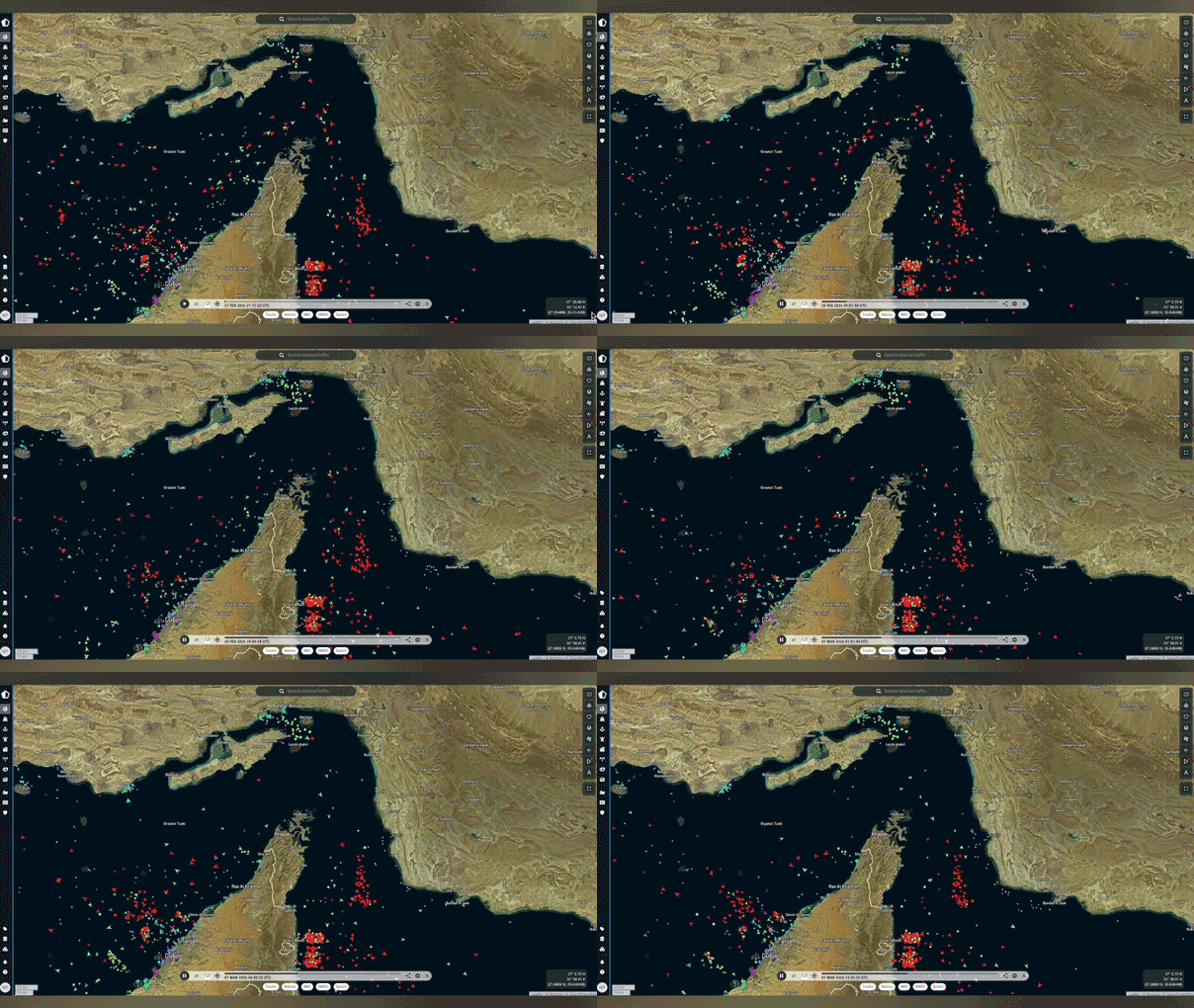
A time-lapse video shows marine traffic moving through the Strait of Hormuz. (Kpler/Marine Traffic)
TRUMP SAYS HE MIGHT HAVE ‘FORCED ISRAEL’S HAND’ IN IRAN STRIKE DECISION AS CRITICS QUESTION WAR POWERS
Trump remained optimistic that NATO allies will ultimately get on board.
«We are talking to other countries about working with us about the policing of the strait, and I think we’re getting a good response,» Trump told reporters on AF1. «If we do, that’s great – and if we don’t, that’s great.»
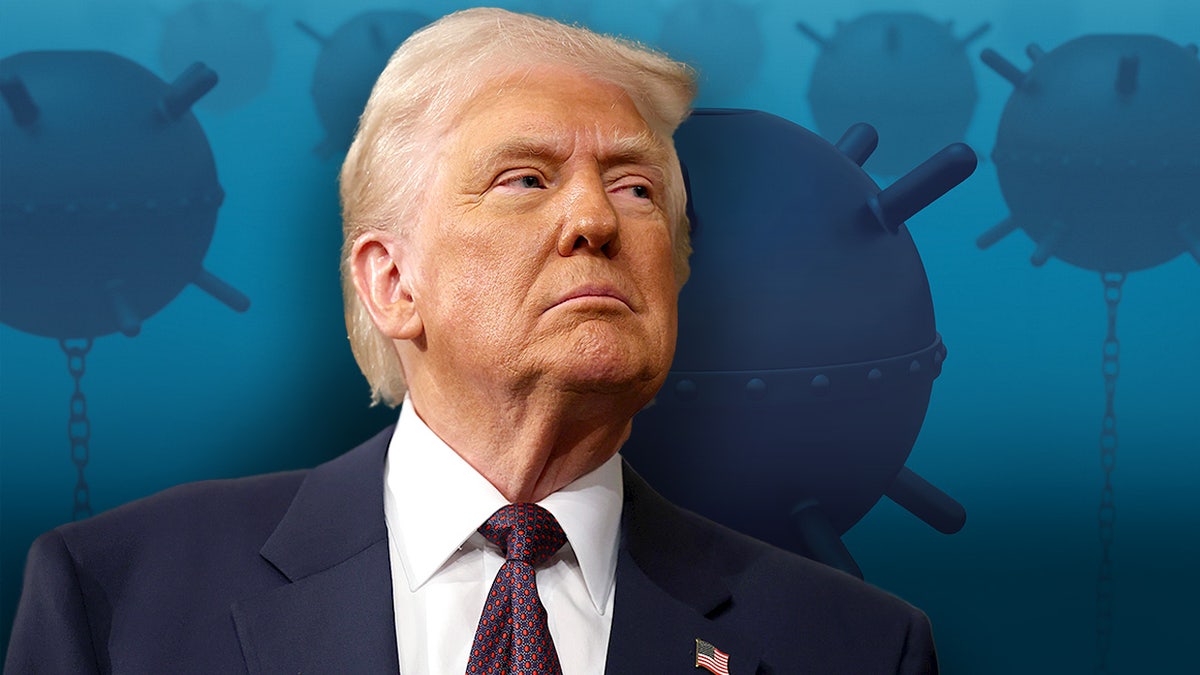
The Iranian regime is using sea mines, which it has stockpiled in the thousands, to make traversing the Strait of Hormuz difficult and deadly. (Win McNamee/Getty Images; Eranicle/iStock)
CLICK HERE TO DOWNLOAD THE FOX NEWS APP
NATO has long been a point of contention for Trump, who had to repeatedly call on member organizations to reach even the 2% of Gross Domestic Product (GDP) spending threshold during his first administration. Current Trump U.S. Ambassador to NATO Matt Whitaker has hailed this second administration in getting NATO to commit 5% of GDP in defense spending.
nato,world,war with iran,donald trump,europe

La reunión Shield of the Americas, recientemente celebrada en Miami, marca el regreso estratégico de Estados Unidos al hemisferio occidental. Convocada por el presidente Donald J. Trump, reunió a una docena de jefes de Estado y dos presidentes electos de la región con un objetivo explícito: construir una coalición hemisférica para enfrentar al crimen organizado transnacional y restablecer la estabilidad estratégica del continente. No se trató solo de una reunión protocolaria; fue el lanzamiento formal de una nueva etapa en la política hemisférica de Washington.
Por años, América Latina y el Caribe han ocupado un lugar secundario en la agenda geopolítica estadounidense. Ese ciclo ha terminado. El hemisferio occidental pasa a ser un espacio de interés vital.
La lógica que sustenta este cambio está claramente expresada en la Estrategia de Seguridad Nacional de los Estados Unidos, publicada en noviembre de 2025: “Estados Unidos debe mantener una posición preeminente en el hemisferio occidental, porque de ello dependen su seguridad y su prosperidad.” Hoy vemos esta premisa convertirse en un principio operativo de política exterior.
La reunión en Miami también refleja una preocupación geopolítica más amplia: la creciente presencia de China en sectores estratégicos de América Latina, desde infraestructura y energía hasta telecomunicaciones y puertos. Para Washington, la estabilidad del hemisferio no es solo una cuestión de seguridad interna. También forma parte de la competencia estratégica global por influencia económica, tecnológica y política.
Este giro comenzó con un episodio que envió una señal clara y fuerte la operación del 3 de enero de 2026 para la captura del dictador venezolano y su traslado a Estados Unidos para enfrentar cargos por narcotráfico y crimen organizado. El mensaje fue contundente. Washington está dispuesto a actuar cuando un régimen estatal se convierte en plataforma del crimen transnacional.
Venezuela no es necesariamente el centro de esta historia, sino un momento clave de la hoja de ruta resumida en “enlist” y “expand”, como lo expresa claramente la Estrategia de Seguridad Nacional de los Estados Unidos. Esta hoja de ruta combina dos instrumentos complementarios: disuasión frente a estructuras que amenazan la estabilidad regional y cooperación con los países que comparten valores y objetivos.
Ese enfoque estratégico se combina con una táctica claramente pragmática. El caso venezolano lo demuestra. Bajo el actual gobierno transitorio, Washington ha restablecido relaciones diplomáticas y ha promovido una acelerada transformación en la industria petrolera. Por ejemplo, la reforma de la Ley Orgánica de Hidrocarburos, aprobada hace unas semanas, reduce el control directo del Estado y permite una participación más amplia de capital privado nacional e internacional. El nuevo marco legal flexibiliza el régimen fiscal, abre espacio para contratos directos con inversionistas y restablece mecanismos de arbitraje internacional para resolver disputas, elementos indispensables para reconstruir confianza jurídica en el sector. El gobierno de transición también ha iniciado una revisión integral de los acuerdos petroleros firmados desde hace varios años para alinearlos con el nuevo marco regulatorio y con estándares internacionales de inversión.
En conjunto, estos acontecimientos son la evidencia de la consolidación de una nueva política hemisférica estadounidense basada en seguridad, estabilidad institucional, apertura económica y cooperación directa con los Estados Unidos. La reunión Shield of the Americas y la constitución de la Americas Counter Cartel Coalition representan el paso más reciente, y más ambicioso, en la implementación de esa estrategia. Todo esto nos pone ante un nuevo momento de la relación hemisférica.
América Latina y el Caribe tienen más de 600 millones de habitantes, abundantes recursos estratégicos, una población urbana creciente y una base de talento joven cada vez más conectada digitalmente. El potencial está ahí, sin duda alguna. Las ventajas competitivas de la región van desde la geografía y los recursos naturales hasta las bondades de la cercanía cultural y los valores compartidos, entre otras. Sin embargo, la dificultad de transitar hacia el desarrollo de la región sigue siendo real. La ventaja es que en el contexto actual, ese desarrollo no es solo un interés regional. Es también un interés estratégico para Estados Unidos y para la estabilidad del hemisferio.
La pregunta ya no es si América Latina y el Caribe tienen potencial para desarrollarse. La pregunta es si sus países serán capaces de construir las instituciones, la infraestructura y las alianzas necesarias para aprovechar el momento estratégico que el hemisferio tiene hoy frente a sí.
Después de décadas en las que Washington minimizó la importancia de la región, hoy se encuentra de regreso en su agenda estratégica. Y esta vez, todo indica que Estados Unidos actuará en consecuencia.
*El autor es empresario, estratega político y exdirector de Políticas Públicas de la Casa Blanca. Es el Director Fundador del Adam Smith Center for Economic Freedom de la Florida International University.
NEWYou can now listen to Fox News articles!
Iraq’s Prime Minister Mohammed Shia al-Sudani is facing mounting criticism for his government’s inability to stop pro-Iranian militias and the Islamic Republic of Iran from attacking American, French, Italian and Kurdish military personnel and facilities in Iraq.
On Saturday, the U.S. Embassy in Baghdad said that all U.S. citizens in Iraq should leave «immediately,» as «Iran-aligned terrorist militias have attacked the International Zone in central Baghdad on multiple occasions.»
The announcement came after a missile reportedly struck a helipad inside the U.S. Embassy in Baghdad early Saturday.
Speaking on background, a State Department spokesperson told Fox News Digital, «The United States strongly condemns attacks by Iran and Iran-backed terrorist militias against U.S. diplomatic personnel and facilities, civilian targets and energy infrastructure in Iraq, particularly in the Iraqi Kurdistan Region.»
US EMBASSY IN BAGHDAD TARGETED AS IRAN LAUNCHES ATTACKS DURING OPERATION EPIC FURY
A billboard featuring a photo of Ali Khamenei, Iran’s supreme leader who was killed in U.S. and Israeli airstrikes, is seen along a street in Baghdad on March 9, 2026. (Murtadha Al-Sudani/Anadolu via Getty Images)
The statement added, «As Secretary Rubio has said, the Iraqi government must take all possible measures to safeguard U.S. diplomatic personnel and facilities and ensure militia groups cannot use Iraqi territory to threaten the United States or the region. Doing so is in Iraq’s interest,» the spokesperson noted, «We retain a range of options to protect our interests. We do not preview sanctions or sanction actions.»
A Kurdish official, speaking on condition of anonymity, told Fox News Digital that the Iran-backed Popular Mobilization Forces (PMF) in Iraq «are paid and armed by the Iraqi government. They are on the Iraqi payroll. This is not the first time they have fired on the U.S., the Kurdistan Regional Government [KRG] and the energy sector. These PMF have brazenly attacked U.S. military bases.»
According to the official, «Many of these leaders [from the PMF] are part of al-Sudani’s government and his very coalition.»
In a statement to Fox News Digital on Sunday, an official for Iraq’s Embassy in Washington D.C. flatly denied the allegations against al-Sudani. «We would like to unequivocally confirm that the allegations claiming the Prime Minister granted a ‘green light’ to any armed group to target U.S. or Western interests are completely false. The Iraqi government has repeatedly emphasized its firm rejection of any attacks on diplomatic missions or foreign interests.»
The representative added, «The Prime Minister has also issued several statements condemning such acts, describing them as terrorist activities, and has directed the relevant authorities to pursue those responsible and bring them to justice.»
Al-Sudani raised eyebrows last week when he congratulated the Islamic Republic of Iran’s selection of its new Supreme Leader, Mojtaba Khamenei, the son of the assassinated second Supreme Leader of Iran, Ali Khamenei. «We express our confidence in the ability of the new leadership in the Islamic Republic of Iran to manage this sensitive stage, and continue to strengthen the unity of the Iranian people in facing the current challenges,» al-Sudani reportedly said.
When asked about the congratulatory statement to Khamenei, the Iraqi Embassy official said, «This action falls within the scope of standard diplomatic practices carried out by many countries, including several Gulf states. Iraq maintains diplomatic relations with neighboring countries, including Iran, while simultaneously ensuring balanced relations with all its regional and international partners.»
IRAN PROXIES WAGE WAR ON ISRAEL, THREATEN US INTERESTS AS IRAQ SLAMMED FOR NOT DISARMING THEM
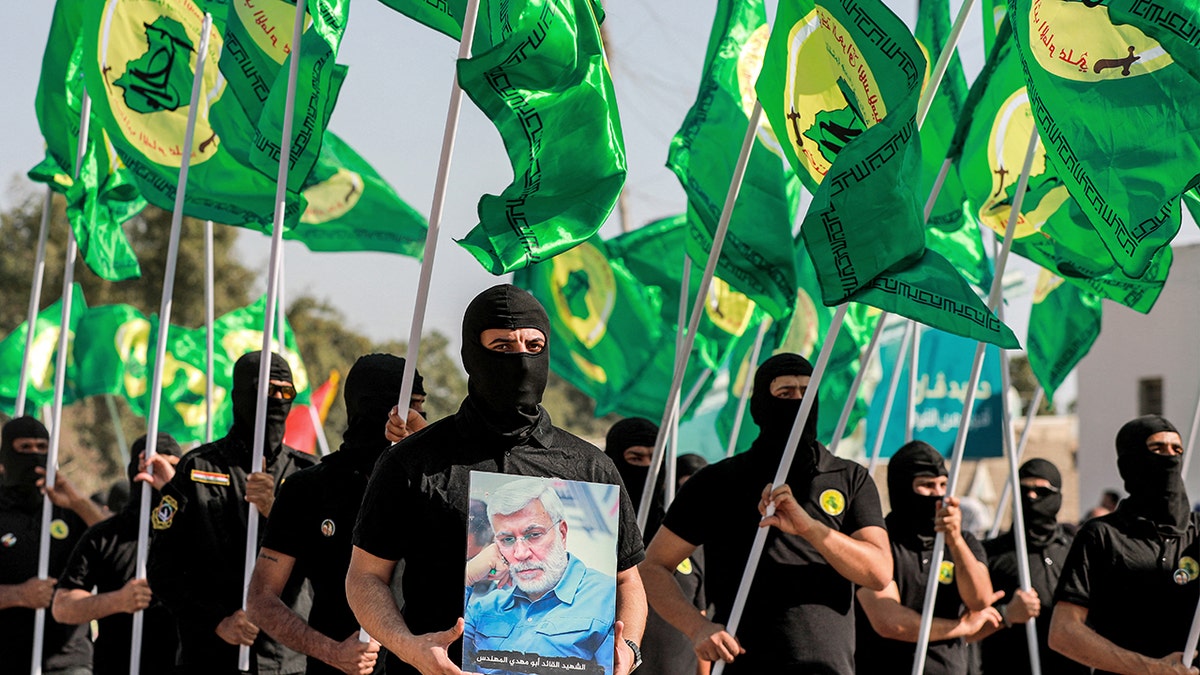
A member of the Imam Ali Battalions, the armed wing of the Islamic Movement of Iraq — a member faction of the Popular Mobilization Forces (PMF) paramilitaries — holds up a picture depicting Iraqi PMF commander Abu Mahdi al-Muhandis (who was in a US drone strike in early 2020), as other group members gather with its flags during a rally to mark annual Quds (Jerusalem) Day commemorations in Baghdad on April 5, 2024. (Murtaj Lateef/AFP via Getty Images)
The intensified attacks on the international anti-jihadi coalition in Iraq’s autonomous Kurdistan region on Friday resulted in the death of a French soldier and injuries to six other people. According to France 24, the commanding officer, Colonel Francois-Xavier de la Chesnais, said the French soldier, Arnaud Frion, was murdered by an Iranian-designed Shahed lethal drone.
The Iraqi Kurdish news outlet Rudaw reported on Saturday that the «Kurdistan Region was targeted with seven explosive-laden drones early Saturday as Iran and its proxy forces in Iraq continue to target the U.S. consulate in Erbil and other military and civilian sites in the Region.» Rudaw said since the start of U.S. Operation Epic Fury the Kurdistan area has been targeted with over 300 drone and missile attacks, resulting in the killing of seven people and 35 injured.
The Kurdish official complained that al-Sudani’s «government is not serious about taking on militias because the militias are part of the government.» However, the official praised the U.S. «The Americans are going after them aggressively over the last week with attacks on their [PMF] positions.»
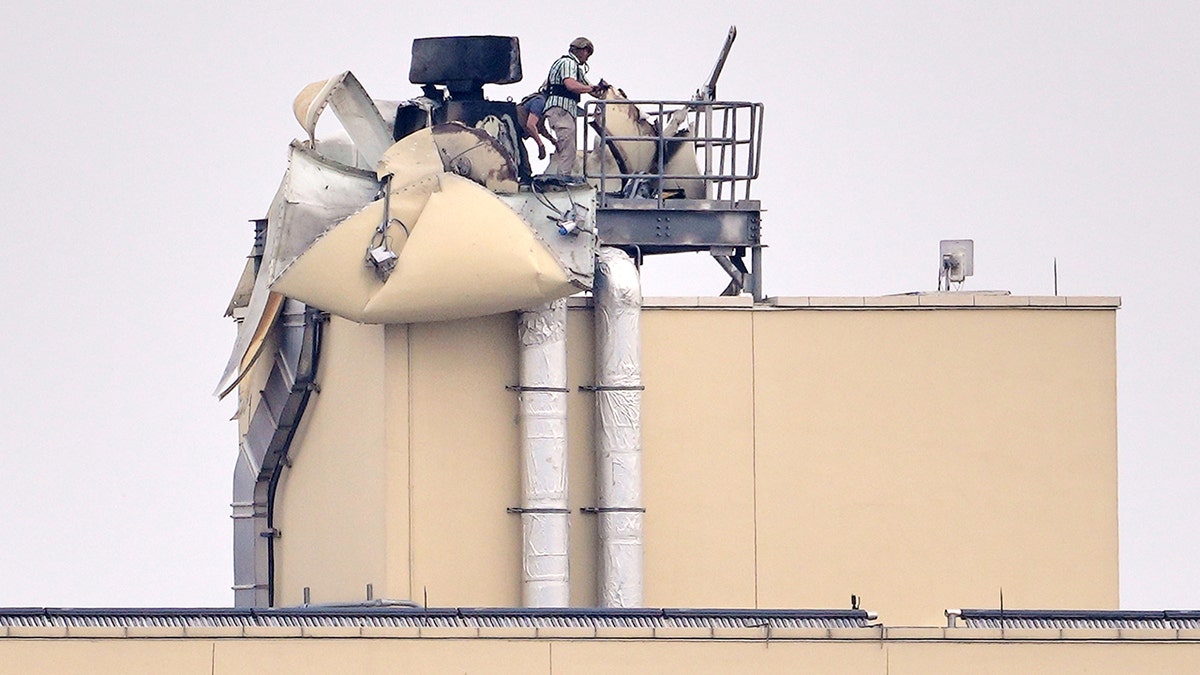
U.S. embassy personnel inspect damage caused by a bombing in Baghdad, Iraq, on Saturday, March 14, 2026. (Hadi Mizban/AP)
According to a Long War Journal report, «Airstrikes, likely conducted by the U.S. as part of the U.S.-Israeli operation against the Islamic Republic, have continued targeting Iran-backed Iraqi militias.» Neither the U.S. or Israel have not commented on reports that they are striking the PMF.
Fox News Digital secured information in early March from the Israeli Defense Forces that drones have bee fired at Israel from Iraqi territory since the start of the war.
The PMF told the Iraqi News Agency that American military forces have conducted 32 airstrikes against PMF headquarters since February 28.
The Kurdish official urged the Trump administration to «demand that Iraq’s government stop paying and arming the PMF and target their banking system that finances the PMF.» The official continued, «We have shared information with the Iraqis and the Americans, who have in turn shared information with the Iraqi government.» On the terrorist activities of the PMF the official said, «The al-Sudani government has been unwilling to confront them.»
TRUMP THREATENS TO END IRAQ SUPPORT OVER AL-MALIKI COMEBACK BID TIED TO IRAN INFLUENCE
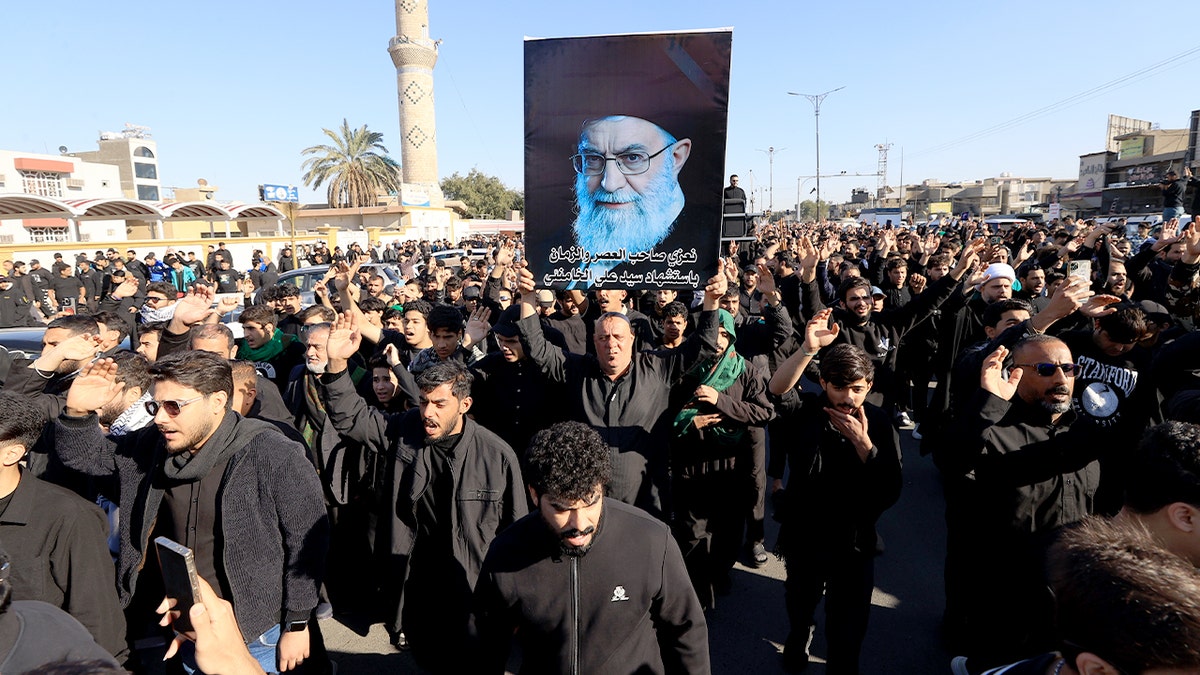
Supporters gather in Baghdad’s Sadr district holding Iranian flags and posters of Ayatollah Ali Khamenei following the announcement that he was killed in U.S.-Israeli attacks, on March 1, 2026 (Murtadha Al-Sudani/Anadolu via Getty Images)
The official bemoaned that the al-Sudani government initiated a «handful of arrests last year, and they were released on bail and were able to flee to Iran.» The Kurdish official said the KRG «provided the information to the Iraqi government about the perpetrators» who fled to the Islamic Republic.
An Iraqi official dismissed the reports on PMF terrorists, stating,» I have not heard of such a thing. I guess that’s not true.»
The Kurdish official cited two PMF groups as the most bellicose toward the U.S.: Asaib Ahl al Haq (League of the Righteous) and Kataib Hezbollah. The Trump administration sanctioned Asaib Ahl al Haq in March 2024. The State Department said Asaib Ahl al Haq «and its leaders are violent proxies of the Islamic Republic of Iran» and the group «is extensively funded and trained by Iran’s Islamic Revolutionary Guard Corps (IRGC) Qods Force.»
The U.S. government sanctioned Kataib Hezbollah in 2023. The Kurdish official also charged the al-Sudani’s government with imposing an embargo on imported goods to Iraqi Kurdistan as way «to strip away our autonomy and everything we can built over 30 years.» The autonomous Kurdish government is widely considered a robust pro-American ally.
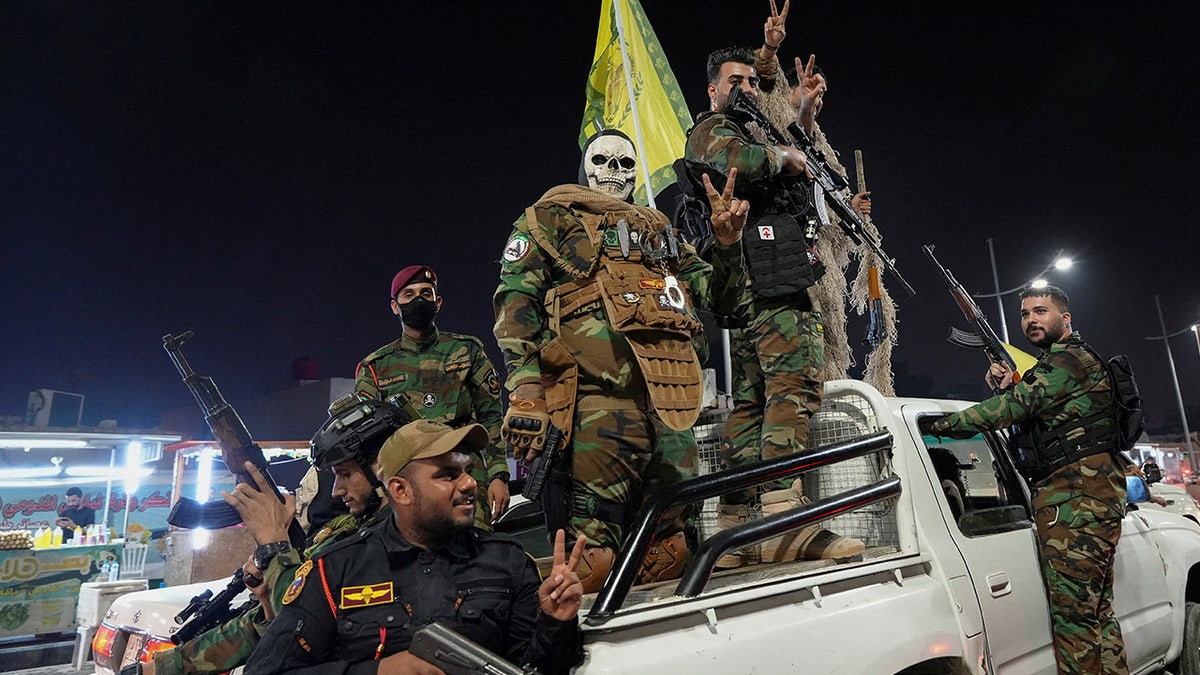
Iran-backed shi’ite groups fighters celebrate on a street, after the IRGC attack on Israel, in Basra, Iraq, October 1, 2024. (Essam Al-sudani/Reuters)
The Iraqi official denied the embargo, stating, «The federal government does not pursue a policy of ‘embargo’ against the Kurdistan Region. The current measures aim to unify the legal, customs, and trade framework across all Iraqi borders in line with the federal constitution.
«No country can afford contradictory internal trade and customs regimes, as this risks harming the national economy as a whole. Our objective is a unified, fair economic framework that protects state revenues while respecting the region’s specificities, and we believe this is best achieved through dialogue and cooperation.»
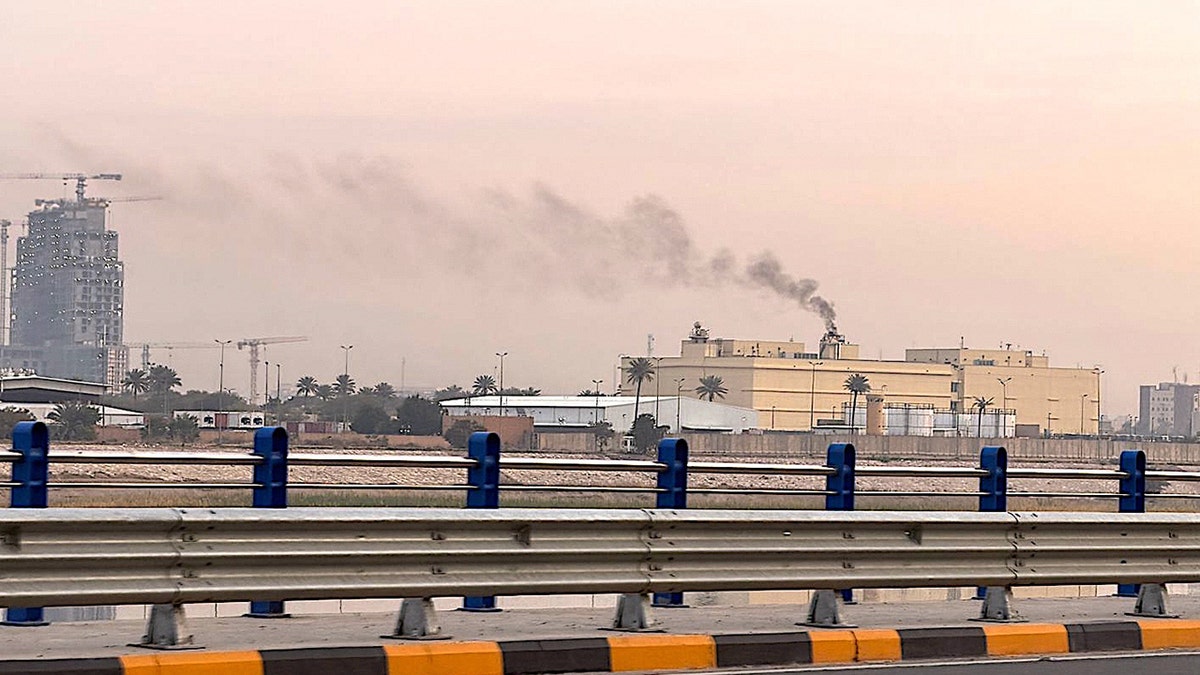
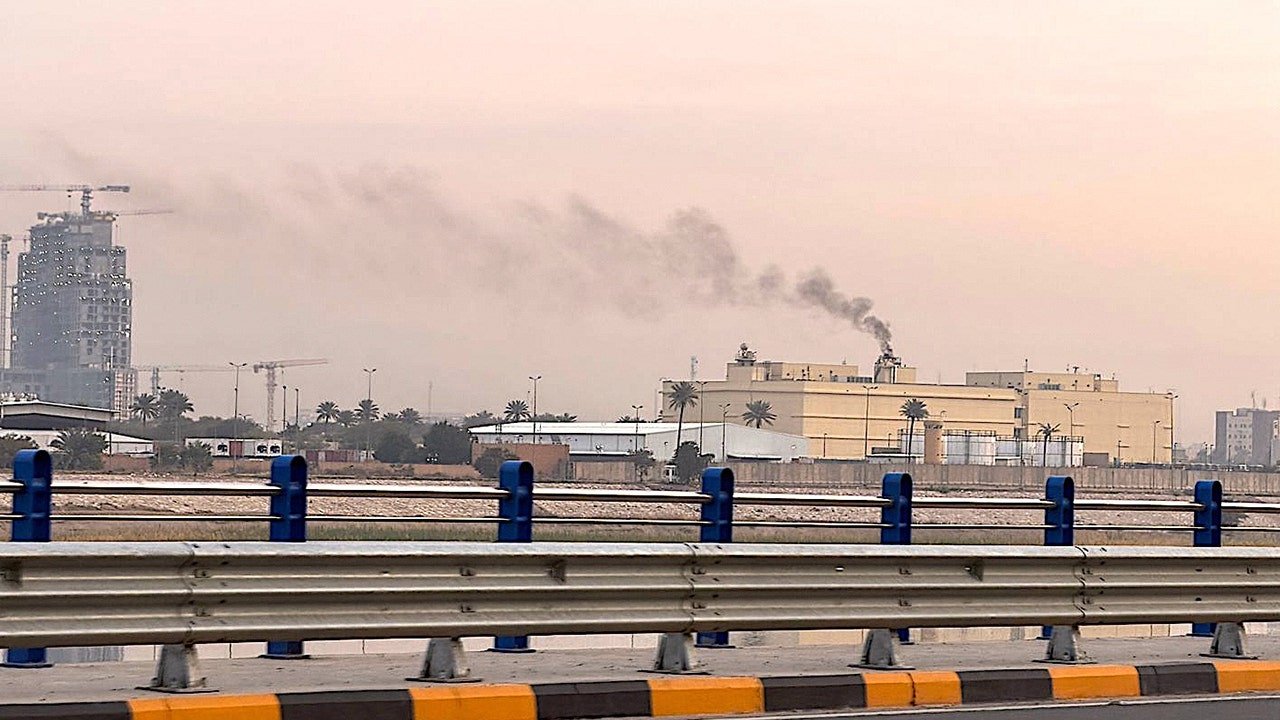
Smoke rises from the U.S. embassy building in Baghdad, Iraq, Saturday, March 14, 2026. (Ali Jabar/ AP Photo)
CLICK HERE TO DOWNLOAD THE FOX NEWS APP
Entifadh Qanbar, a former spokesman for the deputy prime minister of Iraq, told Fox News Digital that «One could even describe the PMF as the Iraqi branch of the Iranian Revolutionary Guard, effectively functioning as an Iraqi Islamic Revolutionary Guard Corps. The PMF operates through a network of militias that frequently attack U.S. forces, foreign interests, and targets in Kurdistan.»
He argued for «The dismantling of the mother organization — the PMF itself. As long as the PMF exists, militias operating under its umbrella will continue to attack U.S. forces and regional targets.»
Fox News Digital reporter Greg Norman-Diamond contributed to this report.
war with iran,iraq,terrorism,national security,mojtaba khamenei

El Gobierno le baja el tono a las revelaciones de la causa $Libra y asegura que debió cerrarse “hace tiempo”

$LIBRA: el diputado que encabeza la comisión investigadora pidió apartar al fiscal

Viene la lluvia y sigue el calor: este es el pronóstico del clima en el AMBA para esta semana

Bancos en alerta: la mora de las familias alcanzó su nivel más alto en 20 años

Michael Jordan ganó un Oscar y marcó un hecho inédito en la Premier League

La nueva peli sci‑fi de Spielberg ya me tiene ganado, pero pensar en lo que hará justo después me emociona aún más

El ex novio de Luana de Gran Hermano reveló información sensible sobre su relación: “El bolso tenía plata”

Morena Rial salió de la cárcel y se conoció escalofriante dato que involucra a Jorge Rial: «Me pidió que me hiciera cargo»

Emanuel Noir, de Ke Personajes, anunció que dejará las redes sociales: “Una búsqueda mayor a la que creí, apareció”

Cuánto subirán las jubilaciones y pensiones en abril después del dato de inflación que sorprendió

 CHIMENTOS2 días ago
La fuerte exigencia a Mauro Icardi para poder ver a sus hijas con Wanda Nara: “A Maurito se lo va a multar si no lleva a las menores al colegio”
- POLITICA2 días ago
BOMBAZO – Guerra abierta: Feinmann y Rossi contraatacan tras la denuncia de Victoria Villarruel
- POLITICA3 días ago
Milei llegó a Madrid para participar de un foro ultraliberal organizado por expertos en criptomonedas