INTERNACIONAL
Qué hace falta para que entre en vigencia el capítulo comercial del acuerdo Mercosur–Unión Europea


Tras el aval político del Consejo Europeo, el acuerdo entre el Mercosur y la Unión Europea quedó formalmente habilitado para avanzar hacia su aplicación, aunque no de manera plena ni inmediata.
Lo que está en condiciones de activarse en el corto plazo es la parte comercial del entendimiento, a través de un mecanismo de firma y aplicación provisoria que evita, por ahora, el complejo proceso de ratificación en cada uno de los países de la Unión Europea.
Leé también: El Gobierno celebró el acuerdo UE-Mercosur y adelantó que se firmará el 17 de enero en Paraguay
El respaldo del Consejo Europeo —que reúne a los representantes de los 27 Estados miembro— autoriza a la Comisión Europea, encabezada por Ursula von der Leyen, a firmar el acuerdo con Argentina, Brasil, Uruguay y Paraguay. Esa firma está prevista para enero en Asunción, en el marco de la presidencia pro tempore que hoy ejerce Paraguay en el Mercosur.
Sin embargo, la firma no implica por sí sola la entrada en vigencia. Según el esquema institucional del acuerdo, aún restan pasos políticos y parlamentarios, tanto en Europa como en el bloque sudamericano, antes de que el capítulo comercial pueda empezar a aplicarse de manera provisoria.
Leé también: Acuerdo entre la Unión Europea y el Mercosur: los argumentos de los cinco países que votaron en contra
Del lado europeo, el proceso comienza con tareas técnicas previas, conocidas como legal scrubbing, que consisten en la revisión jurídica final del texto y pueden demandar entre tres y nueve meses. Luego, la Comisión Europea eleva formalmente la propuesta al Consejo Europeo, que debe autorizar la firma con una mayoría calificada: al menos el 55% de los Estados miembro que representen el 65% de la población de la Unión.
Superada esa instancia, el acuerdo debe ser sometido a votación en el Parlamento Europeo, un trámite que suele extenderse entre tres y cinco meses. Aunque el Parlamento ya había respaldado la propuesta comercial, su consentimiento sigue siendo un requisito formal antes de que el Consejo pueda concluir el procedimiento.
Leé también: Video: agricultores entraron a París con tractores para protestar contra el acuerdo entre la UE y el Mercosur
La diferencia central respecto de otros acuerdos radica en el alcance limitado de esta etapa. Lo que se pone en marcha no es el acuerdo integral —que incluye diálogo político y cooperación— sino únicamente el pilar comercial, contenido en el llamado Interim Trade Agreement (iTA). Al tratarse de una materia que cae dentro de las competencias exclusivas de la Unión Europea, no se requiere la ratificación de los parlamentos nacionales de los 27 países, un proceso que, de otro modo, podría llevar varios años.
Ese paso queda reservado para el acuerdo completo, el EU-Mercosur Partnership Agreement (EMPA), que sí necesitará la aprobación de cada Estado miembro de la UE para entrar en vigencia definitiva.
Cómo es el proceso en el Mercosur
Los mandatarios de los países del Mercosur, durante la última cumbre en Foz do Iguacu, Brasil, en diciembre de 2025. (Foto: Reuters)
En paralelo, del lado del Mercosur el camino es distinto. Una vez firmado el acuerdo, Argentina, Brasil, Uruguay y Paraguay deberán aprobarlo en sus respectivos parlamentos. Recién cuando ese trámite esté concluido en los cuatro países, el capítulo comercial podrá comenzar a aplicarse de manera provisoria, en una modalidad que las partes describen como una “entrada en vigor bilateral”.
Según el esquema oficial, todo este recorrido establece un plazo mínimo estimado de un año desde el acuerdo político hasta la aplicación provisoria del pilar comercial. La ratificación completa del acuerdo integral, en cambio, no tiene un horizonte temporal definido y podría extenderse por varios años.
Leé también: Venezuela confirmó la visita de diplomáticos de EE.UU. y anunció el envío de una misión a Washington
El ITA permitirá adelantar los beneficios económicos del entendimiento. Prevé reducciones arancelarias, apertura de mercados y mejores condiciones para el comercio de bienes y servicios. Sectores como el agro, la industria automotriz, los productos farmacéuticos y químicos figuran entre los principales alcanzados. También incluye disposiciones sobre inversiones, comercio digital, servicios financieros y acceso de empresas europeas a licitaciones públicas en los países del Mercosur.
A la vez, la Unión Europea incorporó salvaguardas bilaterales para productos agrícolas sensibles. Hasta que se adopte un régimen definitivo, la Comisión Europea podrá aplicar medidas de emergencia ante eventuales perturbaciones del mercado, con mecanismos de monitoreo reforzado y la posibilidad de iniciar investigaciones a pedido de los Estados miembro.
Las negociaciones entre ambos bloques comenzaron en 1999 y se cerraron formalmente el 6 de diciembre de 2024. El acuerdo apunta a crear la mayor zona de libre comercio del mundo, con más de 700 millones de consumidores. En 2024, el comercio de bienes entre la Unión Europea y el Mercosur superó los 111.000 millones de euros, mientras que el intercambio de servicios alcanzó los 42.000 millones en 2023.
MERCOSUR, Unión Europea










INTERNACIONAL
Iran’s ceasefire push may be a ‘cycle of deception,’ analysts warn as shadowy figure gains power

NEWYou can now listen to Fox News articles!
President Donald Trump suggested Wednesday that Iran may be seeking a ceasefire, but analysts say real power lies with hardline figures inside the Islamic Revolutionary Guard Corps, including newly prominent commander Ahmad Vahidi.
Trump did not name the Iranian figure he was referring to, but his comment likely pointed to President Masoud Pezeshkian, writing: «Iran’s New Regime President, much less Radicalized and far more intelligent than his predecessors, has just asked the United States of America for a CEASEFIRE! We will consider when Hormuz Strait is open, free, and clear. Until then, we are blasting Iran into oblivion or, as they say, back to the Stone Ages!!!»
Experts caution, however, that Iran’s president does not control decisions of war and peace.
«He clearly does not have the authority to turn on or turn off a major military conflict with the United States,» Behnam Ben Taleblu, a senior fellow at the Foundation for Defense of Democracies, told Fox News Digital.
TRUMP’S IRAN STRATEGY SHOWCASES ‘DOCTRINE OF UNPREDICTABILITY’ AMID STRIKE THREATS AND SUDDEN PAUSE
Iranian Interior Minister Ahmad Vahidi speaks during a press conference after the parliamentary elections in Tehran, Iran, March 4, 2024. (Majid Asgaripour/WANA (West Asia News Agency) via Reuters)
Instead, analysts say real power lies with senior figures tied to the Islamic Revolutionary Guard Corps, including Vahidi, parliamentary speaker Mohammad Bagher Ghalibaf, and security official Mohammad Zolghadr, all of whom operate within overlapping centers of influence.
Attention is turning to the new terror chief seen as an extremist pulling strings, Vahidi — a longtime Islamic Revolutionary Guard Corps commander whose reemergence highlights a broader shift underway inside Iran’s leadership.
Beni Sabti, an Iran expert at the Israeli Institute for National Security Studies, warned that even when Iran signals interest in a «ceasefire,» it may not reflect a Western understanding of the term.
He pointed to the concept of «hudna,» describing it as «a ceasefire with deception — they stop when they are weak, rebuild their strength, and then attack again, whether against Israel or the United States.»
Sabti added that such pauses can become «a cycle of violence that does not end,» driven by ideological motivations, and should not be interpreted as a genuine end to hostilities.
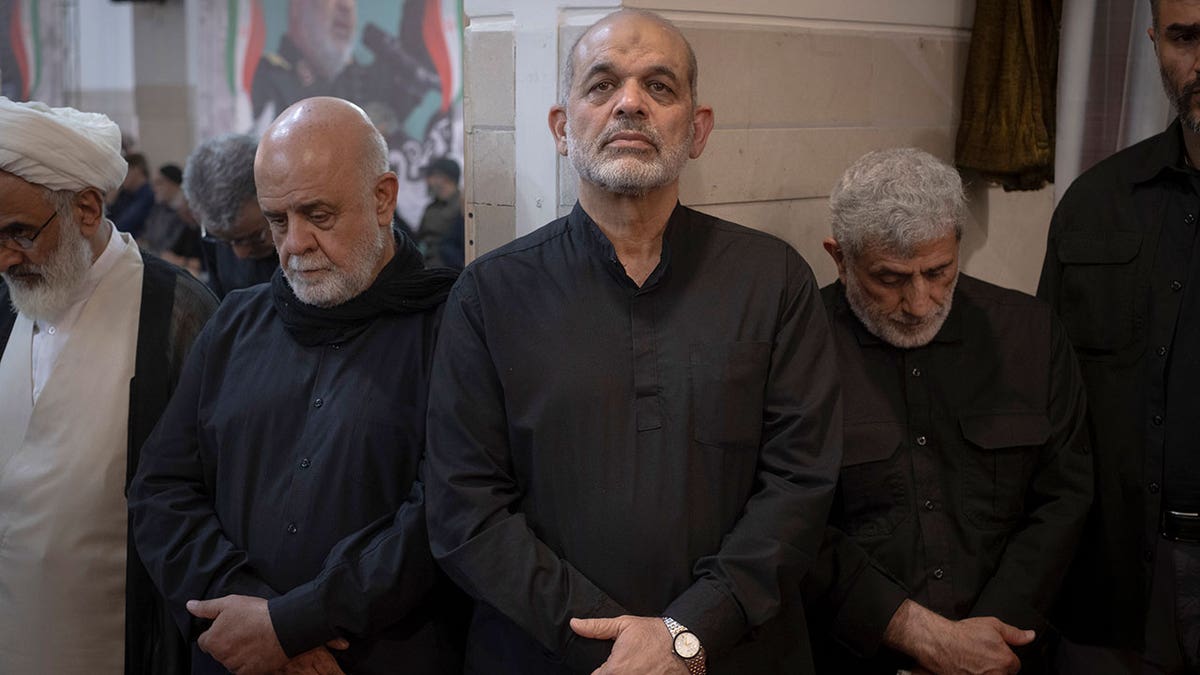
Ahmad Vahidi, commander of the Islamic Revolutionary Guard Corps Quds Force, Esmail Qaani, and Iraj Masjedi, Deputy Coordinator of the Islamic Revolutionary Guard Corps (IRGC) Quds Force, participate in a ceremony to mark the memory of former IRGC commander, Hossein Salami, who is killed in Israeli attacks, at a mosque in an IRGC organizational house complex in Tehran, Iran, on July 25, 2025. (Morteza Nikoubazl/Nur Photo via Getty Images)
From covert operations to global attacks
At the center of that uncertainty is Ahmad Vahidi, the new Islamic Revolutionary Guard Corps (IRGC) commander.
«He is a very violent man and belongs to a generation that fought in guerrilla warfare,» Sabti told Fox News Digital.
Sabti described Vahidi as part of an early cadre of Iranian operatives who built ties with militant groups in Lebanon before and after the 1979 revolution, relationships that later became central to Iran’s regional strategy. Some accounts suggest Vahidi trained in camps linked to Palestinian and Lebanese factions in southern Lebanon, helping lay the groundwork for Iran’s long-standing alliance with Lebanon-based terror group Hezbollah.
DESTROY THE REGIME’S POWER WITHOUT OCCUPYING IRAN: A SMARTER WAR PLAN
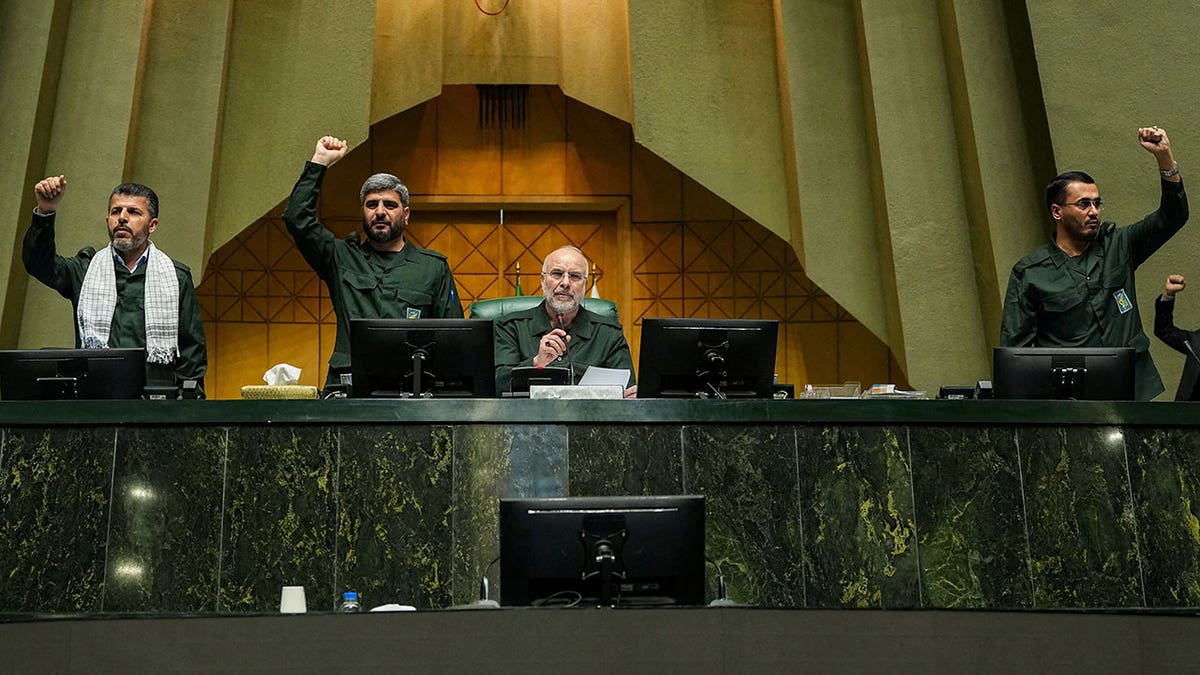
Iranian Parliament Speaker Mohammad-Bagher Ghalibaf looks on as parliament members chant in support of the IRGC while wearing military uniforms in Tehran, Iran, Feb 1, 2026. (Hamed Malekpour/Islamic consultative assembly news agency/WANA (West Asia News Agency)/Handout via Reuters)
Vahidi rose through the ranks of the Islamic Revolutionary Guard Corps and went on to serve as commander of its elite Quds Force in the 1990s, a unit responsible for overseas operations.
He has been linked to some of the deadliest attacks attributed to Iranian-backed networks abroad, including the 1992 bombing of the Israeli Embassy in Argentina and the 1994 bombing of the AMIA Jewish community center in Buenos Aires.
Sabti said Vahidi was also accused of maintaining connections with al Qaeda figures following the Sept. 11 attacks, reflecting what he described as Iran’s willingness to cooperate with groups targeting Western and Israeli interests.
Despite later holding positions that appeared political or bureaucratic, Sabti said Vahidi never truly stepped away from the Revolutionary Guards, Iran’s powerful military and intelligence arm, meaning his role remained closely tied to the regime’s security and operational apparatus.
«He always remained part of the Revolutionary Guards — even wearing uniform,» he said. «That’s common in Iran. Even when they move into politics, they stay within the force.»
Sabti also pointed to Vahidi’s alleged role in suppressing Kurdish uprisings in northwestern Iran in the aftermath of the 1979 Islamic Revolution, underscoring his longstanding involvement in internal security operations.
HEGSETH REVEALS COVERT VISIT TO TROOPS FIGHTING IN OPERATION EPIC FURY
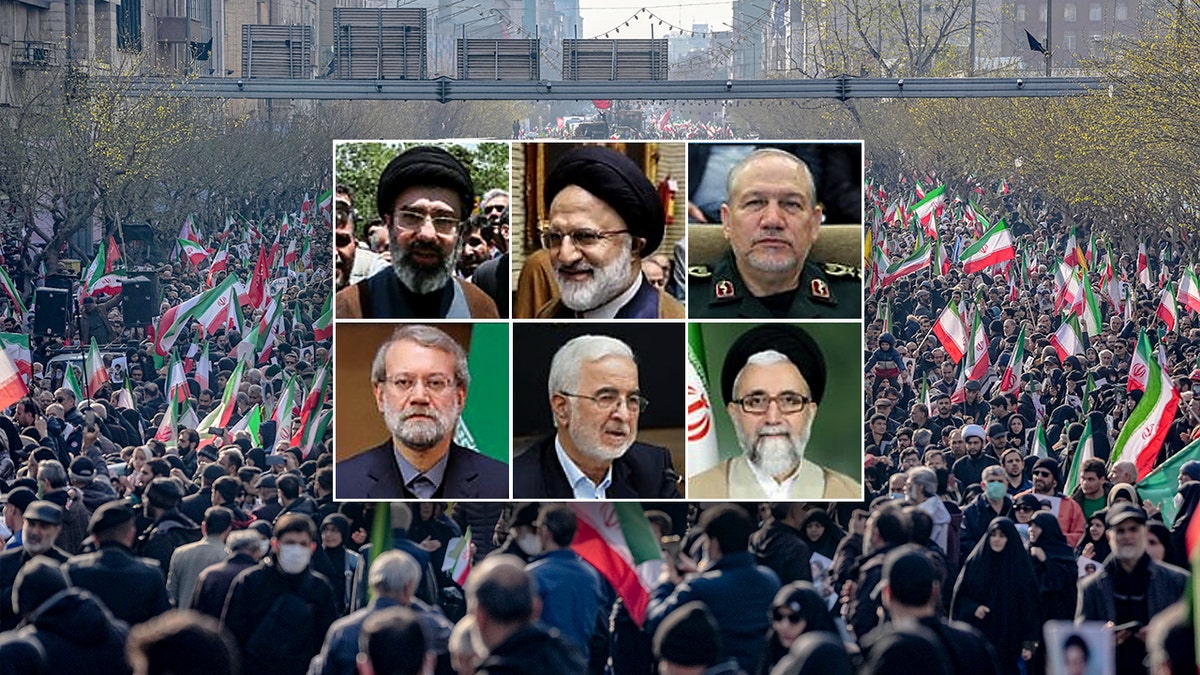
A composite image shows several Iranian leaders named in the State Department’s Rewards for Justice program offering up to $10 million for information on key figures tied to Iran’s Islamic Revolutionary Guard Corps (IRGC), including Mojtaba Khamenei, top left. (State Department / Rewards for Justice; Khoshiran / Middle East Images / AFP via Getty Images)
A system driven by power, not position
Vahidi’s renewed prominence comes as Iran’s internal structure appears increasingly fragmented, with authority concentrated in overlapping and sometimes competing networks.
«It’s not clear how coordinated either the military or political actions of the government of the Islamic Republic is today,» Ben Taleblu said.
He described Iran as «a system of men, not a system of laws,» where personal ties and informal influence often outweigh formal titles.
That dynamic has intensified as the war continues.
«We are seeing the IRGC ascendancy… across a host of Iranian political and security institutions,» he said.
«This IRGC ascendancy will mean a more crass Islamic Republic, but it comes at a time when this regime is militarily less capable than ever before,» he added.
More power, less restraint
Sabti said Vahidi may now be more influential than other prominent figures in Tehran, including parliamentary speaker Mohammad Bagher Ghalibaf and Supreme Leader Ali Khamenei’s son, Mojtaba Khamenei.
«In my view, he is more dominant right now, even if they are coordinated. This is not a time for internal competition,» Sabti said.
He warned that Vahidi’s rise could further harden Iran’s posture.
«He brings even more radicalization into the system and may not want to stop the war, because it serves the interests of the Revolutionary Guards to continue,» Sabti said.
«They could become masters of the region if the United States folds — and that is very much in his interest.»
Trump’s suggestion that Iran is seeking a ceasefire has raised hopes of a potential diplomatic opening, but experts caution that such signals may not reflect a unified position inside Iran.
«The question is what was shared with President Trump genuine, or is it wheeling and dealing of just one ambitious person?» Ben Taleblu said.
CLICK HERE TO DOWNLOAD THE FOX NEWS APP
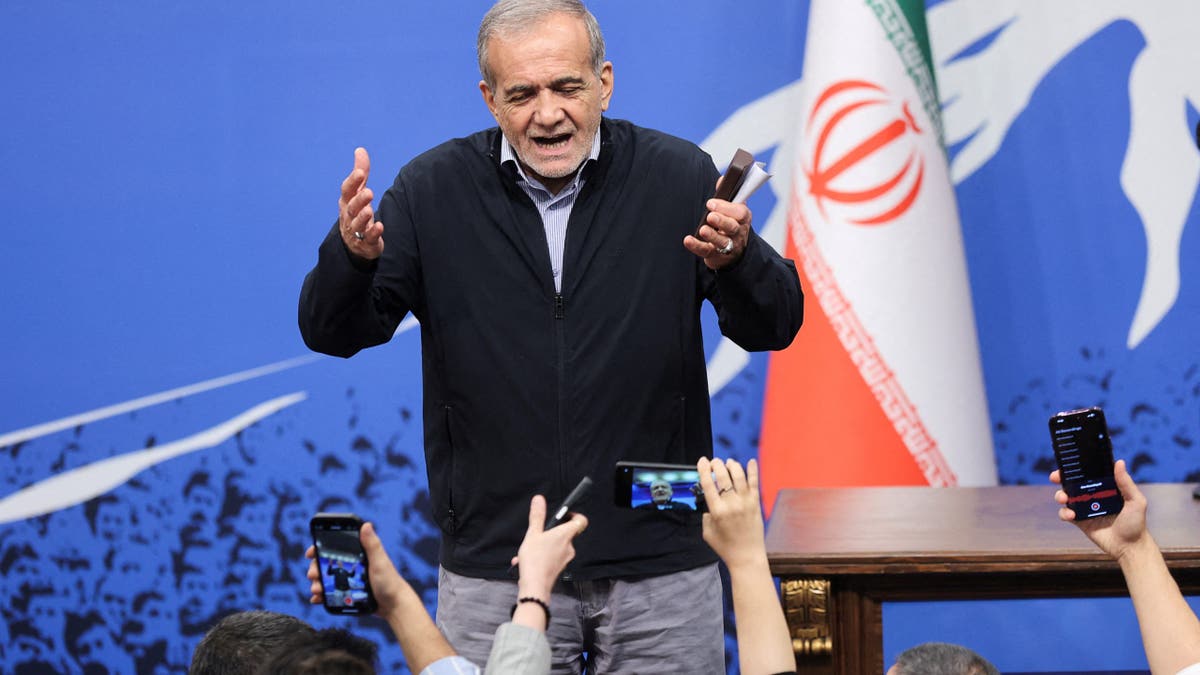
Iran’s President Masoud Pezeshkian attends a press conference in Tehran, Iran, Sep. 16, 2024. (WANA (West Asia News Agency)/Majid Asgaripour via Reuters)
«Pezeshkian clearly does not have the authority to turn on or turn off a major military conflict with the United States,» Ben Taleblu said.
That leaves open the possibility that any outreach could be tactical, fragmented, or even contradictory.
Fox News Digital reached out to the White House for comment but did not receive a response in time for publication.
war with iran, donald trump, mojtaba khamenei, terrorism
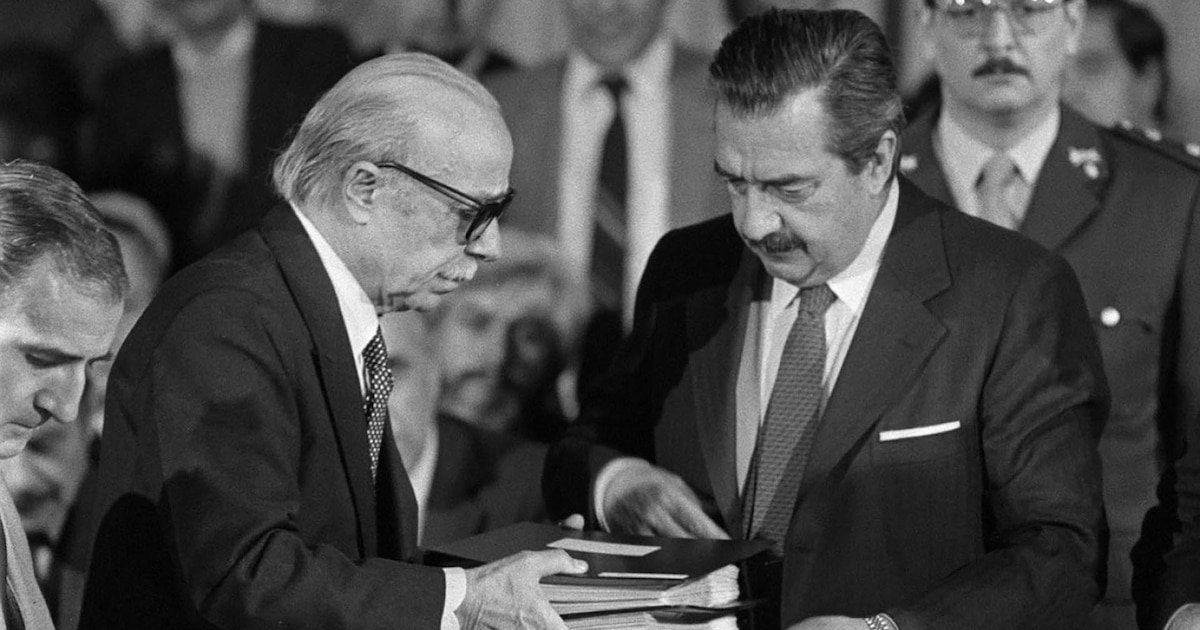
La semana pasada Héctor Schamis me pasó su X con la foto de Ernesto Sábato, Presidente de la CONADEP, entregándole a Raúl Alfonsín el informe “Nunca Más” y una reflexión que me ha llevado a seguir en un tema que en realidad nunca me ha dejado, el de los crímenes de lesa humanidad en la región. En ese sentido, debo decir que fue inevitable releer “El Estado terrorista argentino” de Eduardo Luis Duhalde, una lectura que es asimismo devastadora.
El horror se expresa concepto tras concepto, como ser “a ello se suma -en muchos casos- la retención de familiares en calidad de rehenes, a menudo sometidos a presiones y atropellos”, “el ocultamiento de su accionar es la primera característica del estado terrorista. Por ello, los grupos operativos no se identifican, las autoridades niegan la acción o procedimiento y los detenidos no son reconocidos como tales”, cita un informe que señala “Dirigentes y activistas fueron muertos, presos, desaparecidos, exiliados. Las cifras, aunque imprecisas, tienen contornos siniestros y horrorosos: se cuentan no por individuos sino por centenares, por miles. Hubo ejecuciones en las fábricas y violencias físicas y psicológicas tendientes a aterrorizar a los obreros”, debajo de las fotos se pueden leer cosas como “Retiro del cadáver atado y amordazado de un joven”, “A los cuerpos de muchas víctimas se los mutiló y quemó para impedir su identificación”, “Víctimas de los allanamientos militares. Cientos de ellas fueron asesinadas mientras dormían”. Como ya he dicho, esto se hizo en el contexto de la “guerra fría” y con el apoyo de los Estados Unidos (salvo en el período del Presidente Jimmy Carter que retiró su apoyo a estas dictaduras), así como luego se juzgaron a los responsables con el apoyo de los Estados Unidos.
Esto debería de haber sido enseñanza suficiente para tener una región libre de crímenes de lesa humanidad. Lamentablemente, ello no es así y hoy podemos leer nuevas atrocidades.
“En Venezuela, la OEA reportó aproximadamente 18,000 ejecuciones extrajudiciales en un informe de 2020, la ONG Provea documentó más de 10,000 ejecutados por fuerzas de seguridad durante la década 2013-2023 y la ONU estimó cerca de 7,000 muertes en un solo año previo a 2019”, informe CASLA 2021 señala “Padres, madres, abuelos, hermanos, primos, niños, vecinos, amigos, novias, han sido secuestrados por funcionarios del SEBIN y DGCIM, trasladados a sedes de esos cuerpos policiales, en su mayoría esposados, sin importarles la edad, sexo o condición física”, “para la ejecución de la tortura, pueden conocer los límites que separan a las víctimas de la muerte, cuando son sometidos a largos períodos de tortura física que les provocan desfallecimientos continuos, dolores extremos que pueden ocasionarles infartos, o ruptura de miembros u órganos del cuerpo que ponen en peligro su vida, más cuando las víctimas siguen siendo sometidas a otras torturas después de esto”, “como distintos funcionarios del régimen han utilizado diversos mecanismos para devolverles el ritmo cardíaco y seguirlos” torturando.
Hoy debemos pedir la libertad de cada preso político en la región, de cada torturado, de aquellos que están enterrados en vida en el Fuerte Guaicaipuro en Venezuela, por ejemplo.

Es el mismo sadismo, el mismo nivel de crueldad delictiva, las mismas psicopatías criminales graves, hayan sido argentinos o uruguayos o sean cubanos, venezolanos o nicaragüenses. Las estructuras de convicción irracional que pueden sostener un régimen como ser el fanatismo religioso respecto al cual me referí en una anterior columna.
Los Derechos Humanos, los crímenes de lesa humanidad trascienden la ideología, no es posible quedar empantanados en la misma cuando una sociedad o un sistema político necesita respuestas que rescaten a las personas de la tortura, el asesinato, la desaparición forzada, la violencia sexual. ¿Quieren saber sobre imperativos categóricos? Son estos: que haya justicia para todos, que tengamos un hemisferio libre de crímenes de lesa humanidad, que haya verdad, memoria, no repetición. No se pueden tener otros imperativos categóricos y saltearse estos. Una vez me le “escapé” a un Presidente para asumir estos principios antes de llegar a la OEA y cuando ya estaba en la OEA me le volví a escapar para volver a hacerlo.

La defensa de los Derechos Humanos debe poder cruzar la frontera de la ideología, nunca ha sido la idea que los testimonios y la argumentación jurídica de los mismos pertenezca a las lógicas políticos partidarias, pero con esa lógica no se asumen como son, una dimensión real de protección a los pueblos, sino que se los hace bajar a una instrumentalización que los lleva a ser nada más que un elemento más de la bajeza que puede tener la política. Los Estados terroristas argentino, uruguayo, chileno, brasileño y los Estados terroristas cubano, venezolano, nicaragüense tienen algunas diferencias entre ellos en lo que refiere a crímenes de lesa humanidad, una de ellas es la impunidad, la otra es que continúan perpetrándolos. No obstante, todavía no escuchamos la condena permanente y generalizada que se debería escuchar.
Las imperfecciones del Derecho generan dinámicas de injusticia como las disfuncionalidades sociales y económicas lo hacen. Latinoamérica es una región con demasiadas imperfecciones en todos los campos. Y también en el de los principios. Aún hoy existen en la región gobiernos que desconocen el concepto de «Estado de Derecho Democrático» debido a la exigencia profunda que la ideología y/o la corrupción les demanda en términos de lealtad, que definitivamente muestra cruelmente la falta de compromiso con los Derechos Humanos y la permanente indulgencia hacia las trampas autoritarias.
Si bien los liderazgos políticos quizás pueden percibir ciertos aspectos de la realidad, ignoran por completo el concepto específico del Estado de Derecho Democrático en una comprensión genuina. En consecuencia, este tema suele quedar relegado en muchos contextos políticos de nuestra región y la condena de los crímenes de lesa humanidad es tibia, inexistente y con permanentes retrocesos. El punto más alto de condena fue cuando 6 países de la región formalizaron la denuncia contra el régimen venezolano por sus crímenes de lesa humanidad basados en un informe que se hizo en la OEA (en un principio con 0 apoyo).
“Cambio de régimen” se ha transformado en el leitmotiv de aquellos que defienden la perennidad de las dictaduras. El problema es que directamente no siempre se aplica la legitimidad objetiva de la democracia, por lo tanto, existe dejadez a la hora de reclamarla, defenderla y promoverla, las lealtades a la democracia son más débiles que las lealtades a asociados ideológicos y que comparten intereses, muchas veces de la peor naturaleza. Esto se hace aun frente a la evidencia de terrorismo de Estado, esto se hace aun frente a la evidencia de alteración del orden constitucional.
La prescindencia, la “neutralidad” tienen en la región vieja data, nuestros países esperaron el último de la Segunda Guerra Mundial para declarar la guerra al eje (salvo Brasil que lo hizo en 1942 luego le fueran hundidos 30 barcos), así como luego se dio refugio en el Cono Sur a lo peor del aparato de odio nazi. La región era neutral frente a los crímenes de odio del nazismo. Y quizás debemos mencionar también las vicisitudes de los pobres que tuvieron que apoyar al nazismo y su guerra al principio cuando el pacto Stalin-Von Ribbentrop, luego tuvieron que apoyar la campaña masiva de crímenes de lesa humanidad de Stalin y sucesores y después tuvieron que ver cómo todo se desmoronaba. Debo decir que no tengo muchos problemas en apoyar cambios de régimen cuando se trata de pasar de una dictadura a una democracia, por imperfectas que sean.
El significado de la realidad de los Derechos Humanos reside, natural y sencillamente, en sí misma en el proceso de justicia. Sobre esa base se afirma el significado de los derechos humanos pues la forma en que los mismos sean sostenibles tiene que ver con la creación de dinámicas sociales que tienden a consolidar las ideas sociales, económicas y jurídicas de justicia. Los derechos humanos son su propia recompensa. La realidad debe ser que no se actúe de acuerdo con los principios del Estado de Derecho con la esperanza de obtener algo más, sino que se lleven adelante determinadas acciones por el valor de las mismas en asegurar la vigencia de esos Derechos.
El Estado de Derecho no se limita al nivel institucional, está íntimamente ligado a la dinámica de las interacciones interpersonales, cuáles son los valores de la ciudadanía y cómo esos valores son puestos en práctica en el ejercicio diario de la democracia. No es solamente cuando el discurso político ignora este aspecto es que la realidad humana se distorsiona, ello simplemente despierta monstruosidades sociales y políticas subyacentes en nuestras sociedades y que una vez en acción alimentan y retroalimentan directamente el sistema político. Alcanza con ver los niveles de respuestas en redes sociales para comprender que el problema es más complejo y más extendido.
La legitimidad objetiva de la Democracia como sistema de Gobierno en las Américas no es algo que debería discutirse, pero lamentablemente es algo que todavía requiere de valentía para hacerlo, la defensa de la democracia se transforma en batalla ideológica, una vez sí y otra también.
Tampoco debería de haber matices para la defensa de los Derechos Humanos, así como para la condena de las violaciones de Derechos Humanos, pues los mismos pertenecen a una noción de aplicación universal. Al hablar de derechos humanos, el término se utiliza en su sentido más fundamental. Los Derechos Humanos no pertenecen ni a una ideología, ni a una suposición política, ni a una mera teoría; es una realidad vívida, una realidad que debe garantizarse y protegerse concretamente. Esto implica proteger la situación específica de cada persona para ayudarla a encontrar soluciones que respeten su humanidad y su conciencia. Por lo tanto, la implementación efectiva de políticas relacionadas con los Derechos Humanos fundamentales debe ser un requisito universal e ineludible, ya que todos los aspectos de la gobernanza política y administrativa están directamente vinculados a su vigencia y a su implementación práctica.
Cuando se habla de Derechos Humanos, debemos emplear el término en su sentido más fundamental, ellos son una realidad inmediatamente tangible que debe ser implementada y defendida en la práctica. Los derechos humanos enriquecen la vida de las personas, tienen que ver con la implementación de principios subyacentes de su naturaleza humana y que deben ser de carácter permanente; la salvaguarda de su existencia y de su valor no admite interrupción alguna en su protección, ni siquiera en ausencia de una observación directa de violaciones a los Derechos Humanos. Una verdadera comprensión de los Derechos Humanos solo puede alcanzarse en su sentido más integral.
Como podrán imaginar, la situación resulta compleja, habida cuenta de que la mayoría de los países en este ámbito tienden a operar conforme a un modelo flexible, en lugar de adherirse a metodologías científicas rigurosas que impedirían la aplicación de dobles raseros o la suspensión temporal de la plena implementación de estos derechos. Como es posible comprender, la situación es siempre políticamente delicada, porque la mayoría de los países operan dentro de un paradigma de flexibilidad al respecto de los Derechos Humanos. Los Gobiernos han demostrado más lealtad a la ideología y a intereses no siempre muy claros que a los Derechos Humanos, lo cual ha llevado a que la defensa no siempre se realice con un riguroso enfoque científico que no admite dobles estándares ni interrupciones coyunturales del pleno goce de los mismos.
El Estado de Derecho Democrático es esencial para la mejor defensa de los mismos, los abarca a todos incluido en las dinámicas más relativas de su goce. En el ejercicio de las libertades, en cierto sentido, la conciencia humana se expande, el proceso se vuelve tan holístico —y hay un número infinito de variaciones posibles— que ello mueve a los Derechos Humanos al centro mismo de la realidad social. Este enfoque ético es el único posible, lo cual nos lleva a una definición recursiva de los Derechos Humanos, en la medida en que el libre ejercicio de estos derechos es inherente a la propia definición de las personas. Sí, precisamente, esto no es por defecto, sino una característica fundamental.
La realidad es un proceso de interacciones infinito y es entonces en esta realidad que los Derechos Humanos deben ser, en el nivel absoluto y último, su propia fuente, su propio fin, su propio propósito y su propia razón de ser. Entonces, el significado de la realidad tiene que ver con cómo las personas interactúan y cómo al interactuar construyen redes sociales de Derechos que son respetados. Pues también lamentablemente se dan sociedades en que existen Derechos Humanos que eventualmente son relegados. Por ejemplo, un proceso político que implemente medidas de seguridad extremas en que no se respete el debido proceso puede estar basado en condiciones de inseguridad extremas que generaron una reacción a esa situación por la cual la sociedad admite y tolera la conculcación de Derechos para retomar la paz y la seguridad interna. Es un mecanismo que hemos llamado “comerse a los caníbales”.
Sin embargo, el Estado de Derecho Democrático comprende estos paradigmas de los Derechos Humanos en sí mismo, incluso en las dinámicas más relativas de su aplicación. En el proceso de ejercer la libertad, la conciencia se expande en más de un sentido. El proceso se vuelve tan inclusivo, y con infinitas variaciones, que es posible comprender los derechos humanos en el núcleo de la realidad social. Este es el único enfoque ético posible, y en cierto modo, se asemeja a una definición recursiva de los Derechos Humanos, porque el libre ejercicio de estos derechos es inherente a la propia definición de la existencia humana. De hecho, y en efecto lo es, esto no es una configuración determinada, sino una característica fundamental. Debemos tener siempre presente que este ejercicio de libertades fundamentales individuales se hace sobre la base de principios que son comunes, ello quiere decir que el ejercicio de la libertad que tiene una naturaleza colectiva y que a la vez que concedemos también recibimos la capacidad de acción social, jurídica, económica, cultural, política en forma de Derechos que pueden ser expresados, instrumentados y activados. La práctica de la libertad tiene un carácter colectivo pues de hecho es imposible que ocurra en nuestro propio cubículo. Es en este sentido colectivo que se fortalece.
Así, el significado de la realidad reside en cómo los individuos interactúan y, a través de dichas interacciones, construyen una red social de derechos, algunos de los cuales se mantienen y otros que, en última instancia, se suprimen. Un proceso político que impone medidas de seguridad extremas sin respetar el debido proceso puede tener su origen en una profunda inseguridad. Esta situación puede desencadenar una respuesta social en la que las violaciones de derechos se aceptan y toleran como medio para restablecer la paz y la seguridad interna. Los Derechos Humanos y el Estado de Derecho son sacrificados muchas veces para asegurar condiciones de vida mínimas, pero este error que lleva a importantes retrocesos tiene que ver con incompetencia e incapacidad para hacer las cosas como se deben, incapacidad para construir instituciones fuertes que den certeza de justicia.

NEWYou can now listen to Fox News articles!
President Donald Trump, frustrated by the Senate stalemate on the SAVE America Act, has moved via executive order to create a nationwide list of verified eligible voters and to restrict mail-in voting, a move that swiftly drew legal threats from Democrats.
«I don’t see how they can challenge it,» Trump said at Wednesday night’s Oval Office signing, admitting, «maybe it’ll be tested.»
«I believe it’s foolproof.»
Arizona, California and Oregon, states that widely offer mail-in voting, immediately pledged to sue the Trump administration, but Colorado, Hawaii, Maine, Minnesota, Nevada, Utah, Vermont, Washington state, Washington, D.C., and Wisconsin could follow suit.
REPUBLICAN SENATORS BLAST DEMOCRATS FOR ‘FEAR-MONGERING’ OVER ELECTION SECURITY SAVE ACT
President Donald Trump acknowledges the likelihood of legal objections to his executive order on mail-in voting. (Brendan SMIALOWSKI / AFP via Getty Images)
«The President wants to limit which Americans can participate in our democracy,» California Democrat Gov. Gavin Newsom wrote on X.
«We’re challenging it,» he added. «See you in court.»
Arizona Secretary of State Adrian Fontes said the state’s vote-by-mail system is now used by 80% of voters, adding Arizona does not need the federal government to tell it who can vote, and arguing federal data is not always reliable.
GOP TRIGGERS MARATHON SENATE FIGHT TO EXPOSE DEMS’ OPPOSITION TO TRUMP-BACKED VOTER ID BILL
«It is just wrongheaded for a president of the United States to pretend like he can pick his own voters,» Fontes, a Democrat, told The Associated Press. «That’s just not how America works.»
It is yet another battleground for Trump versus blue on the U.S. map ahead of the 2026 midterms. Republicans will fight to maintain razor-thin majorities in the House (217-214 currently, with one GOP-caucusing independent) and Senate (53-45, with two independents caucusing with Democrats).
«The cheating on mail-in voting is legendary,» Trump said after signing the order in the Oval Office on Wednesday night. «It’s horrible what’s going on.
GOP GOVERNORS, AGS BACK TRUMP SAVE ACT PUSH, WARN SYSTEM GIVES ‘UNDUE INFLUENCE’ TO STATES WITH ILLEGAL ALIENS
«I think this will help a lot with elections.»
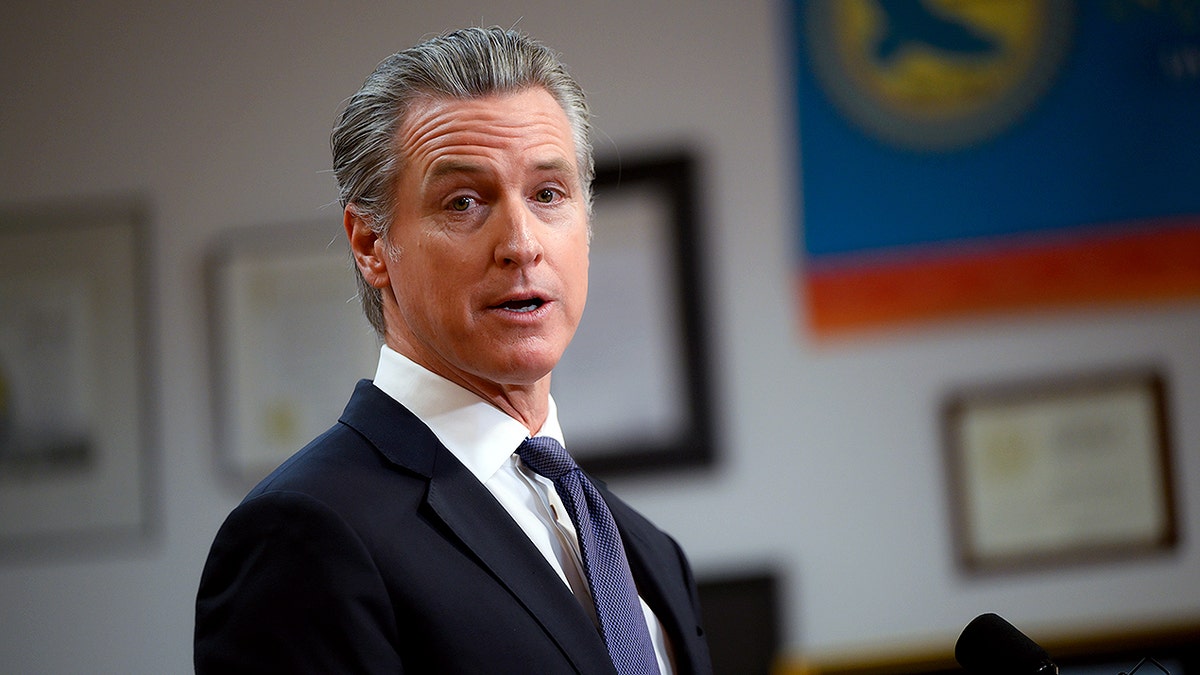
California Democrat Gov. Gavin Newsom immediately issued a ‘see you in court’ after President Donald Trump’s election integrity executive order Tuesday night. (Tayfun Coskun/Getty Images)
Trump won 30 states outright in 2024, compared to former Vice President Kamala Harris’ 18 (19, when including Washington, D.C.). Maine and Nevada split their Electoral College votes.
Trump won Nevada and Utah, two universal mail-in voting states. Nevada is a battleground state, while Utah is generally reliably red.
TRUMP VOTER ID PUSH FACES SENATE TEST AS GOP REBELS THREATEN TO SINK BILL
Among the states won by Harris, New Hampshire is the only one that generally requires a specific reason (such as illness or absence) to vote by mail.
«This is a massive and unconstitutional voter suppression effort aimed at giving Trump the power to create a list of who is allowed to vote by mail,» Democrat election lawyer Marc Elias, who was an election integrity attack dog for both former President Joe Biden and Harris, wrote immediately on X.
«We know where this will go — the targeting of Democrats for mass disenfranchisement.
DOJ SUES 5 MORE STATES, DEMANDING ACCESS TO VOTER ROLLS: ‘WE WILL NOT BE DETERRED’
«We will sue and we will win.»
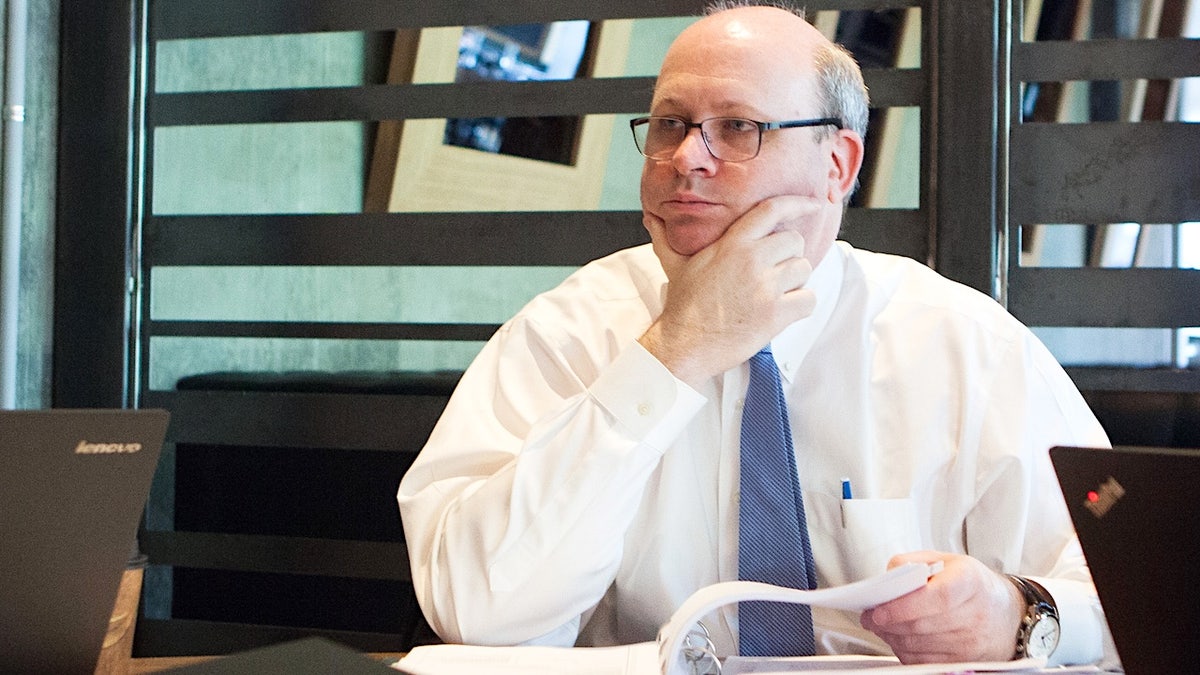
Democrat election lawyer Marc Elias has been suing Donald Trump for years. (David Jolkovski for The Washington Post)
New Jersey, Maryland, Illinois and Minnesota have «Permanent Absentee» lists where, once you sign up, you are automatically mailed a ballot for every future election. New York, Virginia, Massachusetts, Rhode Island, Connecticut, New Mexico and Delaware have standard no-excuse needed mail-in voting.
Any of those states also stand to object, but Trump said he is prepared for the legal wrangling.
TRUMP SIGNS EXECUTIVE ORDER OVERHAULING MAIL-IN VOTING IN MAJOR ELECTION INTEGRITY PUSH
«They’ll probably challenge it,» he said. «You find a rogue judge — a lot of rogue judges. Very bad, bad people. Very bad judges. And hopefully we’ll win on appeal if it is.»
Trump’s order directs the Department of Homeland Security, working with the Social Security Administration, to compile lists of eligible voters in each state and seeks to block the U.S. Postal Service from delivering absentee ballots to voters not on state-approved rolls. It also calls for ballot envelopes with unique tracking barcodes and threatens to withhold federal funding from states and localities that do not comply.
«Not only is his order unconstitutional, it’s unserious,» NAACP President Derrick Johnson told Reuters in a statement. «This order will not stand.»
TRUMP WARNS HE WON’T ENDORSE LAWMAKERS WHO OPPOSE SAVE AMERICA ACT
Legal experts said the order is likely to face immediate constitutional challenges because election administration is largely left to the states, not the president.
«This executive order is plainly unauthorized and unlawful,» Brennan Center for Justice Vice President at New York University Wendy Weiser told The Washington Post.
AP reported that Oregon, Arizona, Maine and Nevada were among the Democrat-led states where top officials either threatened lawsuits or said they would not comply:
TRUMP EXPLAINS VOTING BY MAIL: ‘I’M PRESIDENT’ WITH ‘A LOT’ GOING ON
Oregon: «We don’t need decrees from Washington, D.C.,» Secretary of State Tobias Read, a Democrat, said. «My message to the President: We’ll see you in court.» Oregon Attorney General Dan Rayfield, also a Democrat, added that the state would «use every legal tool available to us to fight this and protect Oregonians’ right to vote.»
Arizona: Fontes, in addition to his comments above, added, «We will not let this stand.»
Maine: Secretary of State Shenna Bellows, a Democrat, called the order «laughably unconstitutional» and said Maine would not comply. More than a quarter of Maine voters cast mail-in ballots in the 2024 election.
TRUMP CALLS MAIL IN VOTING CORRUPT AS SENATE BEGINS DEBATE ON SAVE ACT REQUIRING VOTER ID
Nevada: Secretary of State Francisco Aguilar, the lone Democrat in a state won by Trump in 2024, said the order would burden local election officials and «doesn’t benefit anybody in this country except himself.»
The latest order follows Trump’s broader push to reshape election rules from Washington. A March 2025 executive order that sought major changes to voter registration and mailed-ballot rules was largely blocked in court after lawsuits from voting-rights groups and Democrat state attorneys general.
«The president has no authority to regulate elections,» Weiser told the Post. «He tried to do something like this a year ago.
TWO DOZEN HOUSE REPUBLICANS GO TO WAR WITH SENATE GOP OVER SAVE AMERICA ACT
«We and others actually sued. We won. We expect the same result this time.»
Election-law specialists say Tuesday’s order is vulnerable for many of the same reasons.
David Becker, a former Justice Department lawyer who now leads the Center for Election Innovation and Research, said the Constitution is clear that the president does not control state-run elections.
PENCE URGES SENATE TO ‘RESTORE PUBLIC CONFIDENCE’ WITH NATIONWIDE VOTER ID LAW
The order was «clearly unconstitutional» and would be blocked immediately, Becker wrote on social media, adding Trump «might as well sign an EO banning gravity.»
Becker also noted the Postal Service is governed by a board of governors, limiting the president’s authority to dictate what mail it can carry.
«There’s no authority for any of this,» UCLA Safeguarding Democracy Project Director Richard Hasen told the Post, adding the order would be unenforceable in time for the midterm elections.
REPORTER’S NOTEBOOK: GOP WEIGHS ‘NUKING’ FILIBUSTER TO PASS TRUMP’S SAVE ACT
It is «just a fantasy,» Hasen concluded. «That’s why I think this isn’t serious.»
The order also revives concerns about the federal SAVE system, which voting-rights advocates have criticized as unreliable and prone to errors that could affect eligible voters.
At least one Republican elections official on Tuesday defended the SAVE system while downplaying the potential of widespread voter fraud.
REPORTER’S NOTEBOOK: GOP PUSHES ELECTION SECURITY BILL DESPITE SLIM ODDS, AS TRUMP PRESSURE LOOMS
Robert Sinners, a spokesperson for Georgia Secretary of State Brad Raffensperger — who stood firmly against Trump’s 2020 presidential election integrity investigation — said their recommendations to the Trump administration have strengthened voter verification and stressed that «the small number flagged as potential non-citizens cannot vote by mail or in person until they provide proof of citizenship.»
«The executive order will be decided in court, but in Georgia, we already verify citizenship and will continue to do so regardless of the outcome,» Sinners added.
The Brennan Center and other groups have warned that using federal databases to police state voter rolls can create mistakes, privacy concerns and barriers for lawful voters.
SLOTKIN PRESSES DHS PICK ON ICE AT POLLS, SAYS SHE CAN’T TRUST TRUMP TO ALLOW ‘FREE AND FAIR’ ELECTION
«The Constitution doesn’t allow the executive to take over elections administration; that’s a job for the state legislatures or Congress, and so I don’t think this is going to pass any sort of judicial muster,» Fontes told The New York Times.
«So this is a big, giant waste of time, and it’s an attention grab from the Trump administration.»
Trump vehemently disagrees, despite using mail-in voting himself last month.
SCOTUS CONSERVATIVES SIGNAL READINESS TO CURB LATE-ARRIVING MAIL BALLOTS
«Yeah, I did,» Trump shot back at a reporter Thursday. «You know what? Because I’m president of the United States.»
«And because of the fact that I’m president of the United States, I did a mail-in ballot for elections that took place in Florida because I felt I should be here instead of being in the beautiful sunshine.»
«You know, we have exceptions for mail-in ballots,» Trump said. «You do know that, right? So if you’re away, you have an exception. If you’re in the military, we have an exception. If you’re on a business trip, we have an exception. If you’re disabled, we have an exception. And if you’re ill, if you’re not feeling good.
«So I was away mostly in Washington, D.C., so I used a mail-in ballot.»
CLICK HERE TO DOWNLOAD THE FOX NEWS APP
Trump frequently invokes the critical 2005 findings of the Carter-Baker Commission, which warned about the election integrity vulnerabilities of mail-in voting.
Reuters and AP contributed to this report.
elections, voting, federal courts, constitution, donald trump, midterm elections, senate

Siamo fuori della Copa: Italia cayó por penales ante Bosnia en el Repechaje y se quedó afuera del Mundial

“A los que piden devaluar me dan ganas de cagarlos a patadas en el culo”: el exabrupto de Caputo en la Bolsa de Rosario

Caen los índices de pobreza pero crece la indigencia en la calle: la Ciudad denuncia falta de infraestructura en la Provincia y reclama fondos millonarios

Máximo Kirchner apoyó a los trabajadores despedidos de Fate y criticó a Milei

Flor Peña habló del posible regreso de Casados con hijos y de la polémica con Érica Rivas

Iran’s ceasefire push may be a ‘cycle of deception,’ analysts warn as shadowy figure gains power

Máximo Kirchner salió al cruce de Milei y Macri tras el fallo por YPF a favor de la Argentina

El Gobierno cambia su propuesta de reforma: endurece penas para delitos comunes, pero no para los casos de corrupción

Nuevas críticas de Marcela Pagano contra los Milei: “Karina es la que gobierna”, aseguró

Dos jubiladas que le habrían prestado dinero a Manuel Adorni negaron conocerlo

 POLITICA3 días ago
Nuevas críticas de Marcela Pagano contra los Milei: “Karina es la que gobierna”, aseguró
- POLITICA1 día ago
Dos jubiladas que le habrían prestado dinero a Manuel Adorni negaron conocerlo
- POLITICA2 días ago
Quiénes son las dos acreedoras del préstamo con el que Adorni compró su departamento en Caballito