INTERNACIONAL
Reporter’s Notebook: Who really decides when America goes to war? The answer isn’t so clear

NEWYou can now listen to Fox News articles!
The Founding Fathers were clear about lots of things, but in the era of modern warfare, who calls the shots and has the final say to head into battle was not the Founders’ most crystalline moment.
Article I, Section 8 of the Constitution grants Congress the power to «declare War.» But Article II, Section 2 of the Constitution anoints the President «Commander in Chief.»
Constitutional scholars argue that Congress must adopt a resolution before sending service personnel into hostilities abroad under the aegis of «war.» But what if you just dispatch B-2 bombers from Whiteman Air Force Base in Missouri to fly halfway around the world and slingshot 14 bunker buster bombs into three of Iran’s nuclear facilities? Or if you greenlight Ohio Class subs to fire 30 Tomahawk missiles into Iran as well?
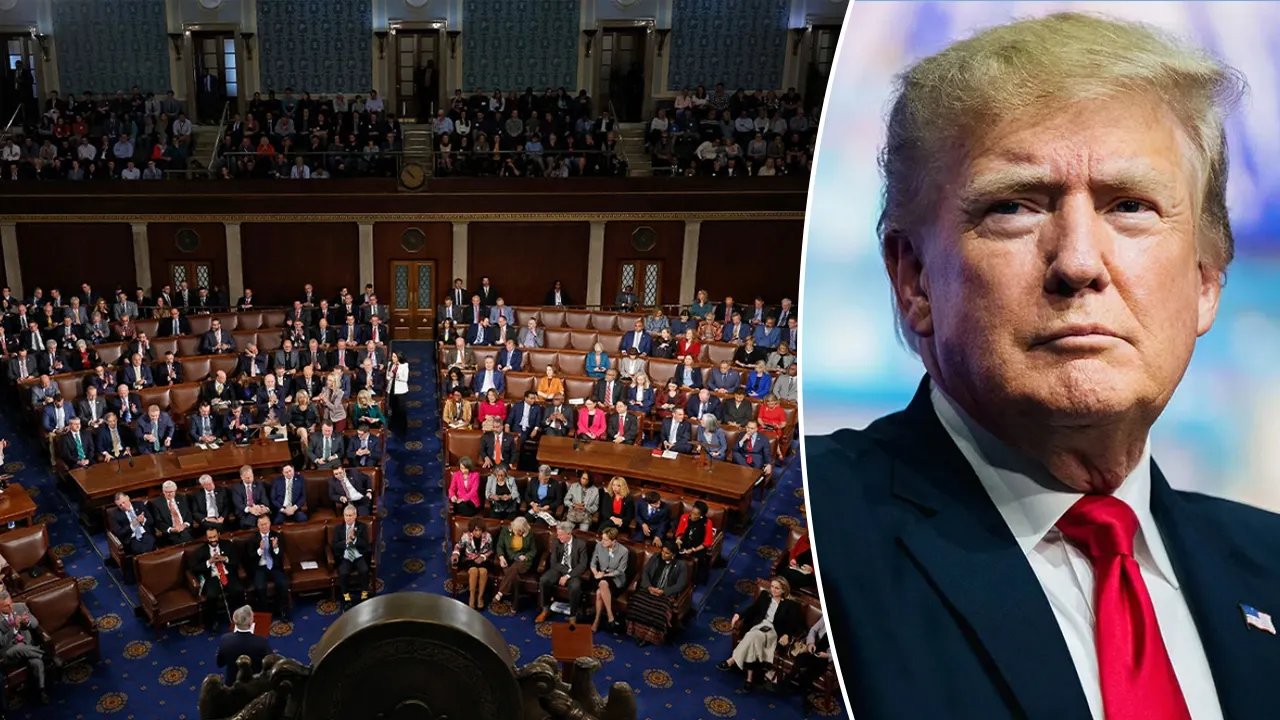
TRUMP RECEIVES MIXED SUPPORT FROM CONGRESS FOR IRAN STRIKES AS WAR POWERS DEBATE RAGES
The debate over who gets to declare war rages on in Congress. (Getty Images)
Are you «at war?» Does the president have the authority to do that? What about Congress?
Well, if you say the president — or Congress — both can be right.
Or wrong.
«I’m someone who believes in the Constitution and the War Powers Act,» said Rep. Nancy Mace, R-S.C., on Fox. «(President) Donald Trump did not declare war. He has the right as commander-in-chief to execute a very surgical process.»
SENATE GOP AIMS TO APPROVE MAJOR LEGISLATION NEXT WEEK AS TRUMP TOUTS PARTY UNITY
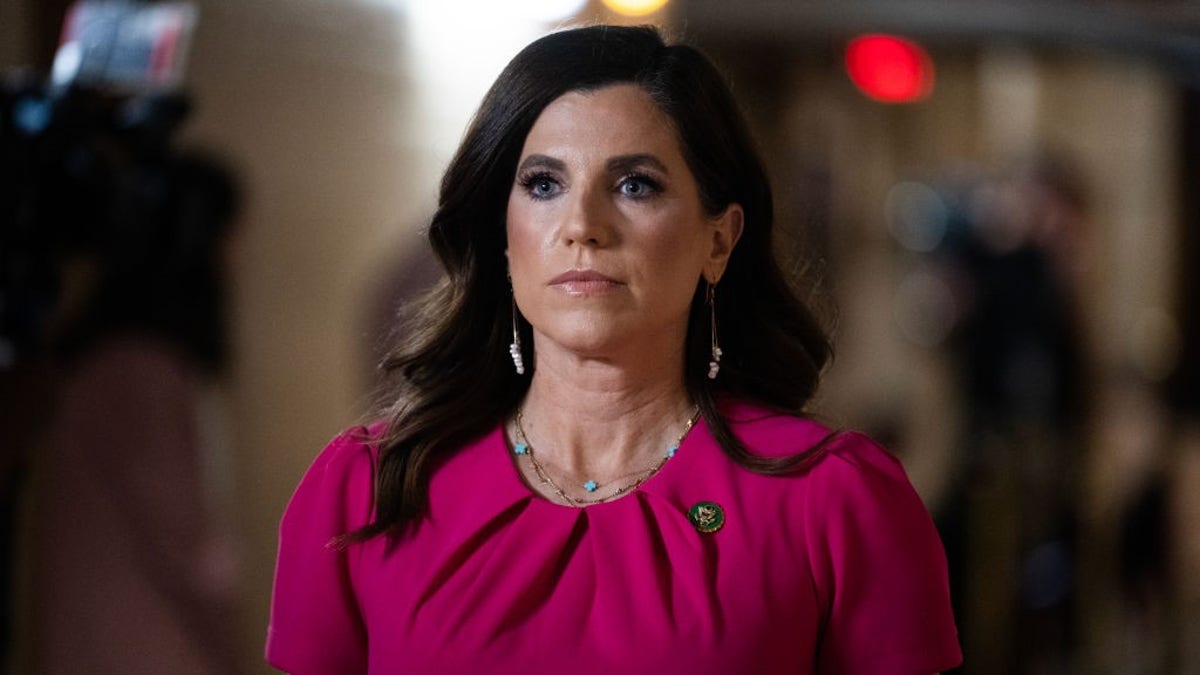
Rep. Nancy Mace, R-S.C., leaves a meeting of the House Republican Conference in the U.S. Capitol on June 6, 2023. (Getty Images)
Mace noted «there were no troops on the ground.»
But then the South Carolina Republican added this:
«The 2001 AUMF is still in place. If we didn’t like it, then Congress should get rid of it,» said Mace.
OK. Hold on.
We know what «troops on the ground» is. We think (think) we understand what «declaring war» is (or do we?).
But pray tell, what in the world is an «AUMF?»
That’s congressional speak for an «Authorization for Use of Military Force.»
It’s kind of like Congress «declaring war.» Both the House and Senate must vote to «declare war.»
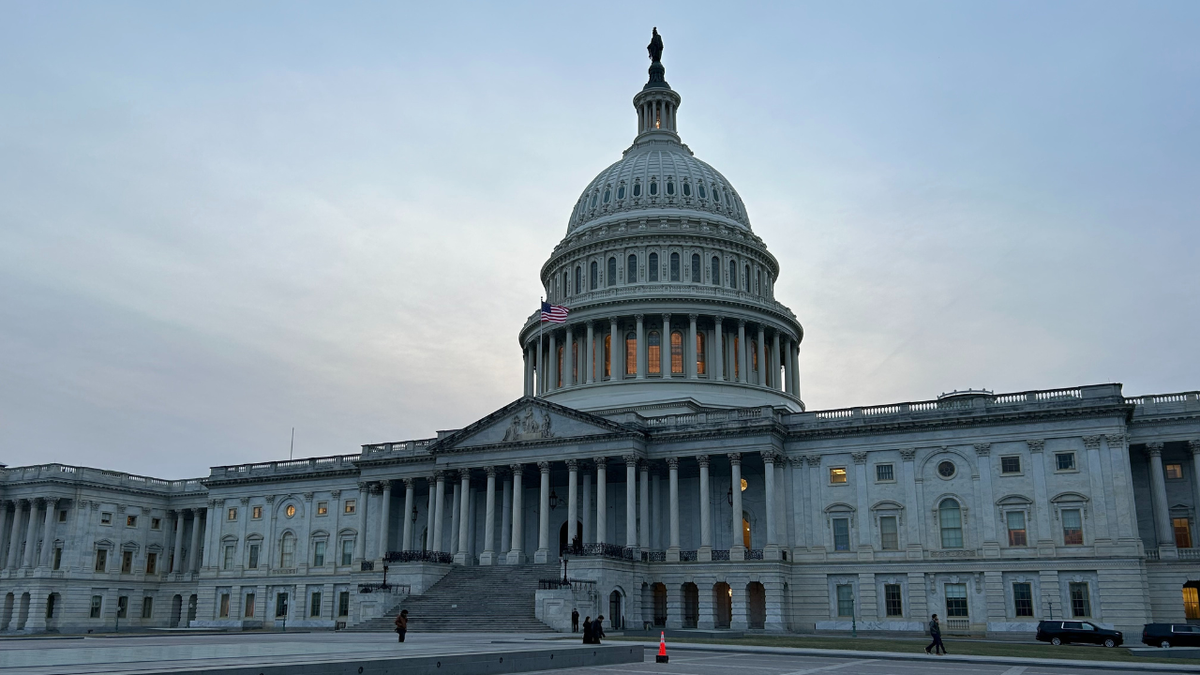
US Capitol Building at sunset on Jan. 30, 2025. (Fox News Digital)
Transom windows, pie safes and coal chutes in homes all started to become obsolete in the 1940s.
So did «declaring war,» apparently.
Congress hasn’t «declared war» since 1942.
And that was against Romania.
In fact, the U.S. has only «declared war» 11 times in history.
And Congress doesn’t just «declare war.» Both the House and Senate must vote. And so what the modern Congress does now is approve an «authorization» to send the military into harm’s way overseas. That could be by sea. Troops on the ground. In the air. You name it.
Congress authorized the Gulf of Tonkin Resolution in 1964. That was the gateway to years of fighting in Vietnam and Southeast Asia. More recently, Congress blessed an authorization to invade Afghanistan and wage the «war on terror» in 2001 after 9/11. Lawmakers followed that up in the fall of 2002 for authorization to invade Iraq — on suspicion that Saddam Hussein’s regime had an arsenal of weapons of mass destruction. The U.S. and its allies found nothing after the 2003 invasion.
To Mace’s point, the 2001 AUMF is so broad that four American presidents have deployed it for various military action around the world. Mace’s argument would be that Iran or its proxies could launch terrorism attacks — or even a nuclear weapon somewhere. So, the 2001 AUMF is justification for American involvement.
That said, most foreign policy and military experts argue that the 2001 and 2002 AUMFs are calcified, legislative relics.
This is why it’s a political kaleidoscope about how various lawmakers felt about launching attacks on Iran and if Congress must get involved.
Democrats who usually oppose President Trump supported airstrikes.
ISRAEL-IRAN CONFLICT: LIVE UPDATES
In this handout provided by the White House, U.S. President Donald Trump and Secretary of State Marco Rubio (R) sit in the Situation Room as they monitor the mission that took out three Iranian nuclear enrichment sites at the White House on June 21, 2025, in Washington. (Daniel Torok/The White House via Getty Images)
«I’ve been saying, ‘Hell yes’ for I think it’s almost six weeks,» said Sen. John Fetterman, D-Pa.
Rep. Debbie Wasserman Schultz, D-Fla., is one of the most pro-Israel lawmakers from either party.
«This window is open now,» said Wasserman Schultz before the attack. «We can’t take our boot off their neck.»
But possible strikes worried lawmakers even before the U.S. launched them. There’s concern the conflagration could devolve into a broader conflict.
«The idea that one strike is going to be adequate, that it’s going to be one and done, I think is a misconception,» said Sen. Richard Blumenthal, D-Conn.
Before the conflict, bipartisan House members just returned from Saudi Arabia, the United Arab Emirates and Bahrain.
«They are worried that this will escalate,» said Rep. Don Bacon, R-Neb. «And it wouldn’t take a whole lot for it to spiral out of control.»
This is why Reps. Thomas Massie, R-Ky., and Ro Khanna, D-Calif., wanted the House to vote on their resolution before the U.S. attacked Iran.
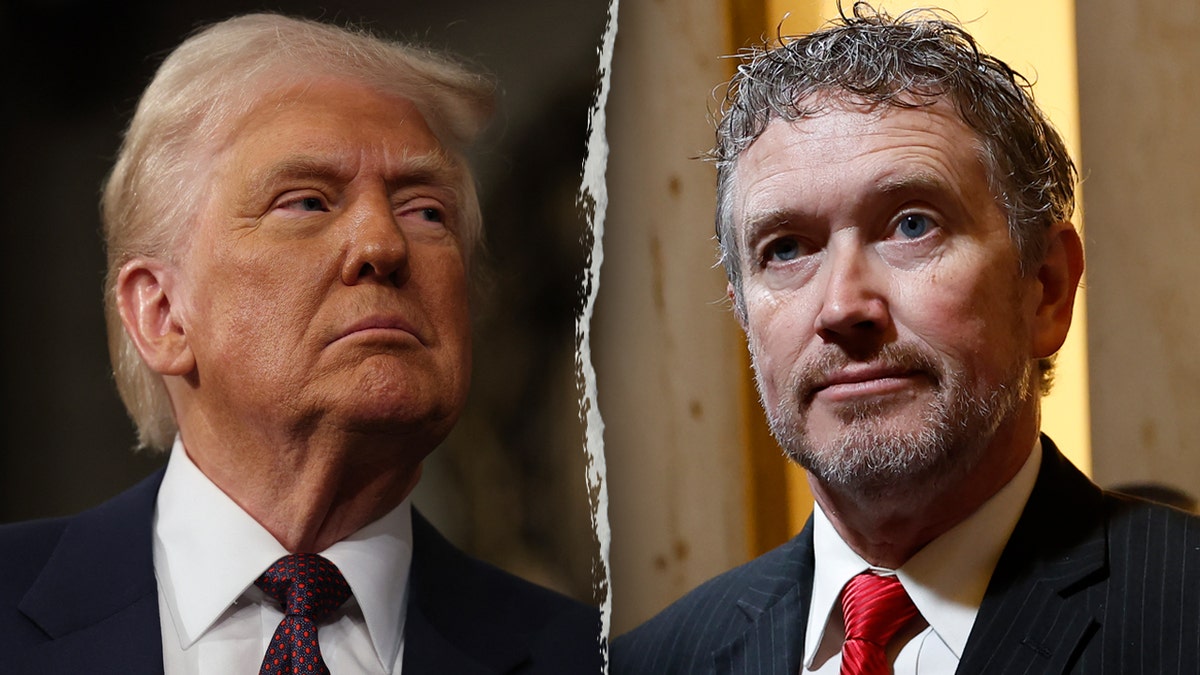
Reps. Thomas Massie, R-Ky., and Ro Khanna, D-Calif., wanted the House to vote on their resolution before the U.S. attacked Iran on Trump’s orders. (Getty Images)
«I wouldn’t call my side of the MAGA base isolationists. We are exhausted. We are tired from all of these wars. And we’re non-interventionists,» said Massie on CBS.
«You’re wasting billions of our dollars because we’re sending more troops to the Middle East. What did you accomplish? And why are you oblivious to the American people who are sick of these wars?» said Khanna, also on CBS.
Rep. Marjorie Taylor Greene, R-Ga., didn’t mention Trump by name, but in a screed posted on X, she excoriated the decision to strike Iran.
«Only 6 months in and we are back into foreign wars, regime change, and world war 3. It feels like a complete bait and switch to please the neocons, warmongers, military industrial complex contracts, and neocon tv personalities that MAGA hates and who were NEVER TRUMPERS!» wrote Greene.
Rep. Warren Davidson, R-Ohio, also questioned the authority of the president to fire on Iran.
«While President Trump’s decision may prove just, it’s hard to conceive a rationale that’s Constitutional,» wrote Davidson on social media.
But when it came to Republicans criticizing those who went against Trump, most GOPers took on Massie.
«I’m not sure what’s going on with Thomas. He votes no against everything,» said Rep. Greg Murphy, R-N.C., on Fox Business. «I’m not sure why he’s even here anymore.»
«He should be a Democrat because he’s more aligned with them than with the Republican Party,» said White House spokeswoman Karoline Leavitt on Fox about Massie.
CLICK HERE TO GET THE FOX NEWS APP
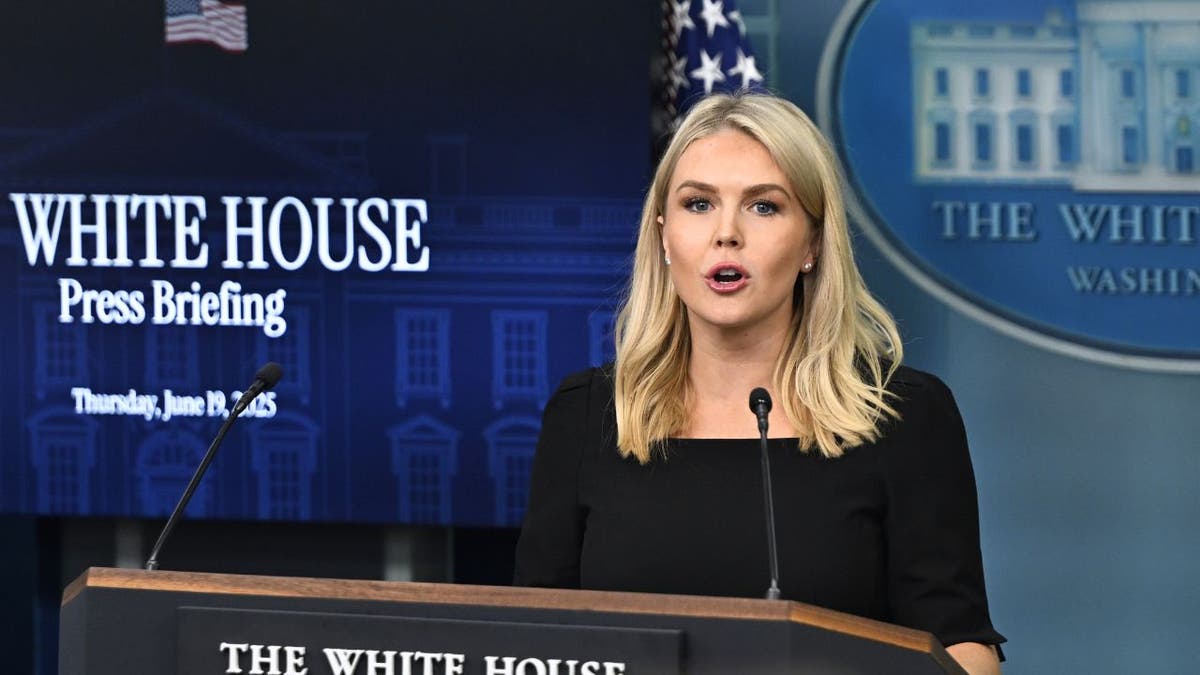
White House Press Secretary Karoline Leavitt said Thursday that President Donald Trump will make a decision on the U.S. becoming involved in Israel’s conflict with Iran within the next two weeks. (Celal Gunes/Anadolu via Getty Images)
Shooing away Republicans toward the Democratic Party could be a questionable strategy considering the narrow GOP House majority. It’s currently 220 to 212 with three vacancies. All three vacancies are in districts heavily favored by the Democrats.
Sen. Tim Kaine, D-Va., plans to compel the Senate to vote this week on a resolution to determine if the U.S. should tussle militarily with Iran.
«We will have all members of the Senate declare whether or not the U.S. should be at war with Iran. It’s unconstitutional for a president to initiate a war like this without Congress,» said Kaine on Fox. «Every member of Congress needs to vote on this.»
Whether the U.S. is involved in «war» with Iran is an issue of debate. And here’s the deepest secret: Lawmakers sometimes preach about exercising their war powers authorities under Article I of the Constitution. But because votes about «war» or «AUMFs» are complicated, some members would rather chatter about it — but cede their power to the president. The reason? These are very, very tough votes, and it’s hard to decide the right thing to do.
The Founders were skeptical of a powerful executive. They wanted to make sure a «monarch,» or, in our case, a president, couldn’t unilaterally dial up hostilities without a check from Congress. But over time, Congress relinquished many of those war powers. And that’s why the executive seems to call the shots under these circumstances.
Is the U.S. at war? Like many things, it may be in the eye of the beholder.
And whether this responsibility ultimately lies with Congress or the president is in the eye of the beholder, too.

INTERNACIONAL
California allocating $35M to support illegal immigrants amid Trump’s mass deportation agenda
NEWYou can now listen to Fox News articles!
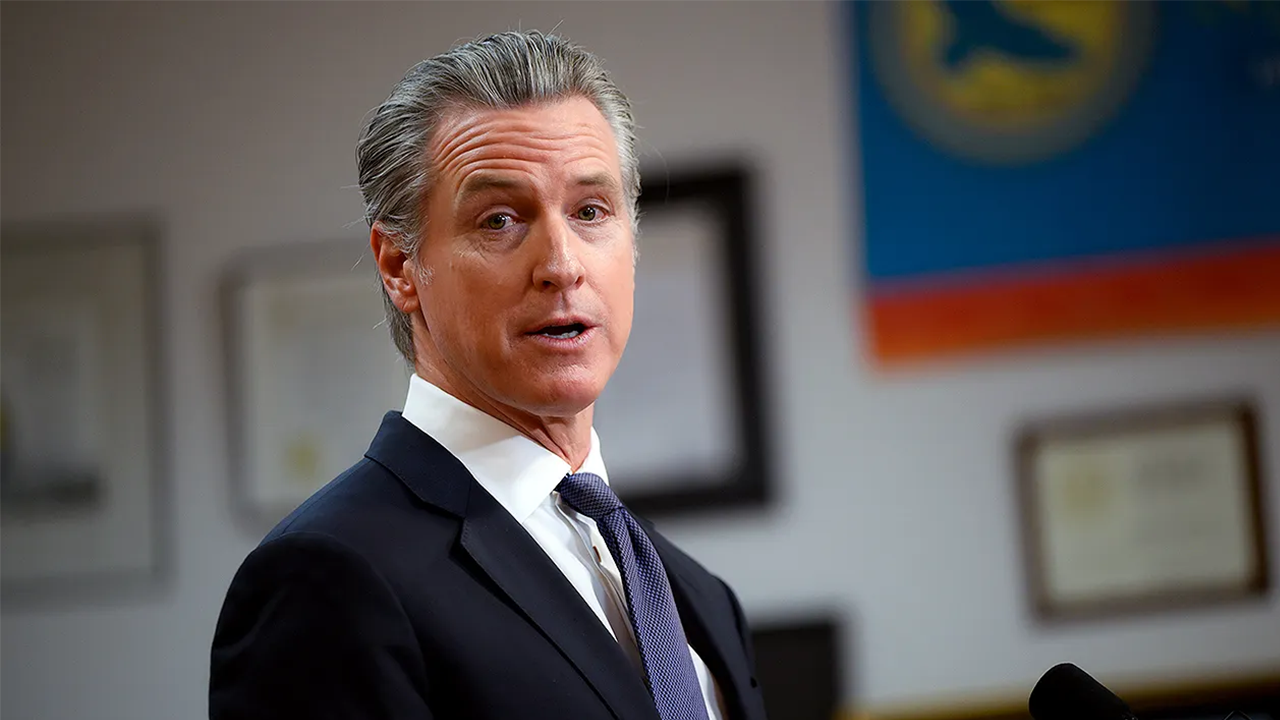
California Gov. Gavin Newsom announced the allocation of $35 million in state funding to support illegal immigrants as the Trump administration carries out its massive deportation agenda.
Newsom’s office is releasing the money that the legislature set aside in the state budget to help philanthropic partners support immigrant families with food assistance and other resources, according to a press release.
These funds are on top of funds the state already allocated to provide legal resources to those facing deportation.
«While the federal government targets hardworking families, California stands with them – uniting partners and funding local communities to help support their neighbors,» Newsom said in the release. «The urgent need grows as the Trump Administration accelerates mass detention, tramples due process, and funds authoritarian enforcement with over $170 billion. As the Trump Administration chooses cruelty and chaos, California chooses community.»
California Gov. Gavin Newsom announced the allocation of $35 million in state funding to support illegal immigrants. (Tayfun Coskun/Getty Images)
A spokesperson for Newsom said he has been speaking with immigrant families and community leaders about the federal government’s immigration crackdown.
«People are afraid to leave their homes, afraid to go to school or work, and unable to afford groceries,» the spokesperson told CalMatters.
California allocated the money despite significant budget constraints, as Newsom’s office anticipates a $2.9 billion deficit in the coming budget year, according to CalMatters. The state also limited health care for illegal immigrants this year to help make up for a larger deficit last year.
«When federal actions create fear and instability, our responsibility is to show up for families. This investment strengthens local partners who are helping people access legal services and meet basic needs during an incredibly difficult moment,» Kim Johnson, secretary of the California Health and Human Services Agency, said in the release.
Democrat state Sen. Lena Gonzalez, chair of the California Latino Legislative Caucus, said the funding shows her party will «continue to stand in solidarity with our immigrant families.»
TRUMP TO CUT FEDERAL PAYMENTS TO SANCTUARY CITIES STARTING FEB. 1 OVER IMMIGRATION POLICIES
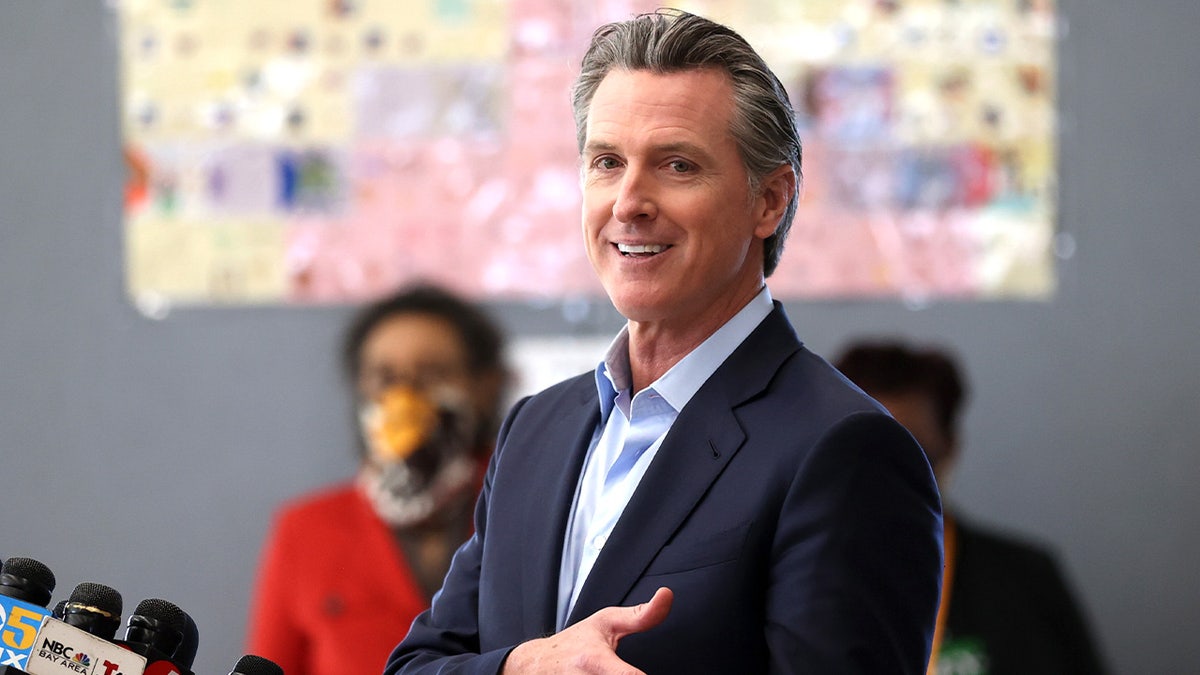
The legislature set aside money in the state budget to help philanthropic partners support immigrant families with food assistance and other resources. (Justin Sullivan/Getty Images)
«The federal government is waging a war on our communities – and we won’t stand for it,» Gonzalez said. «We are putting money behind an effort to stop the fear, stop the separation of our families and stop violating our basic rights.»
Assemblymember Carl DeMaio, a Republican, blasted the funding as «absurd.»
«If you were audited by the IRS and found to owe money and back taxes, as a citizen, you couldn’t say, ‘Well, I want a free lawyer to fight the federal government,’» DeMaio told CalMatters.
President Donald Trump campaigned on a major immigration crackdown and has since followed through with that promise through mass deportations.
In June, Trump signed a budget bill that included $170 billion for immigration enforcement, detention and deportation, an investment that aims to remove up to 1 million immigrants from the U.S. per year over four years.
FEDERAL OFFICIALS TO HALT MORE THAN $10B IN FUNDING TO 5 STATES OVER NON-CITIZEN BENEFIT CONCERNS: REPORT
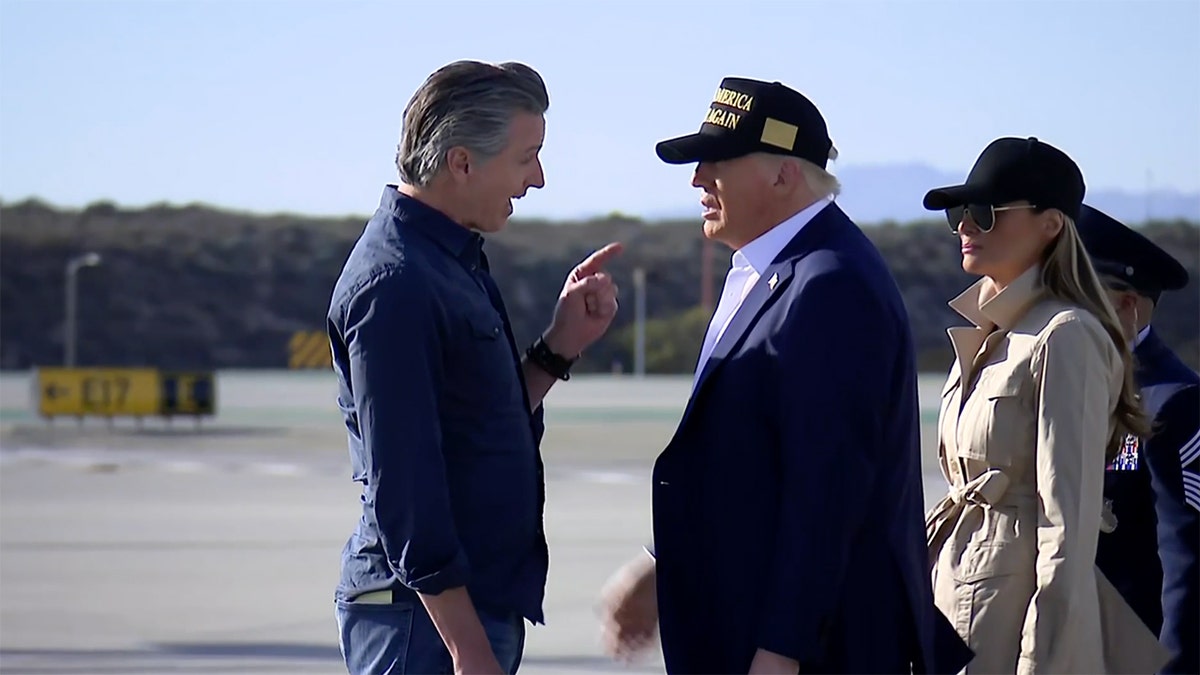
The funds are in addition to funds the state allocated to provide legal resources to migrants facing deportation. (Pool)
CLICK HERE TO DOWNLOAD THE FOX NEWS APP
California state funds set aside for immigration legal services prevent money from being used to help people with serious or violent felony convictions fight against deportations, CalMatters reported.
California laws do not block state corrections staff from moving illegal immigrants who have been convicted of serious or violent felonies to Immigration and Customs Enforcement custody.
«California will never be silent in the face of Trump’s cruel and unlawful immigration raids. We will meet fear and intimidation with courage and action,» Speaker of the Assembly Robert Rivas, a Democrat, said in the release.
Related Article

gavin newsom,california,immigration,immigrant rights,politics,donald trump,law
INTERNACIONAL
Iran president vows defiance as protests build against regime amid US military build up

NEWYou can now listen to Fox News articles!
Anti-government protests are resurging across Iran, with videos showing students chanting slogans against the regime as nuclear negotiations with the United States are set to resume on Thursday.
A video translated by Reuters showed demonstrators shouting «We’ll fight, we’ll die, we’ll reclaim Iran,» reflecting growing anger towards the country’s leadership.
The renewed unrest follows months of frustration over economic hardship, repression and previous crackdowns, placing additional domestic pressure on the regime as talks unfold. Analysts say the convergence of protests at home, military pressure abroad and a stalled diplomatic track has hardened rhetoric on both sides rather than pushing them toward compromise.
Military members of the Islamic Revolutionary Guard Corps (IRGC) in western Tehran, Iran. (Morteza Nikoubazl/NurPhoto via Getty Images)
The Iranian regime, meanwhile, is striking a defiant tone. President Masoud Pezeshkian said Tehran would «not bow down» to pressure tied to nuclear negotiations, warning that external coercion would not change Iran’s stance, according to Al Jazeera.
His remarks come ahead of a new round of U.S.–Iran talks set for Thursday in Geneva, confirmed by Oman, which is mediating the discussions. The negotiations aim to address Tehran’s nuclear program amid rising regional tensions, though major disputes remain over enrichment limits, sanctions relief and the scope of any deal.
In a February speech analyzed by the Foundation for Defense of Democracies, Supreme Leader Ayatollah Ali Khamenei ruled out abandoning uranium enrichment and rejected U.S. demands to include Iran’s ballistic missile program and regional proxy activity in negotiations.
The analysis, authored by FDD research analyst Janatan Sayeh and Iran Program Senior Director Behnam Ben Taleblu, noted that Khamenei has escalated attacks on Washington’s leadership, calling President Donald Trump a «criminal» for backing Iranian protests and circulating rhetoric likening him to a tyrant.
US POSITIONS AIRCRAFT CARRIERS, STRIKE PLATFORMS ACROSS MIDDLE EAST AS IRAN TALKS SHIFT TO OMAN

An exercise aimed at assessing readiness and rehearsing responses to security threats comes during a second round of talks. ( Press Office of Islamic Revolutionary Guard Corps / Handout/Anadolu via Getty Images)
Meanwhile, the United States has expanded its military presence in the Middle East while signaling force remains an option. The deployments have shaped both the tone and urgency of the negotiations, reinforcing that diplomacy is unfolding under the shadow of potential escalation.
Special envoy Steve Witkoff warned Saturday that Iran could be «a week away» from having «industrial-grade bomb-making material,» citing enrichment levels he said are approaching weapons capability.
CLICK HERE TO DOWNLOAD THE FOX NEWS APP
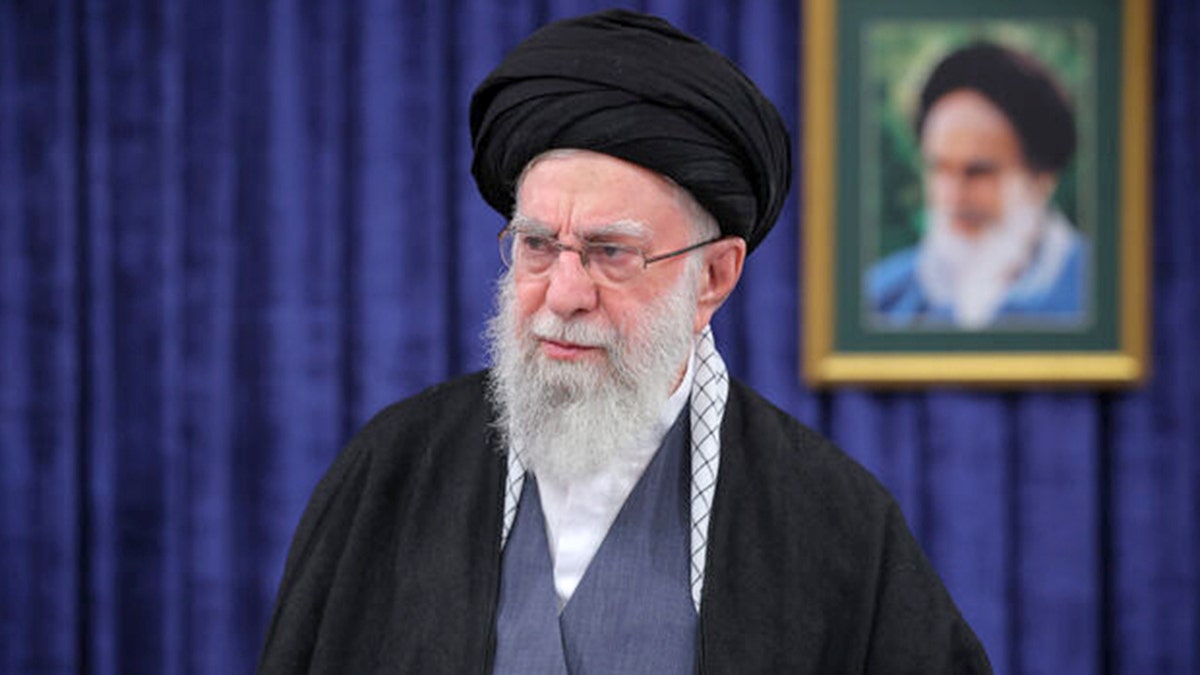
Iran Supreme Leader Ali Khamenei addresses the public on the occasion of the 47th anniversary of the Iranian Revolution, according to Iranian state television in Tehran, Iran, on February 9, 2026. (Iranian Leader Press Office/Anadolu via Getty Images)
«It’s up to 60%,» Witkoff said. «They’re probably a week away from having industrial-grade bomb-making material.» He made the remarks on «My View with Lara Trump,» describing the situation as dangerous and accusing Iran of violating President Trump’s «zero enrichment» red line.
U.S. officials have warned that failure to reach an agreement could trigger serious consequences, while Tehran has signaled readiness to retaliate if attacked, reinforcing the sense that negotiations are taking place under intense pressure.
Reuters contributed to this report.
Related Article
iran,donald trump,wars,world,world protests
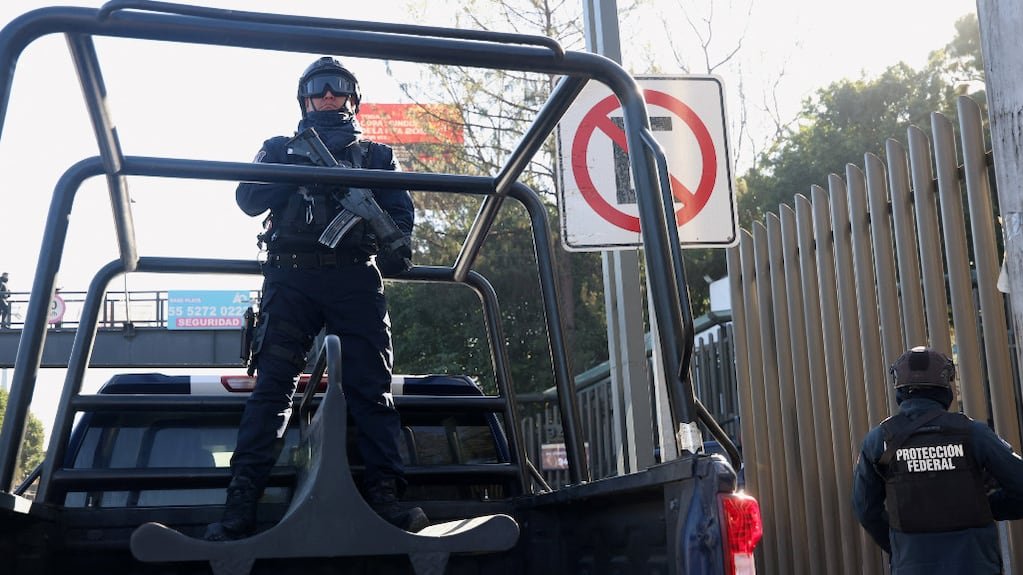
Tras la muerte de “El Mencho“, el líder del Cartel de Jalisco Nueva Generación, la presidenta de México, Claudia Sheinbaum, tomó una profunda bocanada de aire fresco frente a la persistente intimidación de Donald Trump y alejó el fantasma de una intervención estadounidense contra el narcotráfico.
El mensaje que subió desde Ciudad de México a Washington es fuerte. La mandataria izquierdista se alejó de la política conocida como “Abrazos, no balazos” llevada adelante por su mentor y antecesor, Andrés Manuel López Obrador.
Leé también: Así fue la caída de “El Mencho”, el capo narco mexicano: el seguimiento a una de sus amantes, la pista clave
Ahora, la lucha es frontal desde el poder federal, en un giro total de la política de seguridad del país, tras un año de fuertes presiones de Trump que llegaron no solo a la aplicación de aranceles, sino hasta amenazas de una intervención militar contra los distintos carteles del narcotráfico.
“El abatimiento de El Mencho es un hecho histórico que marca un precedente de seguridad en México, en la política de seguridad de Sheinbaum y también en la de Estados Unidos”, dijo a TN el analista mexicano y director de El Medio Importa, Mauricio González.
Aumento de la cooperación y adiestramiento a cargo de marines
La muerte de Nemesio Oseguera Cervantes, alias “El Mencho”, se produjo en un contexto de fuerte aumento de la cooperación bilateral en materia de seguridad que incluyó la presencia de marines estadounidenses en el terreno.
El Senado mexicano autorizó el 11 de este mes la entrada de 19 efectivos del cuerpo de los Navy Seals que participaron cuatro días después en actividades militares conjuntas de adiestramiento con las Fuerzas Armadas mexicanas. La presidenta de México, Claudia Sheinbaum (Foto: REUTERS/Raquel Cunha)
El objetivo apuntó a “mejorar las capacidades de las Fuerzas de Operaciones Especiales” que combaten al narcotráfico en el terreno.
Pero el éxito del operativo que acabó con el reinado de El Mencho se vio opacado por la ola de violencia desatada por el cartel en varios estados del país. Ahora, el gobierno de Sheinbaum deberá demostrar capacidad de gestión para evitar una nueva oleada de violencia como la que sacudió el domingo vastas zonas de Jalisco y otras regiones.
“Para Estados Unidos, la captura de “El Mencho” es un éxito en sí mismo, algo que Trump podrá cacarear a sus votantes. Para México, la captura solo será un éxito si mejora la percepción de seguridad de los mexicanos”, dijo la politóloga mexicana Viri Ríos en el diario Milenio de Jalisco.
Para la analista, “lo más relevante del abatimiento (…) no es el operativo en sí mismo, sino si el gobierno está preparado para contener la violencia que podría detonarse luego de la muerte de El Mencho”.
Leé también: Ante la ola de violencia en México, la Cancillería argentina recomienda no viajar a Jalisco
El director editorial del periódico, Oscar Cedillo, destacó el giro estratégico de la política del gobierno federal contra el narcotráfico.
“El contexto político también cuenta: el operativo ocurrió días después de que el Senado autorizara el ingreso de militares estadounidenses para capacitación y en el marco de la visita del secretario de Estado, Marco Rubio. La intervención directa de tropas extranjeras sigue descartada, pero el intercambio de inteligencia es una realidad operativa. Incluso el silencio inusual de Donald Trump sugiere coordinación previa. En seguridad, el silencio comunica“, afirmó.
Para Cedillo, esta fue una “victoria significativa que envía un mensaje hacia adentro y a Washington. ´Abrazos, no balazos´ fue una apuesta política para desescalar la violencia desde una lógica social; la detención y abatimiento de El Mencho representa una afirmación directa del poder estatal. Habrá que entender qué momento histórico exige qué instrumento. El país pasó del humanismo discursivo al realismo estratégico“. indicó.
Sin presencia militar estadounidense, pero con más cooperación de inteligencia
En su rueda de prensa matutina, la presidente Sheinbaum descartó la presencia de tropas estadounidenses en el operativo. “No hay participación en la operación de fuerzas de Estados Unidos, lo que hay es mucho intercambio de información”, dijo.
Para Mauricio González, “este tipo de golpes van a reforzar la participación y la coordinación” de Estados Unidos en la lucha contra el narco.
“Pero de ahora en adelante viene el reacomodo de fuerzas del Cartel y como se reestructura la sucesión. Cuando se atrapa o muere el líder de estos grupos, en tres segundos ya hay un sucesor”, dijo. Caso contrario, estalla la violencia por el control de la plaza.
México, Narcotráfico, Claudia Sheinbaum

Gremio de empleadas domésticas negocia nuevo aumento de sueldo

Criticó a una referí por su condición de mujer y su club lo sancionó

¡Exclusivo! Las mejores fotos del cumpleaños de Mirtha Legrand con los invitados más top del espectáculo argentino

El Gobierno puso en marcha el plan de retiros voluntarios en los medios públicos

El Gobierno avanza en un modelo de auditoría para fortalecer los “modelos de control internos”

California allocating $35M to support illegal immigrants amid Trump’s mass deportation agenda

Villarruel cuestionó la apertura de importaciones: «Sin industria, se pasa a depender de China»

“Ahora es la hora de jugarse”: el mensaje de Patricia Bullrich a los empresarios tras aprobarse la reforma laboral

Según un especialista, el precio de la carne se mantendrá alto “entre dos y tres años”

Cómo será el tratamiento de la reforma laboral en el Senado, luego de haber obtenido la media sanción en Diputados

 ECONOMIA3 días ago
Villarruel cuestionó la apertura de importaciones: «Sin industria, se pasa a depender de China»
- POLITICA2 días ago
“Ahora es la hora de jugarse”: el mensaje de Patricia Bullrich a los empresarios tras aprobarse la reforma laboral
- ECONOMIA2 días ago
Según un especialista, el precio de la carne se mantendrá alto “entre dos y tres años”