INTERNACIONAL
Rusia lanzó un ataque con drones y misiles contra dos regiones de Ucrania: al menos tres muertos

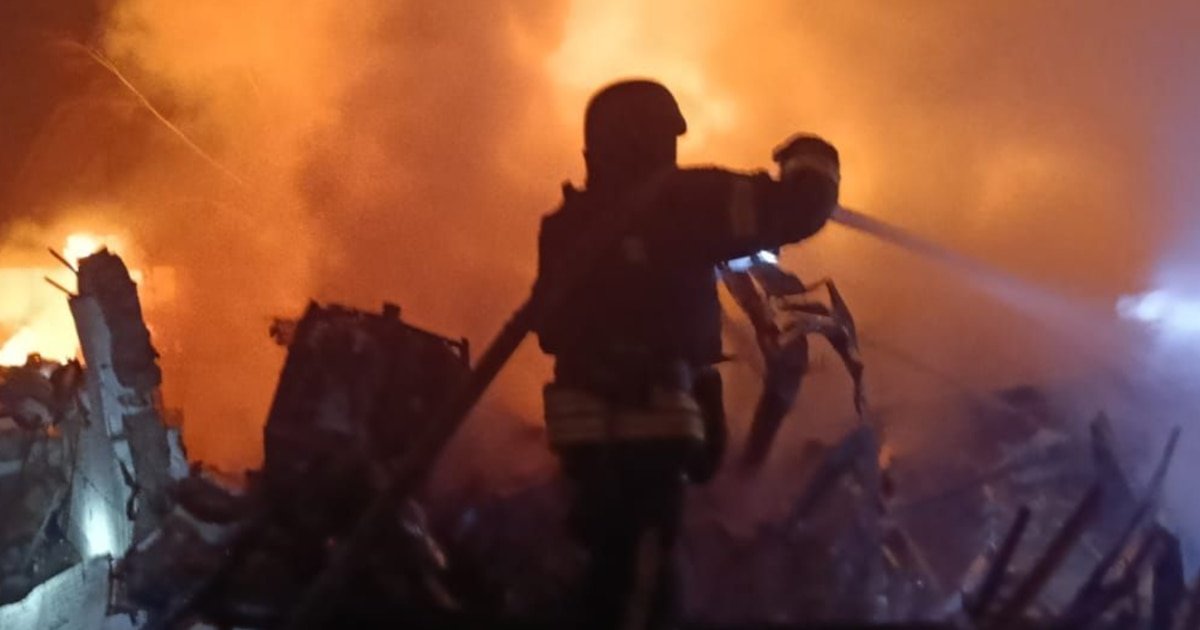
Nuevos ataques con drones y misiles rusos causaron la muerte de tres personas y dejaron a otras tres heridas durante la noche del miércoles y la madrugada de este jueves en el sur de Ucrania, según informó este jueves el gobernador regional de Zaporizhzhia, Ivan Fedorov.
“Los rusos lanzaron ataques con drones contra el sector privado en Vilniansk. Lamentablemente, dos mujeres y un hombre fallecieron, y otro hombre resultó herido”, declaró Fedorov antes de que se conocieran otros dos heridos, quien también añadió en Telegram que los bombardeos destruyeron viviendas y provocaron incendios.
Como consecuencia del ataque, siete casas particulares resultaron dañadas y una fue completamente destruida. Los equipos de rescate del Servicio Estatal de Emergencias de Ucrania lograron extinguir un incendio que afectó a un edificio residencial, así como un fuego en una tubería de gas.
El director del MBA de Odessa, Serhiy Lysak, informó en la plataforma que “el enemigo atacó la ciudad por la noche con vehículos aéreos no tripulados. Una instalación de infraestructura resultó dañada”.
Rusia lanzó un misil balístico Iskander-M y 146 drones contra Ucrania durante la noche, según informó la Fuerza Aérea ucraniana.

Ucrania es objeto de una serie de ataques mortales que dejaron a muchas zonas sin electricidad y calefacción en pleno invierno, mientras continúan las negociaciones para buscar una salida al conflicto, que ya se acerca a los cuatro años de duración. El presidente Volodimir Zelensky indicó que la próxima ronda de conversaciones está prevista para el domingo.
Sin embargo, enfatizó días atrás que los bombardeos rusos minan los esfuerzos diplomáticos para alcanzar un acuerdo de paz y urgió a los aliados internacionales a intensificar la presión sobre el Kremlin para frenar la invasión iniciada por Rusia en 2022.
La estrategia de ataques continuos contra la infraestructura de gas y electricidad en Ucrania revela, según analistas y empresas del sector, la intención de Rusia de emplear el “arma climática” para presionar a la población civil y desencadenar una crisis humanitaria que fuerce a Kiev a aceptar condiciones de rendición en las negociaciones.

El ejército ruso logró establecer un control casi total sobre Myrnograd, en la región de Donetsk, donde desplegó posiciones de artillería, su cuartel general y la oficina del comandante. Las fuerzas de defensa ucranianas mantienen posiciones en el norte de la ciudad e intentan impedir que las tropas enemigas abandonen el área.
Según un oficial de marina que opera en la zona en diálogo con Pravda Ucraniana, actualmente se registran combates intensos en el norte de la ciudad, cerca de la estación de trenes, así como en la parte norte del pueblo vecino de Svitly.
“En otra parte de la ciudad (centro, sur) ya tienen artillería, equipo, pilotos: todo lo que se pueda necesitar. La acumulación es considerable. En un futuro próximo, esperamos ataques mecanizados del enemigo”, explicó el militar.

El cuartel general ruso está siendo trasladado desde Novogrodivka a Myrnograd. Ya existe una comandancia establecida en la ciudad, y se ha observado la evacuación de civiles bajo escolta.
Las fuerzas ucranianas se están replegando, mientras la infantería intenta mantener el control de las salidas de Myrnograd para evitar que el enemigo consolide su avance. La defensa en el sector norte resulta prácticamente imposible debido al dominio aéreo ruso, tanto por aviones como por drones, y la zona lleva tiempo considerada una “zona gris”. Hasta el momento, no se ha dado la orden de abandonar la ciudad.
(Con información de AFP)

INTERNACIONAL
Bill Clinton’s credibility threatened by decades of scandals amid grilling over Epstein ties
NEWYou can now listen to Fox News articles!
Former President Bill Clinton has vigorously denied many of them, allegations of sexual improprieties have punctuated his career and repeatedly made questions about his character the focus of national attention.
His truthfulness is again back in the national spotlight after lawmakers on Friday questioned Clinton about his connections to Jeffrey Epstein — the disgraced financier who died in 2019 while incarcerated on charges of sex trafficking minors.
Clinton has not been implicated in any wrongdoing.
Friday’s questioning, however, is just the most recent entry in a list of questions and controversies that stretches back almost 30 years.
Former President Bill Clinton was pictured in a pool in the newly released Epstein files. The images were released by the Department of Justice on Friday, Dec. 19. (Department of Justice)
Juanita Broaddrick – 1998
Allegations against Clinton began in 1998 when Juanita Broaddrick accused Clinton of raping her when he was running for governor of Arkansas in 1978. In the years since, Broaddrick described attempts she believes the Clintons made to keep her from speaking about the incident.
«I was at a fundraiser, but [Hillary Clinton] caught me before I left, and she came up very friendly and said, ‘Bill and I are so appreciative of everything you do.’ And then her voice changed,» Broaddrick recalled in an interview with Fox News in 2018.
«It frightened me,» she said.
By the time Broaddrick’s allegations became public, the statute of limitations protected Clinton from prosecution for the accusation.
Clinton has denied the claim.
HOUSE REPUBLICANS DESCEND ON CLINTONS’ HOMETOWN FOR HIGH-STAKES EPSTEIN PROBE GRILLING
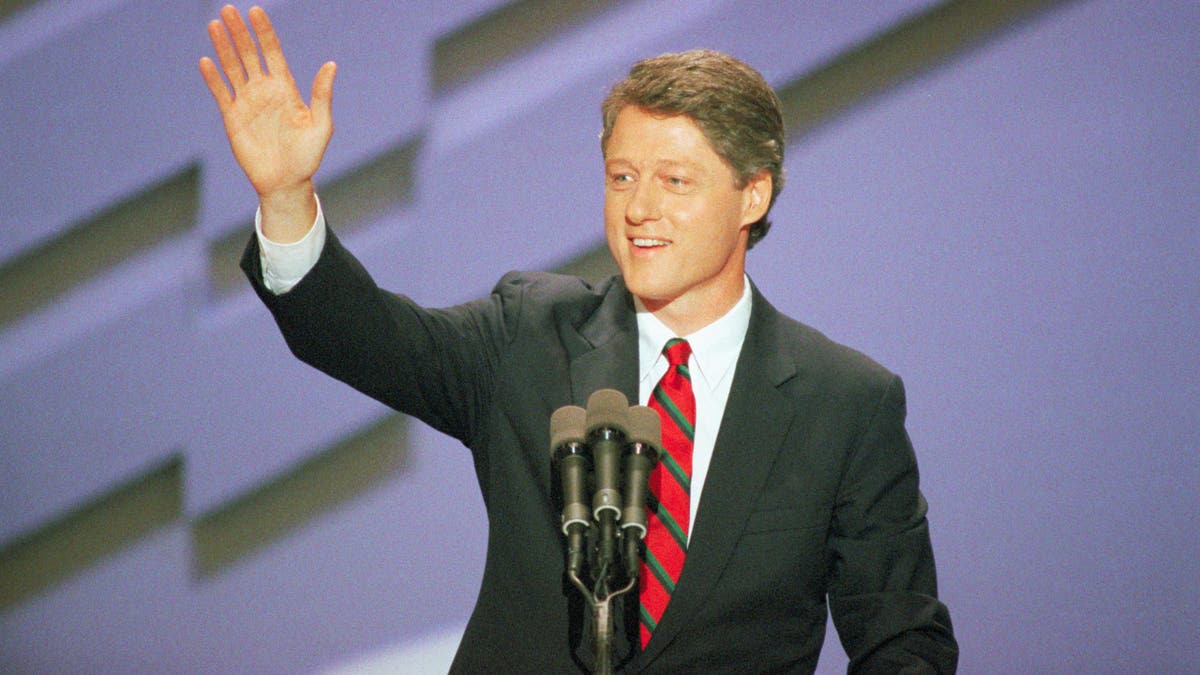
Clinton was the governor of Arkansas before becoming president. (Getty Images)
Kathleen Willey – 1998
In an interview with Fox, Willey called herself a former friend of Clinton and said she supported him when he launched his presidential ambitions.
«We raised an awful lot of money for him,» Willey recalled.
Willey explained that her husband had fallen on hard financial times, prompting her to turn to the White House in 1993 in hopes of finding a job. Clinton was the president then.
«He sat down on the sofa. I proceeded to tell him what was going on, and I told him, ‘I need a job.’ He took my coffee cup from me and the next thing I knew he had me backed into a corner, hands all over me, trying to kiss me,» Willey said, describing an altercation between the two that took place in a study just outside the Oval Office.
Willey first went public with her allegation in a CBS interview with «60 Minutes» in 1998. Clinton has repeatedly denied the allegation.
Gennifer Flowers – 1992
A former television reporter, Gennifer Flowers claimed that she had a longstanding affair with Clinton from the late 1970’s through 1989.
Years later, she said Clinton’s advances started when she and Clinton met during a reporting assignment.
«He proceeded to come on to me for three months before I decided I wanted to have a relationship with him which at that point was consensual. In today’s standards, it was definitely sexual harassment,» Flowers said in an appearance on the Ingraham Angle in 2018.
The story spread to national media as Bill Clinton waged a presidential campaign, just weeks before the Iowa caucuses.
Clinton, in an interview with 60 Minutes in the fallout of the news, didn’t confirm the allegations from Flowers but said he had «acknowledged causing pain» in his marriage.
MONICA LEWINSKY SAYS BILL CLINTON ‘ESCAPED A LOT MORE THAN I DID’ AFTER WHITE HOUSE SCANDAL
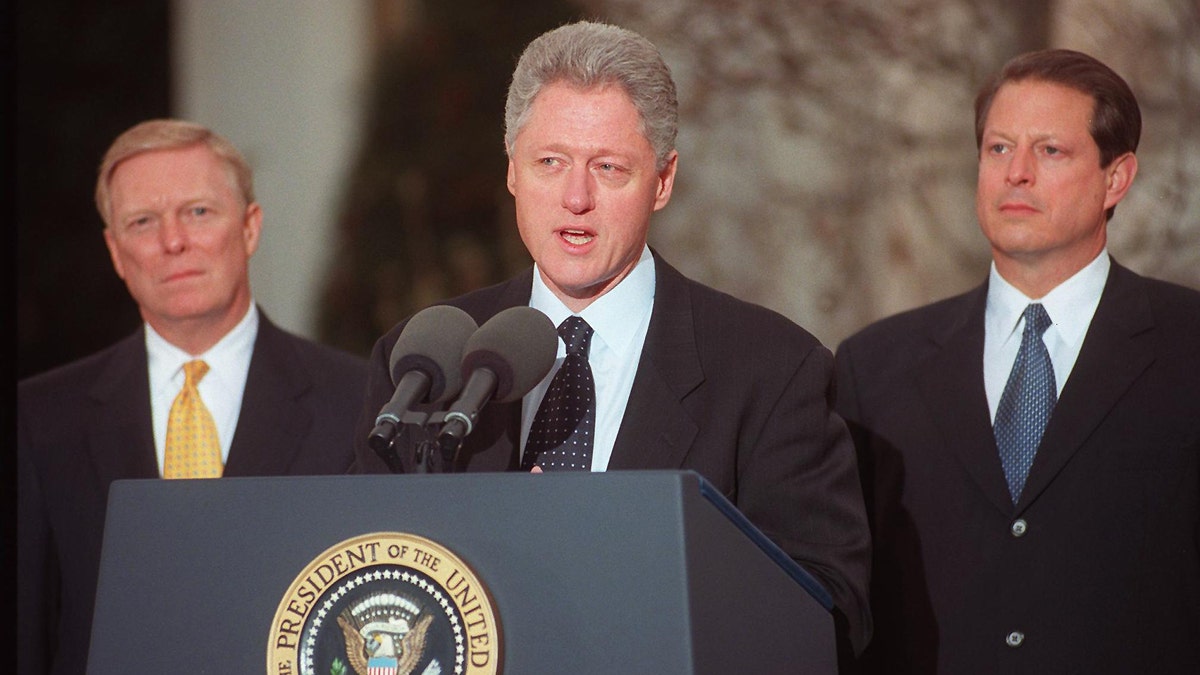
Former President Bill Clinton. (George Bridges / AFP via Getty Images)
Troopergate – 1993
Shortly after President Bill Clinton assumed office, allegations first reported by The American Spectator magazine began to surface that Clinton had used state troopers as governor to arrange sexual encounters with women.
Among them, Larry Patterson, Roger Perry and Danny Ferguson all claimed Clinton had ordered them to facilitate his encounters.
Time magazine quoted the original American Spectator allegations, stating that the troopers had said «their official duties included facilitating Clinton’s cheating on his wife.»
«They were instructed by Clinton to drive him in state vehicles to rendezvous points and guard him during sexual encounters … and to help Clinton cover up his activities by lying to Hillary.»
The allegations about the troopers also became a part of independent counsel Ken Starr’s later investigation of separate cases.
Paula Jones
Jones’ case, which eventually led to Clinton’s impeachment in 1998, began while Clinton was governor of Arkansas.
«I was asked to work the governor’s quality management conference,» Jones recalled in an interview with Sean Hannity in 2016. «His security was hanging out with us, and later that day, he came over and said, ‘The governor would like to meet with you.’»
Jones said she was escorted up to Clinton’s room at a hotel.
«We did some small talk, and then he started kinda getting a little comfortable. He said he liked my curves and then I’m like — I didn’t know what to do. It was him and me in the room,» Jones said.
Jones described how the governor then exposed himself to her before she left the room.
«’I’m not that kind of girl,’» Jones remembers telling Clinton.
After Jones launched a sexual harassment lawsuit in 1991, Ken Starr, an independent counsel who was assigned to the case, began an investigation that would uncover not just the details about the Jones incident but also the Monica Lewinsky scandal that finally led to Clinton’s impeachment in the House of Representatives.
Jones herself was awarded an $850,000 settlement as a result of her private suit.
BILL CLINTON FACES HIGH-STAKES HOUSE GRILLING IN EPSTEIN PROBE AND MORE TOP HEADLINES
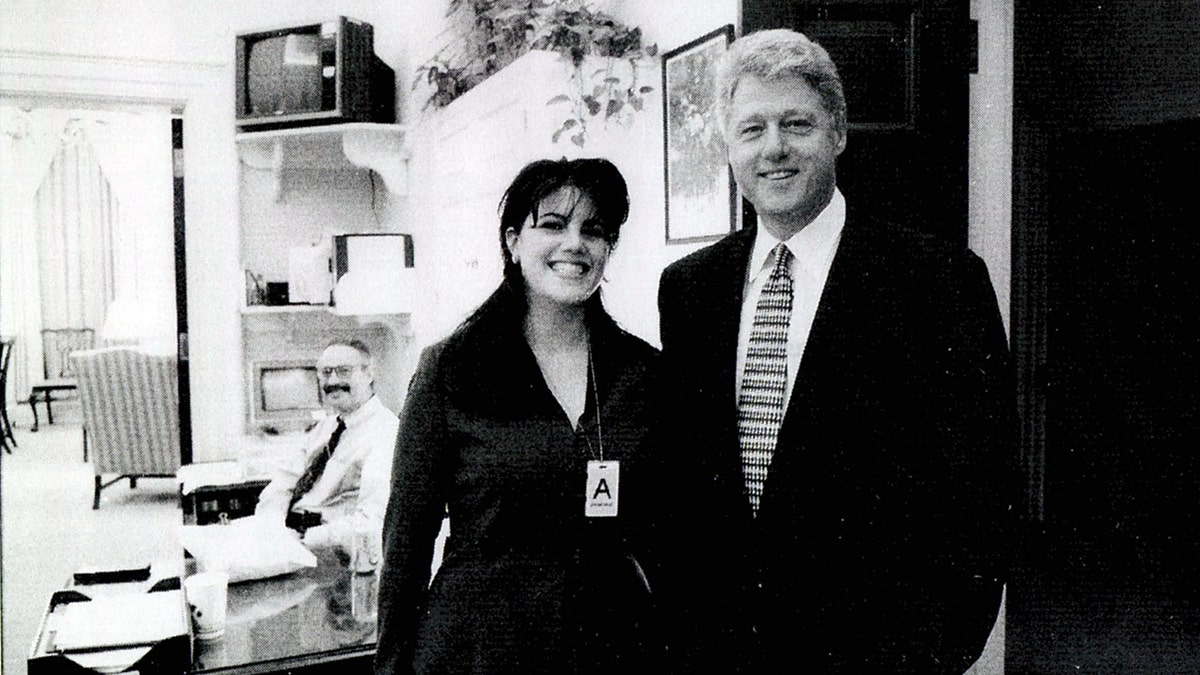
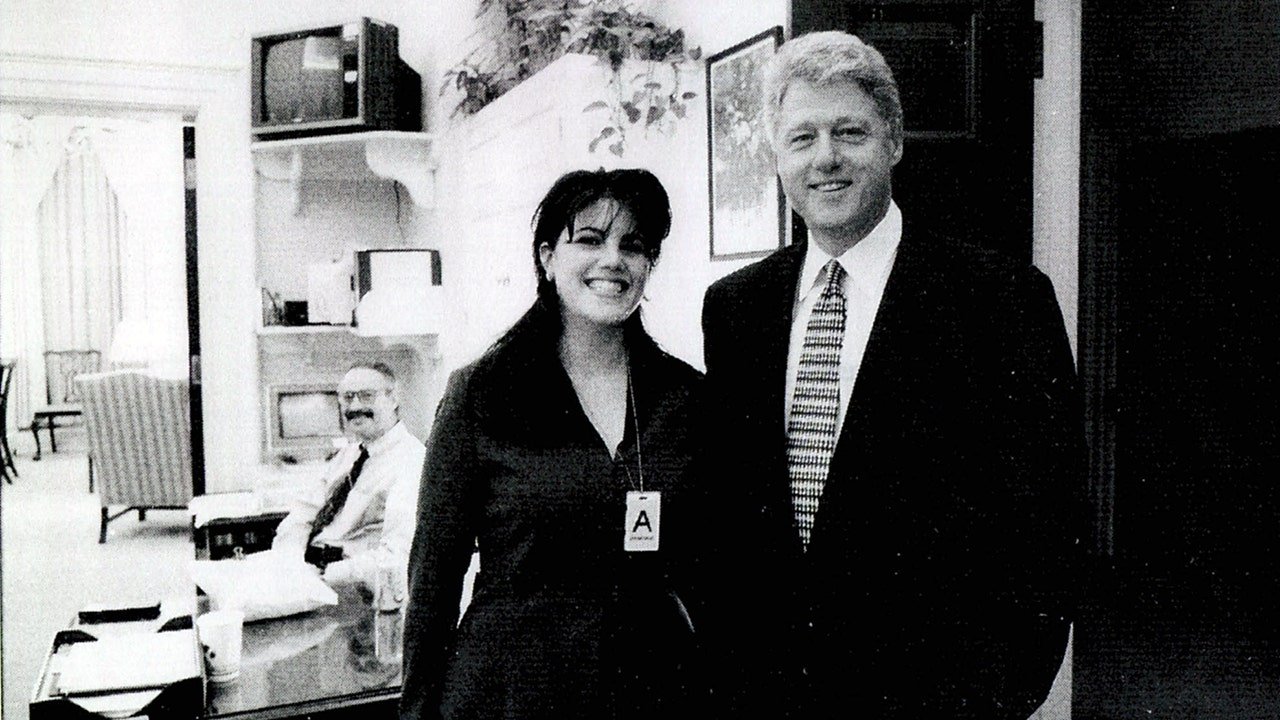
An image provided by the Starr team to the House shows Monica Lewinsky, center, and President Bill Clinton, right. (House Judiciary Committee/Getty Images)
Monica Lewinsky – 1998
The case that would eventually lead to Clinton’s impeachment first came to the public’s attention when the Drudge Report picked up a story, initially abandoned by Newsweek, that Clinton was having an affair with an intern at the White House.
«She was a frequent visitor to a small study just off the Oval Office, where she claims to have indulged the president’s sexual preference. Reports of the relationship spread in White House quarters, and she was moved to a job at the Pentagon, where she worked until last month,» the reporting read.
Clinton famously denied the allegations when answering questions under oath from Ken Starr, who, at the time, was investigating Paula Jones’ claims.
«I did not have sexual relations with that woman,» Clinton famously said in an interview at the White House.
Eventually, Clinton’s infidelity was confirmed when a friend of Lewinsky recorded her talking about the affair and turned the tapes over to Starr.
CLICK HERE TO DOWNLOAD THE FOX NEWS APP
Clinton would be forced to admit that he had misrepresented his boldest of assertions. At least one voter in Houston told NBC the admission left him with more questions.
«What else has he lied about?» a man asked reporters.
Related Article
jeffrey epstein,bill clinton,democratic party,hillary clinton
NEWYou can now listen to Fox News articles!
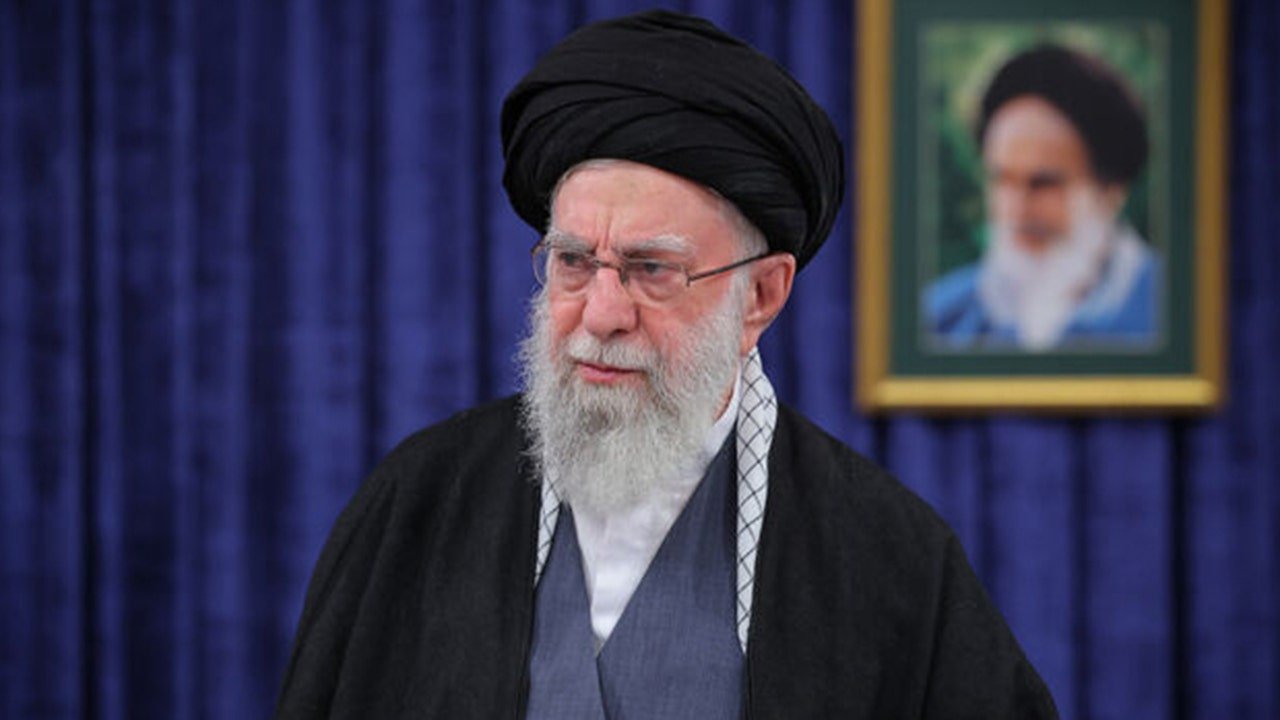
The Israeli military on Saturday said it had killed dozens of members of Iran’s leadership during sweeping, coordinated strikes in Iran, including Supreme Leader Ayatollah Ali Khamenei.
The Israel Defense Forces (IDF) said it had targeted a number of locations across Tehran «in which senior officials of the Iranian defense establishment had gathered.»
More than 40 senior Iranian security and regime figures were eliminated in the strikes, a senior Israeli security official told Fox News.
It was one of the largest regime «decapitation operations» conducted in modern warfare history, the official added. Israeli intelligence managed to infiltrate the Iranian security echelon, making the strikes possible, the official explained.
The Israeli military on Saturday said it had killed dozens of members of Iran’s leadership during sweeping, U.S.-coordinated strikes in Iran, including Supreme Leader Ayatollah Ali Khamenei. ( Iranian Leader Press Office/Anadolu via Getty Images)
Among those killed, according to the IDF, were Ali Shamkhani, secretary of the Iranian Security Council who was also a personal advisor to the Iranian Supreme Leader.
Mohammad Pakpour, who was also killed, had been commander of the Iran Revolutionary Guard Corps since Operation ‘Rising Lion’ and was one of the leaders of the «destruction of Israel» plan, the IDF said.
Saleh Asadi, who headed up the Intelligence Directorate of the Khatam al-Anbiya emergency command, Mohammad Shirazi, head of the Military Bureau of the Supreme Leader Ali Khamenei since 1989, Iran’s Defense Minister, Aziz Nasirzadeh, Hossein Jabal Amelian, who chaired an organization that advanced projects related to nuclear, biological, and chemical weapons, and Reza Mozaffari-Nia, who previously chaired the same organization, were also killed, according to the IDF.
IF KHAMENEI FALLS, WHO TAKES IRAN? STRIKES WILL EXPOSE POWER VACUUM — AND THE IRGC’S GRIP
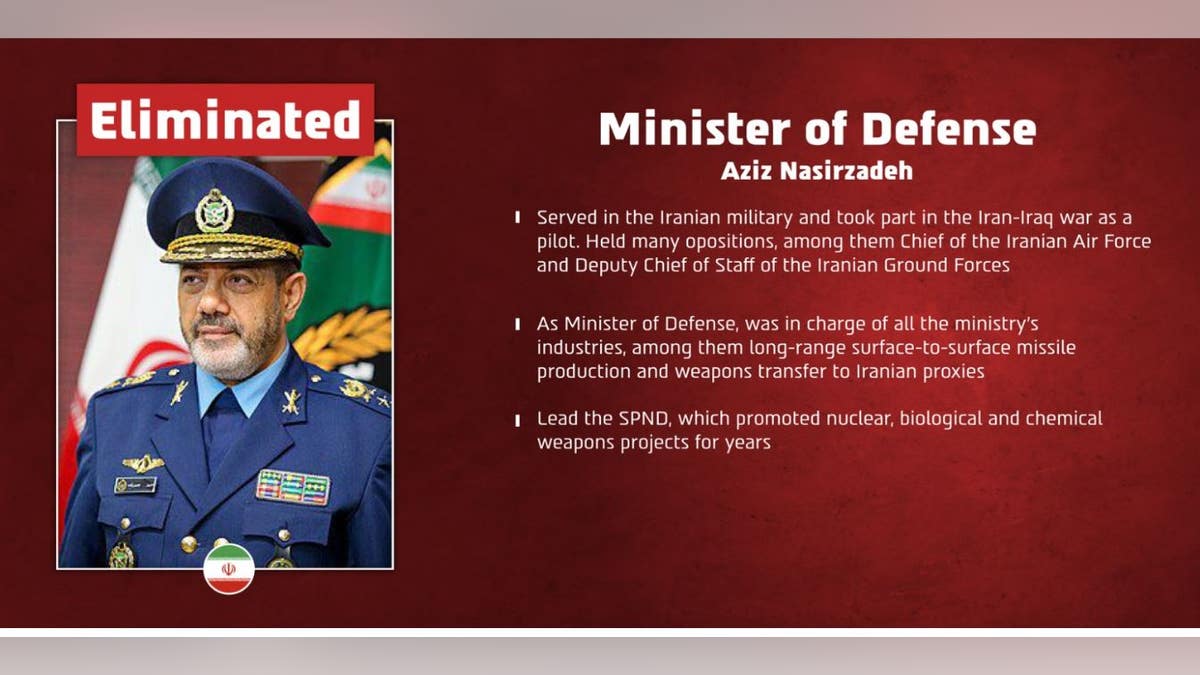
Iran’s defense minister, Aziz Nasirzadeh, was killed in Saturday’s strikes. (IDF)
President Donald Trump also confirmed Saturday that Khamenei was killed in the strikes.
«Khamenei, one of the most evil people in History, is dead,» Trump wrote in a Truth Social post. «This is not only Justice for the people of Iran, but for all Great Americans, and those people from many Countries throughout the World, that have been killed or mutilated by Khamenei and his gang of bloodthirsty THUGS.»
The leaders had all been meeting at a compound in Tehran on Saturday morning.
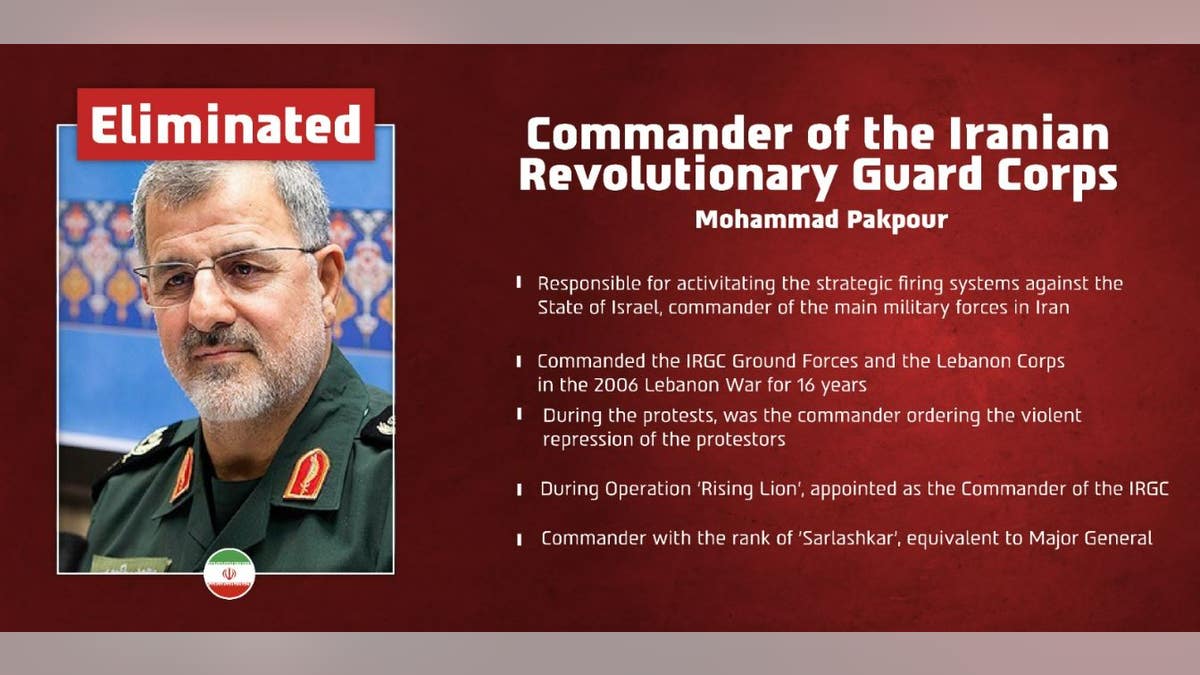
Mohammad Pakpour, commander of the IRGC, was killed in Saturday’s strikes. (IDF)
The strikes were moved up due to the «target of opportunity,» multiple sources told Fox News, which is why the strikes happened in the daytime in Iran, keeping the element of surprise. «There was a deliberate decision to accelerate the timeline,» one source said.

Ali Shamkhani, who was an advisor to the supreme leader. (IDF)
«This was a massive, wildly bold daytime attack,» a senior US defense official told Fox News.»It caught the senior leadership off guard, a Saturday morning during Ramadan and on Shabbat in the daytime.»
CLICK HERE TO DOWNLOAD THE FOX NEWS APP
«We hit the senior leaders right out of the gate,» the source added.
Related Article
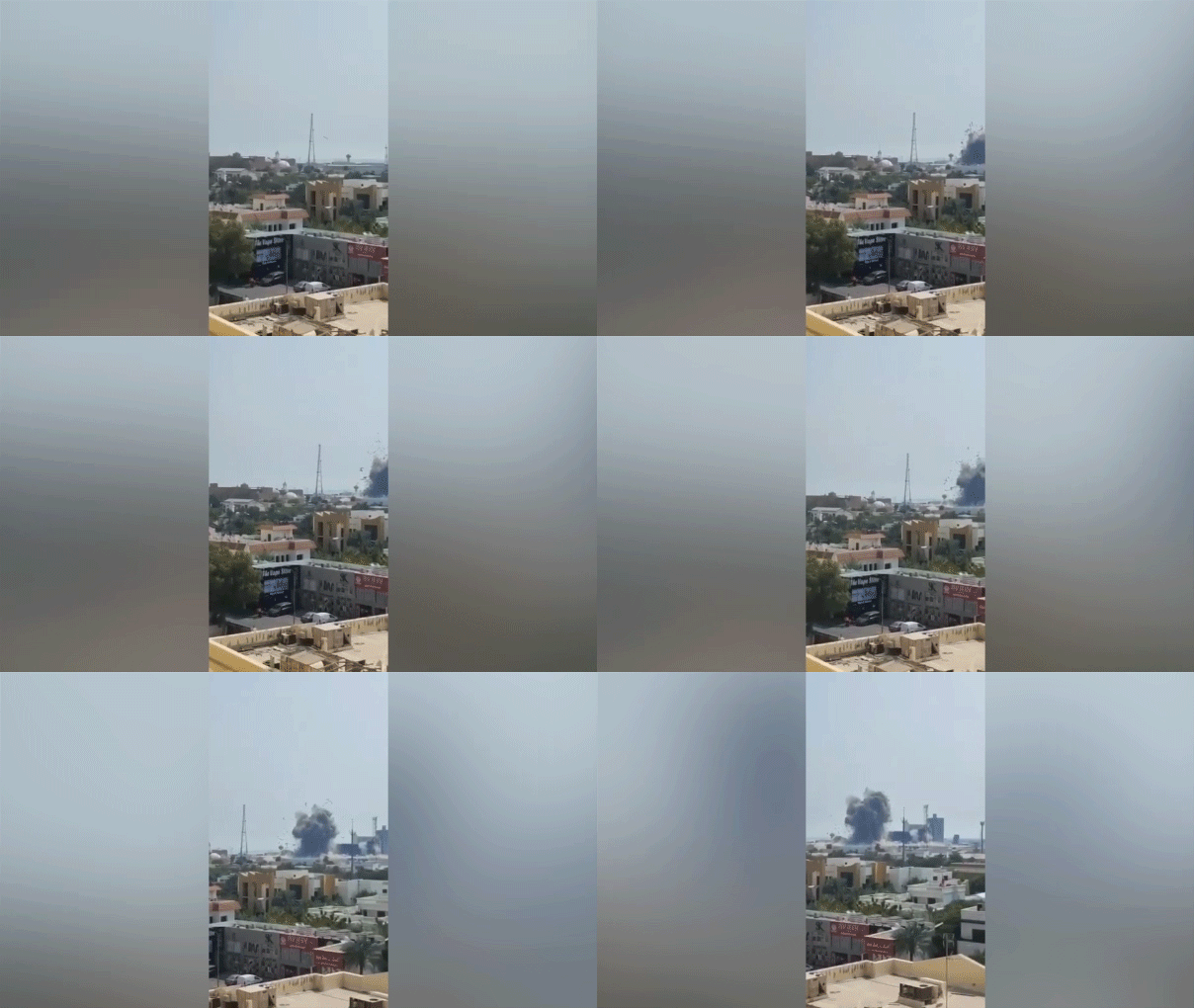
war with iran,iran,world,israel,military
INTERNACIONAL
Murió Ali Khamenei, el ideólogo de brutales asesinatos y atentados que comandó el poder real de Irán por más de tres décadas
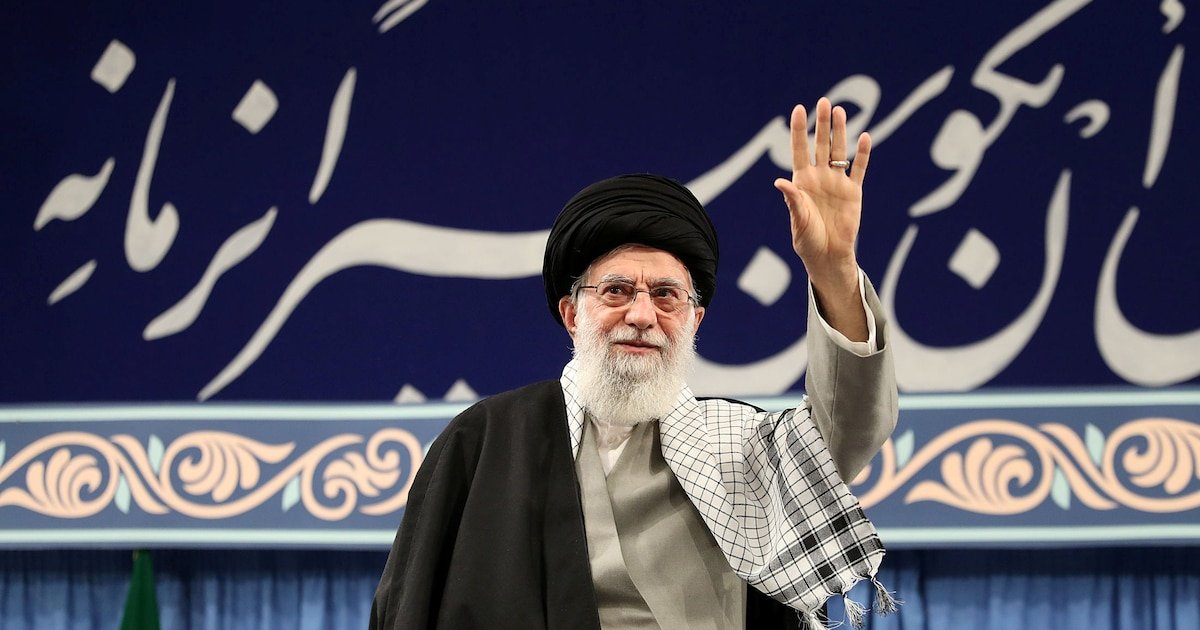
“En nombre del noble Ali, que la paz sea con él”. Con ese mensaje, publicado en la cuenta oficial de Ali Khamenei en las redes sociales, el régimen iraní admitió este sábado la muerte de su líder supremo. El ayatollah fue abatido durante un masivo ataque aéreo de EEUU e Israel sobre Teherán y la noticia cierra un capítulo oscuro que sobrevivió más de tres décadas.
Es que la figura dominante en la política iraní no es el presidente, sino el líder supremo, y que ese statu quo se haya mantenido imperturbable a través de los años sólo se explica por el poder de Ali Khamenei para reestructurar el sistema iraní a su antojo. La Constitución, de hecho, le otorga al líder supremo una enorme autoridad sobre las principales instituciones del Estado y así, durante sus 36 años de poder, logró prolongar su control a los poderes ejecutivo, legislativo y judicial.
Khamenei nació en 1939 en Mashhad, una ciudad al noreste de Irán que alberga la tumba del imán Reza, el octavo imán chiíta. Su padre era azerí (la minoría iraní de habla turca) y creció en el seno de una familia religiosa de clérigos. El linaje de Khamenei se remonta, según se dice, al cuarto imán chií Alí Zeyn-ol-Abedin, lo que le confirió a su familia una legitimidad tradicional, ya que los miembros masculinos se incorporaron al clero chií llevando un turbante negro en señal de pertenencia a la familia del Profeta.
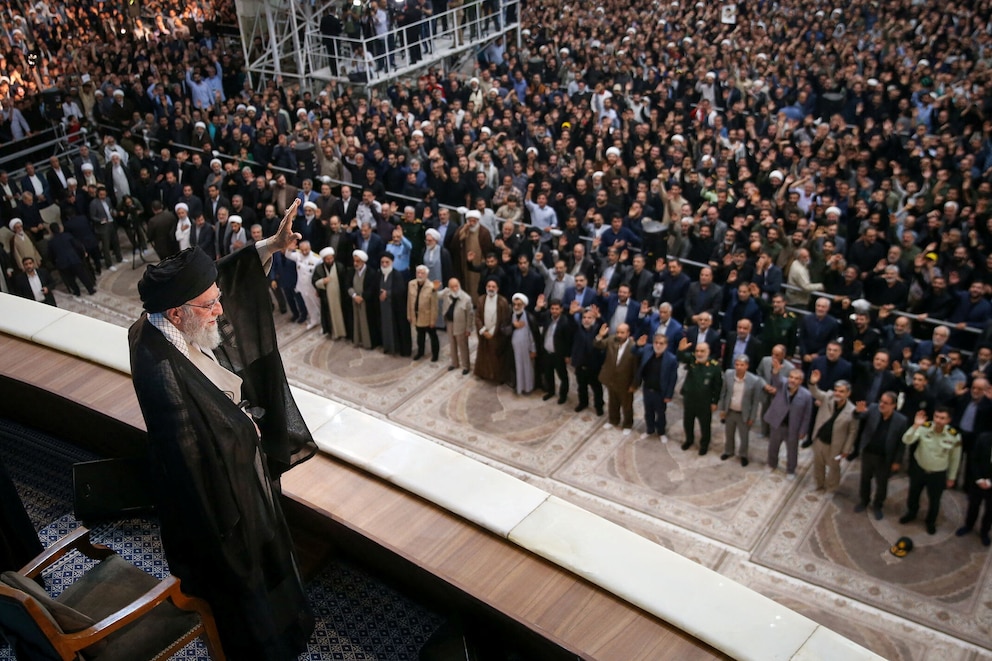
Según cuenta Farhad Khosrokhavar, Director de Estudios de la école des Hautes études en Sciences Sociales (EHESS) de París y autor de unas de las biografías más difundidas sobre el líder supremo, Khamenei comenzó sus estudios religiosos en Mashhad bajo la dirección de dos conocidos ayatollahs, el jeque Hashem Qazvini y el ayatollah Milani. Luego partió hacia Nayaf en 1957, pero no permaneció allí mucho tiempo, ya que su padre quería que regresara a Irán. Se trasladó a Qom, donde estudió con el Gran Ayatollah Boroujerdi, líder espiritual de los chiíes, y con el Ayatollah Khomeini.
Khamenei presentó una marcada politización desde sus comienzos. Un encuentro en su juventud con el líder de los Fedais del Islam, Seyed Mojtaba Navvab Safavi, que intentaba fundar un gobierno islámico en Irán en los años ’40 -mientras en Egipto los Hermanos Musulmanes también buscaban el poder-, resultó decisivo para su orientación política. En 1957 se reunió por primera vez con el ayatollah Khomeini y, de inmediato, su influencia fue evidente. En los años siguientes, Khamenei tomó medidas contra el régimen del Shah. Fue detenido seis veces y condenado a prisión y destierro.
Khamenei fue parte de la generación de clérigos que se radicalizó a partir de la década de 1960 debido a la modernización secularizadora del Shah y a su política de desislamización progresiva. En 1963, en Qom, se produjeron protestas bajo la instigación del ayatollah Khomeini contra la Reforma Agraria, los derechos de las mujeres y el giro totalmente laico de Irán.
Esta fracción del clero radicalizado compartía rasgos con la extrema izquierda marxista y con un sector de los intelectuales iraníes del tercer mundo, especialmente su antiamericanismo, su oposición a la occidentalización, a Israel y a la pérdida de la identidad islámica, según detalla el experto en Irán.

La visión antioccidental de esta generación se expresó en la concepción global de Khamenei, basada en una postura islamista y en la idea de que el Islam y Occidente son fundamentalmente incompatibles. Su biógrafo señala que tenía una cultura literaria importante y que leyó a poetas y escritores tanto iraníes como extranjeros, como Víctor Hugo, quien tuvo un profundo efecto en él. No obstante, mantenía una visión conservadora y autoritaria del mundo; consideraba que el papel de la mujer era criar a los hijos y apoyar a la familia patriarcal, más que participar en la vida pública o exigir la igualdad con los hombres.
En 1977 el régimen imperial le condenó a tres años de destierro en la ciudad de Iranchahr. Al año siguiente, tras la Revolución de 1979, regresó a Teherán. No tardó en ascender: primero como miembro del Consejo Revolucionario, luego, designado por el ayatollah Khomeini, como imán del viernes en Teherán, y después como adjunto al ministro de Defensa.

En 1981 fue electo presidente y ese año, mientras daba un sermón en la mezquita de Abouzar, en Teherán, explotó una bomba que lo hirió gravemente y paralizó su brazo derecho. El atentado se atribuyó al grupo Forqan, cuyos miembros habían sido ejecutados por el régimen islámico por asesinato, y también a los Muyahidines del Pueblo, que estaban en guerra con el régimen islámico.
Tras la muerte del ayatollah Khomeini en 1989, el Consejo de Expertos, máximo órgano de selección iraní, lo eligió como Líder Supremo (rahbar). Khamenei mantuvo su poder reestructurando la teocracia islámica según su criterio.
Se apoyó en el Ejército de los Pasdaran, cuyo desarrollo aseguró concediéndole cada vez más privilegios económicos y facilitando la creación de un verdadero imperio económico paralelo. El Ejército de los Pasdaran y sus diferentes ramas —entre las que se destaca Hezbollah—, fue capaz de terminar con las protestas durante las múltiples crisis del régimen: el movimiento estudiantil de 1999, el movimiento reformista del presidente Jatami (1997-2005), el Movimiento Verde de 2009, los intentos de empoderamiento del presidente Ahmadineyad (2012-2013), y el movimiento del “pan” de 2017.

Khamenei también se apoyó en las Fundaciones Revolucionarias y en la Fundación Astan Qods Razavi, que gestiona la propiedad del imán Reza en la provincia noroccidental de Khorasan y cuenta con varios miles de millones de dólares en activos, no sólo en Irán, sino también en India, Pakistán y otros países. Estas fundaciones le brindaron recursos económicos significativos, permitiéndole financiar sus políticas regionales en Líbano, Irak, Afganistán, Siria y otros lugares.
Como señalan analistas políticos, los recursos con los que contó Khamenei lo consolidaron como una figura de poder, aunque, a diferencia de Arabia Saudí, donde las arcas del Estado y del rey son equivalentes, en Irán el ejecutivo no tiene ningún control sobre estos fondos y el Líder Supremo puede utilizarlos libremente y sin rendir cuentas.

El sistema judicial, otra de sus bases, está completamente fuera del control del ejecutivo y del legislativo, haciendo del sector judicial un instrumento represivo utilizado para la persecución de la disidencia. Todos estos mecanismos en manos del Líder Supremo acorralan el poder del Presidente de la República, el Parlamento y otras instituciones electivas.
A través de la creación de una estructura paralela de gobierno, prácticamente todos los ministerios cuentan con su equivalente en la “corte” del Líder Supremo. El control de los ministerios centrales —el de Interior, el de Inteligencia, de Educación Nacional y Asuntos Exteriores—, convirtieron a Khamenei en el titular del auténtico poder en la sociedad iraní.
Islamista, antiimperialista y antisionista, Khamenei manejó la región, respaldando en Siria al ahora depuesto régimen de Bashar al-Assad, a Hezbollah en Líbano, defendiendo a las tendencias chiitas en Irak y financiando a Hamas en los territorios palestinos. Así consolidó, hasta su muerte, su posición como figura principal del régimen iraní y última instancia en las decisiones políticas y económicas del país.
“Desde su llegada al poder en 1979, el régimen iraní ha estado implicado en asesinatos, complots terroristas y atentados terroristas en más de 40 países”, reveló el 22 de mayo de 2020 el informe del Departamento de Estado de Estados Unidos, recogido por múltiples agencias. Ese número se fue multiplicando y, bajo el poder de Ali Khamenei, estas operaciones tomaron un carácter sistemático.
Uno de los capítulos más oscuros de la era Khamenei fue la reorganización de la fuerza Quds de la Guardia Revolucionaria, a la que se encomendó actuar en el extranjero.
En 1994, el atentado suicida contra la mutual judía de la AMIA en Buenos Aires dejó 85 personas muertas y cientos de heridos. El ataque fue perpetrado por Hezbollah y, según descubrió la investigación, contó con apoyo de la República Islámica. Como resultado, Interpol emitió órdenes de detención contra ocho funcionarios iraníes, entre ellos el ministro de Inteligencia Ali Fallahian, el ministro de Asuntos Exteriores Ali Akbar Velayati y Mohsen Rezaei, comandante de la Guardia Revolucionaria.
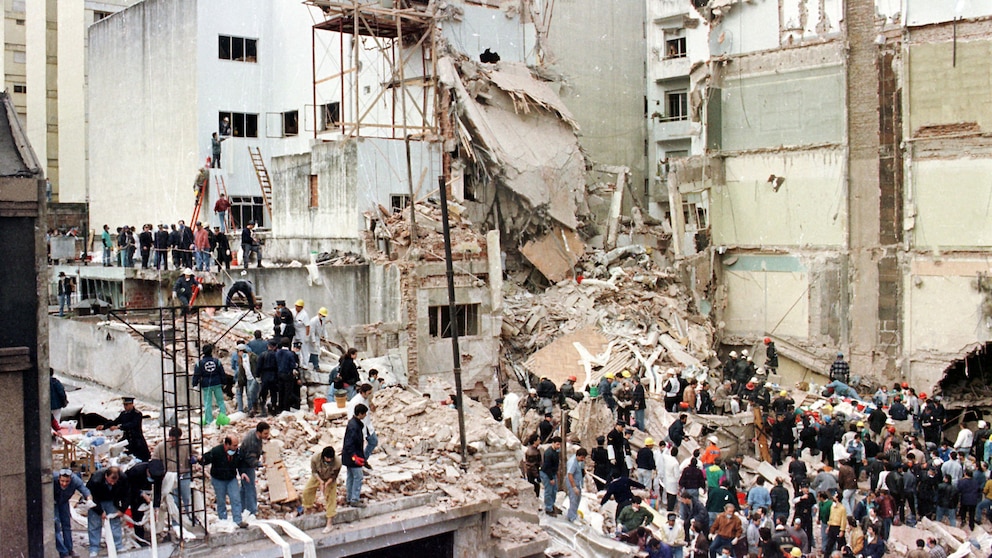
A estos hechos siguió una serie de asesinatos de alto perfil en Europa. Un mes antes de que Hashemi Rafsanjani asumiera la presidencia de la República Islámica, Abdolrahman Ghasemlou, secretario general del Partido Democrático del Kurdistán Iraní, fue asesinado en Viena el 13 de julio de 1989. Cayó en una trampa tendida durante negociaciones con una delegación de Teherán.
En abril de 1990, poco después de iniciarse el mandato de Rafsanjani, Kazem Rajavi —hermano de Masoud Rajavi, líder de la Organización de Muyahidines del Pueblo— fue asesinado en Suiza. Kazem Rajavi había sido el representante de la República Islámica en la sede europea de Naciones Unidas en Ginebra. Recibió un disparo en la cabeza a quemarropa por parte de uno de los dos hombres armados con ametralladoras que utilizaron un Volkswagen para bloquear su paso cuando se dirigía a su casa en las afueras de Ginebra.
El 17 de septiembre de 1992, Sadegh Sharafkandi, secretario general del Partido Democrático del Kurdistán iraní, junto a otros dos dirigentes kurdos iraníes y su intérprete, fueron asesinados por hombres armados en el restaurante Mykonos de Berlín.
Estos actos demostraron la sistematicidad de los asesinatos, cuyo objetivo era enviar un mensaje de intimidación a la oposición, y dejaron pocas dudas de que contaban con la aprobación de la máxima autoridad política de la República Islámica. De no ser así, se habrían detenido tras las primeras investigaciones, pero continuaron por años.
El 11 de abril de 1997, tras un juicio de tres años en Alemania, el tribunal que examinó el caso Mykonos concluyó que el asesinato de los disidentes fue orquestado por un “Comité de Operaciones Especiales” de Teherán, en el que participaban el Líder Supremo, el presidente, el ministro de Exteriores y altos funcionarios de seguridad.
Los países europeos retiraron a sus embajadores y las relaciones diplomáticas quedaron en un nivel bajo hasta después de la asunción de Mohammad Khatami. Khamenei retrasó el retorno de los embajadores europeos y exigió que el embajador alemán fuera el último en regresar, dado que el tribunal alemán lo responsabilizó directamente por el ataque.
En 2011, al referirse a la sentencia alemana, Khamenei declaró: “Los gobiernos europeos… retiraron a sus embajadores de Teherán. No hemos olvidado esas cosas. Intentaron abofetearnos, pero recibieron una bofetada más fuerte”.
El Departamento de Estado de Estados Unidos subrayó en su informe: “A medida que los asesinos iraníes que utilizan la cobertura diplomática han recibido mayor atención, Irán ha recurrido a bandas criminales, cárteles de la droga y otros terceros para ejecutar sus planes de asesinato en el extranjero”.
En todo este tiempo, el Irán de Khamenei mintió sistemáticamente sobre su participación en asesinatos en el extranjero, incluso cuando su propio personal diplomático era sorprendido vigilando objetivos, transportando explosivos o huyendo de las escenas del crimen. Según la entidad estadounidense, “la campaña global de terror de Irán ha incluido hasta 360 asesinatos selectivos en otros países y atentados masivos con bombas que han matado y herido a cientos de personas».
En el último año, esa arquitectura regional comenzó a resquebrajarse de modo acelerado. El llamado “eje de la resistencia” —la red de milicias, organizaciones y Estados cliente que extendían la influencia iraní— fue golpeado sucesivamente.
Hezbollah, la organización más sofisticada apoyada por Teherán, sufrió pérdidas inéditas ante Israel: decenas de sus comandantes de alto rango fueron eliminados, incluyendo a su secretario general, Hassan Nasrallah, asesinado el 14 de septiembre de 2024. La organización, que había llegado a contar con más cohetes que varios ejércitos regulares, vio menguado su arsenal y diezmada su cúpula.

Hamas sufrió también pérdidas significativas en Gaza luego del sanguinario ataque del 7 de octubre de 2023 contra Israel. La respuesta militar israelí destruyó gran parte de su infraestructura y eliminó a gran parte de su liderazgo militar.
El golpe más estratégico llegó en diciembre de 2024, cuando el régimen de Bashar al-Assad en Siria colapsó ante el avance de fuerzas rebeldes. La caída de Damasco privó a Irán de su acceso terrestre al Mediterráneo, necesario para abastecer a Hezbollah y otras milicias aliadas. Sin este vínculo, la proyección de poder iraní hacia el Mediterráneo resultó profundamente limitada.
A esto se sumaron ataques aéreos israelíes con apoyo estadounidense durante el último año, que destruyeron buena parte del arsenal de misiles balísticos iraníes, el principal recurso de disuasión convencional para equilibrar su inferioridad frente a Estados Unidos e Israel.
En el frente interno, la situación es igualmente grave. Desde diciembre del año pasado, millones de iraníes protestan en más de cien ciudades, empujados por el colapso del rial, que había perdido la mayor parte de su valor, y por la crisis económica más aguda en décadas, sumada a la corrupción y al descontento ante décadas de represión.
La respuesta oficial fue una represión extrema. El presidente Donald Trump, en su discurso sobre el Estado de la Unión, citó como estremecedor dato que “32.000 personas” habían sido asesinadas en cuestión de semanas. De confirmarse, esta ola represiva sería una de las más sangrientas en la historia de la República Islámica.
Khamenei dedicó su vida a construir un régimen que se creía invulnerable: protegido por Dios, blindado por el terror y sostenido por el miedo. Murió bajo las bombas en el sitio que gobernó durante más de tres décadas. Su muerte cierra una era, pero deja preguntas: qué de su reino de terror quedará en pie, y quién vendrá a reclamar las ruinas.
Anniversaries,Middle East,TEHRAN

La impactante frase de Marta Fort sobre la muerte de su papá Ricardo: “Para mí, se murió justo”

Incluso las ventas de Nintendo Switch han sido superiores a las de PS5 desde el lanzamiento de Nintendo Switch 2 en Japón – Nintenderos

Más de 30 millones de turistas y estadías cortas: cuáles fueron los destinos más visitados en el verano 2026

El Gobierno recordó a las víctimas del atentado a la AMIA tras confirmarse la muerte del ayatolá Ali Jamenei

Boca Juniors empató 1-1 con Gimnasia de Mendoza en La Bombonera, por la fecha 8 del Torneo Apertura

Bill Clinton’s credibility threatened by decades of scandals amid grilling over Epstein ties

Jorge Macri prepara su discurso para abrir el año legislativo: el deseo de reelección y el espejo en Bukele

Catherine Fulop contó el difícil momento que atraviesa su madre en Venezuela: “Está postrada”

Crisis en la industria: otra multinacional se achica y cierra una planta en la Argentina

Alarma por la salud de Divina Gloria tras salir de Gran Hermano: “La internaron directamente en terapia intensiva”

 CHIMENTOS2 días ago
Alarma por la salud de Divina Gloria tras salir de Gran Hermano: “La internaron directamente en terapia intensiva”
- CHIMENTOS2 días ago
Ginette Reynal dio una rotunda marcha atrás con una decisión que tomó hace dos meses: “No aguanto más”
- CHIMENTOS2 días ago
¡Titi revolucionó Gran Hermano! Cuáles son las 5 cosas que ya extraña: «Accesorios, pilates, bondiola, auriculares y bailar»