INTERNACIONAL
Rusia lanzó un nuevo ataque con misiles y drones contra zonas residenciales en la región de Sumy en Ucrania

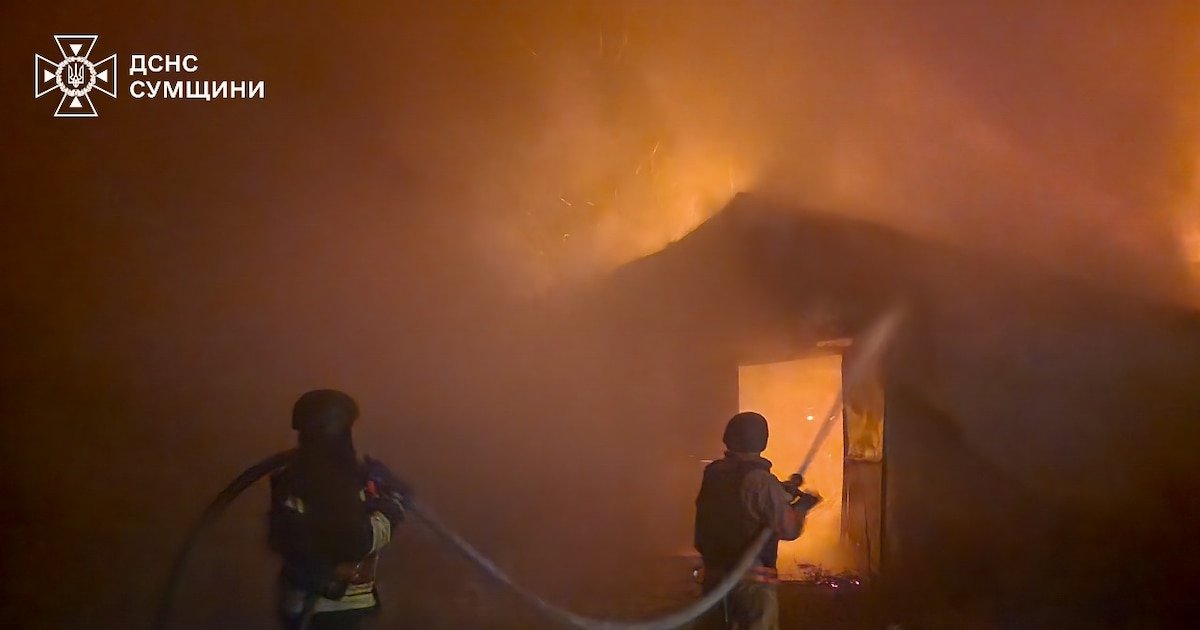
Durante la noche del viernes, la región de Sumy fue blanco de ataques enemigos que afectaron los municipios de Novoslobodsky y Vorozhbyansky, informó el Servicio Estatal de Emergencias. Los bombardeos dañaron edificios residenciales y locales no residenciales y provocaron incendios, los cuales fueron completamente extinguidos por los especialistas de emergencia. Según información preliminar, no se registraron heridos.
El jefe de la región de Sumy, citado por el medio local Ukrinform, indicó que los ataques forman parte de una serie de agresiones continuas que han golpeado la infraestructura civil de la región, obligando a mantener un monitoreo constante de la seguridad de los residentes.
En paralelo, en otras regiones del país, los rusos continuaron desplegando ataques masivos. Durante el viernes, la región de Zaporizhia sufrió 448 ataques en 17 asentamientos, incluidos ataques aéreos, con MLRS y drones FPV, según informó el jefe de la región, Ivan Fedorov.
Además, destacó que, a pesar de la magnitud de los ataques, no se reportaron víctimas civiles, aunque se registraron 37 destrucciones de viviendas e infraestructura.
El funcionario subrayó que las fortificaciones en Zaporizhia fueron construidas por trabajadores locales dispuestos a operar cerca del frente, lo que permitió mantener bajos los costos de construcción y asegurar la resistencia frente a los ataques.

En Sumy, los servicios de emergencia continuarán evaluando la situación en los municipios afectados para prevenir nuevos daños y garantizar la seguridad de la población civil, mientras las autoridades locales mantienen la coordinación con fuerzas de defensa para mitigar riesgos adicionales y supervisar las consecuencias de los ataques nocturnos.
Durante una rueda de prensa en Kiev el viernes, el secretario general de la OTAN, Mark Rutte, y el presidente de Ucrania, Voloimir Zelensky, explicaron los principales desafíos y prioridades diplomáticas ante una posible resolución del conflicto que enfrenta a ambos países desde 2022.
“Será esencial contar con garantías de seguridad sólidas y eso es lo que estamos tratando de definir ahora”, afirmó el secretario general. Rutte detalló que estas garantías operan en dos niveles.
El primero consiste en dotar a las fuerzas armadas ucranianas de los recursos y la preparación necesaria para defender el territorio nacional una vez alcanzado un eventual acuerdo de paz o alto el fuego.
El segundo nivel involucra los compromisos internacionales asumidos por potencias occidentales. “El segundo nivel serán las garantías proporcionadas por Europa y Estados Unidos, y eso es en lo que estamos trabajando”, explicó Rutte. Esta doble vía de apoyo busca prevenir que Rusia repita escenarios de conflicto en suelo ucraniano.
Rutte destacó que los planes y conversaciones se elaboran de manera coordinada. “Estamos trabajando juntos, Ucrania, los europeos y Estados Unidos, para garantizar que las garantías de seguridad sean tales que Vladímir Putin, sentado en Moscú, nunca más vuelva a intentar atacar Ucrania”, declaró.
En el ámbito estadounidense, Donald Trump recibió recientemente en la Casa Blanca a Zelensky y a líderes europeos, con la presencia de Rutte. La reunión posiciona a Washington como un actor clave tanto en la definición de garantías como en la provisión de asistencia militar, inteligencia y recursos económicos.
El secretario general de la OTAN admitió que “es demasiado pronto para saber con certeza cuál será el resultado, pero está claro que Estados Unidos participará”.

Zelensky indicó que los compromisos pueden incluir componentes militares, tecnológicos y financieros, sin avanzar en promesas públicas antes de un eventual acuerdo. Rutte enfatizó la necesidad de consolidar alianzas estables y fortalecer la resiliencia militar ucraniana, construyendo un marco de garantías respaldado por Estados Unidos y Europa con credibilidad suficiente para disuadir futuras acciones armadas rusas.
“El presidente Trump ha hecho de esto una prioridad. Ha roto el estancamiento con Putin y ha dejado claro que Estados Unidos estará involucrado en proporcionar garantías de seguridad a Ucrania”, concluyó Rutte.

INTERNACIONAL
En el desmontaje de la dictadura de Venezuela, el concepto de amnistía debe ser nulidad de acusaciones que violan derechos humanos
La suplantación del “estado de derecho” por “leyes infames” que son normas del socialismo del siglo 21 que violan derechos humanos, es la base del “terrorismo de Estado” institucionalizado con fiscales sicarios y jueces verdugos en Cuba, Venezuela, Nicaragua y Bolivia. En el desmontaje de la dictadura/narcoestado en Venezuela urge la liberación de presos y exiliados políticos víctimas de ese sistema, lo que impone la necesidad de ampliar el concepto de amnistía otorgándole como la “nulidad de toda acusación, acción, procedimiento o juicio que viole los derechos humanos”.
La palabra amnistía proviene “del griego amnestia que significa olvido o perdón” y se define como “el perdón de cierto tipo de delitos, que extingue la responsabilidad de sus autores”. Las Naciones Unidas la apunta como “un instrumento jurídico que tiene por efecto la posibilidad de impedir en un periodo de tiempo el enjuiciamiento penal y, en algunos casos, las acciones civiles contra ciertas personas o categorías de personas con respecto a una conducta criminal especifica cometida antes de la aprobación de la amnistía, o bien, la anulación retrospectiva de la responsabilidad jurídica anteriormente determinada”.
El Diccionario Enciclopédico de Derecho enseña que se entiende por “amnistía un acto del Poder soberano que cubre con el velo del olvido las infracciones penales de cierta clase, dando por conclusos los procesos comenzados, declarando que no deben iniciarse los pendientes o bien declarando automáticamente cumplidas las condenas pronunciadas o en vías de cumplimiento”.
De donde se estudie, la amnistía hoy es una institución para olvidar o de cualquier forma perdonar a quienes han cometido delitos. En el concepto actual la condición imprescindible o sine qua non para conceder o beneficiarse con una amnistía es la comisión de delito, y su otorgamiento o aplicación es la aceptación expresa o tácita de que se han perpetrado delitos que se deben olvidar, perdonar o de cualquier forma ya no sancionar. Hoy no se da amnistía a inocentes.

El problema de aplicar tal cual la institución jurídica de la amnistía a los presos, perseguidos y exiliados políticos por las dictaduras del socialismo del siglo 21 o castrochavismo radica en se estaría otorgando perdón a las víctimas acusadas falsamente y sometidas a tipificaciones y procedimientos de leyes infames, con la agravante de que quienes se lo otorgan son los criminales, los violadores de derechos humanos.
Es el mundo al revés, las víctimas son perdonadas por delitos que no cometieron pero que terminan aceptando, y los delincuentes, los violadores de derechos humanos, son los que perdonan asegurándose impunidad, porque esa acepción de amnistía empieza por legitimar tipificaciones, acusaciones, procesos y atropellos sin cuya aceptación no es posible el perdón, el olvido o la amnistía.
Pretender desmontar un sistema narcoterrorista con el tipo de amnistía vigente es solamente jugar en la cancha del crimen organizado, bajo sus reglas y en su beneficio, pero como la liberación incondicional de presos, exiliados y perseguidos políticos es urgente, lo que corresponde —si se quiere seguir usando el termino amnistía— es ampliar el concepto con la inequívoca acepción de para la situación actual de Venezuela y de acuerdo a los datos de la realidad objetiva, “la amnistía no es perdón ni olvido de delitos (que no se cometieron) y que representa la nulidad de toda acusación, acción, procedimiento o juicio que se haya iniciado, se tramite o se haya sentenciado violando los derechos humanos”.
El nuevo alcance o definición de amnistía para las víctimas del socialismo del siglo 21 está destinado a no aceptar acusaciones, delitos o estigmas que son parte de la narrativa de asesinato de la reputación y fundamento del terrorismo de Estado implantado en Venezuela, Cuba, Nicaragua y Bolivia, liberando a las víctimas, pero sin dar impunidad a los victimarios.
Un aspecto adicional es el de las reparaciones por daños morales, económicos y personales a que tienen derecho las víctimas hoy excarceladas, presas, exiliadas o perseguidas. Si se formula la amnistía como perdón y olvido y no como nulidad de acciones abusivas y delictivas en su contra, nadie tendrá derecho a reclamo alguno y los victimarios, verdugos, sicarios, torturadores, carceleros y todos los miembros de la cadena criminal podrán quedar impunes penal y civilmente. La amnistía como perdón u olvido y no como nulidad es certificado de que los mafiosos de la dictadura/narcoestado actuaron legalmente.
El derecho es dinámico y su formulación obedece a los cambios que se producen con circunstancias, tiempos, realidades y fenómenos sociales. Eso es exactamente lo que ahora sucede con la necesidad de cesar dictaduras narcoterroristas usando sus propios operadores y mecanismos, por lo que la exacta definición y ampliación de conceptos -en este caso el de amnistía- resultan imprescindibles para no caer en la trampa del continuismo y la impunidad.
*Abogado y Politólogo. Director del Interamerican Institute for Democracy
Domestic,Politics,South America / Central America,Government / Politics
INTERNACIONAL
Cuba le comunicó a las aerolíneas que en 24 horas se queda sin combustible para aviones
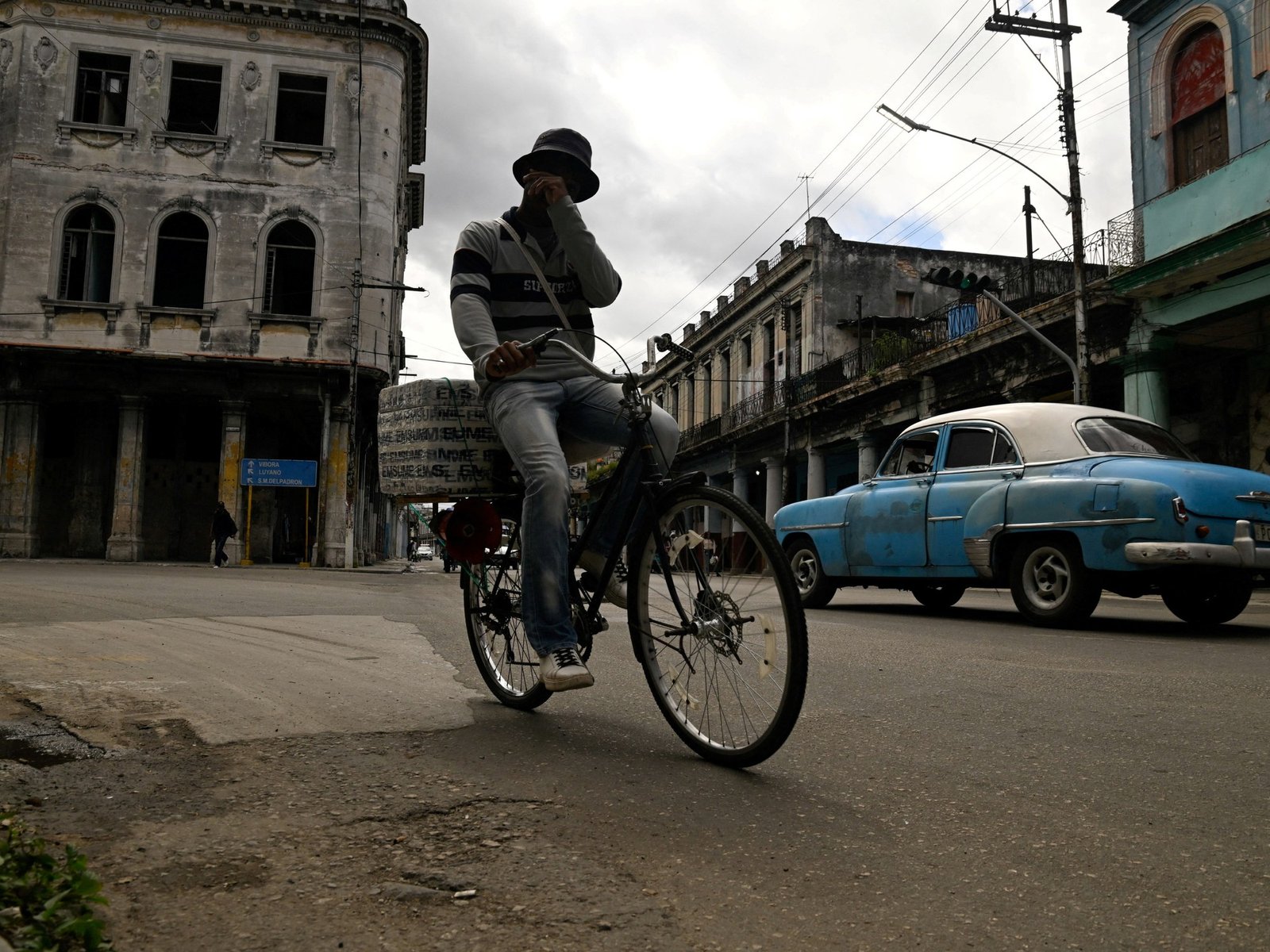
El Gobierno cubano advirtió a las aerolíneas internacionales que operan en la isla que a partir de este lunes el país se queda sin combustible para aviación debido al asedio petrolero de Estados Unidos.
Por el momento las aerolíneas afectadas -principalmente estadounidenses, españolas, panameñas y mexicanas– no han comunicado públicamente cómo van a afrontar esta situación, que podría generar alteraciones en rutas, frecuencias y horarios, al menos en el corto plazo.
No obstante, este hecho no es nuevo en Cuba. En situación similares previas -tanto en el período especial en los años 90 como en cuellos de botella momentáneos en los últimos meses- las aerolíneas habían salvado el problema reacomodando sus rutas con paradas extra para repostar en México o República Dominicana.
Fuentes del sector confirmaron este domingo el anuncio del régimen castrista a la agencia de noticias EFE. La mayoría de vuelos que conectan la isla con el exterior cubren rutas a Florida, en Estados Unidos (Miami, Tampa, Fort Lauderdale), España (Madrid), Panamá (Ciudad de Panamá) y México (Ciudad de México, Mérida, Cancún), aunque Cuba también tiene conexiones regulares con Bogotá (Colombia), Santo Domingo (República Dominicana) y Caracas (Venezuela).
El presidente de Estados Unidos, Donald Trump, firmó el pasado 29 de enero una orden presidencial que amenazaba con aranceles a aquellos países que suministrasen petróleo a Cuba, tras alegar que la isla era un peligro de seguridad nacional para su país.
Cuba, que produce apenas un tercio de sus necesidades energéticas, anunció esta semana un duro plan de emergencia para tratar de subsistir sin importaciones de crudo y derivados que incluía el fin de la venta de diésel, la reducción de los horarios de hospitales y oficinas estatales y el cierre de algunos hoteles.
El sábado el gobierno empezó a cerrar algunos hoteles de la isla y a trasladar a los turistas a otras instalaciones como parte del paquete de medidas adoptado ante el asedio petrolero de Estados Unidos, confirmaron fuentes del sector.
El viceprimer ministro Oscar Pérez-Oliva Fraga aseguró el viernes en la televisión estatal que «se ha diseñado un plan en el turismo para reducir los consumos energéticos, compactar las instalaciones turísticas, y aprovechar la temporada alta que está transcurriendo en estos momentos en nuestro país».
El también titular del Comercio Exterior y la Inversión Extranjera no especificó detalles sobre esta «compactación» de la infraestructura turística, pero las fuentes -que prefirieron el anonimato- adelantaron a la agencia EFE que desde el viernes se están cerrando hoteles y reubicando a los turistas internacionales en otros centros.
Esto afecta principalmente a algunas instalaciones turísticas ubicadas en el balneario de Varadero (oeste) y de los cayos del norte de la isla.
Entre las principales cadenas hoteleras que operan en Cuba están las españolas Meliá e Iberostar, y la canadiense Blue Diamond, entre otras.
México envía ayuda humanitaria mientras negocia la posibilidad de mandar petróleo
En tanto, el gobierno de México informó este domingo el envío de más de 814 toneladas de víveres destinados a la población de Cuba a bordo de dos buques de la Marina armada que zarparon del puerto de Veracruz.
El envío de ayuda por parte del gobierno de la presidenta izquierdista Claudia Sheinbaum ocurre mientras México sigue negociando una eventual entrega de petróleo a la isla sin ser sancionado por Estados Unidos, que amenazó con imponer aranceles al país que le suministre hidrocarburos.
Los víveres, que fueron embarcados desde temprano en el puerto de Veracruz (este), incluyen entre otros, leche líquida y en polvo, productos cárnicos, galletas, frijol, arroz y artículos de higiene personal, la mayor parte de ellos en el buque Papalopan (536 toneladas) y el resto en el Isla Holbox.
«Informamos que aún quedan más de 1.500 toneladas de leche en polvo y frijol pendientes de ser enviadas», agregó la Cancillería en el comunicado.
Cuba enfrenta una profunda crisis agudizada por la suspensión de abastecimiento de crudo desde Venezuela, tras la caída del mandatario de ese país, Nicolás Maduro, en una intervención de fuerzas estadounidenses el 3 de enero.
Las ventas de petróleo y derivados de México a Cuba sumaron 496 millones de dólares en 2025, menos de 1% de la producción de la petrolera estatal mexicana Pemex, informó la propia empresa la semana pasada.
INTERNACIONAL
Transforman colchones viejos en aislantes térmicos con hongos: la innovación que apunta a revolucionar la construcción sostenible
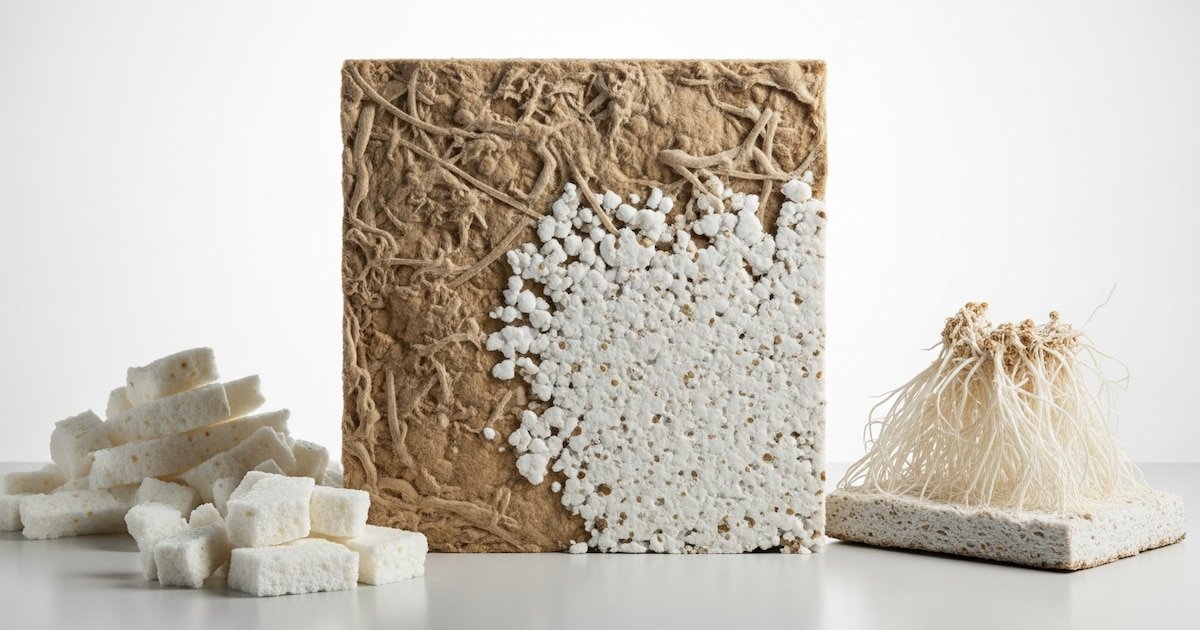
Un grupo de investigadores ha conseguido convertir colchones viejos en aislamiento térmico para la construcción utilizando hongos. Esta propuesta innovadora, presentada por la Universidad de Swinburne y difundida por Popular Science, reimagina la gestión de un residuo de gran presencia en los vertederos, y abre nuevas posibilidades para la economía circular y la sostenibilidad en el sector de la edificación.
La acumulación de colchones desechados representa un desafío ambiental de gran escala. Cada año, millones de estos productos terminan en vertederos a nivel global. Según datos citados por Popular Science, un colchón puede tardar hasta 120 años en descomponerse por completo en condiciones de relleno sanitario. Además, su tamaño voluminoso y la mezcla de materiales—espumas, telas y metales—complican el reciclaje, demandando procesos costosos y muchas veces inviables para las plantas de tratamiento tradicionales.
El resultado es la saturación de rellenos sanitarios, donde estos colchones permanecen durante décadas sin degradarse, liberando contaminantes y ocupando espacio necesario para otros residuos.
El reciclaje convencional de colchones enfrenta obstáculos tanto logísticos como técnicos. La separación manual de componentes y la falta de mercados viables para materiales recuperados dificultan la gestión eficiente de estos desechos. Por eso, la búsqueda de soluciones alternativas cobra urgencia, especialmente ante el crecimiento de la industria del descanso y el aumento en la rotación de estos productos.

Frente a este panorama, un equipo de la Universidad de Swinburne, en Australia, ha desarrollado un método novedoso para transformar colchones fuera de uso en un material aislante basado en hongos.
Según detalla Popular Science, el proceso parte del desmontaje de los colchones para separar la espuma de poliuretano, principal residuo, que se desinfecta y tritura, quedando lista para convertirse en el sustrato donde se cultiva el micelio, la red de filamentos vegetativos de los hongos.
El micelio, al crecer sobre la espuma triturada, consume parte del material y lo une en una estructura compacta y ligera. Esta transformación ocurre en condiciones controladas de temperatura y humedad durante solo unas semanas. El resultado es un panel rígido, de baja densidad, en el que el micelio actúa como aglutinante natural y otorga al material propiedades aislantes.
El protagonismo de los hongos radica en su capacidad para descomponer y reorganizar los residuos en compuestos útiles, sin necesidad de adhesivos sintéticos ni procesos industriales contaminantes. Además, el proceso no requiere altas temperaturas ni grandes consumos energéticos, lo que reduce la huella ambiental respecto a los métodos tradicionales de manufactura de aislamientos.

El producto final presenta características técnicas comparables, e incluso superiores, a los materiales de aislamiento térmico convencionales. De acuerdo con Popular Science, los paneles generados con micelio y espuma reciclada muestran una baja conductividad térmica, lo que los hace adecuados para conservar la temperatura interior en edificios y reducir el gasto energético en calefacción o refrigeración.
Durante los ensayos, estos paneles demostraron resistir temperaturas aproximadas a los 1.832 grados Fahrenheit (1.000 ℃), lo que los posiciona como una alternativa eficaz frente a riesgos de incendio y condiciones extremas.
A diferencia de muchos aislantes sintéticos, los paneles de micelio no liberan compuestos tóxicos, son biodegradables y pueden producirse localmente a partir de residuos urbanos. Su resistencia a la humedad y a ciertos patógenos añade ventajas en términos de durabilidad y sanidad, minimizando riesgos para la salud de los ocupantes de los edificios.
Las aplicaciones potenciales de este aislante micológico abarcan desde viviendas hasta infraestructuras comerciales. Su ligereza facilita el transporte y la instalación, mientras que la flexibilidad del proceso permite adaptarlo a diferentes tamaños y formas según necesidad. Además, el ciclo de vida del material cierra un circuito; al concluir su uso, puede compostarse o biodegradarse sin dañar el entorno.

El impacto futuro de esta innovación depende de su capacidad para escalar y ser adoptada por la industria. El equipo de Swinburne visualiza un modelo en el que los centros urbanos recolecten colchones desechados y los transformen en aislantes para nuevas construcciones, cerrando el ciclo de los materiales y reduciendo significativamente la generación de residuos.
La propuesta encaja en las tendencias de economía circular, donde los productos al final de su vida útil se reincorporan al sistema productivo como materia prima, en vez de convertirse en desechos. La posibilidad de replicar este enfoque en distintas ciudades y países abre la puerta a un cambio estructural en la gestión de residuos y la fabricación de materiales de construcción más limpios.
A pesar de los avances, persisten desafíos técnicos y logísticos. El escalado del proceso, la estandarización de la calidad del material y la aceptación por parte de las normativas de construcción son obstáculos que el equipo sigue investigando. Además, la viabilidad económica en comparación con los materiales tradicionales determinará el ritmo de adopción de esta tecnología.
Las proyecciones indican que, si se implementa a gran escala, este método podría reducir notablemente el volumen de colchones enviados a vertederos, disminuir las emisiones asociadas a la producción de aislantes convencionales y fomentar una nueva cultura de aprovechamiento integral de los residuos.
La investigación divulgada por Popular Science muestra que la colaboración entre ciencia, industria y sociedad puede gestar soluciones innovadoras para los retos ambientales contemporáneos.
aislamiento ecológico,micelio,espuma reciclada,materiales sostenibles,biotecnología,construcción verde,innovación,economía circular,reciclaje,paneles

Solo en off: las razones de la salida de Paul Starc de la UIF que desmienten la versión oficial

Lanús vs. Talleres: formaciones, hora y dónde ver por tv

“Leal con los leales”: quién fue la persona que acompañó a Morena Rial en su cumpleaños en la cárcel

Por la menor importación de autos, en enero cayó el déficit bilateral con Brasil

El estreno de la hegemonía mileísta

Causa por violación: ahora Zambrano denunció por extorsión a la mujer

Flor de la V contó las dificultades que vivió junto a Pablo Goycochea cuando se conoció su romance: “Había una persecución”

Milei dejó trascender que Lavagna quería un índice de inflación más alto porque «jugaba para Massa»

¿La revancha de Don Chatarrín?: acuerdo Trump-Milei puede favorecer a Rocca ante el avance asiático

Desconcertada y sin la China Suárez: así reaccionó Magnolia tras el maltrato de un guardaespaldas

 ECONOMIA3 días ago
¿La revancha de Don Chatarrín?: acuerdo Trump-Milei puede favorecer a Rocca ante el avance asiático
- CHIMENTOS2 días ago
Natalie Weber contó toda la verdad del coqueteo de Sabrina Rojas a Mauro Icardi en un boliche: “Yo sé lo que pasó esa noche y te puedo decir que Sabrina no fue”
- INTERNACIONAL2 días ago
Top fiery moments as Democrats clash with Treasury Secretary Bessent in chaotic Hill hearings