INTERNACIONAL
Schumer blasts Trump’s Iran war as failure, moves to rein in his war powers amid ceasefire

Strait of Hormuz at center of fragile Iran ceasefire
Fox News correspondents break down the latest in the double-side ceasefire as the White House rejects public reports that Iran has closed the Strait of Hormuz after the ceasefire agreement and U.S.-NATO relations appear frayed on ‘America Reports.’
NEWYou can now listen to Fox News articles!
The top Senate Democrat argued that President Donald Trump’s war in Iran has left the U.S. worse off, and plans to force another vote to handcuff the president’s war powers as a fragile ceasefire begins.
Senate Minority Leader Chuck Schumer, D-N.Y., announced that Senate Democrats will again force a vote on a war powers resolution to rein in Trump’s use of the military in Iran when the upper chamber returns. The Senate is slated to return Monday, but the exact day when Democrats will pull the trigger next week is still in the air.
Schumer argued the war was «one of the very worst military and foreign policy actions that the United States has ever taken,» at a Wednesday press conference in New York City, and contended that the conflict has left the U.S. worse off in global credibility, left Iran’s nuclear ambitions unchecked, increased gas prices and hampered control of the Strait of Hormuz.
TRUMP’S IRAN THREAT RATTLES GOP AS SOME REPUBLICANS BREAK RANKS
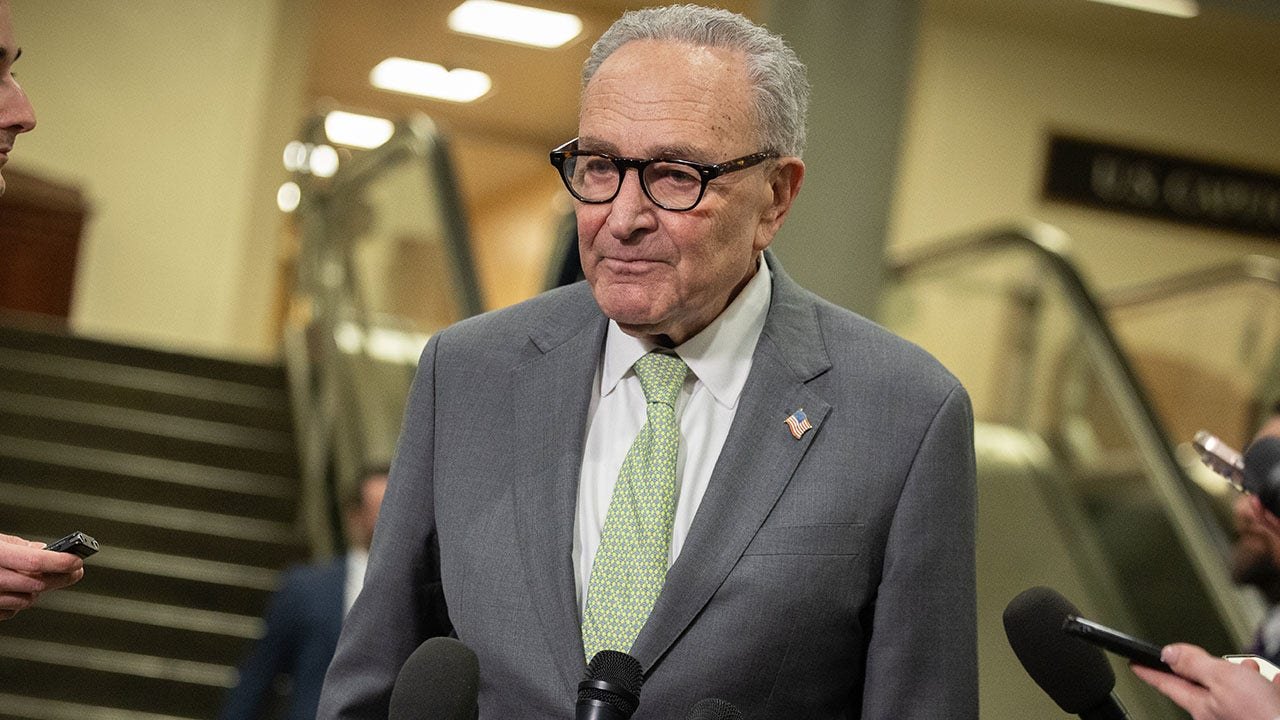
Senate Minority Leader Chuck Schumer, D-N.Y., announced that Senate Democrats will again force a vote on a war powers resolution to rein in Trump’s use of the military in Iran. (Nathan Posner/Anadolu)
His decision to again try to curtail Trump’s war authorities comes as the U.S. and Iran have entered a two-week ceasefire — a deal brokered just before Trump’s apocalyptic deadline Tuesday night.
«Trump must end the war now,» Schumer said. «The only viable solution is a lasting diplomatic one. A two-week ceasefire, especially one as fragile as this, is not a strategy. It’s not a diplomatic solution. It’s not a plan.»
Republicans lauded the ceasefire, however. Sen. Rick Scott, R-Fla., contended on X that it would be «Iran’s chance to do the right thing.»
«Excellent news,» Scott said Tuesday night. «This is a strong first step toward holding Iran accountable and what happens when you have a leader who puts peace through strength over chaos and weak appeasement policies.»
As the newly minted ceasefire enters its first day, Iran has already presented a 10-point plan for a broader peace agreement. The proposal includes demands to retain control of the Strait of Hormuz and continue a uranium enrichment program — conditions Trump swiftly rejected.
TRUMP IRAN THREAT SPARKS CALLS FOR HIS OUSTER, BUT ONE DEM SAYS EFFORT ‘NOT REALISTIC’
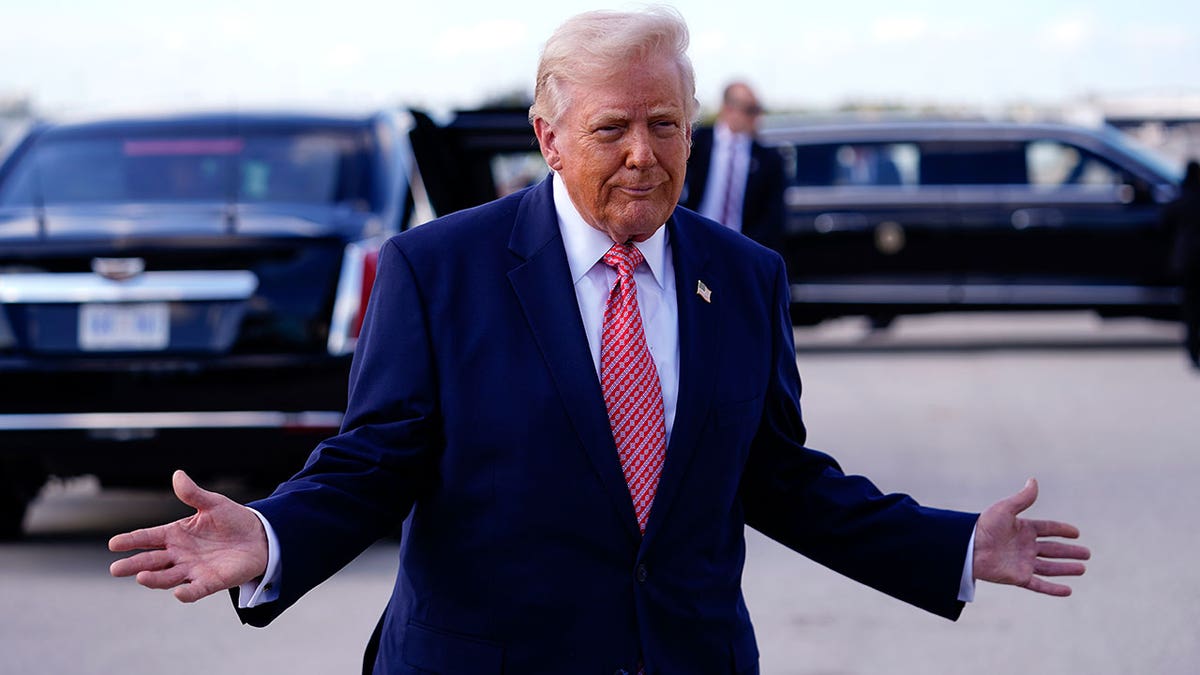
Many critics of President Donald Trump have suggested he chickened out for not committing what they initially insisted was a «genocide» of the Iranian people. (Nathan Howard/Getty Images)
«There is only one group of meaningful ‘POINTS’ that are acceptable to the United States, and we will be discussing them behind closed doors during these negotiations,» Trump said on Truth Social. «These are the POINTS that are the basis on which we agreed to a CEASEFIRE.»
Vice President JD Vance, Special Envoy to the Middle East Steve Witkoff, and Jared Kushner are slated to negotiate a broader peace deal in person in Islamabad over the weekend.
But Schumer and Senate Democrats are calling for an immediate end to the conflict.
IRAN REVEALS 10-POINT PLAN FOR PEACE WITH THE US – HERE’S WHAT’S IN IT
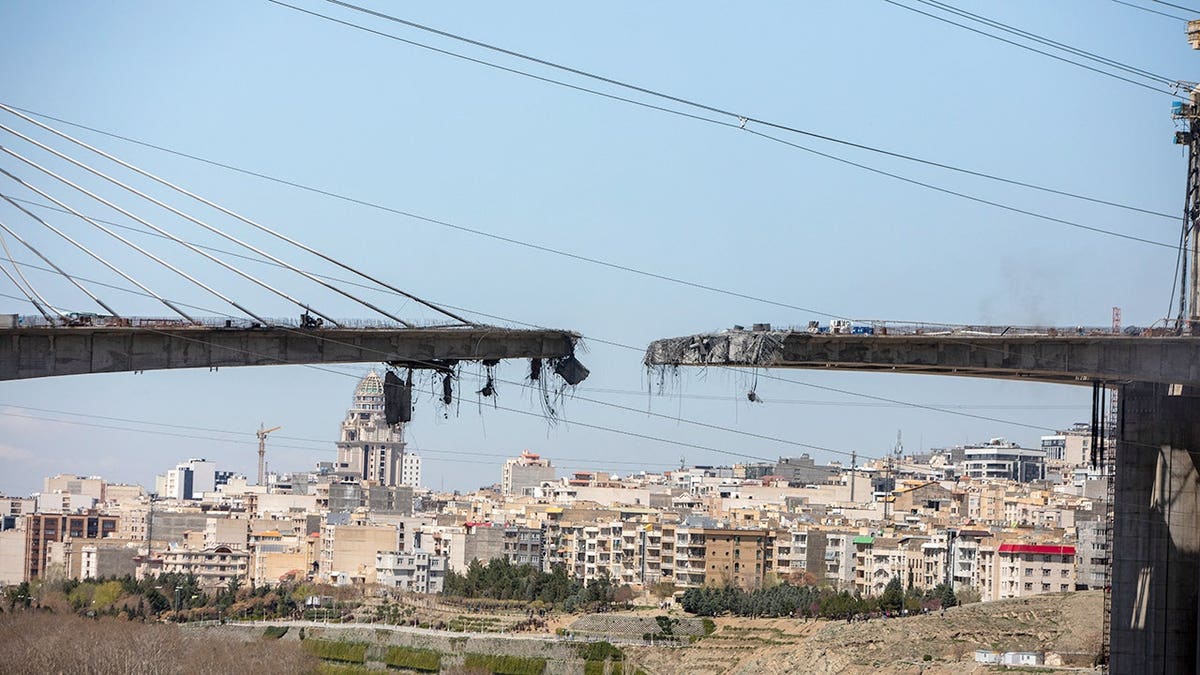
A view of the damaged B1 bridge, a day after it was destroyed by an airstrike, on April 3, 2026, west of Tehran in Karaj, Iran. (Majid Saeedi/Getty Images)
«Congress must reassert its authority, especially at this dangerous moment,» Schumer said. «No president, Democrat or Republican, should take this country to war alone — not now, not ever. Republicans will once again have the opportunity to join Democrats and end this reckless war of choice.»
His plan to again force a vote on a war powers resolution would mark the fourth such attempt in the upper chamber since the conflict began in late February.
CLICK HERE TO DOWNLOAD THE FOX NEWS APP
Senate Democrats had initially teed up five war powers resolutions to force Trump to withdraw forces from the region in a bid to grind the Senate to a halt and compel Secretary of State Marco Rubio and Secretary of War Pete Hegseth to testify on Operation Epic Fury.
The previous attempts have all been blocked by Republicans, despite growing unease within the GOP over Trump’s recent threats to bomb power plants and bridges, as well as his warning that a «whole civilization will die tonight.»
chuck schumer, war with iran, senate elections, democrats senate, politics, donald trump







INTERNACIONAL
Donald Trump dice que el Líbano no está incluido en el acuerdo de alto el fuego y justifica los bombardeos de Israel


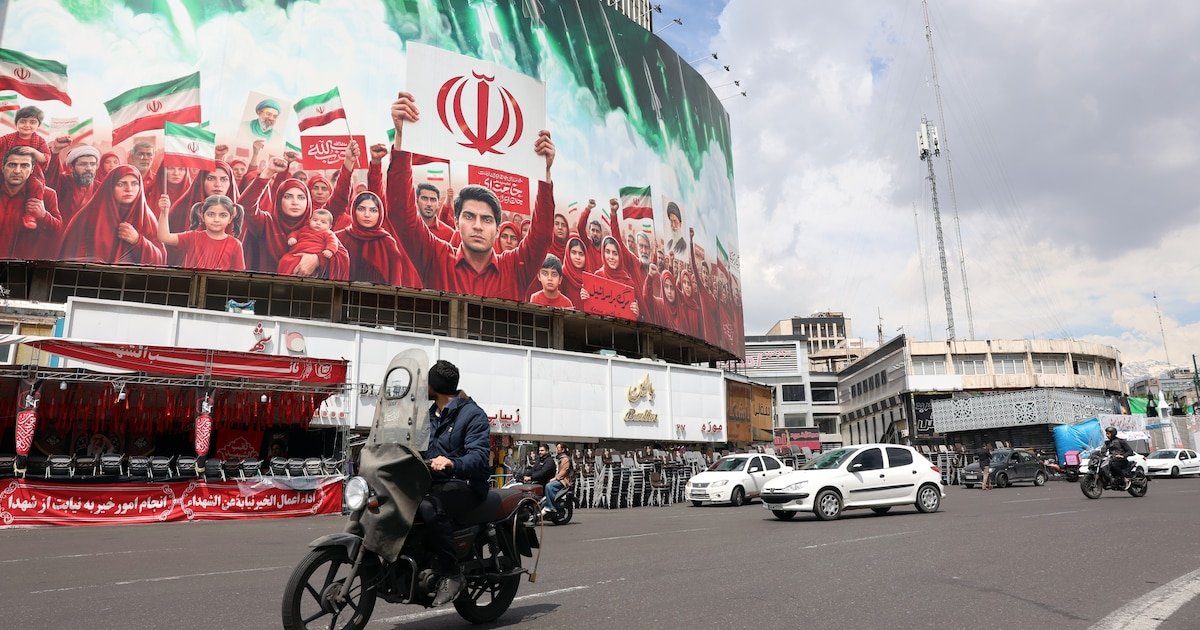
Incluso antes de la guerra en Irán, país afectado por las sanciones, la inflación rondaba el 50%, y el descontento por la situación económica había alimentado protestas antigubernamentales masivas. Tras más de cinco semanas de conflicto, los problemas no han hecho más que agravarse.
Más allá del temor diario a los ataques, el efecto más inmediato de la guerra ha sido otra espiral alcista en los precios de todo, desde productos básicos (alimentos, bebidas, medicamentos o pañales) hasta almuerzos en cafés de moda en la ciudad.
Amir, un iraní de 40 años de las afueras de Teherán, contó recientemente a la AFP cómo el precio de la marca de tostadas que suele comprar había subido repentinamente de 700.000 riales a 1.000.000 (alrededor de 0,75 dólares).
Un amigo suyo tuvo que pagar 180 millones de riales por una pastilla para el tratamiento del cáncer que costaba alrededor de tres millones antes de que comenzaran los ataques de Estados Unidos e Israel contra el país el 28 de febrero. “Y tienen que comprar una tableta cada 20 días”, explicó.
Kaveh, un artista de la capital, explicó cómo el popular café Dobar, en el centro de Teherán, “aumentó los precios un 25 por ciento en todos sus productos en un solo día”.

Incluso en el noroeste de Irán, una zona que suele estar bien abastecida con importaciones de la vecina Turquía, “algunos productos cuestan el triple de su precio habitual”, declaró una mujer de 50 años a un periodista de la AFP.
Como muestra de la galopante inflación, el banco central introdujo a mediados de marzo un nuevo billete de diez millones de riales, la denominación más reciente y de mayor valor en circulación. El mes anterior, había presentado un billete de cinco millones, una cifra récord en aquel entonces, lo que reflejaba la fuerte caída del valor de la moneda, que se ha desplomado desde la primera guerra con Estados Unidos e Israel en junio pasado.
Las dificultades económicas y la devaluación del rial fueron factores clave detrás de las mayores protestas antigubernamentales de la historia reciente a principios de año, que comenzaron con huelgas de comerciantes en el famoso bazar de Teherán. Según grupos de derechos humanos, miles de personas murieron en la represión que siguió.
“Un desastre”
Si bien las recientes subidas de precios han ejercido una mayor presión sobre los presupuestos familiares, muchas personas también se han quedado sin trabajo. La guerra ha provocado el cierre de muchos negocios, dejando a los empleados en una situación de incertidumbre sobre si recibirán o no sus salarios.

Los bazares de todo el país han restringido sus horarios de apertura, mientras que las empresas constructoras han despedido a trabajadores en masa, muchos de ellos inmigrantes de Afganistán.
“Cuando comenzó la guerra , las oportunidades de trabajo escasearon y la gente dejó de construir”, dijo a la AFP Faizullah Arab, un pintor desempleado de 23 años, a su regreso a Afganistán el fin de semana pasado desde Teherán. “Los empleadores se han ido al extranjero y los negocios han paralizado”, añadió su compatriota Walijan Akbari, un obrero de 42 años.
Cualquier persona que dependa de internet o que gestione un negocio de comercio electrónico también ha tenido que lidiar con más de cinco semanas de un apagón de comunicaciones que ha dejado en funcionamiento únicamente la limitada red nacional de Irán .
“Sinceramente, me preocupa mucho nuestro futuro, sobre todo en lo económico”, declaró a la AFP la semana pasada una mujer de 35 años que trabaja en el sector financiero en el centro de Isfahán. “Las cosas son un desastre ahora mismo”.
“Despidos masivos, cierres generalizados… todo resulta abrumador”.
Los ataques aéreos contra la industria siderúrgica de Irán, vital para una amplia gama de industrias, así como contra las instalaciones petroquímicas, los puentes y las carreteras, probablemente tendrán un impacto a largo plazo en la economía nacional .
Problemas bancarios

Adnan Mazarei, ex alto funcionario del Fondo Monetario Internacional especializado en Oriente Medio, declaró a la AFP que el sector bancario de la posguerra también sería un área de gran preocupación.
“Antes del estallido de esta guerra con Israel, Estados Unidos e Irán , el sistema bancario se encontraba en una situación difícil, muy vulnerable en general, con balances débiles“, declaró a la AFP. Según él, el sector se verá aún más perjudicado por la guerra, ya que los consumidores y las empresas no podrán pagar sus préstamos.
Durante la guerra se impusieron límites a los cajeros automáticos para evitar retiradas masivas de dinero, pero las tarjetas y los servicios de banca en línea han funcionado en general durante la mayor parte del conflicto.
La quiebra bancaria más reciente involucró a Ayandeh Bank, uno de los bancos privados más grandes del país, que colapsó a finales del año pasado bajo el peso de préstamos incobrables y pérdidas equivalentes a 5.200 millones de dólares.
Mazarei sospecha que podrían ser necesarios más rescates, y que el banco central se verá obligado a imprimir dinero para salvarlos. “Por supuesto, esto aumentará la oferta monetaria, lo que a su vez provocará una mayor inflación”, añadió. Según la agencia estadística de Irán, la inflación anual fue del 47,5 por ciento en febrero.
(AFP)
billboard,conflicts,daily life,flags,people,street

NEWYou can now listen to Fox News articles!
Sen. Tammy Duckworth, D-Ill., is demanding that the Transportation Security Administration reintroduce its controversial policy requiring travelers to take off their shoes before going through airport security checkpoints.
Duckworth called on the TSA to immediately reverse its move to end the «shoes-off» policy, calling former Department of Homeland Security Secretary Kristi Noem’s decision last summer to scrap the policy a «reckless act» that may put travelers at risk.
«Secretary Noem’s decision to implement a shoes on policy on July 8, 2025, likely without meaningful consultation with TSA, was a reckless act,» Duckworth wrote in a letter to Acting TSA Administrator Ha Nguyen McNeill.
«Allowing a potentially catastrophic security deficiency to remain in place for seven months and counting betrays TSA’s mission,» she added. «At a minimum, TSA’s failure to swiftly implement corrective action warrants the immediate withdrawal of Secretary Noem’s reckless and dangerous policy that increases the risk of a terrorist smuggling a dangerous item onto a flight.»
NEARLY 20-YEAR SHOE-OFF AIRPORT SECURITY POLICE IS ENDED BY TRUMP ADMINISTRATION
Sen. Tammy Duckworth demanded that the TSA bring back its policy requiring travelers to take off their shoes to go through security checkpoints at airports. (Bill Clark/CQ-Roll Call, Inc via Getty Images)
This comes after a classified watchdog report found that TSA scanners cannot effectively screen shoes, according to CBS News. Duckworth said the inspector general flagged the issue as urgent to Noem but that no action was taken.
Duckworth said that the inspector general found that Noem’s policy shift had «inadvertently created a new security vulnerability in the system.»
The former secretary’s failure to take corrective action after the report’s findings was «outrageous, unacceptable and dangerous to the flying public,» Duckworth said.
The senator argues that TSA’s lack of response may violate federal law, writing that the agency missed a legally required 90-day deadline to outline corrective actions after receiving the watchdog’s report.
«Such inaction violates Federal law, Office of Management and Budget (OMB) guidance and DHS’s own directives,» Duckworth wrote.
FLIGHT PASSENGERS SLAM AIRLINES FOR PUSHING EARLY BAG CHECKS EVEN WITH EMPTY BINS ON BOARD
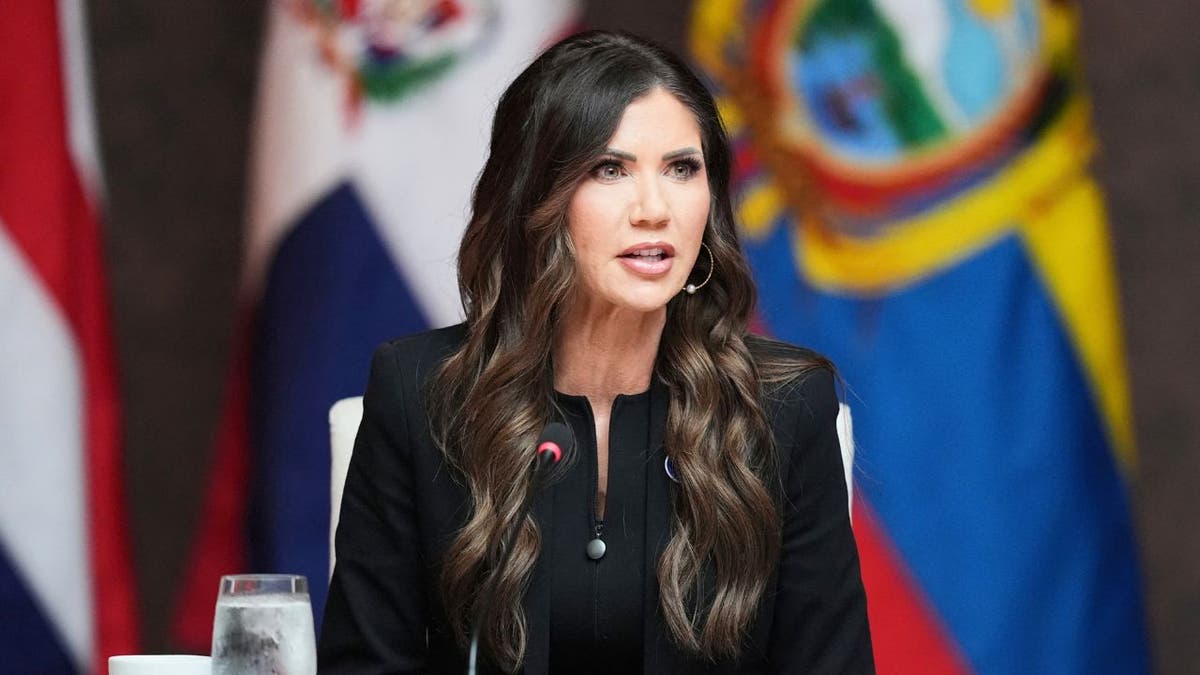
Sen. Tammy Duckworth called former DHS Secretary Kristi Noem’s decision last summer to scrap the policy a «reckless act» that may put travelers at risk. (Rebecca Blackwell / POOL / AFP via Getty Images)
The previous policy requiring passengers to take off their shoes during TSA screening was implemented in 2006.
The senator wrote that Noem’s policy change reflected a «willingness to gamble the American people’s security,» calling it a «stunning failure of leadership.»
«We expect this change will drastically decrease passenger wait times at our TSA checkpoints, leading to a more pleasant and efficient passenger experience,» she said at the time. «As always, security remains our top priority. Thanks to our cutting-edge technological advancements and multi-layered security approach, we are confident we can implement this change while maintaining the highest security standards.»
Duckworth accused Noem, who was removed by President Donald Trump last month and replaced by current DHS Secretary Markwayne Mullin, of prioritizing politics over security.
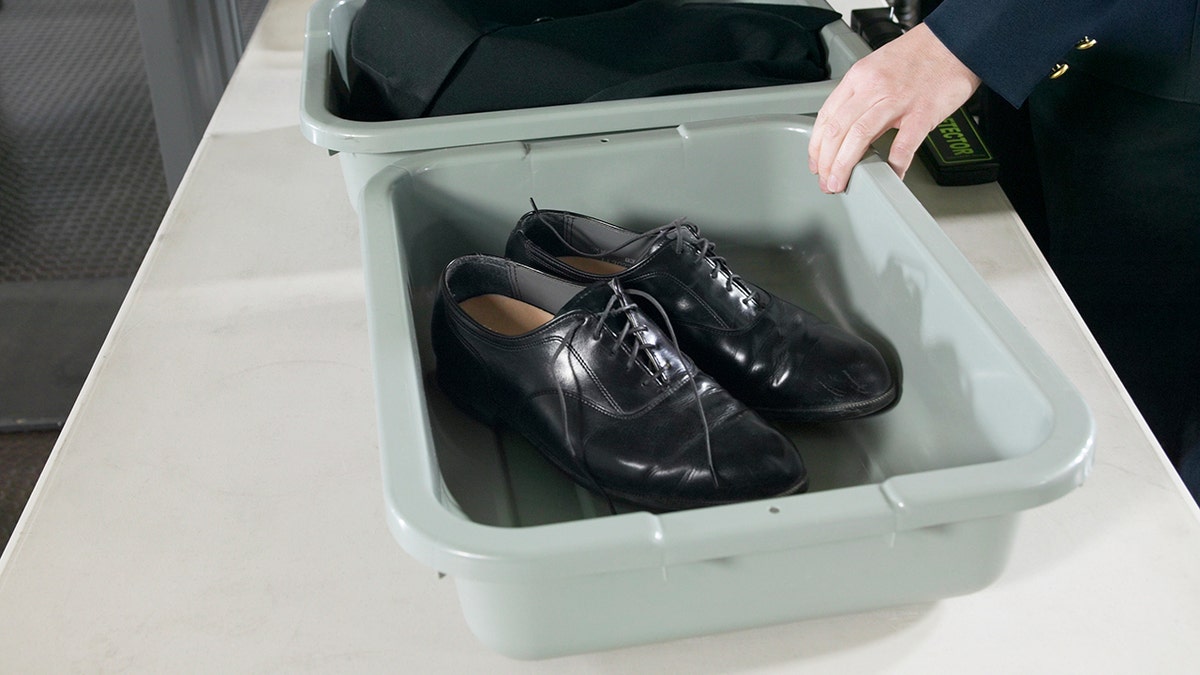
The previous policy requiring passengers to take off their shoes to go through TSA screening was implemented in 2006. (iStock)
CLICK HERE TO GET THE FOX NEWS APP
The senator wrote that Noem’s policy change reflected a «willingness to gamble the American people’s security,» calling it a «stunning failure of leadership.»
«Secretary Noem’s willingness to gamble the American people’s security in an unsuccessful attempt to boost her popularity was, and remains, a stunning failure of leadership—particularly following President Trump’s decision to launch an unconstitutional war of choice against Iran that DHS has determined, «is causing a heightened threat environment in the United States,» she wrote.
airports, homeland security, markwayne mullin, kristi noem, politics, donald trump

De socios a adversarios: cómo se gestó el distanciamiento político entre Rogelio Frigerio, Emilio Monzó y Nicolás Massot

Román Burruchaga: la importancia de su equipo de trabajo para llegar a este momento y su objetivo a corto plazo

Video impactante: Gran Hermano mostró por primera vez las imágenes sin censura del brutal accidente de Andrea del Boca dentro de la casa

Kicillof analizó con su mesa chica de intendentes el despliegue de campaña y los reclamos a Milei por recursos
Las acciones de Aluminum Corp of China suben por sólida previsión de beneficios del primer trimestre Por Investing.com

De “la gente no da más” a “extorsionaba a los pobres”: el cruce entre un piquetero y una militante libertaria

Caputo habló sobre los créditos del Banco Nación que tomaron sus funcionarios: “No hay nada ilegal ni inmoral”

Círculo rojo: intrigas en el gabinete, desgaste por el caso Adorni y movimientos inquietantes en el Poder Judicial

Adorni recibió US$100 mil de otras dos mujeres por la hipoteca de un departamento anterior en Caballito

Ajuste y Castigo: El Gobierno de Milei Pasa a «Disponibilidad» al Policía que se Encadenó por un Sueldo Digno

 ECONOMIA3 días ago
Caputo habló sobre los créditos del Banco Nación que tomaron sus funcionarios: “No hay nada ilegal ni inmoral”
- POLITICA2 días ago
Adorni recibió US$100 mil de otras dos mujeres por la hipoteca de un departamento anterior en Caballito
- POLITICA1 día ago
Ajuste y Castigo: El Gobierno de Milei Pasa a «Disponibilidad» al Policía que se Encadenó por un Sueldo Digno