INTERNACIONAL
Schumer rolls out list of ICE demands as White House says Dems ‘blocked’ deal-making session


NEWYou can now listen to Fox News articles!
The White House invited rank-and-file Senate Democrats to discuss government funding options, but they declined, instead opting to unveil a list of demands to rein in Immigration and Customs Enforcement (ICE) agents in exchange for their votes to avert a shutdown.
«The White House hopes to avoid another debilitating government shutdown, and invited Democrats for a listening session to better understand their position,» a senior White House official told Fox News Digital in a statement. «It’s unfortunate their leadership blocked the meeting.»
Meanwhile, Senate Democrats unveiled their laundry list of demands to rein in the Department of Homeland Security’s (DHS) immigration operations in exchange for their support to keep the government open.
Democrats in the upper chamber have been quietly formulating a list of legislative demands to bring Republicans to corral DHS and ICE after another deadly shooting in Minnesota over the weekend.
That incident, where Alex Pretti was fatally shot during an immigration operation in Minneapolis, spurred Democrats to reject the forthcoming six-bill funding package teed up for a key test vote on Thursday.
SENATE REPUBLICANS TEE UP KEY SHUTDOWN TEST VOTE AS DEMOCRATS DIG IN ON DHS FUNDING
Senate Minority Leader Chuck Schumer, D-N.Y., announced that Senate Democrats would not support a bill to fund the Department of Homeland Security following a fatal shooting involving a Border Patrol agent in Minnesota on Saturday. (Kevin Dietsch/Getty Images)
Senate Minority Leader Chuck Schumer, D-N.Y., laid out three requirements for Democrats as the upper chamber hurtles toward a Friday deadline to fund the government. He noted that his entire caucus was unified on the «set of common sense and necessary policy goals that we need to rein in ICE and end the violence.»
Schumer’s first demand was an end to roving patrols, tightening the rules governing the use of warrants, and requiring that ICE coordinate with state and local law enforcement.
Second on the list was a uniform code of conduct and accountability for federal agents, akin to the same standards applied to state and local law enforcement. Schumer contended that when those policies are broken, there should be independent investigations.
And third, Democrats want «masks off, body cameras on,» and for federal agents to carry proper identification.
THUNE STEAMROLLS DEMS’ DHS REVOLT AS FETTERMAN DEFECTS, SCHUMER UNDER PRESSURE
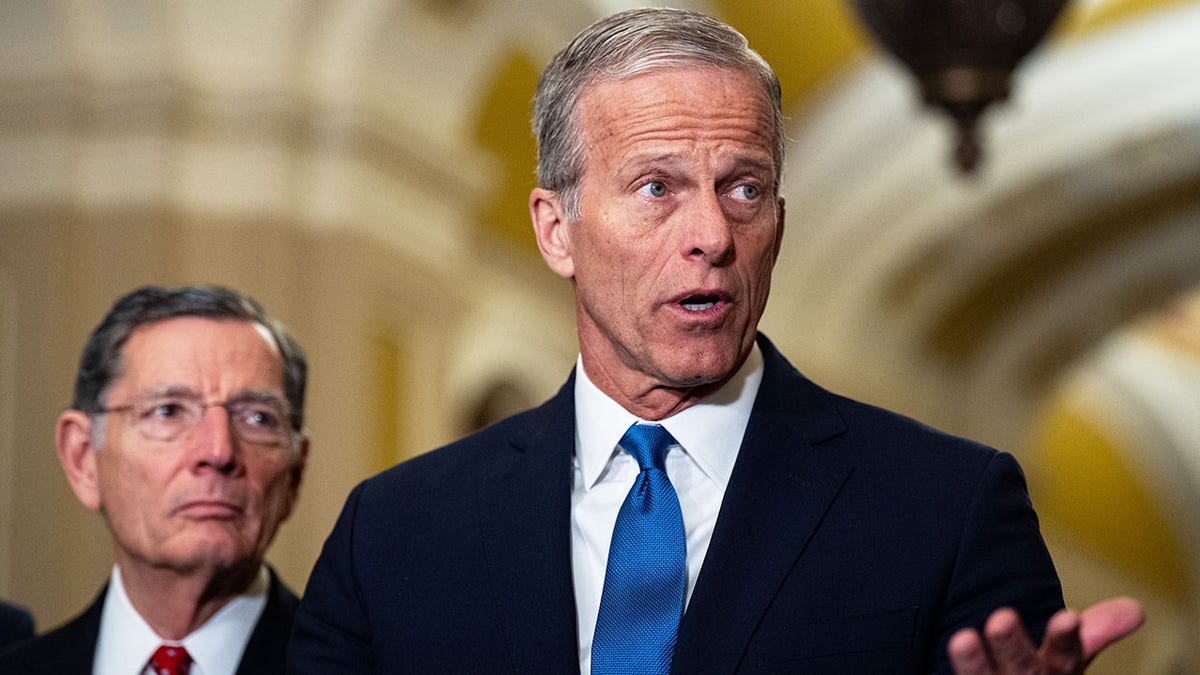
Senate Majority Leader John Thune, R-S.D., would prefer to keep the current, six-bill funding package intact as Democrats demand the DHS bill be stripped out. (Al Drago/Bloomberg via Getty Images)
«These are common sense reforms, ones that Americans know and expect from law enforcement,» Schumer said. «If Republicans refuse to support them, they are choosing chaos over order, plain and simple. They are choosing to protect Ice from accountability over American lives.»
Over the last few days, Senate Republicans have signaled their willingness to negotiate reforms to the agency beyond those baked into the existing DHS funding bill, but they have added the caveat that Senate Democrats have to actually produce a list, first.
And Senate Majority Leader John Thune, R-S.D., has made clear that Republicans would plow ahead with the current six-bill funding package, which among other bills includes funding for the Pentagon, for Thursday’s vote. However, he hasn’t entirely closed the door on stripping the DHS bill as Democrats have called for.
DEMS’ DHS SHUTDOWN THREAT WOULD HIT FEMA, TSA WHILE IMMIGRATION FUNDING REMAINS INTACT
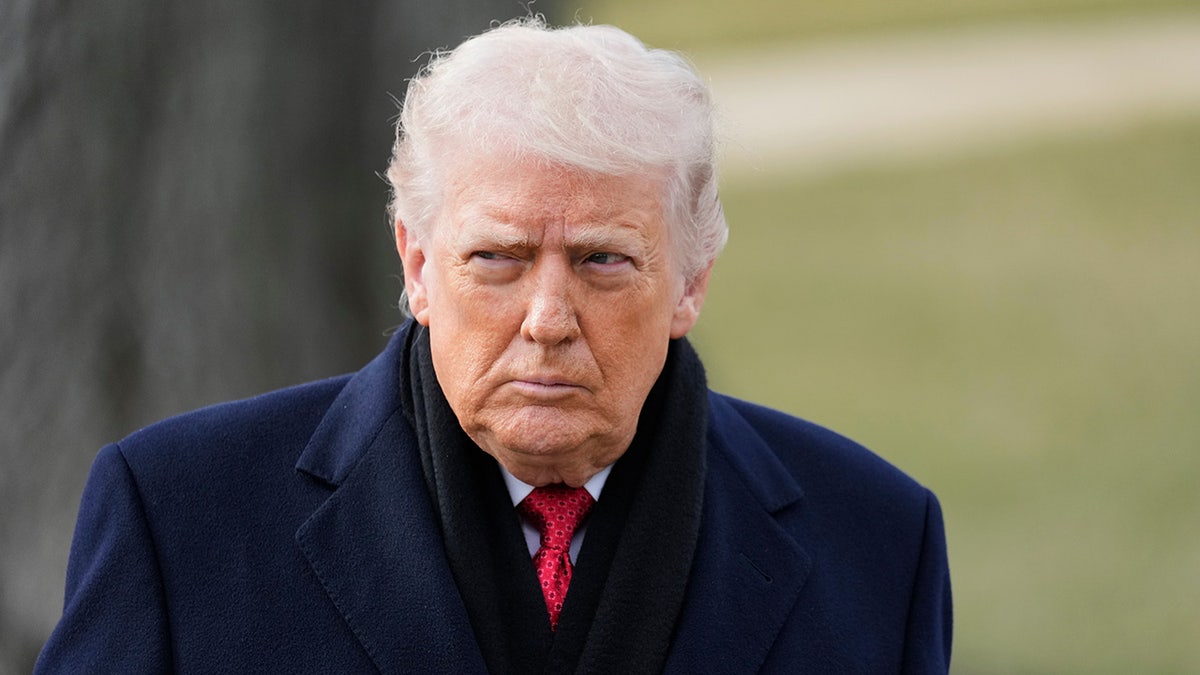
President Donald Trump walks to Marine One for departure from the South Lawn of the White House, Jan. 16, 2026, in Washington, D.C. (Alex Brandon/AP Photo)
Though conversations are ongoing at the rank-and-file level across the aisle, Thune said that Schumer and Senate Democrats should bring their asks to the White House and President Donald Trump.
«If there’s a way that the Democrats have things that they want the White House could accommodate, short of having to modify the bill, that would be, I think the best way to do what we need to do here, and that is to make sure the government gets funded,» Thune said.
Plus, if the DHS bill were stripped from the broader package and advanced through the Senate as Schumer has promised Democrats would do, it would still need to return to the House. Lawmakers in the lower chamber are still on their week-long recess and aren’t slated to return until next week.
There is a possibility that Democrats’ demands could also be split into a separate bill, similar to what Republicans offered during the previous shutdown when Schumer and company demanded a clean, three-year extension to the expiring Obamacare subsidies.
When asked if he would be amenable to that option, Schumer charged that the «White House has had no specific, good, concrete ideas.»
CLICK HERE TO DOWNLOAD THE FOX NEWS APP
«In terms of what we want, there’s two simple things to do to get this done, and we want to get it done, and we want to get it done quickly,» Schumer said. «Number one, Leader Thune has to separate the Homeland Security bill out from the other five. He can simply put an amendment on the floor to do that.»
«So it’s simple to do, and I am quite confident it would pass overwhelmingly,» he continued. «Already I’ve seen 6 or 7 Republicans say they would vote for it. So that’s what we should do. And then we should sit down and go and come up with strong proposals to reform ICE and rein in ICE and end the violence.»
senate,politics,chuck schumer,donald trump







Aunque el inicio de los ataques de Estados Unidos e Israel contra Irán respondió a amenazas estratégicas reales, y aunque ambos países han demostrado una significativa destreza militar en sus logros, dos realidades preocupantes son cada vez más evidentes:
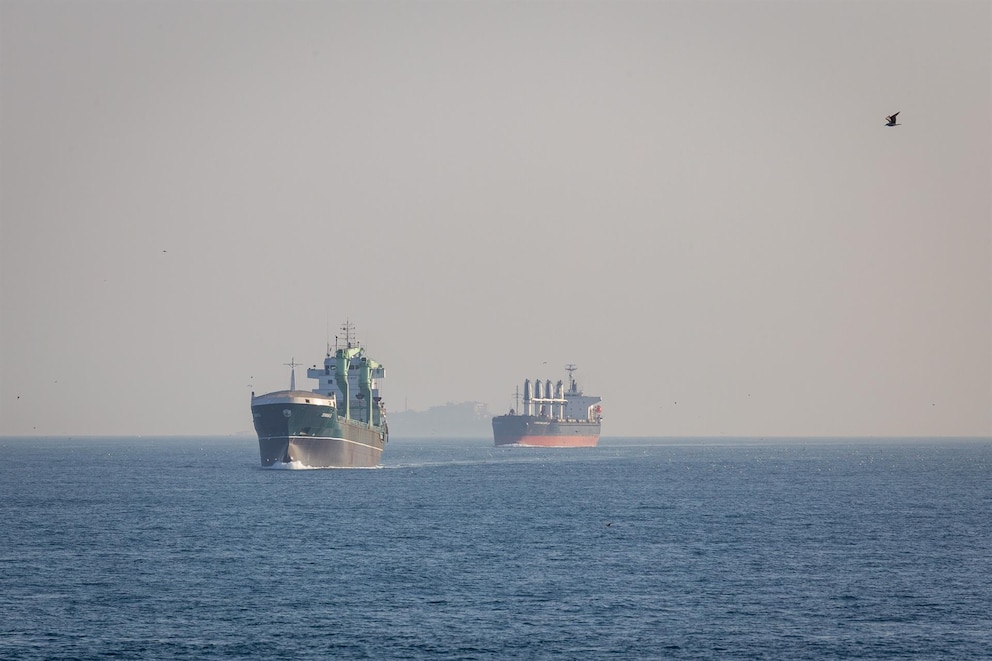
Primero, Estados Unidos está atascado. Su impresionante capacidad demostrada para destruir infraestructuras militares iraníes y objetivos de liderazgo no ha sido suficiente para impedir que un número limitado de drones, misiles y otros activos iraníes sobrevivientes, deliberadamente dispersados en previsión del conflicto, cause estragos en objetivos estratégicos de la región, incluido el cierre efectivo del estrecho de Ormuz al tránsito no solo de petróleo, sino también de fertilizantes y otros materiales estratégicos.
La mera capacidad de Irán para persistir, pese al castigo estadounidense, es clave en la estrategia del régimen de extorsionar al mundo para obligar a Washington a cesar en sus ataques, en los términos de Teherán. De hecho, esa “persistencia estratégica” otorga a Irán una ventaja considerable a la hora de decidir “cuándo” detenerse. Incluso si Estados Unidos desea declarar la “victoria” y retirarse, sería peligroso dejar a Irán con el control del estrecho de Ormuz y con la influencia sobre sus vecinos y sobre la economía petrolera internacional que eso implica.
Tampoco puede Estados Unidos arriesgar la continuidad en el poder del régimen dominado por el radical Cuerpo de la Guardia Revolucionaria Islámica (IRGC), aún más motivado a utilizar su uranio enriquecido y su conocimiento técnico para lanzarse hacia la obtención de un arma nuclear, como su herramienta definitiva tanto de venganza como de disuasión frente a futuros ataques estadounidenses.
No solo Estados Unidos está “atascado”, sino que el mayor beneficiario estratégico de la continuidad del conflicto es, posiblemente, la República Popular China.
En términos de narrativa y maniobras por la posición global, el conflicto facilita el argumento de China de que Estados Unidos se ha mostrado peligroso e impredecible, lo que obliga a otros países a fortalecer sus vínculos con la República Popular China como contrapeso, y a acercarse a sus conceptos de un nuevo orden institucional global, expresados en su Iniciativa de Gobernanza Global (GGI), como alternativa al legado del “orden internacional basado en reglas”.
La iniciativa de paz de cinco puntos de China para el conflicto, en respuesta a una propuesta de Pakistán, tiene escasas posibilidades de éxito, pero refuerza la posición de Beijing como un actor “relevante” en la región y su postura “orientada a la paz”, en contraste con los daños percibidos por algunos en el enfoque militar estadounidense.
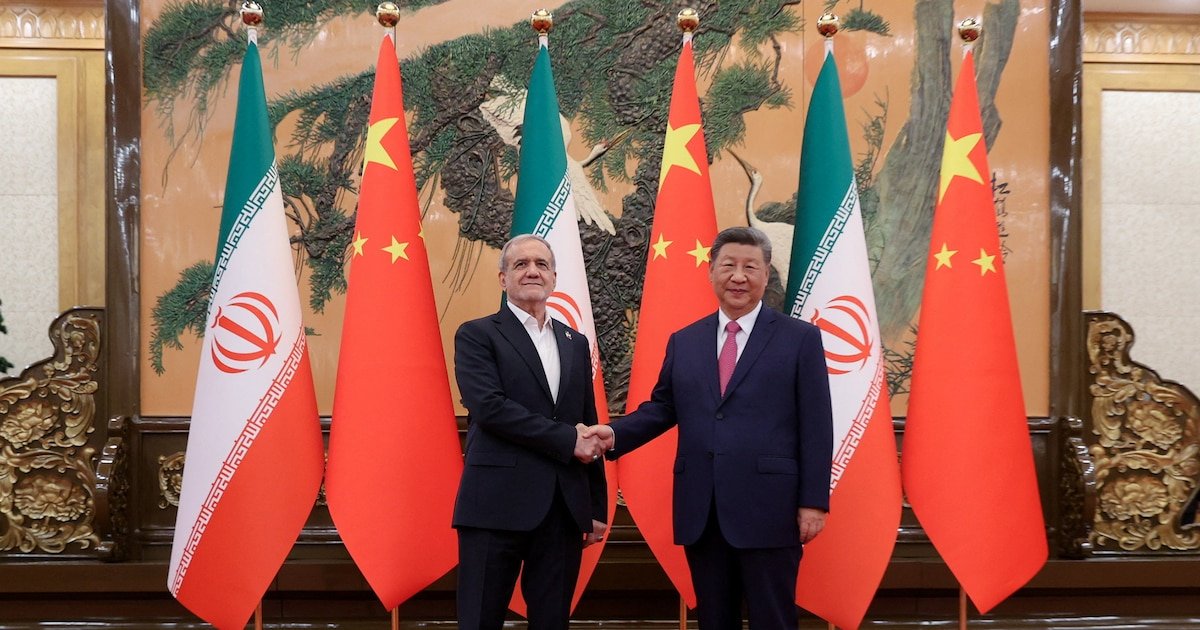
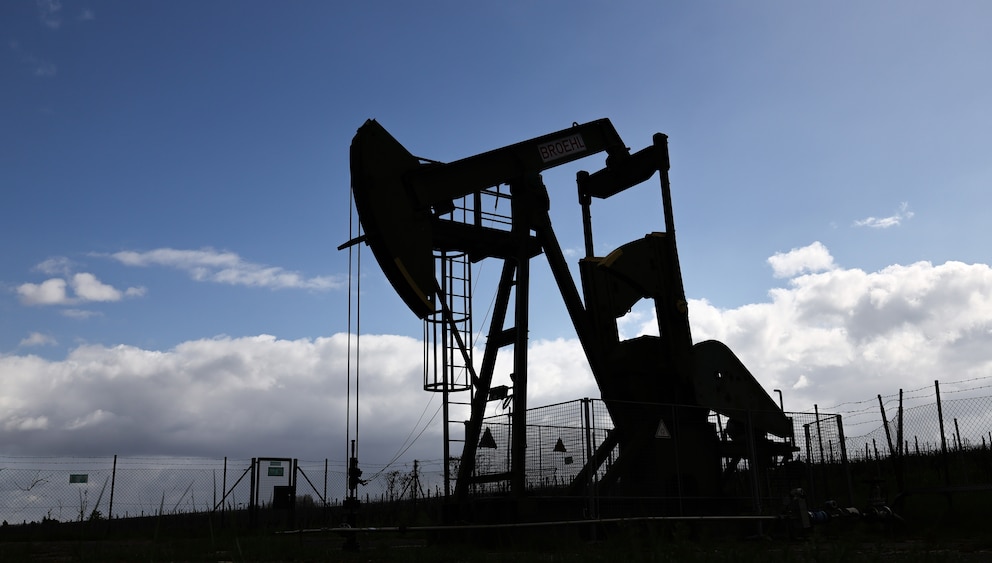
La continuidad del conflicto también aumenta la influencia de la República Popular China sobre Irán y sobre otros países de la región. China se ha convertido en el principal salvavidas de Irán, incluida la compra de aproximadamente el 80 % del petróleo del país. Incluso se cree que Beijing está suministrando perclorato de sodio a Irán, un componente crítico para sus cohetes de combustible sólido, que aparentemente aún sigue ensamblando.
Después del conflicto, China estará bien posicionada para ayudar a reconstruir la infraestructura regional, no solo la de Irán, con quien mantiene este tipo de proyectos desde hace años, sino también potencialmente la de sus socios del Golfo Pérsico.

Como complemento de las oportunidades para que China avance en Oriente Medio, el conflicto también ha debilitado, posiblemente, a la OTAN, especialmente en torno al debate sobre el papel de sus socios en la reapertura del estrecho de Ormuz o en el mantenimiento de la seguridad en el Golfo Pérsico. En Asia, la guerra ejerce más presión económica y política sobre los rivales de China que sobre la propia Beijing. Japón y Corea, por ejemplo, dependen en gran medida del petróleo importado del Golfo Pérsico.
Aunque China también se ve afectada por el aumento de los precios del crudo, ha reducido su exposición mediante la creación de reservas sustanciales antes del conflicto, fuentes alternativas no dependientes del Golfo —como rutas terrestres desde Rusia— y una menor dependencia del petróleo gracias a la electrificación de su economía.
Más allá de la energía, en el Indopacífico, la continuidad del conflicto con Irán amplía el margen de maniobra de China para actuar contra Taiwán y perseguir otros objetivos estratégicos.
La obligación constante de Estados Unidos de dedicar fuerzas al Golfo Pérsico no solo agota las reservas de misiles de defensa aérea y otras municiones que podrían tardar años en reponerse por completo, sino que también ha obligado a Washington a desplazar activos clave fuera del Indopacífico, incluido un Grupo Anfibio de Marines, un Grupo de Combate de Portaaviones, así como baterías antiaéreas THAAD.
Además del agotamiento de arsenales y del desvío de activos, la continuidad del conflicto también brinda a China la oportunidad de observar y evaluar en acción las tácticas militares estadounidenses, así como de captar emisiones electrónicas y comunicaciones de bases y activos de Estados Unidos en la región, lo que podría proporcionar datos útiles para el Ejército Popular de Liberación (PLA) en un eventual conflicto con Washington en el Indopacífico en el futuro. Esto no significa necesariamente, sin embargo, que China vaya a capitalizar esa oportunidad.

Como contrapeso, la acción estadounidense también ha llevado a Beijing a actuar con cautela, tanto por la destreza militar demostrada por Washington al desmantelar con rapidez las capacidades militares iraníes, como por la naturaleza impredecible de la acción estadounidense. Además, China naturalmente estaría preocupada por los efectos económicos de lanzar una gran guerra en el Indopacífico, especialmente con los problemas preexistentes de su economía, combinados con la presión sobre la economía global derivada del conflicto.
El impacto de la purga en la cúpula militar china, que incluyó al rival de Xi Jinping, Zhang Youxia, también podría llevarla a proceder con prudencia. Aunque la República Popular China busca públicamente poner fin al conflicto con Irán, su mayor prioridad es, posiblemente, la estabilidad, tanto en la región como en su relación con Estados Unidos.
Incluso cuando China se beneficia de la continuidad del conflicto, está gestionando una serie de enormes riesgos estratégicos para sí misma. Entre ellos figuran las disrupciones económicas por los elevados precios del petróleo, así como una posible perturbación más amplia de la logística global y de las cadenas de suministro. De hecho, la orientación exportadora de la economía china la hace especialmente vulnerable a una menor demanda mundial de sus productos, algo que podría derivarse de una recesión global provocada por la guerra.
Más allá de los factores económicos, aunque China busca presentarse como mediadora y explotar el descontento con Estados Unidos por la guerra, su propia reputación también podría haberse visto dañada. La incapacidad de Beijing para defender a su aliado Irán, sumada a su similar abandono efectivo de Nicolás Maduro en Venezuela, refuerza la narrativa de que China ofrece oportunidades económicas, pero no es un socio fiable en tiempos de peligro militar.
La guerra también crea problemas para China en su relación con Estados Unidos. El conflicto ya obligó a posponer la cumbre prevista para marzo de 2026 entre el presidente Donald Trump y Xi Jinping en Beijing. Además, Washington ya había sancionado anteriormente a empresas chinas que apoyaban a Irán.
Aunque la tensión entre China y Estados Unidos ha disminuido en meses recientes, la posibilidad de que la administración Trump incremente su foco sobre el papel chino en el sostenimiento de la maquinaria bélica iraní podría derivar en nuevas recriminaciones que desestabilicen una relación que Beijing desea preservar.
Aunque no existen buenas opciones para que Estados Unidos navegue los peligros estratégicos de la guerra con Irán, no debería retirarse, sino cambiar fundamentalmente de rumbo. Dejar a Irán indirectamente en control del tránsito marítimo por el estrecho de Ormuz y con la capacidad continua de amenazar a sus vecinos tras una intervención estadounidense obligaría a los Estados de la región, y a quienes dependen de su petróleo desde Asia hasta Europa, a “cerrar acuerdos” con el régimen iraní, algo que sería desastroso para los intereses estadounidenses y para la economía global.
Sin un cambio de régimen, la dirigencia radical sobreviviente probablemente aceleraría el desarrollo de una capacidad nuclear para impedir futuros ataques estadounidenses de “cortar el césped”, y posiblemente también por venganza.
Aunque será costoso, Estados Unidos debe por lo tanto asegurar el fin del régimen radical iraní mediante un renovado acercamiento a sus aliados democráticos afines, tanto en la OTAN como en Asia, para terminar el trabajo “juntos”. Hacerlo puede requerir una dosis de humildad, mostrando respeto por sus socios de defensa y un compromiso de coordinar y compartir cargas con ellos en la solución.

La coalición ampliada no debe centrarse únicamente en desgastar al ejército iraní o destruir infraestructura nacional, sino en empoderar a un régimen amistoso con Occidente, idealmente democrático, que considere en su interés abandonar el terrorismo, la extorsión económica y la búsqueda de armas nucleares.
Seguir ese camino de manera conjunta podría aportar beneficios adicionales al ayudar a Estados Unidos a forjar una nueva asociación con la OTAN y Asia basada en el respeto mutuo y la consulta compartida. En el proceso, será un paso importante para comenzar a restaurar el poder blando estadounidense como defensor de la democracia y los derechos, al tiempo que limita las ganancias estratégicas de China, pero dentro de un entorno abierto al compromiso económico y político legítimo de todos.
Evan Ellis es investigador senior no residente en el Centro de Estudios Estratégicos e Internacionales (CSIS). Las opiniones expresadas en este comentario son exclusivamente del autor.
Asia / Pacific,Diplomacy / Foreign Policy,BEIJING
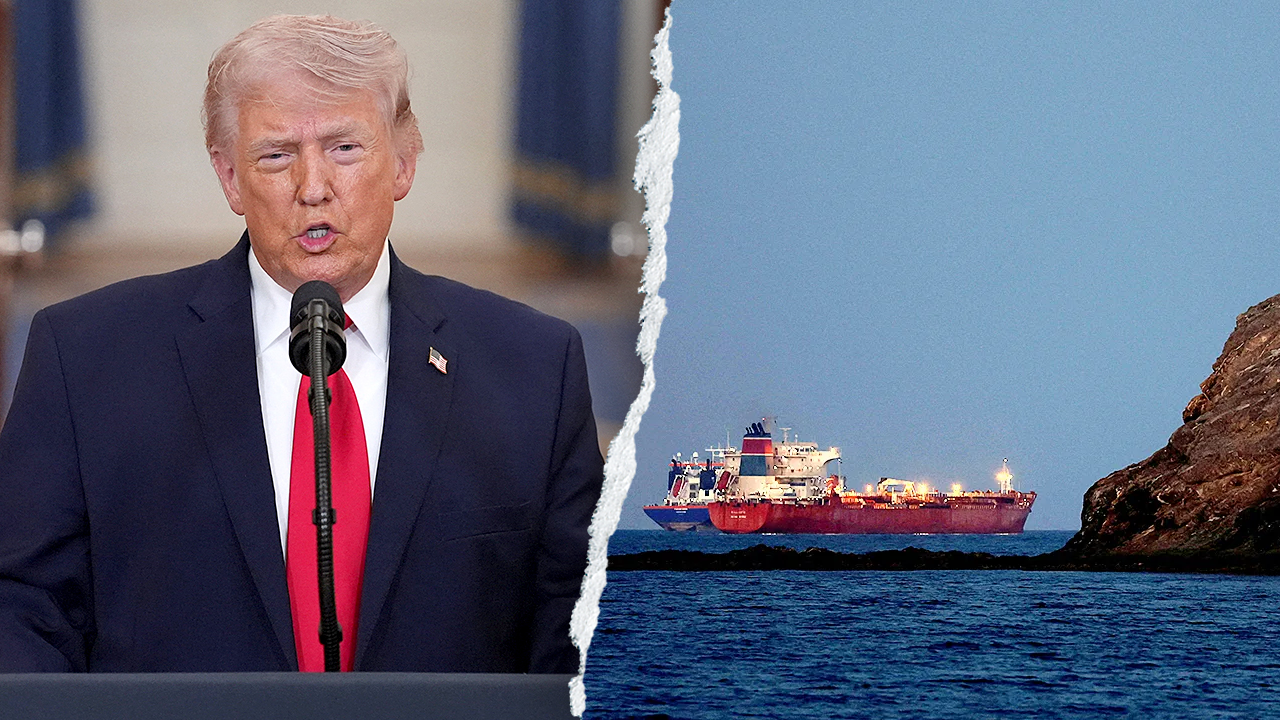
Trump hints at potential Iran deal amid ongoing negotiations
Fox News chief foreign correspondent Trey Yingst reports on the rescue of a downed F-15E airman in Iran as negotiations between the U.S. and Tehran remain ongoing. Brig. Gen. John Teichert (Ret.) provides analysis on ‘The Sunday Briefing.’
NEWYou can now listen to Fox News articles!
Few places on the planet matter more to the global economy than the Strait of Hormuz.
That’s why President Donald Trump has given Iran until Tuesday to allow all vessels through the key waterway — or face strikes on critical infrastructure, as fuel costs climb worldwide.
In a profanity-laced post on Truth Social, Trump wrote on Sunday: «Tuesday will be Power Plant Day, and Bridge Day, all wrapped up in one, in Iran. There will be nothing like it!!! Open the F—–’ Strait, you crazy b——-, or you’ll be living in Hell – JUST WATCH! Praise be to Allah.»
«Tuesday, 8:00 P.M. Eastern Time!» he wrote in a second post.
Trump also said he will hold a press conference at the White House on Monday alongside military officials.
SAN FRANCISCO BECOMES FIRST US CITY WHERE DIESEL PRICES TOP $8 A GALLON
A satellite image shows the Strait of Hormuz, a key maritime passage connecting the Persian Gulf to the Gulf of Oman and vital to global energy supply. (Amanda Macias/Fox News Digital)
At just 21 miles wide at its narrowest point, the waterway between Iran, Oman and the United Arab Emirates is one of the world’s most critical energy choke points. It carries roughly 20 million barrels of oil a day, along with about one-fifth of global liquefied natural gas.
It’s also a key artery for refined fuels. The Middle East exports about 1.1 million barrels per day of jet fuel — roughly 15% to 17% of global consumption — according to Jaime Brito, executive director of refining and oil products at OPIS. Much of that supply moves through the Strait of Hormuz.
The escalation is already sending oil, gasoline, diesel and jet fuel prices sharply higher worldwide.
As of April 5, the national average for regular gasoline stood at $4.11 per gallon, according to AAA — up 86 cents from a month earlier. On the West Coast, drivers are seeing the highest costs, with prices reaching $5.92 per gallon in California and $5.37 in Washington.
WHERE GAS PRICES ARE RISING FASTEST AS TRUMP ISSUES FRESH WARNING TO IRAN
On the East Coast, gas prices are exceeding $4 in several areas, including $4.27 in Washington, D.C., and $4.06 in New York.
In the Midwest, Illinois stands out at $4.29 per gallon, while much of the region remains in the mid-$3 range. Southern states remain cheaper overall, though prices are rising. Texas and South Carolina are averaging $3.82, while Florida is higher at $4.20.
Diesel has climbed to $5.61, up about $1.45 over the past month. As a key fuel for freight, shipping and public transportation, it is especially sensitive to supply disruptions.

Diesel surpassed $5 for the first time since December 2022, according to data compiled by AAA. (Rebecca Noble/Bloomberg via Getty Images)
In San Francisco, prices have surged even higher. For the first time on record, average diesel costs have surpassed $8 per gallon, according to GasBuddy — an unprecedented milestone for any U.S. city.
Additionally, jet fuel prices in the U.S. have more than doubled in a matter of weeks as Middle East tensions squeeze supply.
THE UNLIKELY TOOL TRUMP IS EYEING TO TACKLE RISING OIL PRICES AMID THE IRAN CONFLICT
Prices jumped from about $2.11 in January to $4.88 per gallon by April 2, according to the Argus U.S. Jet Fuel Index, a daily benchmark tracking prices in Chicago, Houston, Los Angeles and New York.
CLICK HERE TO DOWNLOAD THE FOX NEWS APP
Jet fuel — one of airlines’ largest expenses — is especially volatile due to thin inventories, specialized storage and limited spot trading. That can amplify price swings when supply tightens.
Airlines have warned that inventories could run dry within weeks, raising the risk of higher airfares and flight cancellations.
war with iran, middle east, politics, geopolitics, donald trump
INTERNACIONAL
Trump brindará una conferencia de prensa en la Casa Blanca, acompañado por autoridades militares, centrada en la guerra en Irán
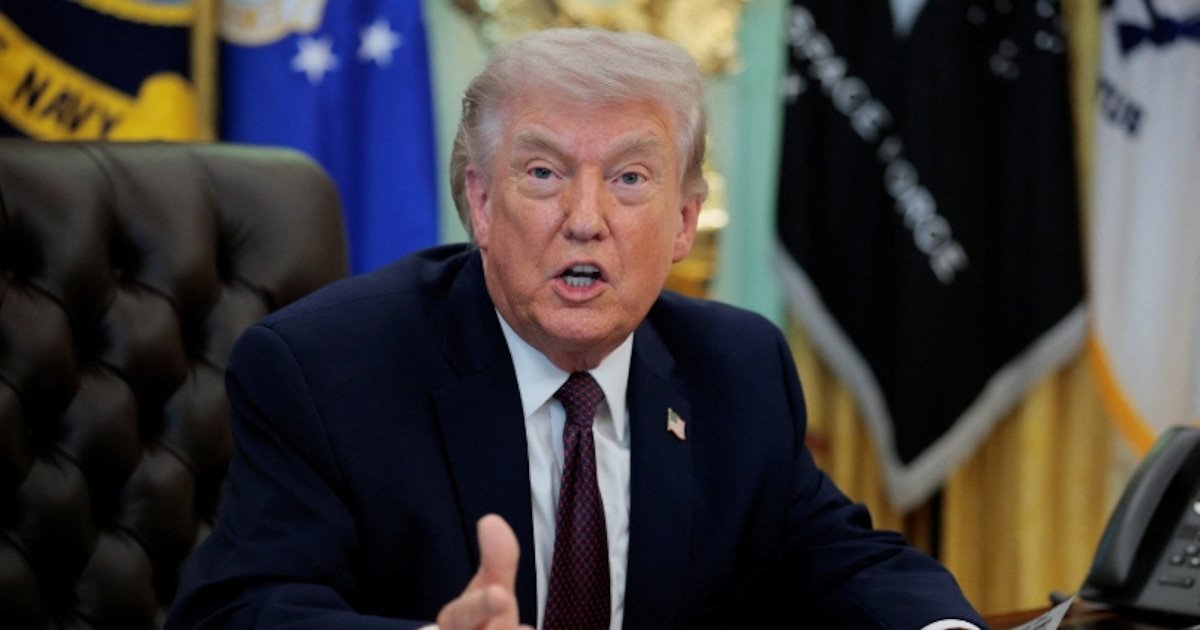
El presidente de Estados Unidos, Donald Trump, ofrecerá este lunes una conferencia de prensa junto a autoridades militares en la Casa Blanca, en medio del ultimátum que fijó a Irán para reabrir el estrecho de Ormuz antes del martes bajo amenaza de ataques contra infraestructura clave y eventuales medidas sobre recursos petroleros.
La portavoz de la Casa Blanca, Karoline Leavitt, informó en X que el mandatario responderá preguntas tras la elevada demanda registrada el fin de semana, con foco en el conflicto en Medio Oriente.
Durante el domingo, Trump reiteró sus advertencias contra Teherán y aseguró que desatará “el infierno” si no permite el tránsito de buques por el estrecho antes del martes. El ultimátum incluye la reapertura del paso marítimo o, en caso contrario, ataques contra infraestructura clave del país.
El mandatario elevó el tono en declaraciones públicas y en redes sociales. En una entrevista con The Wall Street Journal, afirmó: “Si no hacen algo antes del martes por la noche, no tendrán ninguna central eléctrica y no les quedará ningún puente en pie”. En su plataforma Truth Social, escribió: “Abran el maldito estrecho, bastardos locos, o vivirán en el infierno”.
Trump también advirtió que el martes podría convertirse en “el Día de la Central Eléctrica y el Día del Puente, todo en uno, en Irán”, y reiteró que su país está dispuesto a ejecutar “intensos bombardeos” contra objetivos iraníes si no se cumple el ultimátum. Además, planteó la posibilidad de tomar el control de recursos petroleros en la región en caso de una escalada.

Desde Teherán, el portavoz del Ministerio de Exteriores, Esmaeil Baghaei, respondió: “En caso de que se ataque la infraestructura de Irán, reaccionaríamos de la misma manera”.
El estrecho de Ormuz, por donde circula cerca del 20% del petróleo mundial, se consolidó como uno de los principales focos de la crisis. La agencia Fars informó que “quince navíos cruzaron el estrecho de Ormuz con permiso de Irán en las pasadas 24 horas” y señaló que el tráfico marítimo actual resulta “un 90% inferior al registrado antes del inicio de la guerra”.
En paralelo, autoridades iraníes avanzaron en medidas para reforzar su control sobre la vía marítima. Días antes, una comisión parlamentaria aprobó un borrador de proyecto de ley que contempla la imposición de tasas de tránsito a los buques que atraviesen el estrecho. Según medios iraníes, la iniciativa incluye el pago obligatorio en moneda nacional, la prohibición de paso para Estados Unidos e Israel y restricciones para países que participen en sanciones unilaterales contra Irán.
Mientras tanto, Trump dejó abierta la posibilidad de una salida negociada, aunque mantuvo la presión militar. En declaraciones a Fox News, indicó que existe “una buena posibilidad” de alcanzar un acuerdo antes del lunes, pero advirtió que, en caso contrario, considerará “volar todo por los aires”.
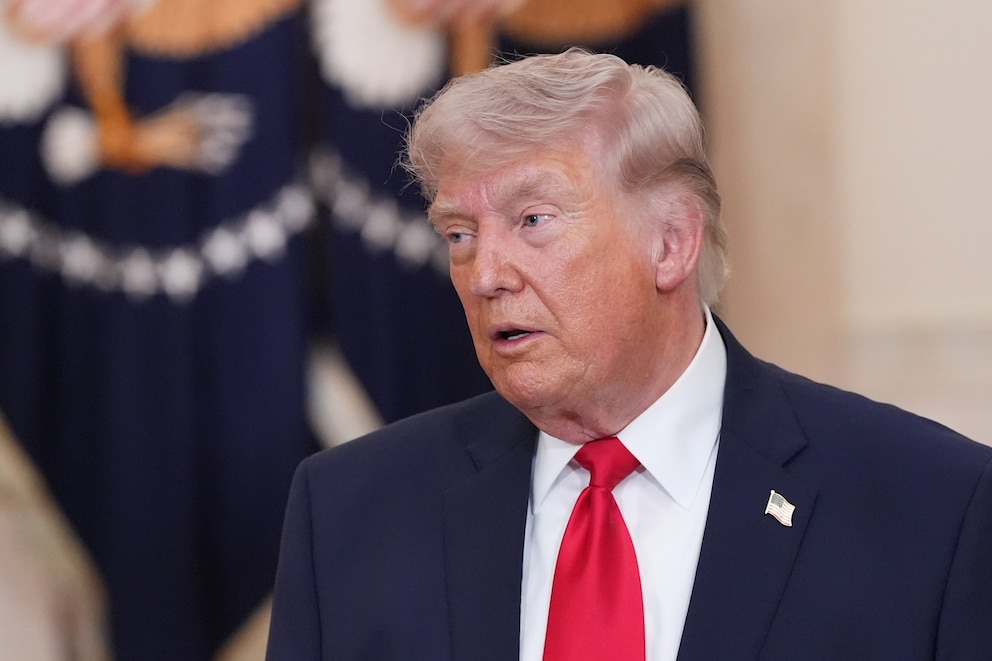
En el plano militar, el mandatario informó el domingo sobre operaciones recientes en territorio iraní y anunció que un aviador estadounidense rescatado tras el derribo de su aeronave se encuentra “gravemente herido”. En Truth Social, escribió: “Hemos rescatado al miembro de la tripulación/oficial de un F-15, gravemente herido y realmente valiente, desde lo profundo de las montañas de Irán”.
Trump confirmó que brindará la conferencia de prensa este lunes a las 13:00 en la Casa Blanca junto a autoridades militares. Además, destacó que la operación de rescate formó parte de una de las misiones “más audaces de la historia” de Estados Unidos. Según detalló, las fuerzas desplegaron “decenas de aeronaves, armadas con las armas más letales del mundo, para recuperarlo”.
(Con información de EFE)
Government / Politics

Alerta ciclogénesis: el Servicio Meteorológico advirtió sobre fuertes lluvias durante 48 horas en Buenos Aires

ENVVIVO: #Independiente vs. #Racing por el #TorneoApertura

Yanina Latorre destrozó a Virginia Gallardo tras el insólito proyecto que presentó en Diputados: “Así no vamos a salir del pozo”

El Gobierno abre un debate en el Congreso por el uso de los autos oficiales: las tensiones por uno de los artículos de “Hojarasca”

Subas de precios comienzan a pegar en góndolas por efecto guerra y se complica el plan Caputo

Video: el gol de vaselina que le metieron a Rulli

Oriana Sabatini sorprendió al elegir a una famosa como madrina de Gia, su hija con Paulo Dybala

La Armada sorteará 30 lugares en el buque que escoltará la salida de la Fragata Libertad: cómo anotarse

La nueva advertencia de Donald Trump a Irán: «El tiempo se acaba, quedan 48 horas antes del infierno»

Círculo rojo: intrigas en el gabinete, desgaste por el caso Adorni y movimientos inquietantes en el Poder Judicial

 INTERNACIONAL2 días ago
La nueva advertencia de Donald Trump a Irán: «El tiempo se acaba, quedan 48 horas antes del infierno»
- POLITICA1 día ago
Círculo rojo: intrigas en el gabinete, desgaste por el caso Adorni y movimientos inquietantes en el Poder Judicial
- POLITICA2 días ago
Créditos del Banco Nación: el Gobierno reveló que Pettovello echó a Massaccesi porque “mintió”