INTERNACIONAL
SCOTUS allows Texas to use Trump-pushed redrawn congressional redistricting map favoring Republicans

NEWYou can now listen to Fox News articles!
The Supreme Court signaled that Texas is likely to prevail in defending its new congressional map, faulting a lower court for misreading evidence and ignoring required legal inferences as the state races toward 2026 election deadlines.
In a brief order that keeps Gov. Greg Abbott’s redrawn districts in place for now, the court said the district court committed two major errors by failing to apply the presumption of legislative good faith when considering disputed evidence and by declining to draw a near-dispositive inference against challengers who offered no alternative map that met Texas’s partisan goals.
The stay is temporary while the merits proceed, yet Justice Elena Kagan warned in dissent that the ruling effectively locks in the contested boundaries for the 2026 midterms because of looming state deadlines.
«This Court’s eagerness to playact a district court here has serious consequences,» Kagan said. «The majority calls its ‘evaluation’ of this case ‘preliminary.’ The results, though, will be anything but.
DOJ BACKS TEXAS IN SUPREME COURT FIGHT OVER REPUBLICAN-DRAWN MAP
Texas Gov. Greg Abbott wrote a letter Jan. 30 directing state agency heads to follow state and federal law surrounding gender issues. (Brandon Bell/Getty Images)
«This Court’s stay guarantees that Texas’s new map, with all its enhanced partisan advantage, will govern next year’s elections for the House of Representatives. And this Court’s stay ensures that many Texas citizens, for no good reason, will be placed in electoral districts because of their race,» Kagan continued. «And that result, as this Court has pronounced year in and year out, is a violation of the Constitution.»
Democratic National Committee Chair Ken Martin condemned the ruling as a moral and legal failure that rewards partisan manipulation while undermining voters across Texas.
«Today’s decision by the Supreme Court to allow Texas Republicans’ rigged, racially gerrymandered maps to go into effect is wrong — both morally and legally,» Martin said.
«Once again, the Supreme Court gave Trump exactly what he wanted: a rigged map to help Republicans avoid accountability in the midterms for turning their backs on the American people. But it will backfire.
«Texas Democrats fought every step of the way against these unlawful, rigged congressional maps and sparked a national movement. Democrats are fighting back, responding in kind to even the playing field across the country. Republicans are about to be taught one valuable lesson: Don’t mess with Texas voters. The DNC stands committed to building power in Texas, no matter the maps in play, one election at a time.»
Texas House Democratic Leader Rep. Gene Wu said the Supreme Court not only failed Texas voters but American democracy.
ABBOTT SIGNS TEXAS REDISTRICTING MAP INTO LAW, SECURING MAJOR GOP VICTORY AHEAD OF 2026 MIDTERMS
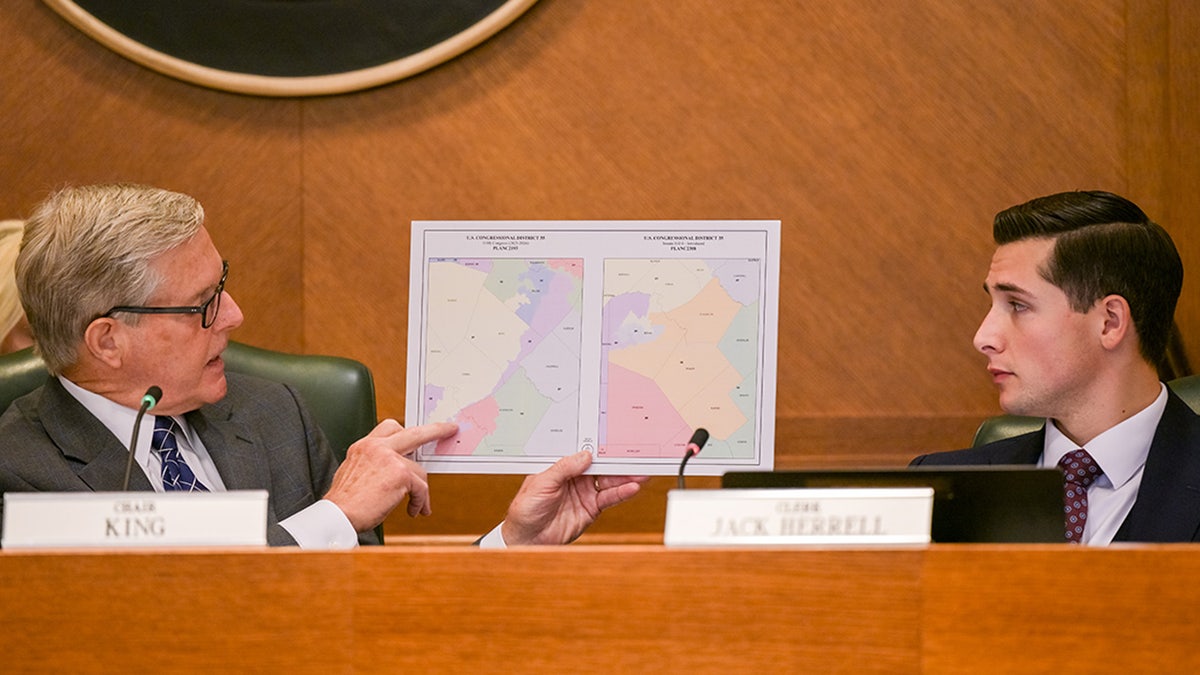
Republican State Sen. Phil King displays a map during a Special Committee on Congressional Redistricting public testimony hearing Aug. 7, 2025, in Austin, Texas. (Brandon Bell/Getty Images)
«This is what the end of the Voting Rights Act looks like: courts that won’t protect minority communities even when the evidence is staring them in the face,» Wu said. «I’m angry about this ruling. Every Texan who testified against these maps should be angry. Every community that fought for generations to build political power and watched Republicans try to gerrymander it away should be angry.
«But anger without action is just noise, and Democrats are taking action to fight back: California passed Prop 50 and added five Democratic seats to offset Texas. Democrats are organized and fighting back in Illinois, New York, Virginia, and more,» he continued. «A nationwide movement is being built that says if Republicans want to play this game, Democrats will play it better.»
Abbott, though, celebrated the decision, saying «We won!»
«Texas is officially — and legally — more red,» he said. «The U.S. Supreme Court restored the redistricting maps passed by Texas that were based on constitutional principles and Supreme Court precedent. The new congressional districts better align our representation in Washington, D.C., with the values of our state. This is a victory for Texas voters, for common sense, and for the U.S. Constitution.»
The ruling arrives amid a broader, unprecedented national redistricting battle driven by President Donald Trump’s effort to fortify the GOP House majority heading into 2026, a campaign that began in Texas before rapidly spreading to other states.
TEXAS FILES EMERGENCY SUPREME COURT PETITION AFTER TRUMP-BACKED CONGRESSIONAL MAP BLOCKED BY FEDERAL JUDGES

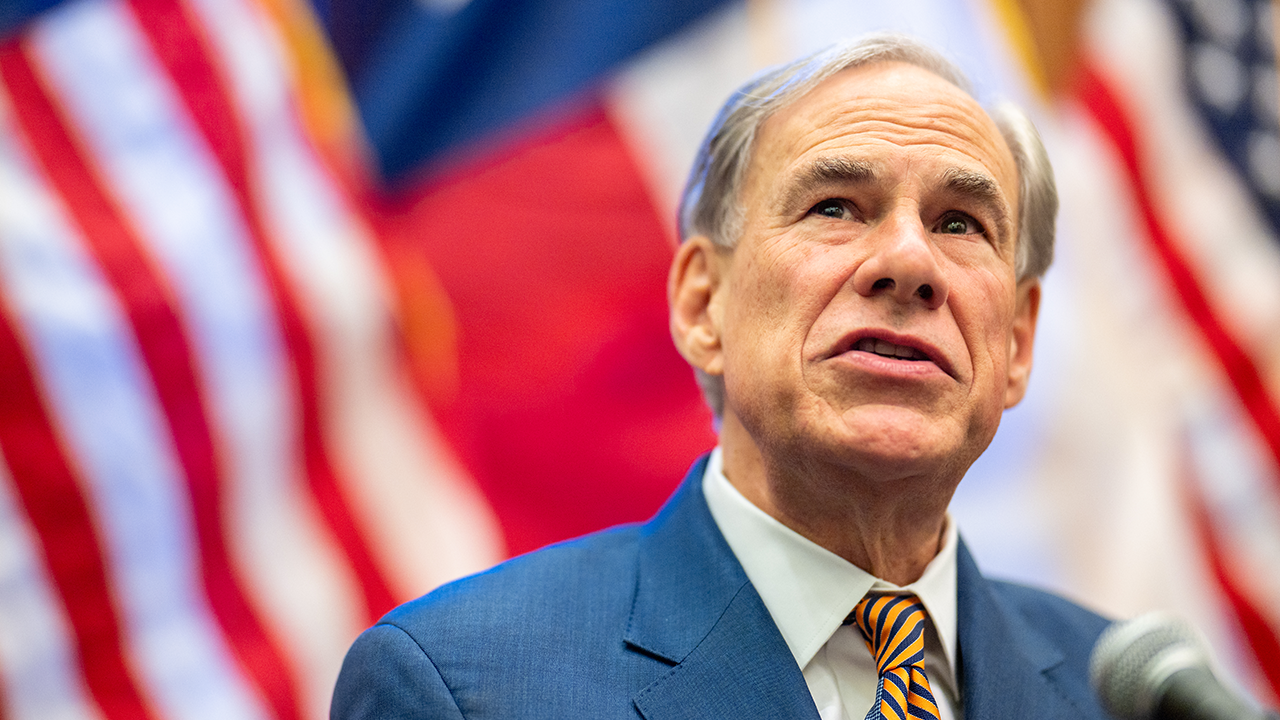
Gov. Greg Abbott Nov. 14, 2025, in Midlothian, Texas. (Ron Jenkins/Getty Images)
Aiming to prevent what happened during his first term in the White House when Democrats reclaimed the House majority in the 2018 midterm elections, Trump in June first floated the idea of rare but not unheard of mid-decade congressional redistricting.
The mission was simple: Redraw congressional district maps in red states to pad the GOP’s razor-thin House majority to keep control of the chamber in the 2026 midterms, when the party in power traditionally faces political headwinds and loses seats.
Texas was Trump’s first target.
A month later, when asked by reporters about his plan to add Republican-leaning House seats across the country, the president said, «Texas will be the biggest one. And that’ll be five.»
Abbott called a special session of the GOP-dominated state legislature to pass the new map. Democratic state lawmakers broke quorum for two weeks and fled Texas in a bid to delay the passage of the redistricting bill.
The legislature eventually passed the bill, and Abbott signed it into law in late August.
REAGAN-APPOINTED JUDGE TORCHES COLLEAGUES IN TEXAS MAP FIGHT

California Gov. Gavin Newsom speaks during an election night news conference at a California Democratic Party office Nov. 4, 2025, in Sacramento, Calif. (Godofredo A. Vásquez/AP Photo)
But the new map immediately faced legal challenges, and the plight of the Texas lawmakers who fled the state energized Democrats across the country.
Among those jumping into the fight against Trump’s redistricting was Democratic Gov. Gavin Newsom of California.
California voters a month ago overwhelmingly passed Proposition 50, a ballot initiative that will temporarily sidetrack the left-leaning state’s nonpartisan redistricting commission and return the power to draw the congressional maps to the Democratic-dominated legislature.
That is expected to result in five more Democratic-leaning congressional districts in California, which aimed to counter the move by Texas to redraw its maps.
But the fight has spread beyond Texas and California.
Right-tilting Missouri, North Carolina and Ohio have drawn new maps as part of the president’s push. The legislature in red-leaning Indiana meets this week to try and pass redistricting, while Florida and Kansas are also mulling redrawing their maps.
«We must keep the Majority at all costs,» Trump wrote on social media last month.
CLICK HERE TO DOWNLOAD THE FOX NEWS APP
Illinois and Maryland, two blue states, and Virginia, where Democrats control the legislature, are also taking steps or seriously considering redistricting.
And in a blow to Republicans, a Utah district judge last month rejected a congressional district map drawn up by the state’s GOP-dominated legislature and instead approved an alternate that will create a Democratic-leaning district ahead of the 2026 midterm elections.
donald trump,greg abbott,gavin newsom,texas,california,house of representatives,elections








INTERNACIONAL
Qué sabemos realmente sobre la electricidad estática y por qué aún asombra a la física moderna
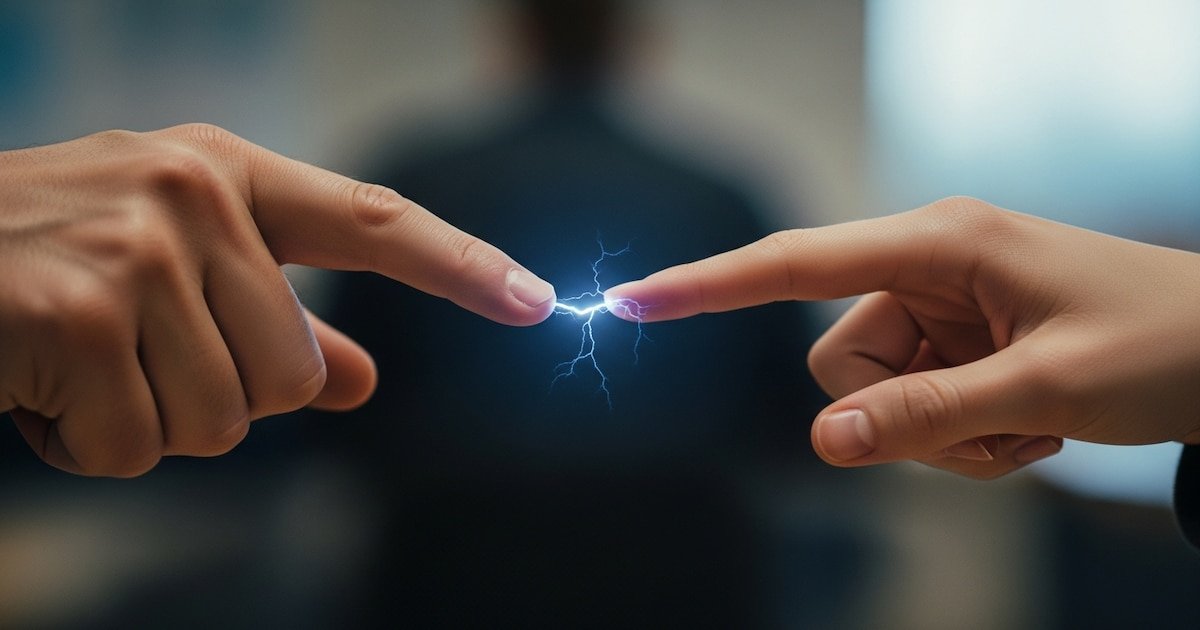
La electricidad estática se manifiesta en situaciones tan cotidianas como el cabello erizado al frotar un globo o el leve chasquido al tocar una manija después de caminar sobre una alfombra. Bajo esa apariencia cotidiana, la triboelectricidad —el intercambio de cargas opuestas entre materiales— representa un desafío persistente para la física experimental, que aún no ha logrado desentrañar plenamente su funcionamiento.
Este fenómeno ocurre cuando dos materiales entran en contacto y luego se separan, generando cargas opuestas en cada uno. Aunque la explicación completa de su mecánica sigue sin resolverse, la física ha reconocido la triboelectricidad como un proceso en el que abundan las incógnitas.
Mientras la mayoría de las personas vincula la electricidad estática a simples curiosidades domésticas, los científicos la identifican como un fenómeno en el que los mecanismos fundamentales permanecen en gran parte desconocidos.
Incertidumbre sobre el mecanismo de la triboelectricidad

Durante aproximadamente los últimos tres siglos, la física experimental ha intentado establecer qué ocurre exactamente cuando dos materiales se ponen en contacto y después se separan. Está confirmado que uno de ellos adquiere una carga positiva y el otro, una carga negativa. Sin embargo, los detalles sobre el proceso —el “cómo” y el “por qué”— siguen sin respuesta clara, a pesar de la ubicuidad cotidiana del fenómeno.
En el centro del interés científico reside la siguiente cuestión: ¿qué es lo que realmente se transfiere entre los materiales? Algunas de las principales hipótesis, formuladas por investigadores en física de materiales, sugieren la transferencia de electrones, iones e incluso fragmentos microscópicos de materia. Sin embargo, experimentos llevados a cabo bajo condiciones idénticas pueden mostrar resultados diferentes o contradictorios, lo que indica la posible existencia de factores desconocidos.
Los expertos han denominado este proceso triboelectricidad, término derivado del griego por “frotar” y “ámbar”. A pesar de contar con tecnología de última generación en laboratorios especializados, los físicos no han logrado ofrecer una explicación universal.
Avances recientes y factores que influyen en la carga eléctrica

Investigaciones recientes lideradas por equipos de física de materiales han comenzado a aportar claridad. Un descubrimiento relevante, demostrado por el físico del Instituto de Ciencia y Tecnología de Austria Scott Waitukaitis, mostró que dos objetos idénticos pueden cargarse de manera distinta dependiendo de cuántas veces han interactuado entre sí anteriormente. Este hallazgo respalda la hipótesis de una cierta memoria superficial en los materiales.
Otro descubrimiento proviene de investigaciones que identificaron cómo partículas invisibles pueden adherirse a las superficies de los materiales. Estas diminutas moléculas ricas en carbono, presentes en el aire, pueden modificar la dirección del intercambio de carga. Al eliminar estas moléculas mediante calor, se observó que el comportamiento eléctrico cambia significativamente, mostrando que los factores ambientales pueden ser determinantes.
Además, las investigaciones han comprobado que variables como la velocidad del contacto, el área de impacto o la ruptura de enlaces químicos juegan un papel fundamental. En ciertas colisiones, la creación de condiciones químicas propicias permite el intercambio de electrones. Aunque estas novedades no resuelven todas las incógnitas, han permitido enriquecer la comprensión de la triboelectricidad.
Un estudio publicado por el propio equipo de Waitukaitis reveló que, al modificar las condiciones superficiales y ambientales, como la presencia de moléculas contaminantes o la humedad, se pueden obtener resultados radicalmente diferentes en experimentos idénticos. Este hallazgo obligó a reconsiderar la idea de que el comportamiento eléctrico depende únicamente de la naturaleza intrínseca de los materiales.
Desafíos en la comprensión y aplicaciones tecnológicas

Lejos de simplificarse, el conocimiento sobre la electricidad estática ha demostrado que su comportamiento varía en función de numerosos factores y condiciones. La antigua noción de una “serie triboeléctrica” fija ha sido puesta en duda. Cada interacción resulta de una combinación compleja de variables.
El interés por descifrar completamente estos mecanismos tampoco es exclusivo del ámbito académico. Una comprensión profunda podría transformar tecnologías emergentes, como el desarrollo de nanogeneradores triboeléctricos, que convierten el movimiento en electricidad y permitirían alimentar sensores y dispositivos portátiles sin baterías convencionales. Además, este conocimiento es esencial para mitigar descargas peligrosas en entornos industriales o para explicar fenómenos eléctricos en otros planetas, como las tormentas de polvo en Marte.
Origen histórico y evolución científica del fenómeno
La historia de la electricidad estática se remonta a la Grecia antigua, cuando se advirtió que el ámbar frotado atraía objetos ligeros. A lo largo de los siglos, este fenómeno ha acompañado a la humanidad como una curiosidad recurrente. Por mucho tiempo, la electricidad estática fue considerada una rareza doméstica, hasta que los avances científicos la transformaron en objeto de estudio especializado.
Actualmente, la electricidad estática ocupa un lugar de permanente interés en la física experimental, donde cada avance abre nuevas preguntas y amplía el alcance de la investigación científica.
electricidad,estática,energía,conexión,manos,dedos,interacción,chispa,física,corriente
INTERNACIONAL
White House slams ‘trash reporting’ over claims ICE chief hospitalized for stress, yelled at by Trump admin

NEWYou can now listen to Fox News articles!
The White House pushed back hard Friday amid a news report that Todd Lyons, the acting director of U.S. Immigration and Customs Enforcement (ICE), has been hospitalized at least twice for stress-related issues with the Trump administration that left him visibly upset and strained.
The pushback came following a Politico report that said Lyons was hospitalized at least twice for stress-related issues while carrying out President Donald Trump’s immigration agenda.
The stress has left Lyons unable to carry out key decisions, the report states, citing two current and two former administration officials, who were unnamed.
ICE ASSAULTS SPIKE 1,500% AS DEMS DRAW ‘HARD RED LINE’ TO UNMASK AGENTS IN DHS BATTLE
ICE Acting Director Todd Lyons was reportedly hospitalized at least twice amid pressure from the Trump administration to ramp up deportations of illegal immigrants, according to a Politico report. (Suzanne Kreiter/The Boston Globe via Getty Images andJohn Moore/Getty Images )
«He would be visibly upset and struggling to make the decisions that were needed to be made by the director,» one former unnamed official told the news website.
«Trash reporting from a trash «reporter» pushing tabloid b*******in an attempt to divide and distract. Todd Lyons is an American Patriot,» the White House Rapid Response X account said in response to the story.
The episodes were attributed to pressure from above for Lyons to ramp up deportations and from top adviser Stephen Miller, who allegedly yelled at Lyons during morning phone calls with administration officials, Politico reported.
«This is b******* and more of the trash that Daniel Lippman has peddled over the years in the name of clicks and clout,» Miller’s wife, Katie Miller, wrote on X in response to Politico reporter’s story.
White House spokeswoman Abigail Jackson said Politico was given «on record» denials prior to the story being published.
WHITE HOUSE BLASTS TOP HOUSE DEMOCRAT AS A ‘BUFFOON’ AFTER JEFFRIES BRANDS STEPHEN MILLER A ‘HATEFUL BIGOT’
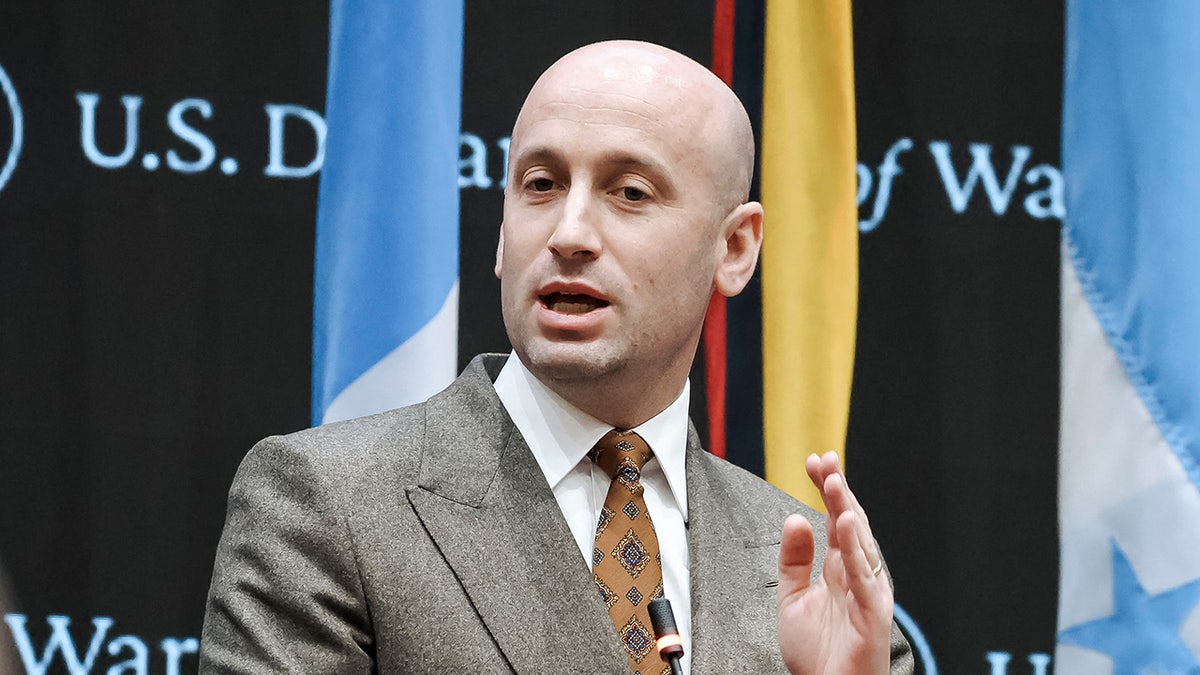
White House Deputy Chief of Staff for Policy Stephen Miller speaks during the inaugural Americas Counter Cartel Conference at the US Southern Command (SOUTHCOM) headquarters in Doral, Florida, on March 5, 2026. (Eva Marie UZCATEGUI / AFP via Getty Images)
«Shame on Politico for publishing such inaccurate trash,» Jackson wrote on X. «Todd Lyons is an American patriot who has worked tirelessly to undo Biden’s disastrous immigration policies that wreaked havoc on American communities. And the American people are deeply appreciative for his hard work making our country safer. Despite multiple on record denials and sources refuting their pathetic ‘reporting’ and *still* ran with this absurd article.»
The reported hospitalizations took place over several months. In one incident, Lyons was driven to a hospital by his security detail and he was admitted overnight.
In September, Lyons became distressed that ICE agents were unable to locate an illegal immigrant in Los Ángeles during a ride along with top administration officials.
One of his bodyguards took a portable defibrillator from a nearby government office to Lyons in case he needed medical intervention, the report said.

Acting ICE Director Todd Lyons speaking at a press conference at the John Joseph Moakley U.S. Courthouse in Boston on June 2. (Suzanne Kreiter/The Boston Globe via Getty Images)
After heated calls with Miller, Lyons expressed frustration that the White House was often mad at his agency, according to the current official and former official who heard such comments.
CLICK HERE TO GET THE FOX NEWS APP
«Todd, Stephen, and the entire White House team have a great working relationship and coordinate closely to deliver on the president’s many promises,» White House spokesperson Abigail Jackson said in a statement. «Todd Lyons is an American patriot who has worked tirelessly to undo Biden’s disastrous immigration policies that wreaked havoc on American communities.»
Fox News Digital has reached out to ICE and Politico.
white house, police and law enforcement, us, border security

Emiliano Brancciari, de No Te Va Gustar, reveló cuál es su sueño más grande: “Queremos tocar en Japón”

Qué sabemos realmente sobre la electricidad estática y por qué aún asombra a la física moderna

Un fallo judicial suspendió dos artículos de la reforma laboral en los convenios del Sindicato de Comercio

Marruecos y Ecuador brillan en la fiesta del Metropolitano

Macri apuntó contra Cristina Kirchner por YPF y sostuvo que el fallo retoma argumentos de su gestión

Cuánto hay que ganar para vivir bien: el ranking de sueldos pretendidos, sector por sector

¡VERGÜENZA NACIONAL! Humillan a la Policía Federal mandándolos a un merendero antes de darles un aumento de sueldo digno

24 DE MARZO: La historia completa que el relato omitió sobre el golpe de 1976 y el Juicio a las Juntas

El Presidente y Karina Milei volvieron a respaldar a Manuel Adorni tras la polémica por sus vuelos

Manuel Adorni: “Mi patrimonio lo construí antes de entrar al Gobierno, no tengo nada que esconder”

 POLITICA2 días ago
¡VERGÜENZA NACIONAL! Humillan a la Policía Federal mandándolos a un merendero antes de darles un aumento de sueldo digno
- POLITICA2 días ago
El Presidente y Karina Milei volvieron a respaldar a Manuel Adorni tras la polémica por sus vuelos
- POLITICA2 días ago
Manuel Adorni: “Mi patrimonio lo construí antes de entrar al Gobierno, no tengo nada que esconder”