INTERNACIONAL
Senate Democrats cave, open path to reopening government


NEWYou can now listen to Fox News articles!
The Senate took a massive step forward on its way to reopening the government on Sunday, with a group of Senate Democrats caving and joining Republicans in their bid to pass a revamped plan to end the shutdown.
Signs that the shutdown, which entered its 40th day, could be ending became more and more clear as the day went on, particularly with the unveiling of a bipartisan package of spending bills that lawmakers hope to attach to a modified bill to reopen the government.
Eight Senate Democrats crossed the aisle to mark the first step in the GOP’s quest to end the shutdown. Many of the lawmakers that splintered from Senate Minority Leader Chuck Schumer, D-N.Y., were among those engaged in bipartisan talks over the last several weeks.
Among the defectors were Sens. Angus King, I-Maine, John Fetterman, D-Pa., Catherine Cortez Masto, D-Nev., Jeanne Shaheen, D-N.H., Maggie Hassan, D-N.H., Jacky Rosen, D-N.M., Tim Kaine, D-Va., and the number two Democrat in the Senate, Dick Durbin, D-Ill.
REPUBLICANS UNVEIL KEY PIECE OF SHUTDOWN PUZZLE IN BID TO REOPEN GOVERNMENT
A group of Senate Democrats crossed the aisle to join Republicans in their bid to reopen the government, and provided enough votes to get the wheels turning as the shutdown enters its 40th day. (Tom Williams/CQ-Roll Call, Inc via Getty Images)
«The question was, does the shutdown further the goal of achieving some needed support for the extension of the tax credits? Our judgment was that it will not,» King said. «It would not produce that result. And the evidence for that is almost seven weeks of fruitless attempts to make that happen.»
Schumer and Senate Democrats long stayed the course that they would only vote to reopen the government in exchange for a solid deal on extending expiring Obamacare subsidies.
But the solution developed over the last several days included nothing of the sort. While there were some wins in the updated continuing resolution (CR), like reversals of some of the firings of furloughed workers undertaken by the Trump administration and guaranteeing back pay for furloughed workers, there was no guaranteed victory in sight on the Obamacare issue.
That means that Senate Democrats effectively caved with little to show for their healthcare push, save for the guarantee of a vote on the subsidies from Senate Majority Leader John Thune, R-S.D., which was reflected in the updated CR.
Schumer panned the compromise deal, and charged that when Republicans rejected Democrats’ own counter-proposal that would have extended the expiring subsidies for a year, «They showed that they are against any health care reform.»
«This healthcare crisis is so severe, so urgent, so devastating for families back home that I cannot, in good faith, support this CR that fails to address the healthcare crisis,» Schumer said.
SENATE IN LIMBO AS THUNE EYES LONG HAUL UNTIL SHUTDOWN ENDS
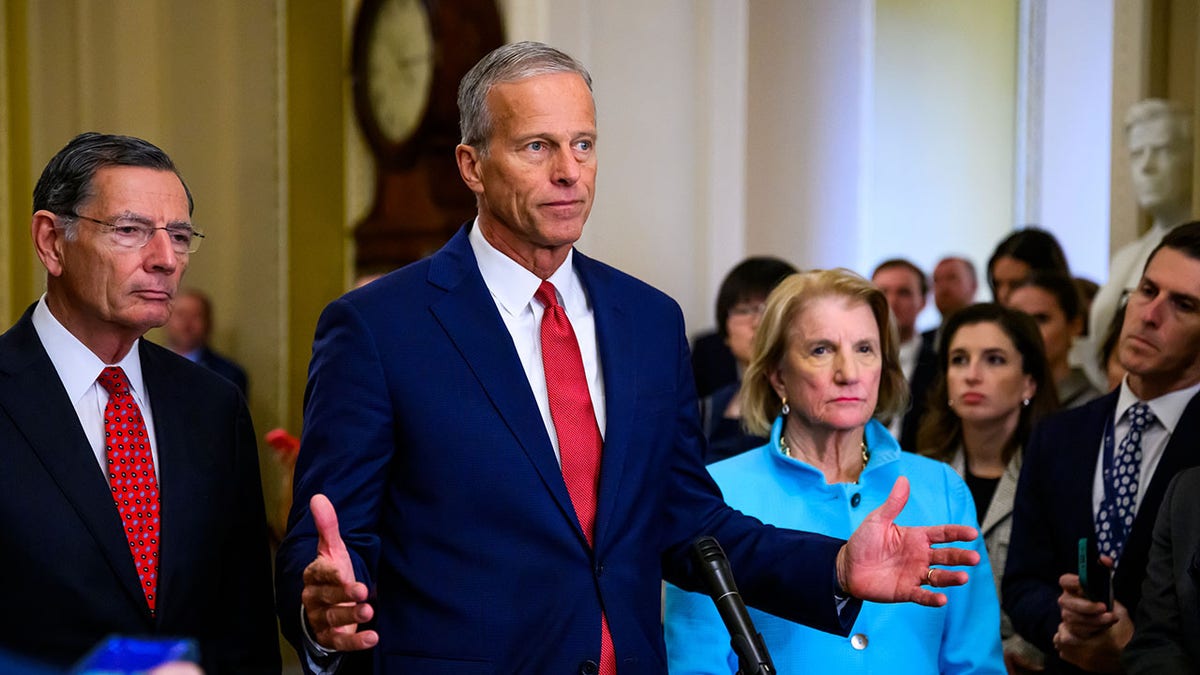
Senate Republicans are hoping that a newly-unveiled package of spending bills could be the key to reopen the government. Senate Majority Leader John Thune, R-S.D., plans to put the bill, and Democrats’ resolve, to the test. (Pete Kiehart/Bloomberg via Getty Images)
Thune was optimistic that the plan would work, and reiterated his promise of a vote on the expiring subsidies. However, whatever legislation is produced to address the Obamacare issue is likely to fail.
«Regardless, as I have said for weeks to my Democrat friends, I will schedule a vote on their proposal, and I’ve committed to having that vote no later than second week in December,» he said.
Progressives in the caucus were unhappy with the developments, too.
Sen. Bernie Sanders, I-Vermont, charged that it would be a «horrific mistake» for Democrats to cave now without an Obamacare deal.
«If Democrats cave on this issue, what it will say to Donald Trump is that he has a green light to go forward toward authoritarianism,» Sanders said. «And I think that would be a tragedy for this country.»
Still, there is a long way to go before the government officially reopens.
Sunday’s vote was the first in a series needed in the Senate to modify the original House-passed continuing resolution and combine it with the three-bill spending package and updated CR, which, if passed, would reopen the government until Jan. 30, 2026.
Lawmakers hope that if given the extra time, they could finish funding the government with spending bills rather than turning to another CR or colossal omnibus spending package, which crams all 12 government funding bills into one piece of legislation.
«If we blow this window, we’re going to get stuck with a yearlong CR,» Sen. John Hoeven, R-N.D., said.
DEMS BLOCK GOP BILL ENSURING FEDERAL WORKER, MILITARY PAYCHECKS CONTINUE DURING SHUTDOWN
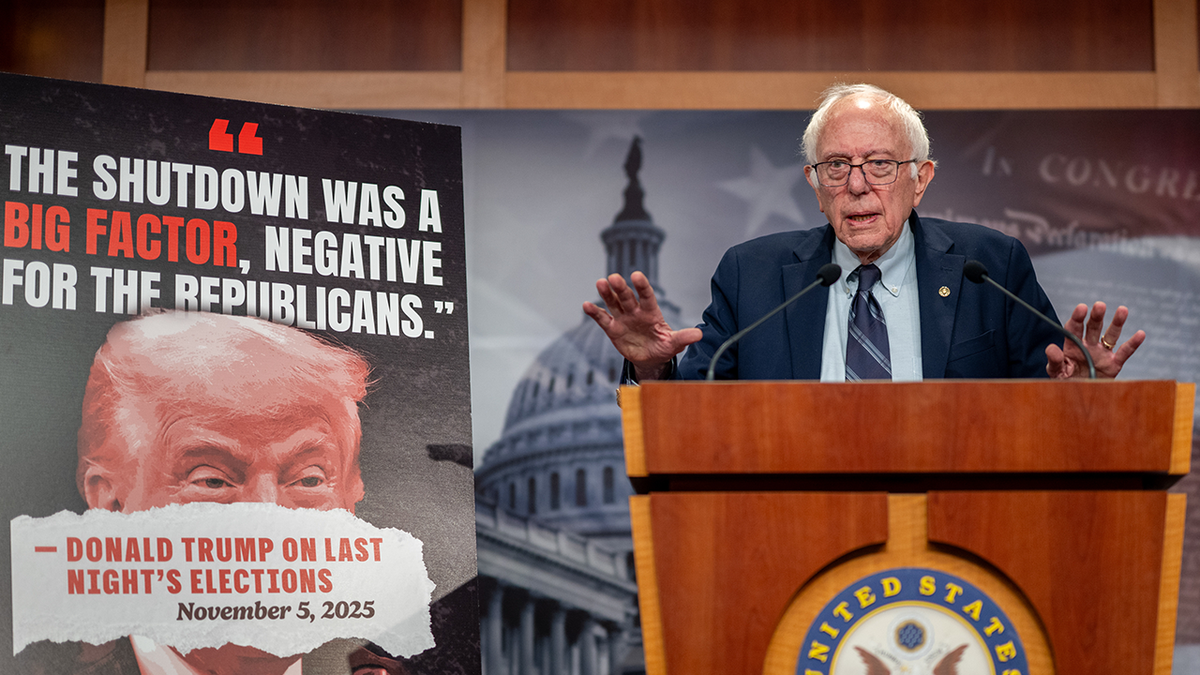
Senator Bernie Sanders, an Independent from Vermont, during a news conference at the US Capitol in Washington, D..C, on Wednesday, Nov. 5, 2025. (Daniel Heuer/Bloomberg via Getty Images)
And the shutdown won’t end in the Senate, given that the changes to the legislation will need to be greenlit by the House before making it to President Donald Trump’s desk.
Democrats could still extract pain through procedural hurdles unless there is unanimous agreement from all 100 senators to move forward with the remaining votes.
The Obamacare issue is still bubbling on both sides of the aisle, however. Senate Republicans slammed the state of healthcare throughout Saturday, particularly over how the subsidies funneled money to insurance companies.
CLICK HERE TO DOWNLOAD THE FOX NEWS APP
Democrats still remained skeptical if their frustration, and desire to make changes to take on insurance companies, was legitimate.
«The point, I think that’s really relevant here, is if they’re serious, and I really question whether that’s the case,» Sen. Ron Wyden, D-Ore., said.
senate,government shutdown,chuck schumer,health care healthy living











NEWYou can now listen to Fox News articles!
EXCLUSIVE: Activists and agitators opposed to enforcement of federal immigration laws have found a new, intrusive way to dox or leak personal and identifying information of ICE and CBP agents, the Department of Homeland Security exclusively told Fox News Digital Tuesday.
Immigration agents continue to face an escalating 8,000% increase in death threats and a 1,300% increase in assaults since President Donald Trump took office in January 2025, according to DHS.
An ICE agent living in Wake County, North Carolina, was doxxed in recent days, as evidenced by postcards sent to the officer’s neighbors with language suggesting they needed to be warned of his presence on their block.
«Beware, your neighbor is an ICE agent. Immigration enforcement lives next door,» the postcard said in billboard-style font festooned with a generic image of a federal agent and a mock-up of an ICE badge addressed to a resident in Raleigh.
DEMOCRATIC OFFICIALS, TIKTOKERS, LIBERALS TAKE THEIR ANTI-ICE RHETORIC TO THE NEXT LEVEL
Federal law enforcement agents detain a demonstrator during a raid in south Minneapolis. An Oklahoma man was charged with threatening to kill ICE agents, «MAGA Republicans» and politicians, the Justice Department said Wednesday. (Getty Images)
The message section of the postcard shared with Fox News Digital showed what appeared to be a still shot from CCTV footage depicting a Black federal immigration agent. DHS blurred the agent’s face, which was not blurred in the original mailing.
DHS Assistant Secretary Lauren Bis told Fox News Digital the doxxing only adds to threats because agents «risk their lives every single day to remove murderers, pedophiles, rapists, terrorists and gang members from American neighborhoods.»
Fox News Digital also noticed fine print on the doxxing postcard’s postage stamp indicating it was sent «presorted first-class,» a special subset of USPS business mail that requires the sender to mail at least 500 pieces, each weighing 3.5 ounces or less.
Presorted first-class also requires more than typical local «junk mail» granted presorted standard postage, which indicates at least 50 such letters or postcards.
That detail indicates that hundreds of such postcards were disseminated around the country.
THE FAR-LEFT NETWORK THAT HELPED PUT ALEX PRETTI IN HARM’S WAY, THEN MADE HIM A MARTYR
«Comparing ICE day-in and day-out to the Nazi Gestapo, the Secret Police and slave patrols has consequences,» Bis said Tuesday. «The men and women of ICE are fathers and mothers, sons and daughters. They get up every morning to try and make our communities safer.
«Like everyone else, they just want to go home to their families at night. The violence and dehumanization of these men and women who are simply enforcing the law must stop.»
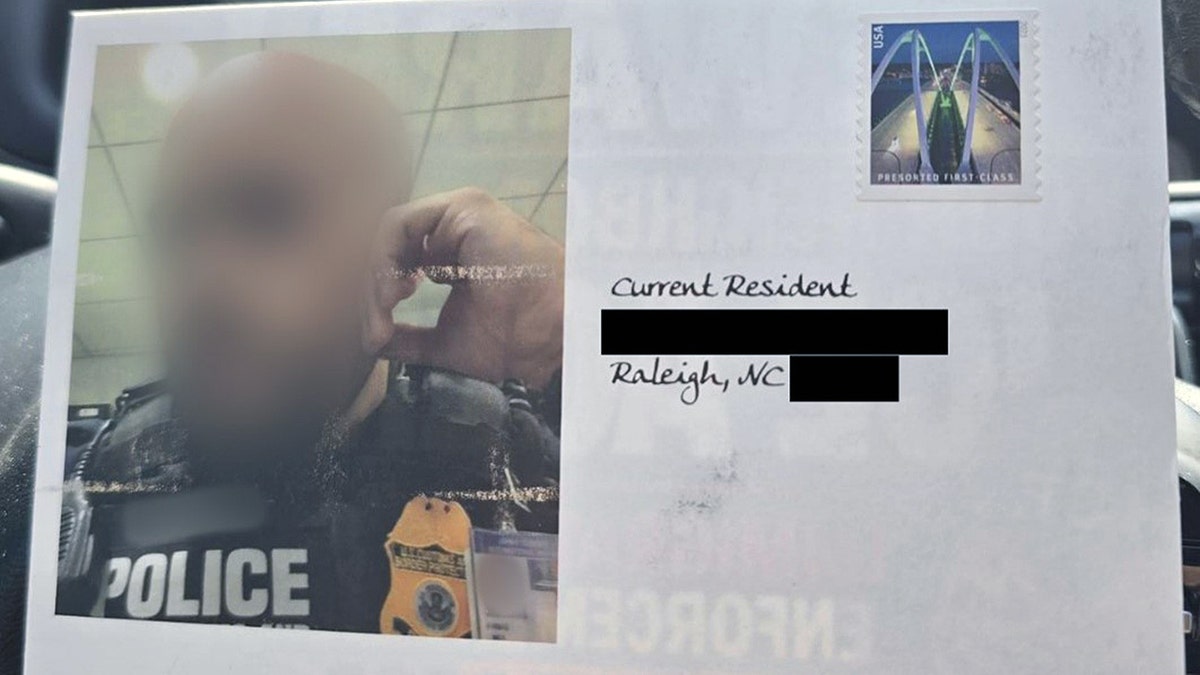
An ICE Agent was doxxed in this postcard sent to a North Carolina resident. (U.S. Immigration and Customs Enforcement)
The news comes weeks after identifying information for a reported 4,500 ICE and USBP employees was allegedly leaked by a DHS whistleblower to an Irish national who runs a website called the «ICE list.»
After the shooting death of Renee Good in January, Dominick Skinner received the massive dataset, The Daily Beast reported. The outlet quoted the website administrator as saying information about ICE agents’ identities flooded in.
Some people told him their neighbors were allegedly immigration agents, while hotel and bar staff reportedly sent him sticky notes, according to the outlet.

A postcard doxxing ICE agents was sent in North Carolina. (U.S. Immigration and Customs Enforcement)
CLICK HERE TO GET THE FOX NEWS APP
Skinner, who now lives in the Netherlands but has American family, told the outlet the website was not supposed to turn into a database but suggested it was a response to then-Secretary Kristi Noem warning people stateside they could be prosecuted for doxxing.
Anyone who receives similar postcards or paraphernalia doxxing DHS agents is advised to contact ICE’s tip line at (866) DHS-2-ICE or (866) 347-2423.
homeland security, police and law enforcement, immigration, enforcement, fox news investigates

Hace dos años, Megan Agnew, redactora de The Sunday Times en Londres, causó furor en internet con su perfil certero e inquietante sobre Hannah Neeleman, una exbailarina que se mudó a una granja en Utah con su esposo, tenía —en ese momento— ocho hijos y se convirtió en una exitosa influencer del movimiento tradwife. El artículo resultaba llamativo por la disonancia entre la historia que Neeleman y su esposo intentaban contar —la realización personal a través de la tradición— y los detalles que insinuaban una realidad más oscura.
“Daniel quería vivir en los grandes parajes salvajes del Oeste, así que lo hicieron; quería ser agricultor, así que lo son; le gustan las citas nocturnas una vez por semana, así que salen”, escribió Agnew. “No quería niñeras en la casa, así que no las hay”. Hannah bajó la voz al confesar que durante uno de sus partos, cuando Daniel no pudo estar presente, le pusieron una epidural. Habló con nostalgia de la carrera de danza que abandonó. Daniel le comentó a Agnew que, en ocasiones, Hannah se encuentra tan exhausta que pasa una semana en cama. En Instagram, algunos usuarios le pedían a Hannah que parpadeara dos veces si necesitaba ayuda.
Las memorias Adult Braces de Lindy West, que han generado amplio debate, evocan una inquietud similar, aunque con la política en sentido opuesto. West había sido una figura destacada del feminismo digital de los años 2000 y un símbolo de la positividad corporal; su anterior autobiografía, Shrill, fue adaptada a una serie de televisión. Pero detrás de esa fachada, revela su nuevo libro, sufría un dolor extraordinario, con relaciones distorsionadas tanto con su cuerpo como con su esposo. Aunque ahora afirma haber encontrado paz y empoderamiento tras acceder a la exigencia de su esposo de tener un matrimonio poliamoroso, su relato no resulta del todo convincente.

No sorprende que algunos interpreten “Adult Braces” como una crítica a las creencias progresistas de West. Un ensayo en The Atlantic sobre el libro llevaba el título “La muerte del feminismo millennial”. The Wall Street Journal declaró: “El progresismo destruye a sus siervos más leales”. Pero interpreté el libro de West como una advertencia sobre la autoanulación femenina. Esa tendencia suele celebrarse en sectores conservadores, pero siempre ha estado presente en la izquierda también. Prácticamente cualquier ideología puede utilizarse para hacer sentir a las mujeres que están fallando.
En textos anteriores, West presentaba su unión con el músico Ahamefule Oluo, conocido como Aham, como una especie de final de cuento de hadas feminista. “Mi boda fue perfecta, y estuve gorda todo el tiempo”, tituló una columna en The Guardian en 2015. Pero si la boda fue idílica, West revela en “Adult Braces” que el matrimonio no lo fue. Casi desde el principio, escribe, Aham condicionó la relación a que él pudiera acostarse con otras mujeres. Ella accedió porque no quería perderlo, pero sus aventuras la hicieron sentir una inseguridad insoportable.
Como West vivía en un entorno progresista donde la no monogamia es habitual, sentía una capa extra de vergüenza por no poder aceptar la vida sexual extramatrimonial de Aham. (“En ese momento, ser comprensiva con el poliamor parecía un imperativo creciente en los círculos progresistas”, escribe). Su angustia aumentaba por un fuerte rechazo hacia su propio cuerpo, que, según ella misma reconoce, contradice la imagen que había construido públicamente. “¿Crees que alguna vez sentí que merecía exigirle algo a un hombre?”, pregunta.

Para muchos lectores, incluido yo, parecía que Aham se aprovechó de la profunda falta de autoestima de West. Utilizó su ideología en su contra; West cuenta que Aham, que es mitad nigeriano, “creía que la monogamia era, en esencia, un sistema de propiedad”. No es la primera vez que un hombre de izquierda emplea el lenguaje de la liberación para traspasar los límites de una mujer. Tras la revolución sexual de los años 60 y 70, Ellen Willis describió cómo los hombres de la contracultura “intensificaron las ansiedades sexuales de las mujeres al equiparar la represión con el deseo de amor y compromiso, y exaltar el sexo sin emoción ni apego como el ideal”. Es un ideal que muchas mujeres sienten la presión de cumplir.
Pero West —o al menos la versión de West que narra “Adult Braces”— no logra ver la aparente manipulación de Aham. En cambio, el libro, que transcurre durante un largo viaje por carretera, describe cómo West aprende a aceptar el poliamor y llega a querer a Roya, la novia de Aham, con quien ahora mantiene una relación de tres.
Al final de “Adult Braces”, Aham, Roya y West viven juntos en una cabaña que perteneció a los padres de ella. Se declara feliz, aunque con un tono defensivo: “Si crees que me han lavado el cerebro y que en secreto soy infeliz, sinceramente no sé qué decirte”. Pero aunque se tome al pie de la letra su satisfacción, hay un trasfondo inquietante en la situación, uno que sería evidente si el libro fuera una novela y no unas memorias.

A lo largo de “Adult Braces”, West, que ahora tiene 44 años, hace referencia a sus dificultades con la adultez, en ocasiones con una voz deliberadamente infantil. “¡Solo soy un angelito suave que todos quieren!”, escribe en un momento. Describe cómo, al mudarse sola, le costaba cuidar de sí misma: “Cuando tienes 25 años, nadie se enoja si no limpias tu cuarto”. Le embargaron el auto porque olvidó pagar las cuotas. Cuando estaba deprimida, Aham tenía que obligarla a ducharse y a cepillarse el cabello. Se pregunta si es “una mujer que podría discernir sus propios sentimientos o un bebé que necesita que le digan cuándo divorciarse”. Uno de los mejores días del viaje, se tatúa la frase “good girl”.
West parece añorar el cuidado y la simplicidad de la infancia, y al final del libro encuentra una aproximación a eso. De niña, cuenta, quería vivir en la cabaña a tiempo completo, y ahora lo hace. Roya paga las cuentas puntualmente para que no caigan en agencias de cobro y mantiene relaciones con Aham cuando West no quiere. “Me encanta dormir en el cuarto de invitados y meterme en la cama con ellos en la mañana”, escribe West. “Me encanta cuando me arropan y me dejan jugar con el móvil hasta tarde”. Duerme con un gato de peluche. Es como si, sintiéndose lastimada, hubiera optado por retroceder a una etapa infantil.
Tras la publicación del artículo de Agnew, Neeleman grabó un video en el que decía estar sorprendida por haber sido retratada “como oprimida, con mi esposo como el culpable”, y aseguró que adora a su marido y la vida que llevan. Pienso que es posible creerle y también pensar que adaptó sus deseos a los de su esposo, como se les anima a hacer a muchas mujeres. Si West hizo lo mismo, no es culpa del feminismo millennial ni del liberalismo social. La política no siempre puede salvarnos de la necesidad autoaniquiladora de ser amadas, en los términos que sean.
Fuente: The New York Times
Lindy West,escritora,activista,feminismo,retrato,autora,Jenny Jimenez,Hachette,cultura



El Gobierno evalúa llevar a la Corte la pelea por la aplicación de la Ley de Financiamiento Universitario

PHOTOS: Anti-ICE agitators dox agents by sending warning postcards to neighbors

$LIBRA: Novelli tuvo un ida y vuelta frenético con un banco de Miami el día que se reunió con Milei y Davis en la Rosada

El día de furia de Brian Sarmiento en Gran Hermano: discusiones, acusaciones cruzadas y un sorpresivo beneficio

16 frases de Scaloni tras el 5-0 de Argentina: la presencia de Messi en el Mundial, por qué De Paul fue al banco y su error con Otamendi

Las memorias de una feminista millennial sobre el poliamor pueden ser desgarradoras

Máximo Kirchner salió al cruce de Milei y Macri tras el fallo por YPF a favor de la Argentina

La secretaria del piloto denunció que el amigo de Adorni la hostiga y la justicia dispuso medidas

El Gobierno cambia su propuesta de reforma: endurece penas para delitos comunes, pero no para los casos de corrupción

Nuevas críticas de Marcela Pagano contra los Milei: “Karina es la que gobierna”, aseguró

 POLITICA3 días ago
El Gobierno cambia su propuesta de reforma: endurece penas para delitos comunes, pero no para los casos de corrupción
- POLITICA2 días ago
Nuevas críticas de Marcela Pagano contra los Milei: “Karina es la que gobierna”, aseguró
- POLITICA19 horas ago
Dos jubiladas que le habrían prestado dinero a Manuel Adorni negaron conocerlo