INTERNACIONAL
«Si la reunión es mala, no llamaré a nadie; me voy a casa..»: Trump advierte que hay un 25% de posibilidades de que la cumbre con Putin fracase












INTERNACIONAL
José Antonio Kast lanzó en Chile su “Plan Escudo Fronterizo”: zanjas, vallas, muros e inspecciones laborales
José Antonio Kast, el flamante presidente ultraconservador de Chile que este lunes estará en Buenos Aires para reunirse con Javier Milei, tiene a la migración irregular en la mira.
Sus promesas de campaña de expulsar a cientos de miles de inmigrantes sin documentos están latentes. En sus primeras semanas de gobierno, iniciado el 11 de marzo, lanzó un plan en la frontera norte para frenar la entrada de migrantes.
No es un muro convencional como el de Trump en la frontera sur con México ni un vallado como el levantado por España en los enclaves africanos de Ceuta y Melilla. Kast eligió como estandarte un método más simple y emparentado con épocas medievales: la excavación de zanjas de tres metros de profundidad para prevenir cualquier intento de entrada ilegal.
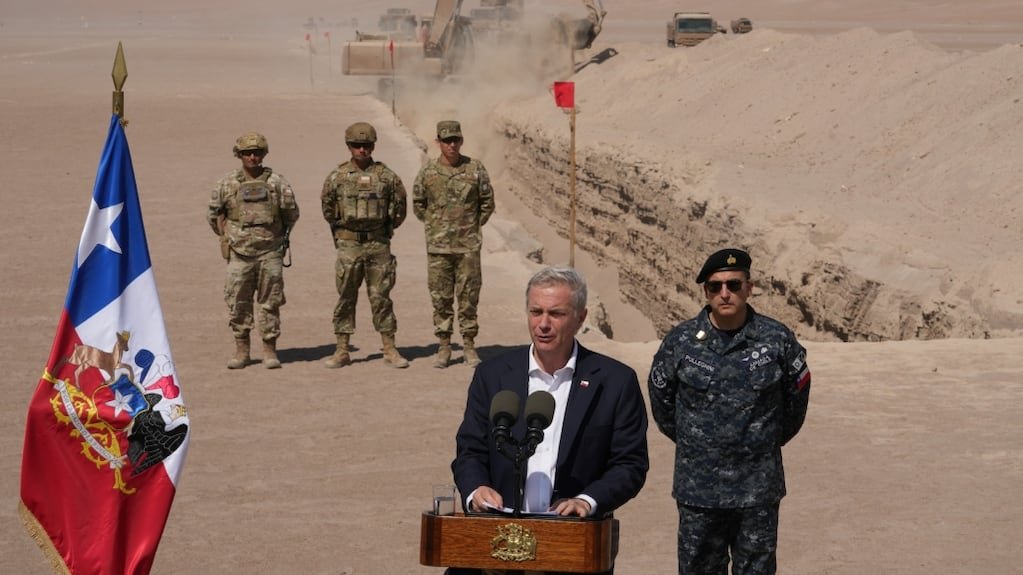
Se trata del “Plan Escudo Fronterizo” iniciado por el ejército con palas mecánicas y retroexcavadoras en pleno desierto de Atacama, en inmediaciones del límite con Perú.
Pero la iniciativa es más compleja que un simple foso, ya que resulta difícil alinear estas zanjas a lo largo de todo el territorio fronterizo. Las excavaciones estarán presentes en apenas 30 kilómetros. En el resto, habrá aparatos de visión nocturna, con cámaras térmicas e infrarrojas, sensores, cercos, radares y drones en las zonas consideradas vulnerables, así como muros y vallas de cinco metros de altura equipados con sensores de movimiento en pasos ilegales, segun el diario El País de Madrid.
El presidente quiere convertir a la frontera norte en una zona inexpugnable. Pero los cuestionamientos no tardaron en llegar.
“Una trampa mortal en el desierto”
La venezolana Luna Ramírez Fuentes, directora de la ONG Red de Apoyo Solidario, cuestionó la construcción de estos fosos fronterizos.
“Es una trampa mortal en el desierto. La zanja no detiene la migración, solo la desvía hacia rutas más letales. Al bloquear los puntos conocidos, se empuja a familias, niños y ancianos a internarse en zonas geográficamente extremas donde el clima y la falta de agua se convierten en verdugos. Es, en la práctica, una condena a muerte por exposición climática en el desierto más árido del mundo”, afirmó en diálogo con TN.
Un grupo de soldados monta guardia junto a una excavadora que cava una zanja para frenar la migración irregular. (Foto: AP)
La activista dijo que “la construcción de esta zanja no puede definirse de otra manera que como un monumento a la exclusión y una herida abierta en la dignidad de América Latina. No es una medida de seguridad. Es una infraestructura de segregación que deshumaniza a quienes buscan refugio”.
Para Ramírez Fuentes, “estas obras se realizan a menudo en territorios que son rutas ancestrales de pueblos originarios y corredores biológicos naturales. Destruir el suelo para crear una cicatriz de cemento y tierra es un ataque directo al patrimonio natural y cultural de la zona norte, priorizando una agenda de miedo sobre el respeto a la tierra”.
“En definitiva, la zanja es una medida ineficaz, costosa y profundamente cruel. La verdadera seguridad no se construye cavando hoyos, sino fortaleciendo las instituciones, la cooperación regional y el respeto irrestricto a la vida humana», afirmó.
Leé también: Cómo se prepara Chile para enfrentar una ola de violencia escolar: revisión de mochilas y detector de metales
Además, alertó: “Este obstáculo físico es el mejor ´plan de negocios´ para el crimen organizado. Al hacer el cruce más difícil, los inmigrantes quedan a merced de ‘coyotes’ y redes de trata de personas que cobran precios exorbitantes y someten a las personas a violencia sexual, secuestros y extorsión, sabiendo que no tienen otra alternativa para sortear la fosa”.
Waleska Ureta, directora nacional del Servicio Jesuita a Migrantes en Chile, dijo a TN que “las políticas que tienen que ver con el control de la frontera” provocan que “las personas busquen otros lugares por donde cruzar”.
“Estos lugares suelen ser más peligrosos, más complejos para la migración. Eso da pie a que esos espacios de frontera y de pasos no habilitados lo ocupe el crimen organizado y se produzcan vulneraciones de derechos y trata de personas”, coincidió.
Kast frena la regularización de migrantes y lanza un plan de fiscalización laboral
Pero el plan de Kast va mucho más allá de impedir el ingreso irregular de migrantes. También frenó la regularización de 182.000 inmigrantes impulsada por el gobierno de Gabriel Boric. En campaña había primetido expulsar a 337.000 extranjeros sin papeles.
“No vamos a producir una regularización masiva como se propuso en el gobierno de Boric”, dijo el director del Servicio de Migraciones, Frank Sauerbaum. “Nos hemos enterado que 6000 personas de las 182.000 ya cometieron un delito”, añadió.
La mayoría de los migrantes irregulares son venezolanos, que denuncian una creciente xenofobia en el país. Muchos chilenos culpan en especial a esta comunidad por la oleada de violencia y crímenes que afecta al país, en especial por el aumento del narcotráfico.
Además, citado por el sitio El Mostrador, Sauerbaum anunció que el organismo que preside comenzará a desplegar fiscalizaciones en lugares de trabajo para verificar el cumplimiento de la normativa migratoria.
“Muchos empleadores están despidiendo a sus empleados migrantes en condición irregular por temor a ser multados. Es un miedo que está infundando este gobierno. Esto se traduce en alza del desempleo, más precarizacion laboral por parte de migrantes y todo lo que esto conlleva”, dijo Ramírez Fuentes.
Para Ureta, “las políticas migratorias de este gobierno y también de los anteriores no solo ponen en riesgo a las personas migrantes, sino a todas las personas que habitamos el territorio, sean migrantes o nacionales”.
Leé también: Israel prepara el terreno para una nueva ocupación permanente del sur del Líbano: cuáles son los riesgos
“No hacer procesos de regularización implica que no sabemos quiénes están en Chile. Tampoco se generan las condiciones necesarias para que las personas ingresen de manera regular al país. Todo esto va generando un escenario muy prolífico para el crimen organizado. Otro riesgo es condenar a personas a la informalidad, impidiendo el acceso al trabajo, vivienda y educación. Esto afecta a los migrantes y a la comunidad receptora”, alertó.
Ramírez Fuentes dijo además que “el gobierno ha establecido un mecanismo de expulsiones constantes, eliminando cualquier posibilidad de nuevos procesos de regularización extraordinaria. El riesgo principal es que miles de personas queden atrapadas en una irregularidad permanente, sin camino legal para formalizar su estancia, lo que las expone a la pérdida de sus pertenencias y a la salida forzosa del país en cualquier momento”.
“Uno de los efectos colaterales más graves es el fortalecimiento de un sentimiento de rechazo en la población local. Al vincular constantemente la migración con la delincuencia en el discurso oficial, se genera un clima de xenofobia generalizada”, indicó.
La zanja, a su juicio, también alimenta este discurso.
“La construcción de una barrera física de este tipo actúa como un dispositivo de estigmatización. Envía un mensaje claro a la sociedad chilena: ´el que viene de afuera es un enemigo del cual debemos protegernos con muros y fosas´. Esto no solo alimenta la xenofobia, sino que valida el odio y la violencia social contra quienes ya son vulnerables», concluyó.
Chile, Jose Antonio Kast, Sumario
INTERNACIONAL
Netanyahu aseguró que el Ejército israelí está “aplastando” al régimen de Irán: “Estamos listos para la victoria”
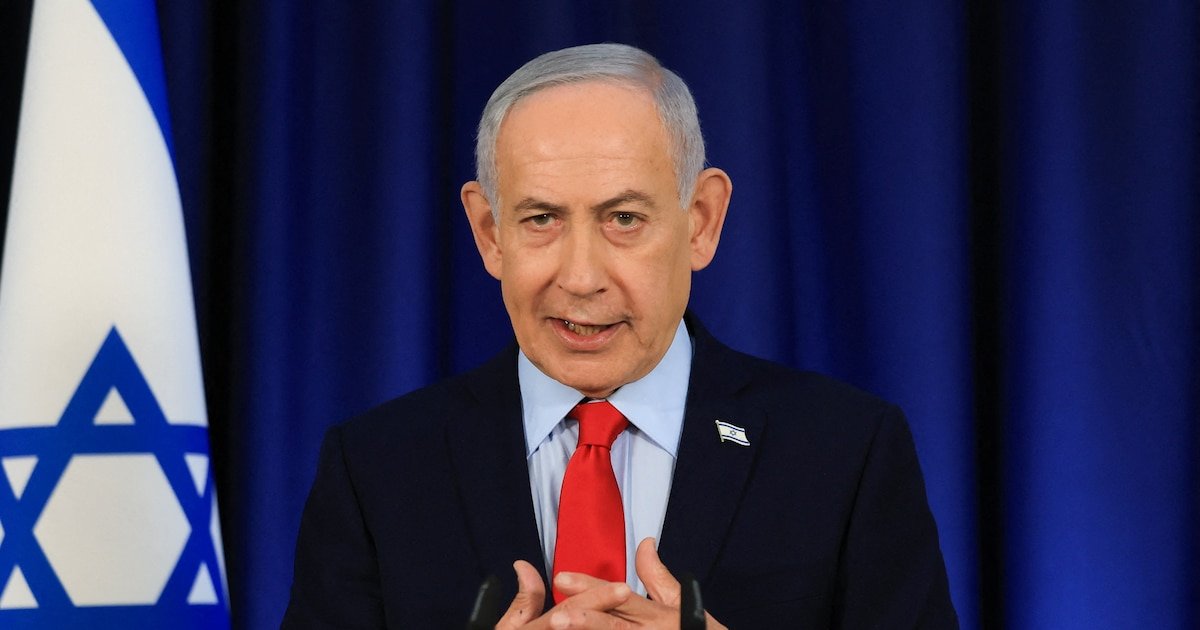
El primer ministro de Israel, Benjamin Netanyahu, afirmó que su gobierno continúa con la ofensiva contra el régimen de Teherán. “Les prometí que seguiríamos aplastando al régimen terrorista de Teherán, y eso es precisamente lo que estamos haciendo”, declaró.
Netanyahu reiteró que Israel destruyó en Irán “el 70% de la capacidad de producción de acero, que utilizan como materia prima para sus armas” e informó sobre nuevos ataques: “Hoy atacamos las plantas petroquímicas y seguiremos ocupándolas, tal como prometí”.
El mandatario, que publicó un mensaje vía X, concluyó: “Estamos listos para la victoria”.
El sábado estuvo marcada por una nueva escalada militar en Medio Oriente tras el ataque del Ejército israelí a una instalación petroquímica y otros objetivos clave del régimen iraní. El Ejército israelí informó que ejecutó bombardeos simultáneos contra Líbano e Irán, y reportó más de 140 objetivos atacados en territorio libanés y más de 200 en el país persa entre viernes y sábado.
Según un comunicado de las Fuerzas de Defensa de Israel (FDI), los ataques en Irán incluyeron un supuesto centro de la Guardia Revolucionaria Islámica que almacenaba armas, como lanzadores de misiles balísticos, junto a instalaciones dedicadas a la producción de estos misiles y a sistemas de defensa aérea.
Las FDI confirmaron el bombardeo de instalaciones petroquímicas en el sur de Irán durante la mañana del sábado, y aseguraron que esos emplazamientos servían para la fabricación de materiales destinados a misiles balísticos. El Ejército afirmó que los ataques paralizaron toda la producción de materiales químicos en la zona y que las pérdidas económicas podrían alcanzar miles de millones de dólares.
La agencia de noticias Fars informó que varias instalaciones en la Zona Especial Petroquímica de Mahshahr, provincia de Juzestán, fueron alcanzadas por los ataques aéreos y cinco personas resultaron heridas.
La semana pasada, medios israelíes señalaron que la cúpula política de Israel ordenó a las FDI un cambio de estrategia para atacar objetivos económicos en Irán, buscando infligir un daño financiero masivo al régimen.
El viernes, Netanyahu afirmó que la Fuerza Aérea israelí destruyó el 70% de la capacidad de producción de acero de Irán. Este golpe priva a la Guardia Revolucionaria iraní de recursos financieros y limita su capacidad para fabricar armamento, en el marco de una operación conjunta con Estados Unidos.
Netanyahu detalló que las acciones recientes incluyeron ataques contra puentes e infraestructuras estratégicas de Irán. El primer ministro subrayó que estas operaciones se efectuaron “en plena coordinación” con el presidente estadounidense Donald Trump y continuarán hasta debilitar aún más al régimen iraní.
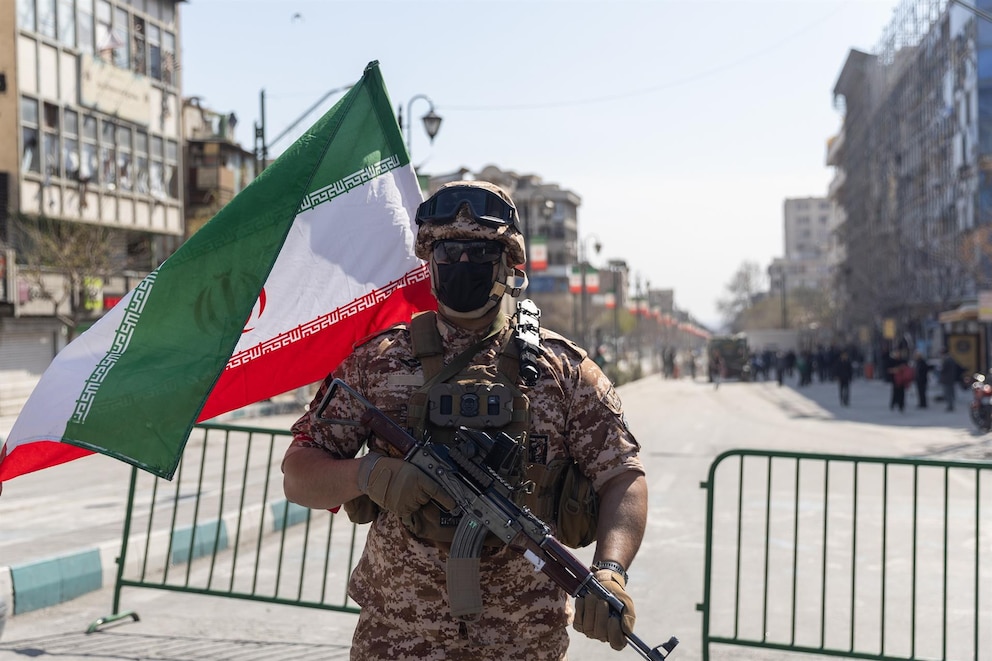
“Este régimen está más débil que nunca; Israel está más fuerte que nunca”, aseguró tras una evaluación militar en la sede principal de la unidad de Inteligencia del Ejército en Tel Aviv.
El acero representa un material estratégico para la producción industrial y militar, empleado en la fabricación de misiles, drones y embarcaciones. Tras los bombardeos, las dos mayores plantas siderúrgicas de Irán, Khuzestán y Mobarakeh, han quedado fuera de servicio. Las empresas afectadas advirtieron que su reestructuración podría demorar meses.
La destrucción del 70% de la capacidad siderúrgica iraní constituye un golpe significativo para la industria militar y la economía del país. El Gobierno israelí sostiene que la campaña conjunta busca frenar el flujo de recursos hacia la producción de armas por parte de la Guardia Revolucionaria.
En el marco de estas operaciones coordinadas entre Estados Unidos e Israel, el presidente estadounidense, Donald Trump, aseguró que varios líderes militares del régimen iraní fueron eliminados durante un ataque masivo en Teherán, según comunicó en un mensaje publicado en su red social Truth Social.
En la publicación, Trump compartió un video que muestra el bombardeo, pero no proporcionó información sobre el día, la hora o la modalidad exacta del operativo.
Según el mensaje difundido, Trump afirmó que “muchos de los líderes militares de Irán, que los han dirigido de forma deficiente e imprudente, son eliminados, junto con muchos otros, con este ataque masivo en Teherán”.
INTERNACIONAL
La misión que el Papa Francisco les dio a los adultos mayores: “Denunciar la corrupción humana en la que se vive”
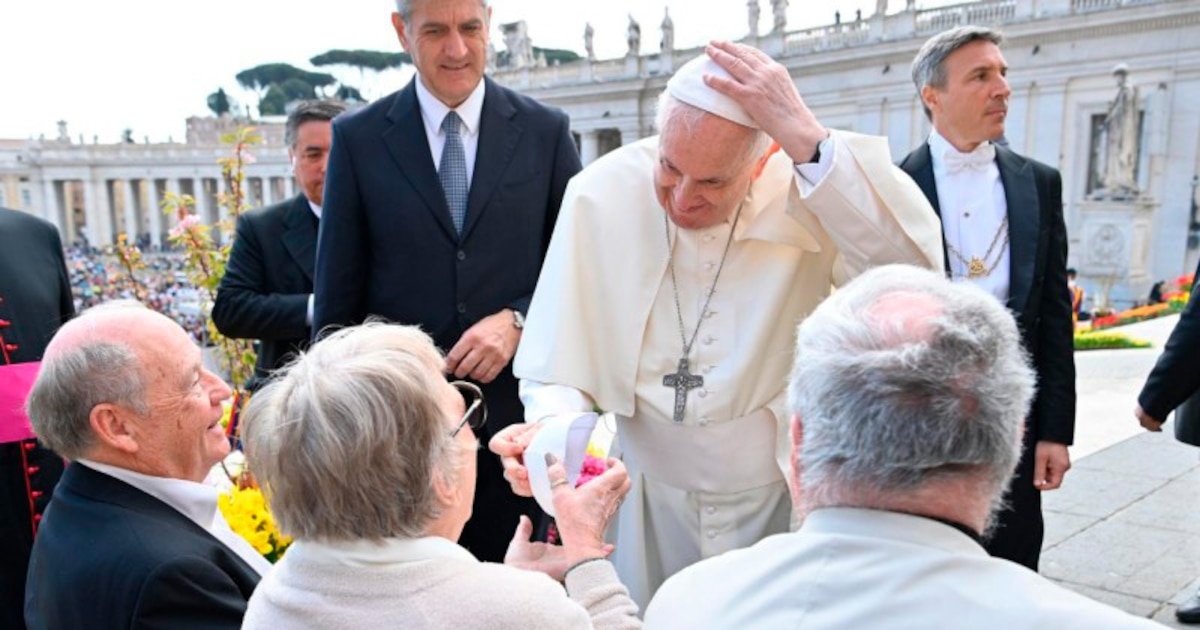
A lo largo de todo su papado (2013-2025), el papa Francisco se refirió muchas veces a las personas de edad. En particular durante el año 2022, dedicó varias de sus catequesis a hablar de la vejez y del rol de los adultos mayores en la sociedad.
En un mensaje titulado La vejez, recurso para la juventud despreocupada señalaba el riesgo de que las ocupaciones y preocupaciones de la vida cotidiana llevaran a una indiferencia ante las guerras, la pobreza y la injusticia.
Partiendo de la tarea que Dios encomienda al patriarca Noé, se preguntaba: “¿La vejez salvará el mundo? ¿En qué sentido? ¿Y cómo salvará el mundo la vejez?»
Había comenzado su mensaje citando palabras de Jesús (Lucas, capítulo 17): “Como sucedió en los días de Noé, así será también en los días del Hijo del hombre. Comían, bebían, tomaban mujer o marido, hasta el día que entró Noé en el arca; vino el diluvio y los hizo perecer a todos”.
Comer, beber, casarse, son “cosas muy normales y no parecen ejemplos de corrupción”, decía Francisco. “¿Dónde estaba la corrupción, allí? En realidad, Jesús destaca el hecho de que los seres humanos, cuando se limitan a disfrutar de la vida, pierden incluso la percepción de la corrupción, que mortifica la dignidad y envenena el sentido”, aclaró.
“Cuando se pierde la percepción de la corrupción, y la corrupción se vuelve una cosa normal: todo tiene su precio, ¡todo! Se compra, se vende, opiniones, actos de justicia…”, siguió diciendo y ponía como ejemplo el pedido o la oferta de dinero para acelerar procesos u obtener determinados resultados.
“El mundo de la corrupción parece parte de la normalidad del ser humano; y esto es feo”, dijo.

Y apuntaba contra la indiferencia ante esto, el mirar para otro lado: “Mientras la vida normal pueda estar llena de ‘bienestar’, no queremos pensar en lo que la vacía de justicia y amor. ‘¡Si yo estoy bien! ¿Por qué debo pensar en los problemas, en las guerras, en la miseria humana, en cuánta pobreza, en cuánta maldad? No, yo estoy bien. No me importan los demás’. Este es el pensamiento inconsciente que nos lleva a vivir un estado de corrupción”.
Lamentaba que la corrupción pudiera volverse normal: “Se puede respirar el aire de la corrupción como se respira el oxígeno”, y explicaba que el camino hacia esta indiferencia es “la despreocupación que se dirige solo al cuidado de sí mismos: este es el pasaje que abre la puerta a la corrupción que hunde la vida de todos”.
También aseguraba que la corrupción sacaba “gran ventaja de esta despreocupación”, porque “cuando a una persona le parece todo bien y no le importan los demás, esa despreocupación ablanda nuestras defensas, ofusca la conciencia y nos hace —incluso involuntariamente—cómplices”.
Son los adultos mayores los que están “en condiciones de captar el engaño de esta normalización de una vida obsesionada por el disfrute y vacía de interioridad: vida sin pensamiento, sin sacrificio, sin interioridad, sin belleza, sin verdad, sin justicia, sin amor: esto es todo corrupción”, decía.
Consideraba entonces que los ancianos, por su “sensibilidad especial” hacia ”las atenciones, los pensamientos y los afectos”, son los que deben dar “el alerta” y decir: “Estad atentos, que esto es la corrupción, no te lleva a nada”.
“La sabiduría de los ancianos es muy necesaria, hoy, para ir contra la corrupción”, insistía. “Las nuevas generaciones —decía— esperan de nosotros los mayores una palabra que sea profecía, que abra las puertas a nuevas perspectivas fuera de este mundo despreocupado de la corrupción, de la costumbre de las cosas corruptas”.
Francisco alentaba entonces a cada uno a preguntarse: “¿Qué sentido tiene mi vejez?”
Y su respuesta era: “Ser profeta de la corrupción y decir a los otros: ‘¡Deteneos, yo he hecho ese camino y no te lleva a nada!’ Nosotros ancianos debemos ser profetas contra la corrupción, como Noé fue el profeta contra la corrupción de su tiempo, porque era el único del que Dios se fio”.

Cuestionaba a los adultos que no han madurado “y se vuelven mayores con las mismas costumbres corruptas de los jóvenes”. “Con una vejez así no seremos capaces de ser profetas para las jóvenes generaciones”, advertía.
Noé es el ejemplo de una vejez que no es corrupta sino generativa. “Noé no hace predicaciones, no se lamenta, no recrimina, pero cuida del futuro de la generación que está en peligro. Nosotros ancianos debemos cuidar de los jóvenes, de los niños que están en peligro”.
Noé construyó un arca en la cual acogió a hombres y animales, cuidó la vida en todas sus formas, cumpliendo el mandamiento divino. “Y nosotros, mujeres y hombres de una cierta edad —por no decir mayores, porque algunos se ofenden— no olvidemos que tenemos la posibilidad de la sabiduría, de decir a los otros: ‘Mira, este camino de corrupción no lleva a nada’. Nosotros debemos ser como el buen vino que al final envejecido puede dar un mensaje bueno y no malo”.
Y concluía: “Hago un llamamiento, hoy, a todas las personas que tienen una cierta edad (…). Estad atentos: vosotros tenéis la responsabilidad de denunciar la corrupción humana en la que se vive y en la que va adelante este modo de vivir de relativismo, totalmente relativo, como si todo fuera lícito. Vamos adelante. El mundo lo necesita, necesita jóvenes fuertes, que vayan adelante, y ancianos sabios.”
También propuso una “alianza entre jóvenes y ancianos” para que “la savia de los que tienen a sus espaldas una larga experiencia de vida pueda regar los brotes de esperanza de los que están creciendo”.
“Los ancianos. Nunca hemos sido tan numerosos en la historia humana —decía en sus catequesis—. El riesgo de ser descartados es aún más frecuente: nunca tan numerosos como ahora, nunca el riesgo como ahora de ser descartados.”
Consideraba que la vejez era “una de las cuestiones más urgentes que la familia humana está llamada a afrontar en este tiempo”, porque “está en juego la unidad de las edades de la vida: ¿hay amistad, hay alianza entre las diferentes edades de la vida o prevalecen la separación y el descarte?”
Mencionaba el fenómeno de la masificación de la longevidad y del “invierno demográfico”. También cuestionaba el hecho de que “la cultura dominante” tenga “como modelo único el joven-adulto”. “¿Solamente la juventud tiene el sentido pleno de la vida, mientras que la vejez representa simplemente el vaciamiento y la pérdida? La exaltación de la juventud como única edad digna de encarnar el ideal humano, unida al desprecio de la vejez vista como fragilidad, como degradación o discapacidad, ha sido el icono dominante de los totalitarismos del siglo XX. ¿Hemos olvidado esto?”, preguntaba.

Cuestionaba el prejuicio de considerar a la vejez como “una edad que no tiene contenidos especiales que ofrecer, ni significados propios que vivir”.
Y denunciaba que, “para una edad que ya es parte determinante del espacio comunitario y se extiende a un tercio de toda la vida, hay —a veces— planes de asistencia, pero no proyectos de existencia”. Sostenía que ello se debía a “un vacío de pensamiento, imaginación, creatividad”, por el cual “los ancianos entran como material de descarte.”
“La juventud es hermosa —seguía diciendo—, pero la eterna juventud es una alucinación muy peligrosa. Ser ancianos es tan importante —y hermoso— como ser jóvenes. Recordemos esto. La alianza entre las generaciones, que devuelve al ser humano todas las edades de la vida, es nuestro don perdido y tenemos que recuperarlo”.
Y advertía que “si los abuelos se repliegan en sus melancolías, los jóvenes se encorvarán aún más en su smartphone”. “Los ancianos tienen recursos de vida ya vivida a los cuales pueden recurrir en todo momento. ¿Se quedarán de brazos cruzados ante los jóvenes que pierden su visión o los acompañarán calentando sus sueños?”, preguntaba.
“La vejez es un don para todas las edades de la vida. Es un don de madurez, de sabiduría”. Por eso subrayaba la importancia de que “el anciano ocupe el lugar de sabiduría que tiene, de historia vivida en la sociedad» y que también “haya un coloquio, que hable con los jóvenes”.
“Los jóvenes deben hablar con los ancianos, y los ancianos con los jóvenes —insistía—. Y este puente será la transmisión de la sabiduría en la humanidad”.
Y volvía a una metáfora que reiteró varias veces en mensajes a lo largo de su pontificado: “Los ancianos son como las raíces del árbol: tienen toda su historia ahí, y los jóvenes son como las flores y los frutos. Si no viene esta savia, si no viene este ‘goteo’ de las raíces, nunca podrán florecer. No olvidemos a ese poeta (Francisco Luis Bernárdez) que he citado tantas veces: ‘Lo que el árbol tiene de florido vive de lo que tiene sepultado’. Todo lo hermoso que tiene una sociedad está en relación con las raíces de los ancianos. Por eso, en estas catequesis, yo quisiera que la figura del anciano se destaque, que se entienda bien que el anciano no es un material de descarte: es una bendición para la sociedad”.

Papa Francisco,Vaticano,audiencia,Iglesia Católica,Pontífice,religión,anciano,escucha,atención,Cristianismo
Matías Carnero (UGT) optará en 2027 a su último mandato al frente del comité de Seat Por EFE

Ni gris ni ámbar: solo el 2% de la población tiene este color de ojos y el motivo sorprende

Gobierno en loop: con el caso Adorni sin resolver, las esquirlas de la interna expanden la crisis a la Corte

José Antonio Kast lanzó en Chile su “Plan Escudo Fronterizo”: zanjas, vallas, muros e inspecciones laborales

Video: el gol histórico de Messi en Inter Miami

Círculo rojo: intrigas en el gabinete, desgaste por el caso Adorni y movimientos inquietantes en el Poder Judicial

El Gobierno reevalúa la estrategia de comunicación por el caso Adorni y mide el impacto en la imagen de Milei

Milei se pone al frente de la defensa de Adorni y lo suma a un acto por Malvinas en una nueva muestra de respaldo

Oriana Sabatini sorprendió al elegir a una famosa como madrina de Gia, su hija con Paulo Dybala

Banco lanza un plazo fijo inédito: sigue a la inflación y permite retirar intereses todos los meses

 POLITICA3 días ago
Milei se pone al frente de la defensa de Adorni y lo suma a un acto por Malvinas en una nueva muestra de respaldo
- CHIMENTOS3 días ago
Oriana Sabatini sorprendió al elegir a una famosa como madrina de Gia, su hija con Paulo Dybala
- POLITICA2 días ago
La Armada sorteará 30 lugares en el buque que escoltará la salida de la Fragata Libertad: cómo anotarse