INTERNACIONAL
Sigue la ofensiva de Trump: quiere que las universidades impongan un límite del 15% a la cantidad de alumnos e investigadores extranjeros


NEWYou can now listen to Fox News articles!
Amid the implementation of President Donald Trump’s 20-point peace plan to end the Hamas-Israel war, Mideast experts are urging that the United Nations Relief and Works Agency for Palestine Refugees in the Near East (UNRWA) have no presence in the reconstruction of the Gaza Strip because of its reported support for the terrorist organization Hamas and its track record of severe incompetence.
Hugh Dugan, who served on the National Security Council as Special Assistant to the President and Senior Director for International Organization Affairs in 2020, told Fox News Digital, «UNRWA’s mission was to provide relief and support pending a durable political solution. As such, a solution is at hand – pending Hamas’ compliance to disarm immediately – truly neutral humanitarian operations beg for new measures and modalities.»
He added, «The Gaza Humanitarian Foundation for months has distributed aid independently of U.N. channels and has prevented diversion by militant groups. Other U.N. humanitarian operations would be well-served to take cover and operate within GHF’s shadow under the blistering sun of critical human need.»
IDF KILLS HAMAS TERRORIST IT SAYS WORKED FOR UNRWA, LED CHARGE ON REIM BOMB SHELTER MASSACRE
Pictures are displayed on the walls of a bomb shelter, in which, six months prior, people sought refuge before being killed during the deadly October 7 attack on Israel by Hamas terrorists from Gaza, near Kibbutz Beeri in southern Israel, April 7, 2024. REUTERS/Amir Cohen (REUTERS/Amir Cohen)
Dugan, a former diplomat who served at the U.S. mission to the world body, said UNRWA has turned a cottage industry into a sprawling transnational bureaucracy that has perpetuated financial waste and prolonged the conflict by granting refugee status to the descendants of Palestinian refugees after the first Israel-Arab states’ war.
«After the 1948 Arab-Israeli conflict, UNRWA’s critical mission was to provide direct relief and works program for 800,000 Palestinian refugees. Its job was to put itself out of business as soon as possible, however it went the route of mission creep. Over decades managerially captured by the U.N. bureaucracy, UNRWA perpetuates the status of refugees now swelling to 5.9 million,» he said.
Dugan concluded, «After billions of dollars, Palestinians continue in desperate dependence for humanitarian aid of the most basic kind. This has positioned UNRWA as a political actor in its own right beyond its original mission. And its politics and relations with Hamas reveal that UNRWA lost irretrievably its grounding in humanitarian neutrality and non-discrimination.»
DOSSIER REVEALS INFORMATION USED TO EXPLAIN UN AGENCY’S DEEP TIES TO HAMAS IN GAZA
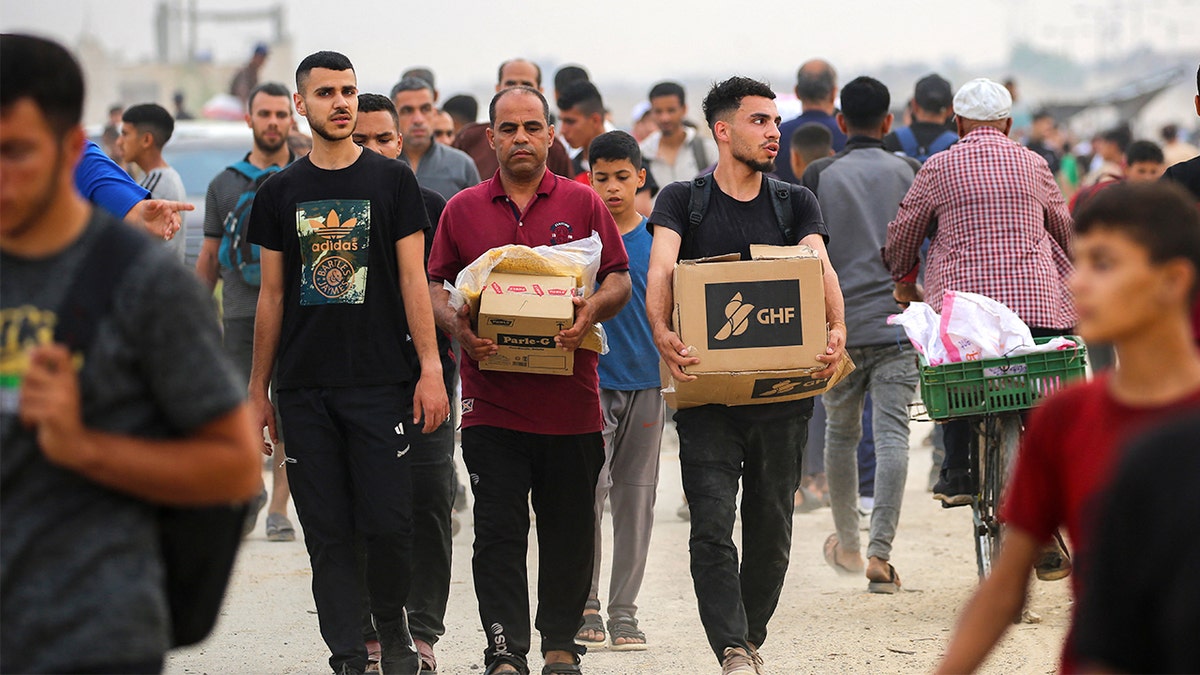
People carry boxes of relief supplies from the Gaza Humanitarian Foundation (GHF), a private US-backed aid group that has bypassed the longstanding UN-led system in the territory, as displaced Palestinians return from an aid distribution centre in the central Gaza Strip on June. 8 The UN and major aid organisations have refused to cooperate with the GHF, citing concerns that it was designed to cater to Israeli military objectives. (EYAD BABA/AFP via Getty Images)
In August, Fox News Digital obtained a U.S. State Department public assessment to Congress, stating, «The administration has determined UNRWA is irredeemably compromised and now seeks its full dismantlement.» The Biden administration had given UNRWA $1 billion in U.S. taxpayer funding since 2021 before the freeze in 2024 went into effect.
UNRWA spokeswoman Juliette Touma countered allegations against the organization as dangerous and told Fox News Digital that such claims have «never been substantiated, let alone proven,» adding, «The United Nations has undertaken investigations and external reviews, and none of these claims have been substantiated. What these claims have done, most importantly, is they have banned UNRWA, the largest humanitarian organization, from delivering food to hungry people.»
Touma said «It also put my colleagues in Gaza in danger and have put their lives at serious risks due to this dis-information. UNRWA has 12,000 staff on the ground in Gaza It is impossible to improve the humanitarian situation in Gaza without UNRWA and its teams. We know that all other attempts to replace UNRWA have been disastrous.»
She continued, «Given [the] above and the action that the U.N. has taken against these claims, these claims remain as such—claims with huge consequences on the lives of our colleagues, the delivery of humanitarian assistance and the reputation of this agency,» she said.
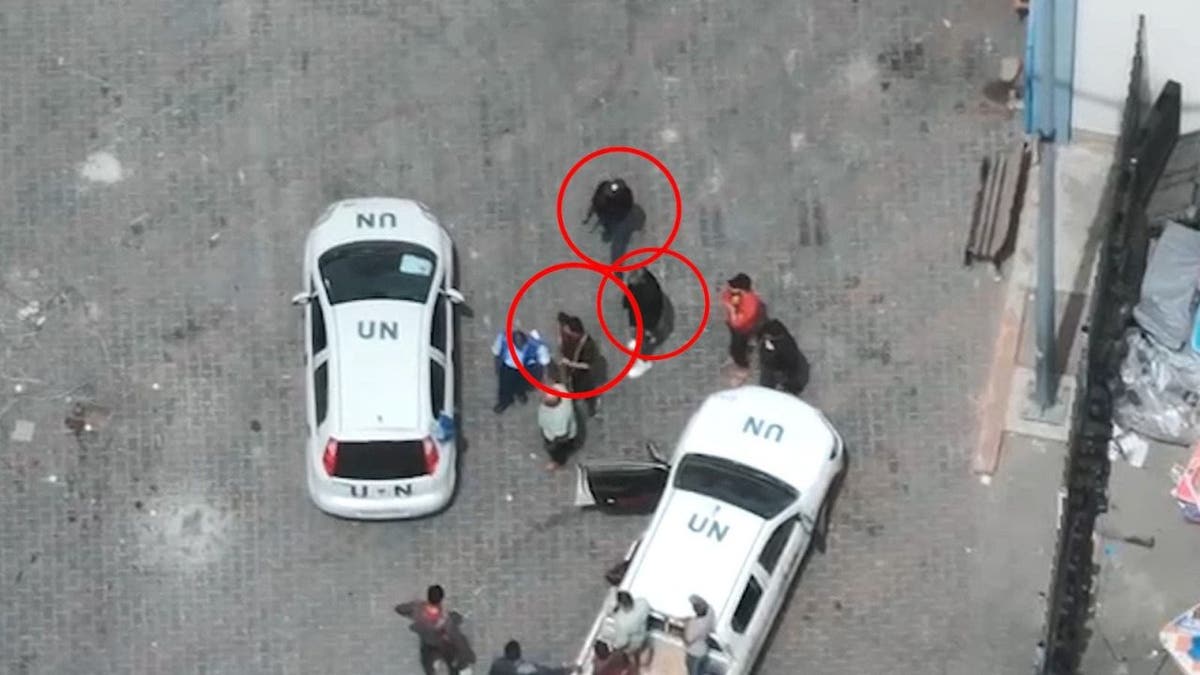
Photos released by the Israeli Defense Force show three individuals that the Israeli military claims are Hamas terrorists inside an UNRWA compound in Rafah. (IDF)
A State Department spokesperson told Fox News Digital that «President Trump and Secretary Rubio have long stated that Hamas will never govern Gaza again. That includes institutions they have infiltrated to sustain their power and influence.»
The spokesperson reiterated the directive from «President Trump’s Feb. 4 Executive Order regarding ending funding or reviewing support for certain U.N. and international organizations,» which declared that «UNRWA has reportedly been infiltrated by members of groups long designated by the Secretary of State (Secretary) as foreign terrorist organizations, and UNRWA employees were involved in the October 7, 2023, Hamas attack on Israel.»
Former IDF spokesperson Lt. Col. Jonathan Conricus said, «UNRWA has proven itself to be irredeemably corrupt, infiltrated by Hamas and the Islamic Jihad and part of the reason why Hamas was able to recruit tens of thousands of Jihad-indoctrinated youth and to sustain itself during two years of fighting.
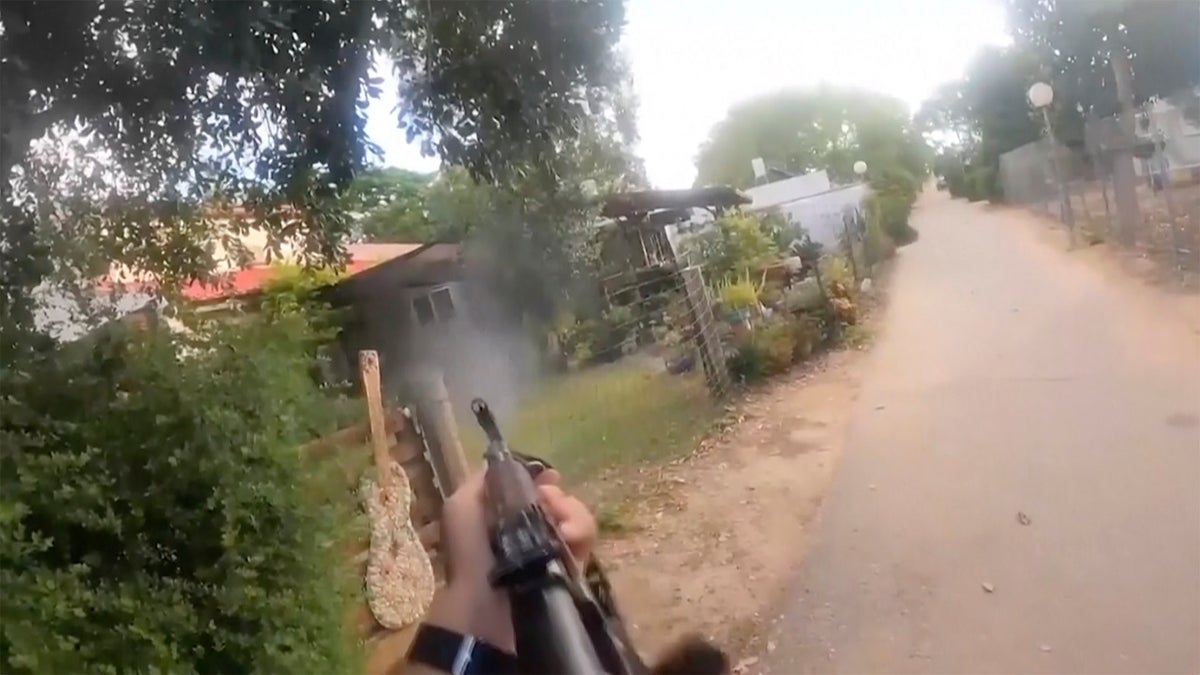
Hamas terrorists killed civilians, including women, children and the elderly, when they attacked Israel on Oct. 7, 2023. (Israel Defense Forces via AP)
«If we desire a deradicalized Gaza, the first organization that has to be removed from power is Hamas. The close second is UNRWA. Both must not have any role in shaping the present or the future of Gaza. Now is the time to invest in a better future for Gaza and the region, and the time to remove UNRWA.»
Conricus said that «Ever since Hamas took power over the Gaza Strip in 2007, UNRWA has been a facilitator for Hamas’s military buildup. By diverting international aid to provide for the civilian needs of Gaza‘s population per Hamas guidance, UNRWA enabled Hamas to divert the majority of their funds to military buildup in the shape of digging tunnels, producing rockets, acquiring drones and sophisticated missiles and paying and training a large force of Jihadi terrorists.»
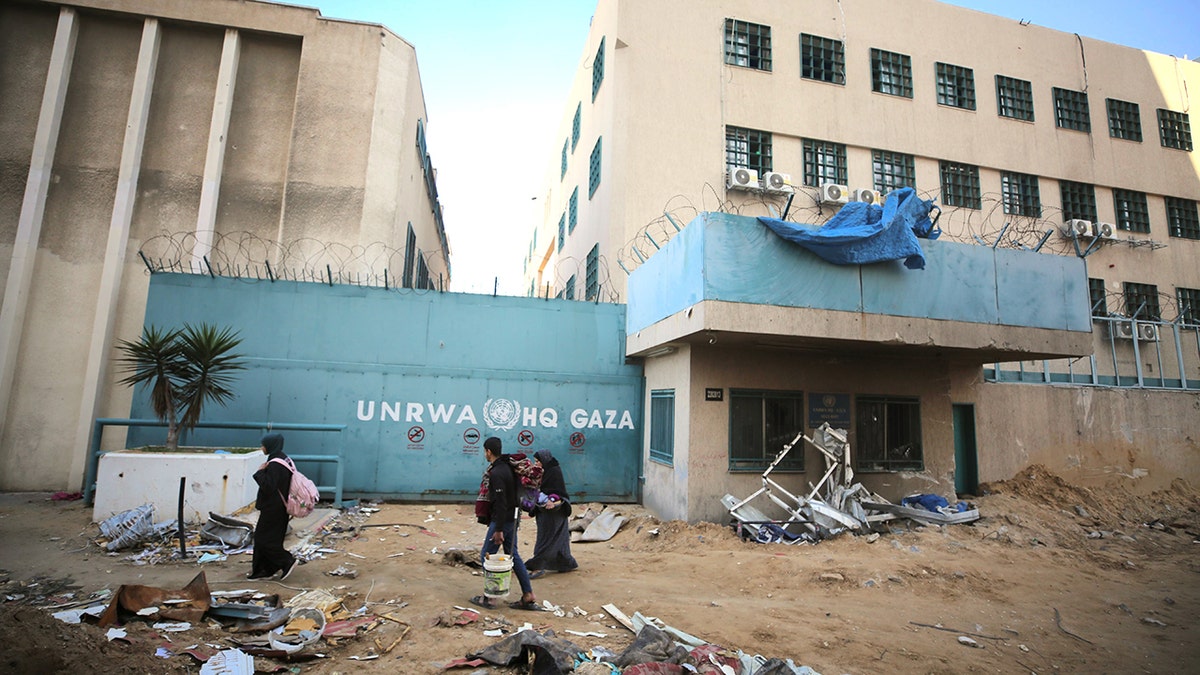
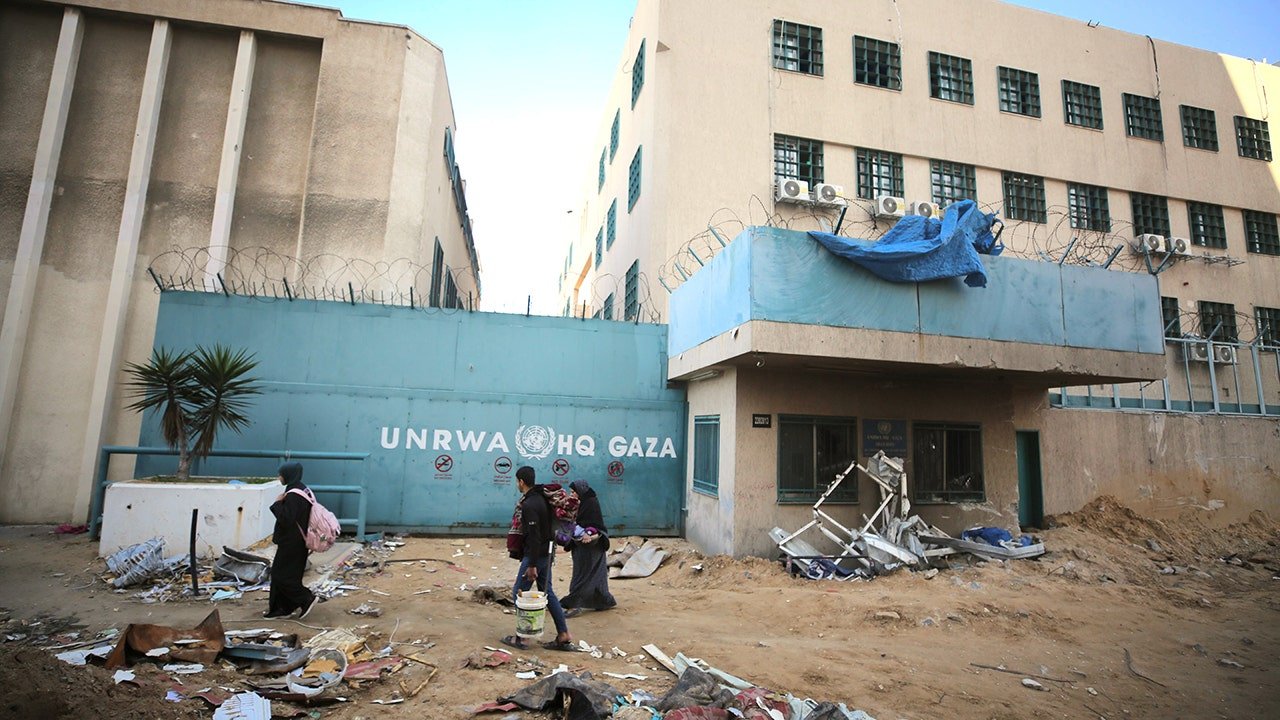
UNRWA’s headquarters in Gaza City, Gaza on February 21, 2024. (Dawoud Abo Alkas/Anadolu via Getty Images)
CLICK TO GET THE FOX NEWS APP
He said that «Throughout the two-year war, Hamas fighters systematically used UNRWA facilities and infrastructure to support and sustain their military operations against Israel. Hamas underground command posts were exposed directly underneath UNRWA facilities in Gaza City, including a supply of electricity and IT services from UNRWA offices to the underground Hamas bunker. UNRWA schools all across the Gaza Strip were systematically used by Hamas as military staging grounds, production facilities for weapons, intelligence collection sites, and hideouts for Hamas fighters.»
When asked about the role of UNRWA, an IDF spokesperson told Fox News Digital, «It’s the political echelon to decide everything regarding the peace deal and the post-war details.» Fox News Digital reached out to Israel’s Foreign Ministry spokesperson on several occasions for a comment. Israel’s government banned UNRWA operations in January, 2025.
united nations,israel,terrorism,conflicts,anti semitism
INTERNACIONAL
El líder golpista de Madagascar avanza con la formación de un Gobierno bajo control militar

Madagascar inicia la conformación de un nuevo gobierno en medio de una acelerada transición política, una semana después del golpe de Estado militar y de la investidura del líder golpista coronel Michael Randrianirina como presidente. Mientras tanto, la juventud malgache observa el proceso con cautela, decidida a actuar como contrapeso ante cualquier desviación autoritaria.
“Estamos en una etapa en la que no podemos hacer gran cosa, salvo observar. Es demasiado pronto para juzgar su competencia (de Randrianirina). Es crucial darles tiempo para trabajar”, declaró a Randrianantoanina Ny Aina, asesor de la plataforma Gen X-Y-Z Madagascar, que agrupa a los principales actores de las movilizaciones que precipitaron la caída del anterior Ejecutivo.
El coronel Randrianirina juró el pasado viernes como “presidente para la refundación de la República de Madagascar” y prometió impulsar una “reconstrucción nacional” en este país insular del sudeste africano.
Randrianirina, al mando del Cuerpo de Administración de Personal y Servicios del Ejército de Tierra (CAPSAT) —la poderosa unidad de élite que lideró el golpe del 14 de octubre—, asume la presidencia en medio de una grave crisis política y económica. Por su parte, el derrocado mandatario, Andry Rajoelina, ha huido del país.

“En lo que a nosotros respecta, el coronel siempre ha escuchado nuestra voz como jóvenes, como portadores del grito de la población malgache ante la crisis, y esperamos que conserve esa cualidad. El tiempo lo dirá”, añadió Ny Aina, uno de los jóvenes que encabezó las protestas.
El lunes, Randrianirina nombró primer ministro al empresario Herintsalama Rajaonarivelo, presidente del consejo de administración del principal banco del país, BNI Madagascar, y desató una ola de reacciones críticas. Poco después, comenzaron a circular en redes sociales fotografías de Rajaonarivelo junto a Mamy Ravatomanga, poderoso empresario y estrecho aliado del derrocado presidente, conocido por sus vastas conexiones e influencia. Durante las protestas, los manifestantes clamaban tanto por la dimisión de Rajoelina como por el arresto del magnate, apodado “Piedra Azul” (traducción de su apellido).
Ny Aina lamentó que el nombramiento del primer ministro se haya convertido en el argumento principal de quienes buscan desacreditar o dividir el movimiento juvenil. “Difundimos el mensaje de que ‘la lucha continúa’, pero no hay que tomarlo al pie de la letra. Tras la destitución de Andry Rajoelina, ya mencionamos que es a partir de ahora cuando comienza la verdadera batalla. Y esta batalla la libramos contra las malas prácticas políticas y la corrupción. Seguiremos en esa línea”, explicó.

Para la generación Z malgache, las prioridades siguen siendo el acceso al agua y la electricidad, así como la reducción de la inflación, los mismos problemas que originaron las protestas masivas del pasado 25 de septiembre. Según la ONU, la represión de esas movilizaciones dejó al menos 22 muertos.
Las manifestaciones evolucionaron rápidamente en un movimiento antigubernamental que exigía la renuncia de Rajoelina, acusado de corrupción, nepotismo y malversación de fondos públicos, y que se aferraba al poder pese a la creciente presión social.
Antes de esta asonada, Madagascar ya había sufrido tres golpes de Estado desde su independencia de Francia: en 1972, 1975 y 2009. El CAPSAT, la misma unidad militar que hoy respalda a Randrianirina, también participó en el golpe de 2009 que derrocó a Marc Ravalomanana y llevó por primera vez al poder al propio Rajoelina.
(Con información de EFE)
Domestic,Politics,Africa,Government / Politics
NEWYou can now listen to Fox News articles!
Democrats are pushing for more answers on President Donald Trump’s crusade against alleged drug boats in the Caribbean as the number of strikes continues to climb and amid the sudden retirement announcement of the military commander who oversees U.S. operations in the region.
While Trump claims that the strikes are necessary to put drug traffickers and cartels «on notice» and has warned them he will blow them «out of existence,» lawmakers are increasingly demanding more oversight and evidence backing up the legality of the strikes.
As a result, the top Democrat on the House Armed Services Committee, Rep. Adam Smith of Washington, is urging Speaker of the House Mike Johnson, R-La., to bring the House back to session so the committee can hold a hearing on the operations in Latin America and to give the outgoing military commander an opportunity to testify.
TRUMP UNLEASHES US MILITARY POWER ON CARTELS. IS A WIDER WAR LOOMING?
Rep. Adam Smith, D-Wash., leaves the U.S. Capitol after the last votes of the week on Thursday, September 4, 2025. (Tom Williams/CQ-Roll Call, Inc via Getty Images)
«President Trump and his Administration continue to fail to answer pressing questions regarding the President’s orders to carry out lethal U.S. military strikes on boats in the Caribbean Sea,» Smith said in a Monday statement.
«They have failed to demonstrate the legality of these strikes, provide transparency on the process used, or even a list of cartels that have been designated as terrorist organizations,» Smith said. «We have also yet to see any evidence to support the President’s unilateral determinations that these vessels or their activities posed imminent threats to the United States of America that warranted military force rather than law enforcement-led interdiction.»
The Trump administration has adopted an aggressive approach to combat the flow of drugs into the U.S., and designated drug cartel groups like Tren de Aragua, Sinaloa and others as foreign terrorist organizations in February.
Additionally, the White House sent lawmakers a memo Sept. 30 alerting them that the U.S. is engaged in a «non-international armed conflict» with drug smugglers, and the U.S. military has conducted at least seven strikes against vessels off the coast of Venezuela.
TRUMP TOUTS US STRIKE AS MADURO SLAMS MILITARY ‘THREAT’ OFF VENEZUELA
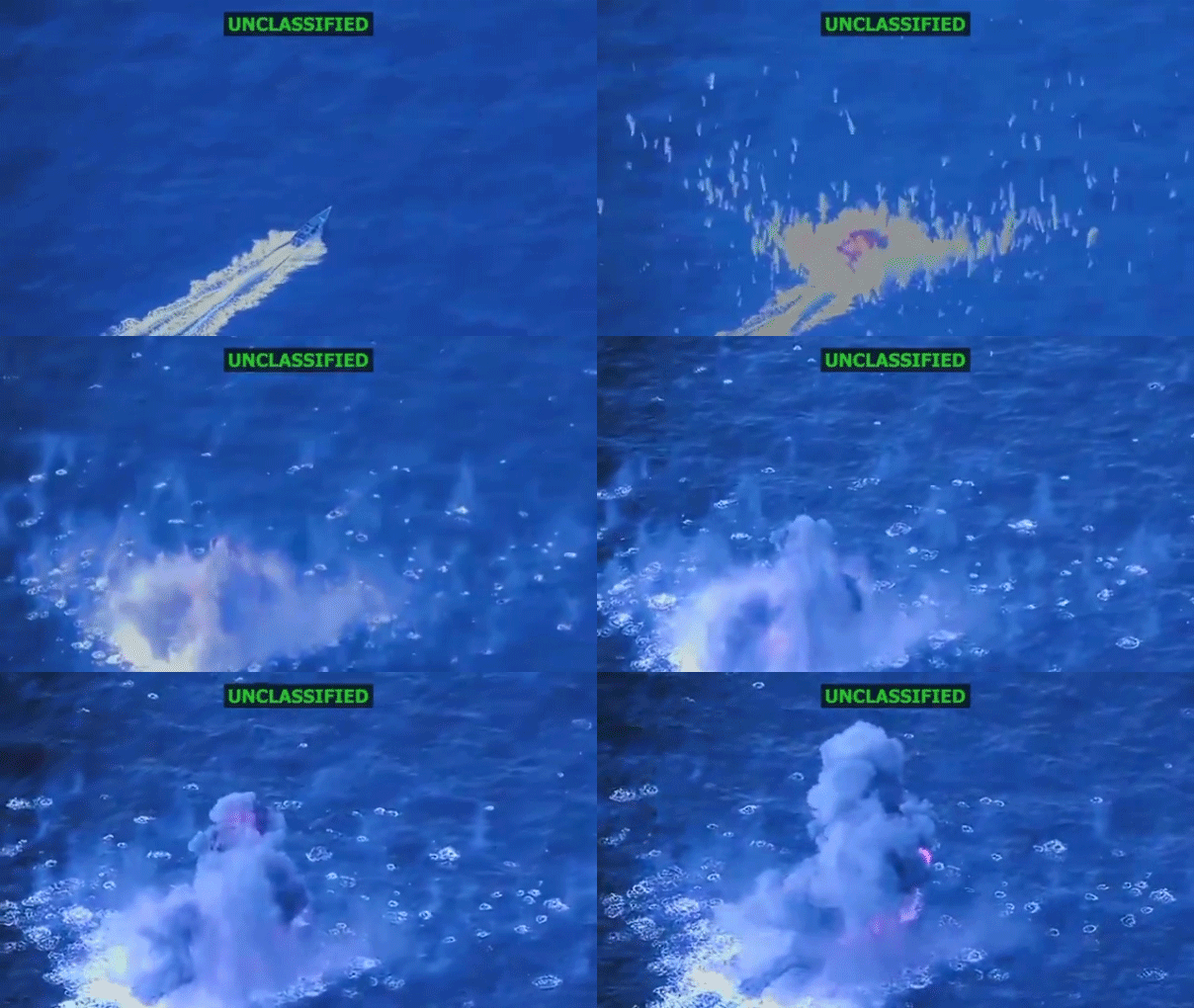
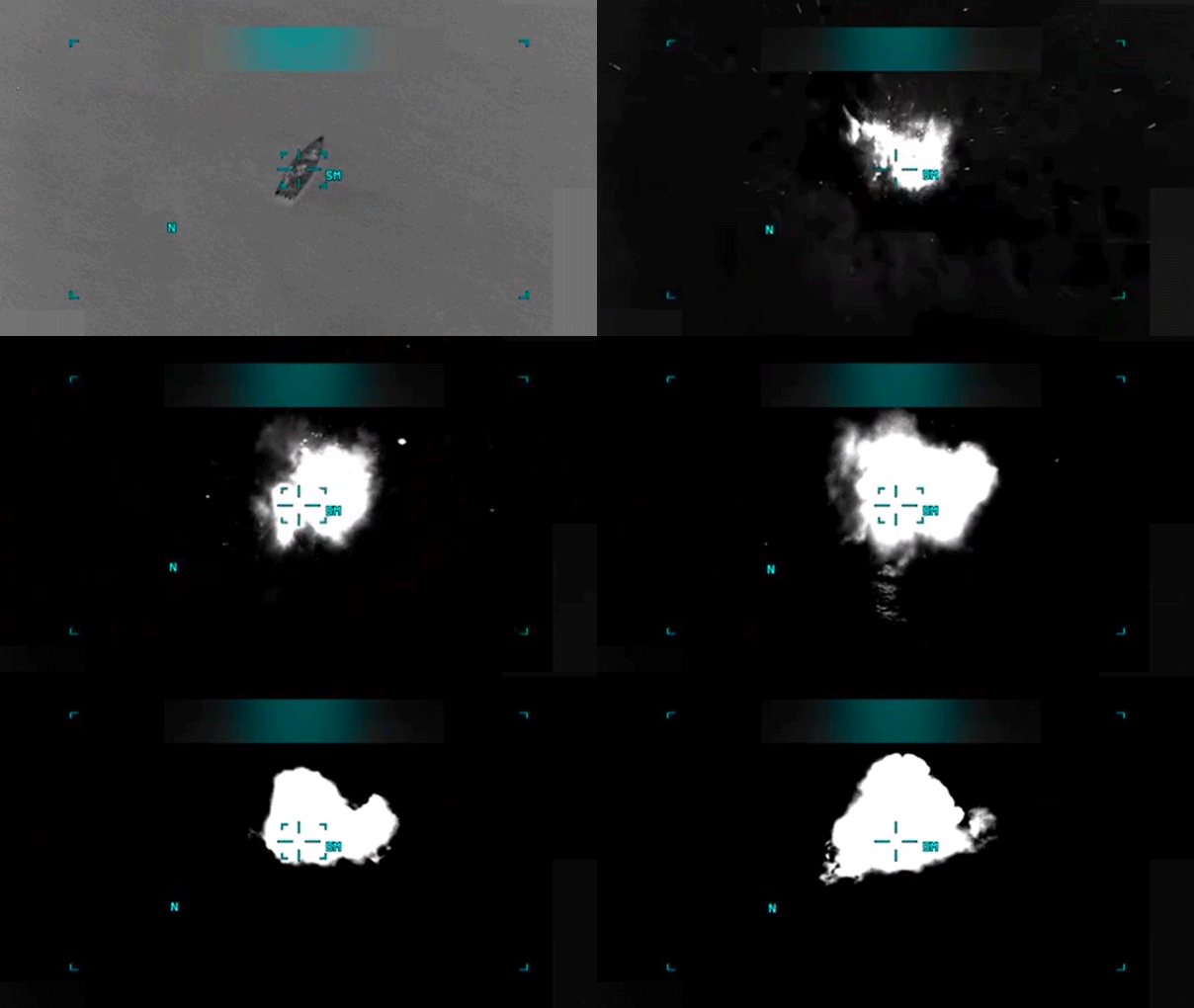
President Donald Trump directed a deadly strike on a suspected drug-running boat, War Secretary Pete Hegseth said Oct. 3. 2025. (SecWar/X)
Meanwhile, the commander of U.S. Southern Command (SOUTHCOM), whose area of operations includes the Caribbean waters where the strikes against the alleged drug boats have been conducted, announced Thursday he is retiring suddenly by the end of 2025.
Navy Adm. Alvin Holsey, who became the commander of SOUTHCOM in November 2024, said that he will retire from the Navy in December in a highly unusual move. No reason for his abrupt exit was provided, and the Pentagon did not respond to a request for comment from Fox News Digital.
However, the New York Times reported Thursday that Holsey had raised concerns and questions about the strikes against the alleged drug boats.
«Never before in my over 20 years on the committee can I recall seeing a combatant commander leave their post this early and amid such turmoil,» Smith said. «I have also never seen such a staggering lack of transparency on behalf of an Administration and the Department to meaningfully inform Congress on the use of lethal military force.»
«It is time for House Republicans to return to the Capitol and negotiate with Democrats so that we can all get back to doing our jobs for the sake of our national security and national defense,» Smith said.
The House has been out of session since September, and, since then, the government has entered a partial shutdown due to a lapse in funding.
HOW TRUMP’S STRIKES AGAINST ALLEGED NARCO-TERRORISTS ARE RESHAPING THE CARTEL BATTLEFIELD: ‘ONE-WAY TICKET’
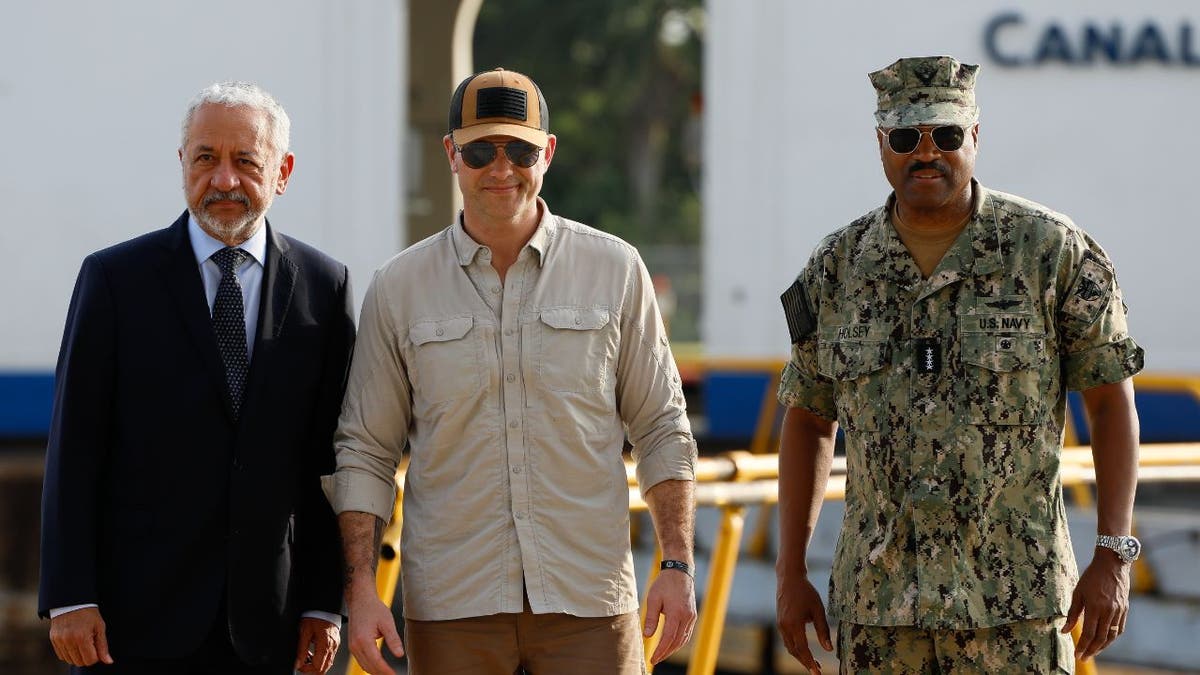
Department of War Secretary Pete Hegseth visits to the Panama Canal on April 08, 2025 in Panama City, Panama. Panama Canal Administrator Dr. Ricaurte Vasquez Morales welcomes Pete Hegseth. (Daniel Gonzalez/Anadolu via Getty Images)
A spokesperson for Johnson did not immediately respond to a request for comment from Fox News Digital.
Smith isn’t the only one pressing for more information on Trump’s war on drugs. Lawmakers in the Senate — including some Republicans — also are pushing for greater oversight on the strikes, and have called into question whether the strikes were even legal as Trump weighs land operations next.
On Friday, Sens. Adam Schiff, D-Calif., Tim Kaine, D-Va., and Rand Paul, R-Ky., introduced a war powers resolution that would prohibit U.S. armed forces from participating in «hostilities» against Venezuela.
«The Trump administration has made it clear they may launch military action inside Venezuela’s borders and won’t stop at boat strikes in the Caribbean,» Schiff said in a Friday statement.
«In recent weeks, we have seen increasingly concerning movements and reporting that undermine claims that this is merely about stopping drug smugglers,» Schiff said. «Congress has not authorized military force against Venezuela. And we must assert our authority to stop the United States from being dragged — intentionally or accidentally — into full-fledged war in South America.»
Trump has brushed off lawmakers’ concerns about the legality of the strikes, and said Oct. 14 that the alleged drug vessels are «fair game» because they are «loaded up with drugs.»
congress,pentagon,white house,venezuelan political crisis,defense

El futuro gabinete de Milei: los ministros que se van, los que tienen un pie afuera y los candidatos para la renovación

Milei ratificó que hará cambios en el gabinete: “El 26 a la noche veré qué tipo de equipo necesito”

Thiago Medina dio su primera entrevista tras el grave accidente y contó todo: “Estoy vivo gracias a…”

Experts urge Trump to ban terror-linked UN agency from his Gaza peace plan

Milei aterrizó en Córdoba para cerrar la campaña de La Libertad Avanza junto a sus candidatos

Las claves para no pagar de más al tributar Ingresos Brutos

Un juez federal rechazó el habeas corpus presentado por Lázaro Báez y ordenó trasladarlo a la cárcel de Ezeiza

La fuerte actitud de Manu Urcera con Indiana Cubero que reveló la verdad de la interna familiar: “El saludo del piloto a la hija de Nicole Neumann por su cumpleaños”

La cruda confesión del Turco Naim a 1 año de la separación de Emilia Attias: «Me di cuenta que hay que aprender a estar solo»

“El Pollo” Carvajal revela cómo Chávez pagaba a Kirchner, Lula y Petro con dinero del narcotráfico

 CHIMENTOS3 días ago
La fuerte actitud de Manu Urcera con Indiana Cubero que reveló la verdad de la interna familiar: “El saludo del piloto a la hija de Nicole Neumann por su cumpleaños”
- CHIMENTOS2 días ago
La cruda confesión del Turco Naim a 1 año de la separación de Emilia Attias: «Me di cuenta que hay que aprender a estar solo»
- POLITICA3 días ago
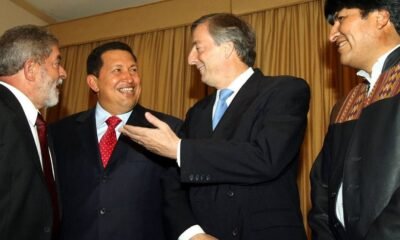
“El Pollo” Carvajal revela cómo Chávez pagaba a Kirchner, Lula y Petro con dinero del narcotráfico