INTERNACIONAL
Soros’ alleged ties to Russiagate exposed in declassified annex of Durham report


NEWYou can now listen to Fox News articles!
The credible foreign sources indicating the FBI and the Obama administration would play a role in spreading the salacious Trump-Russia narrative — before the bureau ever launched its probe — were allegedly tied to George Soros’ Open Society Foundation, according to an explosive document declassified Thursday morning.
The appendix to former Special Counsel John Durham’s report released by the Senate Judiciary Committee sheds stunning light on what Chairman Chuck Grassley describes as «one of the biggest political scandals and cover-ups in American history.»
CIA Director John Ratcliffe, Director of National Intelligence Tulsi Gabbard, FBI Director Kash Patel, and Attorney General Pam Bondi worked in coordination to declassify the information.
FBI’S CONTROVERSIAL TRUMP-RUSSIA ACTIONS PREDICTED WITH ‘ALARMING SPECIFICITY’ BY FOREIGN ACTORS: SOURCES
Before its official release, sources exclusively briefed Fox News Digital on some of the contents of the appendix— including that the U.S. intelligence community had credible foreign sources indicating that the FBI would play a role in spreading the salacious Trump–Russia collusion narrative — before the bureau ever launched its controversial Crossfire Hurricane probe.
(George Soros (left) and Hillary Clinton (right) )
A source familiar with the contents of the classified appendix told Fox News Digital that while it may not have been exactly clear in the moment what the intelligence collection meant, with the benefit of hindsight, it predicted the FBI’s next move «with alarming specificity.»
The appendix reveals that the foreign sources were allegedly tied to George Soros’ Open Society Foundations.
The appendix said that Russian government actors in 2016 reportedly hacked emails from the Open Society Foundations, formerly known as the Soros Foundation.
«Two of the apparently hacked emails appear to have originated from the Open Society Foundations,» the appendix states, noting that the purported author of these emails was Leonard Bernardo, who was the regional director for Eurasia at the Open Society Foundations.
«During the first stage of the campaign, due to lack of direct evidence, it was decided to disseminate the necessary information through the FBI-affiliated…technical structures… in particular, the Crowdstrike and ThreatConnect companies, from where the information would then be disseminated through leading U.S. publications,» Bernardo reportedly wrote in an email, per the appendix.
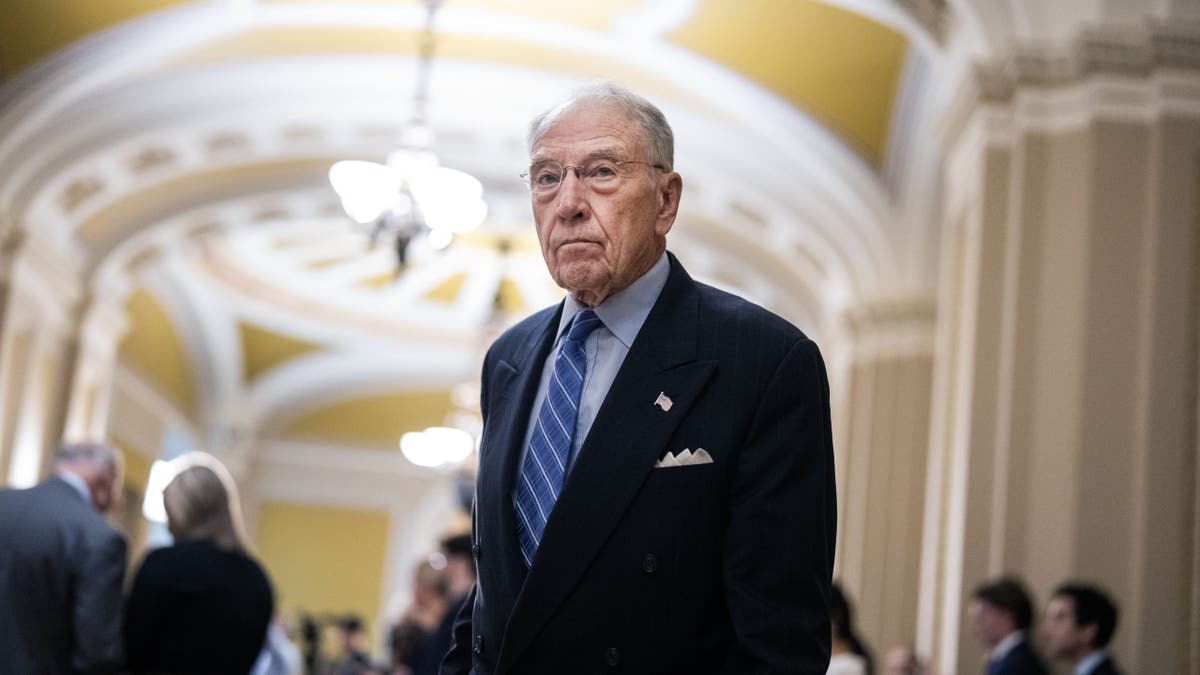
The appendix to former Special Counsel John Durham’s report released by the Senate Judiciary Committee sheds stunning light on what Chairman Chuck Grassley describes as «one of the biggest political scandals and cover-ups in American history.» (Tom Williams/CQ-Roll Call, Inc via Getty Images)
«The media analysis on the DNC hacking appears solid…. Julie (Clinton Campaign Advisor) says it will be a long-term affair to demonize Putin and Trump. Now it is good for a post-convention bounce,» Bernardo allegedly wrote, per the appendix. «Later the FBI will put more oil into the fire.»
Another email reportedly from Bernardo states: «HRC (Hillary Rodham Clinton) approved Julie’s idea about Trump and Russian hackers hampering U.S. elections.»
«This should distract people from her own missing email, especially if the affair goes to the Olympic level,» Bernardo continued, per the annex. «The point is making the Russian play a U.S. domestic issue. Say something like a critical infrastructure threat for the election to feel manic since both POTUS and VPOTUS have acknowledge the fact IC would speed up searching for evidence that is regrettably still unavailable.»
Crossfire Hurricane, the FBI’s Trump–Russia investigation, was opened just several days later, on July 31, 2016.
The appendix reveals that Durham’s team interviewed numerous FBI personnel involved in the Crossfire Hurricane probe. Durham said those he interviewed believed the Bernardo emails to be «likely authentic.»
Durham’s appendix states that the Clinton campaign «might have wanted or expected the FBI or other agencies to aid that effort («put more oil into the fire») by commencing a formal investigation of the DNC hack.»
PATEL FOUND THOUSANDS OF SENSITIVE TRUMP–RUSSIA PROBE DOCS INSIDE ‘BURN BAGS’ IN SECRET ROOM AT FBI
Communications the Durham team reviewed additionally supported that the Clinton campaign was allegedly engaged in a plan to tie Trump to Russia, and that the campaign wanted or expected the office of the vice president, the FBI or other parts of the intelligence community, such as the State Department’s Bureau of Intelligence and Research (INR), to aid that effort.
«The Office’s best assessment is that the … emails that purport to be from Bernardo were ultimately a composite of several emails that were obtained through Russian intelligence hacking of the U.S.-based Think Tanks, including the Open Society Foundations, the Carnegie Endowment, and others,» the Durham annex states.
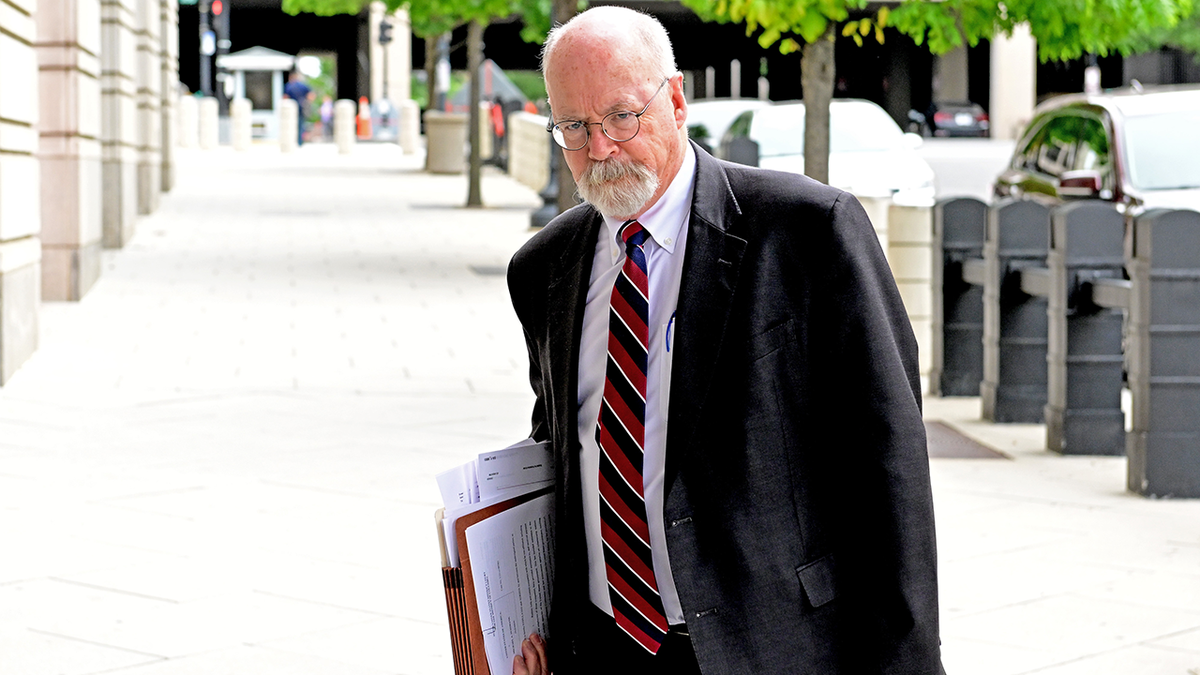
Special Counsel John Durham indicated the Department of Justice and FBI «failed to uphold their mission of strict fidelity to the law» when it launched the Trump-Russia investigation. (Ron Sachs/Consolidated News Pictures/Getty Images)
«It is a logical deduction (redacted) (Julianne) Smith was, at minimum, playing a role in the Clinton campaign’s efforts to tie Trump to Russia,» Durham writes, also noting that the communications reviewed «certainly lends at least some credence that such a plan existed.»
In 2020, Fox News Digital exclusively reported that former CIA Director John Brennan, in the summer of 2016, briefed former President Barack Obama and administration officials on intelligence that then-Democratic nominee former Secretary of State Clinton reportedly was stirring up a plan to tie Trump to Russia.
Ratcliffe, as director of national intelligence, declassified Brennan’s handwritten notes memorializing that meeting, which were exclusively obtained by Fox News Digital in October 2020.
On July 28, 2016, Brennan briefed Obama on a plan allegedly by one of Clinton’s campaign foreign policy advisors «to vilify Donald Trump by stirring up a scandal claiming interference by the Russian security service.»
Comey, then-Vice President Joe Biden, former Attorney General Loretta Lynch and former Director of National Intelligence James Clapper were at the Brennan–Obama briefing.
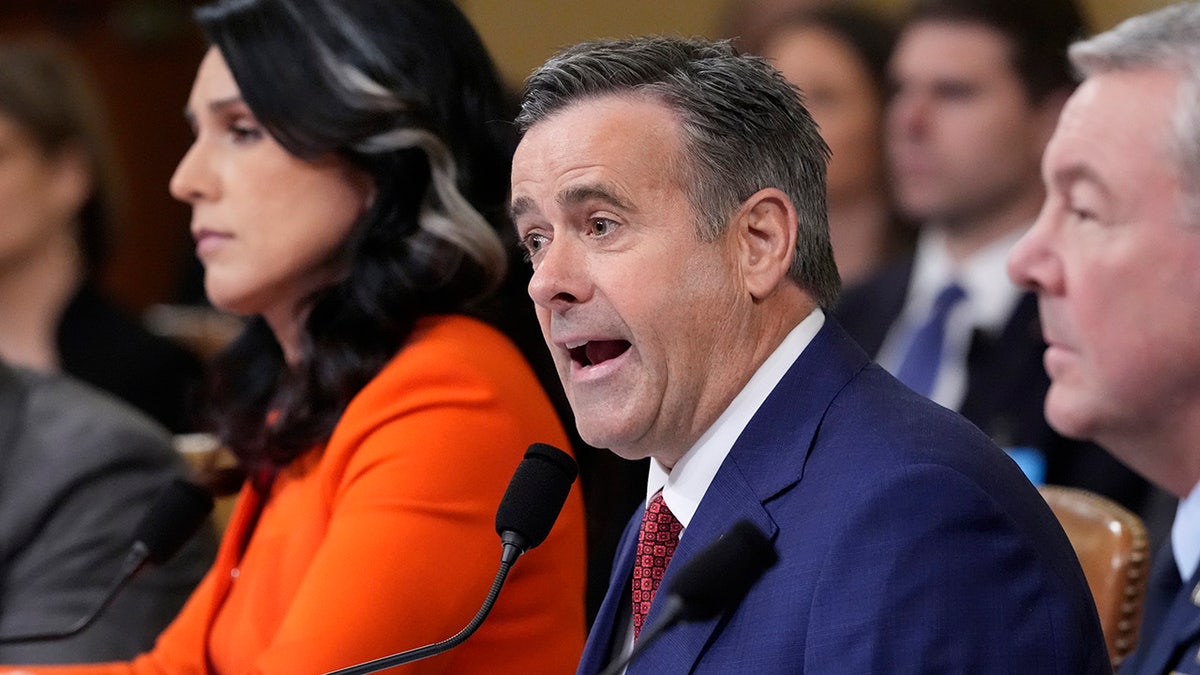
CIA Director John Ratcliffe, pictured here, Director of National Intelligence Tulsi Gabbard, FBI Director Kash Patel, and Attorney General Pam Bondi worked in coordination to declassify the information. (AP/J. Scott Applewhite)
After that briefing, the CIA properly forwarded that information through a Counterintelligence Operational Lead (CIOL) to Comey and then-Deputy Assistant Director of Counterintelligence Peter Strzok, with the subject line: «Crossfire Hurricane.»
Fox News Digital exclusively obtained and reported on the CIOL in October 2020, which stated: «The following information is provided for the exclusive use of your bureau for background investigative action or lead purposes as appropriate.»
«Per FBI verbal request, CIA provides the below examples of information the CROSSFIRE HURRICANE fusion cell has gleaned to date,» the memo continued. «An exchange (REDACTED) discussing US presidential candidate Hillary Clinton’s approval of a plan concerning US presidential candidate Donald Trump and Russian hackers hampering US elections as a means of distracting the public from her use of a private email server.»
The FBI on July 31, 2016, opened a counterintelligence investigation into whether candidate Trump and members of his campaign were colluding or coordinating with Russia to influence the 2016 campaign. That investigation was referred to inside the bureau as «Crossfire Hurricane.»
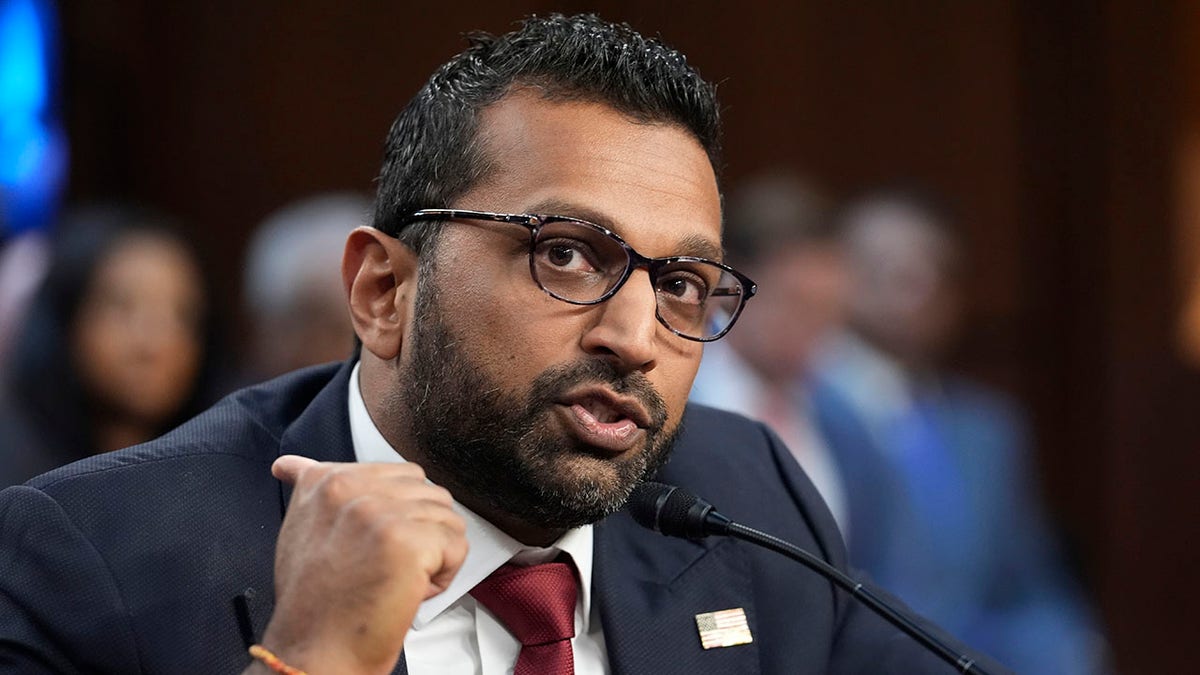
The declassification and release of the classified annex was done with close coordination between Ratcliffe, Patel, Gabbard, Bondi and acting National Security Agency Director William Hartman — along with Grassley, who ultimately released the document to the public. (AP Photo/J. Scott Applewhite, File)
The declassification and release of the classified annex was done with close coordination between Ratcliffe, Patel, Gabbard, Bondi and acting National Security Agency Director William Hartman — along with Grassley, who ultimately released the document to the public.
Meanwhile, while Ratcliffe was director of National Intelligence in 2020, he provided intelligence to Durham as part of a larger trove of more than 1,000 documents.
FLASHBACK: RATCLIFFE SAYS ODNI HAS PROVIDED NEARLY 1,000 DOCUMENTS TO DOJ TO SUPPORT DURHAM PROBE
A former senior Trump official told Fox News Digital that Ratcliffe advocated for releasing the intelligence publicly then, but that Durham, who, at the time, was expected to release an interim report prior to the 2020 election, declined on the basis that it could negatively impact his investigation, which had not yet reached a determination on potential prosecutions.
«Durham said he wanted to preserve his investigation but was going to release an interim report,» the former official told Fox News Digital. «Then he said he was afraid he’d get accused of politicization and disappeared.»
The source added: «Thankfully the real politicization is all coming to light now.»
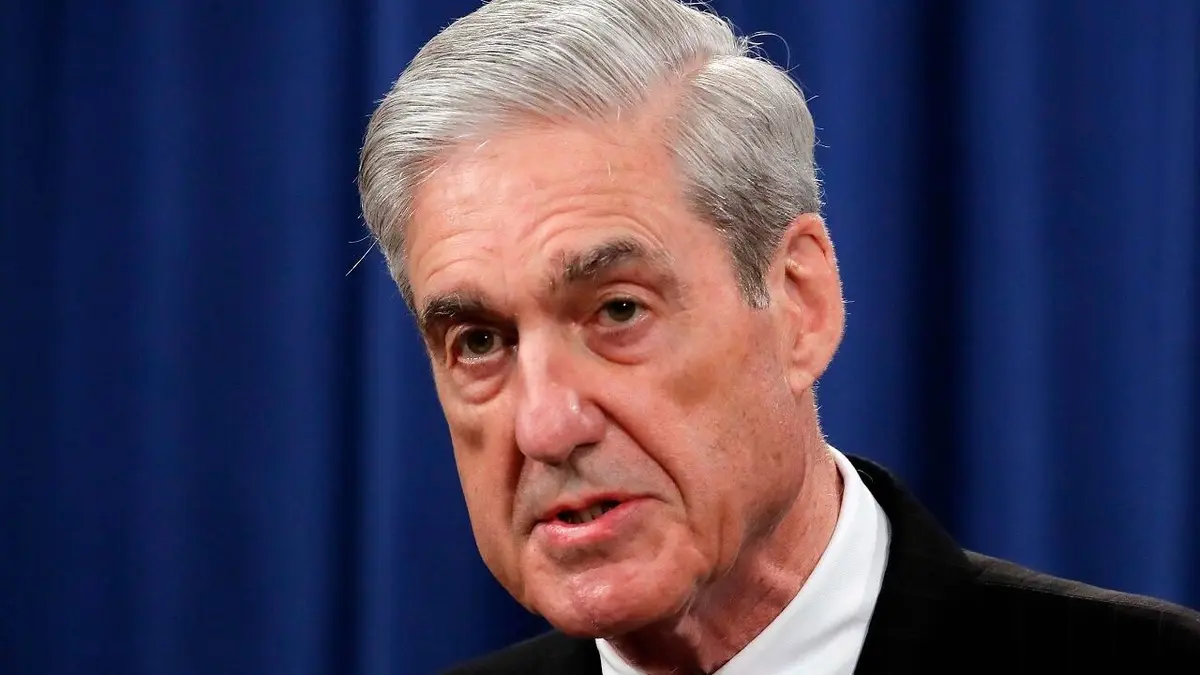
Former Special Counsel Robert Mueller was appointed to take over the FBI’s original «Crossfire Hurricane» investigation (Carolyn Kaster, File/The Associated Press )
Former Special Counsel Robert Mueller was appointed to take over the FBI’s original «Crossfire Hurricane» investigation. After nearly two years, Mueller’s investigation, which concluded in March 2019, yielded no evidence of criminal conspiracy or coordination between the Trump campaign and Russian officials during the 2016 presidential election.
Shortly after, Durham was appointed as special counsel to investigate the origins of the «Crossfire Hurricane» probe.
EXCLUSIVE: DURHAM FINDS DOJ, FBI ‘FAILED TO UPHOLD’ MISSION OF ‘STRICT FIDELITY TO THE LAW’ IN TRUMP-RUSSIA PROBE
Durham found that the FBI «failed to act» on a «clear warning sign» that the bureau was the «target» of an alleged Clinton-led effort to «manipulate or influence the law enforcement process for political purposes» ahead of the 2016 presidential election.
«The aforementioned facts reflect a rather startling and inexplicable failure to adequately consider and incorporate the Clinton Plan intelligence into the FBI’s investigative decision-making in the Crossfire Hurricane investigation,» Durham’s report states.
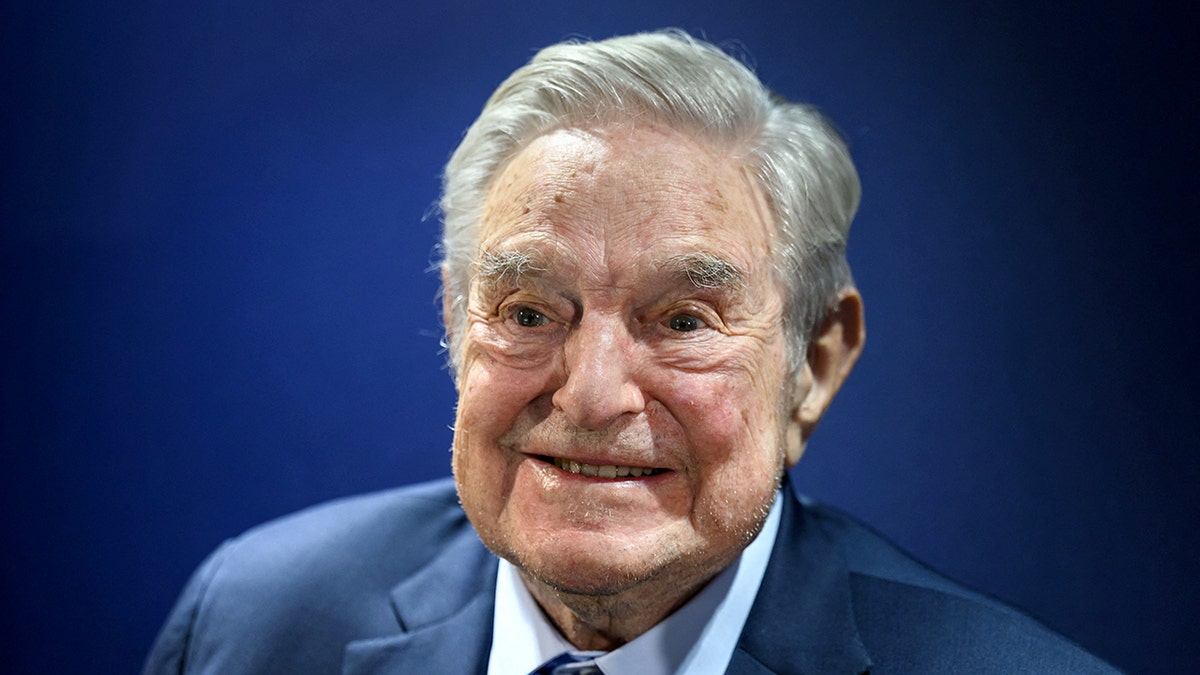
The credible foreign sources indicating the FBI and the Obama administration would play a role in spreading the salacious Trump-Russia narrative — before the bureau ever launched its probe — were allegedly tied to George Soros’ Open Society Foundation. (Fabrice Coffrini/AFP via Getty Images)
«Indeed, had the FBI opened the Crossfire Hurricane investigation as an assessment and, in turn, gathered and analyzed data in concert with the information from the Clinton Plan intelligence, it is likely that the information received would have been examined, at a minimum, with a more critical eye,» the report continued.
CLICK HERE TO GET THE FOX NEWS APP
Durham, in his report, said the FBI «failed to act on what should have been—when combined with other incontrovertible facts — a clear warning sign that the FBI might then be the target of an effort to manipulate or influence the law enforcement process for political purposes during the 2016 presidential election.»
Fox News Digital reached out to Soros and Bernardo for comment and has yet to receive a reply.
russia investigation




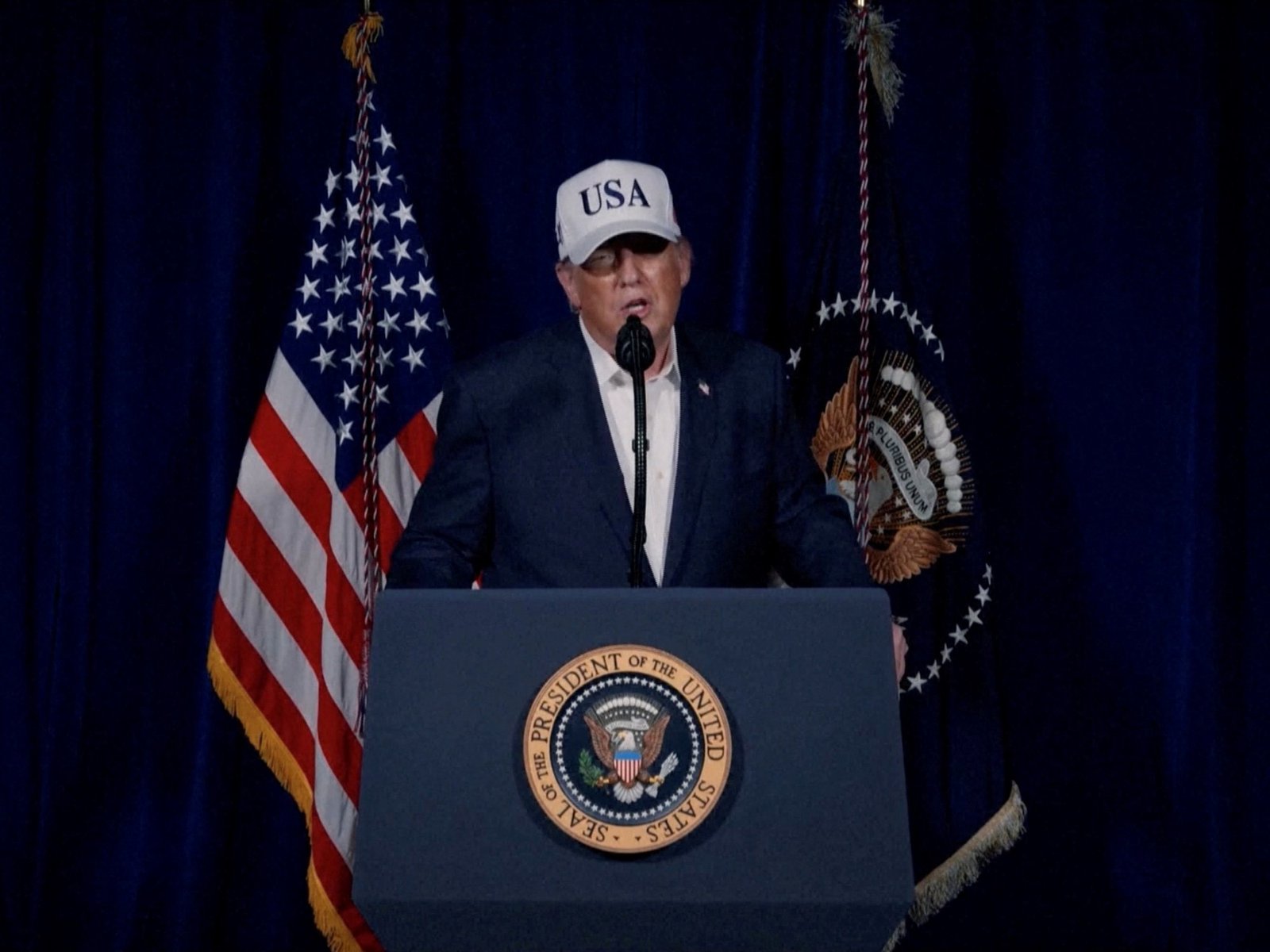
Más allá del exagerado triunfalismo con que el presidente Donald Trump describe su desempeño, es difícil no observar que esta guerra se produce, en cambio, en horas bajas de su gobierno. Y necesitado de victorias y músculo como el que exhibió en el ataque que le permitió capturar a Venezuela. El riesgo siempre son las simplificaciones.
Trump confronta un puñado de desafíos. Viene perdiendo elecciones por diferencias de más de diez puntos desde el año pasado, la economía no rinde como proclama y ha perdido en principio el control de la Corte Suprema, central para cualquier maniobra que le permita evitar convertirse en un pato rengo en las cruciales legislativas de noviembre próximo.
En ese panorama, Irán aparecería como una alternativa interesante y en el momento indicado, aunque sería un error suponer que solo aquel dilema de sobrevivencia política de Trump estaría activando esta reacción.
La revolución islámica en el país persa exhibe, es cierto, una desgastada imagen global y especialmente en la región. Acaba de masacrar a más de seis mil personas que protestaban en enero contra una crisis económica terminal, la devolución incesante de la moneda local y el costo de vida en crecimiento. Ha perdido, además, su antigua influencia regional, sin Siria que era su patio trasero, con la crisis de Hezbollah, el ejército paralelo de Líbano que ha sido descabezado y la guerra en Gaza que redujo de manera significativa al grupo ultraislámico Hamas.
Padece también una erosión significativa del tradicional nacionalismo de su población , exhausta por un régimen represivo y de modos medievales. La visible penetración de las agencias de inteligencia occidentales e israelíes en el país, se explica precisamente en esa tensión interna.
El aislamiento se agudizó últimamente cuando Arabia Saudita, entre otras potencias árabes, que es lo que principalmente atiende el presidente norteamericano, giraron su opinión contraria previa a una guerra. Habían llegado a advertir a Washington que no liberarían su espacio aéreo a los aviones militares estadounidenses. Pero recientemente, el príncipe Khaldi bin Saldam, el ministro de Defensa saudita, avisó a la Casa Blanca que si un ataque no sucede se fortalecería el régimen.
Ese comportamiento se debe precisamente a la debilidad que exhibe ahora Irán y porque constituye un obstáculo para objetivos superiores en la región. El escenario de la guerra en Gaza y más precisamente el plan de paz elaborado por Trump y sus socios árabes, no solo a nivel de nación sino de intereses de las corporaciones del presidente, está en la base de este renovado interés por remover a la implacable dictadura teocrática.
Otro dato de importancia, que se ha comentado ya en esta columna es China. Entre 80% y el 90% de todas las exportaciones de petróleo iraní terminan en refinerías de la República Popular, según las plataformas de inteligencia de mercado, Kpler y Vortexa. Equivale a entre 13 y 15% de las importaciones totales de crudo por vía marítima de China. El otro proveedor, aparte de Rusia, era Venezuela, redondeaba un 3%. Si EE.UU. acaba controlando Irán, como lo hizo con la dictadura chavista, atragantará una vía energética crucial de la República Popular. Trump, quien viajará a Beijing, en abril pretendería dialogar con su colega Xi Jinping con esa victoria en su mochila.
El ataque parecía hace tiempo inevitable por todas estas razones. No se despliega, además, una flota del tamaño que colocó EE.UU. en la región, con dos portaviones, uno de ellos, el mayor del mundo, si no es para ser utilizada. La cuestión más profunda es si este conflicto podrá ser encapsulado. Portales bien informados como Axios, indicaron con fuente gubernamentales, que se encamina a un conflicto que no será breve sino una guerra “en toda la regla”, según indicaron funcionario norteamericanos.
Pero tampoco es claro si será una sencilla victoria. Irán desde ya no es Venezuela, si es que realmente esa comparación ha estado en el arenero militar. El jefe del Estado Mayor Conjunto, general Dan Caine, planteó en reuniones del Consejo de Seguridad Nacional que una campaña prolongada contra Irán implicaría riesgos significativos. Entre las principales preocupaciones figuran el número potencial de bajas y la limitada disponibilidad de municiones de precisión para sostener ataques intensivos durante varias semanas.
Trump salió primero a desmentir que esa advertencia haya existido y luego a sostener que si se iniciaba la operación “seria fácil de ganar”. Lo necesita para calmar a su base más vertical que compró sus discursos de campaña respecto a que Estados Unidos no se involucraría en otros conflictos bélicos alrededor del mundo. Hoy en su país muchos se preguntan el sentido de esta guerra y eso también debilita su posición.
La apuesta es que el enojo social en Irán acelere la caída del régimen y que sea rápido de la mano además de un gobierno interno del presidente Masoud Pezeshkian, no necesariamente alineado con el líder Supremo, Ali Khamenei. Pero es solo una apuesta. El país persa cuenta con un poder misilístico significativo y fuerte capacidad de producir daño, también en las fuerzas norteamericanas. El propio Trump admitió esos costos: «Es posible que se pierdan las vidas de valientes héroes estadounidenses y que tengamos bajas. Eso suele ocurrir en la guerra. Pero no lo hacemos por ahora, lo hacemos por el futuro, y es una misión noble».
Se puede intuir que la Guardia Revolucionaria, que es una fuerza militar, pero que también controla casi la mitad de la economía del país, enfrentará esta crisis aunque posiblemente también ellos apuntando a que sea el poder real con el cual negociar la posguerra. Es otra apuesta que se verá si está sobre la mesa.
NEWYou can now listen to Fox News articles!
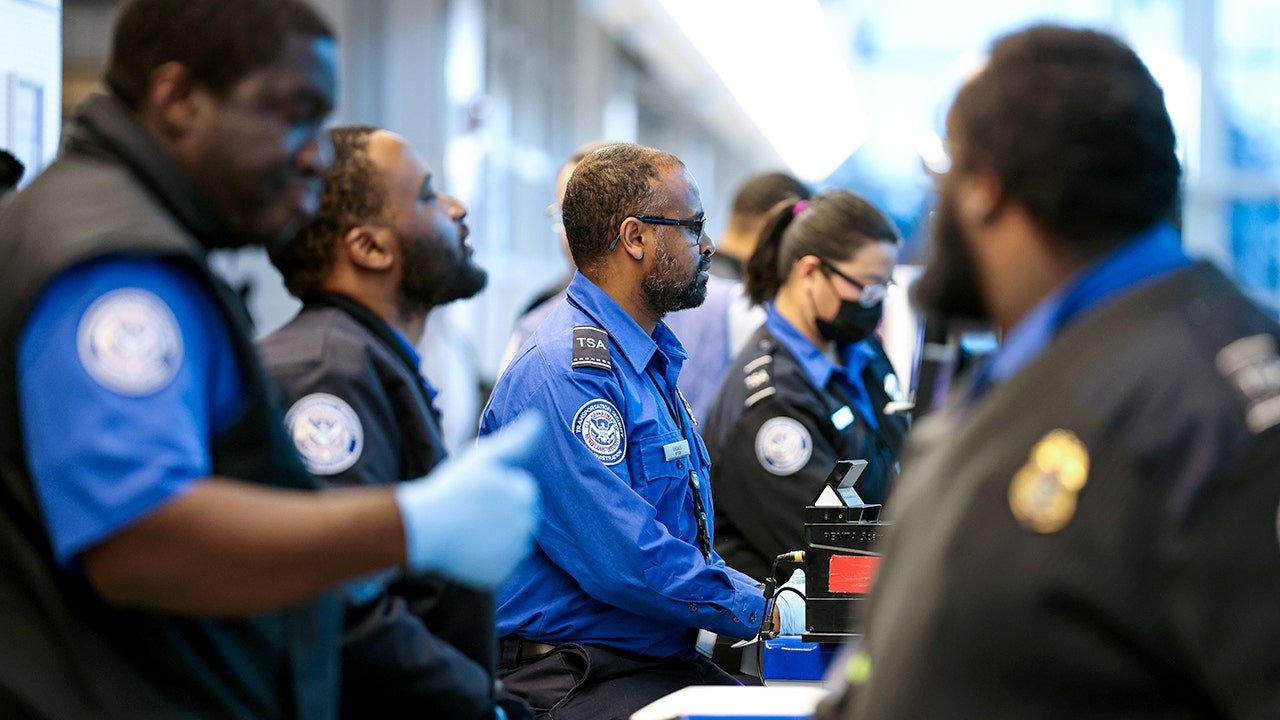
Transportation Security Administration (TSA) workers are on the cusp of working without pay, and there is no backup plan in place to ensure they don’t miss a check.
During the longest government shutdown in history last year, the White House was able to shift around funding from the GOP’s «big, beautiful bill» to ensure that military service members were paid. But TSA workers won’t get the same treatment.
Over 60,000 TSA workers are set to receive partial paychecks this week for the work they did before funding expired earlier this month. They won’t get another paycheck until Congress can land on a deal to fund the agency.
TSA agents scan luggage at Ronald Reagan Washington National Airport in Arlington, Va. (Valerie Plesch/Getty Images)
And the likelihood of that wrapping sooner rather than later is low.
Senate Majority Leader John Thune, R-S.D., said that if the Trump administration could «figure out a way to pay government employees, absolutely.»
«I mean, these are people who have jobs and have commitments and have families,» Thune said. «And, you know, it’s going to be really unfortunate if we get to a point where I hope we don’t, where people aren’t getting paid because the Democrats continue to insist on changes to things that are just not feasible or tenable.»
DHS SHUTDOWN EXPLAINED: WHO WORKS WITHOUT PAY, WHAT HAPPENS TO AIRPORTS AND DISASTER RESPONSE
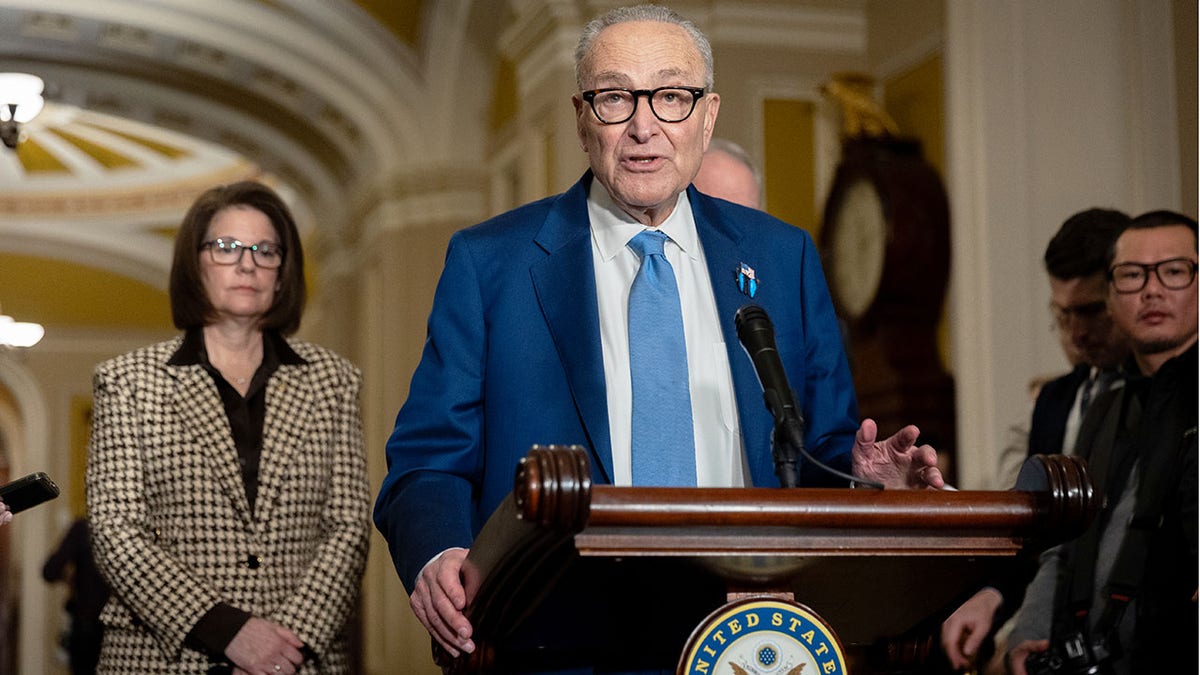
Senate Minority Leader Chuck Schumer, D-N.Y., and his caucus have not relented in their position as DHS enters its 14th day of being shut down. (Nathan Posner/Anadolu via Getty Images)
But a White House official told Fox News Digital in a statement that, like the 43-day shutdown, the Trump administration would be able to transfer funding «to cover certain employees at DHS that were funded by the bill — namely law enforcement and active-duty military such as USCG.»
«TSA has not been part of that, as they have a different funding stream from these other agencies,» the official said.
Republicans believe that a key difference maker in the shutdown could be longer lines at airports and flight cancellations start to stack up as workers go without pay and take time off. A similar scenario played out during the previous shutdown, when cancellations compounded day after day.
«When people start missing paychecks, and you start having disruptions in travel and that sort of thing, it’s going to get more and more painful,» Thune said. «So it’d be nice to fix this before and to avoid all that, but we’ve got to have a partner that actually wants to make a deal.»
DEMOCRATS DEMANDING ICE REFORMS LOSE AIRPORT ESCORTS IN SHUTDOWN THEY TRIGGERED

Senate Majority Leader John Thune, R-S.D., again tried to ram a full-year funding bill to reopen the Department of Homeland Security but was blocked by Senate Democrats for a second time. (Michael M. Santiago/Getty Images)
The White House and Senate Democrats, led by Senate Minority Leader Chuck Schumer, D-N.Y., have been at odds over finding a compromise deal to fund the Department of Homeland Security (DHS), with hopes for a quick resolution to the ongoing shutdown quickly fading this week.
Both sides have rejected back-and-forth offers over the last two weeks. Senate Democrats argued that, for now, whether the agency would be reopened and TSA workers get paid was in the White House and Republicans’ hands.
Senate Democrats portrayed negotiations as having totally flatlined and put the onus of further conversations on the Trump administration.
CLICK HERE TO DOWNLOAD THE FOX NEWS APP
«We told them what our priorities were, they answered with a very, very weak, limited response,» Sen. Patty Murray, D-Wash., said. «And we said, ‘No, this is what our requests were. We made a few changes,’ nothing back.»
When asked if she believed the White House was negotiating in good faith, Murray said, «Not yet.»
But Senate Republicans said that talks were happening on the side among members.
Sen. Katie Britt, R-Ala., hoped that she could convince enough Senate Democrats to come around and ensure that TSA agents, and others, wouldn’t go without pay for the foreseeable future.
«I am working on talking to people,» Britt said.
Related Article

politics,senate,government shutdown,donald trump,general
INTERNACIONAL
World leaders split over military action as US-Israel strike Iran in coordinated operation
NEWYou can now listen to Fox News articles!
World leaders reacted swiftly Saturday after the United States and Israel launched strikes on Iran, exposing a deep divide between governments backing the attack on Iran and those warning the attacks risk a wider regional war.
In a joint statement, Canada’s Prime Minister Mark Carney and Foreign Minister Anita Anand voiced firm support saying, «Canada supports the United States acting to prevent Iran from obtaining a nuclear weapon and to prevent its regime from further threatening international peace and security.» The statement described Iran as «the principal source of instability and terror throughout the Middle East» and stressed it «must never be allowed to obtain or develop nuclear weapons.»
Australian Prime Minister Anthony Albanese also endorsed the action, writing on X, «Australia stands with the brave people of Iran in their struggle against oppression.» He confirmed Australia supports «the United States acting to prevent Iran from obtaining a nuclear weapon,» while activating emergency consular measures and urging Australians to leave Iran if safe.
The United Kingdom said Iran «must never be allowed to develop a nuclear weapon.» U.K. Prime Minister Keir Starmer’s office said he was speaking with the leaders of France and Germany «as part of a series of calls with allies.»
A person holds an image of Iran’s Supreme Leader Ayatollah Ali Khamenei as Iranian demonstrators protest against the U.S.-Israeli strikes, in Tehran, Iran, Feb. 28, 2026. (Majid Asgaripour/WANA (West Asia News Agency) )
French President Emmanuel Macron warned, «The outbreak of war between the United States, Israel and Iran carries grave consequences for international peace and security.» He added, «The ongoing escalation is dangerous for all. It must stop,» and called for an urgent meeting of the United Nations Security Council.
European Union foreign policy chief Kaja Kallas described developments as «perilous,» saying Iran’s «ballistic missile and nuclear programmes… pose a serious threat to global security,» while emphasizing that «Protection of civilians and international humanitarian law is a priority.»
Spain openly rejected the strikes. Socialist Prime Minister Pedro Sánchez said, «We reject the unilateral military action by the United States and Israel, which represents an escalation and contributes to a more uncertain and hostile international order.»
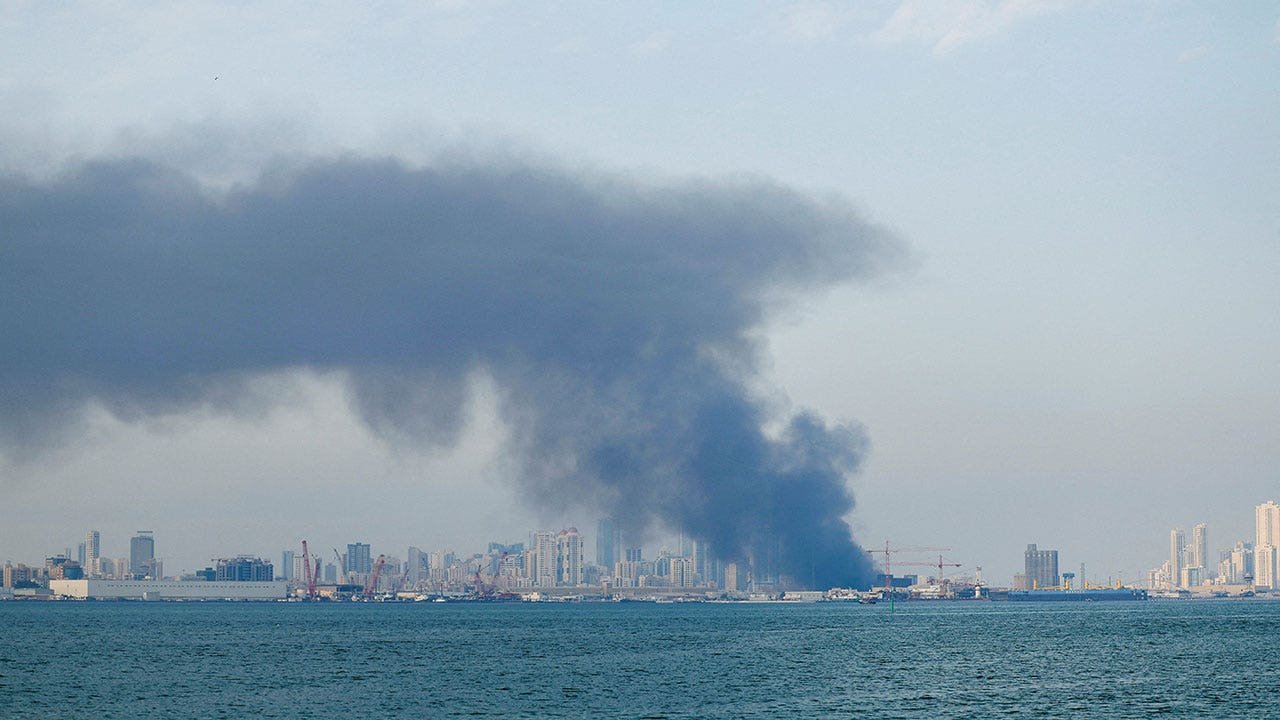
Meanwhile, Gulf states responded to reported Iranian missile activity.
Saudi Arabia’s Foreign Ministry said, «The Kingdom of Saudi Arabia condemns and denounces in strongest terms the blatant Iranian aggression and the flagrant violation of the sovereignty of the UAE, Bahrain, Qatar, Kuwait, and Jordan.» It affirmed «its full solidarity with and unwavering support for the brotherly countries» and warned of «grave consequences resulting from the continued violation of states’ sovereignty and the principles of international law.»
The United Arab Emirates’ Ministry of Defense said the country «was subjected to a blatant attack involving Iranian ballistic missiles,» adding that air defense systems «successfully intercepted a number of missiles.» Authorities said falling debris in a residential area caused «one civilian death of an asian nationality» and material damage.
The ministry called the attack «a dangerous escalation and a cowardly act that threatens the safety of civilians and undermines stability,» and stated the UAE «reserves its full right to respond.»
UN’S ATOMIC AGENCY’S IRAN POLICY GETS MIXED REVIEWS FROM EXPERTS AFTER US-ISRAEL ‘OBLITERATE’ NUCLEAR SITES
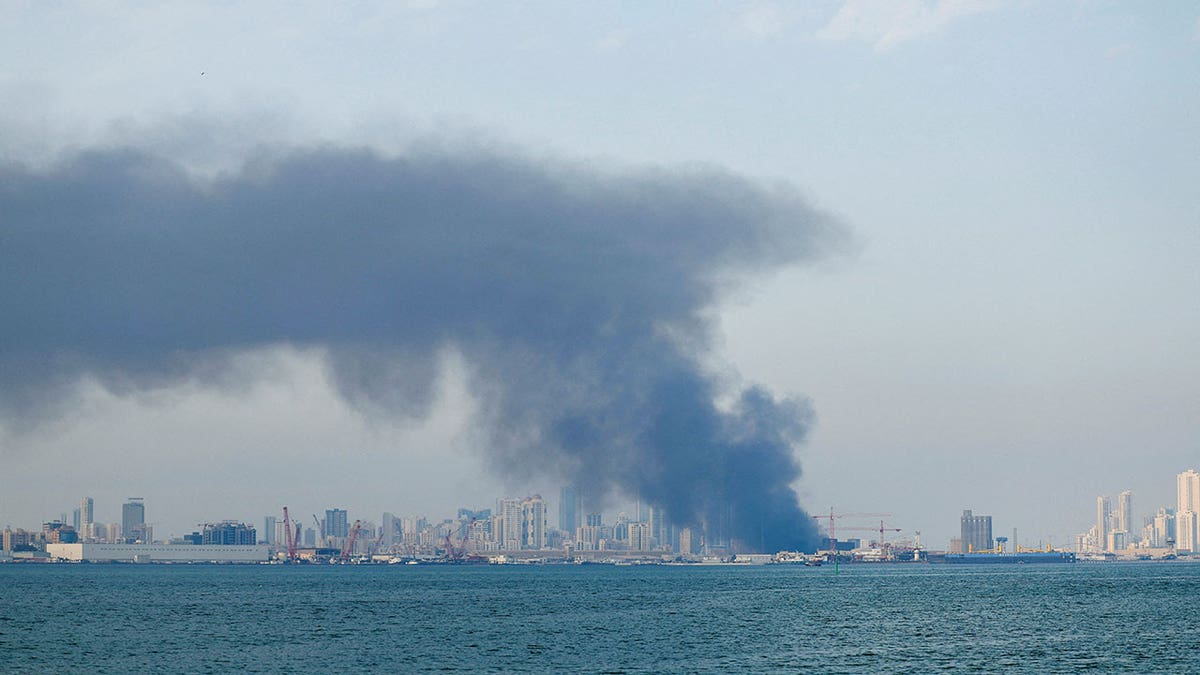
Smoke rises after reported Iranian missile attacks, following strikes by the United States and Israel against Iran, in Manama, Bahrain, Feb. 28, 2026. (Reuters)
Pakistan’s Foreign Ministry said Deputy Prime Minister and Foreign Minister Mohammad Ishaq Dar «strongly condemned the unwarranted attacks against Iran» and called for «urgent resumption of diplomacy.»
Turkey’s Foreign Minister Hakan Fidan held calls with counterparts across the region, a Turkish Foreign Ministry source told Reuters. The discussions focused on «possible steps to be taken to help bring an end to the attacks.»
Ukraine’s President Volodymyr Zelenskyy directly linked the developments to Russia’s war against his country.
«Although Ukrainians never threatened Iran, the Iranian regime chose to become Putin’s accomplice and supplied him with ‘shahed’ drones,» Zelenskyy wrote, adding that Russia has used «more than 57,000 shahed-type attack drones against the Ukrainian people.»
«It is important that the United States is acting decisively,» he said. «Whenever there is American resolve, global criminals weaken.»
Russia sharply criticized the operation. Dmitry Medvedev, deputy chairman of Russia’s Security Council, said, «All negotiations with Iran are a cover operation.»
CLICK HERE TO DOWNLOAD THE FOX NEWS APP
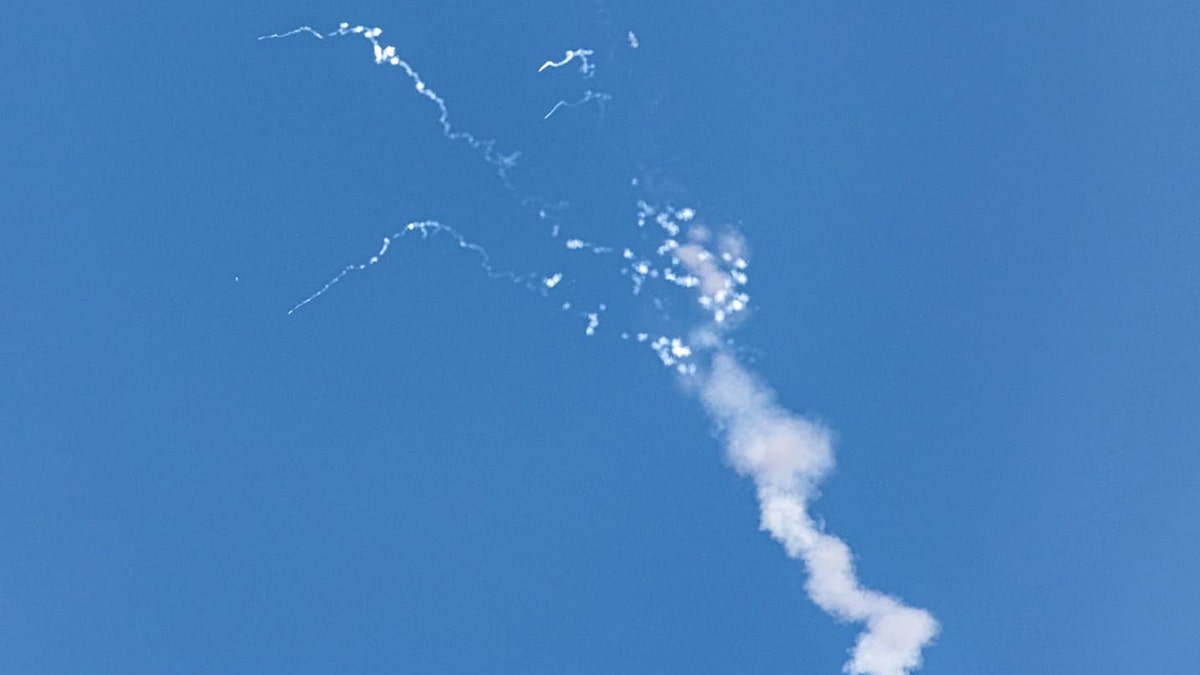
An interception is visible in the sky over Haifa during the latest barrage. (Anthony Hershko/TPS-IL)
Lebanese Prime Minister Nawaf Salam warned, «We will not accept anyone dragging the country into adventures that threaten its security and unity.»
Norwegian Foreign Minister Espen Barth Eide said the strike «is not in line with international law.»
Reuters contributed to this report.
Related Article
iran,us,israel,donald trump,wars,bombings,united nations,europe,middle east,russia,volodymyr zelenskyy,united kingdom,the european union

La noche de terror que pasó Alejandra Maglietti con su bebé de 6 meses: «A las 4 de la mañana lo agarré y estaba todo meado»

Tras la sanción de la reforma laboral, qué cambia para los repartidores de Pedidos YA, Rappi y otras aplicaciones

En Alemania tiran la toalla con Schlotterbeck

Exclusivo: hallaron otro banco en EEUU que manejó fondos de la AFA y giró USD 3 millones a empresas fantasma

En foco: Donald Trump y una nueva guerra en Oriente Medio ¿sólo por Irán?

“Les metimos 7″: el llamativo festejo de Patricia Bullrich tras la aprobación de la reforma laboral

Jorge Macri prepara su discurso para abrir el año legislativo: el deseo de reelección y el espejo en Bukele

Crisis en la industria: otra multinacional se achica y cierra una planta en la Argentina

Alarma por la salud de Divina Gloria tras salir de Gran Hermano: “La internaron directamente en terapia intensiva”

Catherine Fulop contó el difícil momento que atraviesa su madre en Venezuela: “Está postrada”

 ECONOMIA3 días ago
Crisis en la industria: otra multinacional se achica y cierra una planta en la Argentina
- CHIMENTOS2 días ago
Alarma por la salud de Divina Gloria tras salir de Gran Hermano: “La internaron directamente en terapia intensiva”
- CHIMENTOS3 días ago
Catherine Fulop contó el difícil momento que atraviesa su madre en Venezuela: “Está postrada”