INTERNACIONAL
State Department breaks down plan to deal with Columbia, Hamas, Rubio taking on NSA


As the Trump administration speeds past the 100-day mark, various conflicts around the globe are in a much different place than when the president took office.
It has been nearly 600 days since the Oct. 7 Hamas attack on Israel. Not only did the act of terrorism launch a full-scale war in the Middle East, but it also facilitated a chaotic wave of pro-Palestinian and pro-Israeli clashes at home.
«We’re guided by two principles that are guiding our approach to this conflict. The first is that we stand with Israel and Israel’s right to defend itself. And the second is that Hamas must release the hostages,» U.S. Department of State Deputy spokesperson Tommy Pigott told Fox News Digital. «Those are the two guiding principles. And then we’re looking at the long-term here in terms of what this is going to look like as a long-term solution to this conflict. Hamas cannot continue to exist.»
A New York Times opinion article ran last week, titled «This Israeli Government Is Not Our Ally,» just days before nearly 80 students were arrested during pro-Palestinian protests at Columbia University in New York, illustrating that the strains between the two groups remain and the rise in antisemitism is still rampant.
«When it comes to some of these protests, and I use that word even somewhat lightly in terms of I don’t even know if that’s the best way to describe them, the secretary has been clear, the president has been clear, there’s going to be zero tolerance for people that are here on visas that break our laws, that support or promote terrorism in the United States,» Pigott added.
NETANYAHU PLEDGES ‘FULL FORCE’ TO ‘COMPLETE’ FIGHT AGAINST HAMAS IN COMING DAYS
Hamas terrorists take up positions ahead of a hostage release in Deir al-Balah, central Gaza Strip on Saturday Feb. 8, 2025. (AP)
TRUMP OFFICIAL TARGETED IN BIDEN-ERA ‘DISINFORMATION’ DOSSIER STILL UNDER WRAPS DAYS AFTER RUBIO REVELATION
«When you’re looking at that visa process, again, speaking from the State Department’s perspective, there’s a vetting process to enter the United States for a visa,» Pigott explained. «We’re constantly monitoring the fact of, are you actually abiding by that visa? Are you [a student] doing things that are breaking our laws? And if you do, your visa may be revoked.»
Overseas, Hamas freed the last living American hostage, Edan Alexander, reportedly to appease President Donald Trump.
Israel issued an evacuation warning for Yemeni ports after bombing the nation’s main airport last week.
While the U.S. and the Houthis reached ceasefire agreements, Israel continues to punch back. Pigott made clear that the U.S.’ past and future decisions to attack the Houthis are heavily dependent on Islamist organizations’ actions.
CHILDREN’S YOUTUBE STAR ‘MS. RACHEL’ TALKS TO ANTI-ISRAEL REPORTER ABOUT GAZA POSTS
«The president’s been clear, the secretary has been clear that the bombing that we saw was about freedom of navigation, protecting American interests, making sure we can have ships going through that area,» Pigott explained. «The Houthis have capitulated, but this is about their actions.»
Secretary of State Marco Rubio’s role as head of the agency got even more complicated after Mike Waltz left the National Security Administration (NSA) to serve as ambassador to the United Nations, and Trump assigned Rubio to fill the role.
Despite the increase in workload and responsibility, the State Department’s deputy spokesperson says «the results speak for themselves.»
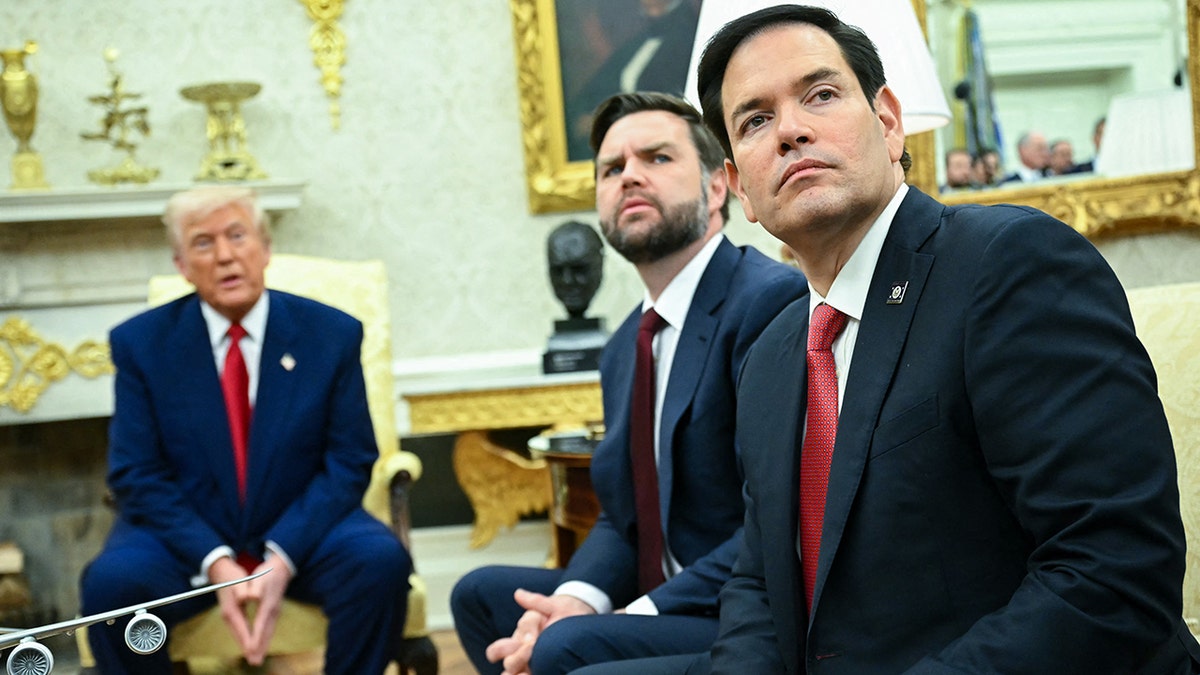
President Donald Trump, left, Vice President JD Vance and Secretary of State Marco Rubio, right, look on during a meeting with Israeli Prime Minister Benjamin Netanyahu in the Oval Office of the White House in Washington, D.C., on April 7, 2025. (SAUL LOEB/AFP via Getty Images)
CLICK HERE TO GET THE FOX NEWS APP
«Of that collaboration, of the fact that President Trump has that vision, is involved with the policy, is saying, we need to accomplish this, and Secretary Rubio helping to implement that vision,» Pigott added.
«These are men and women that are dedicated on delivering results for the American people. I mean, this past 100-plus days have been the most successful 100 days, I would argue, in history from a president.»
Preston Mizell is a writer with Fox News Digital covering breaking news. Story tips can be sent to Preston.Mizell@fox.com and on X @MizellPreston
State Department,Secretary of State,Israel,Middle East








INTERNACIONAL
Israel localizó una escuela del Líbano que era utilizada por los terroristas de Hezbollah para el almacenamiento de armas
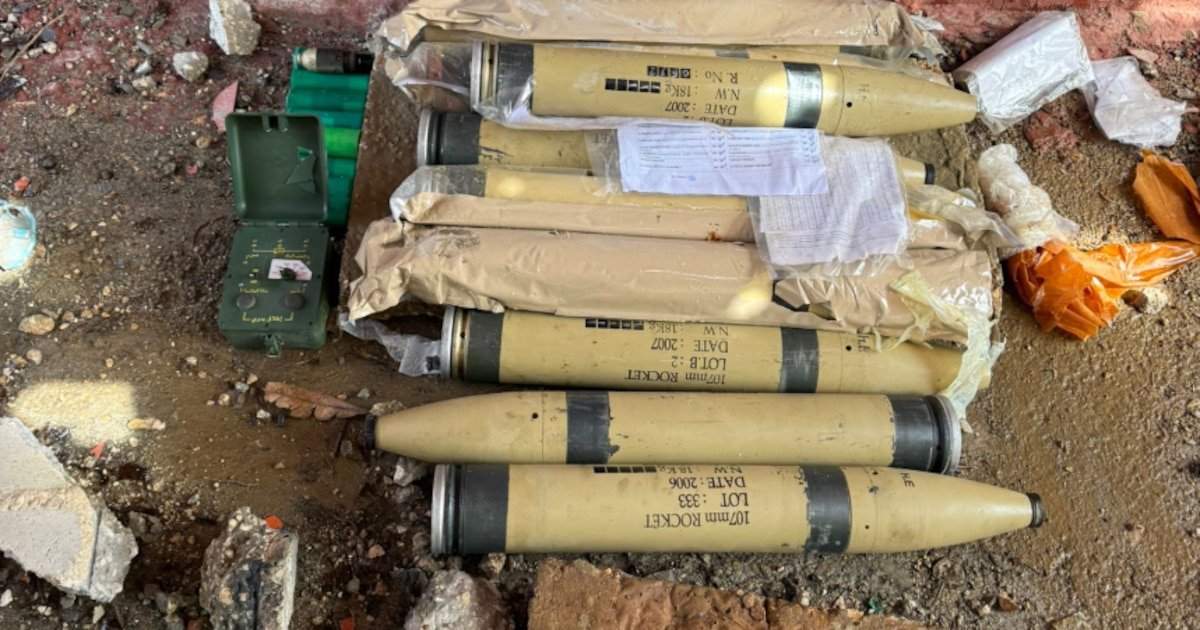
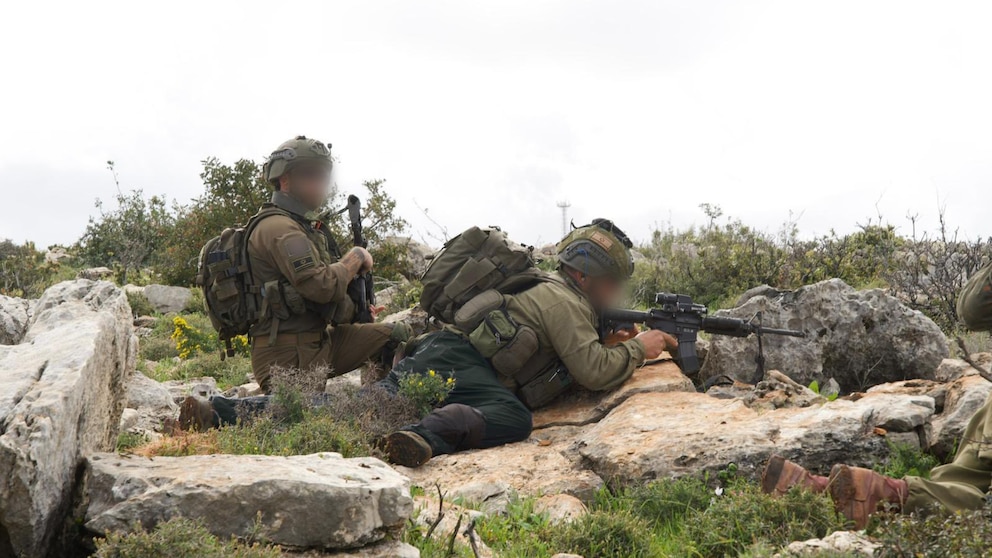
El Ejército israelí reportó este domingo el hallazgo de equipamiento militar y documentación vinculada al grupo terrorista Hezbollah en una escuela del sur de Líbano. Soldados de la Brigada Golani localizaron uniformes de combate, manuales de uso de lanzacohetes, certificados de formación de la unidad Radwan y proyectiles con sus respectivos lanzadores.
El material fue encontrado junto a cargamentos identificados como procedentes de Irán y destinados a localidades chiíes, según fuentes militares israelíes.
Durante la inspección del centro educativo, los efectivos hallaron prendas oficiales que identifican a miembros de Hezbollah, así como manuales técnicos para el manejo de armas antitanque tipo RPG.
Entre los objetos incautados figuran certificados de la fuerza Radwan, una unidad de elite del grupo chií implicada en operaciones especiales. Además, se encontraron cohetes de corto y mediano alcance, lanzadores, chalecos antibalas, cascos, artefactos explosivos y misiles antitanque.

Las Fuerzas de Defensa de Israel (FDI) también localizaron en las inmediaciones otro depósito oculto con más armas y material militar.
El ejército israelí sostiene que Hezbollah emplea infraestructuras civiles, como escuelas, para almacenar armamento y evitar ser detectado, poniendo en riesgo a la población local.
“Este tipo de hallazgos demuestra la utilización de infraestructuras escolares para fines militares”, indicó un portavoz castrense.
La operación se enmarca en un contexto de confrontación sostenida entre Israel y Hezbollah, grupo respaldado por Irán y catalogado como organización terrorista por el gobierno israelí.

Desde el inicio de la escalada, las fuerzas israelíes han intensificado los ataques aéreos y terrestres en el sur del Líbano, con el objetivo de limitar la capacidad operativa de Hezbollah y frenar el flujo de armas y recursos provenientes de Irán.
“Nuestro deber es proteger a la población civil israelí y reducir la amenaza en la frontera norte”, explicó el vocero del ejército.
El ejército israelí sostiene que los paquetes hallados estaban destinados a bastiones chiíes y contenían armas sofisticadas y documentación técnica.

Mohammad Reza Ashrafi Kahi
En paralelo a las operaciones en el sur de Líbano, Israel ha intensificado ataques selectivos contra figuras clave de la Guardia Revolucionaria iraní. Entre las últimas acciones reconocidas, el ejército israelí confirmó la eliminación en Teherán de Mohammad Reza Ashrafi Kahi, responsable de operaciones comerciales del sector petrolero del régimen.
Según fuentes militares, este organismo financia actividades y rearme militar de grupos aliados mediante la venta de hidrocarburos, eludiendo sanciones internacionales y canalizando recursos hacia Hezbollah y otros actores regionales.
El conflicto ha dejado numerosas víctimas en territorio libanés. Ataques aéreos y terrestres lanzados por Israel sobre Beirut y el sur del país han provocado decenas de muertos y heridos entre combatientes y civiles.
Según reportes oficiales, más de 1.400 personas han muerto desde el inicio de las hostilidades, entre ellas 126 menores de edad, y más de un millón de residentes han sido desplazados. Las autoridades libanesas han reportado importantes daños en viviendas e infraestructura básica.
En Kfar Hatta, una población alejada de la frontera, siete personas, incluida una niña de cuatro años, murieron tras un bombardeo israelí, pese a la orden de evacuación previa emitida por las fuerzas armadas israelíes.
El cierre temporal del paso fronterizo de Masnaa, principal enlace entre Líbano y Siria, ha agravado la crisis humanitaria y dificultado el acceso de mercancías esenciales. Israel justificó el ataque a este punto estratégico por el presunto uso para el traslado de armas y material militar por parte de Hezbollah.
El presidente libanés, Joseph Aoun, reiteró su disposición al diálogo con Israel para evitar una destrucción aún mayor en el sur del país.
“¿Por qué no negociamos… hasta que al menos podamos salvar las casas que aún no han sido destruidas?”, declaró Aoun, destacando la magnitud de los daños y el impacto de las ofensivas militares recientes en la población civil y la infraestructura libanesa.
(Con información de EFE y AFP)
cohetes,explosivos,militar,armamento,municiones,hallazgo,seguridad,conflicto,contrabando,guerra
INTERNACIONAL
El Congreso de Guatemala reanudará este 6 de abril el debate sobre subsidio a combustibles
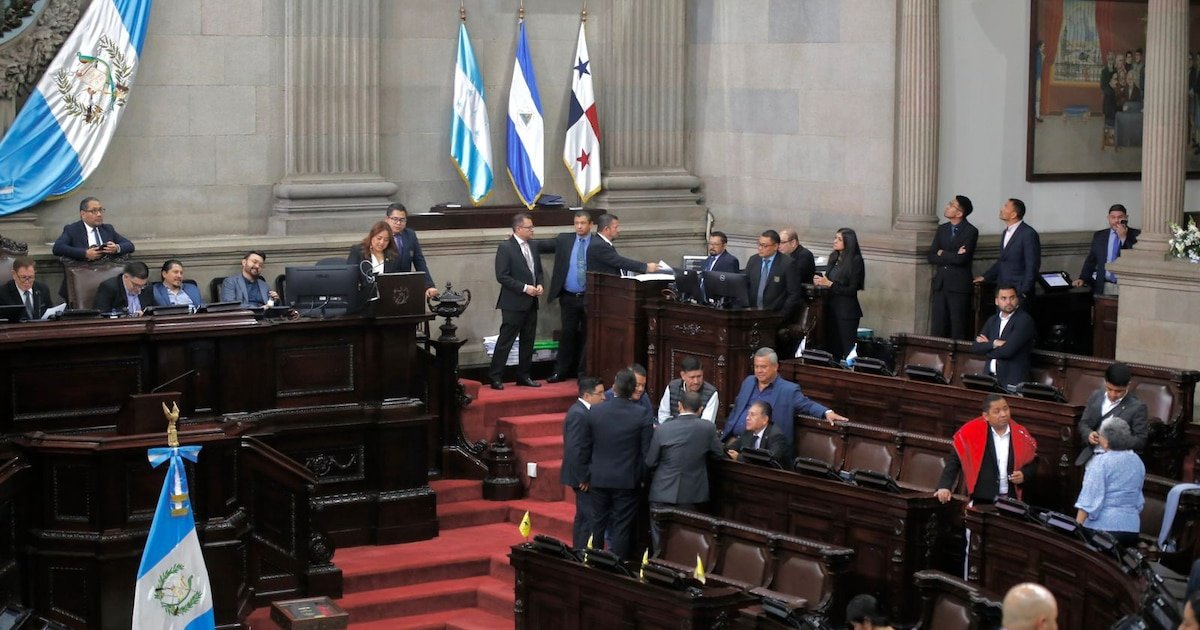
El Congreso de la República de Guatemala retomará el lunes 6 de abril la discusión sobre el subsidio a los combustibles, una medida que se ha convertido en eje de tensión política tras el incremento de precios registrado durante las últimas semanas. La urgencia de este debate radica en la presión social y económica que implica el mantenimiento de los costos actuales, así como en la persistencia de desacuerdos internos que han paralizado la aprobación del proyecto en sesiones anteriores, según reporta Prensa Libre.
Durante la última sesión ordinaria, realizada el 25 de marzo, la iniciativa enviada por el Organismo Ejecutivo para subsidiar el precio de los combustibles estuvo a punto de ser aprobada de urgencia nacional. Sin embargo, los acuerdos políticos se quebraron después de que el bloque oficialista condicionara su voto a la aprobación simultánea de una ampliación presupuestaria por Q1.500 millones ($196,516,500.00), lo que llevó a la ruptura del quórum, informó Prensa Libre.
La reanudación de las actividades legislativas está acompañada por la expectativa de concretar el subsidio al combustible, avanzar en la ley de lavado en segundo debate, y aprobar en tercera lectura la ley de puertos. Así lo declaró Luis Contreras, presidente del Congreso y líder del bloque Compromiso Renovación y Orden (Creo), al medio Prensa Libre.
“Queremos aprobar el subsidio al combustible, queremos aprobar la ley de lavado en segundo debate y queremos aprobar la ley de puertos en tercer debate y redacción final, esa es la agenda país”, dijo.
Contreras anunció además que ha invitado a los representantes de los transportistas a reunirse con la instancia de jefes de bloque, con el objetivo de escuchar sus demandas y buscar una solución urgente para el precio del diésel. Subrayó la importancia de mantener la negociación continua, señalando: “Estoy invitando a los transportistas con los cuales ya tuve un diálogo para que vengan y nos digan, y estamos en constante negociación, para poder aprobar el subsidio al diésel que es tan necesitado en este momento”.

El bloqueo político y el deterioro de la productividad legislativa
La décima legislatura, bajo la dirección de Contreras, ha sido criticada por expertos como Pablo Alejandro Solórzano, analista del Observatorio Legislativo, quien indicó a Prensa Libre que el trabajo parlamentario ha estado marcado por el cálculo político y las necesidades partidarias, lo que ha conducido a una baja productividad.
Solórzano enfatizó que “las decisiones que han tenido que tomar se basan precisamente en intereses que tienen que ver de cara a sus futuras decisiones políticas, sus futuras participaciones y en un año preelectoral estamos viendo cómo el Congreso de la República se está ordenando políticamente, lo cual lo ha hecho improductivo”.
La agenda legislativa enfrenta riesgos adicionales debido a la coyuntura preelectoral, que según estimaciones de analistas puede reducir tanto la cantidad como la calidad de los decretos promulgados este año.
La causa central de la reciente alza en los combustibles, según el diputado Orlando Blanco, cuarto secretario de la Junta Directiva, no es únicamente externa: “Lamentable esta situación, pero todo esto tiene un punto de origen y es la debilidad, el contubernio de las autoridades del Ministerio de Energía y Minas por no sancionar a toda esta gente que se ha encargado de especular. Llevamos ya más de un mes de una política de especulación”, declaró Blanco a Prensa Libre. Exigió, además, la comparecencia del ministro de Energía y Minas en el Congreso y pidió al presidente Bernardo Arévalo su destitución, ante lo que calificó de colusión con empresarios del sector.

La gravedad de la crisis se extiende al impacto en la canasta básica, un factor que el diputado Juan Carlos Rivera, primer secretario de la Junta Directiva, destacó como un problema que requiere la evaluación de múltiples propuestas legislativas para enfrentar la escasez de soluciones frente a la escalada de los precios, especialmente porque “la guerra continúa – en el medio oriente – y el alza en los precios también y el tema de la canasta básica se complica para los guatemaltecos”.
Los desafíos en la calidad normativa y la representación social
El trabajo legislativo reciente ha sido objeto de críticas no solo por la parálisis en torno al subsidio, sino también por decretos que han fallado en precisión técnica. Francisco Quezada, del Centro de Investigaciones Económicas Nacionales (Cien), evaluó para Prensa Libre que las reformas al Código Municipal y la derogatoria de la Ley de Herencias, Legados y Donaciones carecieron de una redacción adecuada: “Probablemente había ideas buenas, lamentablemente no se materializó en una redacción precisa, entonces es un contrasentido”.
En los procesos de elección de magistrados demandados por la Constitución, el Congreso ha cumplido formalmente sus funciones, aunque Quezada condenó el modo en que “pisotearon la dignidad de una altísima investidura como es una magistratura de la CC y eso pues sí dejó realmente una nota muy negativa por parte del Congreso y de los que se prestaron a este tipo de temas”.
El estancamiento en la aprobación del subsidio a los combustibles ha ampliado la percepción de distancia entre el Legislativo y las necesidades sociales y económicas de la población.
INTERNACIONAL
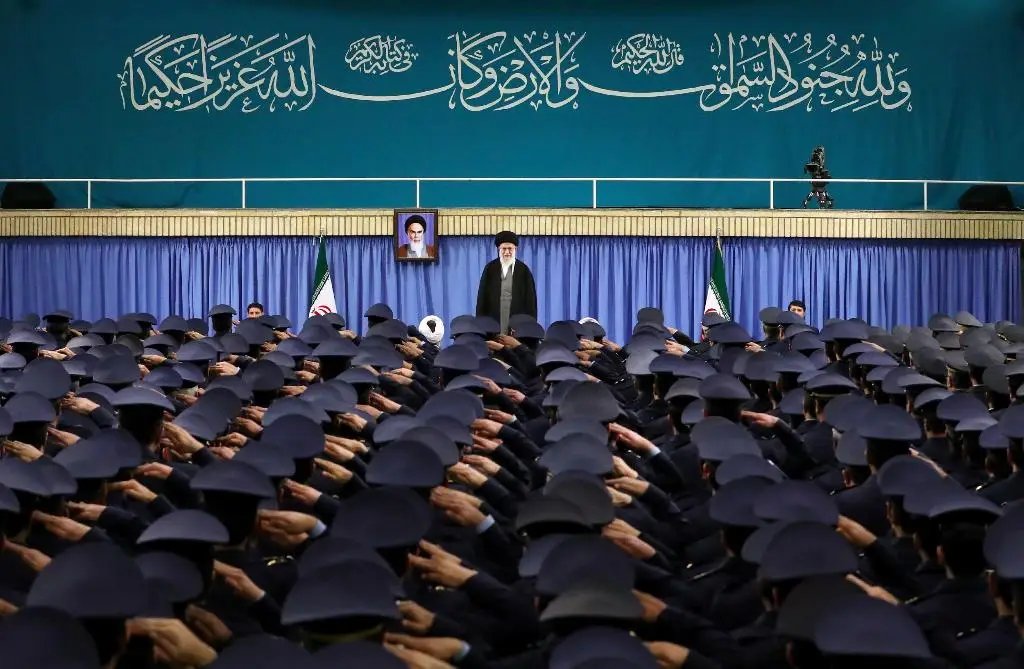
Inside Iran’s ruling ideology: How a ‘holy mission’ and messianic doctrine fuel regime extremism
NEWYou can now listen to Fox News articles!
For Mehdi Ghadimi, the ideology behind Iran’s ruling system is not theoretical. It was something he was taught from childhood.
«You were told you are a part a small group chosen by God… to revive God’s religion and fight to defend it,» the Iranian journalist told Fox News Digital, describing the message repeated in schools, mosques and state media.
That early indoctrination, he said, framed the world in stark terms: a divine struggle between good and evil, with Iran’s leadership positioned at the center of a religious mission.
Iran’s ruling system is often described in political terms, but critics and former insiders say its core is far more radical — a belief structure rooted in religious absolutism, messianic expectation and a worldview that leaves little room for compromise.
IRAN’S SUPREME LEADER MOJTABA KHAMENEI ‘MISFUNCTIONING,’ NOT CONTROLLING REGIME: SOURCES
A banner featuring Iran’s new supreme leader, Mojtaba Khamenei, and senior commanders of the Islamic Revolutionary Guard Corps (IRGC) is displayed in Tehran, March 14, 2026. (Fatemeh Bahrami/Anadolu)
As a new generation of commanders rises within the Islamic Revolutionary Guard Corps following recent military blows under Operation Epic Fury, analysts warn that this ideology may become even more entrenched.
Figures such as Mohammad Bagher Ghalibaf and Ahmad Vahidi are often cited as part of a cohort shaped by years of conflict in Iraq and across the region — one that sees religion, security and survival as inseparable.
A belief system, not just a government
At the center of that worldview is the belief in the Mahdi — a messianic figure in Shiite Islam whose return is expected to usher in a final era of justice after chaos.
Twelver Shiism is the dominant belief for Shias, the Mahdi, identified as the 12th Imam, is alive but hidden and will one day return. Iran’s political system positions the supreme leader as his caretaker.
Critics say that framework gives political authority a religious dimension that can make it difficult to challenge.
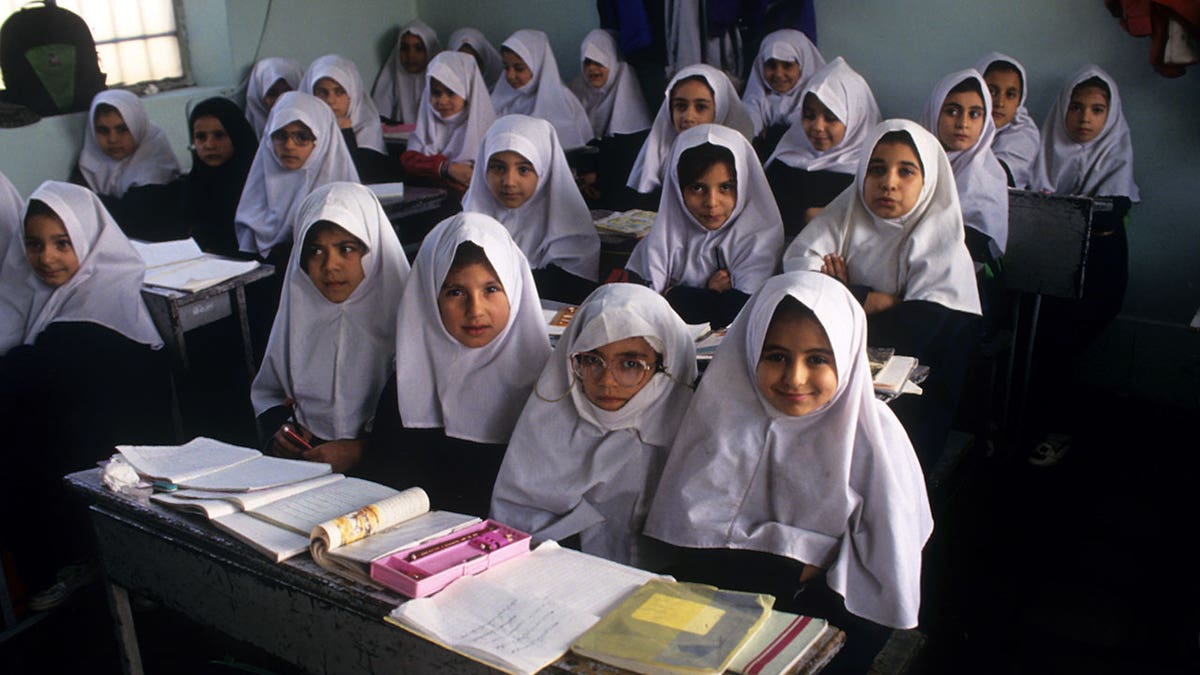
Primary school girls in traditional headscarves sit in a classroom, Tehran, Iran, Oct. 1, 1997. (Kaveh Kazemi/Getty Images)
«For the mullahs in Iran, the Mahdi idea is less about personal faith and more about power,» said Lisa Daftari, foreign policy analyst and editor-in-chief at The Foreign Desk. «They use it to suggest that the supreme leader’s views are not just political opinions, but carry a kind of divine weight.»
«The system is set up so that disagreeing with the leader can be portrayed as questioning the Hidden Imam himself,» she said.
«That turns ordinary policy debates into something almost untouchable… you’re no longer arguing with a politician, you’re seen as pushing back against a sacred figure.»
IRAN’S CEASEFIRE PUSH MAY BE A ‘CYCLE OF DECEPTION,’ ANALYSTS WARN AS SHADOWY FIGURE GAINS POWER
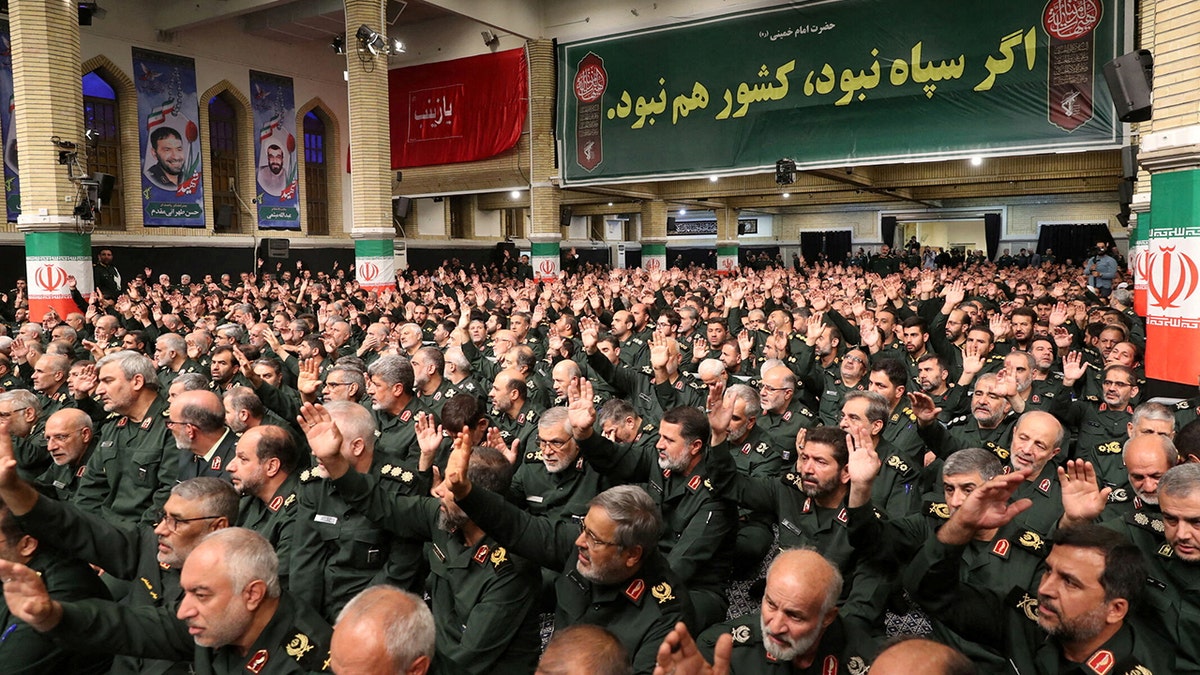
Commanders and members of the Islamic Revolutionary Guard Corps meet with Iran’s Supreme Leader Ayatollah Ali Khamenei in Tehran on Aug. 17, 2023. (Office of the Iranian Supreme Leader/WANA/Reuters)
No real moderates
Ghadimi argues that this structure leaves little room for genuine political diversity.
«Groups labeled as ‘moderate,’ ‘reformist,’ or ‘pro-Western’ are created so that the West can negotiate with them,» he said.
«No one within the structure of the Islamic Republic thinks about anything other than defeating the Western world and establishing Islamic dominance globally.»
From belief to action
For Iran expert Daftari, the Mahdi doctrine also provides a flexible justification for policy.
«A lot of insiders know perfectly well that this language is being used strategically,» she said. «The Mahdi story gives the leadership a way to claim moral and religious cover for decisions that are often about preserving the regime or expanding its reach.»
«When they talk about ‘preparing the ground’ for the Mahdi, that phrase can be stretched to cover almost anything — crushing protests, backing militias abroad or asking people to accept more economic pain.»
«This religious framing makes compromise much harder,» she added. «If you convince your base that you are carrying out a holy mission… backing down can be painted as a betrayal of God’s plan.»
MEET IRAN’S HARDLINE SPEAKER WHO THREATENED TO BURN US FORCES — REPORTEDLY TEHRAN’S POINT MAN FOR TALKS
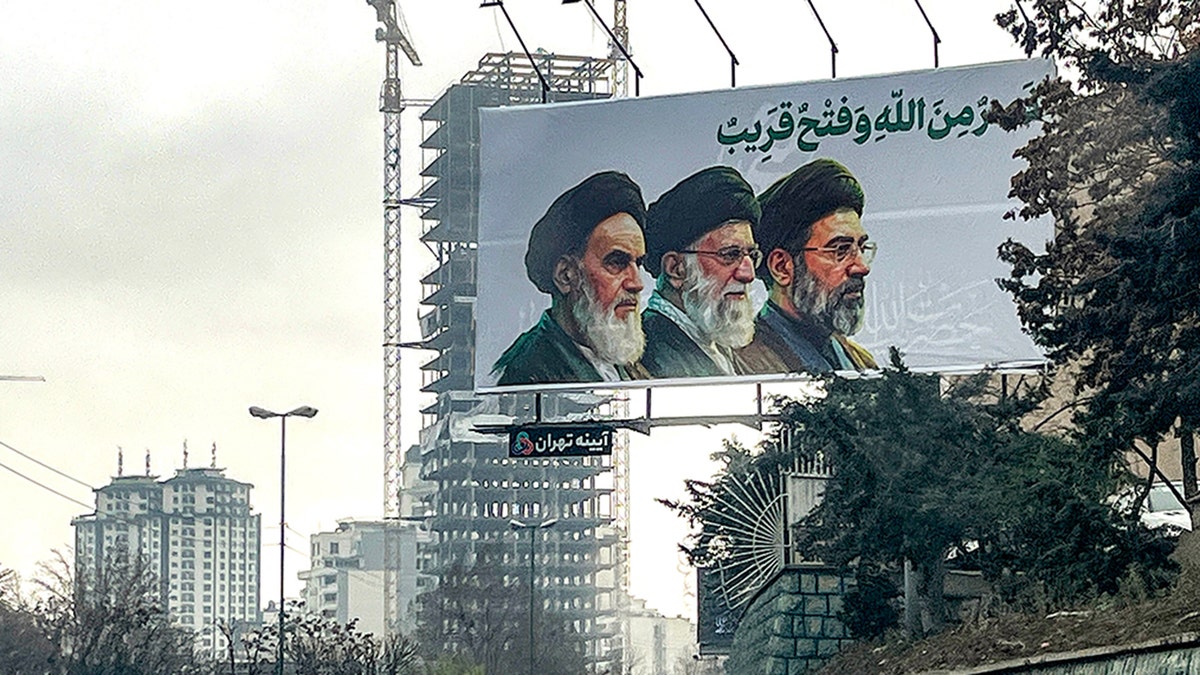
A billboard depicting Iran’s supreme leaders since 1979 is displayed above a highway in Tehran on March 10, 2026. (AFP/Via Getty Images)
A worldview shaped early
Ghadimi said that message is reinforced from childhood, shaping how generations understand their role in society.
In schools, media and mosques, he said, ideology was embedded into everyday life, leaving little space for alternative narratives.
That framing, analysts say, helps explain how the system sustains itself even under pressure.
It also contributes to a worldview in which conflict is not temporary, but part of a larger, ongoing struggle.
«The Islamic government, based on its own interpretation of the Quran, considers itself obligated to enforce Islamic law across the entire world,» Ghadimi told Fox News Digital, adding that the regime «sees itself as the leader of this belief globally.»
«They harbor hatred toward Iranians and Jews, whom they regard as enemies of Islam since its very beginning, and they consider killing them—such as on Oct. 7 and in the recent killings in Iran — to be divinely rewarded acts, much like the beliefs once held by Abu Bakr al-Baghdadi,» he said.
«No one within the structure of the Islamic Republic thinks about anything other than defeating the Western world and establishing Islamic dominance globally,» Ghadimi said.
In that framework, critics say, Iran is not simply pursuing national interests but acting within what it sees as a broader religious mandate.
INSIDE IRAN’S MILITARY: MISSILES, MILITIAS AND A FORCE BUILT FOR SURVIVAL
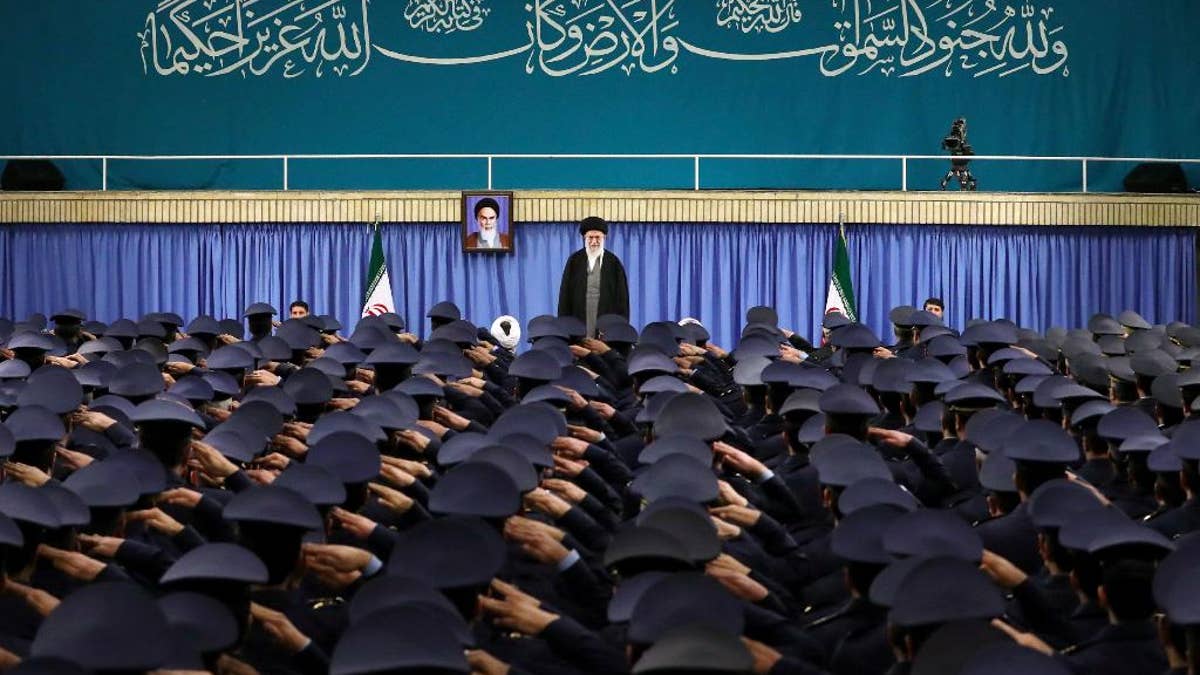
In this picture released by an official website of the office of the Iranian supreme leader, Ayatollah Ali Khamenei stands as air force commanders salute during their meeting in Tehran, Feb. 7, 2017. (Office of the Iranian Supreme Leader/AP)
Violence and belief
Some critics argue that within this framework, violence can take on religious meaning.
«They consider killing them… to be divinely rewarded acts,» Ghadimi said.
Still, analysts say the combination of messianic belief and absolutist ideology creates a system in which confrontation is not only expected, but justified.
A cycle with no easy exit
An Iranian official rejected those characterizations and warned that economic collapse and destruction caused by war could drive long-term resentment.
«If a country is turned into ruins, poverty spreads. Out of such poverty comes hatred, resentment and a desire for revenge, and this cycle of hostility can continue for years. It is not correct to think that everything will simply end the day after a ceasefire. Even if there were no hostile government left in place, people within society who have lost everything may still be driven to seek retribution.»
For Ghadimi, the issue is not just how Iran behaves, but how it understands itself.
CLICK HERE TO DOWNLOAD THE FOX NEWS APP
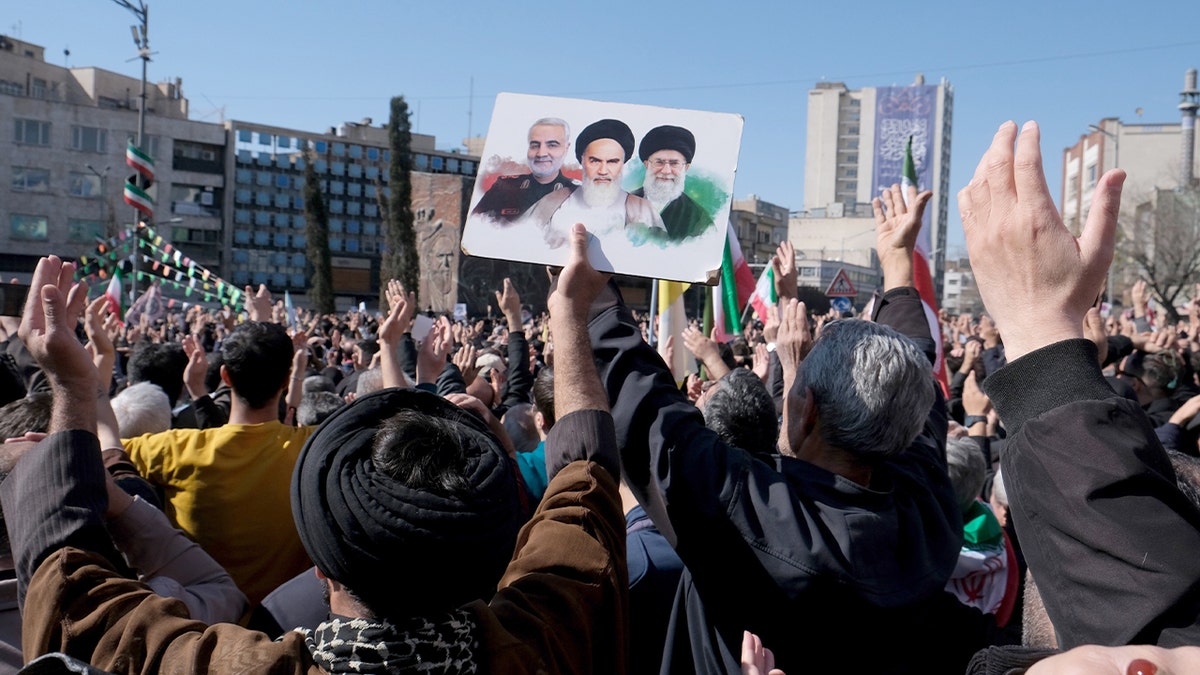
People gather in Revolution Square to mourn Ayatollah Ali Khamenei, who was killed Feb. 28 in a joint Israel-U.S. operation, in Tehran, Iran, on March 1, 2026. (Kaveh Kazemi/Getty Images)
If the system is rooted in a belief that blends religion, power and mission, critics say, then policies like repression at home and confrontation abroad may not be temporary tactics but structural features.
And if moderation within that system is limited, as some argue, then the challenge for policymakers is not simply negotiation, but understanding the ideology that drives it.
war with iran, ali khamenei, middle east, national security, iran, islam

Otras yerbas: polémica porque la AFA eligió a una marca brasileña como sponsor de la Selección Nacional

Brian Sarmiento y Danelik se besaron a pura pasión en la fiesta de Gran Hermano: el video del momento

Israel localizó una escuela del Líbano que era utilizada por los terroristas de Hezbollah para el almacenamiento de armas

El Inter de Bastoni y Lautaro vuela a por el Scudetto

Maximiliano Ferraro: “La reforma a la ley de glaciares es regresiva e innecesaria; se va a judicializar”

La nafta en Argentina alcanzó un precio récord en dólares, pese al «operativo surtidor» de Caputo

Milei se pone al frente de la defensa de Adorni y lo suma a un acto por Malvinas en una nueva muestra de respaldo

Oriana Sabatini sorprendió al elegir a una famosa como madrina de Gia, su hija con Paulo Dybala

La Armada sorteará 30 lugares en el buque que escoltará la salida de la Fragata Libertad: cómo anotarse

La nueva advertencia de Donald Trump a Irán: «El tiempo se acaba, quedan 48 horas antes del infierno»

 INTERNACIONAL1 día ago
La nueva advertencia de Donald Trump a Irán: «El tiempo se acaba, quedan 48 horas antes del infierno»
- POLITICA3 días ago
Jimena de la Torre respaldó la reforma de la Corte para la selección de jueces: “No estamos garantizando que lleguen los más idóneos”
- CHIMENTOS3 días ago
El horóscopo de hoy: viernes 3 de abril