INTERNACIONAL
State of War: How Trump is fighting a 9-front battle


President Trump is fighting a war with many battlefields.
It’s a nine-front crusade, although I could easily double that number.
If there’s a common thread here, it’s the president taking on elite institutions that he has long resented or reviled.
That’s why his first three months seem stuck on hyperspeed – critics would say chaos – because he’s broken with the traditional model of tackling one or two issues at a time. Voters gave him a second term to shake things up. It’s the first Trump term on steroids.
EDUCATION DEPT. TO RESUME COLLECTIONS ON DEFAULTED FEDERAL STUDENT LOANS FOR FIRST TIME SINCE 2020
The president is surrounded by loyalists who encourage his flood-the-zone approach, unlike some of the more traditional figures (Rex Tillerson, Jim Mattis, Gary Cohn) who tried to restrain him the last time he lived in the White House.
One advantage is that he uses Truth Social as a weapon, unloading on those who displease him.
And yet he still finds time to abolish rules limiting shower pressure, call for the abolition of pennies, and come out against changing clocks (though his stance on daylight savings is unclear) – all matters that affect people’s daily lives.
Here, in no particular order, are Donald Trump’s nine battlegrounds:
1. TOP PRIVATE UNIVERSITIES
Although Trump himself went to the Wharton School, he is constantly attacking Columbia and other top Ivy colleges. Harvard, where he has frozen more than $2 billion in federal funding and another $7 billion is at risk, is fighting back. Plus, the IRS is looking at revoking the university’s tax-exempt status.
Trump has publicly criticized Harvard University multiple times in recent weeks. (Getty Images | iStock)
The White House now admits that the letter a Trump official transmitted to Harvard was «unauthorized» and should not have been sent. Harvard officials were stunned because they thought they were in the process of negotiating a settlement with the administration.
2. LAW FIRMS
One giant law firm after another, under pressure from Trump, has caved and reached settlements with the White House. This involves agreeing to provide up to $100 million or even $125 million in pro bono services on matters important to the administration. The alternative is an executive order pulling its members’ security clearances, making it impossible to serve their corporate clients without access to secret data. A few firms have fought back, and some attorneys have resigned in protest, but most are volunteering to settle.
3. MEDIA
President Trump has sued CBS, NBC and Gannett. He won a $16-million lawsuit against ABC–approved by Disney–after George Stephanopoulos repeatedly called him a rapist when he was actually held liable for sexual abuse. Even if the suits go nowhere, journalists and news outlets have to hire lawyers and go through an ordeal.
MARK ZUCKERBERG ON THE STAND: ‘CRAZY,’ ‘SCARY’ IDEAS LED HIM TO BUY INSTAGRAM AND WHATSAPP
Trump has long used the press as a foil, but now he ridicules the likes of CNN’s Kaitlan Collins when she tries to ask questions. He refused to take a question from an NBC reporter, saying the network has no credibility. And yet Trump provides an absolutely stunning degree of access. He takes questions virtually every day and has taken over the press pool (with the AP still excluded). The coverage is overwhelmingly anti-Trump–sometimes that’s self-inflicted–but that also boosts clicks and ratings. It’s a love-hate relationship.
4. FEDERAL RESERVE
The markets nose-dived again yesterday as Trump stepped up his personal assault on Fed Chairman Jerome Powell in an obvious attempt to pressure him into resigning. Powell’s job is to worry about inflation, not to goose the economy because the president wants him to cut interest rates.
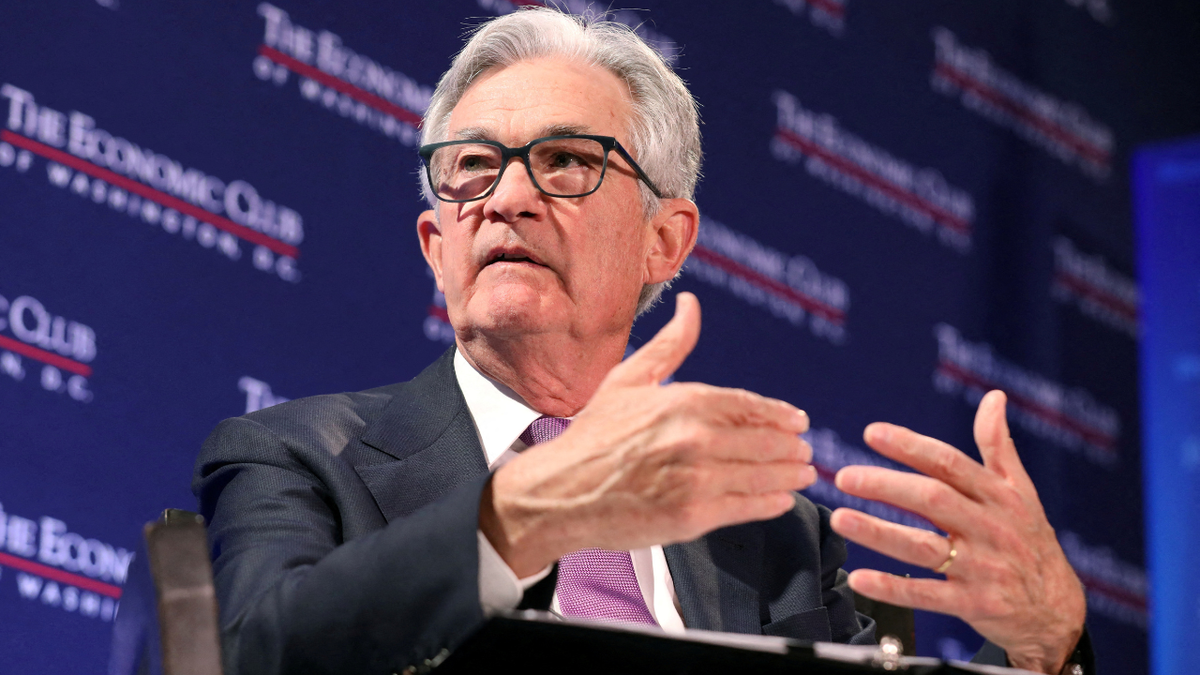
U.S. Federal Reserve Chair Jerome Powell responds to a question from David Rubenstein (not pictured) during an on-stage discussion at a meeting of The Economic Club of Washington, at the Renaissance Hotel in Washington, D.C., U.S, February 7, 2023. (REUTERS/Amanda Andrade-Rhoades/File Photo)
The entire tariff war has spooked Wall Street and alienated such allies as Canada (the 51st State???), Mexico and the European Union. He repeatedly promised a tariff war during the campaign, but no one expected tariffs of this magnitude, even against China, which has retaliated. Now Trump says he’ll even work out a deal with China. The 90-day pause briefly seemed to stabilize things, but whether the president can strike deals with 90 countries in 90 days remains to be seen.
5. COURTS
Donald Trump has a long history of attacking judges and prosecutors. Now he is going up to the line, and perhaps crossing it, when it comes to challenging court rulings, even with a 6-3 conservative majority on the Supreme Court.
The other day, the president deflected questions about the wrongful deportation of Kilmar Abrego Garcia, telling reporters to speak to the lawyers. The next day, he unloaded at length on Abrego Garcia, saying he’s a violent man who deserves to be in prison and criticizing Chris Van Hollen’s trip to visit him in a carefully staged photo op.
Abrego Garcia may well be a gang member, but a previous court ruling had found he should not be sent to El Salvador. Politically, this is a winning issue for Trump. But when SCOTUS ruled 9-0 that he should «facilitate» Garcia’s return, Trump pretty much ignored it.
TRUMP SAYS HE’S ‘NOT HAPPY’ WITH FED CHIEF JEROME POWELL
In a separate case, the Supreme Court, 7-2, ordered Trump not to move a second wave of Venezuelan migrants from where they are being held. This time, the administration agreed to follow the ruling.
6. FORMER AIDES
The president is going after two of his appointees from the first term.
He has ordered an investigation of his former cybersecurity chief, Chris Krebs, for «falsely and baselessly» denying that the 2020 election was rigged. He called Krebs a «significant bad-faith actor who weaponized and abused his government authority,» meaning Krebs found what every other probe, including one by Attorney General Bill Barr, found–no evidence of significant fraud.
Trump also ordered a probe of Miles Taylor, better known as «Anonymous,» for the New York Times op-ed he wrote ripping the president.
Taylor, a former Homeland Security official, «wrote a book under the pseudonym ‘Anonymous,’ making outrageous claims both about your administration and about others in it,» the president was told in a memo. So he too is under investigation. Trump even accused Taylor of committing «treason.»
7. HILL REPUBLICANS
The president has pressured members of his own party into going along with just about anything he wants. Other than the Matt Gaetz fiasco, that has meant approving all his nominees, despite doubts about the likes of Pete Hegseth and RFK Jr.
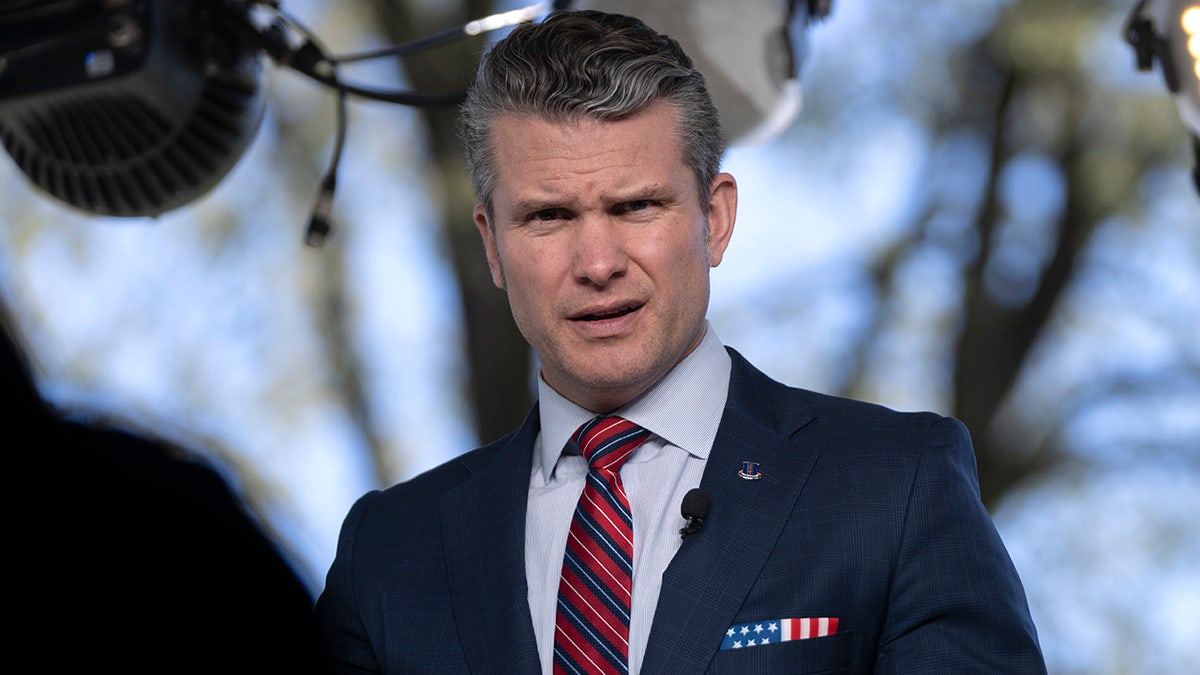
Defense Secretary Pete Hegseth prepares to give a television interview outside the White House, on Friday, March 21, 2025, in Washington. (AP/Mark Schiefelbein)
He has openly warned that he will use Elon Musk’s money to launch primary opponents against those who defy him. Musk has been a heat shield for Trump, though he has broken with him on tariffs. Remember that Musk poured money into that Wisconsin Supreme Court battle and lost. The chainsaw looks very different now.
While the violent attacks against Tesla have been despicable, Musk has also had to admit, after vowing to cut $1 trillion, that he’ll only be able to save $150 billion. Musk also admitted firing and having to rehire bird flu experts and nuclear bomb specialists, but remains the world’s richest man.
Lisa Murkowski just came out and said it: They are all afraid to criticize Trump for fear of political retaliation.
8. KENNEDY CENTER
It’s never been done, but the president fired all the Democratic board members and named himself chairman. He’s even suggested that he should host the annual awards given out for the glittering building on the Potomac named for JFK – not because he needs the attention, he says, but because it would be good for ratings.
The board has always been bipartisan, but that doesn’t bother Trump.
Some performers, led by Lin-Manuel Miranda of «Hamilton» fame, have already pulled out. Will only conservative performers get the green light?
I’ve picked the Kennedy Center as an example of Trump’s culture wars, but he’s also taken aim at the Smithsonian Institution and the National Zoo.
9. VOLODYMYR ZELENSKYY
The president, with help from JD Vance, utterly humiliated the Ukrainian president during that meltdown meeting at the White House. Now Zelenskyy bears a good bit of responsibility for the clash – he should have kept his mouth shut and walked away with an agreement, but took the bait.
Trump went a step further, kicking him out of the White House and sending him home.
CLICK HERE TO GET THE FOX NEWS APP
Now Trump, through Marco Rubio, says he may give up on negotiating a cease-fire in Ukraine. That’s exactly what Vladimir Putin wants, so he can keep on seizing land from the brave Ukrainians. One thing that Trump said he would do, but hasn’t done, is pressure his pal Putin. He still blames Zelenskyy and Ukraine for having the temerity to be invaded by the Kremlin.
That’s the list. Feel free to create your own. Sometimes it works for Donald Trump, sometimes it doesn’t. But it helps explain the dizzying pace of change and sends an unmistakable message that he is in charge.
Media,Media Buzz,US,Donald Trump,Politics,JD Vance,Elon Musk,US Education,Federal Reserve









INTERNACIONAL
Western Hemisphere defense chiefs convene after border drone scare prompts airspace closure
NEWYou can now listen to Fox News articles!
Top U.S. military leaders are hosting more than 30 nations in Washington as the Trump administration moves to deepen security cooperation across the Western Hemisphere, prioritizing border control, drug trafficking and regional threats from global adversaries.
«To put America First, we must put the Americas First,» War Secretary Pete Hegseth said, according to remarks shared by Joseph Humire, U.S. Acting Assistant Secretary of War for Homeland Defense and the Americas.
NORAD AIRCRAFT TO ARRIVE IN GREENLAND FOR ROUTINE EXERCISES
«We must work together to prevent any adversary or criminal actor from exploiting your territory or using your infrastructure to threaten what a great former American president, Teddy Roosevelt, once called ‘permanent peace in this hemisphere.’»
The meeting, convened by Joint Chiefs Chairman Gen. Dan Caine, comes amid a broader national security strategy that places heightened emphasis on threats closer to home: from fentanyl pipelines and transnational criminal networks to Arctic competition and instability in Venezuela.
The conference also coincides with U.S. action against Mexican cartel drones that breached American airspace near El Paso, Texas.
An administration official told Fox News that «Mexican cartel drones breached U.S. airspace. The Department of War took action to disable the drones. The FAA and DOW have determined there is no threat to commercial travel.»
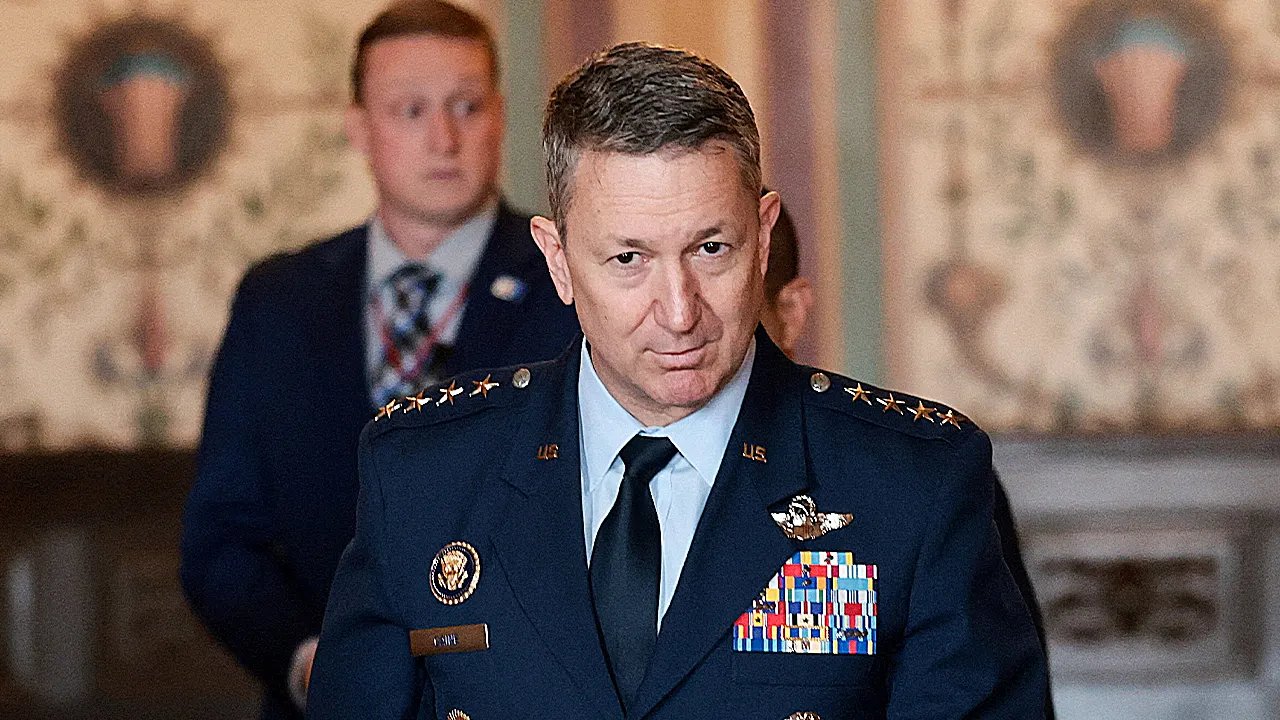
Gen. Dan Caine, chairman of the Joint Chiefs of Staff, is hosting a meeting for the Western Hemisphere defense chiefs in Washington. (Alex Brandon/AP)
The Federal Aviation Administration temporarily restricted flights in and out of El Paso International Airport for what it described as «special security reasons.» Federal officials have not released operational details, but the administration official said the action was directly tied to counter-drone measures along the southern border.
The incident underscores the growing use of unmanned systems by cartel networks and the increasing overlap between traditional criminal activity and homeland defense concerns — a theme expected to surface in discussions among defense leaders gathered in Washington.
Top military leaders from Denmark, Britain and France, nations that have territory in the western hemisphere, have also been invited, according to The New York Times.
FAA WARNS ABOUT FLYING IN CENTRAL, SOUTH AMERICA AND EASTERN PACIFIC, CITING POSSIBLE ‘MILITARY ACTIVITIES’
Gen. Francis Donovan, the new chief of Southern Command, which oversees Latin American and Caribbean operations, is expected to press regional counterparts to intensify cooperation against drug-trafficking organizations and transnational criminal groups that operate across borders and increasingly leverage advanced technology. U.S. officials have warned that cartel networks are using drones, encrypted communications and sophisticated smuggling routes to move narcotics and personnel.
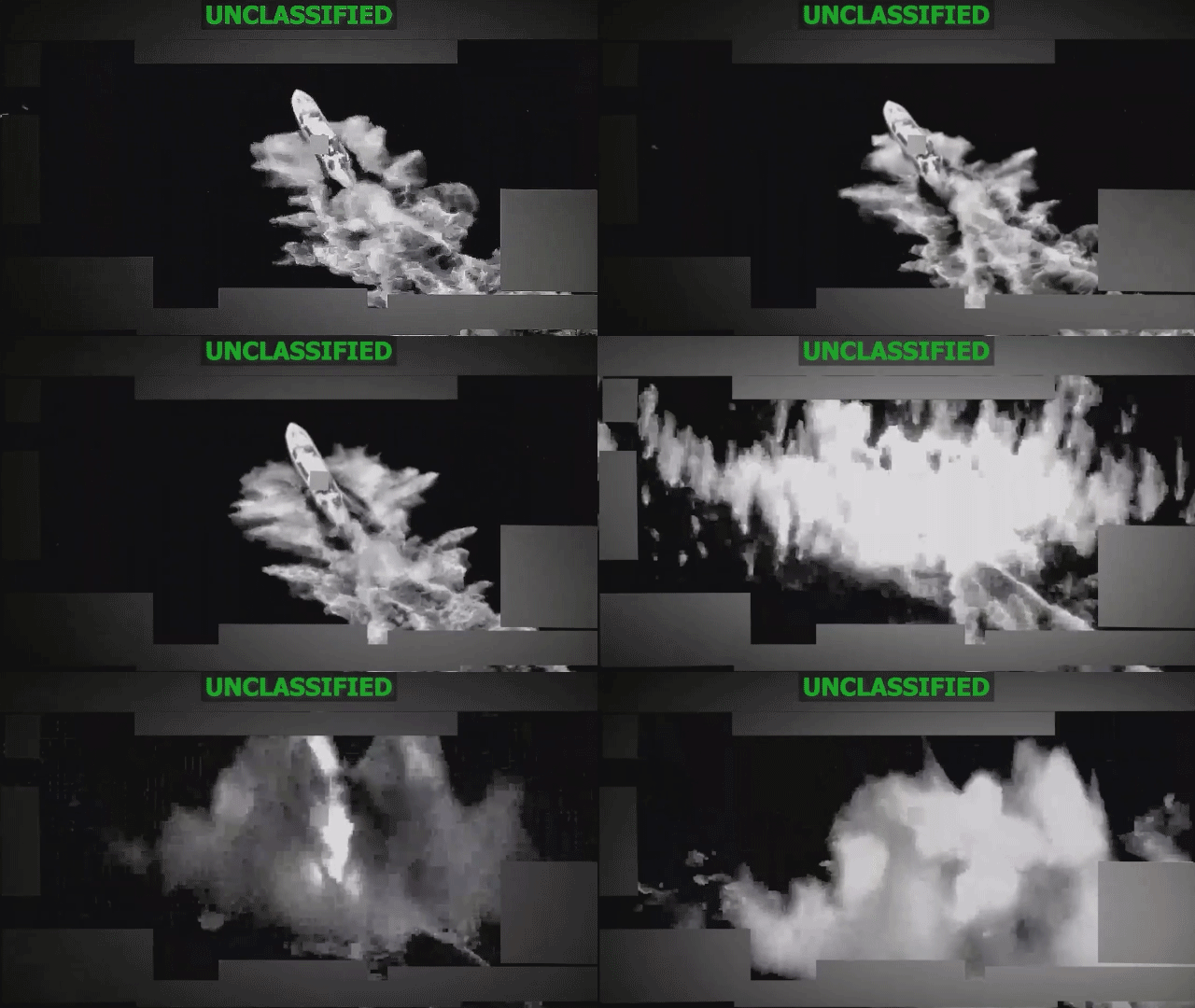
Video shows a kinetic strike on a narco-terror vessel in international waters from Wednesday, Dec. 31. The strikes come amid broader military pressure in the region following high-profile security actions. (U.S. Southern Command via X)
Gen. Gregory M. Guillot, the head of U.S. Northern Command, which leads homeland and north of the U.S. defense including Greenland, is reportedly expected to talk about border controls and integration of advanced sensors across air, land, sea and space domains.
Arctic security also us likely to feature prominently in discussions. The administration has pointed to increased Russian and Chinese activity in the Arctic as a long-term strategic concern and has emphasized the importance of Greenland’s geographic position for missile warning, maritime access and critical mineral resources.
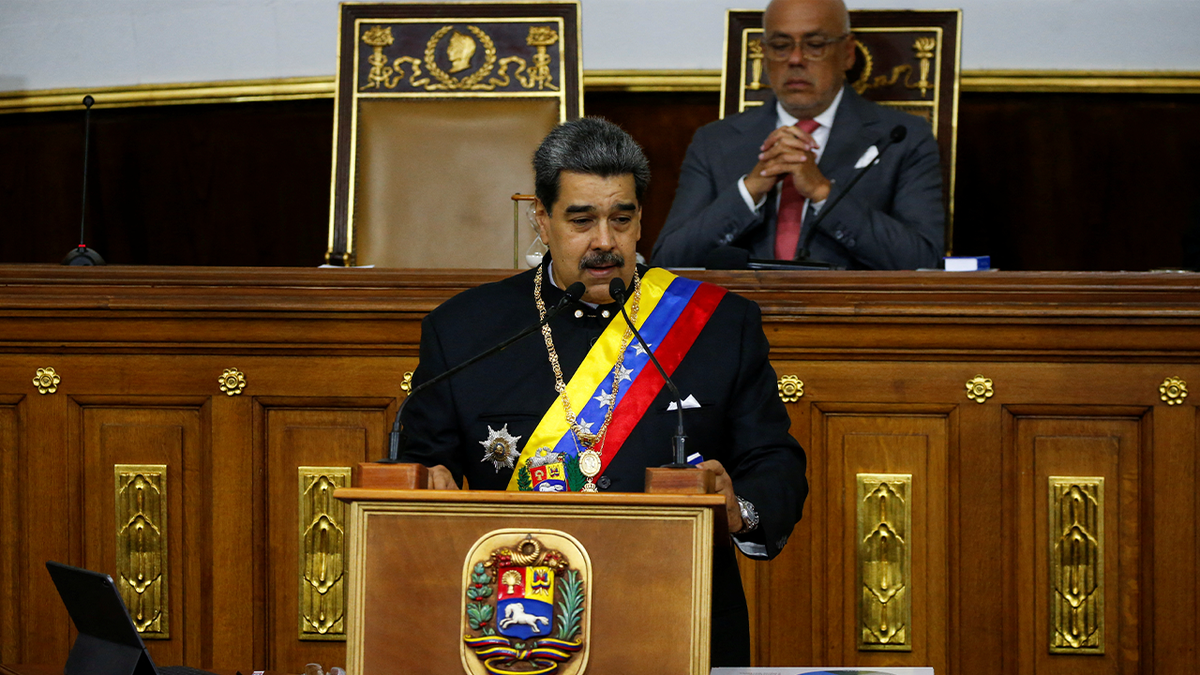
Former Venezuelan President Nicolás Maduro, who was captured by U.S. forces in January in a high-stakes operation and is now facing federal drug-trafficking charges in the United States. The capture has reshaped U.S. security discussions in the Western Hemisphere. (Leonardo Fernandez Viloria/Reuters)
CLICK HERE TO DOWNLOAD THE FOX NEWS APP
The summit comes on the heels of the dramatic U.S. military capture of Venezuelan leader Nicolás Maduro in early January after months of counternarcotics boat strikes.
As the hemisphere’s security landscape continues shifting, defense officials and regional allies alike will be watching to see how other governments with hostile policies toward the U.S. respond to Washington’s increasingly assertive posture.
latin america,pentagon,conflicts defense,drugs,border security,location mexico,joint chiefs of staff,homeland security
INTERNACIONAL
Russia agrees to abide by expired New START nuclear arms limits — as long as US does the same
NEWYou can now listen to Fox News articles!
Russia has reportedly agreed to abide by the limits of a nuclear arms pact it reached with the U.S. years ago after the agreement expired last week — as long as Washington does the same.
The New START Treaty’s expiration, which occurred on Feb. 5, leaves the nations with the two largest atomic arsenals with no restrictions for the first time in more than a half-century, The Associated Press reported. The expiration has fueled fears of a possible unconstrained nuclear arms race.
In September, President Vladimir Putin said Russia would abide by the nuclear arms deal for another year after its expiration date as long as the U.S. followed suit, the AP reported. However, President Donald Trump has said he wanted China to be part of a new pact, something that Beijing has rejected, according to the AP.
«Rather than extend ‘NEW START’ (A badly negotiated deal by the United States that, aside from everything else, is being grossly violated), we should have our Nuclear Experts work on a new, improved, and modernized Treaty that can last long into the future,» Trump wrote on Truth Social upon the treaty’s expiration.
WORLD ENTERS UNCHARTED ERA AS US-RUSSIA NUCLEAR TREATY EXPIRES, OPENING DOOR TO FASTEST ARMS RACE IN DECADES
President Donald Trump and Russian President Vladimir Putin meet in Anchorage, Alaska. (Reuters/Kevin Lamarque)
In response to Fox News Digital’s request for comment on the now-expired treaty, the White House pointed to the president’s Truth Social post.
Russian Foreign Minister Sergey Lavrov spoke to lawmakers about the treaty, saying Moscow would «act in a responsible and balanced way on the basis of analysis of the U.S. military policies,» the AP reported.
Lavrov added that «we have reason to believe that the United States is in no hurry to abandon these limits and that they will be observed for the foreseeable future.»
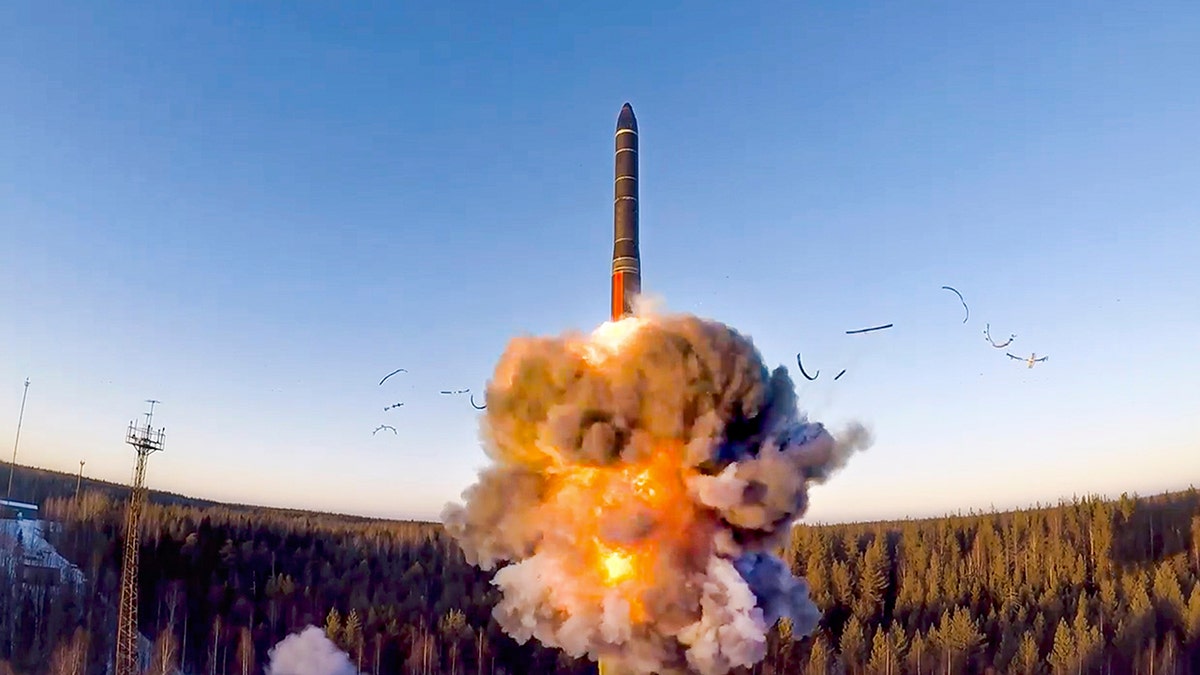
A rocket is launched as part of a ground-based intercontinental ballistic missile test at the Plesetsk facility in Russia on Dec. 9, 2020. (Russian Defense Ministry Press Service via AP, File)
«We will closely monitor how things are actually unfolding,» Lavrov said. «If our American colleagues’ intention to maintain some kind of cooperation on this is confirmed, we will work actively on a new agreement and consider the issues that have remained outside strategic stability agreements.»
TRUMP CALLS FOR NUCLEAR EXPERTS TO WORK ON ‘NEW, IMPROVED, AND MODERNIZED TREATY’
The New START Treaty was signed in 2010 by President Barack Obama and his Russian counterpart, Dmitry Medvedev, and was entered into force on Feb. 5, 2011.
The treaty gave the U.S. and Russia until Feb. 5, 2018, to meet the central limits on strategic offensive arms. The treaty caps each side at 700 deployed ICBMs, SLBMs and nuclear-capable heavy bombers; 1,550 deployed warheads; and 800 deployed and non-deployed launchers and bombers. The parties were then obligated to maintain the limits as long as the treaty remained in force, which it did until last week.
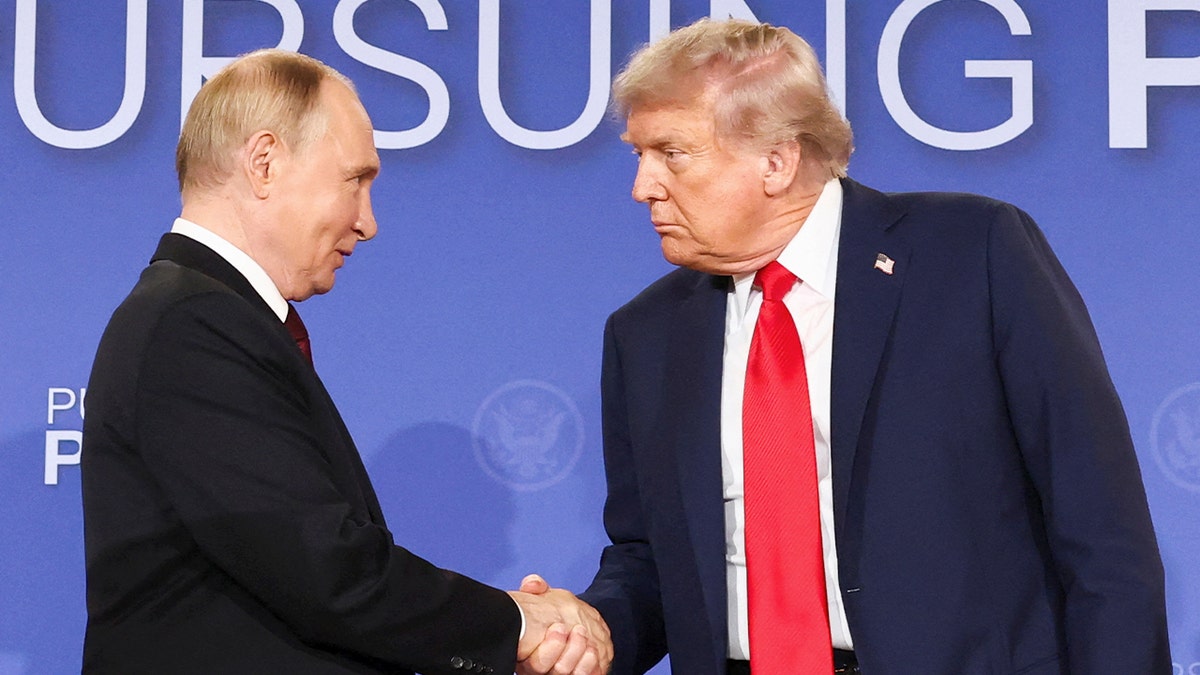
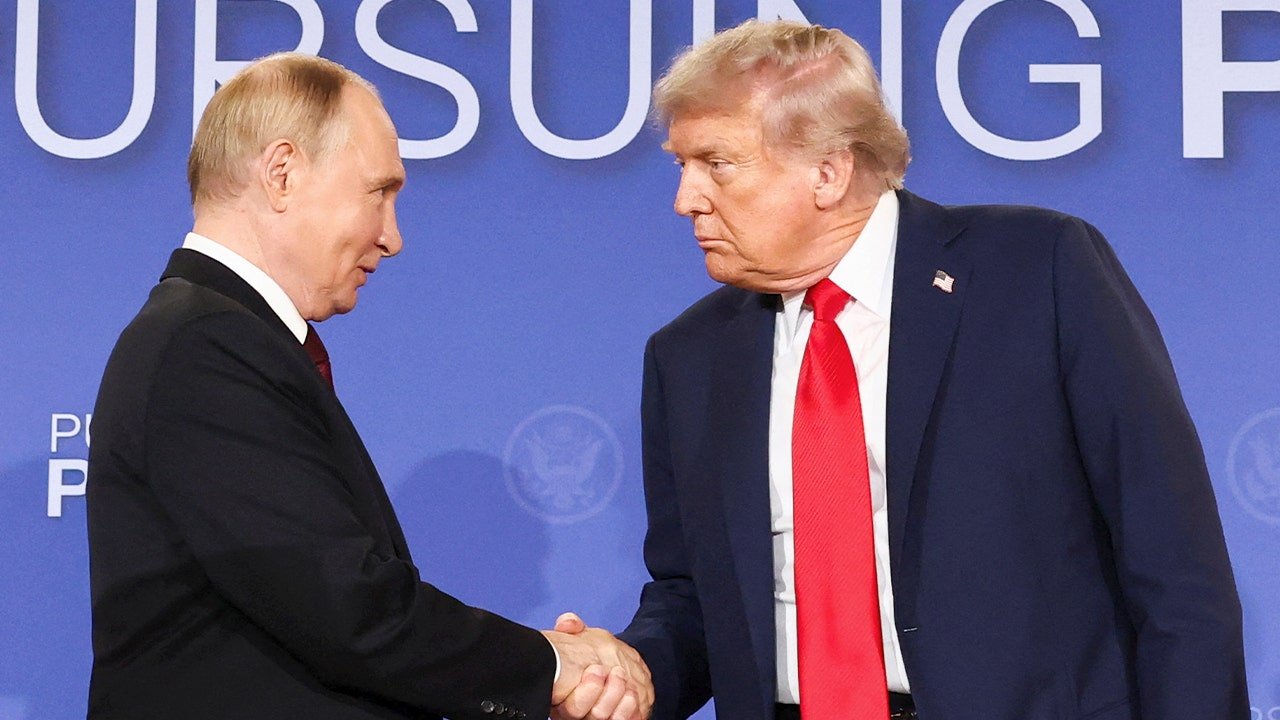
President Donald Trump and Russian President Vladimir Putin shake hands during a press conference following their meeting on Ukraine, in Anchorage, Alaska,, Aug. 15, 2025. (Kevin Lamarque/Reuters)
CLICK HERE TO DOWNLOAD THE FOX NEWS APP
The expiration of the treaty comes just after a meeting involving U.S. and Russian officials in Abu Dhabi. Axios previously reported that the two nations were closing in on a deal to observe the treaty for at least six months after its expiration. The outlet added that during the six-month period there would be negotiations for a new deal.
The State Department did not immediately respond to Fox News Digital’s request for comment.
world,russia,nuclear proliferation,donald trump,vladimir putin
INTERNACIONAL
Energía renovable gana peso en Panamá, Gobierno busca aumentar su participación en la matriz energética
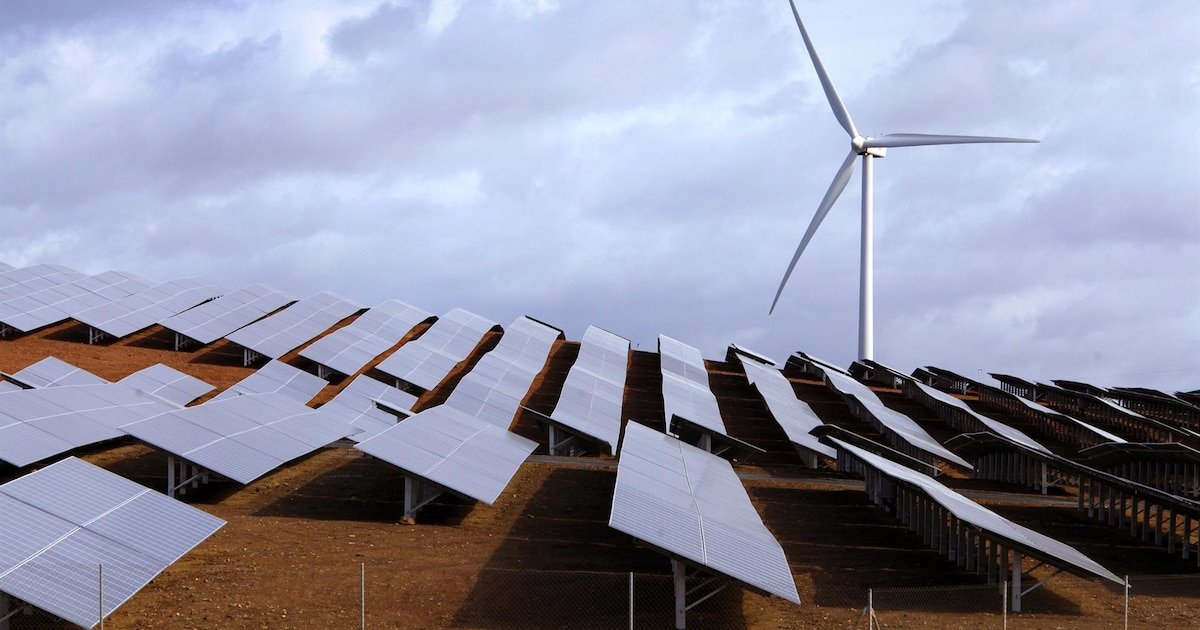
Panamá aspira a que más del 85% de su generación eléctrica provenga de fuentes renovables en los próximos años, una meta que, según las autoridades, debe construirse sin descuidar la seguridad energética ni la estabilidad del sistema.
Así lo afirmó el secretario nacional de Energía, Rodrigo Rodríguez J., durante el Foro de Energía organizado por la Asociación Panameña de Ejcutivos de Empresa (APEDE), al señalar que actualmente el país registra cerca de 65% de su matriz energética basada en fuentes limpias, principalmente hidroeléctricas.
Rodríguez explicó que, aunque el objetivo es elevar progresivamente la participación de las energías renovables, Panamá no puede prescindir completamente de un componente térmico que respalde el sistema en momentos de baja generación solar, ausencia de viento o períodos de sequía que afecten a las hidroeléctricas.
“No todo el parque puede ser renovable”, sostuvo, al subrayar que la confiabilidad del suministro sigue siendo una prioridad para el Estado.
El funcionario detalló que, en términos regionales, Panamá parte de una posición favorable, ya que su matriz histórica ha sido mayoritariamente limpia en comparación con otros países.
Entre el 60% y 65% de la generación anual proviene de fuentes renovables tradicionales, especialmente plantas hidroeléctricas de embalse y de pasada. Sin embargo, reconoció que el desafío está en diversificar esa base con solar, eólica y almacenamiento energético.

Durante el encuentro, la presidenta de APEDE, Giulia De Sanctis, destacó que el tema energético es fundamental no solo para las empresas, sino también para los hogares y la competitividad del país.
Afirmó que el foro permitió debatir sobre redes, hubs y el potencial de Panamá como un centro energético regional, así como los retos regulatorios y tecnológicos que enfrenta el sector.
De Santis subrayó que uno de los ejes centrales de las discusiones fue el desarrollo de licitaciones públicas con reglas claras, transparencia y criterios técnicos actualizados. “No basta con los avances tecnológicos, también se necesita seguridad jurídica y procesos confiables”, indicó, al referirse a la importancia de atraer inversión privada en proyectos de generación y transmisión.
En ese contexto, Rodríguez confirmó que el Gobierno prepara dos licitaciones clave: una para plantas nuevas, principalmente eólicas e hidroeléctricas, y otra para plantas existentes.
La primera está prevista para inicios de marzo y la segunda para finales del mismo mes. Según el secretario, existe un alto nivel de interés empresarial, tanto de inversionistas locales como extranjeros.

El funcionario señaló que estas licitaciones forman parte de una estrategia para fortalecer la capacidad instalada, reducir la volatilidad tarifaria y mejorar la resiliencia del sistema eléctrico. Añadió que los procesos se han diseñado para garantizar competencia sana, participación abierta y criterios técnicos acordes con las nuevas demandas del mercado.
Otro de los ejes abordados fue el impulso al bioetanol como parte de la transición energética. Rodríguez recordó que el Ejecutivo presentó en octubre pasado un proyecto de ley ante la Asamblea Nacional para establecer una mezcla obligatoria del 10% de etanol en las gasolinas. De aprobarse la iniciativa, el país podría iniciar la producción local y la mezcla comercial hacia finales de 2027.
“El proceso legal es clave”, afirmó el secretario, al indicar que el proyecto se encuentra en manos de la Comisión de Comercio, donde se desarrollan consultas con los sectores involucrados. Estimó que, si el cronograma se cumple, la primera producción nacional de etanol podría concretarse entre 2027 y 2028, marcando un hito en la política energética.

De acuerdo con estimaciones del sector azucarero, la puesta en marcha del programa de bioetanol implicaría una inversión inicial cercana a los $500 millones, destinada a la compra de tierras, construcción de destilerías e instalación de infraestructura. También se requeriría ampliar la superficie cultivada de caña en unas 22 mil hectáreas para abastecer el 10% de la demanda.
El gremio azucarero ha señalado que el proyecto podría generar más de 30 mil empleos directos e indirectos, principalmente en el interior del país. Además, destacó que el financiamiento multilateral y bancario ya ha mostrado interés, condicionado a la estabilidad normativa y al respeto de los plazos legales.
Desde APEDE, De Santis respaldó el enfoque del bioetanol como una oportunidad para fortalecer la autosuficiencia energética y reducir la dependencia del petróleo importado. No obstante, insistió en que cualquier política pública debe construirse con consenso, claridad regulatoria y garantías para los inversionistas y consumidores.

En materia de planificación, Rodríguez adelantó que en marzo se lanzará oficialmente el proceso para elaborar el nuevo Plan Energético Nacional 2026-2040, cuya formulación tomará alrededor de 18 meses. El documento definirá las metas de generación, transmisión, almacenamiento y eficiencia energética para las próximas dos décadas.
El secretario también se refirió a los avances en la digitalización del sistema eléctrico, incluyendo procesos tarifarios y operativos. Explicó que la modernización debe realizarse de forma escalonada, para evitar impactos abruptos en las tarifas, especialmente en un contexto de transición tecnológica.
Rodríguez respondió además sobre los estudios para explorar posibles hidrocarburos en aguas del Caribe panameño, desarrollados en cooperación con Colombia. Ante la pregunta de Infobae sobre el tema, el funcionario indicó que el tema está siendo retomado, aunque por ahora no existe ninguna decisión concreta. “Se hicieron análisis preliminares, pero estamos en fase de revisión”, precisó.
El funcionario aclaró que cualquier avance en esta materia estará sujeto a evaluaciones técnicas, ambientales y económicas, y que no se trata de un proyecto inmediato. La eventual exploración, dijo, deberá alinearse con los compromisos de sostenibilidad y transición energética del país.
Para el sector privado, la combinación entre energías renovables, respaldo térmico, biocombustibles y planificación de largo plazo será determinante para mantener la competitividad. De Santis destacó que Panamá cuenta con una base legal sólida, pero necesita fortalecer la ejecución y el seguimiento de las políticas públicas.
Corporate Events,Energy Markets,Europe

Western Hemisphere defense chiefs convene after border drone scare prompts airspace closure

Ariel Lijo quedó a cargo de la causa que investiga la presunta corrupción en la Agencia Nacional de Discapacidad

Russia agrees to abide by expired New START nuclear arms limits — as long as US does the same

Coto se achica en CABA: el supermercado que abrirá en un mega local que dejó vacante

La CGT marcha al Congreso contra la reforma laboral mientras el Senado debate el proyecto

El gran debut de Tiziano Gravier en los Juegos Olímpicos de Invierno y la emoción de su madre Valeria Mazza en la tribuna

El sector industrial advierte que la apertura económica exige eliminar las distorsiones internas

Mirtha Legrand se quebró desconsolada al hablar de la renuncia de Jimena Monteverde a su mesaza

Acuartelamiento policial en Santa Fe: reclamo salarial y temor a un conflicto nacional de seguridad

Mercados: subió la Bolsa argentina y cortó una serie negativa de siete ruedas consecutivas

 POLITICA1 día ago
Acuartelamiento policial en Santa Fe: reclamo salarial y temor a un conflicto nacional de seguridad
- POLITICA1 día ago
La advertencia de ATE a los gobernadores que apoyan la reforma laboral: “Firmarán su sentencia de muerte”
- ECONOMIA1 día ago
Cuánto le cuesta a la clase media llenar el changuito y cómo varían los precios de los alimentos entre provincias