INTERNACIONAL
Supreme Court grants Trump request to lift stay halting Venezuelan deportations


The Supreme Court on Monday granted President Donald Trump’s request to vacate a lower court’s ruling barring the administration from using a 1798 wartime immigration law to immediately deport Venezuelan nationals – including alleged members of the Tren de Aragua gang – from the U.S., marking a significant victory for the administration as it advances key immigration priorities.
Justices on the high court ruled 5-4 to grant the administration’s request to lift the stay, in a temporary victory for Trump and his allies.
At issue was the Alien Enemies Act, or the immigration law passed by Congress in 1789 to immediately remove certain migrants from U.S. soil.
Prior to Trump’s second White House term, it had been invoked just three times in U.S. history: During the War of 1812, during World War I, and most recently, World War II.
JUDGE BOASBERG POISED TO HOLD TRUMP ADMIN IN CONTEMPT, TAKES DOWN NAMES OF DHS OFFICIALS: ‘PRETTY SKETCHY’
Lawyers for the Trump administration had urged the court to vacate the lower court ruling, arguing in a Supreme Court filing that the lower court orders «rebuffed» their immigration agenda, including their ability «to protect the Nation against foreign terrorist organizations and risk debilitating effects for delicate foreign negotiations.»
Supreme Court Justices posing for an official photo at the Supreme Court. (Photo by OLIVIER DOULIERY/AFP via Getty Images)
«Today’s a bad day to be a terrorist in the United States of America,» Homeland Security Secretary Kristi Noem said in a video posted to X, adding that Trump «was correct in using his authority on using the Alien Enemies Act to deport terrorists out of this country.»
Meanwhile, Attorney General Pam Bondi called the «landmark» decision a «victory for the rule of law,» adding that an «activist judge» in Washington, D.C., «does not have the jurisdiction to seize control of President Trump’s authority to conduct foreign policy and keep the American people safe.»
«The Department of Justice will continue fighting in court to make America safe again,» Bondi concluded in her statement responding to the ruling.
APPEALS COURT BLOCKS TRUMP ADMIN’S DEPORTATION FLIGHTS IN ALIEN ENEMIES ACT IMMIGRATION SUIT
«This is a major loss for the lunatics and a major win for the American people,» Vice President J.D. Vance responded following the High Court’s ruling. «Onward!»

Attorney General Pam Bondi (LEFT), Homeland Security Secretary Kristi Noem (MIDDLE) and Vice President J.D. Vance (RIGHT) respond to the Supreme Court’s latest ruling on the Trump administration’s move to deport swaths of Venezuelan gang members. (GETTY IMAGES)
The Supreme Court’s ruling follows a temporary order from U.S. District Judge James Boasberg last month blocking the administration’s use of the 1798 law for 14 days while he considered the case on its merits – a pause upheld by a federal appeals court in a 2–1 decision.
«Nazis got better treatment» than some of the migrants deported under the law, Judge Patricia Millett, an Obama appointee, remarked during the appellate hearing.
Both Boasberg and the appellate panel sharply questioned the administration over Trump’s proclamation invoking the Alien Enemies Act to deport Venezuelan nationals – and over the three planes that removed hundreds of migrants to El Salvador the very next day.
At least 261 migrants were deported that day, including more than 100 Venezuelans removed «solely on the basis» of the 1798 statute.
The deportation flights reportedly landed around the same time Boasberg issued his temporary halt, raising questions about whether administration officials knowingly defied the order. Boasberg had issued a bench ruling requiring any flights that had already taken off to return «immediately.»
That did not happen.
JUDGE BOASBERG SHOULD ‘RECUSE’ HIMSELF FROM TRUMP DEPORTATION CASE, GOP LAWMAKER ARGUES
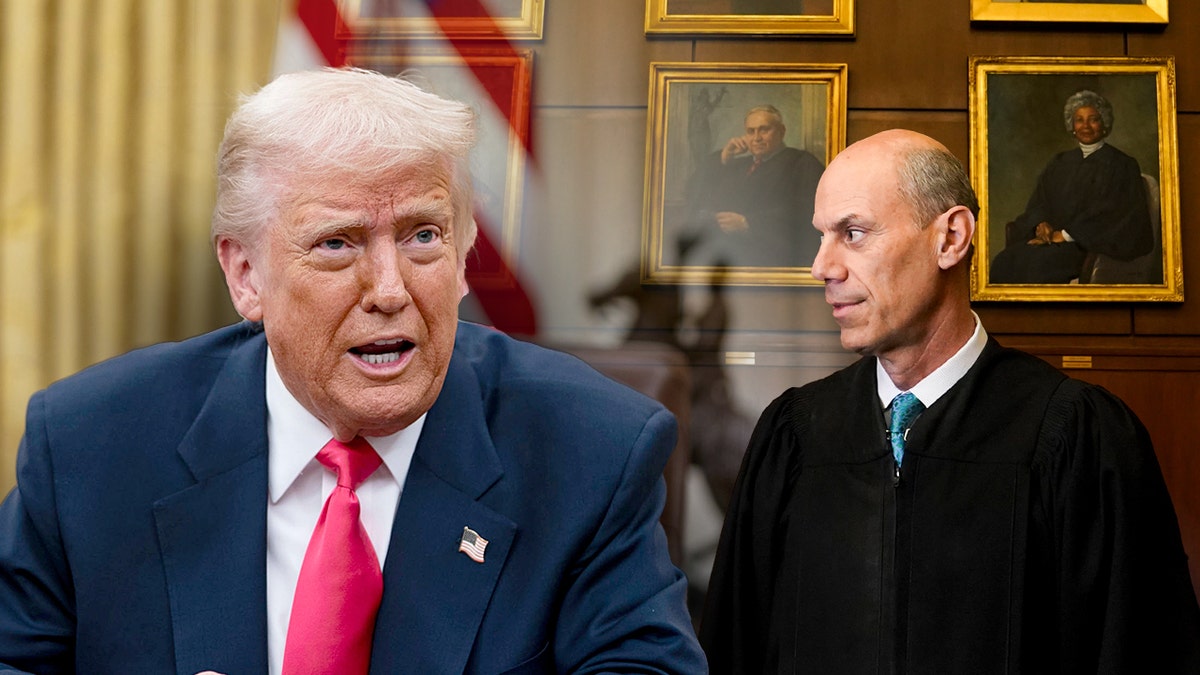
Trump and Judge Boasberg are seen in this side-by-side split image. (Getty Images)
Boasberg said on April 3 that he was weighing whether to hold certain Trump administration officials in contempt of court for refusing to provide information, even after the court issued repeated requests regarding the deportation flights and the number of individuals sent to El Salvador.
Government lawyers cited national security concerns as the reason for refusing to comply with the court’s request for information.
But during the April 3 hearing, Deputy Assistant Attorney General Drew Ensign told Boasberg the flight information likely wasn’t classified — prompting the judge to question why the administration had declined to provide it on more than four occasions, including under a court-imposed deadline.
«Pretty sketchy,» Boasberg mused in court.
WHO IS JAMES BOASBERG, THE US JUDGE AT THE CENTER OF TRUMP’S DEPORTATION EFFORTS?
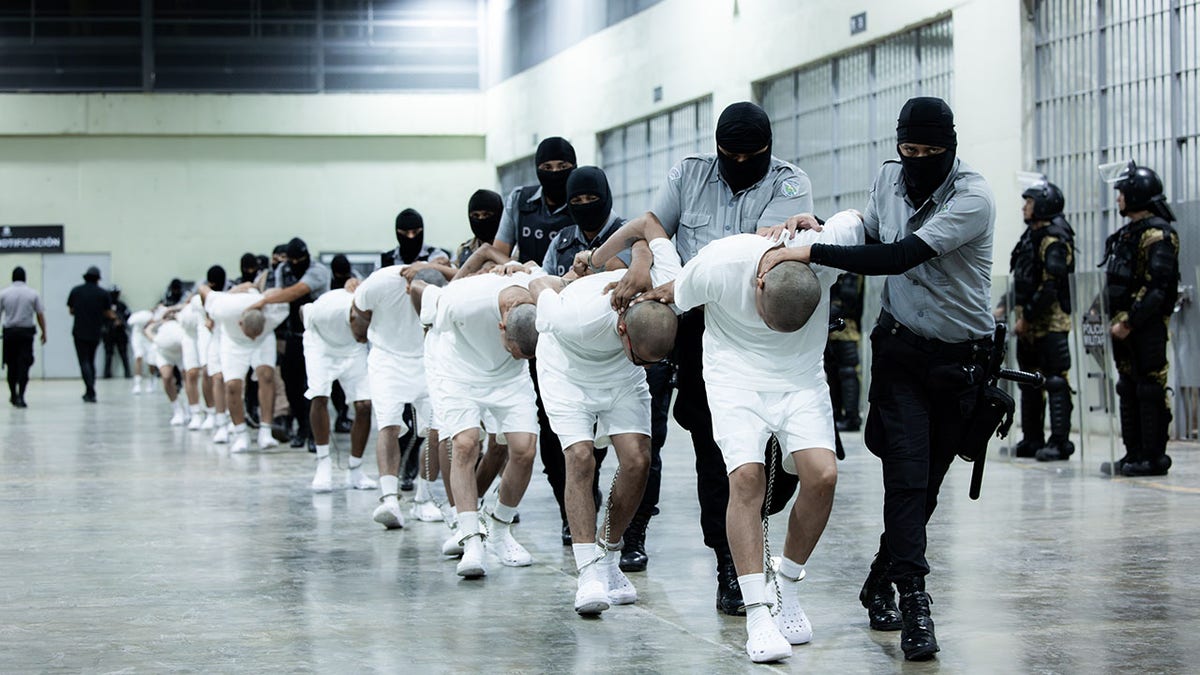
In this handout photo provided by the Salvadoran government, guards escort the inmates allegedly linked to criminal organizations at CECOT on Mar.16, 2025 in Tecoluca, El Salvador. (Salvadoran Government via Getty Images)
Boasberg also pressed the government to disclose the names, locations, and agencies of individuals involved in the removals, as well as any internal conversations with officials who may have been monitoring the court proceedings.
The hearing marked the latest in a flurry of legal battles over the Trump administration’s use of the Alien Enemies Act. It followed Boasberg’s order requiring officials to explain why they failed to comply with his directive to return the deportation flights – and whether they knowingly defied the court.
CLICK HERE TO GET THE FOX NEWS APP
The Supreme Court ruling may not mark the end of Trump’s push to invoke the Alien Enemies Act.
Boasberg is still weighing potential contempt charges against administration officials. As of this writing, a preliminary injunction hearing is set for April 8.
President Trump took to Truth Social to react to the decision in a post: «The Supreme Court has upheld the Rule of Law in our Nation by allowing a President, whoever that may be, to be able to secure our Borders, and protect our families and our Country, itself. A GREAT DAY FOR JUSTICE IN AMERICA!»
Fox News’ Alec Schemmel contributed to this report.
Supreme Court,Donald Trump,Immigration,Trump’s First 100 Days,Federal Courts







INTERNACIONAL
«Está todo parado»: el turismo se desploma en Cuba en medio de la profunda crisis energética

Las calles de La Habana casi sin turistas, incluso en esta Semana Santa, muestran una fotografía abandonada de Cuba. En plena crisis energética, la isla mantiene un desplome en el turismo, y registró un 30% menos de visitantes en los dos primeros meses del año respecto a 2025.
«En esta zona, Habana Vieja, Parque Central, el mítico Capitolio, el turismo está malo por el problema energético. No está entrando turismo por eso. Todo en Cuba está parado», se queja Alberto Ruiz Laffitte, encargado del cuidado de los autos clásicos descapotables destinados al paseo de turistas.
La isla sufre una grave crisis energética desde 2024 debido a las frecuentes averías de sus obsoletas centrales termoeléctricas y la falta de divisas del Estado para importar combustibles, algo que se ha agravado desde enero de este año por el asedio petrolero de Estados Unidos.
Los apagones son constantes, es difícil conseguir combustible para los automóviles y las calles aparecen oscuras y sin tráfico, una imagen que recuerda a la pandemia de Covid-19.
Hasta febrero, se habían recibido 262.496 visitantes internacionales, es decir, 112.642 menos que en el mismo período del año anterior, informó el lunes un informe de la Oficina Nacional de Estadísticas e Información (ONEI) del país caribeño.
El sector turístico, esencial para su economía, se encontraba ya en crisis antes del agravamiento de la situación energética a partir de enero por el asedio petrolero de Washington y la captura de Nicolás Maduro en Venezuela.
Solo en 2025, el país recibió 1.810.663 visitantes internacionales, las peores cifras desde 2002 (sin contar los años de la pandemia).
«Hay muy poco turismo. No hay prácticamente. Nuestro trabajo se ha hecho muy difícil; ahora hasta ofrecemos servicio a cubanos y lo cobramos en la moneda nacional», cuenta Ezequiel Palacios, chofer de un carro a caballo en la Habana Vieja.
En febrero, señaló la ONEI, apenas llegaron a la isla 77.663 turistas.
El número de viajeros de los dos mayores mercados emisores, Canadá y Rusia, descendió en un 28,4% y un 7,6%, respectivamente, hasta los 124.283 y los 20.668 ese mes.
La mayoría de mercados experimentaron retrocesos durante este período, algunos de carácter marcado, como es el caso de la comunidad cubana en el exterior, que cayó más de un 40%, hasta los 23.002 viajeros; y de EE.UU., que cedió un 55,9%, hasta los 11.791.
También sufrieron un descenso las cifras de México (6.674), Francia (5.649), España (4.422) e Italia (4.059). Solo se incrementaron los visitantes procedentes de Argentina (10.590) y China (5.429).
Con la situación de desabastecimiento de combustible en la isla caribeña, agudizada por el bloqueo petrolero, las autoridades cubanas comenzaron a cerrar algunos hoteles.
Desde inicios de febrero, el viceprimer ministro Oscar Pérez-Oliva Fraga aseguraba que «se había diseñado un plan en el turismo para reducir los consumos energéticos, compactar las instalaciones turísticas y aprovechar la temporada alta que está transcurriendo en estos momentos».
Esto afectó principalmente a varias instalaciones turísticas ubicadas en el balneario de Varadero (oeste) y de los cayos del norte de la isla.
Además, el pasado 4 de marzo, las autoridades del país caribeño extendieron hasta el 10 de abril el aviso de falta de combustible para aviones en todos sus aeropuertos, señalando que el déficit de queroseno afecta a todos los aeropuertos internacionales de Cuba.
Tras una Semana Santa en mínimos, Cuba perfila un fin de temporada alta con cifras muy lejanas a los máximos de turistas registrados en 2018 (4,6 millones) y en 2019 (4,2 millones).
Esos números récord estuvieron ligados al «deshielo» de las relaciones diplomáticas entre EE.UU. y Cuba en esos años y a la eliminación de restricciones de Washington a los viajes a la isla.
La situación del turismo en Cuba contrasta con la de destinos similares de la región del Caribe, como Punta Cana (República Dominicana) y Cancún (México), que están registrando máximos históricos de visitantes tras la pandemia.
NEWYou can now listen to Fox News articles!
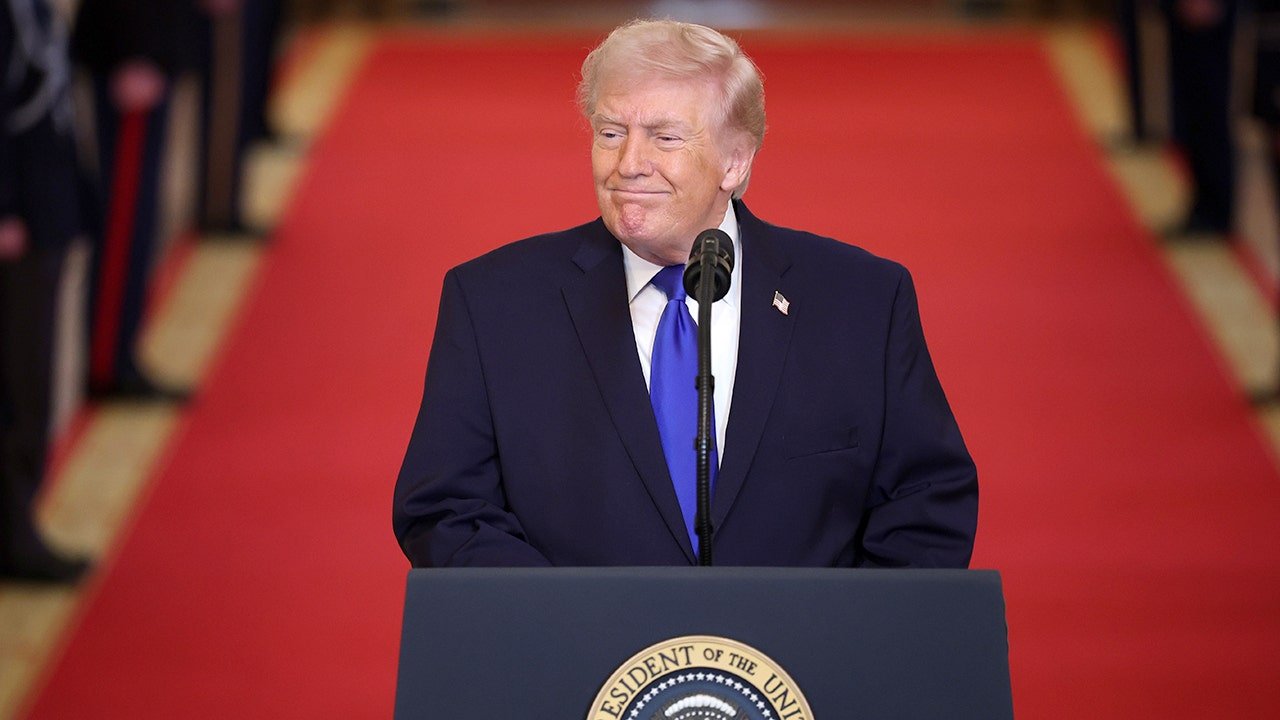
FIRST ON FOX: President Donald Trump’s fiscal year 2027 budget proposal focuses on combating violent crime while boosting immigration enforcement, including funding for more agents, alongside additional resources for expanded detention capacity and removal operations, according to information provided exclusively to Fox News Digital by the Office of Management and Budget (OMB) led by Director Russ Vought.
The plan calls for more than $19 billion in federal law enforcement funding — a 15% increase over current levels — which the administration says would go toward targeting violent criminals, drug traffickers and illegal immigrants.
«The President’s FY 2027 Budget fully funds a strong border, the removal of violent criminal aliens from our streets, and stops the endless stream of benefits to illegal aliens given preference over American citizens,» an OMB spokesperson said in materials shared with Fox News Digital.
OMB said the administration is building on what it described as «great success in reducing crime under President Trump’s leadership.»
GOP, DEMOCRATS CLASH ON CAPITOL HILL AS REPUBLICANS TARGET CARTELS AND DEMS PUSH TO CURB ICE PARTNERSHIPS
President Donald Trump’s fiscal year 2027 budget proposal focuses on combating violent crime while increasing immigration enforcement. (Win McNamee/Getty Images)
«[We] will continue undeterred in removing the criminal illegal aliens terrorizing innocent Americans and arresting the criminals who bring drugs, crime, and chaos to our streets,» the office said.
The proposal would fund more federal agents «working to capture illegal aliens,» expand task forces targeting transnational criminal groups like Tren de Aragua and MS-13 as well as drug cartels, and increase the number of prosecutors handling violent crime cases, according to OMB.
The budget also relies heavily on funding from the Working Families Tax Cut Act (WFTC), which OMB said provides more than $190 billion for homeland security efforts over multiple years, including at least $31.4 billion in 2027.
TRUMP DEFENDS MINNEAPOLIS FEDERAL ENFORCEMENT, SAYS CRIME PLUNGED AFTER ‘THOUSANDS OF CRIMINALS’ REMOVED
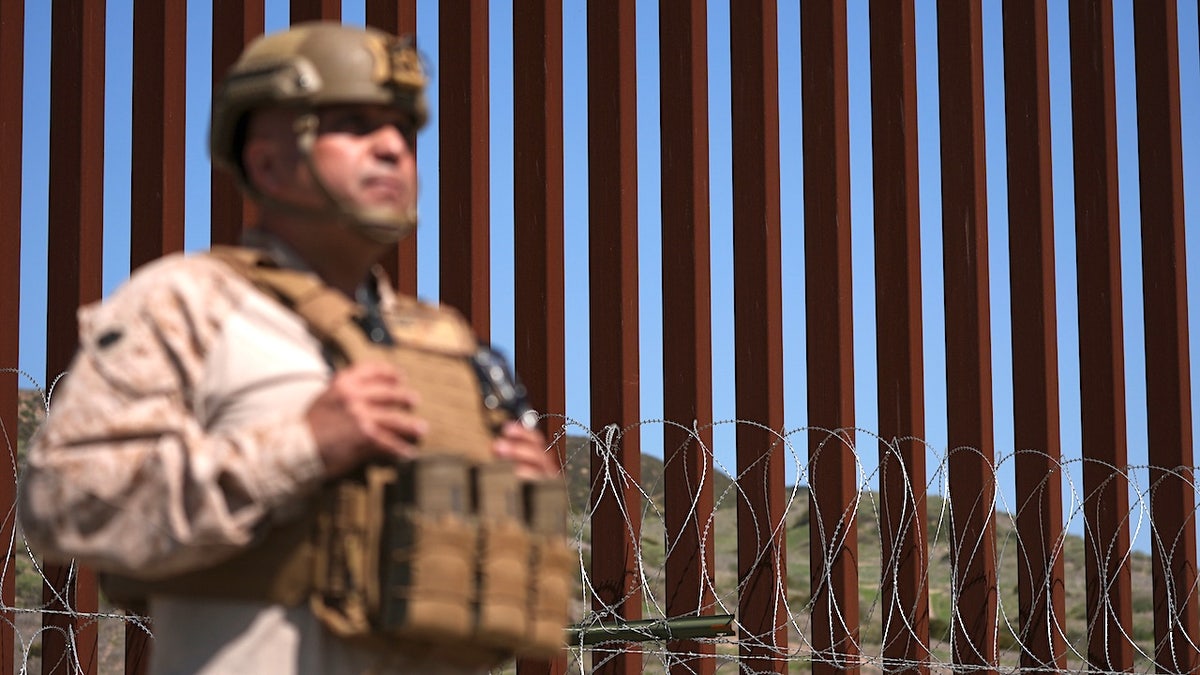
The Trump administration has made securing the border and deporting criminal illegal aliens a priority. (Gregory Bull/Associated Press)
That funding would be used to finish construction of the southern border wall, deploy new border security technology and support large-scale immigration enforcement operations, according to OMB.
A major focus is expanding detention and deportation capacity.
OMB said WFTC provides $75 billion for Immigration and Customs Enforcement (ICE), including funding to expand detention space to as many as 100,000 single-adult beds and 30,000 family-unit beds. It also includes $15.4 billion for transportation to increase removals and allows for a 67% increase in ICE staffing through 2029.
TRUMP UNLEASHES ‘TOUGHEST FENTANYL CRACKDOWN IN HISTORY’ AS GOP VOWS ‘CONSEQUENCES’ FOR CHINESE PRODUCERS
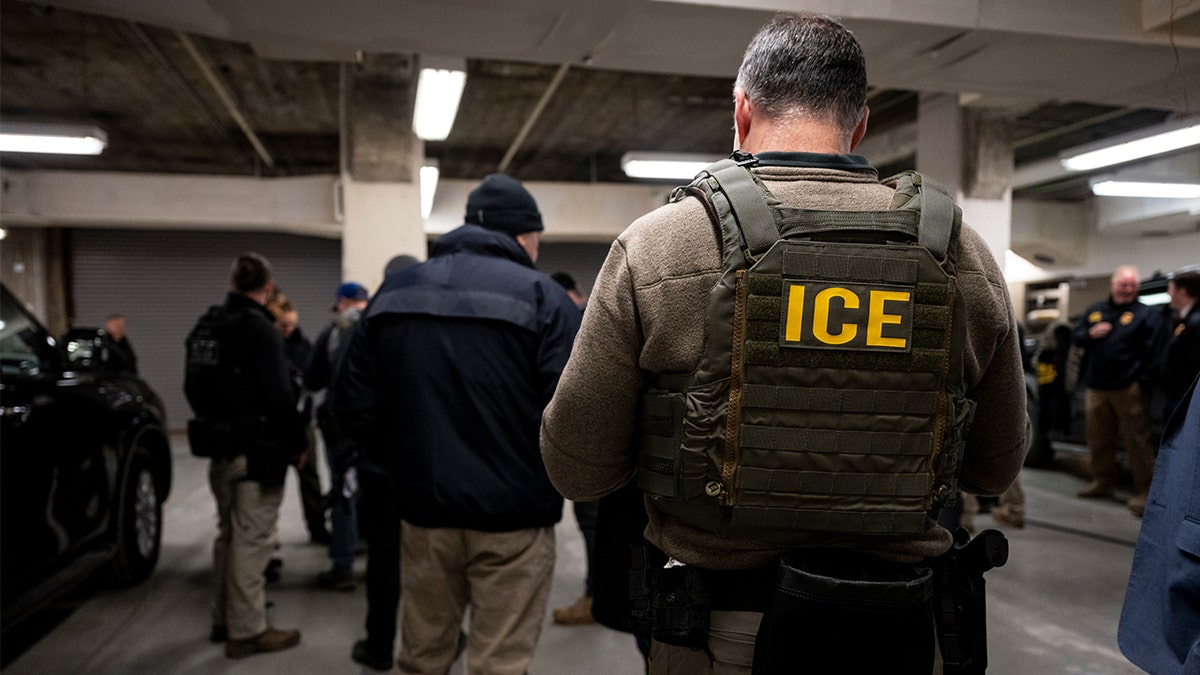
US Immigration and Customs Enforcement (ICE) agents, along with other federal law enforcement agencies, attend a pre-enforcement meeting in Chicago. (Christopher Dilts/Bloomberg)
The proposal also includes $899 million for immigration courts — a $99 million increase — which the administration says would help speed up deportation proceedings by adding judges and expanding courtroom space.
The administration has pointed to prior federal enforcement surges as evidence that a heavier law enforcement footprint can quickly reduce crime.
In Memphis, Tennessee, a Department of Justice-led operation involving federal agents and National Guard troops resulted in more than 1,700 arrests in a single month, including suspects tied to homicide, drug trafficking and gang activity, according to data previously reported by Fox News Digital. The operation also recovered nearly 300 firearms and located dozens of missing children.
TRUMP TASK FORCE RACKS UP 500 ARRESTS IN JANUARY AS PRESIDENT BRANDS CARTELS ‘ISIS OF THE WESTERN HEMISPHERE’
A similar federal task force effort in Washington, D.C., has led to more than 10,000 arrests since 2025 and the seizure of over 1,000 illegal firearms, according to prior Fox News Digital reporting. Violent crime in the district has dropped sharply during that period, including declines in homicides and robberies.
The Coast Guard would also see increased funding, with a $2.1 billion boost to operations aimed in part at stopping migrants and illegal drugs at sea, according to OMB.
CLICK HERE TO DOWNLOAD THE FOX NEWS APP
The broader fiscal 2027 budget is expected to include a significant increase in defense spending as well. Reuters reported that Trump is preparing to request a $1.5 trillion defense budget, potentially the largest year-over-year increase in post-World War II history, with funding for missile defense systems, fighter jets and warships.
Trump’s proposed FY 2027 budget is expected to be presented to Congress on April 3, Good Friday.
deportation, immigration, tren de aragua, illegal immigrants, border security
INTERNACIONAL
Bajo una fuerte presión de Estados Unidos, el régimen cubano anunció el indulto de 2.010 presos políticos
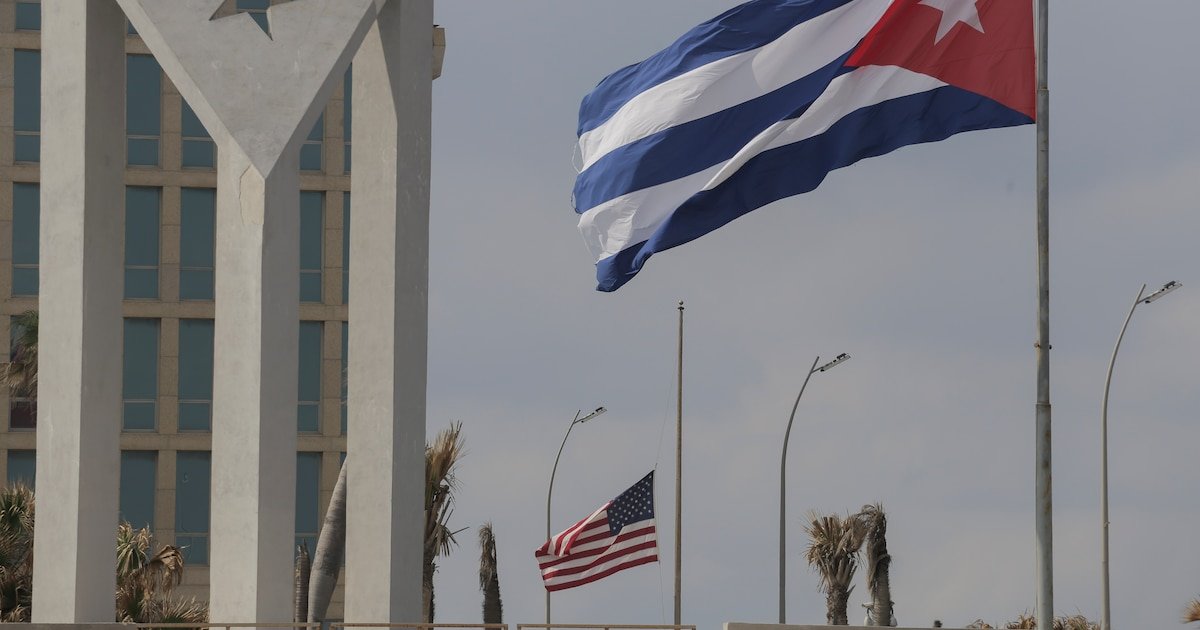
El régimen de Cuba anunció el jueves la liberación anticipada de 2.010 presos políticos como un “gesto humanitario” en el marco de la Semana Santa, marcando la segunda excarcelación masiva anunciada en menos de un mes, en un contexto de creciente presión desde Washington y el diálogo de La Habana con el Vaticano.
Según una nota oficial transmitida en la televisión estatal, el indulto aprobado por las autoridades del régimen responde a un “gesto humanitario y soberano” y coincide con las celebraciones religiosas.
Las autoridades cubanas no proporcionaron una lista de los beneficiarios ni detalles sobre los motivos de su detención, aunque aseguraron que se trata de reos que han cumplido una parte importante de su sanción y han mostrado buena conducta. El comunicado agregó que se tomó en cuenta el estado de salud de los indultados, entre quienes figuran jóvenes, mujeres, adultos mayores de 60 años, así como extranjeros y ciudadanos cubanos residentes en el exterior.
Según el anuncio, quedaron excluidos del beneficio quienes cumplen condena por delitos como agresión sexual, pederastia con violencia, asesinato, homicidio, tráfico de drogas, hurto, robo violento o con armas, corrupción de menores, delitos contra la autoridad, y reincidencia o multirreincidencia. Según la nota oficial, el indulto anunciado este jueves es el quinto que realiza el régimen cubano desde 2011, beneficiando a más de 11.000 personas en total.

Observatorio Cubano de Derechos Humanos vía X)
El anuncio se dio poco después de que la administración del presidente estadounidense Donald Trump flexibilizara el bloqueo petrolero que pesa sobre la isla desde hace casi tres meses. Estados Unidos permitió la llegada de un petrolero ruso para abastecer al país sumido en una grave crisis energética.
Trump reiteró su intención de propiciar un cambio de régimen en Cuba, considerada una “amenaza excepcional” por sus vínculos con Rusia, China e Irán para la región. En los últimos meses, el mandatario estadounidense endureció su retórica hacia La Habana e incluso sugirió la posibilidad de “tomar” la isla, gobernada por el Partido Comunista.
El pasado 12 de marzo, las autoridades anunciaron la liberación anticipada de 51 prisioneros como gesto de “buena voluntad” hacia el Vaticano, actor clave en las mediaciones históricas entre La Habana y Washington. Al día siguiente, el régimen de Miguel Díaz-Canel confirmó que Cuba mantiene conversaciones con Estados Unidos, tal como señalaba Trump desde mediados de enero.
El académico Michael Bustamante, de la Universidad de Miami, destacó, en diálogo con AFP, que no es la primera vez que las autoridades cubanas adoptan este tipo de medidas en vísperas de festividades religiosas como la Pascua, aunque rara vez a esta escala. “No parece descabellado pensar que esto sea una señal de que parte del diálogo entre ambos gobiernos (Washington y La Habana) está avanzando. Quizás con lentitud, pero avanzando”, señaló.

Un aspecto crítico del reciente indulto en Cuba es la exclusión de los delitos catalogados como “contra la autoridad”, una categoría que suele aplicarse a manifestantes y ciudadanos críticos, lo que deja fuera a personas sancionadas por motivos políticos. Además, la decisión de no incluir a quienes ya recibieron indultos previamente refuerza un enfoque punitivo que no distingue entre reincidencia común y situaciones surgidas en el contexto de la crisis social actual.
Este nuevo indulto se suma a otras excarcelaciones. En enero de 2025, se informó la liberación de 553 reclusos en el marco de negociaciones con Estados Unidos y la mediación de la Santa Sede. En años anteriores, también se produjeron indultos masivos, como los de 2.604 presos en 2019 y 787 en 2016.
La Iglesia católica ha sido durante décadas un canal de mediación entre Cuba y Estados Unidos y jugó un papel fundamental en el restablecimiento de relaciones diplomáticas en 2015, durante el segundo mandato de Barack Obama.
(Con información de AFP)
libertad,derechos humanos,protesta,banner,activismo,justicia,manifestación,rostros

Se cumple «profecía» de Milei: al BCRA le salen dólares por las orejas pero llega una prueba difícil

Con el eje puesto en Adorni, Javier Milei convocó a una reunión general del Gabinete

«Está todo parado»: el turismo se desploma en Cuba en medio de la profunda crisis energética

Marcha atrás: Conmebol presionó a U Católica y Boca Juniors podrá llevar hinchas a Chile

Qué ver en Netflix, la miniserie de 6 episodios que es la joya oculta y nadie puede perderse: «Post Mortem: Nadie muere en Skarnes»

El Gobierno rompió relaciones diplomáticas con Irán y escala la tensión: cronología de un conflicto que crece al ritmo de la guerra en Medio Oriente

Dos jubiladas que le habrían prestado dinero a Manuel Adorni negaron conocerlo

Quiénes son las dos acreedoras del préstamo con el que Adorni compró su departamento en Caballito

El Gobierno reevalúa la estrategia de comunicación por el caso Adorni y mide el impacto en la imagen de Milei

Milei se pone al frente de la defensa de Adorni y lo suma a un acto por Malvinas en una nueva muestra de respaldo

 POLITICA3 días ago
Dos jubiladas que le habrían prestado dinero a Manuel Adorni negaron conocerlo
- POLITICA2 días ago
El Gobierno reevalúa la estrategia de comunicación por el caso Adorni y mide el impacto en la imagen de Milei
- POLITICA20 horas ago
Milei se pone al frente de la defensa de Adorni y lo suma a un acto por Malvinas en una nueva muestra de respaldo