INTERNACIONAL
Supreme Court hears challenge to Trump’s birthright citizenship order in major case

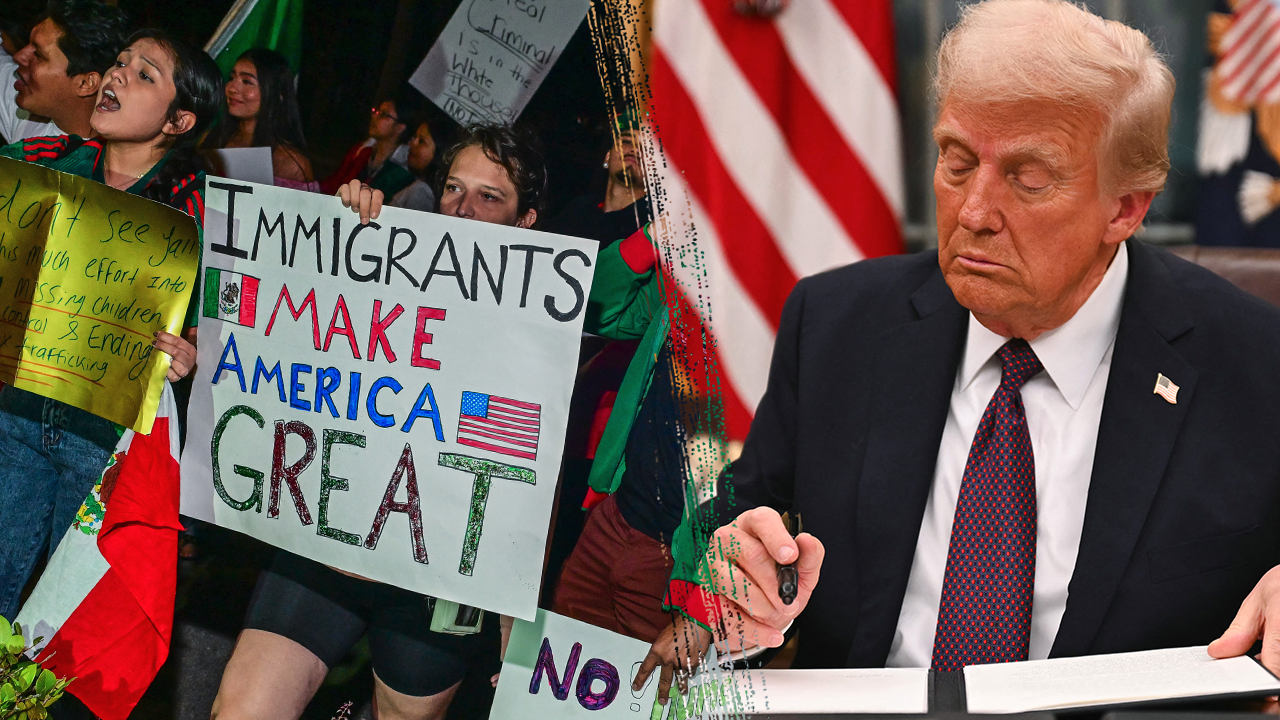
The Supreme Court will hear oral arguments Thursday on a challenge to President Donald Trump’s effort to end birthright citizenship, and crucially, whether lower courts that have blocked Trump’s policies from taking force nationwide have acted beyond their authority.
Any decision from the 6–3 conservative majority could have sweeping implications for Trump’s presidency as his lawyers spar against an onslaught of lawsuits in federal courts nationwide.
The Supreme Court arguments are expected to focus on lower court judges in Maryland, Massachusetts and Washington state who issued «universal» injunctions against Trump’s birthright citizenship executive order earlier this year.
The Trump administration asked the Supreme Court in March to intervene and limit the scope of three lower court rulings to cover only individuals directly impacted by the relevant courts (or potentially, the 22 states that challenged Trump’s executive order). But that’s unlikely to be the primary theme at the center of Thursday’s high-profile debate.
100 DAYS OF INJUNCTIONS, TRIALS AND ‘TEFLON DON’: TRUMP SECOND TERM MEETS ITS BIGGEST TESTS IN COURT
Demonstrators hold up signs during a «Hands Off!» protest against President Donald Trump at the Washington Monument in Washington, D.C., on April 5. (AP Photo/Jose Luis Magana)
Rather, justices are expected to use the oral arguments to weigh the authority of lower courts to issue nationwide, or «universal» injunctions blocking presidential policies — teeing up a high-stakes showdown that pits Trump’s Article II powers against Article III courts.
The hearing comes as Trump and his allies have railed against so-called «activist» judges, whom they have accused of overstepping their powers and acting politically to block Trump’s policies. The president even suggested that a federal judge in Washington, D.C., be impeached for his ruling earlier this year, which prompted a rare public rebuke from Chief Justice John Roberts.
‘ACTIVIST’ JUDGES KEEP TRYING TO CURB TRUMP’S AGENDA — HERE’S HOW HE COULD PUSH BACK
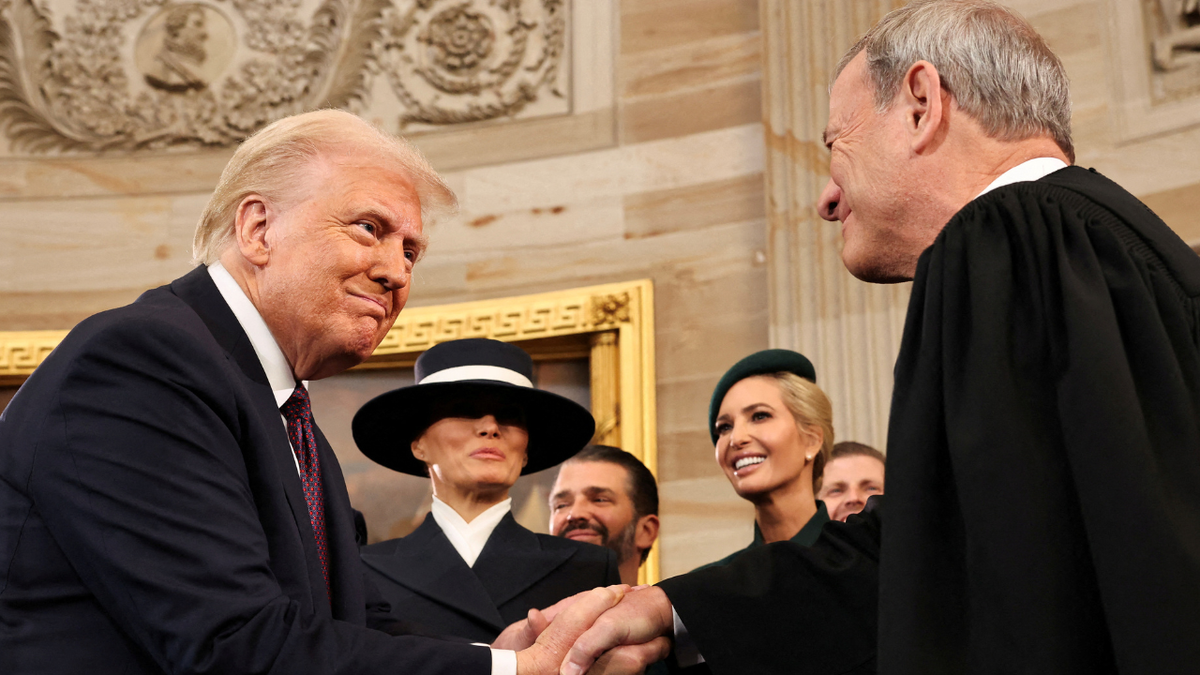
President Donald Trump shakes hands with U.S. Supreme Court Chief Justice John Roberts in Washington, D.C., on Jan. 20. (Chip Somodevilla/Pool via Reuters/File)
Trump has signed more than 150 executive orders in his second term, inviting a seemingly unrelenting wave of challenges in court. Many of these orders have been blocked by federal judges across the country, who have restricted Trump’s use of a 1798 wartime immigration law to deport certain migrants, ordered the administration to reinstate certain government personnel and sought to impose limits on Elon Musk’s government efficiency organization, DOGE, among other orders.
While Trump allies accuse these judges of political bias and overreach, others critical of the administration say the courts have not gone far enough to rein in Trump’s attempts to expand the executive branch’s powers.
«The second Trump administration has taken the guardrails off of the norms that historically governed the rule of law, and is undertaking steps to enhance the perceived power of the executive branch to the detriment of the two other co-equal branches,» Mark Zaid, a D.C.-based attorney who has sued Trump in several high-profile cases, told Fox News Digitial in an interview to mark his first 100 days in office.
FEDERAL JUDGES IN NEW YORK AND TEXAS BLOCK TRUMP DEPORTATIONS AFTER SCOTUS RULING
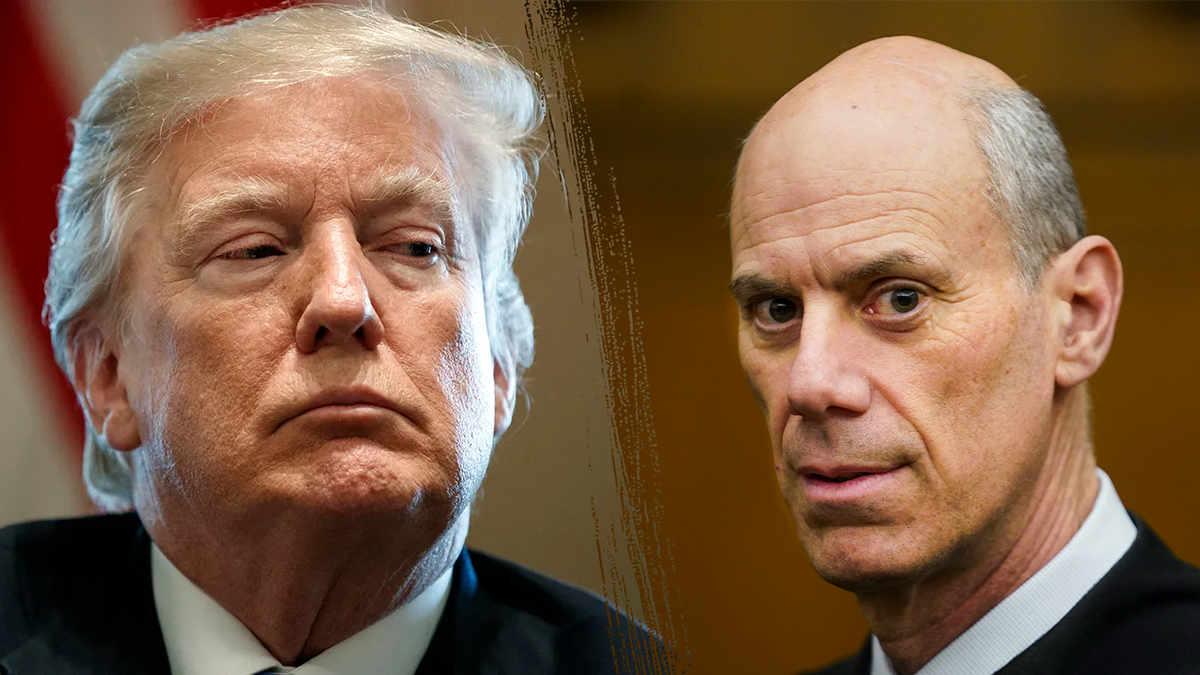
President Donald Trump and U.S. District Judge James Boasberg. (Getty Images)
Justices on the Supreme Court will consider a trio of consolidated cases involving nationwide injunctions handed down by federal judges in Maryland, Massachusetts and Washington state that blocked Trump’s ban on birthright citizenship from taking force.
CLICK TO GET THE FOX NEWS APP
But the policy remains widely unpopular. More than 22 U.S. states and immigrants’ rights groups have sued the Trump administration to block the change to birthright citizenship, arguing in court filings that the executive order is both unconstitutional and «unprecedented.»
And to date, no court has sided with the Trump administration’s executive order seeking to ban birthright citizenship, though multiple district courts have blocked it from taking effect.
Supreme Court,Donald Trump,Immigration,Federal Courts,Politics










INTERNACIONAL
Trump warns of Iranian ‘sleeper cells’ as Canada accused of harboring regime operatives
NEWYou can now listen to Fox News articles!
As President Donald Trump warned this week about Iranian «sleeper cells» potentially operating in North America, Canadian opposition lawmakers are accusing their government of allowing operatives linked to Tehran’s regime to remain in the country.
Speaking on Wednesday, Trump said U.S. authorities were monitoring Iranian networks believed to have entered the United States in recent years.
«I have been [briefed], and a lot of people came in through Biden with his stupid open border,» Trump said in response to a question from Fox News’ Peter Doocy. «But we know where most of them are. We’ve got our eye on all of them.»
The remarks come amid growing concern among Western security officials about Iranian intelligence activities targeting critics abroad.
FROM HOSTAGE CRISIS TO ASSASSINATION PLOTS: IRAN’S NEAR HALF-CENTURY WAR ON AMERICANS
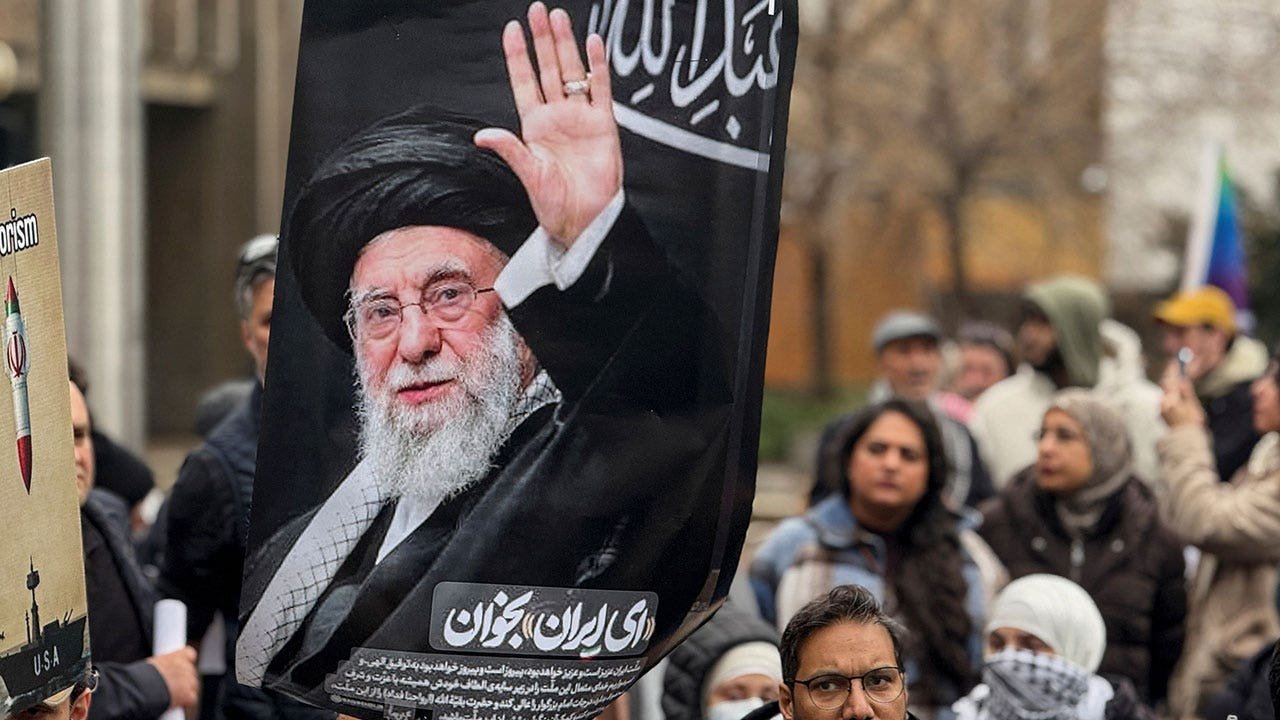
A counter-protester holds an image of Iran’s late Supreme Leader Ayatollah Ali Khamenei near a rally by people supporting the Israel-U.S. conflict with Iran, in front of the U.S. consulate in Toronto, Ontario, Canada March 7, 2026. (Kyaw Soe Oo/Reuters)
In Canada, senior Conservatives say the government has failed to act against Iranian regime officials despite identifying individuals linked to Tehran.
In a statement released in Ottawa, Deputy Conservative leader Melissa Lantsman, immigration shadow minister Michelle Rempel and Pierre Paul-Hus, Conservative Québec Lieutenant, called upon the Liberal government to table a plan within one week to take immediate action to stop Iranian regime activities in Canada.
«The Liberals have known for years that there are hundreds of Iranian regime officials in Canada, 239 of whom have had their visas cancelled,» the lawmakers said.
NATIONAL SECURITY EXPERT URGES DHS TO RAISE TERROR THREAT LEVEL, WARNS OF SLEEPER CELL RISKS IN US

A counter-protester holds signs against the U.S.-Israel conflict with Iran near a rally by people supporting the war, in front of the U.S. consulate in Toronto, Ontario, Canada, March 7, 2026. (Kyaw Soe Oo/Reuters)
They added that government officials told a parliamentary immigration committee earlier this week that only one person has been deported so far, citing legal obstacles including asylum claims, the absence of direct flights to Iran and privacy protections.
Maryam Shariatmadari, one of the faces of the «Girls of Revolution Street» protests against Iran’s mandatory hijab laws who fled Iran after being imprisoned and now lives in exile in Canada, told Fox News Digital that «The presence of agents of the Islamic Republic in Canada is not a new issue. For years, the people of Iran have expressed concern about the presence of these individuals and their children in Canada.»
«A clear example is Mahmoud Reza Khavari and Marjan Al-Agha, who are known embezzlers. What is striking is that an economic magazine that introduces entrepreneurs has presented the son of Mahmoud Reza Khavari — the former CEO of Bank Melli and a convicted criminal in Iran — as an ‘inspiring businessman’ in Canada and has described him as ‘a young leader,’» she said.
«But these days we are seeing more of these individuals,» Shariatmadari added. «Their presence has become more visible, and they are organizing gatherings under the slogan ‘No to War,’ while expressing support for Hamas and Hezbollah. Meanwhile, they remained completely silent about the killing of Iranians.»
DHS REMAINS UNFUNDED AS IRAN SLEEPER CELL FEARS SPIKE NATIONWIDE AMID SECURITY WARNINGS

Anti-Israel protesters gather outside of the Beth Avraham Yoseph of Toronto synagogue on March 7, 2024. The place of worship was one of three synagogues shot in the first week of March, 2026. (Mert Alper Dervis/Anadolu via Getty Images)
Exiled Iranian journalist Mehdi Ghadimi who now lives in Canada told Fox News Digital that individuals linked to Iran’s regime often arrive in Western countries through several different channels. «Some arrive as students, academics or ordinary immigrants but were already connected to the Islamic Revolutionary Guard Corps through family ties or ideological affiliation», he said, «They often try to identify activists and critics so those individuals can face legal or judicial problems either in Iran or even abroad,» he said.
Ghadimi said another category operates primarily through financial networks tied to the regime. «Another group includes people who used to be members of the IRGC or other state institutions and later enter countries like Canada as private investors,» he said. «When someone brings several million dollars for investment, it raises questions about where that money came from.»
He added that wealthy business figures who move capital abroad may also do so with the approval of Iran’s security establishment. «If someone is moving large amounts of money out of Iran and investing abroad, it is very difficult to do that without the approval of the IRGC and the security institutions of the Islamic Republic,» he said.
Ghadimi also pointed to past corruption scandals involving Iranian officials who moved large sums of money overseas, including the case of former Bank Melli CEO Mahmoud Reza Khavari, who fled Iran after a major banking scandal and later settled in Canada.
The criticism comes as Canadian police investigate the disappearance of Iranian dissident Masood Masjoody, a mathematician and critic of Iran’s clerical leadership who vanished earlier this year in Burnaby, British Columbia.
Investigators with Canada’s Integrated Homicide Investigation Team say evidence suggests Masjoody was likely the victim of murder, though authorities have not publicly identified suspects and the investigation remains ongoing, according to The Guardian.
Police say investigators are reviewing Masjoody’s background and personal history as part of the probe, and Canadian media reports have noted aspects of his past that authorities are examining as they work to determine a possible motive.
The case has heightened concerns among Canada’s Iranian diaspora, many of whom have warned for years that Tehran monitors and intimidates critics abroad.
Conservatives argue weaknesses in immigration enforcement have allowed individuals linked to the Iranian regime to remain in the country despite visa bans and sanctions imposed by Ottawa.
They are calling on the government to urgently enforce deportation orders against Iranian regime officials, disrupt financial networks linked to Tehran and establish a long-delayed foreign influence registry aimed at exposing agents working on behalf of foreign governments.
«The Liberals can take action against the Iranian regime today, at home within our own borders. Too much is at stake. We expect a plan within the week,» they said in the statement.
CLICK HERE TO DOWNLOAD THE FOX NEWS APP
«It’s not complicated, Iran’s regime must not find safe haven in Canada,» Lantsman said.
The Canadian government directed Fox News Digital to the Canada Border Services Agency, which did not respond to a request for comment.
canada,war with iran,terrorism,donald trump
NEWYou can now listen to Fox News articles!
Sen. John Cornyn’s reversal on scrapping the Senate filibuster is sparking backlash among some supporters of the 60-vote rule, with one leading proponent, former Sen. Joe Manchin, I-W.Va., accusing the Texas Republican of ditching his longstanding position for political expediency.
«When I was a U.S. Senator, there was not another person more committed to keeping the filibuster than Senator John Cornyn,» Manchin wrote in a scathing social media post Thursday. «He understood the incredible political pressure I faced from my former party to get rid of the filibuster and give Democrats complete power — and at the time, he understood why neither party should take our country past this point of no return.»
«These extreme election-year politics that put party power over everything else are why Americans are sick and tired of the duopoly of the two-party system of Democrats and Republicans,» Manchin added.
Cornyn, who is locked in a heated run-off election to win a fifth Senate term, called on Republicans in an op-ed Wednesday to consider ditching the filibuster Wednesday to pass a Trump-backed election bill. The measure, known as the (Safeguarding American Voter Eligibility) SAVE Act, is facing an uphill battle in the Senate due to expected unanimous opposition from Democrats. Under Senate rules, most legislation is subject to a 60-vote threshold to cut off debate and move on to final passage.
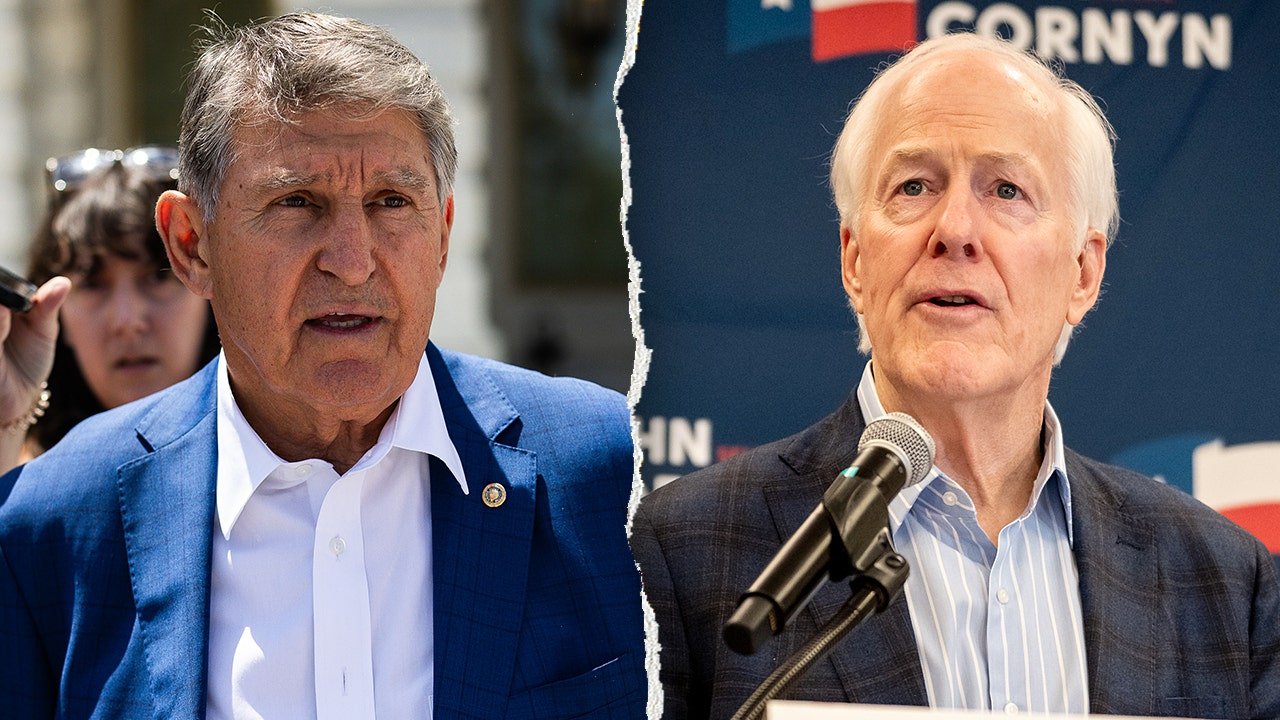
Former Sen. Joe Manchin, I-W.Va., sharply criticized Sen. John Cornyn, R-Texas, over his reversal on the Senate filibuster Thursday. (Tierney L. Cross/Getty Images; Sara Diggins/The Austin American-Statesman via Getty Images)
The editorial was a notable shift for the Texas Republican, who previously defended the merits of the filibuster.
«For many years, I believed that if the U.S. Senate scrapped the filibuster, Texas and our nation would stand to lose more than we would gain,» Cornyn wrote. «But when the reality on the ground changes, leaders must take stock and adapt.»
Cornyn is currently vying in a two-man race against State Attorney General Ken Paxton, R-Texas, during which President Donald Trump’s endorsement could prove decisive. The president has repeatedly called on Senate Republicans to abolish the 60-vote requirement or pursue a rarely-tried talking filibuster and send the SAVE America Act to his desk. Paxton has previously come out in support of ending the Senate filibuster.
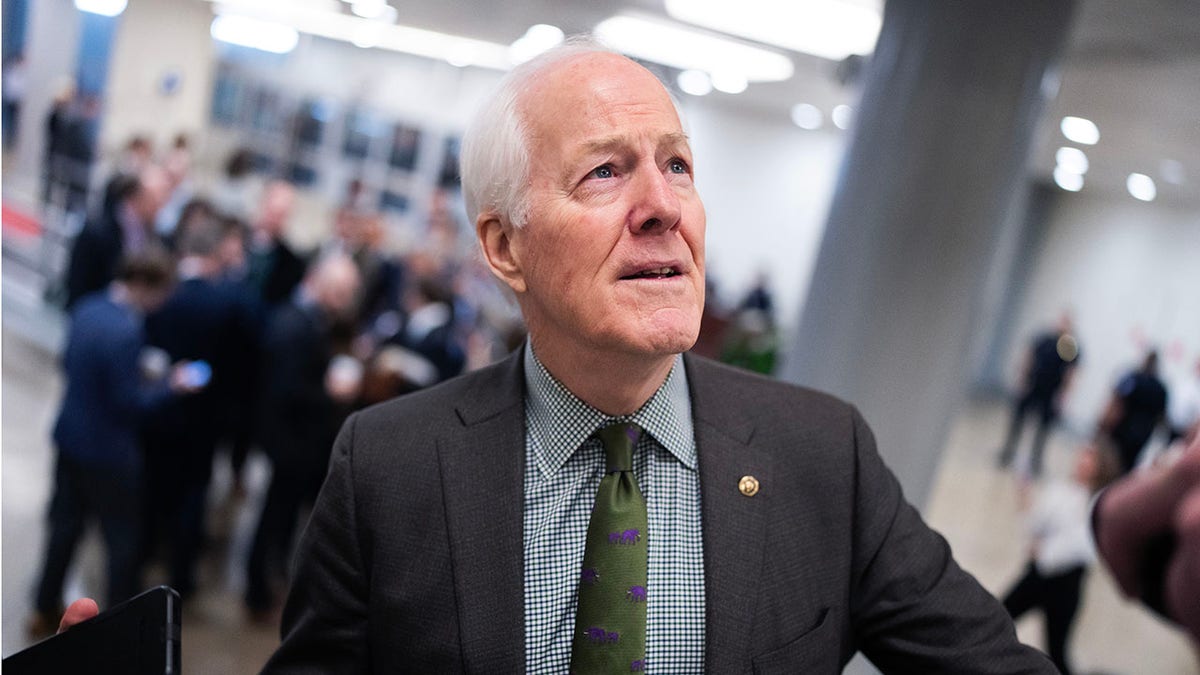
Cornyn is currently running in a two-man race against State Attorney General Ken Paxton, R-Texas. (Tom Williams/CQ-Roll Call, Inc. via Getty Images)
TRUMP, THUNE CLASH ON VOTER ID ULTIMATUM AS GOP REMAINS DIVIDED ON PATH FORWARD
Manchin, a former Democrat-turned-Independent who passed on running for re-election in 2024, alleged that Cornyn personally reached out to him after he defeated Democrats’ gambit to nix the 60-vote rule under former President Joe Biden.
In early 2022, Manchin supplied the critical vote alongside former Sen. Kyrsten Sinema, I-Ariz., and Republicans to tank a Democratic-led effort to abolish the filibuster and pass so-called voting rights legislation.
«It’s deeply disappointing to see that Senator Cornyn is now willing to scrap the very rule he once praised and personally thanked me for defending,» Manchin wrote.
At that time, Cornyn urged Democrats to preserve the filibuster while Republicans were serving in the minority.
«Power is fleeting and at some point the shoe will always be on the other foot,» Cornyn said in a floor speech. «Liberal activists may like the idea of nuking the filibuster today, but they’ll soon find themselves ruing the day their party broke the Senate.»
COLLINS BOOSTS REPUBLICAN VOTER ID EFFORT, BUT WON’T SCRAP FILIBUSTER
Cornyn denied Manchin’s account Thursday. He has also argued that his reversal on the Senate filibuster was not aimed at winning Trump’s endorsement.
«There’s no Joe Manchins left in the Democratic Party and no Kyrsten Sinemas …this is an entirely different circumstance, dealing with Democrats who will not negotiate or consider anything that President Trump or Republicans want,» the Texas Republican told reporters. «We can either accept that or we can fight back, and I think we should fight back.»
Senate Majority Leader John Thune, R-S.D., who has come under significant pressure from Trump and conservative influencers to pass the SAVE America Act, indicated Wednesday that the filibuster is here to stay regardless of Cornyn’s pleas.
«Senator Cornyn is one of 53 Republican senators, and the opposition to nuking the filibuster runs very, very deep in our conference,» Thune told reporters.
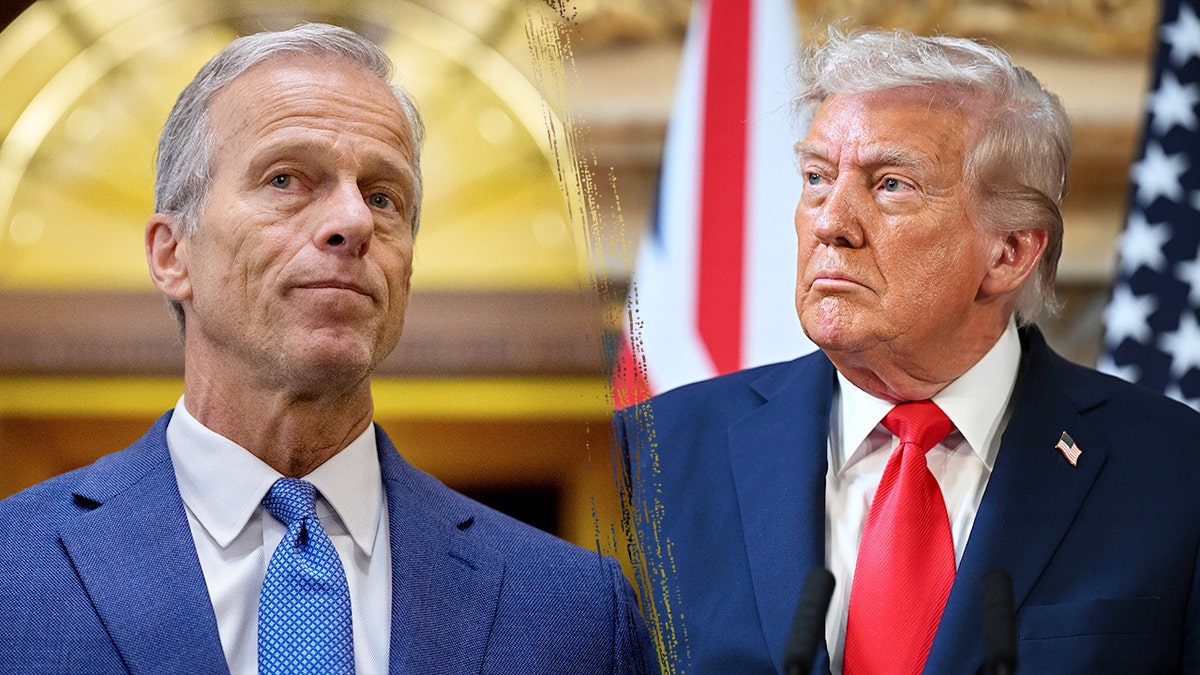
Congressional Republicans, President Donald Trump and the GOP base want voter ID turned into law, but one barrier stands in the way: the political reality of the Senate. (Leon Neal/Getty Images; Andrew Harnik/Getty Images)
CLICK HERE TO DOWNLOAD THE FOX NEWS APP
Manchin has continued to sing the filibuster’s praises in his retirement, arguing that the 60-vote threshold protects the minority party and forces legislation to be bipartisan.
«The filibuster — the soul of the Senate — has preserved the Senate’s role for nearly 250 years as the institution that cools passions, protects minority voices, and demands consensus,» Manchin said. «America was built on institutions designed to resist political convenience, not surrender to it.»
Fox News Digital reached out to Cornyn’s office for comment.
senate,texas,donald trump,john thune

Un cardumen de sombras se desplazó bajo la superficie del Atlántico sur, rompiendo la rutina de la costa rionegrina. Más de cien tiburones bacota fueron avistados en las aguas del Golfo San Matías, en un fenómeno pocas veces documentado que sorprendió tanto a científicos como a residentes de la zona. El registro, realizado por el piloto de drone Maximiliano Facundo Cartes Salas, no solo aportó imágenes inéditas, sino que reavivó preguntas sobre la presencia y el comportamiento de esta especie en la región.
La especie protagonista de este avistamiento es el tiburón bacota (Carcharhinus brachyurus), también conocido como tiburón cobrizo. Se trata de un escualo costero de gran tamaño, que puede alcanzar hasta tres metros de longitud y superar los 100 kilos. En aguas argentinas, el bacota es el representante más común de su género y resulta fácilmente reconocible por su color dorsal bronceado y su potente silueta.

Alejo Irigoyen, investigador de CONICET en el Centro Nacional Patagónico (CENPAT), explicó a Infobae: “Es inusual y espectacular que hayan logrado filmarlos porque el Mar Argentino es de aguas turbias. Y es una especie que suele estar en zonas profundas, debajo de los cinco o seis metros por lo que no se ven. Con una marea muy baja y condiciones muy buenas lograron ver y filmar ese cardumen. Es como la primera vez que se ve algo así”.
Según datos de Proyecto Arrecife, iniciativa científica del CESIMAR-CONICET en Argentina enfocada en la conservación y uso sustentable de peces y hábitats marinos, especialmente tiburones patagónicos, la distribución del bacota es global pero fragmentada: habita zonas templado-cálidas de los océanos Atlántico, Pacífico e Índico, y en el Mar Argentino despliega un patrón migratorio que lo lleva de norte a sur durante la temporada cálida.

La concentración de más de cien ejemplares fue documentada en la Bahía de San Antonio, en la zona de Las Grutas y San Antonio Oeste. Las imágenes aéreas muestran una “constelación de siluetas” bajo el agua, que se desplazaban en conjunto y correspondían a animales de entre 2,5 y 3 metros y hasta 100 kilos.

La biología marina Florencia Fernández, integrante del Grupo CONDROS y el Centro de Investigación Aplicada y Transferencia Tecnológica en Recursos Marinos (CIMAS), remarcó a Río Negro que el registro “es impresionante”. Sostuvo que este tipo de hallazgos abren nuevos interrogantes: “¿Estas especies utilizan nuestras aguas en alguna etapa clave de su ciclo de vida? ¿Es un evento que ocurre todos los años o cada cuánto tiempo sucede?”.
Los especialistas coinciden en que el bacota suele aparecer en la región durante los meses más cálidos y que su presencia puede estar asociada a la reproducción o a desplazamientos migratorios. La región del Golfo San Matías reúne condiciones de temperatura y alimentación que favorecen estos agrupamientos, aunque la magnitud captada por el drone supera los registros previos en la zona.

El tiburón bacota está catalogado como especie vulnerable según la Unión Internacional para la Conservación de la Naturaleza (IUCN), con poblaciones en descenso. Presenta características biológicas que lo hacen especialmente sensible a la presión pesquera: crece lentamente, alcanza la madurez sexual a los 20 o 21 años y tiene largos ciclos reproductivos, con pocas crías por camada. “Una hembra de Bacota tarda casi 20 años en tener su primera cría. Su crecimiento es tan lento que cualquier pérdida hoy tiene un impacto que la naturaleza tardará un cuarto de siglo en recuperar”, publicó Cartes Salas en sus redes sociales.
La especie es buscada por pescadores deportivos y, en ocasiones, capturada por flotas comerciales. Según los datos de Proyecto Arrecife, análisis recientes muestran una disminución anual de entre 13 y 29% en la abundancia de bacotas en aguas argentinas. Los científicos insisten en que la conservación de la especie requiere la cooperación entre Argentina, Brasil y Uruguay, ya que el bacota atraviesa fronteras en su migración.
El acceso a nuevas tecnologías, como los drones, permitió obtener imágenes inéditas de este fenómeno y facilitar el análisis de los especialistas. El material, obtenido por Cartes Salas, fue remitido de inmediato al Grupo CONDROS y al CIMAS para su estudio. La decisión de no revelar la ubicación exacta del avistamiento responde a la necesidad de proteger el enclave natural y evitar la pesca furtiva.

“Proteger este santuario natural es nuestra prioridad absoluta”, enfatizó Cartes Salas. La comunidad científica apoya la medida y solicita que toda interacción con la fauna marina se ajuste a prácticas responsables. Además, los especialistas destacan que el bacota no representa peligro para las personas. “En toda la historia del territorio argentino, jamás se registró una mordedura de esta especie a una persona”, aseguró Fernández.
El Golfo San Matías alberga una notable diversidad de especies: se han documentado doce tipos de tiburones y diecinueve de rayas, lo que confirma la riqueza de peces cartilaginosos en la región. El bacota cumple un rol regulador en el ecosistema marino, ayudando a mantener el equilibrio de las poblaciones de otras especies.
La difusión responsable y el trabajo coordinado entre investigadores y divulgadores resultan fundamentales para fortalecer la protección de especies clave y poner en valor la riqueza natural de las costas argentinas.
tiburones,avistamiento,oceano,mar,vida marina,drones,naturaleza,fauna,animales

Antes de Talleres-Instituto, Defensa y Justicia se mide ante Central Córdoba por la fecha 10 del Torneo Apertura

La Corte confirmó la condena contra un abogado del caso Bento que amenazó con matar al fiscal

El Gobierno avanzará con designaciones judiciales para ganar tiempo en la carrera por cubrir las vacantes

Morena Rial salió de la cárcel y se conoció escalofriante dato que involucra a Jorge Rial: «Me pidió que me hiciera cargo»

Una familia tipo necesita $1.397.672 al mes para no ser pobre

Rumbo a los 100 años de su nacimiento, recordaron con una misa el aporte de Raúl Alfonsín a la democracia

Jenny Mavinga angustiada tras una quemadura en Gran Hermano 2026: “¡Ay, me quemó!

El mercado le está corriendo el arco a Caputo y el riesgo país no baja: en la City palpitan medidas

Muni Seligmann respondió las críticas tras el accidente de su bebé y su viaje a Miami: “Hay que contarlo y naturalizarlo”

Juan Carlos Schmid deja la conducción de Dragado y Balizamiento después de 33 años

 CHIMENTOS2 días ago
Muni Seligmann respondió las críticas tras el accidente de su bebé y su viaje a Miami: “Hay que contarlo y naturalizarlo”
- POLITICA3 días ago
Juan Carlos Schmid deja la conducción de Dragado y Balizamiento después de 33 años
- POLITICA2 días ago
Manuel Adorni explicó por qué viajó con su esposa en el avión presidencial a la gira del Gobierno en Nueva York