INTERNACIONAL
Supreme Court rules on legality of Trump National Guard deployment to Illinois


NEWYou can now listen to Fox News articles!
The Supreme Court rejected the Trump administration’s request to allow the president to proceed with immediately deploying National Guard troops to Chicago — delivering a blow, if temporary, to President Donald Trump as he seeks to expand his federalization push across the U.S.
The justices declined the Trump administration’s emergency request to overturn a ruling by U.S. District Judge April Perry that had blocked the deployment of troops. An appeals court also had refused to step in. The Supreme Court took more than two months to act.
«At this preliminary stage, the Government has failed to identify a source of authority that would allow the military to execute the laws in Illinois,» the high court majority wrote.
Three justices, Samuel Alito, Clarence Thomas and Neil Gorsuch, publicly dissented. The outcome is a rare Supreme Court setback for Trump, who had won repeated victories in emergency appeals since he took office again in January.
‘UNTETHERED FROM REALITY’: LAWYERS FOR TRUMP, OREGON, SPAR OVER NATIONAL GUARD DEPLOYMENT IN COURT CLASH
Members of the D.C. National Guard near the U.S. Capitol on Aug. 19, 2025. (Kevin Lamarque/File Photo/Reuters)
The White House told Fox News Digital that the Trump administration plans to keep working «day in and day out to safeguard the American public.»
«The President promised the American people he would work tirelessly to enforce our immigration laws and protect federal personnel from violent rioters. He activated the National Guard to protect federal law enforcement officers, and to ensure rioters did not destroy federal buildings and property,» White House spokesperson Abigail Jackson said in a statement. «Nothing in today’s ruling detracts from that core agenda.»
In a statement, Illinois Attorney General Kwame Raoul praised the court’s decision.
«Nearly 250 years ago, the framers of our nation’s Constitution carefully divided responsibility over the country’s militia, today’s U.S. National Guard, between the federal government and the states – believing it impossible that a president would use one state’s militia against another state,» he said. «The extremely limited circumstances under which the federal government can call up the militia over a state’s objection do not exist in Illinois, and I am pleased that the streets of Illinois will remain free of armed National Guard members as our litigation continues in the courts.»
The update comes after the Trump administration asked the high court last week to stay a lower court order blocking Trump from immediately deploying federalized National Guard troops to Chicago.
«This decision reinforces that domestic deployment of troops is rare and exceptional, and it was absolutely unjustified in Illinois,» said Hina Shamsi, director of ACLU’s National Security Project. «With each court decision against the President’s domestic troop deployments, it becomes clearer that his version of American cities as hellscapes, and protest against his policies as requiring troops, is plain false. We’re glad that the Supreme Court has upheld the order blocking this blatant abuse of presidential power because there’s no reason for any troops policing civilians in our streets.»
Solicitor General D. John Sauer argued in the administration’s appeal to the Supreme Court that a federal judge’s earlier order, as well as the partial stay granted by a unanimous 7th Circuit Court of Appeals, «improperly impinges on the president’s authority and needlessly endangers federal personnel and property.»
Blocking the deployment of National Guard troops, Sauer argued, risks «jeopardizing the lives and safety of DHS officers,» and prevents officials from taking what he argued are «reasonable and lawful measures» to protect federal agents from the «violent resistance» that they argue has persisted in Chicago.
Lawyers for Illinois and Chicago disputed that contention, however.
‘UNTETHERED FROM REALITY’: LAWYERS FOR TRUMP, OREGON, SPAR OVER NATIONAL GUARD DEPLOYMENT IN COURT CLASH
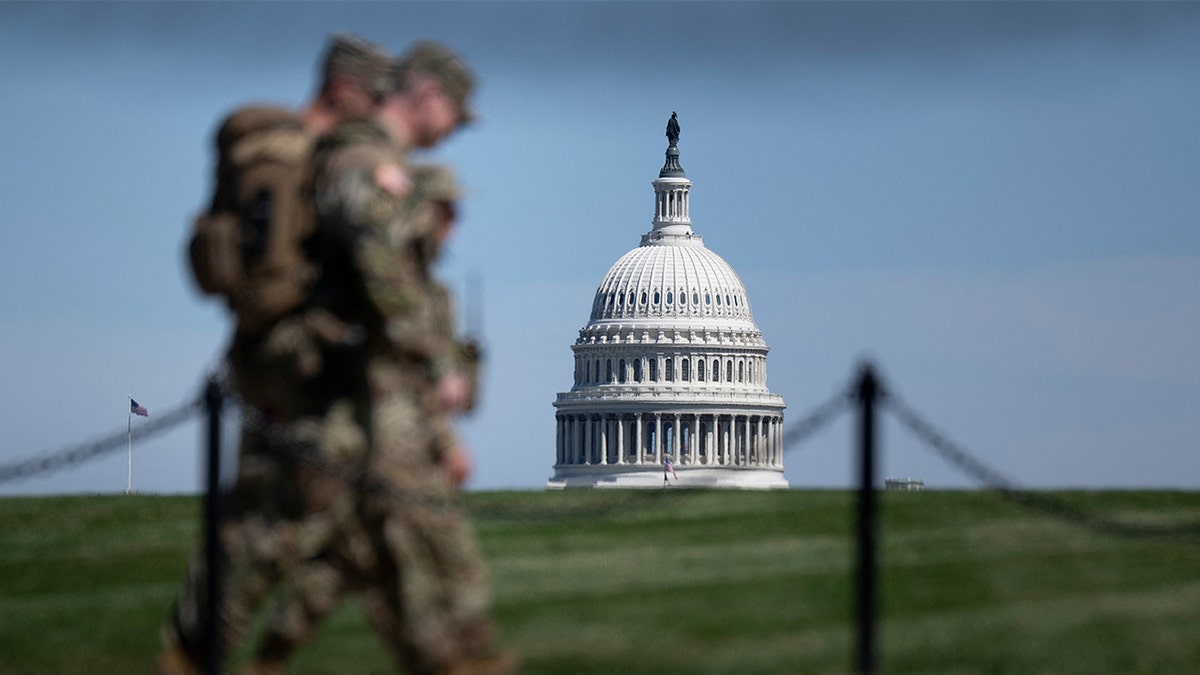
Members of the National Guard patrol the National Mall in Washington, D.C., on Sept. 8, 2025. (Brendan Smialowski/AFP via Getty Images)
They argued in their Supreme Court filing that the Trump administration’s arguments «rest on mischaracterizations of the factual record or the lower courts’ views of the legal principles.»
They also cited the lower court judge’s order, which found the administration’s declarations about the nature of the protests in Chicago and nearby Broadview were «unreliable» and overstated the violence and difficulties officers faced enforcing the law.
«As the district court found, state and local law enforcement officers have handled isolated protest activities in Illinois, and there is no credible evidence to the contrary,» lawyers for the state of Illinois said Monday.
The update comes as Trump has sought to deploy hundreds of National Guard troops to a growing list of Democratic-led cities, despite stated opposition from local and state leaders.
He has faced opposition from a handful of federal courts, including U.S. District Judge Karin Immergut, a Trump appointee, who described Trump’s actions in a restraining order this month as «untethered to reality,» and failing to reflect the situation on the ground.
A three-judge panel for the 9th Circuit later stayed her order, allowing Trump to proceed with his deployment to Portland.
TRUMP IS THREATENING TO ‘FEDERALIZE’ DC WITH NATIONAL GUARD AND MORE. HERE’S HOW THAT COULD PLAY OUT

National Guard members stand among protesters at Union Station in Washington, D.C. (Fox News Digital/Emma Woodhead)
In D.C., a federal judge on Friday will hear updates on the status of Trump’s National Guard deployments in the nation’s capital, after the city’s attorney general said in a new court filing that it appears the National Guard troops will remain deployed through at least summer 2026.
It is unclear whether that is the Trump administration’s plan — and if so, how many of the 2,500 National Guard troops originally sent to D.C. in August would remain through that date.
CLICK HERE TO GET THE FOX NEWS APP
The fight comes as Trump officials argue that the deployments are a necessary step to crack down on what they have said is an uptick in violent crime and protect against threats from protesters, including anti-ICE demonstrations.
Democrats, meanwhile, argue that Trump has failed to satisfy the criteria needed to federalize National Guard troops under USC § 12406, which allows a president to do so in cases of a foreign invasion, if there is «danger of a rebellion» or in cases when regular officers are unable to enforce the law.
They have also argued that Trump’s characterizations are hyperbolic and merely a pretext to «federalize» Democratic-led cities and states.
Fox News Digital has reached out to the White House.
The Associated Press contributed to this report.
supreme court,donald trump,politics,national guard,federal courts,blue city crime










NEWYou can now listen to Fox News articles!
Senate Republicans have landed on a funding framework for Homeland Security that they hope will end the shutdown.
Now, they just need Senate Democrats to agree.
The framework, which was developed over the weekend and finalized early this week, would reopen and fund most of the agency, except for Immigration and Customs Enforcement (ICE).
It follows the first face-to-face meetings between Republicans and Democrats during the shutdown, as well as a last-minute meeting at the White House on Monday after President Donald Trump demanded that the GOP combine DHS funding with his prized Safeguard American Voter Eligibility (SAVE) America Act.
CORNYN TARGETS LAWMAKERS’ AIRPORT FAST PASS AS TSA LINES GROW DURING DHS SHUTDOWN
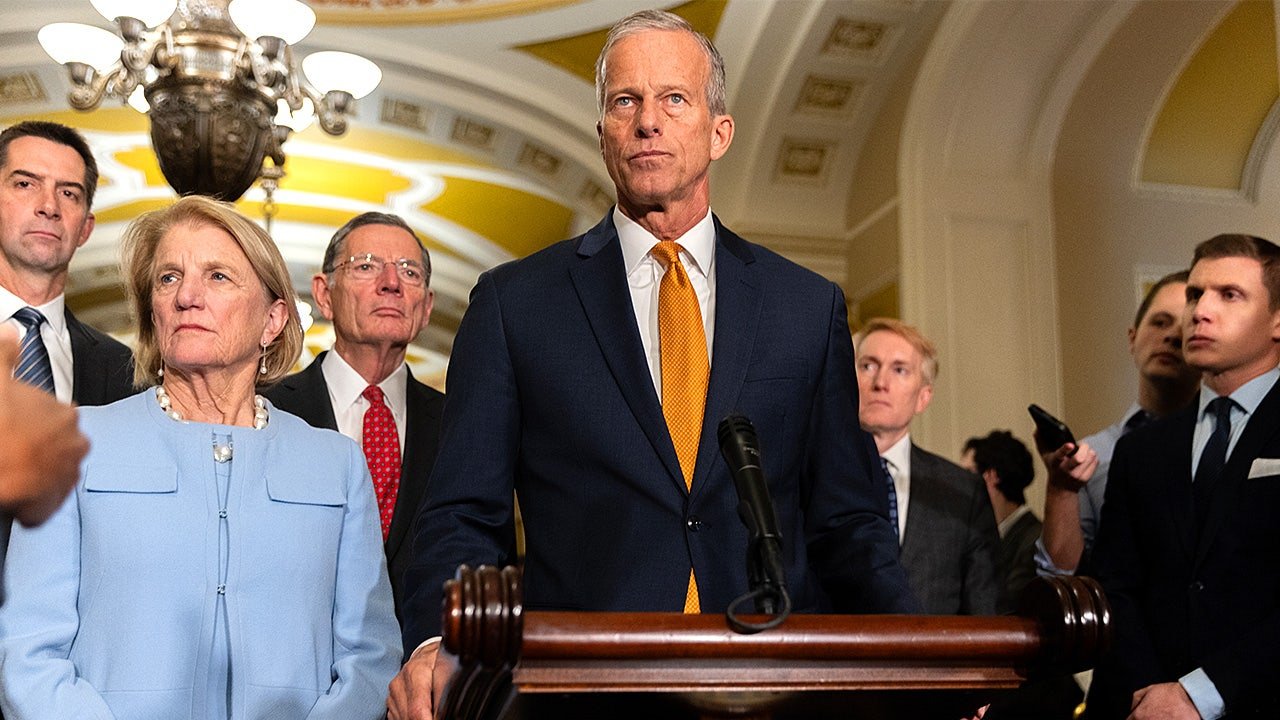
Senate Majority Leader John Thune speaks during a press conference with Senate Republican leadership following a policy luncheon on Capitol Hill in Washington, D.C., on October 28. (Nathan Posner/Anadolu via Getty Images)
Senate Majority Leader John Thune, R-S.D., said the framework would fund most of DHS, except for roughly $5.5 billion designated for ICE Enforcement and Removal Operations (ERO). Senate Democrats previously tried to fund everything except for ICE, but were blocked by Republicans who desired to reopen the entirety of DHS.
It also includes initial compromises from the original bill, such as millions for body-worn cameras, but not the stricter reforms Senate Democrats had demanded.
«If you’re not going to have funding, I don’t know how all of a sudden you can demand reforms,» Thune said.
«A lot of the reforms are contingent on funding for ICE. And now, since the ERO office is not going to be funded through ICE, Democrats have basically given up on reforms,» he continued. «I never thought that was serious.»
DHS SHUTDOWN TIED FOR SECOND-LONGEST EVER AS DEMS AGAIN BLOCK FUNDING AMID AIRPORT CHAOS, TERRORISM CONCERNS
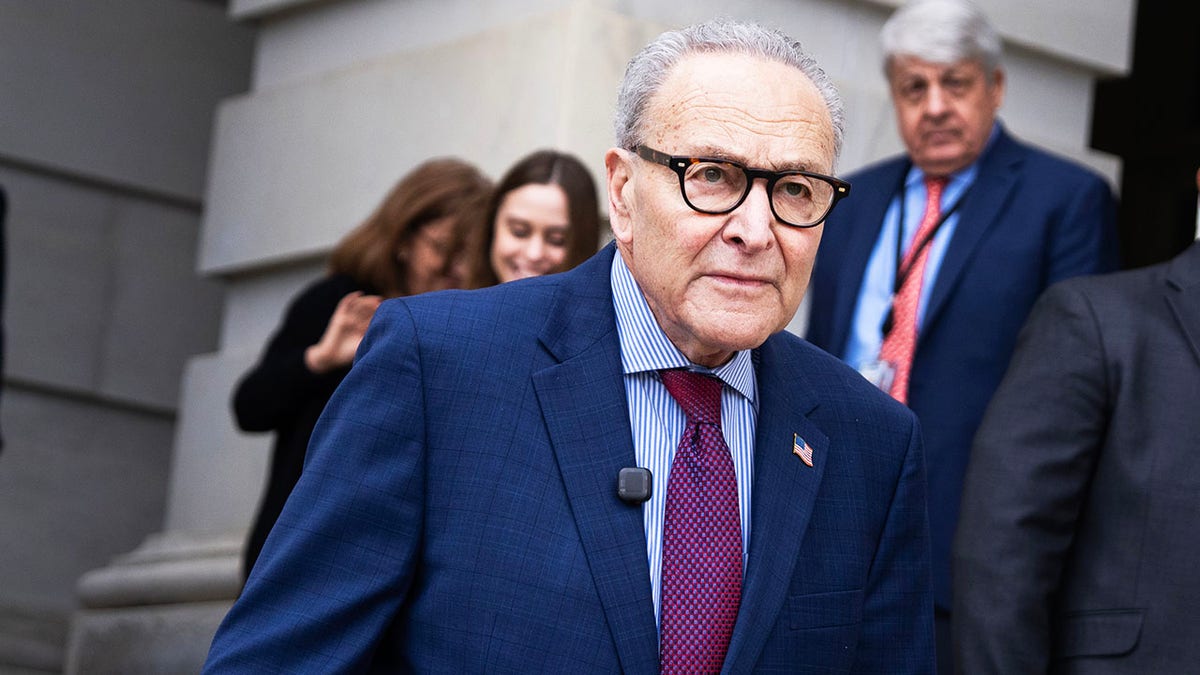
Senate Minority Leader Chuck Schumer, D-N.Y. and Senate Democrats are trying to fund everything at DHS except for immigration operations. ( Tom Williams/CQ-Roll Call, Inc via Getty Images)
Still, Senate Minority Leader Chuck Schumer, D-N.Y., and Senate Democrats must agree to the framework before Republicans can move forward.
Schumer said on the Senate floor that Republicans would «hopefully now come back to the table and get serious about reaching a solution to pay» Transportation Security Administration (TSA) workers quickly, after Trump’s demands nearly derailed progress made over the past several days.
«We await a written proposal that we will review, because right now the situation in our airports is untenable,» Schumer said.
Key Senate Republicans who were at the White House on Monday or have been involved in negotiations huddled in Thune’s office to discuss the framework. They said Republicans had sent the legislative text to Democrats for review.
«We’re ready to go,» Sen. John Hoeven, R-N.D., said. «The Democrats need to join us now. We bent over backwards negotiating with them. We talked to the White House and folks on our side, and they need to stop moving the goalposts.»
It also appears the White House is on board with the framework. A White House official told Fox News Digital, «Conversations are ongoing, but this deal seems to be acceptable.»
MULLIN CONFIRMED AS DHS CHIEF AS LAWMAKERS NEAR SOLUTION ON SHUTDOWN STANDOFF
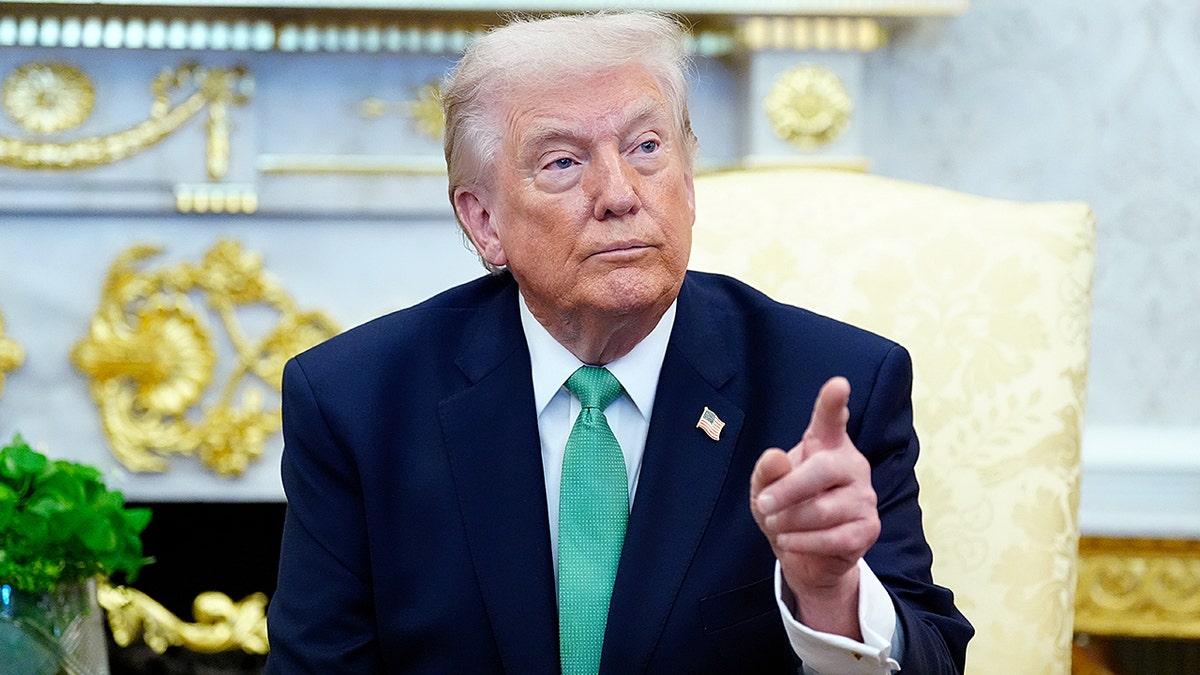
President Donald Trump takes questions from reporters during a meeting with Irish Prime Minister Micheál Martin in the Oval Office of the White House, on St. Patrick’s Day, Tuesday, March 17, 2026, in Washington. (AP Photo/Alex Brandon)
Another part of the framework would fund immigration enforcement — and include portions of the SAVE America Act — through budget reconciliation. That party-line process nearly divided Republicans last year when they passed Trump’s «big, beautiful bill.»
Not all Republicans support the plan as it stands, meaning Thune will need as many Senate Democrats as possible to reopen the agency.
Sen. Rick Scott, R-Fla., told CNBC’s «Squawk Box» that he was a «no» on the deal, arguing the framework «doesn’t make any sense to me.»
CLICK HERE TO DOWNLOAD THE FOX NEWS APP
«And this idea that it will get funded through a reconciliation package is a pipe dream. We’re not going to get a reconciliation package done,» Scott said.
«Look at the last one — the only reason it got done is because of the tax cuts. There are no tax cuts in this, there’s no pressure,» he continued.
politics, senate, government shutdown, homeland security
INTERNACIONAL
EN VIVO: El régimen de Irán lanzó una nueva ola de ataques contra Israel y contra bases militares en Kuwait, Jordania y Bahréin
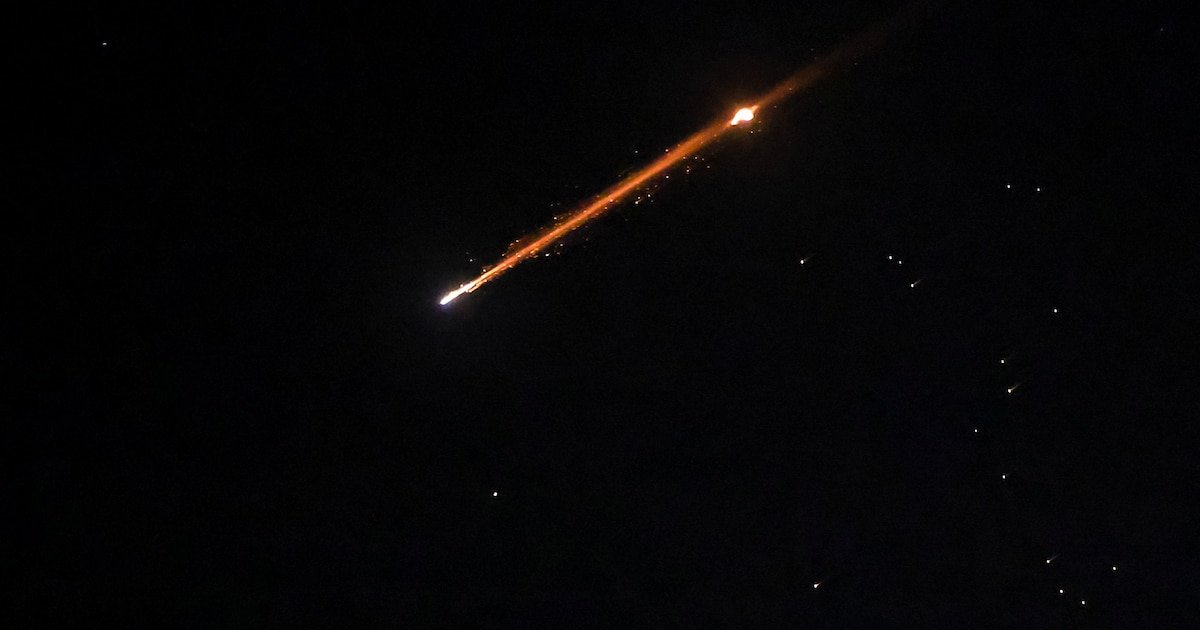
La administración del presidente Donald Trump presentó al régimen de Irán un plan de alto el fuego de 15 puntos en un intento de poner fin a la guerra. El proyecto fue transmitido a Teherán por intermediarios de Pakistán, que se ofrecieron a albergar nuevas negociaciones entre Washington y Teherán.
Sin embargo, el mayor general Ali Abdollahi Aliabadi, comandante del Cuartel General Central Khatam al-Anbiya, declaró el martes que las fuerzas armadas iraníes continuarán la guerra “hasta la victoria total”.
Tras esas declaraciones, el régimen iraní lanzó nuevos ataques contra Israel, Jordania y países del Golfo en la madrugada del miércoles. En paralelo, la autoridad de aviación civil de Kuwait informó que varios drones impactaron un tanque de combustible en el Aeropuerto Internacional del país y provocaron un incendio.
Por su parte, las Fuerzas de Defensa de Israel lanzaron una nueva ofensiva contra Hezbollah en el sur del Líbano, donde abatieron a miembros del grupo y destruyeron un depósito de armas.
A continuación, la cobertura minuto a minuto:
Nuevo ataque contra ex paramilitares en el oeste de Irak
Un nuevo ataque en el oeste de Irak tuvo como objetivo a la antigua coalición paramilitar Hashed al-Shaabi, según informó un funcionario de seguridad este miércoles. El hecho se produjo un día después de un ataque similar que dejó 15 combatientes iraquíes muertos.
De acuerdo con el funcionario, “dos misiles fueron disparados desde un avión de combate” contra la misma base en la provincia de Anbar que fue atacada el martes.
El ataque del martes fue el más mortífero en Irak desde el inicio de la guerra en Oriente Medio y llevó al gobierno a conceder a los antiguos paramilitares integrados en las fuerzas armadas oficiales el “derecho a responder” a cualquier ataque en su contra.

Los precios del petróleo cayeron más del 4% y las bolsas asiáticas subieron el miércoles ante la posibilidad de una desescalada de la guerra en Medio Oriente y las negociaciones entre Estados Unidos e Irán.
El director de la AIE afirma estar “listo para seguir adelante” con la liberación de petróleo

El director de la Agencia Internacional de Energía (AIE), Fatih Birol, declaró en Tokio que la organización está “lista para seguir adelante” con una liberación adicional de reservas de petróleo siempre y cuando “cuando sea necesario”.
Las declaraciones se produjeron tras el pedido de la primera ministra japonesa, Sanae Takaichi, para que la agencia se prepare ante una posible prolongación de la guerra en Oriente Medio.
La AIE anunció a principios de este mes que los países miembros liberarían 400 millones de barriles de petróleo de sus reservas para mitigar el impacto de la guerra en Oriente Medio, en la mayor liberación de este tipo registrada hasta la fecha.
El director de la agencia, Fatih Birol, señaló que “aún quedaba una cantidad significativa de petróleo en nuestras reservas”. “Todavía tenemos el ochenta por ciento de nuestras reservas. Estos 400 millones de barriles representaban solo el 20 por ciento de nuestras reservas”, explicó.
Israel reportó que el número de heridos desde el inicio de la guerra supera los 5.000

El Ministerio de Sanidad informó que en las últimas 24 horas, 204 personas heridas fueron trasladadas a hospitales a raíz del conflicto con Irán, lo que eleva a más de 5.000 el número de hospitalizaciones desde el inicio de los combates.
Entre los atendidos en hospitales en el último día, uno se encuentra en estado grave, nueve en estado moderado y 184 en buen estado. Nueve personas recibieron tratamiento por ansiedad y una está bajo evaluación médica.
Desde el inicio de la guerra con Irán el 28 de febrero, 5.045 personas fueron ingresadas en nosocomios, de las cuales 120 permanecen hospitalizadas actualmente. El ministerio no especificó las causas de las lesiones, señalando que algunas podrían haberse producido al intentar ponerse a salvo y no necesariamente por impactos directos de misiles o cohetes.
El brent cae un 4%, hasta los 100 dólares
El barril de petróleo brent para entrega en mayo registró una caída del 3,96% en el mercado de futuros de Londres, situándose en 100,35 dólares, debido a la posibilidad de una desescalada del conflicto en Oriente Medio.
A las 07:00 horas de este miércoles (6:00 am GMT), el brent, referencia en Europa, descendía un 3,96%, tras haber subido un 4,55% el día anterior, cuando alcanzó los 104 dólares en medio de una jornada volátil marcada por el enfrentamiento entre Estados Unidos, Israel e Irán.
Un tanque de combustible en el aeropuerto de Kuwait sufrió un incendio tras un ataque con drones del régimen iraní
El portavoz de la agencia, Abdullah Al-Rajhi, indicó que los bomberos trabajaban para contener el fuego. Las autoridades no reportaron interrupciones adicionales más allá de las ya vigentes en la terminal aérea, que opera con fuertes restricciones desde el inicio del conflicto

La autoridad de aviación civil de Kuwait informó este miércoles que drones impactaron un tanque de combustible en el Aeropuerto Internacional de Kuwait y provocaron un incendio, en un contexto de intensificación de los ataques del régimen de Irán en la guerra regional que se extiende por casi cuatro semanas.
La OMC advirtió sobre las consecuencias del cierre del estrecho de Ormuz
Las interrupciones en el suministro internacional de fertilizantes provocadas por el cierre del estrecho de Ormuz generarán escasez de alimentos y precios elevados, según declaró a la Agencia France-Presse Jean-Marie Paugam, subdirector general de la Organización Mundial del Comercio.
Un tercio de los fertilizantes del mundo transitan habitualmente por el estrecho, que permanece prácticamente cerrado desde el inicio de la guerra. Paugam advirtió que esto impactará tanto en la cantidad disponible como en los precios. “El efecto se agrava al año siguiente: las cosechas disminuyen y los precios suben”, explicó.
Según Jean-Marie Paugam, los países que importan la mayor parte de sus alimentos enfrentarían una situación muy difícil, entre ellos varias regiones del oeste y norte de África. El impacto se agravaría si los países comenzaran a acumular provisiones, como sucedió durante la pandemia de COVID-19.
Israel lanzó una nueva ofensiva contra Hezbollah en Líbano
Las fuerzas de la División 36 de las Fuerzas de Defensa de Israel (FDI) continuó ampliando los daños a la infraestructura del grupo terrorista Hezbollah en el sur del Líbano.
Un depósito de armas de la organización fue destruido por tropas de la 7.ª Brigada Blindada. Según el ejército, tras la operación varios integrantes de Hezbollah huyeron del lugar y fueron atacados y abatidos en bombardeos aéreos.
En paralelo, tropas de la Brigada Golani abatieron a un operativo armado con un lanzagranadas y un fusil de asalto que se aproximaba a su zona de operaciones, según el informe militar.
Irán desafió a Trump
El Ejército del régimen iraní amenazó con que el precio del petróleo no volverá a los niveles previos a la guerra hasta que las Fuerzas Armadas de la república islámica “garanticen la estabilidad de la región”.
“Ni sus inversiones en la región se materializarán, ni verán los precios de la energía y el petróleo de antes, hasta que entiendan que la estabilidad en la región es garantizada por la poderosa mano de nuestras fuerzas armadas”, señaló el comunicado recogido por la agencia Tasnim.
Taiwán afirmó que el suministro de gas natural está “garantizado” hasta junio

El suministro de gas natural está “completamente garantizado” hasta junio, aseguró el ministro de Asuntos Económicos taiwanés, Kung Ming-hsin, ante la preocupación por una posible escasez energética derivada del conflicto en Medio Oriente.
Según declaraciones recogidas por la agencia CNA, Kung explicó que la programación de junio ya se encuentra completada en aproximadamente un 50 %, lo que “garantiza la estabilidad general del suministro”. El Ministerio de Asuntos Económicos había señalado previamente que el abastecimiento de gas natural se mantendría estable hasta finales de mayo y que la isla importa desde catorce países, evitando así la dependencia exclusiva de Oriente Medio.
“Ante el impacto del conflicto, la compañía estatal CPC Corporation ha ampliado la redistribución de suministros procedentes de fuera de Oriente Medio para asegurar un abastecimiento suficiente», detalló el ministerio en un comunicado.
International,Relations,Asia / Pacific,Diplomacy / Foreign Policy
INTERNACIONAL
Trump energy czar says Iran conflict gas spike is ‘temporary blip’ as drilling push ramps up

NEWYou can now listen to Fox News articles!
EXCLUSIVE: Despite the ongoing conflict in Iran, President Donald Trump’s «energy czar,» Doug Burgum, is confident the «temporary blip up» in gas and energy prices facing Americans will come back down very soon as the president’s «drill baby drill» agenda takes effect.
In an interview with Fox News Digital, Burgum, who leads the Interior Department and chair of Trump’s National Energy Dominance Council, said: «It’s all about supply.»
«You want prices to go down? Supply has got to go up,» he said. To this end, he said his agency approved a record 6,000-plus drilling permits on U.S. soil, reversing the Biden administration’s trend of increased regulation that he said had stunted the country’s energy independence.
«We have a temporary blip up now because of the conflict in the Middle East, but as you heard the news earlier this morning, energy prices dropped a lot today, and stock markets [are] up and energy prices down; those are all positive things for working Americans to have those two things happening simultaneously,» he said.
TRUMP’S IRAN STRATEGY SHOWCASES ‘DOCTRINE OF UNPREDICTABILITY’ AMID STRIKE THREATS AND SUDDEN PAUSE
Interior Secretary and Trump energy czar Doug Burgum (left) is confident that President Donald Trump’s «drill baby drill» agenda will quickly overcome the disruption in the Strait of Hormuz (center) due to the Iran conflict. (Federico PARRA / AFP via Getty Images; Stringer/REUTERS; Manuel Balce Ceneta/AP Photo)
Despite criticism of the president’s actions on the global stage, Burgum said these moves, such as the military intervention in Venezuela and negotiations with leadership, are going to help reduce prices for Americans.
«What happened in Venezuela actually helps Americans a lot because now we’ve got Venezuelan oil flowing towards Gulf of America refineries in Louisiana and Texas,» he said.
Another major policy shift Burgum said he expects to make a big difference for Americans is the administration’s actions to «unleash Alaska.»
«The Biden administration had taken over 70 legal actions, executive orders from President Biden to regulatory actions, which were essentially sanctioning Alaska more than we sanctioned Iran during the last administration,» he explained.
Pressed on when Americans can expect to start seeing prices tick back down, Burgum said, «I think we started to see how they were happening and they happened quite effectively over the first year of the Trump administration.» He also pointed out that prices «vary a lot» depending on which state you live in and the extent of regulation and taxes placed on oil and gas production.
«Consumers need to understand that it is not just federal action, but it’s state and local action that’s often driving up the cost of your energy,» he said. «It’s not quite as simple as red state versus blue state. But if you take a look at gas prices before the war, red states were among all the lowest states in the country, blue states were among the highest in terms of that. And it was a reflection of the policies of those state legislatures and those governors that were driving energy prices up.»
US AND IRAN SEND CONFLICTING SIGNALS ON TALKS TO END THE WAR
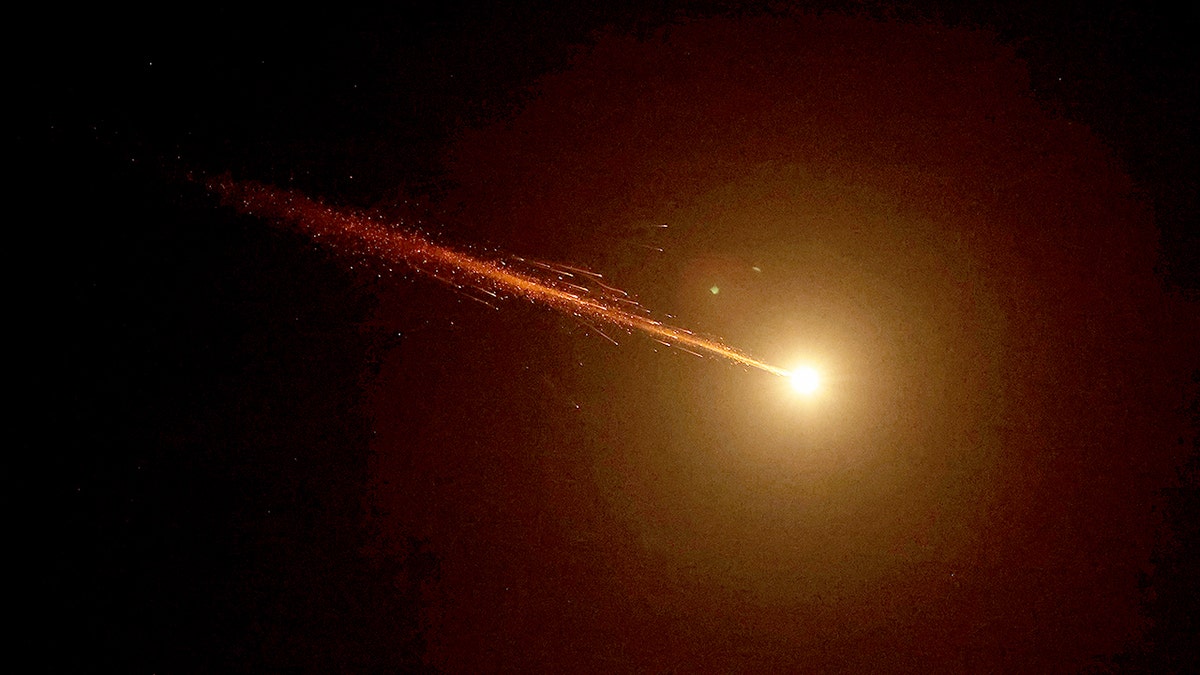
Rocket trails are seen in the sky amid a fresh barrage of Iranian missile attacks above the Israeli coastal city of Netanya, on March 17, 2026. (Jack Guez / AFP)
As an example, he said that just a month ago, gas prices in Iowa were under $2 per gallon, while the price in California was $5.
«California imports 63 percent of its oil from foreign countries,» he explained, adding, «At the time of this breakout with Iran … California, by their own data, provided by the state of California, the number one country they were importing oil from in California was from Iraq.»
«They always brag about, ‘Oh, if we were a country, we’d have one of the world’s largest economies.’ And if they were a county, they would have designed for themselves one of the most energy-dependent and energy-expensive economies,» he said of California.
«They’re not saving the planet by using foreign oil in California when you could have been getting clean, reliable, affordable energy, say from the Permian Basin in Texas or New Mexico,» he continued. «When you think you’re saving the planet by blocking U.S. infrastructure, you artificially raise the prices.»
To push back on this, Burgum said that, authorized by Trump’s energy emergency declaration, Energy Secretary Chris Wright recently ordered California to reopen its Santa Ynez pipeline system to resume pumping domestic offshore oil. The order is being challenged by California in court; however, oil has already begun being pumped.
IRAN CHOKES STRAIT OF HORMUZ WITH REPORTED $2M TANKER TOLL, REGIME THREATENS GLOBAL OIL SUPPLY

Surfers wait for waves on El Porto Beach as crude oil tanker «Chios» has its cargo pumped into the Chevron Products Company refinery, one of California’s largest petroleum processing facilities, in El Segundo, Calif., on March 4, 2026. (Damian Dovarganes/AP Photo)
He framed the administration’s «energy abundance» agenda as a move back to reality after four years of «climate fantasy» under former President Joe Biden. This move, he said, stands in stark opposition to policies still being pursued in blue states like California.
CLICK HERE TO DOWNLOAD THE FOX NEWS APP
«We’re focused on energy reality, which is all Americans deserve and need to have reliable, affordable, and secure energy,» he said. «We’re fighting for every citizen in the country, regardless of what state regime they’re under. Because like I said, every American, no matter where you live, deserves to have affordable, reliable, and nationally secure energy.»
«The Trump administration is working overtime to point fingers at California after launching a war with no plan to safeguard the Strait of Hormuz — a critical waterway where 20% of global oil trade passes through daily. The result: Trump sent crude prices through the roof which directly translates into higher gas prices in every state, regardless of whether that state pumps oil or has refineries.
In response, Anthony Martinez, a spokesperson for Newsom, told Fox News Digital in an emailed statement that «if the Secretary really wants to talk about ‘getting clean, reliable energy,’ he should answer why the Trump Administration has canceled wind and solar contracts, gutted energy and transportation tax credits, and dragged the auto industry back to gas-powered vehicles that leave American families exposed to exactly the kind of price shock they’re experiencing right now.»
«National security and energy experts — Republican and Democrat alike — saw this risk coming. Donald Trump ignored them, launched a war anyway, and is now using this historic price spike they caused to distract Americans from their own failure,» he said, adding that «while they’re busy blaming California, Donald Trump is handing nearly a billion dollars in taxpayer money to stop a job-creating, clean power-generating wind farm from being built off the East Coast — selling America out to his Big Oil donors.»
«When Americans are paying more at the pump because of a war overseas they didn’t support, Donald Trump doesn’t get to call that an energy independence agenda,» said Martinez.
Fox News Digital also reached out to spokespeople for Biden.
energy, energy in america, donald trump, war with iran, iran

Pablo Moyano se enfrentó con un intendente de Kicillof, que tuvo que mediar para que el conflicto no escale

Rocco Canataro de la banda Roze marchó por su abuelo desaparecido: “Hacer memoria para que nunca se olvide”

Senate Republicans move to reopen DHS with new plan, wait for Democratic buy-in

Para controlar a Santiago Caputo, Karina Milei busca asegurarse el manejo de la Comisión Bicameral de Inteligencia

Cien meses de salarios e inflación: cómo le fue a los ingresos frente a los precios

Jugó en la selección y marcó un récord que duró 18 años: la historia completa de Ricardo Arjona como basquetbolista profesional

»¡VAN A FUNDIR A MEDIO PAÍS!»: El lapidario diagnóstico de Roberto Cachanosky sobre el plan de Milei

Apareció otra factura y complica más a Adorni: el vuelo de vuelta también lo pagó su amigo Grandio

ALERTA FINANCIERA: 4 de cada 10 argentinos ya no pueden pagar sus deudas. ¡Caputo debe actuar ya!

El mensaje de Milei sobre la “traición” que llamó la atención en el Gobierno y también en la oposición

 POLITICA3 días ago
»¡VAN A FUNDIR A MEDIO PAÍS!»: El lapidario diagnóstico de Roberto Cachanosky sobre el plan de Milei
- ECONOMIA3 días ago
ALERTA FINANCIERA: 4 de cada 10 argentinos ya no pueden pagar sus deudas. ¡Caputo debe actuar ya!
- POLITICA1 día ago
El mensaje de Milei sobre la “traición” que llamó la atención en el Gobierno y también en la oposición