INTERNACIONAL
Supreme Court to debate Trump restrictions on birthright citizenship and enforcement of nationwide injunctions

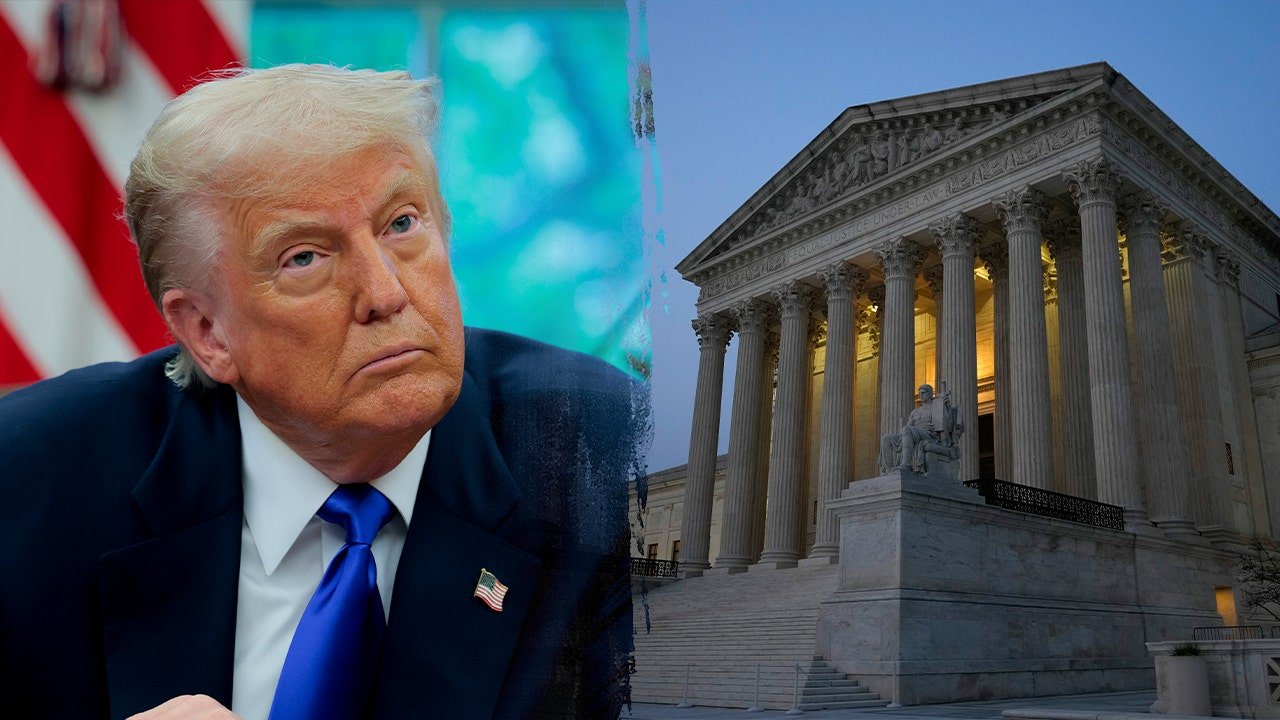
The case on the Supreme Court’s docket this week ostensibly deals with a challenge to the Trump administration’s efforts to narrow the definition of birthright citizenship.
But overriding that important constitutional debate is a more immediate and potentially far-reaching test of judicial power: the ability of individual federal judges to issue universal or nationwide injunctions, preventing temporary enforcement of President Donald Trump’s sweeping executive actions.
That will be the focus when the nine justices hear oral arguments Thursday morning about how President Trump’s restrictions on who can be called an American citizen can proceed in the lower federal courts.
Trump signed the executive order on his first day back in office that would end automatic citizenship for children of people in the U.S. illegally.
SUPREME COURT POISED TO MAKE MAJOR DECISION THAT COULD SET LIMITS ON THE POWER OF DISTRICT JUDGES
In addressing the Trump administration’s birthright citizenship case, the Supreme Court will also be posed a much broader question concerning the injunction power of federal judges. (Getty Images)
Separate coalitions of about two dozen states, along with immigrant rights groups, and private individuals — including several pregnant women in Maryland — have sued.
Three separate federal judges subsequently issued orders temporarily blocking enforcement across the country while the issues are fully litigated in court. Appeals courts have declined to disturb those rulings.
Now the three consolidated cases come to the high court in an unusual scenario, a rare May oral argument that has been fast-tracked for an expected ruling in coming days or weeks.
The executive order remains on hold nationwide until the justices decide.
But the cases will likely not be decided on the merits at this stage, only on whether to narrow the scope of those injunctions. That would allow the policy to take effect in limited parts of the country or only to those plaintiffs actually suing over the president’s authority.
SUPREME COURT TO HEAR ORAL ARGUMENTS IN BIRTHRIGHT CITIZENSHIP CASE
A high court decision could be sweeping, setting a precedent that would affect the more than 310 — and counting — federal lawsuits against White House actions filed since Jan. 20, according to a Fox News data analysis.
Of those, more than 200 judicial orders have halted large parts of the president’s agenda from being enacted, almost 40 of them nationwide injunctions. Dozens of other cases have seen no legal action so far on gateway issues like temporary enforcement.
While the Supreme Court has never ruled directly on the use of universal injunctions, several conservative justices have expressed concerns over power.
Justice Clarence Thomas in 2018 labeled them «legally and historically dubious,» adding, «These injunctions are beginning to take a toll on the federal court system – preventing legal questions from percolating through the federal courts, encouraging forum shopping, and making every case a national emergency for the courts and for the Executive Branch.»
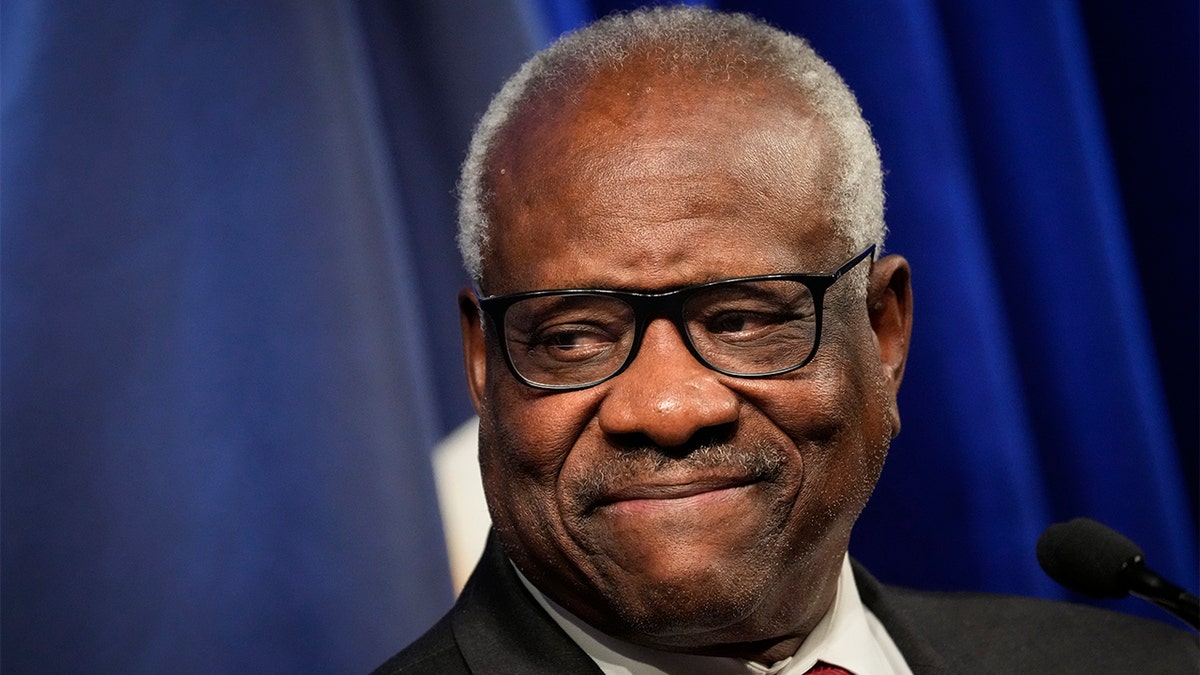
Justice Clarence Thomas has called universal injunctions «legally and historically dubious.» (Drew Angerer/Getty Images)
Emergency docket and politics of the moment
And it comes to the Supreme Court as part of the so-called emergency or «shadow» docket, time-sensitive appeals known officially as «applications» that usually arrive in the early stages.
They seek to temporarily block or delay a lower court or government action that, despite its procedurally narrow posture, can have immediate and far-reaching implications.
Things like requests for stays of execution, voting restrictions, COVID vaccine mandates or access to a federally approved abortion medication and, since January, Trump’s sweeping executive reform plans.
Some members of the court have expressed concern that these kinds of appeals are arriving with greater frequency in recent years, high-profile issues leading to rushed decisions without the benefit of full briefing or deliberation.
‘ACTIVIST’ JUDGES KEEP TRYING TO CURB TRUMP’S AGENDA – HERE’S HOW HE COULD PUSH BACK
Justice Elena Kagan last year said the shadow docket’s caseload has been «relentless,» adding, «We’ve gotten into a pattern where we’re doing too many of them.»
The pace this term has only increased with the new administration frustrated at dozens of lower court setbacks.
«We’ve seen a lot of justices critical of the fact that the court is taking an increasing number of cases and deciding them using the shadow docket,» said Thomas Dupree, a former top Justice Department lawyer and a top appellate advocate.
«These justices say, ‘Look, we don’t have to decide this on an emergency basis. We can wait.’»
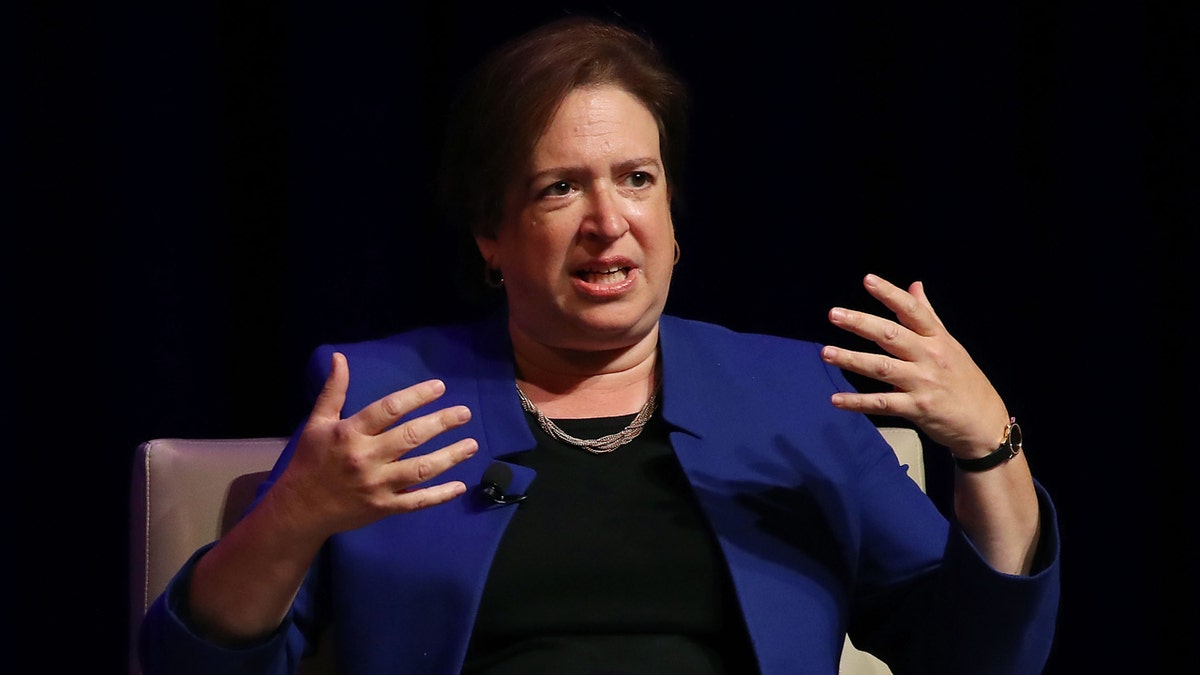
The Supreme Court’s «shadow» docket caseload is «relentless,» according to Justice Elena Kagan. (Mark Wilson/Getty Images)
Many progressive lawyers complain the Trump administration has been too eager to bypass the normal district and intermediate appellate court process, seeking quick, end-around Supreme Court review on consequential questions of law only when it loses.
The debate over birthright citizenship and injunctions is expected to expose further ideological divides on the court’s 6-3 conservative majority.
That is especially true when it comes to the 13 challenges over Trump policies that have reached the justices so far, with six of them awaiting a ruling.
The court’s three more liberal justices have pushed back at several preliminary victories for the administration, including its ban on transgender individuals serving in the military and the use of the Alien Enemies Act to deport scores of illegal immigrants suspected of criminal gang activity in the U.S.
TRUMP’S REMARKS COULD COME BACK TO BITE HIM IN ABREGO GARCIA DEPORTATION BATTLE
Dissenting in one such emergency appeal over the deportations to El Salvador, Justice Sonia Sotomayor wrote, «The Government’s conduct in this litigation poses an extraordinary threat to the rule of law.»
«Our job is to stand up for people who can’t do it themselves. And our job is to be the champion of lost causes,» Sotomayor separately told an American Bar Association audience last week. «But, right now, we can’t lose the battles we are facing. And we need trained and passionate and committed lawyers to fight this fight.»

Justice Sonia Sotomayor (Jahi Chikwendiu/The Washington Post via Getty Images)
Trump has made no secret of his disdain for judges who have ruled against his policies or at least blocked them from being immediately implemented.
He called for the formal removal of one federal judge after an adverse decision over deporting illegal immigrants. That prompted Chief Justice John Roberts to issue a rare public statement, saying, «Impeachment is not an appropriate response to disagreement concerning a judicial decision.»
And in separate remarks last week, the chief justice underscored the judiciary’s duty to «check the excesses of Congress or the executive.»
The arguments
The first section of the 14th Amendment to the U.S. Constitution states, «All persons born or naturalized in the United States, and subject to the jurisdiction thereof, are citizens of the United States and of the State wherein they reside.»
Trump said last month he was «so happy» the Supreme Court will hear arguments, adding, «I think the case has been so misunderstood.»
The president said the 14th Amendment, granting automatic citizenship to people born in the U.S., was ratified right after the Civil War, which he interpreted as «all about slavery.»
«If you look at it that way, we would win that case,» the president said in Oval Office remarks.
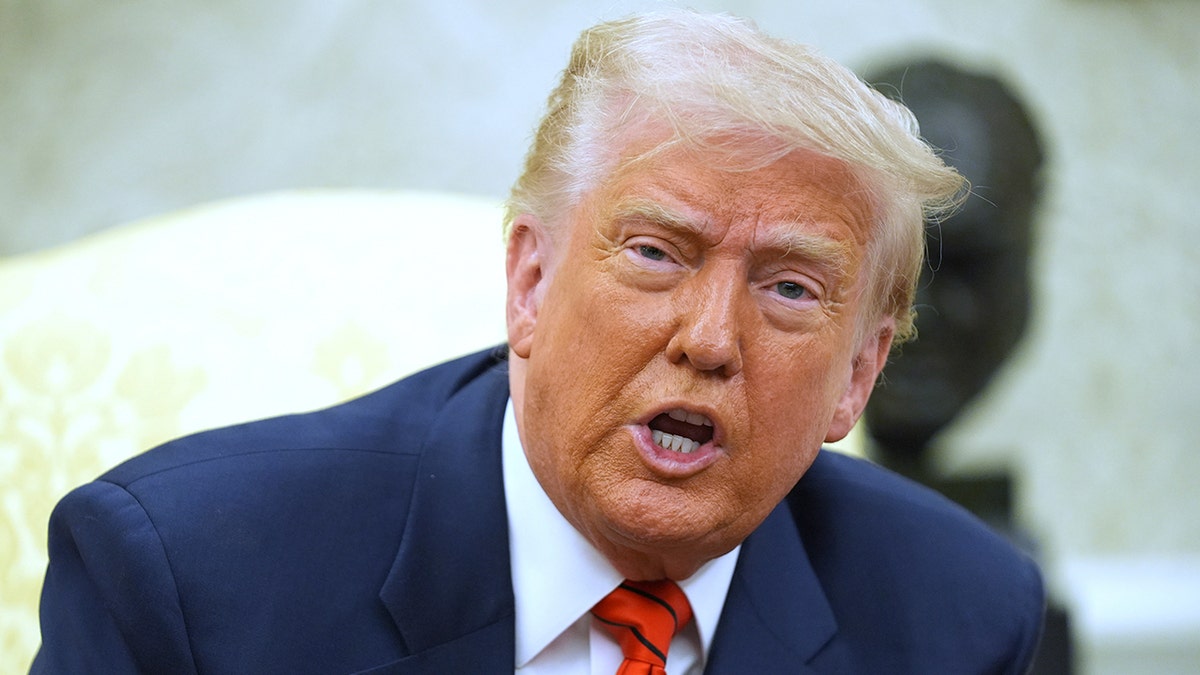
President Donald Trump has cited the 14th Amendment as being «all about» slaves freed around the time of its ratification and believes a birthright citizenship case viewed from that angle can be won. (AP Photo/Evan Vucci)
Executive Order 14160, «Protecting the Meaning and Value of American Citizenship,» would deny it to those born after Feb. 19 whose parents are illegal immigrants. And it bans federal agencies from issuing or accepting documents recognizing citizenship for those children.
An estimated 4.4 million American-born children under 18 are living with an unauthorized immigrant parent, according to the Pew Research Center. There are approximately 11 million undocumented immigrants living in the country, 3.3% of the population. Although some census experts suggest those numbers may be higher.
But in its legal brief filed with the high court, the Justice Department argues the issue now is really about judges blocking enforcement of the president’s policies while the cases weave their way through the courts, a process that could last months or even years. The government initially framed its high court appeal as a «modest request.»
CHIEF JUSTICE ROBERTS ADDRESSES DIVISIONS BETWEEN JUSTICES AFTER SEVERAL RECENT SCOTUS SKIRMISHES
«These injunctions exceed the district courts’ authority under Article III [of the Constitution] and gravely encroach on the President’s executive power under Article II,» said Solicitor General John Sauer, who will argue the administration’s case Thursday. «Until this Court decides whether nationwide injunctions are permissible, a carefully selected subset of district courts will persist in granting them as a matter of course, relying on malleable eye-of-the-beholder criteria.»
The plaintiffs counter the government is misguided in what it calls «citizenship stripping» and the use of nationwide injunctions.
CLICK HERE TO GET THE FOX NEWS APP
«Being directed to follow the law as it has been universally understood for over 125 years is not an emergency warranting the extraordinary remedy of a stay,» said Nicholas Brown, the attorney general of Washington state. «If this Court steps in when the applicant [government] is so plainly wrong on the law, there will be no end to stay applications and claims of emergency, undermining the proper role and stature of this Court. This Court should deny the applications.»
The consolidated cases are Trump v. CASA (24a884); Trump v. State of Washington (24a885); Trump v. New Jersey (24a886).
Supreme Court,Federal Judges,Donald Trump,Immigration,Immigrant Rights,Naturalization,Constitution










NEWYou can now listen to Fox News articles!
Greenland’s rejection of President Donald Trump sending a U.S. military hospital ship has touched off a private-public healthcare debate amid ongoing diplomatic talks about Arctic security.
Greenland’s Prime Minister Jens-Frederik Nielsen on Sunday turned down Trump’s offer, and now Trump special envoy to Greenland, Louisiana Gov. Jeff Landry, has weighed in.
«Shame on Prime Minister Jens-Frederik Nielsen!» Landry wrote in response to a Fox News report on Nielsen’s objection. «President Donald J. Trump and America care. After speaking to many Greenlanders about the day to day problems they face, one issue stood out — healthcare.»
Greenland has sought more self-governance from Denmark under the Self Government Act in 2009 to take more local authority under home rule, but Danish officials’ instant rejection of Trump’s offer is aligned with Greenland’s own rejection that came later Sunday.
CANADA AND FRANCE OPENING NEW CONSULATES IN GREENLAND’S CAPITAL AMID TRUMP PRESSURE
Greenland has rejected the Trump administration’s push to take over the Danish territory. (Thomas Traasdahl/Ritzau Scanpix / AFP via Getty Images; Al Drago/Bloomberg via Getty Images)
«President Trump’s idea of sending an American hospital ship here to Greenland has been noted,» Nielsen wrote in a translated Facebook post. «But we have a public healthcare system where treatment is free for citizens.
«It is a deliberate choice.»
Greenland remains open to dialogue and cooperation with the U.S., with a caveat, according to Nielsen.
«But talk to us instead of just making more or less random outbursts on social media,» Nielsen said in his own public Facebook protestation.
TRUMP KEEPS MACRON UNDER SPOTLIGHT AS GREENLAND TALKS GRIND FORWARD FROM DAVOS
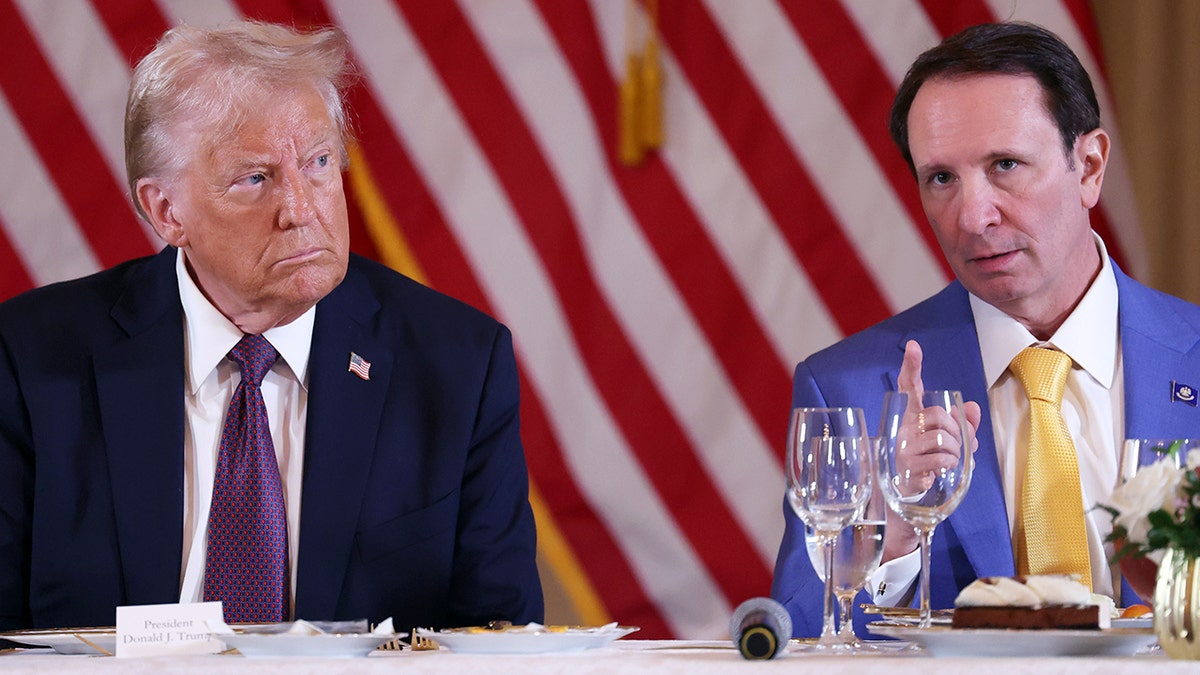
Louisiana GOP Gov. Jeff Landry speaks during a meeting with President Donald Trump last year. (Scott Olson/Getty Images)
Greenland’s «free for citizens» care is not sufficient, Landry argued in his Facebook response posted to his campaign’s page.
«Many villages and small towns lack basic services that Americans often take for granted,» Landry’s post continued. «Small settlements are without permanent doctors, diagnostic tools, or specialist care – forcing residents to travel great distances for vital treatments that should be available at home.»
The healthcare issue underlies the overreaching Trump hopes to annex Greenland to secure the strategic Arctic region from Russian and Chinese designs, calling it a vital issue for «national security» for both the U.S. and the NATO alliance.
«A healthy Greenland is vital for America’s national security,» Landry’s post concluded. «America is committed to defending Greenland, and that begins by ensuring its people are defended against basic illnesses and ailments.
«These missions matter because health is inseparable from security. America’s commitment to defending Greenland must begin with ensuring its people are healthy.»
The recent dust-up came after Denmark’s Joint Arctic Command evacuated a crew member who required urgent medical treatment from a U.S. submarine in Greenlandic waters, seven nautical miles outside of Greenland’s capital of Nuuk.
«Working with the fantastic Governor of Louisiana, Jeff Landry, we are going to send a great hospital boat to Greenland to take care of the many people who are sick, and not being taken care of there,» Trump wrote Saturday night on Truth Social. «It’s on the way!!!»
That post sparked objection from both Danish Defense Minister Troels Lund Poulsen and Danish Prime Minister Mette Frederiksen on Sunday.
«The Greenlandic population receives the healthcare it needs,» Poulsen told Danish broadcaster DR, according to Reuters. «They receive it either in Greenland, or, if they require specialized treatment, they receive it in Denmark.
VANCE: US SHOULD GET ‘SOME BENEFIT’ FROM GREENLAND IF IT’S GOING TO BE ‘ON THE HOOK’ FOR PROTECTING TERRITORY
«So it’s not as if there’s a need for a special healthcare initiative in Greenland.»
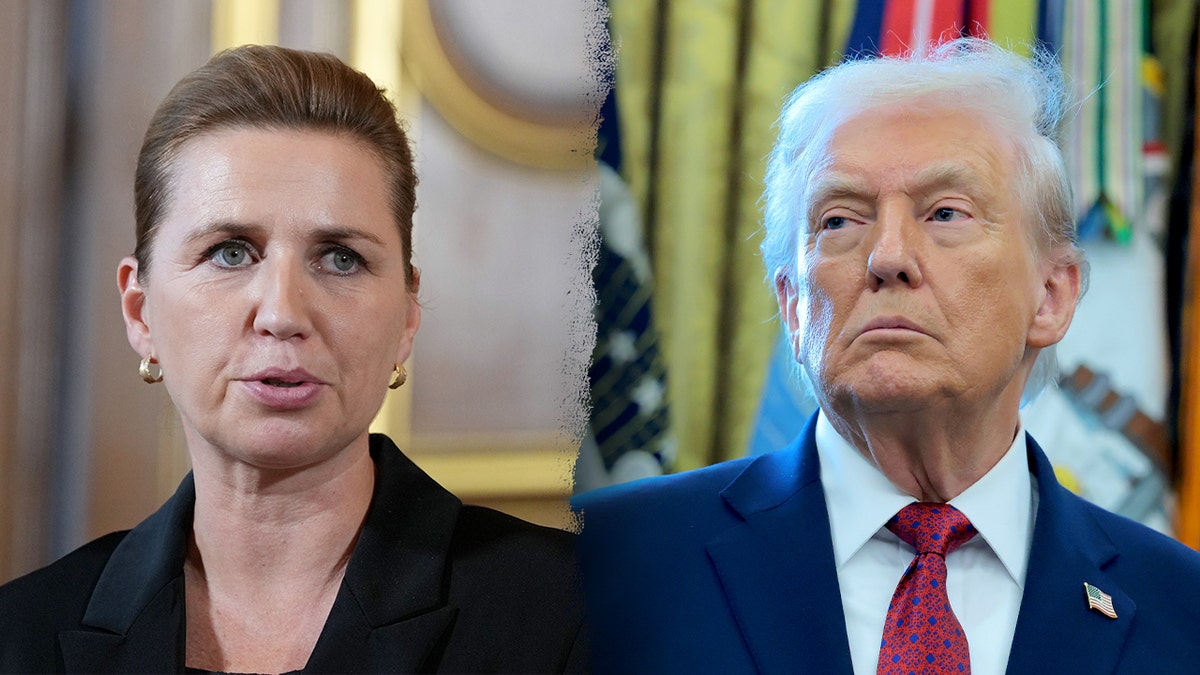
Danish Prime Minister Mette Frederiksen is rejecting President Donald Trump’s offer to send a U.S. military hospital ship to Greenland, suggesting Denmark’s public healthcare system is sufficient. (Anna Moneymaker/Getty Images; Kirsty Wigglesworth – WPA Pool/Getty Images)
Frederiksen spun the Trump offer into a political debate on public healthcare.
«Am happy to live in a country where there is free and equal access to health for all,» Frederiksen wrote in a translated post, sharing a Democrat attack point on Trump’s Republican Party’s struggles to reform what Trump has rebuked as a «failure» of Obamacare. «Where it’s not insurances and wealth that determine whether you get proper treatment. You have the same approach in Greenland.»
CLICK HERE TO DOWNLOAD THE FOX NEWS APP
The U.S. Navy has two hospital ships, the Mercy and the Comfort. Both were last docked in Alabama for repairs, according to Reuters.
greenland,health care healthy living,foreign policy,nato,donald trump,state department
NEWYou can now listen to Fox News articles!
North Korean leader Kim Jong Un was re-elected as general secretary of the ruling Workers’ Party of Korea, according to a press release from the country’s state-run media.
The decision was announced on Monday by the Korean Central News Agency (KCNA), which said the party formally adopted the measure on Feb. 22 during its Ninth Congress.
KCNA described the move as reflecting the «unanimous desire» of party members, the military and the public, praising Kim as the «centre of unity and leadership» and crediting him with strengthening the country’s nuclear deterrence and advancing economic and military development.
The lengthy statement highlighted the country’s achievements over the past five years, including improvements to national defense capabilities and economic planning.
KIM JONG UN APPEARS WITH DAUGHTER AT MAUSOLEUM, FUELING SUCCESSION SPECULATION
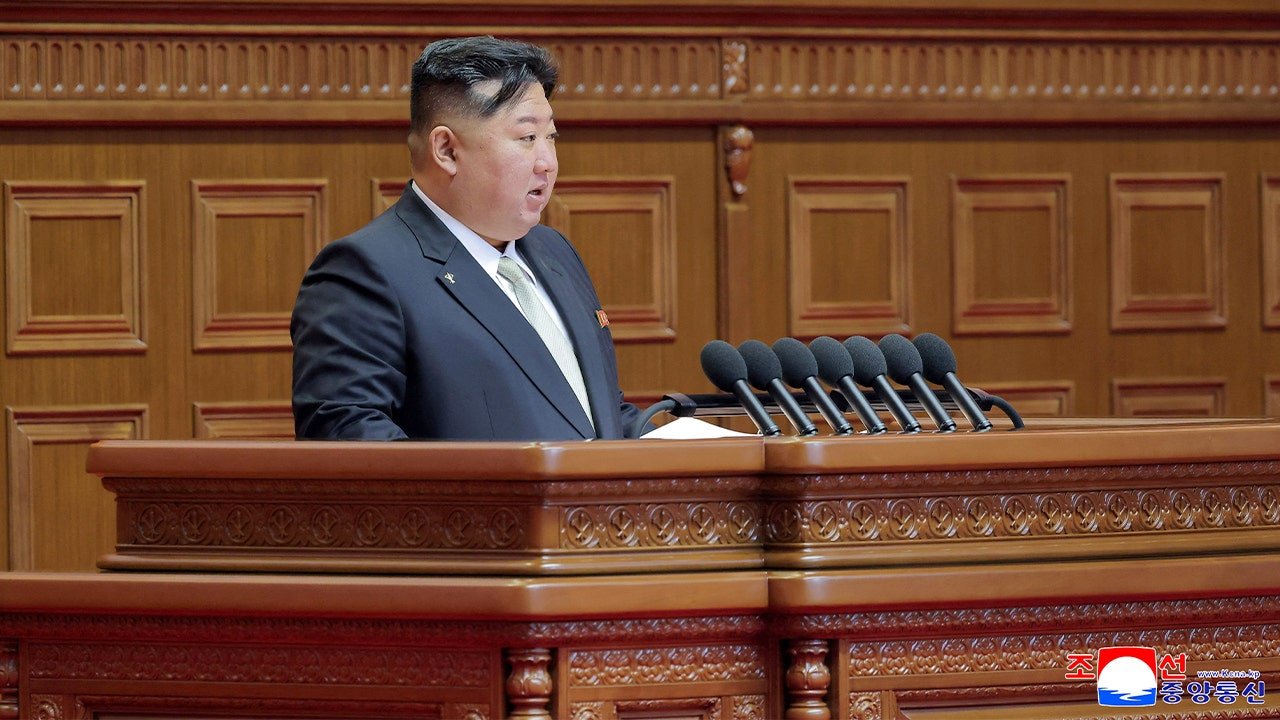
In this photo provided by the North Korean government, leader Kim Jong Un claps after being re-elected to the top post of the ruling Workers’ Party during its congress in Pyongyang on Feb. 22, 2026. (Korean Central News Agency/Korea News Service via AP)
It also reaffirmed Kim’s role as the guiding figure in the country’s «socialist construction.»
Kim, who has been in power since 2011, has served as general secretary of the Workers’ Party since 2021, when he formally assumed the title previously held by his late father, Kim Jong Il.
An analysis by the American Enterprise Institute (AEI) suggests North Korea could use the conclusion of the Ninth Party Congress to unveil new strategic weapons and highlight progress under its 2021–2025 military modernization plan.
SOUTH KOREAN COURT RULES EX-PRESIDENT YOON SUK YEOL GUILTY IN INSURRECTION TRIAL
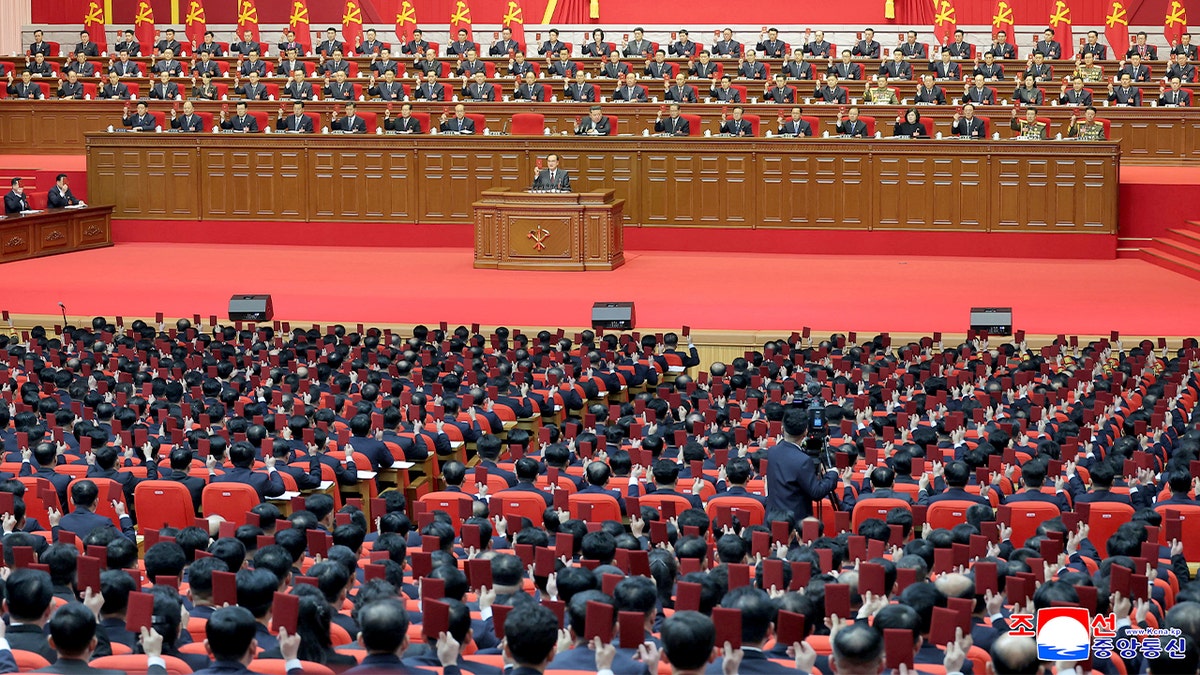
In this photo provided by the North Korean government, leader Kim Jong Un attends the ruling Workers’ Party Congress in Pyongyang on Feb. 22, 2026. (Korean Central News Agency/Korea News Service via AP)
The report notes Pyongyang may showcase advances in intercontinental ballistic missiles, submarine-launched ballistic missiles and hypersonic glide vehicles as it seeks to improve the survivability and accuracy of its nuclear capabilities.
AEI assessed that Kim is also likely to outline modernization goals for the 2026–2030 period, potentially emphasizing second-strike capabilities, faster launch readiness and more diverse delivery systems.
NORTH KOREA FIRES MISSILE AS US, SOUTH KOREA BEGIN THEIR 1ST JOINT MILITARY EXERCISE OF TRUMP’S 2ND TERM
CLICK HERE TO DOWNLOAD THE FOX NEWS APP
Beyond military issues, the analysis says Kim may frame the current five-year economic plan as a success, pointing to increased trade with Russia and China and efforts under his «20×10 Regional Development Policy» to reduce rural-urban disparities.
north korea,kim jong un,world
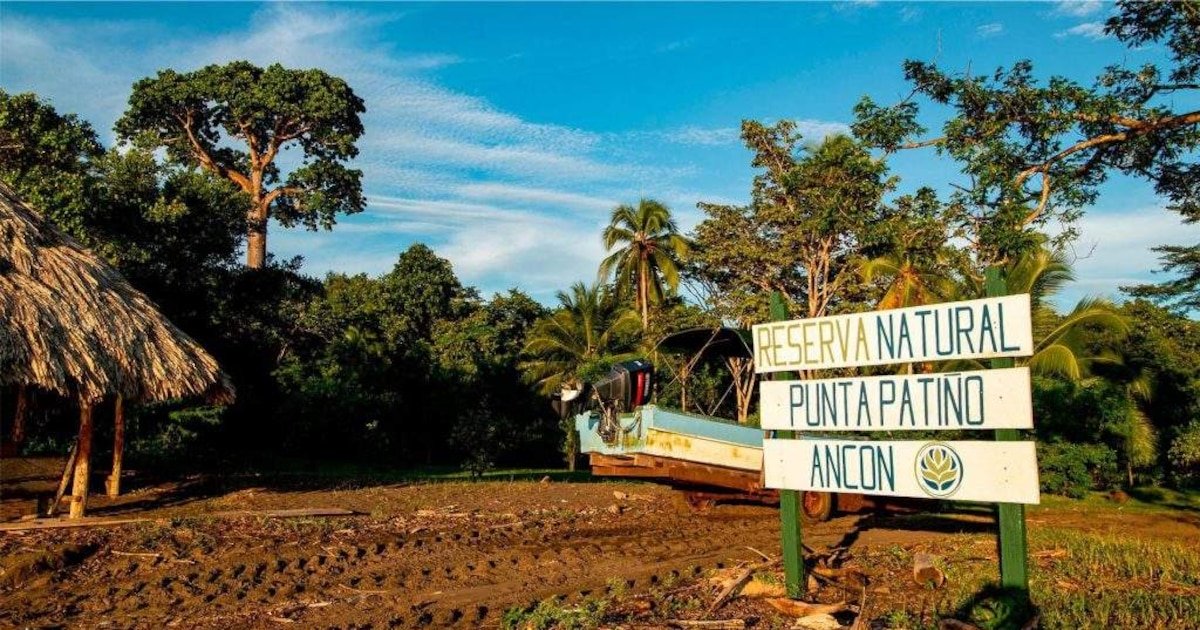
Panamá avanza en su objetivo de ampliar el Humedal Ramsar Punta Patiño mediante recorridos técnicos, monitoreo ambiental y trabajo comunitario desarrollados en la provincia de Darién, en un proceso que busca fortalecer la protección de uno de los ecosistemas más relevantes del país.
Guardaparques del Ministerio de Ambiente (MiAmbiente) y de la Asociación Nacional para la Conservación de la Naturaleza (ANCÓN) realizaron patrullajes terrestres y marítimos enfocados en verificar límites actuales, evaluar zonas propuestas para anexión y recopilar información científica que sustente la ampliación.
Las acciones incluyeron 32 kilómetros por vía acuática y 8 kilómetros por vía terrestre, abarcando límites perimetrales actuales y territorios considerados estratégicos para la conectividad ecológica.
En paralelo, se desarrollaron espacios de diálogo comunitario con representantes de Punta Alegre, Taimatí, Sambú y Garachine, donde se abordaron beneficios ambientales, alcances del proyecto y zonas de interés prioritario que podrían incorporarse al sitio Ramsar.

El proceso contempló también trabajos científicos en campo, incluyendo monitoreo de aves, evaluaciones forestales y establecimiento de parcelas de investigación, elementos que forman parte del sustento técnico requerido para la ampliación.
Equipos especializados realizaron muestreos de agua con instrumentos multiparámetro, mediciones de salinidad y temperatura, colecta de zooplancton y registros de profundidad, con el objetivo de evaluar la salud del ecosistema y su dinámica hidrológica.
Dentro de la ruta de evaluación se incluyeron Guagaral, Playa Cueca, lagunas cercanas a Sambú y sectores próximos a Garachine, áreas consideradas clave para justificar la expansión del humedal y fortalecer la conservación del Corredor Biológico Serranía de Bagre.
En la comunidad de Punta Alegre, autoridades presentaron mapas topográficos y trabajaron con residentes en la delimitación participativa de zonas potenciales para anexión, registrando el proceso mediante fotografías georreferenciadas.

La Reserva Natural Privada Punta Patiño, administrada por ANCÓN, constituye la primera reserva natural privada del país y protege una de las muestras más representativas del bosque tropical panameño, con ecosistemas que incluyen manglares, humedales costeros y bosques inundables.
Su integración al sistema Ramsar responde a la importancia ecológica del área, particularmente como hábitat de especies, regulador hídrico y barrera natural frente a eventos climáticos extremos.
Un sitio Ramsar es un humedal reconocido internacionalmente bajo la Convención Ramsar, tratado ambiental que promueve la conservación y uso sostenible de estos ecosistemas debido a su valor para la biodiversidad, el almacenamiento de carbono, la mitigación de inundaciones y el sustento de comunidades locales.
En materia normativa, Panamá incorporó la Convención Ramsar mediante la Ley 6 de 1989 y cuenta con disposiciones como la Ley General de Ambiente (Ley 41 de 1998), normas de ordenamiento territorial, regulaciones sobre manglares y la Política Nacional de Humedales aprobada en 2018.

La ampliación de Punta Patiño se inserta en esa estrategia global de protección de humedales de importancia internacional.
Panamá cuenta con otros sitios Ramsar como Bahía de Panamá, San San Pond Sak y el Golfo de Montijo, reconocidos por su relevancia para aves migratorias, manglares y ecosistemas costeros, lo que refleja la diversidad de humedales presentes en el país.
En ese contexto, la ampliación de Punta Patiño busca incrementar la cobertura protegida, mejorar la gestión ambiental y reforzar la conectividad entre ecosistemas terrestres y marinos.
Desde el punto de vista ecológico, la expansión propuesta apunta a proteger zonas de transición entre bosques, manglares y áreas marinas, ecosistemas que funcionan como corredores biológicos y refugios para especies amenazadas.
Autoridades ambientales señalan que la incorporación de nuevas áreas permitiría fortalecer procesos de restauración, mejorar la vigilancia ambiental y ampliar el monitoreo científico dentro del sitio Ramsar.

El componente comunitario constituye un eje central del proceso, ya que la ampliación requiere participación local y reconocimiento de usos tradicionales del territorio.
Las reuniones desarrolladas durante los patrullajes permitieron identificar preocupaciones, oportunidades de conservación y posibles beneficios socioeconómicos, incluyendo ecoturismo, investigación científica y programas de educación ambiental vinculados al humedal.
El proceso de ampliación continuará con evaluaciones técnicas, consultas comunitarias y revisión cartográfica, etapas necesarias para sustentar la modificación de límites y su eventual reconocimiento internacional.
Las autoridades destacan que la iniciativa busca consolidar la protección de Punta Patiño dentro del sistema Ramsar y reforzar el papel de los humedales como infraestructura natural clave para la resiliencia ambiental del país.

Igualmente, señalan que la gestión futura de los humedales debe priorizar el ordenamiento territorial, el control del turismo, la protección de cuencas hidrográficas y la integración de estos ecosistemas en las políticas de adaptación al cambio climático.
La presión sobre los humedales panameños se ha incrementado en los últimos años como resultado de la expansión urbana, los rellenos, los cambios en el uso del suelo, el turismo no regulado, la contaminación y los efectos del cambio climático.
corresponsal:Desde Panamá

“Likes” bajo sospecha: la maquinaria de seguidores falsos de los gobernadores en las redes sociales

El Ministro de Seguridad de Entre Ríos habló del plan narco para matarlo: “Contrataron a sicarios uruguayos porque les salía más barato”

Por qué los títulos de algunos libros están escritos en el lomo de arriba hacia abajo, según una especialista

Trump envoy rebukes Greenland leader for rejecting hospital ship proposal

Moria Casán agasajó a Mirtha Legrand el día de su cumpleaños: “La one absoluta del espectáculo”

North Korea’s Kim Jong Un re-elected as ruling party leader

Escándalo en MasterChef: una famosa abandonó a los gritos y acusando que está todo arreglado

Del himno peronista de Kelly Olmos al exabrupto de Agustina Propato: las perlitas del debate por la reforma laboral

Villarruel cuestionó la apertura de importaciones: «Sin industria, se pasa a depender de China»

“Ahora es la hora de jugarse”: el mensaje de Patricia Bullrich a los empresarios tras aprobarse la reforma laboral

 ECONOMIA2 días ago
Villarruel cuestionó la apertura de importaciones: «Sin industria, se pasa a depender de China»
- POLITICA2 días ago
“Ahora es la hora de jugarse”: el mensaje de Patricia Bullrich a los empresarios tras aprobarse la reforma laboral
- ECONOMIA2 días ago
Según un especialista, el precio de la carne se mantendrá alto “entre dos y tres años”