INTERNACIONAL
Taiwán detectó 130 aeronaves militares del régimen chino durante las maniobras militares de Beijing alrededor de la isla

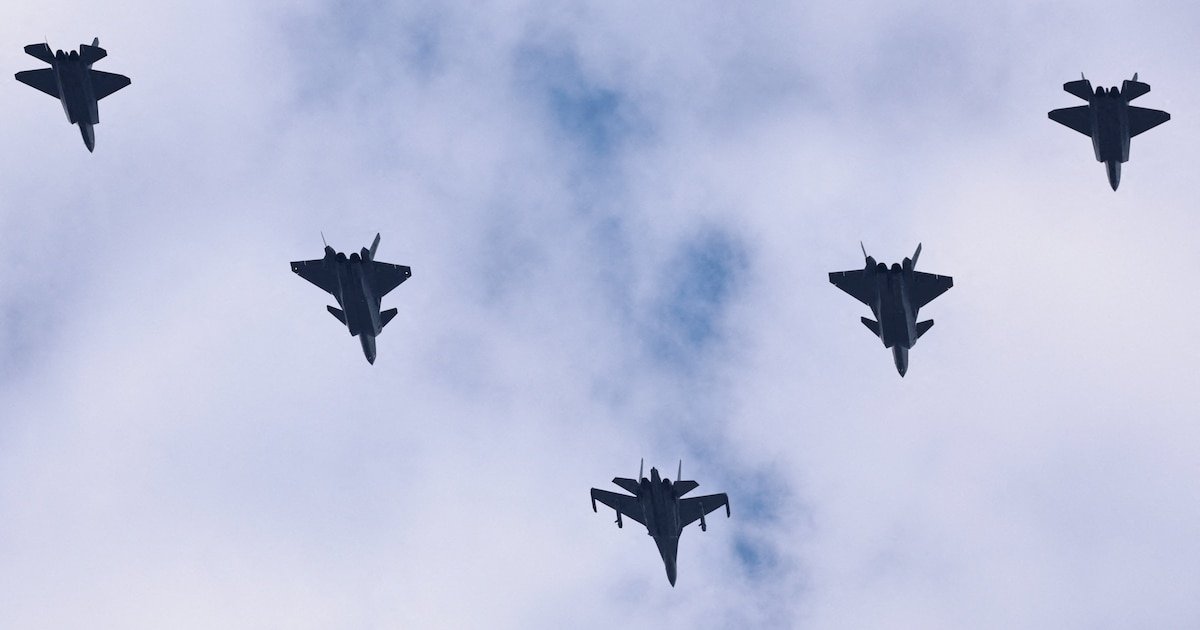
El régimen de China intensificó este martes su presión militar sobre Taiwán tras la detección de 130 aeronaves militares del Ejército Popular de Liberación (EPL) en las inmediaciones de la isla en un lapso de 24 horas, en el marco del segundo día de ejercicios con fuego real que Beijing presentó como una simulación de bloqueo de puertos estratégicos.
El Ministerio de Defensa de Taiwán informó que, desde las primeras horas del lunes hasta la mañana del martes, sus sistemas de vigilancia identificaron la presencia de 130 aviones militares chinos, además de 14 buques de guerra y ocho embarcaciones gubernamentales no especificadas. Según las autoridades de Taipéi, las maniobras constituyen un acto de intimidación militar con efectos directos sobre rutas de navegación marítima y aviación internacional.
La actividad aérea representó uno de los mayores despliegues registrados en un solo día alrededor de Taiwán. El ministerio taiwanés señaló que los aviones operaron en distintas zonas cercanas a la isla, en coordinación con unidades navales, en un contexto de ejercicios de gran escala anunciados por Beijing.
En paralelo, imágenes captadas por AFP mostraron el lanzamiento de cohetes desde Pingtan, una isla bajo control chino situada en el punto más cercano al territorio principal de Taiwán. Periodistas de la agencia observaron una salva alrededor de las 9:00 hora local, con estelas de humo blanco visibles en el cielo.
Al menos diez cohetes despegaron con segundos de diferencia y los estruendos se escucharon en distintos sectores de la isla. Turistas se acercaron a barricadas de madera frente al mar para registrar la escena con teléfonos móviles.

Poco después, el Ejército Popular de Liberación difundió un comunicado oficial. “A las 9:00 del 30 de diciembre, las fuerzas terrestres del Comando del Teatro Oriental del EPL realizaron ejercicios de fuego real de largo alcance en las aguas al norte de la isla de Taiwán y lograron los efectos deseados”, indicó la declaración.
Las maniobras, denominadas “Justice Mission 2025”, comenzaron el lunes y se extendieron durante dos días. Según el EPL, las fuerzas desplegaron destructores, fragatas, cazas y bombarderos, con el objetivo de ejecutar ejercicios de identificación y verificación, advertencia y expulsión, ataques simulados, asaltos a objetivos marítimos, además de operaciones antiaéreas y antisubmarinas.
El Comando del Teatro Oriental afirmó que los ejercicios realizados en aguas al norte y al sur de Taiwán “pusieron a prueba las capacidades de coordinación mar-aire y de bloqueo y control integrados”.
En ese contexto, el portavoz militar Shi Yi sostuvo que las maniobras constituyen “una severa advertencia contra las fuerzas separatistas de ‘independencia de Taiwán’ y una acción legítima y necesaria para salvaguardar la soberanía y la unidad nacional de China”.

La televisión estatal CCTV informó que uno de los ejes centrales del operativo consiste en un bloqueo de puertos taiwaneses estratégicos, entre ellos Keelung, en el norte de la isla, y Kaohsiung, en el sur. Autoridades chinas publicaron un mapa con cinco grandes zonas alrededor de Taiwán destinadas a los ejercicios, previstos hasta las 18:00 del martes hora local.
Desde Taipéi, el gobierno rechazó la operación. El Ministerio de Defensa afirmó que las zonas designadas por China, algunas situadas dentro de las 12 millas náuticas de la costa taiwanesa, afectaron el tránsito marítimo y aéreo internacional. En otro comunicado, sostuvo que las acciones del régimen chino “confirman aún más su naturaleza de agresor y lo convierten en el mayor destructor de la paz”.
La escalada se produjo tras una ronda de ventas de armas de Estados Unidos a Taiwán y declaraciones del primer ministro de Japón sobre la posibilidad de una respuesta militar de Tokio ante el uso de la fuerza contra la isla.
En Beijing, el canciller del régimen chino Wang Yi respondió con dureza. “En respuesta a las continuas provocaciones de las fuerzas pro independencia en Taiwán y las ventas de armas a gran escala de Estados Unidos a Taiwán, debemos, por supuesto, oponernos resueltamente y contrarrestarlas con firmeza”, afirmó en un discurso.
Añadió que cualquier intento de obstruir la unificación “inevitablemente terminará en fracaso”.

Por su parte, el presidente taiwanés Lai Ching-te aseguró en una publicación en Facebook que el territorio no busca “escalar el conflicto” ni provocar disputas. Un día antes, su oficina declaró que China mostró “desprecio por las normas internacionales y el uso de la intimidación militar para amenazar a países vecinos”.
El régimen de China considera a Taiwán parte de su territorio y no descarta el uso de la fuerza para tomar control de la isla, mientras el gobierno taiwanés rechaza esas pretensiones y denuncia el aumento de la presión militar en su entorno inmediato.
(Con información de AFP)
Asia / Pacific,Defense,BEIJING







INTERNACIONAL
SCOOP: Trump ally Kid Rock jumps into key governor’s race with high-profile endorsement
NEWYou can now listen to Fox News articles!
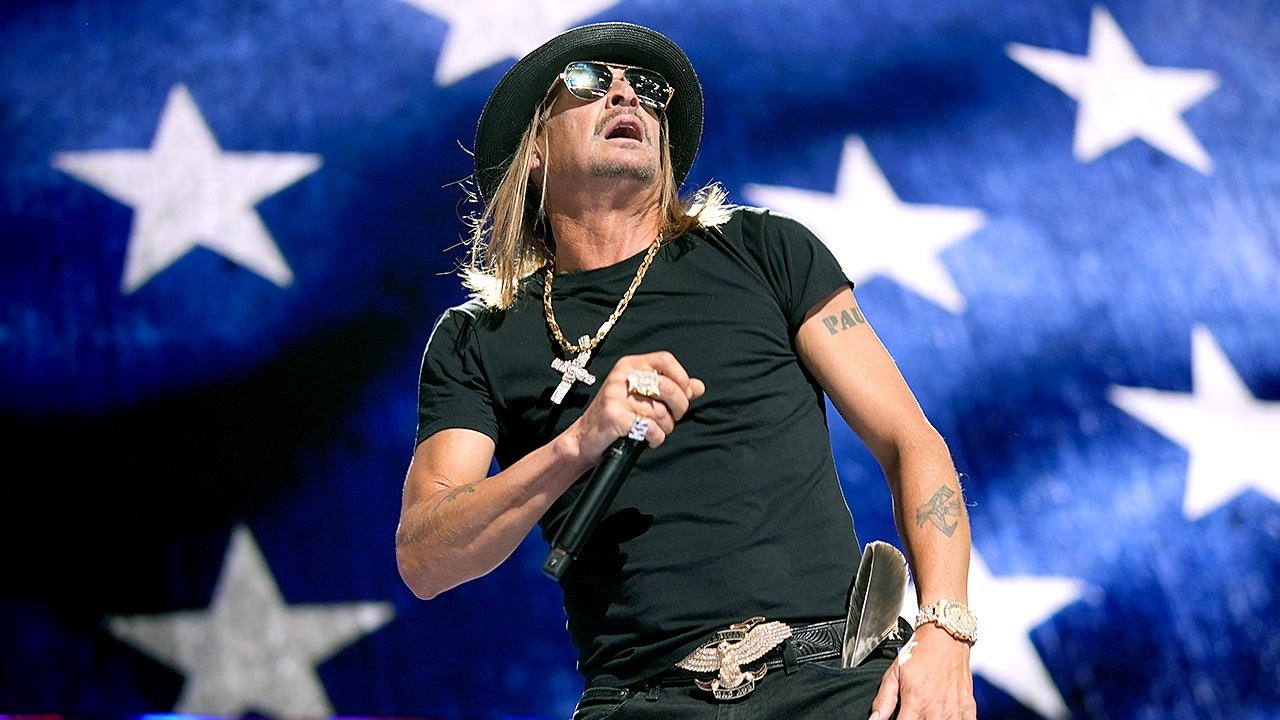
EXCLUSIVE — Detroit native and cultural icon Kid Rock is taking sides in the race for Michigan governor.
The famed musician and entertainer with a working-class persona who is known for his conservative political views is endorsing Republican Rep. John James in the 2026 race to succeed term-limited Democratic Gov. Gretchen Whitmer.
The Michigan governor’s office and a Democrat-controlled open U.S. Senate seat are top targets for the GOP to flip in November’s midterm elections.
«As our next Governor of Michigan, I know you will bring many victories to our GREAT STATE!» Kid Rock, whose real name is Robert James Ritchie, said in a statement shared first with Fox News Digital on Sunday.
BATTLE FOR THE SENATE: WHERE DEMOCRATS AND REPUBLICANS AIM TO FLIP SEATS
Musician and Detroit native Kid Rock, left, joins Republican Rep. John James of Michigan, who is running for governor. (John James gubernatorial campaign)
James, who’s in his second term representing a swing congressional district in suburban Detroit, said in a statement, «Kid Rock is a good friend. We share our love for Detroit, the state of Michigan and the United States of America!»
«I’m honored to have the endorsement of this unapologetic freedom-loving patriot and I look forward to working with him and every other Michigander to make Michigan great again!» added James, a West Point graduate and veteran of the Iraq War, and a businessman who was the 2018 and 2020 Republican Senate nominee in the Great Lakes battleground state.
Kid Rock’s backing of James comes a couple of hours before the singer and songwriter headlines Turning Point USA’s «All-American Halftime Show» during the Super Bowl.
HOW TO WATCH THE TURNING POINT USA ALTERNATE HALFTIME SHOW
Turning Point USA, which was co-founded by the late Charlie Kirk, is hosting its own alternative to the Super Bowl halftime show this Sunday. The event comes as conservatives criticize the NFL’s choice to feature Latin music star Bad Bunny as the halftime performer.
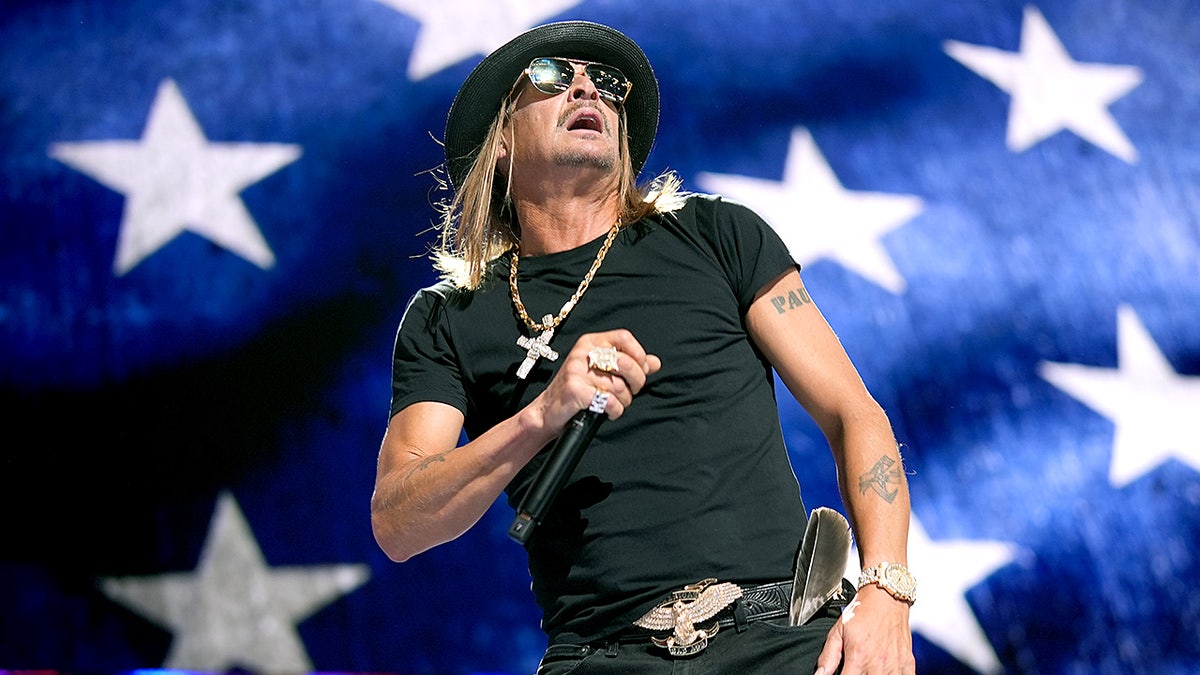
Musician Kid Rock performs on the fourth day of the Republican National Convention at the Fiserv Forum in Milwaukee, Wisconsin, on July 18, 2024. (Andrew Harnik/Getty Images)
Kid Rock is an outspoken supporter of President Donald Trump, backing him in all three of his presidential campaigns. He performed his song «American Bad Ass» at the 2024 Republican National Convention with altered lyrics to showcase his support for Trump.
Trump, whose sway over the GOP remains immense and whose endorsements in Republican primaries are highly coveted and extremely influential, to date has not weighed in on Michigan’s gubernatorial race.
HEAD HERE FOR THE LATEST FOX NEWS REPORTING AND ANALYSIS FROM THE CAMPAIGN TRAIL
A release from James’s campaign highlighted that «John James has stood with President Trump consistently since 2018, and every subsequent election, maintaining a clear and steady alignment when others backed his opponents, ran against him, or stayed silent.»
The James campaign also emphasized that «Kid Rock and John James share deep Detroit roots and a common view of Michigan as a state defined by hard work, manufacturing, culture, and natural beauty — from the Great Lakes to the communities that power the Midwest economy.»
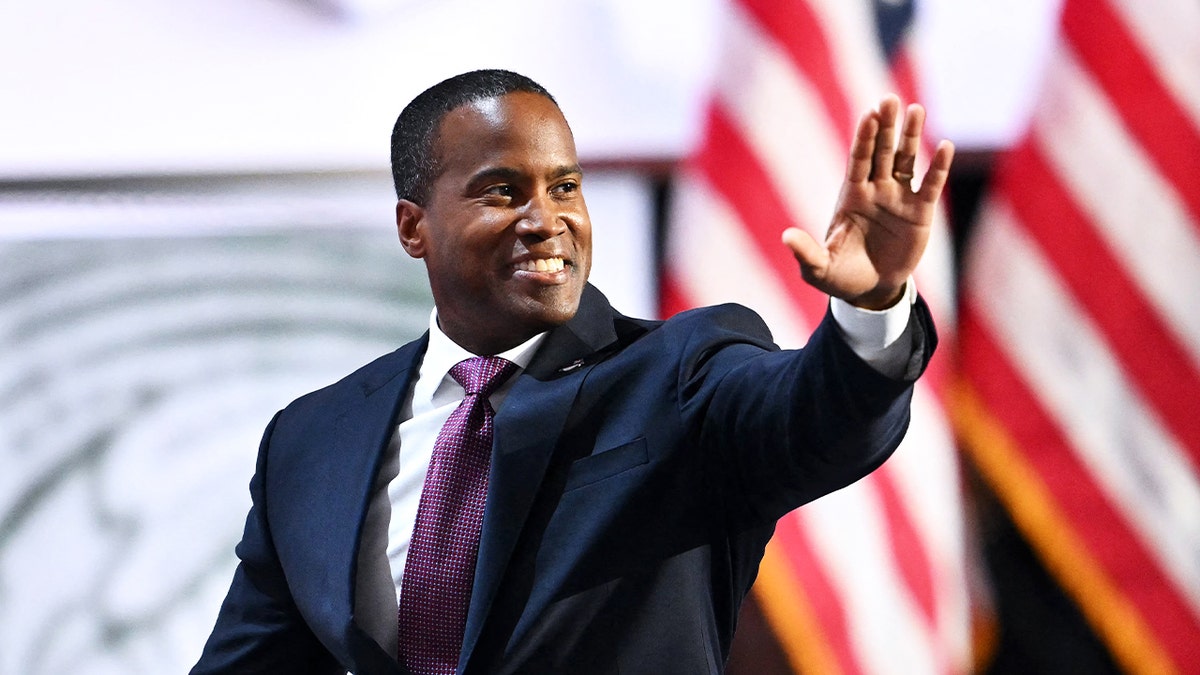
Rep. John James of Michigan, seen at the 2024 Republican National Convention, is running for governor in the battleground state’s 2026 race. (Angela Weiss/AFP via Getty)
James is the clear polling front-runner in a very crowded field of Republicans vying for the GOP nomination in the August primary. Among the other Republicans in the race are former Michigan Attorney General Mike Cox, Michigan Senate Minority Leader Aric Nesbitt, former state House of Representatives Speaker Mike Leonard, and businessman Perry Johnson, a longshot candidate for the 2024 Republican presidential nomination who is making his second bid for governor.
Michigan Secretary of State Jocelyn Benson is the clear front-runner among three candidates for the Democratic nomination.
CLICK HERE TO DOWNLOAD THE FOX NEWS APP
Former three-term Democratic Mayor Mike Duggan of Detroit is campaigning for governor as an independent.
The race in Michigan is rated a toss-up by three top nonpartisan political handicappers: the Cook Report, Inside Elections, and Sabato’s Crystal Ball.
donald trump,gubernatorial,republicans elections,elections,midterm elections,michigan,super bowl
INTERNACIONAL
Iran’s top diplomat says nation’s power lies in defying pressure: ‘No to the great powers’
NEWYou can now listen to Fox News articles!
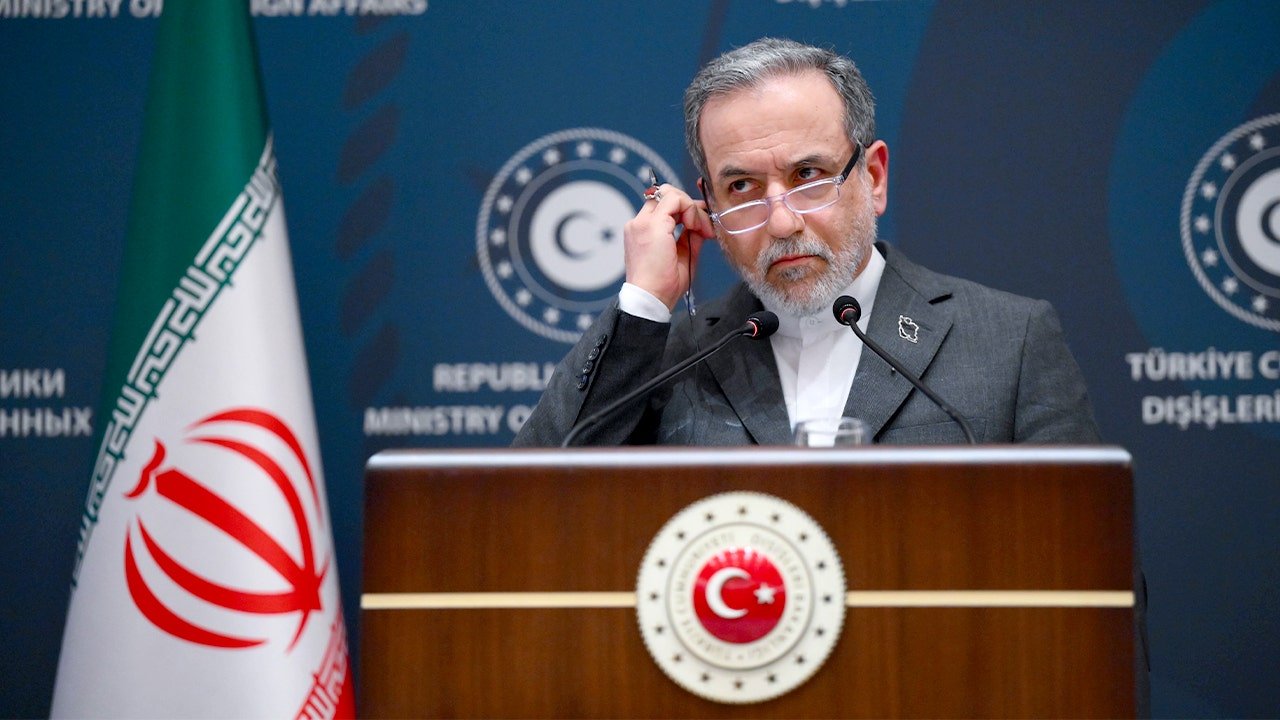
Iran is prepared to pursue diplomacy while remaining ready to defend itself if challenged, Foreign Minister Abbas Araghchi said Sunday, arguing that Tehran’s strength lies in its ability to stand firm against pressure.
«We are a man of diplomacy, we are also a man of war; not in the sense that we seek war, but … we are ready to fight so that no one dares to fight us,» he said, according to Press TV, Iran’s state-run English-language broadcaster.
Araghchi made the remarks in Tehran at the National Congress on the Islamic Republic’s Foreign Policy, two days after Iran and the United States held nuclear talks in Oman.
Fox News previously reported that negotiations between Iranian and U.S. officials in Muscat, the capital, were held face-to-face, marking the first such meetings since U.S. strikes on Iran’s nuclear sites in June.
IRAN PUSHES FOR FRIDAY NUCLEAR TALKS IN OMAN AMID RISING TENSIONS WITH US FORCES: SOURCE
Omani Foreign Minister Sayyid Badr Hamad Al Busaidi meets with Iranian Foreign Minister Abbas Araghchi ahead of U.S.-Iran talks in Muscat, Oman, on Feb. 6, 2026. (Oman Foreign Ministry/Anadolu via Getty Images)
Iran’s Foreign Ministry described the talks as «intensive and lengthy» in a post on X, saying the meetings allowed both sides to present their positions and concerns.
«It was a good start, but its continuation depends on consultations in our respective capitals and deciding on how to proceed,» the government account said.
It added there was broad agreement on continuing the negotiations, though decisions on timing, format and the next round will be made following consultations in the two capitals, with Oman continuing to serve as the intermediary.
US MILITARY SHOOTS DOWN IRANIAN DRONE APPROACHING USS ABRAHAM LINCOLN IN ARABIAN SEA, OFFICIAL SAYS
Araghchi said Sunday that Iran views its nuclear program as a legitimate right and is seeking recognition of that position through negotiations.
«I believe the secret of the Islamic Republic of Iran’s power lies in its ability to stand against bullying, domination and pressures from others,» he said, according to Press TV.
«They fear our atomic bomb, while we are not pursuing an atomic bomb. Our atomic bomb is the power to say no to the great powers,» the top diplomat added. «The secret of the Islamic Republic’s power is to say no to the powers.»
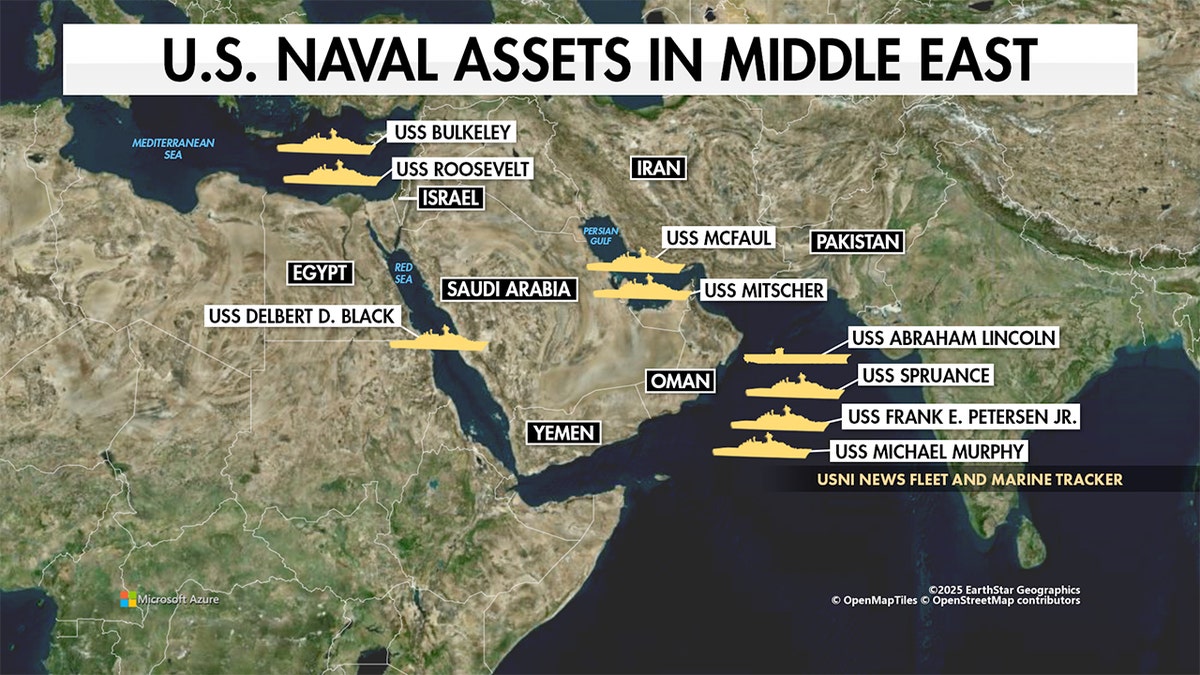
A map created by Fox News shows U.S. naval vessels positioned across key waterways in the Middle East, from the eastern Mediterranean to the Arabian Sea, as part of an expanded American military presence in the region. (Fox News/USNI News Fleet and Marine Tracker)
CLICK HERE TO DOWNLOAD THE FOX NEWS APP
President Donald Trump has expanded the U.S. military presence in the Middle East, deploying the USS Abraham Lincoln carrier strike group and the USS Michael Murphy, a guided-missile destroyer.
Other U.S. naval assets, including the USS Bulkeley, USS Roosevelt, USS Delbert D. Black, USS McFaul, USS Mitscher, USS Spruance and USS Frank E. Petersen Jr., are positioned across key waterways surrounding Iran, from the eastern Mediterranean and Red Sea to the Persian Gulf, Gulf of Oman and Arabian Sea.
iran,middle east,nuclear proliferation
INTERNACIONAL
Donald Trump insiste en que las elecciones en Estados Unidos están «amañadas» y son «fraudulentas»
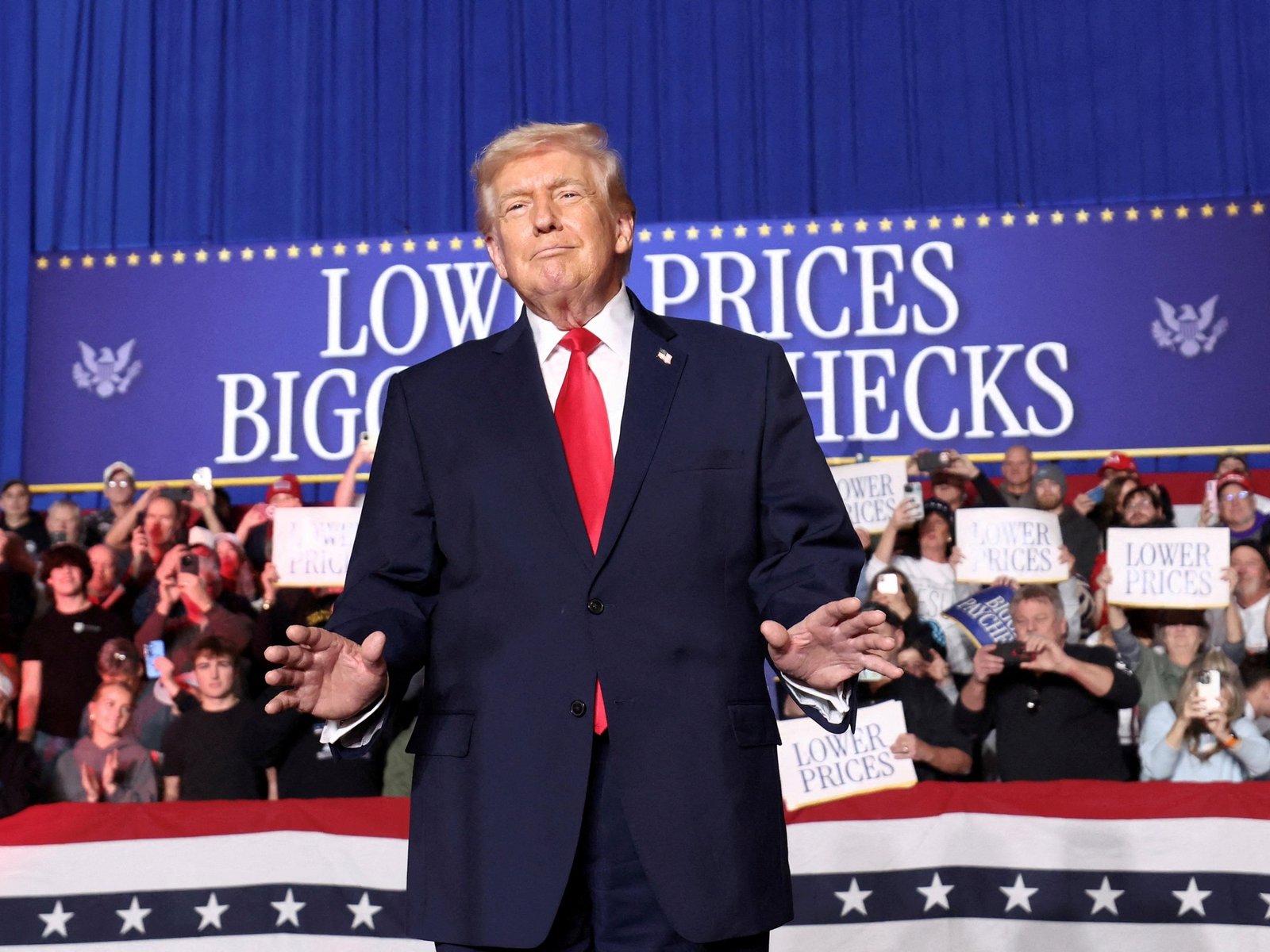
El presidente estadounidense, Donald Trump, volvió a insistir este domingo en que las elecciones en Estados Unidos están «amañadas» y son «fraudulentas», mientras se prepara para hacer campaña para los comicios de medio mandato del próximo 3 de noviembre.
«Las elecciones estadounidenses están amañadas, son fraudulentas y son motivo de burla en todo el mundo. O las arreglamos o dejaremos de tener un país», aseguró el mandatario en su red Truth Social.
En la publicación, Trump pidió a los republicanos luchar por que todos los votantes muestren su documento de identidad y una prueba de ciudadanía estadounidense, así como que no se admitan votos por correo excepto por enfermedad, discapacidad, servicio militar o viaje.
El jueves, el presidente ya instó a los republicanos en el Congreso a que aprueben la Ley «SAVE America», un proyecto impulsado por su partido que endurecería los requisitos para votar en las elecciones de este año, en medio de nuevas acusaciones sin pruebas sobre un supuesto fraude electoral.
El mandatario reclamó a los legisladores republicanos que luchen por medidas como la exigencia de identificación de votantes, prueba de ciudadanía para registrarse y severas restricciones al voto por correo.
Previamente, en una entrevista con NBC, afirmó sin presentar pruebas que algunos estados podrían no estar contando correctamente los votos.
Las elecciones del 3 de noviembre, en las que se renovará el Congreso, son clave para el presidente, ya que está en juego la ajustada mayoría que los republicanos mantienen en el Congreso.
El republicano anunció recientemente que viajará cada semana dentro del país para hacer campaña de cara a estos comicios.
Los planes de Trump, que sigue afirmando sin presentar ninguna prueba que su rival Joe Biden ganó con fraude en 2020, desatan las alarmas en Washington. Ahora el mandatario pidió a los republicanos que arrebaten a los estados el control de los comicios para las legislativas de noviembre, en las que la oposición podría recuperar el control del Congreso.
Todo ocurre luego del último batacazo electoral en Texas, un histórico bastión republicano, donde el candidato demócrata Taylor Rehmet ganó un escaño en el Senado en un distrito en el que Trump había arrasado en 2024.
Ese mal trago en el voto se suma a varias elecciones, como las de gobernadores en Virginia y Nueva Jersey de noviembre último, con amplios triunfos opositores mientras los sondeos siguen revelando que la gente no está de acuerdo con lo que hace Trump desde la Casa Blanca.
Ante ese panorama, el presidente dijo que su partido debería “nacionalizar” la elección, al tiempo que cuestionó si ciertos estados -en poder de los demócratas, desde luego- deberían seguir celebrando sus propias elecciones como lo establece la Constitución.
En concreto, Trump quiere cambiar las reglas que dispone la ley. Desde hace décadas, son los estados o distritos electorales los que controlan los comicios. Trump quiere ahora que sea el Estado federal el que lo haga, lo que le permitiría digitar resultados y alterar el voto. Un tema son los extranjeros, blanco de su agenda migratoria. Según afirma, votan sin estar documentados y votan a los demócratas.
Trump viene planteando la cuestión desde hace días, a medida que los sondeos lo golpean. “Quiero ver que las elecciones sean honestas, y si un Estado no puede organizar una elección, creo que la gente que me respalda debería hacer algo al respecto”, dijo Trump el martes en la Oficina Oval, flanqueado por republicanos del Congreso.
“Miren Detroit… miren Filadelfia, miren Atlanta”, agregó el mandatario Trump, refiriéndose a las ciudades en estados clave como lugares de presunta corrupción, sin citar pruebas específicas. “El gobierno federal no debería permitir eso. El gobierno federal debería intervenir. Son agentes del gobierno federal encargados del recuento de votos. Si no pueden contar los votos de forma legal y honesta, entonces alguien más debería hacerse cargo”.
Los comentarios de Trump son un eco de lo que dijo en una entrevista de podcast el lunes con Dan Bongino, ex subdirector del FBI, en la que exhortó a los republicanos a “hacerse cargo” de los procedimientos de votación en 15 Estados, que no nombró.

Las Fintech les respondieron a los bancos por un artículo clave del proyecto de reforma laboral

SCOOP: Trump ally Kid Rock jumps into key governor’s race with high-profile endorsement

Pedro es inagotable, pero la Juve despierta a tiempo

La China Suárez insultó a Juariu: la acusó de hostigar y hacerle bullying a su hija Magnolia

Iran’s top diplomat says nation’s power lies in defying pressure: ‘No to the great powers’

Sale Máximo Kirchner y entra Kicillof, pero la interna del PJ bonaerense sigue latente debajo de la “lista de unidad”

Flor de la V contó las dificultades que vivió junto a Pablo Goycochea cuando se conoció su romance: “Había una persecución”

Milei dejó trascender que Lavagna quería un índice de inflación más alto porque «jugaba para Massa»

¿La revancha de Don Chatarrín?: acuerdo Trump-Milei puede favorecer a Rocca ante el avance asiático

Desconcertada y sin la China Suárez: así reaccionó Magnolia tras el maltrato de un guardaespaldas

 ECONOMIA3 días ago
¿La revancha de Don Chatarrín?: acuerdo Trump-Milei puede favorecer a Rocca ante el avance asiático
- CHIMENTOS1 día ago
Natalie Weber contó toda la verdad del coqueteo de Sabrina Rojas a Mauro Icardi en un boliche: “Yo sé lo que pasó esa noche y te puedo decir que Sabrina no fue”
- INTERNACIONAL2 días ago
Top fiery moments as Democrats clash with Treasury Secretary Bessent in chaotic Hill hearings