INTERNACIONAL
Texas governor makes it ‘crystal clear’ only U.S. citizens can vote in state elections

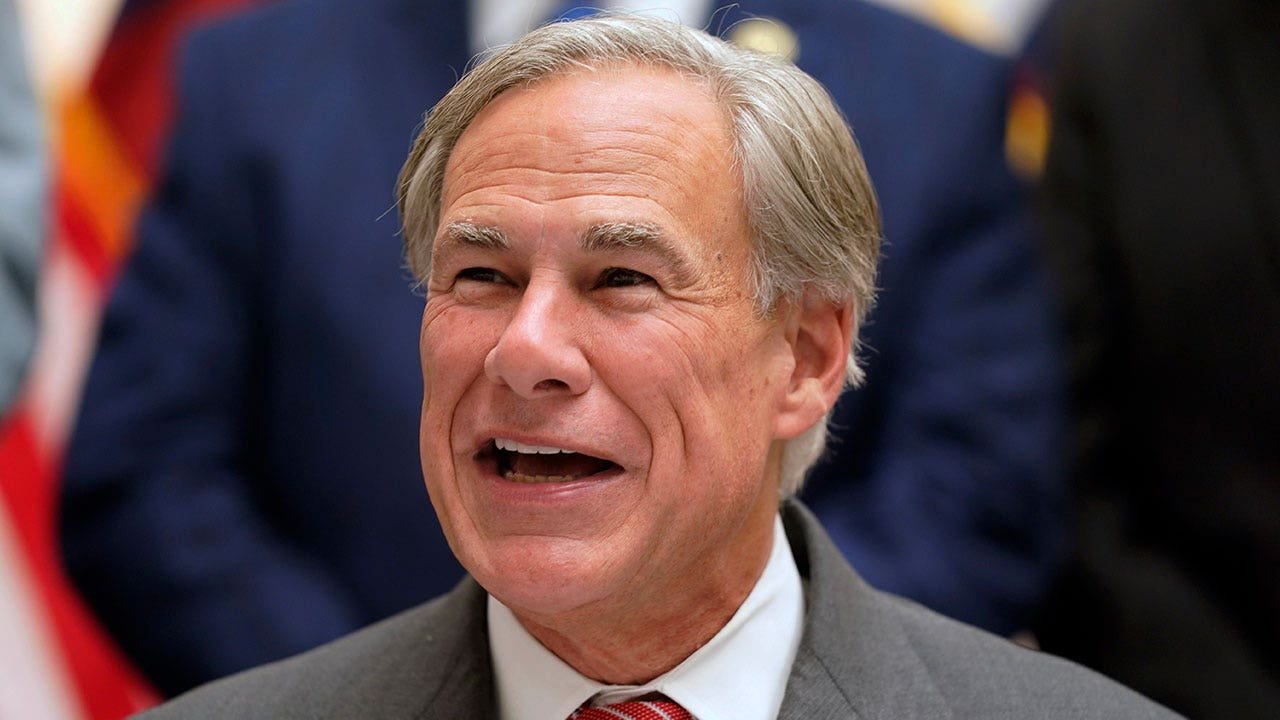
Texas Gov. Greg Abbott signed legislation on Monday which he said makes it «crystal clear» that only U.S. citizens are allowed to vote in elections in his state.
«I just signed off on a joint resolution to make it crystal clear under the Texas Constitution that if you are not a citizen of the United States of America, you are not allowed to vote in Texas,» the governor said in a video posted to X.
Texas State Senator Brian Birdwell, a Republican, introduced Senate Joint Resolution (SJR) 37 in January, and in the resolution, he proposed a constitutional amendment clarifying that voters in Texas elections must be citizens of the U.S.
Prior to the resolution, the constitution prohibited people who are under the age of 18, along with those who were determined mentally incompetent by a court or who were convicted of a felony, from voting in elections.
TRUMP SIGNS EXECUTIVE ORDER REQUIRING PROOF OF CITIZENSHIP IN FEDERAL ELECTIONS: ‘AN HONOR TO SIGN THIS ONE’
Texas Gov. Greg Abbott signed a joint resolution to amend the state constitution and make it a requirement for U.S. citizens to only be allowed to vote in elections in Texas. (AP Photo/LM Otero, File)
But the amendment proposes adding a line to the classes of people who «shall not be allowed to vote» in Texas, which reads, «persons who are not citizens of the United States.»
Birdwell’s joint resolution was approved by the state senate in April, then by the state house in May.
Abbott signed the joint resolution on Monday, but it still has one more step. In fact, Texas citizens will have the final say in November on whether the state constitution can be ratified to include the requirement in the state constitution.
TRUMP’S EXECUTIVE ORDER ON VOTING BLOCKED BY FEDERAL JUDGE AMID FLURRY OF LEGAL SETBACKS
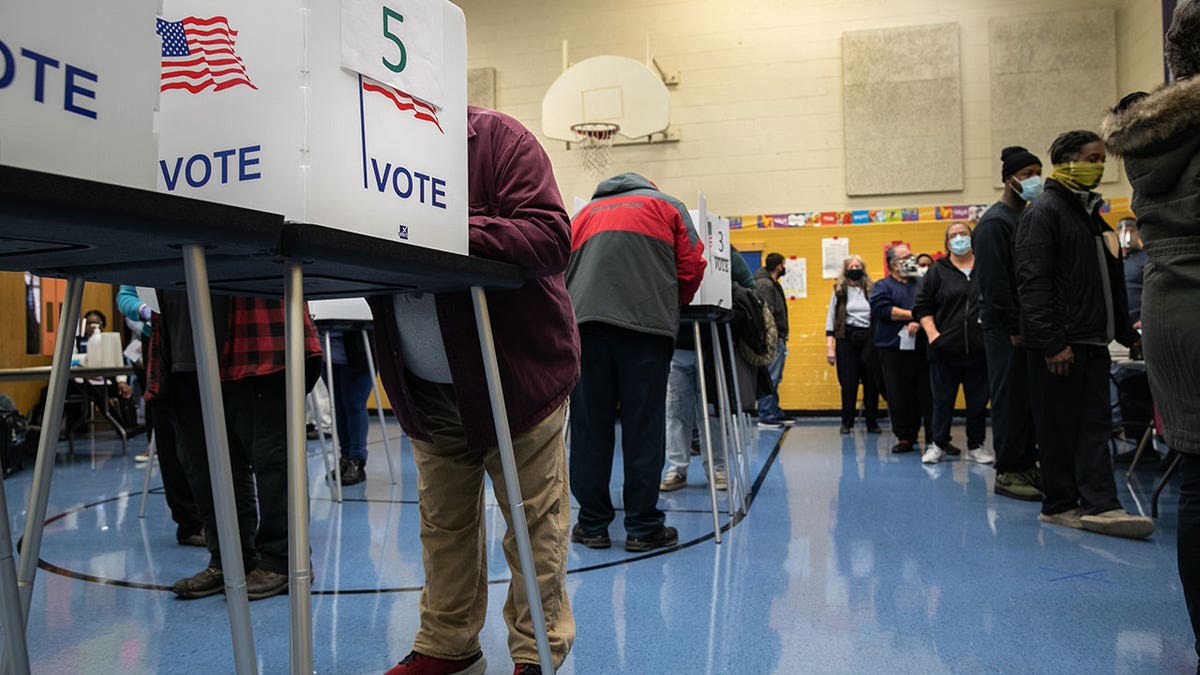
Texas voters will get the opportunity to have the final say on whether to only allow U.S. citizens to vote in elections in the state. (John Moore/Getty Images)
Fox News Digital has reached out to Abbott’s and Birdwell’s offices for comment.
Last month, a federal judge blocked an executive order signed by President Donald Trump that would require documentary proof of citizenship before being allowed to register to vote.
Judge Colleen Kollar-Kotelly of the U.S. District Court for the District of Columbia handed down the order in response to lawsuits filed by three separate groups of plaintiffs over five different provisions in a March 25 Trump executive order relating to election integrity. While Kollar-Kotelly dismissed requests to block three of the provisions, requests to block two other provisions pertaining to a proof of citizenship requirement for voters were granted.
JUDGE BLOCKS TRUMP ELECTION ORDER DESPITE OVERWHELMING AMERICAN SUPPORT FOR VOTER ID
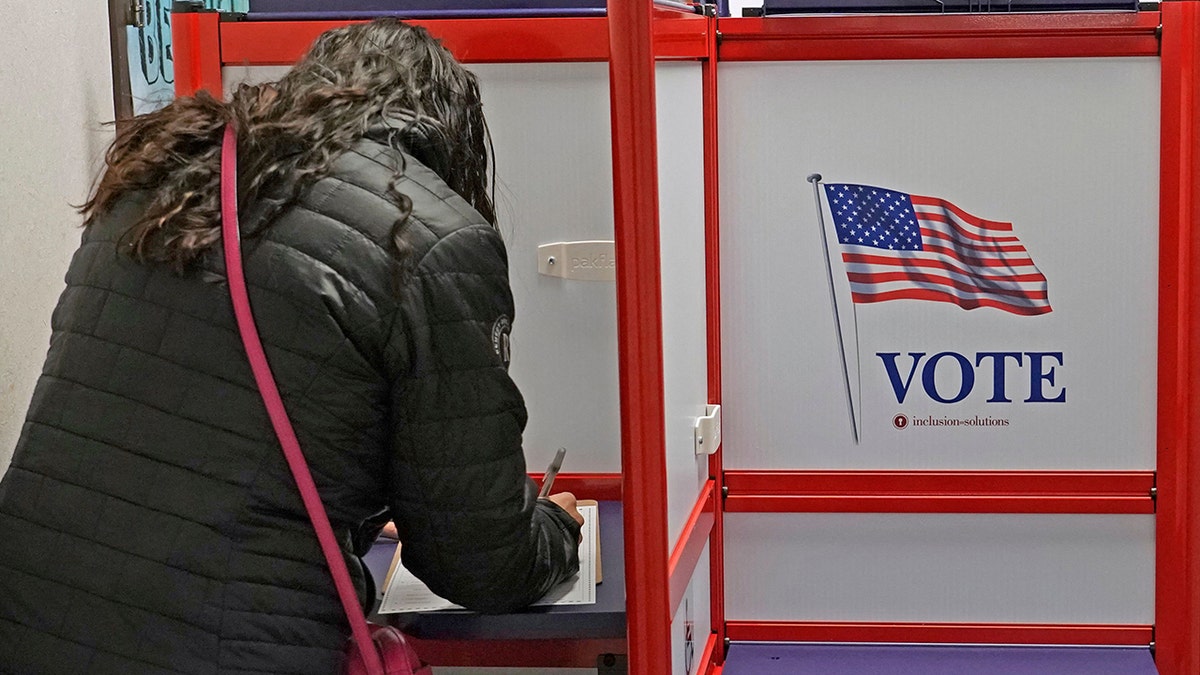
A voter fills out her ballot. (GEORGE FREY/AFP via Getty Images)
The first blocked provision sought to compel the Election Assistance Commission to amend standardized national voter registration forms to require documentary proof of citizenship. The second sought to require federal agencies offering voter registration to people on public assistance to «assess» the individual’s citizenship status before doing so.
«Our Constitution entrusts Congress and the States — not the President — with the authority to regulate federal elections. Consistent with that allocation of power, Congress is currently debating legislation that would affect many of the changes the President purports to order,» Kollar-Kotelly, a Clinton-appointee, wrote in her order. «No statutory delegation of authority to the Executive Branch permits the President to short-circuit Congress’s deliberative process by executive order.»
CLICK HERE TO GET THE FOX NEWS APP
Meanwhile, 25 states, including Texas, are considering some form of proof-of-citizenship legislation, according to the Voting Rights Lab, which is tracking such legislation. In total, 15 state constitutions have explicit prohibitions against non-citizen voting.
Fox News Digital’s Alec Schemmel contributed to this report.
Texas,Voting,Elections,Politics,Greg Abbott








INTERNACIONAL
Rusia amenaza con mandar a la guerra a alumnos universitarios que sean aplazados o tengan bajas calificaciones
Después de oleadas de reclutamientos masivos y la fuerte presión contra inmigrantes y presos para combatir en Ucrania, el gobierno ruso puso en la mira a estudiantes universitarios aplazados en sus exámenes o con bajas calificaciones bajo amenaza de expulsión.
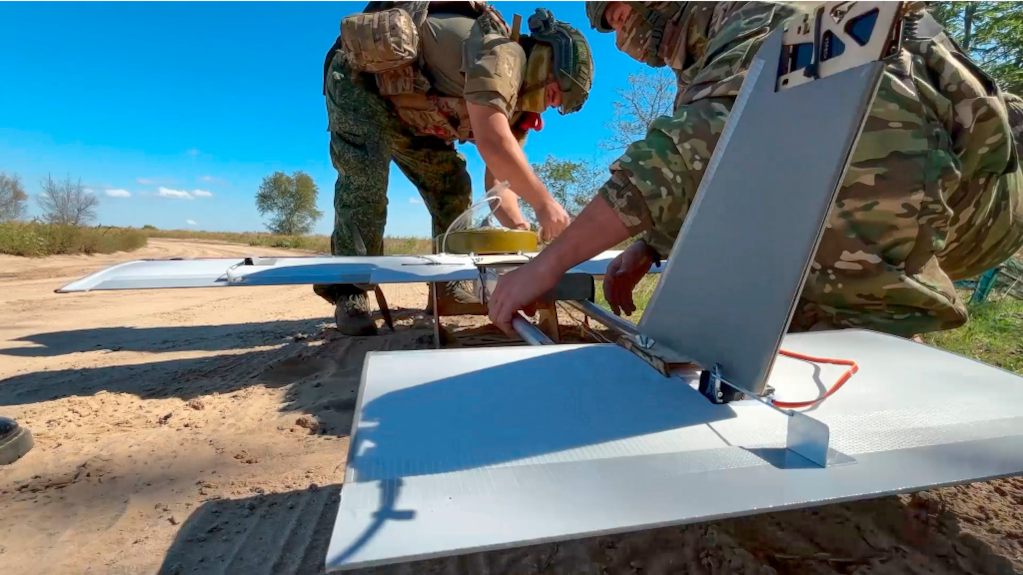
El objetivo, según denunciaron organizaciones de derechos humanos y la prensa rusa en el exilio, es alistar a “operadores de drones” listos para ir a la guerra.
“El gobierno utiliza todo tipo de artimañas para persuadir a la gente a unirse al ejército”, dijo a TN la activista Tamilla Imanova, abogada de la ONG rusa Centro Memorial para la Defensa de los Derechos Humanos.
¿Cuál es la estrategia del Kremlin para reclutar a estudiantes universitarios?
Las incalculables bajas que sufrió Rusia en los más de cuatro años de guerra en Ucrania llevaron al Kremlin a buscar soldados en todos los ámbitos.
Primero se enfocaron en alistamientos masivos y en unidades de “mercenarios”. Luego apuntaron a los presos. Decenas de miles de reclusos se sumaron al ejército para luchar en Ucrania con buenos sueldos y la promesa de una amnistía al volver a casa después de seis meses de combate. Muchos de ellos volvieron a delinquir, o a asesinar, a su regreso al país.
Dos soldados rusos montan un dron cerca del frente de guerra en Ucrania (Foto: Ministerio de Defensa ruso vía AP)
Cuando se acabaron los reos, volvieron la mirada sobre los inmigrantes.
“Todos los rusos naturalizados, aquellos que no nacieron con la ciudadanía rusa pero la obtuvieron más tarde, son amenazados con perderla si no se alistan en las oficinas militares locales”, dijo Imanova.
Leé también: La “batalla del agua” en Medio Oriente: monarquías del Golfo temen ataques iraníes a plantas desalinizadoras
Ahora es el turno de los estudiantes universitarios.
“Las autoridades planean reclutar a 78.800 personas para las fuerzas de drones. Se espera que 58.000 sean estudiantes, exmiembros de unidades de aviación y mujeres con formación relevante. Todo esto sugiere una sola cosa: para Vladimir Putin, nada importa más que continuar la guerra en Ucrania a cualquier precio”, dijo a TN la periodista rusa Daria Guskova, del diario opositor Mediazona, que transmite desde Lituania.
“¿Son todos cobardes?”
Maria Kirsanova, rectora de la facultad de Tecnologías del Transporte de la Universidad de Lunin, en la ciudad de Novosibirsk, en Siberia, reprendió a los estudiantes reunidos en un encuentro organizado por el ejército ante su escasa disposición a enlistarse por un año y un salario de alrededor de 80.000 dólares por 12 meses de servicio.
“¿Quién les infundió miedo? ¿Acaso son todos unos cobardes que están aquí sentados, temiendo por sus vidas?”, vociferó, según videos viralizados en aplicaciones de mensajería rusas y divulgados por The Moscow Times.
Para Guskova, “antes, la firma de contratos de servicio militar se ofrecía activamente a personas con deudas, personas sin hogar, presos y procesados, es decir, representantes de grupos sociales vulnerables”.
Leé también: Los Castro tienen la llave de la transición cubana: quién es el nieto favorito de Raúl que negocia con EE.UU.
“Putin está claramente decidido a continuar la guerra, por lo que las autoridades buscan ahora nuevos grupos vulnerables para reclutar, esta vez para las fuerzas de drones. Los estudiantes están en la mira. Estamos viendo una gran cantidad de informes de este tipo. Y no se trata solo de estudiantes con dificultades para aprobar exámenes”, afirmó la periodista.
Estos esfuerzos para reclutar universitarios se intensificaron desde enero, según la ONG Idite Lesom, que ayuda a los rusos a evitar el servicio militar obligatorio.
La campaña de alistamiento se realiza en época de exámenes. La idea es reclutar a los estudiantes “bochados” o con bajas calificaciones, dijo el vocero de esa organización no gubernamental, Ivan Chuviliaev.
Según el informe de The Moscow Times, un periódico digital ruso que actualmente de edita en Amsterdam, estos estudiantes son citados especialmente por los reclutadores y se les conmina a alistarse como “operadores de drones” en el frente.
“Uno de los argumentos que utilizan es: ‘Te vamos a expulsar por bajo rendimiento si no firmas’”, dijo Chuviliaev.

Un aviso de propaganda del ejército en una universidad rusa (Foto: ostorozhno_novosti / Telegram/The Moscow Times)
“Los estudiantes pueden obtener la educación superior de forma gratuita si aprobaron sus exámenes escolares con las mejores calificaciones y consiguieron una plaza subvencionada en una universidad. Por eso los presionan”, dijo Imanova.
Según el medio estudiantil Groza, la campaña del ejército se realizó en al menos 201 universidades y centros de enseñanza superior en todo el país.
En su informe, The Moscow Times dijo que los reclutadores prometen a los estudiantes que no serán enviados al frente de batalla. ¿Por que se buscan a universitarios jóvenes? Porque son los “más adecuados” para operar drones por su interés “en los teléfonos celulares y los videojuegos desde la infancia”.
Así, la Escuela Superior de Economía, según las denuncias, le “ofreció” a los estudiantes que habían sido suspendidos en sus exámenes la posibilidad de firmar un contrario militar. La alternativa era la expulsión.
“Se le concederá una licencia académica durante la vigencia del contrato, tras la cual podrá reanudar sus estudios. Su expulsión quedará suspendida durante este período”, describió una nota citada por el diario moscovita en el exilio.
Leé también: El turismo internacional se derrumba en Cuba, pero crece el número de visitantes argentinos: ¿qué buscan?
En la Universidad Innovadora de Kazán, la rectora Yulia Khadiullina le avisó a los estudiantes suspendidos que habían sido expulsados. Pero les dio la opción militar: “Cada uno de ustedes todavía tiene oportunidades. El país cree en ustedes”, dijo, citada por el diario.
En su diálogo con TN, Guskova contó: “A los estudiantes de la Universidad Técnica Estatal Bauman de Moscú, una de las mejores universidades de Rusia, se les exigió asistir a un centro de entrenamiento de operación de drones bajo la amenaza de no recibir sus diplomas”.
“También se están realizando esfuerzos de reclutamiento en la principal universidad del país, la Universidad Estatal Lomonósov de Moscú”, apuntó.
Una cuota de estudiantes para cada universidad
Según The Moscow Times, cada universidad tiene una cuota de estudiantes establecida para sumar al ejército. En el caso de la Universidad Federal del Lejano Oriente, en Vladivostok, la exasesora del rector, Marina Barinova, dijo que esa casa de estudios fue obligada a proporcionar 32 alumnos en febrero.
El medio científico independiente T-invariant informó que la Universidad Estatal Rusa de Humanidades debía proporcionar 200 estudiantes para firmar contratos militares.
Pero no solo los estudiantes están en la mira.
“En la región de Murmansk se está enviando a profesores a cursos sobre cómo pilotear drones. Dado que los profesores, al igual que los médicos de instituciones públicas y la policía, dependen en gran medida del gobierno, también son vulnerables a esta presión”, concluyó Imanova.
Rusia, Ucrania, Sumario, Vladimir Putin
Millions of ‘No Kings’ protesters rally nationwide
Psychotherapist Jonathan Alpert joins Fox & Friends Weekend to discuss the nationwide ‘No Kings’ protests. He characterizes the anti-Trump demonstrations as ‘bad group therapy,’ driven by grievance culture and an unhealthy fixation on politics.
NEWYou can now listen to Fox News articles!
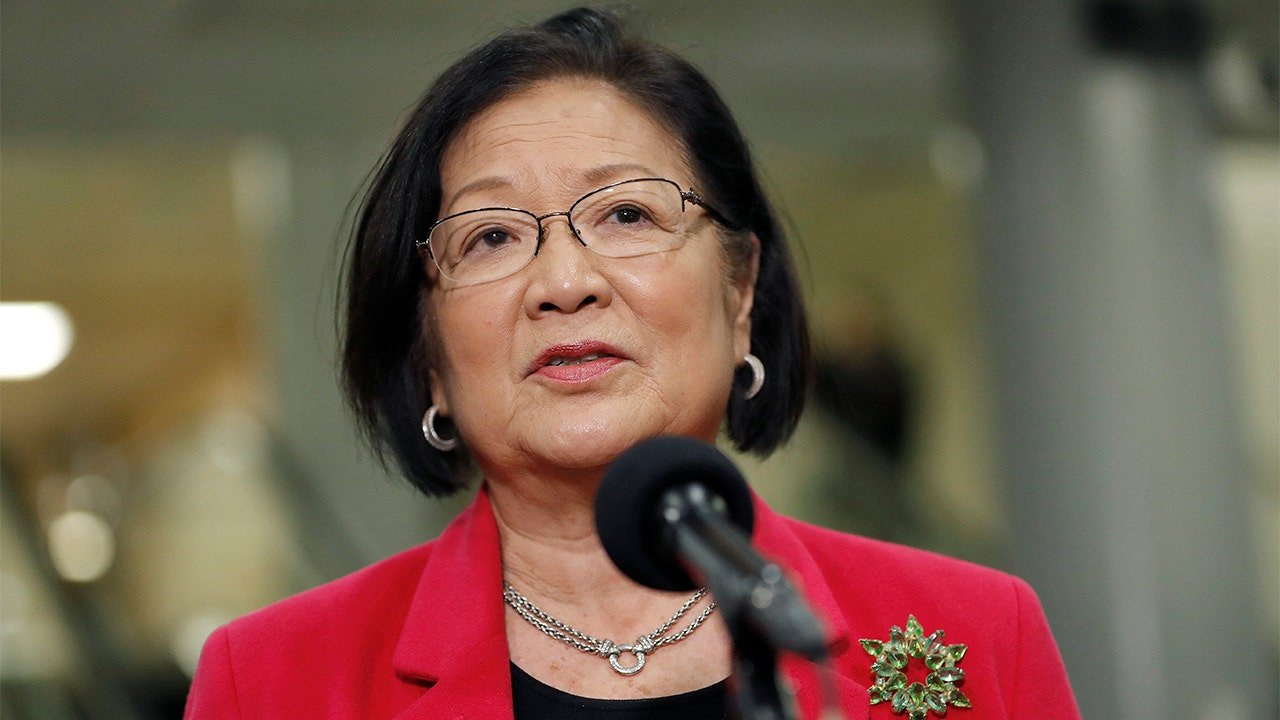
Sen. Mazie Hirono, D-Hawaii, intended to hit President Donald Trump amid nationwide «No Kings» protests, but instead Republicans argued her comment admits the flimsy case being made.
«Donald Trump is not, never will be, and has never been a king. #NoKings,» Hirono’s Saturday morning X post read as left-wing protesters marched in various anti-Trump demonstrations.
The remarks landed with rare agreement from figures on the right, though.
«So you agree – you think your ‘no kings’ rallies are stupid…,» replied Rep. Chip Roy, R-Texas, who once backed Trump’s 2024 Republican primary opposition from Florida Gov. Ron DeSantis.
JANE FONDA WARNS AMERICA FACES ‘EXISTENTIAL’ CRISIS AS SHE URGES TURNOUT AT ‘NO KINGS’ PROTESTS
Sen. Mazie Hirono, D-Hawaii, was trolled on social media for a ‘no kings’ statement that was seized on by the right. (Nathan Posner/Anadolu)
«Roger that!» Sen. Mike Lee, R-Utah, wrote on X.
Social media reacted in wild agreement even from the right, with some noting that the 2024 November election was a «no Kings» protest and some referencing Independence Day as America’s true «no Kings» protest.
NANCY PELOSI SWIPES AT TRUMP, ACCUSING HIM OF CROWNING HIMSELF AS ‘KING’
One post even noted the irony of «no kings» protests in London, where the United Kingdom actually has a king.
More than 3,200 events had been planned in all 50 states, after the two previous nationwide events attracted millions of participants.
Large rallies took place in New York, Dallas, Philadelphia, and Washington, but two-thirds of «no kings» events were happening outside major cities, a nearly 40% jump for smaller communities from the movement’s first mobilization last June, organizers said.
LEADER SCALISE: DEMOCRATS CHEER ‘NO KINGS’ PROTESTS, BUT LET SHUTDOWN DEVASTATE FAMILIES
Video and photos shared on social media showed protesters marching for «no kings,» while waving red flags associated with communist dictatorships.
«These Hate America Rallies are where the far-left’s most violent, deranged fantasies get a microphone and House Democrats get their marching orders,» National Republican Congressional Committee spokesman Mike Marinella wrote in a statement Saturday.
«Voters will punish Democrats for gleefully standing shouder-to-shoulder with radicals who call for assassinations and violence.»
JOHN CUSACK TELLS TRUMP TO ‘GO TO HELL’ AT CHICAGO ‘NO KINGS’ PROTEST
Trump has long rebuked the «no kings» protest mantra.
«I’m not a king — I work my a– off to make America great,» Trump said during last October’s congressional recess protests. «That’s the difference.»
Trump rebuked the protests as «small, crazy, and totally out of touch with real Americans.»
CHIP ROY SAYS DEMOCRATIC PARTY TAKING ITS ‘DYING BREATHS’
Hirono was not the only Democrat figure targeted for social media trolling Saturday. The RNC Research X account shared video of Rep. Ilhan Omar, D-Minn., getting emotional during a «no kings» rally speech, rebuking America as no beacon of hope but «authoritarianism.»
‘NO KINGS’ PROTESTS LARGELY COMPRISED OF PEOPLE FROM ONE DEMOGRAPHIC: EXPERTS
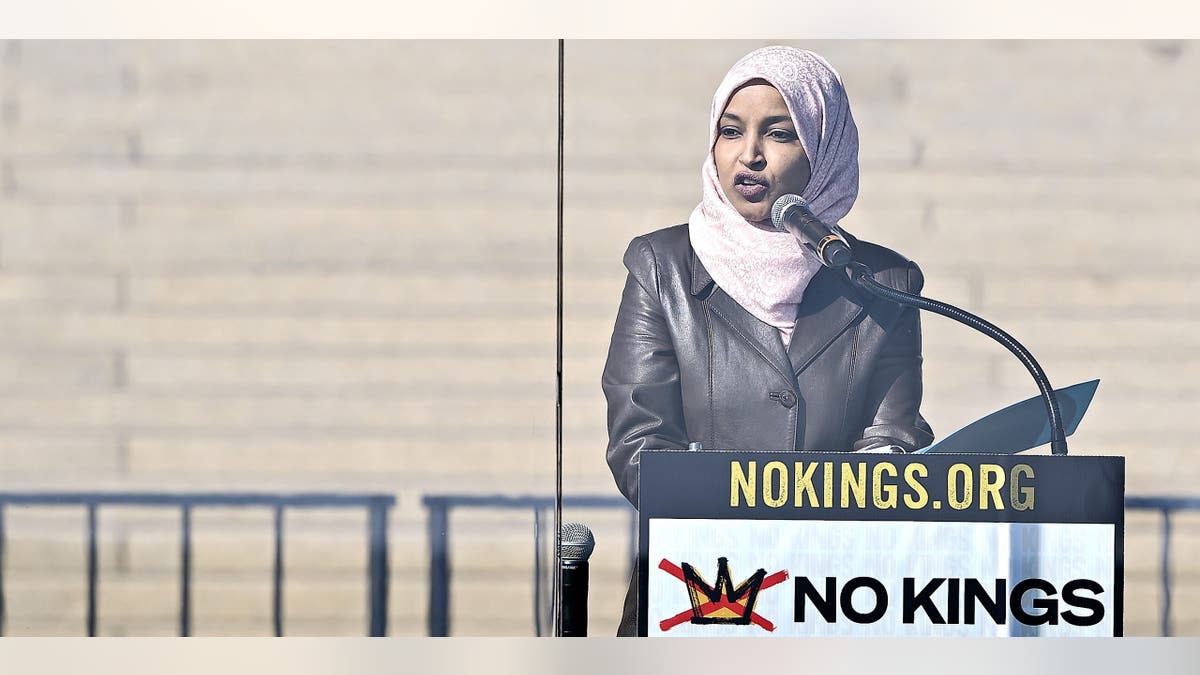
Rep. Ilhan Omar, D-Minn., under fire for alleged immigration law violations got emotional in rebuking ‘authoritarianism’ in America, the country that granted her freedom and voted her into Congress. (Astrida Valigorsky/Getty Images)
Omar and Minnesota’s Democratic Gov. Tim Walz have been under fire for allegations of fraud among the Somali community in their state, and Vice President JD Vance last week alleged to have evidence that Omar violated immigration law.
Sen. Ted Cruz, R-Texas, replied to a Fox News investigation that revealed ‘No Kings’ protests were backed by network of 500 organizations, finding many tied to socialist and communist groups.
«Lefty billionaires & communists,» Cruz wrote. «There’s a shock….»
CLICK HERE TO DOWNLOAD THE FOX NEWS APP
The first «no kings» event, on Trump’s birthday, June 14, last year, drew an estimated 4 million to 6 million people across roughly 2,100 sites nationwide. The second mobilization in October involved an estimated 7 million participants in more than 2,700 cities, according to a crowdsourcing analysis published by prominent data journalist G. Elliott Morris.
The Associated Press contributed to this report.
politics, midterm elections, donald trump
INTERNACIONAL
Las brutales condiciones de trabajo forzado de los norcoreanos enviados a Rusia: “Trabajamos como animales”

Jornadas de hasta 17 horas bajo la nieve rusa, sin guantes ni equipo de protección, en obras de construcción cercadas donde los pasaportes son confiscados al llegar y de las que prácticamente no hay salida. Esa es la realidad que describe un nuevo informe sobre los trabajadores norcoreanos enviados a Rusia bajo el programa estatal de exportación de mano de obra de Pyongyang, según reveló Fox News, que tuvo acceso al documento.
El informe, elaborado por la organización internacional de derechos humanos Global Rights Compliance, recopila 21 testimonios directos de trabajadores en tres ciudades rusas que no se conocían entre sí. En todos los casos, los investigadores identificaron los 11 indicadores de trabajo forzado establecidos por la Organización Internacional del Trabajo, entre ellos servidumbre por deudas, restricción de movimiento, retención de salarios, horas extraordinarias excesivas, violencia física, vigilancia permanente y condiciones de vida degradantes.
Un ex empleado identificado solo como “RT” para proteger su identidad describió a Fox News su experiencia con crudeza: llegó convencido de que podría ahorrar suficiente dinero para darle una vida mejor a su familia. Al llegar, comprendió que el dinero nunca sería suyo.
El mecanismo es sistemático. Según Yeji Kim, asesora de Global Rights Compliance para Corea del Norte, cada trabajador desplegado en el exterior debe abonar mensualmente una suma obligatoria al Estado norcoreano denominada gukga gyehoekbun.
Un trabajador típico percibe unos 800 dólares al mes por hasta 420 horas de trabajo, pero entre 600 y 850 dólares son deducidos de inmediato para cubrir esa cuota estatal, más gastos de viaje y alojamiento colectivo. Lo que queda ronda los 10 dólares. Si el trabajador no llega a cubrir la cuota, la diferencia se acumula como deuda para el mes siguiente, pudiendo arrastrarse durante un año entero.
“Debes pagar pase lo que pase”, relató RT a Fox News. “No hay negociación. Viniste a ganar y te vas con nada. Y si fallas demasiadas veces, te mandan a casa. Pero volver a casa no significa alivio: significa listas negras, interrogatorios y, a veces, que tu familia pague las consecuencias.”

Según el informe, los pasaportes son confiscados el día de la llegada por funcionarios de seguridad norcoreanos y no se devuelven. Las salidas del recinto laboral son escasas —pocas veces al año— y siempre en grupo, con recuento de cabezas y hora fija de regreso. En varios testimonios se documentaron episodios de violencia física; en uno de ellos, un trabajador fue golpeado con tanta brutalidad que no pudo trabajar durante dos semanas. La vigilancia es constante y se utilizan castigos colectivos para obligar a los propios trabajadores a controlarse mutuamente.
Las condiciones de vida descritas son igualmente severas: contenedores superpoblados con cucarachas y chinches, acceso a duchas apenas una o dos veces al año y, en algunos casos, un único día libre anual. “Llevamos una vida peor que el ganado”, declaró uno de los trabajadores a los investigadores.
El programa no es marginal para la economía norcoreana. Según estimaciones del Panel de Expertos de la ONU citadas en el informe, genera aproximadamente 500 millones de dólares anuales, una fuente de ingresos crítica para un régimen sometido al régimen de sanciones más exhaustivo de la historia de Naciones Unidas. Ese dinero, según los investigadores, financia a la élite política, sostiene redes de lealtades internas y contribuye al desarrollo militar, incluido el programa nuclear.

Se estima que unos 100.000 trabajadores norcoreanos han sido enviados al exterior bajo este programa. El informe señala que las empresas rusas los emplean ocultando deliberadamente su identidad, de modo que los propios trabajadores desconocen para quién trabajan.
Las resoluciones del Consejo de Seguridad de la ONU exigen la repatriación de los trabajadores norcoreanos, por lo que su presencia continuada en Rusia constituye una potencial violación de las sanciones internacionales.

El programa de trabajo forzado se enmarca en una alianza cada vez más estrecha entre Pyongyang y Moscú. Kim Jong-un reafirmó la semana pasada el apoyo “inquebrantable” de Corea del Norte a Rusia en la guerra en Ucrania, que transita su quinto año. En junio de 2024, ambos líderes firmaron un acuerdo militar que compromete a los dos Estados a prestarse asistencia “sin demora” en caso de ataque. Servicios de inteligencia surcoreanos y occidentales estiman que Pyongyang ha enviado miles de soldados a la región rusa de Kursk, además de proyectiles de artillería, misiles y sistemas de cohetes de largo alcance, a cambio de suministros de alimentos y tecnología armamentística.
RT, que logró escapar del sistema, dijo sentir la obligación de hablar. “Somos personas igual que ustedes, pero trabajamos como animales”, declaró. “Ahora mismo, hoy, hay hombres en obras de construcción en Rusia trabajando 16 horas al día, durmiendo en contenedores, sin ganar nada, sin poder llamar a casa y sin manera de irse. Sus nombres no figuran en ningún informe. Nadie sabe que están ahí. Pero están.”

Rusia amenaza con mandar a la guerra a alumnos universitarios que sean aplazados o tengan bajas calificaciones

Llegan malas noticias desde Inglaterra: Cuti Romero se quedó sin técnico en plena fecha FIFA

El Gobierno anunció un nuevo paquete de reformas: ley de expropiaciones, desalojo de okupas y venta de tierras a extranjeros

El sueldo más alto y más bajo que cobrarán empleados de comercio tras última paritaria

El incómodo momento que Wanda Nara y Martín Migueles le habrían hecho pasar a los japoneses en el tren bala: la foto

La ciudad donde morir es ilegal: cuál es y por qué

¡VERGÜENZA NACIONAL! Humillan a la Policía Federal mandándolos a un merendero antes de darles un aumento de sueldo digno

El Presidente y Karina Milei volvieron a respaldar a Manuel Adorni tras la polémica por sus vuelos

Máximo Kirchner salió al cruce de Milei y Macri tras el fallo por YPF a favor de la Argentina

¡DERIVA ECONÓMICA Y SOBERBIA POLÍTICA! El abismo entre el «relato oficial» y la realidad de una clase media que no aguanta más

 POLITICA19 horas ago
Máximo Kirchner salió al cruce de Milei y Macri tras el fallo por YPF a favor de la Argentina
- POLITICA2 días ago
¡DERIVA ECONÓMICA Y SOBERBIA POLÍTICA! El abismo entre el «relato oficial» y la realidad de una clase media que no aguanta más
- POLITICA24 horas ago
La secretaria del piloto denunció que el amigo de Adorni la hostiga y la justicia dispuso medidas