INTERNACIONAL
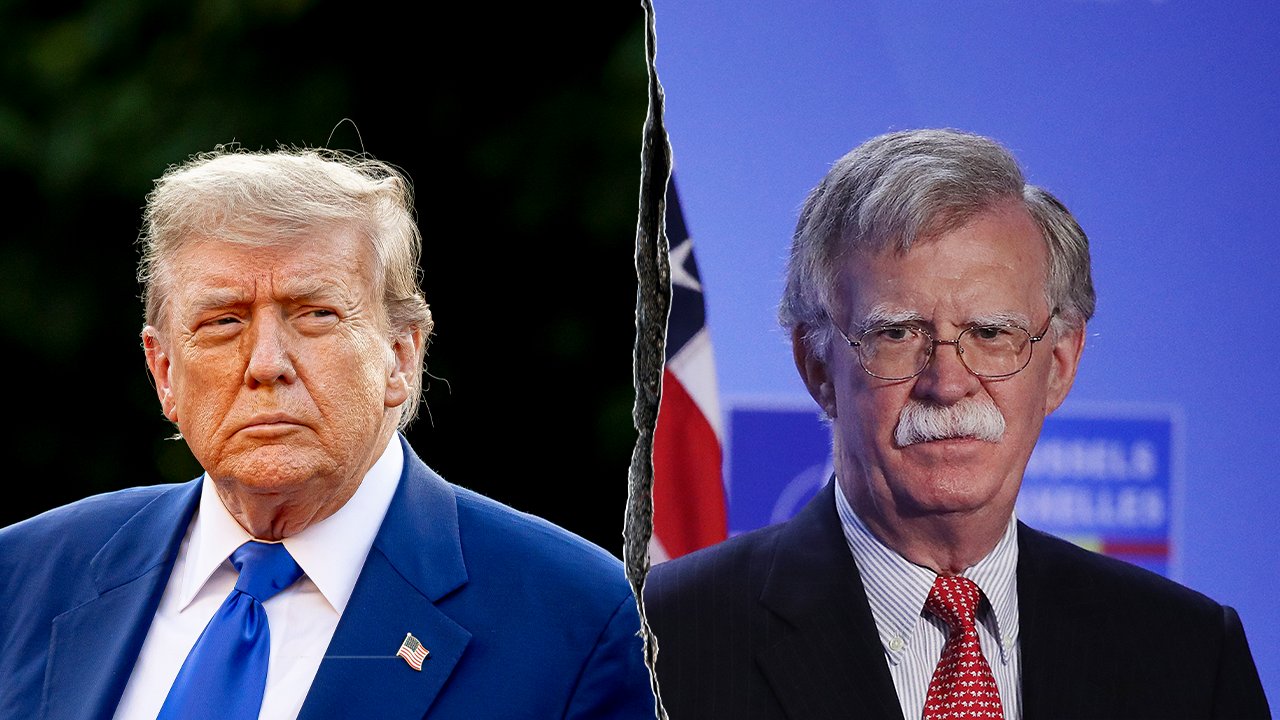
The history of how Trump and Bolton’s relationship fell to tatters

John Bolton returns home after FBI raid
Former FBI special agent Nicole Parker joins ‘America Reports’ to break down the FBI raid on former Trump National Security Advisor John Bolton’s home in Maryland and office in Washington, D.C.
NEWYou can now listen to Fox News articles!
Former National Security Advisor John Bolton, who served under President Donald Trump’s first administration, was the subject of FBI raids at his home and office Friday morning as federal authorities searched for classified documents.
The raids follow a storied history between Trump and Bolton that has devolved into the pair trading repeated political blows on the public stage.
News broke early Friday morning that FBI agents flocked around Bolton’s Maryland home and were seen carrying out boxes, which was followed hours later by the FBI raiding Bolton’s Washington, D.C., office.
«I’m not a fan of John Bolton,» Trump told reporters on Friday morning after the raids began, adding he saw the reports but was not aware of details on the raid ahead of time. «He’s a real sort of a lowlife.»
JOHN BOLTON BLASTED BY TRUMP ALLY ROGER STONE, WHO FACED BIDEN FBI RAID: ‘KARMA IS A B—-‘
FBI agents left John Bolton’s office in Washington after obtaining documents. (Fox News Digital/Emma Woodhead)
«He’s a very quiet person, except on television, if he can say something bad about Trump,» Trump added. «He’s not a smart guy, but he could be a very unpatriotic guy. We’re going to find out.»
The remarks echo years of past comments the pair have shared in public forums airing their dissatisfactions with one another, most notably after Trump tapped Bolton to serve as his national security advisor in 2018.
Fox News Digital took a look back at the pair’s relationship since Trump’s mad dash to fill his first administration in 2017, through his ouster of Bolton as the national security advisor and the ongoing clashes the pair have shared since.
TRUMP–BOLTON FEUD BACK IN FOCUS AFTER FBI RAID: ‘NEVER HAD A CLUE … WHAT A DOPE!’
«I like (Bolton),» Trump said in 2015 while appearing on «Meet the Press» just weeks after announcing his candidacy for the White House. «I think he’s, you know, a tough cookie, knows what he’s talking about.»
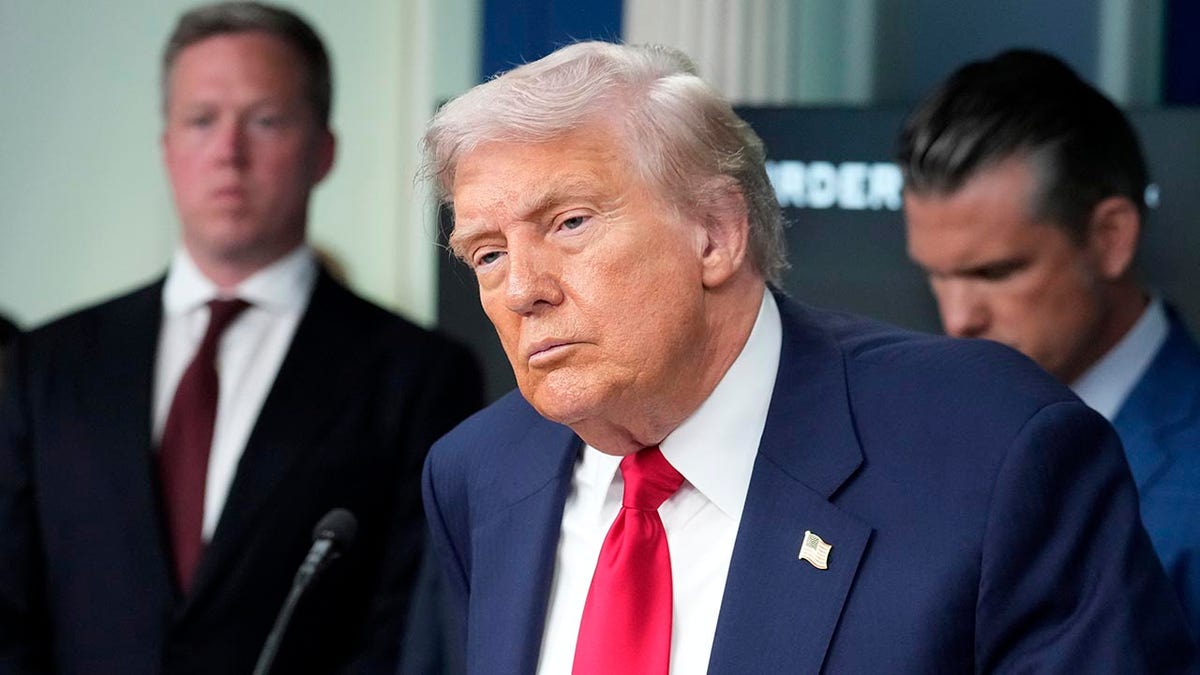
President Donald Trump said he was not aware of the raids on John Bolton’s home and office before they were carried out Aug. 22, 2025. (Mark Schiefelbein/The Associated Press )
Bolton was first speculated as a likely pick to serve as Trump’s secretary of state in December 2016, when Trump was preparing for his first inauguration after his upset victory over Hillary Clinton in the election that year. Pundits touted Bolton as an experienced foreign policy hawk who could bolster Trump’s diplomatic agenda, and conservative outlets such as the National Review’s editorial board implored the Trump transition team to choose Bolton, identifying him as a «hard-headed realist whose focus is always the national interest.»
JAMES COMER PRAISES KASH PATEL FOR ‘HOLDING DEEP STATE ACCOUNTABLE’ AS FBI RAIDS JOHN BOLTON’S HOME
Trump, however, ultimately tapped Rex Tillerson to serve as secretary of state.
Bolton showered Trump with praise of his own ahead of his confirmation as national security advisor in 2018, calling the president «a terrific guy» who «knows a lot» when the administration kicked off in 2017.
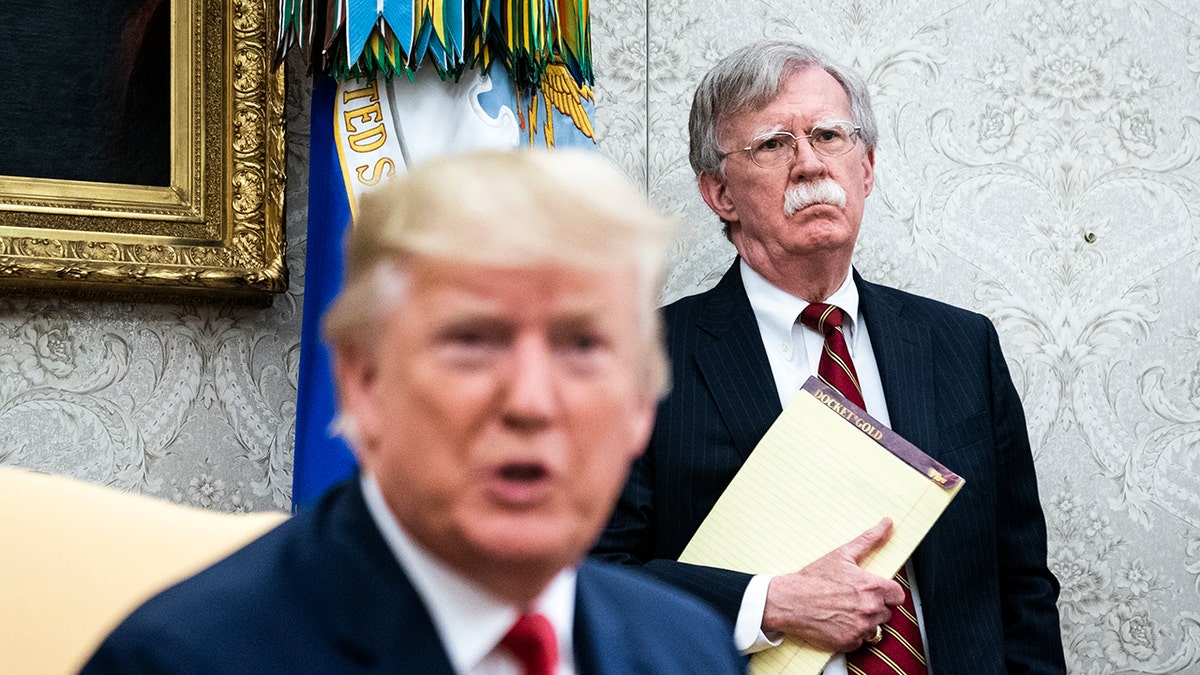
John Bolton served as President Trump’s national security advisor from 2018 to 2019, for a total of about 17 months. (Jabin Botsford/The Washington Post via Getty Images)
The warm relationship got cozier when Trump announced in 2018 on X that he called on Bolton to serve as his national security advisor
«I am pleased to announce that, effective 4/9/18, @AmbJohnBolton will be my new National Security Advisor. I am very thankful for the service of General H.R. McMaster who has done an outstanding job & will always remain my friend. There will be an official contact handover on 4/9.»
«I didn’t really expect that announcement this afternoon,» Bolton said on Fox News shortly after the announcement. «But it’s obviously a great honor and always an honor to serve our country.»
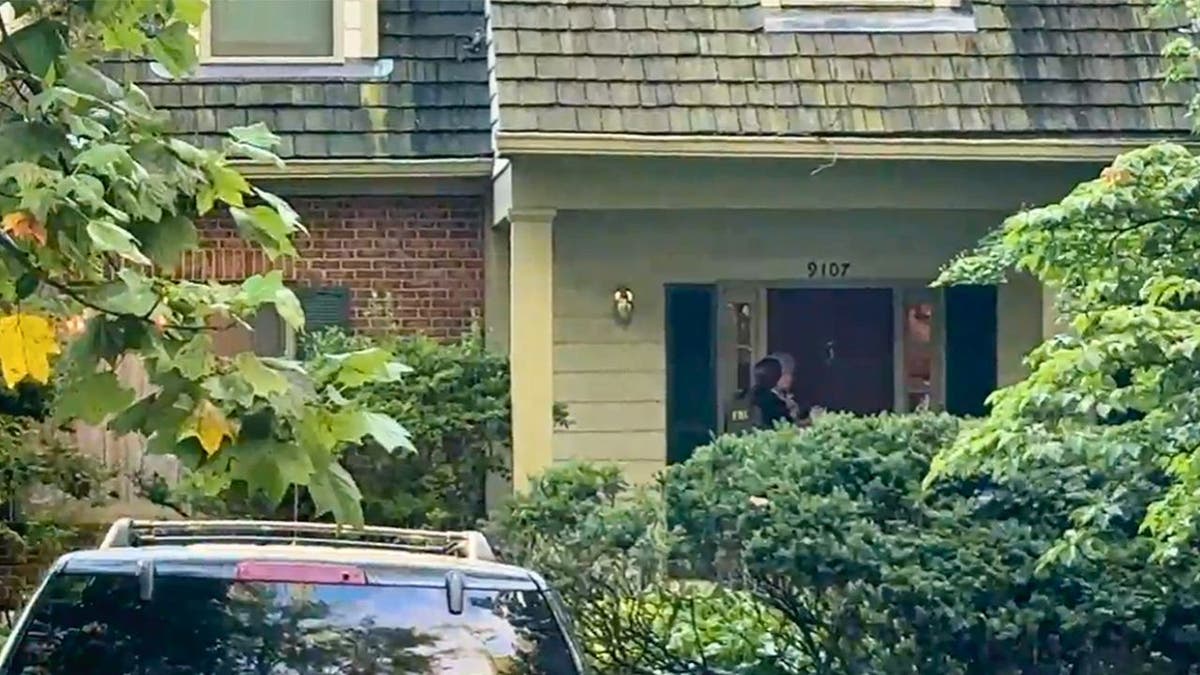
FBI agents outside the Maryland home of former National Security Advisor John Bolton Aug. 22, 2025. (Fox News Digital)
The pair found common ground on issues such as withdrawing the U.S. from the Joint Comprehensive Plan of Action, otherwise known as the Iran nuclear deal, which was an Obama-era agreement with other world powers to limit Iran’s nuclear capabilities.
Trump ultimately pulled the U.S. out of the agreement in 2018, slamming it as a «horrible one-sided deal that should have never, ever been made,» and was backed by his hawkish group of foreign policy advisors, such as Bolton and then-Secretary of State Mike Pompeo.
Bolton’s relationship with Trump began to sour as he advanced hard-line strategies toward U.S. adversaries, including Iran and North Korea. He had long advocated regime change in Tehran, though he later clarified in his role as national security advisor that American policy was «not regime change,» but rather a push for «massive change in the regime’s behavior.» Trump, by contrast, initially favored a more diplomatic path, urging that flaws he saw in the Iran nuclear deal be renegotiated before ultimately deciding to withdraw from the agreement altogether.
BOLTON TWEET DURING RAID SHOWS FOCUS WAS ELSEWHERE AS FBI SEARCHED HIS HOUSE
«John Bolton is absolutely a hawk. If it was up to him, he’d take on the whole world at one time, okay?» Trump said of Bolton in June 2019, underscoring the bubbling tensions between the two on foreign policy.
In April 2018, Bolton suggested North Korea follow Libya’s example of denuclearization, which he called the «Libya model,» and included the country giving up its nuclear weapons in 2003 in exchange for the lifting of economic sanctions. Bolton’s comments about such a model for North Korea set off condemnation in Pyongyang as they raised concerns this would lead to potential regime change.
Trump cited the comment following Bolton’s abrupt exit from the White House in September 2019.
«We were set back very badly when John Bolton talked about the Libyan model … what a disaster,» Trump told reporters at the time.
Days ahead of Bolton’s ouster, Trump was slated to meet with Taliban leaders in an effort to negotiate peace in Afghanistan, but the meeting never took place and Bolton reportedly slammed such an effort in conversations with Trump, media outlets reported at the time.

FBI agents load bags into a vehicle after conducting a search at the Washington, D.C., office of former National Security Advisor John Bolton on Aug. 22, 2025. (Fox News Digital/Emma Woodhead)
Bolton was ousted from his role as national security advisor Sept. 10, 2019, with Trump characterizing the departure as a firing, and Bolton saying he tendered his resignation and was not fired.
JOHN BOLTON’S HOME RAIDED BY FEDERAL AGENTS, SOURCES SAY
«I informed John Bolton last night that his services are no longer needed at the White House,» Trump tweeted in 2019. «I disagreed strongly with many of his suggestions, as did others in the Administration, and therefore I asked John for his resignation, which was given to me this morning. I thank John very much for his service. I will be naming a new National Security Advisor next week.»
Bolton shot back on X that he «offered to resign last night and President Trump said, ‘Let’s talk about it tomorrow.’»
The former national security advisor was replaced by Robert C. O’Brien, with Trump and Bolton continuing their contentious relationship years later.
The raid on Bolton’s home is part of the «early stages of an ongoing investigation into John Bolton,» Vice President JD Vance said Friday during an appearance on «Meet the Press.» Bolton was not arrested or in custody amid the early morning raids.
CLICK HERE TO GET THE FOX NEWS APP
The searches are focused on potential classified documents agents believe Bolton may still possess, Fox News reported.
politics,fbi,national security,donald trump









INTERNACIONAL
En la vigilia de Pascua, el Papa León XIV pidió «que no nos paralicen» la guerra y la injusticia

El Papa León XIV exhortó este sábado de gloria a “no dejar que nos paralicen las losas de la guerra, la injusticia y el aislamiento entre los pueblos” en su mensaje en la Vigilia Pascual, un momento particularmente solemne de la Semana Santa.
En un ambiente de total recogimiento, el pontífice recordó que la llamada “madre de todas las vigilias” revive “el memorial de la victoria del Señor de la vida sobre la muerte y el infierno”.
“Esta noche santa hunde sus raíces también allí donde se consumó el primer fracaso de la humanidad y se extiende a lo largo de los siglos como camino de reconciliación y de gracia”, rememorando la muerte y resurreción de Jesucristo.
“El hombre puede matar el cuerpo pero la vida de Dios es vida eterna. Va más allá de la muerte y ningún sepulcro lo puede aprisionar”, afirmó.
El Papa Robert Prevost lamentó que “tampoco faltan en nuestros días sepulcros que abrir y a menudo las piedras que los cierran son tan pesados y están tan bien vigiladas que parecen inamovibles”.
“Algunas oprimen el corazón del hombre, como la desconfianza, el miedo, el egoísmo y el rencor. Otras, consecuencia de las primeras, rompen los lazos entre nosotros como la guerra, la injusticia y el aislamiento entre pueblo y naciones”, continuó el pontífice. Y a continuación, exclamó: “¡No dejemos que nos paralicen”.
Destacó el ejemplo de muchos hombres y mujeres, “personas como nosotros, fortalecidos por la gracia del Resucitado, que a lo largo de los siglos han removido las piedras aún a costa de su vida, pero con frutos de bien de los que hoy nos beneficiamos”.
Esta noche se vivió como siempre el Sábado Santo, que es ante todo el día del Misterio de Pascua en el que “todo parece inmóvil y de gran silencio, mientras se cumple una invisible acción de salvación. Cristo desciende al reino de los infiernos para llevar el anuncio de la resurrección a todos aquellos que estaban en las tinieblas y en la sombra de la muerte”. Estas palabras León XIV no las dijo este sábado sino hace un año en una catequesis, poco después de ser elevado al pontificado por el Cónclave.
Una jornada en la que la Iglesia calla, no hay misa ni celebraciones, predomina el silencio, hasta que esta noche, durante la vigilia pascual, se festejó “el evento más grande de la historia”: la Resurrección de Cristo, que mañana domingo, “en la alegría de la Pascua”, vivirá la jornada final de la Semana Santa.
El Sábado Santo es ante todo misterio, espera y alegría final hacia la medianoche.
Durante la jornada no hay misas ni ninguna otra celebración. Ningún discurso, domina el sentido del vacío y la aparente derrota despojada de consuelo, atravesada por la oscuridad de las grandes pruebas en las que no hay salida.
La basílica de San Pedro mostró este clima oscuro cuando el Papa inició la ceremonia, un rito en una Basílica cargada de mística que guía a los fieles desde la oscuridad hacia la luz.
El Papa encendió el cirio Pascual y una candela más pequeña que lo acompañó en sus desplazamientos hasta que se encendieron las luces fe la basílica.
Los ritos de la Semana Santa comenzaron con la misa del Jueves Santo, que marca el inicio del Triduo Pascual, el período central de la Pascua.
En la ceremonia se conmemora la institución del sacramento fe la orden sacerdotal por Jesucristo durante la Última Cena. Está dedicada a la renovación por parte de los sacerdotes de los votos de pobreza, castidad y obediencia.
En su homilía, el pontífice lamentó que la misión evangelizadora haya sido “no pocas veces trastocada por lógicas de dominio totalmente ajenas al camino de Jesucristo”.
El Papa Francisco destacó que la labor de la Iglesia “comienza con la reconciliación de nuestros orígenes y por hacer las paces con el pasado sin quedar prisionero de él”.
“El amor es verdadero si esta desarmado porque necesita pocas cosas, ninguna ostentación y custodia con delicadeza la debilidad y la desnudez”, afirmó.
Insistió también a los religiosos afirmando que no hay una buena nueva para los pobres si acuden “con signos de poder”, ni hay una auténtica liberación sin liberarse de la posesión.
El Papa citó también al mártir salvadoreño Oscar Arnulfo Romero y cardenal estadounidense Joseph Bernardin como ejemplos de entrega, incluso ante la muerte y el fracaso.
Dijo también que “en esta hora oscura de la historia Dios ha querido enviarnos a difundir el perfume de Cristo donde reina el olor a la muerte”.
En la ceremonia se bendijeron los óleos de los catecúmenos, el de los enfermos y del crisma, que de ulilizan en los bautismos, confirmación y unión de los enfermos.
En la tercera fase de la celebración de esta noche el Papa también bautizó a diez adultos, siguiendo la tradición de lo primeros siglos de la Iglesia.
INTERNACIONAL
US pilot rescued from downed F-15E fighter jet in Iran, search for second crew member ongoing

NEWYou can now listen to Fox News articles!
One of the pilots who flew an F-15E fighter jet in Iran has been rescued, a well-placed source told Fox News.
A search is still ongoing for the second crew member, the source said.
President Donald Trump has been briefed on the incident, which marks the first known loss of U.S. aircraft in Iran since the conflict known as Operation Epic Fury began Feb. 28.
It comes after 13,000 combat flights and five weeks into the campaign. Three F-15s were lost in a friendly fire incident in Kuwait.
The Islamic Revolutionary Guard Corps (IRGC) and state media claimed to have shot down the U.S. fighter jet over central Iran, specifically in the mountainous Kohgiluyeh and Boyer-Ahmad province.
WHAT B-52 BOMBERS BRING TO IRAN FIGHT — AND WHAT IT MEANS FOR THE WAR
Initial Iranian reports claimed the aircraft was an F-35 Lightning II stealth fighter. However, subsequent photos of wreckage released by Iranian media suggest the aircraft may be an F-15E Strike Eagle, likely from the 494th Fighter Squadron based at Royal Air Force Lakenheath base.
The Trump administration has notified congressional leaders about the incident, two sources confirmed to Fox.
The jet was apparently shot down by Iran, one U.S. official told Fox News Digital. Central Command, the theater responsible for operations in the Middle East, has not confirmed the incident but is expected to issue a statement soon.
Local footage appears to show HC-130s and HH-60 Black Hawks flying low over Iranian territory, suggesting a search for those on board. Israeli Defense Forces paused their strikes while the search and rescue operation is underway.
Combat search-and-rescue missions inside hostile territory are among the most dangerous operations, often requiring aircraft and helicopters to operate deep inside enemy air defenses. U.S. fighter pilots undergo advanced survival, evasion, resistance and escape (SERE) training designed to prepare them to evade capture and survive behind enemy lines.
Promotional footage of the F-15EX in action. (U.S. Air Force)

A U.S F-15 fighter jet reportedly went down over the Khuzestan province in Iran on April 3, 2026. (EarthStar Geographics)
The F-15E Strike Eagle is a two-seat fighter jet designed for long-range strike missions, capable of carrying precision-guided munitions deep into enemy territory. It is typically crewed by a pilot and a weapons systems officer and is widely used for both air-to-ground and air-to-air operations. It can reach a speed of Mach 2.5 or 1,650 miles per hour.
Iranian state media released images purporting to show the damaged jet, including an ejector seat. Fox News has not verified their authenticity.
TRUMP SAYS IRAN ‘NO LONGER A THREAT’ AFTER 32 DAYS — OUTLINES NEXT PHASE OF US WAR
Iranian claims of shooting down U.S. aircraft have surfaced repeatedly during the conflict, though previous reports were denied by U.S. officials.
U.S. officials for weeks have insisted the U.S. and Israel have «complete control over Iranian skies,» and recently sent the slower, non-stealthy B-52 bombers into Iran, underscoring how confident they were that Iranian airpower had been nearly eliminated.
«We are in this military operation … for 32 days,» Trump said in an address Wednesday. «And the country has been eviscerated and essentially is really no longer a threat.»
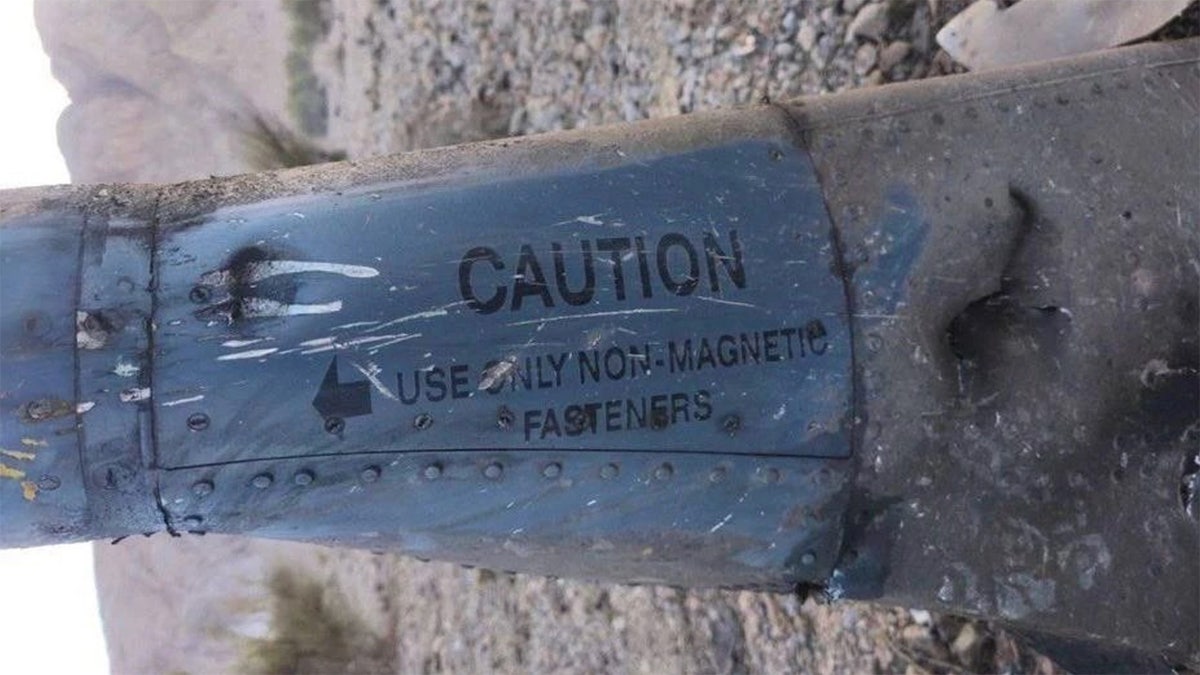
Iranian state media released images purporting to show the damaged jet. (Iranian state media)
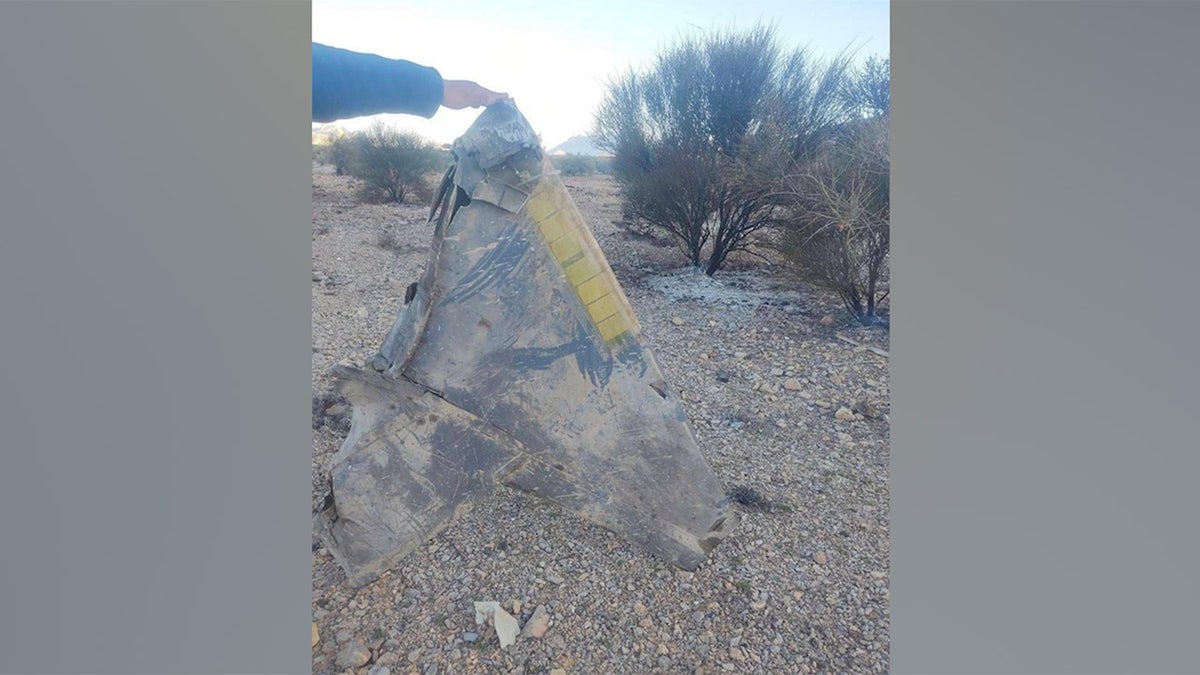
Fox News has not verified the authenticity of images reportedly showing wreckage of the jet. (Iranian state media)
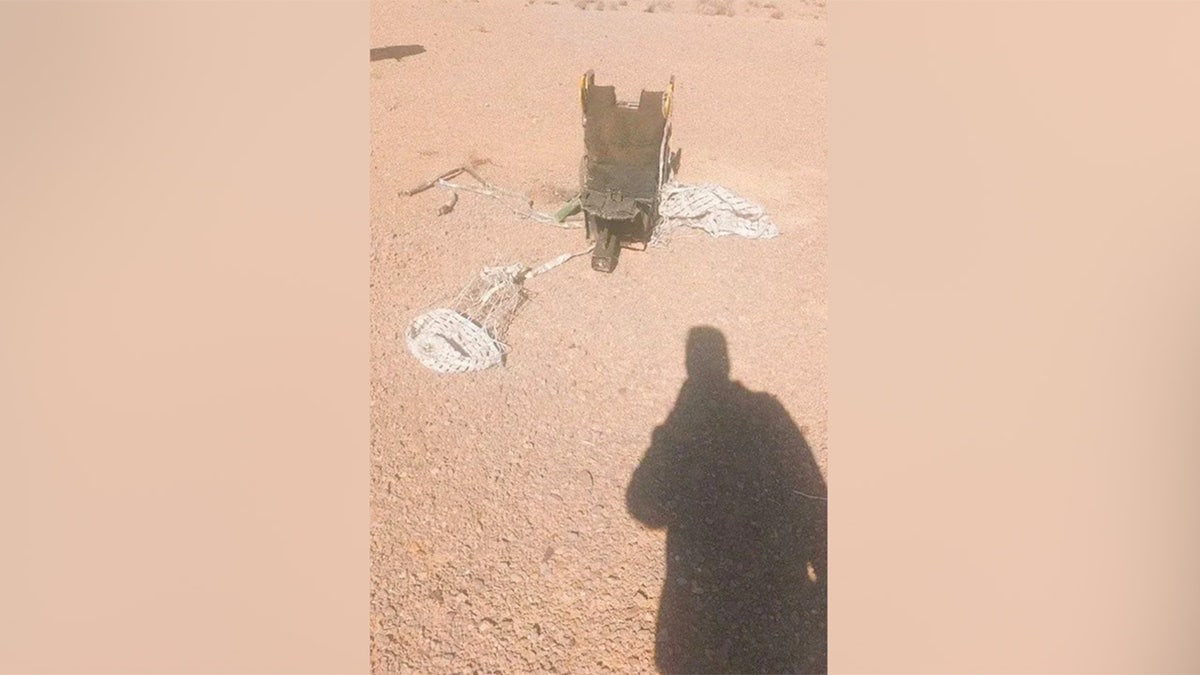
Image reportedly shows the ejector seat of the downed F-15. (Iranian state media)
CLICK HERE TO DOWNLOAD THE FOX NEWS APP
«They have no anti-aircraft equipment,» Trump said. «Their radar is 100% annihilated. We are unstoppable.»
Trump also said he expected operations to wrap up within two to three weeks, but added. «We are going to hit them extremely hard over the next two to three weeks.»
Thirteen U.S. service members have lost their lives in Operation Epic Fury, and more than 350 have suffered injuries, though most have already returned to service, according to Central Command.
war with iran, iran, donald trump
INTERNACIONAL
El fundador de Telegram afirmó que 65 millones de rusos acceden a la app con VPN pese a la censura impuesta por Putin
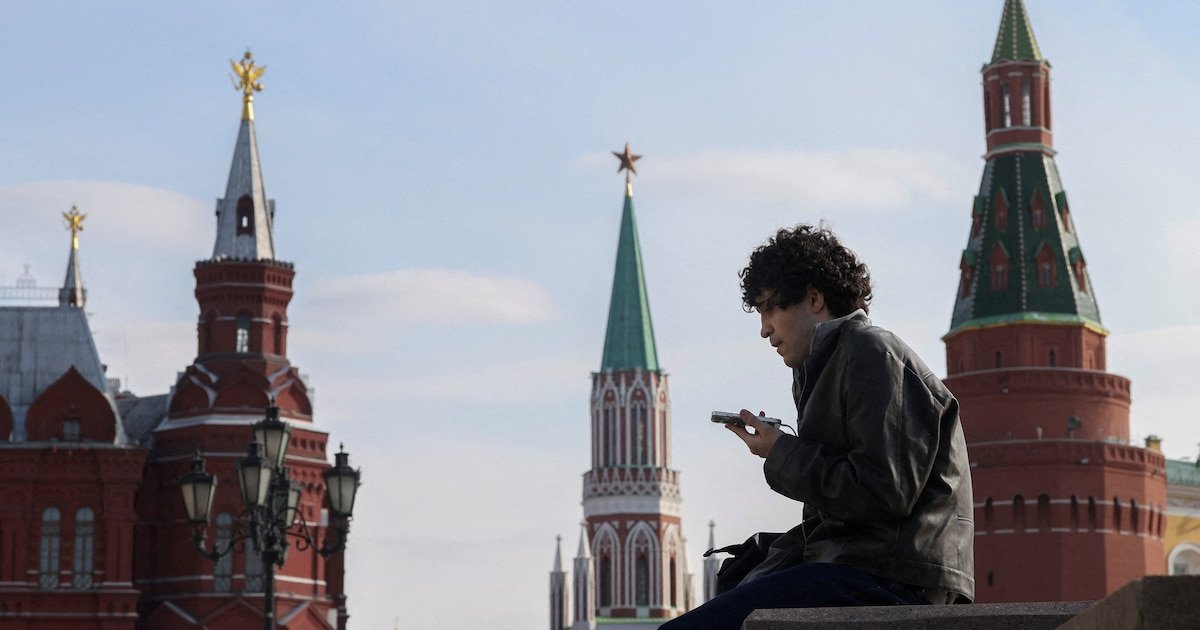
La campaña de bloqueo y censura impulsada por el gobierno de Vladimir Putin contra Telegram -y otras plataformas- provocó una interrupción bancaria nacional y no logró frenar el uso de la aplicación, según su fundador Pavel Durov, quien afirmó que 65 millones de rusos siguen conectados a diario mediante VPN.
Las restricciones impuestas por las autoridades rusas a Telegram y a las redes privadas virtuales, conocidas como VPN, tuvieron efectos de alcance inesperado. De acuerdo con The Moscow Times y otros medios internacionales, el intento de bloqueo derivó en fallas masivas en el sistema bancario nacional, afectando pagos con tarjeta, cajeros automáticos y transferencias. Las entidades Sberbank, VTB y T-Bank notificaron fallos el 3 de abril, coincidiendo con la fase más intensa de la ofensiva digital.
En este contexto, Pavel Durov, fundador de Telegram, utilizó su propio canal en la plataforma para asegurar que más de 65 millones de personas en Rusia acceden cada día a la aplicación, pese al bloqueo, y que más de 50 millones envían mensajes diariamente. Durov calificó el fenómeno como una “Resistencia Digital”, en la que decenas de millones de usuarios emplean VPN y servidores proxy para sortear la censura.
Durov recordó que una estrategia similar en Irán solo generó un uso masivo de herramientas de evasión. “El gobierno esperaba migraciones hacia apps de vigilancia, pero solo consiguió que millones adoptaran VPN”, afirmó el empresario, quien prometió adaptar el tráfico de Telegram para dificultar su detección y bloqueo por parte de los sistemas de inspección rusos.

La ofensiva regulatoria fue liderada por Roskomnadzor, el regulador de internet de Rusia, que en febrero pasado comenzó a ralentizar el acceso y, a partir del 1 de abril, activó un bloqueo nacional. El objetivo oficial era redirigir a los usuarios hacia plataformas de mensajería alineadas con el Estado, como Max, una aplicación obligatoria en nuevos dispositivos desde 2025.
Especialistas en ciberseguridad, como Fyodor Muzalevsky de RTM Group, explicaron a The Moscow Times que el bloqueo de direcciones IP vinculadas a servicios financieros contribuyó a la caída bancaria. El incidente dejó fuera de servicio terminales de pago, cajeros y aplicaciones de banca móvil en todo el país. El metro de Moscú incluso permitió el acceso gratuito y comercios de la capital solo aceptaron efectivo durante horas.
La presión estatal crece sobre los servicios de mensajería y las VPN. El Ministerio de Desarrollo Digital ruso ordenó a las plataformas restringir el acceso a usuarios de VPN antes del 15 de abril, y analiza multas de hasta 30.000 rublos para quienes utilicen herramientas no autorizadas. Reuters destacó que Roskomnadzor ya bloqueó más de 400 servicios de VPN desde mayo de 2025, un aumento del 70% en comparación con el año anterior.
La respuesta social, según datos de Carnegie Endowment for International Peace, se refleja en cifras de uso: Telegram sumó cerca de 96 millones de usuarios en enero de 2026 antes de las restricciones. Aunque la cifra descendió tras el bloqueo, el mantenimiento de 65 millones de usuarios diarios ilustra la persistencia de la plataforma incluso bajo prohibición.

El conflicto digital abarca también otros servicios. Las autoridades intensificaron restricciones sobre aplicaciones extranjeras, como WhatsApp, luego de que su matriz, Meta, supuestamente incumpliera la legislación nacional. El portavoz del Kremlin, Dmitry Peskov, instó a la población a migrar a servicios estatales.
Los apagones de internet móvil se suman a la estrategia de control. Desde mayo de 2025, en 83 regiones rusas se han reportado cortes selectivos de conectividad, que solo permiten acceso a sitios aprobados por el gobierno. Este modelo incrementa la dependencia de herramientas de evasión para acceder a información y servicios básicos.
Telegram, además de mensajería, se consolidó como fuente principal de noticias y coordinación social, llegando incluso a ser utilizada por militares rusos en el conflicto de Ucrania, según The Moscow Times. El bloqueo de la plataforma tiene así consecuencias que trascienden lo tecnológico y afectan la operatividad social y política en el país.
De esta manera, el gobierno de Putin enfrenta la disyuntiva de endurecer el control sobre VPN y plataformas digitales, o ajustar su estrategia para evitar nuevos daños colaterales. Mientras tanto, la “Resistencia Digital” de millones de usuarios persiste, desafiando las restricciones y adaptando sus métodos para permanecer conectados.
Business,Corporate Events,Europe

Cuál es el instrumento de ahorro en pesos más eficaz para ganarle a la inflación y por qué creció su uso

En la vigilia de Pascua, el Papa León XIV pidió «que no nos paralicen» la guerra y la injusticia

US pilot rescued from downed F-15E fighter jet in Iran, search for second crew member ongoing

El ‘banderazo’ de Alianza Lima previo al clásico en Perú acaba con un muerto y más de 50 heridos

Dólares del colchón: una por una, las opciones financieras que ofrecen los bancos para hacer rendir los ahorros

Bernardita Barreiro celebró su cumpleaños en Madrid junto a Agustina Macri: amigos, banquete y tres tortas

El Gobierno reevalúa la estrategia de comunicación por el caso Adorni y mide el impacto en la imagen de Milei

Milei se pone al frente de la defensa de Adorni y lo suma a un acto por Malvinas en una nueva muestra de respaldo

Oriana Sabatini sorprendió al elegir a una famosa como madrina de Gia, su hija con Paulo Dybala

Banco lanza un plazo fijo inédito: sigue a la inflación y permite retirar intereses todos los meses

 POLITICA3 días ago
Milei se pone al frente de la defensa de Adorni y lo suma a un acto por Malvinas en una nueva muestra de respaldo
- CHIMENTOS2 días ago
Oriana Sabatini sorprendió al elegir a una famosa como madrina de Gia, su hija con Paulo Dybala
- POLITICA2 días ago
La Armada sorteará 30 lugares en el buque que escoltará la salida de la Fragata Libertad: cómo anotarse