INTERNACIONAL
Todas las secciones electorales de la provincia de Buenos Aires y de cuánto es el padrón de cada una

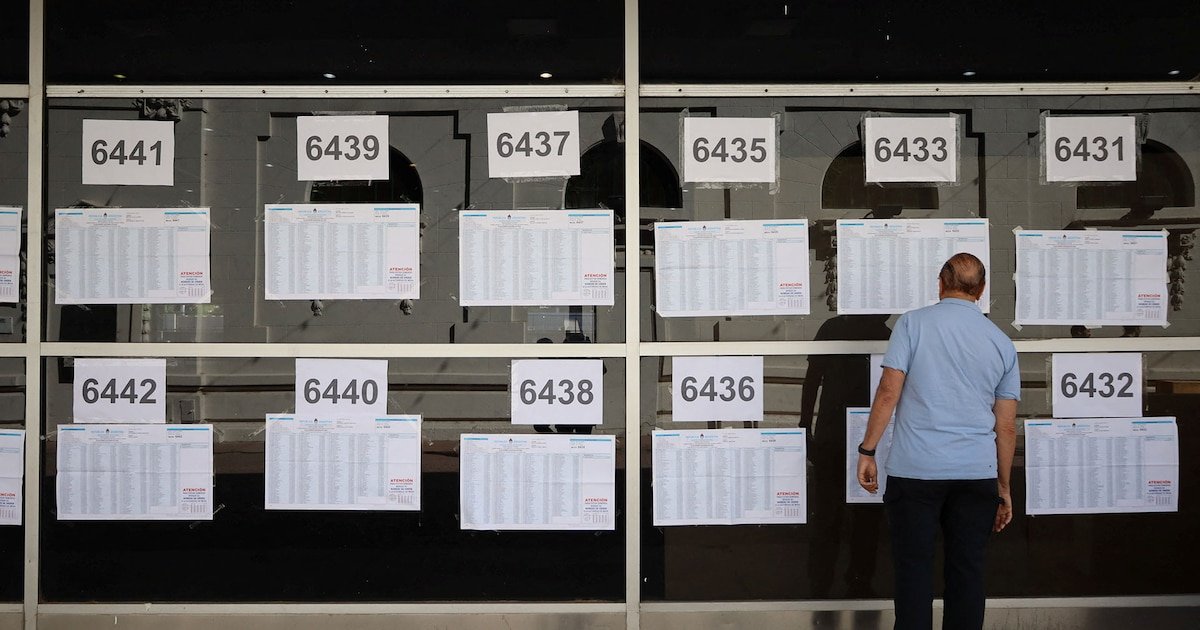
El próximo domingo 7 de septiembre se celebrarán las elecciones legislativas provinciales en Buenos Aires. Se trata del distrito con mayor peso electoral del país. El territorio bonaerense concentra más de 14,3 millones de personas habilitadas para votar. La magnitud de este número y la distribución de los electores explican la importancia de conocer la organización en secciones electorales, su composición territorial y el peso específico que cada una de ellas tiene en la definición de los resultados.
El sistema divide a la provincia en ocho secciones que agrupan distintos municipios. Estas circunscripciones determinan no solo la representación legislativa sino también el mapa político de la provincia, ya que en algunas zonas se concentra la mayoría del electorado y en otras se encuentran bastiones históricos de los principales partidos.
En esta ocasión, además de renovar bancas en el Senado y en la Cámara de Diputados provinciales, la elección servirá para medir el posicionamiento de las dos grandes alianzas políticas y para proyectar liderazgos con miras a las presidenciales de 2027.
Las secciones electorales de la provincia de Buenos Aires son divisiones administrativas que agrupan varios municipios y funcionan como circunscripciones para la elección de legisladores provinciales. En cada una de ellas, los ciudadanos votan de manera conjunta a diputados o senadores, según corresponda, y se renueva la mitad de las bancas de cada cámara de forma alternada.
Esta organización busca equilibrar la representación territorial y garantizar que la Legislatura provincial refleje la diversidad geográfica y demográfica del distrito. Además, la existencia de secciones con distinto peso poblacional influye en las estrategias de campaña, ya que las más numerosas concentran la mayor parte de los votantes y suelen definir el resultado general de los comicios.

La provincia de Buenos Aires está organizada en ocho secciones electorales. La Primera Sección Electoral reúne a 24 municipios del norte y oeste del conurbano bonaerense, mientras que la Segunda agrupa a 15 municipios ubicados en la zona norte del interior provincial. La Tercera Sección se compone de 19 partidos que abarcan el sur del conurbano y una parte del interior, en tanto que la Cuarta incluye 19 municipios del noroeste bonaerense.
La Quinta Sección está formada por 27 partidos de la costa atlántica y el sudeste de la provincia. La Sexta agrupa a 27 municipios del sudoeste, la Séptima a ocho municipios del centro-sur y la Octava coincide con el municipio de La Plata, que es la capital provincial.
- Campana
- Escobar
- General Las Heras
- General Rodríguez
- General San Martín
- Hurlingham
- Ituzaingó
- José C. Paz
- Luján
- Malvinas Argentinas
- Marcos Paz
- Mercedes
- Merlo
- Moreno
- Morón
- Navarro
- Pilar
- San Fernando
- San Isidro
- San Miguel
- Suipacha
- Tigre
- Tres de Febrero
- Vicente López
- Arrecifes
- Baradero
- Capitán Sarmiento
- Carmen de Areco
- Colón
- Exaltación de la Cruz
- Pergamino
- Ramallo
- Rojas
- Salto
- San Andrés de Giles
- San Antonio de Areco
- San Nicolás
- San Pedro
- Zárate
- Almirante Brown
- Avellaneda
- Berazategui
- Berisso
- Brandsen
- Cañuelas
- Ensenada
- Esteban Echeverría
- Ezeiza
- Florencio Varela
- La Matanza
- Lanús
- Lobos
- Lomas de Zamora
- Magdalena
- Presidente Perón
- Punta Indio
- Quilmes
- San Vicente
- Alberti
- Bragado
- Carlos Casares
- Carlos Tejedor
- Chacabuco
- Chivilcoy
- Florentino Ameghino
- General Arenales
- General Pinto
- General Viamonte
- General Villegas
- Hipólito Yrigoyen
- Junín
- Leandro N. Alem
- Lincoln
- Nueve de Julio
- Pehuajó
- Rivadavia
- Trenque Lauquen
- Ayacucho
- Balcarce
- Castelli
- Chascomús
- Dolores
- General Alvarado
- General Belgrano
- General Guido
- General Lavalle
- General Madariaga
- General Paz
- General Pueyrredón
- La Costa
- Las Flores
- Lezama
- Lobería
- Maipú
- Mar Chiquita
- Monte
- Necochea
- Pila
- Pinamar
- Rauch
- San Cayetano
- Tandil
- Tordillo
- Villa Gesell
- Adolfo Alsina
- Adolfo Gonzales Chaves
- Bahía Blanca
- Benito Juárez
- Coronel Dorrego
- Coronel Pringles
- Coronel Rosales
- Coronel Suárez
- Daireaux
- Guaminí
- General Lamadrid
- Laprida
- Monte Hermoso
- Patagones
- Pellegrini
- Puan
- Saavedra
- Salliqueló
- Tres Arroyos
- Tres Lomas
- Tornquist
- Villarino
- Azul
- Bolívar
- Olavarría
- Roque Pérez
- Saladillo
- Veinticinco de Mayo
- Tapalqué
- General Alvear
- Primera Sección: 5.131.861 electores (4.732.831 nativos y 399.030 extranjeros), 36% del total.
- Segunda Sección: 661.721 electores, 5% del total.
- Tercera Sección: 5.101.177 electores (4.637.863 nativos y 463.314 extranjeros), 35% del total.
- Cuarta Sección: 547.677 electores, 4% del total.
- Quinta Sección: 1.336.787 electores, 9% del total.
- Sexta Sección: 672.483 electores, 5% del total.
- Séptima Sección: 285.047 electores, 2% del total.
- Octava Sección: 639.839 electores, 4% del total.
La Primera y Tercera Sección concentran más del 70% del padrón bonaerense, seguidas por la Quinta, mientras que la Séptima y la Octava presentan la menor cantidad de electores.

Las elecciones del 7 de septiembre renovarán parte de la Legislatura provincial. Las secciones que eligen senadores son la Primera, la Cuarta, la Quinta y la Séptima, mientras que las restantes votarán diputados provinciales.

La Primera Sección pondrá en juego ocho bancas del Senado, la Cuarta renovará siete, la Quinta cinco y la Séptima tres. La Segunda Sección elegirá once diputados, la Tercera dieciocho, la Sexta once y la Octava seis.
Esta distribución hace que en algunas zonas la disputa sea particularmente intensa, ya que un cambio de correlación de fuerzas en secciones de gran peso puede modificar el equilibrio político en la Legislatura.

- Alianza La Libertad Avanza (Espacios liderados por Karina Milei, PRO bonaerense, armadores territoriales vinculados al presidente, referentes como Sebastián Pareja, Cristian Ritondo, Diego Santilli, Guillermo Montenegro, Matías Ranzini, Alejandro Finocchiaro, María Florencia De Sensi, Agustín Forchieri, Alejandro Rabinovich, Alejandro Carrancio, Juan Esteban Osaba)
- Fuerza Patria (Partido Justicialista bonaerense, Frente Renovador, Nuevo Encuentro, Frente Grande, Patria de los Comunes, Principios y Valores, Partido del Trabajo y del Pueblo, Unidad Popular, Frente Patria Grande, Acción Marplatense, Innovar –sector vecinalista de Bragado–, Partido de la Victoria, impulso de Axel Kicillof, Sergio Massa, Máximo Kirchner)
- Somos Buenos Aires (Unión Cívica Radical –UCR–, Coalición Cívica, Partido Socialista, GEN, Hacemos, Partido del Diálogo, Partido política abierta para la integridad social, Nuevo País, otros sectores; referentes: Pablo Nicoletti, Julio Zamora)
- Avanza Libertad (Unión Liberal, Frente Federal de Acción Solidaria de la provincia de Buenos Aires; apoderado: Julio Ricardo Bayés)
- Frente de Izquierda y de los Trabajadores – Unidad (FIT-U) (Partido de Trabajadores por el Socialismo, Izquierda por una opción socialista, Nueva Izquierda, Partido Obrero; referentes: Nicolás del Caño, Romina Del Plá, Myriam Bregman)
- Potencia (Movimiento de Integración y Desarrollo –MID–, presidido por Fernando Mascetti; Partido UNIR, liderado por Alberto Asseff; referente principal: María Eugenia Talerico)
- Es con Vos, es con Nosotros (Partido Republicano, Unión Popular Federal)
- Nuevos Aires (Unión Celeste y Blanco, Partido Renovador Federal, Confianza Pública)
- Alianza Espacio Abierto para el Desarrollo y la Integración Social (Espacio Abierto para el Desarrollo y la Integración Social, Acción Vecinal, San Isidro es Distinto, Acción Vecinal por un San Martín Distinto)
- Alianza Electoral Unión y Libertad (Unión por Todos, Partido Federal; trámite de inscripción en proceso)
elecciones 2025,santa fe,urnas











INTERNACIONAL
Ruud Gullit y la historia de su rechazo a un gigante de Europa que terminó definiendo su carrera: “Era demasiado pronto”
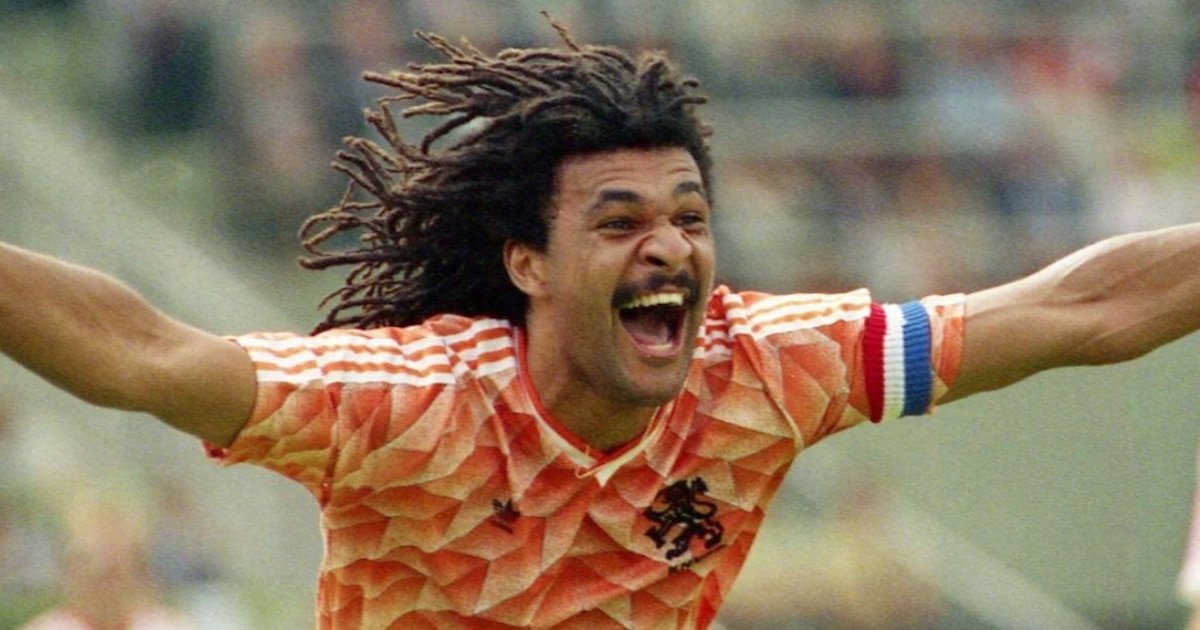
En la historia del fútbol, existen decisiones que alteran el rumbo de una carrera y, en ocasiones, de un deporte entero. El caso de Ruud Gullit y su rechazo al Arsenal cuando apenas tenía 17 años es uno de esos episodios poco conocidos, pero fundamentales, que definieron el destino de una de las mayores leyendas del fútbol neerlandés.
La propia voz del protagonista permite entender cómo ese “no” a tiempo marcó la diferencia y abrió una trayectoria irrepetible.
A finales de los años setenta, Ruud Gullit brillaba en el HFC Haarlem, club de la liga neerlandesa, cuando recibió una propuesta que cambiaría su perspectiva profesional. “Cuando tenía 17 años, escuché que el Arsenal quería ficharme”, relató el exfutbolista a Gambling Insider, citado por FourFourTwo. En ese momento, el club londinense contaba con la observación de Liam Brady como ojeador y ya había iniciado negociaciones con el Haarlem.
La magnitud de la oferta era inusual para un futbolista tan joven que apenas comenzaba a destacar en su país natal. “Era un privilegio que un club tan grande se interesara por mí a esa edad, pero era demasiado pronto para dar ese salto en mi carrera, así que lo rechacé”, explicó el propio Gullit, subrayando que la decisión no se debió a falta de ambición, sino a una evaluación racional de su desarrollo personal y futbolístico. “Simplemente no quería mudarme al club en ese momento”, añadió el exjugador.
La determinación de Gullit lo llevó a permanecer algunos años más en Haarlem antes de buscar el siguiente paso adecuado para su evolución.

Tras su negativa al Arsenal, Gullit continuó su formación en los Países Bajos. En 1982, firmó con el Feyenoord, donde compartió vestuario con el legendario Johan Cruyff y logró el doblete de liga y copa en su segunda temporada. Este proceso de maduración resultó clave para su posterior explosión en la élite. “Terminé pasando algunos años más en Haarlem antes de irme al Feyenoord, lo que sentí que era el movimiento correcto para mí”, reconoció.
La progresión no se detuvo en Rotterdam. En 1985, Gullit pasó al PSV Eindhoven, consolidando su estatus como una de las figuras emergentes del fútbol europeo. Su talento atrajo la atención del AC Milan, que en 1987 rompió el récord mundial de traspasos para asegurarse sus servicios. Ese mismo año, ganó el Balón de Oro, y su llegada a Italia marcó el inicio de una etapa dorada tanto a nivel individual como colectivo.
Durante su etapa en el AC Milan, Gullit conquistó tres títulos de la Serie A y dos Copas de Europa, siendo pieza central en el resurgimiento del club lombardo y en la consolidación de la liga italiana como epicentro del fútbol mundial.
Además, lideró a la selección de los Países Bajos en la obtención de la Eurocopa 1988. Este camino de gloria difícilmente habría sido igual si, en su adolescencia, hubiese optado por la oferta del Arsenal.

Mientras alcanzaba la cima en Italia y Europa, el Arsenal vivía sus propios procesos de reconstrucción. El club londinense celebró títulos de liga en 1989 y 1991, pero los aficionados aún se preguntan cómo habría influido la presencia de un joven Gullit en el equipo durante los años ochenta. La pregunta sobre el impacto potencial de una decisión tan temprana sigue vigente entre los hinchas y analistas británicos.
En 1995, tras una exitosa etapa en Italia, Gullit dejó la Sampdoria para unirse al Chelsea inglés, ya en el tramo final de su carrera, donde se convirtió en jugador-entrenador y logró la FA Cup.
Su paso por Inglaterra llegó mucho después de aquel primer contacto con el fútbol británico, reafirmando la importancia de aquel rechazo inicial al Arsenal. “Era demasiado pronto para mí. Necesitaba estar preparado y crecer antes de afrontar un reto fuera de los Países Bajos”, sentenció el neerlandés en sus declaraciones.
NEWYou can now listen to Fox News articles!
A government shutdown, big or small, is usually a front-and-center issue for lawmakers — but the most recent partial closure could be put on the back burner as Congress returns to several issues in Washington.
Senate Democrats and the White House are still at odds over funding the Department of Homeland Security (DHS), as the shutdown dragged into its tenth day. Neither side is budging, with the most recent concrete action coming early last week.
Trump, who proved pivotal in striking a funding truce with Senate Minority Leader Chuck Schumer, D-N.Y., in January, was not directly involved in recent negotiations.
‘TARIFFS SUCK’: SOME REPUBLICANS PRIVATELY CELEBRATE AS SUPREME COURT BLOCKS TRUMP POLICY
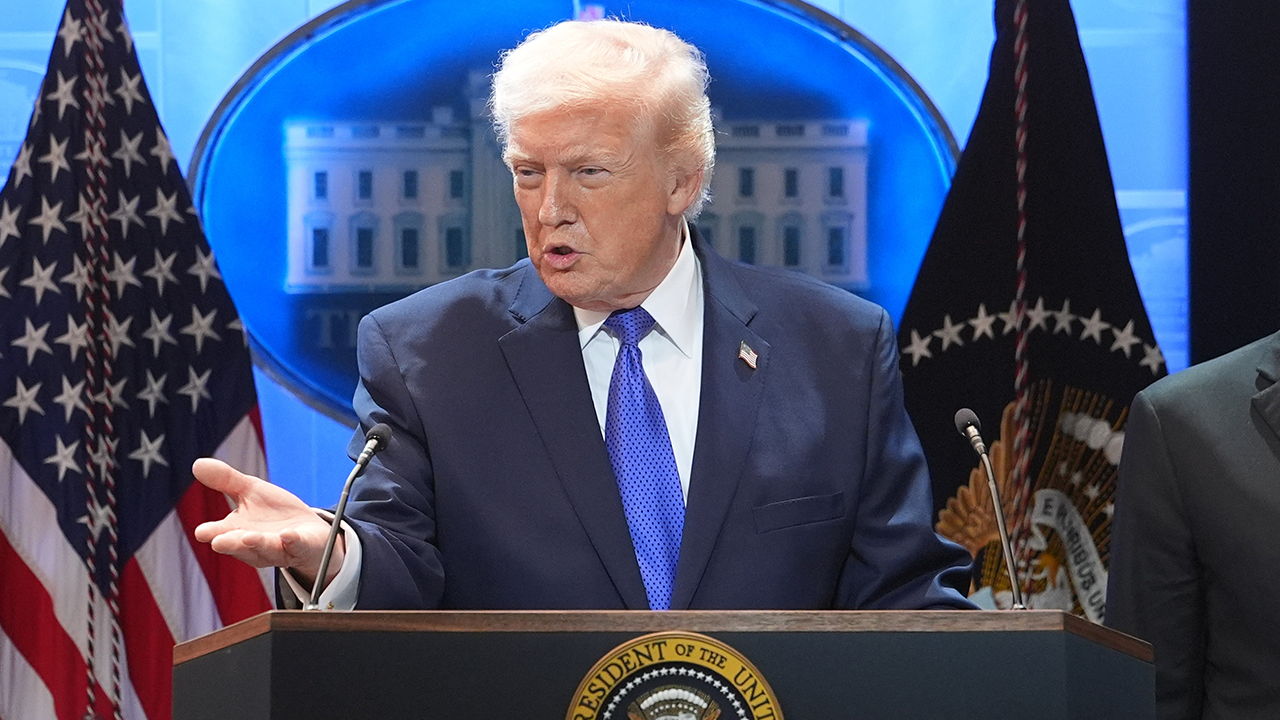
President Donald Trump has not had any «direct conversations or correspondence» with congressional Democrats recently. (Evan Vucci/The Associated Press )
Trump has not had any «direct conversations or correspondence» with congressional Democrats recently, White House press secretary Karoline Leavitt said, noting that the White House and its representatives have been handling the dialogue.
«But, of course, Democrats are the reason that the Department of Homeland Security is currently shut down,» she said. «They have chosen to act against the American people for political reasons.»
Senate Democrats offered a counter to the White House’s own counterproposal, which quickly was rejected as «unserious» by Leavitt. It’s a peculiar instance, given that this is the third shutdown during Trump’s second term, and neither side appears to be in a particular rush to end it.
DEMOCRATS RISK FEMA DISASTER FUNDING COLLAPSE AS DHS SHUTDOWN HITS DAY 5
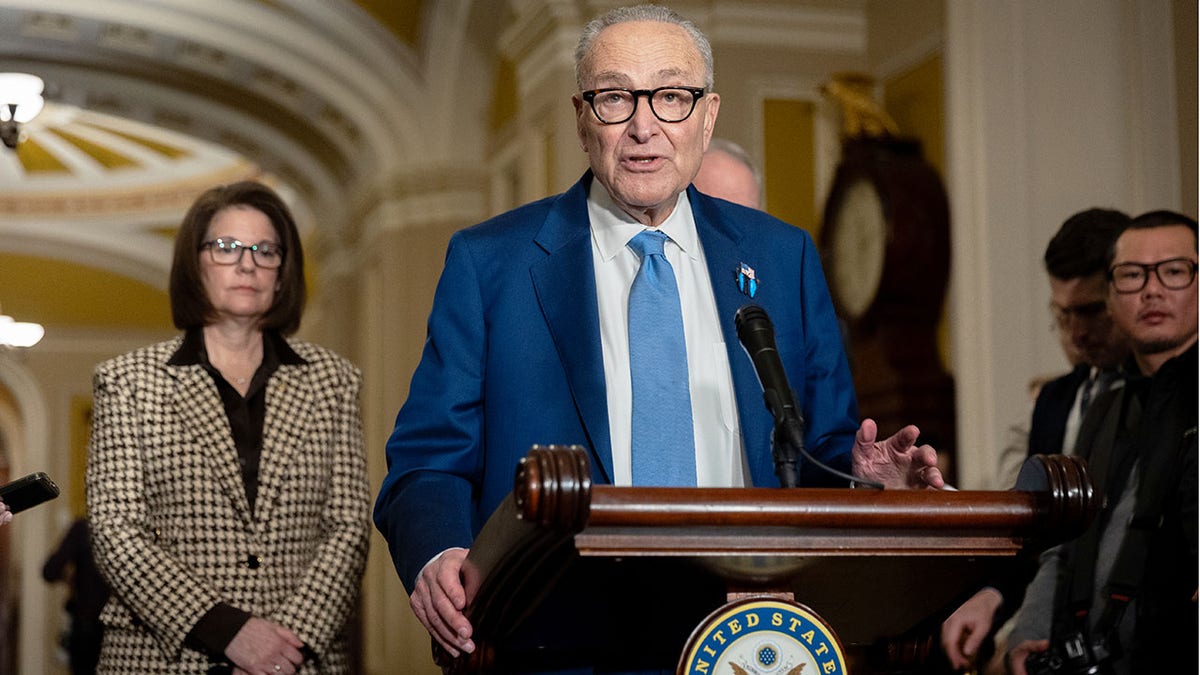
Senate Minority Leader Chuck Schumer, D-N.Y., and his caucus have not relented in their position as DHS enters its tenth day of being shut down. (Nathan Posner/Anadolu via Getty Images)
Senate Majority Leader John Thune, R-S.D., told Fox News Digital that there’s «some room for give and take» in the negotiations, but remained firm in the GOP’s positioning against requiring Immigration and Customs Enforcement (ICE) agents from getting judicial warrants, unmasking or other reforms sought by Democrats that could increase risks for agents in the field.
«I felt like, you know, the last offer the White House put out there was a really — it was a good faith one, and it was clear to me that they’re attempting, in every way, to try and land this thing so we can get DHS funded,» Thune said.
Funding the agency will be a top priority for the upper chamber, but they’ll be delayed because of winter storms descending on the East Coast. The weather has caused the Senate to delay a vote on the original DHS spending bill until Tuesday night, ahead of Trump’s State of the Union address.
There are other issues that could get in the way of hashing out a deal, including a possible conflict with Iran and Trump’s desire to move ahead with tariffs without congressional approval.
GOP WARNS DEMOCRATS USING DHS SHUTDOWN TO STALL SENATE VOTER ID PUSH
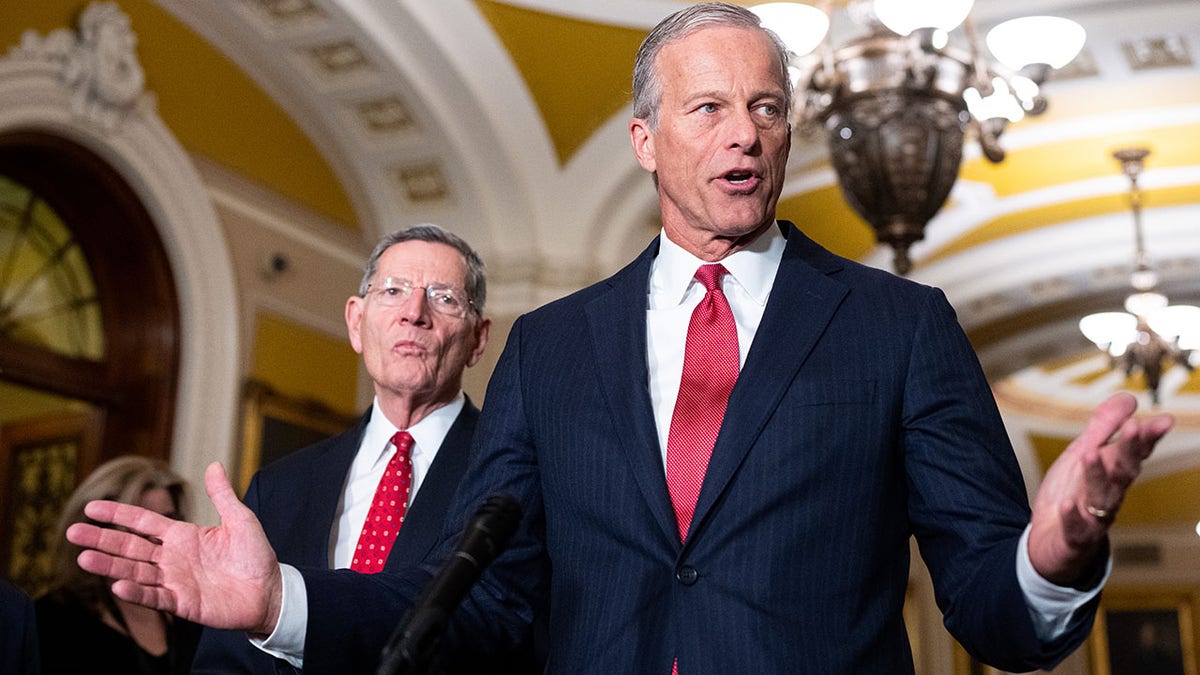
Senate Majority Leader John Thune, R-S.D., warned that Senate Democrats were trying to tie up Republicans from hitting the campaign trail ahead of the pivotal 2026 midterm cycle. (Bill Clark/CQ-Roll Call, Inc via Getty Images)
Trump told reporters Friday that he was «considering» a limited military strike against Iran, which already has riled up some in Congress, who are demanding that lawmakers get a say on whether the U.S. strikes.
Sen. Tim Kaine, D-Va., said in a statement that he has a war powers resolution to block an attack on Iran filed and ready, and challenged his colleagues to vote against it.
«If some of my colleagues support war, then they should have the guts to vote for the war and to be held accountable by their constituents, rather than hiding under their desks,» Kaine said.
CLICK HERE TO DOWNLOAD THE FOX NEWS APP
On the heels of the Supreme Court’s ruling to torpedo his sweeping duties, Trump is considering bypassing Congress to move ahead with another set of global 10% tariffs.
That comes as some Republicans are quietly celebrating the end of the duties, and others are open to working with the administration on a path forward for trade policy.
On tariffs, a Republican aide told Fox News that the GOP was «waiting to see what POTUS does next.»
«The State of the Union should be interesting,» they said.
politics,senate,government shutdown,homeland security

NEWYou can now listen to Fox News articles!
Following the reported killing of major cartel leader Nemesio Oseguera, known as El Mencho, multiple American tourists vacationing in Puerto Vallarta told Fox News Digital they unexpectedly found themselves in the middle of a violent cartel retaliation.
As airlines canceled flights and authorities issued shelter-in-place orders, stranded visitors reported cars set ablaze, suspected cartel members blocking major roads, and stores ransacked by looters — scenes some witnesses said made parts of the popular resort city feel like «a war breaking out in the streets.»
Witnesses said they were forced to evacuate their rooms, manage with limited hotel food, and even venture outside in search of meals while waiting for Mexican authorities to regain control of the city.
Staying at an Airbnb near a main road, Eugene Marchenko, 37, of Charleston, South Carolina, told Fox News Digital he woke up to blaring horns and saw six cars completely engulfed in flames just outside his balcony. He and his wife, who had arrived in Mexico only a day earlier, were forced to evacuate for several hours, fearing that a nearby fuel tanker, also ablaze, could explode.
MAJOR DRUG LORD ‘EL MENCHO’ KILLED IN MEXICAN MILITARY OPERATION WITH U.S. INTELLIGENCE SUPPORT
«I looked down and they’re completely engulfed in flames,» Marchenko said. «It was six cars in total that burned and one fuel tanker.»
He said he watched a neighbor’s video showing men he believed to be cartel members forcing people out of their vehicles, then pouring gasoline and setting the cars on fire.
«They told the people to leave,» Marchenko said. «Then they were taking the gas and pouring the gas on the vehicle and waiting until everybody was clear before they were setting it on fire.»
Later in the afternoon, Marchenko ventured out to find food and said he saw pharmacies and corner stores completely burned down, adding that younger crowds had broken into nearby buildings to loot beer and cigarettes.
CARTELS OUTGUN POLICE: ROCKET LAUNCHERS SEIZED IN EL MENCHO RAID SPOTLIGHT CJNG FIREPOWER
Vehicles appear to carry multiple armed forces in Puerto Vallarta. (Fox News Digital)
Videos obtained by Fox News Digital show a helicopter hovering above his building, circling as if searching for someone, while Mexican armed forces and armored vehicles moved through the streets below.
Public transportation and Ubers had come to a complete halt, Marchenko added, saying that even if flights resume, he is unsure how they would reach the airport.
Despite the chaos, Marchenko noted that no one appeared to panic.
«There’s definitely not any panic from almost nobody here,» he said. «I think it’s interesting, almost everybody was just annoyed more than anything.»
SOCCER MATCHES POSTPONED AFTER MEXICO KILLS CARTEL LEADER ‘EL MENCHO’ NEAR WORLD CUP HOST
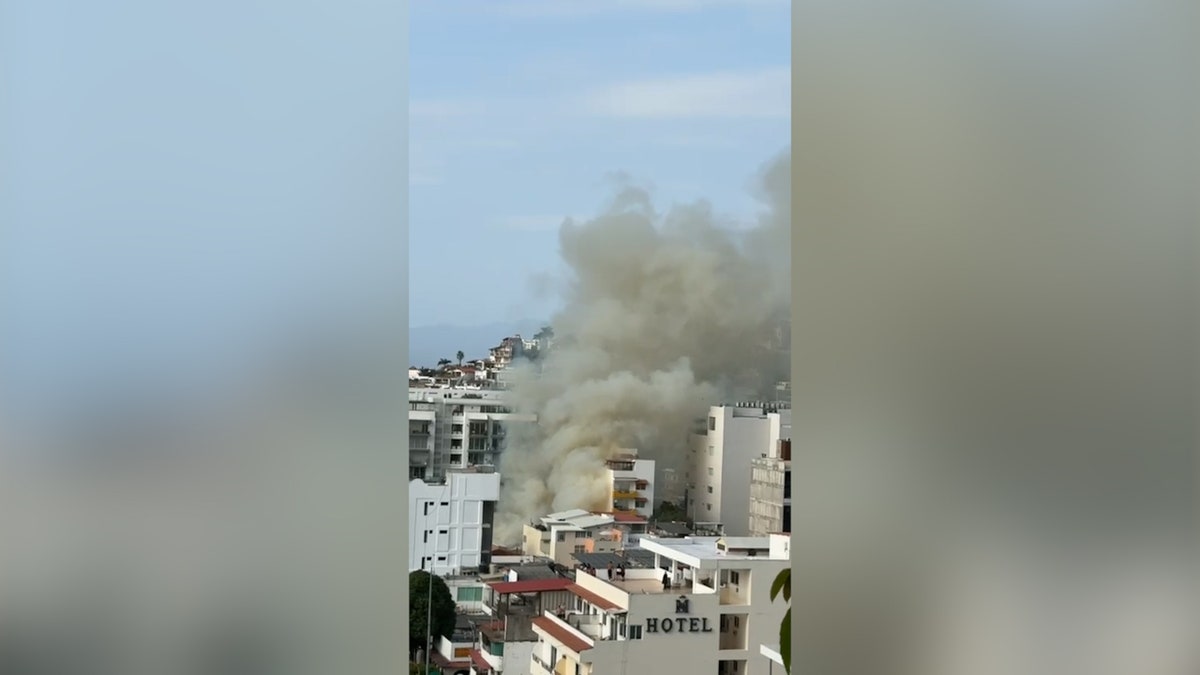
A plume of smoke rises in Puerto Vallarta on Feb. 22, 2026. (Fox News Digital)
Adriana Belli, 49, another visitor from Miami, told Fox News Digital that she had planned to spend over a week in Mexico to attend a wedding in Guadalajara and celebrate a friend’s birthday in Mexico City.
Belli said the sudden outbreak of violence was especially shocking, noting that she had spoken with American tourists staying at her Marriott resort who insisted the area was extremely safe after visiting Puerto Vallarta for 24 years.
She added that guests who had gone to the airport were under lockdown and were managing with the limited food available.
«A lot of the other tourists who had early morning flights were actually able to get to the airport, but they are now locked down in the airport and unable to leave,» she said. «So what we heard from other guests is they are just sort of surviving off of granola bars.»
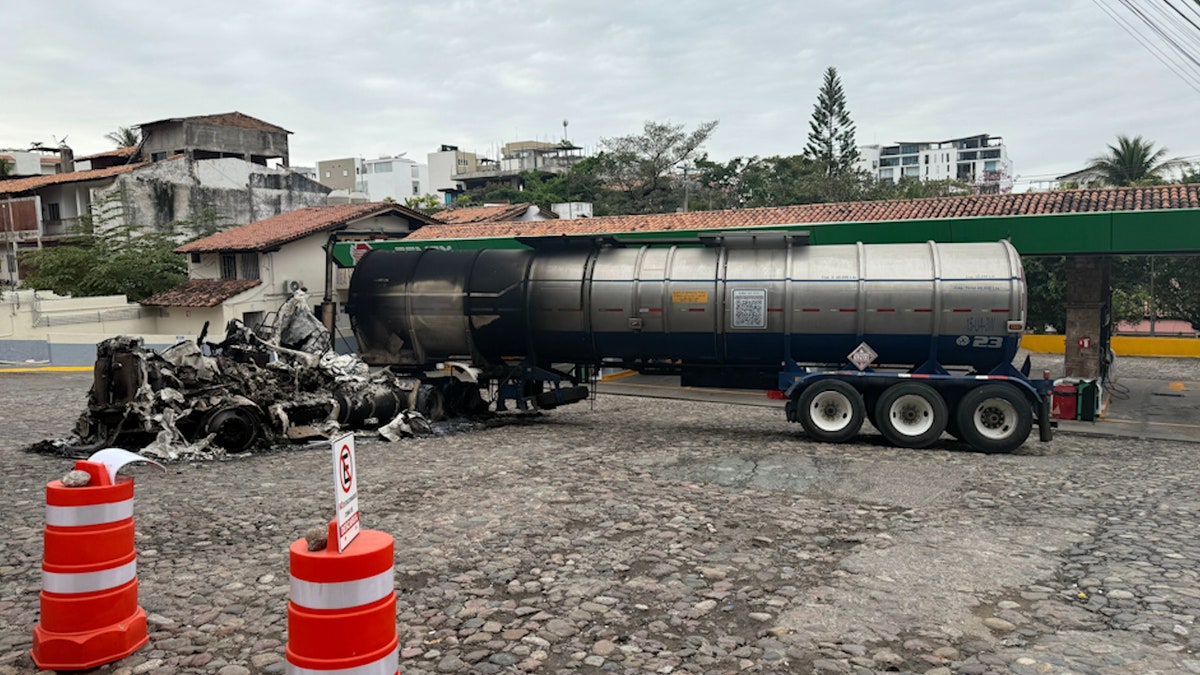
A fuel tanker was set ablaze near a gas station in Puerto Vallarta on Feb. 22, 2026. (Fox News Digital)
Another source staying at a separate resort told Fox News Digital that restaurants and room service had been shut down. Guests were brought to the lobby for what was described as «the last bit of food.»
He added that this was the first trip where he and his wife were away from their 4-year-old son, and that he had to call home to tell family members where to find their will.
«This is the first time we’ve ever been away from him. My wife was saying, ‘We’re never leaving him again,’» he said. «I had to call my mom today and, you know, just tell her, ‘Look, here’s where my will is. We just created this. I don’t want you to panic, but I may need you to stay a couple days extra with my son.’»
CLICK HERE TO DOWNLOAD THE FOX NEWS APP
He added that, despite the area appearing like a war zone, he is remaining optimistic that the authorities will restore order in the coming days.
Mexico’s Defense Department said Sunday that Oseguera was killed in a military operation. The news reportedly triggered widespread unrest and uncertainty across multiple states as Mexican authorities worked to stabilize the region.
location mexico,mexican cartel violence,world,latin america

Ruud Gullit y la historia de su rechazo a un gigante de Europa que terminó definiendo su carrera: “Era demasiado pronto”

Luego de quedarse con el PJ bonaerense, Kicillof pone la mira en el 2027 y prepara una gira por las provincias

Pokémon se adelanta al Pokémon Presents y avanza un anuncio para mañana mismo – Nintenderos

DHS shutdown drags into week two as Iran threat, SOTU clash complicate Hill talks

Los controladores aéreos convocaron a un paro: en qué fechas y horas se realizará

El precio del Bitcoin cayó casi un 3% y consolida su tendencia hacia la baja

Escándalo en MasterChef: una famosa abandonó a los gritos y acusando que está todo arreglado

Del himno peronista de Kelly Olmos al exabrupto de Agustina Propato: las perlitas del debate por la reforma laboral

Villarruel cuestionó la apertura de importaciones: «Sin industria, se pasa a depender de China»

“Ahora es la hora de jugarse”: el mensaje de Patricia Bullrich a los empresarios tras aprobarse la reforma laboral

 ECONOMIA2 días ago
Villarruel cuestionó la apertura de importaciones: «Sin industria, se pasa a depender de China»
- POLITICA2 días ago
“Ahora es la hora de jugarse”: el mensaje de Patricia Bullrich a los empresarios tras aprobarse la reforma laboral
- ECONOMIA2 días ago
Según un especialista, el precio de la carne se mantendrá alto “entre dos y tres años”