INTERNACIONAL
Top military leaders head to Puerto Rico to thank troops supporting Caribbean missions

NEWYou can now listen to Fox News articles!
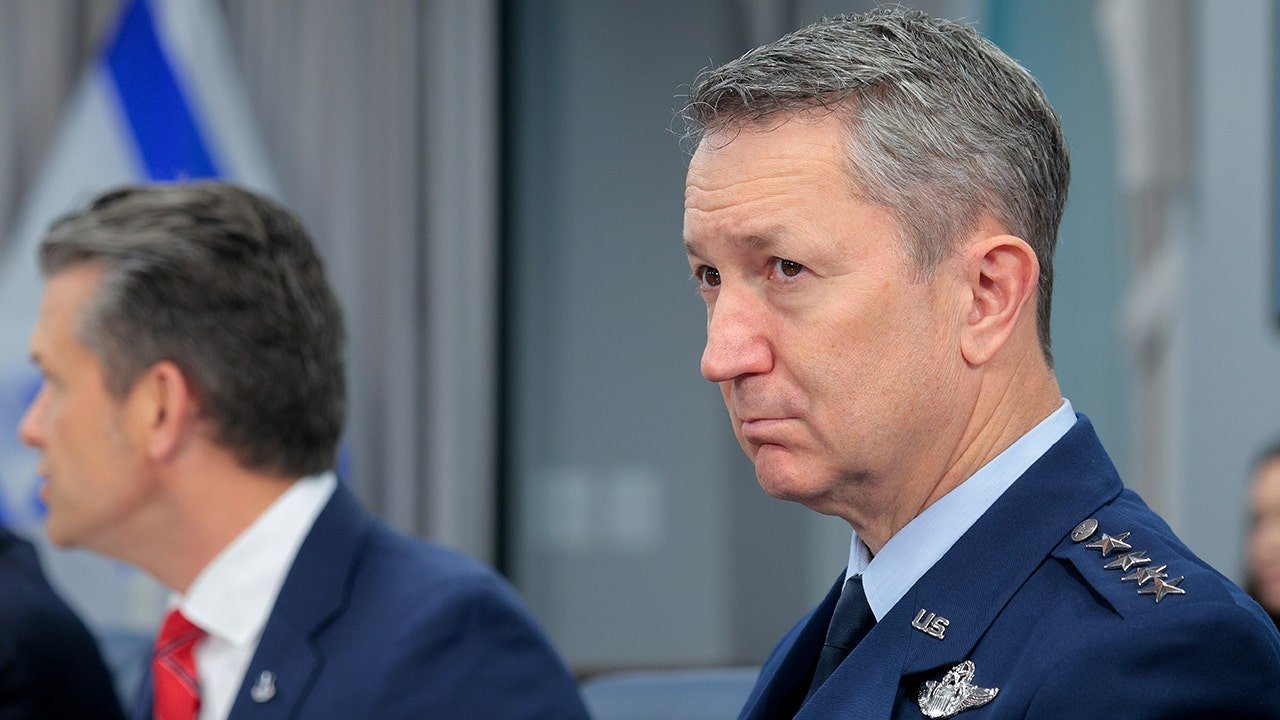
Two of the U.S. military’s top leaders will visit Puerto Rico on Monday to meet with troops and express gratitude for their work supporting missions across the Caribbean and Latin America.
Pentagon officials announced the visit in a memo on Sunday, saying the trip will include meetings with service members stationed in Puerto Rico and sailors operating in the Caribbean.
«Chairman of the Joint Chiefs of Staff Gen. Dan Caine and SEAC David L. Isom are visiting Puerto Rico on November 24, 2025, for the second time to engage with service members and thank them for their outstanding support to regional missions,» the media advisory read. «They will also visit and thank Sailors operating at sea for their dedicated, unwavering service in the SOUTHCOM area of responsibility.»
Caine and Secretary of War Pete Hegseth marked the first visit in September, when they stopped by on behalf of the Trump administration to show support for troops training on the island.
SECRETARY OF WAR HEGSETH LANDS IN PUERTO RICO AS US RAMPS UP CARIBBEAN CARTEL FIGHT WITH NAVAL FORCES
Hegseth addresses a formation of U.S. troops at Muñiz Air Base in Carolina on Sept. 8, 2025, amid an expanded military buildup in the Caribbean. (Credit: Puerto Rico Gov. Jenniffer González-Colón)
The meeting took place at Muñiz Air Base in Carolina, outside San Juan, and drew top brass including Puerto Rico National Guard Adjutant General Carlos José Rivera-Román, Public Safety Secretary Brig. Gen. Arthur Garffer, and other senior military leaders.
Hegseth spoke to nearly 300 soldiers at the base, thanking and describing them as «American warriors.» The secretary of war also affirmed that those serving in the Armed Forces will be the best equipped and prepared in the world.
The latest visit comes amid rising tensions in the Caribbean Sea, as the U.S. military expands its naval footprint near Venezuela, part of President Donald Trump’s push to choke off drug flows from Latin America.
SOUTHCOM COMMANDER ANNOUNCES SUDDEN RETIREMENT AMID TRUMP DRUG WAR IN CARIBBEAN
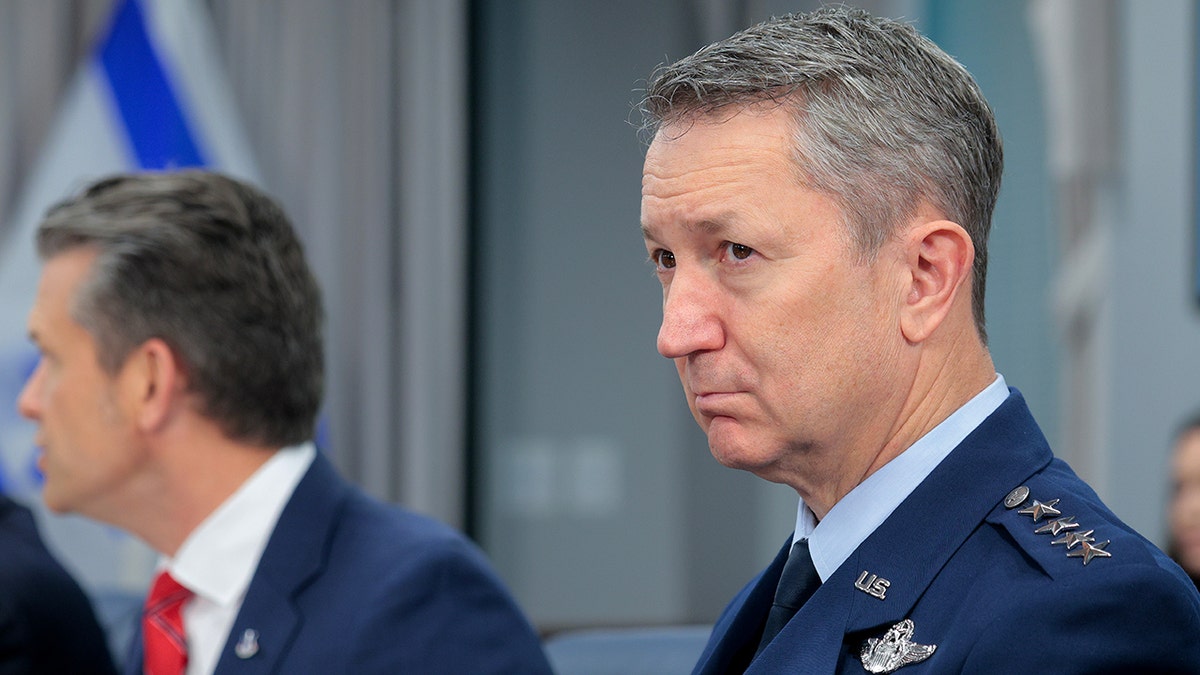
Fox News confirms Chairman of the Joint Chiefs of Staff Gen. Dan Cain will host European military counterparts to discuss Ukrainian security guarantees Tuesday. (Chip Somodevilla/Getty Images)
Earlier this month, Hegseth announced the official launch of Operation Southern Spear, a mission targeting narco-terror networks across Latin America.
Hegseth said on X at the time that U.S. Southern Command and Joint Task Force Southern Spear will lead the mission to defend the homeland and dismantle narco-terrorist networks across the Western Hemisphere.
«This mission defends our Homeland, removes narco-terrorists from our Hemisphere, and secures our Homeland from the drugs that are killing our people,» Hegseth said.
HEGSETH ANNOUNCES OPERATION TO REMOVE ‘NARCO-TERRORISTS FROM OUR HEMISPHERE’

Hegseth said the vessel was trafficking narcotics. (Department of War)
Since early September, U.S. military forces have carried out numerous lethal strikes against narcotics vessels operated by designated terrorist organizations in the Caribbean and eastern Pacific, destroying dozens of ships tied to Venezuela’s Tren de Aragua gang and Colombia’s Ejército de Liberación Nacional. The attacks have killed an estimated 82 suspected narco-terrorists, with three survivors.
The campaign began Sept. 2 with a strike that killed 11 alleged members of Tren de Aragua and continued through October and November with a series of targeted operations that eliminated dozens more across known trafficking routes.
CLICK HERE TO DOWNLOAD THE FOX NEWS APP
U.S. forces have hit submersibles, fishing boats and high-speed vessels, including one ELN-affiliated craft that drew criticism from Colombia’s president after three men were killed.
Several strikes took place near Venezuela’s coast, while others occurred in the eastern Pacific, where most recent operations have been concentrated.
us puerto rico,navy,military,pete hegseth,caribbean region













INTERNACIONAL
Jayapal floats reparations for illegal immigrants impacted by Trump crackdown, demands prosecutions
NEWYou can now listen to Fox News articles!
Amid President Donald Trump’s illegal immigration crackdown, one congressional Democrat is calling for reparations for foreign nationals who are affected.
«We are going to have some form of reparation for the kids and the families that have been traumatized through all of this,» Rep. Pramila Jayapal, D-Wash., said Friday during a congressional hearing, referring to illegal immigrants. «You talked about how there’s no support for people even once they’re released. We need to make sure that we are funding that kind of work to continue to provide relief.»
Jayapal, the former chair of the Congressional Progressive Caucus (CPC), made the comments during the seventh installment of a hearing series titled «Kidnapped and Disappeared: Trump’s Attack on Children.»
The left-wing lawmaker said reparations for illegal immigrants affected by Trump’s crackdown efforts would be just one item in a series of reforms she would push Democrats to pursue if they retake House control in November.
Residents confront federal agents and Border Patrol agents over their presence in their neighborhood on Atlantic Blvd. in the Los Angeles suburb of Bell. California last year passed a law banning authorities from wearing masks. (Getty Images)
HOUSE DEM COMPARES TRUMP’S ILLEGAL IMMIGRATION CRACKDOWN TO ‘TERRORISM,’ VOWS TO ABOLISH ICE
Jayapal, who was born in India and became a U.S. citizen in 2000, also said she wants «offensive action» regarding those who are carrying out Trump’s illegal immigration crackdown.
«We need real accountability, because at the end of the day, the people that have been inflicting this harm need to be prosecuted,» Jayapal said. «They need to be brought before us, and they need to be held to account for the trauma that they have created.»
A spokesperson for Jayapal did not respond to a Fox Digital inquiry about who specifically she wants to see prosecuted or who would be eligible for reparations.
Reparations refer to financial compensation for a specific group intended to address reputed economic harms. Many progressive Democrats have long advocated for reparations for the descendants of American slaves.
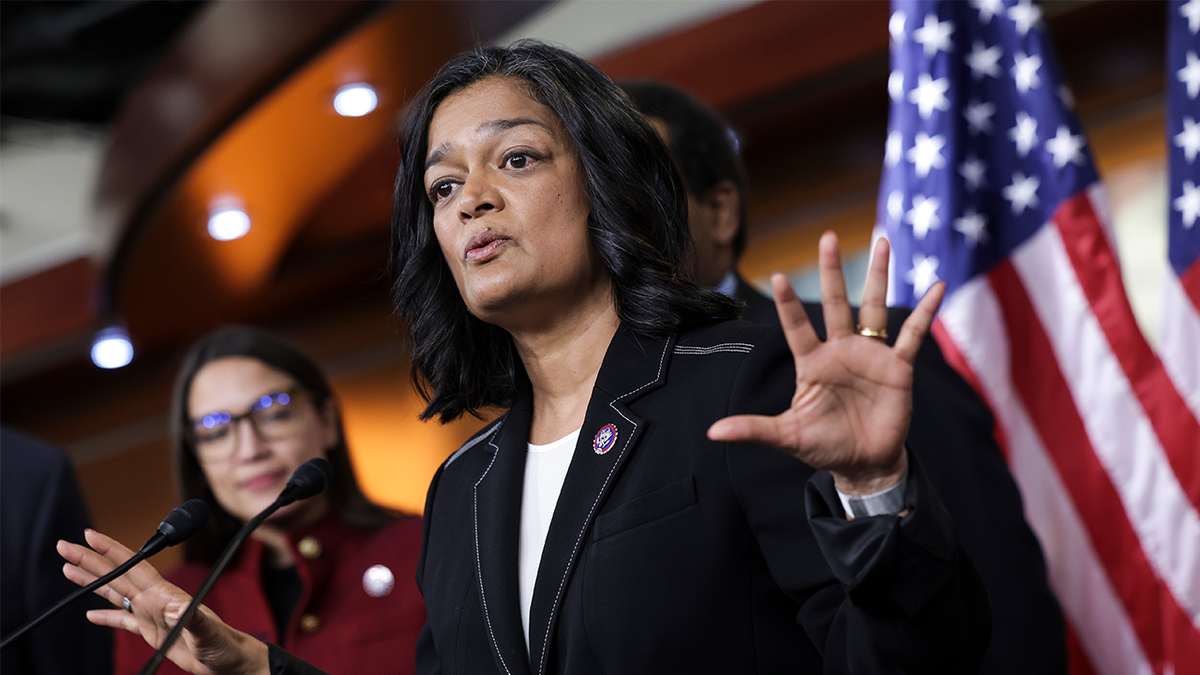
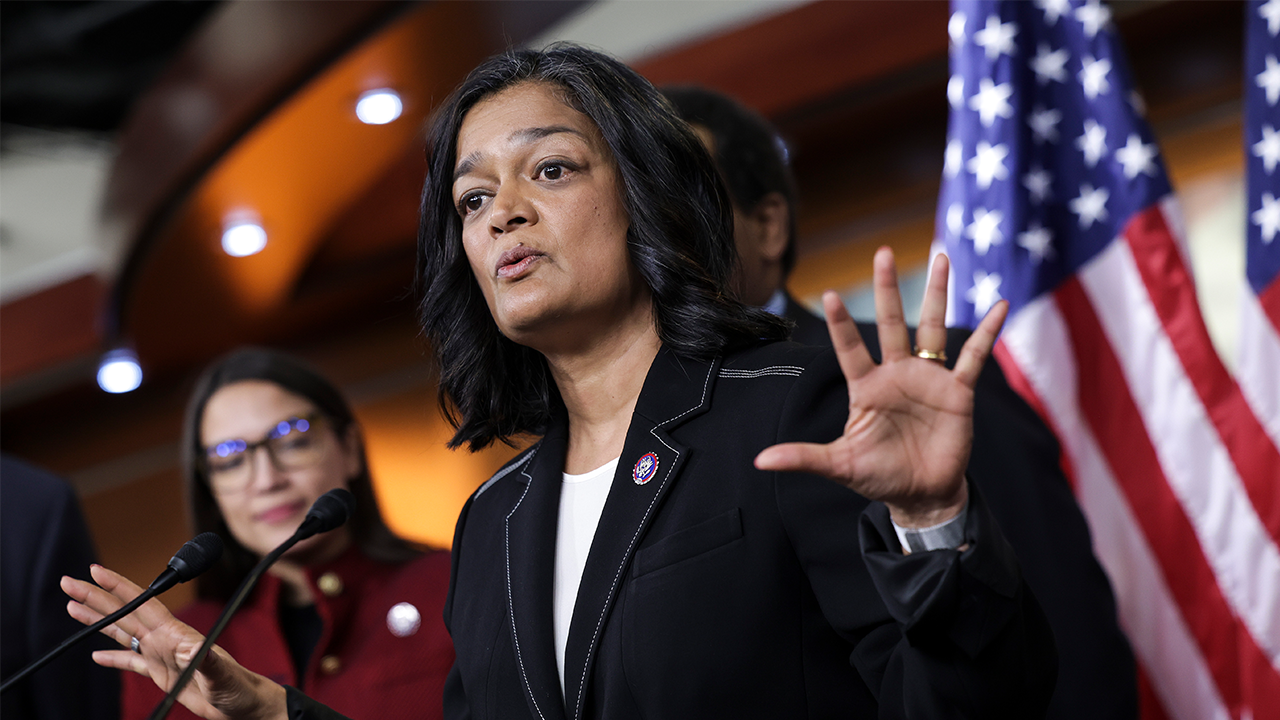
Rep. Pramila Jayapal is floating reparations for illegal immigrants if Democrats retake control of Congress during November’s midterm elections. (Kevin Dietsch/Getty Images)
JAYAPAL DOUBLES DOWN ON ANTI-ICE TERROR CLAIMS AS DHS SHUTDOWN TRIGGERS HISTORIC TRAVEL CHAOS
Throughout the hearing, congressional Democrats repeatedly called attention to the children of deported illegal immigrants, while saying little about the victims of illegal immigrant crime.
The group of Democratic lawmakers did not discuss 18-year-old Sheridan Gorman, who was allegedly shot and killed by a Venezuelan national illegally living in the United States in Chicago earlier this month.
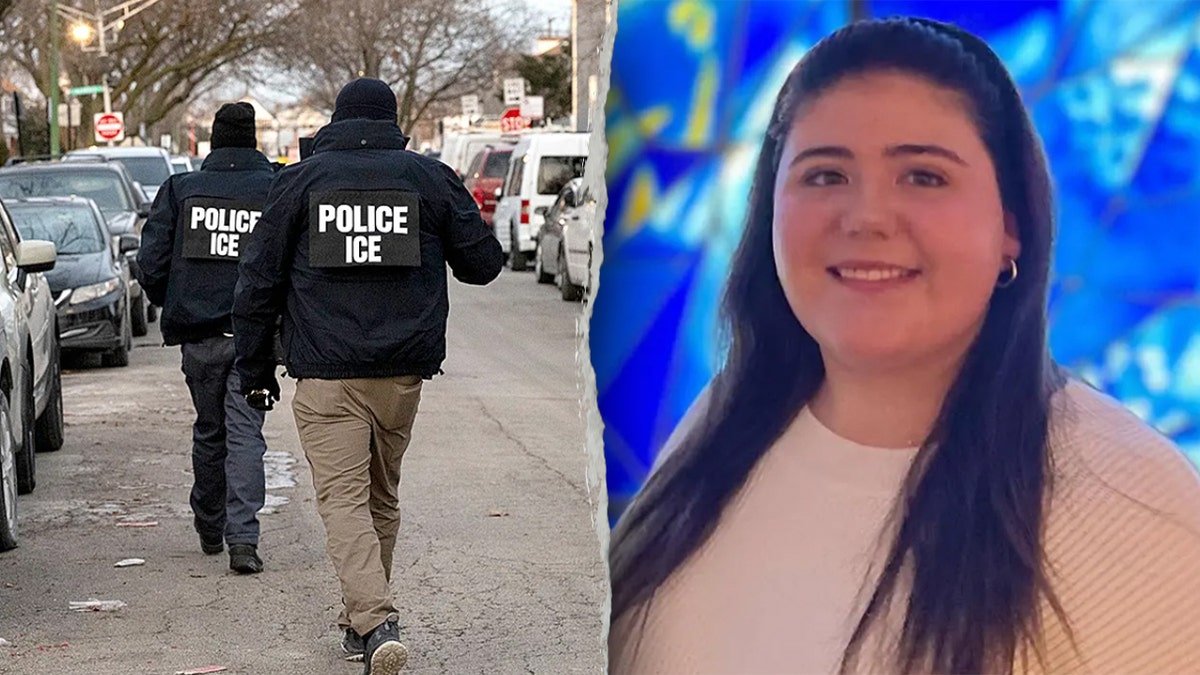
U.S. Immigration and Customs Enforcement agents walk down a street during a multi-agency targeted enforcement operation in Chicago, Ill., on Jan. 26. (L) Sheridan Gorman was killed after being shot in the head by a Venezuelan illegal immigrant while taking a walk with friends at Tobey Prinz Beach, located less than a mile from the Illinois’ campus, around 1 a.m. on Thursday. (Christopher Dilts/Bloomberg via Getty Images; Sheridan G. Gorman via Instagram)
CLICK HERE TO DOWNLOAD THE FOX NEWS APP
Jayapal’s comments came during the record-breaking Department of Homeland Security (DHS) that has continued to drag on with no end in sight.
She and nearly all House Democrats have refused to fund the department until the Trump administration agrees to various proposals that could rein in immigration enforcement.
«I have been clear since the start of the appropriations process: I will not vote to give Trump’s ICE or CBP another cent without major reforms,» Jayapal said Friday following her vote against a two-month DHS funding extension.
Though Democrats have been willing to fund the non-immigration parts of DHS, most Republicans have rejected that idea because it would effectively defund law enforcement.
Zeroing out appropriations for ICE and the Border Patrol would continue to force support staff employed by those agencies — have not received a full paycheck during the seven-week funding lapse — to keep working without pay.
homeland security, deportation, democrats, pramila jayapal, illegal immigrants
INTERNACIONAL
Israel aprobó la pena de muerte para terroristas y las organizaciones de Derechos Humanos expresaron su preocupación

El Parlamento israelí aprobó este lunes una reforma legal que establece la pena de muerte por ahorcamiento para los culpables de asesinato terrorista.
Pero organizaciones de derechos humanos advirtieron que la pena capital se aplicará en la práctica a los palestinos y no a los ciudadanos judío-israelíes.
El texto, aprobado con 62 votos a favor y 48 en contra, obliga a los tribunales militares -salvo excepciones sin definir- a imponer la pena capital a palestinos residentes en Cisjordania ocupada. En tanto, los tribunales ordinarios que juzgan a ciudadanos israelíes podrán aplicar en su lugar la cadena perpetua.
Además, estipula más condiciones para imponer esta pena.
La medida se aprobó con los votos del oficialismo
El primer ministro israelí, Benjamín Netanyahu, asistió a la votación en el plenario de la Knéset y votó a favor de la reforma, promovida por el partido del ministro israelí de Seguridad Nacional, el ultranacionalista y supremacista judío Itamar Ben Gvir.
Así lo hicieron la mayoría de parlamentarios del partido de Netanyahu, el Likud, y todos los partidos de su coalición menos el ultraortodoxo Yahadut HaTora (Judaísmo de la Torá). El ultraderechista Israel Beitenu (Nuestro Hogar Israel), en la oposición, votó en cambio a favor. El primer ministro israelí Benjamin Netanyahu en conferencia de prensa con el presidente estadounidense Donald Trump en Mar-a-Lago, Palm Beach, Florida, el 29 de diciembre del 2025. (AP foto/Alex Brandon)
En general, los partidos de la oposición, incluyendo Yesh Atid (Hay Futuro), Kachol Lavan (Azul y Blanco) y los árabes Hadash y Taal (Movimiento Árabe para la Renovación), votaron en contra.
Tras aprobarse la reforma, cuyo escrito no ha sufrido cambios tras pasar por comisión parlamentaria la semana pasada, Ben Gvir intentó descorchar una botella de champán, pero un empleado legislativo se lo impidió. Pocos minutos después, se detectó un lanzamiento de misiles de Irán hacia la región de Tel Aviv.
“La ley es populista, inmoral, no igualitaria”, condenó durante el debate de este lunes el diputado Matti Sarfatti, de Yesh Atid. Además, la calificó de “claramente inconstitucional”.
Leé también: EE.UU. permitirá que un petrolero ruso llegue a Cuba y rompa el bloqueo
La ejecución de la pena, según la normativa, deberá realizarse en un plazo máximo de 90 días por el Servicio Penitenciario tras la sentencia, mediante ahorcamiento, con regulaciones específicas sobre la detención separada del recluso, el acceso restringido a autoridades y familiares y la supervisión de la ejecución.
El debate en la Knéset se prolongó durante más de 10 horas y estuvo marcado por intervenciones emotivas y críticas.
Fuera de los turnos de palabra, los diputados siguieron la sesión de manera telemática, conforme al estado de emergencia declarado por la guerra, que limita el número de personas reunidas en interiores.
¿“Se aplicará a los colonos asesinos”?
Durante la sesión, la diputada Aida Touma-Suleiman, del partido árabe Hadash, señaló que “en otros países, la pena de muerte es una pena universal aplicable para todos”.
“En este caso, las identidades de la víctima y el asesino son las que determinan la sentencia (…): asesinato o defensa propia. Y es que, ¿acaso se aplicará a los colonos asesinos?”, se preguntó.
Por su parte, Limor Son Har-Melej, diputada del partido ultranacionalista Otzma Yehudit y una de las promotoras de la ley, aseguró que la decisión representa “un momento de justicia histórica” para las familias que perdieron seres queridos en atentados terroristas. Su marido, recordó durante su intervención, falleció en un atentado en 2003.
Leé también: Venezuela: la embajada de EE.UU. en Caracas reabrió sus puertas después de siete años
“No más cárceles para asesinos, que se convierten en hoteles, como ocurría antes de la llegada al cargo del ministro de Seguridad Nacional, Itamar Ben Gvir”, afirmó la diputada ultraderechista. “Desde hoy, sentencia de muerte. Es una herramienta esencial para erradicar al enemigo y lograr una disuasión real”, añadió.
Advertencias desde el exterior
Los ministros de Exteriores de Francia, Alemania, Reino Unido e Italia rechazaron la medida, criticada también por la ONU y el Consejo de Europa. Su debate se produjo tras la aprobación ‘in extremis’ esta madrugada de los presupuestos generales para 2026, con concesiones a partidos ultraortodoxos que forman parte del gobierno de Netanyahu.
Según recogen medios israelíes, funcionarios militares advirtieron repetidamente a los legisladores sobre los problemas que plantea la legislación incluso después de que se suavizara su redacción. Incluso, señalaron que la medida podría violar el derecho internacional y generar órdenes de arresto contra comandantes israelíes en el extranjero.
Además, numerosos rabinos, expertos legales, representantes del sindicato de médicos, abogados y activistas por los derechos humanos israelíes expresaron su rechazo a la propuesta durante los debates en la comisión parlamentaria, llevados a cabo hasta cuatro veces por semana desde que fuera aprobada en primera lectura el pasado septiembre.
Hasta ahora, Israel solo permitía la pena de muerte en casos extraordinarios, principalmente por crímenes de guerra o genocidio. Solo la ha aplicado una vez con la ejecución en 1962 de Adolf Eichmann, uno de los principales arquitectos del Holocausto.
(Con información de EFE)
Israel
INTERNACIONAL
DHS slams California ‘sanctuary’ county after mom allegedly murdered by 2 Honduran nationals

NEWYou can now listen to Fox News articles!
FIRST ON FOX: The Department of Homeland Security (DHS) slammed a California county for not honoring U.S. Immigration and Customs Enforcement (ICE) detainer requests for two illegal aliens accused of murdering a 24-year-old mother earlier this month.
Franquin Inestroza-Martinez, a Honduran national, and Gerzon Jose Chirinos-Munguia, also of Honduras, were arrested in Santa Clara County for allegedly killing Kembery Chirinos-Flores with a shotgun in early January.
Chirinos-Munguia is the father of Chirinos-Flores’ 5-year-old son, and was previously arrested in 2018 for battery and false imprisonment, and subsequently in 2019 for domestic battery and threatening crime with the intent of terrorizing, DHS said.
DHS criticized Santa Clara County for not honoring ICE detainers tied to two suspects accused of killing a 24-year-old mother Kembery Chirinos-Flores. (Courtesy of DHS)
He was released back into California without ICE being notified in both 2018 and 2019, according to DHS.
ANGEL MOM, GOP BLAME SPANBERGER AFTER ILLEGAL IMMIGRANT WITH 30 ARRESTS CHARGED IN KILLING
«A man lost his life, and a child is now without a mother. These illegal aliens should have never been able to commit these horrific killings and must NEVER be released from jail into American communities,» DHS Acting Assistant Secretary Lauren Bis told Fox News Digital in a statement.
Inestroza-Martinez, the alleged accomplice of the boy’s father, also had an outstanding arrest warrant from New Jersey for the homicide of a 55-year-old in March 2025, according to DHS.
DHS said he was deported from the U.S. in 2013, then again in 2018. He illegally re-entered the country at an unknown date and time before allegedly murdering both the man in New Jersey and Chirinos-Flores.
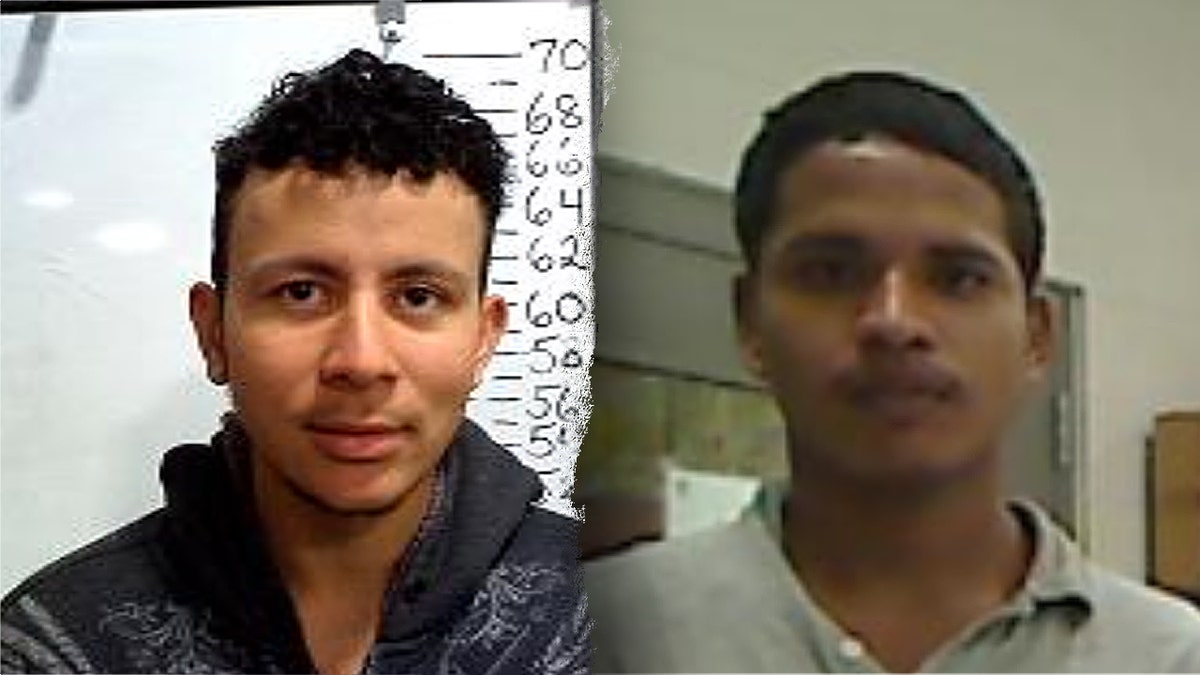
Franquin Inestroza-Martinez, left, and Gerzon Jose Chirinos-Munguia were arrested for murder. DHS says it was not their first crime committed in the U.S. (Courtesy of DHS)
ILLEGAL IMMIGRANT ACCUSED OF FATAL HIT AND RUN THAT KILLED NORTH CAROLINA MOTORCYCLIST
DHS pointed to the California Value Act (CVA), a «sanctuary» law which prohibits local police from asking suspects about immigration status and limits cooperation between federal immigration agents and local authorities.
«Instead of cooperating with ICE, Santa Clara sanctuary politicians REFUSED to honor ICE’s arrest detainer and will not notify ICE when these murderers are released from jail,» Bis added. «This insanity of refusing to turn cold-blooded killers over to ICE must end.»
The CVA was signed into law in 2017 in response to the immigration efforts of President Donald Trump during his first term.
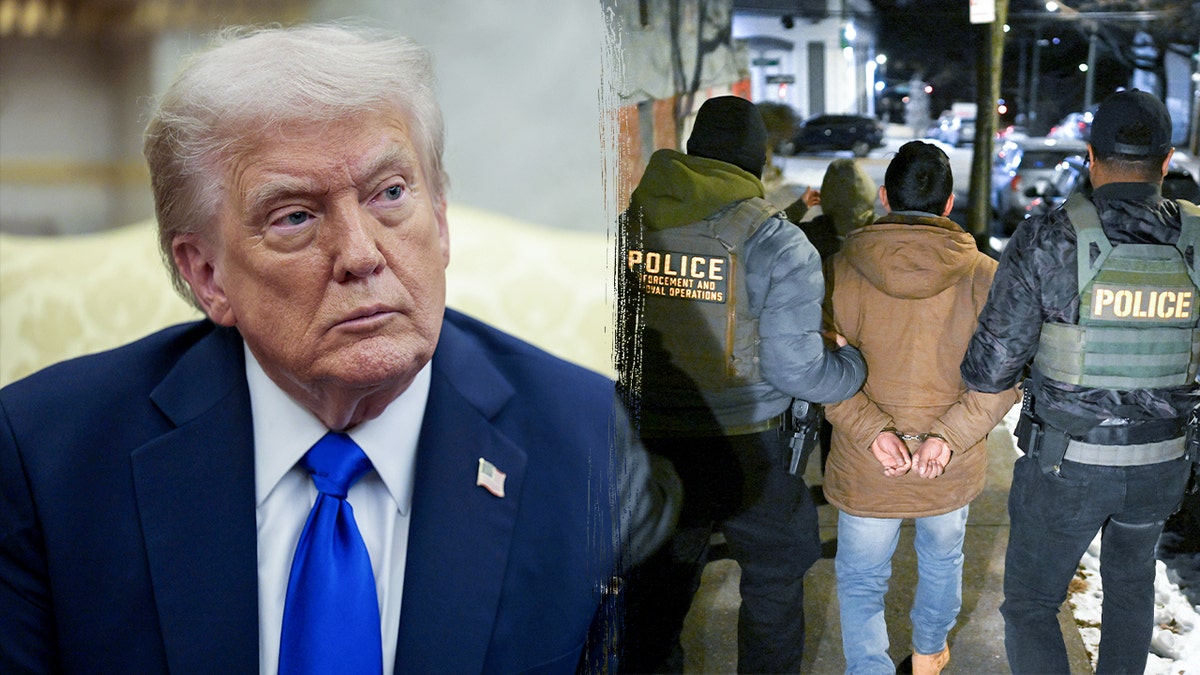
The Trump administration sued California over the California Value Act during his first term as president. (Shawn Thew/EPA/Bloomberg via Getty Images; Matt McClain/The Washington Post via Getty Images)
DHS CALLS RAPE OF AUTISTIC TEEN ‘MOST HEINOUS WE’VE SEEN’ AS ICE DETAINER TESTS CALIFORNIA SANCTUARY LAWS
The Trump administration sued California over the law throughout 2017-18, though the suit was dismissed by the U.S. District Court for the Eastern District of California. The suit failed again during appeal and the Supreme Court declined to hear the case in 2020.
CBS News reported that the child was not harmed in the incident and has since been placed in the custody of child protective services.
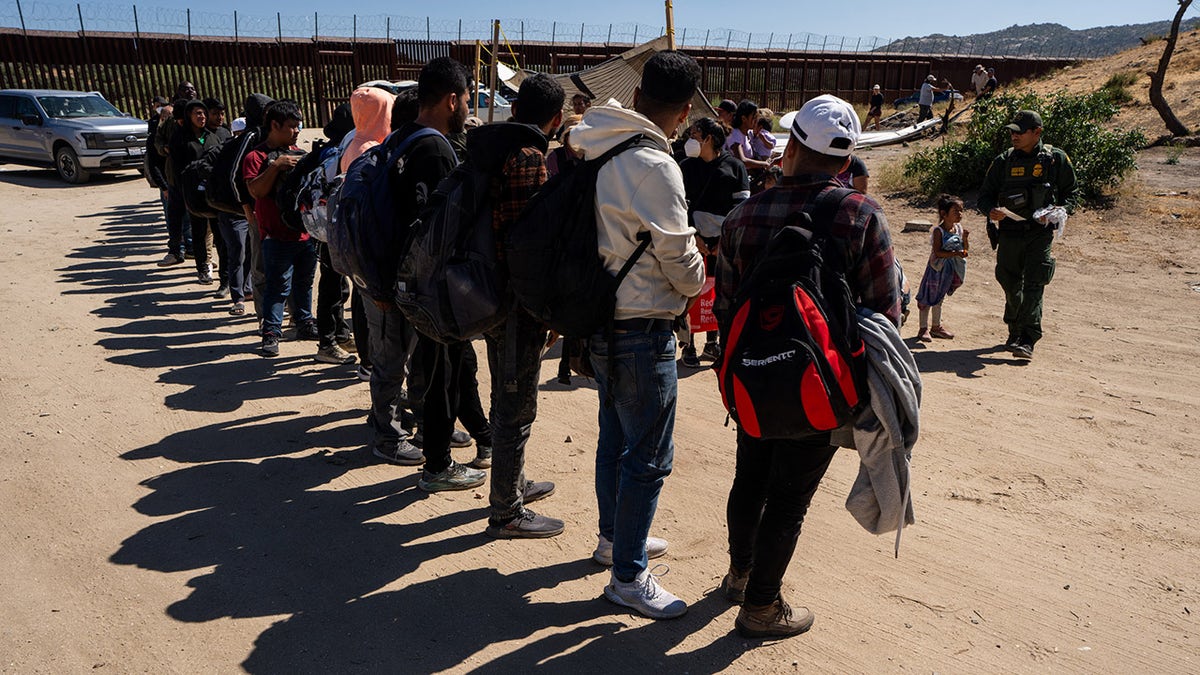
Migrants are processed by the U.S. Border Patrol after crossing the US-Mexico border in San Diego in 2024. (Qian Weizhong/VCG via Getty Images)
«Kembery was in the prime of her life. She was working two jobs, and she was the loving mother of a 5-year-old son,» Santa Clara Department of Public Safety Chief Dan Pistor said at a press briefing following the arrests.
CLICK HERE TO DOWNLOAD THE FOX NEWS APP
Fox News Digital reached out to the Board President of Santa Clara County but did not receive a response.
The Santa Clara County Board president did not immediately respond to Fox News Digital’s request for comment.
Story tips can be sent to Preston.Mizell@fox.com and on X @MizellPreston
illegal immigrants, migrant crime, homeland security, california, sanctuary cities

El presidente Milei se reunió con el senador estadounidense Rand Paul y el embajador Peter Lamelas en Casa Rosada

Van der Vaart elogia a Kees Smit: ‘Puede ser el nuevo Frenkie de Jong, vamos a disfrutar viéndole jugar’

Jayapal floats reparations for illegal immigrants impacted by Trump crackdown, demands prosecutions

Jubilaciones: Victoria Tolosa Paz presentó un proyecto para duplicar el bono y que se actualice por inflación

Subieron las acciones argentinas impulsadas por el petróleo: YPF tocó un máximo en 15 años

Quién fue el último eliminado de Gran Hermano Generación Dorada: el festejo de su rival en el mano a mano

Máximo Kirchner salió al cruce de Milei y Macri tras el fallo por YPF a favor de la Argentina

La secretaria del piloto denunció que el amigo de Adorni la hostiga y la justicia dispuso medidas

El Gobierno cambia su propuesta de reforma: endurece penas para delitos comunes, pero no para los casos de corrupción

¡DERIVA ECONÓMICA Y SOBERBIA POLÍTICA! El abismo entre el «relato oficial» y la realidad de una clase media que no aguanta más

 POLITICA2 días ago
Máximo Kirchner salió al cruce de Milei y Macri tras el fallo por YPF a favor de la Argentina
- POLITICA2 días ago
La secretaria del piloto denunció que el amigo de Adorni la hostiga y la justicia dispuso medidas
- POLITICA2 días ago
El Gobierno cambia su propuesta de reforma: endurece penas para delitos comunes, pero no para los casos de corrupción