INTERNACIONAL
Top NATO official reveals details of stunning meeting with Trump that produced Greenland deal ‘framework’

NEWYou can now listen to Fox News articles!
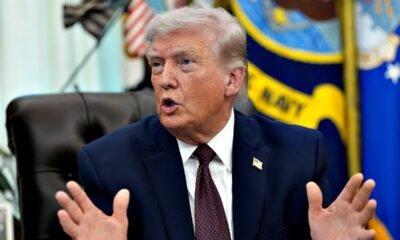
After President Donald Trump announced a new Greenland «framework» had been agreed upon with NATO Secretary General Mark Rutte, the NATO chief told Fox News’ «Special Report with Bret Baier» the U.S. forcibly taking control of Greenland from Denmark was not discussed during meetings between him and Trump in Switzerland during the World Economic Forum.
«That issue did not come up anymore in my conversations with Mr. President. He’s very much focused on what we need to do to make sure that that huge Arctic region, where change is taking place at the moment, where the Chinese and Russians are more and more active, how we can protect that,» Rutte said when pressed on the details of the reported «framework» that has been agreed upon.
Trump said the agreement resulted in his decision not to impose tariffs scheduled to go into effect Feb. 1.
«That was really the focus of our discussions,» Rutte insisted.
TRUMP’S ‘SMALL ASK’ FOR GREENLAND WOULD BE THE REAL ESTATE DEAL OF A LIFETIME
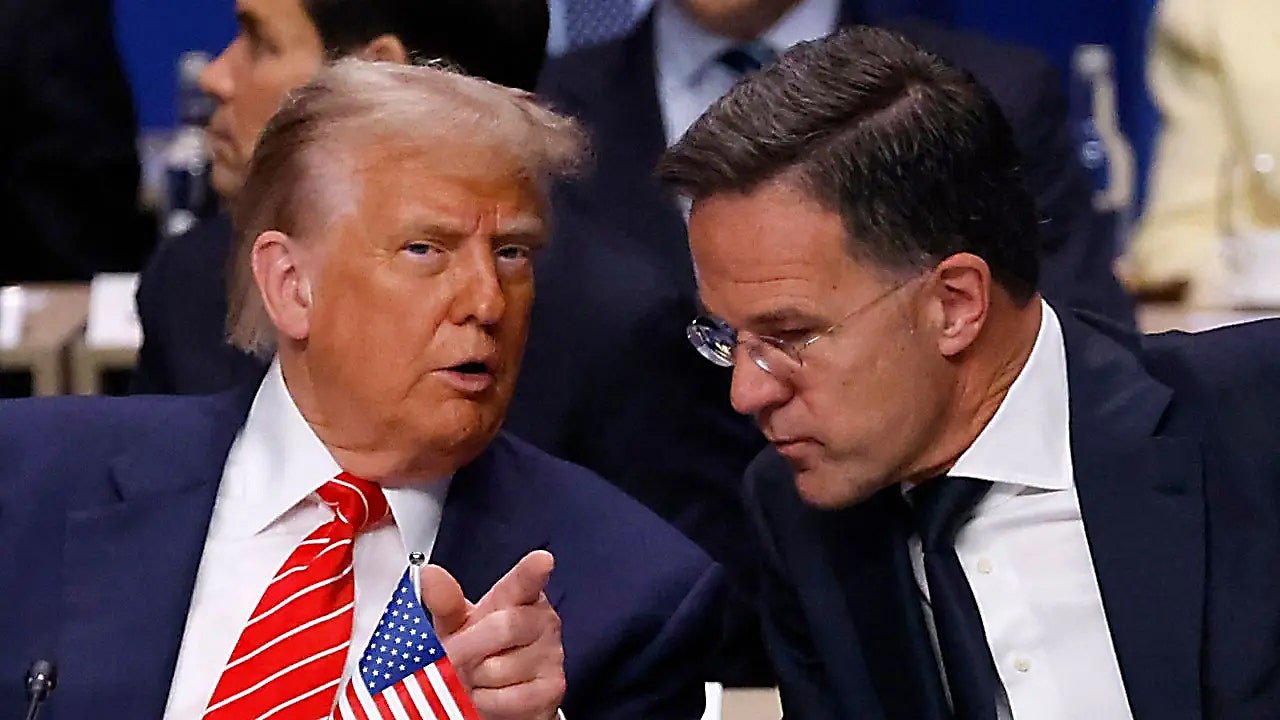
NATO chief Mark Rutte says Europe never would have stepped up its defense spending without Trump. (Denis Balibouse/Reuters)
Trump announced the new «framework» for Greenland in a post on his social media site Truth Social Wednesday afternoon while at the World Economic Forum this week.
«Based upon a very productive meeting that I have had with the Secretary General of NATO, Mark Rutte, we have formed the framework of a future deal with respect to Greenland and, in fact, the entire Arctic Region,» the president wrote. «Based upon this understanding, I will not be imposing the Tariffs that were scheduled to go into effect on February 1st. Additional discussions are being held concerning The Golden Dome as it pertains to Greenland. Further information will be made available as discussions progress.»
Trump noted that Vice President JD Vance, Secretary of State Marco Rubio and special envoy Steve Witkoff will lead «the negotiations» and report directly to him.
TRUMP TELLS DAVOS US ALONE CAN SECURE GREENLAND, INSISTS HE WON’T ‘USE FORCE’
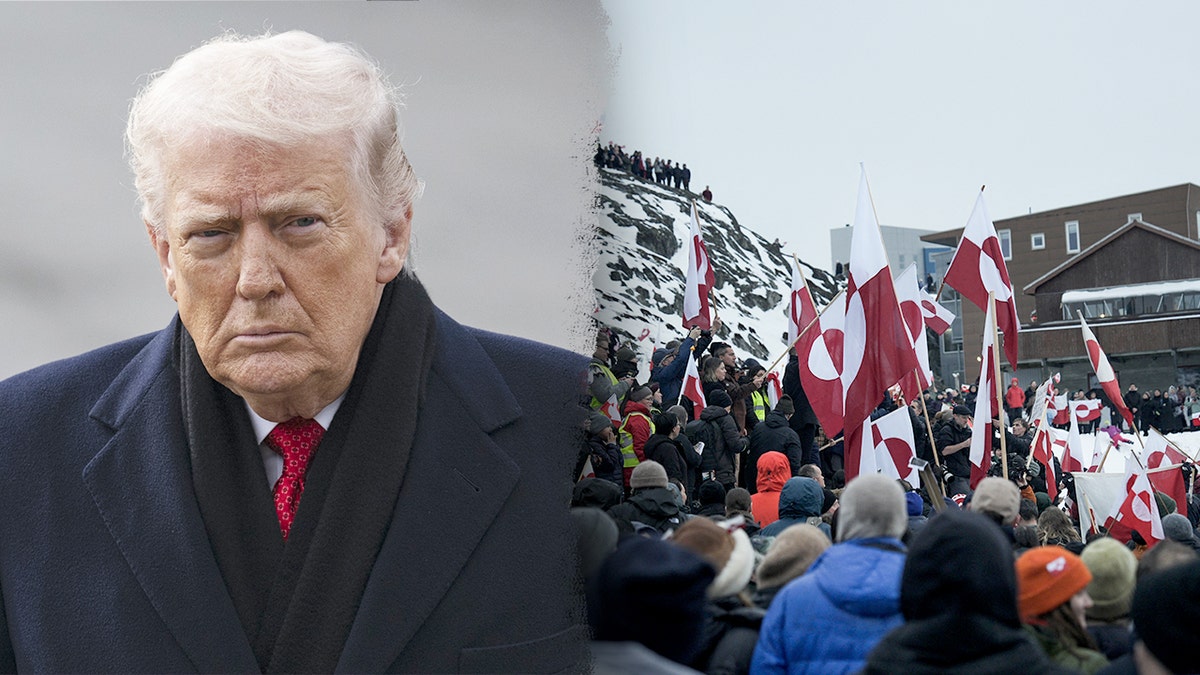
People wave Greenlandic flags during a mass demonstration opposing President Donald Trump’s proposal to acquire Greenland in Nuuk, Greenland, Jan. 17, 2026. (Getty Images)
«We probably won’t get anything unless I decide to use excessive strength and force where we would be, frankly, unstoppable. But I won’t do that,» Trump said earlier in the morning at the World Economic Forum. «Now everyone’s saying, ‘Oh, good.’ That’s probably the biggest statement I made because people thought I would use force. I don’t have to use force. I don’t want to use force. I won’t use force.»
During the exclusive interview with Fox News, Rutte called Trump «totally right» about needing to shore up security in the Arctic region, noting that the chance of Russia or China becoming a threat in that region is increasing every day. The NATO Secretary General also praised Trump’s leadership in getting other NATO countries to pay more money for the alliance’s defenses.
«I would argue tonight with you on this program he was the one who brought a whole of Europe and Canada up to this famous 5%,» Rutte insisted, «which is crucial for us to equalize our spending, but also protect ourselves. And this is the framework which you see in his post that we will work on.»
Rutte also noted that increased volatility between NATO-aligned countries, Russia and China underscored the need to shore up security in the Arctic region.
CLICK HERE TO DOWNLOAD THE FOX NEWS APP
The NATO chief was asked whether he thought other countries were dealing with the Russians and the Chinese differently than they have in the past.
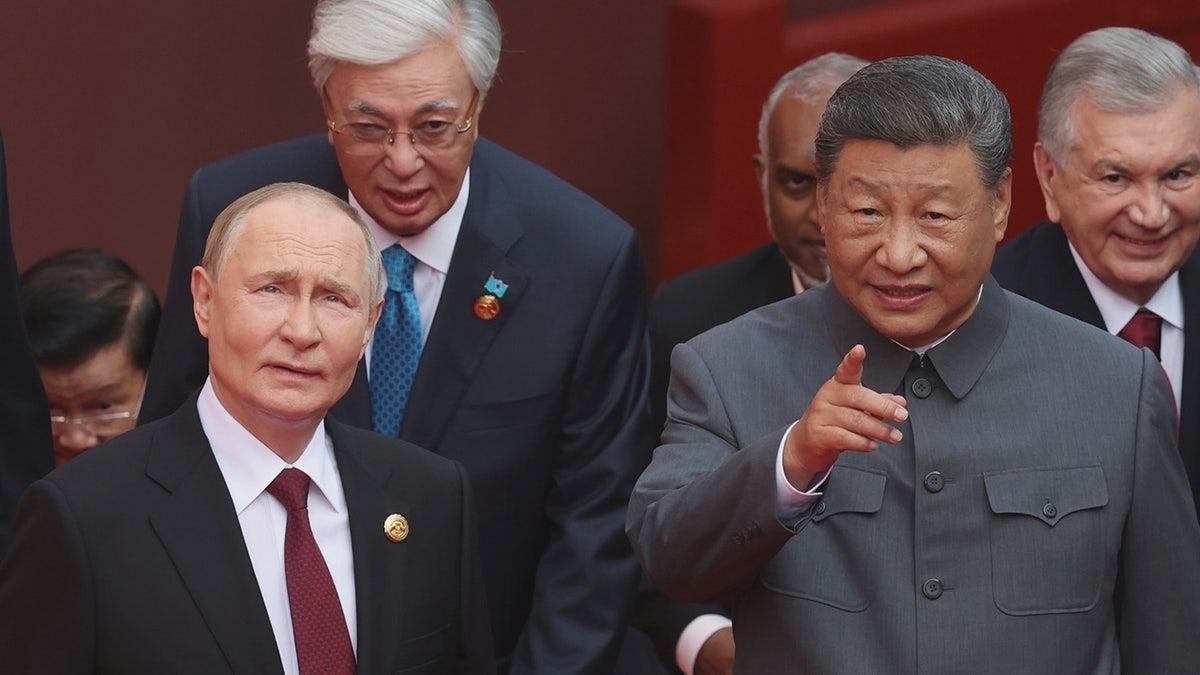
Russian President Vladimir Putin and Chinese President Xi Jinping (AP)
«It’s not up to me to comment on what individual allies are doing in terms of their relationship with China,» Rutte responded. «I think collectively, as NATO, we have a position. The position is that we should not be naive. I can tell you’ll regret these huge investments the Chinese are making in the military. They are not there to organize parades in Beijing, and the military in Russia are not there to organize parades in Moscow. They are there to be used.»
greenland,nato,donald trump,special report,foreign affairs,foreign policy







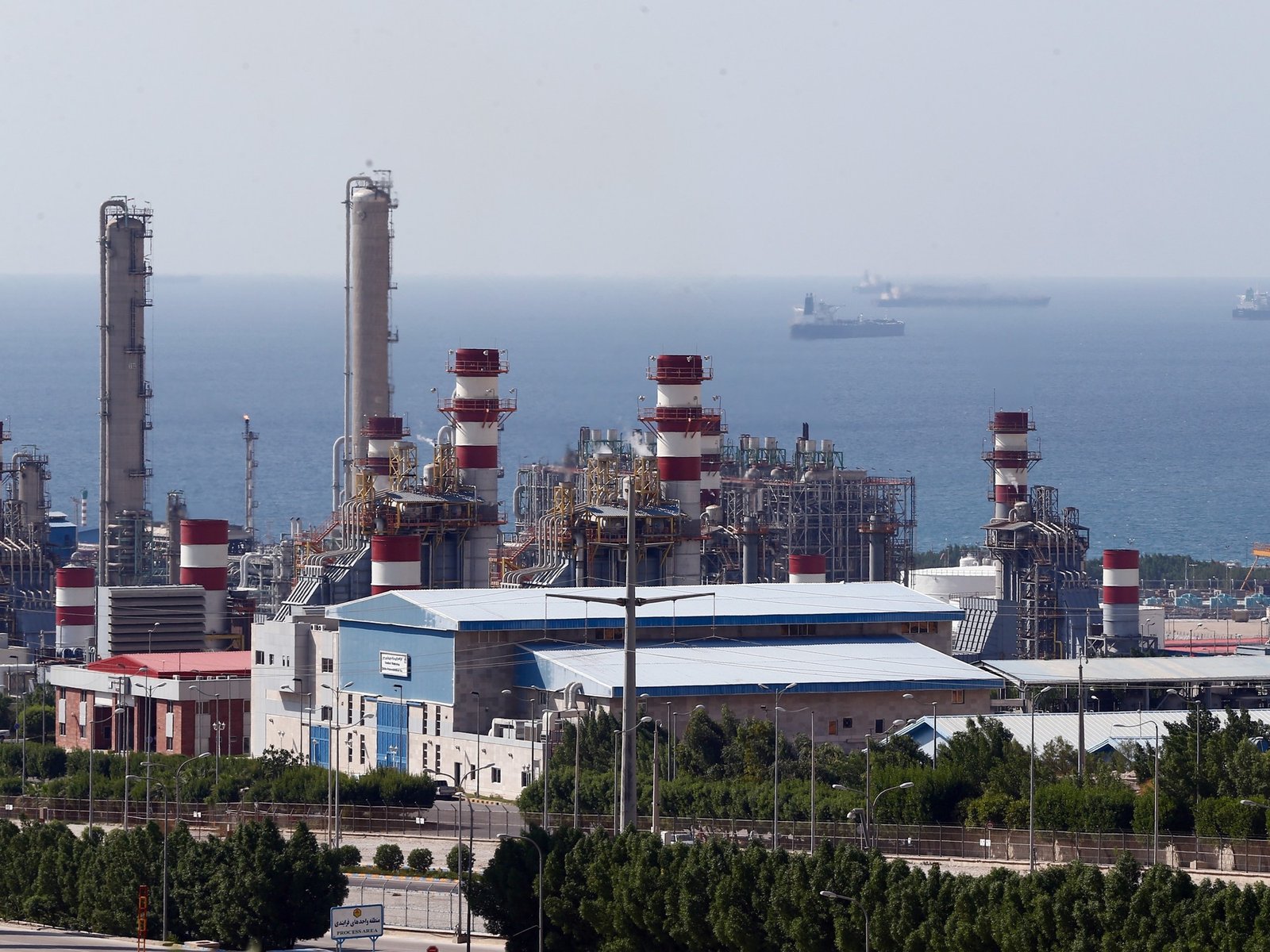
Las estaciones de servicio europeas siguen suministrando combustibles y los aeropuertos siguen llenando los depósitos de los aviones, pero el cierre del Estrecho de Ormuz y el choque energético que provoca podría cambiar pronto esa situación de relativa normalidad. La Comisión Europea ya adelanta que si nada cambia en los mercados energéticos habría que empezar a tomar medidas en semanas o meses y ya está indicando a los gobiernos del bloque qué decisiones serían las primeras para consumir menos combustible, sobre todo queroseno de aviación y diésel para en transporte de mercancías por carretera.
El comisario de Energía del brazo ejecutivo de la Unión Europea, el danés Dan Jorgensen, contó al diario Financial Times que la Comisión Europea está evaluando “todas las opciones” porque “los precios de la energía serán más altos durante mucho tiempo” aunque se reabra Ormuz y vuelva a salir el petróleo y el gas del Golfo Pérsico. Fuentes comunitarias llevan días explicando que Europa no está todavía en una crisis de suministro, pero que podría estarlo si el conflicto, que ya cumplió seis semanas, se alarga. Esas mismas fuentes aseguran que no ven muchas probabilidades en un cierre limpio y rápido del choque entre Irán, por un lado, y Estados Unidos e Israel por el otro, y que eso tendrá consecuencias en los mercados energéticos europeos.
Jorgensen asegura que no hay que racionar por ahora, pero sí hay que prepararse para hacerlo en los próximos meses si sigue el conflicto.
Las primeras medidas que apunta la Comisión Europea no son muy disruptivas, pero los ciudadanos podrían empezar a notarlas pronto. Sobre todo en el sector del transporte.
Bruselas pide a los gobiernos, por ejemplo, que reduzcan la velocidad máxima en autopistas para reducir el consumo de combustible (se calcula que un auto que circula a 100 kilómetros por ahora consume un 15% menos que uno en las mismas condiciones a 120 kilómetros por hora).
En la carta de Jorgensen a los gobiernos se les señala también que deben fomentar el uso del transporte público y del teletrabajo para reducir los movimientos de personas y empezar a reducir el número de vuelos, aunque eso empieza a hacerlo el mercado por su cuenta por el aumento del precio del queroseno de aviación, que se ha doblado en estas semanas de guerra.
La carta no apunta más medidas, pero la Comisión Europea sí estudia, cuentan las mismas fuentes comunitarias, una lista de sugerencias que hizo hace dos semanas la Agencia Internacional de la Energía. Entre ellas una que no se activa en Europa desde los años 70 del siglo pasado. Se trataría de reducir a la mitad el uso del auto alternando su uso en función de su matrícula. Los días pares podrían salir a las calles y carreteras los autos con matrículas pares y los días impares los autos con matrículas impares.
El discurso y las sugerencias de Jorgensen y de la Comisión Europea variaron en apenas días. Si ahora empiezan a pedir esas medidas, el 20 de marzo pasado, con la guerra ya por su tercera semana, decían que no había ningún riesgo para el suministro en Europa, que no veían necesidad de tomar medidas excepcionales y que el continente estaba “relativamente protegido” porque sus importaciones de hidrocarburos desde el Golfo Pérsico en particular y desde Oriente Medio en general eran limitadas.
La única medida que se planteaba hace un mes es una que se toma cada año desde que empezó la guerra en Ucrania, el llenado de las reservas europeas de gas en primavera y verano para tenerlas llenas antes de las próximas estaciones de otoño e invierno. Ahora mismo esas reservas no llegan al 30% de su capacidad.
La subida radical del precio del queroseno de aviación preocupa en la Comisión Europea porque una reducción sustancial de vuelos en Europa en los próximos meses podría afectar de lleno a la campaña de primavera y verano del turismo, un sector económico esencial en el bloque y vital para las economías europeas del Mediterráneo.
El combustible, cuenta la Comisión Europea, supone entre un 25% y un 30% del coste total de operación de las aerolíneas, por lo que duplicar su precio les hace un agujero económico. Según la IATA (siglas en inglés de la Asociación Internacional del Transporte Aéreo) el barril de queroseno de aviación pasó de 99,4 dólares el 27 de febrero a 195,19 dólares un mes después, el 27 de marzo.
INTERNACIONAL
Zelensky exigió a Rusia detener los ataques sobre infraestructuras energéticas para avanzar hacia un alto el fuego
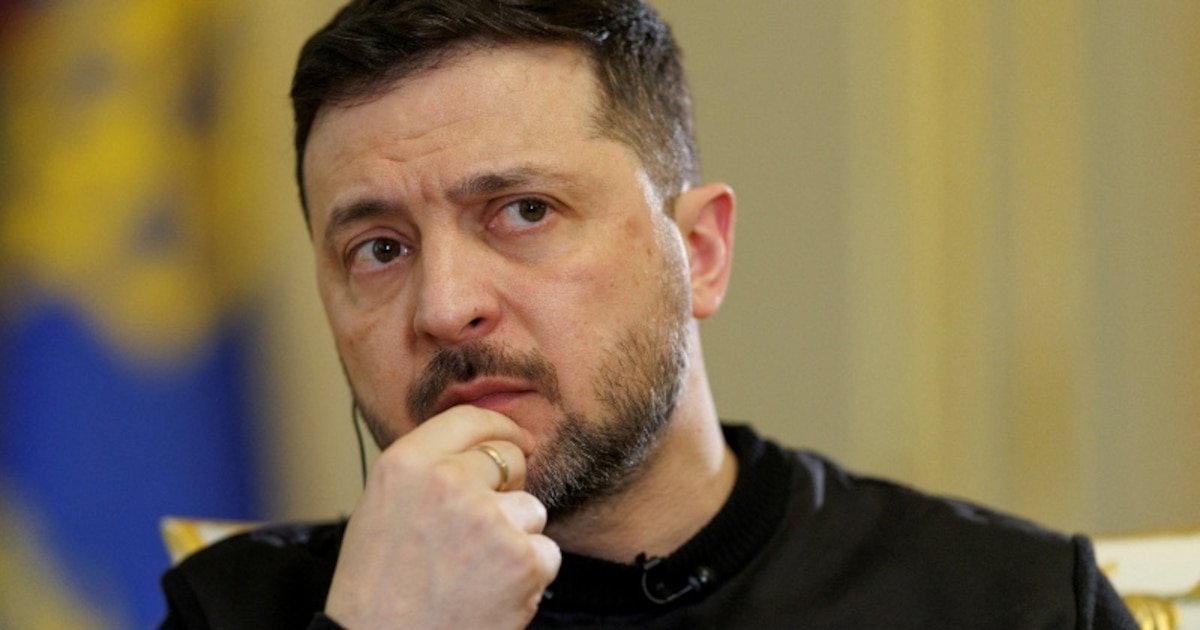
El presidente de Ucrania, Volodimir Zelensky, propuso este lunes a Rusia la posibilidad de una tregua únicamente si se detienen por completo los ataques dirigidos a la infraestructura energética ucraniana.
“Si Rusia está dispuesta a frenar los golpes sobre nuestra red eléctrica, nosotros también responderemos en la misma medida”, afirmó el mandatario en su mensaje diario.
Según Zelensky, la propuesta fue transmitida a Moscú a través de mediadores estadounidenses y constituye el único escenario en el que Kiev contempla un cese de hostilidades.
La iniciativa de alto el fuego surge tras una nueva ola de ataques rusos que devastaron varias regiones y dejaron víctimas civiles en Odesa, donde un bombardeo nocturno mató a tres personas, incluido un niño pequeño.
“Hemos ofrecido reiteradamente a Rusia una pausa, al menos durante la Pascua, un periodo especial para ambos pueblos. Pero para ellos, todos los días son iguales. Nada es sagrado”, lamentó el presidente de Ucrania.
El Kremlin respondió fríamente a la propuesta anterior, indicando que sólo consideraría una negociación para un acuerdo de paz total.

Zelensky también subrayó que las conversaciones con Estados Unidos continúan centradas en lograr garantías de seguridad duraderas para Ucrania.
“Trabajamos junto a los negociadores estadounidenses en mecanismos que aseguren la estabilidad futura. Ese es el factor clave para una paz real”, explicó, al tiempo que destacó la importancia de la cooperación internacional en el contexto actual.
Durante la última semana, Rusia intensificó sus ataques con drones y misiles sobre infraestructuras vitales en las provincias de Kharkiv, Chernigov, Sumi y Dnipró. El presidente detalló que, solo en la noche previa, fueron lanzados más de 140 drones, de los cuales cerca de 80 eran del tipo Shahed, de fabricación iraní.
Zelensky denunció que “en algunas zonas, los bombardeos continúan. Esto representa apenas una muestra del sufrimiento diario de nuestra población”. Añadió que, en los últimos siete días, el país sufrió el impacto de más de 2.800 drones de ataque, 1.350 bombas aéreas guiadas y más de 40 misiles.
El ataque más reciente en Odesa resultó particularmente grave para la población civil. Según Zelensky, “los drones rusos impactaron edificios residenciales, una guardería infantil y una subestación eléctrica. Miles de familias han quedado sin luz, y los equipos de reparación llevan horas trabajando sin descanso para restablecer el suministro”.

La cifra oficial de heridos ascendió a 16, entre ellos dos menores y una mujer embarazada.
El presidente ucraniano insistió en la necesidad de reforzar las defensas aéreas del país. “En este momento, todos los socios internacionales deben redoblar esfuerzos y aportar más sistemas para interceptar drones y misiles. Mejorar la protección de nuestros cielos no solo protege a Ucrania, sino que también es una inversión en la seguridad de Europa”, subrayó.
En paralelo, las autoridades rusas informaron sobre un ataque con drones lanzado desde Ucrania contra la ciudad portuaria de Novorossiysk, en la región de Krasnodar, que dejó ocho heridos, entre ellos dos niños. Las imágenes publicadas muestran daños visibles en la parte superior de un edificio residencial, con ventanas y balcones destruidos por la explosión.
A pesar del aumento de los ataques rusos y de la negativa de Moscú a aceptar la tregua propuesta, Zelensky reiteró que Ucrania mantiene abierta la vía diplomática, siempre que se respeten condiciones mínimas que garanticen la protección de la infraestructura civil.
“Nuestra disposición a negociar depende de la voluntad de Rusia para detener la destrucción de instalaciones energéticas y evitar más víctimas inocentes”, concluyó el presidente.
(Con información de Reuters y EFE)
Europe,Military Conflicts
INTERNACIONAL
Obama Center takes heat as critics cry foul over ID rules for free entry — while Dems blast voter ID laws
NEWYou can now listen to Fox News articles!
The Obama Presidential Center is facing a wave of backlash ahead of its opening, with critics blasting its admission policies and raising broader concerns about the project’s cost and management.
Conservative commentators on social media are taking aim at the center’s requirement that Illinois residents show valid identification to receive free admission on certain days, arguing it contrasts with Democratic opposition to voter ID laws.
«They’re making you show ID… to visit the Obama Library… in Chicago. You can’t make this stuff up!» one social media user wrote.
«The Obama Presidential Library is making people show an ID for proof of Illinois residency to get in for free,» another posted. «So residents have to prove who they are for this, but not to vote?»
VALERIE JARRETT REVEALS THAT PRESIDENT TRUMP ISN’T INVITED TO OBAMA PRESIDENTIAL CENTER OPENING CEREMONY
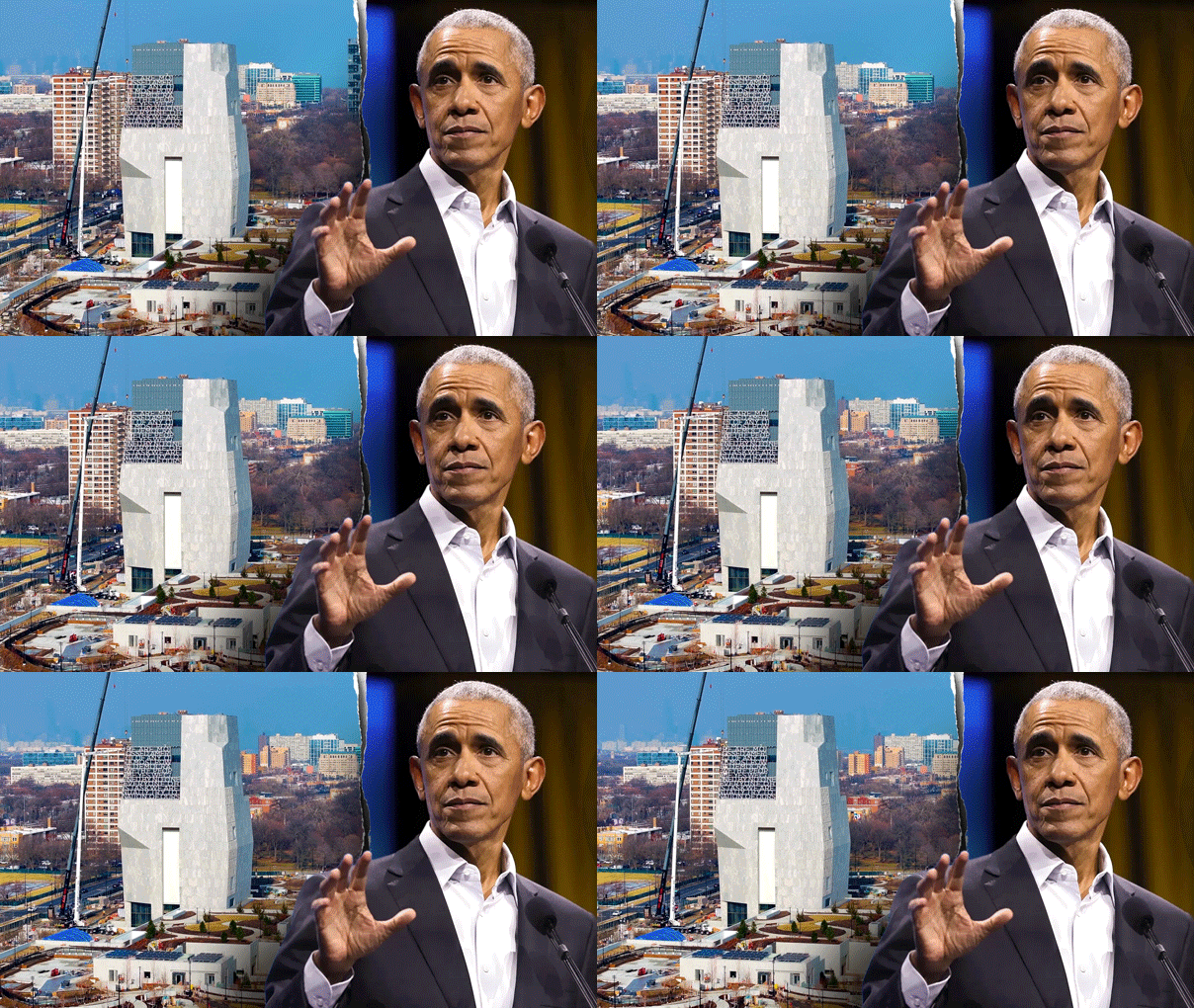
The text of former President Obama’s speech marking the 50th anniversary of «Bloody Sunday» in Selma, Alabama, is wrapped around the side of the upcoming presidential center in Chicago. (E. Jason Wambsgans/Chicago Tribune/Tribune News Service)
Others echoed the sentiment more bluntly, with one account writing: «It turns out Democrats support requiring ID… but only for free admission into Obama’s library.»
Obama’s website clearly states that Illinois residents «must be able to provide proof of residency. Be prepared to show proof of residency at the Museum with a valid photo ID, Illinois driver’s license, state ID, or city-issued ID.»
Critics have also pointed to reported restrictions tied to early ticket giveaways, including claims that some promotions are limited to U.S. citizens or lawful permanent residents.
The latest controversy builds on a string of prior criticisms surrounding the $850 million project.
OBAMA PRESIDENTIAL CENTER SLAMMED FOR PROMOTING ‘FAR-LEFT’ AGENDA ON PUBLIC LAND
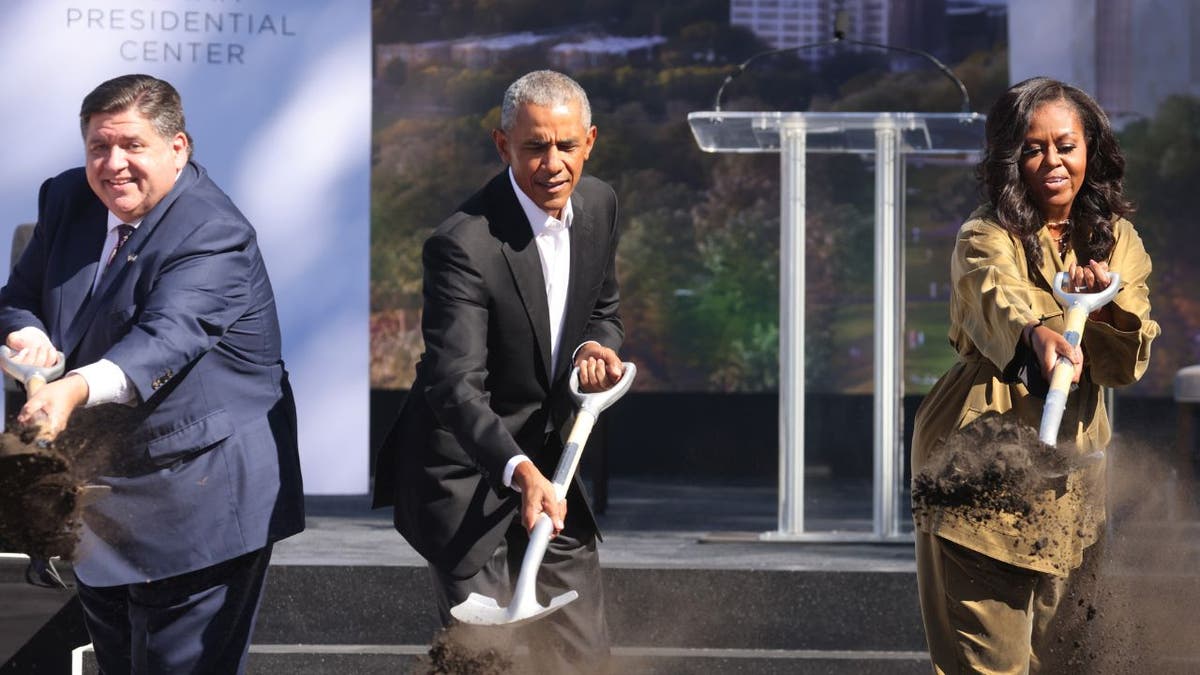
Illinois Governor J.B. Pritzker (L) joins former President Barack Obama and former first lady Michelle Obama in a ceremonial groundbreaking at the Obama Presidential Center in Jackson Park on September 28, 2021, in Chicago. (Scott Olson/Getty Images)
Earlier this year, the Obama Foundation drew backlash after seeking 75 to 100 unpaid volunteers, dubbed «ambassadors,» to help operate the center, even as top executives collect substantial salaries. Federal filings show CEO Valerie Jarrett has earned roughly $740,000 annually in recent years, while overall compensation at the foundation has climbed significantly.
The project has also faced mounting scrutiny over its financial impact on taxpayers.
Former President Barack Obama once described the center as a «gift» to Chicago, emphasizing it would be privately funded. While construction of the 19.3-acre campus is being financed through private donations, the surrounding infrastructure needed to support the site, including road redesigns, utility relocations and drainage systems, is being paid for with public funds.
Early estimates put those infrastructure costs at roughly $350 million, split between the city and state. But more recent figures show Illinois alone has committed approximately $229 million, while Chicago has allocated more than $200 million in related improvements — though officials have not provided a clear, consolidated total of taxpayer spending tied to the project.
GOT A TIP?
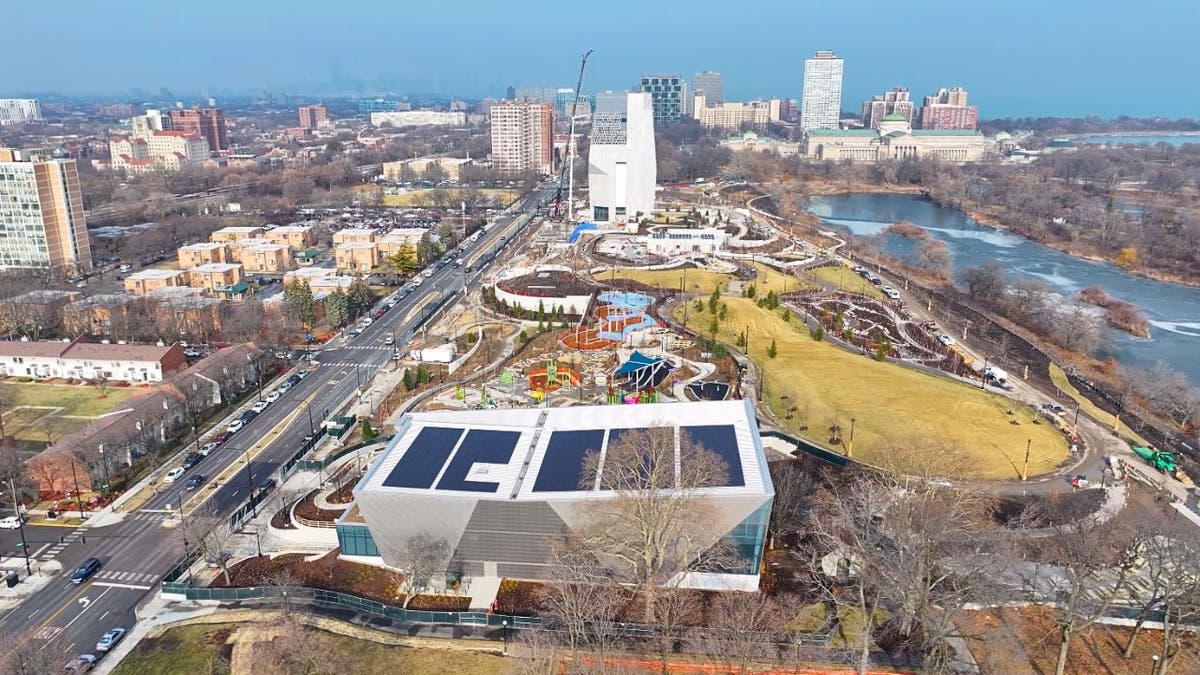
Exterior view of the Obama Presidential Center tower under construction in Chicago. (Fox 32 Chicago)
«No single agency appears to oversee the full scope» of the infrastructure work, and critics say the lack of transparency has made it difficult to determine the true public cost.
Illinois Republican Party Chair Kathy Salvi criticized the project, saying taxpayers are being left «on the hook for hundreds of millions of dollars» while accusing state leaders of mismanagement.
FOLLOW US ON X
The controversy is further fueled by the nature of the site itself. The center sits on nearly 20 acres of historic Jackson Park land transferred under a long-term agreement, with significant roadway changes, including the removal of a major thoroughfare, and utility overhauls required to accommodate the campus.
Foundation officials have defended the project, saying the center is funded by $850 million in private investment and will serve as an economic catalyst for Chicago’s South Side, generating jobs, community programs and public amenities.
GET BREAKING NEWS BY EMAIL
Despite the backlash, the center is pressing ahead with its long-awaited debut.
Tickets for the museum will go on sale April 21 for «Founding Members,» with general public sales beginning May 6. Visitors can reserve timed-entry tickets for dates between June 19 and November 30.
CLICK HERE FOR MORE US NEWS
Admission is set at $30 for adults and $23 for children ages 3 to 11, with discounted rates available for Illinois residents who provide proof of residency. Children 2 and under can enter for free, and Illinois residents will be eligible for free admission on Tuesdays.
All entries will be timed, with officials urging guests to arrive within 10 minutes of their scheduled slot. The museum will feature four levels of exhibits, including a replica Oval Office and the Sky Room.
CLICK HERE TO DOWNLOAD THE FOX NEWS APP
Much of the surrounding campus, including gardens, walking trails, a playground, a Chicago Public Library branch and dozens of newly commissioned artworks, will be free and open to the public.
Fox News Digital reached out to the Obama Foundation and the Barack Obama Presidential Library for comment.
Fox News Digital’s Michael Dorgan contributed to this report.
infrastructure across america, museums exhibits, chicago, barack obama, illinois

El otro lado de la polémica: ¿hicieron negocio los funcionarios de Caputo con el crédito UVA?

La guerra entre Estados Unidos e Irán: Europa ya plantea racionar el combustible

El versus más esperado de Gran Hermano: quién fue la última eliminada entre Cinzia y Yipio en una tensa definición

Arde el Torneo Apertura tras el cierre de la jornada 13: así quedaron las posiciones y cómo se jugará la próxima fecha

Comienza el juicio contra una comunidad mapuche por usurpar un campo privado en Río Negro

Strada y Sagasti cruzaron a Luis Caputo por involucrarlas en la polémica por los créditos del Banco Nación

La nueva advertencia de Donald Trump a Irán: «El tiempo se acaba, quedan 48 horas antes del infierno»

Círculo rojo: intrigas en el gabinete, desgaste por el caso Adorni y movimientos inquietantes en el Poder Judicial

Créditos del Banco Nación: el Gobierno reveló que Pettovello echó a Massaccesi porque “mintió”

Caputo habló sobre los créditos del Banco Nación que tomaron sus funcionarios: “No hay nada ilegal ni inmoral”

 INTERNACIONAL2 días ago
La nueva advertencia de Donald Trump a Irán: «El tiempo se acaba, quedan 48 horas antes del infierno»
- POLITICA2 días ago
Círculo rojo: intrigas en el gabinete, desgaste por el caso Adorni y movimientos inquietantes en el Poder Judicial
- POLITICA2 días ago
Créditos del Banco Nación: el Gobierno reveló que Pettovello echó a Massaccesi porque “mintió”