INTERNACIONAL
Top Senate Armed Services Republican says Trump OMB’s budget ‘shreds to the bone’ military capabilities

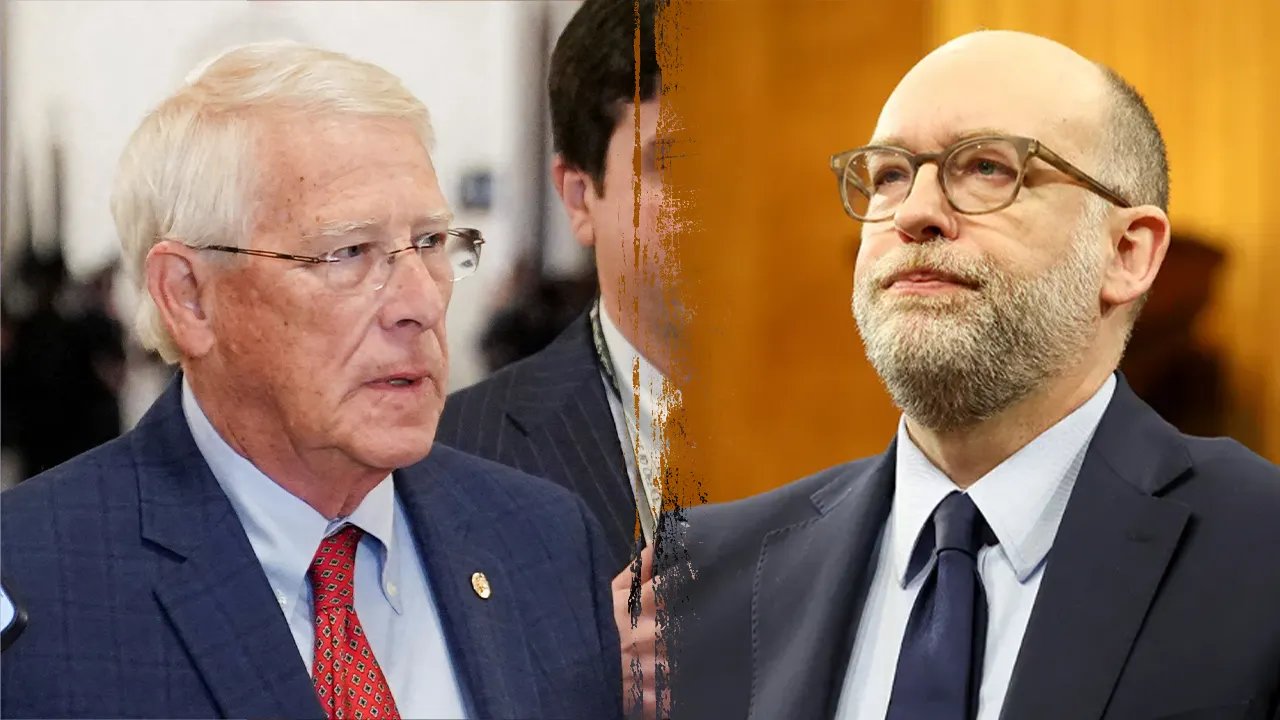
The Senate’s top Armed Services Republican eviscerated President Donald Trump’s Office of Management and Budget (OMB) shortly after the White House released details of its government funding proposal for fiscal year 2026.
«President Trump successfully campaigned on a Peace Through Strength agenda, but his advisers at the Office of Management and Budget were apparently not listening,» Sen. Roger Wicker, R-Miss., said in a statement.
«The Big, Beautiful Reconciliation Bill was always meant to change fundamentally the direction of the Pentagon on programs like Golden Dome, border support, and unmanned capabilities – not to paper over OMB’s intent to shred to the bone our military capabilities and our support to service members.
House Armed Services Chairman Rep. Mike Rogers echoed Wicker’s complaints.
«I am very concerned the requested base budget for defense does not reflect a realistic path to building the military capability we need to achieve President Trump’s Peace Through Strength agenda,» the Alabama Republican said in a statement.
«I look forward to working with the President and the Senate to achieve real growth in the defense budget and put America on track to realize the President’s goal of investing five percent of GDP on defense for NATO countries.»
BILLIONS SPENT, WARFIGHTERS WAIT: INSIDE THE PENTAGON’S BROKEN BUYING SYSTEM AND THE PLAN TO FIX IT
Sen. Roger Wicker, R-Miss., tore into OMB for the Trump budget. (Tom Williams/CQ-Roll Call, Inc. via Getty Images.)
The Trump OMB’s «skinny budget,» released on Friday, proposes cuts to non-defense funding by $163 billion but increases defense funding from $893 billion to $1.01 trillion – a 13% increase. That includes $892.6 billion in discretionary spending, but will be supplemented by $119.3 billion in mandatory spending that is expected to be passed in the upcoming reconciliation bill.
Senior officials told Fox News the Trump administration needed to get creative to get a $1 trillion-plus budget over the finish line: Republican majorities have historically been forced to offer one-to-one increases in non-defense spending to secure increases in defense spending.
However, by keeping discretionary defense spending at $892.6 billion, the same level as fiscal year 2025, the budget that would be presented to Democrats would essentially reflect an unchanged defense discretionary budget with a smaller non-defense discretionary budget of about $557 billion – a 22.6% decrease.
The White House and congressional Republicans would then pursue the reset of the defense spending through the budget reconciliation process that is linked to the tax cut package.
HEGSETH ORDERS SWEEPING ARMY OVERHAUL AND CONSOLIDATION AIMED AT COUNTERING CHINA AND GOLDEN DOME CAPABILITIES

He claimed the Office of Management and Budget, led by Director Russell Vought, intended to «shred to the bone» U.S. military capabilities. (Kayla Bartkowski/Getty Images)
But Wicker isn’t satisfied.
«OMB is not requesting a trillion-dollar budget. It is requesting a budget of $892.6 billion, which is a cut in real terms. This budget would decrease President Trump’s military options and his negotiating leverage,» he said.
«I have said for months that reconciliation defense spending does not replace the need for real growth in the military’s base budget.»
OMB Director Russ Vought said in a post on X: «The President wants to increase defense spending to $1 trillion, a 13% increase to keep our country secure. This budget provides that level while ensuring that only Republican-votes are needed by using reconciliation to secure those increases without Democrats insisting on increasing wasteful government.»
To account for spending decreases across government, all departments were asked to provide recommended budget cuts except for the Departments of Veterans Affairs and Transportation, which were excluded to protect veterans’ services as well as NASA and space exploration programs.
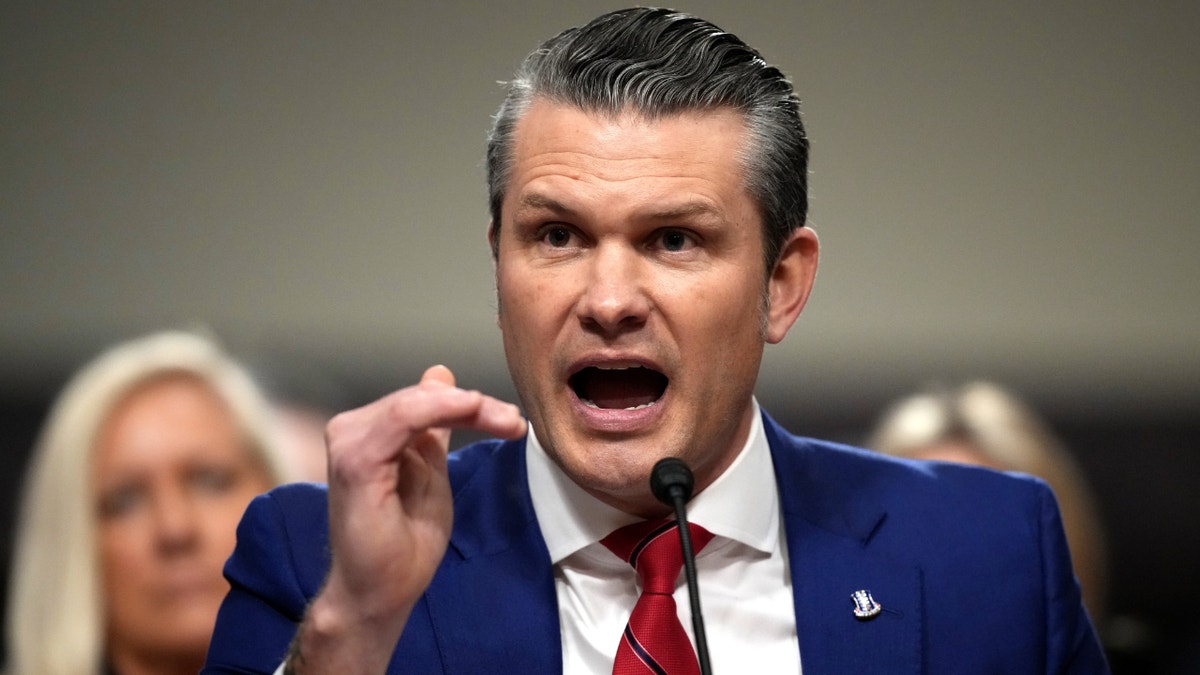
Hegseth has yet to weigh in on OMB’s defense spending proposal. ( (Photo by Andrew Harnik/Getty Images))
CLICK HERE TO GET THE FOX NEWS APP
Congress will have to hammer out its own budget plan – which could take months – with the White House’s framework as a suggestion.
Both Wicker and Rogers have long aimed to grow U.S. defense spending to 5% of the GDP, up from around 3.5 percent.
The Mississippi senator suggested he would ignore the OMB guidelines and work to achieve «real growth» within the defense budget.
Fox Business’ Edward Lawrence and Eric Revell contributed to this report.
Armed Forces,Senate,Donald Trump,White House,Defense Spending & Budget News,Executive Budgets









NEWYou can now listen to Fox News articles!
You’ll hear volumes from congressional Republicans about the importance of passing the SAVE America Act in the coming days. The bill requires proof of citizenship to vote.
«We need to make it easy to vote and hard to cheat in America,» said Sen. Jon Husted, R-Ohio.
«The SAVE America Act is an important bill,» said Sen. Rick Scott, R-Fla., on Fox News. «So we’ve got to figure out how to get it passed.»
TRUMP-BACKED VOTER ID BILL FACES GOP RESISTANCE AS TILLIS VOWS TO STOP IT
Sen. Rick Scott, R-Fla., said that Senate Democrats wouldn’t take the shutdown seriously until flight delays and cancellations started to stack up. (Bill Clark/CQ-Roll Call, Inc. via Getty Images)
And that is the conundrum facing Senate Republicans — figuring out how to get it passed.
The SAVE America Act is the touchstone of President Donald Trump’s legislative agenda. In fact, the president warned he wouldn’t sign any other bill into law — except perhaps a DHS funding measure — until Congress aligns with his demands.
Republicans agree on the importance of the SAVE America Act, but Senate Majority Leader John Thune, R-S.D. is promising everything but passage.
«I will be bringing the SAVE America Act to the floor, and we will be having a full and robust debate,» said Thune.
That’s because Republicans can’t break a Democratic filibuster.
«This is one of the worst things we’ve seen in America in a very long time,» said Senate Minority Leader Chuck Schumer, D-N.Y.
SCHUMER SWINGS AT HEGSETH OVER KING CRAB MEALS FOR THE TROOPS, BUT BIDEN-ERA RECEIPTS SHOW SIMILAR TAB

Senate Minority Leader Charles Schumer, D-N.Y., arrives for a news conference outside the U.S. Capitol on March 5, 2026. (Tom Williams/CQ-Roll Call, Inc. via Getty Images)
«The real reason this president wants this bill to pass is to reduce the number of people voting in the November election,» said Senate Minority Whip Dick Durbin, D-Ill.
It takes 60 votes to break a filibuster. Republicans only have 53 votes in the Senate. So some Republicans advocate parliamentary ballistics to obliterate the filibuster.
«I would nuke the filibuster to pass the SAVE America Act,» said Sen. Roger Marshall, R-Kan.
Cold War rhetoric permeates this entire debate. In fact, conservatives implored Thune to launch a pre-emptive first strike to terminate the filibuster before Democrats again win control of the Senate — be it this fall or a decade from now.
«It’s really about the only way I can see preventing them from nuking the filibuster once they gain the majority in the Senate,» said Sen. Ron Johnson, R-Wis.
Other Republicans want to force Democrats to filibuster the old-fashioned way — until they’re exhausted.
«They should have to go hold the floor like it used to be in the old days. They can go and talk as much as they want. But sooner or later they’re going to run out of time,» said Sen. Josh Hawley, R-Mo.
If everyone finally fades after days or weeks of debate, then the Senate doesn’t need a test vote to break a filibuster — needing 60 yeas. That means they can pass the bill with a simple majority: 51.
Lots of Republican senators are now invoking the 1930s Frank Capra classic «Mr. Smith Goes to Washington.» That’s where Jimmy Stewart plays an idealistic senator who filibusters until he collapses in the Senate chamber.
«They should have to go out there, hours on end, like a Jimmy Stewart moment,» said Sen. Eric Schmitt, R-Mo.
But most Republicans reject the Jimmy Stewart approach. They’re not so much worried about unlimited debate during a talking filibuster, but the unlimited amendment process.
«The talking filibuster, I think will be a goat rodeo. I mean, it could take two or three weeks. The Democrats will tee up all kinds of problematic votes,» predicted a skeptical Sen. Thom Tillis, R-N.C. «I haven’t had anybody describe to me the project plan. Here are the number of days. This is how we counter people. We’ve got all of our political flanks covered. And this is how we succeed at the end.»
But there won’t be an unlimited amendment process. While Thune will allow the debate to go on for a while (Fox is told perhaps a week or more, perhaps around the clock), he will maintain «ball control.» Thune won’t immediately tee up a test vote to end debate, needing 60 yeas. But Thune will immediately block all amendments from both sides.
Like everything on Capitol Hill, it’s about the math. And while there will be a lot of talking about the SAVE Act and the talking filibuster, there’s not enough support on the GOP side of the aisle to unspool the Senate’s filibuster rules and precedents.
«Many of us don’t believe that we should undo the filibuster because it holds the rights of the majority. And one day we’ll be back in the minority,» said Sen. Shelley Moore Capito, R-W.Va. «It’s a real splitter here.»
Capito added that there was a «will» to deal with the SAVE America Act. But the parliamentary machinations it would take to blow up the filibuster to pass the bill do not exist.
«There’s not enough numbers to get it done,» observed Capito.
Trump and other conservatives are starting to dial up pressure on Thune.
THUNE GUARANTEES VOTER ID BILL TO HIT THE SENATE DESPITE SCHUMER, DEM OPPOSITION: ‘WE WILL HAVE A VOTE’
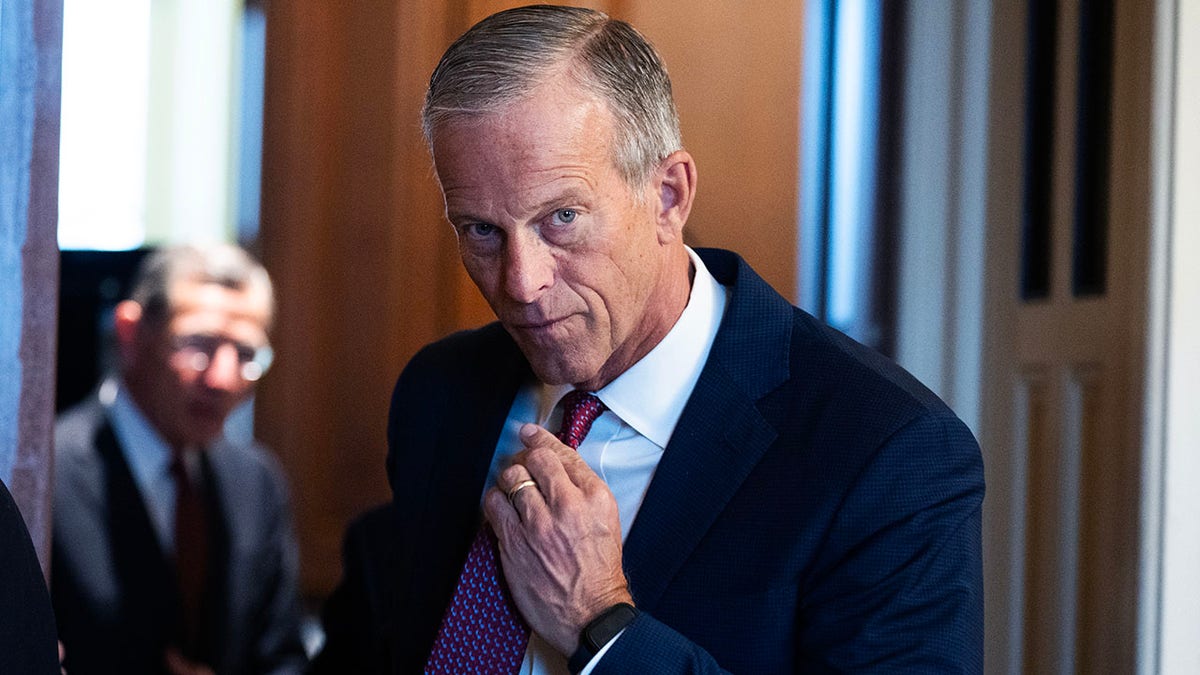
Senate Majority Leader John Thune, R-S.D., argued that Democrats were continuing their push to keep DHS closed because it was «politically advantageous.» (Tom Williams/CQ-Roll Call, Inc. via Getty Images)
«I think he’s a wonderful person. I do,» the president said of the South Dakota Republican on Fox News Radio. «But it’s not that he doesn’t want to do it. He doesn’t think he can do it. And that’s bad.»
Despite criticism directed at Thune, some Republicans are defending him.
«It’s not John Thune that’s killing it. It’s members of the Republican Party that are not convinced that a talking filibuster can be used to pass this,» said Sen. Cynthia Lummis, R-Wyo. «It will be an infliction of tremendous delays on other matters before the U.S. Senate without the positive results of passage of the SAVE Act.»
It’s significant that the president has not called out Thune over his reluctance to end the filibuster to pass the SAVE America Act. However, Trump routinely demanded that former Senate Majority Leader Mitch McConnell, R-Ky., do just that during his first term. The president often lambasted McConnell’s stewardship of the Senate, despite the Kentucky Republican establishing a new precedent to inhibit filibusters of Supreme Court nominees. McConnell’s maneuver on the filibuster assured the confirmations of Supreme Court Justices Neil Gorsuch, Brett Kavanaugh and Amy Coney Barrett.
But so far, no sharp criticism of Thune.
Still, some Republicans believe Senate magic could salvage the SAVE America Act.
«I’ve seen John Thune pull rabbits out of his hat before,» said Lummis. «And I’m hoping there’s a rabbit in his hat on this one.»
The Senate takes a test vote just to start debate on the bill Tuesday afternoon. That needs a simple majority. It’s possible that Vice President JD Vance may need to break a tie to launch debate on the bill.
CLICK HERE TO DOWNLOAD THE FOX NEWS APP
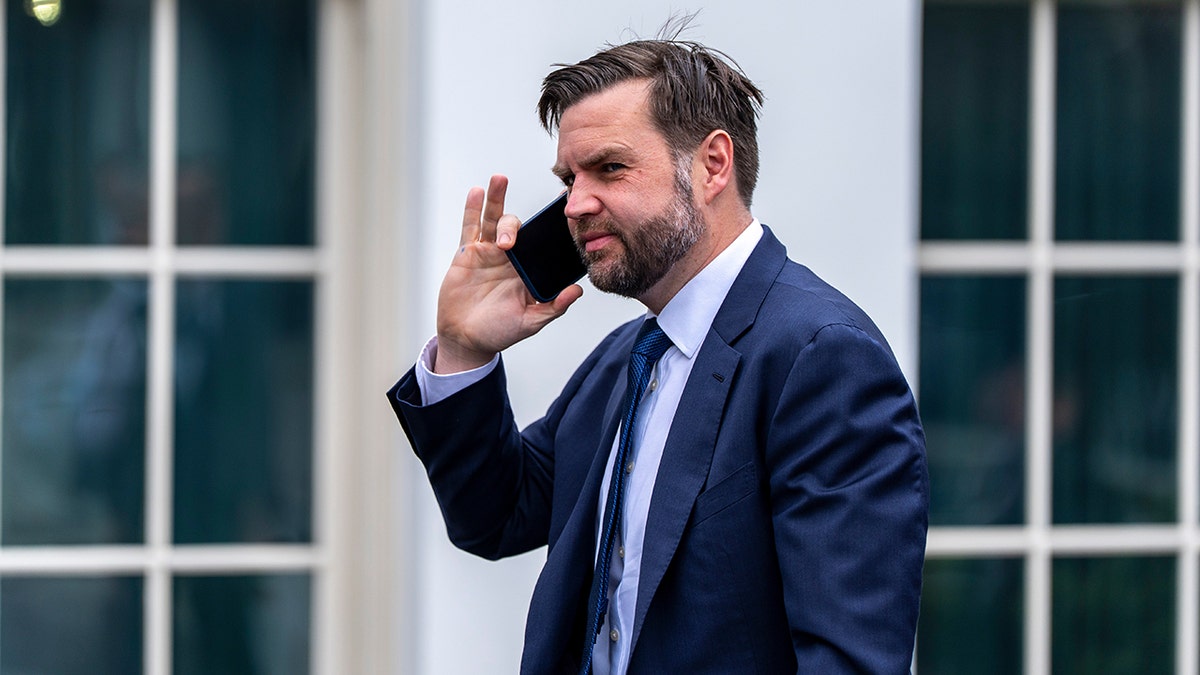
Vice President JD Vance talks on his phone as he walks to the West Wing of the White House, March 6, 2026, in Washington. (Alex Brandon/AP Photo)
But the Senate doesn’t have the votes to blow up the precedents like McConnell did with the Supreme Court in order to pass the SAVE America Act, nor are there the votes to execute a full-blown «talking filibuster,» bypassing the need for 60 yeas.
Consider the firestorm that could rain down on Senate Republicans from their base if the GOP fails to pass the SAVE America Act. Trump has held his tongue so far, but it’s possible there could be recriminations from him, too.
politics,congress,senate,democratic party,republicans,donald trump
INTERNACIONAL
Europa se planta: rechazó el reclamo de Donald Trump para que entre en la guerra y libere el Estrecho de Ormuz
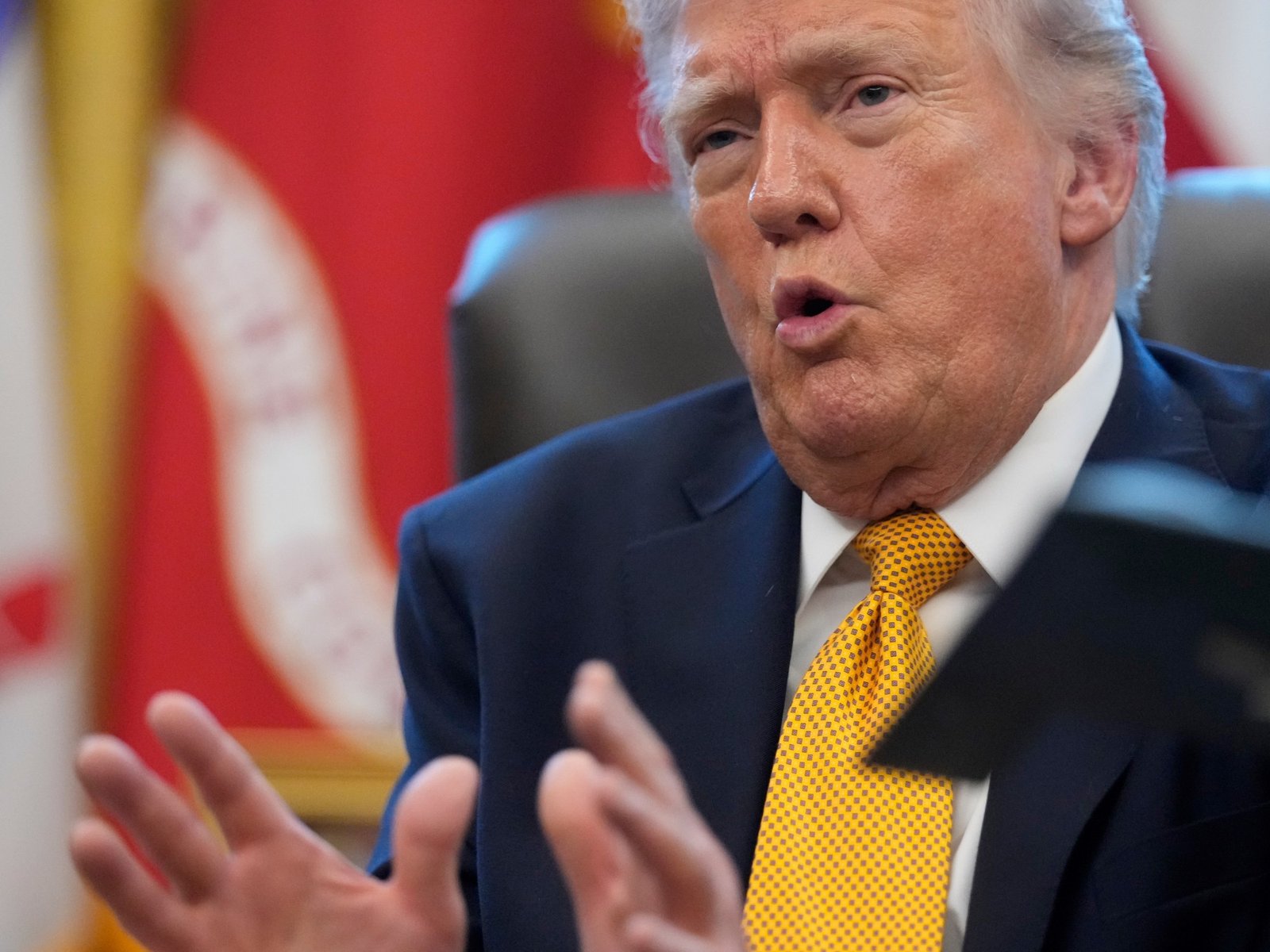
“Esta no es nuestra guerra”, dijo la canciller europea Kaja Kallas tras unas pocas horas de debate. La Unión Europea no cede al chantaje estadounidense y rechaza enviar una misión naval militar para reabrir el Estrecho de Ormuz, cerrado por la amenaza iraní de atacar los buques que lo atraviesen. O, como dijo el jefe del Gobierno alemán Friedrich Merz, “esta no es una misión de la OTAN”.
El presidente Donald Trump dijo el domingo en una entrevista al diario británico ‘Financial Times’ que la OTAN, paraguas de seguridad europeo frente a Rusia, tendría “muy mal futuro” si los europeos se negaban a ayudar a Estados Unidos enviando sus buques de guerra a Ormuz. Las normas de la OTAN prevén que todos sus miembros ayuden al miembro atacado (no si él ataca sin acuerdo de los demás) y sólo en el espacio europeo y americano del Atlántico Norte.
Desde primera hora de la mañana todos los diplomáticos y funcionarios consultados veían el pedido de Trump como un chantaje inadmisible. Recordaban que el año pasado Estados Unidos dio por derrotado a Irán y que la semana pasada volvió a darlo por derrotado. Ahora ven cómo las fuerzas estadounidenses en el Golfo Pérsico son incapaces de mantener abierto el Estrecho de Ormuz, esencial para la economía mundial porque por él pasa alrededor del 20% del petróleo mundial.
Las mismas fuentes recordaban que Trump había iniciado la guerra sin un plan para manejar Irán, sin una estrategia de salida, sin probablemente los medios necesarios ya dispuestos y sin consultar -ni siquiera avisar- a sus supuestos socios europeos. “Y ahora quiere que le arreglemos el problema”, según un diplomático.
Las instituciones europeas, temiendo que los cancilleres del bloque, que se reunieron este lunes en Bruselas, arrastraran los pies y dejaran la decisión para los líderes, que tienen su cumbre de inicio de primavera este jueves y viernes, lanzaron un globo sondo a primera hora.
Kallas dijo a su llegada a la reunión que la Unión Europea podría enviar esa misión, cuando ya no hubiera combates, como una especie de fuerza de mantenimiento de la paz y la seguridad en el Estrecho de Ormuz. No ahora. Kallas adelantó que podría copiarse el modelo de la misión europea para permitir la salida del cereal ucraniano por el Mar Negro. Y recordó a Trump que la OTAN no tiene que activarse en este caso porque Ormuz está fuera del ámbito de actuación de la Alianza Atlántica.
Kallas sí reconocía, antes de que los cancilleres le hicieran cambiar de opinión, que “el cierre del Estrecho de Ormuz beneficia a Rusia para financiar esta guerra. Así que definitivamente tenemos que hacer más al respecto. Y ahí el principal tema será cómo mantener abierto el Estrecho de Ormuz”. Kallas respondía así a las declaraciones de Trump, que en la entrevista con el diario británico también había dicho que los europeos «tendrían que estar ahí porque su energía pasa por el Estrecho». En realidad, el 85% del petróleo que sale del Golfo Pérsico por Ormuz va a Asia y el Índico.
Una alternativa europea podría haber sido ampliar o cambiar el mandato de la Operación Aspides, la que mantiene Europa en el Mar Rojo para asegurar la navegación ante las amenazas de los hutíes. No es una misión de ataque, sólo protege buques. Pero tampoco aceptaron eso este lunes los cancilleres.
Los gobiernos fueron rechazando desde la noche del domingo la idea de una misión militar. El presidente francés Emmanuel Macron dijo ya el domingo que “no se dan las condiciones”. Francia es quien lleva la voz cantante europea porque es quien más medios navales puede movilizar.
París envió su portaaviones de propulsión nuclear y un grupo de combate con varios buques de guerra al este del Mediterráneo, donde le acompañan fragatas griegas, holandesas o españolas. Se trata de mostrar presencia militar cerca de la región, pero no en el Golfo Pérsico. Y de proteger, en caso de necesidad, a la isla de Chipre, miembro de la Unión Europea, con unas Fuerzas Armadas escuálidas y que recibió ataques con drones porque tiene una base militar británica.
El canciller francés Jean Noel Barrot, dijo que no había planes para ir al Golfo Pérsico: “El grupo de ataque del portaaviones francés permanece en el Mediterráneo oriental. La postura de Francia no ha cambiado, es defensiva y protectora. Dejen de sembrar el pánico”.
El canciller alemán Johan Wadephul dijo que su país “no participará en este conflicto. Queremos participar en las negociaciones, porque la seguridad del Estrecho de Ormuz y del Mar Rojo sólo se logrará mediante una solución negociada y eso requerirá dialogar con los iraníes”.
La jefa del Gobierno italiano, Giorgia Meloni, que se juega la próxima semana buena parte de su capital político en un referéndum sobre una reforma judicial que según los sondeos podría perder, también se mostró contraria.
El español José Manuel Albares dijo: “No hay que hacer nada que añada todavía más tensión, más escalada. Lo que hay que hacer es que cesen los bombardeos, que cesen los lanzamientos de misiles sobre todos los países de Oriente Medio y que volvamos a la mesa de negociación”.
INTERNACIONAL
Minnesota bill would ban warrants allowing police to collect data from devices near a crime scene

NEWYou can now listen to Fox News articles!
A bipartisan group of Minnesota lawmakers has proposed a bill seeking to ban warrants allowing law enforcement to gather data revealing which cellphones and other devices that were near a crime scene at a specific time.
Democrat state Sen. Erin Maye Quade introduced a Senate bill to ban those warrants in most cases, with Sens. Omar Fateh, also a Democrat, and Eric Lucero, a Republican, joining as original sponsors.
The bill would also allow anyone whose information was obtained during the search to sue law enforcement.
Lawmakers argue the warrants should be prohibited except in emergency situations. They said reverse location warrants, sometimes called «geofence» or «dragnet» warrants, are too broad and violate Fourth Amendment protections against unreasonable searches and seizures.
YOUR PHONE IS NOW A CRIME SCENE IN YOUR POCKET
Lawmakers argue the warrants should be prohibited except in emergency situations. (Getty Images)
Critics of the warrants say authorities can gather data on thousands of people near a particular area, including those who attended an event that could be of interest to law enforcement, such as a protest.
«We do believe that we have to balance our constitutional rights and public safety so that we’re not essentially sending law enforcement in to search for a needle in a haystack by exponentially increasing the size of the haystack,» Maye Quade said during a hearing on March 9.
Law enforcement groups, including the Minnesota Chiefs of Police Association and the Bureau of Criminal Apprehension, contend that the bill is too broad, although both have suggested a willingness to negotiate with lawmakers about data privacy concerns.
«We recognize and share the Legislature’s commitment to protecting individual privacy and civil liberties. However, as drafted, this bill would impose an outright prohibition on investigative tools that are lawful, court-supervised, and, in many cases, critical to solving serious crimes and protecting public safety,» the Minnesota Chiefs of Police Association said in a letter to lawmakers.
Senate lawmakers first discussed the bill in the Senate Judiciary and Public Safety Committee on March 9. House lawmakers discussed a companion bill, originally proposed by Rep. Sandra Feist, a Democrat, in the Judiciary Finance and Civil Law Committee on Feb. 24.
This comes amid an ongoing case at the national level, in which the U.S. Supreme Court will hear oral arguments in April on the constitutionality of reverse location warrants.
Between 2018 and 2020, the number of reverse location warrants in Minnesota jumped from 22 to 173.

The Senate bill would allow anyone whose information was obtained during the search to sue law enforcement. (Kurt «CyberGuy» Knutsson)
In 2023, Google said it would stop storing location data in a way that would make it susceptible to reverse location warrant requests. By July of last year, the company said all location history data previously stored on its servers had been wiped or moved to on-device storage.
But groups such as the American Civil Liberties Union and Electronic Frontier Foundation have raised concerns about whether that change is enough.
The warrants appear to still be used in Minnesota, as law enforcement groups argue they play a key role in solving investigations.
Bureau of Criminal Apprehension Superintendent Drew Evans said a ban on those warrants «would have a major detrimental effect on public safety in Minnesota.»
«There are numerous examples of case investigations where reverse location data has saved lives, even just recently,» Evans said in a letter to lawmakers, although he added that he supports «reasonable safeguards for data privacy protections» and would be «more than willing to collaborate on possible solutions to implement more safeguards while still preserving such an important technological tool.»
As written, the Senate bill would prohibit warrants to collect information on devices that searched for a specific keyword, phrase or website. It would also ban similar collection of GPS coordinates, cell tower and Wi-Fi connectivity data.
GRASSLEY: BIDEN DOJ BYPASSED CONSTITUTIONAL SAFEGUARDS BY SUBPOENAING SENATOR PHONE RECORDS
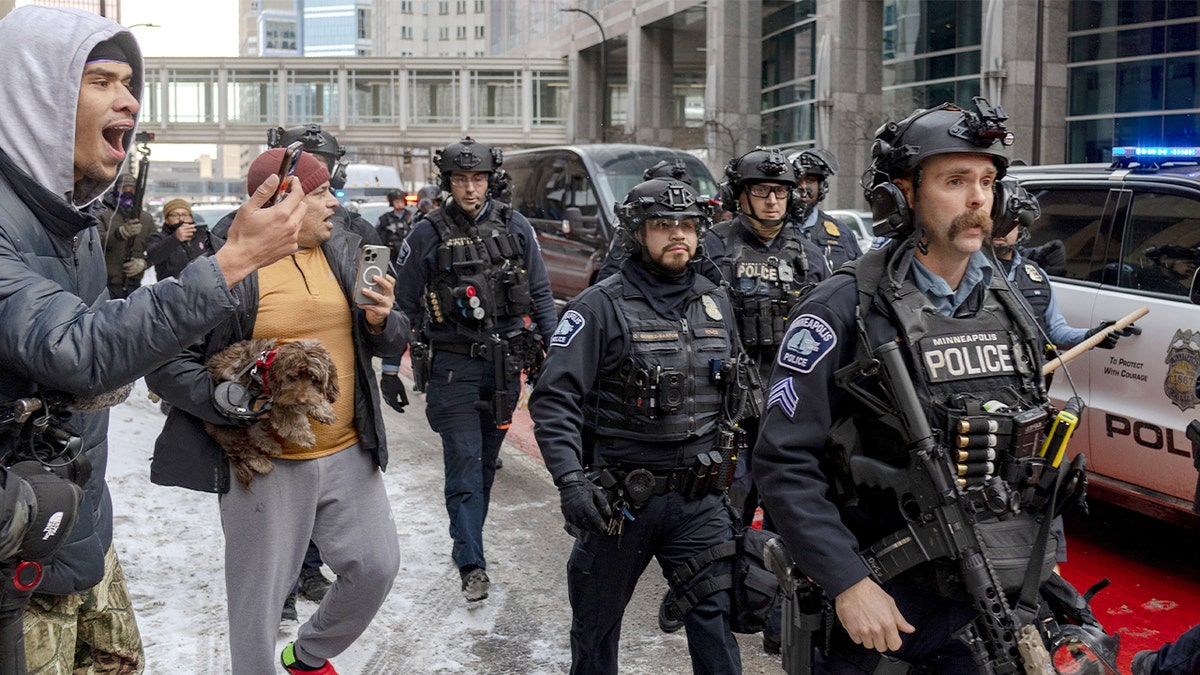
Minneapolis police in tactical gear arrive on the street in downtown Minneapolis as protesters gather on Jan. 17, 2026, in Minneapolis, Minnesota. (Jim Vondruska/Getty Images)
CLICK HERE TO DOWNLOAD THE FOX NEWS APP
Lucero said during the March 9 hearing that the bill should not be viewed as anti-law enforcement, arguing it promotes pro-constitutional principles.
«We simply want to make sure that those time-tested principles are protected in the new digital realm,» Lucero said.
Lucero referenced the Fourth Amendment, which protects against unreasonable searches and seizures unless a warrant specifies a particular place and the person or thing to be seized.
«Reverse search warrants are the antithesis of that,» he said.
The Associated Press contributed to this report.
minnesota,us,crime world,police and law enforcement,politics,privacy

Reporter’s Notebook: GOP weighs ‘nuking’ filibuster to pass Trump’s SAVE Act

El impactante bono que reciben los empleados bancarios una vez por año

Con doblete de Adrián Martínez, Racing derrotó 2-0 a Estudiantes de Río Cuarto por la fecha 11 del Torneo Apertura

Cristina Kirchner criticó a la Justicia por citarla a declarar presencialmente en Comodoro Py

Qué ver en Netflix, la miniserie de 8 episodios que superó las 130 millones de reproducciones: «Engaños»

Europa se planta: rechazó el reclamo de Donald Trump para que entre en la guerra y libere el Estrecho de Ormuz

La fuerte exigencia a Mauro Icardi para poder ver a sus hijas con Wanda Nara: “A Maurito se lo va a multar si no lleva a las menores al colegio”

BOMBAZO – Guerra abierta: Feinmann y Rossi contraatacan tras la denuncia de Victoria Villarruel

Milei llegó a Madrid para participar de un foro ultraliberal organizado por expertos en criptomonedas

Video: así fue el feroz temporal que azotó Tucumán y causó inundaciones, rutas cortadas y suspensión de clases

 CHIMENTOS2 días ago
La fuerte exigencia a Mauro Icardi para poder ver a sus hijas con Wanda Nara: “A Maurito se lo va a multar si no lleva a las menores al colegio”
- POLITICA3 días ago
BOMBAZO – Guerra abierta: Feinmann y Rossi contraatacan tras la denuncia de Victoria Villarruel
- CHIMENTOS2 días ago
El escalofriante dato de Ángel de Brito sobre Luciana de Gran Hermano tras su detención por viuda negra: “No fue el único ilícito, también había rodado otros hombres”