INTERNACIONAL
Tras la guerra de los 12 días, la dictadura de Nicaragua desafía a Occidente con un contundente apoyo al programa nuclear iraní


Tras la reciente guerra de 12 días entre Israel e Irán, que puso al mundo al borde de un conflicto global, la dictadura nicaragüense de Daniel Ortega y Rosario Murillo reafirmó su alianza política, ideológica y estratégica con el régimen de los ayatolás.
El respaldo explícito a la República Islámica convierte a Nicaragua en una ficha clave en el tablero geopolítico global, justo cuando Estados Unidos advierte que “los países de América Latina deben elegir de qué lado van a estar”.
El pasado lunes 23 de junio, en un acto oficial transmitido por la televisión estatal, Ortega reiteró su respaldo al régimen de Irán, justificó su programa nuclear y atacó a Israel y Estados Unidos. “Para que ningún país sea agredido, sancionado, invadido, bombardeado, todos los países deberían tener sus armitas atómicas”, afirmó el dictador nicaragüense, en una apología apenas disimulada de la proliferación nuclear.
Aunque luego pidió el desarme de las grandes potencias, dejó entrever un guiño a la carrera armamentista: “Si a nosotros se nos ocurriera buscar unos cuantos cohetes para que no nos toquen… pero no se nos ocurre”.
No es la primera vez que Ortega reclama el derecho a tener armas atómicas. “Que solo unos (países) tengan derecho a tener bombas atómicas eso no es democracia, eso es tiranía, es dictadura”, apuntó Ortega en un discurso, en junio de 2021.
Lo hizo de nuevo en febrero de 2023 cuando recibió al entonces canciller iraní, Hossein Amir Abdollahian. “En este mundo lo que cabría es que todos buscáramos cómo tener nuestra armita atómica para que nos respeten, porque ahí sí respetan cuando saben que a ese que quieren aplastar tiene el arma atómica”, expresó.
La retórica de Ortega se alinea abiertamente con regímenes autoritarias como Irán, Rusia, China y Corea del Norte. “La esperanza está en estas potencias como China… lo mismo pasa con la Federación Rusa”, reafirmó, y en otro tramo del discurso, defendió a Corea del Norte: “Se han reventado de furia cuando el presidente de Corea del Norte anuncia que no se van a quedar de brazos cruzados ante una agresión”.
Pero el respaldo más explícito fue para Irán. Ortega tildó de “verdugo” al primer ministro israelí Benjamín Netanyahu y sostuvo que los ataques israelíes y estadounidenses contra Irán son “una guerra de desgaste”.
Aseguró que el programa nuclear iraní es “para fines pacíficos” y acusó a Occidente de manipular la información.

El estrecho vínculo entre Nicaragua e Irán no es nuevo. Comenzó formalmente en 1979, con el triunfo casi simultáneo de las revoluciones sandinista e islámica, cuando Irán empezó a ver hacia Latinoamérica, sobre todo estrechando lazos ideológicos con Cuba y Nicaragua.
“La ambición de Irán es tener influencia y presencia militar como la tiene en el Medio Oriente”, indicó Joseph Humire, experto en seguridad global y antiterrorismo, director del Centro para una Sociedad Libre y Segura con sede en Washington, en el informe de Diálogo Américas publicado en febrero de 2024. “Obviamente, estamos hablando de otra parte del mundo, donde llegar a ese nivel tomará tiempo, pero todo indica que va hacia esa dirección”.
La relación de Irán con Nicaragua se profundizó a partir de 2007, con el retorno de Ortega al poder. Desde entonces, Managua ha sido escenario de visitas de altos funcionarios iraníes, como el ex canciller Hossein Amir‑Abdollahian y, tres meses después, el propio fallecido presidente Ebrahim Raisi, en junio de 2023.

Durante esas visitas se firmaron múltiples convenios: cooperación en salud, tecnología, exportaciones, ciencia, industria y agricultura. “Con la firma de este memorando ambos países hermanos adoptamos un mecanismo de coordinación y consultas regulares”, dijo el canciller nicaragüense Denis Moncada en febrero de 2023. En junio, se ratificó la creación de una Comisión Binacional Intergubernamental.
Sin embargo, más allá de las declaraciones y documentos, Estados Unidos ve con preocupación el uso potencial de Nicaragua como plataforma para operaciones iraníes.
Durante la visita del canciller iraní, Laureano Ortega Murillo, hijo de Daniel Ortega y Rosario Murillo, ofreció a Nicaragua como una plataforma para el régimen de Irán en Centroamérica. “Irán tiene un gran desarrollo tecnológico, industrial, comercial, del cual Nicaragua puede verse altamente beneficiado y Nicaragua tiene y juega un papel fundamental en la región centroamericana como una plataforma para la exportación de productos, para hacer una vitrina de productos iraníes en toda la región centroamericana, también un papel muy importante en la diplomacia y la geopolítica”, dijo Ortega Murillo.
Analistas señalan que Irán podría estar replicando el modelo utilizado en otros países, como Argentina, donde utilizó sedes diplomáticas para establecer redes de inteligencia y apoyo logístico al grupo terrorista libanés Hezbollah.
A esa preocupación se suma un informe de inteligencia filtrado por el Pentágono y citado por The New York Times en abril de 2023, que revela que altos funcionarios de Nicaragua e Irán discutieron en privado la posibilidad de una cooperación militar directa. El reporte alertó sobre un creciente acercamiento estratégico que podría incluir desde asistencia militar hasta el uso de Nicaragua como canal logístico o base de operaciones encubiertas.
En noviembre del año pasado, la dictadura nicaragüense aprobó la Ley de Telecomunicaciones Convergentes, que amplía la capacidad del régimen para intervenir llamadas, rastrear comunicaciones y operar un sistema de vigilancia masiva. Aunque no se ha confirmado cooperación directa de Irán en este campo, los expertos advierten que la red de control digital instalada podría estar recibiendo asesoría o apoyo técnico de Teherán.

El Departamento de Estado norteamericano, en voz de una alta funcionaria, advirtió recientemente que “Nicaragua, Cuba y Venezuela son enemigos de la humanidad”, no solo por su represión interna, sino por su cercanía con “un régimen que es un patrocinador estatal del terrorismo”. La diplomática agregó en la víspera de la Asamblea General de la OEA celebrada esta semana: “Es momento de que los países de América Latina decidan de qué lado están”.
La alianza entre Ortega y el régimen iraní ha tenido momentos simbólicos de alto valor propagandístico. En 2007, durante su visita a Teherán, Ortega calificó a ambas revoluciones como “hermanas gemelas”. Desde entonces, ha repetido el discurso antiimperialista de Teherán, y en más de una ocasión ha defendido su derecho a desarrollar potencial nuclear.
El ex canciller nicaragüense, ex reo político y actualmente en el exilio, Francisco Aguirre Sacasa, advirtió en 100% Noticias que “esa relación es tóxica para el país. Nos arriesgamos a sanciones, aislamiento y a convertirnos en un blanco geopolítico”. El ex embajador Mauricio Díaz coincidió: “Estamos jugando con fuego. Convertirse en el peón de Irán no es soberanía, es suicidio”.
En 2012, informes de inteligencia israelíes alertaron sobre la presencia de Hezbollah en Nicaragua, aunque Managua negó los señalamientos.
Opositores en el exilio han condenado la ruta que siguen los Ortega Murillo. “Ortega está entregando el país a una alianza de dictaduras”, dijo desde Costa Rica el dirigente opositor Félix Maradiaga. “Hoy somos plataforma para Irán; mañana podríamos ser blanco de represalias”.

Los acuerdos económicos firmados con Irán, como el proyecto de un puerto en el Caribe, una conexión ferroviaria y una planta cementera, han quedado en promesas. Pero el objetivo principal del vínculo parece ser político e ideológico: consolidar un bloque de países alineados contra Estados Unidos.
En la región, la reacción ha sido mixta. Mientras Venezuela y Cuba respaldan a Irán, países como Brasil y Colombia han marcado distancia. México guarda silencio. Pero el alineamiento de Ortega con Teherán tiene implicaciones que trascienden lo local: Nicaragua podría convertirse en un punto de tránsito, inteligencia o incluso entrenamiento para redes iraníes o sus aliados.
“El peligro no es que Irán instale una base militar en Nicaragua, sino que ya lo esté usando como una base de operaciones encubiertas”, alertó Humire.
diplomacy,iran,politics,usa













INTERNACIONAL
Illegal immigrants could lose public housing under Trump HUD plan to end Clinton-era loophole
NEWYou can now listen to Fox News articles!
A proposed Department of Housing and Urban Development rule would crack down on illegal immigrants or unqualified people living in public housing, closing a loophole established amid major departmental reforms under President Bill Clinton in 1996.
Current HUD rules allow «mixed-status» households to use public housing under what is called the «do not contend» provision, in which a person living among a public housing family can declare they «do not contend» their HUD eligibility under their immigration status, and the family instead receives prorated housing assistance.
The HUD-ineligible family member or members may remain in public housing so long as the family accepts their diminished subsidies, according to reports.
The new HUD rule proposed this week under Secretary Scott Turner would eliminate the option for residents to say they «do not contend» and instead require every member to verify citizenship or prove eligible noncitizen status to continue receiving housing assistance.
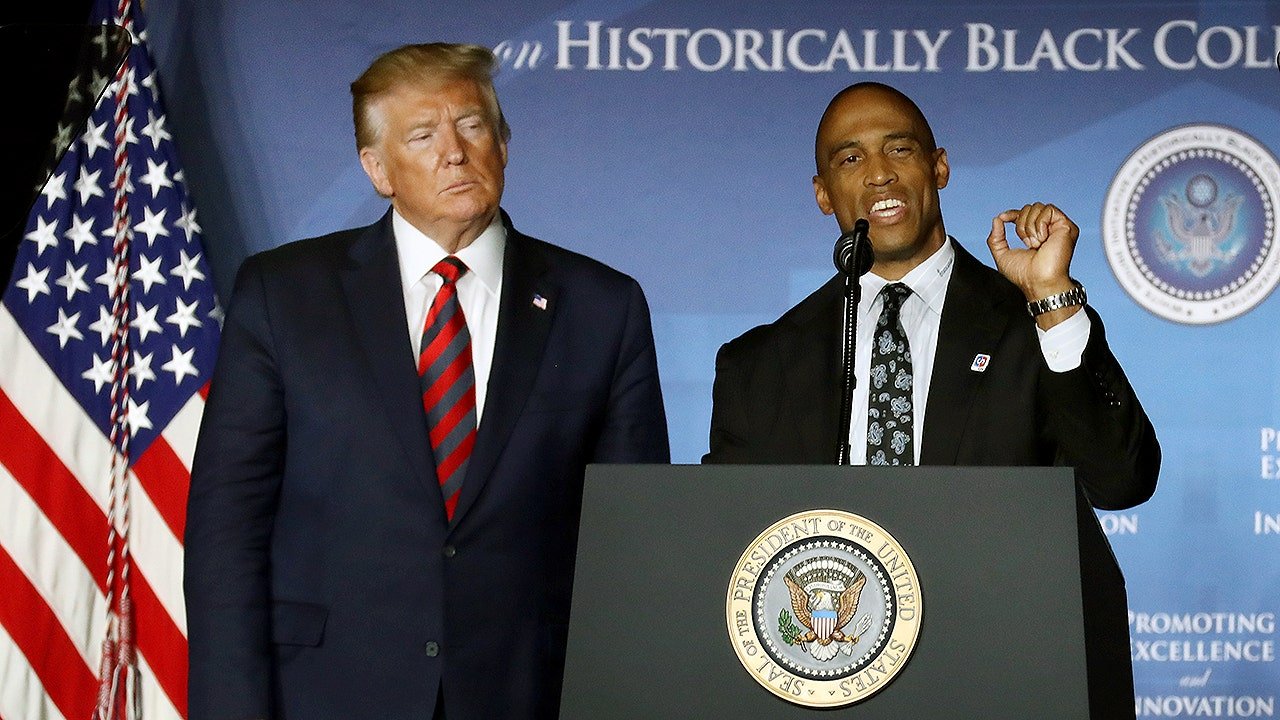
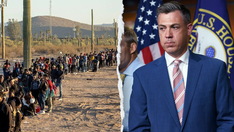
President Donald Trump, left; HUD Secretary Scott Turner, right. (Chip Somodevilla/Getty Images)
The proposed rule would not categorically prohibit noncitizens from public housing, but those remaining would have to prove they are eligible for taxpayer-funded assistance.
While illegal immigrants would be barred, green-card holders are currently fully eligible under federal housing law.
People admitted to the U.S. under official refugee or asylee status also remain eligible, as well as individuals whose DHS order of removal is being legally withheld due to threat of personal harm in their home country.
Cuban emigres who have fled the Communist dictatorship 90 miles off Key West have also historically been considered eligible, as have certain foreign domestic violence or trafficking victims.
Turner’s proposal, however, would guarantee that all people living in HUD-funded housing are eligible under statute.
The longstanding HUD Act of 1980, which the Clinton-era reforms adjusted, already prohibits HUD from providing financial assistance to ineligible noncitizens, and Turner’s reforms would make the prorated assistance option temporary instead of indefinite, pending eligibility verification.
«Under President Trump’s leadership, the days of illegal aliens, ineligibles, and fraudsters gaming the system and riding the coattails of American taxpayers are over,» said Turner, a former Washington Redskins cornerback.
BIDEN-ERA RENTAL ASSISTANCE INCLUDED PAYMENTS TO DEAD TENANTS AND NON-CITIZENS, NEW HUD REPORT REVEALS

The Department of Housing and Urban Development announced on Dec. 11 that it was opening an investigation into the city of Boston, alleging the city’s Diversity, Equity, and Inclusion housing practices violate federal anti-discrimination laws. (Getty Images; Kevin Dietsch/Getty Images)
«HUD’s proposed rule will guarantee that all residents in HUD-funded housing are eligible tenants. We have zero tolerance for pushing aside hardworking U.S. citizens while enabling others to exploit decades-old loopholes.»
Turner previously wrote in a Washington Post op-ed that previous administrations «turned a blind eye» to enforcing these types of HUD laws and policies.
«Liberal officials at both the federal and state level purposefully blurred and weakened the law by allowing some applicants for HUD assistance to simply sign a declaration of citizenship without requiring any documentation or proof,» he said in one example.
Critics of the change, however, said HUD’s efforts are going to lead to families being booted from public housing.
«Our country can ensure that every one of us, no matter where we come from or what language we speak, has a safe home,» National Housing Law Project executive director Shamus Roller told the Associated Press.
«Trump is trying to evict immigrant families, citizen and non-citizen, from HUD housing.»
CLICK HERE TO DOWNLOAD THE FOX NEWS APP
Roller’s colleague Sonya Acosta told the wire service that the new policy would wrongly force an «agonizing choice between losing the assistance that helps [families] pay rent every month or separating their family.»
The Associated Press contributed to this report.
Related Article
the clintons,immigration,illegal immigrants,housing,refugees
INTERNACIONAL
World Economic Forum president and CEO steps down after facing scrutiny over Epstein links
NEWYou can now listen to Fox News articles!
Børge Brende, who has faced scrutiny due to the revelation of links between him and the late Jeffrey Epstein, is stepping down from his role as World Economic Forum president and CEO.
«I am grateful for the incredible collaboration with my colleagues, partners, and constituents, and I believe now is the right moment for the Forum to continue its important work without distractions,» Brende said in a statement.
Disclosures by the U.S. Justice Department indicated that Brende had attended three business dinners with Epstein and engaged him in communications through email and texts, according to Reuters.
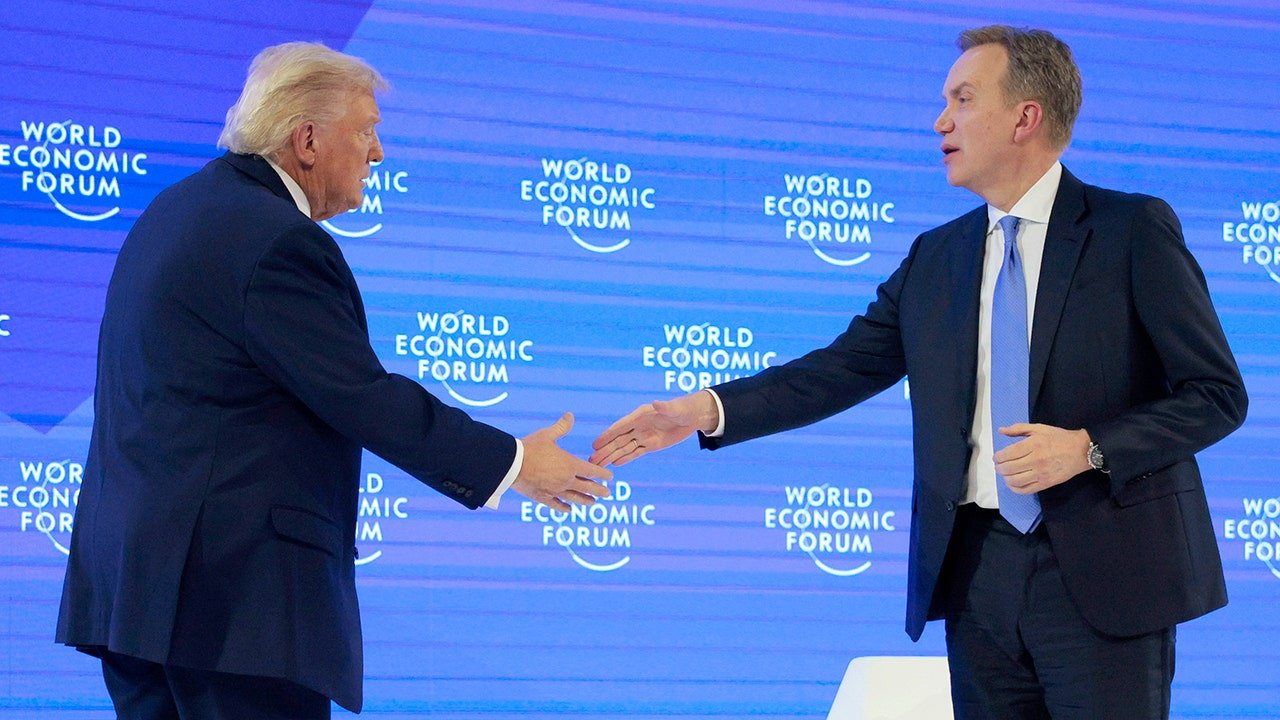
President Donald Trump is greeted by Børge Brende before taking part in a discussion onstage at the World Economic Forum on Jan. 21, 2026, in Davos, Switzerland. (Chip Somodevilla/Getty Images)
«In light of these interactions, the Governing Board requested the Audit and Risk Committee to look into the matter, which subsequently decided to initiate an independent review,» the WEF noted in a statement, the outlet reported earlier this month. «This decision underscores the Forum’s commitment to transparency and maintaining its integrity.»
In the statement about Brende’s departure, the globalist body noted, «The independent review conducted by outside counsel has concluded. The findings stated that there were no additional concerns beyond what has been previously disclosed.»
WEF’s co-chairs André Hoffmann and Larry Fink said in a statement on behalf of the board of trustees that they wanted «to express our sincere appreciation for Børge Brende’s significant contributions to the World Economic Forum.»
«His dedication and leadership have been instrumental during a pivotal period of reforms for the organization, leading to a successful annual meeting in Davos. We respect his decision to step down,» they said.
«We are pleased to announce that Alois Zwinggi will serve as Interim President and CEO and looking forward to his continued collaboration and partnership over time,» Hoffmann and Fink added. «The Board of Trustees will oversee the leadership transition including the plan to drive a proper process to identify a permanent successor.»
FORMER NORWEGIAN PM THORBJØRN JAGLAND HOSPITALIZED AMID EPSTEIN PROBE
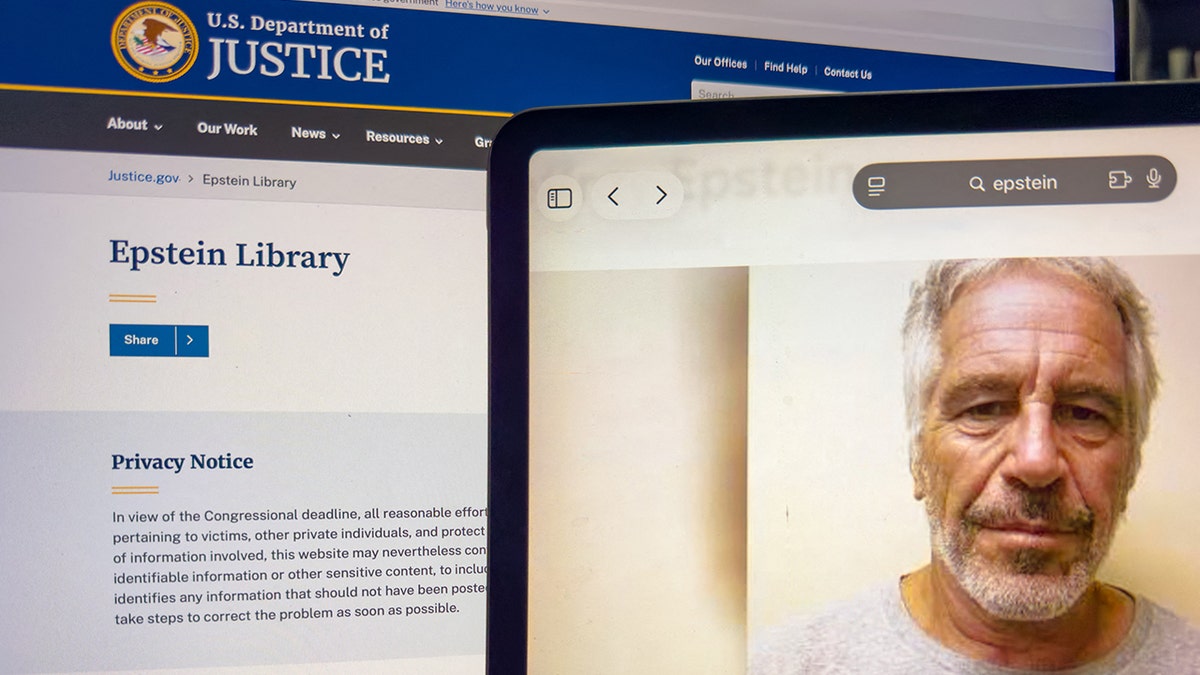
Close-up image of a tablet screen displaying a portrait of Jeffrey Epstein beside the official U.S. Department of Justice website page titled Epstein Library in Washington, D.C., on Feb. 11, 2026. (Véronique Tournier/Hans Lucas/AFP via Getty Images)
Brende asserted in a statement that he met Epstein while attending a dinner that former Norwegian Deputy Prime Minister Terje Rod-Larsen invited him to, according to Reuters.
Brende noted that he later went to two similar dinners that included Epstein and that those dinners plus «a few emails and SMS messages» comprised the full scope of his engagements with Epstein, according to the outlet.
SON OF NORWAY’S CROWN PRINCESS TO FACE RAPE CHARGES AS NEW EPSTEIN FILES MENTION HER HUNDREDS OF TIMES
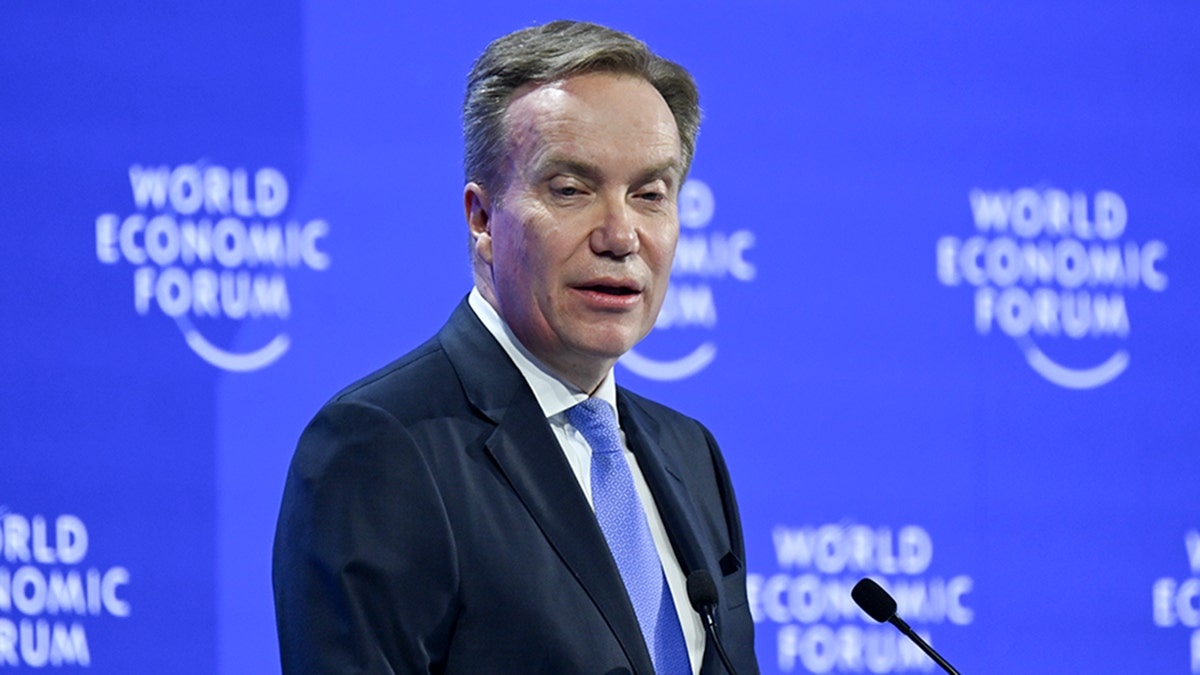
World Economic Forum President Borge Brende delivers a speech at the annual meeting in Davos, Switzerland, on Jan. 20, 2026. (Harun Ozalp/Anadolu via Getty Images)
CLICK HERE TO GET THE FOX NEWS APP
«I was completely unaware of Epstein’s past and criminal activities,» Brende noted, according to the outlet.
«Had I known about his background, I would have declined the initial invitation to join Rod-Larsen and any subsequent dinner invitations or other communications,» he said.
Related Article
world,jeffrey epstein,globalism,justice department,us

Fuerte interna en la Sociedad Rural Argentina: tensión y cartas cruzadas por la posible reelección de Nicolás Pino

ADEPA expresó su “preocupación” por la agresión a un camarógrafo por parte de la Policía Federal

Luego de 26 años de negociación, Argentina ratificó el acuerdo comercial entre el Mercosur y la Unión Europea

Racing vs. Independiente Rivadavia: formaciones, hora y dónde ver por tv

Daniela de Lucía habló tras su salida de Gran Hermano por la muerte de su padre: “Me enseñó el valor del trabajo”

Tras el caos en el Louvre, el legado de Macron pende de un hilo

Jorge Macri prepara su discurso para abrir el año legislativo: el deseo de reelección y el espejo en Bukele

Daiana Fernández Molero defendió la reforma laboral: “Va a haber mayor creación de empleo porque va a ser más fácil contratar en blanco”

Uno por uno, todos los famosos que saludaron a Mirtha Legrand por sus 99 años

Crisis en la industria: otra multinacional se achica y cierra una planta en la Argentina

 POLITICA1 día ago
Jorge Macri prepara su discurso para abrir el año legislativo: el deseo de reelección y el espejo en Bukele
- POLITICA3 días ago
Daiana Fernández Molero defendió la reforma laboral: “Va a haber mayor creación de empleo porque va a ser más fácil contratar en blanco”
- CHIMENTOS2 días ago
Uno por uno, todos los famosos que saludaron a Mirtha Legrand por sus 99 años