INTERNACIONAL
Trump amenazó con atacar a cualquier país que produzca o trafique drogas hacia Estados Unidos


El presidente de Estados Unidos, Donald Trump, advirtió este martes que cualquier país que produzca y trafique droga hacia su país “está sujeto a ataques”, al sugerir que también podría incluir a Colombia en las operaciones terrestres contra el narcotráfico con las que amenaza a Venezuela.
“He oído que Colombia, el país de Colombia, produce cocaína. Tienen plantas de fabricación, ¿de acuerdo? Y luego nos venden cocaína. Pero sí, cualquiera que haga eso y la venda a nuestro país está sujeto a ataques, no necesariamente solo Venezuela”, dijo Trump a la prensa durante una reunión con su Gabinete en la Casa Blanca.
El mandatario insistió en que aunque “Venezuela ha sido peor que la mayoría”, hay otros países que también envían “a sus narcotraficantes” a EE.UU.
Poco después, el presidente colombiano, Gustavo Petro, lo invitó a que viaje al país para enseñarle cómo se destruyen laboratorios de cocaína. “Venga señor Trump a Colombia, lo invito, para que participe en la destrucción de los 9 laboratorios diarios que hacemos para que no llegue cocaína a EEUU”, dijo en su cuenta de X.
Petro, un crítico habitual de las operaciones de Estados Unidos en el mar Caribe y en el Pacífico oriental contra el narcotráfico, dijo que, “sin misiles”, su gobierno destruyó18.400 laboratorios de producción de cocaína.
El posteo de Gustavo Petro (Foto: captura/X/@petrogustavo)
“No amenace nuestra soberanía, porque despertará el Jaguar. Atacar nuestra soberanía es declarar guerra, no dañe dos siglos de relaciones diplomáticas. Ya me calumnió, no continúe por ahí. Si un país ha ayudado a detener miles de toneladas de cocaína para que no la consuman los norteamericanos, es es Colombia”, indicó.
“Muy pronto” habrá más ataques
Trump insistió en que “muy pronto” comenzarán los ataques estadounidenses contra cárteles del narcotráfico dentro del territorio venezolano, tras el operativo contra lanchas en el Caribe, a las que acusa de transportar drogas.
“En tierra es mucho más fácil. Conocemos las rutas que toman. Lo sabemos todo sobre ellos. Sabemos dónde viven. Sabemos dónde viven los malos. Y vamos a empezar con eso también muy pronto”, dijo a la prensa durante una reunión con su gabinete en la Casa Blanca.
El mandatario ya advirtió la semana pasada que sus Fuerzas Armadas actuarán “muy pronto” en tierra contra supuestos narcotraficantes venezolanos y anunció a pilotos y aerolíneas que deben considerar el espacio aéreo venezolano “cerrado en su totalidad”. El presidente de Estados Unidos, Donald Trump (Foto: REUTERS/Brian Snyder)
Un ataque en territorio venezolano se enmarcaría en la operación bautizada por el Pentágono como Lanza del Sur y que hasta ahora destruyó a una veintena de embarcaciones en el Caribe y el Pacífico. Según un balance oficial, más de 80 personas murieron, acusadas de ser narcotraficantes.
Según el diario The Washington Post, en el primero de esos ataques, ejecutado el pasado 2 de septiembre, se llevó a cabo un segundo bombardeo ordenado supuestamente por el secretario de Guerra, Pete Hegseth, para matar a dos supervivientes. La acción podría ser investigada como crimen de guerra.
Leé también: Maduro pierde más aliados, cierra filas con las FF.AA. y sigue de cerca el acercamiento de Lula con Trump
Preguntado por este tema, Trump dijo que no tiene información al respecto, que confía en Hegseth y que ha escuchado que el almirante al mando de la operación, Frank Bradley, “es una persona extraordinaria”.
Leé también: Dura advertencia de Putin a Europa: “Si quieren guerra, estamos listos”
Trump aseguró además que la destrucción de lanchas supuestamente cargadas con drogas ha salvado “miles de vidas” en Estados Unidos.
Por su parte, Hegseth dijo que no vio supervivientes al monitorear el ataque y criticó a la prensa por difundir información que “no se basa en la verdad”.
Tanto la Casa Blanca como el Pentágono han insistido en que todos los ataques son completamente legales y han mostrado su confianza en el trabajo de Bradley.
(Con información de EFE)
Donald Trump












INTERNACIONAL
Controles pediátricos antes de la vuelta a clases, una herramienta clave para detectar problemas a tiempo

(Imagen Ilustrativa Infobae)
El inicio del año escolar trae consigo nuevos hábitos, compras de útiles y reorganización de la vida familiar. En ese contexto, también surge un momento oportuno para retomar los controles de salud de los niños.
La visita anual al pediatra cumple un rol central, no solo para cumplir con requisitos escolares, sino para acompañar el desarrollo integral, prevenir enfermedades y detectar posibles dificultades de manera precoz.
Uno de los aspectos más importantes dentro de estas consultas es la evaluación del crecimiento. Registrar de forma periódica el peso y la estatura, y compararlos con las curvas de referencia definidas por organismos internacionales como la Organización Mundial de la Salud, permite a los profesionales identificar desviaciones que podrían indicar problemas médicos.

(Imagen Ilustrativa Infobae)
“El seguimiento de la talla es, en muchos casos, el primer signo visible de que algo en el organismo no está funcionando como debería”, señaló el doctor Javier Chiarpenello, médico endocrinólogo y jefe del Servicio de Endocrinología del Hospital Provincial del Centenario, en Rosario.
“Cuando un niño no crece a un ritmo esperable según su edad, sexo y en relación a su talla medio-parental es decir su talla objetivo genética marcada por la talla de sus padres, puede estar cursando un trastorno hormonal, nutricional, una enfermedad crónica o una condición genética que debe ser estudiada y tratada cuanto antes”, agregó el médico.
Muchas veces, estos cambios pasan inadvertidos en el entorno familiar. Sin controles frecuentes, resulta difícil notar si el crecimiento se desacelera o se detiene. Por ese motivo, los especialistas aconsejan realizar chequeos regulares, entre dos y tres veces al año según la edad, incluso cuando no existen síntomas evidentes.

(Imagen Ilustrativa Infobae)
De acuerdo con la OMS, una estatura inferior a la esperada puede relacionarse con déficits nutricionales, enfermedades crónicas, infecciones repetidas o alteraciones hormonales. Por eso, la talla funciona como un indicador general del estado de salud infantil.
“Es fundamental que las familias comprendan que la talla baja es mucho más que un rasgo meramente estético y tiene consecuencias puede condicionar el desarrollo físico, emocional y social del niño a lo largo de su vida”, advirtió Inés Castellano, presidenta de la Asociación Civil Creciendo.
Entre las señales que deben alertar a las familias, Castellano mencionó situaciones como una diferencia marcada de altura respecto a otros niños de la misma edad, un crecimiento que parece haberse detenido, la falta de recambio de ropa o calzado durante largos períodos, o cuando un hermano menor supera en altura al mayor. También puede ser un indicio que el niño sea confundido con alguien más pequeño.

(Imagen Ilustrativa Infobae)
La identificación temprana de estas situaciones resulta fundamental. Cuando existe un diagnóstico confirmado, los tratamientos disponibles pueden mejorar de manera significativa la estatura final y el bienestar general.
“En aquellas situaciones donde se identifica un déficit de la hormona de crecimiento, por ejemplo, la terapia con hormona de crecimiento recombinante es el tratamiento de elección”, explicó Chiarpenello. “Consiste en la administración de una medicación que se aplica por vía subcutánea, y cuya eficacia ha sido ampliamente demostrada. Lo más importante es comenzar cuanto antes y sostener el tratamiento de forma adecuada, ya que su cumplimiento juega un rol crucial en la talla final alcanzada”, sostuvo.
Este tratamiento se encuentra incluido dentro de las prestaciones obligatorias del sistema de salud argentino y se utiliza en diferentes patologías, entre ellas el déficit de hormona de crecimiento, el síndrome de Turner, la insuficiencia renal crónica y algunas formas de retraso del crecimiento desde el nacimiento.

(- Europa Press)
Sin embargo, los especialistas aclaran que no todos los casos requieren terapia hormonal. “Es esencial realizar una evaluación completa. Muchas veces se trata de variantes normales del crecimiento, como la talla baja familiar o el retraso constitucional, que no implican enfermedades y solo necesitan seguimiento”, aclara Chiarpenello.
Cuando la terapia resulta necesaria, la constancia es determinante. En especial durante la adolescencia, mantener el tratamiento puede resultar un desafío. “Sabemos que, en especial en la adolescencia, puede haber dificultades para mantener el esquema de inyecciones. Por eso, hoy contamos con autoinyectores electrónicos que almacenan datos sobre el uso del dispositivo, lo cual nos ayuda a monitorear la constancia y adherencia del tratamiento y trabajar en conjunto con la familia para optimizar los resultados”, añadió el endocrinólogo.
Otra dificultad frecuente es la interrupción del tratamiento, lo que reduce su efectividad. “Cada vez que un chico interrumpe la administración de la terapia, ya sea por decisión propia o por demoras en la provisión, el tratamiento pierde eficacia. Lamentablemente, esto sucede más seguido de lo que debería”, comentó Castellano. “Desde Creciendo orientamos a las familias para que puedan sortear estas barreras y las acompañamos en todo el proceso. Guiándolos en la gestión administrativa, y los reclamos necesarios. Y brindando información sobre sus derechos”.

(Imagen Ilustrativa Infobae)
La Asociación Civil Creciendo brinda apoyo gratuito a familias de todo el país que atraviesan estas situaciones. Su trabajo incluye asesoramiento, acompañamiento emocional, talleres y orientación legal, con el objetivo de facilitar el acceso al tratamiento y fortalecer las redes de contención.
“Muchas veces, cuando llega el diagnóstico, las familias no saben por dónde empezar. Desde Creciendo brindamos información clara y herramientas para gestionar la situación de la mejor manera posible”, expresó Castellano. Y subrayó: “también buscamos desmitificar muchas ideas que aún circulan sobre el crecimiento infantil. No se trata de esperar a que el niño ‘pegue el estirón’. No se trata solo de crecer, también es importante crecer bien, correctamente. Si hay una duda, es mejor consultar y no quedarnos con esa incertidumbre”.

Desde el ámbito médico, también existe un trabajo continuo para reforzar la importancia de estos controles y mejorar la detección precoz. “Todavía hay colegas que derivan al especialista más tardíamente o que subestiman una talla baja sin profundizar la evaluación. Parte de nuestro trabajo es educar también dentro del sistema de salud”, concluyó Chiarpenello.
En definitiva, el comienzo de las clases no solo marca el regreso a las aulas, sino también una oportunidad para revisar la salud infantil en forma integral. Completar el calendario de vacunación, controlar la visión y la audición y supervisar el crecimiento forman parte de un seguimiento esencial para asegurar un desarrollo saludable y una mejor calidad de vida futura.
salud,pediatría,médico,niño,consulta,revisión auditiva,otoscopio,clínica,prevención,infancia
NEWYou can now listen to Fox News articles!
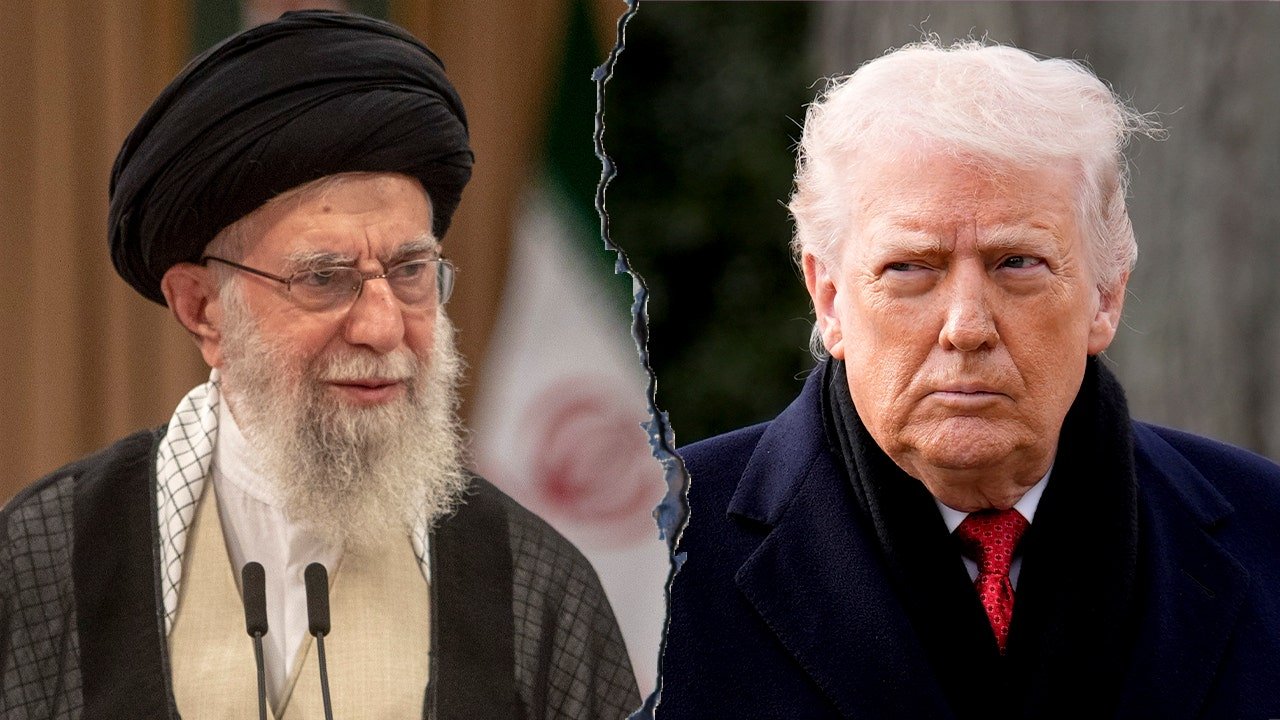
Iran claims it is open to compromise with the U.S. on a nuclear deal if the administration is willing to discuss lifting sanctions, a senior Iranian official said Sunday.
Majid Takht-Ravanchi, Iran’s deputy foreign minister, also said in an interview that the ball was «in America’s court to prove that they want to do a deal,» adding: «If they are sincere, I’m sure we will be on the road to an agreement.»
«We are ready to discuss this and other issues related to our program if they are ready to talk about sanctions,» Takht-Ravanchi told the BBC.
TRUMP SAYS NUCLEAR TALKS IN OMAN WERE ‘VERY GOOD,’ CLAIMS IRAN WANTS A DEAL ‘VERY BADLY’
Deputy Foreign Minister Majid Takht-Ravanchi says Iran is ready to compromise if the U.S. discusses lifting sanctions. (SAFIN HAMID/AFP via Getty Images)
Takht-Ravanchi’s comments came as Iran’s top diplomat traveled to Geneva for a second round of indirect talks with the U.S. delegation.
Abbas Araghchi left for the Swiss city following an initial round of negotiations last week with Oman again mediating the next round of talks, according to Iranian state media and the Associated Press.
U.S. officials, however, have emphasized that Iran — not the U.S. — is holding up progress in negotiations.
Secretary of State Marco Rubio said Feb. 14 that President Donald Trump would prefer to reach an agreement but warned it was «very hard to do» one with Iran.
Past diplomatic efforts had collapsed in 2025 after Israel launched what became a 12-day war with Iran and U.S. strikes on Iranian nuclear sites.
SCOTT BESSENT SAYS IRAN UNDERSTANDS ‘BRUTE FORCE’ AS TRUMP WEIGHS OPTIONS AMID NUCLEAR STANDOFF

This satellite image provided by Maxar Technologies shows the Natanz nuclear facility in Iran on Jan. 24, 2025. (Maxar Technologies/AP)
But on Sunday, Takht-Ravanchi pointed to Tehran’s offer to dilute its stockpile of uranium enriched to 60% purity as evidence of its willingness to compromise, the BBC reported.
Asked whether Iran would ship its stockpile of more than 400 kilograms of highly enriched uranium abroad, as it did under the 2015 deal, Takht-Ravanchi said it was «too early to say what will happen in the course of negotiations.»
One of Iran’s main demands is that talks focus on the nuclear issue. «Our understanding is that they have come to the conclusion that if you want to have a deal you have to focus on the nuclear issue,» Takht-Ravanchi said.
Takht-Ravanchi also said the «issue of zero enrichment is not an issue anymore and as far as Iran is concerned, it is not on the table anymore.»
TRUMP SAYS IRAN ‘SERIOUSLY TALKING TO US’ AS MILITARY SHIPS HEAD TO MIDDLE EAST

The USS Gerald R. Ford was ordered to move to the Middle East as the U.S. prepares for the possibility of sustained operations against Iran. (Mass Communication Specialist 2nd Class Ridge Leoni/U.S. Navy via AP)
Trump has since threatened further military action if a deal to curb Iran’s nuclear program cannot be reached.
CLICK HERE TO DOWNLOAD THE FOX NEWS APP
The U.S. has also reinforced its military presence in the region amid heightened tensions and after spiraling protests across the country in December left thousands reportedly dead at the hands of the clerical regime.
iran,middle east,israel,nuclear proliferation,donald trump,marco rubio,geopolitics

En la década de 1970, mientras el sistema de estudios de Hollywood se desmoronaba, tres jóvenes directores realizaron películas que cambiaron las reglas del juego. “El padrino” de Francis Ford Coppola, “Tiburón” de Steven Spielberg y “La guerra de las galaxias” de George Lucas rompieron sucesivamente récords de taquilla y parecían anunciar una nueva era del gran cine popular. Esto no era exactamente lo que Coppola y Lucas tenían en mente cuando fundaron la productora American Zoetrope en 1969, con la idea de realizar películas independientes tan audaces como los proyectos estudiantiles que habían hecho en UCLA y la Universidad del Sur de California. Pero cuando Coppola dudó en dirigir “El padrino” para Paramount, especialmente cuando Zoetrope atravesaba dificultades financieras, Lucas lo animó a hacerlo: “Luego podemos usar ese dinero y hacer nuestras propias películas”.
No resultó de esa manera. El excelente libro de Paul Fischer, “Los últimos reyes de Hollywood”, sigue las trayectorias de sus tres protagonistas (con apariciones destacadas de Martin Scorsese y Brian De Palma) desde finales de los años 60 hasta sus años de auge en los 70 y sus fortunas cambiantes en los 80; también esboza brevemente acontecimientos desde los 90 en adelante. Fischer sitúa anécdotas del set, familiares para los cinéfilos, dentro del contexto de un sistema de estudios renovado que poco a poco vuelve a imponer su control sobre los creativos indisciplinados.

No cabe duda de su punto de vista: acerca del gran éxito de “Tiburón” en el verano de 1975, sumado a la venta de un millón de ejemplares de la novela de terror “Carrie” de Stephen King (posteriormente llevada al cine por De Palma), comenta: “Ambos fueron logros tempranos del capitalismo de masas: frutos del afán de la América corporativa por dejar atrás el radicalismo y la división de los años 60, y concentrar a sus consumidores en una lucrativa y hegemónica monocultura”.
Afortunadamente, “Los últimos reyes de Hollywood” no es (solo) una diatriba anti-establishment. Fischer analiza astutamente los temperamentos individuales de su trío para considerar cómo influyeron en la evolución tanto de sus carreras como de la industria cinematográfica. La naturaleza impulsiva e improvisadora de Coppola alimentó la brillantez de “La conversación”. También provocó el caos durante el rodaje de “Apocalypse Now”, que sobrevivió a un tifón, al infarto del protagonista y a un gran consumo de drogas para convertirse en una obra casi maestra lastrada por la costumbre de Coppola de dejar los finales de sus películas al azar de la inspiración. Esa vez le salió bien, pero el espectacular fracaso de “Corazonada” en 1982 lo convirtió en la prueba A del argumento de los estudios de Hollywood de que los artistas descontrolados deben ser frenados.

“THX 1138”, la película experimental que hizo famoso a Lucas como director estudiantil, era una expresión de su temperamento controlador, más feliz en la sala de edición que en el set. No le gustaba escribir guiones ni dirigir; una vez que “La guerra de las galaxias” le permitió establecer sus propias condiciones, prefirió ejercer el control ideando el concepto de una película, contratando personas para llevarlo a cabo y quedándose con todos los derechos. Este ferviente crítico de los ejecutivos entrometidos de los estudios, según escribe Fischer, se transformó en “aquello que tantas veces había despreciado: el productor como autor”. Spielberg admiraba la osadía de Coppola, pero su temperamento se parecía más al de Lucas; compartían el gusto por los cómics, las series televisivas y las películas de aventuras, lo que hizo natural su colaboración como director y productor en las películas de Indiana Jones durante los años 80. Para entonces, Zoetrope era el proyecto personal de Coppola. Lucas tardó mucho tiempo en perdonarlo por arruinar un acuerdo con Columbia al negarse a ceder los derechos de Zoetrope sobre “Apocalypse”, que Lucas había desarrollado junto al guionista John Milius; en su lugar, Coppola reescribió el guion y la dirigió él mismo.
A medida que Fischer sigue estos distintos caminos en los años 80, las películas arriesgadas son sustituidas por entretenimientos que buscan agradar al público masivo. Pinta un retrato poco halagador de Lucas, mostrando que le importaba menos la calidad de las secuelas de Star Wars que la capacidad de estas para garantizarle independencia total mediante enormes ganancias. La visión de Fischer sobre Coppola es menos pesimista, pero igualmente crítica, describiéndolo como un hombre de enorme carisma y vulnerabilidad que también era errático y autocomplaciente, tanto profesional como personalmente. Spielberg, más cálido que Lucas y más disciplinado que Coppola, tenía auténticos gustos populares que le permitieron alternar filmes personales como “Encuentros cercanos del tercer tipo” con “Indiana Jones: En busca del arca perdida” y moverse cómodamente entre taquillazos y propuestas más arriesgadas.

Fischer rodea su odisea con ricos retratos de las personas que la compartieron y los lugares donde se reunían. La vibra contracultural de una casa tipo A-frame en Trancas Beach, en Malibú, un punto de encuentro del Nuevo Hollywood a principios de los 70, se percibe con especial viveza. Fischer sobresale en las descripciones breves, satirizando a Milius por “su masculinidad tosca, su desprecio por cualquier consecuencia de sus declaraciones y acciones” y caracterizando al guionista y director Paul Schrader como “tan abrasivo que un grupo de guionistas que compartían agente con él amenazaron, en cierta ocasión, con abandonar la agencia en masa solo para librarse de él”. Los perfiles de Eleanor, la esposa de Coppola, y de la guionista Melissa Mathison, a quienes la vida puso tantas pruebas, son más generosos y matizados, recordándonos que el Nuevo Hollywood mostró escaso interés en empoderar a las mujeres. Las complejidades de ese periodo se hacen patentes en el largo romance de Francis Coppola con Mathison, quien era la niñera adolescente de sus hijos cuando comenzó la relación. Fischer lo describe como genuinamente enamorado de ella, rehusándose a dejar a su esposa y poniendo a Mathison en camino hacia una exitosa carrera al animarla a escribir “El corcel negro” para Zoetrope.
No hay personas ni cuestiones simples en “Los últimos reyes de Hollywood”. Fischer teje un tapiz intrincado de películas icónicas y artistas notables sobre el fondo de una industria en medio de un cambio convulsivo. Claramente, cree que los ejecutivos ganaron la “batalla por el alma del cine estadounidense” mencionada en su subtítulo, y el paisaje cinematográfico actual hace difícil disentir. Razón de más para disfrutar la crónica inteligente y jugosa de Fischer sobre la época en la que un nuevo tipo de cine brilló con fuerza.
(The Washington Post)
Libro del día,Hollywood

Kicillof prepara la apertura de sesiones: evalúa mostrar gestión, confrontar con Milei y proyectar hacia 2027

Controles pediátricos antes de la vuelta a clases, una herramienta clave para detectar problemas a tiempo

Con el mercado en tregua, las consultoras muestran preocupación por el atraso cambiario y la inflación

No se hiceron nada: Boca Juniors y Platense igualaron 0-0 en La Bombonera, por la fecha 5 del Torneo Apertura

Los cuatro nuevos imputados en la causa Sur Finanzas quedaron en libertad, pero siguen bajo investigación

Dramática coincidencia: las tres muertes que rodean al elenco de la China Suárez de En el barro

A quién afecta la Reforma laboral: estos son los puntos clave del proyecto de Milei

Reforma laboral: la modificación sobre accidentes o enfermedades ajenas al trabajo

Cayeron 20% las ventas de automóviles en China y el régimen impone medidas para regular el mercado

El Barça y media Europa esperan: la joya de 19 años Diomandé atrapada en un lío legal

 POLITICA2 días ago
El Gobierno busca aprobar la reforma laboral y el Régimen Penal Juvenil antes del 1 de marzo
- SOCIEDAD2 días ago
Avistaron una ballena azul en Chubut por primera vez en la historia
- INTERNACIONAL2 días ago
Chaotic video shows passengers trading midair blows; plane forced to divert: reports