INTERNACIONAL
Trump delivered strategic blow to Iran regime with bold Azerbaijan-Armenia pact

NEWYou can now listen to Fox News articles!
President Donald Trump’s new deal in the South Caucasus has ended a decades-long conflict and handed Washington a rare strategic foothold on Iran’s northern border, experts say.
The agreement, signed earlier this month between Armenia and Azerbaijan, grants the U.S. a 99-year lease over the Zangezur Corridor – a narrow strip of land that will serve as a critical trade and energy route to Europe, bypassing Tehran entirely. Iranian American journalist and dissident Banafsheh Zand told Fox News Digital the move is «a wonderful gain for the U.S.» that also delivers a «slap in the face» to the regime in Tehran.
The corridor has long been at the center of the Nagorno-Karabakh conflict, which displaced tens of thousands and fueled three decades of instability. Trump’s intervention brought both sides to the table and created what observers say is a new trade and security lifeline linking the Caspian Basin to Europe, bypassing Iran entirely.
ARMENIA AND AZERBAIJAN LEADERS SEEK TO EASE RUSSIAN AND IRANIAN CONCERNS AFTER US-BROKERED PEACE DEAL
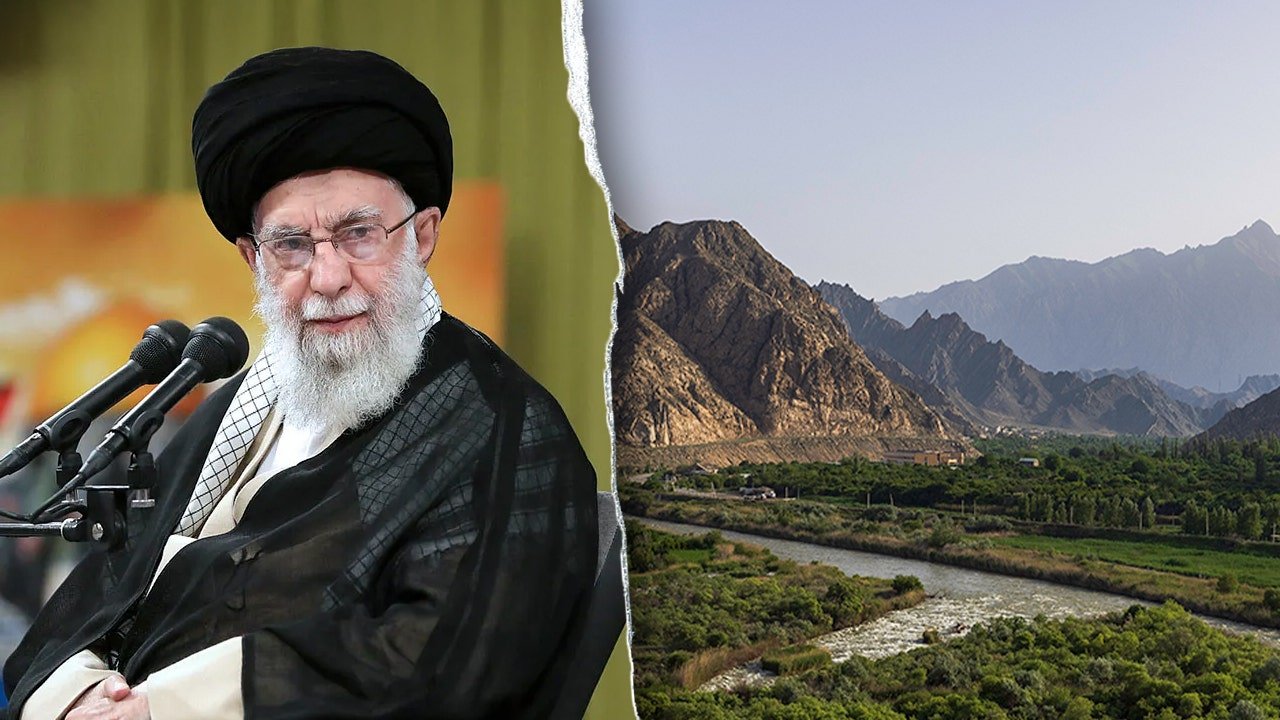
A view from Armenia’s southern border reveals the Arax River, with Iran visible across the water. This crossing is a vital lifeline for Armenia, facilitating essential trade and energy flows, especially as tensions rise over the proposed Zangezur Corridor. Iran strongly opposes the corridor, fearing it would sever its direct land access to Armenia and diminish its role as a regional transit hub. The corridor, intended to connect Azerbaijan to its Nakhchivan exclave through Armenian territory, has become a flashpoint in regional geopolitics. (Anthony Pizzoferrato/Middle East Images/AFP via Getty Images)
Known as the Trump Route for Peace & Prosperity (TRIPP), economically, the agreement secures Washington a direct role in overseeing the flow of Caspian hydrocarbons to Europe. The U.S. will manage rail and road infrastructure, telecom networks and energy pipelines running through the corridor, giving American companies a dominant position in regional transit for oil, gas and goods. By controlling this artery, the U.S. not only generates billions in future trade and investment but also locks Europe into alternative supply routes that reduce reliance on both Russia and Iran.
For allies, the corridor offers cheaper and safer access to Caspian energy. For Tehran, it represents lost revenue, lost leverage, and the end of its ability to act as a mandatory gatekeeper for east-west commerce.
Zand said the deal is not only historic but also a direct win for Washington. «It’s a wonderful gain for the U.S.,» she said. «American contractors will be supervising oil and gas from the Caspian Basin, routed through Zangezur and Turkey to Europe. The profit margins are great, and it all happens under NATO’s blessing.»
Zand said the potential goes even further. «Nobody’s talking about it yet, but I don’t think it’s out of the question to see U.S. bases there,» she said. «If that happens, then checkmate the Khamenei regime and Russia.»
TRUMP MAKES PEACE DEAL BETWEEN ARMENIA AND AZERBAIJAN
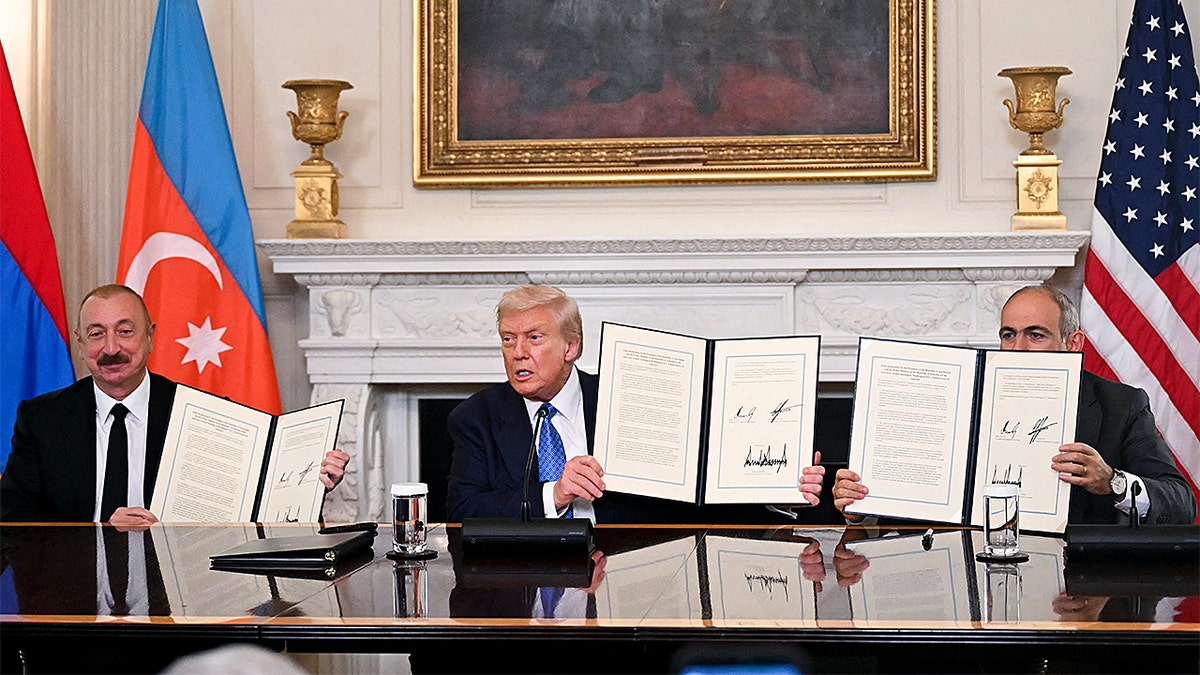
US President Donald Trump (C), Azerbaijani President Ilham Aliyev (L) and Armenian Prime Minister Nikol Pashinyan display the agreement they signed in the State Dining Room of the White House in Washington, DC on August 8, 2025. US President Donald Trump said Friday that Armenia and Azerbaijan were committed to a permanent peace as he hosted a White House summit with the leaders of the two South Caucasus nations, which have fought for decades. (ANDREW CABALLERO-REYNOLDS/AFP via Getty Images)
For Iran, the corridor represents what Zand called a nightmare scenario. Tehran has long used its geography to shape energy and trade flows. By inserting the U.S. into the region, the new deal effectively strips Iran of that leverage. Zand put it in stark terms: «Iran is shaped like a cat, a sitting cat. This corridor literally runs above the cat’s ears. It bypasses Iran, takes money away from the regime, and pushes them out into the cold.»
Behnam Ben Taleblu, senior director of the Foundation for Defense of Democracies Iran Program, said the corridor exposes how vulnerable Iran has become in the Caucasus. «Both the defeat of Armenia in the most recent war with Azerbaijan, as well as the political problems between Moscow and Yerevan today, have made it harder for the Islamic Republic to really benefit from its traditional economic and political relationship with Armenia,» he told Fox News Digital.
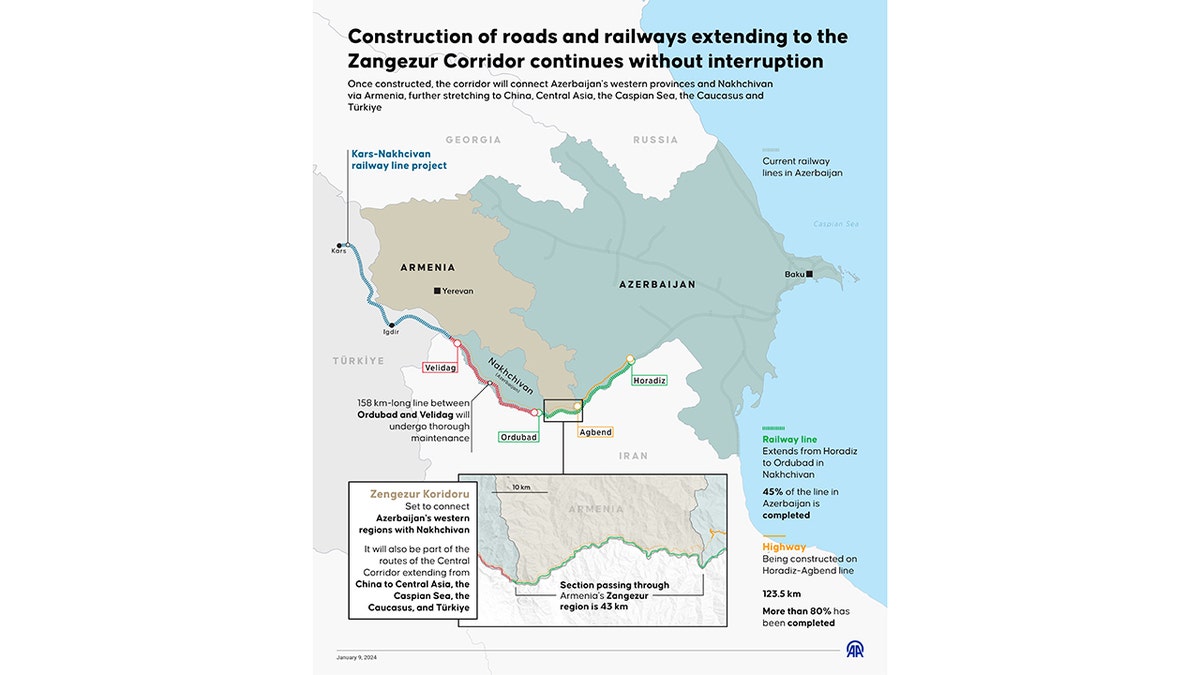
An infographic titled ‘Construction of roads and railways extending to the Zangezur Corridor continues without interruption.’ Once constructed, the corridor will connect Azerbaijan’s western provinces and Nakhchivan via Armenia, further stretching to China, Central Asia, the Caspian Sea, the Caucasus and Turkey. (Yasin Demirci/Anadolu via Getty Images)
«They still do have ties, and the regime is an opportunistic actor as much as it is an ideological one. If there is any way to throw stones at this agreement, or extract concessions on the back end, they will try.»
At the same time, he said the strategic picture is clear. «The Islamic Republic is, in essence, carved out of this route,» he said. «This is not just a critical corridor that could bring stability to the South Caucasus and economic improvement for all countries involved-it also drives home the point that the regime has been such a poor guardian of Iran’s national interest that the Iranian state has been excluded from a major transit route just above its border.»
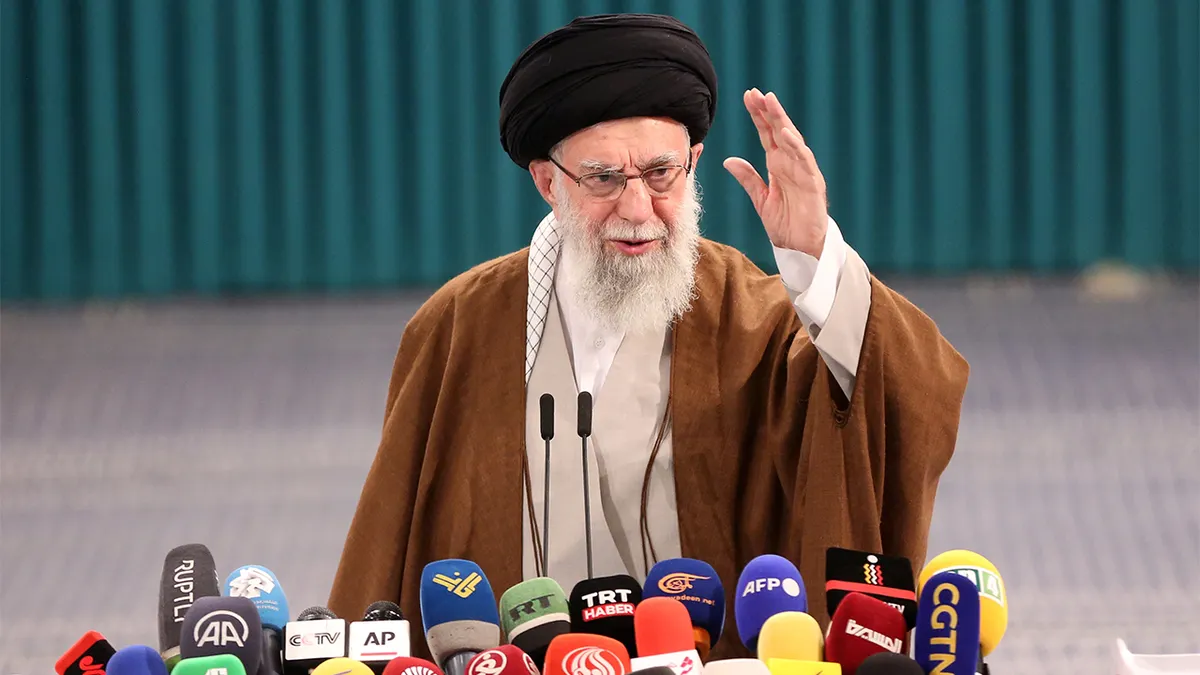
Iran’s Supreme Leader Ali Khamenei addresses the media during voting for parliamentary elections in Tehran, Iran in May 2024. (Photo by Fatemeh Bahrami/Anadolu via Getty Images)
The timing, Zand argued, makes the impact even greater. She pointed to Iran’s weakening position since October 7, 2023, and Israel’s recent 12-day war with Tehran. «The regime was self-isolated when it couldn’t come to Hamas’s or Hezbollah’s rescue. Iraq’s Shiites are saying they don’t want to be controlled, Syria is out, and Hezbollah has been degraded. For those of us who’ve watched the regime for decades, we always knew it was a paper tiger. October 7 and the war exposed it to the world.»
The killing of senior IRGC commanders and nuclear scientists has deepened the sense of vulnerability inside Tehran. «They can huff and puff about blowing the house down, but the truth is, there’s a whole lot of fear among the regime’s leaders now,» Zand said. «Khamenei has even gone into hiding again.»
TRUMP BRINGS PEACE TO CAUCASUS: INSIDE THE ARMENIA–AZERBAIJAN DEAL 30 YEARS IN THE MAKING
Ben Taleblu added that Washington is now using these shifts to turn Iran’s weakness into opportunity. «Wherever the regime is weak, that invites pushback, whether militarily or economically,» he said. «The U.S. has followed Israel’s military success against the Islamic Republic with strikes of its own against nuclear facilities, and it is now following Azerbaijan’s battlefield success with a political and economic success of its own. This corridor is another example of America moving in when Tehran is most vulnerable.»
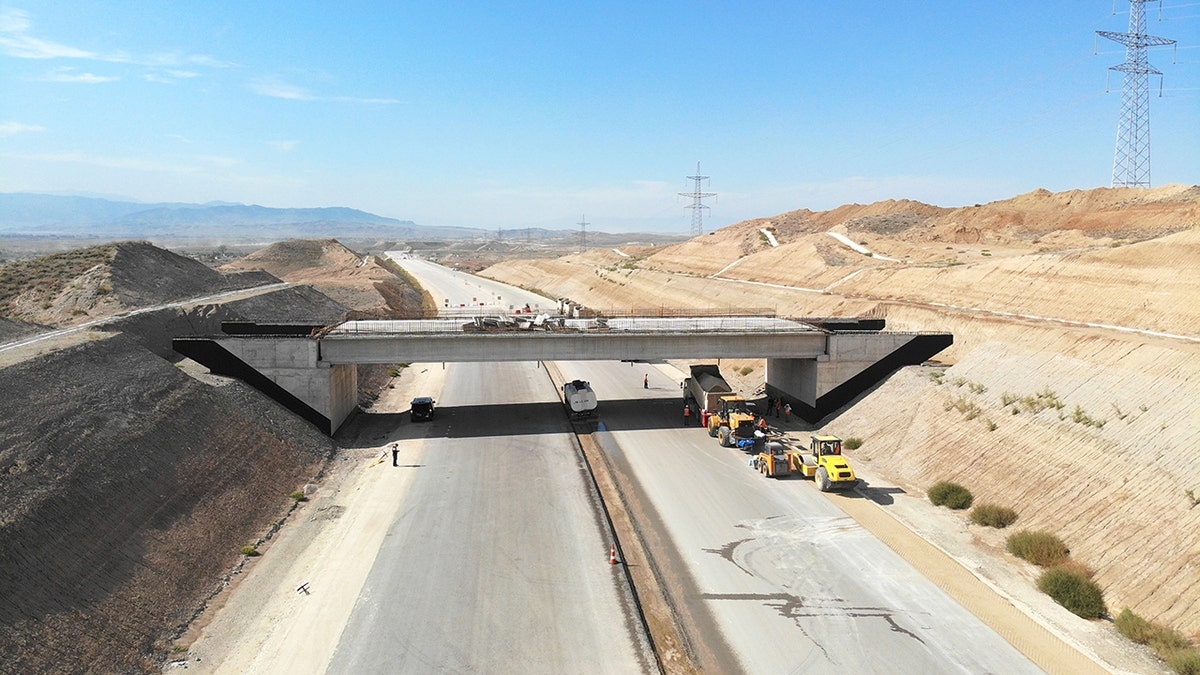
An aerial view of the construction of roads and railways that will pass through the Zangezur Corridor, which will connect the western provinces with Nakhchivan and will also be one of the routes of the Central Corridor extending from China to Central Asia, the Caspian Sea, the Caucasus and Turkey. (Photo by Resul Rehimov/Anadolu via Getty Images)
Zand, whose father was a well-known Iranian journalist and intellectual assassinated by the regime, said she views Trump’s direct involvement as the key to the corridor’s success. «Because it’s Trump, it makes all the difference,» she said. «Trump doesn’t care about not hurting people’s feelings. He responds to how people act. And with this move, he’s sitting over Iran like a vulture-ominous, watching, ready.»
For dissidents like Zand, the corridor represents more than a transport route. «We’ve prayed for this for decades,» she said. «Until the regime is gone, people inside Iran will remain too afraid to rise up again. But this corridor is a boon. It shows the regime is surrounded, and its days are numbered.»
CLICK HERE FOR THE FOX NEWS APP
The deal was reached with NATO backing and has already been compared by some observers to historic peace accords. Zand believes the significance lies not only in ending a 30-year conflict but also in turning the U.S. presence in the Caucasus into a permanent reality. «The regime knows the jig is up.»
iran,donald trump,asia,conflicts,global economy






INTERNACIONAL
Did they get him? Khamenei’s fate remains unknown after Israel strike levels his compound
NEWYou can now listen to Fox News articles!
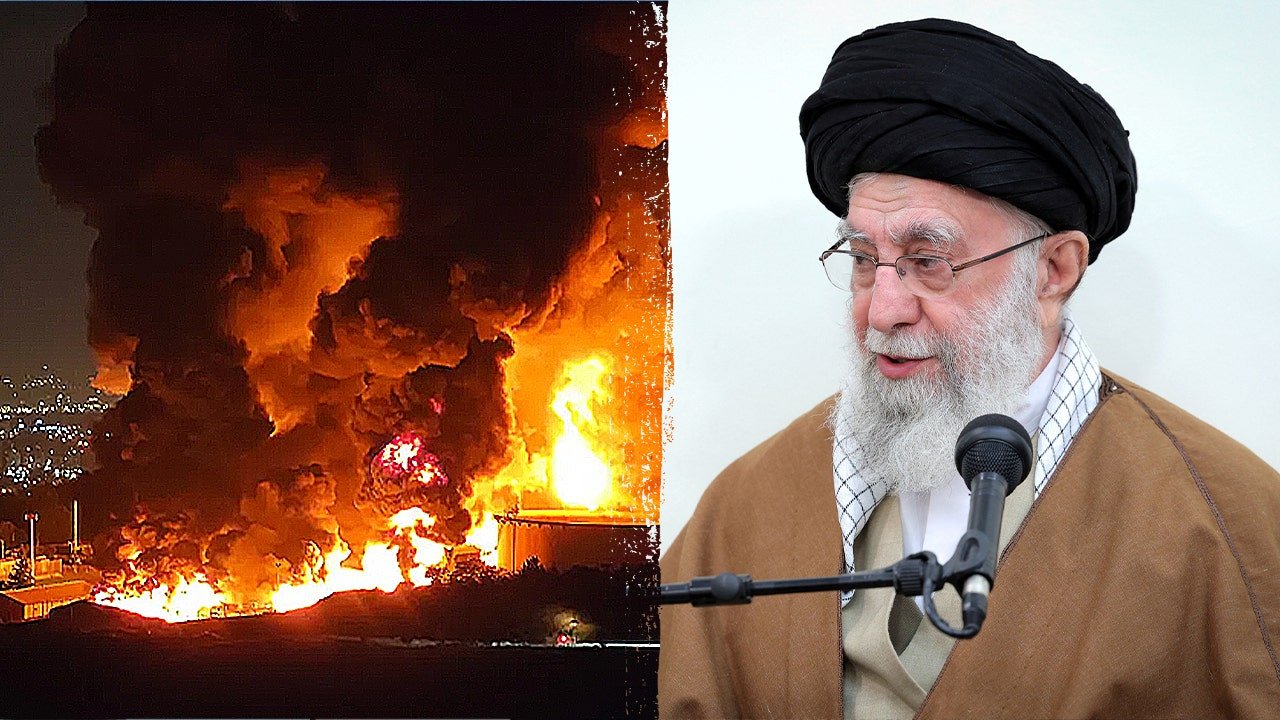
As the smoke was still clearing over Tehran, one question dominated the region and Washington alike: Did they get him?
In the immediate aftermath of the Israel-U.S. strikes, with the Israeli Air Force targeting senior Iranian leadership infrastructure, rumors swirled that Ayatollah Ali Khamenei, Iran’s 86-year-old supreme leader, had been killed.
Satellite images showed heavy damage to Ayatollah Ali Khamenei’s fortified compound, including buildings believed to house his residence and the so-called House of Leadership. Parts of the complex appeared reduced to rubble.
Regional reports indicated a high-level meeting of Khamenei’s top lieutenants may have been underway when the strike hit. Iranian semi-official media also reported missiles struck near the presidential palace and other leadership sites north of the capital.
Iran’s Supreme Leader Khamenei makes first public appearance in weeks with fresh U.S. threats. (Office of the Iranian Supreme Leader Credit/ASSOCIATED PRESS)
Addressing the nation on Saturday, Prime Minister Benjamin Netanyahu said in Hebrew, «There are more and more signs indicating Khamenei is gone.»
Israeli officials told Fox News Digital they were still assessing the results and said it was too early to confirm the fate of the 86-year-old supreme leader. They did not rule out the possibility that he was killed.
Iranian officials, however, insisted the country’s leadership — including Khamenei and President Masoud Pezeshkian — remained safe, according to The Guardian, despite what they described as an assassination attempt. Meanwhile, a spokesperson for Iran’s Ministry of Foreign Affairs told the BBC that he was not in a position to confirm whether Ayatollah Ali Khamenei had been eliminated.
IRAN FIRES MISSILES AT US BASES ACROSS MIDDLE EAST AFTER AMERICAN STRIKES ON NUCLEAR, IRGC SITES
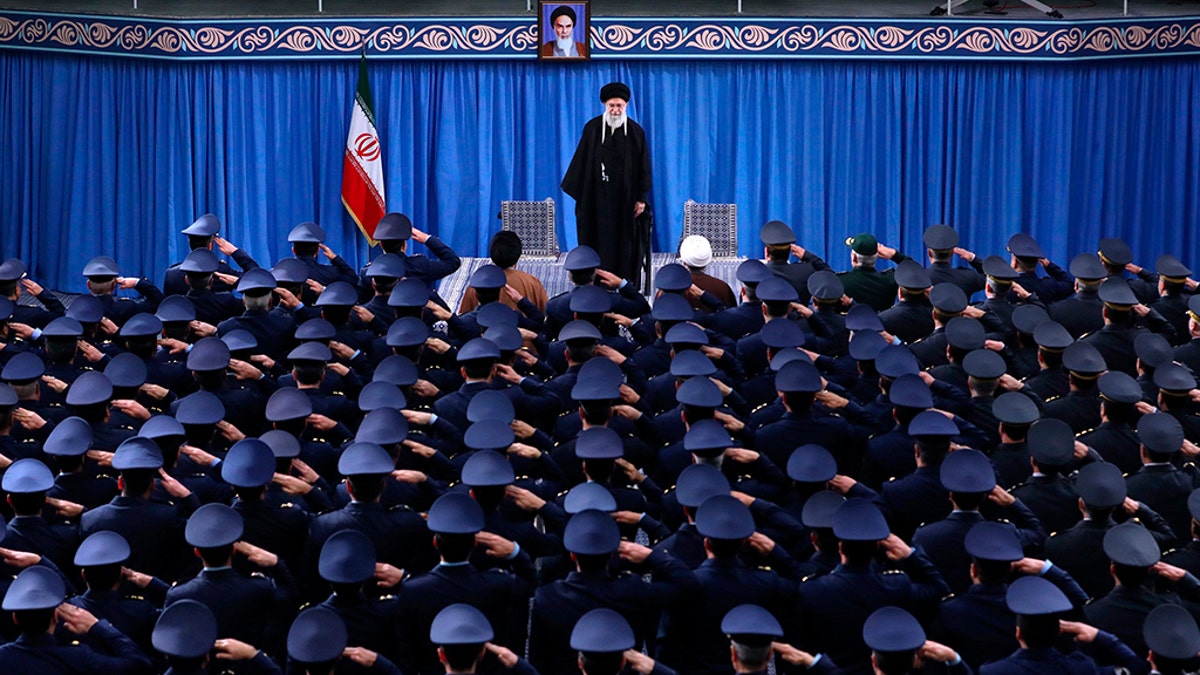
In this picture released by an official website of the office of the Iranian supreme leader, Supreme Leader Ayatollah Ali Khamenei stands as army air force staff salute at the start of their meeting in Tehran, Iran, Friday, Feb. 8, 2019. Khamenei is defending «Death to America» chants that are standard fare at anti-U.S. rallies across Iran but says the chanting is aimed at America’s leaders and not its people. (Office of the Iranian Supreme Leader via AP)
The long-serving cleric has survived decades of internal unrest, assassination plots and foreign pressure. He rarely appears in public without layers of security and is believed to operate through a tightly controlled network of loyalists embedded across Iran’s military, intelligence and political institutions.
In an exclusive Fox News Digital report earlier this week, researchers described how Khamenei runs what amounts to a parallel state within Iran’s formal government structure.
«The Bayt is the hidden nerve center of the regime in Iran… it operates as a state within a state,» Kasra Aarabi, director of Islamic Revolutionary Guard Corps (IRGC) research at United Against Nuclear Iran (UANI), told Fox News Digital.
IRAN COULD ‘ACTIVATE’ HEZBOLLAH IF US TARGETS REGIME, TRUMP’S INNER CIRCLE TO DECIDE: EXPERT
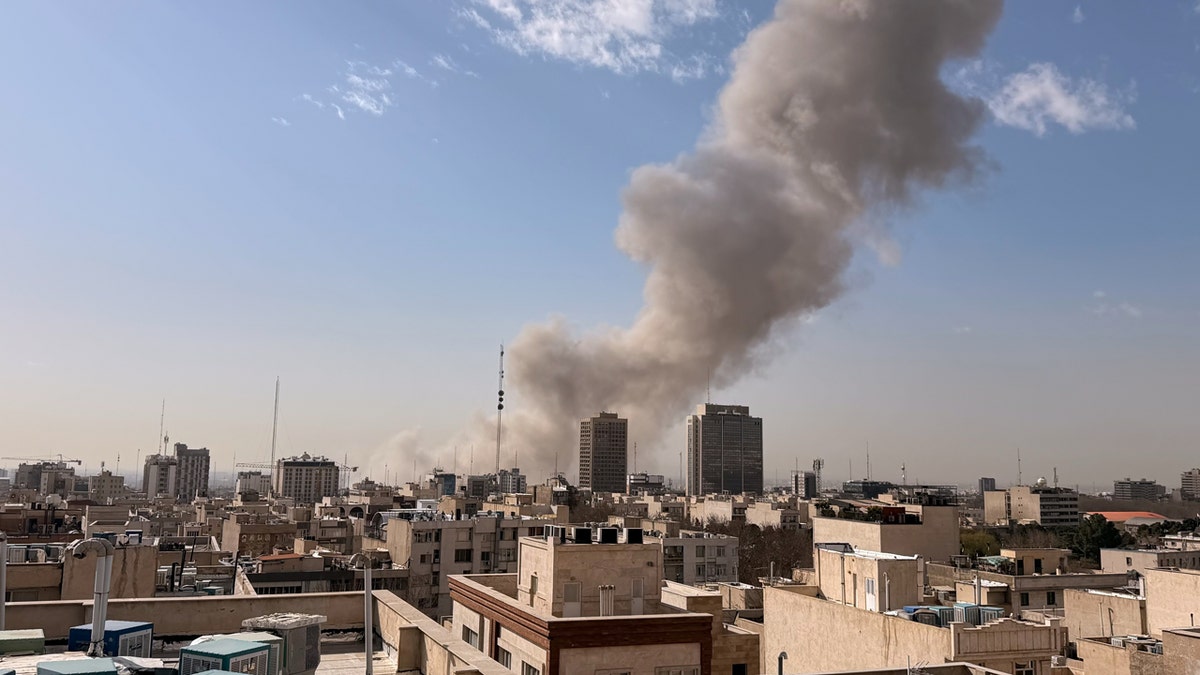
Smoke rises on the skyline after an explosion in Tehran, Iran, Saturday, Feb. 28, 2026. (AP Photo/Vahid Salemi)
Even if Khamenei himself were removed, Aarabi warned, the institutional machinery he built — involving roughly 4,000 core staff and a broader network of tens of thousands — could continue functioning.
«Even if he is eliminated, the Bayt as an institution enables the Supreme Leader to function,» Aarabi said. «Think of the Supreme Leader as an institution rather than just a single individual.»
That reality complicates the picture.
For decades, Khamenei has positioned himself not merely as a political leader but as the apex of a system designed to survive shocks — whether from protests at home or military pressure abroad.
The 86-year-old cleric has faced repeated waves of unrest, including mass protests in 2009, 2022 and again in early 2026. Each time, his regime cracked down forcefully, consolidating control rather than fracturing.
He has also weathered years of covert operations, cyber campaigns and targeted strikes against key Iranian figures across the region.
Still, the scale of the latest strike appears unprecedented.
If confirmed dead, Khamenei’s killing would mark the most significant decapitation of Iranian leadership since the 1979 revolution. It would also raise immediate questions about succession inside a system he carefully engineered to avoid sudden collapse.
CLICK HERE TO DOWNLOAD THE FOX NEWS APP
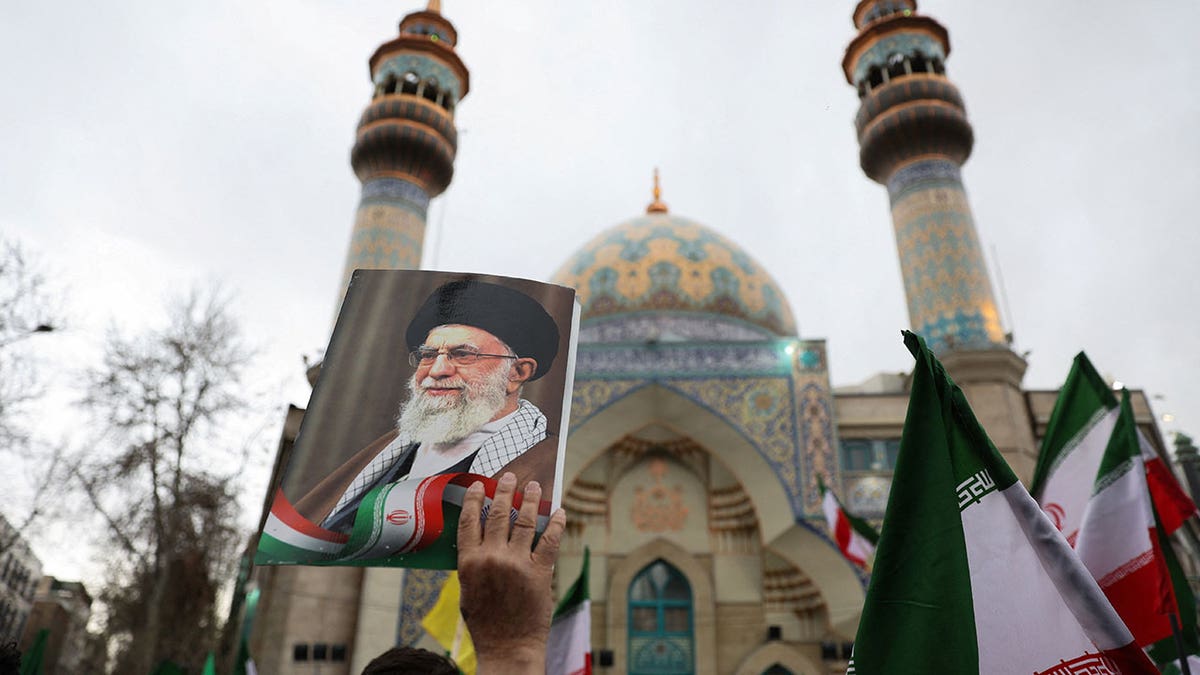
A person holds an image of Iran’s Supreme Leader Ayatollah Ali Khamenei as Iranian demonstrators protest against the U.S.-Israeli strikes, in Tehran, Iran, Feb. 28, 2026. (Majid Asgaripour/WANA (West Asia News Agency) via Reuters)
If he survived, it would reinforce his reputation for resilience — and underscore how difficult it is to eliminate the core of Iran’s power structure.
For now, officials say assessments are ongoing, and the question may be answered in the very near future.
Related Article

ali khamenei,war with iran,iran,israel,bombings
INTERNACIONAL
Irán afirma que cerró el estratégico estrecho de Ormuz, en un paso audaz que incendia aún más la región
NEWYou can now listen to Fox News articles!
Democratic Reps. Ilhan Omar and Rashida Tlaib, both progressive «Squad» members, lashed out at President Donald Trump on Saturday in response to his decision to strike Iran.
«Trump has launched an illegal regime change war,» Omar posted on X. «As someone who has survived the horrors of war, I know military strikes will not make us safer; they will inflame tensions and push the region further into chaos.»
Omar, who fled Somalia as a refugee as a young child, added, «When we abandon diplomacy, we choose destruction.»
Tlaib reacted on social media to a clip of Trump acknowledging that there may be American casualties in this attack.
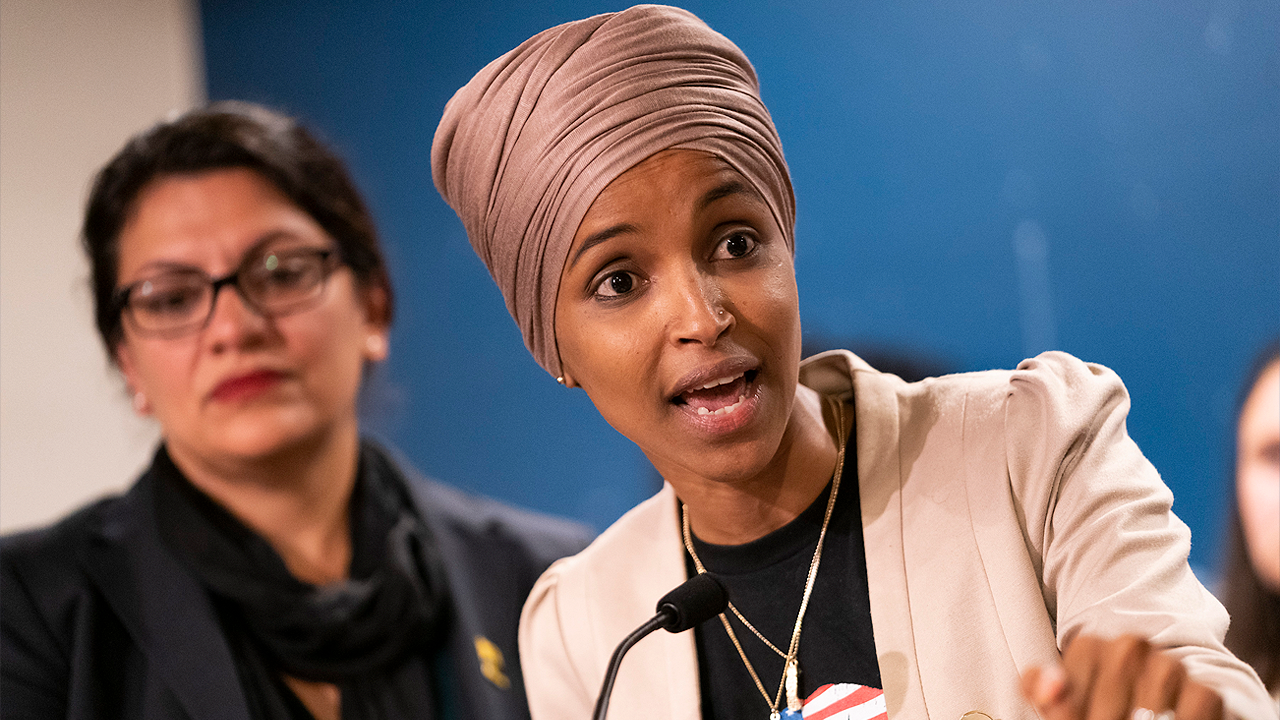
Rep. Ilhan Omar, with Rep. Rashida Tlaib at her side, speaks at a press conference. (Renee Jones Schneider/Star Tribune via Getty Images)
«He doesn’t care about our loved ones in the military,» Tlaib posted on X in a message that was reposted by Omar. «He doesn’t care about the fact that Americans don’t want this war.»
«He doesn’t care about the Iranian people. He is corrupted. Don’t fall for the lies.»
Democratic Rep. Alexandria Ocasio-Cortez of New York also slammed President Donald Trump for abandoning diplomacy in favor of launching an attack against Iran, predicting the outcome will be «catastrophic.»
«The American people are once again dragged into a war they did not want by a president who does not care about the long-term consequences of his actions. This war is unlawful. It is unnecessary. And it will be catastrophic,» Ocasio-Cortez said.
«Just this week, Iran and the United States were negotiating key measures that could have staved off war. The President walked away from these discussions and chose war instead. President Trump flippantly acknowledged the possibility of American casualties, stating ‘that often happens in war,’» she continued. «Mr. President: this was not an inevitability. This is a deliberate choice of aggression when diplomacy and security were within reach. Stop lying to the American people.
Democratic Rep. Greg Casar, another progressive House member associated with the informal «Squad» group, called Trump’s actions an «illegal war» in a post on X.
«Yet again, an American president is sending other people’s kids to risk their lives in a senseless regime change war,» Casar said.
The U.S. and Israel launched the joint attack just after 9 a.m. local time in what the Pentagon has dubbed «Operation Epic Fury.»
IF KHAMENEI FALLS, WHO TAKES IRAN? STRIKES WILL EXPOSE POWER VACUUM — AND THE IRGC’S GRIP
In video remarks posted to Truth Social, Trump addressed the Iranian people directly and told them to «seize control of [their] destiny.»
«The hour of your freedom is at hand. Stay sheltered. Don’t leave your home. It’s very dangerous outside. Bombs will be dropping everywhere. When we are finished, take over your government. It will be yours to take,» Trump said. «This will be, probably, your only chance for generations. For many years, you have asked for America’s help, but you never got it. No President was willing to do what I am willing to do tonight. Now you have a President who is giving you what you want.»
CLICK HERE TO DOWNLOAD THE FOX NEWS APP
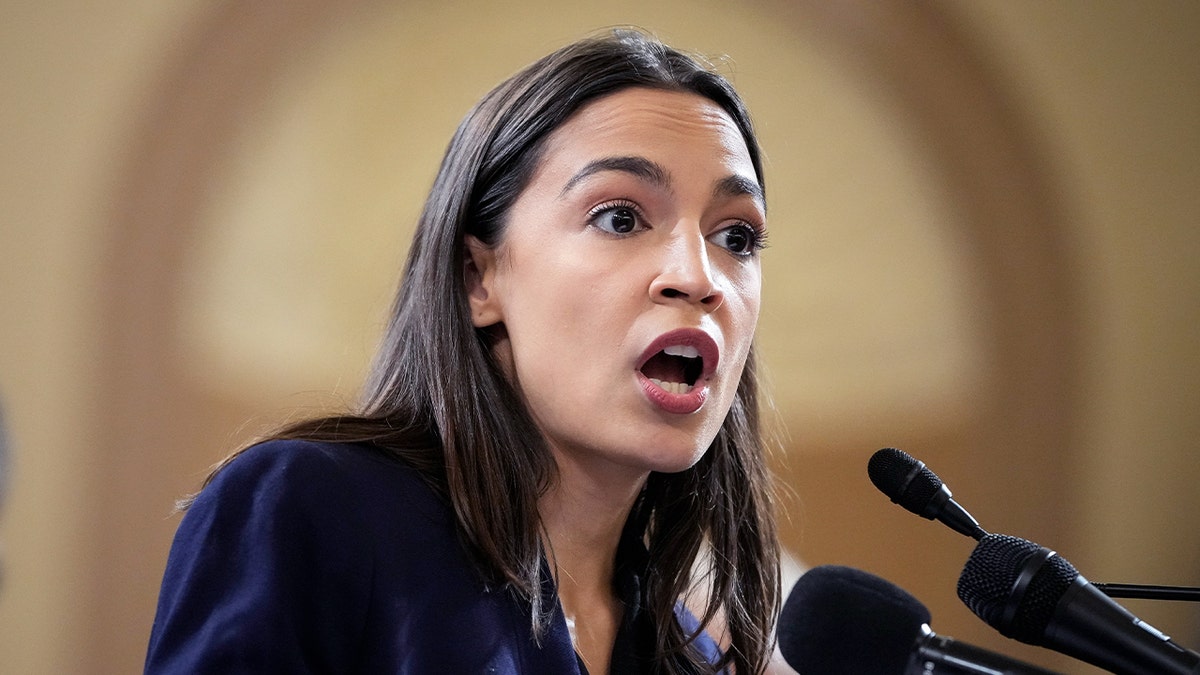
Rep. Alexandria Ocasio-Cortez, D-N.Y. (Photo by Drew Angerer/Getty Images)
While Trump focused some of his message on empowering the people of Iran, he stated that the intent of the operation is to «defend the American people by eliminating imminent threats from the Iranian regime,» which he described as «vicious» and «very hard, terrible people.»
Trump also said that while there may be American casualties as a result, the mission is «noble» as it is aimed at stopping a «wicked, radical dictatorship» from threatening American national security interests and destabilizing the Middle East.
Fox News Digital’s Michael Sinkewicz and Alex Nitzberg contributed to this report
Related Article

politics,iran,ilhan omar,rashida tlaib

Douglas Costa pasa de la élite al ‘barro’ de Italia

Did they get him? Khamenei’s fate remains unknown after Israel strike levels his compound

Javier Milei vuelve al prime time para la apertura de sesiones ordinarias, acechado por un antecedente de bajo rating

El Gobierno de Milei expresó su respaldo a la ofensiva de EE.UU. e Israel sobre Irán

Las predicciones más importantes en la vida de cada signo del horóscopo en marzo, según Jimena La Torre: «Será un cambio rotundo»

La crisis secreta de ChatGPT: el agujero de u$s 14.000 millones que divide a Wall Street

Jorge Macri prepara su discurso para abrir el año legislativo: el deseo de reelección y el espejo en Bukele

Crisis en la industria: otra multinacional se achica y cierra una planta en la Argentina

Catherine Fulop contó el difícil momento que atraviesa su madre en Venezuela: “Está postrada”

Alarma por la salud de Divina Gloria tras salir de Gran Hermano: “La internaron directamente en terapia intensiva”

 ECONOMIA3 días ago
Crisis en la industria: otra multinacional se achica y cierra una planta en la Argentina
- CHIMENTOS3 días ago
Catherine Fulop contó el difícil momento que atraviesa su madre en Venezuela: “Está postrada”
- CHIMENTOS2 días ago
Alarma por la salud de Divina Gloria tras salir de Gran Hermano: “La internaron directamente en terapia intensiva”