INTERNACIONAL
Trump halts military strikes on Houthis but expert warns Iran-backed terrorist group remains major threat


President Donald Trump made the surprise announcement this week that the U.S., after weeks of intense strikes, will halt all bombing campaigns on the Houthis in Yemen – but experts have warned the Iran-backed group will not sit idle.
In Trump’s Tuesday announcement from the Oval Office, he claimed the Houthis «just don’t want to fight…and we will honor that. We will stop the bombings.»
The president would not say who provided him with this confirmation by the terrorist network, which for years has attacked U.S. and allied ships in the Red Sea in a major threat to freedom of navigation, but in a laugh following the question, he replied that it came from a «very good source.»
Less than two hours later, Badr bin Hamad Al Busaidi, the foreign minister of Oman, took to X to say, «Following recent discussions and contacts conducted by the Sultanate of Oman with the United States and the relevant authorities in Sana’a, in the Republic of Yemen, with the aim of de-escalation, efforts have resulted in a ceasefire agreement between the two sides.»
TRUMP CLAIMS HOUTHIS ‘DON’T WANT TO FIGHT’ AND SAYS US WILL STOP BOMBING CAMPAIGN
President Donald Trump, right, announced the U.S. would end its bombing campaign against the Houthis in Yemen while sitting next to Canadian Prime Minister Mark Carney in the Oval Office of the White House on Tuesday, May 6, 2025 in Washington, D.C. (AP Photo/Evan Vucci)
«In the future, neither side will target the other, including American vessels, in the Red Sea and Bab al-Mandab Strait, ensuring freedom of navigation and the smooth flow of international commercial shipping,» he added.
The post suggests that Oman, which has also played an intermediary in the U.S.-Iran nuclear talks, was heavily involved in securing the ceasefire.
However, a new report obtained by Fox News Digital ahead of the president’s surprise announcement warns that the Trump administration must remain vigilant against major security threats posed by the Houthis and the international actors supporting the terrorist network.
The report, dubbed «The Houthi Challenge: Forging a Strategy to Defeat the Iran-Backed Terror Group in Yemen» by Ari Heistein for the Foundation for Defense of Democracies (FDD) and research fellow at the Jerusalem Institute for Strategy and Security, highlighted that it is not only Iran that have helped facilitate the Houthi operational capabilities.
While Tehran has backed the Houthis since at least 2014 – and possibly as early as 2009 during the war in Yemen – through training and advanced weapons like ballistic missiles, Oman has also played a role by allowing the group to operate from its territory and serving as a key smuggling route for Iranian arms.
ISRAEL CALLS TO EVACUATE YEMEN AIRPORT AMID FIGHT WITH HOUTHIS
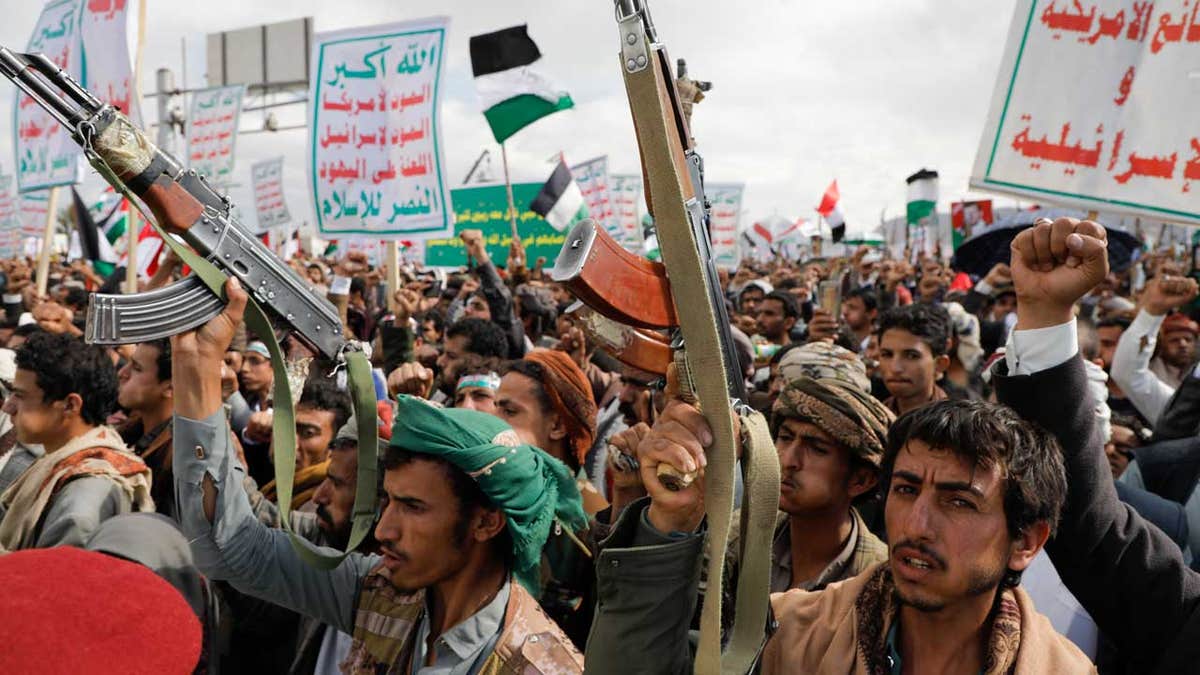
Houthi supporters gather to attend a rally in protest of the United States’ airstrikes on Yemen and Israel’s ongoing strikes in the Gaza Strip in Sanaa, Yemen, on Friday, March 8, 2024. (AP Photo/Osamah Abdulrahman)
Jonathan Schanzer, a former terrorism finance analyst at the U.S. Department of the Treasury and the current executive director of the FDD, called Oman’s role in negotiations between Washington and Middle East adversaries «outrageous.»
«To hold them up as responsible intermediaries when they are in fact hosting the very group that we’re trying to dismantle, there’s very little logic [in] this position,» he told Fox News Digital.
The report found that Iranian arms are smuggled into Yemen through the port of Hodeidah – which was targeted in a series of Israeli strikes on major infrastructure in and around the Houthi-controlled capital of Sana’a this week – but also through smaller ports or overland through Oman.
Omani private banking institutions and businesses are also reportedly known to be «servicing the Houthi economy and even supplying the group with arms.»
«More must be done to prevent bulk cash smuggling across the border between Oman and Yemen,» Heistein found. «Muscat must begin to feel pressure from the international community to address a threat finance challenge that has gone unchecked for too long.»
The report breaks down the varied steps that need to be taken to effectively undermine and counter the Houthis as repeated military strikes by first, Saudi Arabia starting in 2015, then recently by the U.S. and Israel, have not significantly degraded the terrorist group.
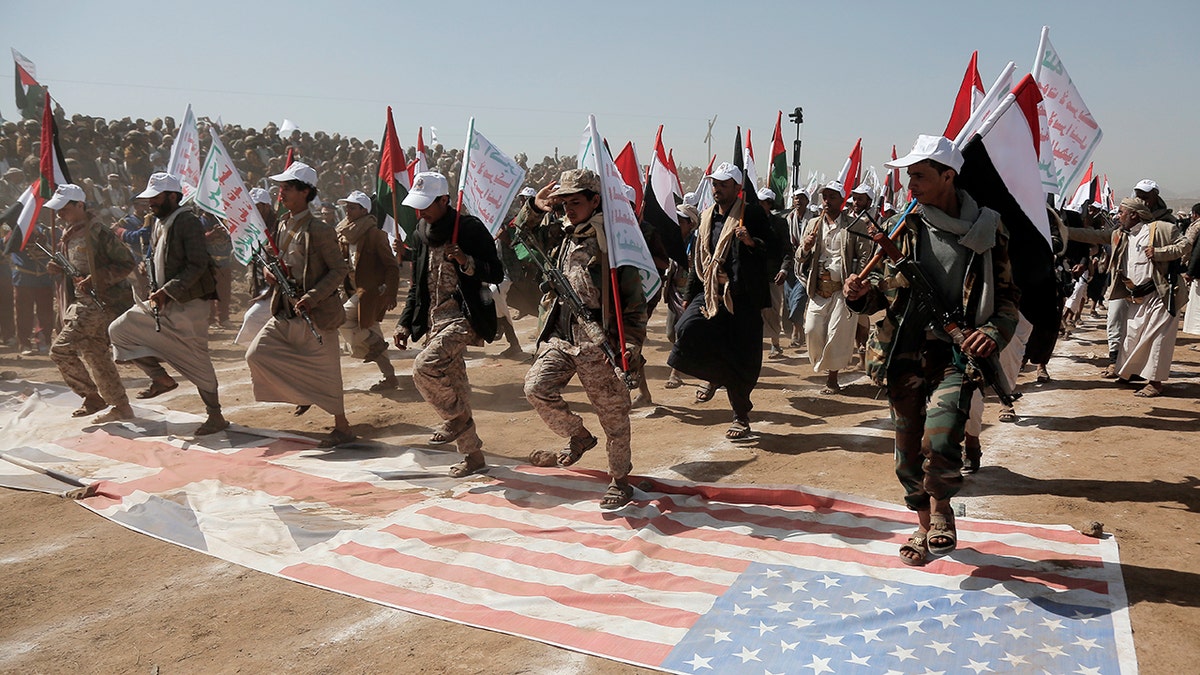
Houthi fighters walk over British and U.S flags at a rally in support of Palestinians in the Gaza Strip, and the recent Houthi strikes on shipping in the Red Sea and Gulf of Aden on Feb. 4, 2024, on the outskirts of Sana’a, Yemen. (Mohammed Hamoud/Getty Images)
Those steps include continued military action – similar to Israel’s recent strikes on Yemen’s Hodeidah port and Sana’a International Airport, which are expected to have far-reaching economic impacts and increase internal pressure on the Houthis. But military action alone isn’t enough; economic, diplomatic, and other soft power strategies are also needed to weaken the group, according to the report.
The report also highlighted that the Houthis have utilized previous lulls in fighting with nations like Saudi Arabia, the U.S. and Israel to regroup and rebuild.
CLICK HERE TO GET THE FOX NEWS APP
«Compelling the Houthis to halt attacks on shipping is a meaningful achievement only if it is part of a broader, long-term strategy,» Heistein told Fox News Digital. «However, if a Red Sea ceasefire becomes the centerpiece and endpoint of U.S. policy toward the Houthis, it risks empowering an increasingly dangerous regime to escalate and de-escalate at will.
«Without a comprehensive approach to addressing the Houthi threat, the U.S. and its allies could soon be confronting a more dangerous, better-armed terrorist group,» Heinstein warned.

INTERNACIONAL
El régimen iraní identificó a casi 3.000 muertos por la represión mientras la ONU estima que la cifra llegaría a cerca de 20.000
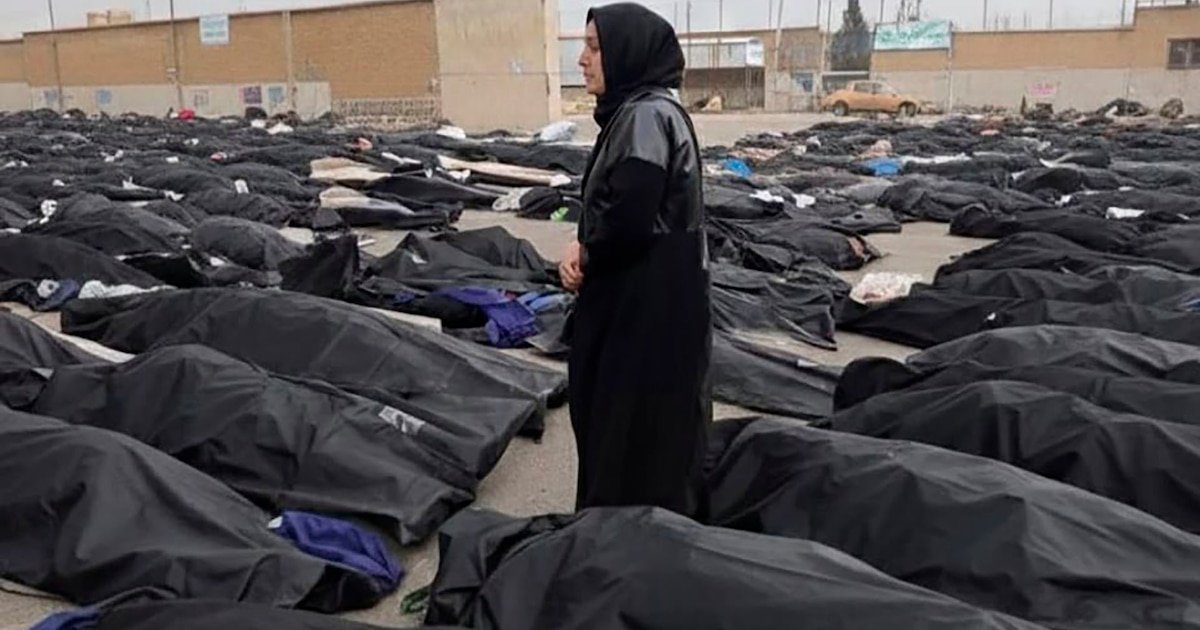
El régimen iraní publicó este domingo una lista con los nombres de 2.986 personas fallecidas durante la represión de las protestas que comenzaron en diciembre, un balance que Teherán cifra en 3.117 muertos totales. Sin embargo, la Organización de las Naciones Unidas y organizaciones de derechos humanos advierten que la magnitud real de la masacre perpetrada por la República Islámica podría ser entre seis y diez veces superior, con estimaciones que alcanzan las 20.000 víctimas mortales.
“Me gustaría informar con tristeza a la noble nación de Irán que el número total de víctimas de los recientes acontecimientos es de 3.117”, afirmó el presidente Masud Pezeshkian en un comunicado oficial. El mandatario iraní explicó que la diferencia de 131 personas entre el total declarado y la lista publicada “se debe a la identidad desconocida de varias personas y a las discrepancias en el registro del documento nacional de identidad”, que serán incluidas en una lista complementaria una vez corregidas.
Pezeshkian anunció además que en las próximas 48 horas se habilitará un sistema para que “cualquier nueva información y reclamación pueda ser examinada y verificada sin complicaciones administrativas”.
El comunicado presidencial mantiene la línea argumental del régimen, que atribuye el elevado número de víctimas a “terroristas” respaldados por Estados Unidos e Israel. “Los enemigos históricos y los detractores comercian con las vidas de las personas como si fueran un número”, afirmó Pezeshkian, sin hacer referencias específicas.
Las cifras oficiales, sin embargo, contrastan drásticamente con los datos recabados por organismos internacionales. La relatora especial de la ONU para Irán, Mai Sato, declaró a medios estadounidenses que informes de médicos dentro del país indican que las víctimas mortales podrían alcanzar las 20.000 personas.
“La magnitud de los fallecidos y heridos por la represión de las protestas a lo largo de este mes ha sido enorme, de miles de personas”, confirmó Ravina Shamdasani, portavoz de la Oficina de Naciones Unidas para los Derechos Humanos, aunque reconoció que es “difícil verificar las informaciones que llegan desde el país dadas las restricciones continuas sobre el terreno”.
Amnistía Internacional y Human Rights Watch han documentado el uso de fuerza letal indiscriminada, con fuerzas de seguridad disparando rifles y escopetas cargadas con perdigones metálicos contra manifestantes desarmados. Las morgues desbordadas, el uso de contenedores refrigerados para almacenar cadáveres y los entierros apresurados sin identificación previa apuntan, según estas organizaciones, a un intento deliberado de ocultar la verdadera escala de la masacre.
El apagón casi total de internet impuesto por el régimen desde el 8 de enero ha sido clave para dificultar la verificación independiente. NetBlocks, organización de monitoreo de ciberseguridad, confirmó que se trata del bloqueo digital más prolongado en la historia de Irán, con el objetivo explícito de impedir que los ciudadanos difundan imágenes de la represión y de aislar al país del escrutinio internacional. Esta desconexión ha permitido que las fuerzas de seguridad actúen con mayor impunidad, según denunciaron organizaciones de derechos humanos.
Las protestas estallaron el 28 de diciembre de 2025 en el Gran Bazar de Teherán, inicialmente motivadas por el colapso económico que atraviesa Irán. La tasa de inflación alcanzó el 42,2% en diciembre, con un aumento del 72% en el precio de los alimentos. El rial iraní se depreció drásticamente, con el dólar estadounidense alcanzando los 145.000 tomanes.
Lo que comenzó como huelgas de comerciantes se transformó rápidamente en manifestaciones masivas en las 31 provincias del país, con cánticos contra el líder supremo Ali Khamenei y exigencias de cambio del sistema político. Se trata de las protestas más grandes desde los disturbios de 2022 tras la muerte de Mahsa Amini bajo custodia policial.
La represión alcanzó su punto más crítico los días 8 y 9 de enero, cuando el líder supremo Khamenei ordenó al Consejo Supremo de Seguridad Nacional reprimir las protestas “por cualquier medio necesario”, según informaron funcionarios iraníes a medios internacionales.
Las fuerzas de seguridad recibieron la orden de disparar para matar sin mostrar piedad. The New York Times verificó videos que muestran a agentes abriendo fuego contra manifestantes en al menos 19 ciudades y seis barrios de Teherán. En la ciudad de Fardis, testigos alegan que más de 50 manifestantes fueron abatidos tras el despliegue de una ametralladora montada en un vehículo.
El Consejo de Derechos Humanos de la ONU aprobó la semana pasada, en una sesión de emergencia, una resolución con 25 votos a favor que denuncia que la represión violenta “ha resultado en la muerte de miles de personas, incluyendo niños, y un gran número de heridos”.
El texto, respaldado por Francia, Italia, España y Reino Unido, instó a las autoridades iraníes a poner fin a las ejecuciones extrajudiciales, las desapariciones forzadas, la tortura y otros abusos contra manifestantes pacíficos. La resolución prorrogó dos años más el mandato de la Misión Internacional Independiente de Investigación sobre Irán y por un año el de la relatora especial.
NEWYou can now listen to Fox News articles!
A photo showing Zohran Mamdani at a high-profile luncheon tied to longtime Jeffrey Epstein associate Peggy Siegal has emerged following the release of newly unsealed Justice Department records that also reference his mother, Mira Nair.
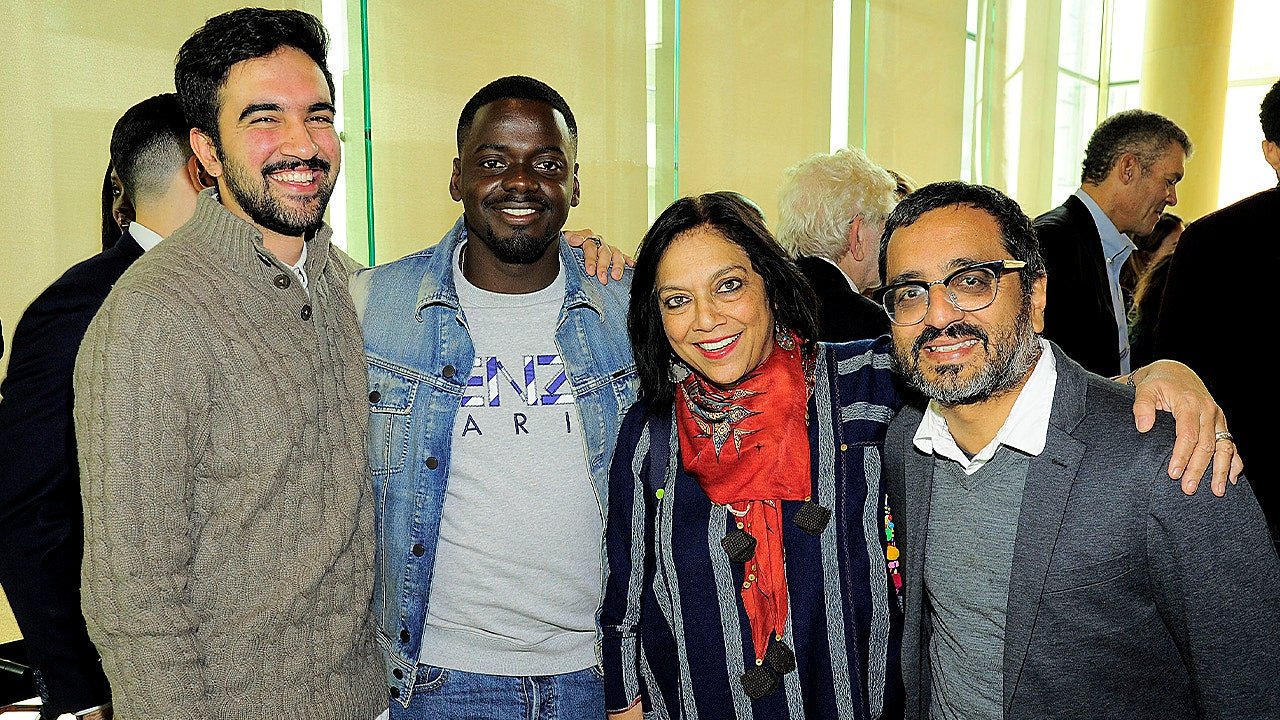
The photo, taken Nov. 15, 2017, shows the now-New York City mayor smiling at the Universal Pictures «Get Out» Peggy Siegal luncheon at Lincoln Ristorante in Manhattan.
The event was hosted by Siegal, a once-powerful Hollywood publicist who later faced industry backlash over her deep social ties to Epstein.
Siegal was never charged with a crime.
EPSTEIN FILE RELEASE FEATURES PHOTOS OF MICK JAGGER, MICHAEL JACKSON, DIANA ROSS AND MORE STARS
(L-R) Zohran Mamdani, Daniel Kaluuya, Mira Nair and Shimit Amin attend Universal Pictures’ «Get Out» Peggy Siegal Luncheon at Lincoln Ristorante on November 15, 2017, in New York City. (Owen Hoffmann/Patrick McMullan via Getty Images)
The image surfaced days after filmmaker Nair was named in a newly released tranche of documents connected to Epstein and his convicted accomplice, Ghislaine Maxwell.
The records, made public Jan. 30, 2026, are part of a broader release of millions of pages detailing Epstein’s social and professional network. The documents do not allege criminal wrongdoing by those mentioned.
In a 2009 email included in the release, Siegal wrote to Epstein about an after-party for the film Amelia, which Nair had directed.
The message states the gathering took place at Maxwell’s Manhattan townhouse and lists attendees including former President Bill Clinton, Amazon founder Jeff Bezos and Nair.
The correspondence documents attendance only and does not allege misconduct by those named.
NEW EPSTEIN DOCUMENTS INCLUDE PHOTOS OF BILL CLINTON TOPLESS IN HOT TUB, SOCIALIZING WITH MICHAEL JACKSON

(L-R) Jason Blum, Allison Williams, Jordan Peele, Daniel Kaluuya, Sean McKittrick and Peggy Siegal attend Universal Pictures’ «Get Out» Peggy Siegal Luncheon at Lincoln Ristorante on November 15, 2017, in New York City. (Owen Hoffmann/Patrick McMullan via Getty Images)
In the 2017 luncheon photo, Mamdani appears alongside actor Daniel Kaluuya, filmmaker Shimit Amin and Nair as they celebrated Jordan Peele’s movie, «Get Out,» which won the Academy Award for best original screenplay.
A second image from the same event shows Peele, producer Jason Blum, Allison Williams and Siegal, highlighting the luncheon’s prominence during Hollywood’s awards season.
Another photo from December 2016 also shows Nair attending a private-residence film event with Siegal for «Queen of Katwe.»
CLINTON TEAM DEMANDS TRUMP DOJ RELEASE ‘ANY REMAINING’ DOCS RELATED TO FORMER PRESIDENT, EPSTEIN

(L-R) Peggy Siegal, Lydia Dean Pilcher, Mira Nair, David Oyelowo and Zoe Oyelowo attend Barbara Broccoli and Walt Disney Studios Host a Screening and Reception for «Queen of Katwe» with Mira Nair and David Oyelowo at Private Residence on December 5, 2016, in New York City. (Aurora Rose/Patrick McMullan via Getty Images)
At the time, Siegal was a dominant figure in entertainment publicity, known for her access to major studios, A-list talent and industry power brokers.
In 2019, following reporting that detailed her association with Epstein, multiple Hollywood studios, including Netflix, FX and Annapurna Pictures, cut ties with her, according to Variety.
Epstein was first arrested in Florida in 2006 on charges of procuring a child for prostitution and soliciting a prostitute.
GIANTS CO-OWNER STEVE TISCH RESPONDS AFTER EMAILS BETWEEN HIM AND JEFFREY EPSTEIN INCLUDED IN LATEST DOJ DROP
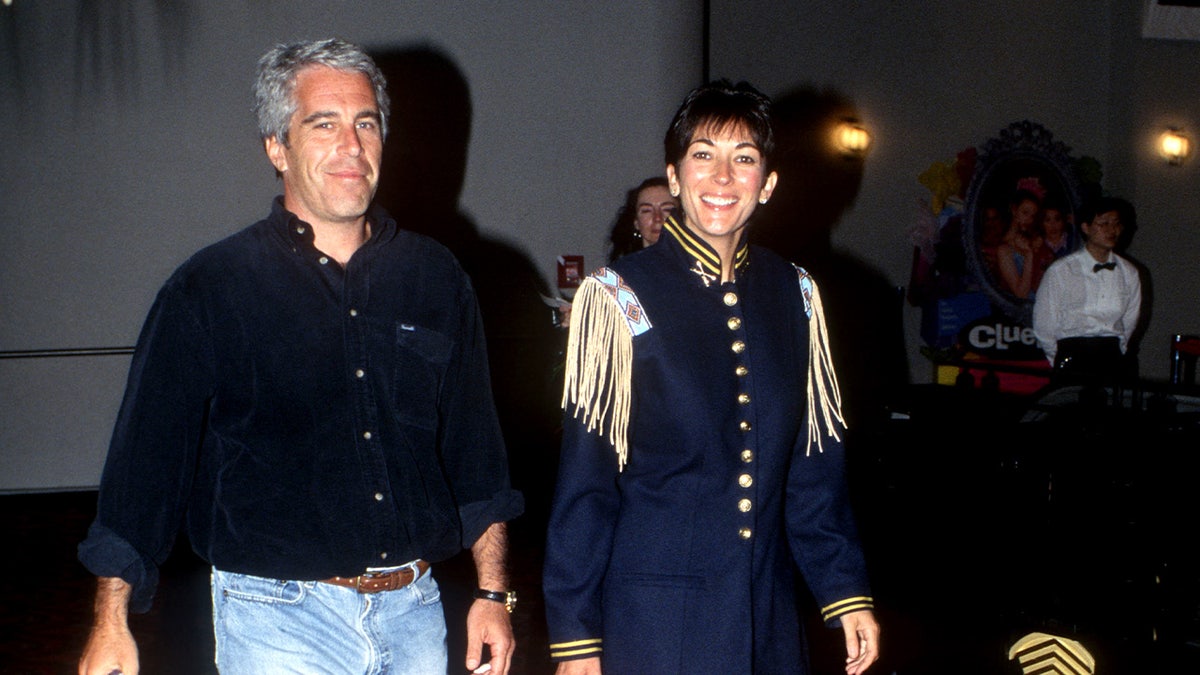
The Department of Justice has released millions of Epstein documents after President Trump signed the Epstein Files Transparency Act in November. (Patrick McMullan via Getty Images)
He later pleaded guilty, served 13 months in jail with work release and registered as a sex offender.
He died in a Manhattan jail cell in August 2019 while awaiting trial on federal sex-trafficking charges.
Maxwell is serving a 20-year federal prison sentence following her conviction for sex trafficking.
Nair, an internationally respected director known for films including Salaam Bombay!, Monsoon Wedding, The Namesake and Queen of Katwe, has long been a fixture in elite film circles, especially in Manhattan.
CLICK HERE TO DOWNLOAD THE FOX NEWS APP
She is married to academic Mahmood Mamdani.
Fox News Digital has reached out to Zohran Mamdani’s office and Peggy Siegal for comment.
jeffrey epstein,zohran mamdani,ghislaine maxwell,movies,new york city


Francia se encamina a la adopción definitiva de su presupuesto

Soledad Pastorutti celebró sus 30 años en Cosquín con un show épico: su impactante entrada y una despedida bajo la lluvia

Corrupción en la AFA: otro helicóptero hizo al menos 34 vuelos a la mansión de Pilar

15 frases de Úbeda tras el triunfo de Boca ante Newell’s: el debut de Ascacibar y Romero, cuándo volverá Cavani y los juveniles

El régimen iraní identificó a casi 3.000 muertos por la represión mientras la ONU estima que la cifra llegaría a cerca de 20.000

El desplome del bitcoin desmiente su reputación de “oro digital”

La escandalosa prohibición de María Susini: por qué no quiere que Facundo Arana se acerque a sus hijos

A qué hora puede llover hoy en CABA, según el Servicio Meteorológico Nacional

Julieta Díaz contó por qué no funcionó su noviazgo con Luciano Castro en medio de la separación con Griselda Siciliani

Maximo Kirchner propuso que Axel Kicillof presida el PJ Bonaerense

 CLIMA NOTICIAS3 días ago
A qué hora puede llover hoy en CABA, según el Servicio Meteorológico Nacional
- CHIMENTOS2 días ago
Julieta Díaz contó por qué no funcionó su noviazgo con Luciano Castro en medio de la separación con Griselda Siciliani
- POLITICA2 días ago
El New York Times asegura que la Argentina podría firmar un acuerdo con EE.UU. para recibir deportados