INTERNACIONAL
Trump honors fallen American heroes, praises God in Memorial Day address: ‘Great, great warriors’

President Donald Trump honored fallen American heroes and praised God during a Memorial Day address at Arlington National Cemetery in Virginia on Monday, vowing to «fix» the republic founded nearly 250 years ago.
«We gathered today to honor the incredible service members who rest in glory in this cemetery and burial grounds around the world, and in a thousand lonely places known only to God in every hour of peril and every moment of crisis,» Trump said. «American warriors have left behind the blessings of home and family to answer their nation’s call. They’ve offered all that they had within them and given their last breaths to each and every one of us, that we might live safe and breathe free.
«This morning we pay tribute to their immortal deeds. We share in the sorrow of their beloved families, and as one nation, we give thanks for the ultimate gift they have so selflessly given to all of us, these warriors. And that’s what they are as great, great warriors picked up their mantle of duty and service, knowing that to live for others meant always that they might die for others.»
TRUMP FIRES OFF MEMORIAL DAY MESSAGE TARGETING ‘SCUM’ WHO SOUGHT TO ‘DESTROY’ THE US
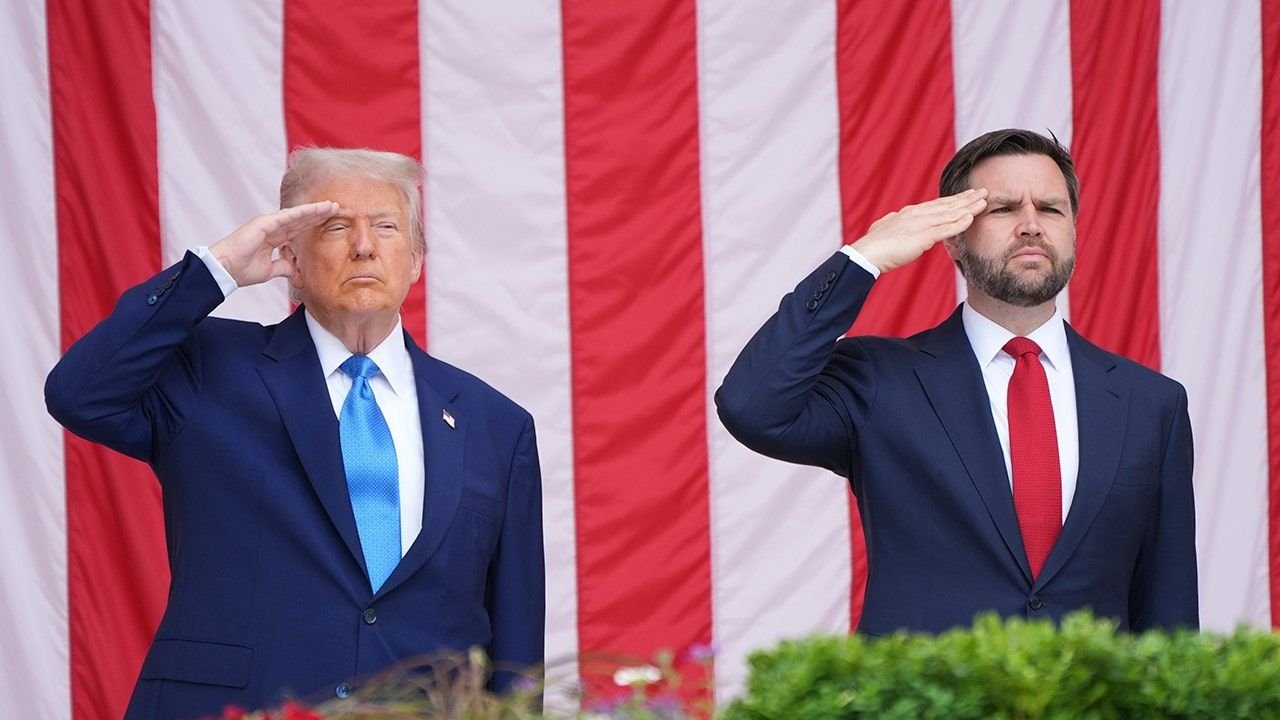
President Donald Trump and Vice President JD Vance salute during the 157th National Memorial Day Observance at Arlington National Cemetery, Monday, in Arlington, Va. (AP Photo/Jacquelyn Martin)
The president said Memorial Day 2025 «is especially significant as we commemorate 250 years since the first American Patriots fell on the field of battle two and a half centuries ago.»
«At Lexington Green, Concord Bridge, Bunker Hill, brave minutemen and humble farm boys became the first to give their lives for a nation that did not yet have a name,» Trump said. «Those young men could never have known what their sacrifice would mean to us, but we certainly know what we owe to them. Their valor gave us the freest, greatest and most noble republic ever to exist on the face of the earth.»
He added: «A republic that I am fixing after a long and hard four years. That was a hard four years we went through. Who would let that happen? People pouring through our borders unchecked. People doing things that are indescribable and not for today to discuss, but the republic, that is now doing so very well. We’re doing so very well right now, considering the circumstances, and we’ll do record-setting better with time.
«We will do better than we’ve ever done as a nation, better than ever before. I promise you that.»
Trump recognized the surviving family members in attendance of several fallen soldiers who he mentioned by name, including veterans who died in the line of duty in Vietnam, Iraq and Syria.
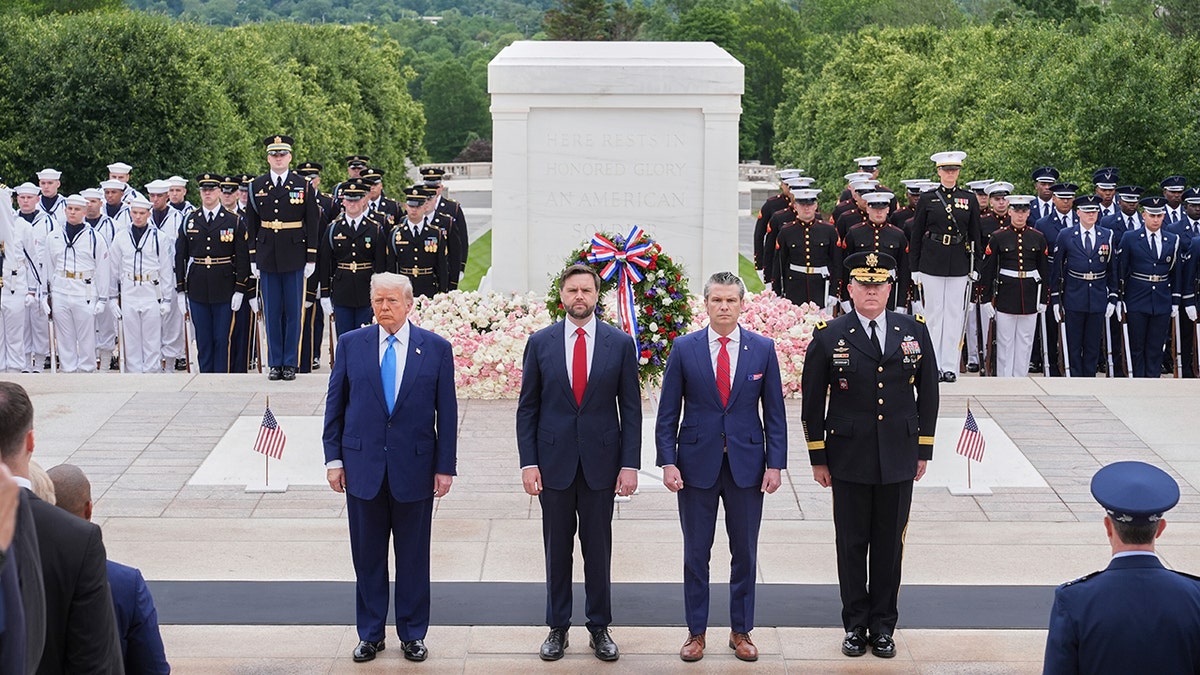
President Donald Trump, Vice President JD Vance, Secretary of Defense Pete Hegseth and Maj. Gen. Trevor Bredenkamp attend a Memorial Day wreath-laying ceremony at the Tomb of the Unknown Soldier, at Arlington National Cemetery, Monday. (AP Photo/Jacquelyn Martin)
TRUMP ACCUSES HARVARD OF BEING ‘VERY SLOW’ TO TURN OVER FOREIGN STUDENT INFO
In remembering their stories, the president also promised a «big, big celebration» next year commemorating the 250th anniversary of the nation and thanked God that he would be in office to celebrate the significant milestone.
«These extraordinary American heroes and their immense and ultimate sacrifices. They offer only the faintest glimpse at the infinite grace we have received from all who laid down their lives for America over the past 250 years. We’re going to have a big, big celebration. As you know, 250 years,» Trump said.
«In some ways, I’m glad I missed that second term where it was because I wouldn’t be president for that,» he added, drawing some laughter. «Most important of all, in addition, we have the World Cup and we have the Olympics. Can you imagine? I missed that four years. And now look what I have. I have everything amazing. The way things work out.»
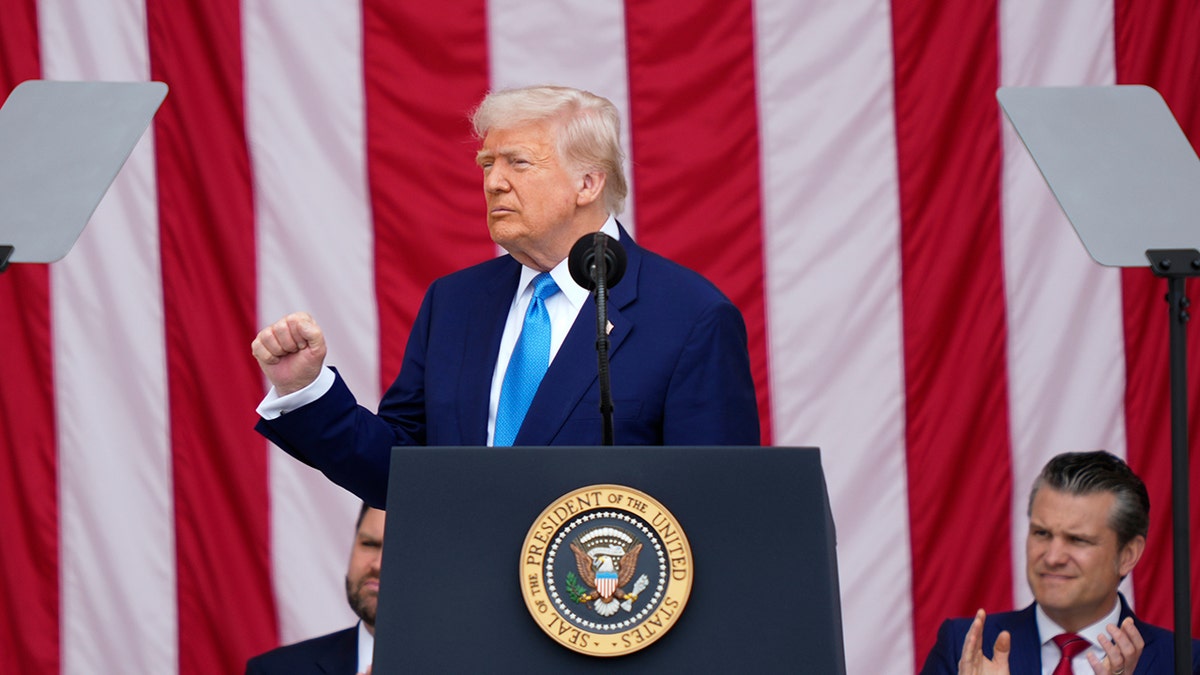
President Donald Trump at the 157th National Memorial Day Observance at Arlington National Cemetery, Monday, in Arlington, Va. (AP Photo/Julia Demaree Nikhinson)
«God did that. I believe that too. He did that,» Trump said, crediting divine intervention after he lost re-election in 2020 and later was reelected in 2024.
CLICK HERE TO GET THE FOX NEWS APP
«In any corner of this cemetery, at any resting place for our war dead, anywhere on Earth, you’ll find untold stories of equal heroism, heroism and heartbreak, unmatched patriotism and devotion, and acts of selflessness and courage so enormous they defy comprehension,» Trump said. «We salute them in their eternal and everlasting glory. And we continue our relentless pursuit of America’s destiny as we make our nation stronger, prouder, freer and greater than ever before.
«May God bless our fallen heroes. May God bless our Gold Star families, and may God bless the United States of America.»
Donald Trump,Veterans,MILITARY,JD Vance,Virginia,Politics











Un cardumen de sombras se desplazó bajo la superficie del Atlántico sur, rompiendo la rutina de la costa rionegrina. Más de cien tiburones bacota fueron avistados en las aguas del Golfo San Matías, en un fenómeno pocas veces documentado que sorprendió tanto a científicos como a residentes de la zona. El registro, realizado por el piloto de drone Maximiliano Facundo Cartes Salas, no solo aportó imágenes inéditas, sino que reavivó preguntas sobre la presencia y el comportamiento de esta especie en la región.
La especie protagonista de este avistamiento es el tiburón bacota (Carcharhinus brachyurus), también conocido como tiburón cobrizo. Se trata de un escualo costero de gran tamaño, que puede alcanzar hasta tres metros de longitud y superar los 100 kilos. En aguas argentinas, el bacota es el representante más común de su género y resulta fácilmente reconocible por su color dorsal bronceado y su potente silueta.

Alejo Irigoyen, investigador de CONICET en el Centro Nacional Patagónico (CENPAT), explicó a Infobae: “Es inusual y espectacular que hayan logrado filmarlos porque el Mar Argentino es de aguas turbias. Y es una especie que suele estar en zonas profundas, debajo de los cinco o seis metros por lo que no se ven. Con una marea muy baja y condiciones muy buenas lograron ver y filmar ese cardumen. Es como la primera vez que se ve algo así”.
Según datos de Proyecto Arrecife, iniciativa científica del CESIMAR-CONICET en Argentina enfocada en la conservación y uso sustentable de peces y hábitats marinos, especialmente tiburones patagónicos, la distribución del bacota es global pero fragmentada: habita zonas templado-cálidas de los océanos Atlántico, Pacífico e Índico, y en el Mar Argentino despliega un patrón migratorio que lo lleva de norte a sur durante la temporada cálida.

La concentración de más de cien ejemplares fue documentada en la Bahía de San Antonio, en la zona de Las Grutas y San Antonio Oeste. Las imágenes aéreas muestran una “constelación de siluetas” bajo el agua, que se desplazaban en conjunto y correspondían a animales de entre 2,5 y 3 metros y hasta 100 kilos.

La biología marina Florencia Fernández, integrante del Grupo CONDROS y el Centro de Investigación Aplicada y Transferencia Tecnológica en Recursos Marinos (CIMAS), remarcó a Río Negro que el registro “es impresionante”. Sostuvo que este tipo de hallazgos abren nuevos interrogantes: “¿Estas especies utilizan nuestras aguas en alguna etapa clave de su ciclo de vida? ¿Es un evento que ocurre todos los años o cada cuánto tiempo sucede?”.
Los especialistas coinciden en que el bacota suele aparecer en la región durante los meses más cálidos y que su presencia puede estar asociada a la reproducción o a desplazamientos migratorios. La región del Golfo San Matías reúne condiciones de temperatura y alimentación que favorecen estos agrupamientos, aunque la magnitud captada por el drone supera los registros previos en la zona.

El tiburón bacota está catalogado como especie vulnerable según la Unión Internacional para la Conservación de la Naturaleza (IUCN), con poblaciones en descenso. Presenta características biológicas que lo hacen especialmente sensible a la presión pesquera: crece lentamente, alcanza la madurez sexual a los 20 o 21 años y tiene largos ciclos reproductivos, con pocas crías por camada. “Una hembra de Bacota tarda casi 20 años en tener su primera cría. Su crecimiento es tan lento que cualquier pérdida hoy tiene un impacto que la naturaleza tardará un cuarto de siglo en recuperar”, publicó Cartes Salas en sus redes sociales.
La especie es buscada por pescadores deportivos y, en ocasiones, capturada por flotas comerciales. Según los datos de Proyecto Arrecife, análisis recientes muestran una disminución anual de entre 13 y 29% en la abundancia de bacotas en aguas argentinas. Los científicos insisten en que la conservación de la especie requiere la cooperación entre Argentina, Brasil y Uruguay, ya que el bacota atraviesa fronteras en su migración.
El acceso a nuevas tecnologías, como los drones, permitió obtener imágenes inéditas de este fenómeno y facilitar el análisis de los especialistas. El material, obtenido por Cartes Salas, fue remitido de inmediato al Grupo CONDROS y al CIMAS para su estudio. La decisión de no revelar la ubicación exacta del avistamiento responde a la necesidad de proteger el enclave natural y evitar la pesca furtiva.

“Proteger este santuario natural es nuestra prioridad absoluta”, enfatizó Cartes Salas. La comunidad científica apoya la medida y solicita que toda interacción con la fauna marina se ajuste a prácticas responsables. Además, los especialistas destacan que el bacota no representa peligro para las personas. “En toda la historia del territorio argentino, jamás se registró una mordedura de esta especie a una persona”, aseguró Fernández.
El Golfo San Matías alberga una notable diversidad de especies: se han documentado doce tipos de tiburones y diecinueve de rayas, lo que confirma la riqueza de peces cartilaginosos en la región. El bacota cumple un rol regulador en el ecosistema marino, ayudando a mantener el equilibrio de las poblaciones de otras especies.
La difusión responsable y el trabajo coordinado entre investigadores y divulgadores resultan fundamentales para fortalecer la protección de especies clave y poner en valor la riqueza natural de las costas argentinas.
tiburones,avistamiento,oceano,mar,vida marina,drones,naturaleza,fauna,animales
INTERNACIONAL
Entrevista a Maryam Saeedi, la periodista en Teherán que relata la guerra: «En estas situaciones, Irán se vuelve muy unido»

Después de la ejecución de Khamenei
Todas las noches están ocurriendo movilizaciones en varias ciudades y en la capital para expresar su dolor y el apoyo a las fuerzas armadas en su contraataque contra Estados Unidos e Israel
Ante las bombas, Irán unido
Catorce países vecinos bombardeados por Irán
La oferta de Trump
Dentro de Irán nadie está a favor de la guerra. Estamos viviendo una guerra a la que hemos sido obligados
¿Hezbollah libanés o proiraní?
INTERNACIONAL
Trump-backed affordable housing overhaul clears Senate, while House GOP raises red flags
NEWYou can now listen to Fox News articles!
A massive bipartisan swell advanced a Trump-backed affordable housing package out of the Senate on Thursday, but its fate in the House is up in the air.
The bill, renamed the 21st Century ROAD to Housing Act to incorporate a previous Senate housing bill that stalled last year, easily sailed through the upper chamber, given that many lawmakers support the wide-ranging slate of measures designed to increase the supply of affordable housing.
In its original form, the legislation was primarily intended to help first-time homebuyers and lower-income Americans enter the housing market or gain access to more affordable housing options.
BIPARTISAN HOUSING PUSH ADVANCES, BUT TRUMP-BACKED INVESTOR BAN FACES RESISTANCE
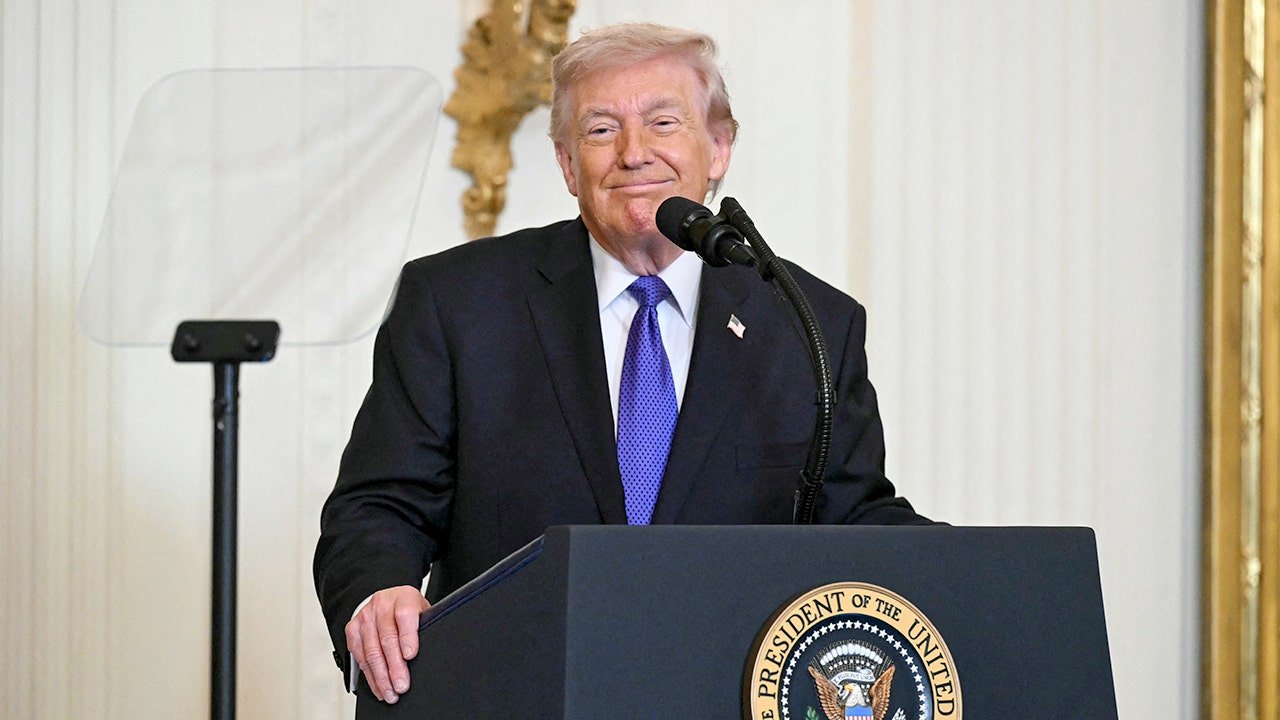
President Donald Trump speaks during a ceremony in the East Room of the White House on March 2, 2026, in Washington, D.C. (Saul Loeb/AFP via Getty Images)
The Senate tweaked the legislation, adding a ban on institutional investors sought by President Donald Trump, who earlier this year signed an executive order barring the practice. During his State of the Union address last month, Trump urged Congress to codify the ban and said, «We want homes for people, not for corporations.»
That provision gave some heartburn, notably to Sen. Brian Schatz, D-Hawaii, and several industry groups, who warned that the way it was designed — forcing owners of 350 or more units to sell after seven years — would kneecap the build-to-rent market and harm the supply of rentals throughout the country.
That was not enough to slow the bill down in the Senate, but Trump’s declaration that he wouldn’t sign any bills unless the Senate passed voter ID legislation, along with House Republicans grumbling over changes to the bill, could spell trouble ahead.
Rep. Mike Flood, R-Neb., co-lead of the House’s version of the bill, told Fox News Digital, «It seems to me that there are outstanding concerns with the Senate’s housing bill as currently drafted.»
HOUSE PASSES BIPARTISAN HOUSING BILL AS TRUMP ZEROES IN ON AFFORDABILITY CRISIS
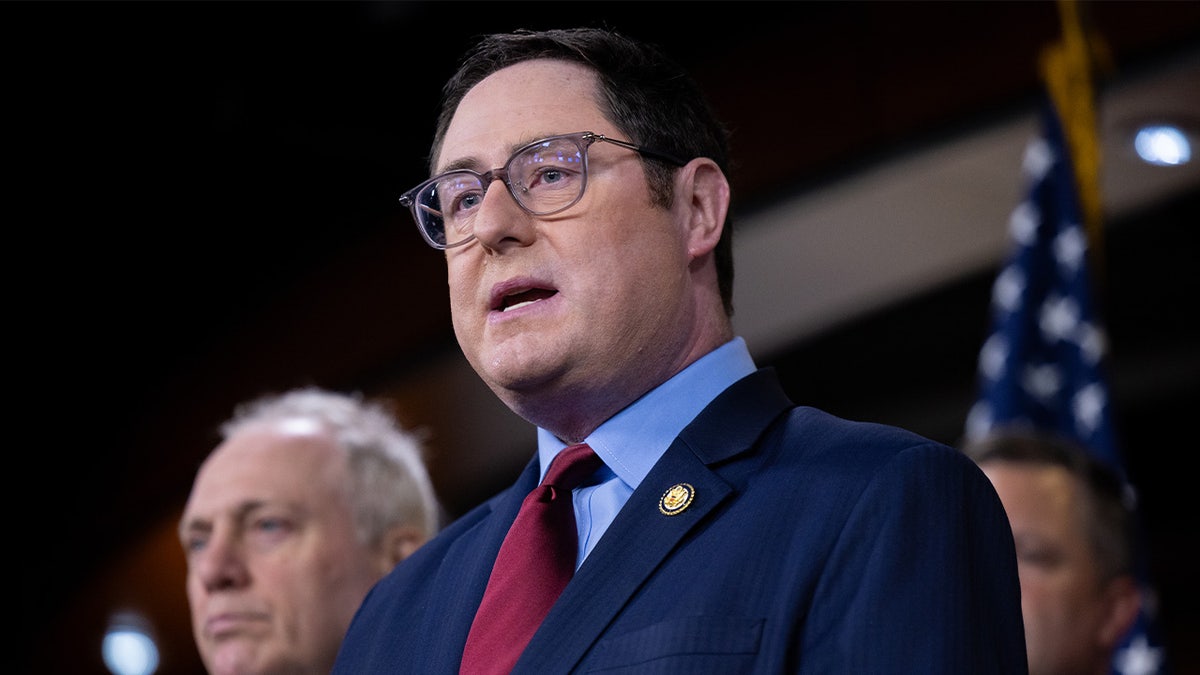
Rep. Mike Flood speaks at a press conference with other House Republicans on the 15th day of the government shutdown in Washington, D.C., on Oct. 15, 2025. (Nathan Posner/Anadolu via Getty Images)
He echoed Schatz’s concern about the build-to-rent supply consequences and added that the bill was «intended to cut costs, but the Senate removed important bipartisan House provisions that would have slashed barriers to building more homes.»
«Their process is still ongoing, and I am holding out hope for some fixes, but time runs short,» Flood said. «Given the bill’s current state, I think a conference may be the most viable path forward.»
Senate Majority Leader John Thune, R-S.D., said he believes that once the bill makes it through the Senate, «the White House will be wanting to work with our House counterparts to try and get it passed over there and get it on the President’s desk.»
BIPARTISAN PLAN AIMS TO MAKE THE AMERICAN DREAM AFFORDABLE AGAIN FOR MILLIONS OF FIRST-TIME HOMEBUYERS
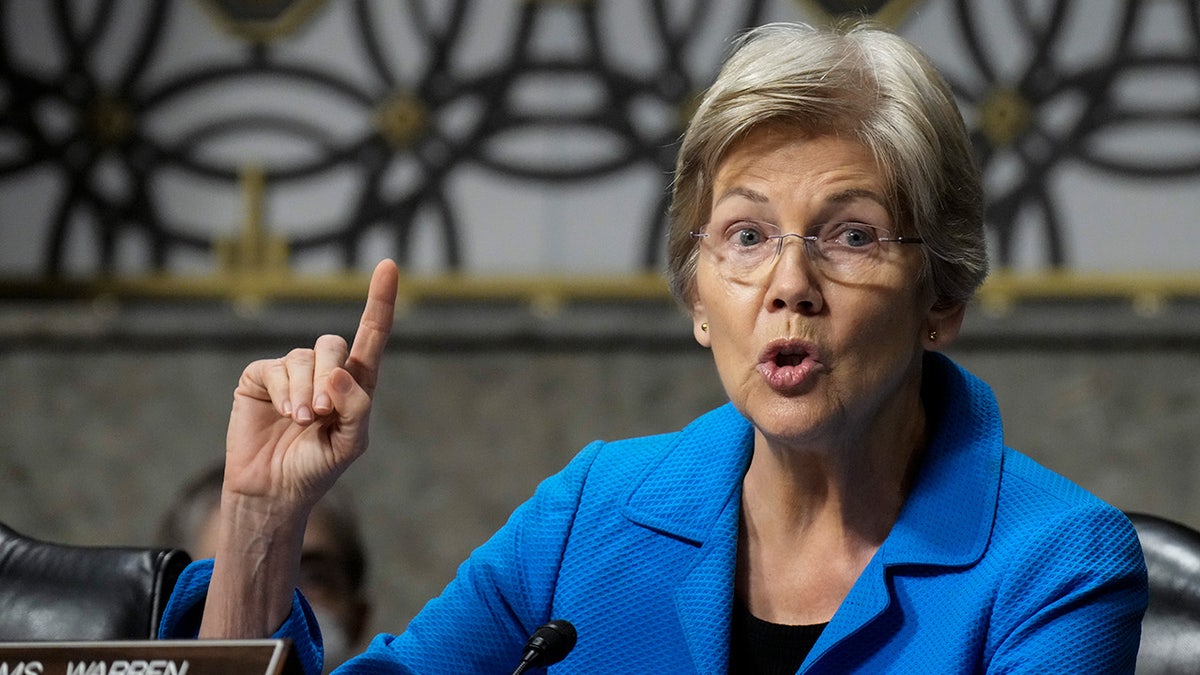
Sen. Elizabeth Warren, D-Mass., questions former executives of failed banks during a Senate Banking Committee hearing on Capitol Hill on May 16, 2023, in Washington. (Drew Angerer/Getty Images)
«We know we’ve added some things to the bill here in the Senate that were designed to make it more palatable to the House. I know there are other issues they would like to address in it, some of the banking issues too, but I think this is, by and large, a housing bill.»
«So, we think we have really put together a strong bill,» Thune continued. «It’s something that hasn’t been done in over a decade.»
It’s a product of negotiations between Sen. Tim Scott, R-S.C., the chair of the Senate Banking, Housing and Urban Affairs Committee, and Sen. Elizabeth Warren, D-Mass., its top Democrat.
CLICK HERE TO DOWNLOAD THE FOX NEWS APP
The pair argued that the changes made should make the legislation more palatable to their House counterparts.
«The package includes the vast majority of the Senate’s unanimously supported ROAD to Housing Act, incorporates bipartisan ideas from the House, and takes a good first step to rein in corporate landlords that are squeezing families out of homeownership,» Warren said earlier this month. «Congress should pass this package and continue working on further legislation to combat our nation’s housing crisis.»
politics,senate,house of representatives politics,donald trump,elizabeth warren

Más de 100 tiburones bacota en las costas de Río Negro: por qué aparecieron

La fiscalía anticorrupción abre una investigación por el viaje de la esposa de Adorni

Efecto tarifas y suba de la carne: los rubros que impulsaron la inflación de febrero

Javier Milei y la plana mayor del Gobierno cerraron filas para respaldar a Manuel Adorni: “Conozco tu integridad”

Wanda Nara y la China Suárez sorprendieron con una nueva coincidencia fashionista: el detalle que se hizo viral

Otro gol de Panichelli: ¿puede ir al Mundial?

Jenny Mavinga angustiada tras una quemadura en Gran Hermano 2026: “¡Ay, me quemó!

El mercado le está corriendo el arco a Caputo y el riesgo país no baja: en la City palpitan medidas

Muni Seligmann respondió las críticas tras el accidente de su bebé y su viaje a Miami: “Hay que contarlo y naturalizarlo”

Juan Carlos Schmid deja la conducción de Dragado y Balizamiento después de 33 años

 CHIMENTOS2 días ago
Muni Seligmann respondió las críticas tras el accidente de su bebé y su viaje a Miami: “Hay que contarlo y naturalizarlo”
- POLITICA3 días ago
Juan Carlos Schmid deja la conducción de Dragado y Balizamiento después de 33 años
- POLITICA2 días ago
Manuel Adorni explicó por qué viajó con su esposa en el avión presidencial a la gira del Gobierno en Nueva York