INTERNACIONAL
Trump inks trade deal with UK, previews China trade negotiations during 16th week in office

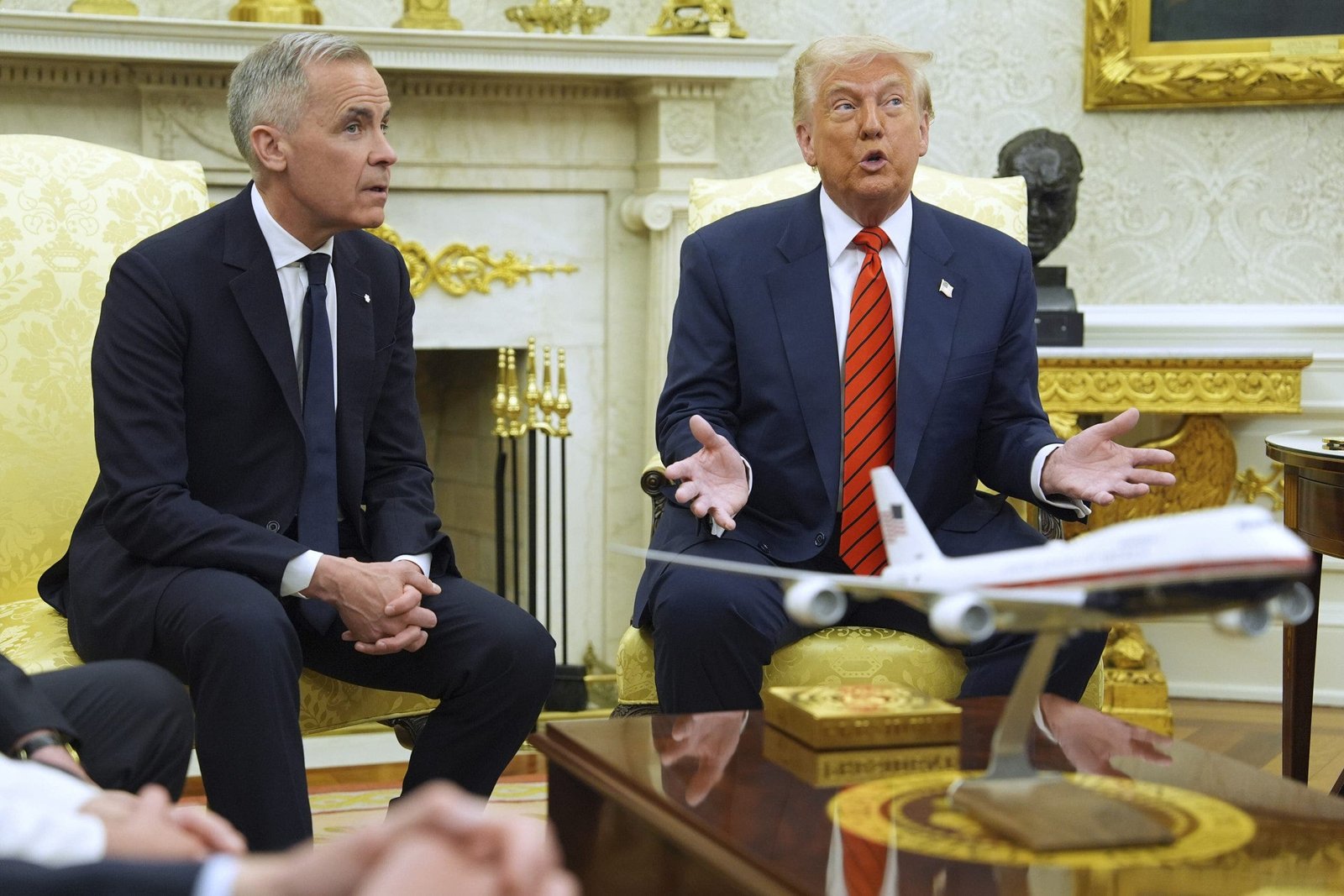
President Donald Trump and his administration inked a major trade deal with the U.K. Thursday, and closed the week gearing up for trade talks with China over the weekend.
Details of the specific trade plan with the U.K. are sparse, but the deal keeps the existing 10% tariffs in place against U.K. goods while removing some import taxes on items like steel and cars.
«With this deal, the U.K. joins the United States in affirming that reciprocity and fairness is an essential and vital principle of international trade,» Trump said Thursday. «The deal includes billions of dollars of increased market access for American exports, especially in agriculture, dramatically increasing access for American beef, ethanol and virtually all of the products produced by our great farmers.»
TRUMP SIGNALS CHINA ‘VERY MUCH’ INTERESTED IN SECURING TRADE DEAL AHEAD OF SWITZERLAND NEGOTIATIONS
President Donald Trump along with Vice President JD Vance and Peter Mandelson, British Ambassador to the United States, third from left, listen as Prime Minister Keir Starmer of Britain speaks on the speakerphone in the Oval Office at the White House May 8, 2025, following Trump’s U.K. trade deal announcement. (Anna Moneymaker/Getty Images)
The deal is the first historic trade negotiation signed following Liberation Day, when Trump announced widespread tariffs for multiple countries April 2 at a range of rates.
The administration later adjusted its initial proposal and announced April 9 it would immediately impose a 145% tariff on Chinese goods, while reducing reciprocal tariffs on other countries for 90 days to a baseline of 10%. China responded by raising tariffs on U.S. goods to 125%.
Trump also shed some insight into trade negotiations with China, given that Treasury Secretary Scott Bessent is scheduled to kick off trade negotiations with China in Switzerland Saturday.
«Scott’s going to be going to Switzerland, meeting with China,» Trump told reporters Thursday at the White House. «And you know, they very much want to make a deal. We can all play games. Who made the first call, who didn’t make them? It doesn’t matter. Only matters what happens in that room. But I will tell you that China very much wants to make a deal. We’ll see how that works out.»
Here’s what also happened this week:
Meeting with Canada’s prime minister
Trump also doubled down on his interest in expanding the U.S. during a Tuesday visit with Canada’s prime minister, Mark Carney.
Trump regularly has said he wants Canada to become a U.S. state, and has discussed acquiring Greenland and the Panama Canal for security purposes. However, the matter of Canada isn’t open to negotiation, Carney said.
«Having met with the owners of Canada over the course of the campaign the last several months, it’s not for sale,» Carney said at the White House Tuesday. «Won’t be for sale ever, but the opportunity is in the partnership and what we can build together. We have done that in the past, and part of that, as the president just said, is with respect to our security, and my government is committed for a step change in our investment in Canadian security and our partnership.»
CARNEY SAYS CANADA IS NOT FOR SALE, TRUMP REPLIES ‘NEVER SAY NEVER’
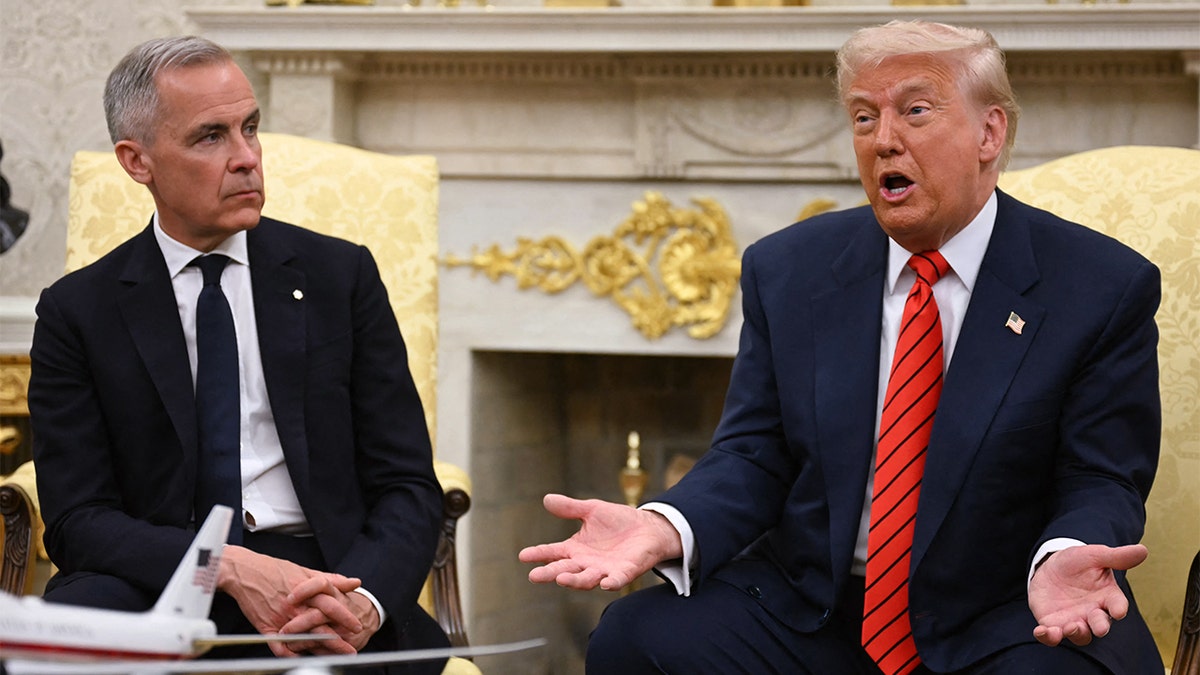
President Donald Trump meets with Canadian Prime Minister Mark Carney in the Oval Office of the White House in Washington, May 6, 2025. (Jim Watson/AFP)
While Trump acknowledged that Canada was stepping up its investment in military security, he said, «Never say never» in response to Canada becoming another state.
«I’ve had many, many things that were not doable, and they ended up being doable,» Trump said.
TRUMP PULLS HIS NOMINATION FOR DC US ATTORNEY, SAYS HE’LL REVEAL NEW PICK SOON
Meeting with ballet dancer freed from Russian prison
Trump also met with Russian-American ballet dancer, Ksenia Karelina, at the White House Monday. Karelina faced a sentence of 12 years in a Russian penal colony for treason in 2024, but the Trump administration negotiated her return to the U.S. during a U.S.-Russian prisoner swap in April.
CLICK HERE TO GET THE FOX NEWS APP
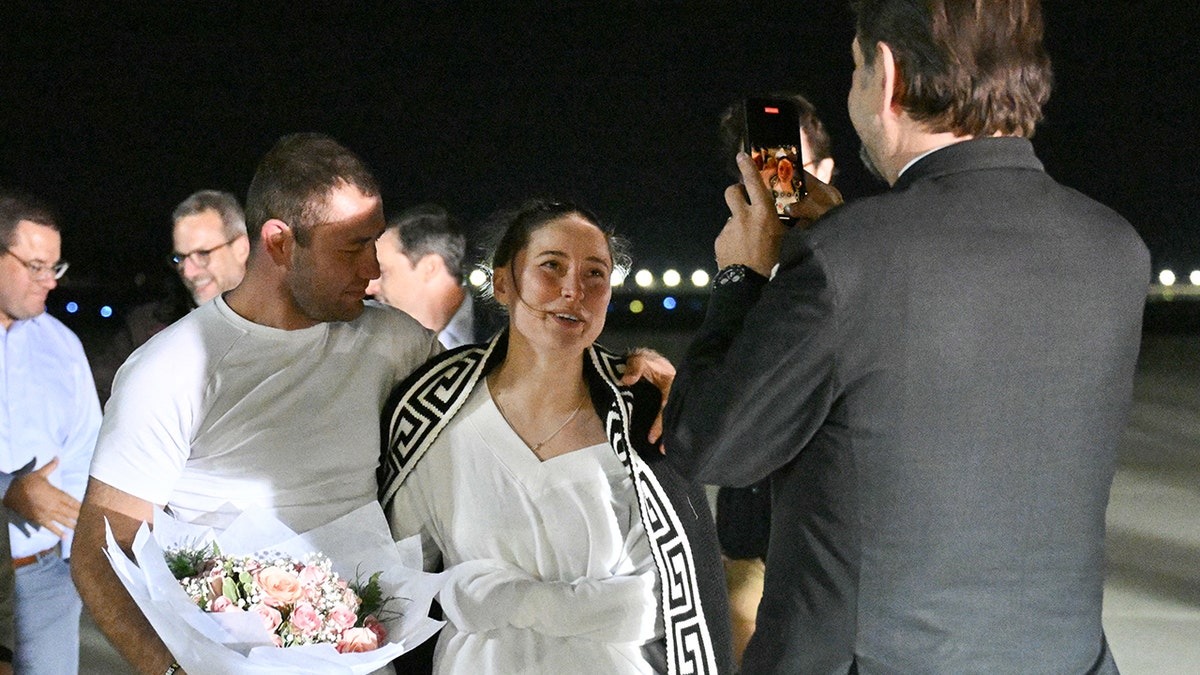
Senior Director for Counterterrorism Sebastian Gorka takes a picture of US-Russian ballet dancer Ksenia Karelina and her boyfriend, South African boxer Chris van Heerden, at Joint Base Andrews in Maryland, following Karelina’s release from Russia on April 10, 2025. (Roberto Schmidt/AFP via Getty Images)
«Mr. Trump, I’m so, so grateful for you to bring me home and for (the) American government. And I never felt more blessed to be American, and I’m so, so happy to get home,» Karelina said in a video posted by Trump deputy assistant Sebastian Gorka on April 11 upon her return to the U.S.
Karelina, a resident of Los Angeles who was born in Russia, was arrested in 2024 during a trip to visit family in Yekaterinburg, Russia. Russia Federal Security Service arrested her after inspecting her phone and finding a donation to a U.S.-based charity that supports Ukraine.
Fox News’ Emma Colton contributed to this report.
White House,Donald Trump,China,United Kingdom,Trade







INTERNACIONAL
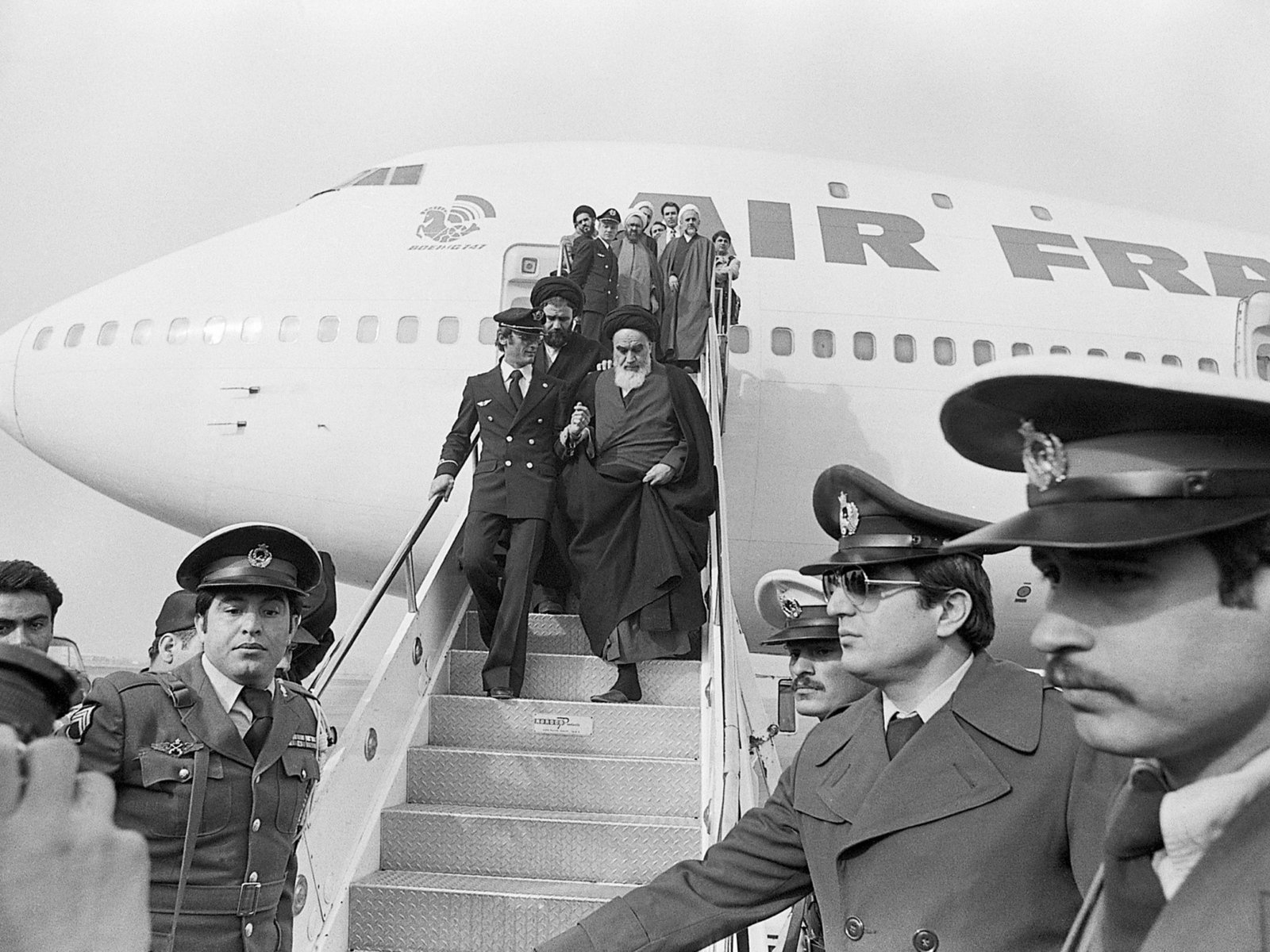
«La calle ardía de protestas y se escuchaban disparos», el enviado de Clarín en Irán hace 47 años en la caída del Sha


NEWYou can now listen to Fox News articles!
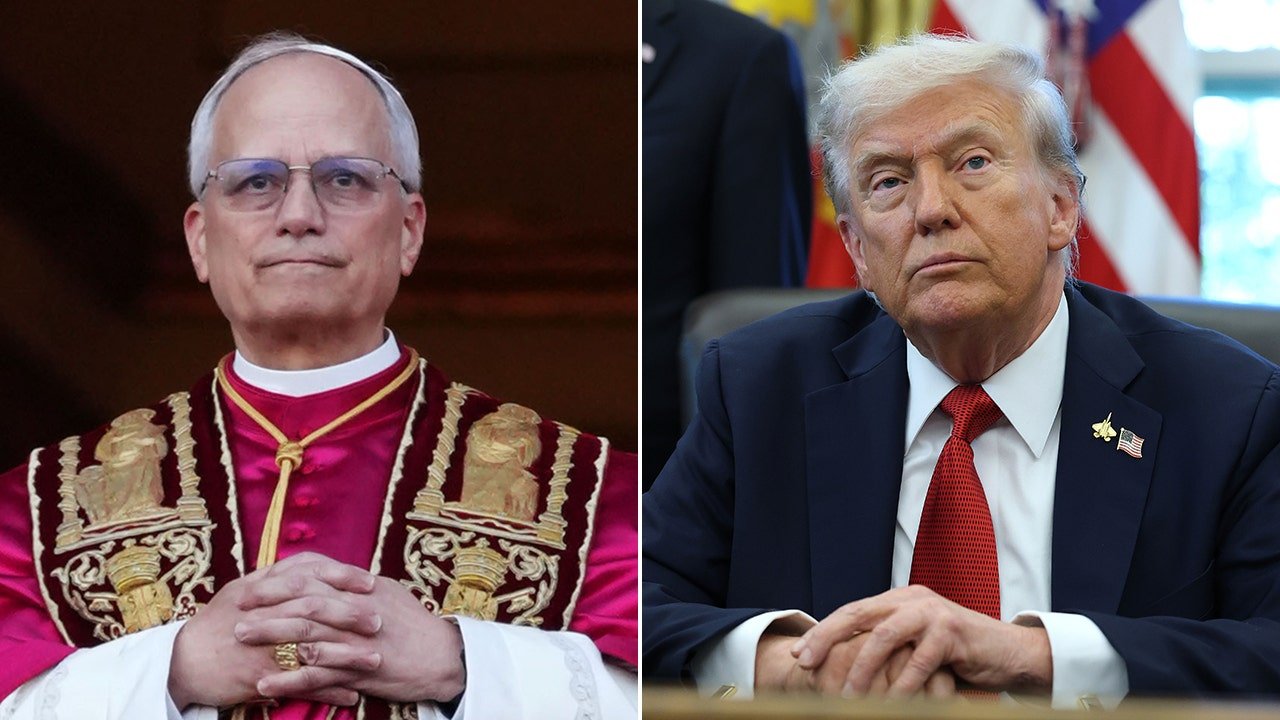
People Leo XIV on Saturday announced the appointment of the Vatican’s new ambassador, Apostolic Nuncio, to the U.S. to help manage strained relations with the Trump administration.
Italian Archbishop Gabriele Caccia, 68, a veteran Vatican diplomat who is currently ambassador to the United Nations, previously served as ambassador to the Philippines and Lebanon.
Caccia is replacing 80-year-old Cardinal Christophe Pierre, who is retiring.
«I receive this mission with both joy and a sense of trepidation,» Caccia said after the appointment, according to the Vatican News. He added that his mission was «at the service of communion and peace,» remembering that 2026 marks the 250th anniversary of the U.S.
People Leo XIV on Saturday announced the appointment of the Vatican’s new ambassador, Apostolic Nuncio, to the U.S. to help manage strained relations with the Trump administration. (Christopher Furlong/Getty Images; Anna Moneymaker/Getty Images)
The pope and President Donald Trump have been at odds over key issues for the White House, including immigration and the war in Iran.
Pierre’s ambassadorship was also at times at odds with the more conservative U.S. Conference of Catholic Bishops while representing Pope Francis’ more progressive priorities.
«Stability and peace are not built with mutual threats, nor with weapons, which sow destruction, pain, and death, but only through a reasonable, authentic, and responsible dialogue,» the American-born pope said on Sunday after the U.S. and Israel launched coordinated strikes on Iran, according to the outlet Chicago Catholic.
POPE LEO URGES DIALOGUE OVER MILITARY ACTION AFTER FAILED MADURO, TRUMP CALL
«Faced with the possibility of a tragedy of enormous proportions, I address to the parties involved a heartfelt appeal to assume the moral responsibility to stop the spiral of violence before it becomes an irreparable abyss,» he added.
In early January, Leo also delivered a major policy speech, mostly in English, that came on the heels of the U.S. military action in Venezuela.
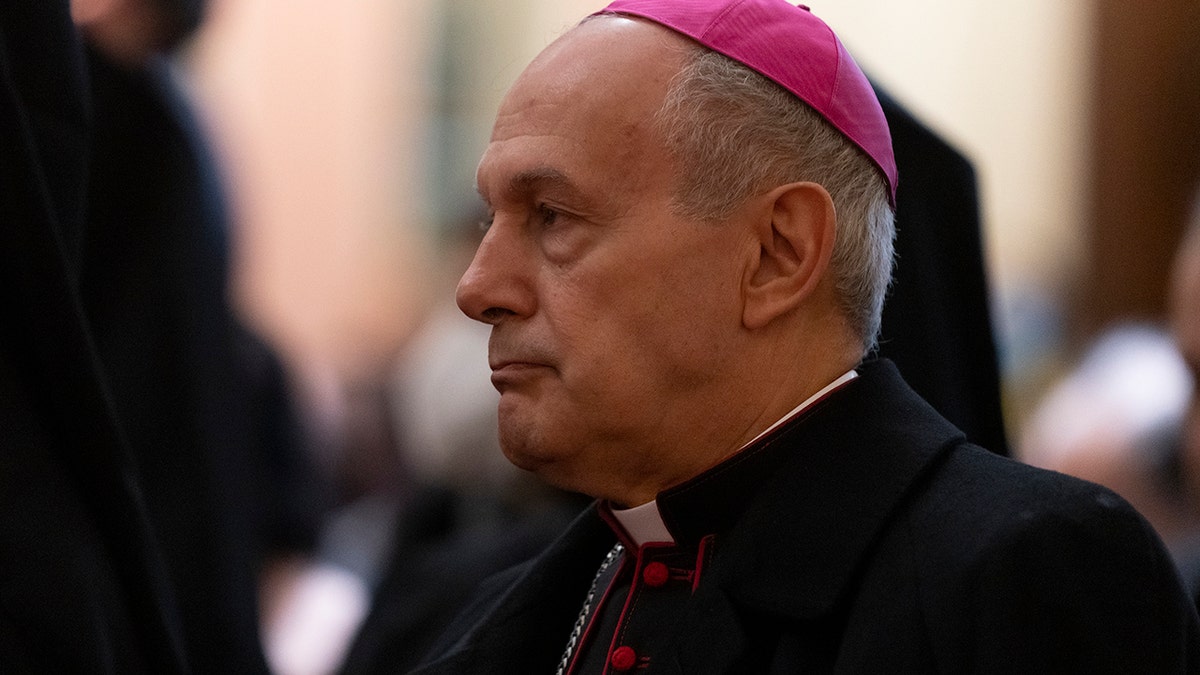
Archbishop Gabriele Caccia has been appointed by the pope as the new Vatican ambassador to the U.S. (Lev Radin/Pacific Press/LightRocket via Getty Images)
«War is back in vogue and a zeal for war is spreading,» the pope warned in the speech.
Trump called it a «great honor for our country» when Leo was elected pope last May after Pope Francis’ death, and when asked about Leo’s remarks earlier this year seemingly pressing him on policy, Trump told Politico he hadn’t seen the statements from the pontiff, but «I’m sure he’s a lovely man.»
He also said that he had met with the pope’s brother, who he called «serious MAGA.»
Last fall, the pope suggested that supporting the «inhuman treatment of immigrants in the United States» is not «pro-life,» leaving White House press secretary Karoline Leavitt to «reject there was inhumane treatment of illegal immigrants in the United States under this administration.»
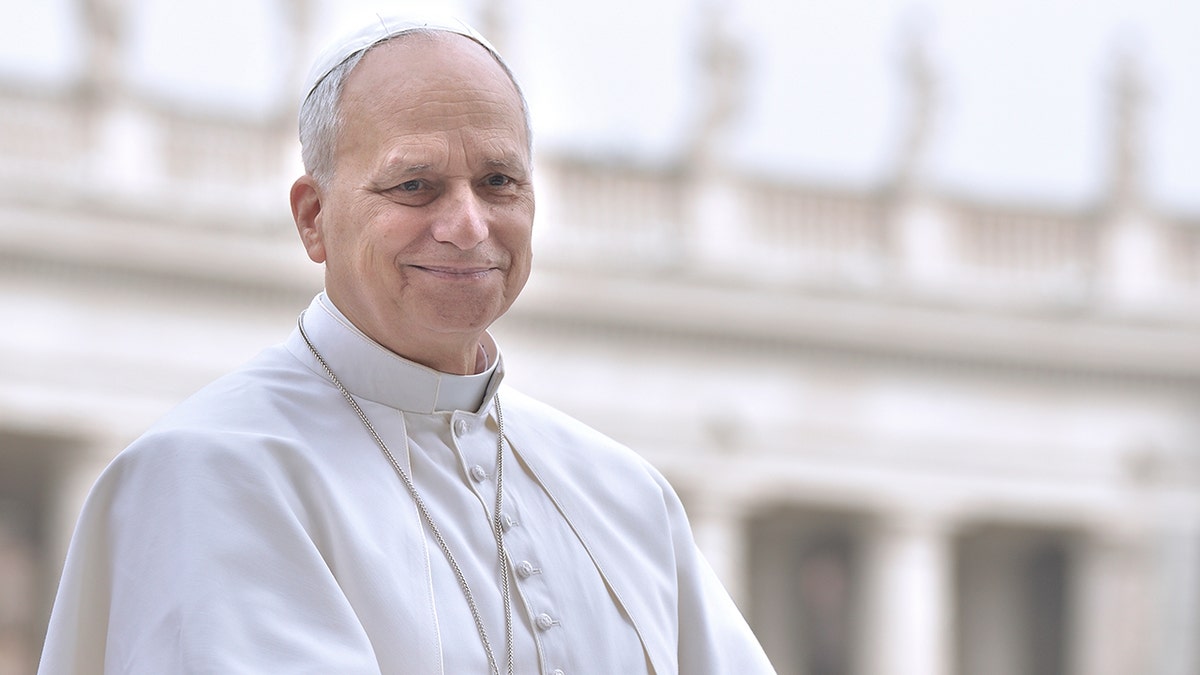
The pope and the Trump administration have been at odds over immigration and U.S. military actions. (Rocco Spaziani/Archivio Rocco Spaziani/Mondadori Portfolio via Getty Images)
Leavitt, who is Catholic, added that the administration always tries to be as humane as possible while enforcing laws.
CLICK HERE TO DOWNLOAD THE FOX NEWS APP
Archbishop Paul S. Coakley, current president of the U.S. conference, said after Caccia’s appointment: «On behalf of my brother bishops, I wish to extend our warmest welcome and our prayerful support to him as he carries out his responsibilities across the United States.»
Trump won 59% of the Catholic vote in the 2024 election, according to Politico.
The Associated Press contributed to this report.
Related Article
pope leo xiv,donald trump,world,roman catholic,geopolitics
NEWYou can now listen to Fox News articles!
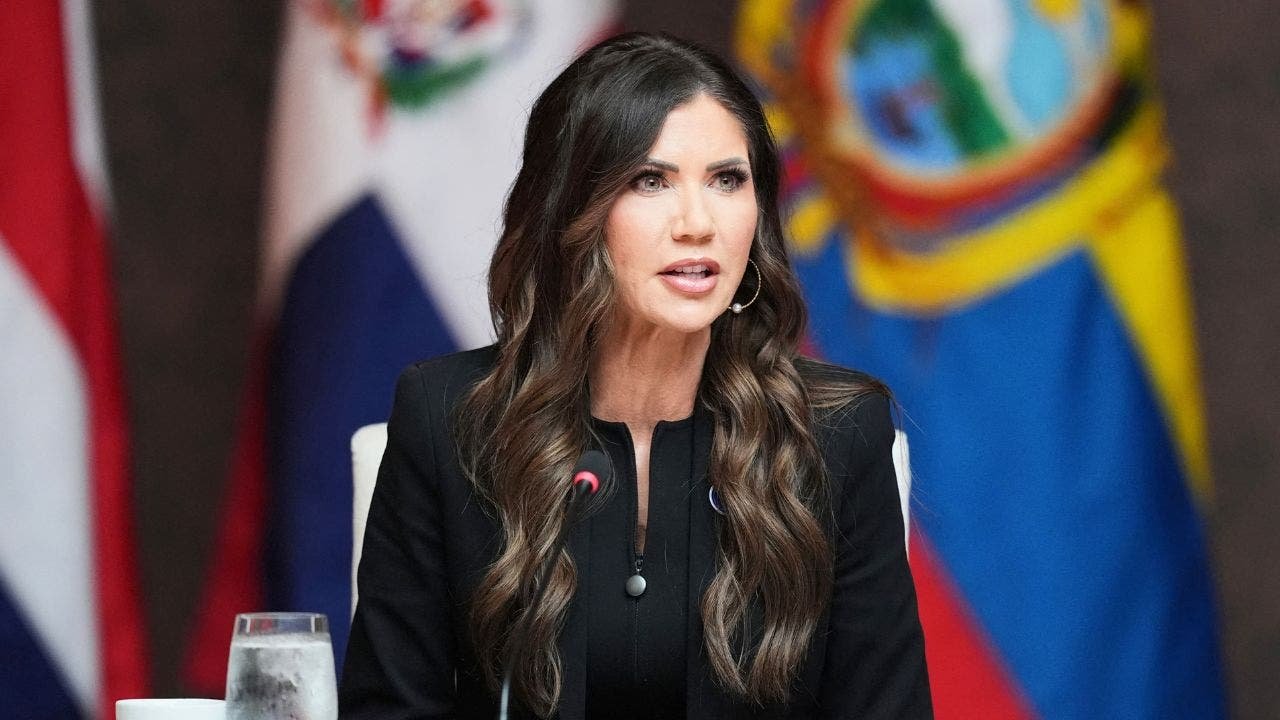
During the Shield of the Americas summit in Florida on Saturday, outgoing Department of Homeland Security (DHS) Secretary Kristi Noem thanked President Donald Trump for appointing her to a newly created role after she was ousted from overseeing the agency.
Noem, who is moving to the newly created position of special envoy for the Shield of the Americas, showed no ill feelings toward the president and said she was proud of her work at DHS, arguing the department had secured the border and eliminated public safety threats.
«I do want to thank the president for creating this and for giving me the honor and the opportunity to serve as a special envoy to this region, to the Western Hemisphere,» Noem said during the summit at Trump National Doral outside Miami.
«This Shield of the Americas will be a powerful example to the rest of the world about what’s possible.»
Homeland Security Secretary Kristi Noem delivers remarks during a working lunch at the Shield of the Americas summit, Saturday, at Trump National Doral near Miami. (Rebecca Blackwell / Pool / AFP via Getty Images)
Trump announced this week that Noem would shift into the new role after cutting short her tenure at DHS.
Noem was removed as the nation’s immigration chief after a turbulent stretch marked by internal clashes and two contentious congressional hearings where even some Republicans pressed her over leadership missteps, including the ad campaign, which she claimed the president had signed off on.
Noem framed the initiative as an effort to expand border security cooperation beyond the United States.
«The way that we cooperate on our shared ideals of freedom and of democracy and safety and security will be a shining light to all of those who wish to be more like all of us,» she said.
WHAT’S NEXT FOR KRISTI NOEM? 2026 SENATE CHATTER GROWS AFTER DHS EXIT
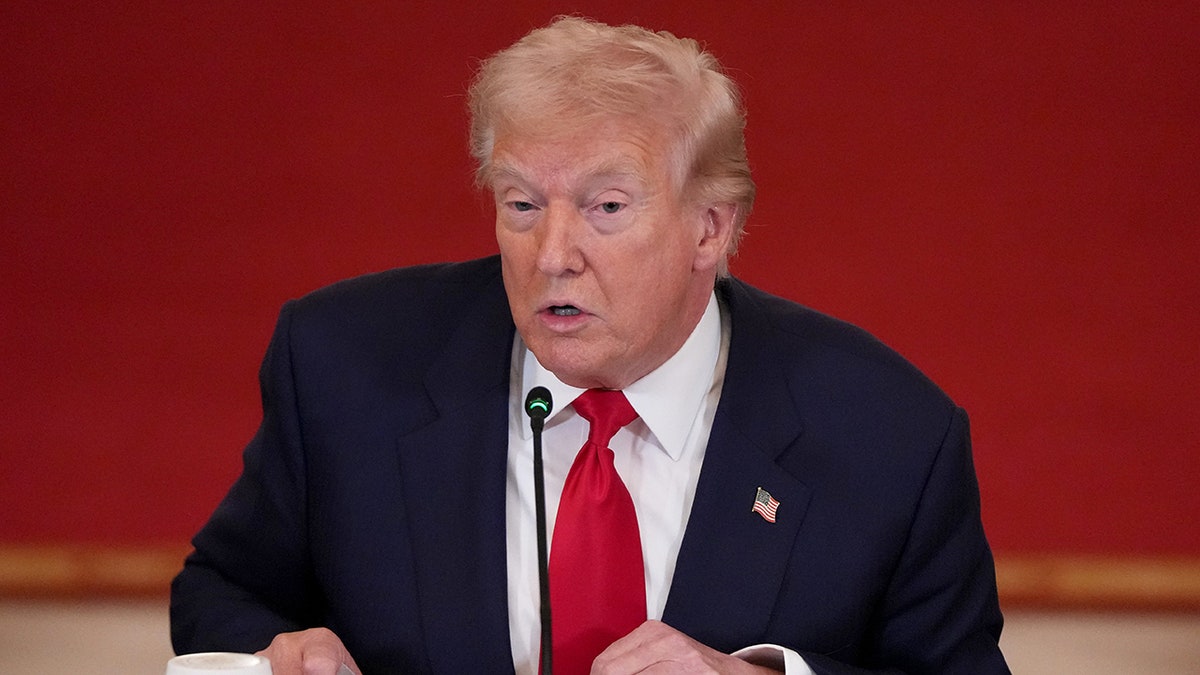
Trump removed Noem as the nation’s DHS chief this week after a turbulent stretch. (Julia Demaree Nikhinson/AP Photo)
Noem, who previously served in Congress and as South Dakota governor before leading DHS, defended her record overseeing immigration enforcement during the past year.
«In the last year, as secretary of Homeland Security, we have focused on securing our border,» she said. «We have transformed our country from one that was being invaded by enemies, millions of them that were coming in unvetted, that we didn’t know who was there and who wished to harm us.»
«We’ve secured that border,» she continued. «We’ve focused on removing public safety threats, and over 3 million people have been deported or removed from our country in the last year.»
Noem argued that stronger border enforcement has allowed the administration to pivot toward economic and diplomatic engagement with neighboring nations.
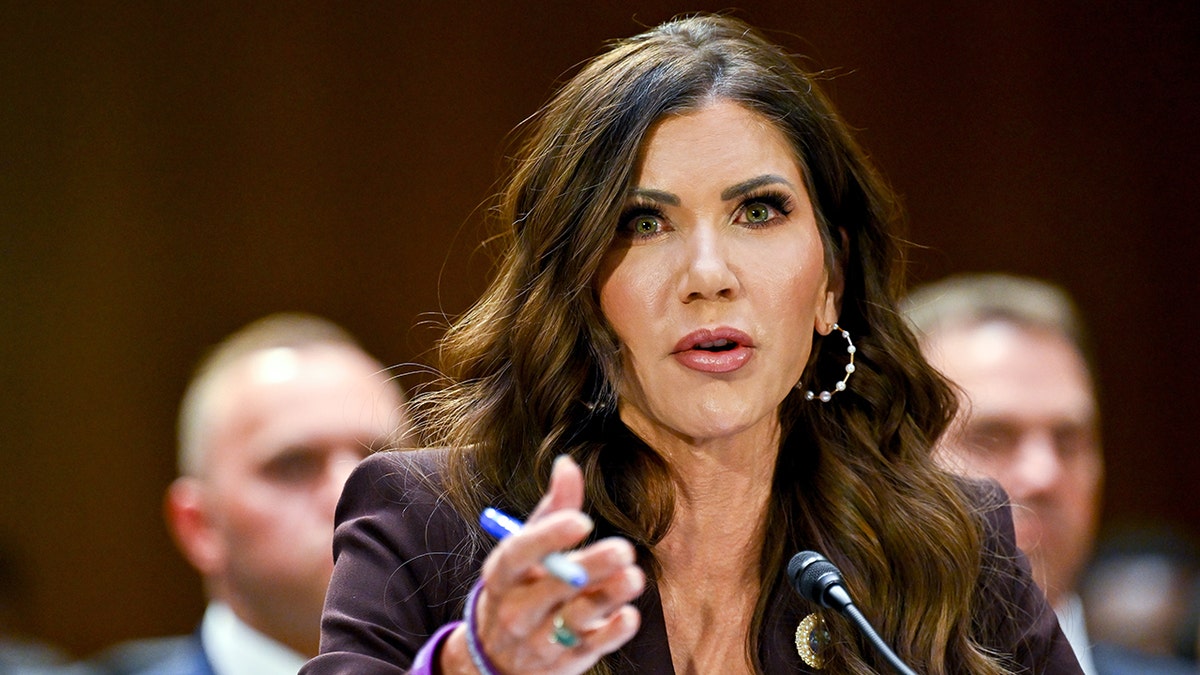
DHS Secretary Kristi Noem testifies before the Senate Judiciary Committee on Capitol Hill. (Graeme Sloan/Getty Images)
«Secure borders has changed everything for our country,» she said. «Now that America is secure and our borders are secure, we want to focus on our neighbors and to help our neighbors with their borders and challenges that they have so that they may have the security that we enjoy.»
Trump announced on Truth Social that Sen. Markwayne Mullin, R-Okla., will replace her effective March 31, while Noem shifts to the newly created envoy role.
Members of Trump’s Cabinet, including Secretary of State Marco Rubio, Secretary of War Pete Hegseth, Secretary of Commerce Howard Lutnick and United States Trade Representative Jamieson Greer attended Saturday’s summit.
CLICK HERE TO DOWNLOAD THE FOX NEWS APP
Leaders from other nations included Argentina’s Javier Milei, El Salvador’s Nayib Bukele Ortez, Bolivia’s Rodrigo Paz Pereira, Costa Rica’s Rodrigo Chaves Robles, Panama’s José Raúl Mulino Quintero, and Trinidad and Tobago’s Kamla Persad-Bissessar, Chile’s Jose Antonio Kast, the Dominican Republic’s Luis Rodolfo Abinader Corona, Ecuador’s Daniel Roy Gilchrist Noboa Azín, Guyana’s Mohamed Irfaan Ali, Honduras’ Nasry «Tito» Asfura and Paraguay’s Santiago Peña.
Notably missing were the leaders of Venezuela, Delcy Rodríguez, and Mexico, Claudia Sheinbaum Pardo.
Fox News Digital’s Alec Schemmel contributed to this report.
Related Article
kristi noem,donald trump,homeland security,politics,americas

Canasta alimentaria tradicional vs. sin Tacc: cuánto aumenta el costo de una dieta especial

Atento Boca: Paulo Dybala fue operado por una lesión en la rodilla y estará varias semanas sin jugar

El miedo que transmite Milei en pleno frenesí libertario

Seis bloques de Diputados piden celeridad al Gobierno para repatriar a los argentinos varados en Medio Oriente

Guillermo Coppola rompió el silencio tras su internación y contó cómo está hoy

Violento robo a una familia en Villa Luzuriaga: hay cuatro detenidos

El hijo adoptivo de José María Muscari tomó una tajante decisión de vida a los 18 años

¡Interna total! Pablo Layus explotó y blanqueó quiénes son los que arruinan Intrusos: «Te matan»

Javier Milei habló de la crisis con la vicepresidenta: “No quiero la renuncia de Victoria Villarruel”

Mapa de la guerra en Medio Oriente: dos bandos y 13 países involucrados en un conflicto que jaquea al mundo

 POLITICA2 días ago
Javier Milei habló de la crisis con la vicepresidenta: “No quiero la renuncia de Victoria Villarruel”
- CHIMENTOS3 días ago
El desafortunado comentario de Yanina Zilli contra Daniela de Lucía, tras la muerte de su padre: “Jugamos con lo personal”
- CHIMENTOS2 días ago
Ian Lucas se hartó de las mentiras de Evangelina Anderson y confirmó que fueron novios: “Ella me da vergüenza”