INTERNACIONAL
Trump nominees pile up as GOP weighs rule shift once floated by Democrats

NEWYou can now listen to Fox News articles!
Senate Republicans are getting closer to changing the upper chamber’s rules to allow for a slew of President Donald Trump’s lower-level nominees to be confirmed, and they’re closing in on a revived proposal from Democrats to do it.
The hope among Republicans is that using a tool that Senate Democrats once considered would allow them to avoid turning to the «nuclear option,» meaning a rule change with a simple majority vote.
«The Democrats should support it, because it was their original proposal that we’re continuing on,» Senate Majority Whip John Barrasso, R-Wyo., told Fox News Digital. «And I wouldn’t be surprised if they won’t. This historic obstruction by the Democrats is all playing to their far-left liberal base, who hate President Trump.»
REPUBLICAN DOCTORS CLASH WITH RFK JR OVER VACCINES IN TENSE SENATE SHOWDOWN
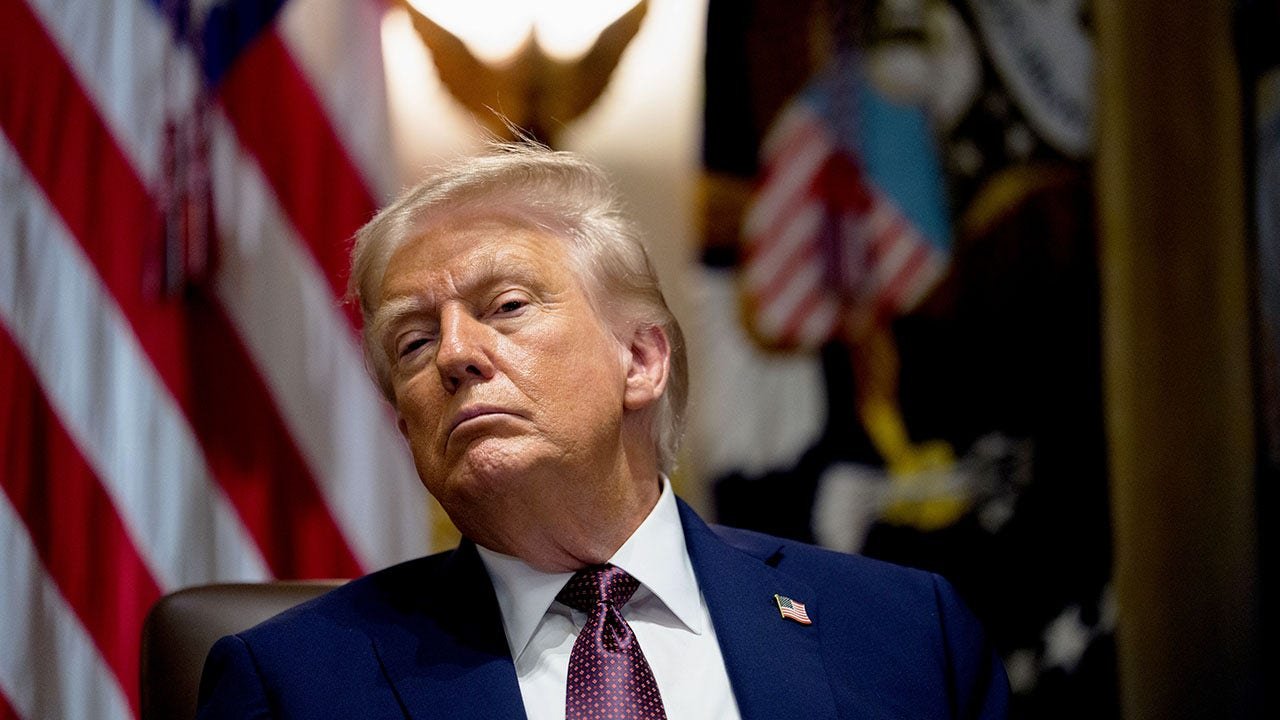
Senate Republicans are eyeing a Democratic proposal from years ago to change the Senate’s rules to ram President Donald Trump’s nominees through Senate Democrats’ blockade. (Aaron Schwartz/CNP/Bloomberg via Getty Images)
Republicans met throughout the week behind closed doors to discuss their options and have begun to coalesce around a proposal that would allow them to take one vote to confirm a group of nominees, also known as «en bloc,» for sub-Cabinet level positions.
So far, the only nominee to make it through the Senate with ease was Secretary of State Marco Rubio in January. Since then, various positions throughout the bureaucracy have stacked up and have not received a voice vote or gone through unanimous consent — two commonly-used fast-track procedures for lower-level positions in the administration.
Senate Majority Leader John Thune, R-S.D., said that before Senate Minority Leader Chuck Schumer, D-N.Y., was in charge of the Democrats, «this was always done in a way where, if you had some of the lower-level nominees in the administration, those were all voted en bloc, they were packaged, they were grouped, they were stacked.»
«This is the first president in history who, at this point in his presidency, hasn’t had at least one nominee clear by unanimous consent or voice vote,» he said. «It is unprecedented what they’re doing. It’s got to be stopped.»
TOP SENATE REPUBLICAN READY TO GO NUCLEAR, ‘ROLL OVER’ DEMOCRATS WITH RULE CHANGE TO CONFIRM TRUMP NOMINEES
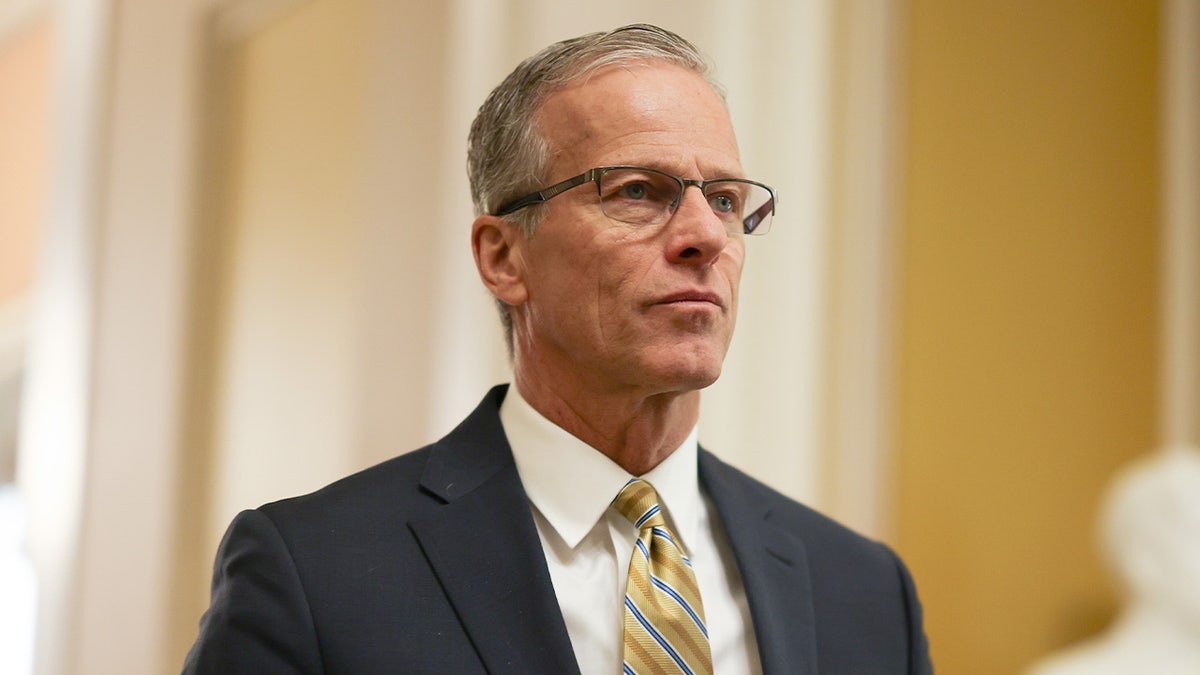
Senate Majority Leader John Thune, R-S.D., heads to the Senate chamber on Jan. 22, 2025, in Washington, D.C. (Kayla Bartkowski/Getty Images)
And the number of nominees on the Senate’s calendar continues to grow, reaching 149 picks awaiting confirmation this week. The goal would be to make that rule change before lawmakers leave town for a week starting Sept. 22.
The idea comes from legislation proposed in 2023 by Sens. Amy Klobuchar, D-Minn., Angus King, I-Maine, and former Sen. Ben Cardin, D-Md. Republicans are eyeing their own spin on it, such as possibly not limiting the number of en bloc nominees in a group or excluding judicial nominees.
Republicans would prefer to avoid going nuclear — the last time the nuclear option was used was in 2019, when then-Senate Majority Leader Mitch McConnell, R-Ky., lowered debate time on nominees to two hours — but they are willing to do so, given that Democrats haven’t budged on their blockade.
They may only be making a public display of resistance, however.
«Democrats privately support what Republicans are talking about,» a senior GOP aide familiar with negotiations told Fox News Digital. «They’re just too afraid to admit it.»
Sen. James Lankford, who worked with Thune and Barrasso over the recess to build a consensus on a rule change proposal, told Fox News Digital that his Democratic colleagues acknowledged that they’ve «created a precedent that is not sustainable.»
TRUMP THREATENS LAWSUIT OVER ‘BLUE SLIPS’ AS TOP GOP SENATOR BUCKS DEMAND TO BEND SENATE RULES FOR NOMINEES
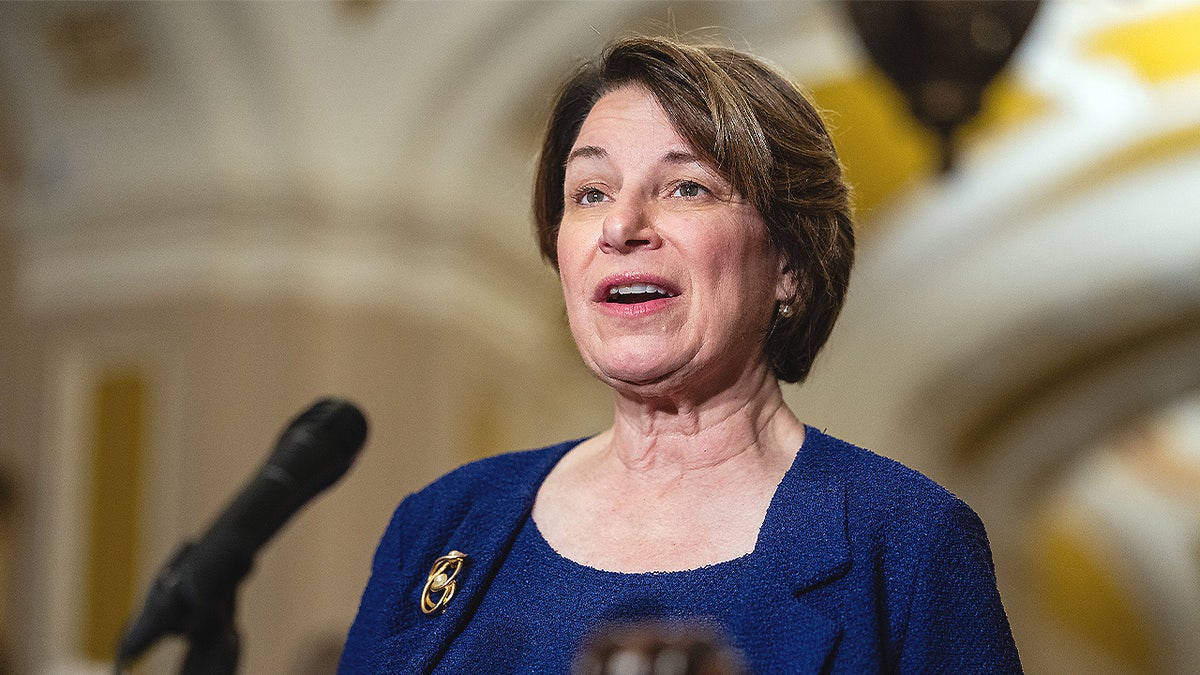
The idea comes from legislation proposed in 2023 by Sen. Amy Klobuchar, D-Minn., among others. (Bloomberg/Getty)
«But then they’ll say, ‘but my progressive base is screaming at me to fight however I want to. I know I’m damaging the Senate, but I got to show that I’m fighting,’» the Oklahoma Republican said.
«We feel stuck, I mean, literally,» Lankford continued. «Some of my colleagues have said, ‘We’re not the ones going nuclear. They’re the ones that are going nuclear.’»
Klobuchar told Fox News Digital that she appreciated the prior work she’s done with Lankford on «ways to make the Senate better» but wasn’t ready to get behind the GOP’s version of her legislation.
«When I proposed that, it was meant to pass as legislation, which means you would have needed bipartisan votes, and the reason that’s not happening right now is because the president keeps flaunting the law,» she said.
CLICK HERE TO GET THE FOX NEWS APP
Not every Senate Democrat is on board with the wholesale blockade, however.
Sen. John Fetterman, D-Pa., told Fox News Digital that lawmakers should all behave in a way in which administrations, either Republican or Democratic, get «those basic kinds of considerations» for nominees.
«That’s not the resistance,» he said. «I just think that’s kind of unhelpful to just move forward. I mean, you can oppose people like the big ones, whether it’s [Health and Human Services Secretary Robert F.] Kennedy or others.»
Fox News Digital reached out to Schumer’s office for comment but did not immediately hear back.
senate,donald trump,chuck schumer,politics









Trump hints at potential Iran deal amid ongoing negotiations
US Special Forces launched a daring mission to rescue a downed F-15E weapons systems officer deep inside Iran. President Donald Trump confirmed the mission and issued a 48-hour ultimatum for an Iran deal, threatening to blow up everything and take over oil. Trump also vowed to hit Iran’s power plants and bridges.
NEWYou can now listen to Fox News articles!
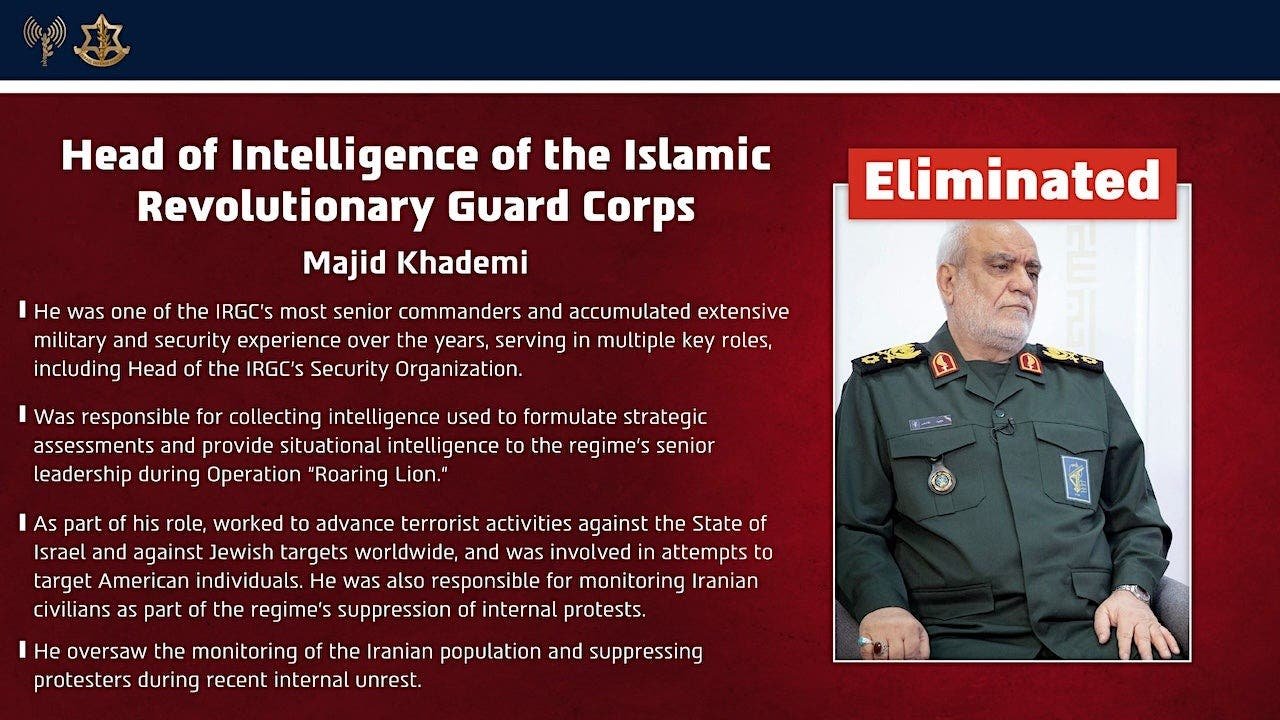
Israel announced that Iran’s Islamic Revolutionary Guard Corps’ intelligence chief Brig. Gen. Majid Khademi was killed in a precision strike, with an Israeli official noting that Quds Force’s special operations commander Asghar Bagheri was eliminated at the same time.
In a statement posted on X, the Israel Defense Forces (IDF) confirmed Khademi’s killing, accusing him of helping advance terrorist attacks abroad and overseeing surveillance of Iranian civilians as part of the regime’s crackdown on domestic protests.
«Khademi wasn’t just any figure, he was effectively No. 2 within the IRGC, one of the few senior commanders who managed to survive multiple waves of Israeli and American targeting over the past year — until now,» a senior Israeli official told Fox News. «He kept moving, relocating, but ultimately he was hunted down and eliminated.
«He oversaw an intelligence apparatus that repeatedly failed to detect or prevent major Israeli and U.S. operations, including a series of strategic surprises that exposed deep vulnerabilities inside Iran’s security system.»
IRGC intelligence chief Majid Khademi was killed in an Israeli precision strike that also took out a Quds force commander early Monday morning. (Israel Defense Forces / X)
IRAN’S INTERNET BLACKOUT HIDING STRIKE DAMAGE AND SUPPRESSING DISSENT, ISRAELI OFFICIALS SAY
Notably, Khademi was «deeply involved in attempts to penetrate U.S. systems, including efforts to breach the Pentagon,» and «coordinated extensively with Russia,» according to the official.
«His removal marks a significant blow to Iran’s intelligence leadership at a time when the regime is already under sustained pressure,» the official added.
Bagheri was also killed at the same time as the strike that took out Khademi, the official noted, but the IDF has yet to officially confirm his killing.
TRUMP DECLARES ‘I GOT HIM BEFORE HE GOT ME’ AFTER IRAN’S SUPREME LEADER KILLED IN STRIKE
«Bagheri was directly involved in recruiting agents across the Middle East and orchestrating attacks against American targets in Iraq and Syria — including operations that led to U.S. casualties,» the senior official told Fox News.
Khademi spent decades in intelligence and counter-espionage roles while rising through Iran’s security apparatus.
Before his appointment, Khademi headed the Guard’s Intelligence Protection Organization, charged with internal surveillance and counter-intelligence, and held senior roles in Iran’s defense ministry.
CLICK HERE TO DOWNLOAD THE FOX NEWS APP
The IRGC intelligence arm is one of Iran’s most powerful security bodies, with a central role in domestic surveillance to counter foreign influence, and often operating in parallel with the civilian intelligence ministry.
Fox News’ Trey Yingst and Reuters contributed to this report.
iraq, counter terrorism, iran, syria, assassinations murders
INTERNACIONAL
Una doble vida, una desaparición y un hallazgo inquietante: el caso del asesino que conmocionó a Dinamarca
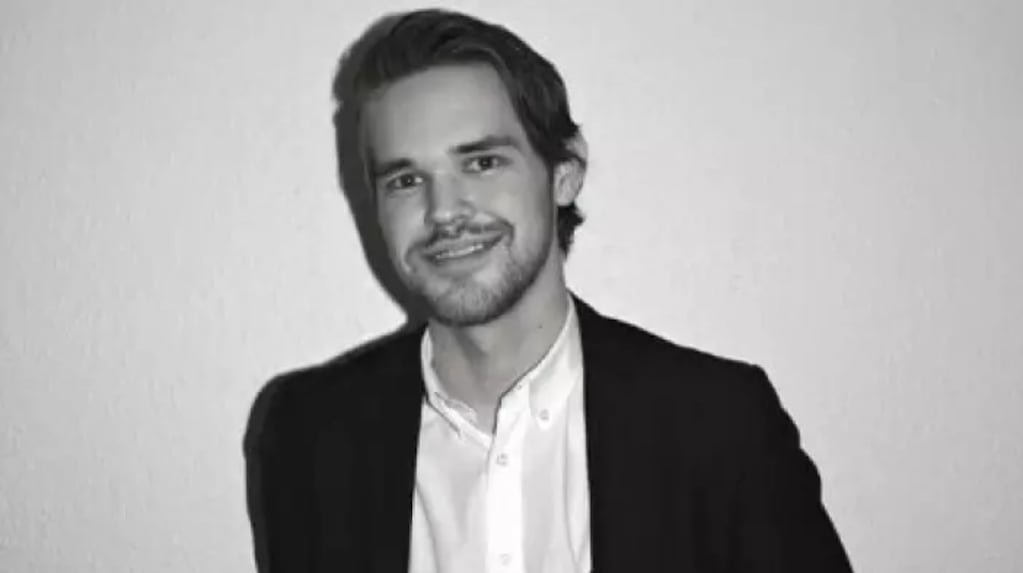
Durante años, nadie sospechó de él. Compartía salidas, charlas y momentos cotidianos con su grupo de amigos como cualquier otra persona. Todo eso formaba parte de una vida aparentemente normal en una tranquila localidad de Dinamarca.
Sin embargo, detrás de esa imagen, Philip Patrick Westh ocultaba un secreto perturbador. Cuando la verdad salió a la luz, no solo dejó al descubierto una serie de crímenes brutales, sino que también destruyó la confianza de quienes lo consideraban parte de su círculo más cercano.
El caso, que volvió a cobrar relevancia con el estreno del documental A Friend, a Murderer de Netflix, reconstruye una historia en la que la cercanía con el agresor fue tan impactante como los delitos en sí.
Una desaparición misteriosa
Todo comenzó a mediados de 2016, cuando una adolescente de 17 años, Emilie Meng, desapareció en la ciudad de Korsør, en Dinamarca. El 10 de julio de ese año, la joven fue vista por última vez en la madrugada luego de bajarse de un tren, cuando volvía de una fiesta con amigos.
Se suponía que tenía que participar del coro de una iglesia local esa misma mañana, pero nunca se presentó. Sus padres no la encontraron en su habitación y se encendieron todas las alarmas. Rápidamente, su ausencia generó una intensa búsqueda que mantuvo en vilo a toda la comunidad.
Durante meses, no hubo pistas ni respuestas claras y el caso se estancó con el paso del tiempo, a pesar de los esfuerzos de los policías. Los agentes siguieron tres líneas de investigación: Emilie se había dado a la fuga, había sufrido un accidente o había sido víctima de un delito.
Recién seis meses después, el 24 de diciembre de ese mismo año, el cuerpo de la víctima fue encontrado en plena Nochebuena. El cadáver fue hallado en un lago cerca de un sendero conocido como Regnemarks Bakke.
Las sospechas apuntaron contra varios hombres, pero la falta de pruebas contundentes impidió identificar a una persona concreta en ese momento.
Emilie Meng desapareció el 10 de julio de 2016 en la ciudad de Korsør, en Dinamarca. (Foto: Aftenposten)
Mientras la investigación permanecía paralizada, Philip Patrick Westh continuaba con su vida cotidiana. Trabajaba en publicidad, disfrutaba su vida como treintañero y mantenía vínculos cercanos con varias personas que, años después, serían protagonistas indirectos de la historia.
Entre ellos estaban Amanda, Nichlas y Kiri, tres amigos que compartían bastante tiempo con él. En particular, Nichlas era amigo de él desde hacía más de 15 años. Nada en su comportamiento parecía indicar que Westh pudiera estar vinculado a un crimen de esa magnitud.
Ese contraste -entre la imagen pública y la realidad- fue uno de los aspectos más inquietantes del caso. “Pensá que conocés todo sobre una persona y resulta que es alguien completamente distinto”, expresó Kiri en el documental. La sensación de haber sido engañados atravesó completamente a su entorno.
El giro inesperado: otro crimen y una pista clave
El caso dio un vuelco decisivo en 2023, siete años después del asesinato de Emilie Meng, cuando Phillip Westh fue detenido tras ser acusado de haber secuestrado a una nena de 13 años en la localidad de Kirkerup.
Según la investigación, el hombre habría atropellado intencionalmente a la menor mientras ella circulaba en bicicleta. Luego la llevó a su casa, donde la mantuvo cautiva y abusó sexualmente de ella.
En cuanto comenzó la búsqueda, los policías analizaron las cámaras de seguridad y llegaron hasta la casa de Westh. Tras inspeccionar la propiedad, encontraron a la menor secuestrada: estaba detrás de una cama boca abajo y atada de manos y pies, con signos de un ataque sexual. Después de 27 horas de su desaparición, fue rescatada con vida. Philip Patrick Westh no fue acusado por el crimen de Emilie Meng hasta 2023, cuando se descubrió que había secuestrado a otra menor. (Foto: TV2øst)
Durante los peritajes de ese caso, se recolectó el ADN del sospechoso, lo cual derivó en un hallazgo clave: los análisis lo vincularon directamente con el asesinato de la joven desaparecida en 2016. De esta manera, un crimen reciente permitió resolver uno que llevaba años sin respuesta.
Pero eso no fue todo. En el marco de la investigación, la policía encontró en la computadora de Westh una lista detallada que incluía nombres de chicas, fotos, edades, direcciones y horarios de transporte. También hallaron material de explotación sexual de menores. Ese documento, que parecía ser un “plan de secuestro”, puso en evidencia que todo había sido premeditado.
También se lo vinculó con otro ataque ocurrido en 2022, en el que una adolescente de 15 años fue secuestrada y víctima de un intento de abuso.
Leé también: Se obsesionó con una serie sobre un asesino, armó un plan para imitarlo y terminó preso por un cuaderno
La mente de un depredador
A partir de su detención, la causa avanzó en reconstruir el patrón de conducta que Westh operaba de manera meticulosa. Con el tiempo, lograron comprender cómo era el sistema de selección de sus víctimas y la planificación de sus movimientos.

Una ilustración de Philip Patrick Westh durante el juicio. (Foto: Kristeligt Dagblad)
Posteriormente, la evidencia digital que encontraron fue determinante. Los registros hallados en sus dispositivos no solo confirmaron su participación en los hechos, sino que también revelaron la existencia de otros posibles objetivos.
Durante el juicio, que comenzó en abril de 2023, se prohibió la divulgación del nombre de Westh mientras se llevaba a cabo el debate.
En su declaración, el acusado admitió algunos puntos del caso de la nena de 13 años, pero negó haber estado involucrado en el crimen de Meng.
Leé también: Asesinó a sus padres para hacer una fiesta con 60 personas en su casa: el parricidio que conmocionó a EE.UU.
El 28 de junio de 2024, tras el proceso judicial, Philip Patrick Westh fue declarado culpable de múltiples delitos. El tribunal de Næstved lo condenó por el asesinato de Emilie Meng, así como por el secuestro y abuso de la menor de 13 años en 2023 y el ataque a la adolescente de 15 en 2022. Al momento de la sentencia Westh tenía 33 años y recibió cadena perpetua.
Dinamarca, desaparicion, secuestro, Asesinato
INTERNACIONAL
Behind ‘No Kings’ St. Paul protest: $250K production machine equal to a Def Leppard concert

NEWYou can now listen to Fox News articles!
ST. PAUL, Minn. – When anti-Trump protesters took to the streets across the country in late March for rallies branded as «No Kings,» CNN reported that anti-Trump protests had «popped up» nationwide, including at the Minnesota State Capitol.
But a Fox News Digital investigation reveals that nine vendors were paid an estimated $250,000 to build a professionally-sophisticated protest infrastructure behind the «flagship» event held in St. Paul, and a former Obama and Biden administration political and communications strategist, Roger Fisk, took credit for being the «Senior Advisor to the #NoKings flagship event,» fine-tuning the «art and science» of throwing the protest, along with two other «No Kings» protests last year.
The machine behind the protest included deploying about 30 semi-trucks to deliver concert-level equipment, a massive mobile stage, nearly a mile of heavy-duty feeder cable used to distribute electricity throughout the rally site, scores of porta-toilets and folding chairs, eight jumbo screens, high-speed internet and bike-rack barriers to keep the crowds away from the stage, filled with bold-faced celebrities including rock star Bruce Springsteen, actress Jane Fonda and singer Joan Baez.
The operation amounted to a massive buildout that resembled the setup for an outdoor music festival or Def Leppard concert, according to the event’s vendors, most of whom requested anonymity.
The logistical details behind the event illustrate how modern protests increasingly resemble professionally produced public events rather than spontaneous grassroots demonstrations. The investigation reveals a rare behind-the-scenes view of the infrastructure, funding and logistics that power the modern day protest industry, details organizers rarely disclose.
500 GROUPS WITH $3B IN REVENUES ARE BEHIND THE #NOKINGS PROTESTS AND COMMUNIST CALL FOR ‘REVOLUTION’
Professional vendors supplied the bike-rack barriers, tents and jumbo video screens at the No Kings protest on March 28, 2026, in St. Paul, Minn., outside the State Capitol. (Stephen Maturen/Getty Images)
As Fox News Digital previously reported, about 500 organizations with an estimated $3 billion in annual revenues sponsored, endorsed and participated in the nationwide protest. The network includes stalwart Democratic nonprofits including Indivisible, MoveOn and the ACLU, which have received millions of dollars over the years from billionaire George Soros and his Open Society philanthropies.
Another network tied to the protests includes pro-communist groups, like the People’s Forum, CodePink, the ANSWER Coalition and the Party for Socialism and Liberation, backed by American-born tech tycoon Neville Roy Singham, who lives in Shanghai, promoting messaging aligned with the Chinese Communist Party, President Xi Jinping and the People’s Republic of China. Notably, anti-American rhetoric from China labeling the United States as «fascist,» «rogue,» and «autocratic» has been parroted by these groups and surfaced as a recurring theme in the St. Paul protest, where communist and socialist organizations flew the flags of Iran, Venezuela and Cuba. Singham didn’t respond to a request for comment.
POWER COUPLE OF CHAOS: HOW A TYCOON AND ACTIVIST BUILT A ‘REVOLUTIONARY BASE’ AT THE HOUSE OF SINGHAM

A variety of international flags are hoisted by demonstrators at the Minnesota State Capitol in St. Paul on March 28, 2026. (Derek Shook for Fox News Digital)
It’s understood that Indivisible footed most of the bill for the St. Paul protest, sources said.
Nancy Snow, author of the book, «Propaganda and Persuasion,» told Fox News Digital that it’s important to follow the money on all aspects of political communication, including protests.
«We are in an age of cognitive warfare, in which there is a competition to shape how people think, and it’s always important to follow the money because it tells you who is setting the agenda and amplifying the message,» she said. «Following the money doesn’t automatically invalidate the grievances of citizens who show up for a protest. Both things can be true at once.»
About 24 hours before demonstrators arrived with signs calling the U.S. a «fascist» nation, a different scene unfolded on the Capitol grounds, with semi-trucks loaded with equipment rolling into the State Capitol.
‘NO KINGS’ CALLS ITSELF LEADERLESS, BUT ITS OWN INTERNAL DOCUMENTS TELL A VERY DIFFERENT STORY
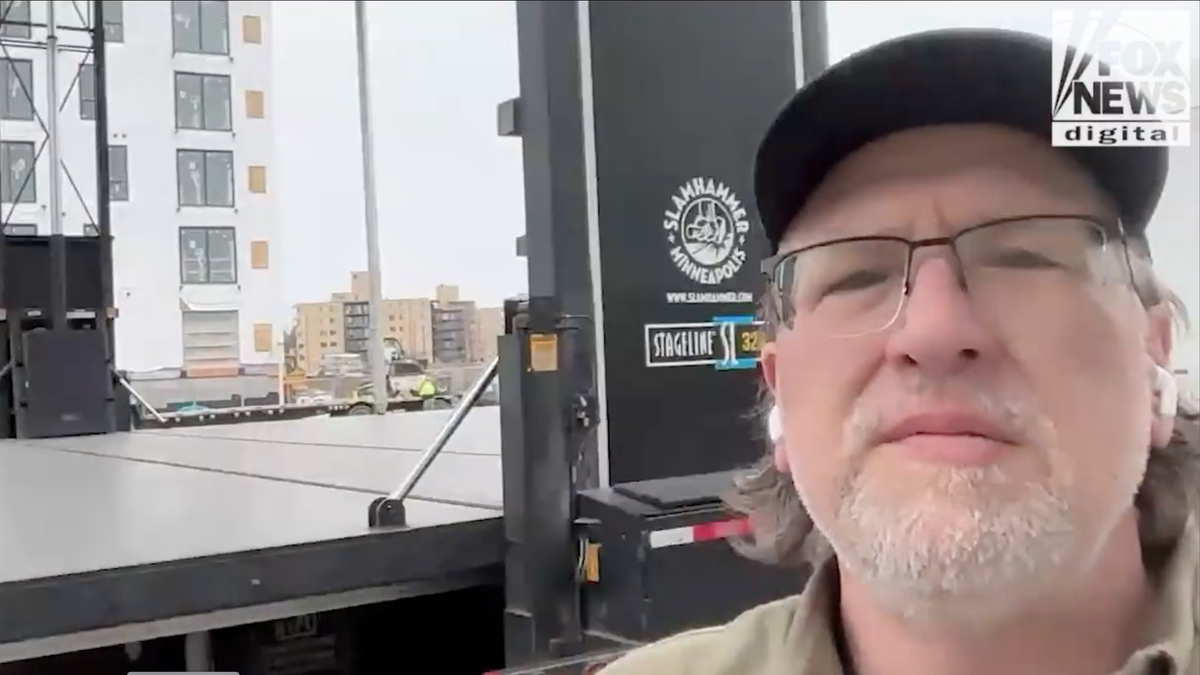
Matt Svobodny, production manager at Slamhammer Sound & Roadcase Co. stands in front of the stage that he and his crew set up for the «No Kings» protest in St. Paul, Minn. (Fox News Digital)
«You need a platform for people to stand on and a way for people to be seen and heard in order to reach everybody,» Matt Svobodny, a production manager with Slamhammer Sound & Roadcase Co., a live-event production company based in nearby St. Louis Park, Minn., told Fox News Digital.
«And, in order to do that, you need professionals that know what they’re doing and are going to do it also safe for all the people…,» he said. «So you can’t just have people with good intentions and no idea what they’re doing.»
A longtime professional, Svobodny provided a rare warehouse tour of the elements required to make the protest happen.
Svobodny said crews began physical setup around 8 a.m. Friday and continued working until after midnight, returning in early morning. Along with the mobile concert stage and cable, the system they assembled included about 100 speakers and extensive lighting equipment. Three vendors supplied eight large video screens across the Capitol grounds so people far from the stage at the far end near Martin Luther King Boulevard could see the speakers.
Additional delay speakers were positioned farther back from the stage so that speeches would remain synchronized across the large audience area, he said. For security reasons, the stage was partially fitted with ballistic bullet-resistant glass to protect the speakers.
«It has all the elements and infrastructure of a music festival,» Svobodny said.
Permit records, obtained by Fox News Digital, identify the organizing entity for the event as the «No Kings Coalition and Indivisible Twin Cities.» Indivisible is the brand name for several powerful Democratic groups: Indivisible Action, a political action committee; Indivisible Project, a 501(c)(4) with $10.4 million in revenues; and Indivisible Action, a 501(c)(3) with $5.2 million in revenues.
The permit application listed a local leader, Kris Ragozzino, as the applicant and described the rally as a program including «speakers, artists and musicians.» The production itself relied on a network of specialized vendors, each responsible for a different component of the rally’s infrastructure.
- Slamhammer Sound & Roadcase Co., based in St. Louis Park, Minn., was the main event vendor, handling the Stageline SL320 40-foot mobile stage, sound system with 100 speakers, lighting, 1,700-feet of 220-volt feeder cable and ballistic bullet-resistant barriers, while coordinating the overall production setup and contracting with subvendors. Estimated cost: $100,000
- Fire Up Video supplied four large video screens placed along Martin Luther King Boulevard at the far end away from the protest. Estimated cost: $20,000
- Algorithm, an audiovisual production company based in Minnesota, provided two additional jumbo screens positioned on the sides of the rally. On its Instagram page, Algorithm featured its screens, hauled to the protest by massive trucks, in a video from the day with the message, «Can you feel it?» Estimated cost: $25,000
- Common World Productions Inc. provided two more LED jumbo video screens mounted directly on the stage. Estimated cost: $10,000
- Warning Lites of Minnesota, a Minneapolis company that provides traffic control and event safety equipment, supplied crowd-control bike-rack barricades separating the stage from the crowd. Estimated cost: $15,000
- E5 Energy, based in Savage, Minn., provided electrical power to the stage and screens with generators and distribution equipment. It also installed cable ramps to cover the high-voltage power lines as pedestrians crossed over them. Estimated cost: $15,000
- Ultimate Events, based in Plymouth, Minn., supplied an estimated 10 large high-peak tents for staging areas and operations. It also provided «black plastic frame folding chairs,» typically priced at $2.80 per chair on its website, and tables. Estimated cost: $30,000
- On Site Companies, based in St. Paul, provided about 300 porta-toilets. Estimated cost: $25,000
- Fast Kat Connects, based in Minneapolis, provided high-speed internet connection for the organizers. Estimated cost: $10,000
The estimated total for the logistical expenses was $250,000, sources said.
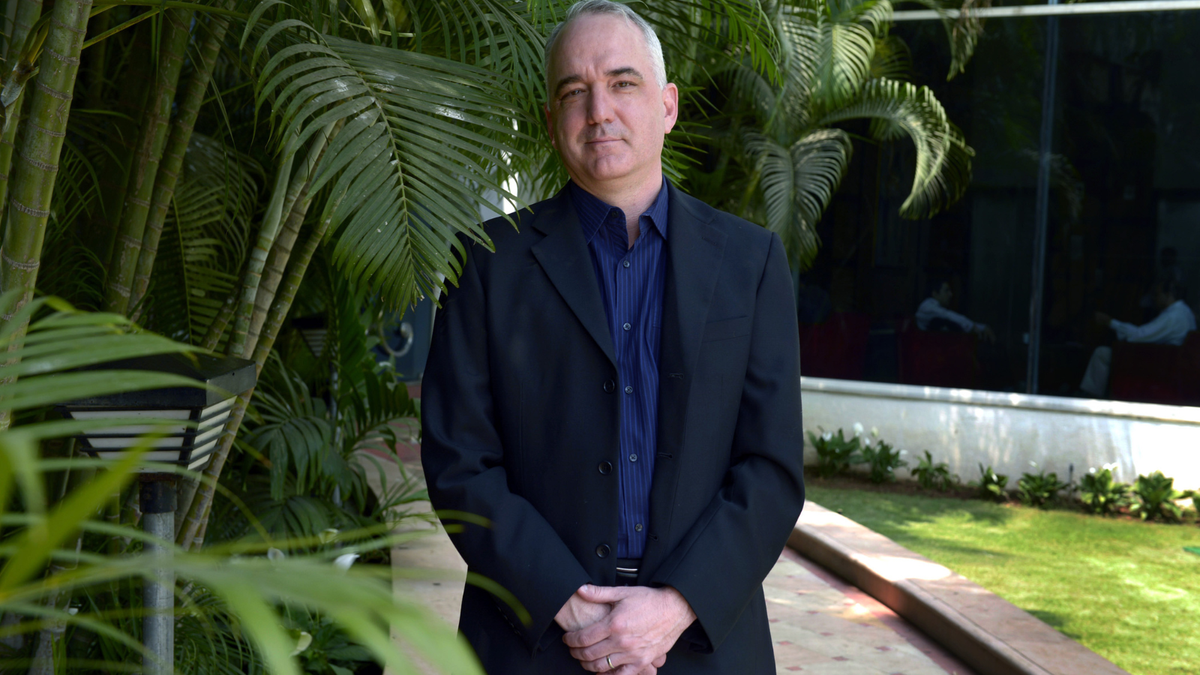
PR expert Roger Fisk poses for a profile shoot during FICCI Frames 2014 on March 20, 2014, in Mumbai, India. He has been described as a political campaign, marketing and media strategist credited with playing a key behind-the-scenes role in Barack Obama’s presidential wins in 2008 and 2012. He also worked in the Biden administration. He is now a self-described «Senior Advisor» with Indivisible, organizing its «No Kings» protests. ( (PhAbhijit Bhatlekar/Mint via Getty Images)
Svobodny said he worked mostly with Ragozzino and Roger Fisk, a former advance man for presidential trips in the Obama and Biden administrations. In a post on LinkedIn after the protest, Fisk described himself as a «Senior Advisor to the #NoKings flagship event.»
In the post, Fisk recalled the «complexity» of organizing the event, noting, «Add to that satellite trucks, cable runs, ballistic glass, road closures, most of the bike rack [sic] in North America, risk monitoring and threat analysis, bridge construction, Springsteen, a kaleidoscope of law enforcement, and staffs of elected officials, security details, and other celebrities that require specific care and respect. The final week was 4 am to 9-10-11 pm…»
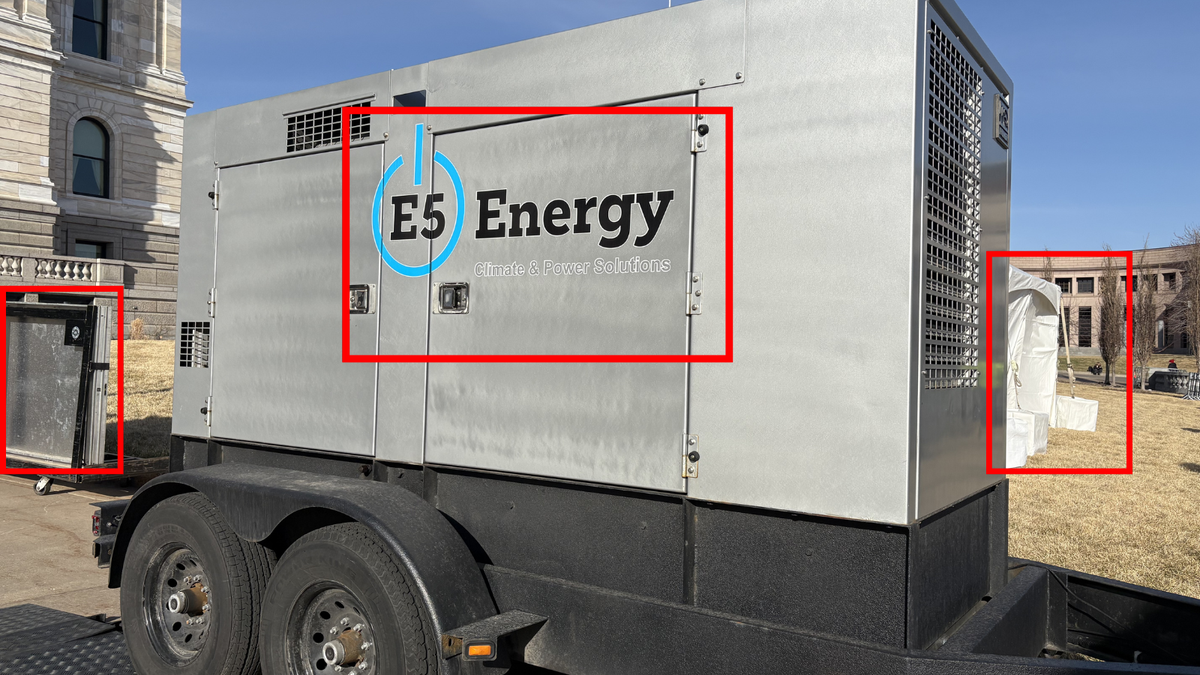
E5 Energy supplied the generators and electricity to power the «No Kings» protest in St. Paul, Minn. Ultimate Events provided the canvas tents. (Asra Q. Nomani/Fox News Digital)
Fisk added that «we have learned so much together in developing the art and science of these massive pro-democracy public engagements.» Ragozzino, Fisk and Indivisible co-founders Ezra Levin and Leah Greenberg didn’t respond to requests for comment.
Fisk bluntly acknowledged the protests were staged for the cameras for maximum media coverage, which public relations officials call «earned media,» a buzzword for free press coverage. «Earned media is my main metric,» Fisk wrote, «and our content reached between a quarter and a half billion impressions in the 24 hours after the events, with our flagship event leading the way.»
In his LinkedIn profile, Fisk writes that he worked this past year as a consultant to Indivisible and its three earlier «No Kings» protests, saying he «developed thematic strategies and program frameworks for Indivisible’s three pro-democracy mobilizations, engaging 15 million people across every state and 22 countries coordinating messaging across messaging networks.» He didn’t disclose how much he had been paid.
COMMUNISTS, DEMOCRATS USE #NOKINGS RALLY TO CALL FOR MAY DAY STRIKE: ‘SHUT IT DOWN’
Snow, the former director of the New Hampshire chapter of Common Cause, a progressive group, said that «sunshine is the best disinfectant» and encourages organizations to be more transparent about the obvious logistical heavy-lifting it takes to throw a protest.
In his company’s warehouse, as crews cleaned the stage, Svobodny considered the event a success, in part because the vendors went unnoticed by the media. «Hopefully, most people didn’t even think about us,» he said.
«I mean, in some ways, kind of, the goal of us or myself is to, like, not even be noticed.»
CLICK HERE TO DOWNLOAD THE FOX NEWS APP
Hannah Brennan contributed to this report.
us protests, donald trump, tim walz, fox news investigates, immigration, politics

El Gobierno finalmente declaró organización terrorista a la Guardia Revolucionaria de Irán

El contador que agobia a Endrick

Los dólares que se pueden depositar en el banco sin alertar a ARCA en abril 2026

IDF confirms IRGC intel chief killed; Quds Force commander also eliminated in strike

El exguerrillero chileno Galvarino Apablaza se considera refugiado político y no se entregará

Siguen las tormentas y el frío unos días más: este es el pronóstico del clima para esta semana en el AMBA

Oriana Sabatini sorprendió al elegir a una famosa como madrina de Gia, su hija con Paulo Dybala

La Armada sorteará 30 lugares en el buque que escoltará la salida de la Fragata Libertad: cómo anotarse

La nueva advertencia de Donald Trump a Irán: «El tiempo se acaba, quedan 48 horas antes del infierno»

Círculo rojo: intrigas en el gabinete, desgaste por el caso Adorni y movimientos inquietantes en el Poder Judicial

 INTERNACIONAL2 días ago
La nueva advertencia de Donald Trump a Irán: «El tiempo se acaba, quedan 48 horas antes del infierno»
- POLITICA1 día ago
Círculo rojo: intrigas en el gabinete, desgaste por el caso Adorni y movimientos inquietantes en el Poder Judicial
- POLITICA2 días ago
Créditos del Banco Nación: el Gobierno reveló que Pettovello echó a Massaccesi porque “mintió”