INTERNACIONAL
Trump-Putin meeting starts, what we know so far

NEWYou can now listen to Fox News articles!
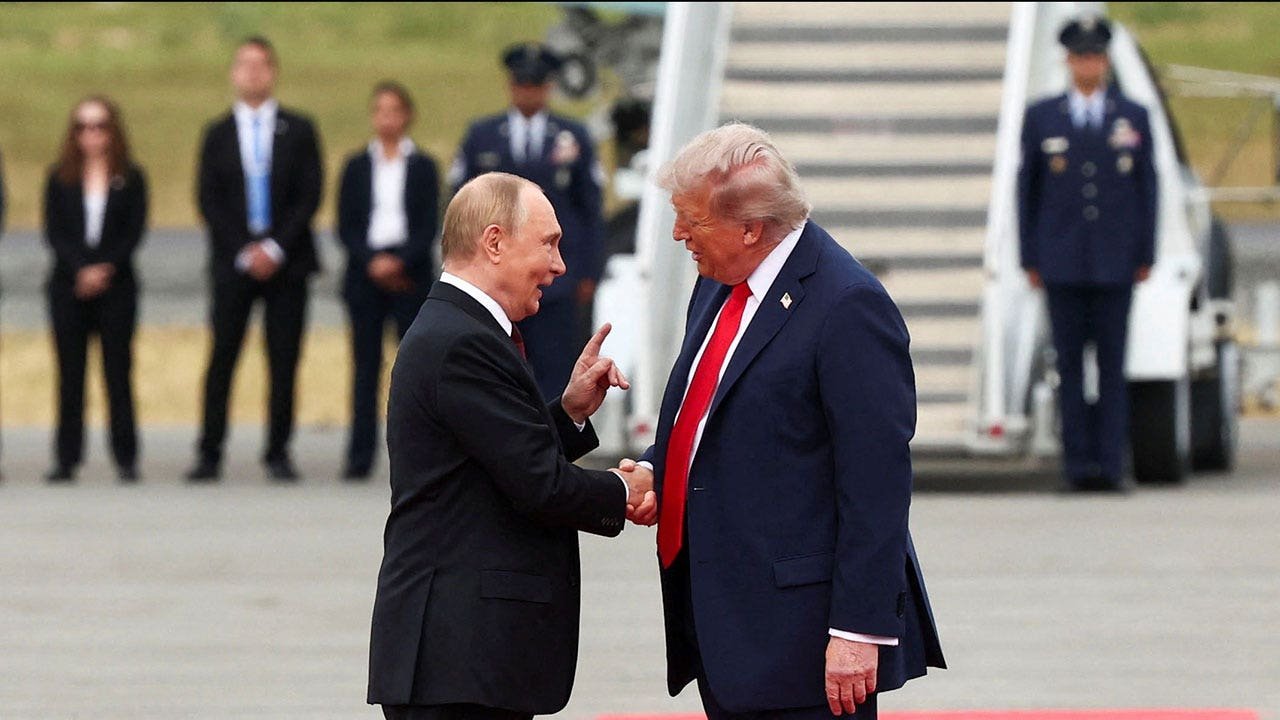
President Donald Trump and Russian President Vladimir Putin on Friday landed in Anchorage, Alaska and have begun their highly anticipated talks in pursuit of ending the war in Ukraine.
The meeting marks the first time leaders from the U.S. and Russia have met in-person since Putin launched his deadly invasion of Ukraine more than three-and-a-half-years ago.
The meeting, which began at approximately 3:30 pm EST, is expected to last several hours, with initial estimates ranging roughly four hours, though the Kremlin on Friday signaled the talks could last up to seven hours.
U.S. President Donald Trump shakes hand with Russian President Vladimir Putin, as they meet to negotiate for an end to the war in Ukraine, at Joint Base Elmendorf-Richardson in Anchorage, Alaska, U.S., August 15, 2025. (REUTERS/Kevin Lamarque)
NATO DEFENSE MINISTER SIGNALS ‘ABSOLUTE DISTRUST’ THAT PUTIN WANTS ANY PEACE DEAL AHEAD OF TRUMP SUMMIT
Trump said ahead of the meeting that he would not enter into a deal or grant territorial concessions regarding Ukraine, though questions mounted in the lead up to the high-level talks about whether Washington would forge a minerals deal with Moscow.
The president told reporters on Thursday he would wait to see how the talks play out before he would say if he may pursue a mining agreement – the optics of which remain unclear as they could potentially benefit Russia’s economy, and therefore Putin’s war chest.
Though notably, both the U.S. and Russia saw their top business negotiators travel with their corresponding delegations as U.S. Secretary Scott Bessent and Commerce Secretary Scott Lutnick – both of whom have engaged in top-level trade talks – as well as Russian Direct Investment Fund CEO Kirill Dmitriev and Finance Minister Anton Siluanov, were reported to have traveled for the trip.
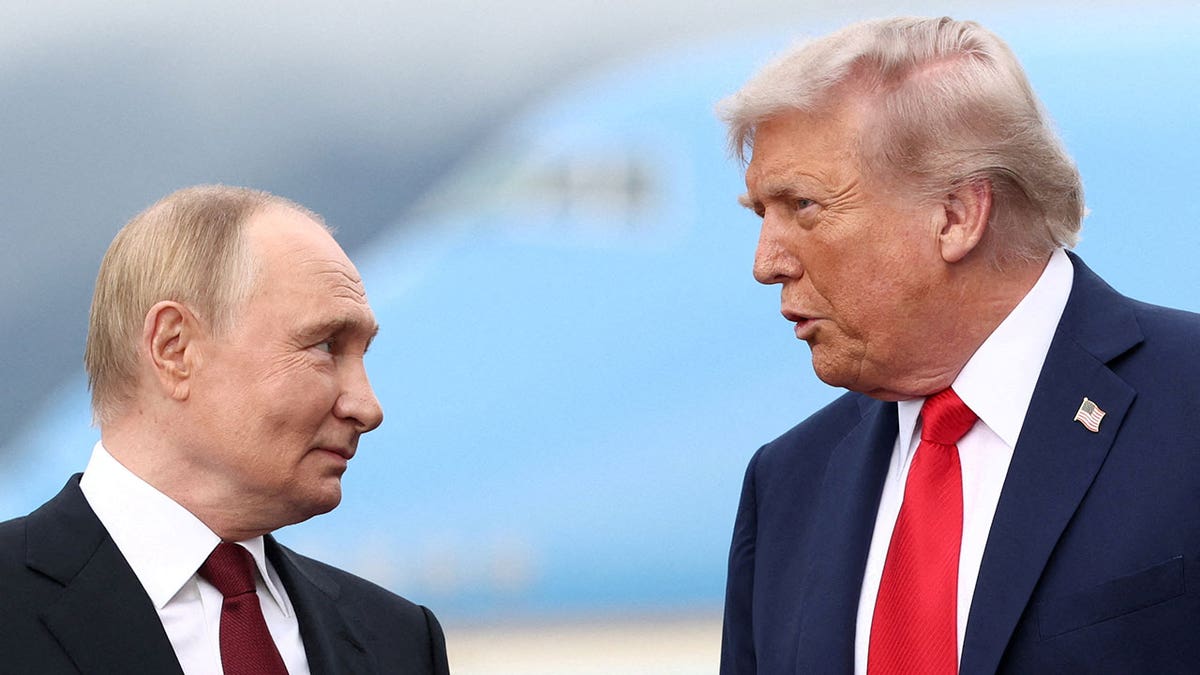
U.S. President Donald Trump speaks with Russian President Vladimir Putin, as they meet to negotiate for an end to the war in Ukraine, at Joint Base Elmendorf-Richardson in Anchorage, Alaska, U.S., August 15, 2025. (REUTERS/Kevin Lamarque)
TRUMP READY TO ‘BRING THE HAMMER’ ON PUTIN IF HE DOESN’T COOPERATE AT SUMMIT
The White House confirmed that alongside the president and his top economic officials, Secretary Pete Hegseth, Chief of Staff Susie Wiles, Special Envoy Steve Witkoff and Secretary of State Marco Rubio also made the roughly 8-hour journey to Anchorage for «expanded bilateral» discussions and a «working lunch.»
Though only Witkoff and Rubio will be in the meeting alongside Trump, while Putin is expected to be accompanied by Russian Foreign Minister Lavrov.
Russian Defense Minister Andrey Belousov was also reported to have made the roughly eight-and-a-half-hour flight, but it is unclear if he will be sitting in on the meeting with Putin and Trump.
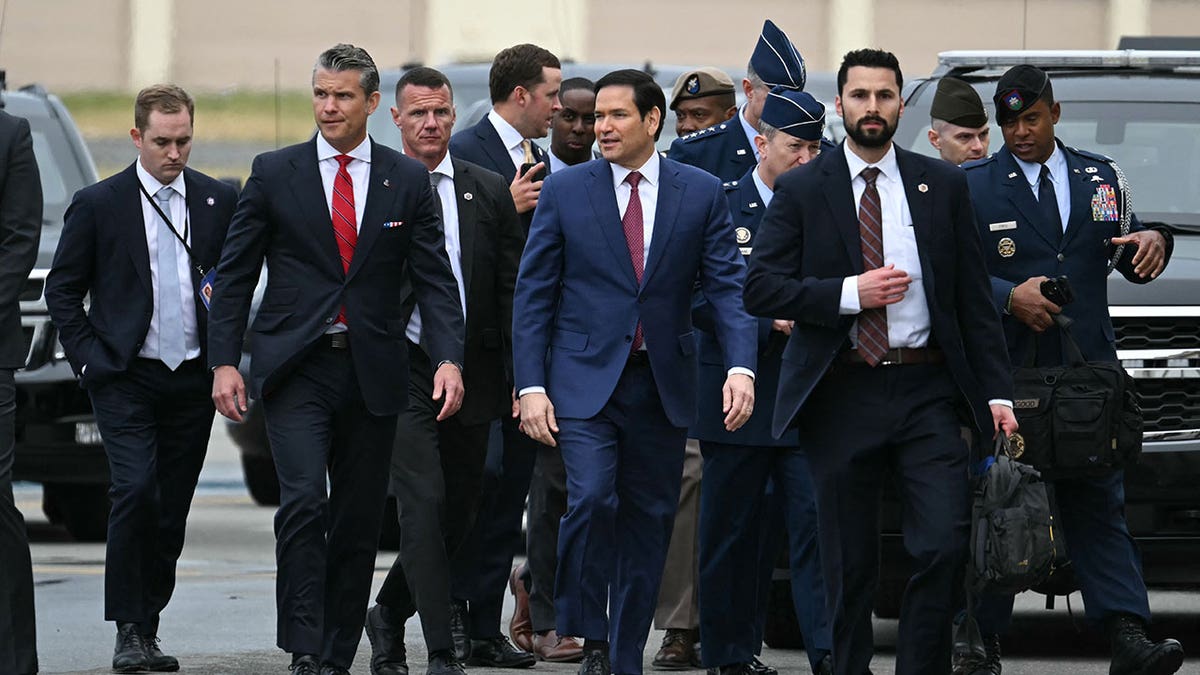
US Defense Secretary Pete Hegseth (C, L) and Secretary of State Marco Rubio (C, R) walk on the tarmac upon arrival at Joint Base Elmendorf-Richardson in Anchorage, Alaska, on August 15, 2025. (ANDREW CABALLERO-REYNOLDS/AFP via Getty Images)
CLICK HERE TO GET THE FOX NEWS APP
Trump said he will call Ukrainian President Volodymyr Zelenskyy and European leaders immediately following his discussions with Putin.
It remains unclear if Trump and Putin will address the press following the high-level meetings.
donald trump,vladimir putin,russia,ukraine,volodymyr zelenskyy








INTERNACIONAL
Aprueban discutir proyecto que crea registro nacional de pacientes diabéticos en Panamá
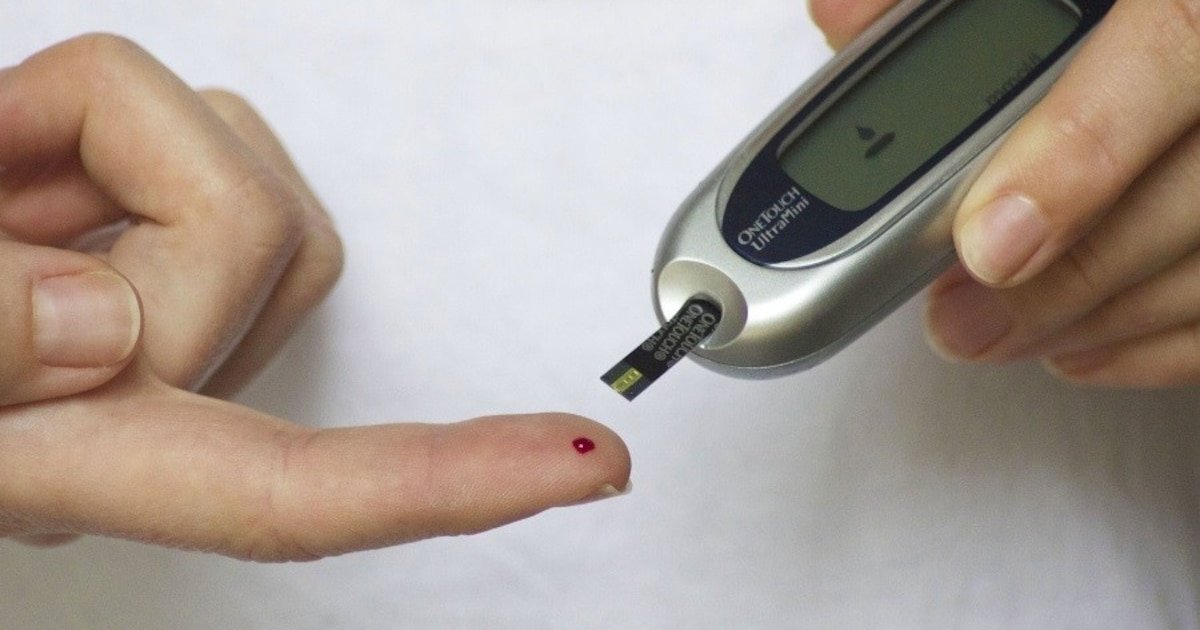
La Comisión de Trabajo, Salud y Desarrollo Social de la Asamblea Nacional prohijó el anteproyecto de ley que crea el Consejo Nacional de Diabetes, instituye un Registro Nacional de Personas con Diabetes, modifica normas vigentes y establece nuevas obligaciones en materia de educación nutricional y financiamiento.
En términos legislativos, el prohijamiento implica que la comisión acoge formalmente la iniciativa y la convierte en proyecto de ley para iniciar su discusión en primer debate.
A partir de ahora, corresponde abrir el periodo de consultas, recibir opiniones de instituciones, gremios médicos y organizaciones de pacientes, introducir posibles modificaciones y, de ser aprobado en comisión, enviarlo al pleno para segundo y tercer debate.
La propuesta, presentada por el diputado Eduardo Gaitán y respaldada por varios copatrocinadores, parte de un diagnóstico claro: Panamá enfrenta una alta carga de diabetes y carece de una estructura permanente de evaluación y seguimiento de las políticas públicas en esta materia.
En su exposición de motivos se advierte que la enfermedad afecta a aproximadamente el 14% de la población adulta del país, lo que equivale a unas 200 mil personas, y subraya las dificultades de acceso a glucómetros, medicamentos y tecnologías diagnósticas.

El eje central del proyecto es la creación del Consejo Nacional de Diabetes como órgano asesor adscrito al Ministerio de Salud. Según el articulado, este Consejo tendría funciones de coordinación interinstitucional, recomendación técnica y evaluación de políticas públicas orientadas a la prevención, tratamiento y control de la enfermedad.
Estaría integrado por representantes del Ministerio de Salud, la Caja de Seguro Social, el Instituto Conmemorativo Gorgas, la Universidad de Panamá, el Ministerio de Educación, asociaciones de pacientes y gremios médicos especializados, con un sistema de rotación en el caso de organizaciones civiles.
El proyecto también instituye el Registro Nacional de Personas con Diabetes como base de datos obligatoria, interoperable y administrada por el Ministerio de Salud, con el fin de garantizar seguimiento clínico, trazabilidad y planificación sanitaria.
El sistema deberá ser interoperable, seguro y ajustado a la normativa de protección de datos personales, permitiendo dar seguimiento a la evolución de la enfermedad, medir niveles de control metabólico, identificar comorbilidades y registrar complicaciones como retinopatías, enfermedad renal crónica o amputaciones.

Con esta información, el Estado debiera mejorar la distribución de medicamentos e insumos, anticipar la demanda de servicios especializados y diseñar políticas basadas en datos reales y actualizados, no en estimaciones fragmentadas.
En paralelo, la iniciativa modifica la Ley 136 de 2020 para reforzar la obligación estatal de fomentar el autoanálisis de glucosa, actualizar protocolos conforme a guías internacionales y garantizar el suministro continuo de medicamentos y tecnologías como infusores subcutáneos de insulina. Además, incorpora la capacitación obligatoria y continua del personal de salud en el manejo integral y psicosocial de la diabetes.
Uno de los apartados más sensibles es el relativo a la educación nutricional y la restricción de bebidas azucaradas. El texto prohíbe la venta, distribución o promoción de estas bebidas en centros educativos públicos y privados e incorpora de forma obligatoria la educación nutricional y física en el currículo nacional desde la primaria como estrategia preventiva de enfermedades no transmisibles.
También refuerza los mecanismos de transparencia y rendición de cuentas sobre el uso del impuesto a bebidas azucaradas, incluyendo informes públicos anuales y audiencias de rendición de cuentas.

El proyecto va más allá al establecer que el Presupuesto General del Estado deberá destinar anualmente un monto no menor al 1% del Producto Interno Bruto para la ejecución de la ley y el cumplimiento de las normas relacionadas. Esta disposición abre un debate fiscal relevante, dado el impacto que una asignación de esa magnitud tendría sobre las finanzas públicas.
El contexto sanitario respalda la preocupación. Según estimaciones recientes de la Organización Mundial de la Salud, más de 830 millones de personas viven con diabetes en el mundo y la enfermedad es responsable de millones de muertes anuales por complicaciones asociadas.
En la Región de las Américas, la Organización Panamericana de la Salud ha advertido que la prevalencia continúa en aumento, impulsada por el envejecimiento poblacional, el sobrepeso, la obesidad y el sedentarismo. La diabetes tipo 2 representa la gran mayoría de los casos y concentra buena parte del gasto sanitario por sus complicaciones crónicas.

En Panamá, la diabetes figura entre las principales causas de morbilidad y mortalidad asociadas a enfermedades no transmisibles, junto con hipertensión y enfermedades cardiovasculares. Las autoridades sanitarias han señalado que el control metabólico deficiente incrementa la carga sobre hospitales y programas de hemodiálisis, así como el costo de medicamentos de alto impacto presupuestario.
Tras el prohijamiento, el proyecto deberá superar el primer debate en comisión, donde podrían introducirse ajustes técnicos o presupuestarios. Si obtiene dictamen favorable, pasará al pleno para segundo debate —etapa de discusión artículo por artículo— y luego a tercer debate para su aprobación final.
Posteriormente, corresponderá al Órgano Ejecutivo sancionarlo o vetarlo. El alcance del texto, especialmente en materia presupuestaria y tributaria, anticipa un debate intenso en el hemiciclo.
corresponsal:Desde Panamá
INTERNACIONAL
Pelosi’s war powers flip-flop exposed in resurfaced Obama-era clip contradicts Trump criticism on Iran

NEWYou can now listen to Fox News articles!
A clip of former U.S. House Speaker Nancy Pelosi, D-Calif., has resurfaced online where she flatly defended the then-Obama administration’s decision to strike Libya — without the congressional authorization she believes President Donald Trump should have secured before conducting his own strikes over the weekend.
«You’re saying that the president did not need authorization initially and still does not need any authorization from Congress on Libya?» a reporter asked Pelosi at a press event back in 2011.
«Yes,» Pelosi answered plainly.
The unambiguous answer contrasts sharply with Pelosi’s view of Trump’s strikes against Iran on Saturday.
Rep. Nancy Pelosi, D-Calif., speaks at the 2026 California Democratic Party State Convention in San Francisco, Saturday, Feb. 21, 2026. (AP Photo/Jeff Chiu)
In a joint effort targeting Iranian military leadership, the U.S. and Israel killed Iranian Supreme Leader Ayatollah Ali Khamenei on Saturday, citing an imperative to halt Iran’s pursuit of developing a nuclear weapon.
Pelosi swiftly condemned the operation.
«President Trump’s decision to initiate military hostilities into Iran starts another unnecessary war which endangers our servicemembers and destabilizes an already fragile region,» Pelosi said in a post to X.
«The Constitution is clear: decisions that lead our nation into war must be authorized by Congress.»
Pelosi, alongside other Democrats, is pursuing a war powers resolution that would limit Trump from taking further military action against Iran without express congressional approval.
Trump’s strikes bear similarity to President Barack Obama’s decision to strike Libya in 2011 under Operation Odyssey Dawn.
In that operation, Obama ordered a series of strikes against Libya in March 2011, looking to deter Muammar Gaddafi from attacking civilian protesters.
FETTERMAN PRAISES TRUMP’S IRAN OPERATION AS ‘HISTORIC’ MOMENT FOR AMERICA AMID PARTY DIVISIONS
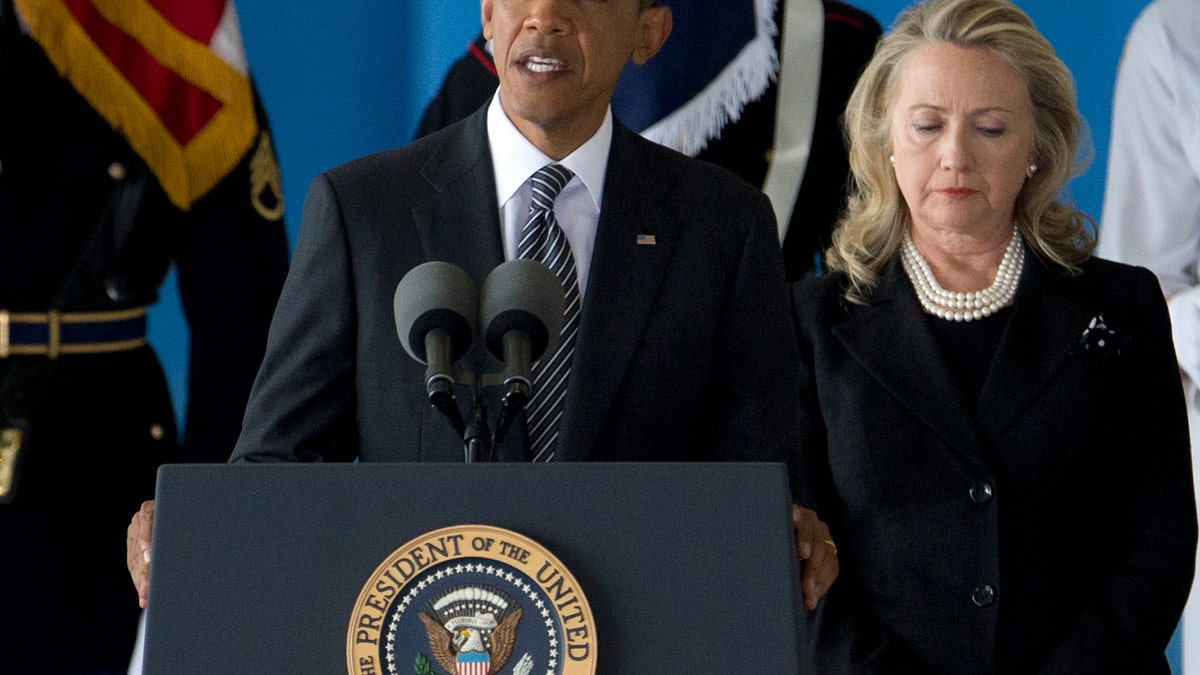
Sept. 14, 2012: President Barack Obama, accompanied by Secretary of State Hillary Rodham Clinton, speaks during a Transfer of Remains Ceremony, at Andrews Air Force Base, Md. (AP)
Gaddafi, known as the «Mad Dog of the Middle East,» was the ruler of Libya from 1969 to 2011. He had a long and complicated relationship with the U.S. — at times aligning with national objectives and, at others, governing in a manner the U.S. couldn’t ignore.
The final straw came in the Libyan revolt of 2011, when demonstrations broke out in Benghazi and other cities. Like recent uprisings in Iran, Gaddafi met the threat to his rule with crushing force, marching his forces toward several Libyan cities that had resisted his power.
In what he described as attempts to uphold international law, Obama said the U.S., in partnership with the North Atlantic Treaty Organization (NATO), had taken the strikes to protect Libya’s civilians to protect Libya’s civilians.
GOP REP MASSIE JOINS DEMOCRATS IN OPPOSITION TO US IRAN STRIKES
«We struck regime forces approaching Benghazi to save that city and the people within it,» Obama said in remarks after the attacks.
The strikes did not kill Gaddafi.
Gaddafi was killed later that year at the hands of revolutionaries in October.

Libyan Leader Moammar Gadhafi gestures to supporters as he speaks in Tripoli, Libya. As rebels swarmed into Tripoli late Sunday, Aug. 21, 2011. (Associated Press)
While Obama said he had consulted a bipartisan group of congressional lawmakers, he did not pursue a declaration of war before carrying out his strikes.
CLICK HERE TO DOWNLOAD THE FOX NEWS APP
«So, for those who doubted our capacity to carry out this operation, I want to be clear: The United States of America has done what we said we would do,» Obama said.
Pelosi’s office did not respond to a request for comment on whether she saw any key differences between the attacks carried out by Obama and those now ordered by Trump.
Related Article

barack obama,war with iran,iran,nancy pelosi

Healing after war: Inside Israel’s equine therapy program
Alex, 35, a disabled IDF veteran, says the psychological wounds of war have been more enduring than his physical injuries. Thanks to the Transcending Trauma Project, founded by Dr. Anita Shkedi, he is getting some help. (Director: Yaron Yarkoni.)
NEWYou can now listen to Fox News articles!
As sirens sound again across Israel amid escalating Iranian attacks, the country is confronting not only a new battlefield but old psychological wounds. In a stable in central Israel, Danny, is getting some healing.
On October 7, Danny (not his real name) said he was called up from home. Within days, he said, his unit was evacuating bodies from Kibbutz Kissufim under live fire. He spent six months in the war, moving between combat zones in Gaza and evacuating severely wounded soldiers. «We were shot at while evacuating the dead,» he recalled. «I saw the wounded arrive in pieces. These are things I will never forget.»
Since coming home, he says he is constantly on edge — sensitive to noise, tense, struggling to resume normal life. Once a week, he comes to work with a large dark horse named King. «There’s something that waits for me here,» he said. «It’s the one day I can relax and leave the chaos behind. There’s something waiting for me here.»
An Israeli veteran stands beside his horse during a session at the Brothers of Jonathan charity’s equine therapy center, where organizers aim to build resilience and prevent chronic PTSD. (Anita Shkedi)
His story is one of many emerging from a country that is facing a mental-health crisis with many of its troops suffering from post-traumatic stress disorder. A recent Reuters report citing Israel’s Defense Ministry said it has witnessed «a nearly 40% increase in PTSD cases amongst its soldiers since September 2023, and predicts the figure will increase by 180% by 2028.» It also said that some 60% of all wounded troops suffer from PTSD, according to those figures.
Alex, 35, is another veteran who found his way to the same stable. Standing beside a horse named Donna, he prepares for another therapy session. A victim of another one of Israel’s war he was stabbed seven times during Operation Cast Lead in 2009. He says the assault altered the course of his life.
«Pain you can get used to,» he says. «But post-trauma — you cannot get used to.»
He has been coming here for two months. «With Donna I feel the quiet and peace that I can’t feel at home when I’m alone and my thoughts go elsewhere,» he says. «The treatment with the horses is changing my life. Every week more and more, and I don’t want it to end.
«The Transcending Trauma Project was founded by Dr. Anita Shkedi, a pioneer in therapeutic horseback riding in Israel since the 1980s. After years in the field, she came out of semi-retirement following the Oct. 7 attacks to launch the program under a new charity she created, Brothers of Jonathan.
The initiative provides equine-assisted therapy to reservists, soldiers, veterans, Nova music festival survivors and family members struggling with the psychological aftermath of war.
‘SHEEPDOG’ SHINES LIGHT ON THE WAR AFTER WAR, AS VETERANS CONTINUE TO STRUGGLE WITH LIFE BACK HOME
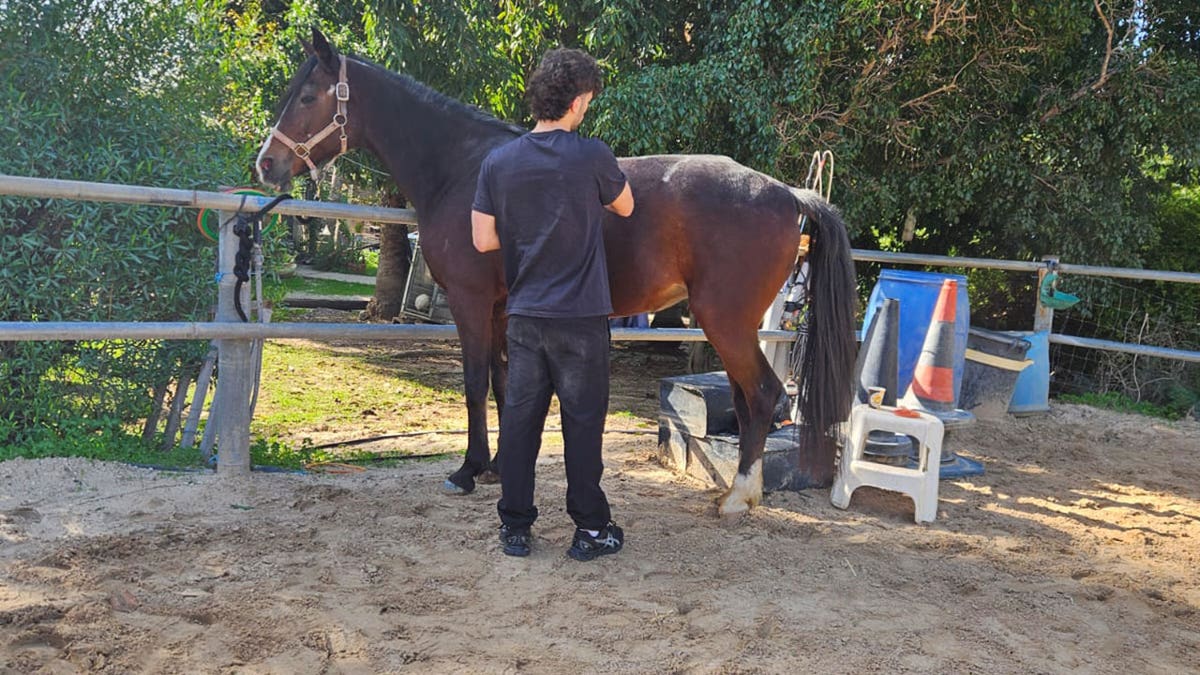
A participant in the Transcending Trauma Project works with a horse during a therapy session at a rehabilitation stable in Israel. The initiative was launched after the October 7 attacks to help those struggling with trauma. (Anita Shkedi)
For Shkedi, the project is deeply personal.
Her son, Jonathan Boyden, was mortally wounded during a rescue mission in Lebanon in 1993 and died weeks later from his injuries. For years, she said, she felt she had never fully honored his memory. «When he was alive and serving in the army, he always said to me, ‘Do something and help the injured soldiers,’» she recalled. «So I put everything together and felt this was the right thing to do — to start a charity called Brothers of Jonathan and help people in the way I know best, which is with the horse.»
Since launching in late 2023, the program has delivered more than a thousand therapy sessions and now operates with a growing waiting list. From the outset, Shkedi said her goal was not only treatment but prevention. «Right from the beginning, I was interested in prevention — if we can get to people early, maybe we can prevent symptoms of trauma from turning into chronic PTSD,» she said. «We need to save this generation.»
Many participants arrive in what she describes as «survival mode,» stuck in cycles of fear, anxiety and hypervigilance. But she warns that another psychological wound is emerging alongside classic PTSD symptoms.
«There will be a high level of moral injury — shame and guilt — alongside fear, anxiety and depression,» Shkedi said. «When that combines with PTSD, it is very shattering for a person.»
MARINE-TURNED-PSYCHOLOGIST’S BRAIN BREAKTHROUGH IS HELPING VETERANS STILL FIGHTING INSIDE
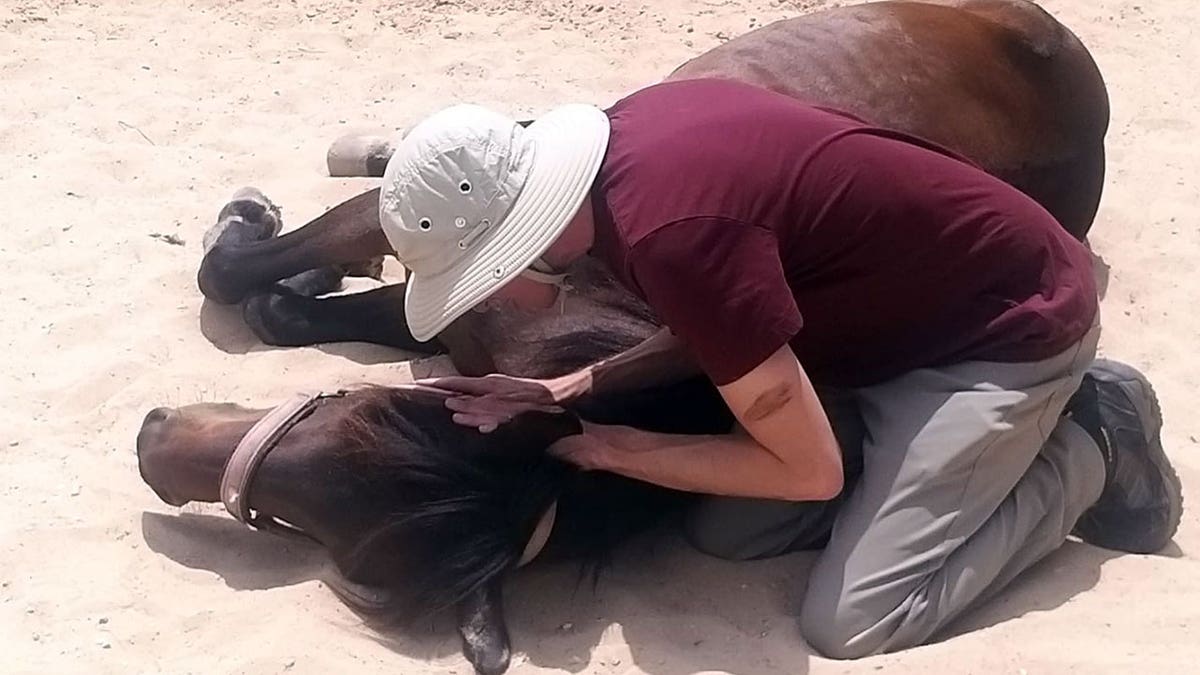
A former IDF soldier bonds with a horse as part of a structured, trauma-informed therapy program designed to help veterans and civilians process the psychological aftermath of war. (Anita Shkedi)
In the stable, she says, something shifts.
«Traumatized people need a safe place. Sometimes home is not a safe place,» she explained. «When they come to the horses, they attach easily. The environment becomes safe for them — and they start to feel safer inside.»
The therapy is structured and trauma-informed. Participants learn first to regulate themselves alongside the horse and eventually to guide and care for the animal.
«We don’t get rid of trauma. Trauma has happened,» Shkedi said. «Our job is to build resilience and post-traumatic growth — to help people move from co-regulation to self-regulation.»
For some, she said, the bond has been lifesaving.
«We have had people who were struggling with suicidal thoughts. The fact that they can attach themselves to the horse has really helped them.»
Looking ahead, Shkedi hopes to expand. «The dream is to have a place in Israel where people can come 24/7,» she said. «A place that says: you are safe here.»
CLICK HERE TO DOWNLOAD THE FOX NEWS APP
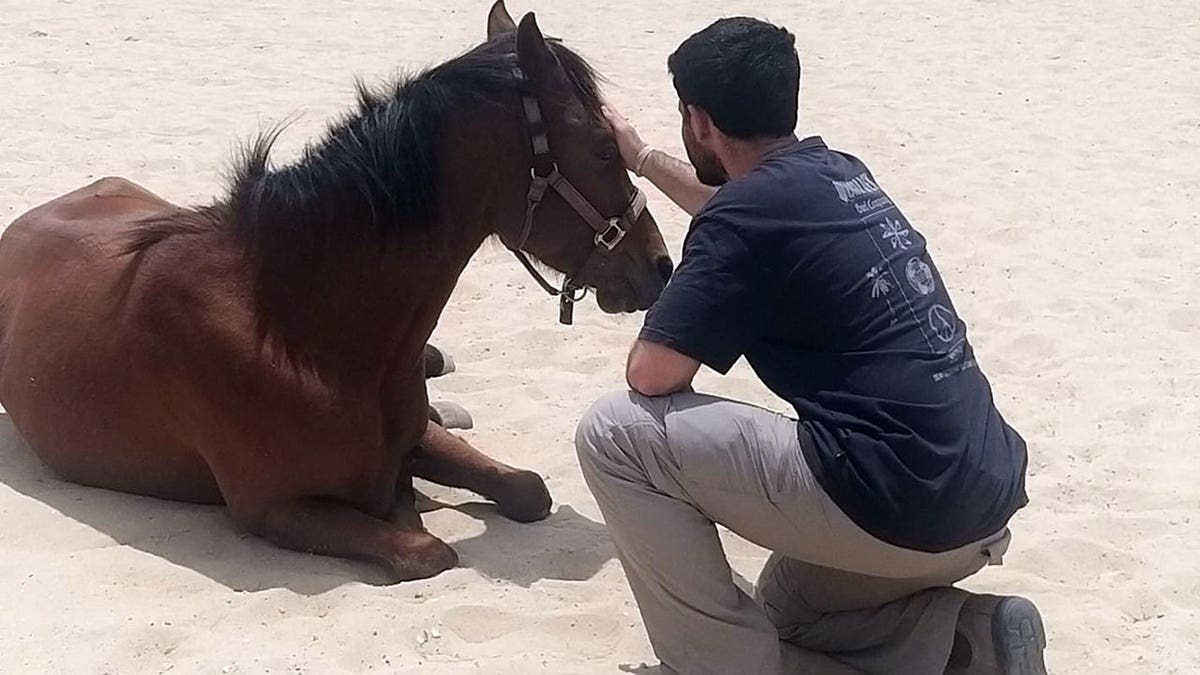
An Israeli veteran participates in an equine-assisted therapy session at the Transcending Trauma Project in central Israel. Organizers say the program supports soldiers and survivors coping with post-traumatic stress. (Anita Shkedi)
As the war continues and more soldiers rotate home, she believes the psychological toll is only beginning to surface.
«We are not just here for people to ride a horse,» she said. «We are here to help them move forward.»
Related Article

israel,wars,military,veterans,health

Javier Milei contra el ‘fetiche industrialista’, la reforma que no pasa por el Congreso

Aprueban discutir proyecto que crea registro nacional de pacientes diabéticos en Panamá

Pago voluntario de Créditos ANSES: paso a paso para generar el VEP

Un aficionado argentino, asesinado tras recibir un disparo en una brutal pelea entre ultras

“La república islámica de Irán es el Estado más terrorista y malvado del mundo”, aseguró el embajador argentino en Israel

Pelosi’s war powers flip-flop exposed in resurfaced Obama-era clip contradicts Trump criticism on Iran

Destrozaron a Andrea del Boca por el terrible pecado que tuvo en Gran Hermano: “La quiero presa”, apuntaron contra la actriz por un detalle en la cocina

Evangelina Anderson contó qué pasará con sus hijos ante el próximo desafío de Martín Demichelis en España

¡Tensión en vivo! Aníbal Pachano y Nancy Pazos protagonizaron un cruce explosivo en la mesa de Mirtha Legrand

Las predicciones más importantes en la vida de cada signo del horóscopo en marzo, según Jimena La Torre: «Será un cambio rotundo»

 CHIMENTOS2 días ago
Destrozaron a Andrea del Boca por el terrible pecado que tuvo en Gran Hermano: “La quiero presa”, apuntaron contra la actriz por un detalle en la cocina
- CHIMENTOS2 días ago
¡Tensión en vivo! Aníbal Pachano y Nancy Pazos protagonizaron un cruce explosivo en la mesa de Mirtha Legrand
- CHIMENTOS3 días ago
Las predicciones más importantes en la vida de cada signo del horóscopo en marzo, según Jimena La Torre: «Será un cambio rotundo»