INTERNACIONAL
Trump signals willingness to defend Diego Garcia military base if future deal threatens US access

NEWYou can now listen to Fox News articles!
President Donald Trump has warned that the U.S. could use military force to secure the Diego Garcia air base in the Chagos Islands if any future deal threatens access to the joint U.S.-U.K. installation.
Trump made the comments Thursday in a Truth Social post while also signaling his willingness to move past tensions with British Prime Minister Keir Starmer after what he described as «very productive discussions» about the Indian Ocean base.
Emphasizing the base’s strategic importance, Trump said the role of Diego Garcia was essential to U.S. national security.
UK REOPENS CHAGOS ISLANDS TALKS WITH US FOLLOWING TRUMP CRITICISM OF DEAL: REPORTS
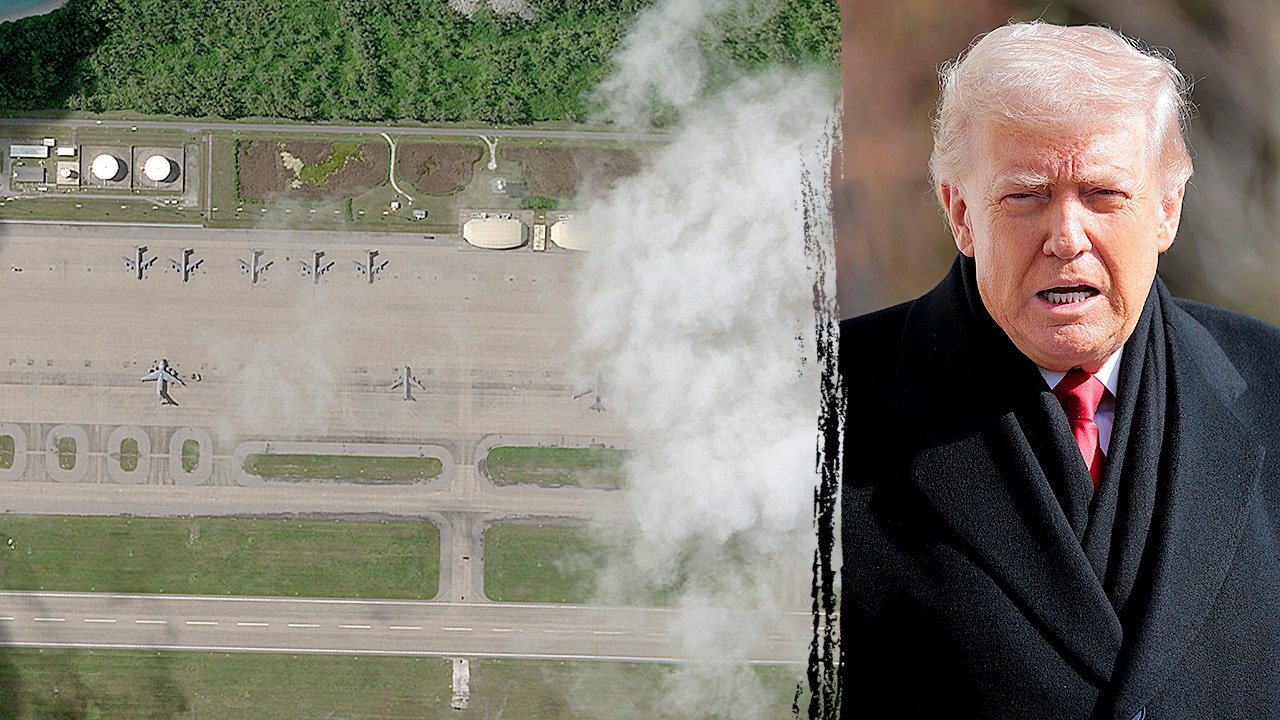
Diego Garcia, the largest island in the Chagos archipelago and site of a major United States military base in the middle of the Indian Ocean, was leased from the U.K. in 1966. (Reuters)
«It is the site of a major U.S. military base, strategically situated in the middle of the Indian Ocean and, therefore, of great importance to the national security of the United States,» Trump wrote.
Trump also acknowledged that the U.K. struck what he called «the best deal he could make» under a controversial agreement to transfer sovereignty of the islands to Mauritius while leasing Diego Garcia back for at least 99 years.
«However, if the lease deal, sometime in the future, ever falls apart, or anyone threatens or endangers U.S. operations and forces at our base, I retain the right to militarily secure and reinforce the American presence in Diego Garcia,» Trump warned.
TRUMP HAILS ‘GREAT AND VERY BRAVE’ UK SOLDIERS AFTER SLAMMING NATO ALLIES’ AFGHANISTAN SERVICE
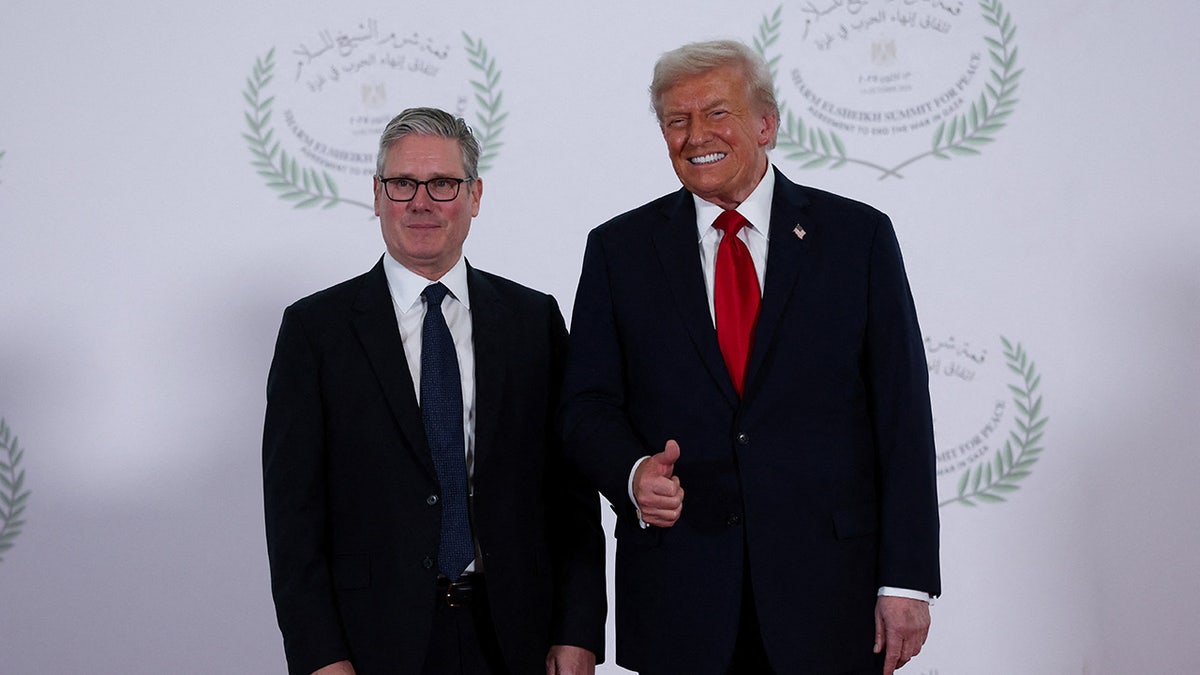
British Prime Minister Keir Starmer and President Donald Trump look to move past tensions about the Diego Garcia military base in the Chagos Islands. (Reuters/Suzanne Plunkett/Pool)
«Let it be known that I will never allow our presence on a base as important as this to ever be undermined or threatened by fake claims or environmental nonsense.»
The comments marked a slight shift in tone from Trump, who in January criticized the U.K.-Mauritius deal as an «act of great stupidity» and an «act of total weakness,» accusing Britain of surrendering a critical military asset.
Diego Garcia serves as a hub for long-range bombers, logistics, intelligence collection and military communications across the Middle East, the Indo-Pacific and Africa, hosting around 2,500 U.S. and military and civilian personnel.
The island base has been used for long-range U.S. operations such as in Afghanistan and in Yemen.
According to Reuters, Downing Street had confirmed Trump and Starmer discussed Diego Garcia during a recent call and agreed to safeguard the base’s continued operation.
UK REOPENS CHAGOS ISLANDS TALKS WITH US FOLLOWING TRUMP CRITICISM OF DEAL: REPORTS

Diego Garcia is a strategic Indian Ocean base hosting 2,500 U.S. military personnel. (Reuters)
«Turning to Diego Garcia, and the deal the U.K. has secured to maintain control of the U.S.-U.K. military base to protect national security, the leaders recognized its strategic importance,» a No. 10 spokeswoman said.
«The leaders agreed their governments would continue working closely to guarantee the future operation of the base and speak again soon.»
Under the agreement, British taxpayers are projected to pay roughly £35 billion [$47 billion] over the next century, including annual payments of about £160 million [$216 million] to Mauritius, according to public estimates.
Britain has also agreed to approximately £3 billion [$4 billion] in compensation over the life of the deal, with an option to extend the lease for an additional 50 years.
The agreement has also drawn criticism from Britain’s Conservative Party, which argues the deal weakens the U.K.’s strategic position and risks undermining long-standing security ties with the U.S.
TRUMP HAILS ‘GREAT AND VERY BRAVE’ UK SOLDIERS AFTER SLAMMING NATO ALLIES’ AFGHANISTAN SERVICE
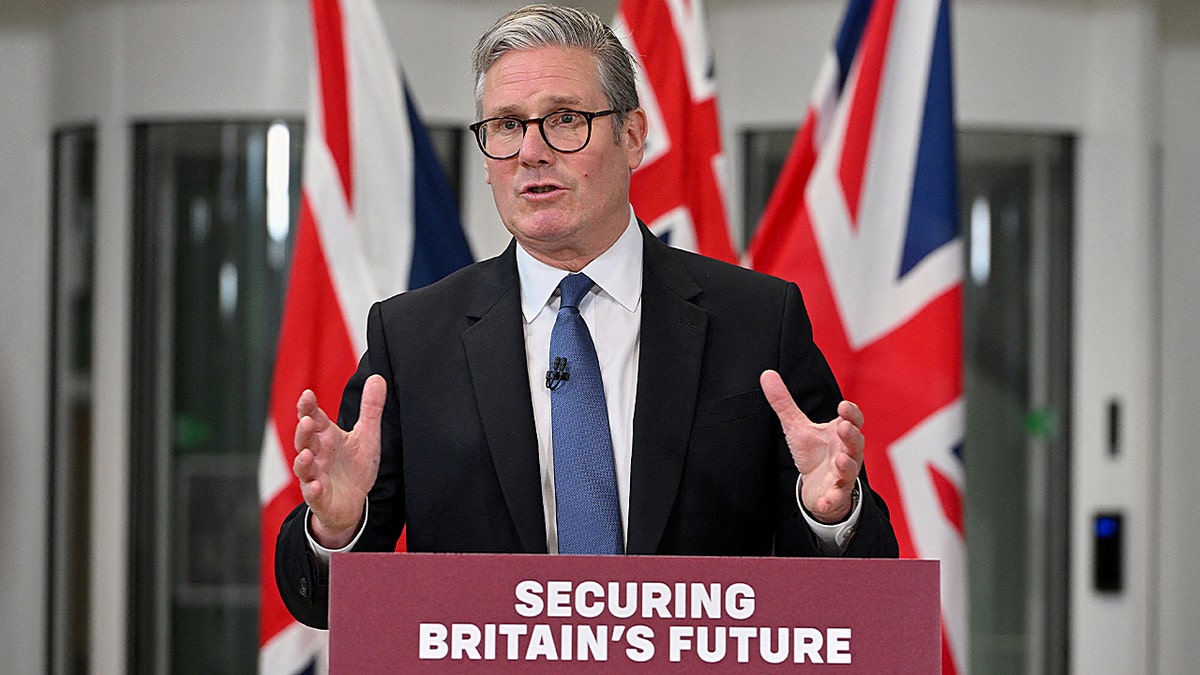
Britain’s Prime Minister Keir Starmer speaks during a news conference in London. (Thomas Krych/Pool via Reuters)
Mauritius has said its sovereignty over the islands is «unequivocally recognized» under international law and has called for swift implementation of the agreement.
As previously reported by Fox News Digital, a Downing Street spokesperson also said in January the U.K. is continuing efforts to «allay any concerns» in Washington.
CLICK HERE TO DOWNLOAD THE FOX NEWS APP
«We will continue to engage with the U.S. on this important matter and the importance of the deal to secure U.S. and U.K. interests,» the spokesperson said.
Fox News Digital has reached out to the White House and Downing Street for comment.
donald trump,uk politics,us navy,geopolitics,national security,white house









INTERNACIONAL
Canal de Panamá no limitará participación en nuevo embalse: empresas europeas y chinas podrán competir

La Autoridad del Canal de Panamá (ACP) avanza en la estructuración del proceso de licitación para el proyecto del embalse de río Indio, una obra clave que busca reforzar la disponibilidad de agua para la vía interoceánica, con un modelo que contempla un solo contrato integral para su ejecución.
El vicepresidente de Proyectos Hídricos del Canal, John Langman, explicó que la ACP optará por un esquema de diseño y construcción, similar al utilizado en el contrato de esclusas durante la ampliación, pero con un nivel de desarrollo conceptual más avanzado.
Este modelo permitirá acelerar los tiempos del proyecto y aprovechar la experiencia global en la construcción de represas y túneles. A diferencia del programa de ampliación del Canal, donde se dividieron los contratos en varias fases, en esta ocasión se ha decidido consolidar todas las obras en un solo contrato que incluirá la construcción de la represa, el túnel y el propio embalse.
La decisión responde a la necesidad de evitar interferencias entre distintos contratistas y garantizar una ejecución más coordinada del proyecto.

Langman indicó que uno de los elementos centrales del proceso será la precalificación de empresas, que funcionará como un filtro riguroso para asegurar que solo participen compañías con experiencia comprobada, capacidad financiera y personal técnico especializado en este tipo de obras. Este proceso se realizará antes de la publicación del pliego de cargos, prevista para finales de este año.
El Canal trabaja actualmente en la contratación de un asesor especializado en administración de proyectos, cuyo proceso se espera publicar en mayo. Este equipo será clave para validar el diseño final del pliego y estructurar tanto la licitación principal como el mecanismo de precalificación de las empresas interesadas.
En cuanto a la participación internacional, Langman confirmó que empresas de Europa, Asia y otras regiones podrán participar en el proceso, siempre que cumplan con los requisitos establecidos.
Aunque el Gobierno panameño ha planteado restricciones para compañías de países incluidos en listas fiscales de la Unión Europea, el directivo del Canal señaló que, hasta ahora, esa condición no sería vinculante para la ACP, aunque aclaró que el tema sigue bajo revisión legal.
El vicepresidente de Proyectos Hídricos del Canal de Panamá señaló que la participación en la licitación será abierta a empresas internacionales, siempre que cumplan con los requisitos técnicos, financieros y legales establecidos por la ACP.

También se indicó que empresas chinas podrían participar si cumplen con los criterios técnicos y financieros exigidos, mientras que aquellas compañías que hayan sido sancionadas por el Canal o mantengan incumplimientos contractuales previos quedarían automáticamente excluidas del proceso de licitación.
El proceso contempla además reuniones preliminares con empresas interesadas, una práctica que permite a la ACP conocer las capacidades del mercado y a los potenciales contratistas entender mejor el alcance del proyecto. Estas reuniones se mantendrán hasta la publicación oficial del pliego, momento en el cual se restringen los contactos directos por reglas de transparencia.
De hecho, compañías de Francia, España y otros países ya han mostrado interés en la construcción del embalse, en reuniones previas sostenidas con la ACP para conocer detalles del proyecto.
Otro punto clave es que la precalificación se realizará meses antes de la licitación formal, con el objetivo de evitar que empresas sin los requisitos mínimos inviertan tiempo y recursos en preparar propuestas. Este mecanismo busca incentivar la participación de actores calificados y elevar el nivel de competencia en el proceso.

El proyecto del embalse de río Indio representa una inversión estimada de 1,500 millones de dólares y forma parte de la estrategia del Canal para garantizar el suministro de agua en los próximos 50 años.
A diferencia de la ampliación, este proyecto incorpora un componente social significativo, debido a la necesidad de reasentar comunidades dentro de la cuenca.
Langman subrayó que, aunque existen similitudes técnicas con obras ejecutadas durante la ampliación, el enfoque del nuevo proyecto es distinto, especialmente por el impacto en comunidades y la necesidad de integrar procesos sociales y ambientales desde las primeras etapas.
Se espera que, tras la publicación del pliego a finales de este año, las propuestas de las empresas se reciban a mediados del próximo año, dando paso a la adjudicación del contrato y al inicio de una de las obras de infraestructura más relevantes para el futuro del Canal de Panamá.

En el plano técnico, Langman explicó que el embalse permitirá generar un volumen de agua equivalente a entre 11 y 15 tránsitos diarios de buques tipo Panamax.
Cada tránsito requiere aproximadamente 55 millones de galones de agua, lo que equivale a unos 208 mil metros cúbicos, cifras que reflejan la magnitud del proyecto.
aumento aranceles,barcos,canal de panamá,cargueros,esclusas,exterior

NEWYou can now listen to Fox News articles!
An Iranian military spokesman defiantly vowed Tuesday that Tehran’s armed forces will fight «until complete victory,» despite suffering heavy losses from the joint U.S. and Israeli campaign.
The remark from Maj. Gen. Ali Abdollahi Aliabadi of the Khatam-al Anbiya Central Headquarters, which is Iran’s top military command, comes after President Donald Trump paused planned U.S. strikes on Iran on Monday, citing diplomatic progress.
«Iran’s powerful armed forces are proud, victorious and steadfast in defending Iran’s integrity, and this path will continue until complete victory,» Iranian state television quoted Aliabadi as saying, according to The Associated Press. It added that Aliabadi did not say what «complete victory» would look like.
Operation Epic Fury, which started Feb. 28, has resulted in the destruction of or damage to more than 140 Iranian naval vessels, U.S. Central Command said Monday. In total, more than 9,000 combat flights have been conducted as part of the campaign.
TRUMP’S IRAN STRATEGY SHOWCASES ‘DOCTRINE OF UNPREDICTABILITY’ AMID STRIKE THREATS AND SUDDEN PAUSE
U.S. forces struck 16 mine-laying Iranian ships on March 10, according to CENTCOM. (U.S. Central Command/X)
«CENTCOM forces are striking targets to dismantle the Iranian regime’s security apparatus, prioritizing locations that pose an imminent threat,» CENTCOM said.
Targeted assets include Iranian navy ships and submarines, air defense systems, anti-ship missile sites, military communication infrastructure and facilities involved in ballistic missile and drone manufacturing.
On Friday, Trump, speaking about Iran, said, «Their Navy’s gone, their Air Force is gone, their anti-aircraft is all gone.»
JET FUEL PRICES SOAR AS AIRLINES WARN SUPPLIES COULD RUN DRY WITHIN WEEKS
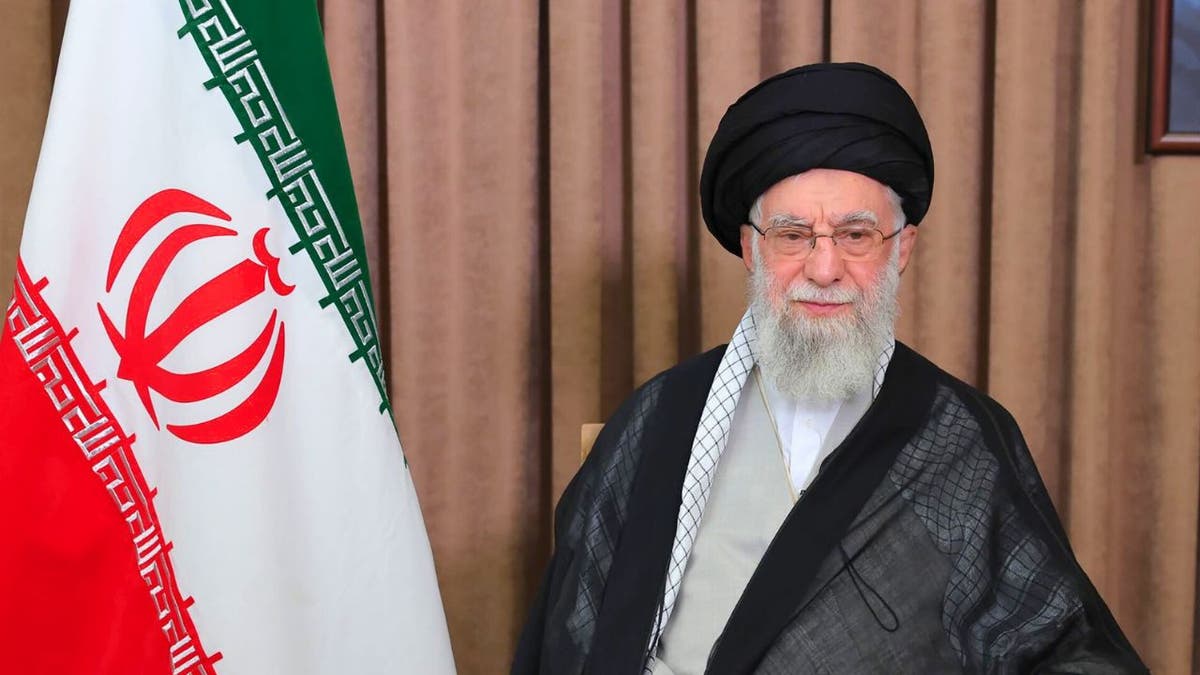
Iran’s Ayatollah Ali Khamenei was killed at the beginning of Operation Epic Fury. (Office of the Supreme Leader of Iran via Getty Images)
«Their leaders are all gone. The next set of leaders are all gone. And the next set of leaders are mostly gone,» Trump continued. «And now, nobody wants to be a leader over there anymore. We’re having a hard time. We want to talk to them and there’s nobody to talk to.»
Trump also said, «Over the past few weeks, the world has seen the true strength and might of our sailors and aviators as they fought in one of the most complex and successful military operations of all time against the Iranian regime.»

A U.S. sailor signals the launch of an MH-60R Sea Hawk helicopter aboard the aircraft carrier USS Gerald R. Ford while supporting Operation Epic Fury at sea on Feb. 28. (U.S. Navy via Getty Images)
CLICK HERE TO GET THE FOX NEWS APP
«And it’s amazing… I don’t want to get too crazy here, not a contest. It’s not even a contest. They do whatever they want,» Trump said.
Fox News Digital’s Emma Bussey, Morgan Phillips and The Associated Press contributed to this report.
war with iran, iran, conflicts, middle east, military, donald trump, world
INTERNACIONAL
Conservatives accuse Jack Smith of improper ties with judges in Trump cases after new document dump
NEWYou can now listen to Fox News articles!
Conservative critics are accusing former special counsel Jack Smith of improperly coordinating with two federal judges after Sen. Chuck Grassley, R-Iowa, released documents Tuesday showing Smith’s team interacted with the pair during the Trump investigations.
«Democrat DC U.S. district judges illegally worked in secret with Biden Special Counsel Jack Smith to bring charges against President Trump,» Article III Project founder Mike Davis claimed on X as details of the documents emerged on Tuesday.
Smith’s investigations led to criminal charges against President Donald Trump over the 2020 election and alleged retention of classified documents. Trump called the investigations a «witch hunt,» while Republicans widely condemned the charges as an abuse of power designed to take out the then leading Republican presidential candidate.
The documents released by Grassley included notes about a briefing Smith’s team gave Attorney General Merrick Garland on Jan. 13, 2023, just after Garland appointed Smith as special counsel. The notes referenced meetings with Judges Beryl Howell and James Boasberg of Washington, D.C., both Obama appointees and Trump nemeses known for their high-profile adverse rulings against the president.
MIKE DAVIS: WHY DC’S TRUMP-HATING JUDGE BOASBERG MUST BE IMPEACHED
Sen. Chuck Grassley is seen in the U.S. Capitol during votes related to the government shutdown on Oct. 16, 2025. (Tom Williams/CQ-Roll Call, Inc via Getty Images)
«She liked our approach of pursuing the executive privilege litigation in an omnibus fashion,» Smith’s team wrote in reference to Howell, according to the documents. Omnibus motions allow for consolidated, rather than piecemeal, litigation and are typically used by lawyers to streamline court filings. Smith’s team frequently sought permission from the court to pierce executive privilege, a presumptive right that a president and his aides have that gives their communications a layer of legal privacy.
The briefing notes also referenced a forthcoming meeting with Boasberg on March 18, 2023, the day after he was set to become chief judge, succeeding Howell. The White House responded in a statement to Fox News Digital.
«We have long known that Judge Boasberg is a far-left judicial activist trying to undermine the President’s lawful authority, this is just further proof,» White House spokeswoman Abigail Jackson said. «President Trump has restored integrity to the Department of Justice that Joe Biden and his administration weaponized to target their political opponents – including President Trump himself.»
Sen. Ted Cruz’s office told Fox News Digital the Texas Republican thought the meetings with the judges were significant, a remark that came after Cruz led a Senate hearing on the Trump cases on Tuesday. Cruz in the hearing declared Smith’s work a «modern Watergate» scandal that was expansive and hyper-political, sweeping up personal information, such as phone records, belonging to hundreds of Republican entities and individuals.
A Republican congressional investigator told Fox News Digital the meetings with the judges merited further scrutiny.
JACK SMITH DEFENDS SUBPOENAING REPUBLICAN SENATORS’ PHONE RECORDS: ‘ENTIRELY PROPER’
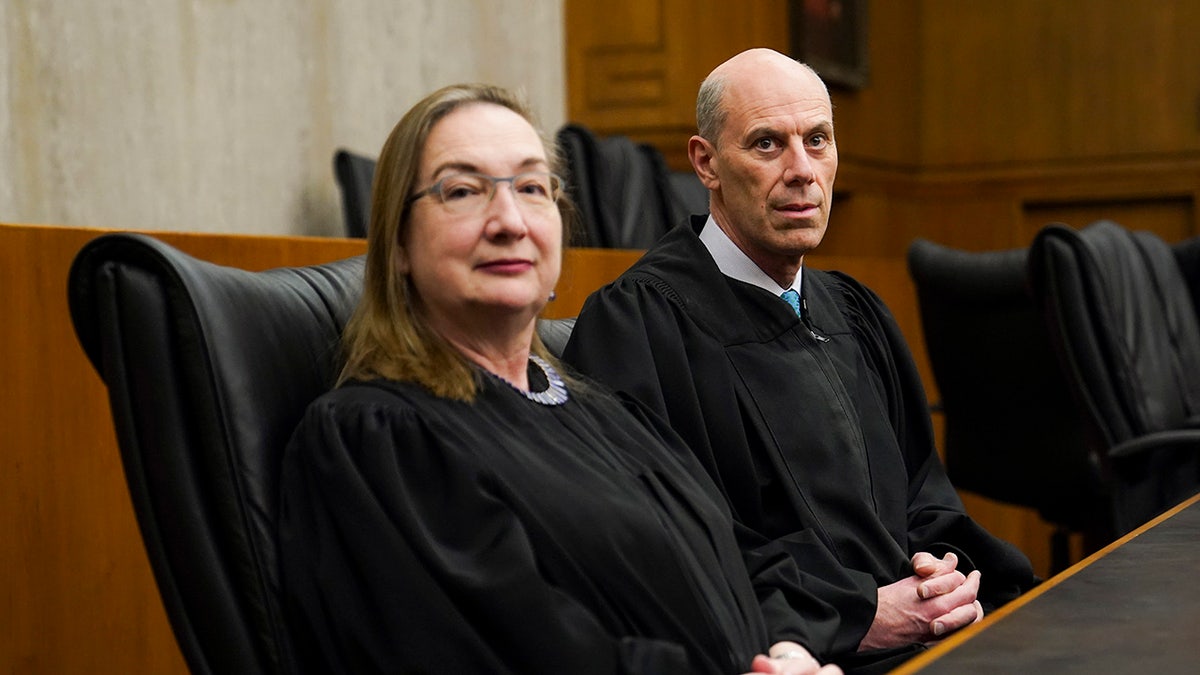
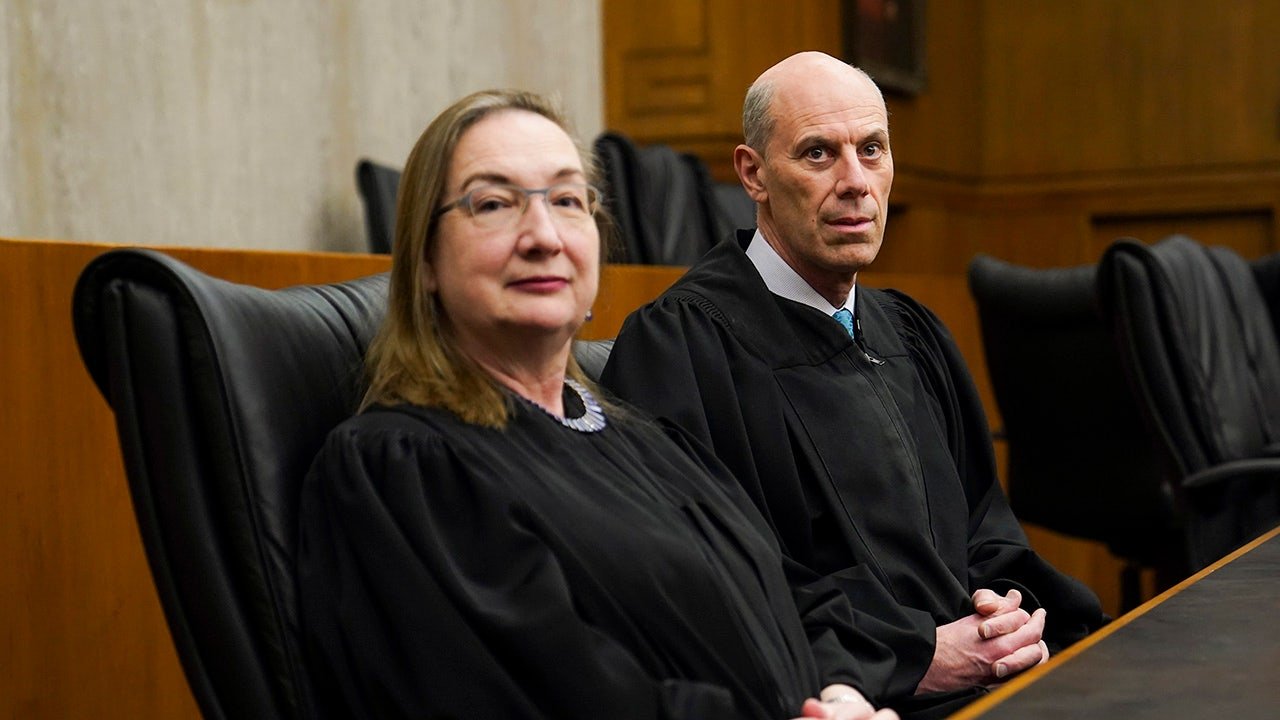
Beryl A. Howell and James E. Boasberg, who is taking over from Howell as chief judge of the Federal District Court in D.C., pose for a portrait and talk at E. Barrett Prettyman Federal Courthouse in Washington, D.C. on March 16, 2023. (Carolyn Van Houten/The Washington Post via Getty Images)
Smith’s team wrote in the briefing notes for Garland that Howell was aware that an omnibus executive privilege motion was coming «and loves the idea.» Smith’s team listed out nearly a dozen former Trump officials, such as Mark Meadows and Ken Cuccinelli, who would be included in the consolidated motion. The notes referenced five other, separate executive privilege motions that were already making their way through the court process, signaling that an omnibus motion would be a reduction in paperwork for the court.
The briefing notes also mentioned recent meetings between the special counsel’s team and top FBI officials. The FBI «has been very responsive,» Smith’s team wrote. The team mentioned «precedent-setting issues we face in areas of executive privilege [and] Speech or Debate,» a possible reference to Smith testing the separation of powers by seeking the potentially privileged material from those in Trump’s orbit.
Independent journalist Julie Kelly, an outspoken critic of the Biden DOJ, observed on X that Smith’s team interacted with the judges. Kelly suggested the judges were «in cahoots with Biden DOJ to rubber stamp, even advise, any strategy set forth by Jack Smith.»
Attorney Bill Shipley, a longtime federal prosecutor who represented dozens of Jan. 6 defendants, wrote on X that he did not find much about the memo «noteworthy,» saying it was «clearly» designed to bring Garland up to speed following the holidays and Smith’s new appointment. Shipley also noted how Howell and Boasberg were chief judges, meaning any grand jury matters were required to go through their offices.
Shipley noted, however, that he felt Howell notoriously ruled against the Trump administration and that her eager approval of an omnibus motion represented a desire for her to make decisions before her tenure as chief judge expired in March 2023.
«What troubles me in the text of the memo is the suggestion — which was borne out by events that followed — that Judge Howell desired to resolve all the issues involving witness privilege before she stepped down as Chief Judge,» Shipley wrote, though he noted that her decisions were appealable.
CRUZ DEMANDS IMPEACHMENT OF BOASBERG AND JUDGE WHO SENTENCED KAVANAUGH’S ATTEMPTED ASSASSIN
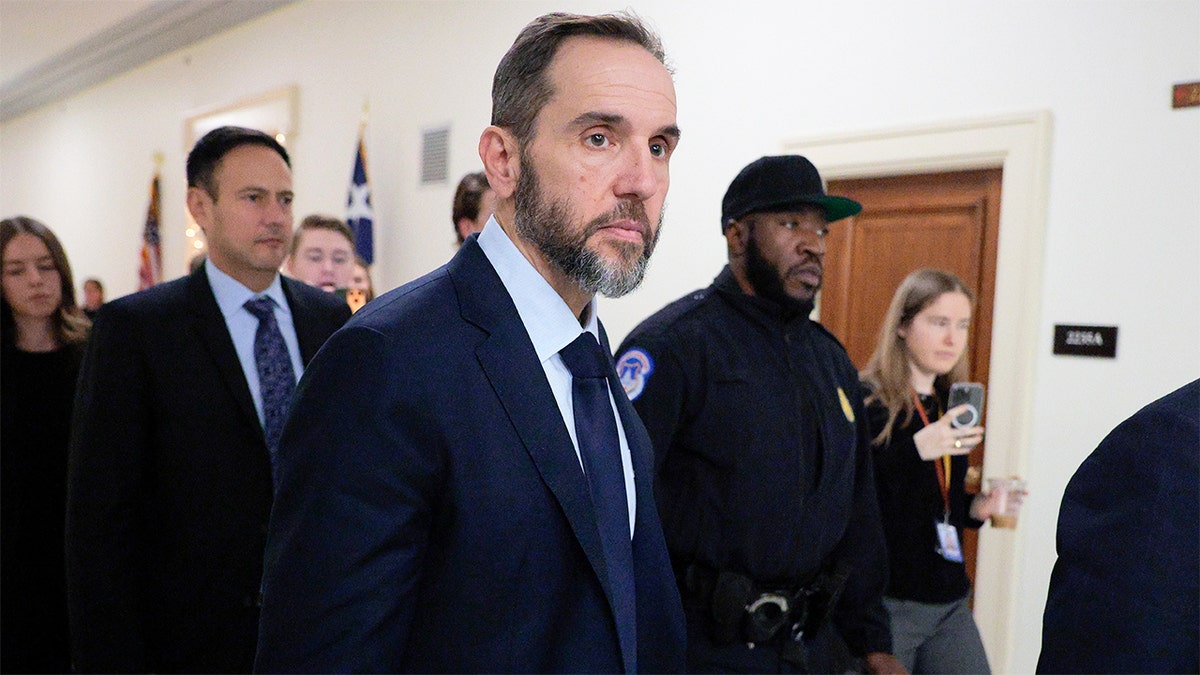
Jack Smith, former special counsel, arrives for a closed-door deposition before the House Judiciary Committee in Washington, D.C., on Wednesday, Dec. 17, 2025. (Getty Images)
Smith has repeatedly stood by his work, testifying to Congress that it was aligned with DOJ policies and nonpartisan.
CLICK HERE TO GET THE FOX NEWS APP
A Smith representative declined to comment on the latest document release.
Howell’s and Boasberg’s chambers did not respond to requests for comment.
justice department, senate, chuck grassley, donald trump, federal judges

Canal de Panamá no limitará participación en nuevo embalse: empresas europeas y chinas podrán competir

Manuel Adorni dará mañana una conferencia de prensa en Casa Rosada y participará de una actividad con Javier Milei

En medio de la polémica, Adorni dará hoy una conferencia de prensa, se mostrará con los Milei y suma reuniones con los ministros

Argentina, potencia mundial en cobre: 6 megaproyectos atraerán inversiones por u$s30.000 millones

Fernanda Iglesias abandonó Puro Show en vivo y preocupó a todos: “Salí corriendo”

Defiant Iran vows to fight ‘until complete victory,’ despite heavy military losses

»¡VAN A FUNDIR A MEDIO PAÍS!»: El lapidario diagnóstico de Roberto Cachanosky sobre el plan de Milei

Apareció otra factura y complica más a Adorni: el vuelo de vuelta también lo pagó su amigo Grandio

ALERTA FINANCIERA: 4 de cada 10 argentinos ya no pueden pagar sus deudas. ¡Caputo debe actuar ya!

El mensaje de Milei sobre la “traición” que llamó la atención en el Gobierno y también en la oposición

 POLITICA3 días ago
»¡VAN A FUNDIR A MEDIO PAÍS!»: El lapidario diagnóstico de Roberto Cachanosky sobre el plan de Milei
- ECONOMIA3 días ago
ALERTA FINANCIERA: 4 de cada 10 argentinos ya no pueden pagar sus deudas. ¡Caputo debe actuar ya!
- POLITICA1 día ago
El mensaje de Milei sobre la “traición” que llamó la atención en el Gobierno y también en la oposición