INTERNACIONAL
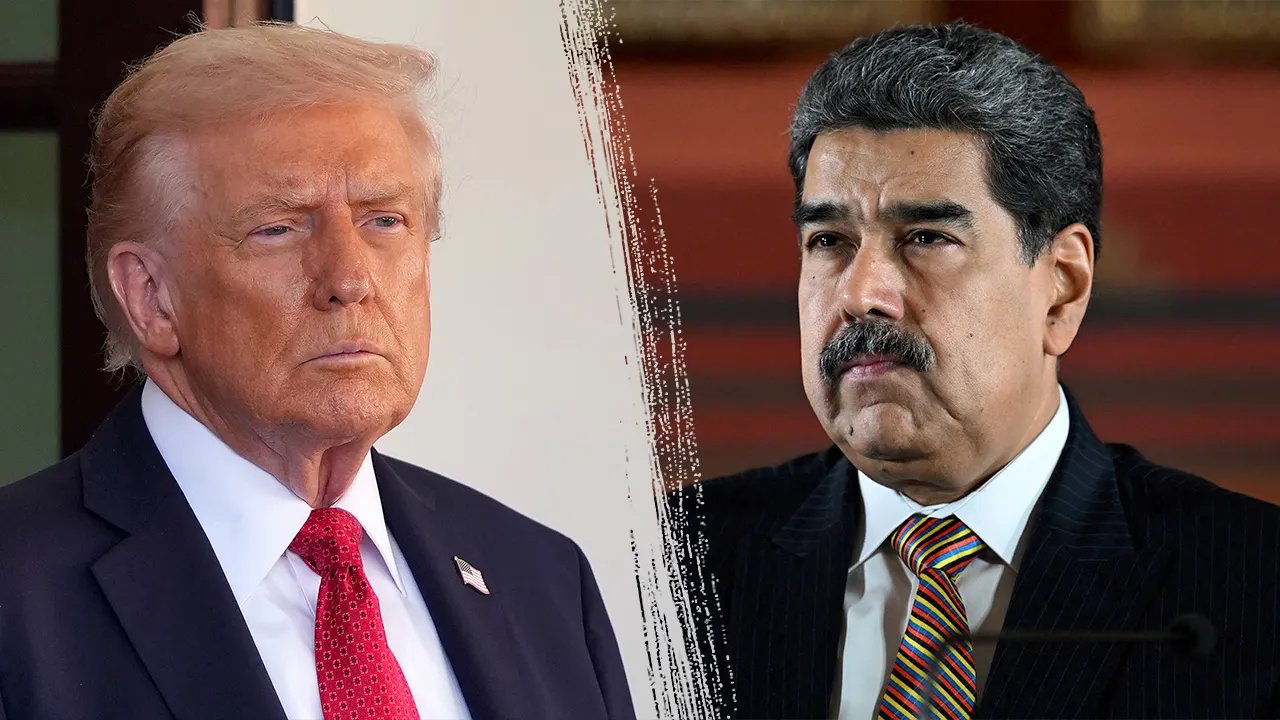
Trump targets Maduro as Western Hemisphere becomes ‘first line of defense’ in new strategy

NEWYou can now listen to Fox News articles!
The Trump administration has moved its hemispheric security doctrine into full force in Venezuela, ordering a sweeping naval blockade on sanctioned oil tankers and labeling Nicolás Maduro’s government a Foreign Terrorist Organization — a dramatic escalation aimed at choking off the regime’s primary source of revenue and confronting what the White House calls a growing threat of cartel-driven «drug terrorism» and foreign influence in the region.
Announcing the move on social media, Trump said Venezuela was now «completely surrounded by the largest Armada ever assembled in the history of South America,» a strike at an oil sector that accounts for roughly 88% of the country’s export earnings.
The administration’s new National Security Strategy (NSS) places the Western Hemisphere at the center of U.S. national security planning, elevating regional instability, mass migration, cartels and foreign influence as direct challenges to American security. While the document does not single out Venezuela by name, its framework positions crises like Venezuela’s collapse as central to protecting what the strategy calls America’s «immediate security perimeter.»
MADURO’S FORCES FACE RENEWED SCRUTINY AS US TENSIONS RISE: ‘A FORTRESS BUILT ON SAND’
According to the NSS, U.S. policy toward the hemisphere now focuses on preventing large-scale migration, countering «narco-terrorists, cartels, and other transnational criminal organizations,» and ensuring the region remains «reasonably stable and well-governed enough to prevent and discourage mass migration.» It also pledges to assert a «Trump Corollary» to the Monroe Doctrine, aimed at blocking «hostile foreign incursion or ownership of key assets» by strategic competitors.
A senior White House official said the Western Hemisphere chapter is designed to «reassert American preeminence in the Western Hemisphere» by strengthening regional security partnerships, curbing drug flows and preventing pressures that fuel mass migration. The official said the strategy situates the hemisphere as a foundational element of U.S. defense and prosperity.
Newly released footage shows U.S. forces securing a Venezuelan oil tanker. (@AGPamBondi via X)
White House spokesperson Anna Kelly said the NSS reflects what the administration sees as a historic realignment of U.S. foreign policy. «President Trump’s National Security Strategy builds upon the historic achievements of his first year back in office, which has seen his Administration move with historic speed to restore American strength at home and abroad and bring peace to the world,» Kelly told Fox News Digital.
«In less than a year, President Trump has ended eight wars, persuaded Europe to take greater responsibility for its own defense, facilitated US-made weapons sales to NATO allies, negotiated fairer trade deals, obliterated Iran’s nuclear facilities, and more.» The strategy, she added, is designed to ensure «America remains the greatest and most successful nation in human history.»
Melissa Ford Maldonado, director of the Western Hemisphere Initiative at the America First Policy Institute, said Venezuela illustrates why the hemisphere is now treated as America’s «first line of defense.»
«The Maduro regime functions as a narco-dictatorship closely tied to criminal cartels, which are now considered foreign terror organizations, and supported by China, Iran, and Russia,» she said. «Confronting this criminal regime is about keeping poison off our streets and chaos off our shores.»
MADURO’S FORCES FACE RENEWED SCRUTINY AS US TENSIONS RISE: ‘A FORTRESS BUILT ON SAND’
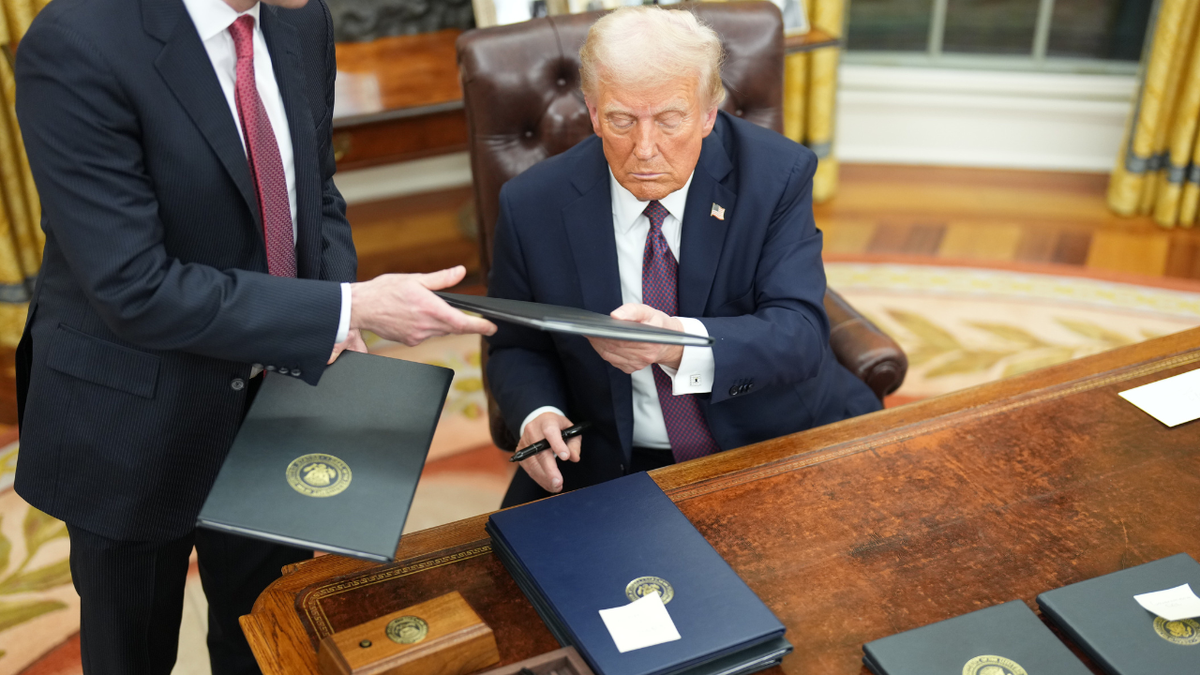
President Donald Trump signs a series of executive orders at the White House on Jan. 20, 2025, in Washington, DC. Trump’s new National Security Strategy puts the Western Hemisphere at the center of U.S. security planning, a senior official said. (Jabin Botsford /The Washington Post via Getty Images)
She called the NSS «the most radical and long-overdue change in U.S. foreign policy in a generation,» arguing that instability in Latin America now reaches the United States «in real time» through migration surges, narcotics trafficking and foreign intelligence networks.
Some analysts caution that the strategy’s sharper posture could become destabilizing if pressure escalates into a confrontation.
Roxanna Vigil, a fellow at the Council on Foreign Relations, said the path ahead depends heavily on how forceful the administration’s approach becomes. «If it goes in the direction of escalation and conflict, that means there’s going to be very little control,» she said. «If there is a power vacuum, who fills it?»
HEGSETH HINTS MAJOR DEFENSE SPENDING INCREASE, REVEALS NEW DETAILS ON TRUMP’S ANTI-NARCOTERRORISM OPERATIONS
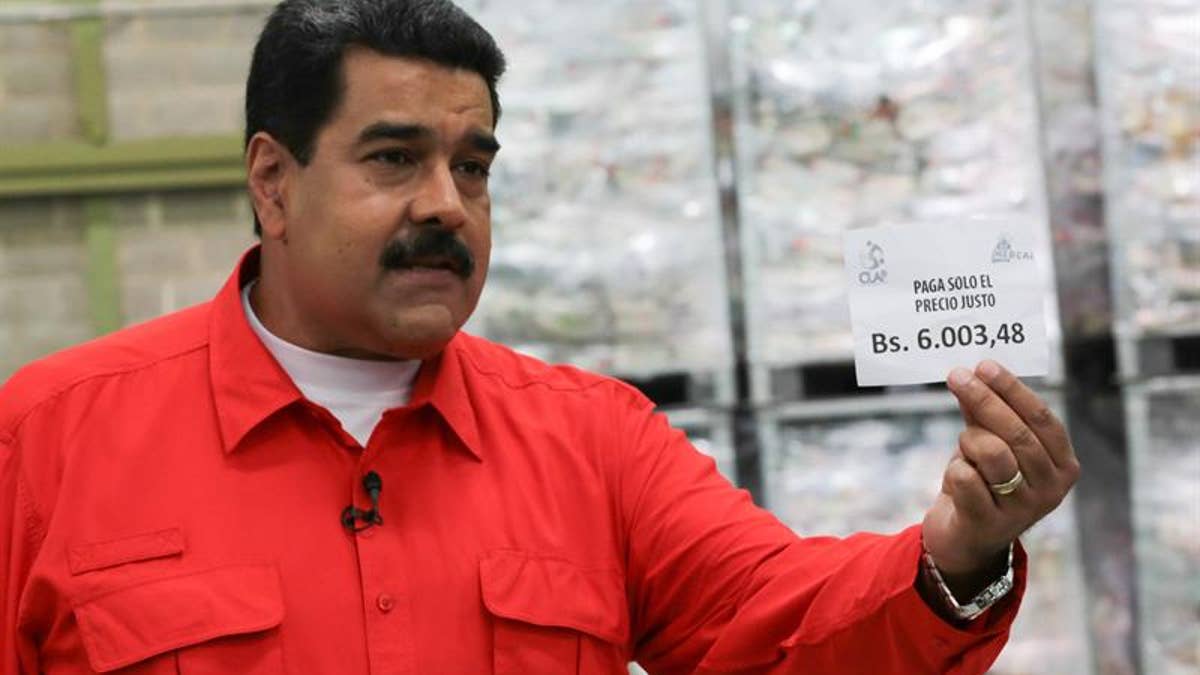
Venezuela’s president, Nicolás Maduro. (AP)
Vigil warned that without a negotiated transition, a sudden collapse could produce outcomes «potentially worse than Maduro.» She said armed groups, hardline regime actors and cartel-linked networks would all compete for power, with potential spillover effects across a region already strained by mass displacement.
Jason Marczak, vice president of the Atlantic Council’s Adrienne Arsht Latin America Center, said the NSS underscores why the administration views Maduro’s continued rule as incompatible with its regional priorities.
«All of those goals cannot be accomplished as long as Nicolás Maduro or anybody close to him remains in power,» he said, pointing to the strategy’s focus on migration, regional security and countering foreign influence. «Venezuela is a conduit for foreign influence in the hemisphere.»
US SET TO SEIZE TENS OF MILLIONS IN VENEZUELAN OIL AFTER TANKER INTERCEPTION, WHITE HOUSE SAYS
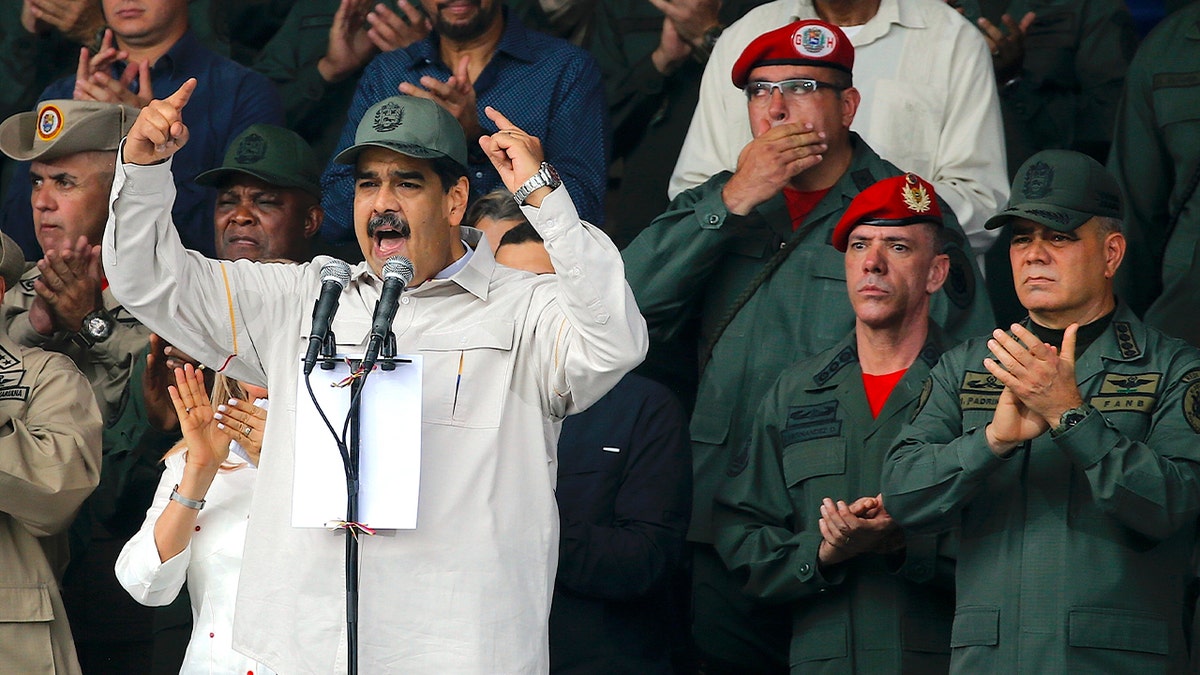
In this April 13, 2019 file photo, Venezuela’s President Nicolas Maduro, speaks flanked by Defense Minister Vladimir Padrino Lopez, right, and Gen. Ivan Hernandez, second from right, head of both the presidential guard and military counterintelligence in Caracas, Venezuela. (Ariana Cubillos/AP Photo)
Marczak said Venezuelans «were ready for change» in the 2024 election, but warned that replacing Maduro with another insider «doesn’t really accomplish anything.» He argued that only a democratic transition would allow Venezuela to re-enter global markets and stabilize the region.
Both Marczak and Vigil noted that the danger extends beyond Maduro to the criminal ecosystem and foreign partnerships that sustain his rule. Without a negotiated transition, Vigil said, the forces most likely to prevail are those already controlling territory: militias, cartel-linked groups and pro-Chavista power brokers.
Ford-Maldonado said that reality is precisely why the administration’s strategy elevates Venezuela’s crisis within its broader Western Hemisphere doctrine.
CLICK HERE TO DOWNLOAD THE FOX NEWS APP

Military strikes on suspected narco-trafficking vessels have killed some 37 people since September. (Department of War)
«Confronting a narco-regime tied to foreign adversaries is not a distraction from America First — it’s the clearest expression of it,» she said. «What’s ultimately being defended are American lives, American children, and American communities.»
The administration’s adoption of a «Trump Corollary» to the Monroe Doctrine indicates a more assertive U.S. stance toward the hemisphere, framing Venezuela not only as a humanitarian or political crisis but as a critical test of the strategy’s core principles: migration control, counter-cartel operations and limiting foreign adversaries’ reach. Within this framework, experts say the consequences of inaction could create security risks that extend well beyond Venezuela’s borders.
venezuelan political crisis,donald trump,national security,narco terror,crime world,immigration






INTERNACIONAL
Furia por los apagones en Cuba: pedradas, destrozos y fuego en una sede del Partido Comunista


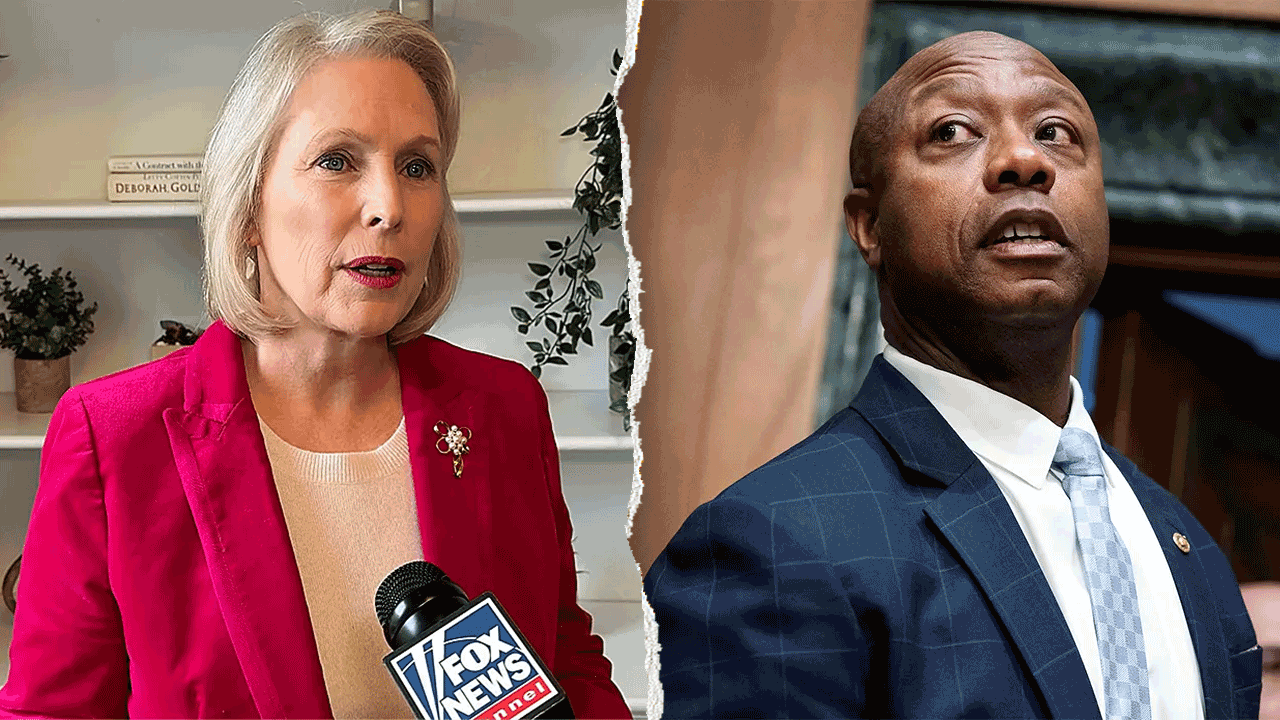
NEWYou can now listen to Fox News articles!
Republicans face high hurdles as they defend their razor-thin control of Congress in the 2026 midterm elections, but the Senate GOP campaign chair says he remains «incredibly optimistic» his party can not only hold but expand its current 53–47 majority.
Republicans are battling stiff political headwinds as the party in power in the nation’s capital traditionally loses seats in the midterms, and a rough political climate fueled by economic concerns amid persistent inflation and President Donald Trump‘s underwater approval ratings.
«There’s no doubt the climate has gotten more and more difficult by the day, it seems like at times,» National Republican Senatorial Committee (NRSC) Chair Sen. Tim Scott said in a recent Fox News Digital interview.
But he added, «The good news is we have a president who made promises, he’s been keeping those promises, and we have been able to recruit the highest quality candidates anyone could want in every single battleground state.»
WHAT THE SENATE REPUBLICAN CAMPAIGN CHIEF TOLD FOX NEWS
National Republican Senatorial Committee (NRSC) chair Sen. Tim Scott says he remains «incredibly optimistic» the GOP can not only hold but expand its majority. (Paul Steinhauser/Fox News)
The NRSC chair told Fox News Digital in December 2025 that in the battle for the majority, «54 is clearly within our grasp right now, but with a little bit of luck, 55 is on our side.»
Asked again a week ago, Scott said, «I think we have a possibility of more than 53 seats.»
STRATEGY SESSION: TRUMP TEAM HUDDLES ON MIDTERM MESSAGING
Scott’s rival, Democratic Senatorial Campaign Committee (DSCC) Chair Sen. Kirsten Gillibrand told Fox News Digital in January that «President Trump is creating a toxic agenda that’s harming people.»
And Gillibrand emphasized she’s «optimistic that we have a shot to take back the majority.»
Here’s a look at the top 10 Senate seats that could flip in the midterms.
MAINE
Longtime Republican Sen. Susan Collins is the only Republican senator running for re-election this year in a state that then-Vice President Kamala Harris carried in her 2024 presidential election loss to Trump.
And Collins has seen a deterioration of her poll numbers among Mainers from her last re-election six years ago.
But Collins, who has long been a top target of the rival Democratic Senatorial Campaign Committee (DSCC) has proven impossible to beat, to date.

Sen. Susan Collins, R-Maine, departs the chamber at the Capitol in Washington, on July 24, 2025. (J. Scott Applewhite/AP Photo)
Complicating the Democrats’ push to flip the seat is a competitive primary between two-term Democratic Gov. Janet Mills, who has the tacit backing of longtime Senate Democratic Leader Chuck Schumer and the DSCC, and veteran and oyster farmer Graham Platner, who is running to the left of the governor and who is backed by progressive champion Sen. Bernie Sanders of Vermont.
NORTH CAROLINA
Republicans are defending an open seat in the southeastern battleground state, with GOP Sen. Thom Tillis retiring at the end of 2026.
Democrats landed their top recruit when former two-term Gov. Roy Cooper launched a Senate campaign in summer 2025. Cooper enjoys tons of name ID in North Carolina and is 6–0 when running statewide races.
Republicans are rallying around former Republican National Committee (RNC) Chair Michael Whatley, who has the president’s backing.
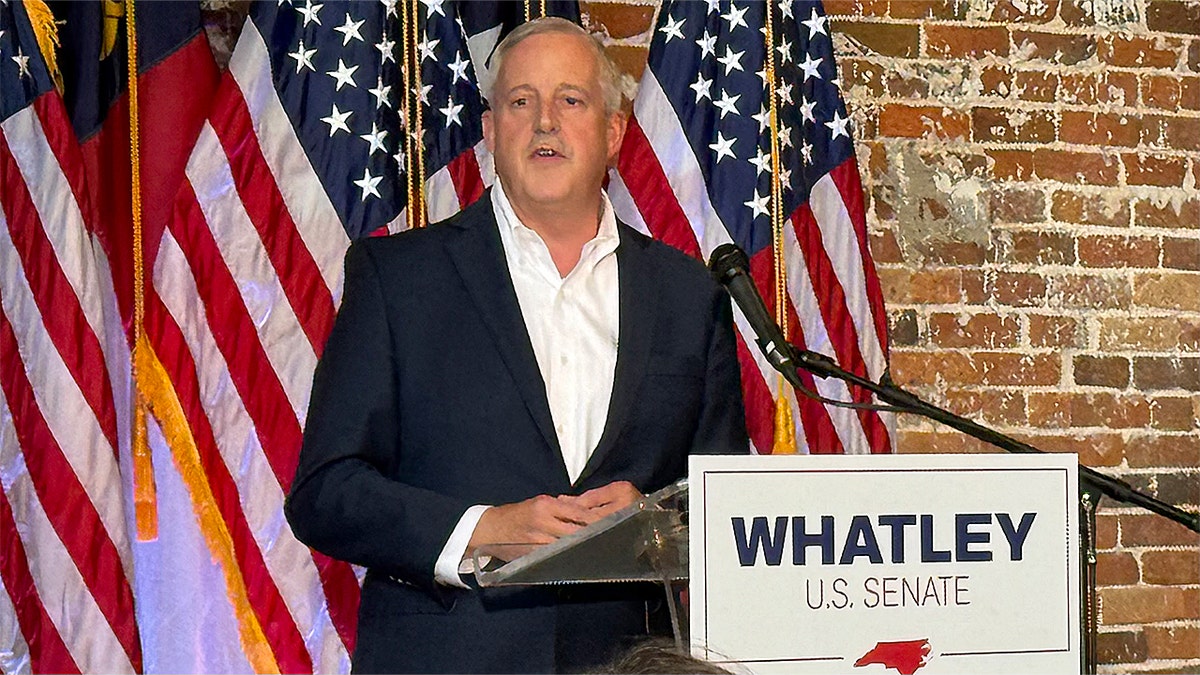
RNC Chair Michael Whatley announces his run for Senator for North Carolina on July 31st, 2025 in Gastonia, N.C. (Paul Steinhauser/Fox News)
The race is expected to be one of the most expensive and competitive Senate showdowns this year.
OHIO
Democrats scored another major recruiting victory when former longtime Sen. Sherrod Brown announced he would challenge Republican Sen. Jon Husted.
A former lieutenant governor, Husted was appointed to the Senate a year ago after then-Sen. JD Vance stepped down to serve as vice president.
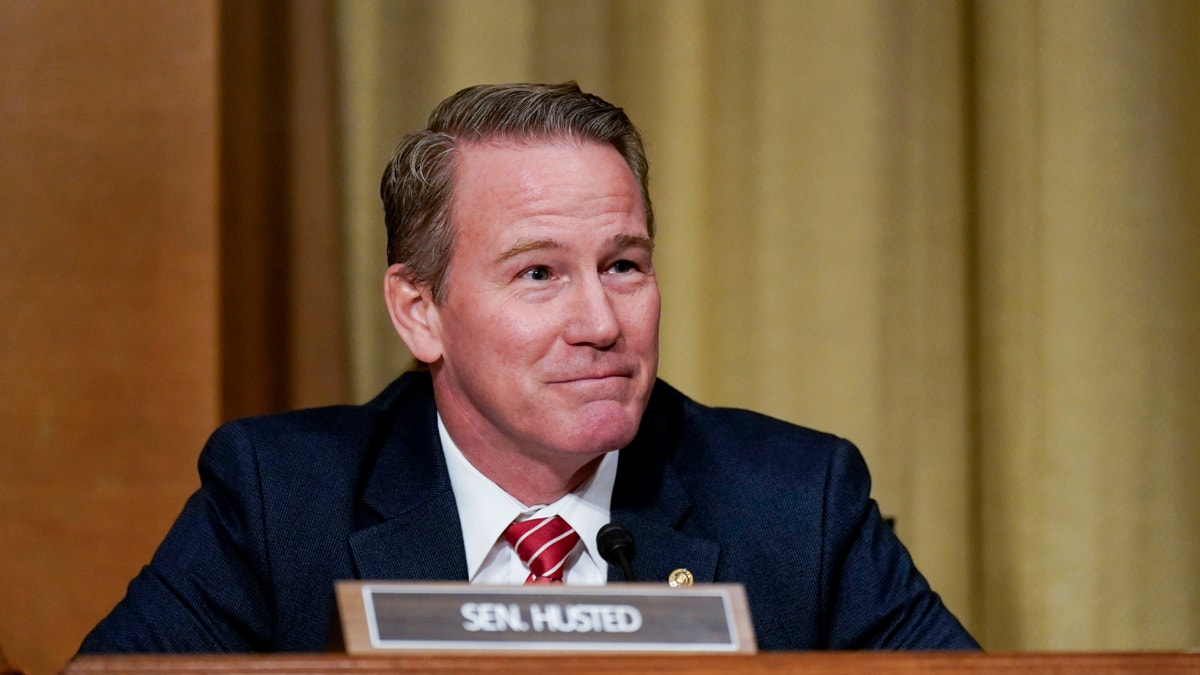
Sen. Jon Husted, R-Ohio, who was appointed to fill now-Vice President JD Vance’s seat, is running in the midterms to serve the final two years of Vance’s term. (Getty Images)
Ohio, once a premiere general election battleground, has turned red over the past decade, and Democrats view Brown as their only competitive candidate in the race to serve the final two years of Vance’s term.
Brown lost re-election in 2024 by roughly four points while Trump carried Ohio by 11 points.
Similar to North Carolina, the showdown is expected to be very expensive and competitive.
ALASKA
Democrats were given a big boost in the red-leaning state when former Rep. Mary Peltola announced in February that she would challenge GOP incumbent Sen. Dan Sullivan.
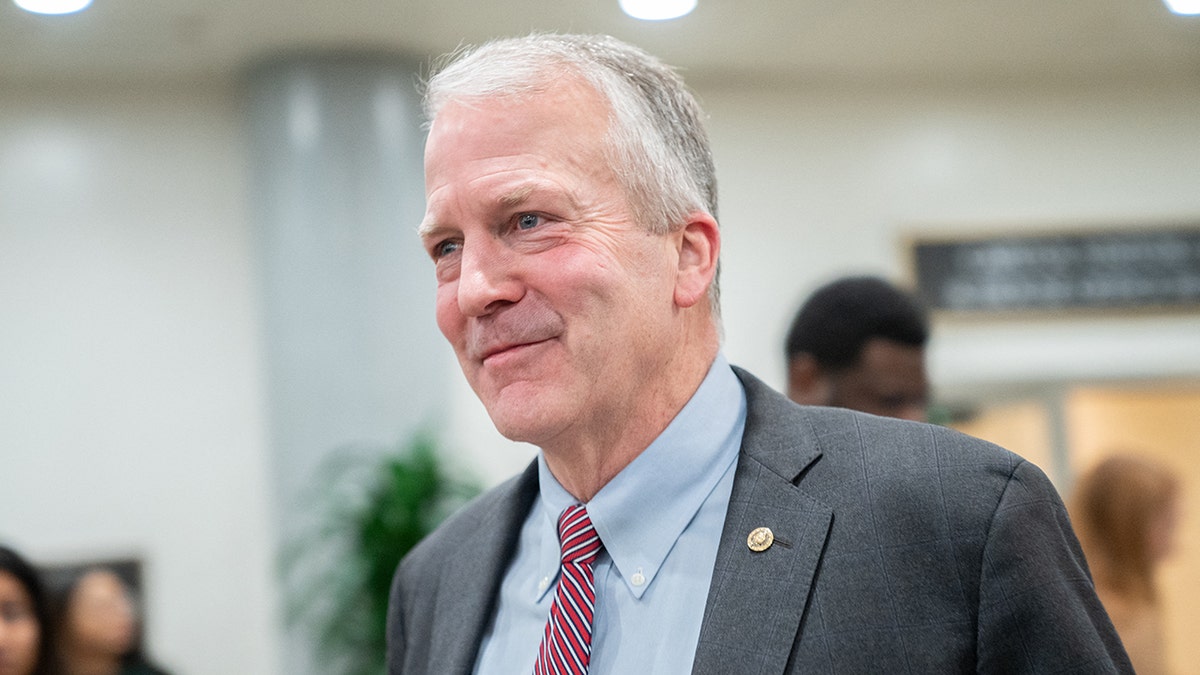
Sen. Dan Sullivan, R-Alaska, is running for re-election in the 2026 midterms. (Allison Robbert/AFP via Getty Images)
Peltola lost re-election 15 months ago in the at-large district that covers the entire state by three points, while Trump carried Alaska by 11 points.
IOWA
Republicans are defending an open seat in Iowa, a onetime swing state that’s shifted to the right over the past decade.
But the GOP has rallied around Rep. Ashley Hinson, who is backed by Trump, in the race to succeed retiring Republican Sen. Joni Ernst.
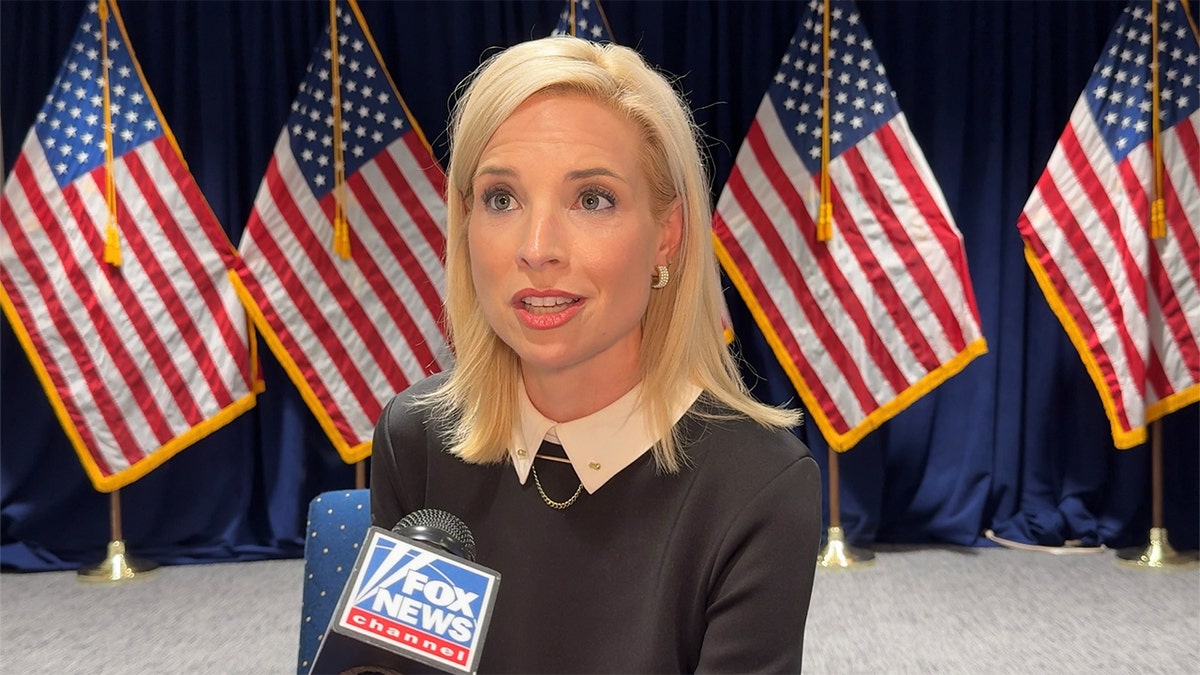
Republican Rep. Ashley Hinson of Iowa, who is running in the 2026 race to succeed retiring GOP Sen. Joni Ernst, sits for a Fox News Digital interview on Sept. 4, 2025, in Washington, D.C. (Paul Steinhauser – Fox News )
Hinson, a former local TV news anchor who flipped a Democratic-held seat in 2020, is seen as a rising star in the party.
Democrats have a contested primary that includes state Rep. Josh Turek, a Paralympian, state Sen. Zach Wahls and military veteran Nathan Sage.
TEXAS
Longtime Republican Sen. John Cornyn of Texas is in the middle of a competitive and combustible GOP nomination runoff battle against state Attorney Gen. Ken Paxton.
Trump, to date, has stayed neutral in the runoff, which will be held in late May.
Cornyn enjoys the backing of Senate Majority Leader John Thune and the NRSC, which worries that the seat would be vulnerable if Paxton, who has plenty of political baggage, wins the primary.
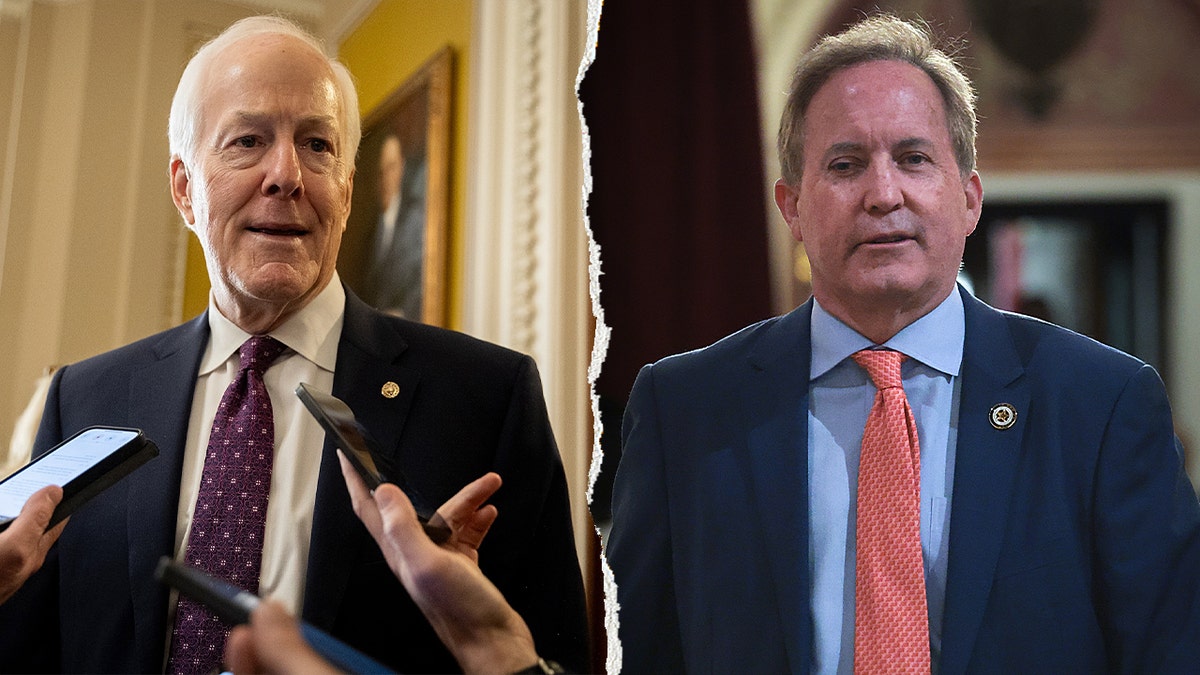
Texas Attorney General Ken Paxton, right, and his bitter rival, Sen. John Cornyn, are facing off in a May runoff, further extending their bloody primary battle for the GOP Senate nomination. (Photo by Nathan Posner/Anadolu via Getty Images; Photo by Anna Moneymaker/Getty Images)
The Democrats, who are eyeing the seat in the right-leaning state, nominated state Rep. James Talarico, a rising star in the party.
MICHIGAN
Republicans are optimistic they can flip a seat in the Great Lakes battleground, where Democratic Sen. Gary Peters is retiring.
The GOP, led by Trump, has coalesced around former Rep. Mike Rogers, who lost an extremely close Senate race in 2024 even as Trump won Michigan by one point.
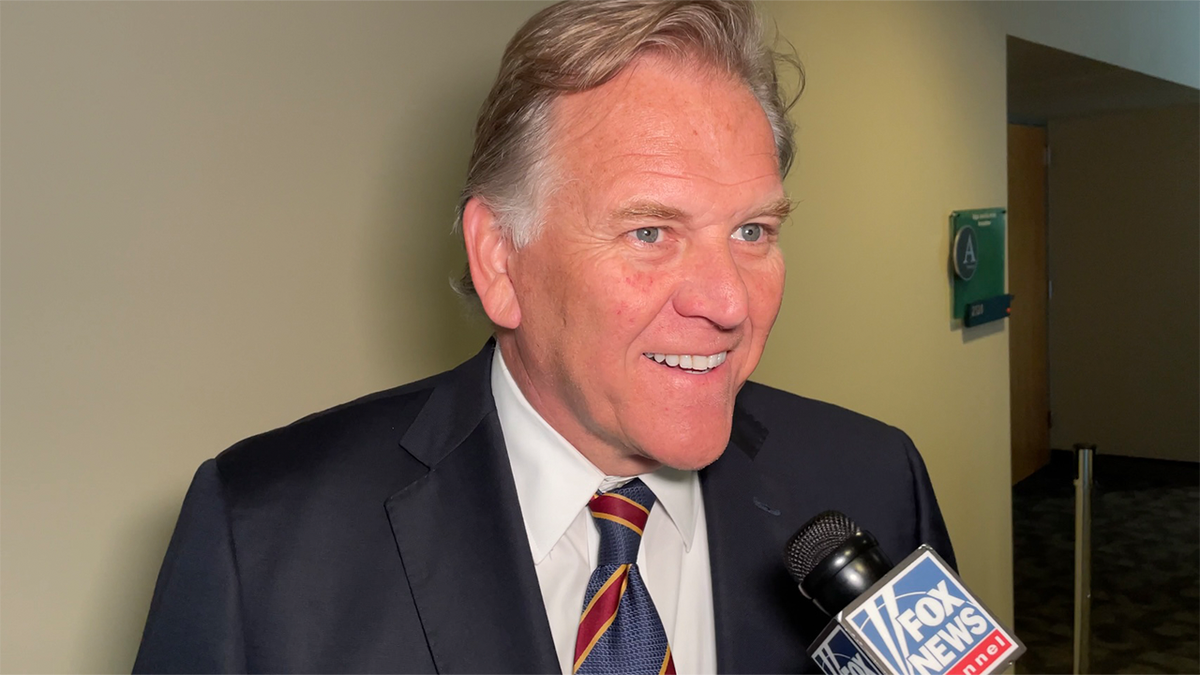
Former Rep. Mike Rogers, who narrowly lost the 2024 Senate election in Michigan, is making a second straight run in the Great Lakes battleground state. (Paul Steinhauser – Fox News )
The Democratic primary is a three-way race between center-left Rep. Haley Stevens, state Sen. Mallory McMorrow, a self-described «pragmatist,» and progressive physician Abdul El-Sayed, who is backed by Sanders.
The primary already has exposed divisions on the future of the state’s manufacturing sector and support for Israel, and the nominee won’t be decided until August.
GEORGIA
Republicans view first-term Sen. Jon Ossoff as the most vulnerable Democratic senator seeking re-election in the midterms.
The aim was to paint Ossoff, the only Senate Democrat running for re-election in a state Trump won in 2024, as a far-left progressive.
But ousting Ossoff won’t be easy, in part because the senator’s robust fundraising has built a massive war chest.
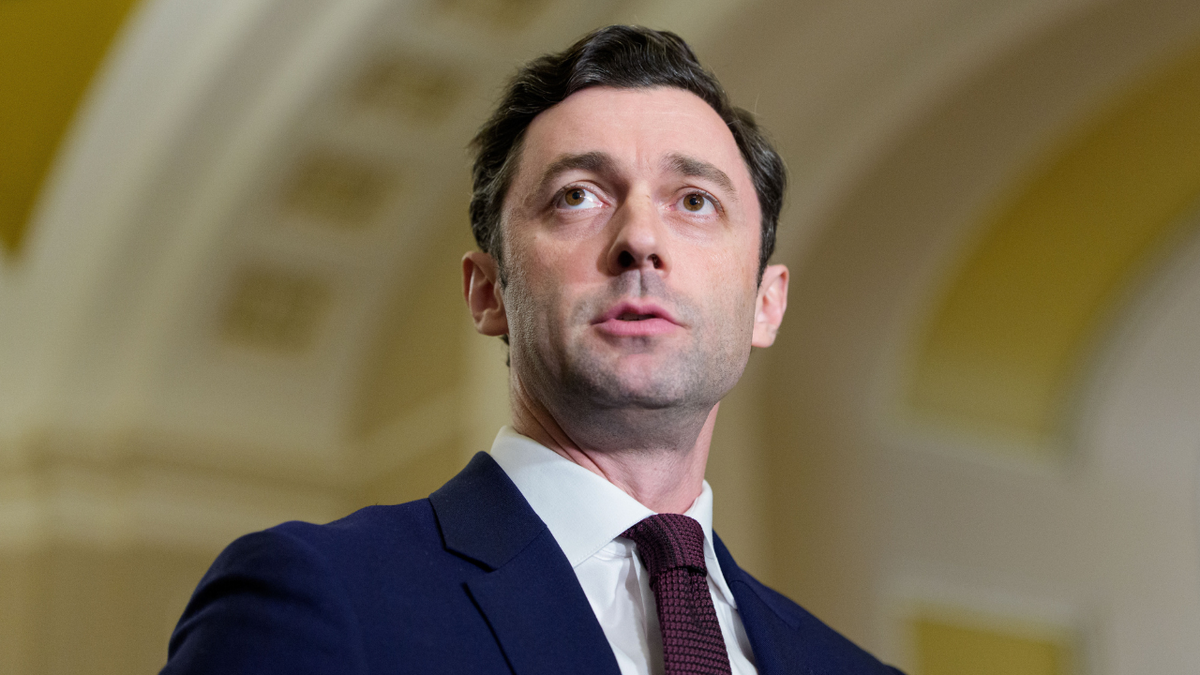
Senator Jon Ossoff is the only Democratic senator seeking re-election in 2026 in a state President Donald Trump carried in 2024. (Aaron Schwartz/Bloomberg/Getty Images)
And Republicans are in the middle of an ugly three-way among Reps. Mike Collins and Buddy Carter, and former University of Tennessee football coach Derek Dooley, who has the backing of term-limited popular, conservative Gov. Brian Kemp.
Trump has remained neutral, to date, ahead of the May primary.
NEW HAMPSHIRE
Republicans are hoping to flip the long-held Democratic Senate seat in New England’s only swing state, thanks to the retirement of Sen. Jeanne Shaheen, the first woman in the nation’s history to be elected governor and senator.
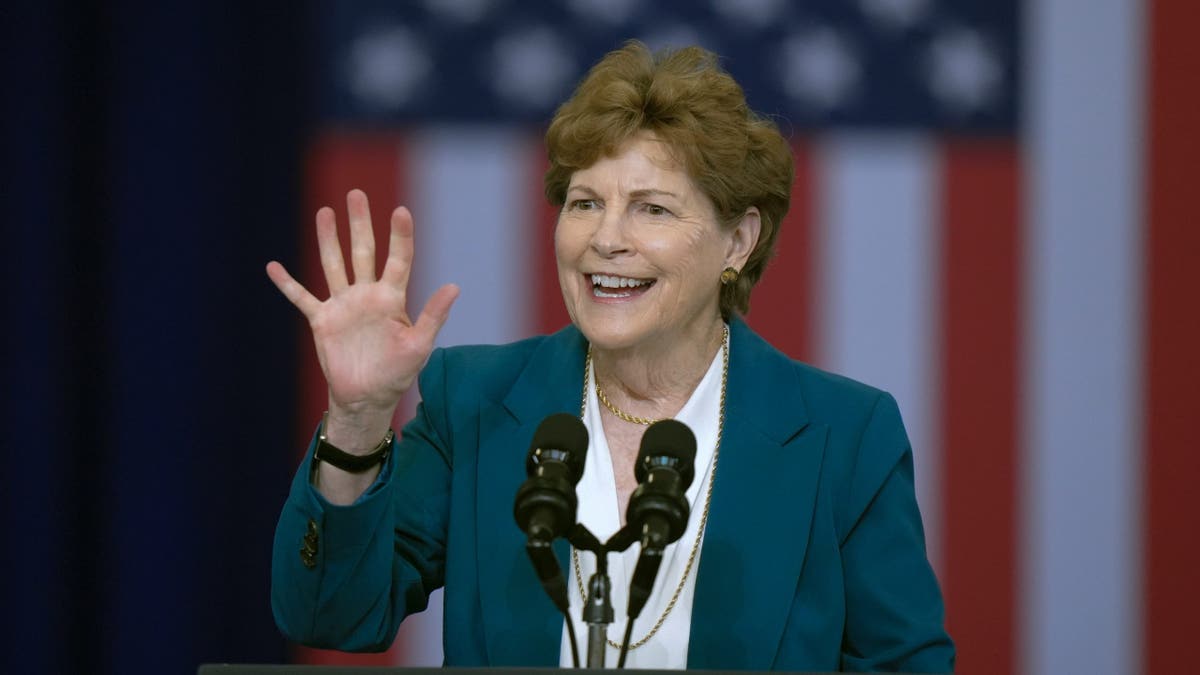
Democratic Sen. Jeanne Shaheen of New Hampshire, the first woman in the nation’s history elected governor and senator, is retiring at the end of the year. (AP Photo/Steven Senne)
While most Democrats are rallying around four-term Rep. Chris Pappas, there’s a spirited primary on the Republican side between two former senators seeking a return to Capitol Hill. Former Sen. John E. Sununu, an older brother to former Gov. Chris Sununu, has the backing of the president. But Trump’s first-term ambassador to New Zealand, former Sen. Scott Brown, remains in the race.
Republicans are trying to break their 16-year losing streak in U.S. Senate elections in the Granite State.
MINNESOTA
The retirement of Democratic Sen. Tina Smith is giving the GOP hopes they can flip the seat in the blue-leaning state.
And the NRSC landed what they say is a top-tier recruit in former NBC sports reporter turned conservative pundit and activist Michele Tafoya.
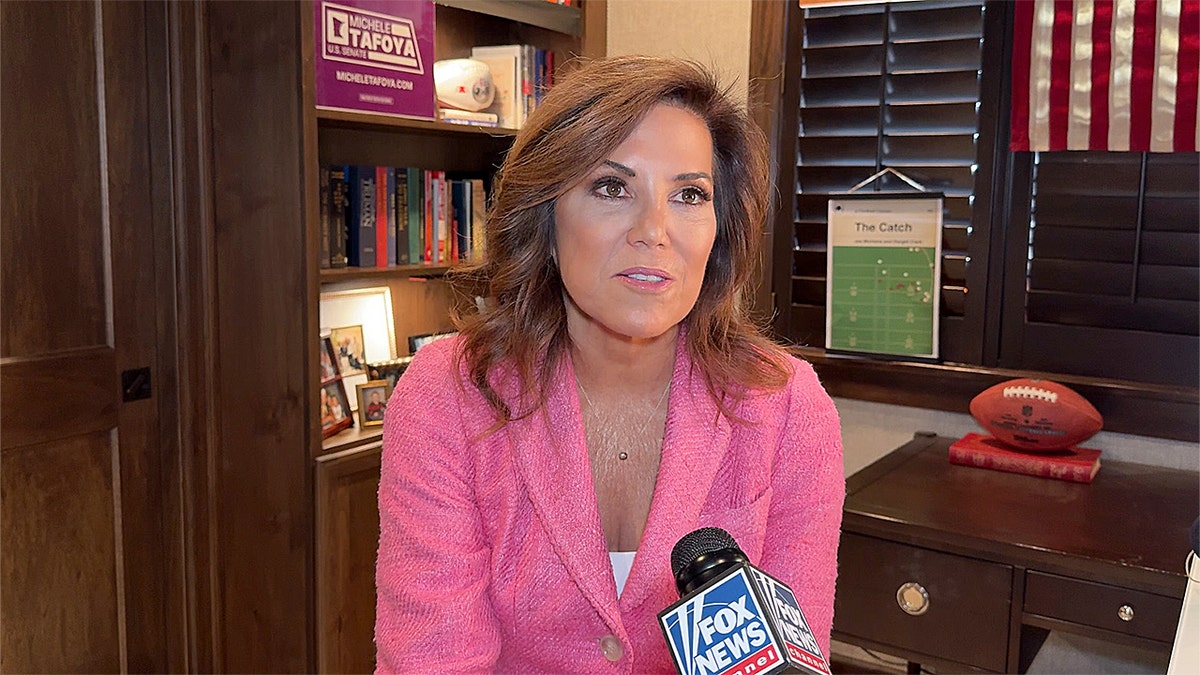
Michele Tafoya is interviewed by Fox News Digital as she launches a Republican Senate campaign in Minnesota. (Paul Steinhauser/Fox News)
Tafoya is part of a crowded GOP field that also includes 2024 Senate nominee Royce White, a former NBA basketball player; retired U.S. Navy officer Tom Weiler, a 2022 GOP congressional nominee; former state Senator David Hann and former Navy SEAL Adam Schwarze.
CLICK HERE TO DOWNLOAD THE FOX NEWS APP
Minnesota Lt. Gov. Peggy Flannagan, a progressive, is facing off against more moderate Democratic Rep. Angie Craig, who appears to have the backing of Senate Minority Leader Chuck Schumer, in the race for their party’s nomination.
donald trump,midterm elections,senate elections,republicans elections,democrats elections,kirsten gillibrand

Lionel Messi, quizá el futbolista más famoso del mundo, nunca habla de política públicamente.
La semana pasada, en un encuentro con el presidente Donald Trump, mantuvo ese silencio, pero eso no impidió que la estrella argentina terminara arrastrado al centro de un acalorado debate político en su país.
Messi sonrió tímidamente en una visita a la Casa Blanca con su equipo de la liga de Estados Unidos, el Inter de Miami, después de que Trump aprovechara la ocasión para hablar de la demolición del ejército iraní y del cambio de régimen en Cuba, lo que convirtió una celebración de rutina de la victoria del Inter de Miami en la Copa MLS 2025 en una tormenta de fuego polarizante.
Leé también: “Surrealista”: el análisis de un prestigioso medio de EE.UU. sobre la visita de Messi a Donald Trump
El presidente de Argentina, Javier Milei, aliado clave del gobierno de Trump, celebró el saludo entre el héroe futbolístico más célebre de su país y Trump. Al mismo tiempo, los críticos de Trump acusaron a Messi de acercarse al controvertido presidente estadounidense.
“Fue como una cachetada”, escribió Ángel Cappa, exfutbolista y exentrenador argentino y comentarista veterano, en una entrada de su blog titulada “Qué lástima, Messi”.
En sus dos décadas de carrera futbolística, Messi se ha esforzado por mantenerse al margen de la política, y no ha hecho ningún comentario sobre el acto de la Casa Blanca. Los representantes del Inter de Miami no respondieron a una solicitud de comentarios.
Algunos equipos y atletas estadounidenses han renunciado a visitar la Casa Blanca para evitar reunirse con presidentes con los que no están de acuerdo o verse envueltos en el tipo de escrutinio al que se ha enfrentado Messi.
Leé también: Inter Miami publicó imágenes inéditas de Lionel Messi durante la reunión con Donald Trump en la Casa Blanca
En las redes sociales, en los periódicos y en los programas de radio y televisión, los argentinos han realizado un examen casi forense del lenguaje corporal de Messi durante el encuentro con Trump para analizar lo incómodo o cómodo que parecía durante el discurso del presidente estadounidense.
El compromiso por décadas de Messi con la neutralidad política pareció ser en vano cuando argentinos de izquierda y derecha lo reclutaron en las filas del trumpismo.
“Hasta el máximo ídolo nacional argentino es de derecha”, escribió en X Agustín Laje, un conocido intelectual argentino de derecha. Lionel Messi y el resto del plantel de Inter Miami se reunió con Donald Trump. (Foto: Prensa Inter Miami).
El debate se extendió más allá de las fronteras de Argentina. Pero entre las figuras más notorias que politizaron el encuentro está Milei, quien, tras elogiar al campeón de fútbol durante años, parecía haber encontrado por fin la forma de utilizarlo como pólvora estelar contra sus enemigos de la izquierda.
“La única izquierda que sirve es la de Messi”, publicó Milei en redes sociales, refiriéndose al futbolista zurdo mientras atacaba a la izquierda política.
Milei reeditó un video de televisión de 2018 en el que defendía apasionadamente a Messi de las críticas que recibió después de la eliminación prematura de Argentina en el Mundial de 2018. Vilipendió a los críticos en una publicación, en la que se lee: “Aman a Maduro, Hamas y Cuba. Odian a Messi. Son el mal”.
Como Milei ha intentado erigirse en un líder mundial de la derecha, lleva mucho tiempo tratando de asociarse con la celebridad internacional más reconocida de Argentina. Pero hasta ahora no ha logrado hacerse una foto con Messi, el capitán de la selección nacional masculina.
Para Pablo Alabarces, sociólogo argentino, la foto de Messi con Trump representa una satisfacción indirecta para Milei, pues posiciona al futbolista en la extrema derecha.
Otros expertos en fútbol trataron de restar importancia al debate. Andrés Cantor –la voz futbolística de Telemundo, el gigante estadounidense de los medios de comunicación en español– señaló que Messi era el capitán de un equipo que recibía un premio de manos de un presidente que ni siquiera era el suyo.
Cantor señaló que el jefe de Messi es el propietario del equipo, y que tanto él como sus compañeros habían recibido una invitación de la Casa Blanca y habían respondido a ella. Agregó que esa visita no dejaba en claro de que lado de la política se encontraba Messi.
(Tampoco quedó claro qué tanto entendieron el discurso de Trump los jugadores, pues el inglés no es la lengua materna de muchos de ellos, incluido Messi).
Otra asociación de la que Messi ha luchado por escapar es la que tiene con su predecesor como máximo icono futbolístico del país, Diego Armando Maradona. El astro del fútbol, quien falleció en 2020, era deslumbrante en el campo, pero una figura polarizante fuera de la cancha. Cultivó una imagen de defensor de izquierda de los pobres, delineada por el barrio obrero en el que creció.
Por años, el triunfo de Maradona en la Copa del Mundo de 1986 le dio ventaja en el debate sobre quién era el mejor jugador de Argentina, pero cuando Messi llevó a Argentina a ganar la Copa del Mundo de 2022, se zanjó el asunto.
Las comparaciones resurgieron tras la visita a la Casa Blanca. En la página de Instagram de Messi, un comentario con decenas de miles de “me gusta” decía: “Gracias por darle la mano a Trump. Así ya queda bien claro por qué el Diego es lo más grande que hay”.
La protesta se hizo mayor por el hecho de que Messi y sus compañeros de equipo no visitaran el palacio presidencial argentino tras la victoria de Argentina en el Mundial de 2022, cuando era presidente Alberto Fernández, político de centro-izquierda. Fernández dijo esta semana en un canal de YouTube sobre fútbol que el gobierno no les pidió que fueran.
Incluso algunos expertos que estaban dispuestos a conceder a Messi el beneficio de la duda sobre su reunión con Trump dijeron que había algo fuera de lugar en mezclar el fútbol y una conferencia presidencial sobre la aniquilación militar.
*Emma Bubola es reportera del Times que cubre Argentina desde Buenos Aires.
*Lucía Cholakian Herrera colaboró con reportería.
The New York Times, Lionel Messi

Furia por los apagones en Cuba: pedradas, destrozos y fuego en una sede del Partido Comunista

10 Senate races that could decide control of the chamber in the 2026 midterms

Un motociclista perdió el control y sufrió un brutal accidente contra un poste de luz en la Ruta 11: murieron dos personas

Revelaron los nombres de tres de los 12 desaparecidos en La Perla que fueron identificados

Operan al diputado libertario agredido en Tucumán: “Se desangró mucho”

El pulso de la actividad económica: cómo están los distintos sectores y qué desafíos enfrentan para el resto del año

Muni Seligmann respondió las críticas tras el accidente de su bebé y su viaje a Miami: “Hay que contarlo y naturalizarlo”

El ex novio de Luana de Gran Hermano reveló información sensible sobre su relación: “El bolso tenía plata”

Sorpresa en Gran Hermano tras la expulsión de Carmiña: la reacción de la producción y las dudas sobre su reemplazo

Emanuel Noir, de Ke Personajes, anunció que dejará las redes sociales: “Una búsqueda mayor a la que creí, apareció”

 CHIMENTOS2 días ago
El ex novio de Luana de Gran Hermano reveló información sensible sobre su relación: “El bolso tenía plata”
- CHIMENTOS2 días ago
Sorpresa en Gran Hermano tras la expulsión de Carmiña: la reacción de la producción y las dudas sobre su reemplazo
- CHIMENTOS2 días ago
Emanuel Noir, de Ke Personajes, anunció que dejará las redes sociales: “Una búsqueda mayor a la que creí, apareció”