INTERNACIONAL
Trump’s fraud czar nominee touts Minnesota blueprint to root out Obamacare fraud, senior scams

NEWYou can now listen to Fox News articles!
The crackdown on fraud in Minnesota will serve as a blueprint for a new Department of Justice office focused on protecting taxpayer funds from scams, President Donald Trump’s pick to serve as the nation’s «fraud czar» explained in his nomination hearing Wednesday.
«The work in Minnesota has been pivotal. The work of the U.S. Attorney’s office there, and the personnel there, has been pivotal to highlighting the problems of fraud that permeate our taxpayer funded programs,» nominee to serve as assistant attorney general for a new Justice Department division tasked with rooting out fraud, Colin McDonald, said Wednesday.
«That sort of effort … is what the National Fraud Enforcement Division will be looking to do and scale to an extent that we’ve not seen before within the Department of Justice,» he continued.
Trump tapped McDonald as the nominee in January, just days after establishing the Department of Justice’s new division for national fraud enforcement that will «investigate, prosecute, and remedy fraud affecting the Federal government,» according to the White House. The new office follows a sweeping Minnesota fraud scandal, where hundreds of millions of dollars was allegedly swindled from taxpayers through welfare and social services programs.
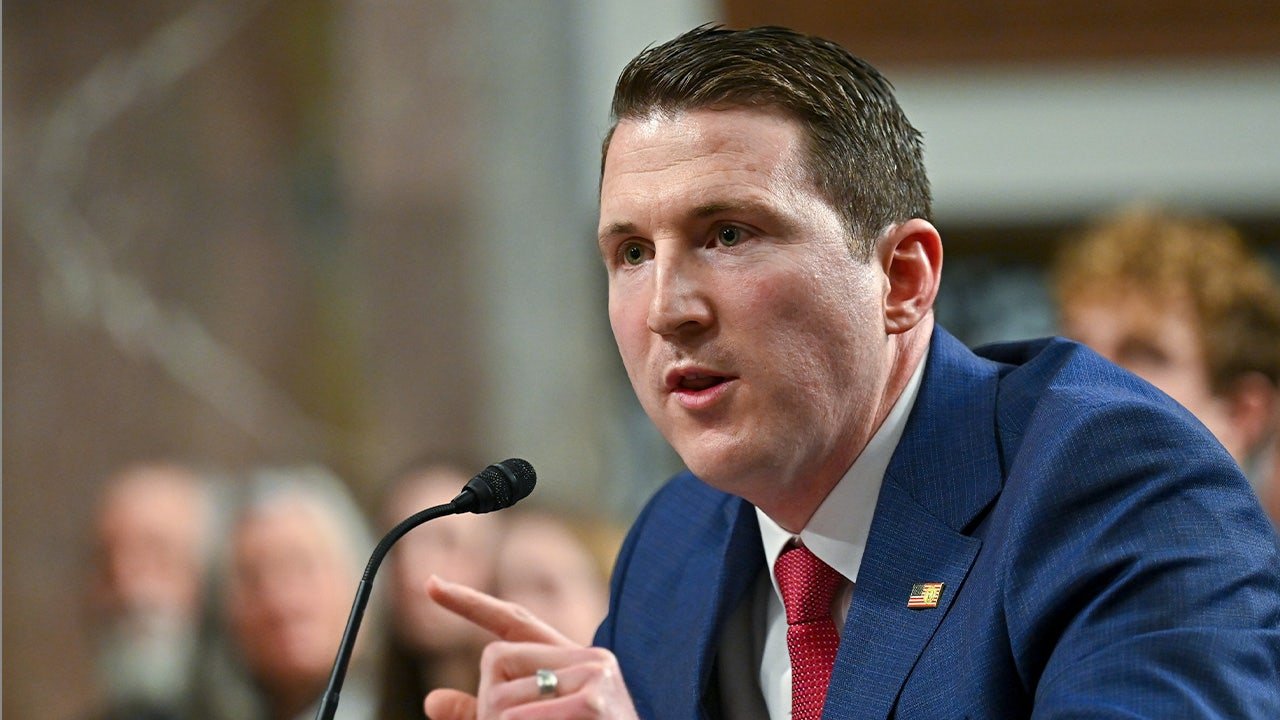
Colin McDonald appeared before the Senate Judiciary Committee Wednesday morning, where lawmakers grilled the nominee about the new office, how it will operate and if it will operate independently of the White House. (Graeme Sloan/Getty Images)
«I will be working with the inspectors general community,» McDonald continued. «With our federal agencies and federal partners, with our state and local partners to ensure that we find the fraud where it’s occurring and that we have the resources to prosecute it, to investigate it and prosecute it, and ultimately ensure that the fraud that we’re seeing annually, perpetrated against these programs comes to an end.»
McDonald appeared before the Senate Judiciary Committee Wednesday morning, where lawmakers grilled the nominee about the new office, how it will operate and if it will operate independently of the White House.
Trump delivered his State of the Union address Tuesday evening and announced Vice President JD Vance will lead the administration’s «war on fraud.»
McDonald explained that his office will work to tackle all fraud bleeding taxpayers, citing Government Accountability Office data that estimates between $320 billion to $520 billion in taxpayer funds is lost to fraud on an annual basis.
«My commitment is to work tirelessly to build a division, a national fraud enforcement division, where no fraud is too big for the Department of Justice, and no fraud is too small for the Department of Justice,» he continued.
At the top of lawmakers’ minds were fraud concerns surrounding Obamacare and senior citizens.
Republican Texas Sen. John Cornyn cited that the Government Accountability Office could not reconcile over $21 billion in Obamacare marketplace subsidies in tax year 2023 during his questioning of McDonald.

Senator Chuck Grassley, a Republican from Iowa and chairman of the Senate Judiciary Committee, left, and Senator Dick Durbin, a Democrat from Illinois and ranking member of the Senate Judiciary Committee, during a confirmation hearing. (Graeme Sloan/Bloomberg via Getty Images)
HEAVILY-REDACTED AUDIT FINDS MINNESOTA MEDICAID HAD WIDESPREAD VULNERABILITIES
«I commit to working tirelessly to root out the sort of fraud that you’ve identified there, and to make sure that every single dollar that’s supposed to go to these programs actually goes to the programs, to the beneficiaries, the intended beneficiaries of these programs, and not to fraudsters. That is my commitment,» McDonald told Cornyn during the hearing regarding potential fraud surrounding Affordable Care Act subsidies.
Scams targeting the elderly also took the spotlight throughout the hearing. Judiciary Chair Chuck Grassley, R-Iowa, pressed McDonald on his efforts to protect seniors from scams, noting that America’s seniors lose $28 billion annually to financial schemes.
The fraud czar nominee pledged that the DOJ would work to protect seniors from the increasingly high-tech scams, which often include using artificial intelligence to confuse and swindle people, noting that the fraud affects entire families.

Quality Learning Center in Minnesota was found at the center of an alleged childcare fraud scandal in the state. (Madelin Fuerste/Fox News)
«It’s not just the grandmothers and the grandfathers, it’s also their family members who bear the weight of these scams and the fraud that’s perpetrated against them,» he said. «My grandmother, one of them, turns 89 years old in two days. And she has seen these … sorts of efforts toward her. And it’s a major issue that the Department of Justice is focused on, and we will be using all available tools to ensure that we combat that problem.»
The massive Minnesota fraud case has reverberated across the nation, with federal Republican lawmakers reinvigorating calls to tighten and monitor the release of taxpayer funds to various programs, most notably social and welfare offices.
DR OZ DETAILS ‘WEAPONIZATION OF FRAUD’ IN MINNESOTA, ESTIMATES TOTAL MEDICAID FRAUD TO BE $100 BILLION
Trump spotlighted the fraud in his State of the Union address Tuesday, claiming the scams are even worse in states such as California, Massachusetts, Maine.»
«When it comes to the corruption that is plundering — it really, it’s plundering America — there’s been no more stunning example than Minnesota, where members of the Somali community have pillaged an estimated $19 billion from the American taxpayer. Oh, we have all the information,» Trump said Tuesday.
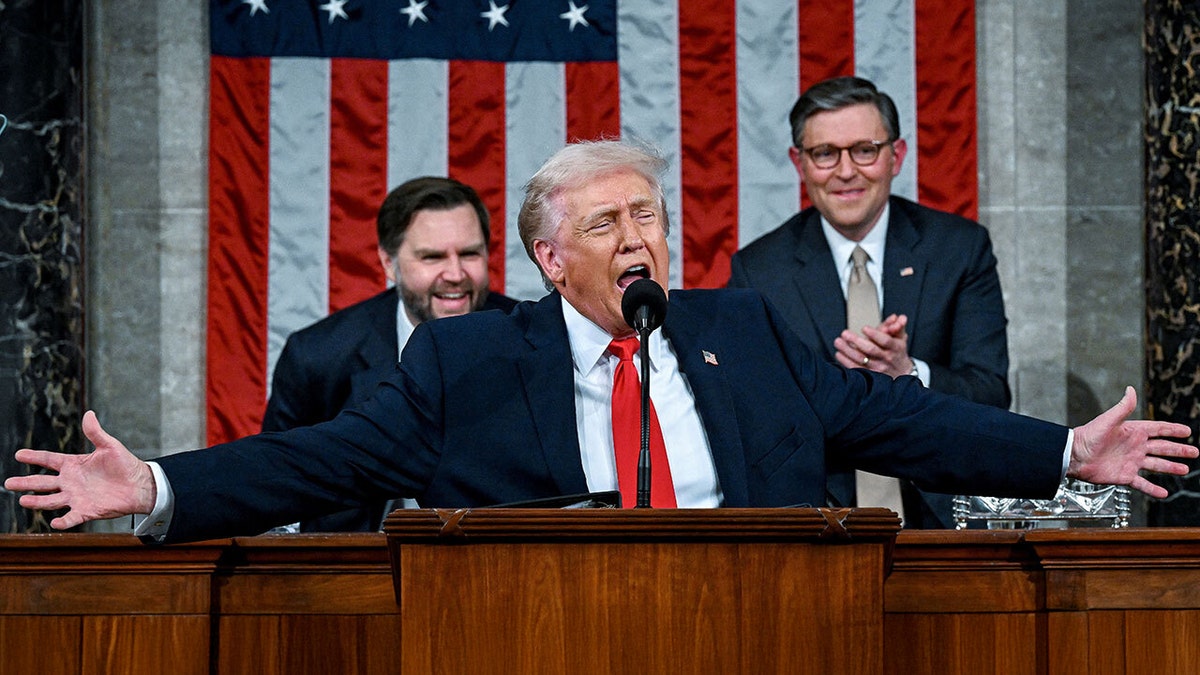
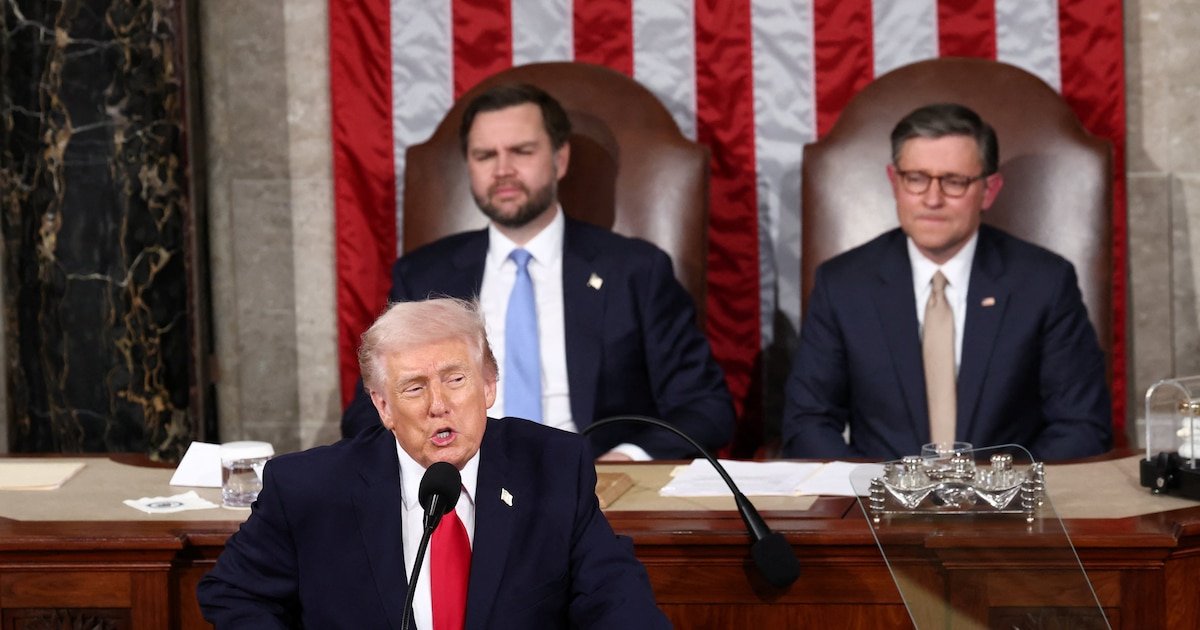
U.S. President Donald J. Trump delivers the first State of the Union address of his second term to a joint session of Congress in the House Chamber of the United States Capitol in Washington, D.C., on Tuesday, Feb. 24, 2026. Seated behind him are Vice President JD Vance and Speaker of the House Mike Johnson (R-LA). (Kenny Holston /Pool via Reuters)
«And in actuality, the number is much higher than that, and California, Massachusetts, Maine and many other states are even worse. This is the kind of corruption that shreds the fabric of a nation, and we are working on it like you wouldn’t believe,» he continued, before naming Vance as the administration leader taking on fraud.
The White House referred Fox Digital to Trump’s State of the Union comments and McDonald’s testimony when approached for additional comment on the federal fraud crackdown efforts.
FEDERAL WELFARE SPENDING IS A FRAUD MAGNET — AND TAXPAYERS ARE PAYING THE PRICE
Vance joined Fox News’ «America’s Newsroom» Wednesday, and said his efforts will include a «full, whole government approach» to investigating fraud concerns, and enlisting the Justice and Treasury Departments to lead probe on fiscal records.
CLICK HERE TO DOWNLOAD THE FOX NEWS APP
«There’s a whole host of tools that we have that have never been used, and the president and I talked about this a couple of months ago and said, ‘What if we just did everything that we could to stop the fraud that’s being committed against the American taxpayer?’ The president said, ‘Great idea, let’s do it,’ and we’re going to work on that very aggressively over the next year,» Vance said.
Related Article
justice department,minnesota fraud exposed,donald trump,politics








Decir que a Trump le pierden las formas, sería el eufemismo del siglo. Ni le caracteriza la finezza que el proverbial Andreotti reclamaba para la política, ni domina el arte de la ambigüedad. Al contrario, es tosco, ruidoso y explícito, perfecto para estos tiempos de relato de impacto. En realidad, es el mejor ejemplar de “hombre fuerte” que Yuval Harari describía en su disruptivo ‘Nexus’.
Por todo ello, no puede sorprender la notoria claridad con que habló este martes ante el Capitolio en la hora y 48 minutos del discurso sobre el estado de la Unión, el SOTU más largo de la historia. Especialmente respecto a Latinoamérica, sobre la que dijo que “estamos restableciendo el dominio y la seguridad de Estados Unidos en el hemisferio occidental”. Y así, sin parpadear, la palabra “dominio” se coló en el discurso sin atisbos de sonrojo, ni ningún tipo de complejo. ¿Está Trump reeditando la doctrina Monroe, en versión 2.0? Podría parecerlo a tenor de la premisa que marcó su proclamación en 1823: cualquier intervención europea sería considerada una agresión contra Estados Unidos. Y algo de ello resonó en enero de 2026, cuando, después de la captura de Maduro, el departamento de Estado dijo literalmente “este es nuestro hemisferio. Y el presidente Trump no permitirá que nuestra seguridad sea amenazada”. En los mismos términos de “seguridad interior” se enmarca la presión a México por el fentanilo o la cacería de narcolanchas en el Caribe, la cuestión de Cuba, etcétera… De hecho, el propio Trump lo ha expresado con meridiana precisión en su discurso en el Capitolio: “Actuamos para garantizar nuestros intereses nacionales y para defender a nuestro país de la violencia, las drogas, el terrorismo y la injerencia extranjera”. Pero, ¿se trata solamente de una cuestión de seguridad, una reedición contemporánea de la vieja Monroe, o estamos ante un plan estratégico global que abarca diversos aspectos y pretende sacudir toda la región?
Esa última parece ser la opción: Trump sitúa a Latinoamérica como una prioridad en la agenda porque su proyecto Make America Great Again pasa, inexorablemente, por el dominio del hemisferio occidental. De entrada, es una región clave para los intereses económicos, tecnológicos y estratégicos de China, cuya creciente influencia lo ha convertido en un inversor devora a todos sus competidores. Desde el famoso triángulo del litio hasta la nueva ruta de la seda por el Chancay peruano, pasando por los jugosos acuerdos comerciales con Brasil, o la expansión de los BRIC, China ha convertido a América Latina en un pilar estratégico de su dominio económico, perfectamente definido en su ‘Libro Blanco sobre América Latina y el Caribe’. Y precisamente por ello, Trump considera la región como un campo de batalla para frenar dicha influencia china. Es la geopolítica desde la perspectiva económica.

Además de frenar a China y reforzar los intereses económicos norteamericanos, Estados Unidos se convierte en el motor de grandes cambios políticos que sacuden a la región y refuerzan su hegemonía. De ahí la intervención en Venezuela, la primera carta del naipe que pretende hacer caer al resto. El final del chavismo no solo representa una liberación extraordinaria de recursos energéticos y económicos, sino también de recursos humanos. Hace dos meses había colas para el pan y la leche en los barrios de Caracas, y en poco tiempo, en pleno proceso de transición, ya se percibe el enorme potencial que tendrá el país. Se ha abierto una enorme oportunidad para convertir a Venezuela en un gran hub energético que no solo nutrirá los bolsillos de los yankees, sino los de toda la región. De ahí que el experimento Venezuela sea tan importante para Trump, porque representa el éxito de su proyecto global: de la Venezuela de Maduro que convertía a Trump en un demonio, a la Venezuela de Delcy convertida en “nuestro nuevo amigo y socio”. Y con el terremoto en Venezuela, sus réplicas: Colombia, con un Petro que va a la Casa Blanca y se enamora de los “gringos francos”; Nicaragua con un Ortega que de golpe elimina el libre visado para Cuba y baja su retórica incendiaria a posiciones pragmáticas: Cuba, cuyo colapso lo llevará inevitablemente al cambio político; Guatemala, y el arancel cero para sus productos; Brasil, con un Lula que ha bajado muchos decibelios su retórica más inflamada… Y luego está México, con una Sheinbaum que, cuyo discurso político también ha sufrido una mutación pragmática, (tratado comercial mediante), al tiempo que ha aumentado su actitud de lucha contra los cárteles. En este sentido no hay duda de que a Trump le está saliendo bien la estrategia para la región en los tres terrenos, el de seguridad, el económico, y el geopolítico.
Esta es la crónica: acción militar estadounidense, captura de Maduro, y de golpe todo el mapa en movimiento. Un éxito sin paliativos. Para Estados Unidos, es el retorno del dominio en “el patio trasero”, que a su vez implica un refuerzo de su papel geopolítico. Pero, lejos de ser un dominio vampírico, puede ser simbiótico para toda la región, porque la liberación de los regímenes perversos que la han secuestrado, implicará un crecimiento económico y político de gran magnitud. América Latina vuelve a estar en el mapa y su horizonte puede ser brillante. De manera que, a pesar del antiamericanismo ambiental rampante, habrá que darle a Trump algún mérito.
X: @RaholaOficial
Web:
Instagram: pilar_rahola/
Domestic,Politics,North America,Government / Politics
INTERNACIONAL
España: los documentos desclasificados sobre el intento de golpe de Estado de 1981 revelan por qué fracasó la asonada
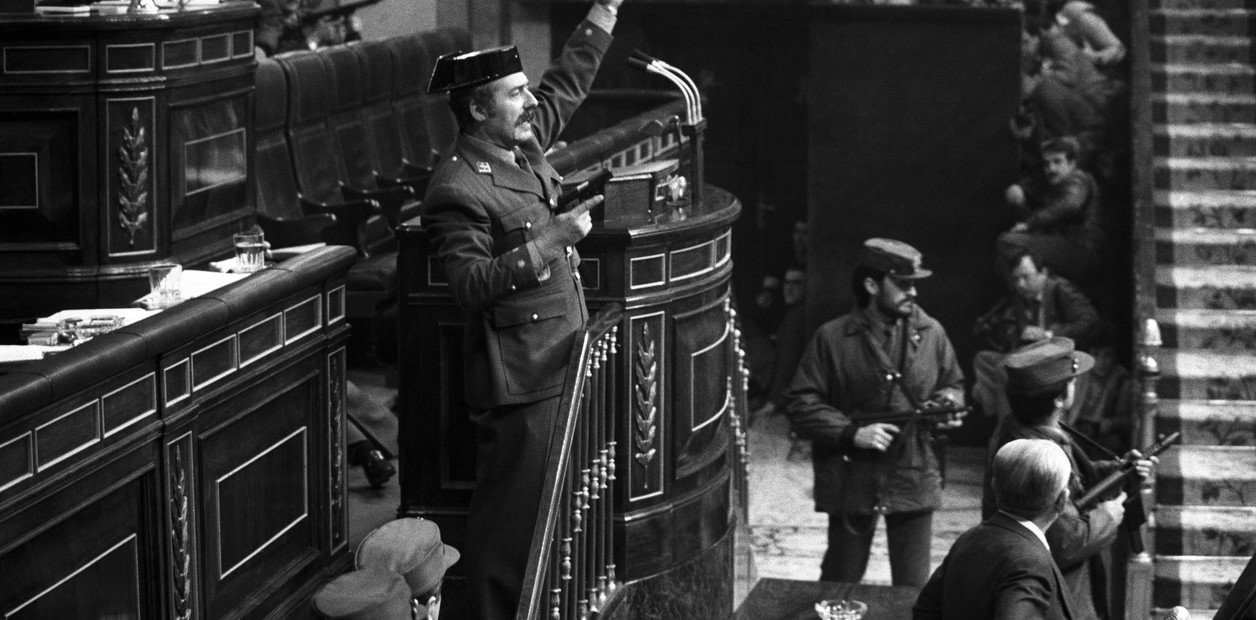
La asonada, paso a paso

El rey, “objetivo a batir y anular”

La versión de Juan Carlos en sus memorias
La opinión de Felipe González
NEWYou can now listen to Fox News articles!
The Chagos Islands deal fell into disarray Wednesday amid conflicting U.K. government messages about whether ratification was paused for talks with the United States over the strategic Indian Ocean military base Diego Garcia.
Foreign Office Minister Hamish Falconer had told members of Parliament that ratification of the deal to cede the islands to Mauritius had been paused while discussions with Washington continued.
A U.K. government spokesperson later denied there was any formal suspension of the process, insisting no deadline had ever been set and reiterating that Britain would not move forward without American backing.
«We are continuing discussions with the U.S., and we have been clear we will not proceed without their support,» the spokesperson said, Reuters reported.
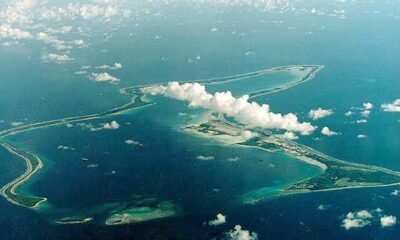
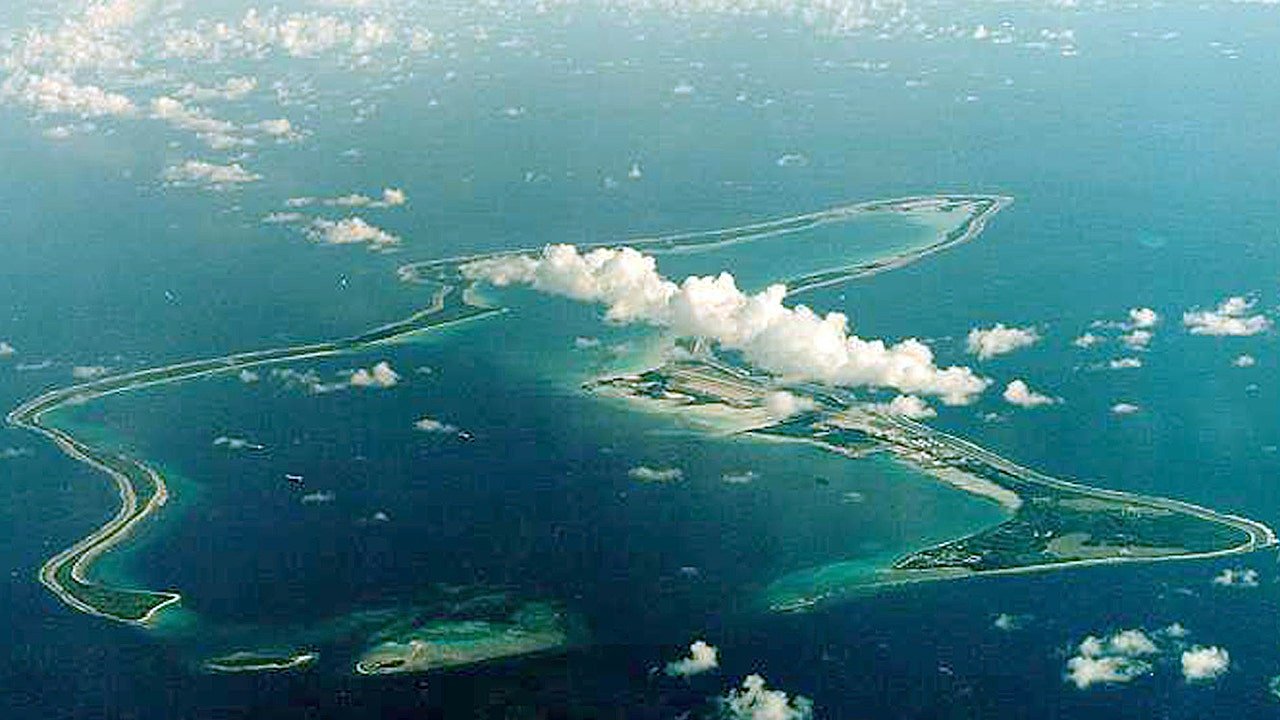
Diego Garcia in the Chagos Islands is a strategic Indian Ocean military base hosting 2,500 U.S. personnel. (Reuters)
The confusion saw critics claim the deal reveals weaknesses that could affect Western security amid heightened tensions.
«The U.S. saw this first-hand when the U.K. alerted Mauritius to an impending operation against Iran — an alert Mauritius then protested,» Robert Midgley, spokesperson for Friends of the British Overseas Territories, told Fox News Digital.
«This is what prompted President [Donald] Trump’s statement,» Midgley said, after Trump publicly criticized the deal despite having initially supported it.
Trump had reignited the controversy Feb. 18 in a post on Truth Social, urging Prime Minister Keir Starmer to abandon the agreement.
«DO NOT GIVE AWAY DIEGO GARCIA!» Trump wrote, calling the deal a «big mistake» and placing additional strain on transatlantic negotiations.
STARMER SENDS UK STRIKE GROUP TO ARCTIC, CITES RISING RUSSIA THREAT AS TRUMP PUSHES GREENLAND DEAL

The agreement would see Britain cede sovereignty of the Indian Ocean archipelago to Mauritius while securing a 99-year lease over Diego Garcia, the strategically vital island that hosts a major joint U.S.-U.K. military base. (Planet Labs PBC)
Midgley argued the deal should be «withdrawn» in line with Trump’s wishes.
«The U.K. government should now go one step further and withdraw the bill from Parliament and find an alternative solution,» he said.
«Ministers have inadvertently exposed that the deal has no legal basis and risks creating a more insecure world in the face of states like China and Iran,» he added.
The agreement, struck last year, would see Britain cede sovereignty of the Indian Ocean archipelago to Mauritius while securing a 99-year lease over Diego Garcia, the strategically vital island that hosts a major joint U.S.-U.K. military base.
The base plays a central role in operations across the Middle East, Africa and the Indo-Pacific, meaning the proposal has faced mounting political pressure on both sides of the Atlantic.
TRUMP SIGNALS WILLINGNESS TO DEFEND DIEGO GARCIA MILITARY BASE IF FUTURE DEAL THREATENS US ACCESS

President Trump has urged the United Kingdom to not give away Diego Garcia. (Reuters Photos)
The legislation is currently before the House of Lords, where objections have been raised. No date has yet been set for a debate or vote, further adding to the uncertainty.
Midgley urged Washington to continue to resist the agreement and back Britain in retaining control of the territory.
CLICK HERE TO DOWNLOAD THE FOX NEWS APP
«The U.S. should stand firm, continue to reject the deal, and support the U.K. in asserting sovereignty to help preserve the future of Western security,» he warned.
Fox News Digital has reached out to the UK government for comment.
Related Article
uk politics,donald trump,geopolitics,military,us navy

Milei enviará a los integrantes de la mesa política al Congreso para evitar sorpresas en las votaciones de cuatro proyectos clave

Latinoamérica en la agenda

El camino de los sueños de Tuta de Elía, la argentina que se formó en Berklee y quiere transformar la música pop

El Gobierno confirmó el pago del bono de 70 mil pesos para jubilados y pensionados

Del compromiso a la ruptura en tres días: La montaña rusa amorosa que vivió un jugador de la liga de Costa Rica

La Libertad Avanza lanza su frente universitario y se prepara para competir por cargos en la UBA

Jorge Macri prepara su discurso para abrir el año legislativo: el deseo de reelección y el espejo en Bukele

Daiana Fernández Molero defendió la reforma laboral: “Va a haber mayor creación de empleo porque va a ser más fácil contratar en blanco”

Uno por uno, todos los famosos que saludaron a Mirtha Legrand por sus 99 años

“Nos hacemos cargo”: Patricia Bullrich admitió un error del Gobierno en la inclusión del artículo de las licencias médicas

 POLITICA20 horas ago
Jorge Macri prepara su discurso para abrir el año legislativo: el deseo de reelección y el espejo en Bukele
- POLITICA2 días ago
Daiana Fernández Molero defendió la reforma laboral: “Va a haber mayor creación de empleo porque va a ser más fácil contratar en blanco”
- CHIMENTOS2 días ago
Uno por uno, todos los famosos que saludaron a Mirtha Legrand por sus 99 años