INTERNACIONAL
UK prosecutors charge 3, including dual Pakistani citizen, in arson attack on Jewish ambulances in London

NEWYou can now listen to Fox News articles!
British prosecutors have charged three suspects — ages 17, 19 and 20 — in connection with a disturbing arson attack targeting Jewish community ambulances in north London.
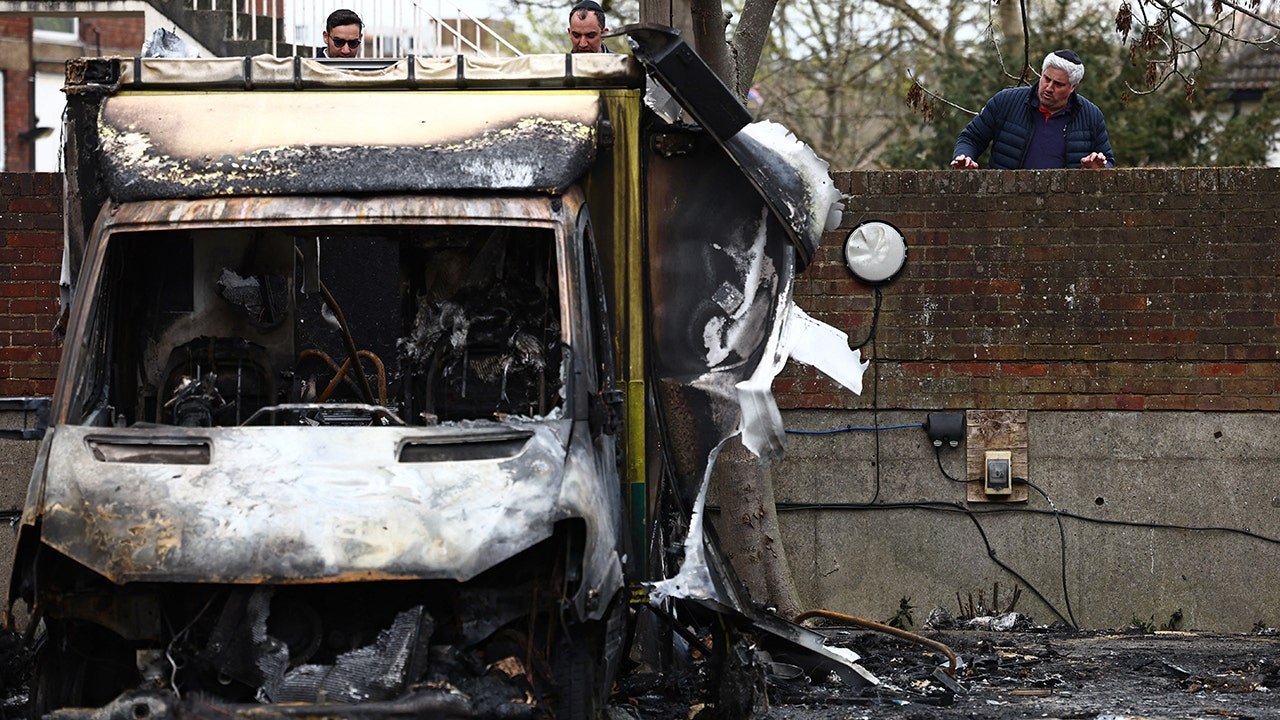
The March 23 incident unfolded at around 1:45 a.m. in the Golders Green neighborhood, where four ambulances operated by Hatzola, a volunteer emergency service serving the Jewish community, were deliberately set ablaze in a synagogue parking lot.
Hamza Iqbal, 20, Rehan Khan, 19, and a 17-year-old boy are accused of arson with intent to damage property while recklessly endangering life, according to the Metropolitan Police. Officials said two of the suspects are British citizens, while one holds dual British and Pakistani citizenship.
GUILTY VERDICTS IN ISIS PLOT POLICE SAY COULD HAVE BEEN ‘THE DEADLIEST TERRORIST ATTACK IN UK HISTORY’
Members of the Jewish community view the scene of an antisemitic arson attack in the Golders Green neighborhood of north London, on Tuesday, March 24, 2026.
(Henry Nicholls/AFP)
All three were arrested Wednesday at separate locations across London.
They did not enter pleas and were remanded in custody following a roughly 45-minute hearing Saturday afternoon at Westminster Magistrates’ Court, according to The Standard.
Prosecutors said a fourth suspect was also arrested and taken into custody at the courthouse where the three charged men were appearing, according to Reuters.
UK COUNTERTERRORISM POLICE PROBE ANTISEMITIC ARSON ATTACK AS IRAN-LINKED GROUP CLAIMS RESPONSIBILITY
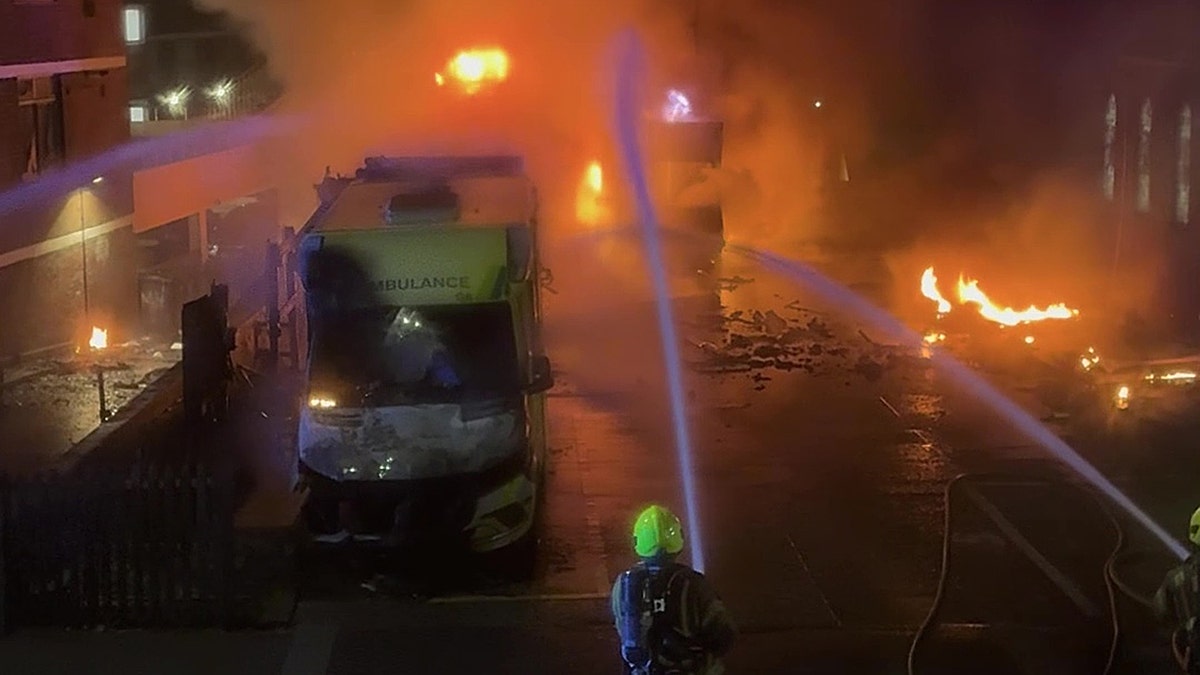
Firefighters are seen tackling a blaze at Highfield Road in the Golders Green neighborhood of London, following an apparent arson attack on four ambulances belonging to the Jewish Community Ambulance Service. (PA/PA Images via Getty Images)
U.K. Prime Minister Keir Starmer previously condemned the attack as a «horrifying» antisemitic act.
«An attack on our Jewish community is an attack on us all. We will fight the poison that is antisemitism,» Starmer wrote on X on March 23.
A report from the SITE Intelligence Group says an Iran-backed network calling itself the Islamic Movement of the People of the Right Hand has claimed responsibility, according to Reuters.
UK ARRESTS 2 OVER ‘ANTISEMITIC ARSON ATTACK’ AS POLICE INVESTIGATE POSSIBLE IRAN LINK
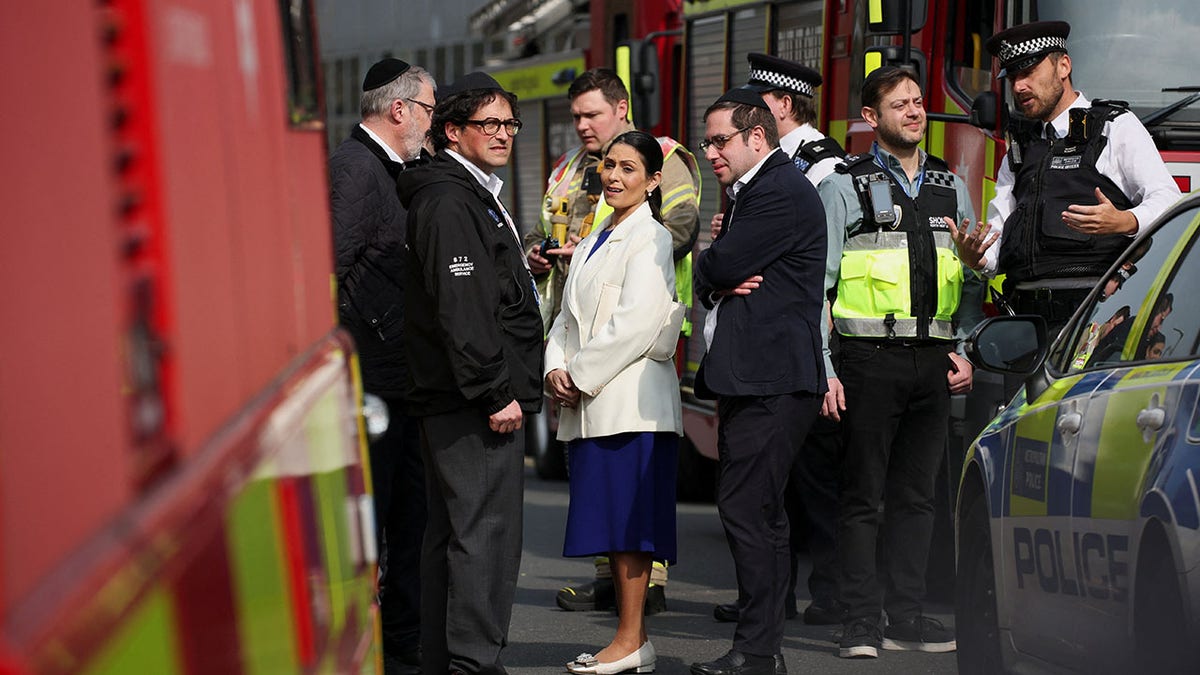
Shadow Foreign Secretary Priti Patel visits the scene after four ambulances belonging to Hatzola, a Jewish community organisation, were set on fire in an incident that the police say is being treated as an antisemitic hate crime, in northwest London, Britain, March 23, 2026. (Isabel Infantes/Reuters)
Despite the claim, officials have not formally classified the case as terrorism. However, counterterrorism police are leading the investigation, Metropolitan Police said.
CLICK HERE TO DOWNLOAD THE FOX NEWS APP
Police in the United Kingdom previously arrested two additional men, ages 45 and 47, in the days following the attack. They were later released on bail, according to the Metropolitan Police.
«I want to reiterate that the support we had from the local community since this attack took place has been incredible, and we will continue to work closely with local policing colleagues to do everything we can to keep the public safe,» Commander Helen Flanagan, head of Counter Terrorism Policing London, said in a statement.
The Metropolitan Police did not immediately respond to Fox News Digital’s request for comment.
Fox News Digital’s Efrat Lachter and Greg Norman, as well as Reuters contributed to this report.
fires disasters, anti semitism, counter terrorism, iran, united kingdom







NEWYou can now listen to Fox News articles!
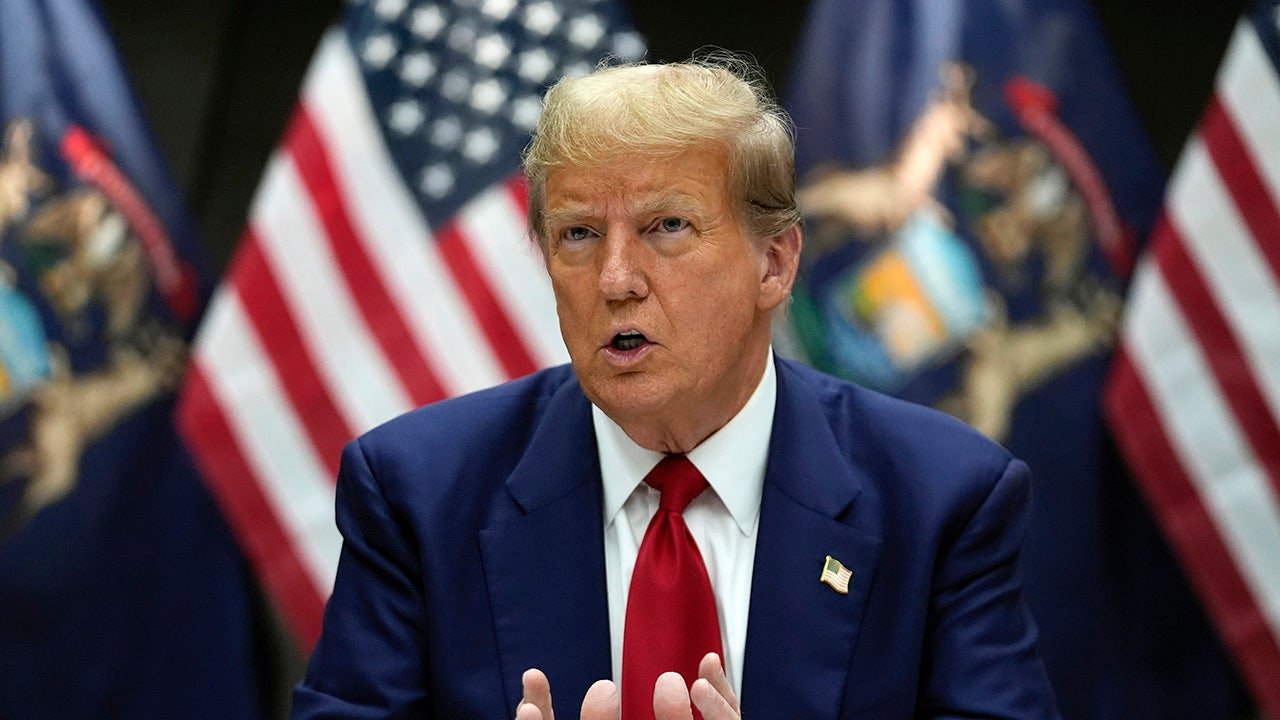
America’s war with the mullahs of Tehran is into its second month and it has already changed Donald Trump’s presidency in important ways. As the president considers how to navigate these new dynamics, it’s worth considering the experience of some previous presidents who entered office not expecting to be wartime presidents.
Woodrow Wilson ended a four-cycle Republican winning streak by winning the three-way election of 1912. He did so because his two opponents, former president Teddy Roosevelt and incumbent president William Howard Taft, split the Republican vote. As president, Wilson embarked on an aggressive progressive domestic policy agenda. Things changed when World War One broke out in Europe midway through Wilson’s first term. Wilson then ran for reelection in 1916 promising to keep America out of the conflict, even using the slogan «He kept us out of war.» He did not keep that promise, though, as America entered the war in 1917, during the first year of his second term.
Woodrow Wilson’s portrait during his campaign for New Jersey Governor in 1910. (Circa Images/GHI/Universal History Archive/Universal Images Group via Getty Images)
Franklin Roosevelt was elected in 1932 to rescue the economy from the Great Depression. In his third term, he gained a new mission: fighting the Axis Powers and presiding over the largest military mobilization in American history. Roosevelt addressed this shift at a 1943 press conference where he explained the transition from «Dr. New Deal» to «Dr. Win-the-War.» FDR’s quip highlighted the way his administration had to reorder itself to face the new challenge.
Lyndon Johnson came to office unexpectedly after the tragic assassination of John F. Kennedy. He took over in peacetime and began pursuing his dream of a Great Society — a sweeping domestic agenda to rival Roosevelt’s New Deal.
WHY TRUMP, IRAN SEEM LIGHT-YEARS APART ON ANY POSSIBLE DEAL TO END THE WAR
As he managed to pass his ambitious — and costly — domestic agenda, he soon found himself and his administration consumed by the conflict in Vietnam. The experience was so draining that by 1968, Johnson, who had spent his whole life pursuing the presidency, shocked the world by refusing to seek re-election.
In 2000, George W. Bush explicitly campaigned on pursuing a humble foreign policy, rejecting the nation-building missions of the Bill Clinton era. His ambition was to be the «Education President.» Then, 19 militant jihadis from Al Qaeda struck America on September 11. In response, Bush ordered the invasions of terror-supporting countries Afghanistan and then Iraq. As someone who served in that administration, the shift I saw was palpable. Bush had entered office with one kind of vision for his presidency, but history had a different idea entirely.
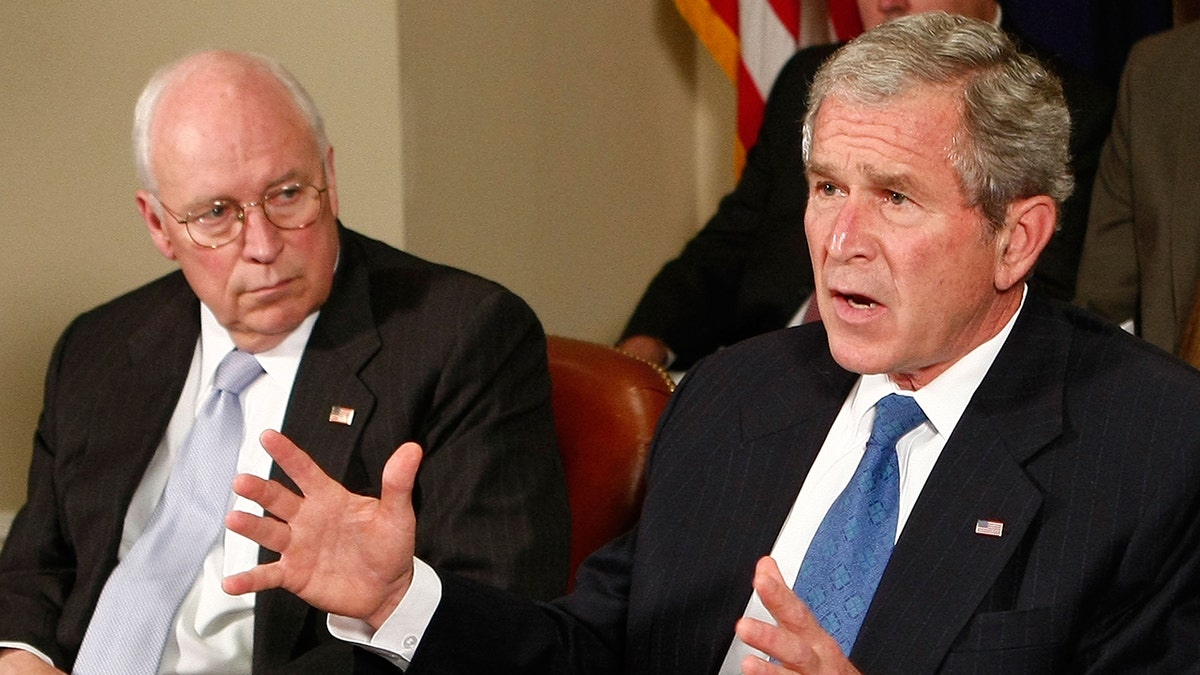
U.S. President George W. Bush (R) speaks about the recent flooding in the mid-west that has displaced thousands, during a briefing about the floods as Vice President Dick Cheney (L) listens June 17, 2008 in Washington DC (Mark Wilson/Getty Images))
War reshapes more than just the man sitting behind the Resolute Desk. It changes the teams around the president. We saw this with the resignation of Trump’s counterterrorism director, Joe Kent. As the Kent episode showed, advisors who were in alignment before the shooting starts are not necessarily in alignment once fighting begins.
DESTROY THE REGIME’S POWER WITHOUT OCCUPYING IRAN: A SMARTER WAR PLAN
This sort of thing has also happened in previous presidencies. In the early years of Wilson’s administration, Wilson was reliant on the advice of Texan political operative Colonel Edward House, who was so close to the president that he even lived in the White House. Things changed during the war, however, as internal critics in the State Department and the White House pushed back against House’s broad mandate managing the war. Wilson and House also clashed over the Versailles Treaty, which led to a permanent end to their once close relationship.
As for Johnson, he was famously intolerant of internal dissent, and he drove away or silenced advisors who questioned his Vietnam strategy. Johnson pushed aside his defense secretary Robert McNamara — initially the face of the Vietnam War—after Johnson noticed and didn’t appreciate McNamara’s increasing skepticism of Johnson’s Vietnam policy. Johnson wanted — and got — an echo chamber, to his administration and to our nation’s detriment.
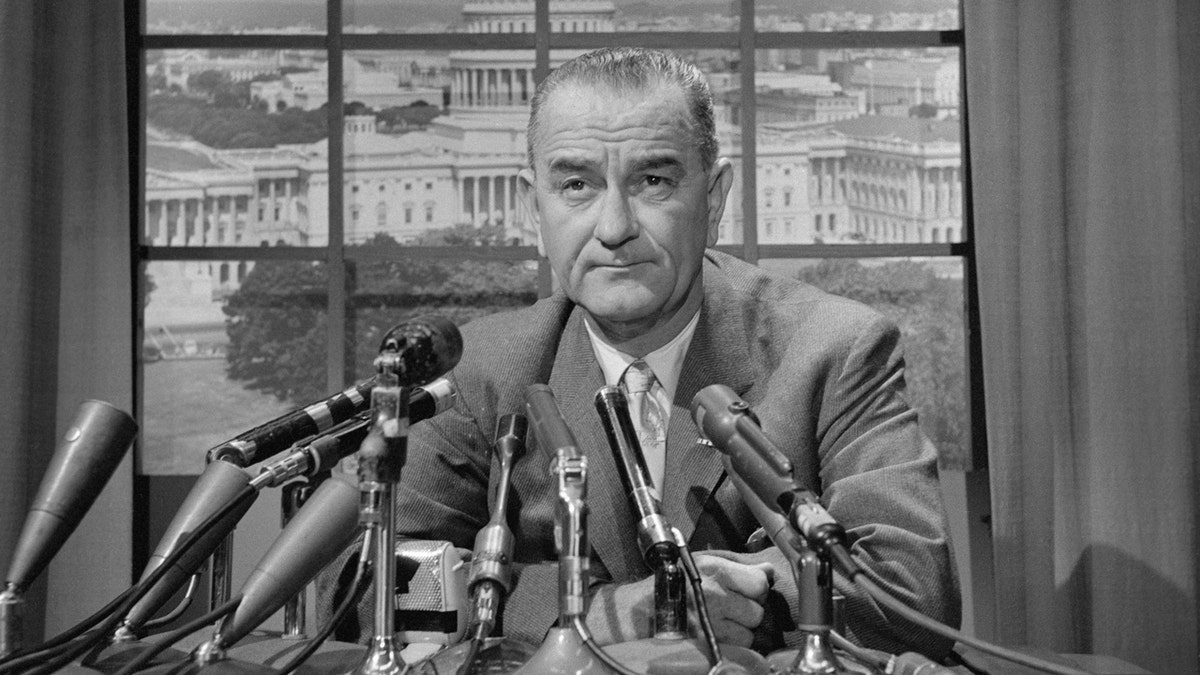
Daylight Saving Time first went into effect under the Johnson administration, following the passage of the Uniform Time Act of 1966. (Bettmann/Contributor via Getty Images)
In the Bush administration, the Iraq war set off a bureaucratic civil war inside Bush’s national security team. This internal struggle led to the Valerie Plame affair, which brought about the indictment of Vice President Cheney’s top aide Scooter Libby after the exposure of the name of a covert CIA operative. Libby, however, had not leaked her name; his bureaucratic nemesis Dick Armitage was the leaker, and Armitage shamefully stayed silent about his role during the investigation. The episode showed the degree to which the higher stakes brought about by war can roil an administration, not to mention innocent lives.
WHY TRUMP FACES AN AGONIZING DECISION ON OBLITERATING IRAN’S OIL SUPPLY IF HE CAN’T GET A DEAL
War also takes a personal toll on presidents. Sometimes it leads to behavioral changes. In 2003, Bush gave up playing golf, one of his few outlets for escaping the pressures of the presidency. He said years later that he was unwilling to be seen on the links while American soldiers were dying in Iraq. As he explained in 2008, «I don’t want some mom whose son may have recently died to see the commander-in-chief playing golf.» It was a quietly devastating admission about the weight a wartime president carries every day.
In other cases, the toll of being president in wartime has been even heavier. Wilson suffered a stroke while in Europe and was incapacitated for much of the rest of the administration; his team kept the American people in the dark as his wife Edith secretly managed things in the White House. Roosevelt died during his fourth term at 63. Those who saw him in his final days found him to be pale and depleted beyond his years. A visibly thinned Johnson, who left office at 60, died less than four years after exiting the White House.
While these examples may seem harrowing, there is one also instructive counterexample.
CLICK HERE TO DOWNLOAD THE FOX NEWS APP
George H.W. Bush entered the Gulf War with a limited objective, built a broad international coalition for expelling Saddam Hussein from Kuwait, achieved that objective, and got out. Bush’s national security team was extraordinarily disciplined and cohesive. The war did not appear to fundamentally damage Bush’s presidency or his person. Yet even Bush could not escape the political gravity of wartime leadership — he was perceived as so focused on foreign affairs that he lost touch with a domestic economy in recession, leading to what many believed was highly improbable when Bush had a 91% approval rating on the way: His defeat at the hands of Bill Clinton in 1992.
The lesson here is not that presidents should shrink from the use of force. President Trump has shown courage in taking on one of the most murderous and predatory regimes in the past half century. The decision to go to war is the most difficult decision a president must make. It costs lives and changes the world in unpredictable ways. And even before the end is reached, it changes the president, his staff, and his agenda, testing his character and taxing his body and soul in ways that cannot be fully anticipated.
CLICK HERE TO READ MORE FROM TEVI TROY
wars, bill clinton, donald trump, george w bush, war with iran
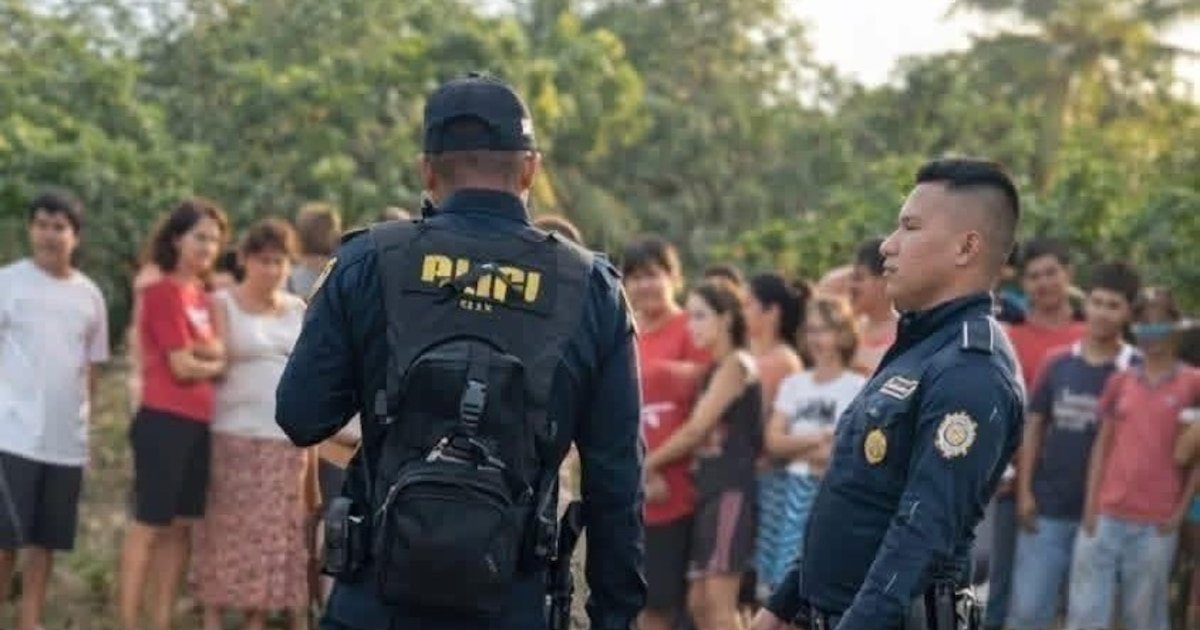
Un ataque armado registrado la mañana del sábado 4 de abril en la colonia Nuevo Texcuaco, sector conocido como “Las Tareas”, en jurisdicción de La Gomera, Escuintla, dejó un saldo de cuatro personas fallecidas. De acuerdo con información preliminar, las víctimas —dos mujeres y dos hombres— murieron a causa de múltiples heridas de bala en distintas partes del cuerpo. El hecho ocurrió durante la celebración del Sábado de Gloria, una de las fechas más concurridas de la Semana Santa en Guatemala, lo que ha generado consternación y temor entre los habitantes del área.
Versiones iniciales recabadas por medios locales como Emisoras Unidas y La Hora.gt señalan que las víctimas intentaron huir del lugar al percatarse del ataque, pero fueron perseguidas por los agresores, quienes finalmente les dieron alcance y abrieron fuego.
Bomberos Voluntarios que atendieron la emergencia informaron que, al momento de su evaluación, las personas ya no contaban con signos vitales. Imágenes divulgadas por páginas de noticias locales muestran que los cuerpos quedaron tendidos en diferentes puntos del terreno, lo que sugiere que las víctimas intentaron escapar por varias direcciones.
Tras el ataque, agentes de la Policía Nacional Civil (PNC) acordonaron la escena y mantienen un fuerte resguardo policial en el área. Asimismo, se espera la llegada de fiscales y peritos del Ministerio Público (MP), quienes estarán a cargo del levantamiento de los cuerpos, su identificación oficial y la recolección de evidencias. Hasta el momento, las autoridades no han determinado el móvil del crimen ni se reportan capturas vinculadas al hecho. Voceros de la PNC indicaron que se han iniciado las investigaciones correspondientes para dar con los responsables y esclarecer las circunstancias del ataque.
El hecho ha generado alarma en la comunidad, donde vecinos y familiares de las víctimas se congregaron en las cercanías del sitio, visiblemente afectados por la violencia registrada en pleno feriado. Según testigos, la tranquilidad habitual del sector se vio interrumpida por la llegada de patrullas y ambulancias, mientras los cuerpos de socorro atendían el llamado de emergencia.

Mientras continúan las diligencias en la colonia Nuevo Texcuaco, las autoridades llaman a la población a colaborar con información que permita identificar a los responsables del ataque. El Ministerio Público solicitó a cualquier testigo o persona que haya presenciado movimientos sospechosos en la zona que se acerque a declarar de forma confidencial. Se prevé que en las próximas horas se brinden más detalles oficiales sobre este nuevo hecho de violencia que enluta a la comunidad de La Gomera y visibiliza la compleja situación de seguridad en Guatemala durante la Semana Santa de 2026.
Semana Santa marcada por la violencia
Este ataque se suma a otros hechos violentos registrados en Guatemala durante la Semana Santa de 2026, un periodo que tradicionalmente atrae a miles de personas a actividades religiosas y recreativas, pero que también evidencia los desafíos persistentes en materia de seguridad ciudadana. De acuerdo con reportes del Sistema Nacional de Prevención en Semana Santa (Sinaprese), hasta el 4 de abril se contabilizaban 190 personas fallecidas por diversas causas y más de 3,000 heridas durante el asueto, cifra que incluye víctimas de accidentes, ahogamientos y hechos criminales.
La violencia armada en el país se ha mantenido como una de las principales preocupaciones de la población y de las autoridades. Durante los últimos días, diversos departamentos han reportado incidentes similares, con ataques perpetrados en áreas urbanas y rurales. En la ciudad de Guatemala, la noche del Viernes Santo se registró un ataque armado en la zona 18, que dejó dos personas heridas, mientras que en Chiquimula, un altercado en la vía pública terminó con una persona fallecida y otras dos lesionadas.
Organizaciones sociales y observadores de derechos humanos han reiterado la urgencia de fortalecer las estrategias de prevención y respuesta ante la escalada de hechos violentos, especialmente en fechas de alta movilidad como Semana Santa. En respuesta, la PNC y el Ministerio Público han desplegado operativos especiales y reforzado los patrullajes en puntos considerados de alto riesgo, aunque los resultados siguen siendo limitados frente a la magnitud del problema.
INTERNACIONAL
La nueva advertencia de Donald Trump a Irán: «El tiempo se acaba, quedan 48 horas antes del infierno»
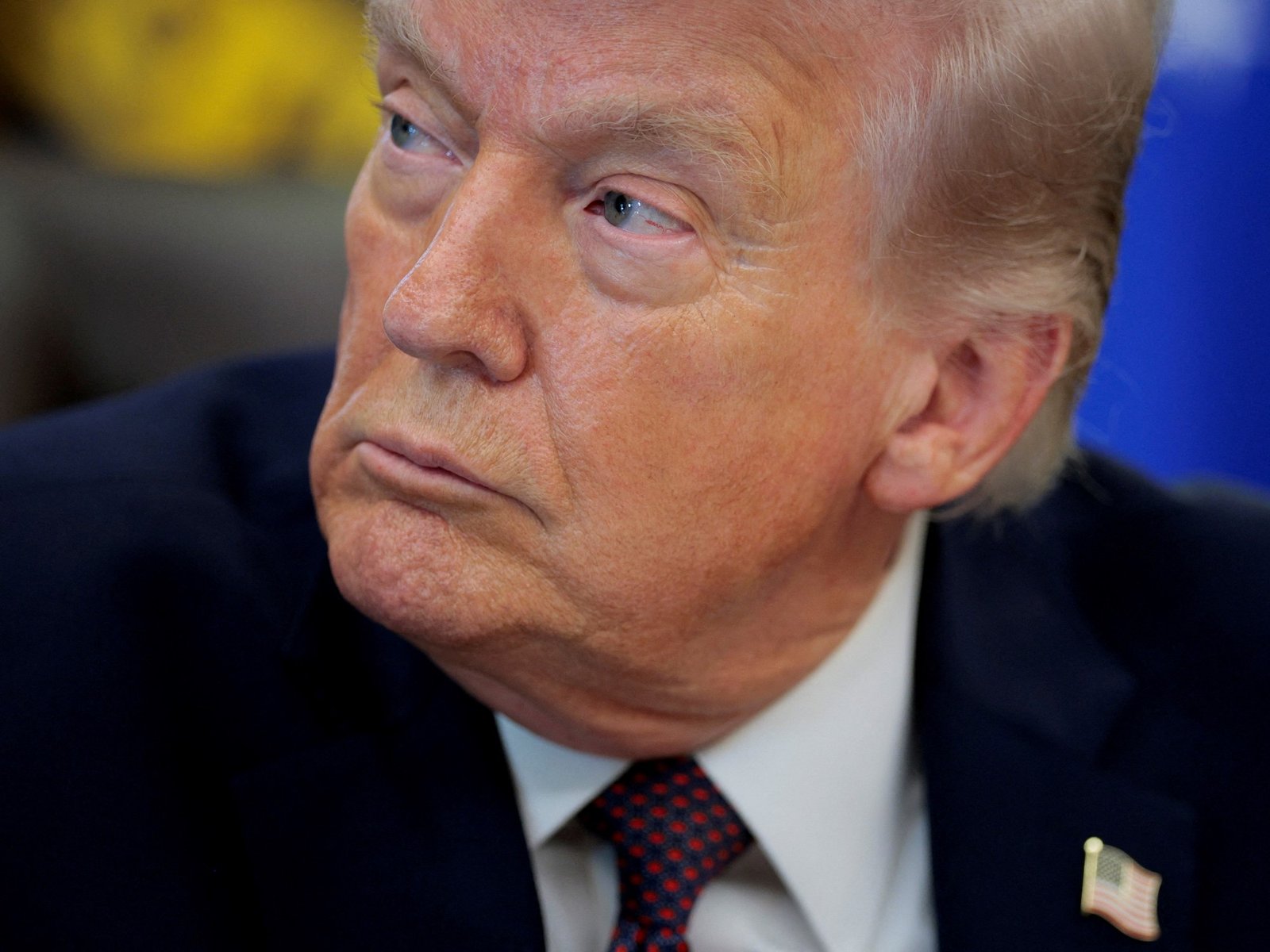
Mientras las Fuerzas Armadas de Estados Unidos buscaban desesperadamente al piloto que se eyectó del caza que fue derribado en los cielos iraníes, el presidente Donald Trump recordó que el lunes se vence un ultimátum para que Irán firme un acuerdo de paz o reabra el estrecho de Ormuz y amenaza con que si no lo hacen “el infierno” se desplomará sobre ellos.
En medio de la confusión general que existe sobre los objetivos de Trump en la guerra que lanzó con Israel hace más de un mes, el jefe de la Casa Blanca reiteró este sábado el emplazamiento que había dado al régimen iraní hace más de una semana.
“¿Recuerdan cuando le di a Irán diez días para HACER UN ACUERDO o ABRIR EL ESTRECHO DE ORMUZ? El tiempo se agota: 48 horas antes de que el infierno se desplome sobre ellos. ¡Gloria a DIOS!”, escribió en Truth Social.
El mensaje mismo es confuso ya que emplaza a Irán, pero le da la opción de hacer un acuerdo o abrir el estrecho, no los obliga a las dos cosas. Estados Unidos quiere que se abra ese paso vital, donde transita el 20% del petróleo mundial, buena parte del gas y fertilizantes, cuyo cierre ha provocado que suba el precio del crudo a más de 100 dólares el barril, rupturas en la cadena de suministro global y elevado el costo en los surtidores de los estadounidenses.
Trump quiere terminar lo antes posible esta guerra porque tiene elecciones legislativas en noviembre y su popularidad viene cayendo en picada desde que comenzó la guerra el 28 de febrero. Busca que Irán ceda en la mesa de negociaciones o en el campo de batalla, pero ninguna de las alternativas está sucediendo. Irán desconoce conversaciones formales y dice que las condiciones de EE.UU. son “inaceptables”.
Y, pese a los feroces ataques de EE.UU. e Israel que han provocado destrucción y miles de muertos, Irán sigue resistiendo militarmente más de lo que Trump imaginaba. El derribo de dos aviones de combate en el cielo iraní –que supuestamente EE.UU. tenía controlado–, y el piloto que aún se busca desesperadamente complican la situación al jefe de la Casa Blanca que había dicho que las fuerzas iraníes estaban “diezmadas”.
EE.UU. viene acumulando fuerzas terrestres en el Golfo y podría el lunes, cuando venza el ultimátum, desatar una ofensiva con tropas, una alternativa que la mayoría de los expertos coinciden en que llevaría el conflicto a una gran escalada.
La reiteración de este ultimátum refuerza esa idea. Ya hay más de 50.000 tropas estadounidenses en la región, que podrían tomar la isla de Kharg y otras en el estrecho de Ormuz para liberar su tránsito. Pero la resistencia iraní podría ser feroz.
Mientras tanto, el ejército estadounidense se apuraba este sábado a encontrar a un aviador estadounidense que el viernes se eyectó de un caza F-15 derribado sobre Irán.
Un miembro de la tripulación de dos personas del caza estadounidense F-15 fue rescatado tras el derribo, según funcionarios estadounidenses. Es una carrera contra reloj porque las fuerzas iraníes también persiguen al piloto desaparecido, dijeron funcionarios iraníes.
El esfuerzo de búsqueda y rescate para el miembro de la tripulación es el más peligroso hasta la fecha para las tropas estadounidenses durante la guerra. Las operaciones de búsqueda y rescate en combate son de por sí arriesgadas porque los helicópteros y aviones utilizados vuelan más bajos del suelo y deben depender de otras aeronaves para protegerse del fuego enemigo.
En Irán, los medios estatales mostraron imágenes de personas que parecen dirigirse a las montañas de Khuzestán, portando rifles para buscar al miembro de la tripulación desaparecido. Anteriormente, dijo que «muchas personas» viajaron a la zona para «capturar» al estadounidense y que las fuerzas armadas iraníes pidieron a la gente que no “maltratara al piloto”.
La televisión iraní también emitió un comunicado ofreciendo a la población de la zona una recompensa «valiosa» por la captura de un piloto enemigo con vida.
Los ataques continuaron en toda la región el sábado, con Israel atacando objetivos del régimen en Teherán y Irán lanzando una oleada de ataques contra Israel. Irán también acusó a Estados Unidos e Israel de llevar a cabo ataques contra plantas petroquímicas en Khuzestán, así como contra la central nuclear de Bushehr cerca del Golfo Pérsico, afirmaciones que las autoridades estadounidenses e israelíes no han confirmado.

Créditos del Banco Nación: el Gobierno reveló que Pettovello echó a Massaccesi porque “mintió”

La desgarradora pregunta de la hija de Evangelina Anderson tras el violento ataque que sufrió: «Mamá, ¿qué culpa tengo yo de ser la…?»

Documentos, intermediarios y dudas sobre los bienes de Manuel Adorni

Rosario Central recibirá a Atlético Tucumán por la fecha 13 del Torneo Apertura

TEVI TROY: Trump faces the burdens of a wartime presidency

Argentina tiene un promedio de 12,9 asalariados por empresa y amplias brechas con economías desarrolladas y países de la región

El Gobierno reevalúa la estrategia de comunicación por el caso Adorni y mide el impacto en la imagen de Milei

Milei se pone al frente de la defensa de Adorni y lo suma a un acto por Malvinas en una nueva muestra de respaldo

Oriana Sabatini sorprendió al elegir a una famosa como madrina de Gia, su hija con Paulo Dybala

Banco lanza un plazo fijo inédito: sigue a la inflación y permite retirar intereses todos los meses

 POLITICA2 días ago
Milei se pone al frente de la defensa de Adorni y lo suma a un acto por Malvinas en una nueva muestra de respaldo
- CHIMENTOS2 días ago
Oriana Sabatini sorprendió al elegir a una famosa como madrina de Gia, su hija con Paulo Dybala
- ECONOMIA3 días ago
Banco lanza un plazo fijo inédito: sigue a la inflación y permite retirar intereses todos los meses