INTERNACIONAL
Un posteo de Donald Trump pone en aprietos a la primera ministra de Italia Giorgia Meloni y desata la furia opositora

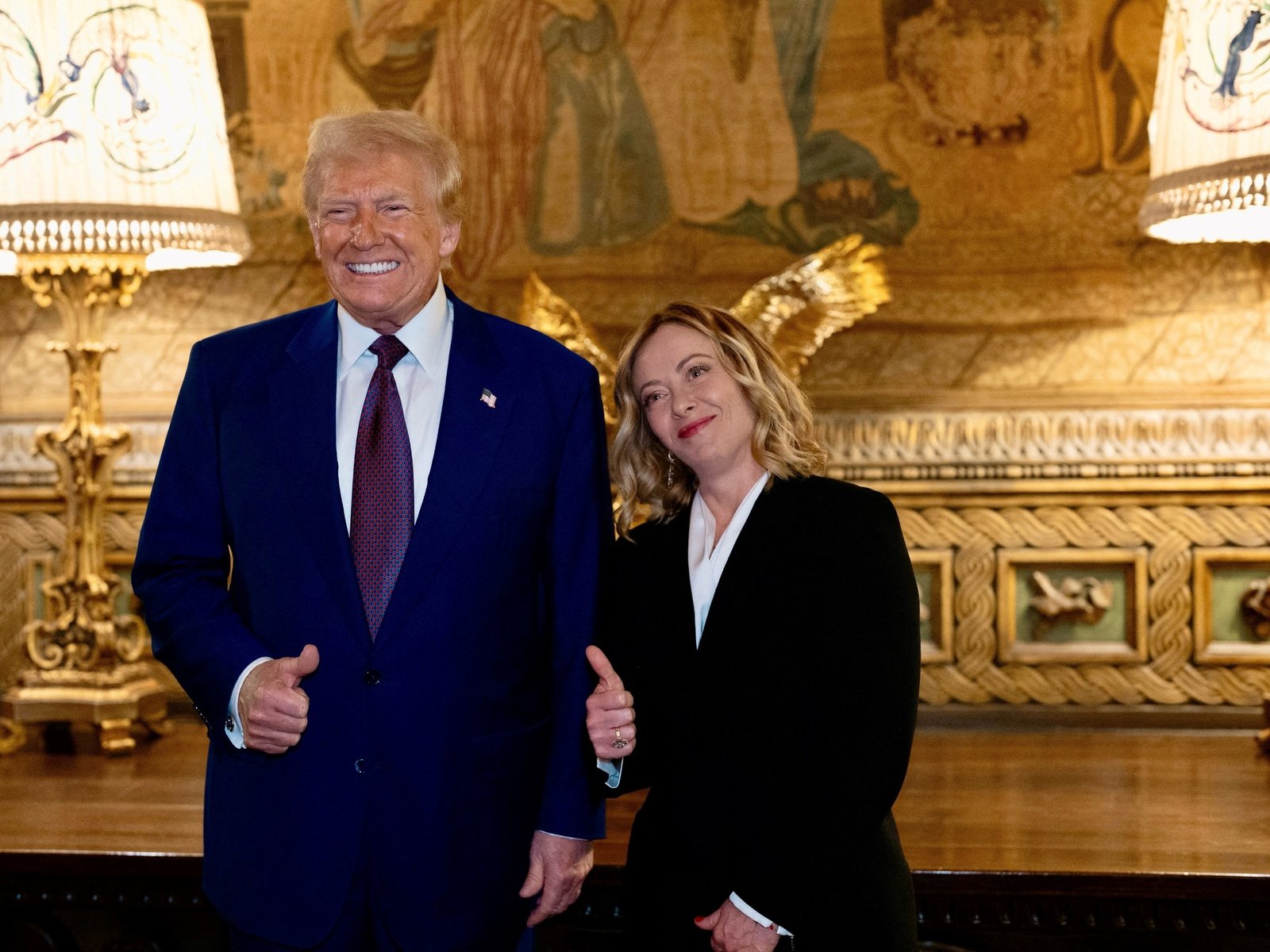
Un video reposteado en la red social del presidente Donald Trump puso en aprietos a su aliada, la primera ministra de Italia Giorgia Meloni, y provocó una tormenta política con la oposición que le reclamó inmediatas aclaraciones.
El tema era muy delicado. En el video difundido por el jefe de la Casa Blanca, una activista del movimiento MAGA (Make America Great Again) afirmaba que Roma rompería con la Unión Europea y negociaba un acuerdo bilateral sobre aranceles con Washington.
El video en cuestión fue difundido por Lynne Patton, la activista del grupo de Trump, y reposteado por el presidente bien entrada la madrugada. Según esa filmación, Meloni había decidido romper con el bloque europeo y sugería, además, que la jefa de gobierno de Roma le habría comunicado a Trump en una conversación privada su intención de suspender la ayuda italiana a Ucrania.
“Giorgia Meloni desafía la UE y trata de obtener un acuerdo comercial directo con Trump. Bien hecho Meloni. Es una movida brillante”, dice el subtítulo del video relanzado por Trump, que agitó la interna italiana y provocó que la oposición saliera a reclamar inmediatas aclaraciones.
Ante el vendaval, el Palacio Chigi -la sede del gobierno de Italia- dijo que “como es sabido, las tratativas comerciales están en manos de la Comisión Europea, al ser de competencia exclusiva de la Unión Europea”. La cita, difundida por la prensa italiana, también precisa que “hace tiempo que se están llevando a cabo conversaciones bilaterales, en conjunción con la actuación de la comisión, sobre los derechos antidumping propuestos por el Departamento de Comercio contra algunos productores de pasta italianos”, explicaron las mismas fuentes.
La misma línea fue planteada por el vicepremier y canciller, Antonio Tajani, quien aseguró que “siempre hemos trabajado con la Unión Europea y, gracias a Italia, se han logrado avances”, y que “trabajamos en perfecta sintonía con el comisario Sefcovic (Maros, Comisario de Comercio y Seguridad Económica)”. Pero “claramente también mantenemos comunicación con los estadounidenses”, admitió.
Pero tanto el Partido Democrático (PD) como el Movimiento Cinco Estrellas apuntaron al gobierno por su “liviandad” al tratar un tema delicado, que pone en juego el prestigio italiano entre los otros 26 socios del bloque comunitario.
“¿Es cierto que Italia se prepara para negociar directamente con Estados Unidos sobre los aranceles a la pasta, y es cierto que Italia está interesada en reducir su apoyo a Ucrania? Las palabras del presidente Trump dejan poco margen de interpretación. Por lo tanto, Meloni no puede ignorarlas. Debe aclarar de qué lado está Italia y si está destinada a ser la avanzada de Trump para romper el frente europeo y debilitar definitivamente a la Unión Europea, que no es solo una asociación económica, sino también, y sobre todo, un pacto político entre estados que comparten valores, derechos y libertades”, protestó Chiara Braga, líder del grupo de Demócratico en la Cámara de Diputados.
Luana Zanella, jefa del grupo Alianza Verdes e Izquierda en la Cámara de Diputados, reclamó lo mismo en otra fuerte declaración. “Esperamos que la presidenta Meloni aclare la breve publicación de Trump, que parece sugerir que está dejando que le dicte la agenda en temas delicados como su intención de desafiar a la UE negociando aranceles directamente con Estados Unidos y reduciendo el apoyo a Ucrania. Pedimos transparencia, presidenta”.
Piero De Luca, también diputado del PD, el principal de la oposición de centroizquierda- y líder del grupo en la Comisión de Políticas Europeas, reclamó a su vez al gobierno que fije una posición.
“La publicación republicada por Donald Trump, en la que anuncia que Meloni rompe con la UE por los aranceles y retira su apoyo a Ucrania, es increíblemente grave”, dijo el legislador. “Estas afirmaciones deben ser desmentidas de inmediato. Son declaraciones sensacionalistas que, de confirmarse, generarían enormes dudas sobre las acciones de nuestro gobierno y las políticas económicas que Italia está adoptando. Es urgente y necesario que la primera ministra aclare de inmediato, desmintiendo las afirmaciones del presidente estadounidense”.
Fuente: AFP, ANSA y Clarín

INTERNACIONAL
La dictadura cubana anunció el segundo apagón general en la isla en menos de una semana
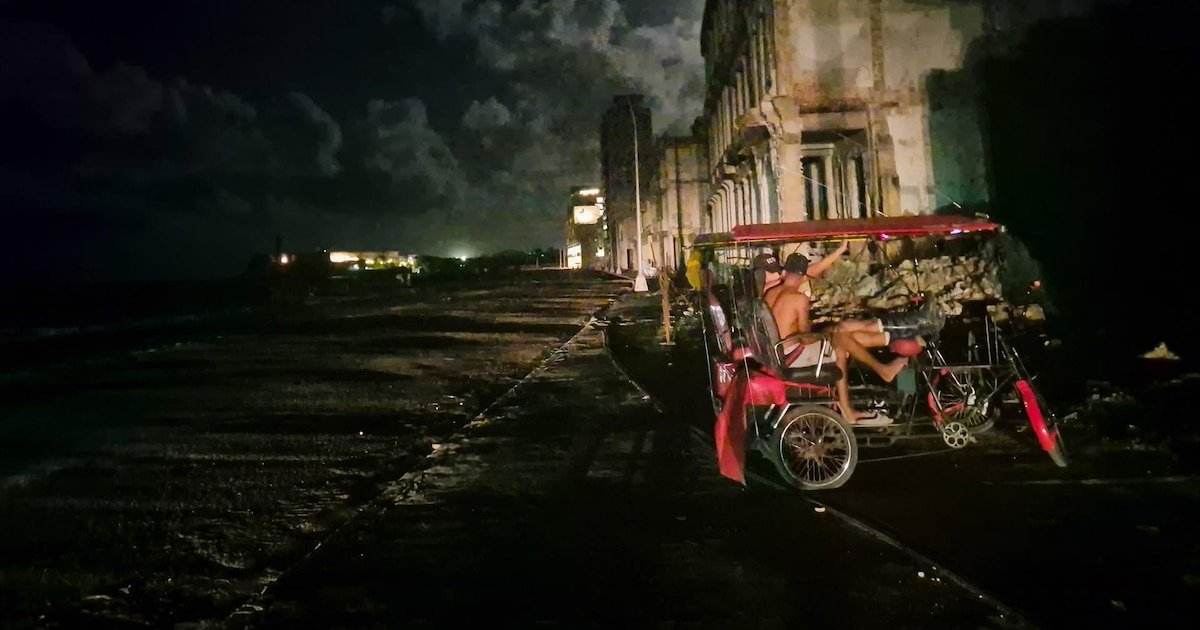
En medio de la grave crisis que atraviesa el pueblo cubano, este sábado se produjo un nuevo corte de electricidad en toda la isla, según informó el Ministerio de Energía del régimen castrista, en lo que supone el segundo apagón general en menos de una semana.
Se produjo una “desconexión total” del sistema eléctrico nacional, de acuerdo a lo reportado por el ministerio en una publicación en X alrededor de las 18:45 (22:45 GMT) hora local, añadiendo que se habían iniciado los trabajos para restablecer el suministro eléctrico.
Se trata del séptimo apagón general que sufre la población en el último año y medio.

El último fue hace apenas unos días. El martes pasado ocurrió lo mismo de este sábado, cuando toda la isla sufrió una “desconexión total” del sistema eléctrico. El corte afectó a todo el territorio durante aproximadamente 29 horas y media.
El miércoles régimen declaró restablecido el Sistema Electroenergético Nacional tras más de un día sin servicio, aunque gran parte de la isla permanecía bajo apagones programados y prolongados en medio de la crisis energética persistente.
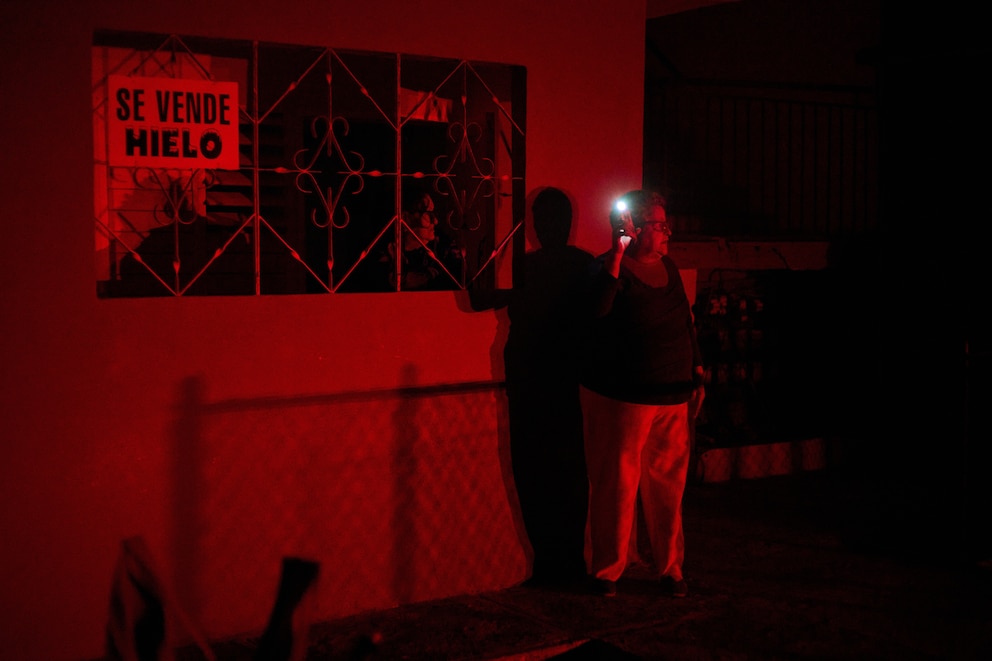
En La Habana, los cortes diarios alcanzaron hasta 15 horas, mientras que en provincias del interior las interrupciones llegaron a superar las 48 horas consecutivas Los prolongados apagones han afectado la vida económica y social de la isla, que experimentó una contracción superior al 15 % de su economía desde 2020.
Además, los cortes de luz han sido el principal motivo de las protestas más significativas en el país.
Marco Rubio, secretario de Estado de Estados Unidos, calificó este viernes al régimen de Cuba como un “desastre” en su administración de la isla tras el anuncio del presidente estadounidense Donald Trump del inicio de contactos con La Habana para una salida a la crisis humanitaria que atraviesa.
“Cuba es un desastre, y se debe a su gobierno comunista“, afirmó el jefe de la diplomacia estadounidense ante la prensa al salir junto a Trump de la Casa Blanca rumbo a Florida.
En ese sentido, señaló que el rumbo que buscan las autoridades para el país “no funciona”. “Hoy no tengo ninguna novedad para ustedes al respecto, salvo que esto lleva ocurriendo desde hace seis o siete años: son un desastre”, reiteró.
Sin embargo, dejó en claro la mirada de Estados Unidos sobre la administración régimen: “La situación está peor que nunca”. Estados Unidos y Cuba mantienen un diálogo reciente tras la captura del ex dictador Nicolás Maduro en una operación estadounidense en Caracas, el pasado 3 de enero.
No obstante, este sábado la dictadura advirtió a Washington que no negociará su sistema político “con nadie”. “Puedo confirmar categóricamente que el sistema político de Cuba no es negociable, y por supuesto ni el presidente ni el cargo de ningún funcionario en Cuba están sujetos a negociación con Estados Unidos”, afirmó el viceministro de Relaciones Exteriores cubano, Carlos Fernández de Cossio, en una rueda de prensa recogida por la Agencia Cubana de Noticias (ACN).

Fernández de Cossio ha puntualizado que no descartan que las dos naciones puedan alcanzar “determinados acuerdos de interés mutuo” como ya ha ocurrido en “experiencias anteriores”, al tiempo que ha apuntado a la existencia de otros “asuntos de repercusión para los dos países que pueden incluirse de forma prioritaria en las negociaciones”. Por ejemplo, cuestiones relacionadas con la cooperación regional en materia de seguridad nacional y lucha contra el narcotráfico.
Horas más tarde, durante la cumbre de la Comunidad de Estados Latinoamericanos y Caribeños (CELAC), celebrada en Bogotá, el ministro de Relaciones Exteriores del régimen, Bruno Rodríguez, anunció la disposición de La Habana a entablar “undiálogo serio y responsable»con Estados Unidos, siempre bajo la condición de que cualquier acercamiento excluya la injerencia en los asuntos internos de la isla.
Estas declaraciones de la dictadura tienen lugar tras los dichos del presidente Trump, quien en la semana había afirmado que podría ser quien tenga “el honor” de “tomar Cuba”, refiriéndose a un posible acuerdo o a la adopción de medidas más drásticas si las autoridades cubanas no acceden a sus demandas.
El mandatario estadounidense describió a la isla como una “nación fallida” y “muy debilitada”, y manifestó su confianza en poder “hacer cualquier cosa que quiera” respecto a la situación cubana.
Domestic,Politics,South America / Central America,Government / Politics
INTERNACIONAL
Trump le dio 48 horas a Irán para liberar el estrecho de Ormuz y amenazó con «arrasar» sus centrales eléctricas
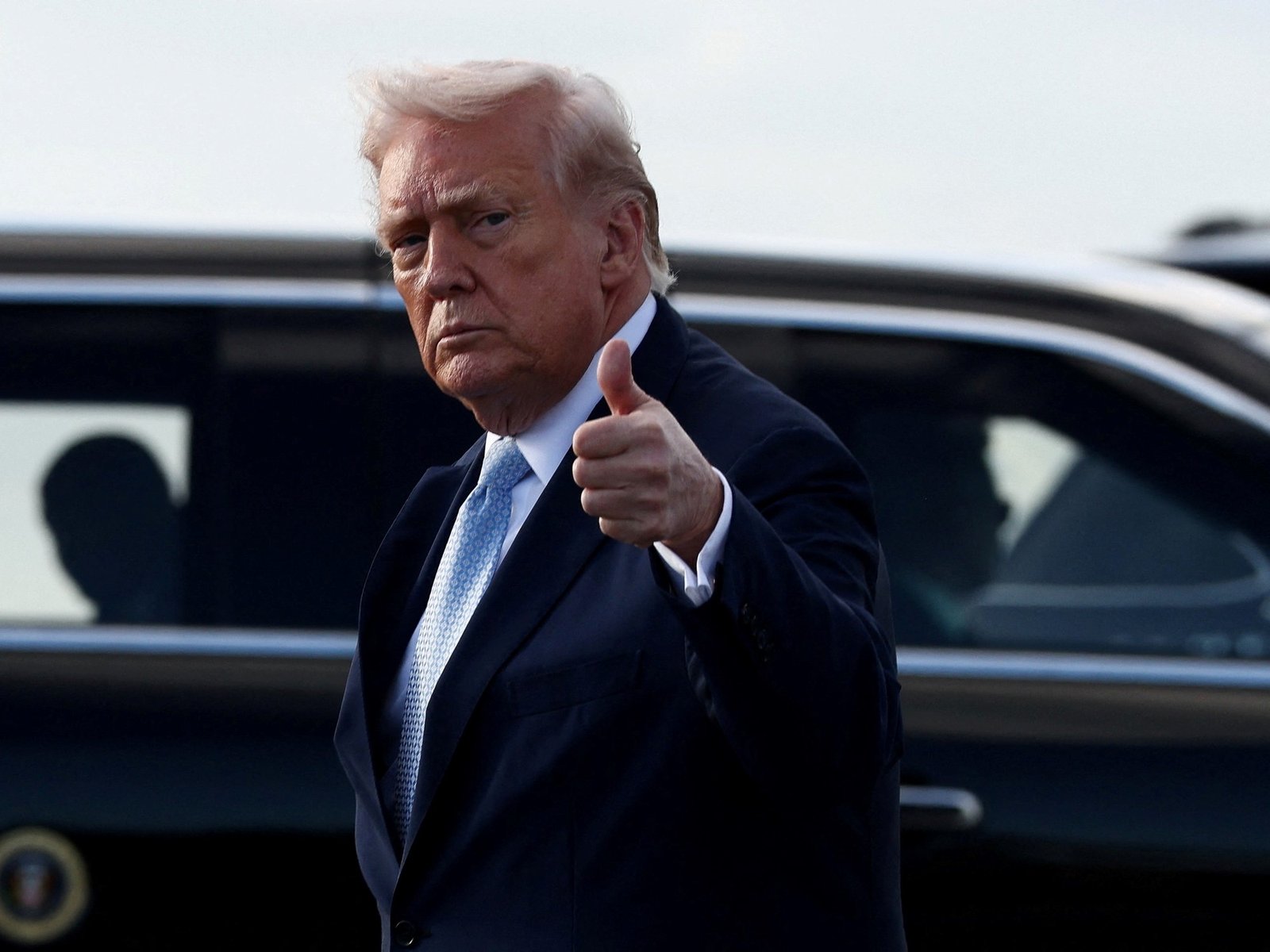
El presidente de Estados Unidos, Donald Trump, amenazó este sábado por la noche con arrasar las centrales eléctricas de Irán si el estrecho de Ormuz, un paso clave para el suministro del petróleo mundial, no es reabierto por el régimen iraní en 48 horas.
«Si Irán no abre totalmente, sin amenazas, el estrecho de Ormuz en un plazo de 48 HORAS a partir de este preciso momento, Estados Unidos atacará y arrasará con sus diversas centrales eléctricas, ¡empezando por la más grande!», escribió el mandatario en su red Truth Social.
Trump no mencionó ninguna planta específica. El mayor complejo hidroeléctrico del río Karun aparecería como el candidato más evidente por tamaño. Pero la mayor central eléctrica de Irán es la Central Nuclear de Bushehr, situada en el Golfo Pérsico, en el suroeste de Irán. Esta última tendría mayor peso simbólico, pero implicaría un riesgo de escalada mucho más amplio, lo que hace más probable que cualquier acción real se concentre en plantas térmicas estratégicas del sur del país.
Días atrás, Israel atacó el gigantesco yacimiento de gas de South Pars en Irán, horas después de que las fuerzas israelíes mataran al ministro de inteligencia del régimen y lanzaran algunos de los ataques aéreos más intensos en Beirut en décadas. El ataque a esta central gasífera, que Irán comparte con Qatar, llevó a Teherán a advertir a los estados vecinos que su infraestructura energética podría ser atacada «en cuestión de horas», y provocó furiosas reprimendas de Qatar y otras naciones de la región.
Trump aparece frustrado por la prolongación del conflicto y con la resistencia de Irán, que este sábado lanzó fuertes ataques contra Arad y Dimona, una ciudad que es sede del mayor centro nuclear israelí, provocando más de 120 heridos, en total.
Además, la base estadounidense Diego García, ubicada en el Océano Indico, fue atacada con misiles balísticos iraníes, luego de que Trump hubiera dicho que Irán no tenía la capacidad para llegar atacar tan lejos.
El estrecho de Ormuz ha estado prácticamente cerrado a la mayor parte del tráfico marítimo por las fuerzas militares iraníes desde que comenzó la guerra hace tres semanas. Esta vía fluvial, crucial y crucial, es responsable del movimiento de aproximadamente el 20% del petróleo mundial, y su cierre ha provocado un aumento en los precios del gas.
La última amenaza de Trump llega después de que dijera en una publicación de Truth Social el viernes que Estados Unidos está considerando “reducir” o desescalar la ofensiva militar en Oriente Medio. También el viernes había desestimado las preguntas sobre el plan de la Casa Banca para reestablecer el tráfico en el Estrecho de Ormuz, diciendo que «en cierto momento, se abrirá solo.»
Trump les ha pedido concretamente ayuda a los aliados de la OTAN para que los ayude a liberar el Estrecho y estos se han negado a enviar fuerzas militares a ese paso estratégico, no solo porque no desean escalar el conflicto, sino que además nunca fueron consultados por Estados Unidos antes de lanzar la ofensiva.
Luego del rechazo, Trump atacó a los líderes atlánticos llamándolos “cobardes” y les dijo que “¡Sin EE.UU., la OTAN es un tigre de papel!”.
Los precios del petróleo han escalado dramáticamente desde el inicio del conflicto, con el barril llegando a rozar los 120 dólares, lo que ha provocado temores de que aumente la inflación global, más allá de la incertidumbre que provoca la guerra y la posibilidad de que se prolongue.
Pero a medida que los precios del combustible vienen subiendo en el mundo y particularmente en Estados Unidos (donde ya subió un dólar el galón desde el inicio de la ofensiva el 28 de febrero), los funcionarios estadounidenses han estado intentando frenéticamente evitar un posible cierre del estrecho prolongado, reconociendo en privado que reabrir la vía fluvial clave es un problema sin una solución clara.
Antes de publicar este posteo, Trump había dicho que quiere llegar a un acuerdo con Irán, pero no lo hace porque ya ha cumplido sus objetivos «semanas antes de lo previsto» y que Estados Unidos ha «desplazado a Irán del mapa.»
«Su liderazgo ha desaparecido, su marina y fuerza aérea están muertas, no tienen absolutamente ninguna defensa y quieren llegar a un acuerdo. ¡No lo hago!» Trump dijo en Truth Social.
INTERNACIONAL
Mamdani ignites social media outrage after photo-op at notorious NYC jail: ‘F—ing ridiculous’
NEWYou can now listen to Fox News articles!
As New York City Mayor Zohran Mamdani has been embracing his Muslim faith amid Ramadan, he decided to break his religious fast with inmates who share his faith, in New York’s notorious Rikers Island jail, calling it «one of the most meaningful evenings» he’s had as mayor.
Although Mamdani has visited Rikers Island in the past as a state legislator, this marked his first visit as mayor of New York City.
Shortly before arriving, he reiterated his pledge to shut down the jail and have the city absorb the incarcerated population into its borough-based jails. He also hinted at plans to hire a facilitator to expedite those plans.
«This is me just being a Muslim New Yorker,» Mamdani said during the visit to Rikers, according to NPR. «There are some for whom that is a political act.»
NYC MAYOR MAMDANI’S WIFE GLORIFIED TERRORISTS IN ONLINE POSTS, CRITICIZED US MILITARY: REPORT
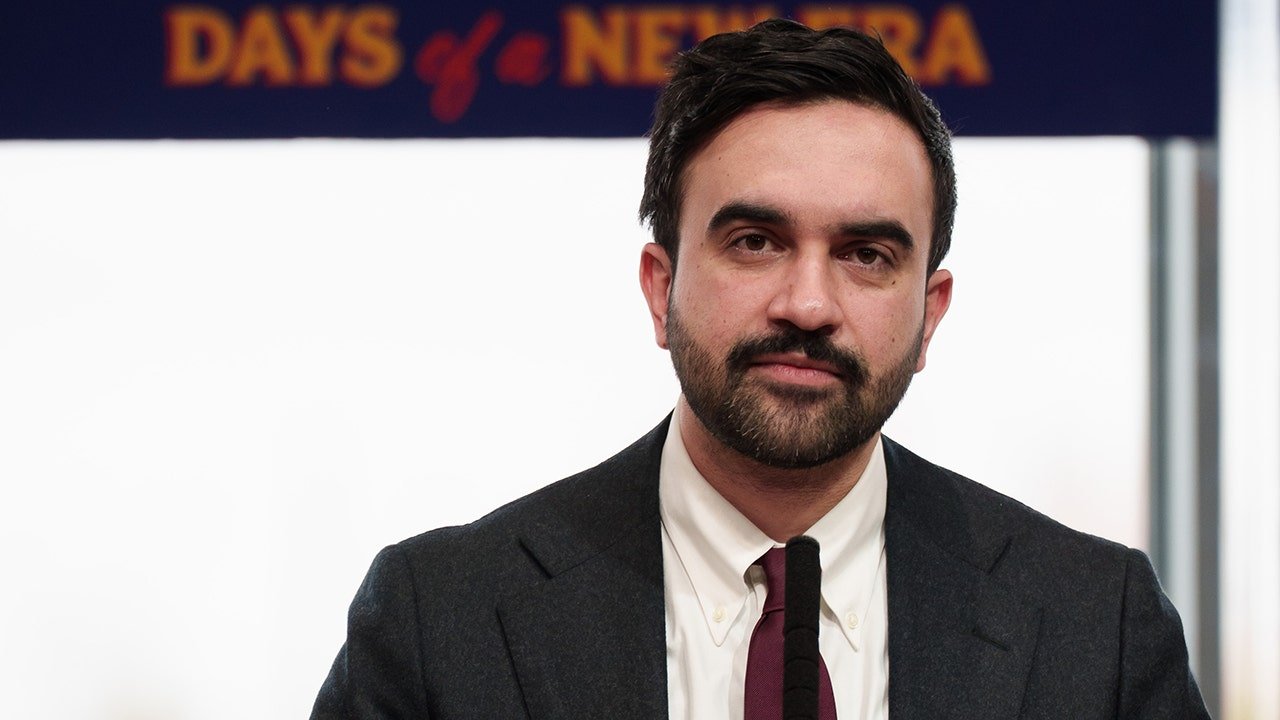
Mayor of New York Zohran Mamdani next to Dylan Contreras, a high school student who was recently released from federal custody, speaks during a press conference at Middle Collegiate Church in New York City on March 19, 2026. (Leonardo Munoz/AFP via Getty Images)
Mamdani was joined during the visit by Yusef Salaam, a member of the so-called «Central Park Five» who were exonerated of a 1989 rape and assault. Salaam currently serves as a member of the New York City Council.
Social media erupted after Mamdani’s X post, with many critics questioning his decision to visit inmates at Rikers, which is notorious for its violent criminals.
Mystery novelist Daniel Friedman, who, according to his bio on Macmillan Publishers’ website, lives in New York City, noted, «You have to be an absolute monster to be sent to Rikers Island these days.»
«Offenders on Rikers all have long histories of doing things so horrible that even the woke, pro-crime judges and prosecutors in NYC don’t want to be responsible for what they’ll do if they let them go,» Friedman added.
Moshe Hill, a long-time Long Island resident and candidate for the Nassau County legislature, agreed with Friedman.
«Criminals in prison are just ‘New Yorkers in custody,’ according to Mamdani. Why are they in custody? You don’t go to Rikers Island for nothing!» Hill quipped.
DAVID MARCUS: THE MORE AMERICA GIVES MAMDANI, KHALIL AND THE MAD BOMBERS, THE MORE THEY HATE US
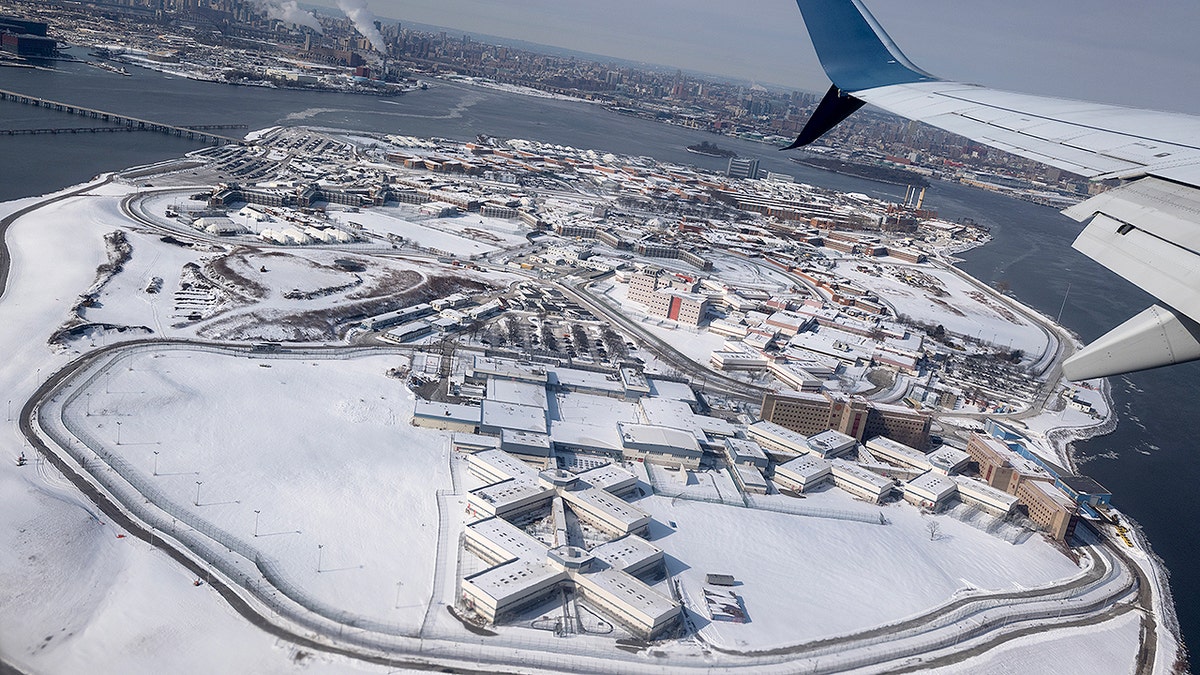
A view of Rikers Island on a winter morning, as seen from a passenger flight leaving LaGuardia Airport, January 31, 2026, in the borough of Queens, New York City. (Andrew Lichtenstein/Corbis via Getty Images)
«Mayor likes to hang out with the people who victimize us. F—ing ridiculous,» Newsmax’s Rob Schmitt posted on X.
Meanwhile, Emmy-Award winning producer and columnist Daniella Greenbaum Davis made her own post, asking the New York City mayor whether he had also visited the victims of the inmates he was meeting with.
«Visiting people in jail is admirable but just wondering if you’ve also visited their victims / the families of their victims?» she questioned. «Seems like there is a bizarre progressive determination to invert victimization I can’t quite understand.»
Among Mamdani’s celebrations during Ramadan was an iftar, or a daily fast-breaking, at the Museum of the City of New York. That also triggered some responses, including from a former college football coach and lawmaker, Sen. Tommy Tuberville, R-Ala.,
DR. PHIL CALLS OUT ZOHRAN MAMDANI’S WIFE AFTER REPORTEDLY LIKING SOCIAL MEDIA POSTS ABOUT OCT. 7 ‘HOAX’ CLAIMS
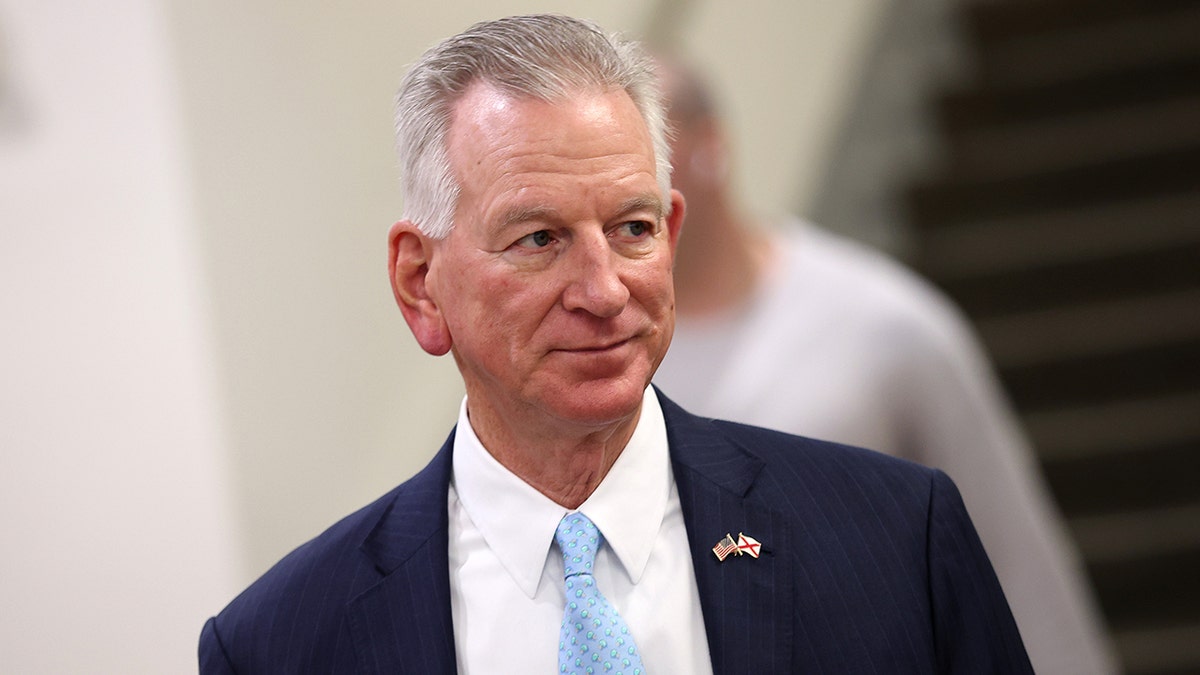
U.S. Sen. Tommy Tuberville (R-AL) speaks to reporters as he returns to his office at the U.S. Capitol on February 10, 2026, in Washington, DC (Kevin Dietsch/Getty Images)
Tuberville shared a photo of Mamdani at the iftar alongside a photo of the Twin Towers on fire after planes hit them on Sept. 11, 2001. «The enemy is inside the gates,» Tuberville captioned the post.
Tuberville has faced backlash over the post, but the GOP senator stood firm and defended his social media post.
«I just go by his rhetoric,» Tuberville said.
«He’s made a lot of statements about his stance with Islam and radical Islam, all the things that go along with what he preaches every day. And I’m just kind of repeating what he’s saying,» the senator told D.C. News Now’s Reshad Hudson.
CLICK HERE TO DOWNLOAD THE FOX NEWS APP
«We don’t need a division in this country. We need everybody to go with the Constitution, understand we have moral values. And if we all stick with those — I don’t care if you’re Muslim or Catholic or Baptist, it makes no difference,» he continued.
He added, «We need to make the country better; we don’t need to divide it. That’s what he’s doing in New York.»
Fox News Digital’s Landon Mion contributed to this report.
new york city,zohran mamdani,police and law enforcement

La dictadura cubana anunció el segundo apagón general en la isla en menos de una semana

Veterano del crimen: la historia del ladrón de 58 años que lideró una banda de falsos policías

Mirtha Legrand deslumbró con un look de alta costura: vestido orange, brillo y elegancia

Rooney, leyenda del United, atiza a Neymar: ‘Nunca fue de talla Mundial’

El Gobierno reunió a gobernadores con inversores en el Argentina Week de Nueva York: “Impactante el cambio de imagen”

Archivos desclasificados de la SIDE muestran cómo durante el peronismo se buscó vigilar a comunistas

Juicio por YPF: la Justicia de EEUU benefició a Argentina y suspendió todas las demandas hasta que se defina la cuestión de fondo

Senado: la oposición pidió explicaciones por $LIBRA y los vuelos de Adorni y Bullrich defendió al Gobierno

Kicillof desembarcó en CABA, lanzó su proyecto 2027 y empezará a ampliar su armado político en todo el país

¿DÓNDE ESTÁ ESMERALDA? El grito de una madre que sacude a la Argentina: «Me la arrebataron de la puerta»

 POLITICA2 días ago
Kicillof desembarcó en CABA, lanzó su proyecto 2027 y empezará a ampliar su armado político en todo el país
- POLITICA3 días ago
¿DÓNDE ESTÁ ESMERALDA? El grito de una madre que sacude a la Argentina: «Me la arrebataron de la puerta»
- POLITICA2 días ago
¿MACRI 2027? El «operativo retorno» que sacude al PRO y los nombres que suenan para la vicepresidencia