INTERNACIONAL
University runs damage control amid concerns it hides illegals, upholds reverse discrimination


NEWYou can now listen to Fox News articles!
FIRST ON FOX: After Belmont University in Tennessee was accused of attempting to rebrand its DEI initiatives in an effort to skirt President Donald Trump’s demands to get rid of them, the university denied the allegations, telling Fox News Digital that the school was «in compliance with federal laws.»
But, according to an email sent to faculty and staff last week, from Belmont’s Office of the President, the school has decided to tap an «external partner» to ensure its compliance with President Donald Trump’s executive orders demanding diversity, equity and inclusion (DEI) initiatives be terminated across all institutions of higher education. The review also aims to ensure the university is abiding by all state and federal immigration laws, after evidence was also uncovered that the school was allegedly admitting illegal immigrants and hiding such information from outside entities.
«I am reaching out to update you about next steps in response to the concerns raised by elected officials regarding Belmont’s compliance with state and federal immigration laws, as well as executive orders addressing DEI in higher education,» the letter, penned by Belmont University President Greg Jones, stated. «While we make every effort to ensure compliance and continue to maintain our belief that Belmont complies with all applicable laws, we take these concerns seriously. With this in mind, we are bringing in an external partner to initiate an independent compliance review.»
WATCH: DEI EFFORTS WERE REBRANDED AT 2 RED-STATE COLLEGES TO SKIRT TRUMP ORDERS, STAFFERS ADMIT
Belmont University, a private Christian school in Nashville, Tenn., is facing compliance questions after whistleblower claims it renamed its DEI office to ‘Hope, Unity and Belonging’ to sidestep Trump’s executive orders. (Getty Images/iStock)
The effort to hold Belmont accountable for allegedly maintaining its DEI policies in light of federal directives to terminate them has been spearheaded by Tennessee Republican Rep. Andy Ogles, who has been receiving information from whistle-blowers at the school.
Ogles sounded the alarm earlier this month, after obtaining undercover recordings showing a student services faculty member in Belmont’s «Division of Student Success and Flourishing» admitting the school has maintained its DEI initiatives but «just change[d] on how we talk about it.»
«The HUB is hope, unity and belonging. That’s DEI. Let’s be real,» Jozef Lukey, Belmont’s assistant director of student success and flourishing, says in the recording. «We always try to just adapt to what’s happening around us. But that doesn’t mean, like, what we’re focusing on completely stops. We just changed the terminology and the language that we keep moving forward.»
In the same recording, Lukey can also be heard admitting that Belmont enrolls illegal immigrants and hides that information from external entities, which Ogles suggested could violate state law against knowingly harboring illegal aliens for profit.
FEDERAL JUDGE SLAPS TEMPORARY RESTRAINING ORDER ON MISSISSIPPI DEI BAN
«I want to be clear — I think the world of Belmont. My daughter applied to Belmont. She was accepted at Belmont,» Ogles said in a recorded video updating folks on the ongoing situation at the Christian university based in Nashville. «Nashville is unique — we have Vanderbilt, we have Belmont, we have David Lipscomb, we have Meharry [Medical College], we have TSU — we have all these amazing institutions, to include Belmont, which now has a new medical school, so I want to sing their praises, but I also have to hold them accountable, and this wokeness is in violation of President Trump’s executive order.»
Ogles also likened Belmont to Harvard in the video, adding that the school will be «held accountable if they don’t correct course.»
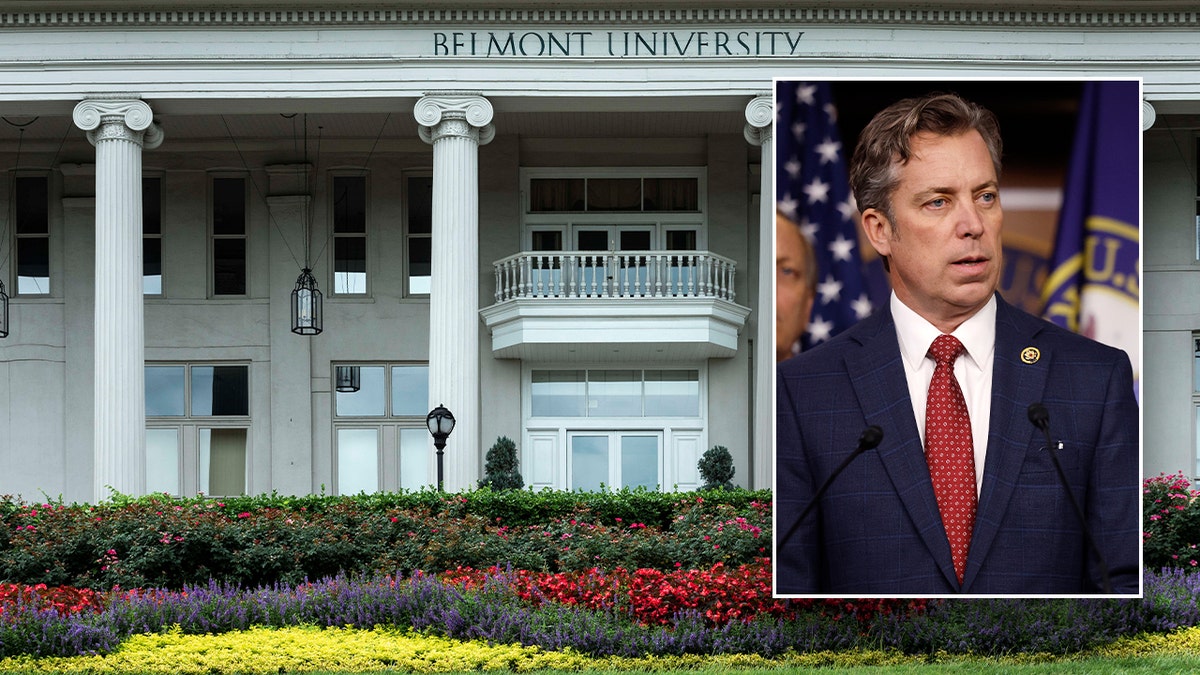
Rep. Andy Ogles, R-Tenn., is demanding answers from Belmont University, accusing the school of violating federal orders by disguising DEI programs. (Getty Images)
Besides the undercover recordings, Ogles has received other whistle-blower documents and information about Belmont’s continuance of its DEI initiatives under Trump. For example, Ogles has cited official documents from Belmont he received, which show that professors must fill out a mandatory form if they wish to revise or propose a new course, which requires a «Diversity Impact Statement» outlining how the course supports «historically underrepresented populations.»
Another source, according to Ogles’ office, shared screenshots of an email chain showing Belmont intends to keep its faculty DEI committee for the next academic year. Ogles also received a document outlining Belmont’s faculty hiring procedures for deans, which compels the completion of multiple DEI «assessment[s]» when engaging in «pre-search activities.»
CLICK HERE TO GET THE FOX NEWS APP
The hiring document adds that search committees tasked with seeking out new potential hires must be «diverse across race and gender and preferably include faculty of color.»
A litany of other DEI requirements, such as required discussions among search committees about «ways to advertise and attract candidates from a diverse population» and «paying special attention to recruiting minority candidates,» are required as well. The document also instructs search committees to engage in a post-mortem for any positions for which a «diverse candidate» does not apply to «revisit how to best advertise the position to attract qualified, diverse applicants.»
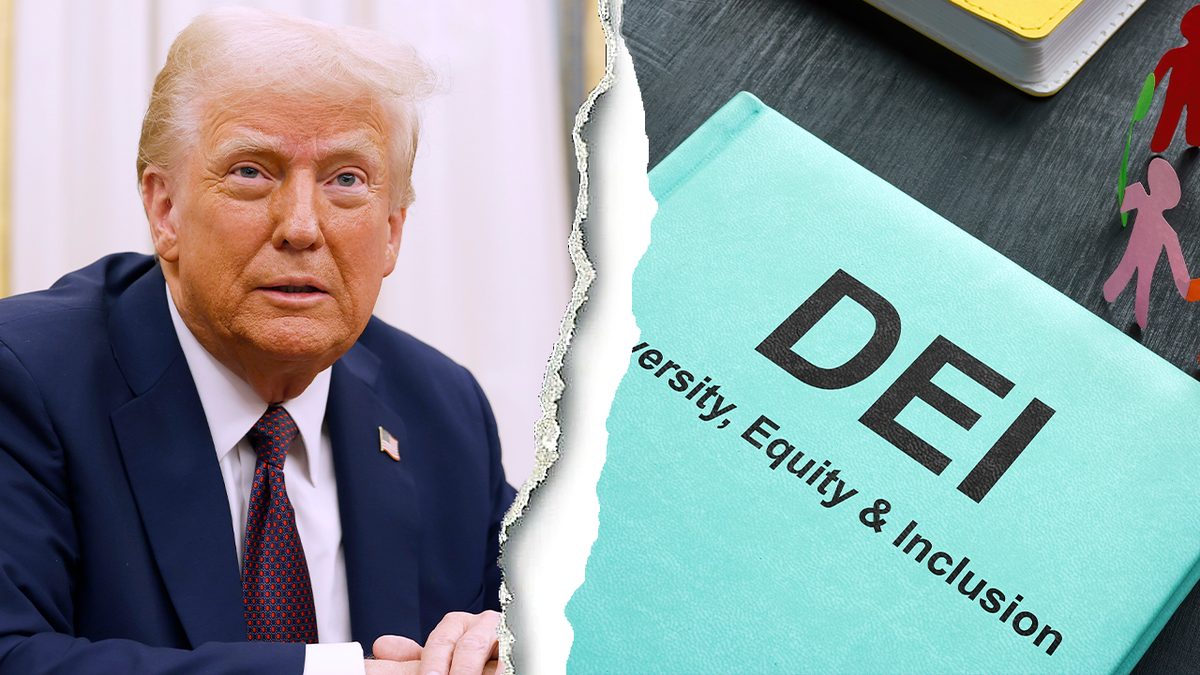
Earlier this year, President Donald Trump signed an executive order requiring the end of DEI policies in higher education, calling them discriminatory. (Getty Images)
The amount of whistle-blower tips that Ogles office has been getting has prompted the congressman to launch a new web page on his congressional website that will provide an easy avenue for people to continue providing his office with inside information about the DEI efforts at Belmont. The website has not launched yet, but is expected to be live soon.
When reached for comment, officials at Belmont pointed Fox News Digital to its July 22 email sent to faculty and staff, indicating the expected compliance review.

INTERNACIONAL
Elecciones en Honduras: Nasry Asfura encabeza el escrutinio tras la difusión de los primeros resultados oficiales

De acuerdo a las cifras oficiales divulgadas por el Consejo Nacional Electoral, el candidato por el Partido Nacional se impone con el 40% de los votos escrutados. Le siguen Salvador Nasralla y Rixi Moncada
El domingo, los hondureños concurrieron a las urnas para definir quién será su próximo presidente en una elección marcada por la polarización y denuncias de posible fraude. La contienda enfrentó a una candidata que promueve la continuidad del gobierno actual y a dos aspirantes con apoyo opositor, ambos distanciados de sus partidos tradicionales y con el objetivo de obtener el poder tras una tensa campaña.
La jornada comenzó pasadas las 7, hora local, y se extendió hasta las 18, luego de que el Consejo Electoral autorizara extender una hora más la votación.
El Consejo Nacional Electoral (CNE) dispuso un despliegue especial de fuerzas de orden para garantizar un ambiente pacífico, una medida respaldada por la Organización de Estados Americanos (OEA) y observadores internacionales, quienes han destacado la importancia de la transparencia en este proceso decisivo.
Más de seis millones de hondureños estuvieron habilitados para votar en más de 18.000 centros distribuidos en todo el territorio, en una jornada que definirá no solo la presidencia sino también la renovación del Congreso y gobiernos municipales.
De acuerdo con las últimas encuestas, tres de los cinco aspirantes presidenciales llegan prácticamente igualados: Rixi Moncada, abogada y figura cercana a la presidenta Xiomara Castro, compite por el oficialista Libertad y Refundación (Libre); el presentador Salvador Nasralla, quien busca la presidencia por cuarta vez, en esta ocasión representando al Partido Liberal; y el empresario Nasry Asfura, del Partido Nacional.
A continuación, la cobertura minuto a minuto:
El Partido Nacional llamó a defender cada voto tras los resultados preliminares del CNE
Tras la publicación de los resultados preliminares anunciados por el Consejo Nacional Electoral de Honduras (CNE), la designada presidencial del Partido Nacional, María Antonieta Mejías, agradeció la masiva participación ciudadana en las urnas y destacó el respaldo recibido por Honduras.
“Nuevamente, nuestra felicitación para el pueblo hondureño que acudió a votar masivamente. Damos gracias a Dios porque ha bendecido a Honduras y nos ha tomado de instrumento para su honra”, expresó ante la prensa.
Mejías subrayó que el proceso aún no ha finalizado y pidió a los simpatizantes y miembros del partido permanecer atentos.
“Esto no se termina hasta que se cuente hasta el último voto. Le pedimos a nuestros miembros no se muevan de las mesas, seguimos contando los votos”. Reiteró que aún faltan los reportes completos de los municipios, “por eso aún seguimos aventajando en nuestros datos, se despega el Partido Nacional de nuestros competidores”.
En su mensaje, agradeció también la participación de los adversarios en la contienda y remarcó la importancia de la templanza y la defensa de los principios democráticos.
“En esta noche vamos a decir que Dios ha sido bueno, nos ha mantenido firmes, enérgicos por la democracia y por las libertades del pueblo hondureño”.
Asfura encabeza el escrutinio

La presidenta del Consejo Nacional Electoral (CNE) de Honduras, Ana Paola Hall, informó en horas de la noche de este domingo en cadena nacional la primera actualización oficial sobre los resultados preliminares de la elección presidencial.
Según el reporte divulgado, hasta el momento han sido procesadas 6.559 actas de un total de 19.152, lo que representa el 34,25% del total del nivel electivo para la presidencia.
De acuerdo con los datos anunciados, Nasry “Tito” Asfura, candidato del Partido Nacional, lidera con 530.073 votos. Le sigue el aspirante del Partido Liberal, Salvador Nasralla, con 506.316 votos, mientras que la representante del partido Libre, Rixi Moncada, figura en tercer lugar con 255.972 votos.
La titular del CNE subrayó que estos resultados tienen carácter preliminar y que el escrutinio sigue avanzando en todo el país.
Hall hizo énfasis en que el proceso de transmisión y conteo se realiza conforme a la Constitución y los procedimientos establecidos.
Enfatizó que la transparencia y la rendición de cuentas son los ejes centrales de esta jornada y reiteró el llamado a la calma a la ciudadanía y a los actores políticos mientras continúe la sistematización y publicación de más actas.La presidenta del Consejo Nacional Electoral (CNE) de Honduras, Ana Paola Hall, informó en horas de la noche de este domingo en cadena nacional la primera actualización oficial sobre los resultados preliminares de la elección presidencial.
El CNE brinda su primer reporte oficial
Asfura exigió al CNE difundir los resultados
El candidato por el Partido Nacional emitió un breve pronunciamiento desde su búnker dirigido a la presidenta del Consejo Electoral, Ana Paola Hall: “Exigimos que salga y cumpla, no sé que está esperando. No tengamos a un país en espera, hágalo por el bien de la democracia”.
Mensaje de Moncada a minutos del reporte del CNE
EEUU pidió que los resultados “reflejen la voluntad del pueblo”
Antes de la difusión de los primeros resultados oficiales, la embajada de Estados Unidos en Honduras afirmó que sigue de cerca “las noticias sobre la gran participación de votantes” durante la jornada electoral de este domingo, al tiempo que pidió que los resultados “reflejen la voluntad del pueblo hondureño y no las manipulaciones de quienes intentarían impedirlo”.
“Permitamos que la misión de observadores de la OEA haga su trabajo”, agregó la embajada norteamericana en el mensaje divulgado en sus redes sociales.
El Partido Nacional volvió a pedir esperar los resultados oficiales
“Estamos muy contentos y agradecidos al pueblo, que acudió de manera masiva a votar por la democracia que anhelamos. Hay canales y partidos que han actuado de forma irresponsable al intentar adjudicarse la victoria antes de tiempo. Nuestro candidato -Nasry Asfrua- nos solicitó ejercer la prudencia necesaria”, pronunció María Antonieta Mejía, desde el búnker del Partido Nacional.
Si bien no brindó cifras ni datos concretos, adelantó: “Debemos completar el conteo de votos para consolidar el gran triunfo del Partido Nacional”.
Primer informe del CNE
El Consejo Nacional Electoral informó que a las 21, hora local, dará el informe con los primeros resultados oficiales.
Detalles del escrutinio
Observadores internacionales fueron expulsados de un centro de votación en Honduras por colectivos afines al partido oficialista
El incidente ocurrió en la Universidad Nacional Autónoma de Honduras, donde simpatizantes de Libre increparon y presionaron a la misión extranjera hasta que intervino la policía militar

La misión internacional de observadores en Honduras denunció este domingo haber sido víctima de agresiones e intimidaciones por parte de simpatizantes del oficialista Partido Libertad y Refundación (Libre).
Elections,South America / Central America,Elections / Voting
INTERNACIONAL
La guerra Rusia-Ucrania: Europa empieza a analizar cómo responder a los ataques de Moscú

Europa siempre ha mirado a Rusia como se mira desde una fortaleza asediada a quien intenta asaltarla desde fuera, como en los asedios medievales. Durante años, los europeos han hablado siempre de ciberdefensa, de preparación para resistir ataques híbridos, de cómo podían proteger sus procesos electorales y sus medios de comunicación de las injerencias rusas y de las campañas de desinformación lanzadas desde Moscú. De cómo tratar a supuestos diplomáticos rusos que en realidad eran agentes de sus servicios secretos militares. Todas las ideas eran defensivas. Pero eso parece estar empezando a cambiar.
Según una información del diario Politico, que Clarín pudo confirmar con dos diplomáticos europeos, los gobiernos de la Unión Europea están empezando a estudiar no sólo cómo frenar los golpes rusos, sino también cómo empezar a devolverlos. Las ideas cubren varios flancos, pero las más citadas serían las de lanzar ciberataques contra objetivos sensibles de la industria militar y la economía rusa hasta atribuir sin pudor a Moscú sus ataques híbridos en Europa para castigar a Rusia con más sanciones, pasando por lanzar ejercicios militares por sorpresa.
El cambio de mentalidad en Europa se debe a que Moscú parece estar poniendo a prueba la resistencia de los europeos y lo que pueden aceptar o no. Pero algunos episodios parecen haber colmado en vaso. Cuando a principios de noviembre decenas de drones, algunos de carácter militar, sobrevolaron durante varias noches consecutivas aeropuertos, centrales nucleares o bases militares belgas, empezaron a encenderse muchas alarmas. Alemania y Reino Unido enviaron material militar para hacer frente a esos drones, que no volvieron. Algunos habían pasado a menos de dos kilómetros en línea recta de la sede de la OTAN en Bruselas.
Esos drones también han sobrevolado ciudades como Estocolmo o Copenhague y han traspasado las fronteras de Polonia o Rumanía en las últimas semanas. Una línea de ferrocarril clave en la conexión entre Polonia y Ucrania fue volada y aviones de combate rusos violan cada vez con más frecuencia el espacio aéreo de países como Estonia, Lituania y Letonia.
Algunos funcionarios empiezan a hablar abiertamente del asunto. El vice ministro de Defensa alemán Florian Hahn dijo la semana pasada a ‘Welt TV’ que “en conjunto, Europa y la Alianza Atlántica deben preguntarse a sí mismas cuánto tiempo más están dispuestas a tolerar este tipo de guerra híbrida y si sería conveniente que consideráramos convertirnos en más activos en este asunto”.
Los europeos han visto en los últimos años cómo Rusia ha financiado a partidos políticos que abogan por la destrucción de la Unión Europea como estructura institucional (como la extrema derecha francesa de Marine Le Pen, que recibió créditos de bancos rusos controlados por el Gobierno de Vladimir Putin) o cómo, según varios servicios secretos, Rusia influyó para alterar ilegalmente el resultado de elecciones legislativas en Rumanía y Moldavia y que ganaran candidatos afines a Moscú.
Algunos funcionarios consideran que la mejor forma de tratar con Rusia es ser firme y plantarle cara, no achicándose. Europa no quiere una guerra contra Rusia, pero el aumento de estas operaciones en los últimos meses empieza a movilizar a los gobiernos. Por eso la OTAN decidió que reforzará las defensas contra drones y las defensas antiaéreas en su flanco oriental, después de que el primer ministro polaco Donald Tusk dijera que daría la orden de derribar cualquier aparato ruso que viole su espacio aéreo.
Tusk es de los que más medidas han tomado. La semana pasada movilizó a 10.000 soldados para proteger las conexiones con Ucrania, esencial para que los europeos sigan enviando armamento a Kiev. Y acusó a Moscú de lanzar una campaña de “terrorismo de Estado”.
Italia apunta por ejemplo a la creación de una fuerza europea de ciberdefensa (y ciberataque si fuera necesario) de 1.500 expertos, que contaría también con personal militar especializado en inteligencia artificial.
NEWYou can now listen to Fox News articles!
We’ll know Wednesday morning if a special election in Tennessee is truly a referendum on country music, pedal taverns and bachelorettes.
Or, if we can divine a deeper political meaning from the results of the special election in Tennessee’s 7th Congressional District.
Democrat Aftyn Behn is trying to tip the scales in favor of her party in a district which President Trump carried by about 20 points and former Rep. Mark Green, R-Tenn., won by a similar percentage last fall.
Behn faces GOPer Matt Van Epps. It’s a Republican district. But political observers are watching the race to gauge potential weakness by President Trump, a softness in the Trump coalition, issues with the Republican brand or early indications of a possible blue wave in the 2026 midterms.
DEMOCRATS, REPUBLICANS GO ALL IN ON FINAL 2025 CONGRESSIONAL BALLOT BOX SHOWDOWN
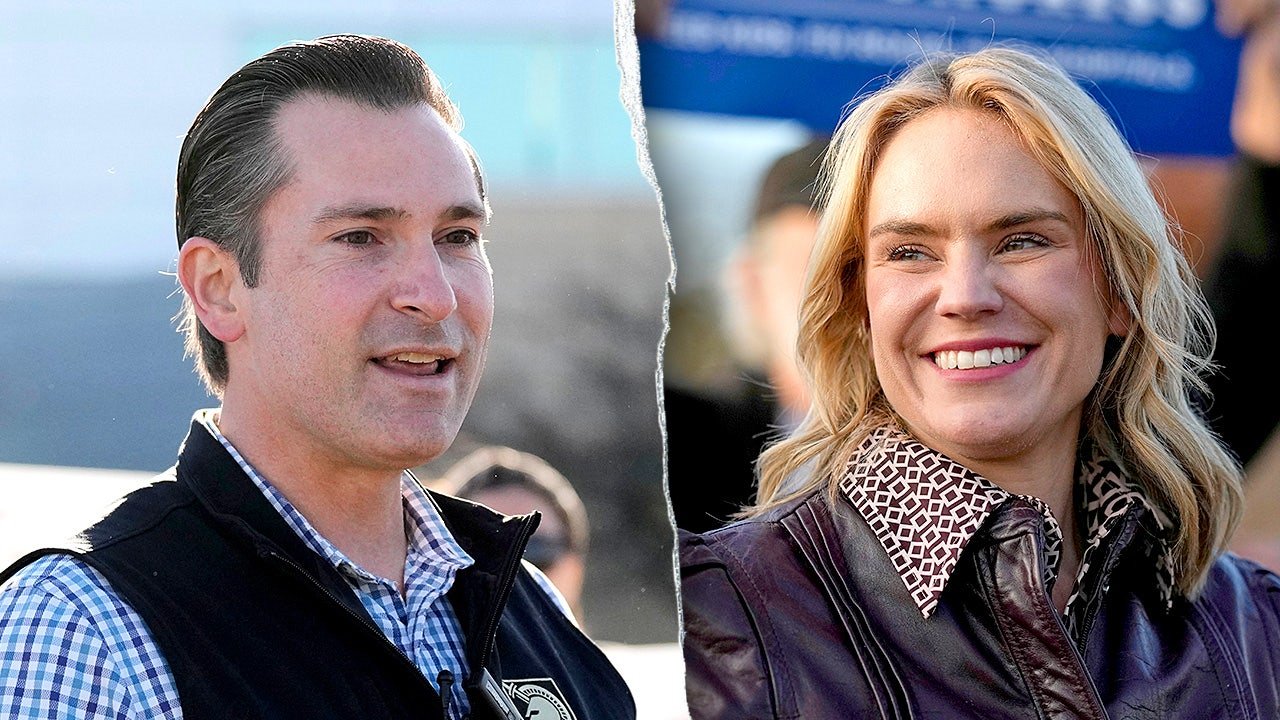
Depending on who you ask, the race for Tennessee’s 7th congressional district – between Republican nominee Matt Van Epps, former state Department of General Services, and Aftyn Behn, a Democratic state representative – may be headed for a photo finish. (George Walker IV/AP Photo)
It was Behn who proclaimed that she abhorred Nashville several years ago. «I hate the bachelorettes, I hate the pedal taverns, I hate country music. I hate all the things that make Nashville apparently an ‘it city,’» complained Behn.
About all Behn left out in her animus toward Music City was dissing The Grand Ole Opry, hot chicken and Goo Goo Clusters. But if voters go goo goo over Behn Tuesday, Republicans face a cluster of another sort. A Behn victory may signal major problems for Republicans and President Trump heading into the midterms.
Behn is characterized as the «AOC of Tennessee,» a reference to progressive Rep. Alexandria Ocasio-Cortez, D-N.Y. Republicans have been sure to boomerang that against Behn, suggesting she’s not in tune with the district, leans too far to the left and is closer to the liberal values of New York or Los Angeles than Nashville. Republicans believe Behn is just a bad fit for Nashville. Kind of like having Bad Bunny perform at the Ryman Auditorium.
«It shouldn’t even be close. But it is,» mused Rep. Tim Burchett, R-Tenn., on Fox.
So Republicans are pouring in money to protect the seat. Democrats are pouring in money to steal the seat. If Democrats pull off the upset, the party should uproot the goalposts at FirstBank Stadium in downtown Nashville and dump it in the Cumberland River. Kind of what Vanderbilt fans did last year when the Commodores upset number one-ranked Alabama.
Let’s explore what a Behn win might mean for Republicans. It could indicate that voters are tiring of President Trump. Or that the GOP brand is toxic. Or perhaps it’s the continuation of a trend which Democrats enjoyed this fall: near blowout wins by New Jersey Gov.-elect Mikie Sherrill and Virginia Gov.-elect Abigail Spanberger.
But there’s a downside for Democrats. Yes. They may flip the seat. But a win may also show that the party is tilting more to the left. It would be hard to argue with success if Behn prevails, regardless of her progressive streak. But this may give other liberals ideas that they can win in other red or purple districts. That may work against Democrats – especially since every Republican, except President Trump – has highlighted the left-wing politics of New York City Mayor-elect Zohran Mamdani.
TRUMP MAKES 11TH-HOUR PLEA FOR MATT VAN EPPS OVER AFTYN BEHN, WHOM HE CLAIMS ‘HATES CHRISTIANITY’
Democrats probably need to run more centrist candidates in purple areas to regain control of the House. A Behn victory could open the floodgates for a host of progressive candidates in competitive House districts nationwide. Behn’s message – or that of Ocasio-Cortez or Mamdani – won’t work in most places where Democrats need to be successful to seize control of the House.
But what if Republicans hold the seat and Van Epps wins?
It probably depends by how much.
Yes, there were five special elections in 2017 – the first year President Trump was originally in office – which Democrats made competitive. All were closer than they should have been. But Democrats didn’t win any of them. Still, astute political observers suggested there was unpopularity with the president and the GOP agenda. Democrats won 41 seats and gained control of the House in the 2018 midterms.
So, even if Van Epps wins, examine the margin. And if Behn wins, see if Republicans downplay it because it was a special election and the customary electorate just doesn’t turn out for special elections. Especially one wedged between Thanksgiving and Christmas.
If Republicans hold the seat, the GOP will argue this was a repudiation of a leftist like Behn and someone who was out of step. They will also suggest that it’s a GOP seat and Republicans should win anyway. That’s what happened earlier this year when there was consternation before two Florida special elections. But Reps. Randy Fine, R-Fla., and Jimmy Patronis, R-Fla., both won in March.
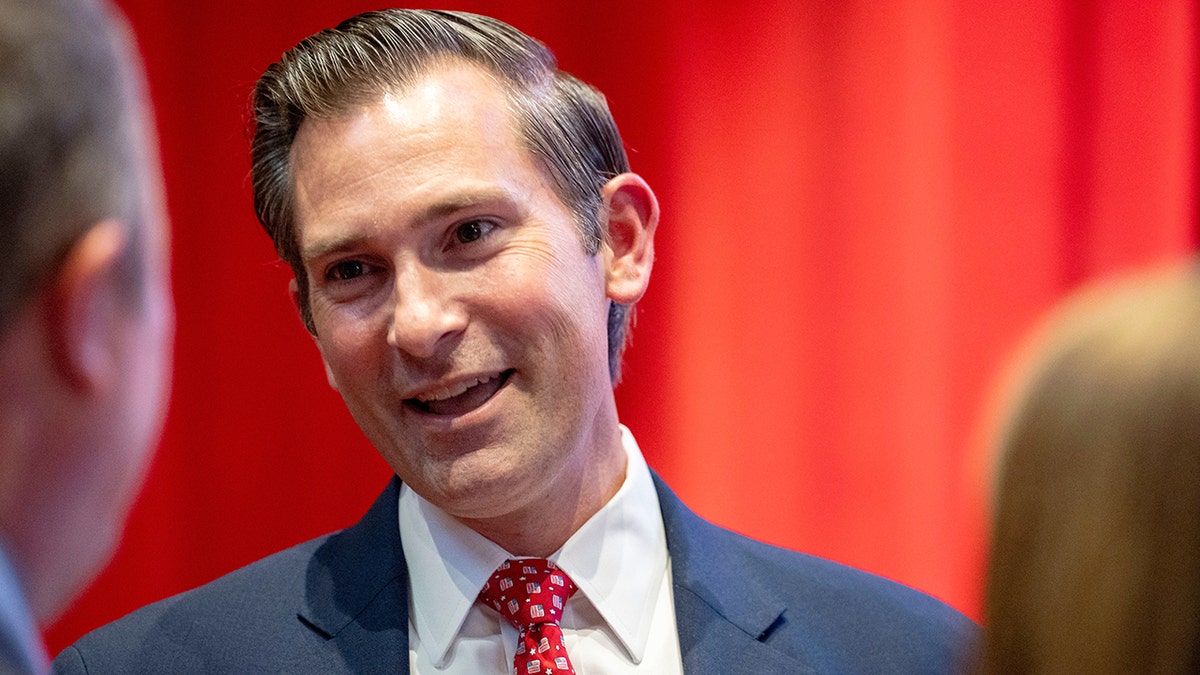
If Van Epps wins, one must still pay attention to the margin. The seat, last held by former Rep. Mark Green, broke for President Trump by over 20% in 2024. (Nicole Hester/The Tennessean/USA TODAY NETWORK via Imagn Images)
Here’s another factor which bears watching: the message the press corps and political observers glean from the election results. After all, special elections are always special. It’s natural for analysts and journalists to search for particular meanings or signposts in these contests. Such was the case with the off-year elections in New Jersey, Virginia and New York City. Sometimes these observations are spot-on. Other times, they mean nothing. If anything, there is a tendency to over-illuminate the outcomes of these contests. They are moments in time. Kind of like listening to a few bars of a song. Maybe it tells you a lot about the song. Maybe not.
House Republicans could well freak out if Behn is victorious. There’s lots of grumbling among Republicans. Some are frustrated by how their leadership handled the government shutdown. And others could follow Mark Green and Rep. Marjorie Taylor Greene, R-Ga., and hit the exits early.
This is a fragile time for House Republicans. That’s one reason why a flip of this seat could mean a little bit more.
DEM HOUSE HOPEFUL GETTING YANKED FROM GOVERNOR’S OFFICE DURING ATTEMPTED SIT-IN GOES VIRAL AHEAD OF ELECTION
Still, it’s rare to flip seats in House special elections. Former Rep. Don Cazayoux, D-La., won a special election in a red district in Louisiana in 2008 after former Rep. Richard Baker, R-La., resigned. But current Sen. Bill Cassidy, R-La., then won that seat in the general election and served in the House before moving to the Senate.
Former Rep. Mayra Flores, R-Texas, flipped the seat held by former Rep. Filemon Vela, D-Texas, in 2022. But she lost reelection that fall.
Former Rep. Mike Garcia, R-Calif., won a special election in 2020 after former Rep. Katie Hill, D-Calif., resigned just months into office. Garcia held the seat until Rep. George Whitesides, D-Calif., defeated him a year ago.
Former Rep. Charles Djou, R-Hawaii, won a special election in Hawaii in 2010 against two Democrats – former Rep. Colleen Hanabusa, D-Hawaii, and Rep. Ed Case, D-Hawaii. But Democrats got the seat back in 2012.
Former Rep. Mary Peltola, D-Alaska, won a special election in 2022 to flip Alaska’s at-large district from red to blue following the death of late Rep. Don Young, R-Alaska. Young held the seat for nearly 50 years. But Rep. Nick Begich III, R-Alaska, defeated Peltola last year.
Just because seats are won in special election upsets, doesn’t mean they’ve permanently fallen to the other party. Rep. Nick Begich III, R-Alaska, who unseated his Democratic predecessor, former Rep. Mary Peltola – herself a special election victor – is a prime example. (Bill Clark/CQ-Roll Call, Inc via Getty Images)
In short, even if someone flips a seat, it’s rare that they have the seat for long. Often, only through the next regular election.
So a word of caution as you evaluate the election results on Tuesday night. If Republicans hold the seat, that may be expected. If Democrats flip the seat, some will proclaim it’s the second coming of the Music City Miracle.
CLICK HERE TO DOWNLOAD THE FOX NEWS APP
But frankly, it’s probably not.
congress,elections,tennessee,nashville

Luis Petri podría cambiar a la cúpula de las FFAA antes de dejar el Ministerio y prepara un acto con Javier Milei y los F-16

Elecciones en Honduras: Nasry Asfura encabeza el escrutinio tras la difusión de los primeros resultados oficiales

Shakira destacó la conexión única que la une con Bizarrap: “Dios los cría y ellos se juntan”

Un senador radical busca que se active un plus salarial a militares que sumen títulos educativos

Un auto controlado por inteligencia artificial dio la sorpresa en un desafío contra un expiloto de la Fórmula 1

Inversiones 2026: los 5 fundamentos que anticipan un escenario alcista para acciones y bonos argentinos

ANSES confirmó aumento y bono de diciembre: cuánto cobran jubilados y beneficiarios de asignaciones

La financiera vinculada a “Chiqui” Tapia utilizó 42 empresas falsas para lavar $72 mil millones: la lista completa

La polémica denuncia sobre Robertito Funes Ugarte por estafa: “Trató de no pagar la comisión a una trabajadora inmobiliaria por un departamento y la bloqueó”

Trump promete “suspender permanentemente la migración de todos los países del tercer mundo”

 INTERNACIONAL3 días ago
Trump promete “suspender permanentemente la migración de todos los países del tercer mundo”
- CHIMENTOS2 días ago
Wanda Nara involucrada en el escándalo de su abogado, Payarola, contó toda su verdad: “Yo fui…”
- POLITICA2 días ago
Patricia Bullrich lleva la disputa por el fútbol al Congreso y pone bajo la lupa a la conducción de la AFA