INTERNACIONAL
‘Unprecedented’ agreement releases emergency oil reserves as gas prices spark concerns


NEWYou can now listen to Fox News articles!
After deliberating and assessing the global oil market situation in the face of Middle Eastern conflicts stemming from the United States’ attack on Iran, a cohort of 32 different developed nations agreed to make an «unprecedented» move to help address «oil market challenges.»
The International Energy Agency (IEA) held an emergency meeting at its Paris headquarters Tuesday, with energy representatives from the cohort of G7 countries, to «assess market conditions,» which IEA Executive Director Fatih Birol says «have been significantly affected by the conflict in the Middle East.»
Following that meeting on Thursday, the 32 member countries of the IEA unanimously agreed to collectively release the largest quantity of emergency oil reserves they ever have as a coalition, amounting to 400 million barrels.
«The oil market challenges we are facing are unprecedented in scale, therefore, I am very glad that IEA Member countries have responded with an emergency collective action of unprecedented size,» Birol said following the announcement about the release of the emergency oil reserves. «Oil markets are global, so the response to major disruptions needs to be global too.»
HOUSE GOP URGES TRUMP TO CHOKE OFF IRAN ALLY’S OIL PROFITS AS MIDDLE EAST TURMOIL SPIKES US GAS PRICES
International Energy Agency (IEA) Executive Director Fatih Birol in Paris on March 10, 2026. (Photo by Ludovic MARIN / AFP via Getty Images)
President Donald Trump touted the IEA agreement during remarks in Kentucky Wednesday afternoon, saying the move «will substantially reduce oil prices.»
Before the outbreak of war with Iran, oil was trading in the range of $60 to $70 a barrel, but prices soared after the conflict began, with crude oil futures reaching upward of $115 a barrel on Monday – the highest level since 2022 when Russia invaded Ukraine. However, some experts suggest that the market is correcting itself already from an initial scare that the conflict in the Middle East would have a major impact on oil prices.
«The market realized that maybe things aren’t that bad – the U.S. is having incredible military victories, President Trump is saying, ‘Hey, you know what, the war is probably not going to be going on that long.’ And even some signals that the world doesn’t have to just sit and stand and take it,» said Phil Flynn, senior market analyst at the Price Futures Group and a FOX Business contributor.
The members of the IEA hold emergency stockpiles of over 1.2 billion barrels, and a further 600 million barrels of oil industry stocks. This coordinated release of an unprecedented amount of oil will be the sixth in its roughly half-century history. Previous collective action was taken in 1991, 2005, 2011 and twice in 2022.
TRUMP’S MIDDLE EAST ENVOY REVEALS WHAT LED TO BREAKDOWN IN IRAN TALKS BEFORE OPERATION EPIC FURY
The previous record for the largest collective action was the latest release of emergency oil stocks following Russia’s invasion of Ukraine. In combination, the two actions, which took place in March and April 2022, respectively, amounted to a release of 182.7 million barrels, according to the IEA.
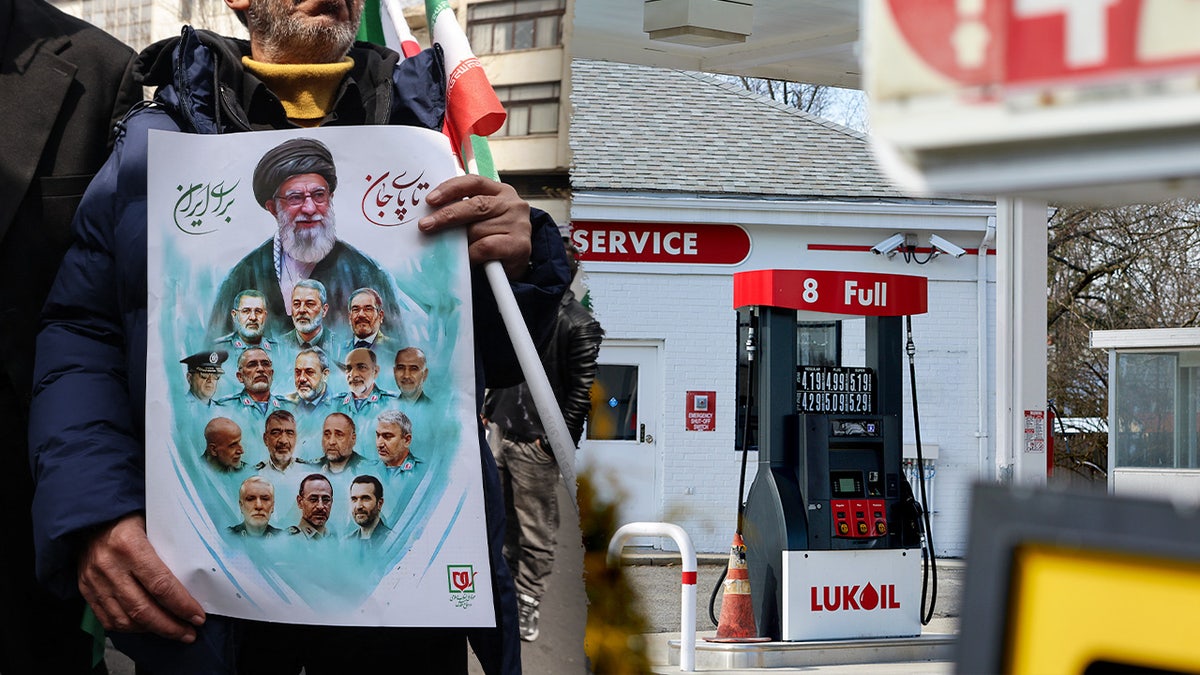
House Republicans are pushing the U.S. to keep a close eye on Russian oil giant Lukoil’s international divestments as the conflict in Iran drives up U.S. gas prices. Russia and Iran are close allies. (Atta Kenare / AFP via Getty Images; Gabby Jones/Bloomberg via Getty Images)
President Trump said repeatedly this week during remarks to the press that the war in Iran would be over shortly, but stopped short of providing an exact timeline.
In his comments to the press Wednesday, President Trump quipped that «We don’t want to leave early, do we?»
«We gotta finish the job, right? Over the past 11 days, our military has virtually destroyed Iran,» Trump said. «It’s a tough country.»
Iran’s ongoing retaliatory attacks in the Strait of Hormuz, a critical maritime choke point for oil transportation, has led to questions about what they will do to prices at the pump. Trump Cabinet official, Interior Secretary Doug Burgum, scoffed this week at claims that the Trump administration was caught off guard by how much Trump’s military actions have impacted the oil market and responded to questions about the impact of attacks on the Strait of Hormuz.
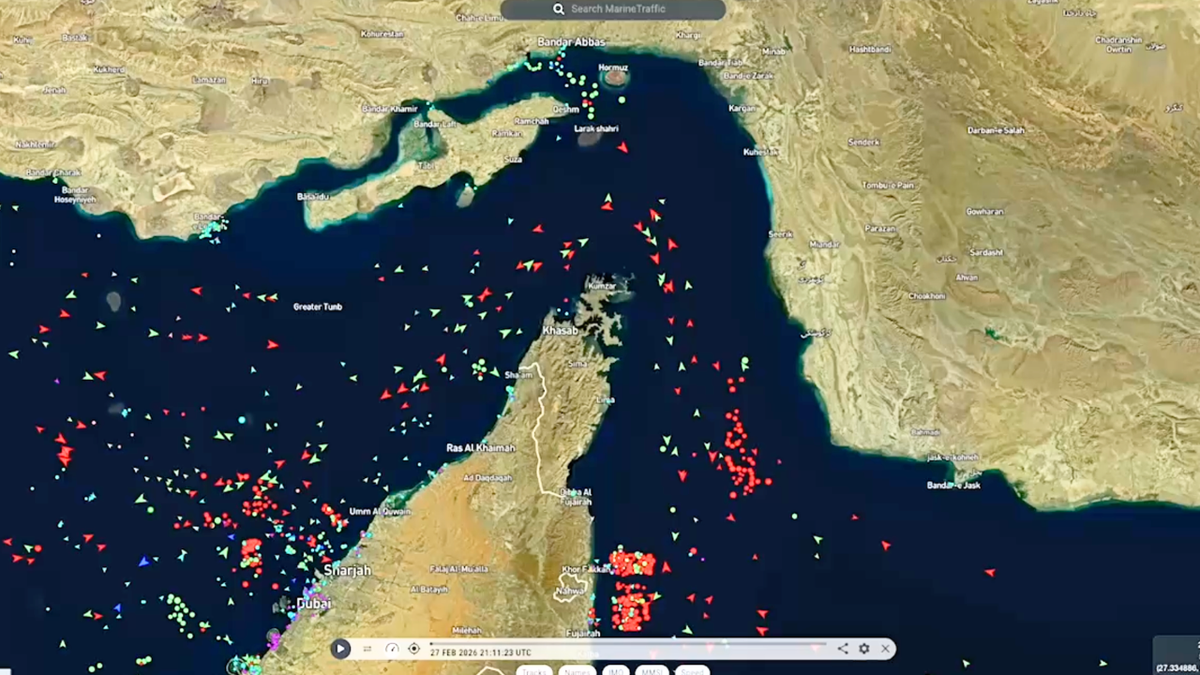
A screenshot of a marine traffic terminal showing vessels in the Strait of Hormuz on March 4, 2026. (Kpler/Marine Traffic)
CLICK HERE TO DOWNLOAD THE FOX NEWS APP
«As you know better than anybody else, it’s a global market, so we could be producing more, or other countries could be producing more, but it all goes into one vat where we get the prices from,» said Fox News’ Brian Kilmeade. «So if the Strait of Hormuz presents a challenge, how could you circumvent that challenge?»
In response, Burgum slammed Iran for «holding the entire world hostage economically by threatening to close the strait.»
«President Trump has made it very clear the consequences if they try to do that,» he continued. «There’s a lot of options between ourselves and our allies in the region, including our Arab friends in the region, to make sure that those straits remain open and energy keeps flowing through the global economy.»
Fox Business’ Eric Revell contributed to this report.
war with iran,middle east,middle east foreign policy,g8 global economy,economy,energy,energy in america











INTERNACIONAL
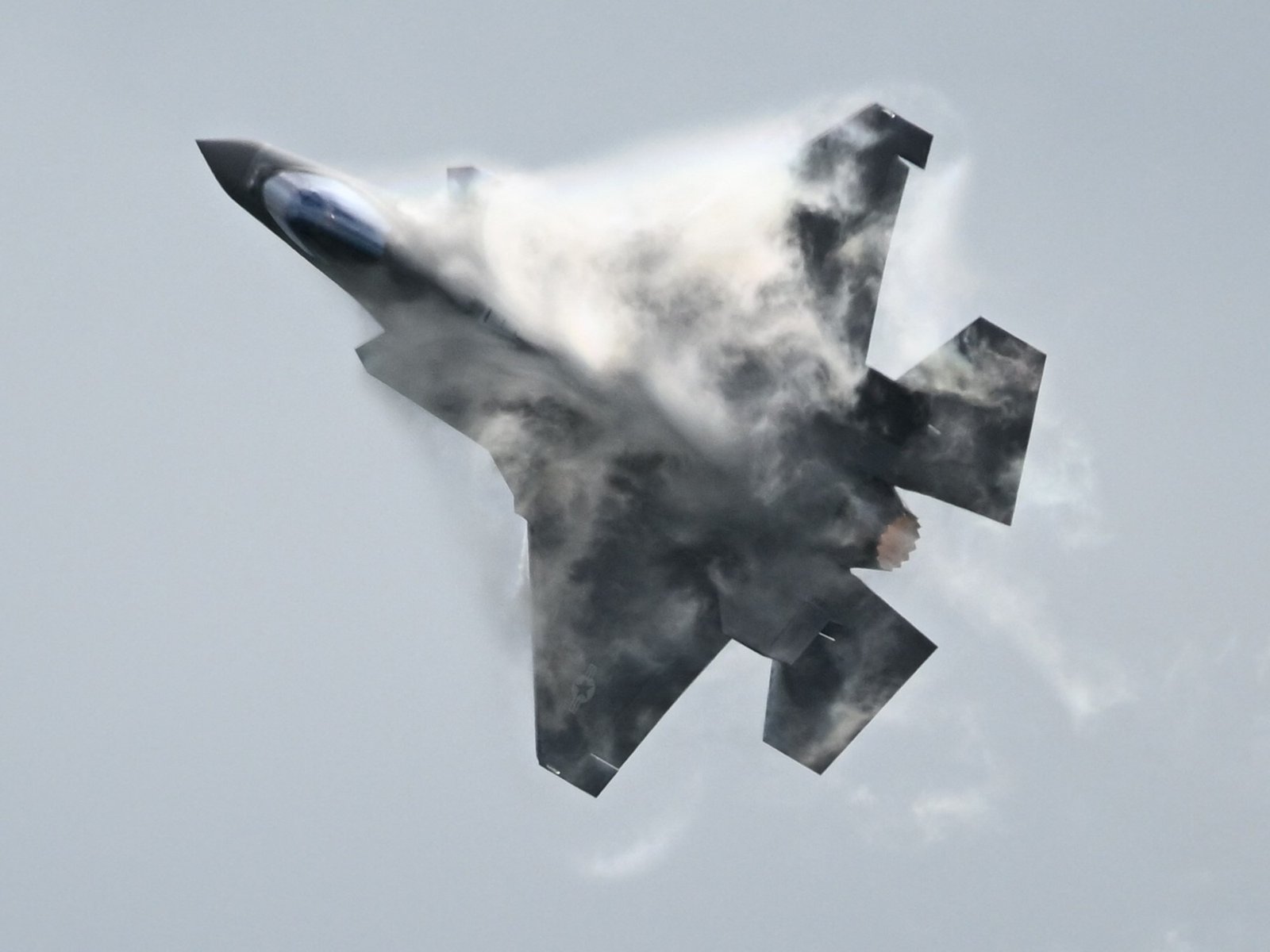
Carrera contra reloj en territorio iraní: habrían rescatado a uno de los pilotos de un caza de EE.UU. derribado


INTERNACIONAL
Holocaust survivor, 86, priced out of NYC says Mamdani skipped scheduled housing meeting
NEWYou can now listen to Fox News articles!
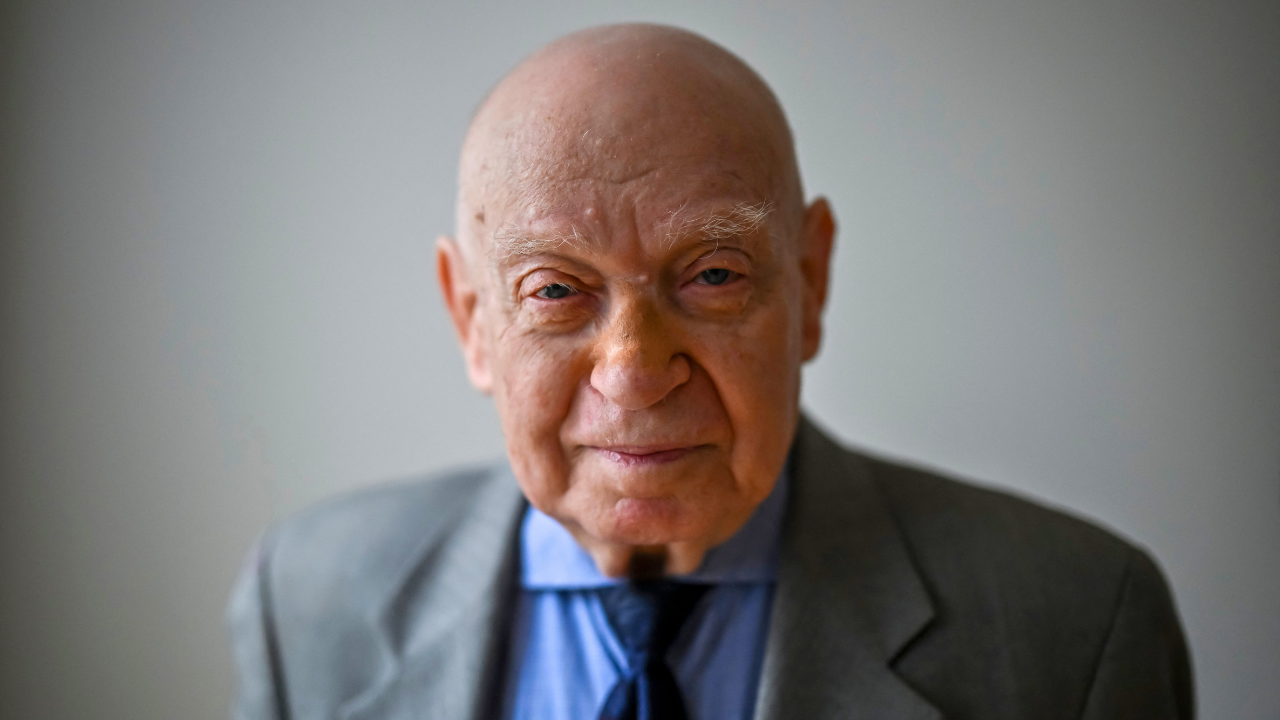
As a toddler, Sami Steigmann survived Nazi medical experimentation. Now, at 86, he is struggling to find safe housing in New York City.
His situation comes as New York City residents face rising housing costs, despite campaign promises from city leaders to improve affordability
Steigmann, who has called New York City home since the 1980s, can no longer safely navigate his second-story apartment in Harlem. Earlier this year, he asked to have a one-on-one meeting with New York Mayor Zohran Mamdani, who ran on a platform centered on lowering housing costs. Although the meeting was scheduled, Steigmann says the 34-year-old mayor never kept the appointment.
«Promises made, not kept,» Steigmann told Fox News Digital. «His claim to fame was affordable housing. I’m not disappointed because I didn’t expect him to keep his word. It is what it is.»
DEMS WHO RAN ON AFFORDABILITY NOW FACE BACKLASH AS COSTS CLIMB
Sami Steigmann, 86, a Holocaust survivor, is struggling to find safe, affordable housing in New York City as costs continue to rise. (Angela Weiss/AFP/Getty Images)
«It would have been nice, but you know politicians,» he said with a smile.
He added that he was no longer interested in meeting with Mamdani.
Mamdani’s office did not respond to Fox News Digital’s request for comment.
For now, Steigmann said his focus is on finding a safe place to live as New York City’s costs continue to climb.
«New York is the most expensive city in the country, especially for independent living. Rent is about $6,000 a month for a one-bedroom apartment,» he said.
Steigmann, who lives on a fixed income of $1,649 per month, said he cannot afford an apartment that is both safe and accessible to public transportation.
The physical toll of his current living situation has only added to the challenge.
Born in 1939 in Romania, Steigmann was deported with his parents to a Nazi labor camp at about age 2. Too young to work, he was subjected to medical experimentation for at least three years before the camp was liberated.
«I was subjected to medical experiments, so I’m in pain every single second, but I learned to live with it. Now, because of my age, 86, I have difficulty walking and climbing stairs,» he said.
While relocating to a more affordable city may seem like an option, he said leaving New York is not a simple decision.
«I did not give it serious thought because here I have agencies that are helping me,» he said. «I don’t know what it would be like in other cities because I don’t have those connections there.»
FROM FREE BUSES TO CITY-OWNED GROCERY STORES, HERE ARE MAMDANI’S KEY ECONOMIC PROMISES

Steigmann faces a $2,200 monthly shortfall in rental costs. (Angela Weiss/AFP/Getty Images)
«I’m very safe here,» Steigmann said of his neighborhood, adding that his neighbors know him and watch his back.
He said a nursing home is a last resort he hopes to avoid.
«If I’m going to a nursing home, which I may have to go to if I cannot find something, basically, it’s the way to die because there is no life there.»
«It’s not for me. I’m still active. I don’t need assisted living in the sense that I can take a bath by myself. I can still do a lot of things,» he said.
Now, advocates are stepping in to help.
The Chicago Jewish Alliance recently launched «Project Ahava,» a fundraising initiative aimed at securing safe, stable housing for Steigmann as he struggles to remain independent in New York City.
Facing a roughly $2,200 monthly shortfall, the initiative aims to raise $132,000 to cover five years of housing. The group has so far raised about $18,000 for Steigmann.
«Sami has never asked for a dime, and he has given back to so many people. That’s just another reason why we wanted to give back to him and make sure that he has safe housing,» Susan Haggard, president of the Chicago Jewish Alliance, told Fox News Digital.
«And it’s important for him to stay in Manhattan where he is close to public transportation and still have that independence that is so important to him,» she added.
Maintaining that independence is key to his daily work and outreach.
CLICK HERE TO DOWNLOAD THE FOX NEWS APP

Holocaust survivor Sami Steigmann gives a salute while wearing his USS Intrepid volunteer uniform in New York City. (Courtesy of Sami Steigmann)
He spends his days volunteering aboard the aircraft carrier Intrepid, docked in New York City’s harbor, and speaking to school groups across the country about the Holocaust — a mission that has come to define his life.
«This is my life. Without it, there’s nothing for me, no reason to live,» he said.
new york city, zohran mamdani, housing, economy
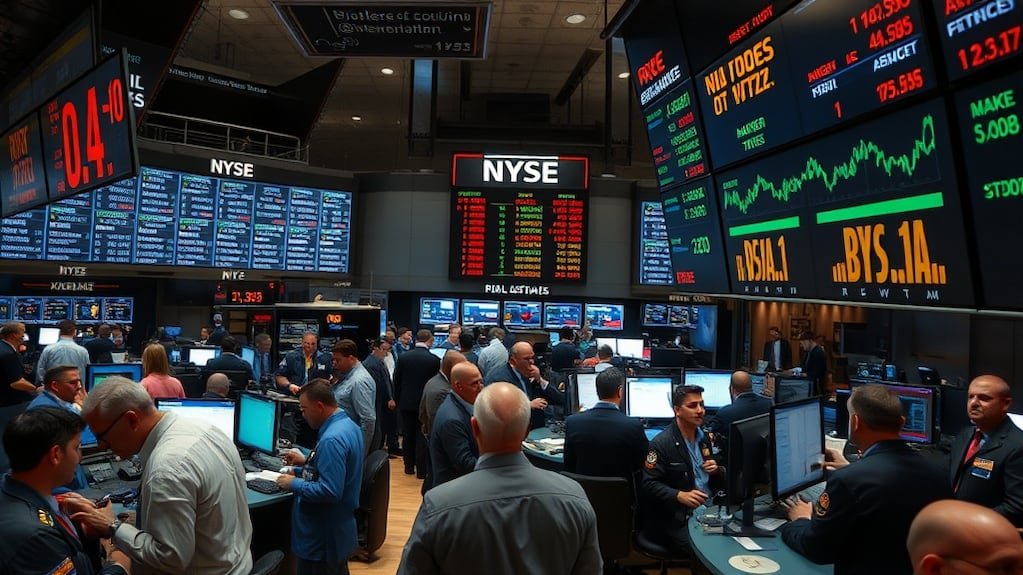
El precio del petróleo se disparó y las acciones se desplomaron el jueves después de que el presidente Donald Trump, en un discurso desde la Casa Blanca, dijo que la guerra contra Irán estaba “cerca de concluir”, pero no ofreció un calendario concreto y se comprometió a realizar más ataques.
En un discurso de 19 minutos pronunciado el miércoles por la noche, Trump dijo que las fuerzas estadounidenses golpearían a Irán “con extrema dureza en las próximas dos o tres semanas”. Los inversores que esperaban señales más claras de una desescalada del conflicto se sintieron decepcionados.
Leé también: Trump echó a la fiscal general de EE.UU. en medio de la polémica por la gestión del caso Epstein
La guerra, que ya ha entrado en su quinta semana, ha provocado una crisis energética que amenaza con elevar el costo de vida en los países ricos y privar a las regiones vulnerables de productos básicos como la electricidad y el combustible para cocinar.
Los precios del petróleo se disparan
- El precio del crudo Brent, la referencia mundial del petróleo, saltó a unos 108 dólares el barril para entrega en junio, un 7 por ciento más. El martes se situaba en 101,16 dólares.
- El crudo West Texas Intermediate, la referencia estadounidense, rondaba los 106 dólares el barril para entrega en mayo, un 6 por ciento más. El martes se situaba en 100,12 dólares.
- Los inversores y analistas han seguido enfocados en el estrecho de Ormuz desde que comenzaron los enfrentamientos hace más de un mes. La estrecha vía fluvial entre Irán y Omán es una ruta comercial vital para el petróleo y el gas natural, por la que normalmente fluye hasta una quinta parte del suministro mundial de petróleo.
Las acciones caen drásticamente
- Las bolsas de toda Asia, donde los países importan grandes cantidades de petróleo y gas, bajaron el jueves, invirtiendo la fuerte subida del día anterior. El Nikkei 225 de Japón descendió un 2,4 por ciento. Las acciones de Corea del Sur fueron las que peores resultados obtuvieron, con una caída del 4,5 por ciento.
- Las Futures del S&P 500 apuntaban a un descenso del 1,3 por ciento cuando se reanudaran las operaciones bursátiles en Estados Unidos el jueves. El S&P 500 subió 0,7 por ciento el miércoles.
- Los futuros del S&P 500 apuntaban a un descenso del 1,3 por ciento cuando se reanudaran las operaciones bursátiles en Estados Unidos el jueves. El S&P 500 subió 0,7 por ciento el miércoles.
- Las bolsas europeas bajaron el jueves. El Stoxx 600, un amplio índice europeo, y el DAX alemán cayeron más de 1 por ciento. El FTSE 100 británico cayó menos del 1 por ciento.
Los precios de la gasolina subieron
- Los precios de la gasolina en Estados Unidos volvieron a subir el jueves hasta una media nacional de 4,08 dólares el galón, según el club automovilístico AAA. El costo para los conductores ha subido un 37 por ciento desde que empezó la guerra.
- Los precios de la gasolina no se mueven al compás del crudo, sino que suelen ir unos días por detrás de las subidas o bajadas.
- Los precios del gasóleo han aumentado aún más rápidamente, llegando a 5,51 dólares el jueves, un 47 por ciento más desde el comienzo de la guerra.
Lo que dicen: una guerra prolongada podría obligar a un racionamiento ‘económicamente destructivo’
- Chris Wright, secretario de Energía de Estados Unidos, dijo en las redes sociales tras el discurso de Trump que el “trastorno a corto plazo de los mercados energéticos es temporal”.
- Los analistas de la industria energética han advertido que el impacto, especialmente en Asia, donde los países dependen en gran medida de las importaciones de petróleo y gas, podría durar mucho más que el fin de los combates. El tráfico marítimo que sale del golfo Pérsico a través del estrecho se ha interrumpido en la práctica desde que comenzó la guerra el 28 de febrero, y se han dañado infraestructuras energéticas cruciales. Restablecer un flujo constante de suministros llevará tiempo.
- La empresa de investigación Oxford Economics indicó en un informe publicado el miércoles que la guerra ya ha provocado un déficit del 10 por ciento entre la oferta y la demanda mundial de petróleo. Una guerra prolongada que corte aún más las fuentes de energía obligaría a los países a cambiar su forma de utilizar y producir energía, lo que daría lugar a un mayor uso del carbón y a trastornos en las cadenas de suministro de las economías emergentes.
- “Cuanto más dure la interrupción, más se desplazará el ajuste hacia el racionamiento, el resultado económicamente más destructivo”, decía el informe.
The New York Times, Donald Trump

A un mes del derrumbe en Parque Patricios: el lugar está habilitado, los vecinos denuncian fallas y COSUD se defiende

Piden que la Justicia investigue los millonarios créditos del Banco Nación a funcionarios y legisladores de Milei

Carrera contra reloj en territorio iraní: habrían rescatado a uno de los pilotos de un caza de EE.UU. derribado

Ni Barça ni Madrid: estas son las canteras más rentables del mundo

El Gobierno dispuso una recomensa de $20 millones por información sobre Apablaza, el exguerrillero chileno prófugo de la Justicia

Javier Milei envía millonarios fondos a gobernadores: busca apoyo en el Congreso

Dos jubiladas que le habrían prestado dinero a Manuel Adorni negaron conocerlo

Quiénes son las dos acreedoras del préstamo con el que Adorni compró su departamento en Caballito

El Gobierno reevalúa la estrategia de comunicación por el caso Adorni y mide el impacto en la imagen de Milei

Milei se pone al frente de la defensa de Adorni y lo suma a un acto por Malvinas en una nueva muestra de respaldo

 POLITICA2 días ago
El Gobierno reevalúa la estrategia de comunicación por el caso Adorni y mide el impacto en la imagen de Milei
- POLITICA1 día ago
Milei se pone al frente de la defensa de Adorni y lo suma a un acto por Malvinas en una nueva muestra de respaldo
- CHIMENTOS1 día ago
Oriana Sabatini sorprendió al elegir a una famosa como madrina de Gia, su hija con Paulo Dybala