INTERNACIONAL
Uruguay busca extraditar desde Argentina a uno de sus mayores narcos vinculado a Sebastián Marset

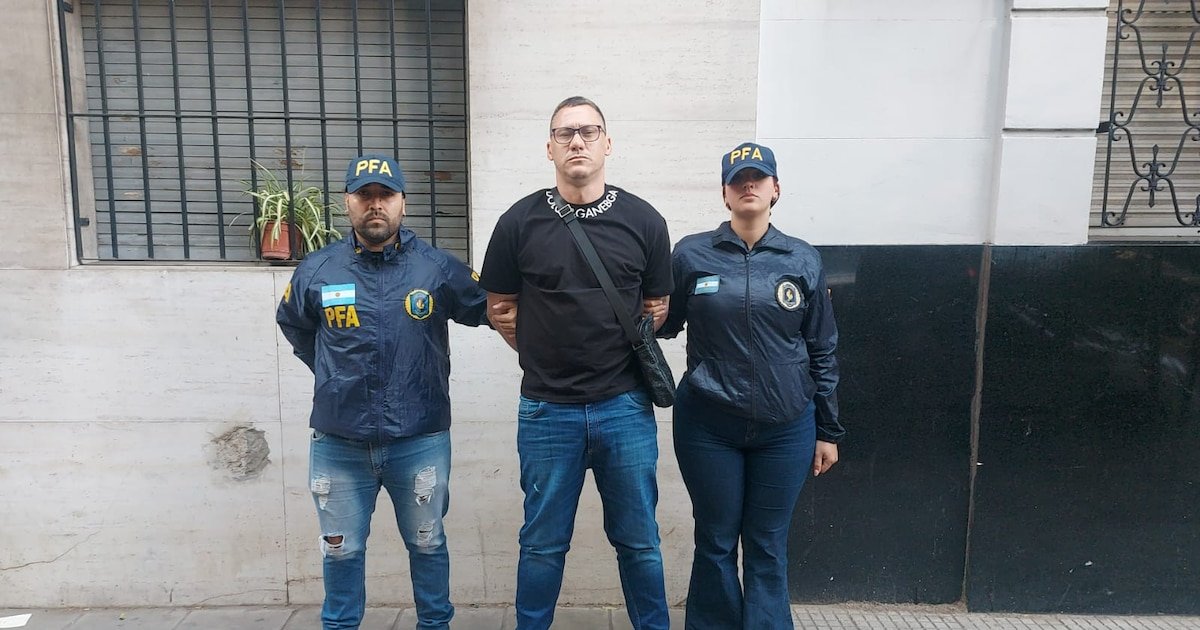
El narcotraficante uruguayo Luis Fernando Fernández Albín había llegado en junio a Argentina, sin ningún pedido de captura vigente. Se había mudado a un escondite en un departamento en la Avenida Rivadavia al 6300, en el barrio porteño de Flores. Se movía por Buenos Aires en dos vehículos, una camioneta Volkswagen Amarok y un Peugeot 208. Este jueves por la tarde la Policía Federal Argentina lo capturó.

El ministro del Interior de Uruguay, Carlos Negro, dijo este jueves que Uruguay buscará su extradición. “Seguimos en la senda de pegarle a las organizaciones criminales y pegarles donde más les duele, es decir, en los bienes y en el dinero”, dijo Negro en una rueda de prensa este jueves, tras la detención del delincuente en Argentina.
El narcotraficante, de 38 años, había logrado escapar de los grandes operativos de drogas. Las sospechas de los investigadores uruguayos siempre recaían sobre él, pero nunca se lograban reunir los elementos suficientes para poder arrestarlo. Fernández Albín había estado preso y condenado, pero por delitos que le permitieron recuperar la libertad al poco tiempo.
En diciembre, por ejemplo, había sido condenado por una amenaza a los responsables de las cárceles, tuvo una pena de siete meses y quedó libre en junio. Según informó El Observador, a los pocos días viajó hacia Argentina y se radicó allí. Ese destino no le era ajeno: Fernández Albín es argentino y tiene contactos en ese país.
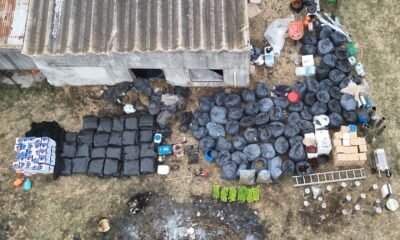
Fue la incautación de dos toneladas de cocaína, en agosto, la que le permitió a las autoridades lograr la mayor evidencia para pedir formalmente su arresto. En una precaria chacra, los policías encontraron debajo de la arena casi dos toneladas de cocaína dispuestos para ser colocados en una lancha, que alcanzaría un barco en alta mar y tendría como destino final a Europa. El cargamento encontrado está valuado en USD 13 millones en el mercado interno, pero esa cifra era superior si se considera que iba hacia el mercado europeo. Allí se valorizaría en unos USD 60 millones.
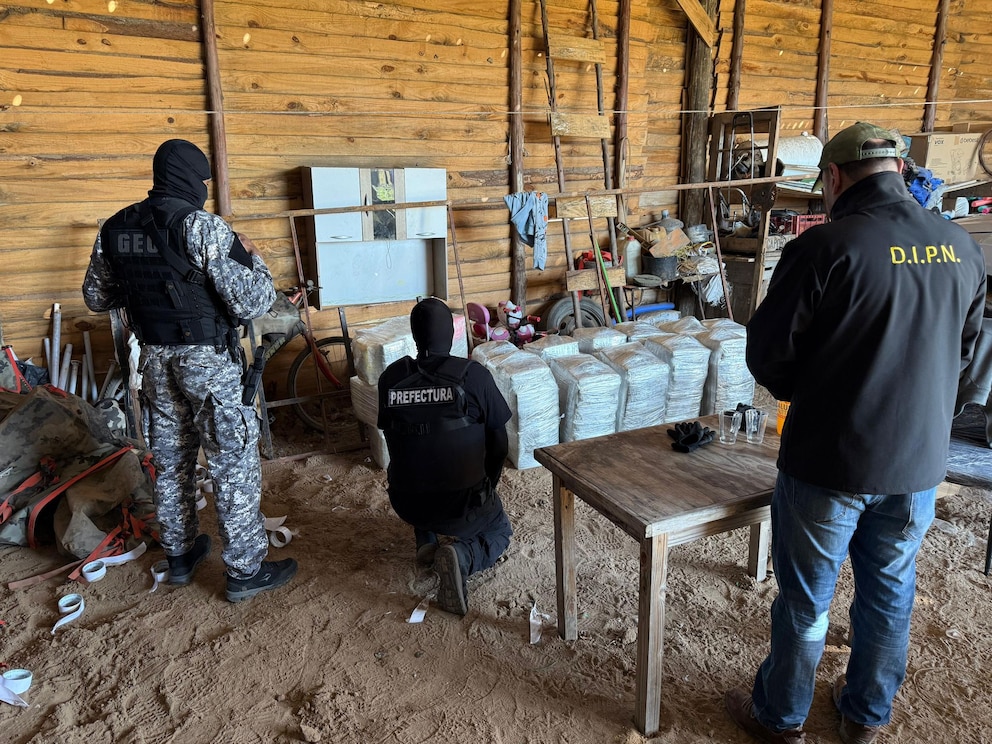
Fernández Albín fue localizado muy cerca de la chacra donde se encontró la droga. Por llamadas, monitoreo y conexión de cuentas, los agentes advirtieron que Fernández Albín estaba detrás de ese cargamento.
Los investigadores uruguayos creen que Fernández Albín se encarga de proporcionar la logística de los grandes cargamentos de droga de Sebastián Marset, el narcotraficante uruguayo que está prófugo de la Justicia desde hace más de dos años. Además, su clan también se dedica a abastecer de pasta base y marihuana para el consumo interno de la zona metropolitana de Montevideo, consignó El Observador.
En Uruguay, en tanto, se realizaron cuatro allanamientos en Montevideo y en Ciudad de la Costa que permitieron también detener a la esposa de Fernández Albín, a una empleada y a un hijo de ella, informó este viernes el diario El País. Se incautaron tres vehículos de la marca Renault, Chevrolet y Volkswagen, varios celulares y documentos.

Para este viernes está prevista una audiencia judicial en el país en la que se definirá la imputación de estas personas o el cese de la detención. Mientras tanto, Uruguay inició el trámite para lograr la extradición de Fernández Albín desde Argentina, un proceso que puede llevar varias semanas.
El vínculo entre Fernández Albín y Marset no ha podido ser probado por los investigadores, pero lo dan por hecho. Consultado sobre este vínculo, el ministro Negro se excusó de hacer declaraciones justificándose en que la investigación es reservada.

La detención de Fernández Albín fue pocos días después de la del Betito Suárez, otro narco uruguayo que lidera uno de los grupos criminales más grandes y que, a su vez, está asociado al del narcotraficante detenido en Argentina.a
corresponsal: Desde Montevideo









NEWYou can now listen to Fox News articles!
Cuba plunged into an unprecedented blackout after its entire electrical grid suddenly suffered a total collapse on Monday, briefly leaving roughly 10 million residents in total darkness.
«At 1:54 p.m. local time, there was a disconnection of the national electrical grid resulting in a complete power outage across Cuba which includes the Havana metropolitan area,» the U.S. Embassy in Cuba said.
The nationwide outage comes just two days after a large crowd of protesters, fed up with the island’s energy crisis, were caught on camera attacking a local Communist Party headquarters in Cuba, ransacking the building and attempting to set it on fire.
Efforts to restore electricity are currently underway across the island, with reports indicating that power is slowly returning to some areas.
RUSSIAN ‘DARK FLEET’ TANKER BELIEVED TO BE DELIVERING OIL TO CUBA, DETECTED OFF US COAST AMID TRUMP BAN
A woman with her son signals a car on a dark street during a blackout in Bauta municipality, Artemisa province, Cuba, on March 18, 2024. (Yamil Lage/AFP via Getty Images)
«The causes are being investigated and protocols for restoration are beginning to be activated,» the Ministry of Energy and Mines of Cuba said Monday afternoon, referring to the island’s disrupted National Electrical System of Cuba.
Cuba’s electrical grid has grown increasingly unstable over the years due to aging infrastructure, fuel shortages, and economic restrictions that have limited the country’s access to energy resources – including Washington’s long‑standing oil embargo and recent U.S. actions that disrupted Venezuelan fuel shipments, a key source of the nation’s energy.
Power outages have become a frequent occurrence across the country, disrupting water supply, refrigeration and communications.
«Officials in the US gov must be feeling very happy by the harm caused to every Cuban family,» Cuban Deputy Minister for Foreign Affairs Carlos F. de Cossio said in response to Monday’s blackout.
MILLIONS LOSE POWER ACROSS CUBA AS TRUMP SANCTIONS CONTINUE TO FUEL ONGOING ENERGY CRISIS

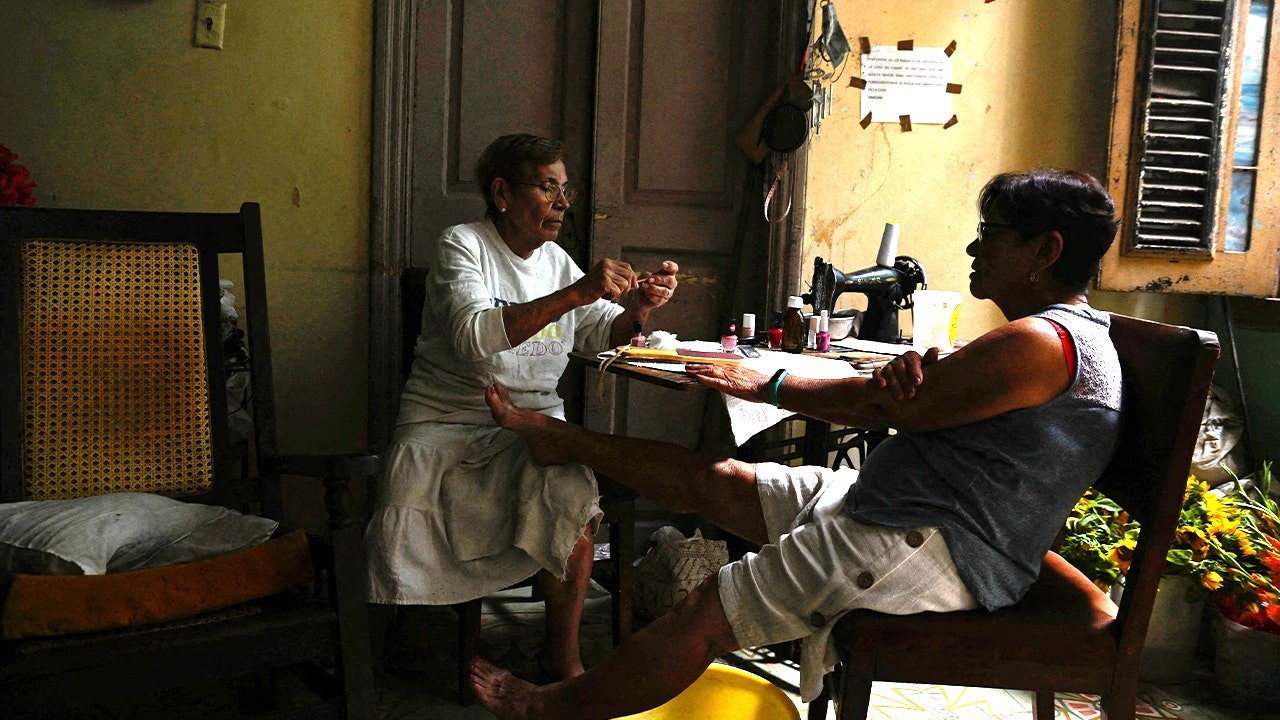
Neya Perez, 86, paints the nails of her neighbor Reyna Maria Rodriguez, 77, during a mass blackout across most of the country, in Havana, March 4, 2026. (Norlys Perez/Reuters)
Cuban President Miguel Díaz-Canel said Friday that no fuel has entered the country for the past three months. Since then, electricity generation has relied heavily on a «considerable contribution from renewable energy sources.»
The total collapse of the power grid came just as officials announced updates to their solar panel project in Villa Clara, describing it as a «national security necessity» amid ongoing restrictions on fossil fuel imports under the Trump administration.
«Amid a context of severe energy constraints and a recurring economic lockdown, #Cuba takes another firm step towards electric sovereignty,» the Villa Clara Electric Company said Monday morning.
«This connection comes at a critical time: Washington maintains severe restrictions on our country’s access to fossil fuels, funding and technology. Betting on renewables isn’t just environmental — it’s a national security necessity.»
As the island continues to face rolling power outages, residents have been urged to brace for significant disruption and unplug all nonessential equipment, «leaving only essential devices powered on until service stability is restored,» the Villa Clara Electric Company said.
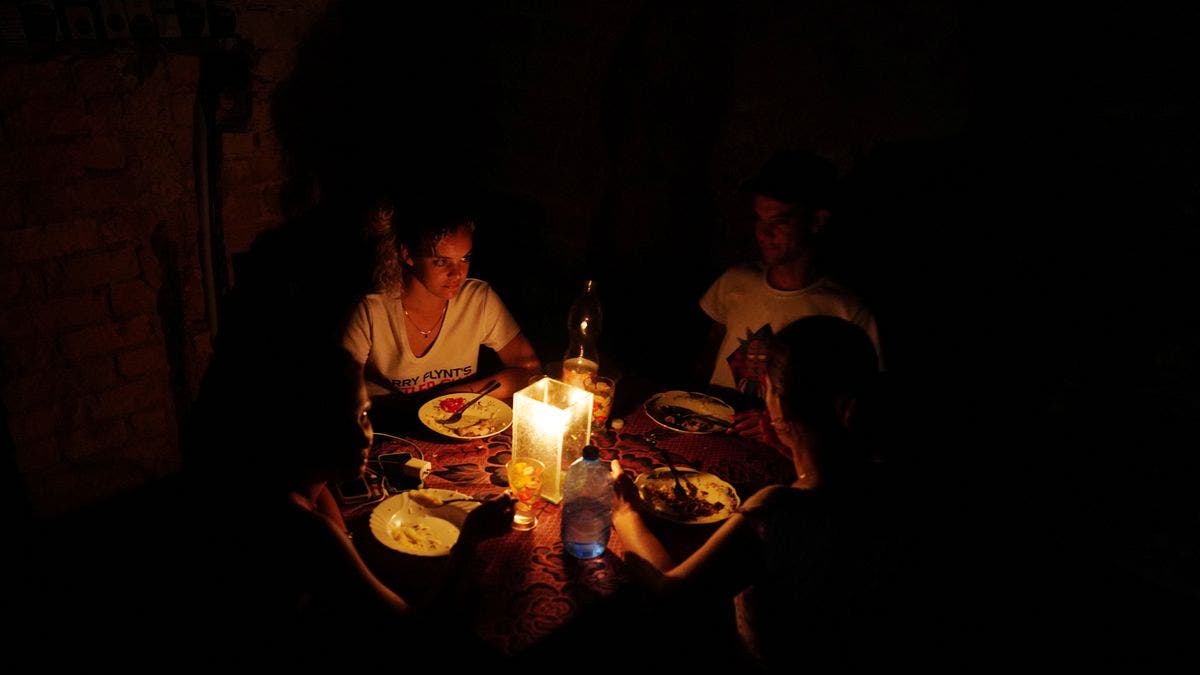
A family has dinner during a blackout in the aftermath of Hurricane Ian in Havana on Sept. 28, 2022. (Alexandre Meneghini/Reuters)
Last Saturday, in a rare display of public dissent driven by frustration over widespread blackouts, anti-government protesters in Cuba reportedly targeted a Communist Party office by hurling rocks, shouting «liberty» and igniting large fires at the scene.
CLICK HERE TO DOWNLOAD THE FOX NEWS APP
The rally, caught on video, began peacefully in the city of Morón late Friday but escalated into violence within hours, Reuters reported, citing local sources.
Fox News Digital reached out to the White House for comment.
Reuters contributed to this report.
cuba,energy,sanctions
INTERNACIONAL
Jasmine Crockett defends her security guard who was killed in police standoff, wanted for impersonating cop
NEWYou can now listen to Fox News articles!
The man who worked security for Rep. Jasmine Crockett, D-Texas, but was killed in a standoff with SWAT last week was accused of impersonating a police officer and other offenses, although the congresswoman is defending him, saying his criminal history does not include any violent offenses.
The suspect, who was identified as Diamon-Mazairre Robinson, 39, was shot and killed by Dallas Police SWAT officers on Wednesday. He had barricaded himself inside a vehicle in the garage of a children’s hospital after Dallas Police officers tracked him while investigating an active warrant.
Police deployed tear gas to force him out before the suspect exited the vehicle and pointed a gun at officers, leading officers to shoot him. The suspect did not fire his gun, and no officers were injured.
Dash camera footage of the incident at Children’s Medical Center Dallas was released on Monday.
JASMINE CROCKETT’S ALLEGED SECURITY GUARD KILLED IN STANDOFF WITH DALLAS SWAT TEAM: REPORTS
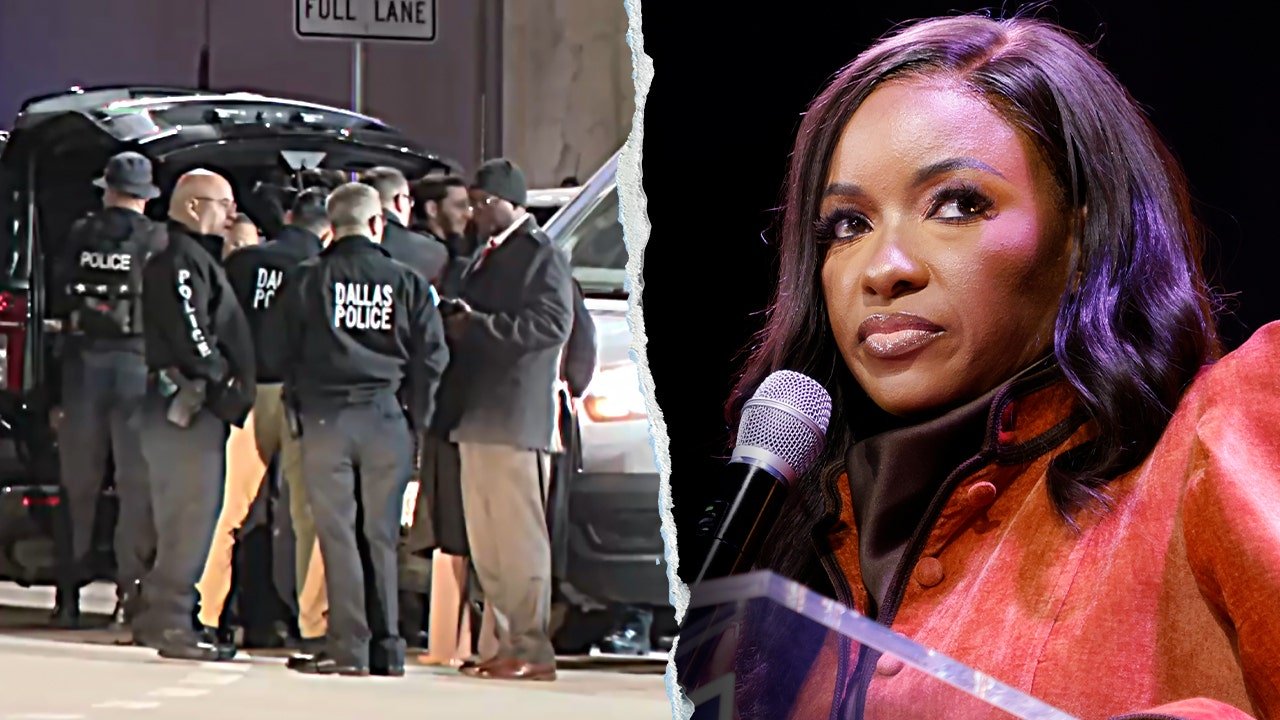
Dallas police responded to a SWAT standoff at Children’s Medical Center Dallas where officers shot and killed a man who worked as a security guard for Rep. Jasmine Crockett. (FOX ; Ron Jenkins/Getty Images)
He was wanted for impersonating a law enforcement officer and had claimed to be one while recruiting for his business that placed off-duty officers in security jobs.
Robinson was driving a replica undercover car with stolen U.S. government plates, often wore fake police uniforms pretending he was a federal agent and created a fraudulent business where he used fake identifying information to hire legitimate police officers for off-duty jobs. Dallas Police also said 11 firearms were recovered during their investigation, including the handgun he was holding during the shooting, which was reported stolen.
He was also not using his real name, going by the alias «Mike King.»
«The agencies that he reported to work for do not exist. So dignitaries, basically special dignitary police, that agency does not exist within the federal government. So that’s who he portrayed to be. There was no actual federal agency that he worked for that existed. He was very good at hiding his true identity … He had been living like this for many years,» Dallas Deputy Police Chief William Griffith said on Monday.
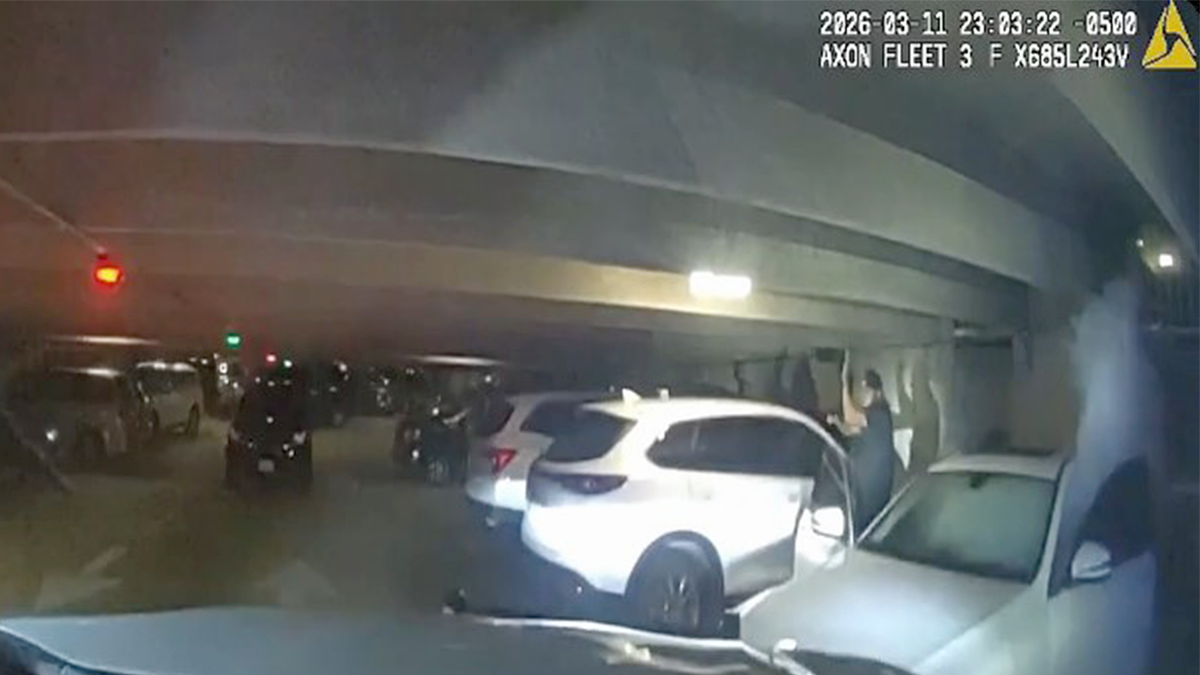
Dashcam footage of the standoff between SWAT and Diamon-Mazairre Robinson. (Dallas Police Department)
Robinson has a lengthy criminal history, with arrests going back as far as 2010. He has been charged with offenses such as theft and violating probation.
Crockett came to the defense of her former security guard, releasing a statement on Monday saying her office was unable to find any violent offenses in his «limited criminal history.»
«We are saddened and shocked by some of the concerning revelations. Our team followed all protocols outlined by the House to contract additional security. We were approved to use this vendor who also provided security services for additional entities in the local community and worked closely with law enforcement agencies including Capitol Police,» she said in the statement.
The congresswoman said, «the fact that an individual was able to somehow circumvent the vetting processes for something as sensitive as security for members of Congress highlights the loopholes and shortcomings in many of our systems.»
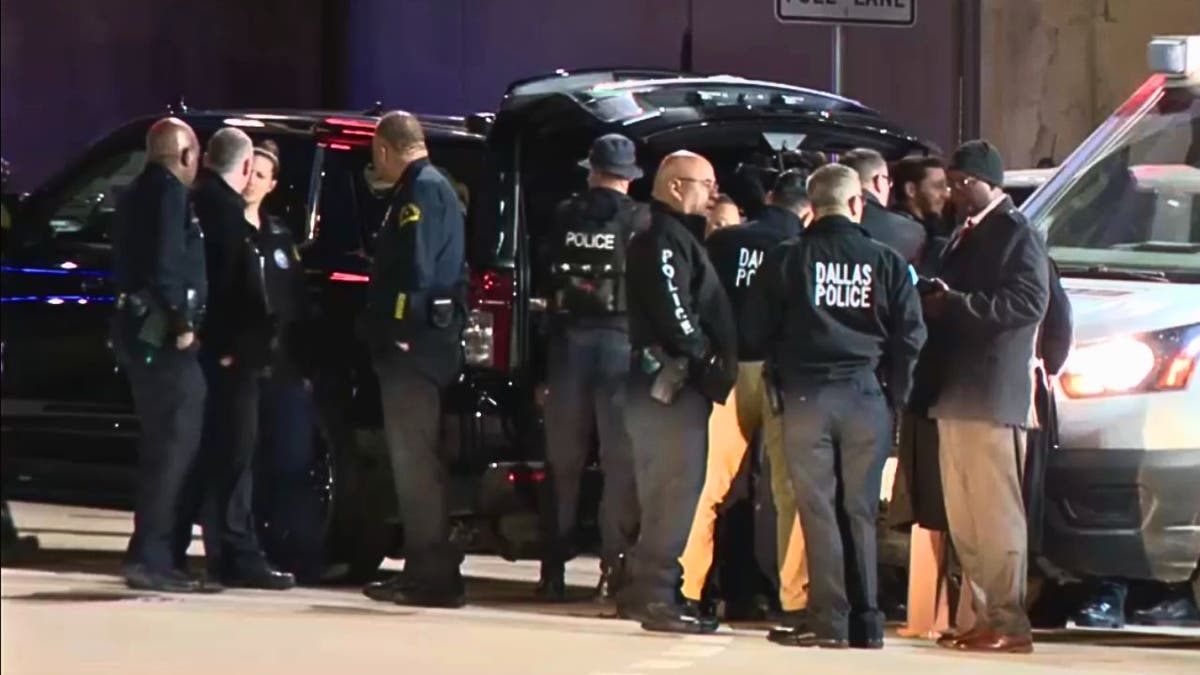
Dallas police officers gather near vehicles outside a hospital parking garage after a SWAT standoff. (FOX 4)
JASMINE CROCKETT CAMPAIGN REPORTEDLY KICKED ATLANTIC WRITER OUT OF RALLY FOR BEING A ‘TOP-NOTCH HATER’
«This is incredibly alarming, especially for those members who receive high volumes of credible and sophisticated death threats,» she said. «This situation reiterates the need for Capitol Police to provide security for members of Congress, especially under this administration’s new normal of inciting attacks on those who dare to speak out. We are fortunate that this is someone who used those loopholes without malice. Furthermore, after an initial review of the limited criminal history of Diamon Mazairre Robinson in Dallas County, we’ve been unable to locate any violent offenses.»
CLICK HERE TO DOWNLOAD THE FOX NEWS APP
The progressive lawmaker added that «there was never any reason to suspect that he wasn’t who he held himself out to be,» saying he never endangered her team, worked diligently, coordinated with local law enforcement and maintained positive relationships throughout the community.»
«What we’re now learning about his past doesn’t fit the person we came to know as Mike King,» she wrote. «His death evokes a range of emotions. Our hearts grieve the loss of someone we knew and the lost good that could have come from his redemption.»
texas,us,crime world,police and law enforcement,politics
INTERNACIONAL
El gobierno de Irán acusó a Milei de haber cruzado una «línea roja» por decir que era un «enemigo» de la Argentina»
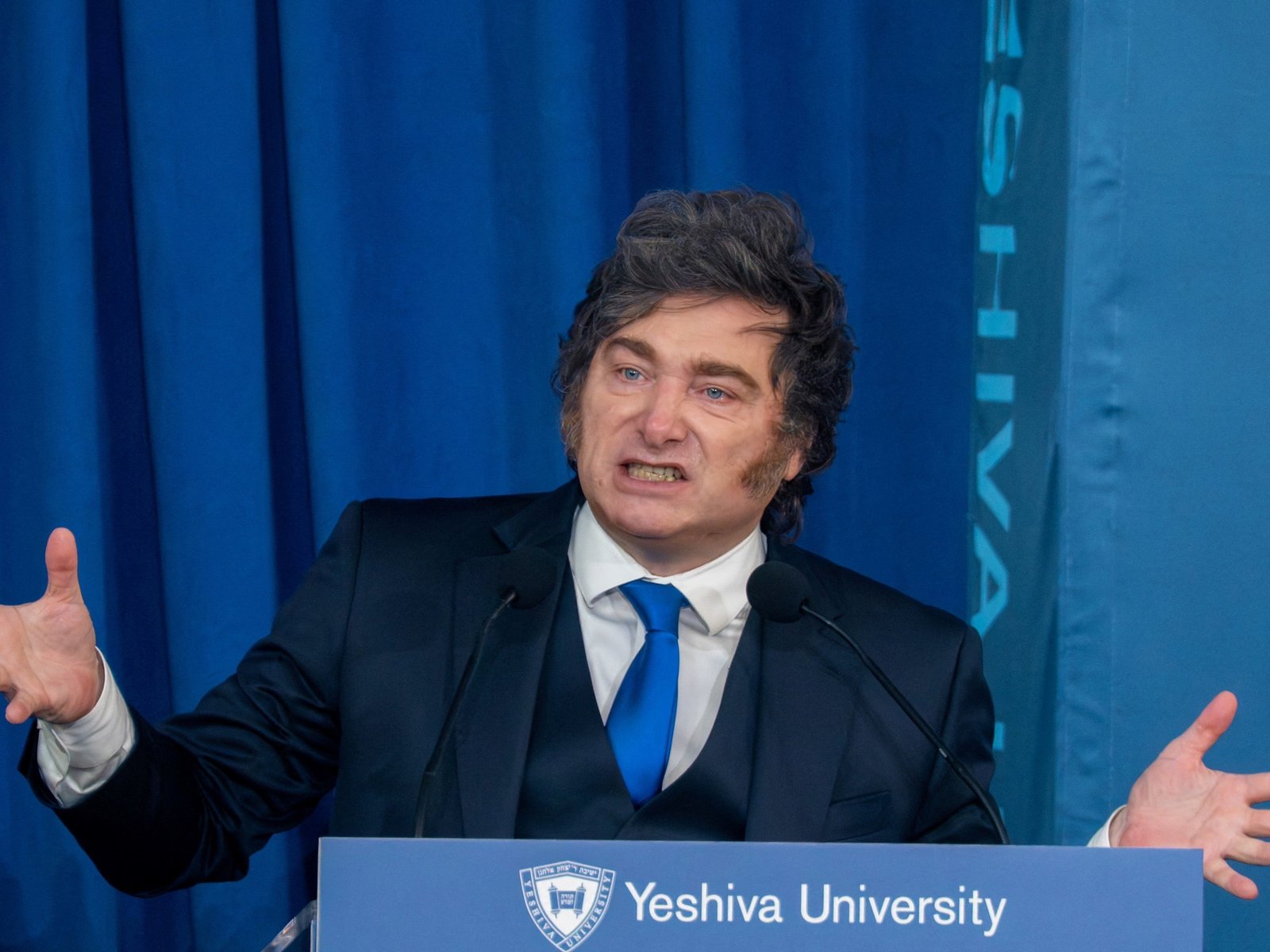
Aún durante el contraataque militar a los bombardeos de Estados Unidos e Israel, el gobierno iraní acusó a Javier Milei de “cruzar una línea roja” al sentenciar días atrás que la República Islámica de Irán era enemiga de la Argentina.
Lo hizo a través de una editorial firmada, aparecida este domingo en la noche en el diario Tehran Times, la voz de los ayatolás hacia el mundo diplomático. Y como en otras oportunidades ha dicho que está “alineado con el eje estadounidense-sionista”, y de que su política no responde a intereses nacionales sino “a presiones externas”, que el gobierno participa en “un proyecto de iranofobia”.
Firmado por Saleh Abidi Maleki, que suele escribir para el TT, y bajo el título “Milei, Quo Vadis?” (“Milei, ¿qué estás haciendo?”), el artículo tiene varios párrafos con acusaciones oficiales hacia el presidente argentino y desmentidas sobre la participación persa en el atentado a la mutual judía de 1994 (85 muertos) y concluye en tono de amenaza al libertario:
«Considerando estos hechos, Irán no puede permanecer indiferente ante las posiciones hostiles del actual gobierno argentino. La República Islámica de Irán, manteniendo al mismo tiempo una vigilancia total contra estos complots, debe diseñar una respuesta proporcionada a esta enemistad. La mano de los enemigos de Irán está manchada con la sangre de personas inocentes de nuestro país, incluyendo a más de 160 estudiantes de la escuela de Minab (destruida recientemente por un misil estadounidense). Ahora, Argentina se ha presentado oficialmente como enemiga de Irán y se ha alineado con Estados Unidos y el régimen sionista en la agresión militar contra nuestra nación. Esta es una línea roja imperdonable que ha sido cruzada». El texto fue distribuido a los periodistas por dirigentes cercanos al gobierno irani, teniendo en cuenta que la página está caída desde que empezó la guerra.
🇦🇷🇮🇷 | Javier Milei aseguró que Irán es “enemigo” de Argentina y no dudó en afirmar: “Vamos a ganar la guerra”, durante su discurso en la Universidad Judía Yeshiva, en Nueva York.
Además, ratificó la alianza estratégica de Argentina con Estados Unidos e Israel en medio de la… pic.twitter.com/XNXW6cOzH1
— Alerta Mundial (@AlertaMundoNews) March 9, 2026
La respuesta iraní, que deja al presidente argentino en el centro de la guerra de Oriente Medio, hace referencia al discurso de Milei el pasado lunes 9 de marzo cuando, en la Universidad Yeshiva, de Nueva York, donde se declaró «enemigo» de Irán y dijo estar “orgulloso de ser el presidente más sionista del mundo».
El punto que irritó a los persas fue el siguiente: «Vamos a ganar. No me cae bien Irán. Nos han metido dos bombas, una en la AMIA y otra en la Embajada de Israel. Por lo tanto, digamos, son nuestros enemigos. Pero además tengo una alianza estratégica con Estados Unidos e Israel», expresó ante el coro de estudiantes que cantaban «¡Milei, Milei!». Justamente el libertario tiene previsto participar este martes del acto de homenaje a las víctimas del atentado a la sede diplomática de Israel en Buenos Aires, ocurrido el 17 de marzo de 1991.
Durante su reciente viaje a Estados Unidos, Milei estuvo con Donald Trump y otros aliados del republicano que integran el ahora llamado «Escudo de las Américas» y participó en Manhattan de la denomina «Argentina Week», organizada junto al JP Morgan.
En el artículo publicado ahora por el Tehran Times, el autor se alza con la voz del régimen para acusar al gobierno argentino de convertirse en “un instrumento en manos del régimen sionista y Estados Unidos para avanzar en el proyecto de iranofobia”, en medio de lo que llamó la “agresión militar ilegal” actual al territorio iraní. Y dice que ese “proyecto de iranofobia comenzó hace 31 años”, al señalar como “falsas” las acusaciones de estar por detrás del atentado a la AMIA.
“Recientemente, en un discurso en una universidad de Estados Unidos (por Milei), calificó explícitamente a Irán como un «enemigo» y declaró que la política exterior de su país está alineada con las estrategias agresivas de Estados Unidos y el régimen de apartheid israelí contra Irán. Esto, mientras que la República Islámica de Irán nunca ha considerado al pueblo o al gobierno de Argentina como su enemigo, pero parece que Milei, con este enfoque y cruzando la línea roja de la seguridad nacional de Irán, busca sacrificar los intereses y la conveniencia nacional en el altar de Estados Unidos y el régimen de apartheid israelí”, señalaron con una acusación muy fuerte: la de “haber convertido a la Argentina en el Israel de América Latina; un lugar donde los grupos de presión y los elementos cercanos al régimen sionista tienen una profunda influencia en los centros de decisión. Esta influencia ha transformado a Argentina en una base para diseñar y ejecutar complots contra Irán.”
A criterio del artículo hay “empresas argentinas vinculadas a círculos sionistas que “participan en operaciones contra Irán”, “financian o apoyan agresiones militares”, y “realizan actividades de espionaje cerca de las fronteras iraníes”.
Con una foto publicada por el diario The New York Times de un centenar de tumbas para las niñas que perecieron en el bombardeo de las primeras horas sobre Irán, y en las que fue eliminado el líder supremo de la teocracia iraní, Alí Khamenei, el diario apuntó también en tono de advertencia sobre una participación argentina no comprobada.
“El punto más preocupante es la actividad de algunas de estas empresas cerca de las fronteras de Irán. Estas compañías, bajo la cobertura de la exportación e importación de bienes y servicios, han preparado el terreno para actividades de seguridad y espionaje contra la República Islámica de Irán. Utilizando una fachada comercial, se dedican al monitoreo y la transferencia de información, formando un eslabón en la cadena de amenazas contra la seguridad nacional de Irán», indicó.
Argentina hoy no tiene activa su histórica embajada en Irán, adonde hacía sus reclamos legales por las acusaciones de la justicia en torno al atentado a la Amia de 1994. Por lo menos hasta hace una semana el personal atendía desde países limítrofes, luego de que el ex canciller Gerardo Werthein decidiera bajar las persianas allí cuando se produjeron los primeros ataques estadounidenses contra las instalaciones nucleares de junio de 2025.
La embajada iraní en la Argentina sigue abierta, pero hay sectores libertarios que quieren que echen a su personal de aquí, mientras que otros sostienen que no sería lo más conveniente.

Cuba’s entire electrical grid collapses, leaving whole island without power

Sebastián Graviotto, el ex de Juana Repetto, contó su decisión tras volver a ser padre: “Me hice la vasectomía al mes”

Jasmine Crockett defends her security guard who was killed in police standoff, wanted for impersonating cop

El Gobierno nombró a los veedores en la AFA: tendrán 180 días para revisar balances y contratos

La deuda pública subió en febrero por los bonos ajustables y diferencias cambiarias

Cómo llega Lanús al sorteo de la Copa Libertadores

La fuerte exigencia a Mauro Icardi para poder ver a sus hijas con Wanda Nara: “A Maurito se lo va a multar si no lleva a las menores al colegio”

BOMBAZO – Guerra abierta: Feinmann y Rossi contraatacan tras la denuncia de Victoria Villarruel

Video: así fue el feroz temporal que azotó Tucumán y causó inundaciones, rutas cortadas y suspensión de clases

Milei llegó a Madrid para participar de un foro ultraliberal organizado por expertos en criptomonedas

 CHIMENTOS2 días ago
La fuerte exigencia a Mauro Icardi para poder ver a sus hijas con Wanda Nara: “A Maurito se lo va a multar si no lleva a las menores al colegio”
- POLITICA3 días ago
BOMBAZO – Guerra abierta: Feinmann y Rossi contraatacan tras la denuncia de Victoria Villarruel
- CHIMENTOS1 día ago
El escalofriante dato de Ángel de Brito sobre Luciana de Gran Hermano tras su detención por viuda negra: “No fue el único ilícito, también había rodado otros hombres”