INTERNACIONAL
US raid in Venezuela signals deterrence to adversaries on three fronts, experts say


NEWYou can now listen to Fox News articles!
The U.S. operation to capture Venezuelan leader Nicolás Maduro has ignited sharp debate in Washington and abroad over whether the move undermines international norms — or delivers a deliberate deterrent message to rivals like China and Russia.
Critics argue that seizing the leader of a sovereign nation risks setting a dangerous precedent — one adversaries could cite to justify their own military actions beyond their borders.
«My main concern now is that Russia will use this to justify their illegal and barbaric military actions against Ukraine, or China to justify an invasion of Taiwan,» Rep. Don Bacon, R-Neb., said in a statement.
«What will we say now if Putin tries to capture Zelenskyy?» Rep. Ro Khanna, D-Calif., asked.
Others counter that such norms have never constrained Moscow or Beijing, and that deterrence is shaped less by legal arguments than by demonstrations of power, speed and capability.
The U.S. operation to capture Venezuela’s Nicolás Maduro has ignited a sharp debate in Washington and abroad: whether the show of American reach deters rivals like Russia and China or risks giving them cover to justify their own moves beyond their borders. (XNY/Star Max/GC Images via Getty Images)
TOPPLING MADURO WAS EASY — GOVERNING VENEZUELA COULD TRAP US FOR YEARS
«I don’t think Putin or Xi ever doubted that power overrides sovereignty,» said Pedro Garmendia, a Washington-based geopolitical risk analyst. «What we’ve seen consistently from China and Russia is that they use rhetoric around international law when it suits them and ignore it when it doesn’t.»
Lethality
For U.S. adversaries, the most jarring signal may not be diplomatic fallout but the stark demonstration of American lethality.
The operation resulted in the deaths of dozens of Venezuelan and Cuban security personnel, according to Venezuelan and Cuban authorities, as U.S. forces pushed through layers of armed resistance protecting Maduro. Cuban officials acknowledged the loss of multiple military and intelligence personnel deployed in Venezuela, while Venezuelan authorities confirmed heavy casualties among elite security units. Independent estimates place the total death toll — security forces and civilians combined — at several dozen.
President Donald Trump publicly acknowledged the nature of the mission, describing it afterward as a violent operation by necessity, given the threat environment and the presence of armed foreign forces embedded within Maduro’s security apparatus. Trump argued the level of force reflected the reality of penetrating a defended capital and preventing Maduro from escaping or rallying loyalist units.
Analysts say that willingness to use decisive force — and to own it publicly — carries its own deterrent value.
Garmendia noted that Venezuela was no marginal partner for U.S. adversaries.
«Both countries have invested tens of billions of dollars in the Chávez and then Maduro regime,» he said. «Having the leader of that regime captured and taken into U.S. custody so suddenly — especially when a Chinese special envoy had just met with Maduro hours before — is frankly embarrassing to both countries.»
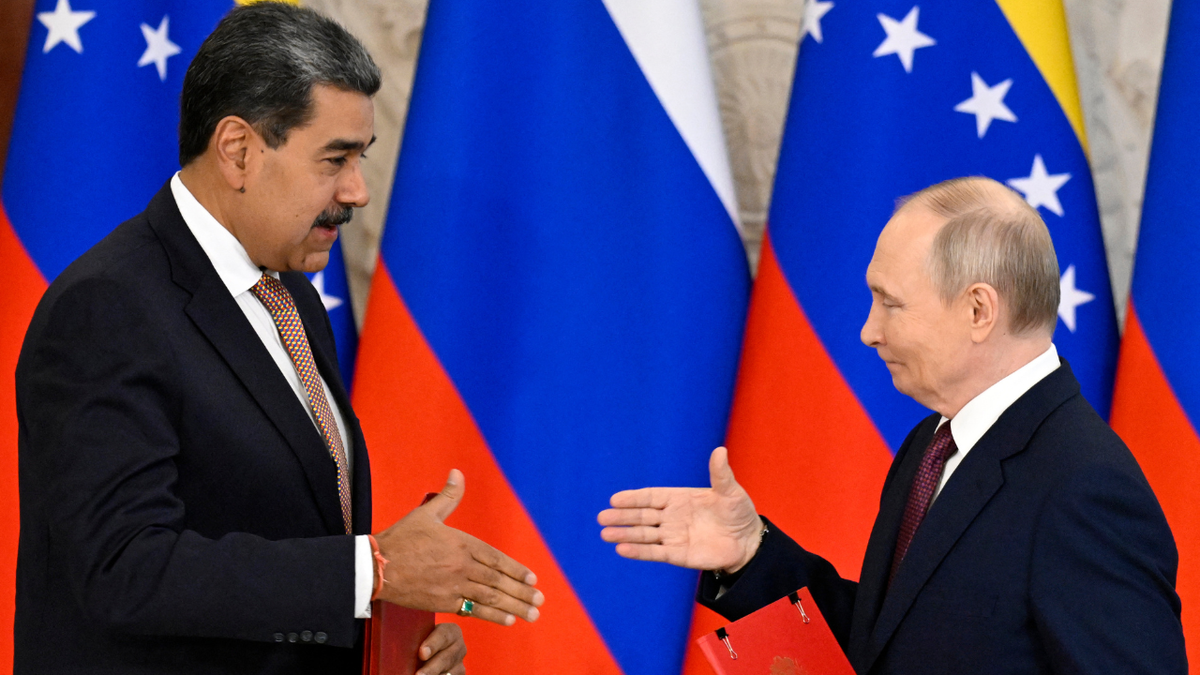
«My main concern now is that Russia will use this to justify their illegal and barbaric military actions against Ukraine, or China to justify an invasion of Taiwan,» Rep. Don Bacon, R-Neb., said in a statement. (Alexander Nemenov/AFP/Getty Images)
Execution
Beyond casualties, the operation sent a second signal through its execution: speed, precision and deep preparation.
U.S. special operations forces spent months rehearsing the raid, including training on a full-scale replica of Maduro’s compound. CIA officers built a detailed picture of Maduro’s daily routines — tracking when he slept, where he traveled, how his security rotated and which locations offered the narrowest escape routes.
That intelligence allowed planners to identify a precise window when Maduro was most vulnerable. Airspace suppression, rapid insertion and coordinated ground movement unfolded in minutes, denying Venezuelan and allied forces time to respond effectively.
Trump later pointed to that preparation as evidence the operation was deliberate rather than impulsive, arguing that speed and overwhelming force were essential to prevent Maduro from slipping away or turning the operation into a prolonged firefight.
AFTER MADURO, VENEZUELA POWER VACUUM EXPOSES BRUTAL INSIDERS AND ENFORCERS
Former FBI counterintelligence operative Eric O’Neill said those details are likely to matter more to Beijing and Moscow than legal debates at the United Nations.
«At least while Trump is in office, it’s going to look a lot like deterrence to China and Russia,» O’Neill said. «They didn’t even get a chance to blink before Maduro was gone.»
O’Neill added that the execution underscored a broader message.
«That sends a strong signal that the United States can find its adversaries anywhere in the world,» he said, arguing rivals already inclined to violate international norms are unlikely to be emboldened by an action they lack the capability to replicate.
Experience
The final deterrent signal lies in experience: the institutional ability to plan and execute complex, intelligence-driven operations built on decades of counterterrorism and special operations campaigns.
U.S. officials point to the seamless integration of intelligence collection, rehearsal, logistics and kinetic force as evidence of a mature operational system that can be activated with little warning — an advantage adversaries must assume exists even when they cannot see it.
Concern has nevertheless been echoed by international institutions.
Ravina Shamdasani, chief spokesperson for the U.N. human rights office, warned the operation could weaken global norms.
«It sends a signal that the powerful can do whatever they like,» Shamdasani said, arguing the intervention «damages the architecture of international security and makes every country less safe.»
China said it was «deeply shocked,» condemning what it called the U.S.’s «blatant use of force against a sovereign state and its action against its president,» and claiming it «seriously violates international law» and threatens stability in Latin America and the Caribbean.
The criticism comes as Beijing has intensified military pressure on Taiwan, including near-daily air incursions and large-scale exercises meant to signal its own willingness to use force.
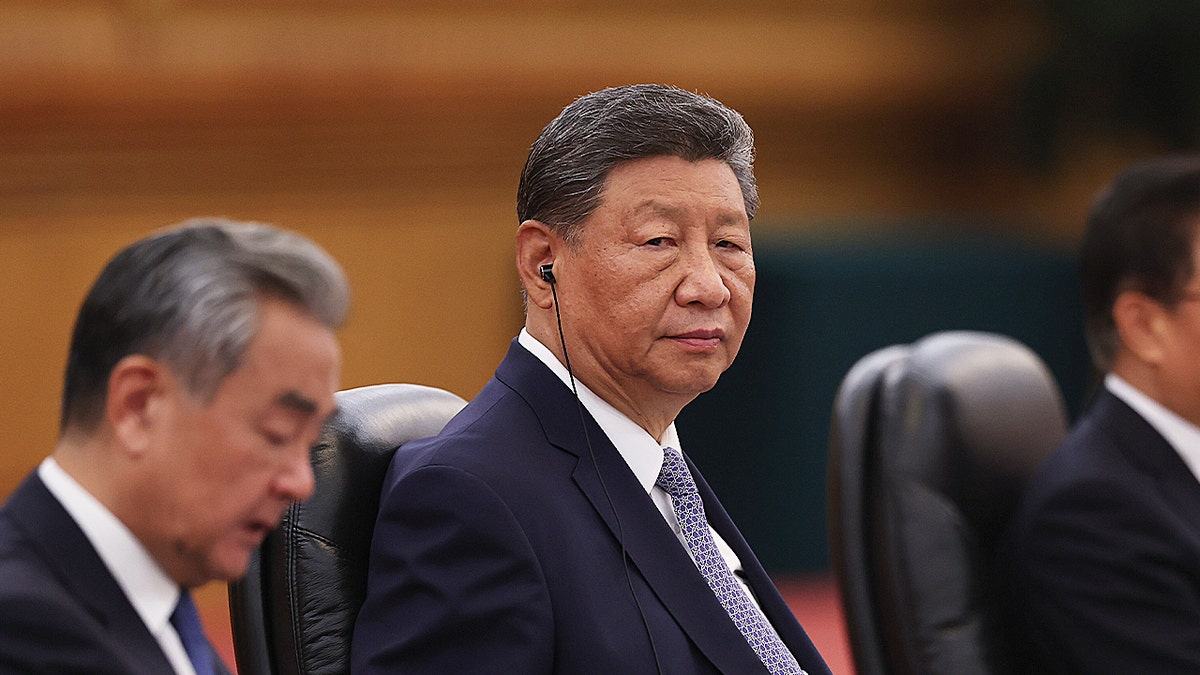
Beijing said it was «deeply shocked» by the action, with the foreign ministry condemning what it called the U.S.’s «blatant use of force against a sovereign state and its action against its president.» (Lintao Zhang/Getty Images)
Russia likewise denounced the U.S. operation at the United Nations as a violation of sovereignty and international law, even as it continues its war in Ukraine while rejecting international legal judgments and condemnation.
CLICK HERE TO DOWNLOAD THE FOX NEWS APP
For U.S. strategists, that contrast reinforces the intended message: adversaries may invoke international law rhetorically, but what shapes their calculations is demonstrated capability — especially when paired with the experience to plan, rehearse and execute without warning.
russia,china,venezuelan political crisis,donald trump,xi jinping,vladimir putin









NEWYou can now listen to Fox News articles!
The Obama Foundation is looking for 100 unpaid volunteers to work alongside the former president’s highly paid cronies at the $850 million Obama Presidential Center in Chicago when it opens in June.
Officials are pitching the no-paycheck gigs as rooted in former President Barack Obama’s legacy of civic engagement. The recruitment campaign comes after Fox News Digital reported that the organization’s CEO, former top Obama aide Valerie Jarrett, earned $740,000 in 2024.
Foundation officials told Fox News Digital the volunteers will complement about 300 full- and part-time employees at the long-delayed center, which the organization is promoting as a $3.1 billion economic catalyst for the Windy City’s South Side.
The new program will see 75 to 100 volunteers, known as «ambassadors,» greet and direct visitors around the campus and share information about exhibits at the 22-story museum tower, athletic center and Chicago Public Library branch, among other amenities. It is expected to expand in the future.
The foundation describes the volunteer program as a key component of its mission, saying volunteers represent its values both onsite and in the community.
TAXPAYERS ON THE HOOK FOR LAWN CARE, FIXING HINGES AT PRESIDENTIAL LIBRARIES. TRUMP-LED REFORMS AIM TO STOP IT
Obama Foundation Democracy Forum Chicago December 2024 (REUTERS/Vincent Alban)
It is unclear what the salary range for those paid workers will be. However, the foundation’s most recent tax filings provide insight into compensation at the organization’s senior levels.
Federal filings viewed by Fox News Digital show Jarrett earned $740,000 in 2024, 2023 and 2022, while several former Obama White House officials have collected six-figure salaries as foundation executives.
Total salaries and benefits at the foundation climbed from $18.5 million in 2018 to $43.7 million in 2024 as staffing expanded to 337 employees and annual revenue reached nearly $210 million, according to the filings. The foundation’s main office is located in Chicago’s Hyde Park, where it runs leadership and community programs in the U.S. and abroad.
OBAMA PRESIDENTIAL CENTER BREAKS SILENCE OVER CONTROVERSIAL BUILDING DESIGN
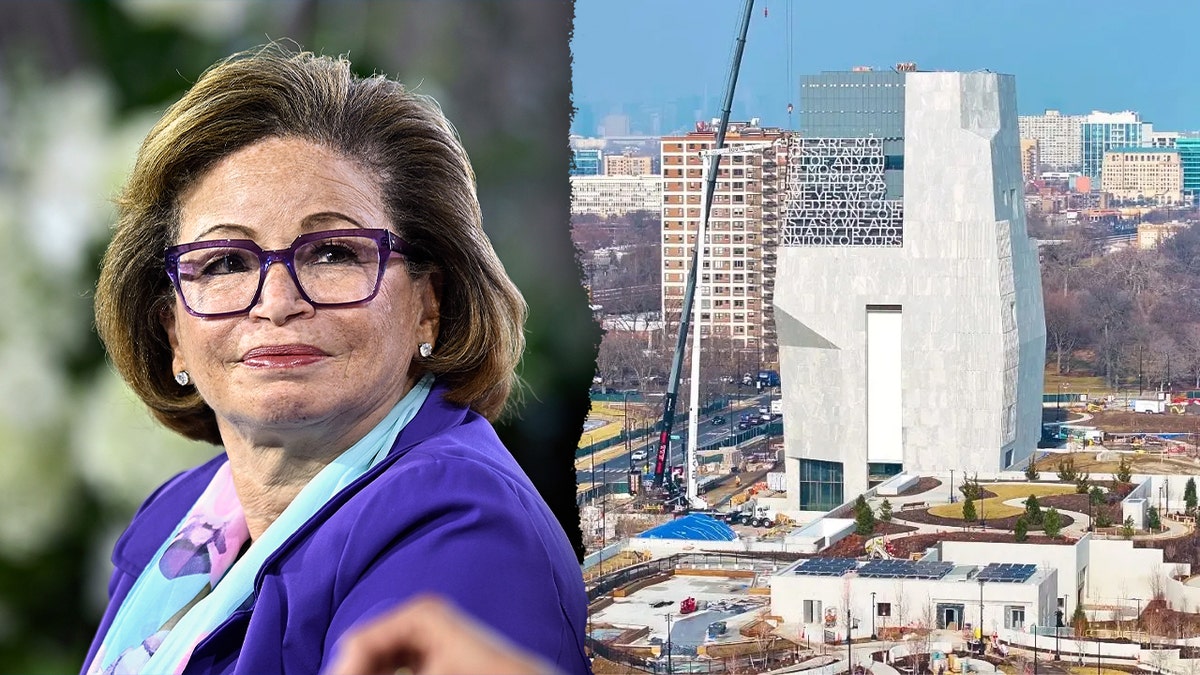
Obama Foundation CEO Valerie Jarrett, left, and the Obama Presidential Center under construction in Chicago’s Jackson Park, right. The Foundation reported nearly $210 million in total revenue in 2024, according to federal filings. (Fox 32; Steven Ferdman/Getty)
Still, the foundation is looking to have a cohort of unpaid volunteers help out at the new presidential center. It’s common for presidential libraries, museums and nonprofit cultural institutions to employ unpaid volunteers.
«Volunteerism has been central to President Obama’s vision of civic life since his earliest days as a community organizer on Chicago’s South Side,» the foundation said in a press release.
Jarrett, one of the Obamas’ closest advisors, said in a statement that the center will be «a place where the world meets the best of the city of Chicago, and our volunteers will help bring that vision to life every day.»
She became CEO in 2021 and is overseeing development of the 19.3-acre campus in Jackson Park.
OBAMA PRESIDENTIAL CENTER SLAMMED FOR PROMOTING ‘FAR-LEFT’ AGENDA ON PUBLIC LAND
The foundation has promoted the center as a catalyst for economic revitalization on Chicago’s South Side, citing $3.1 billion in projected economic activity over 10 years and 5,000 construction jobs tied to the $850 million campus. Those figures come from an economic assessment conducted by Deloitte Consulting LLP.
According to the foundation, more than 50% of construction contracts have been awarded to diverse firms, 33% of the construction workforce has come from South and West Side communities, and 798 residents have enrolled in construction pre-apprenticeship programs.
CLICK HERE TO DOWNLOAD THE FOX NEWS APP
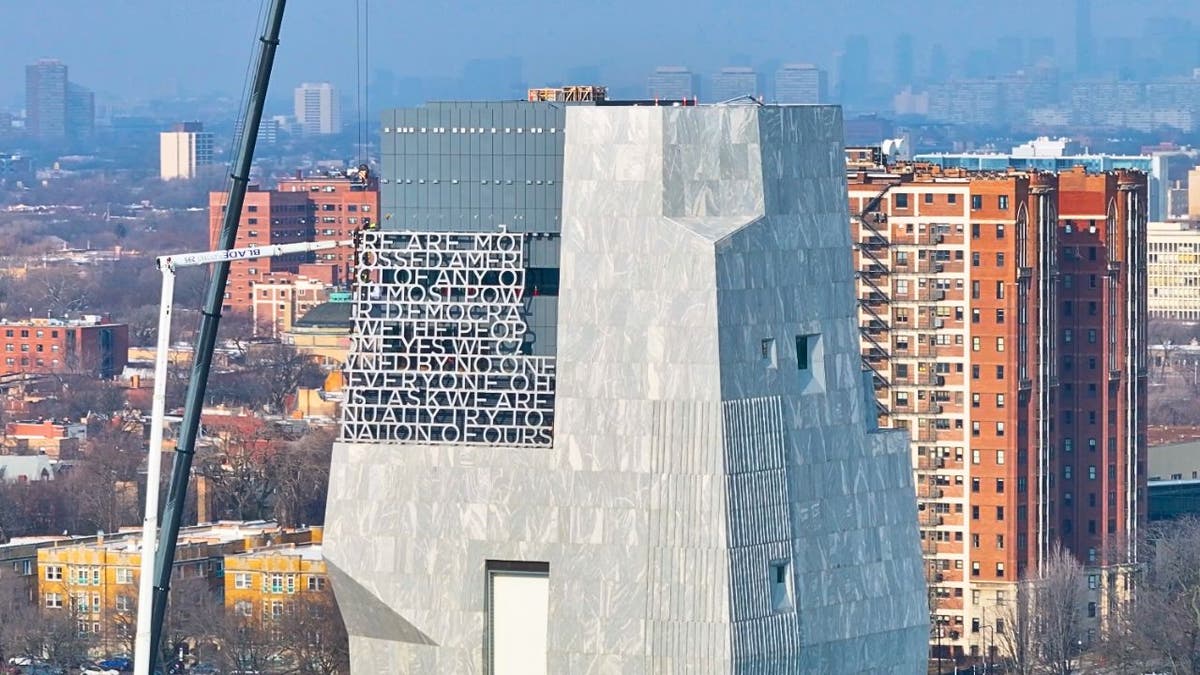
The main tower of the Obama Presidential Center rises above Jackson Park in Chicago as construction continues on the privately run campus. (Fox 32 Chicago)
The center is scheduled to open on Juneteenth, the federal holiday commemorating the end of slavery in the United States.
Other former Obama administration officials have also earned substantial compensation at the foundation in past years, including former White House political director David Simas, who earned more than $600,000 annually while leading the organization from 2017 to 2020, and Adewale Adeyemo, who later became Biden’s deputy Treasury secretary and earned roughly $540,000 during his tenure.
Several other senior leaders with Obama administration ties have earned between roughly $300,000 and $400,000 annually, according to tax filings.
barack obama,politics,chicago,illinois,democratic party,jobs,juneteenth,economy,state and local
INTERNACIONAL
El Oscar 2026 a mejor película extranjera no es solo una competencia entre ‘Valor sentimental’ y ‘El agente secreto’

Valor sentimental de Joachim Trier (Noruega) y El agente secreto de Kleber Mendonça Filho (Brasil) son las grandes favoritas para llevarse el Oscar a “mejor película extranjera”, por encima de Sirat, de Oliver Laxe (España), Fue solo un accidente, de Jafar Panahi (Irán, aunque representa a Francia) y La voz de Hind Rajab (Túnez). Subyacente a los pronósticos y antecedentes de cada una de estas notables películas (todas lo son, en su estilo y formas), subyace un cambio de paradigma en la elección de la Academia de Artes y Ciencias Cinematográficas de Hollywood: el cine del mundo se impone por peso propio.
La edición 98 de los premios de cine más famosos del mundo, con 23 producciones internacionales entre los 50 títulos nominados —de los cuales solo 17 calificaron como completamente extranjeras—, sostiene la tendencia marcada desde la deconstrucción de la anterior categoría de “película en lengua extranjera”. En los últimos seis años, el dato histórico indica que cinco de los seis ganadores del premio británico BAFTA a mejor película internacional repitieron triunfo en los Oscar, una correlación que aumentó la presión sobre los productores y distribuidoras involucrados en la carrera.
A nivel de industria, lo singular de 2026 consistió en la inédita distribución de nominaciones: Valor sentimental tiene nueve candidaturas, incluidas mención para Trier como director, nominaciones individuales de actuación para Renate Reinsve, Stellan Skarsgård, Elle Fanning e Inga Ibsdotter Lilleaas. Ningún otro largometraje no angloparlante alcanzó tal apoyo, un indicador clave del grado de penetración de los títulos internacionales fuera de su categoría asignada. También, el thriller político brasileño de Mendonça Filho acumula cuatro nominaciones, incluida una histórica candidatura para Wagner Moura como mejor actor.
La obtención del BAFTA a mejor película internacional por parte de Valor sentimental resulta determinante para los pronósticos de industria: el premio británico, cada vez más alineado con los Oscar desde la apertura del voto a todos los miembros, otorgó al drama familiar de Joachim Trier una proyección estadística superior a la de cualquier otro contendiente. La notable presencia de películas co-producidas entre Estados Unidos y mercados extranjeros, como Bugonia y Hamnet además, instaura una división en la contabilidad de lo internacional: el conteo estricto arroja dos títulos plenamente foráneos entre los diez aspirantes principales, mismo saldo que en el ciclo anterior.
La Academia, tras la ola crítica precipitada en 2015 por la campaña #Oscarssowhite y la publicación de la composición demográfica de su membresía por el diario Los Angeles Times, implementó desde 2020 criterios explícitos de diversidad que comenzaron a impactar la construcción de las nominaciones a partir de 2024. La propia institución pasó de un 94% de miembros blancos en 2012 a un 35% de mujeres y un 20% perteneciente a minorías raciales o étnicas, configuración que, según analistas de la publicación online Vulture, favoreció un panel de candidaturas más abierto a cinematografías extranjeras.
El debate sobre el carácter “local” o global de los Oscar ha redefinido sus estándares en los últimos cinco años. En la edición 2026, el número total de filmes internacionales —23 sobre 50 nominados— marca el salto respecto a ciclos anteriores dominados por producciones netamente estadounidenses y de habla inglesa. Esta transición cristaliza el nuevo equilibrio entre el peso de la industria hollywoodense y la cada vez mayor visibilidad de propuestas no angloparlantes.
La participación consecutiva de títulos extranjeros en la terna a mejor película principal, sumada a los precedentes de 2024 —cuando Anatomía de una caída (Francia) y La Zona de Interés (Reino Unido) lograron nominación en esa rama— y al hito de Parasitos en 2020, expuso la aceleración de un proceso que la propia Academia promovió mediante modificaciones reglamentarias e impulso al voto corporativo sobre el sectorial.
En ese contexto, la cita del director coreano Bong Joon Ho a Vulture en 2019 —“Los Oscar no son un festival internacional de cine. Son muy locales”— iluminó la distancia recorrida: desde 2020, ningún año ha estado exento de presencia internacional en la máxima categoría. El modelo “más internacional” planteado por la Academia en 2026 parece consolidarse como la nueva norma estadística del premio.
Arts,Culture,Entertainment,Arts / Culture / Entertainment,Europe
INTERNACIONAL
Transactional partners: How 200-year distrust shapes Russia’s response to the Iran conflict
NEWYou can now listen to Fox News articles!
In March 2026, as the smoke cleared over Tehran following the U.S.-Israeli campaign against Iran’s leadership, Russia’s response was strikingly restrained. Despite a 20-year strategic partnership treaty signed with Tehran just last year, Moscow limited its reaction to condemnation and calls for diplomacy.
Kremlin spokesman Dmitry Peskov confirmed that Russia had received no request from Iran for military assistance. «There were no requests from Iran in this case,» Peskov told reporters on March 5th.
For analysts who study the relationship between Moscow and Tehran, the moment felt familiar. «The relationship has always been transactional,» said Ksenia Svetlova, executive director of the Regional Organization for Peace, Economy and Security (ROPES) and an associate fellow at Chatham House. «Russia does what serves its own interests.»
While Iran and Russia have moved closer in recent years — particularly after Moscow’s 2022 invasion of Ukraine — experts say the partnership has never resembled a true alliance. Instead, they say, it reflects a long history of cooperation shaped by convenience, rivalry and shifting geopolitical needs.
HEGSETH WARNS RUSSIA AS SIGNS POINT TO MOSCOW SHARING INTEL WITH IRAN
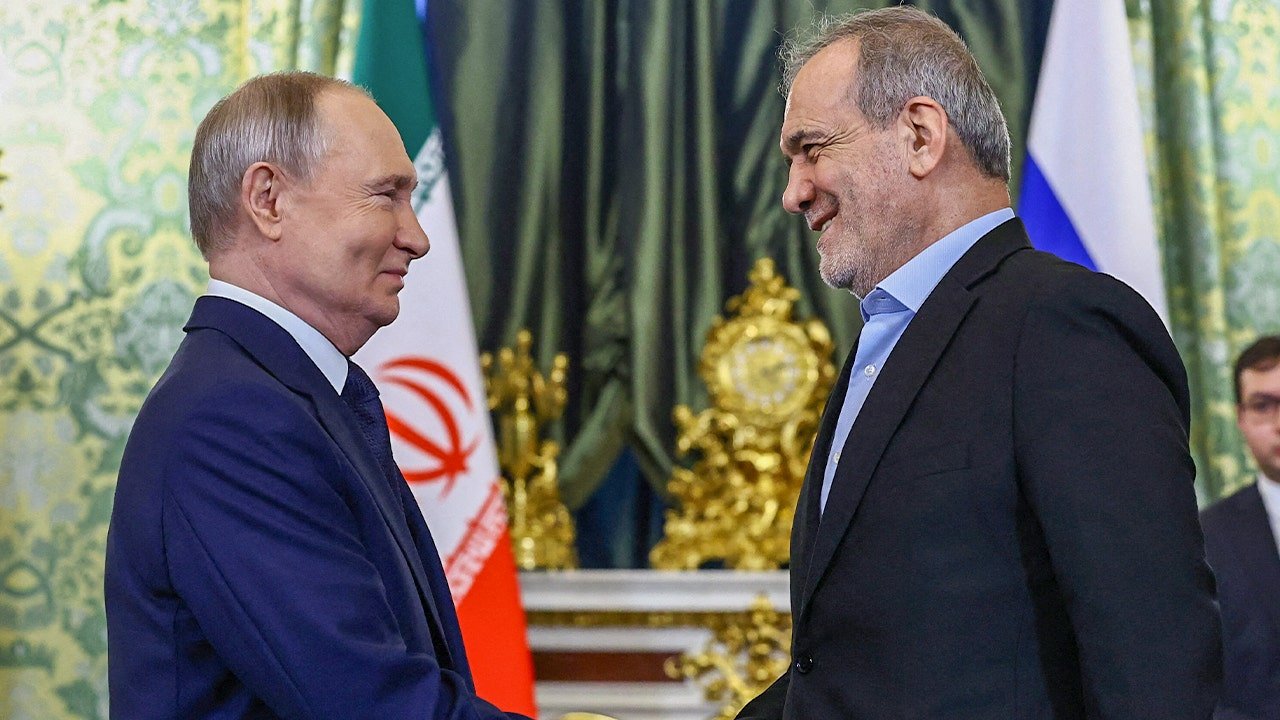
Russian President Vladimir Putin, left, greets Iranian Foreign Minister Abbas Araghchi prior to their talks at the Kremlin in Moscow, Russia, Monday, June 23, 2025. (Alexander Kazakov, Sputnik, Kremlin Pool Photo via AP)
The Shadow of Turkmenchay
The uneasy relationship between the two powers stretches back nearly two centuries. In 1828, the Treaty of Turkmenchay forced Persia to cede large parts of the Caucasus to the Russian Empire after a military defeat. The treaty remains one of the most painful symbols of foreign domination in Iranian political memory.
In the twentieth century, Russia’s relationship with Iran shifted dramatically. Before the 1979 Islamic Revolution, Moscow maintained relatively stable ties with Iran under Shah Mohammad Reza Pahlavi. «It actually had good relations with the Shah who visited Moscow after World War II,» Svetlova said.
«But Communist Russia was very suspicious of Islamist Iran after the 1979 revolution,» said Svetlova. It was a mutual distrust; Ayatollah Ruhollah Khomeini denounced both Cold War superpowers, calling the United States the «Great Satan» and the Soviet Union the «Lesser Satan.»
Even during the Iran-Iraq War of the 1980s, the Soviet Union maintained ties with Tehran while simultaneously supplying weapons to Iraq. «The Soviet Union was very suspicious of Islamist Iran,» Svetlova said. «Even after the revolution, the relationship could not really be considered an alliance.»
AS UKRAINE WAR DRAGS ON, TRUMP HITS PUTIN BY SQUEEZING RUSSIA’S PROXIES
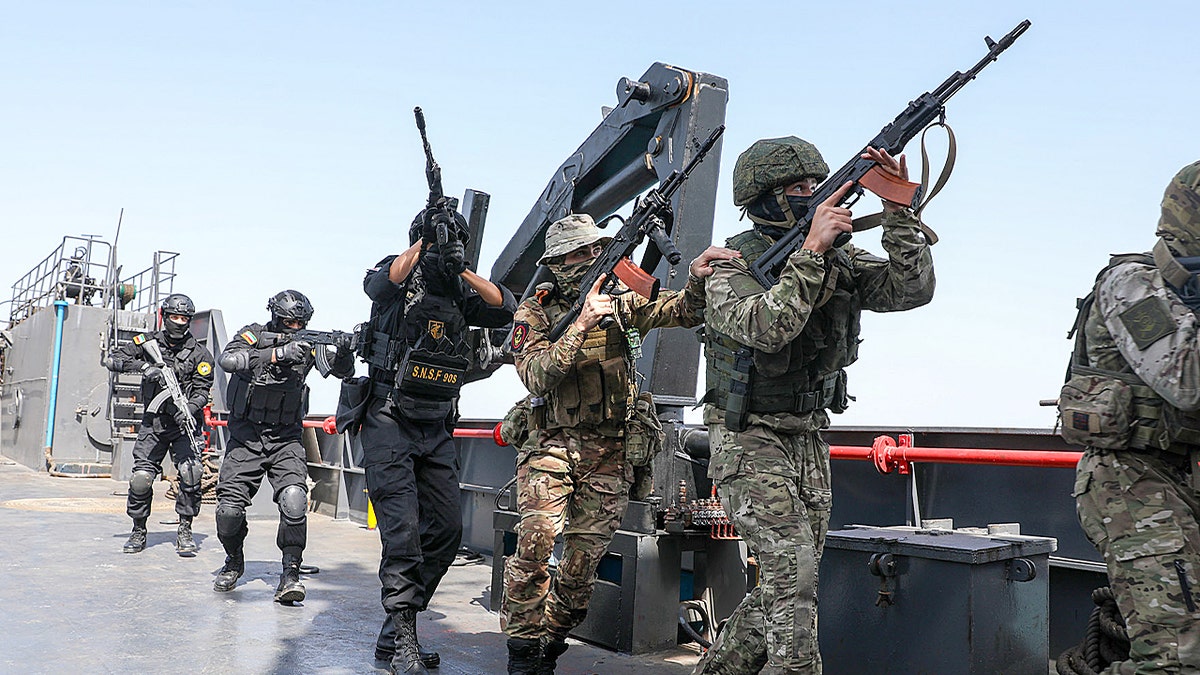
Iran uses Russia exercises to reposition strike drones in Strait of Hormuz, a defense expert said. (Iranian Army/Handout/Anadolu via Getty Images)
The Drone Marriage
In recent years, however, geopolitical pressures pushed the two countries closer together. Russia’s full-scale invasion of Ukraine in 2022 created new military cooperation between Moscow and Tehran.
Though Russia and Iran have not shared a land border since the 1991 collapse of the Soviet Union, they remain «neighbors» via the Caspian Sea. This «blue border» became a vital artery in 2022 when Iran supplied the Shahed-series drones used in Ukraine, that Russia has used extensively in attacks on Ukrainian infrastructure.
Vice Adm. Robert S. Harward, a retired Navy SEAL and former deputy commander of U.S. Central Command, said the partnership has had direct consequences on the battlefield. «Sadly, the world is just now getting a taste of Iranian drones. But there’s one group that already knows them well, the Christians in Ukraine,» Harward said. «Close to 600 Ukrainian churches have been destroyed by Russian attacks, including from the Iranian Shahed drones.»
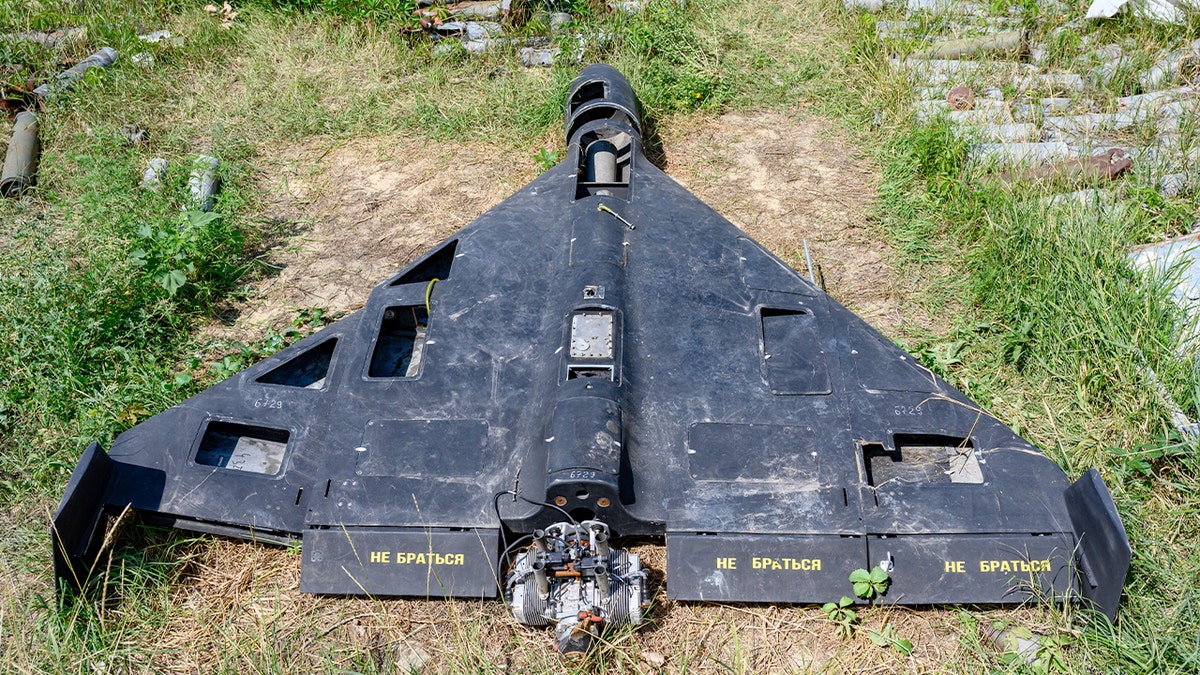
The remains of a Russian-made, Iran-designed Shahed-136 drone, known in Russia as a Geran-2, are displayed with other recovered drones, glide bombs, missiles and rockets in Kharkiv on July 30, 2025. (Scott Peterson/Getty Images)
Carrie Filipetti, executive director of the Vandenberg Coalition and a former deputy assistant secretary of state, argued that Russia’s continued use of Iranian drones against Ukrainian targets underscores the depth of the military relationship, while its calls for restraint in the current conflict highlight a fundamental contradiction. «If Russia were serious about peace, we would see a ceasefire with Ukraine months ago,» she said. «Yet, Putin continues to attack Ukrainian cities, churches and civilians with Iranian drones day after day.»
And yet, Russia’s dependence on Iranian drones during the early stages of the Ukraine war has also diminished as Moscow built its own production capacity. A report cited by the Washington Post found that Russia has «transitioned from importing Iranian Shahed drones to mass-manufacturing them» under the name Geran-2.
Limits and Intelligence
War Secretary Pete Hegseth said Tuesday that Russia «should not be involved» in the escalating conflict between the United States, Israel and Iran, as reports that Russia has provided information that could help Iran identify U.S. military assets in the Middle East emerged. Moscow has not publicly confirmed the claims.
«I believe Russia is providing Iran intelligence to more effectively target Americans, our allies and partners in the CENTCOM region,» said Lt. Gen. Richard Y. Newton III, a retired Air Force officer who served as assistant vice chief of staff of the U.S. Air Force. «It’s absolutely clear Russia is not our friend.»
IRAN LAUNCHES SATELLITES ON RUSSIAN ROCKETS AS MOSCOW-TEHRAN TIES DEEPEN
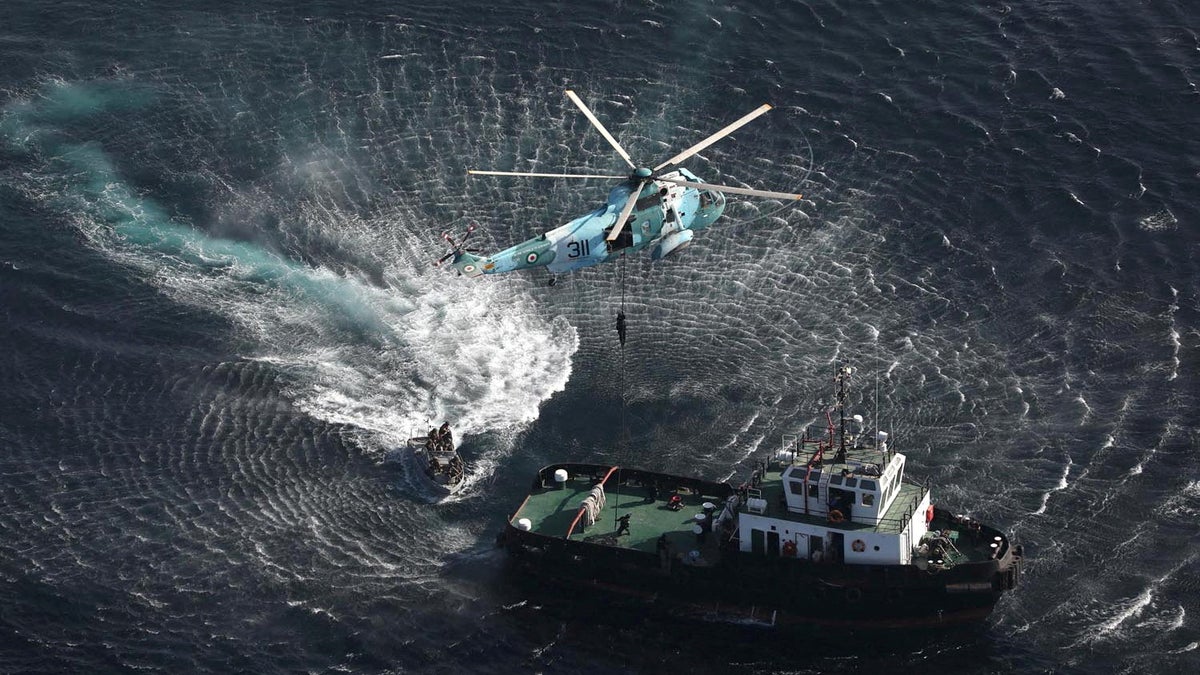
Members of the Iranian Navy attend the joint Navy exercise of Iran, China and Russia in the Gulf of Oman, Iran, in this handout image obtained on March 12, 2025. (Iranian Army/WANA (West Asia News Agency)/Handout via Reuters)
«They are doing for the Iranians without spending money, spending troops or spending equipment,» Svetlova added. «They share knowledge. They supplied the Iranians with a target list, basically, through their satellites – American targets, but also air targets in the Gulf and Iraq.»
Harward argued that confronting this growing cooperation requires a broader strategy. «If we want to break the threat of the increasingly dangerous Russian-Iranian alliance, we need to fully decimate Iran’s capabilities to threaten our allies and the United States – and we need to continue to support Ukraine and get Europeans to do their part,» he said.
Filipetti remains skeptical of Moscow’s role as a mediator. «The idea that Russia would call on the U.S. and Israel to cease military operations against the regime in Iran and suggest that we should negotiate is absurd,» Filipetti said.
CLICK HERE TO DOWNLOAD THE FOX NEWS APP
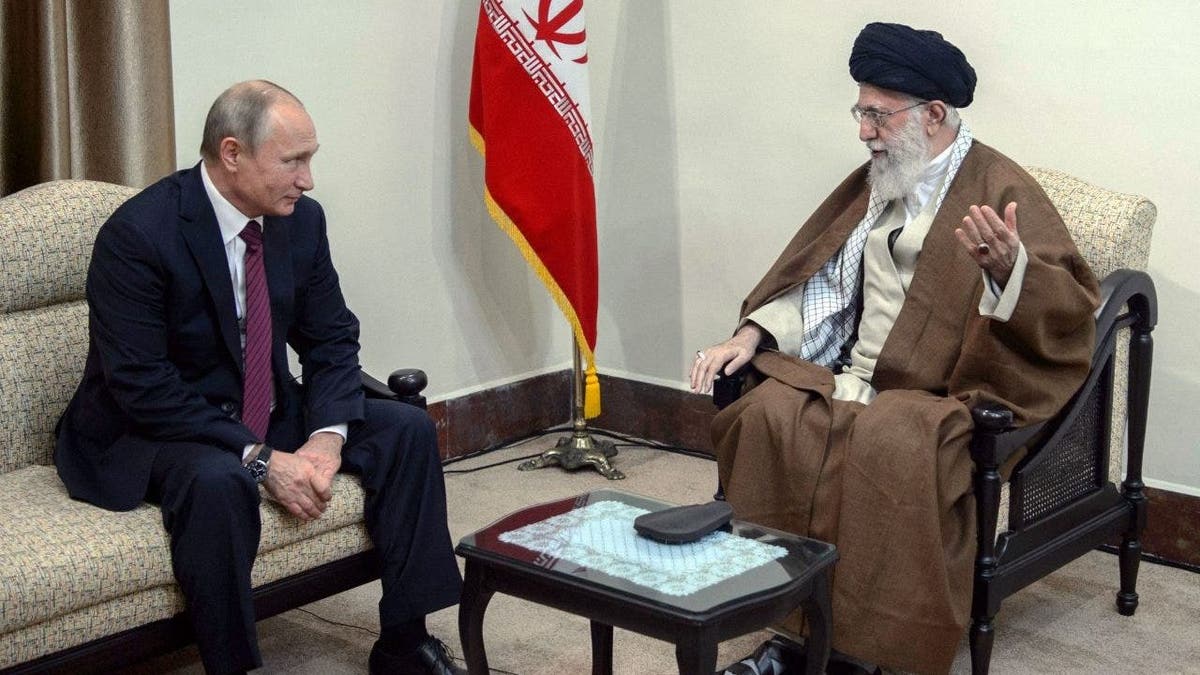
Russian President Vladimir Putin (L) meets with Iran’s Supreme Leader Ayatollah Ali Khamenei in Tehran. ((Photo by Dmitry AZAROV / SPUTNIK / AFP) (Photo by DMITRY AZAROV/SPUTNIK/AFP via Getty Images))
Although Russia is falling short of helping Iran in a straightforward military way, experts say the cooperation in the world of intelligence has been profound.
Ultimately, Newton argued that Russia’s actions should be viewed through the lens of President Vladimir Putin’s broader geopolitical goals. «Putin only does what serves Putin, and right now escalating the war in the Middle East and driving up oil prices only serves his interests so he can continue to fund his war machine against Ukraine,» he said.
war with iran,vladimir putin,ali khamenei,iran,russia

Obama Presidential Center wants 100 unpaid volunteers as Valerie Jarrett earns $740K

Discutió con su rival y le pellizcó los testículos: la insólita expulsión en la victoria del Atlético Madrid sobre Getafe

Inundaciones en Tucumán: un drama humanitario y los fondos que el gobierno de Jaldo recibió y no usó

Tras el viaje a Nueva York, Manuel Adorni aseguró: “Uno hace las cosas bien, pero te podés equivocar”

El Oscar 2026 a mejor película extranjera no es solo una competencia entre ‘Valor sentimental’ y ‘El agente secreto’

Juicio por YPF: el gobierno de Estados Unidos volvió a intervenir a favor de Argentina

Muni Seligmann respondió las críticas tras el accidente de su bebé y su viaje a Miami: “Hay que contarlo y naturalizarlo”

El ex novio de Luana de Gran Hermano reveló información sensible sobre su relación: “El bolso tenía plata”

Sorpresa en Gran Hermano tras la expulsión de Carmiña: la reacción de la producción y las dudas sobre su reemplazo

Emanuel Noir, de Ke Personajes, anunció que dejará las redes sociales: “Una búsqueda mayor a la que creí, apareció”

 CHIMENTOS2 días ago
El ex novio de Luana de Gran Hermano reveló información sensible sobre su relación: “El bolso tenía plata”
- CHIMENTOS2 días ago
Sorpresa en Gran Hermano tras la expulsión de Carmiña: la reacción de la producción y las dudas sobre su reemplazo
- CHIMENTOS2 días ago
Emanuel Noir, de Ke Personajes, anunció que dejará las redes sociales: “Una búsqueda mayor a la que creí, apareció”