INTERNACIONAL
US signals readiness to escort tankers through Hormuz as traffic thins, but no mission has been launched


NEWYou can now listen to Fox News articles!
Energy Secretary Chris Wright said the U.S. Navy could begin escorting commercial vessels through the Strait of Hormuz «as soon as reasonable,» reinforcing President Donald Trump’s public statements that the United States is prepared to protect energy shipments through the strategic waterway.
But a U.S. official told Fox News Digital that American forces are not currently escorting ships through the Strait and declined to speculate on future operations, making clear that no convoy mission has yet been launched.
«As soon as it’s reasonable to do it, we’ll escort ships through the straits and get the energy moving again,» Wright said on «Fox and Friends» Friday.
The renewed signaling comes as commercial traffic through the strait has thinned sharply after attacks on tankers and soaring war-risk insurance costs, raising pressure on global energy markets and Gulf producers that rely on the narrow corridor for oil and liquefied natural gas exports.
A time lapse video shows marine traffic moving through the Strait of Hormuz. (Kpler/Marine Traffic)
Only nine oil tankers, cargo ships and container ships have crossed the strait since Monday, according to MarineTraffic data analyzed by Agence France-Presse after three vessels were attacked over the weekend.
At least three tankers and a vessel carrying gas have transited the choke point since the strikes, according to Agence France-Presse.
The Strait of Hormuz normally handles roughly 20% of the world’s crude oil and about one-fifth of global liquefied natural gas exports, according to the U.S. Energy Information Administration, making even a temporary disruption a serious concern for global energy markets and Gulf producers that rely on the passage to move supplies to Asia and Europe.
Several commercial vessels have been struck since the start of Operation Epic Fury, heightening security concerns for shipowners and insurers. Industry analysts say war-risk premiums have surged, and some coverage has become difficult to secure, prompting tankers to anchor outside the Strait rather than risk transit.
Despite the political signaling about potential naval protection, the U.S. military has not confirmed any escort operation.
A U.S. official told Fox News Digital Friday, «We are not escorting ships through the Strait of Hormuz, and we will not speculate on future operations.»
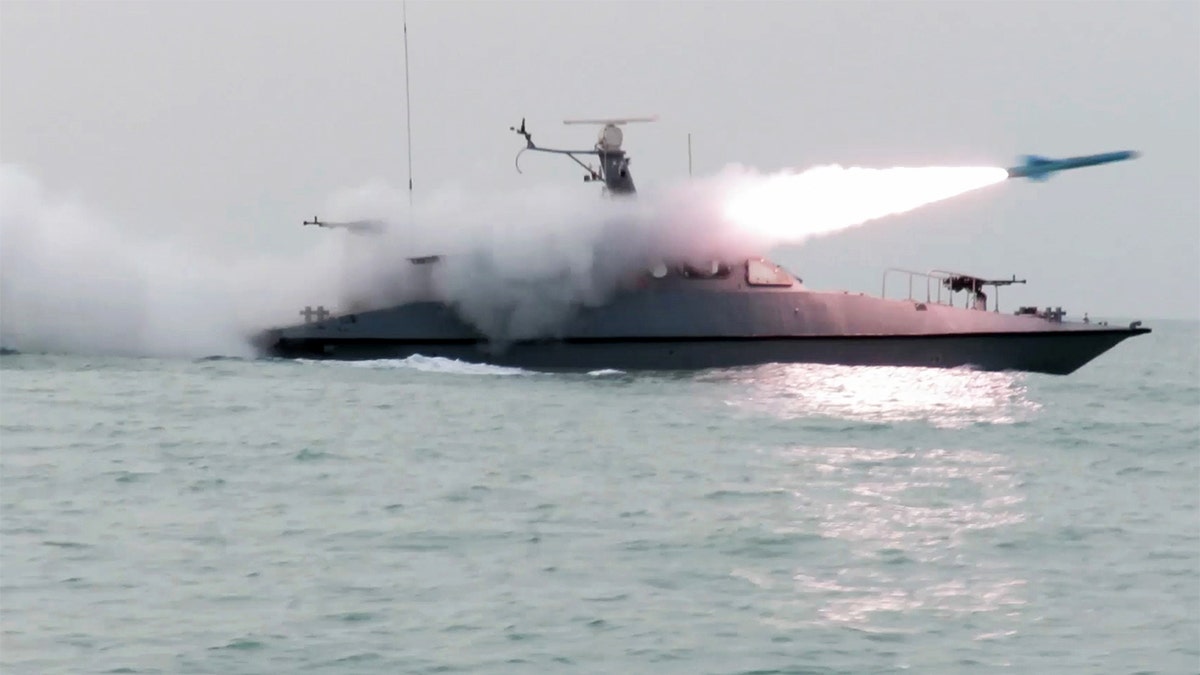
Iranian military personnel take part in the «Smart Control of the Strait of Hormuz» exercise in the Persian Gulf and the Strait of Hormuz Feb. 16, 2026. (Press Office Of The Islamic Revolutionary Guard Corps/Handout/Anadolu via Getty Images)
TRUMP RALLIES DEFENSE TITANS TO SURGE WEAPONS OUTPUT AS IRAN WAR RAGES
The gap between policy signaling and operational execution underscores the delicate balance Washington faces. Escort missions would require U.S. warships to operate in close proximity to Iran’s coastline in a narrow and heavily surveilled waterway, increasing the risk of direct confrontation.
Iran, for its part, has stopped short of declaring a closure of the strait while leaving the door open to escalation.
Iran has «no intention» of closing the Strait «right now,» Iranian Foreign Minister Abbas Araghchi said in an interview with NBC News Thursday.
«As the war continues, we will consider every scenario.»
Araghchi also suggested commercial ships were avoiding the passage out of fear of being struck «by either side» and said international oil tankers were not targets for Iran.
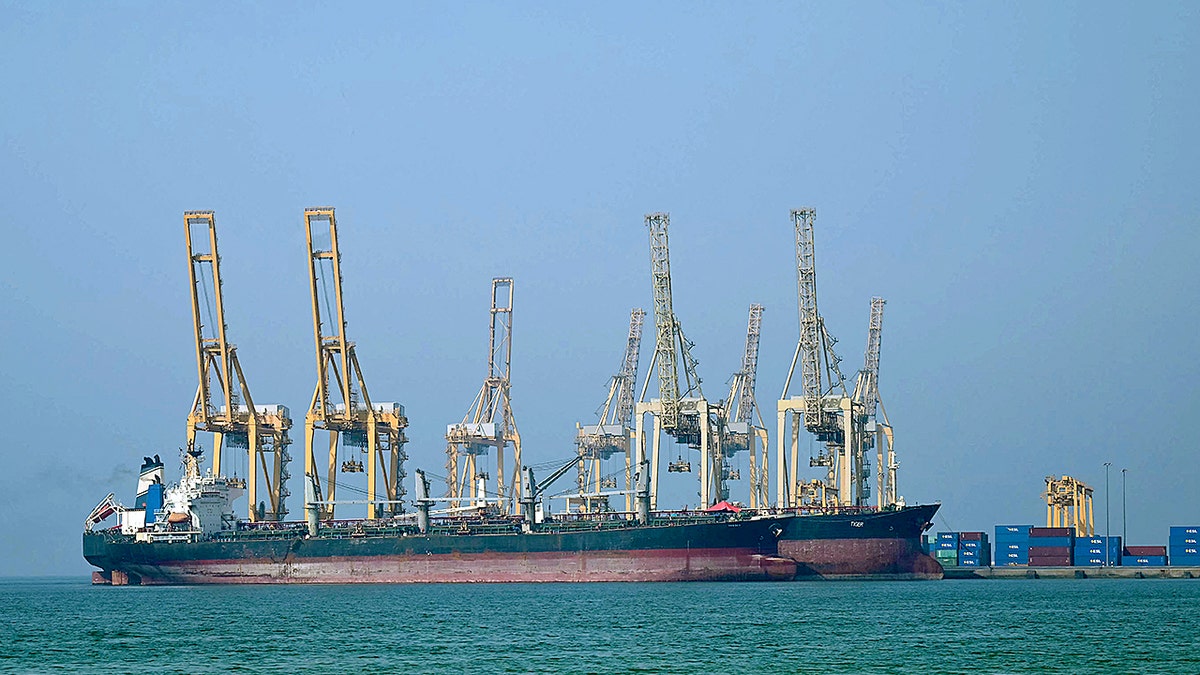
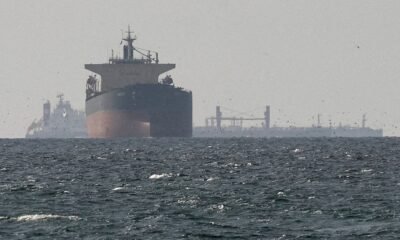
The Strait of Hormuz is a critical maritime choke point that handles roughly 20% of the world’s crude oil shipments, and tensions between the U.S. and Iran raise concerns about shipping security. (Giuseppe Cacace/AFP via Getty Images)
Even without a formal closure, the measurable reduction in ship traffic is placing real pressure on global markets and Gulf economies. Crude prices have risen amid concerns that prolonged disruption could tighten supply, particularly for Asian buyers dependent on Gulf exports.
Trump has publicly downplayed concerns about rising gasoline prices in the United States.
«They’ll drop very rapidly when this is over, and if they rise, they rise, but this is far more important than having gasoline prices go up a little bit,» he told Reuters.
CLICK HERE TO DOWNLOAD THE FOX NEWS APP
The administration’s posture suggests it is prepared to tolerate short-term energy price volatility while signaling readiness to intervene militarily if commercial shipping cannot resume safely on its own.
For now, however, the Strait of Hormuz remains open but under strain, a critical artery of the global economy operating in a climate of active attacks, rising insurance costs and escalating rhetoric between Washington and Tehran.
Related Article
war with iran,middle east,energy,us navy







INTERNACIONAL
Watchdog targets taxpayer-funded National Academies over DEI, climate and transgender spending
NEWYou can now listen to Fox News articles!
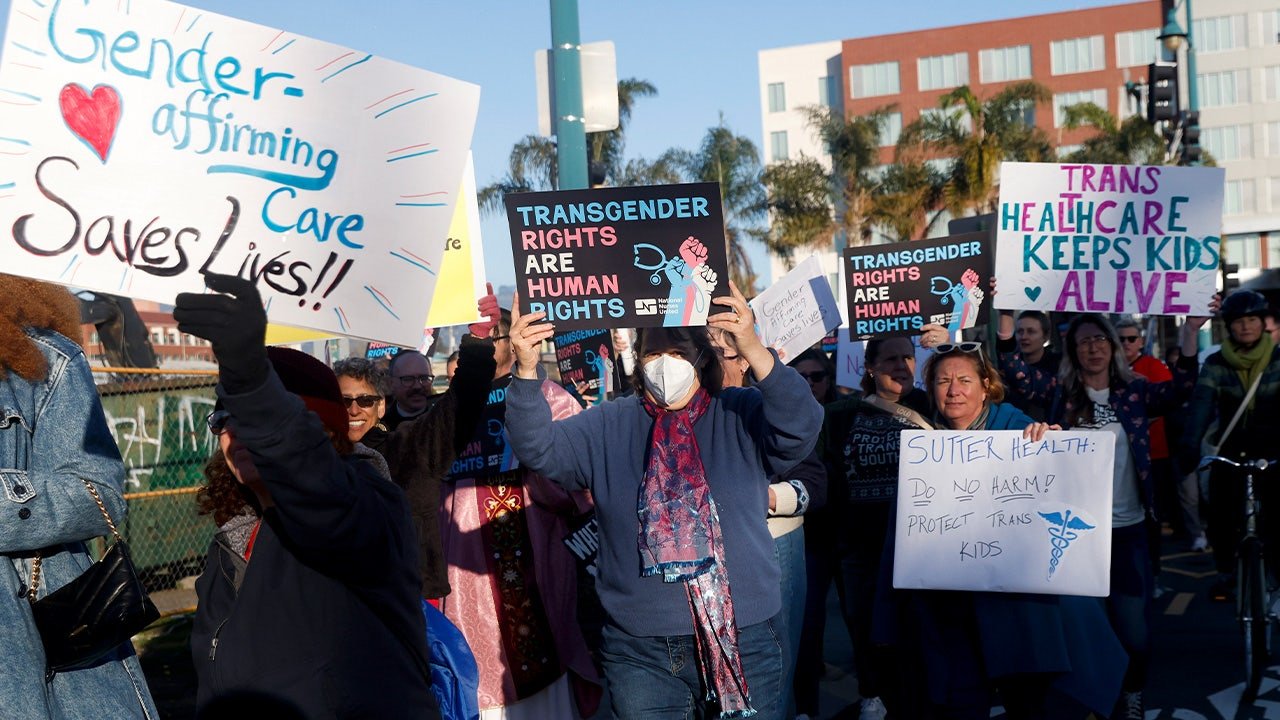
FIRST ON FOX: A consumer watchdog group is accusing the federally funded National Academies of Sciences, Engineering, and Medicine of using taxpayer dollars to support DEI, transgender-related and other left-leaning initiatives, according to a new report.
Consumers’ Research compiled the «Woke Alert» report outlining what it describes as left-leaning research, workshops and grants from the congressionally chartered institution, including projects related to transgender youth, diversity and inclusion initiatives, policing and climate advocacy.
Will Hild, executive director of Consumers’ Research, accused the organization, which receives 70% of its budget from federal funds, of being «a radical woke organization masquerading as a nonpartisan educational institution.»
«From pushing transgender ideology onto kids to spreading ‘defund the police’ insanity, this taxpayer-supported organization regularly abuses its status and reputation to fund the left’s favorite causes,» Hild said in a statement to Fox News Digital. «It has shamefully used hundreds of millions in taxpayer dollars to push a highly polarized woke agenda behind lofty BS rhetoric about independence and objectivity.»
TRUMP-SIGNED SHUTDOWN BILL SENDS $4M TO CHILDREN’S HOSPITALS UNDER FEDERAL PROBE FOR TRANSGENDER CARE
A close-up view of the National Academy of Sciences sign at the organization’s headquarters in Washington, D.C. (Caspar Benson / Getty Images)
Consumers’ Research argued that NASEM has established its allegiance with left-leaning transgender ideology through its various publications, such as a workshop titled «Supporting the Health and Well-Being of Transgender and Gender Diverse Youth,» and a book titled «Reducing Inequalities Between Lesbian, Gay, Bisexual, Transgender, and Queer Adolescents and Cisgender, Heterosexual Adolescents: Proceedings of a Workshop 2022.»
The report highlighted that for years, NASEM has run a variety of DEI workshops with titles including «Advancing Antiracism, Diversity, Equity, and Inclusion in STEMM Organizations: Current Context and Challenges;» and another titled «Protecting Diversity, Equity, and Inclusion in Higher Education and the Workforce,» which was focused on putting affirmative action in place without race-based criteria.
HHS GOLD STANDARD STUDY FLIPS ‘GENDER AFFIRMING CARE’ ON ITS HEAD AS DEMS KEEP PUSHING TRANS ISSUES AT SCOTUS
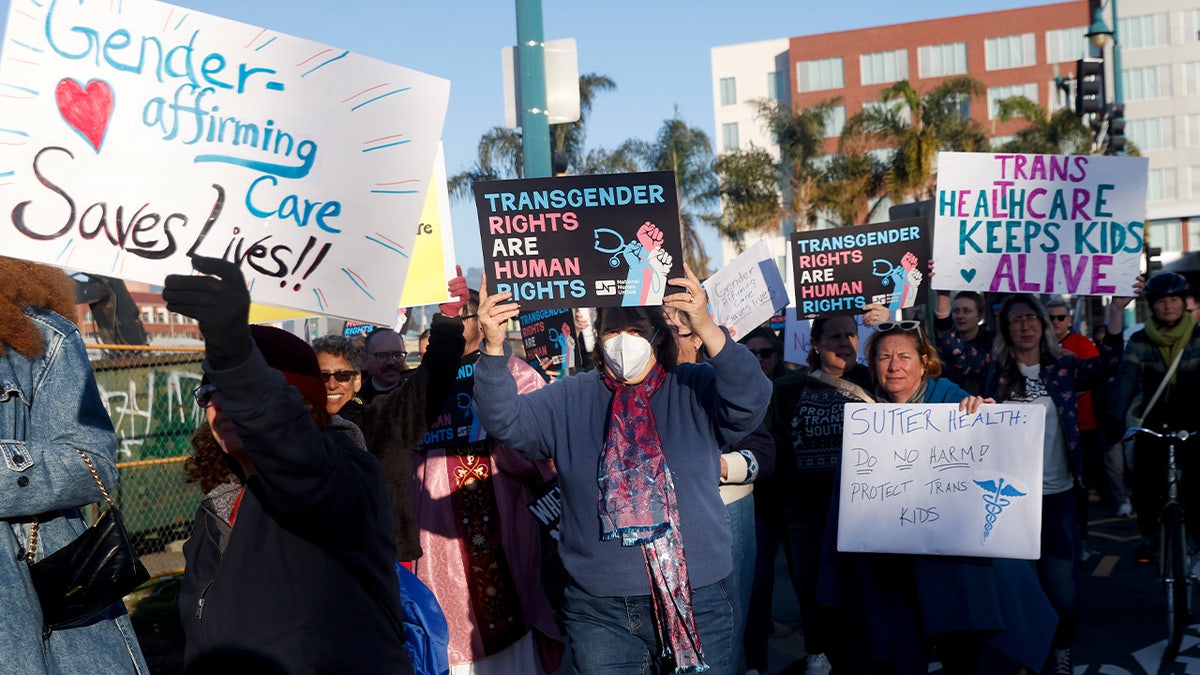
Members of Rainbow Families march from Bay Street in Sydney, Australia, as part of an action for LGBTQIA+ visibility and family rights, Feb. 22, 2025. (Steven Siewert / Getty Images)
In 2022, the National Academies partnered with the Chan Zuckerberg Initiative to hand out grants worth $1.15 million per recipient in an effort to promote DEI among biomedical researchers.
In response to the 2020 Black Lives Matter protests, NASEM established its Committee on Reducing Racial Inequalities in the Criminal Justice System. The committee evaluated a proposal to cut $50 million from Austin, Texas’s police budget.
WATCHDOG FINDS DEI, CRT BAKED INTO ACCREDITATION RULES FOR HUNDREDS OF UNIVERSITY SOCIAL-WORK PROGRAMS
The report noted that committee co-chair Bruce Western accused police officers of having «caused a great deal of harm in low-income communities and communities of color.»
In one of NASEM’s studies, researchers accused police officers of being a «leading cause of death for young men in the United States.»
The National Academies have also published multiple studies raising concerns over climate change. In one of the studies, the Academies focused on elevating techniques that would make Americans more likely to participate in climate activism.

Republicans are ramping up their election messaging on crime and law enforcement support (Getty Images)
NASEM previously came under fire in August 2025 for publishing a climate review seeking to influence the Environmental Protection Agency’s decision on whether to rescind an Obama-era greenhouse gas finding. Critics suggested that NASEM was seeking to undermine the authority of the Trump administration.
Roger Pielke Jr., a senior fellow at the American Enterprise Institute specializing in science and technology policy, told Fox News Digital that in recent years, the National Academies has gone from acting under the direction of Congress to acting as an «independent actor» for the interests of billionaires and foundations.
Pielke said the National Academies received funding from the Bezos Earth Fund, a Jeff Bezos project created to address climate change. Through that support, the National Academies published a manual titled «Constructing Valid Geospatial Tools for Environmental Justice.» Pielke noted that the Bezos Earth Fund funds litigation centered on climate change and argued that «there is pretty strong evidence of a bias» in the Bezos Earth Fund.
«So I think issues about conflicts of interest and bias go well beyond just funding sources,» Pielke said. «They also extend to the groups researchers choose to partner with when conducting work that is supposed to be neutral and scientific.»
Fox News Digital reached out to NASEM for comment.
dei, environment, health, police and law enforcement

INTERNACIONAL
El Gobierno de Bolivia reemplazó al presidente de YPFB y anunció medidas ante la crisis por combustible de baja calidad
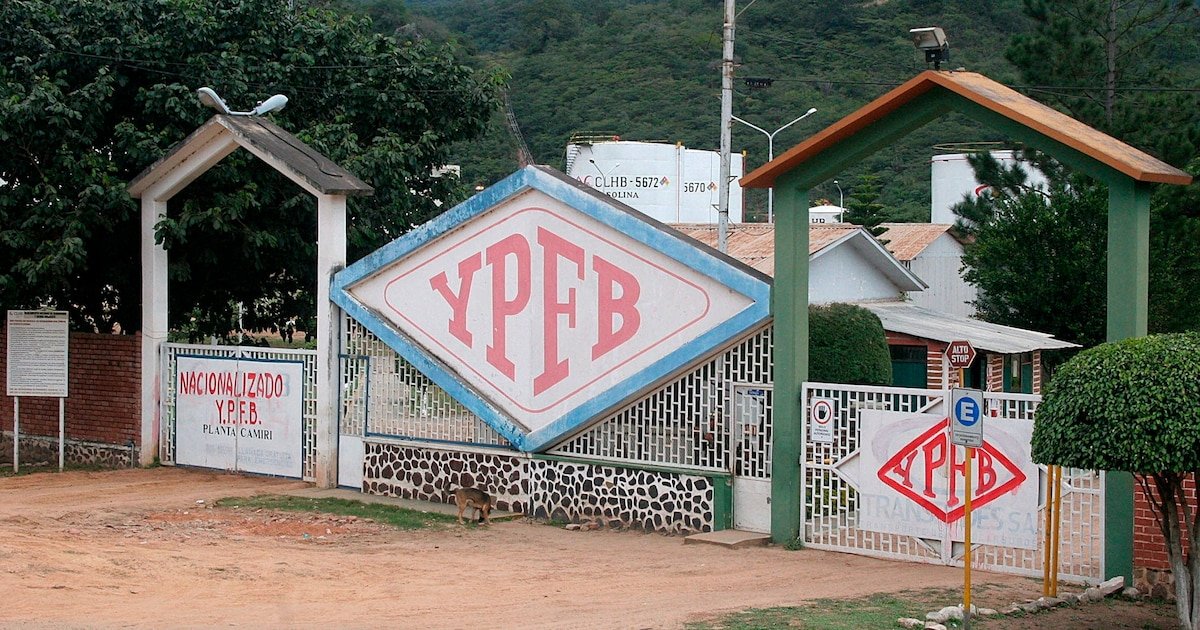
El Gobierno del presidente boliviano, Rodrigo Paz, resolvió este lunes relevar al presidente de la estatal Yacimientos Petrolíferos Fiscales Bolivianos (YPFB), Yussef Akly, y designar en su lugar a Claudia Cronenbold, en medio de una creciente crisis por la calidad del combustible que se comercializa en el país y tras protestas de transportistas en las principales ciudades.
El mandatario tomó juramento a Cronenbold en un acto en La Paz, poco después de que el ministro de Hidrocarburos y Energías, Mauricio Medinaceli, comunicó el cambio en la conducción de la empresa estatal junto con un paquete de medidas orientadas a garantizar el abastecimiento de carburantes y responder a los reclamos de usuarios afectados. Paz agradeció a Akly por su labor en esta “primera etapa” desde el cambio de Gobierno en noviembre pasado y destacó la trayectoria de su sucesora. “Por apostar por el país como siempre lo ha hecho en su carrera profesional”, expresó al dirigirse a la nueva titular de la compañía.
El jefe de Estado afirmó que la designación marca el inicio de “un segundo tiempo para YPFB” con nuevos objetivos estratégicos. Entre ellos, mencionó la aspiración de que Bolivia produzca su propia gasolina y que la empresa recupere su papel como una compañía “pujante”. En ese marco, remarcó la necesidad de enfrentar irregularidades dentro de la estatal. “Estaremos firmes para respaldar toda la lucha que sabemos va a ser muy dura contra la corrupción que hay en la estatal, para recuperar una empresa estatal para los bolivianos y que deje de ser una empresa de unos cuantos grupos de poder”, sostuvo.
Por su parte, Cronenbold expresó su compromiso al asumir el cargo y subrayó la relevancia de la empresa dentro del esquema energético del país. “Total compromiso y dedicación” para hacer “un buen papel en una empresa estratégica y muy importante”, declaró. La funcionaria se convierte en la segunda mujer en liderar YPFB, después de la designación de Katya Diederich en octubre de 2020 durante el Gobierno interino de Jeanine Áñez.

Antes del acto, el ministro Medinaceli destacó ante la prensa la experiencia de más de dos décadas de Cronenbold en el sector y la definió como un “ejemplo de liderazgo femenino en una industria estratégica”. Además del cambio en la conducción, el funcionario anunció una serie de decisiones orientadas a resolver la crisis por la calidad del combustible.
Entre las principales medidas, Medinaceli informó que el Gobierno firmará nuevos contratos “y con más variados proveedores de gasolina de mayor octanaje sin modificar el precio”. También indicó que la Agencia Nacional de Hidrocarburos (ANH) organizará un cronograma de limpieza de tanques en todas las estaciones de servicio del país, con el objetivo de garantizar el abastecimiento continuo. Según explicó, el plan se ejecutará mediante un calendario “que garantice el abastecimiento sin suspenderlo en ninguna zona del país”.
El ministro agregó que se “acelerará” el resarcimiento estatal a los propietarios de vehículos que denunciaron daños en sus motores por el uso de combustible contaminado. Asimismo, anunció que se impulsará la instalación de equipos de conversión a gas natural vehicular (GNV) tanto en el transporte público como en el privado, con el fin de reducir la dependencia de combustibles líquidos.
El paquete incluye además la aprobación de un decreto que habilita la importación de vehículos que funcionan con diésel “de menos de 4.000 de cilindrada”, así como la creación de un “equipo de supervisión permanente de hidrocarburos” para reforzar los controles sobre la cadena de suministro.

Las decisiones del Ejecutivo se producen tras meses de denuncias de usuarios que reportaron fallas mecánicas vinculadas a la calidad de la gasolina. De acuerdo con la propia YPFB, el combustible presentó niveles elevados de goma y manganeso. La situación generó protestas en distintos puntos del país.
La semana pasada, sindicatos de transportistas de La Paz y El Alto realizaron un paro con bloqueos durante dos días, en reclamo por la calidad del carburante y para exigir una compensación más ágil por los daños sufridos. Las manifestaciones intensificaron la presión sobre el Gobierno para adoptar medidas inmediatas.
Según datos oficiales, Bolivia depende en gran medida de las importaciones para abastecer su mercado interno, con casi el 100 % del diésel y alrededor del 60 % de la gasolina provenientes de países como Argentina, Chile, Perú, Paraguay y Estados Unidos. En ese contexto, el Gobierno busca estabilizar el suministro y recuperar la confianza de los consumidores tras la crisis.
(Con información de EFE)

Crearon el Registro Integrado de Beneficiarios de Políticas Sociales

Así fue el conmovedor regreso de Tamara Paganini a Gran Hermano: “Cuando me fui era un pollito y ahora soy un halcón”

Watchdog targets taxpayer-funded National Academies over DEI, climate and transgender spending

Las claves de la Scaloneta y su última prueba en casa antes del Mundial

El CEO de YPF aseguró que la expropiación de Cristina Kirchner retrasó el “desarrollo de Vaca Muerta”

Jubilación mínima ANSES: cuánto se cobra entre el monto actualizado más el bono de $70.000 en abril

Máximo Kirchner salió al cruce de Milei y Macri tras el fallo por YPF a favor de la Argentina

La secretaria del piloto denunció que el amigo de Adorni la hostiga y la justicia dispuso medidas

El Gobierno cambia su propuesta de reforma: endurece penas para delitos comunes, pero no para los casos de corrupción

¡DERIVA ECONÓMICA Y SOBERBIA POLÍTICA! El abismo entre el «relato oficial» y la realidad de una clase media que no aguanta más

 POLITICA2 días ago
Máximo Kirchner salió al cruce de Milei y Macri tras el fallo por YPF a favor de la Argentina
- POLITICA3 días ago
La secretaria del piloto denunció que el amigo de Adorni la hostiga y la justicia dispuso medidas
- POLITICA2 días ago
El Gobierno cambia su propuesta de reforma: endurece penas para delitos comunes, pero no para los casos de corrupción