INTERNACIONAL
Vance en route to Pakistan for high-stakes Iran talks as ‘fragile’ ceasefire teeters


NEWYou can now listen to Fox News articles!
Vice President JD Vance is set to arrive in Pakistan early Saturday, where he will lead high-stakes negotiations with Iran aimed at preserving a fragile ceasefire and preventing a broader regional war.
Vance is joined by U.S. Special Envoy Steve Witkoff and Jared Kushner, President Donald Trump’s son-in-law, as part of a senior delegation engaging Iranian officials in Islamabad.
Iranian Foreign Minister Abbas Araghchi and Speaker of Parliament Mohammad Bagher Ghalibaf will be negotiating for Iran.
The talks, scheduled for Saturday, come over a month after the U.S. launched Operation Epic Fury Feb. 28 — a sweeping military campaign targeting Iran’s military infrastructure following the collapse of nuclear negotiations.
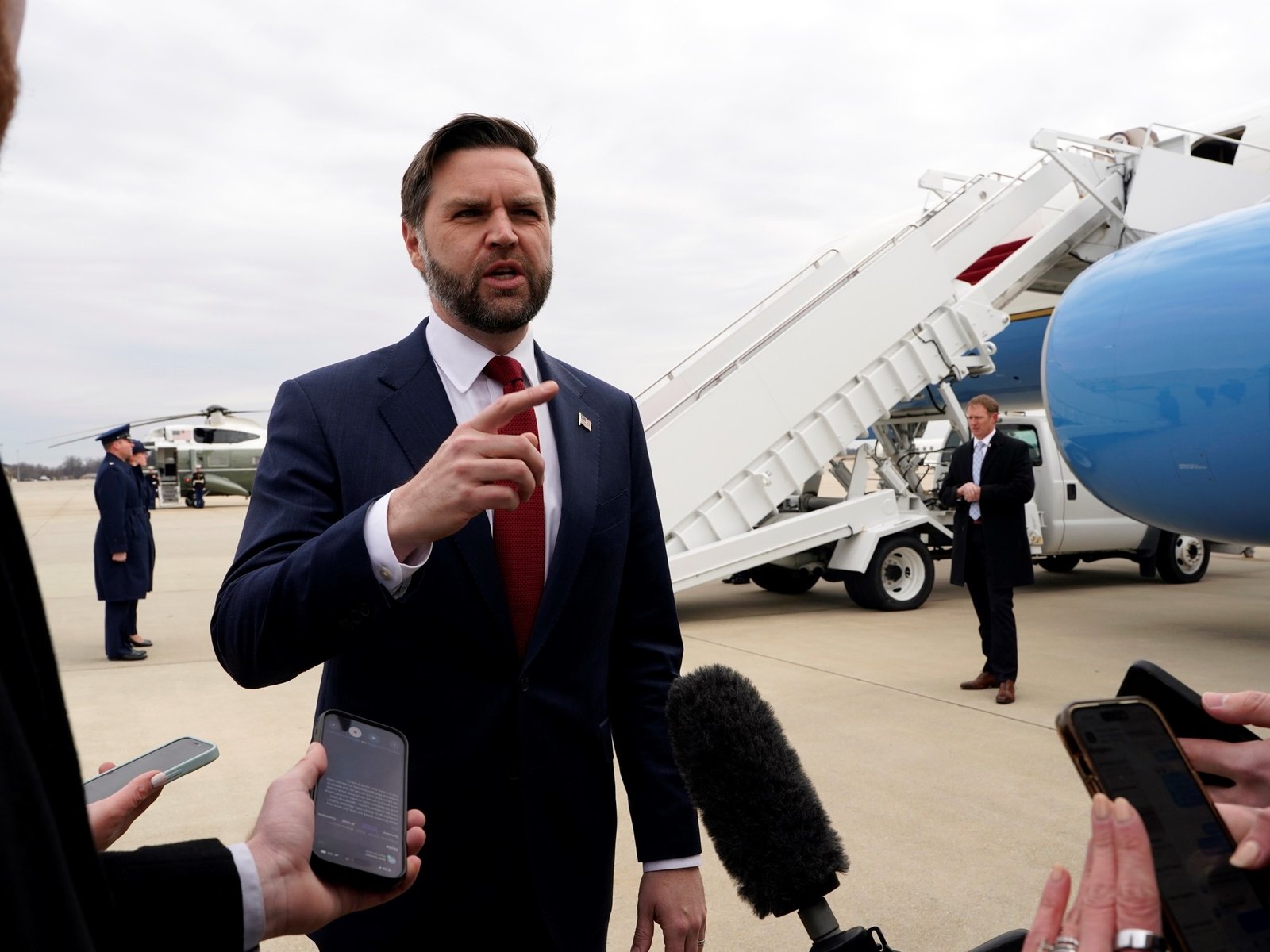
Vice President JD Vance spoke to reporters before boarding Air Force Two at Budapest Ferenc Liszt International Airport on April 8, 2026, in Budapest, Hungary. (Jonathan Ernst-Pool/Getty Images)
IRAN REVEALS 10-POINT PLAN FOR PEACE WITH THE US – HERE’S WHAT’S IN IT
That operation pushed the U.S. and Iran to the brink of a ground war before a tenuous diplomatic breakthrough in recent days.
Trump announced a two-week ceasefire Tuesday, agreeing to suspend further U.S. strikes on the condition that Iran reopen the Strait of Hormuz, a critical global shipping route.
While Iran signaled it would allow passage through the strait as part of the agreement, traffic remains severely disrupted, with shipping companies hesitant to resume normal operations amid ongoing security concerns and uncertainty over enforcement.
Vance struck a cautious tone before departing, warning Iran not to test the U.S. negotiating posture.
«If they’re gonna try and play us, then they’re gonna find that the negotiating team is not that receptive,» Vance said, adding he still expects the talks to be «positive.»
The outcome of the talks could determine whether the ceasefire holds or collapses into renewed hostilities, as both sides remain deeply divided after weeks of conflict.
Iranian officials have struck a cautious and conditional tone ahead of the talks.
Iran’s Supreme National Security Council said it accepted the two-week ceasefire but warned «this does not signify the termination of the war,» adding that «our hands remain upon the trigger» if the agreement is violated.
Vance described the agreement Wednesday as a «fragile truce.»
Iran also has tied the success of the ceasefire to developments in Lebanon, insisting that Israeli strikes on Hezbollah must stop as part of any broader agreement. Tehran has warned that continued attacks could jeopardize the talks, highlighting a key dispute with Israel and the U.S., which have argued Lebanon is not covered by the truce.
VANCE WARNS IRAN WILL ‘FIND OUT’ TRUMP IS ‘NOT ONE TO MESS AROUND’ IF CEASEFIRE DEAL FALLS APART
Pakistan has emerged as a key intermediary, positioning itself as a neutral venue between Washington and Iran after helping broker the initial truce. But that role is already facing scrutiny.
Pakistan’s defense minister, Khawaja Asif, sparked backlash recently after calling Israel’s actions a «curse on humanity» in a now-deleted X post and, in a separate exchange, saying critics should «burn in hell.»
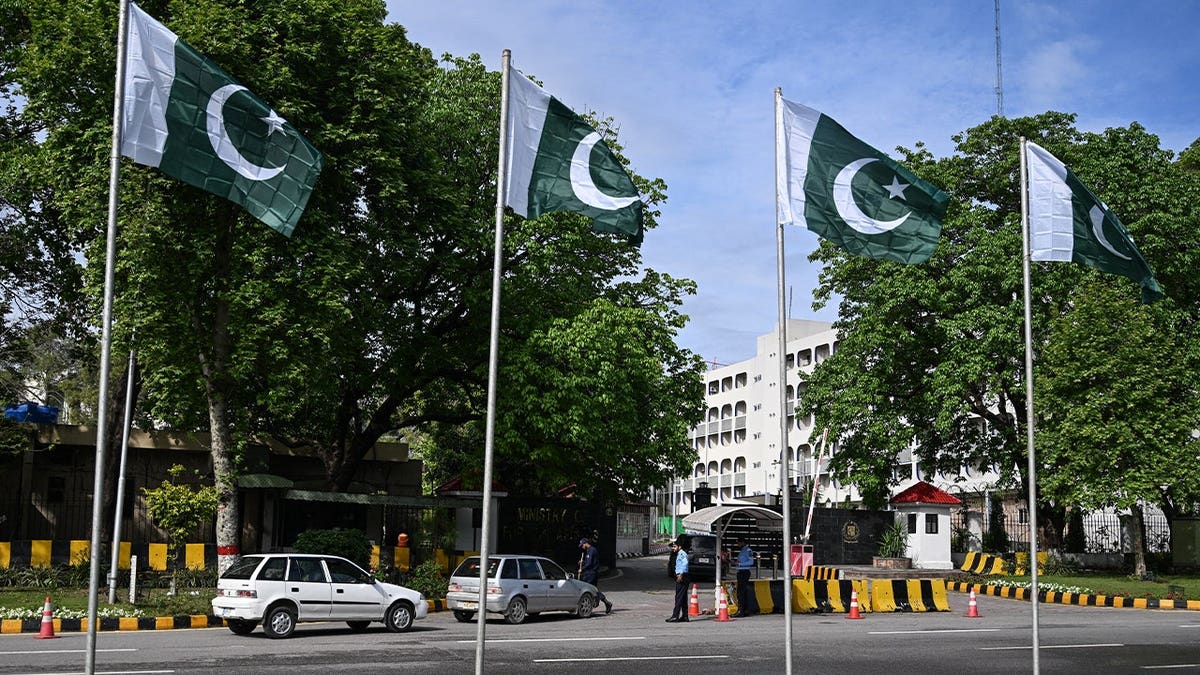
Security personnel inspect vehicles entering the Foreign Ministry office in Islamabad April 9, 2026. (Aamir QURESHI / AFP via Getty Images)
The remarks drew a sharp response from Israeli officials, who questioned Pakistan’s credibility as a neutral broker. Israeli leaders described the comments as «outrageous» and warned such rhetoric was incompatible with serving as a mediator, while Israel’s ambassador to India publicly said, «we don’t trust Pakistan.»
Pakistani officials have not directly addressed the controversy surrounding Asif’s remarks but have defended their broader role, emphasizing Islamabad’s efforts to broker the ceasefire and facilitate talks. Prime Minister Shehbaz Sharif has called for «dialogue and diplomacy,» while officials say both Washington and Iran have expressed confidence in Pakistan’s mediation.
The talks are also unfolding against a challenging security backdrop.
U.S. officials have long treated Pakistan as a high-threat environment for official travel, with strict movement controls and layered security measures typically required for American personnel.
Bill Gage, a former Secret Service agent who traveled to Islamabad with President George W. Bush, told Fox News Digital the threat environment in Pakistan historically has ranked among the most severe faced by U.S. protective teams, requiring constant coordination and heightened precautions.
«The threat environment in Pakistan was one of the worst the Secret Service had ever operated in,» Gage said of his experience in 2006. «We were briefed that al-Qaeda wanted to kidnap an agent, so we always had to be in pairs.»
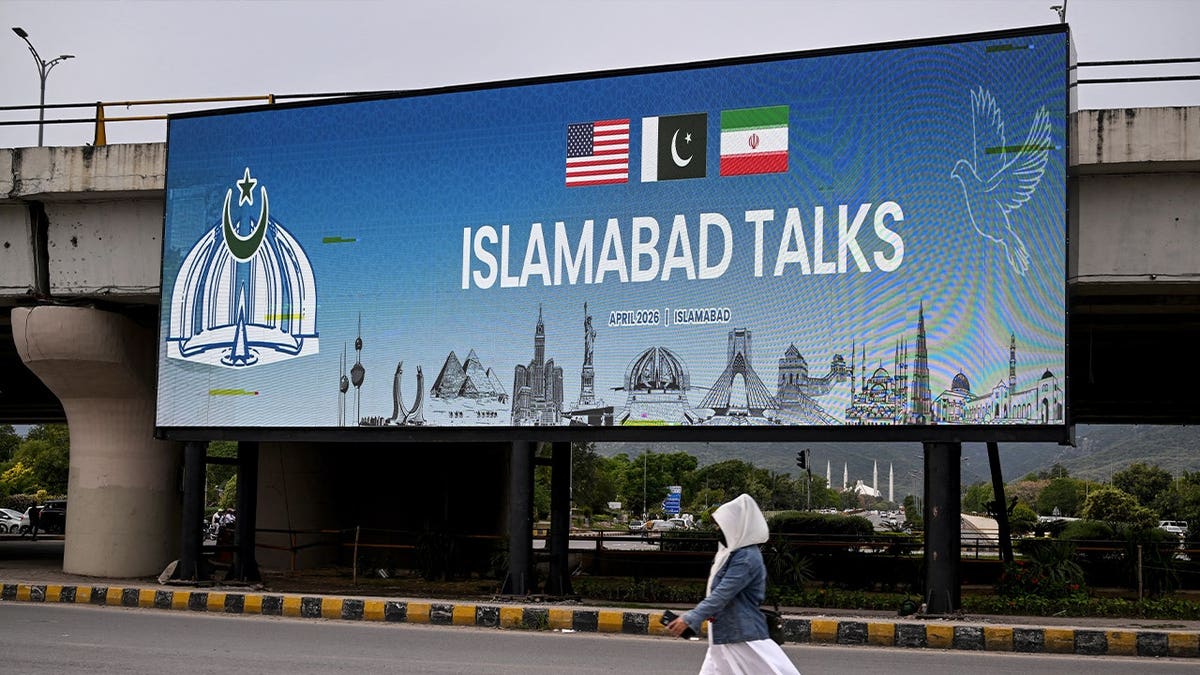
Islamabad is set to host peace talks between Iran and the U.S. April 11, 2026. (Farooq NAEEM / AFP via Getty Images)
Pakistan continues to grapple with persistent terrorism threats.
The State Department currently classifies the country as a Level 3 travel risk, warning of potential attacks, crime and kidnapping, and noting that extremist groups have carried out strikes in major cities, including Islamabad.
CLICK HERE TO DOWNLOAD THE FOX NEWS APP
Still, U.S. officials view the Islamabad meeting as a rare opening for diplomacy, with discussions expected to include nuclear restrictions, sanctions relief and broader regional security issues.
Whether the talks produce a lasting breakthrough or plunge the Middle East back into conflict may hinge on whether both Washington and Iran are willing to move beyond decades of mistrust.
war with iran, iran, foreign affairs, sanctions, jd vance







INTERNACIONAL
Vance se enfrenta a una prueba crucial de sus habilidades de negociación en las conversaciones con Irán

NEWYou can now listen to Fox News articles!
North Korea fired multiple short-range ballistic missiles toward the sea Wednesday in its second launch event in two days, South Korea’s military said, hours after a senior North Korean official released crude insults against Seoul’s hopes for warmer relations.
South Korea’s joint chiefs of staff said several missiles lifted off from North Korea’s eastern coastal Wonsan area on Wednesday morning and flew about 240 kilometers (150 miles) each in a direction toward the North’s eastern waters. It said an additional North Korean ballistic missile fired later Wednesday traveled more than 700 kilometers (435 miles) off the North’s east coast.
South Korea’s military said it maintains a readiness to repel any provocations by North Korea under a solid military alliance with the United States. It earlier said it detected the launch of an unidentified projectile from North Korea’s capital region Tuesday.
South Korean media reported the projectile, also likely a ballistic missile, disappeared from South Korean military radars after displaying an abnormal development in the initial launch stage. This indicated the launch ended in failure, according to the reports.
‘CREDIBLE INTELLIGENCE’ REVEALS NORTH KOREA’S SUCCESSOR TO KIM JONG UN, SOUTH KOREA SAYS
People at Seoul Railway Station in Seoul, South Korea, on April 8, 2026, watch as the news shows file imagery of North Korea’s missile launch. The missile tests come as North Korea continues weapons development and strengthens ties with Russia and China. (AP Photo/Ahn Young-joon)
The back-to-back launches came after North Korea made it clear that it has no intention of improving ties with South Korea, whose liberal government has steadfastly expressed its hopes to restore long-dormant dialogue.
On Tuesday night, Jang Kum Chol, first vice minister at Pyongyang’s Foreign Ministry, said South Korea would always remain North Korea’s «most hostile enemy state.» He derided South Korea as «world-startling fools» engaged in wishful thinking over a recent statement by Kim Yo Jong, the influential sister of North Korean leader Kim Jong Un.
After South Korean President Lee Jae Myung expressed regret over alleged civilian drone flights into North Korea, Kim Yo Jong late Monday praised him for what she called honesty and courage, but reiterated a threat to retaliate if such flights recur. South Korean officials responded by describing Kim Yo Jong’s statement as meaningful progress in relations.
NORTH KOREAN DICTATOR SAYS GOVERNMENT WILL KEEP CEMENTING NATION’S ‘IRREVERSIBLE STATUS AS A NUCLEAR POWER’
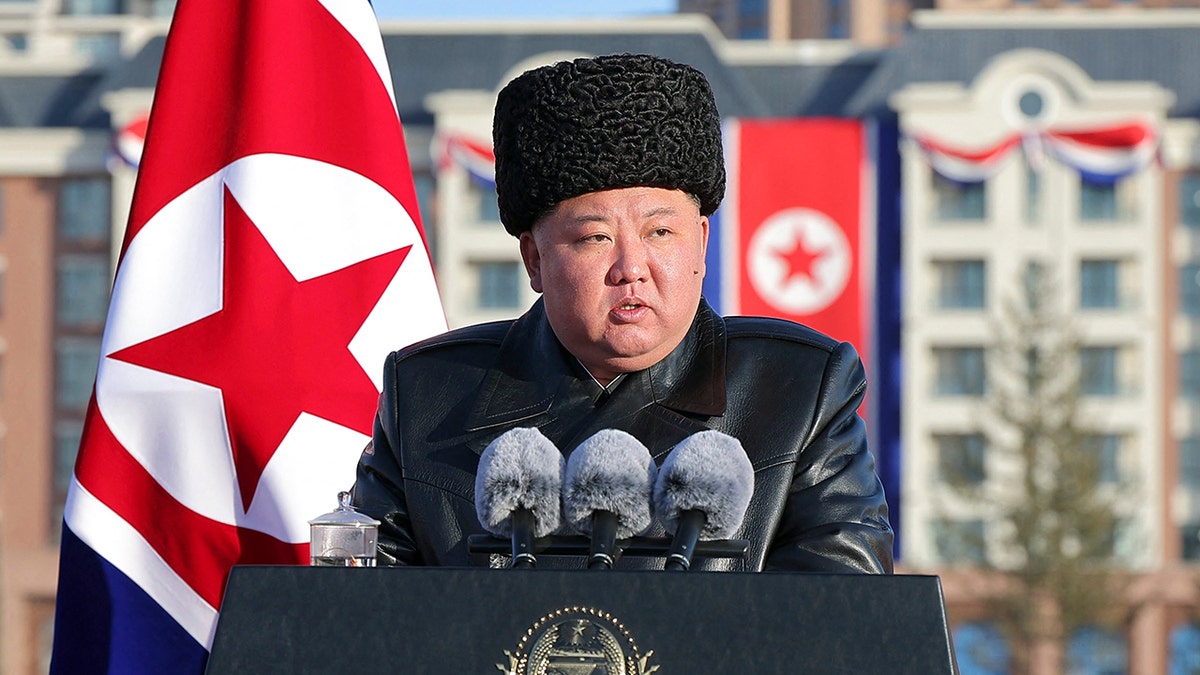
Kim Jong Un delivers a speech in Pyongyang, North Korea, on February 15, 2026. North Korea fired multiple short-range ballistic missiles into its eastern waters on Wednesday, April 8, 2026, after rejecting South Korea’s overtures for improved relations. (KCNA VIA KNS / AFP via Getty Images)
Jang said her statement was intended as a warning. He cited Kim Yo Jong as calling South Korea «the dogs affected by mange that blindly bark to the tune of neighboring dogs» as she criticized it for recently co-sponsoring a U.N. resolution on the North’s purported human rights violations.
North Korea has refused to return to talks with South Korea and the U.S. and pushed to expand its nuclear arsenal since Kim Jong Un’s diplomacy with U.S. President Donald Trump collapsed in 2019. North Korea has instead sought to strengthen ties with Russia, China and other countries embroiled in confrontations with the U.S. Last September, Kim Jong Un traveled to Beijing to attend a military parade alongside other foreign leaders and held his first summit with Chinese President Xi Jinping in six years.
North Korea’s state media said Wednesday that Chinese Foreign Minister Wang Yi will visit North Korea on Thursday for a two-day trip.
NORTH KOREA TESTS SOLID-FUEL MISSILE ENGINE AS KIM BOOSTS THREAT TO US MAINLAND

People walk down the street in Pyongyang on March 23, 2026. Pyongyang escalated tensions with back-to-back missile tests on April 8, 2026, while issuing harsh rhetoric against Seoul’s diplomatic efforts. (KIM Won Jin / AFP via Getty Images)
Earlier this week, North Korea said Kim Jong Un had observed a test of an upgraded solid-fuel engine for weapons and called it a significant development boosting his country’s strategic military arsenal.
Missiles with built-in solid propellants are easier to move and conceal their launches than liquid-fuel weapons, which in general must be fueled before liftoff and cannot last long.
CLICK HERE TO DOWNLOAD THE FOX NEWS APP
South Korea’s spy agency told lawmakers Monday the engine test was likely related to an effort to build a more powerful solid-fuel intercontinental ballistic missile that can carry multiple nuclear warheads, according to lawmakers who attended the meeting.
Experts say North Korea wants multi-warhead missiles to penetrate U.S. missile defenses, but they doubt Pyongyang has mastered the technology needed to acquire such a weapon.
north korea, south korea, kim jong un, asia world regions
INTERNACIONAL
Israel no discutirá un alto el fuego con Hezbollah en las conversaciones directas con Líbano en Washington
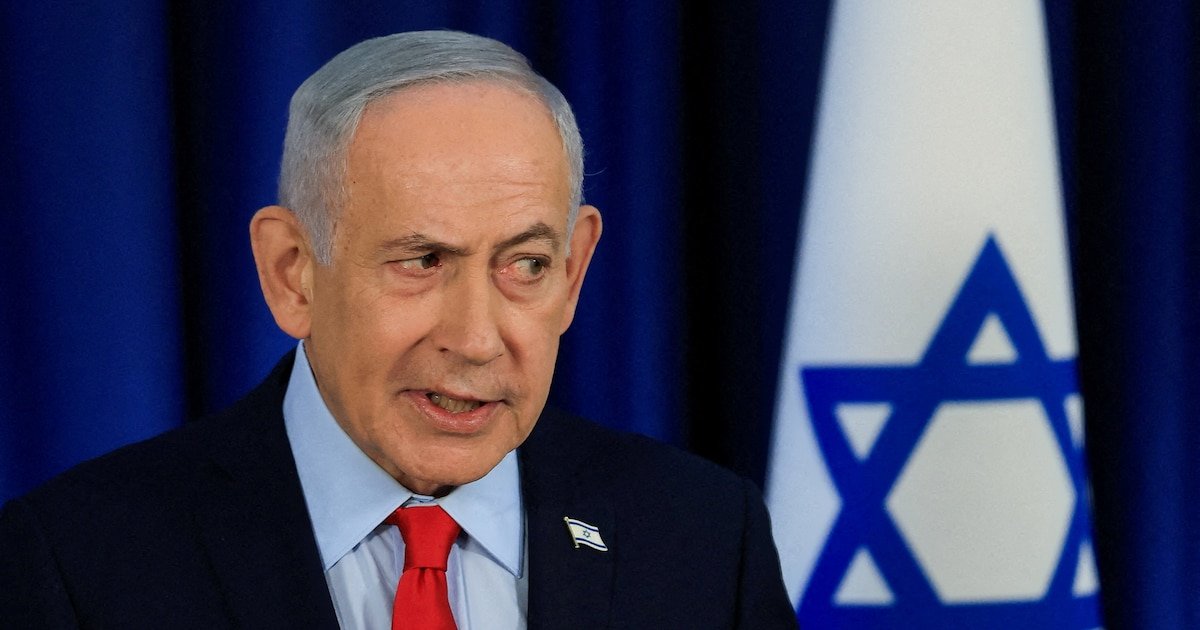
El presidente libanés, Joseph Aoun, anunció el viernes que las negociaciones para un alto el fuego con Israel comenzarán el martes 14 de abril con un encuentro en Washington. El anuncio se produce un día después de que el primer ministro israelí, Benjamin Netanyahu, ordenara mantener conversaciones de paz con Líbano, aunque reiteró su negativa a una tregua con Hezbollah.
La fecha del encuentro se fijó durante una conversación telefónica entre los embajadores de Líbano e Israel en la capital estadounidense, Nada Hamade Muawad y Yehiel Litter, junto al representante diplomático de Estados Unidos en Beirut, Michel Issa, quien se encuentra en Washington, según informó la Presidencia libanesa en un comunicado.
“Durante la conversación se acordó celebrar la primera reunión el próximo martes en la sede del Departamento de Estado de Estados Unidos para debatir el anuncio de un alto el fuego y la fecha de inicio de las negociaciones entre Líbano e Israel bajo los auspicios de Estados Unidos”, señaló la Presidencia.
Aoun precisó que la cartera a cargo de Marco Rubio actuará como mediador entre ambos países, una “iniciativa basada en la vía diplomática” y los contactos con la comunidad internacional y “líderes árabes”.

Israel reiteró que la tregua anunciada esta semana entre Irán y Estados Unidos no incluye a Líbano y aumentó sus ataques sobre este país. Tel Aviv descartó negociar un alto el fuego con Hezbollah durante las conversaciones que mantendrá la próxima semana, según declaró el viernes el embajador israelí en Estados Unidos, Yechiel Leiter, emisario para esas negociaciones.
Leiter informó que los gobiernos de ambos países, que nunca han tenido relaciones diplomáticas formales, van a “iniciar negociaciones de paz”. En un comunicado, el diplomático aclaró: “Israel se negó a negociar un alto el fuego con la organización terrorista Hezbollah, que sigue atacando a Israel y es el principal obstáculo para la paz entre ambos países”.
El Ejército israelí lanzó ataques masivos contra Líbano tras atacar Irán el 28 de febrero, en respuesta al lanzamiento de cohetes contra Israel por parte del grupo terrorista. Sin un alto el fuego con Hezbollah, las conversaciones se centrarán en que Israel solicite medidas al gobierno libanés, que durante años ha tenido dificultades para contener a la milicia chiita, aunque ha intensificado sus esfuerzos.
Israel declaró que el alto el fuego entre Estados Unidos e Irán, cuyas conversaciones comenzarán este sábado en Islamabad, no incluye las hostilidades en Líbano.

Netanyahu, anunció el jueves que el país iniciará negociaciones con Líbano “lo antes posible”, según indicó en un comunicado. “Ante los reiterados llamamientos del Líbano para que se inicien negociaciones directas con Israel, ayer di instrucciones al gabinete para que comenzara las negociaciones directas con el Líbano lo antes posible”, declaró Netanyahu.
Los diálogos estarán enfocados en el desarme del grupo Hezbollah y en el establecimiento de relaciones pacíficas entre Israel y Líbano, añadió el primer ministro israelí. Netanyahu también expresó: “Israel agradece el llamamiento realizado hoy por el primer ministro del Líbano para desmilitarizar Beirut”.
El anuncio de Netanyahu se produjo después de que el presidente del Parlamento iraní, Mohamad Baqer Qalibaf, afirmó que Líbano está contemplado en la tregua pactada con Estados Unidos y advirtió sobre las consecuencias de cualquier violación al alto el fuego. “Líbano y todo el Eje de la Resistencia, como aliados de Irán, forman parte indisoluble del alto el fuego. (Punto 1 de la propuesta de 10 puntos)”, publicó Qalibaf en X.
El ex guardia revolucionario reiteró que las violaciones al “alto el fuego tendrán costes explícitos y fuertes respuestas”. “Detengan el fuego inmediatamente”, exigió en referencia a los ataques de Israel contra el Líbano.
(Con información de Europa Press y AFP)
International,Relations,Diplomacy / Foreign Policy,Middle East

Vance se enfrenta a una prueba crucial de sus habilidades de negociación en las conversaciones con Irán

Inédito: el dólar se pincha, está más barato que hace 6 meses y el BCRA anota compras récord

El error del Barça con Vitor Roque

El Vaticano frenó el proceso que había iniciado para declarar santo al obispo Jorge Novak

El titular de la Corte defendió en el Consejo de la Magistratura la reforma en la selección de jueces: cuál es la postura del Gobierno

Qué ver en Netflix, la serie de 8 episodios que es ideal para maratonear este fin de semana: Errores épicos

Mario Kart Tour avanza su siguiente temporada de primavera con ciudades europeas – Nintenderos

Melania Trump’s forceful Epstein denial draws bipartisan support from lawmakers

Un gobernador presentó un amparo contra la reforma de la Ley de Glaciares y pidió suspender su aplicación

Trump blasts Biden admin for releasing illegal immigrant now charged in fatal hammer attack on Florida mother

 SOCIEDAD24 horas ago
Mario Kart Tour avanza su siguiente temporada de primavera con ciudades europeas – Nintenderos
- INTERNACIONAL24 horas ago
Melania Trump’s forceful Epstein denial draws bipartisan support from lawmakers
- POLITICA23 horas ago
Un gobernador presentó un amparo contra la reforma de la Ley de Glaciares y pidió suspender su aplicación