INTERNACIONAL
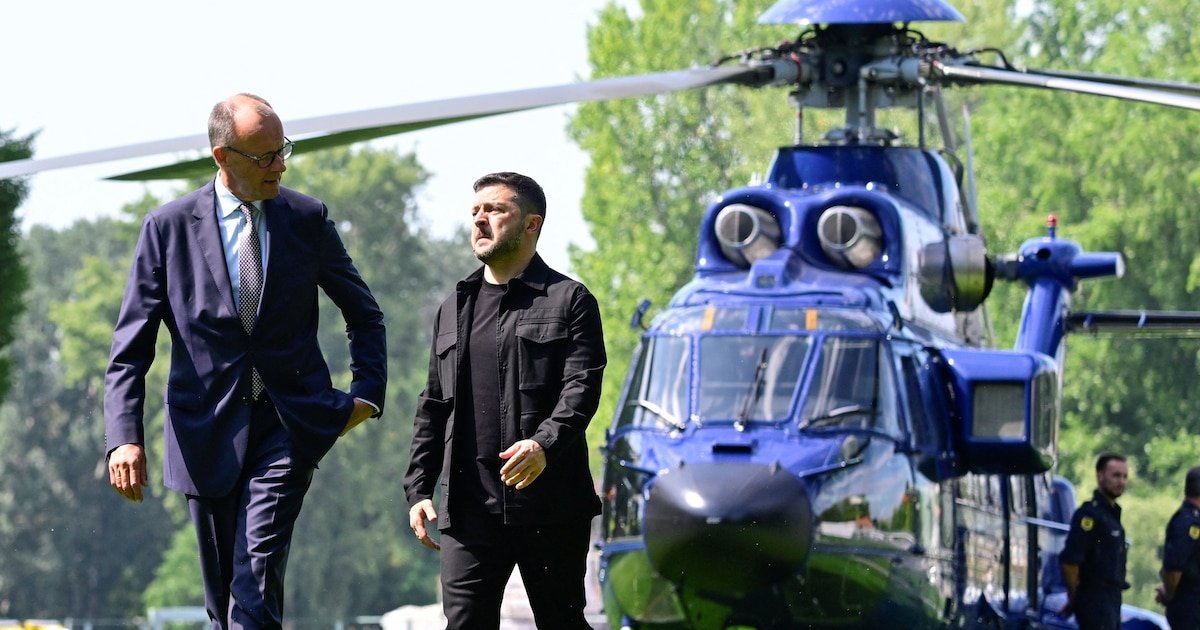
Volodimir Zelensky llegó a Berlín para reunirse con sus aliados europeos y participar de una cumbre virtual con Donald Trump

Líderes europeos sostendrán este miércoles una videoconferencia con el presidente de Estados Unidos, Donald Trump, para intentar asegurar que defienda los intereses de Ucrania en su encuentro con el mandatario ruso, Vladimir Putin, previsto para el viernes en Alaska. Será la primera reunión entre ambos desde el inicio de la invasión rusa a gran escala hace más de tres años.
El canciller alemán, Friedrich Merz, convocó al presidente ucraniano, Volodimir Zelensky, quien ya arribó a Berlín, y a los jefes de Estado o de Gobierno de Francia, Reino Unido, Italia, Polonia y Finlandia, así como a los titulares de la Comisión y el Consejo Europeo y al secretario general de la OTAN, a una conversación virtual en la tarde.
Zelensky participará de la videoconferencia, que también contempla una segunda ronda de intercambio con Trump y el vicepresidente estadounidense, JD Vance. Según la oficina de Merz, los temas incluirán “nuevas opciones para ejercer presión sobre Rusia” y la “preparación de posibles negociaciones de paz, junto con asuntos relacionados con reclamaciones territoriales y seguridad”.

El encuentro en Alaska del viernes, en el que se verán Donald Trump y Vladimir Putin, no prevé la participación de Zelensky, lo que ha generado inquietud en Kiev ante la posibilidad de que se le presione para aceptar concesiones, incluso en materia territorial. Moscú ha condicionado cualquier pacto a que Ucrania retire sus tropas de varias regiones que reclama como propias, renuncie a integrarse en la OTAN, se declare Estado neutral y evite vínculos militares con Estados Unidos y la Unión Europea.
El martes, los líderes de la UE reafirmaron “el derecho inherente de Ucrania a elegir su propio destino” y subrayaron que “las fronteras internacionales no deben cambiarse por la fuerza”. En declaraciones a la prensa, Zelensky descartó retirar tropas de la región de Donbás, uno de los territorios que Rusia reclama, y recalcó que no se reconocerá la ocupación de ninguna parte de su territorio.
Trump, por su parte, rebajó el lunes las expectativas de un avance significativo en Alaska, describiendo el encuentro con Putin como “una reunión para tomar el pulso”. Sin embargo, insinuó que en algún momento “habrá intercambios, habrá cambios en la tierra”.

Tras la reunión inicial, el primer ministro británico, Keir Starmer, el presidente francés, Emmanuel Macron, y Merz mantendrán un segundo diálogo en el marco de la denominada Coalición de los Dispuestos, que agrupa a los principales países que apoyan militarmente a Ucrania.
En el plano militar, Ucrania informó el martes que mantiene “batallas difíciles” con las fuerzas rusas en el este del país, donde Moscú ha logrado avances rápidos en un sector estratégico del frente.
“Vemos que el ejército ruso no se está preparando para terminar la guerra. Por el contrario, están realizando movimientos que indican preparativos para nuevas operaciones ofensivas”, advirtió Zelensky en redes sociales.
El contexto añade presión a la cumbre de Alaska. El conflicto, que ha dejado miles de muertos y desplazados, continúa sin una vía clara de solución. Ucrania reconoce que recuperar el territorio ocupado por Rusia requerirá esfuerzos diplomáticos, ya que no espera revertir la ocupación exclusivamente mediante operaciones militares.

La participación de altos representantes europeos y de la OTAN en la reunión preparatoria busca enviar un mensaje unitario antes de que Trump y Putin se sienten a negociar. Según los convocantes, el objetivo es reforzar el apoyo internacional a Ucrania y evitar que cualquier entendimiento bilateral entre Washington y Moscú se produzca a expensas de la soberanía ucraniana.
(Con información de AFP)
Europe,Government / Politics,Berlin











INTERNACIONAL
Trump echó a la secretaria de Seguridad Nacional de EE.UU., responsable de las redadas contra inmigrantes
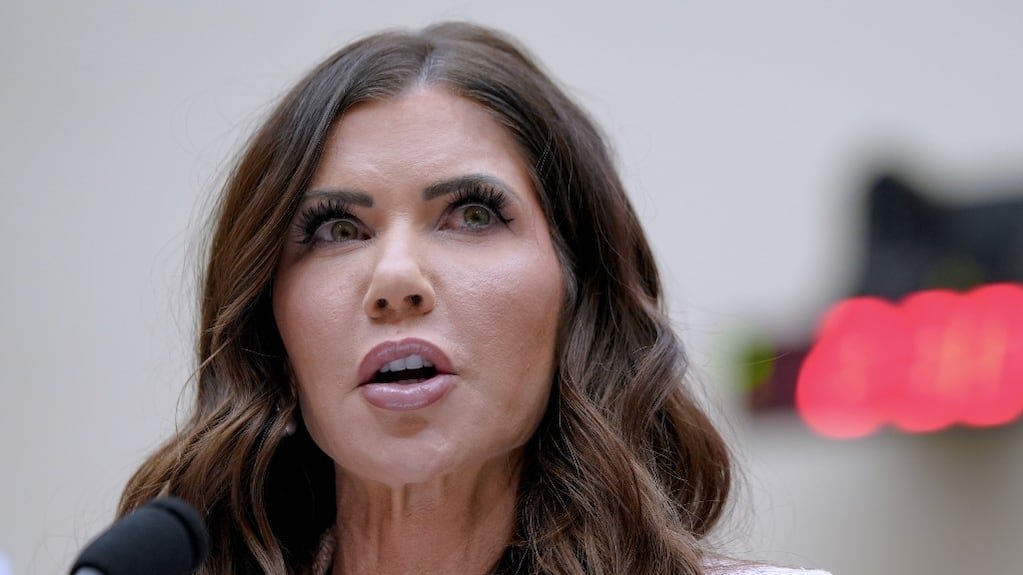
El presidente estadounidense, Donald Trump, anunció este jueves que destituyó a la secretaria de Seguridad Nacional Kristi Noem.
La funcionaria tenía a su cargo la polémica política migratoria a través de las redadas contra indocumentados en todo el país.
Leé también: Los kurdos quieren combatir a los ayatollah: contactos con la CIA y el riesgo de una guerra civil en Irán
Trump anunció que Noem dejará el cargo a partir del 31 de marzo. La sustituirá el senador de Oklahoma Markwayne Mullin, mientras la agencia permanece cerrada por falta de fondos.
El mandatario republicano hizo el anuncio en redes sociales, dos días después que Noem enfrentara un duro interrogatorio en el Capitolio por parte de miembros del Partido Republicano, así como de legisladores demócratas.
El futuro de Kristi Noem
Trump anunció además que designará a Noem como “Enviada Especial para el Escudo de las Americas”, una nueva iniciativa de seguridad que, afirmó, se centrará en el hemisferio occidental.
Noem es la primera secretaria del gabinete en dejar el cargo durante el segundo mandato de Trump. Su salida pone fin a un periodo turbulento al frente de tácticas de control migratorio que fueron recibidas con protestas y demandas, con manifestantes y disturbios en grandes ciudades como Los Angeles. Donald Trump destituyó a Kristi Noem (Foto: REUTERS/Kylie Cooper)
El año pasado, Estados Unidos afirmó haber deportado a unos 600.000 inmigrantes sin papeles. Sin embargo, durante la gestión de Noem se sucedieron las denuncias de arrestos y expulsiones de migrantes con documentación provisoria.
Según afirmaron, eran esperados en los juzgados migratorios por agentes especiales para ser detenidos, procesados y expulsados. Esta política de persecución contra las comunidades migrantes, en especial la latina, desató una ola de pánico entre los extranjeros.
Las fuerzas del Servicio de Control de Inmigración y Aduanas (ICE) patrullaron comunidades hispanas, realizaron allanamientos en lugares de trabajo, en iglesias y hasta en las puertas de escuelas, lo que provocó airadas protestas de la comunidad latina.
Además, la figura de Noem quedó en medio de una fuerte controversia tras los tiroteos fatales de agentes del ICE en el que murieron dos ciudadanos estadounidenses.
Leé también: El FMI advirtió que la guerra en Medio Oriente dañará la economía global: “Agrava un entorno incierto”
Según la prensa local, Trump habría tomado su decisión tras las audiencias de Noem en el Congreso, durante las cuales se vio en aprietos por la adjudicación de un importante contrato público. Entonces fue duramente cuestionada por senadores demócratas y también por el republicano Thom Tillis, que pidió su dimisión y recordó el polémico episodio de su libro en el que Noem relataba cómo había matado a su perra y a una cabra.
El departamento de Seguridad Nacional se encuentra parcialmente cerrado por falta de fondos desde el 14 de febrero a la espera de que demócratas y republicanos acuerden cambios en los procesos operativos de las redadas migratorias que desatasquen la aprobación de la partida presupuestaria.
Al margen de las controvertidas redadas, la presión sobre Noem fue aumentando en los últimos días frente a una polémica y agresiva campaña para publicitar la labor de su departamento adjudicada el año pasado. Se conoció que su cartera abanderó una “emergencia” fronteriza para justificar la concesión, sin licitación previa, de la campaña, valorada en unos 220 millones de dólares, a una entidad controlada por el marido de la exportavoz del propio de la secretaría de Seguridad, Tricia McLaughlin.
Qué dijo Donald Trump
En un extenso mensaje en su red Truth Social, Trump afirmó: “Me complace anunciar que el muy respetado senador estadounidense del gran estado de Oklahoma, Markwayne Mullin, asumirá el cargo de Secretario de Seguridad Nacional (DHS) de Estados Unidos a partir del 31 de marzo de 2026″.
“La actual secretaria, Kristi Noem, quien nos ha servido eficazmente y ha obtenido numerosos y espectaculares resultados (¡especialmente en la frontera!), pasará a ser Enviada Especial para el Escudo de las Américas, nuestra nueva Iniciativa de Seguridad en el Hemisferio Occidental que anunciaremos el sábado en Doral, Florida», indicó.
Leé también: La guerra sacude al Líbano: evacúan el sur de Beirut y se intensifican los ataques entre Israel y Hezbollah
Además, señaló: “Agradezco a Kristi su servicio. Tras 10 años en la Cámara de Representantes de Estados Unidos y 3 en el Senado, Markwayne ha realizado una labor excepcional representando al maravilloso pueblo de Oklahoma, donde gané en 77 de los 77 condados en 2016, 2020 y 2024″.
“Un guerrero MAGA y ex luchador profesional invicto de MMA (Artes Marciales Kixtas), Markwayne se lleva muy bien con la gente y posee la sabiduría y el coraje necesarios para impulsar nuestra agenda de ‘América Primero’. Como el único nativo americano en el Senado, Markwayne es un defensor excepcional de nuestras increíbles comunidades tribales”, prosiguió.
En el final de su posteo, dijo: “Markwayne trabajará incansablemente para mantener nuestra frontera segura, detener la delincuencia migratoria, los asesinos y otros delincuentes que ingresan ilegalmente a nuestro país, acabar con el flagelo de las drogas ilegales y hacer que Estados Unidos vuelva a ser seguro. Markwayne será un excelente Secretario de Seguridad Nacional. ¡Gracias por su atención!“.
(Con información de AFP, EFE y AP)
Donald Trump
INTERNACIONAL
Trump’s new DHS pick is an illegal immigration hawk who’s ‘all about the mission’: Expert
NEWYou can now listen to Fox News articles!
Oklahoma Republican Sen. Markwayne Mullin, President Donald Trump’s new pick to lead the embattled Department of Homeland Security, is a supporter of strict immigration enforcement who, in the last year, has proved invaluable in getting key pieces of the president’s agenda across the finish line.
A first-term senator who identifies as Native American, Mullin is a self-described «bull in a China cabinet» who was instrumental in the Senate’s passage of the Trump-backed One Big Beautiful Bill. Lora Ries, a border security and immigration expert at the Heritage Foundation, predicted to Fox News Digital that Mullin will have a focused leadership approach as head of DHS.
«It won’t be about him, it’s about the mission, and it’s about carrying out the president’s agenda to maintain a secure border, but also mass deportations,» she said.
Shortly after news of his appointment broke, Mullin called it a «big surprise» but said he is «excited» to take on the role.
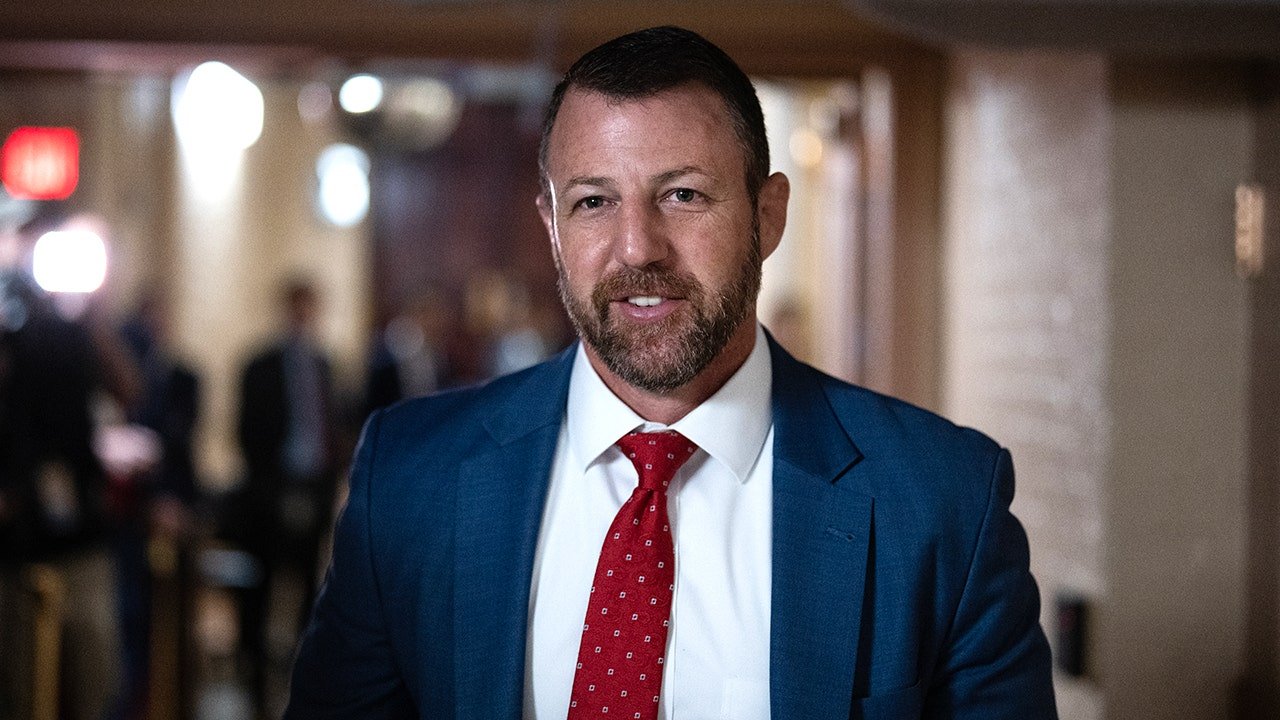
Trump named Sen. Markwayne Mullin, R-OK, as the next head of DHS. (Tom Williams/CQ-Roll Call, Inc via Getty Images)
«The president and I have a really good relationship; we talk all the time anyway. I wasn’t, to be quite honest with you, expecting the call today. But it’s super exciting,» he told reporters outside the Capitol.
He said that his focus as DHS secretary will be to «keep the homeland secure.»
«Nothing is going to prevent me from doing my job,» he continued. «I’m going to enforce the policies and the laws that Congress has passed, and we’re going to protect the homeland.»
Ries said that Mullin’s appointment signals Trump doubling down on his agenda of maintaining a secure border. Ries also said she does not expect the transition from outgoing Secretary Kristi Noem to Mullin to disrupt the agency’s enforcement operations.
«We can’t waste any time, given we’re concerned with sleeper cells from Iran and other locations, terrorist threats that Joe Biden let into the country,» she added.
SCHUMER, DEMS HOLD FIRM ON DHS FUNDING DESPITE NOEM’S BOMBSHELL OUSTING
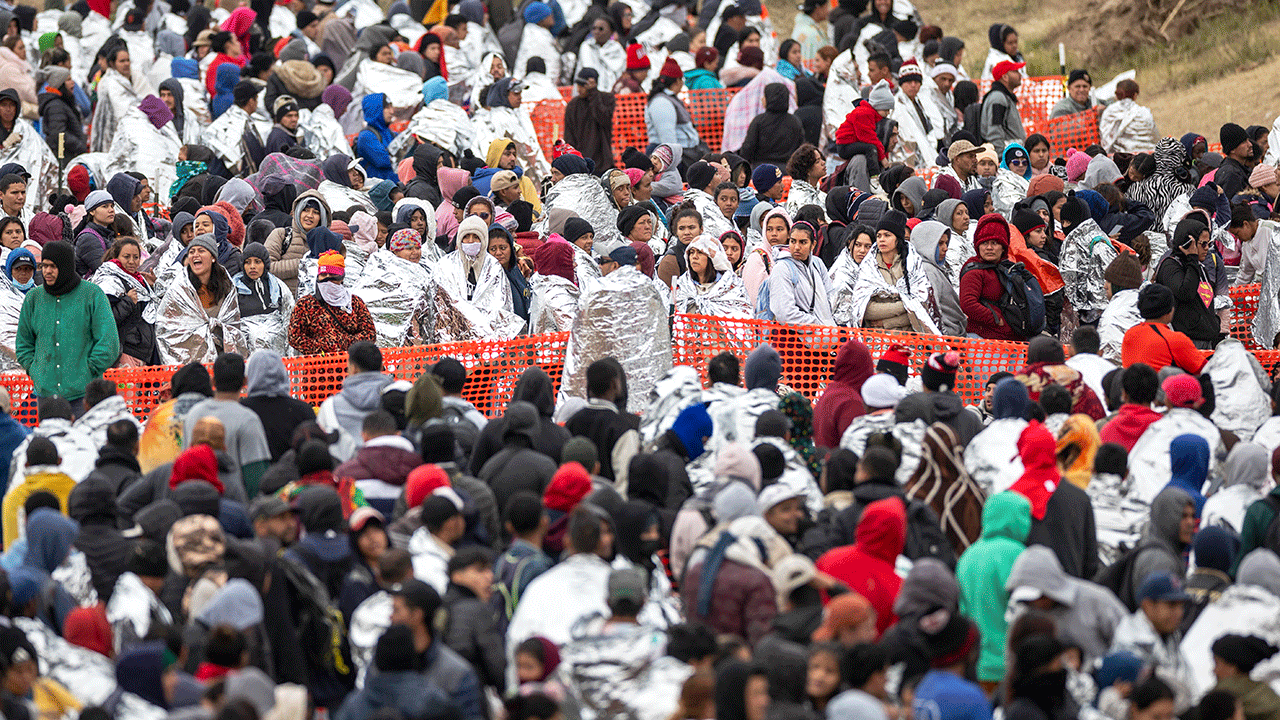
Immigrants wait to be processed at a U.S. Border Patrol transit center after they crossed the border from Mexico on December 20, 2023, in Eagle Pass, Texas. (John Moore/Getty Images)
At 48 years old, Mullin is a husband and father of six. He has served in the Senate for just over three years, entering office in January 2023. Before that, he served in the House of Representatives for about 10 years.
Currently, Mullin serves as the chair of the Legislative Branch Appropriations Subcommittee. He does not serve on the Senate Homeland Security and Governmental Affairs Committee, the panel that he will soon sit before during his confirmation process.
He is also a member of Senate Majority Leader John Thune’s, R-S.D., leadership team and proved a decisive asset in extending Trump’s 2017 tax cuts last year.
It was, however, the relationships he built in the lower chamber that made him a de facto liaison with his former House colleagues. That role began when former House Speaker Kevin McCarthy, R-Calif., with whom Mullin was close friends, was in leadership and has continued under House Speaker Mike Johnson, R-La.
That role as liaison, which Mullin previously told Fox News Digital he never wanted, made him an invaluable asset last year when Republicans were trying to pass Trump’s big beautiful bill. Mullin had already become a member of Thune’s whip team and offered to help bridge the policy gap between House Republicans and Senate Republicans to ensure the legislation was passed.
Both chambers were going back and forth on the bill, which Mullin told Fox News Digital last year wasn’t necessarily «a good indication that we were butting heads.»
«Everybody was very passionate about this,» Mullin said. «I mean, they’ve been working for a long time. We looked at it as maybe a once-in-a-generation opportunity for us to be able to get this done.»
ILLEGAL’S DRAGGING OF ICE AGENT SHOWS THE EXACT DANGER THE OFFICER WHO SHOT RENEE GOOD FEARED, EXPERT SAYS
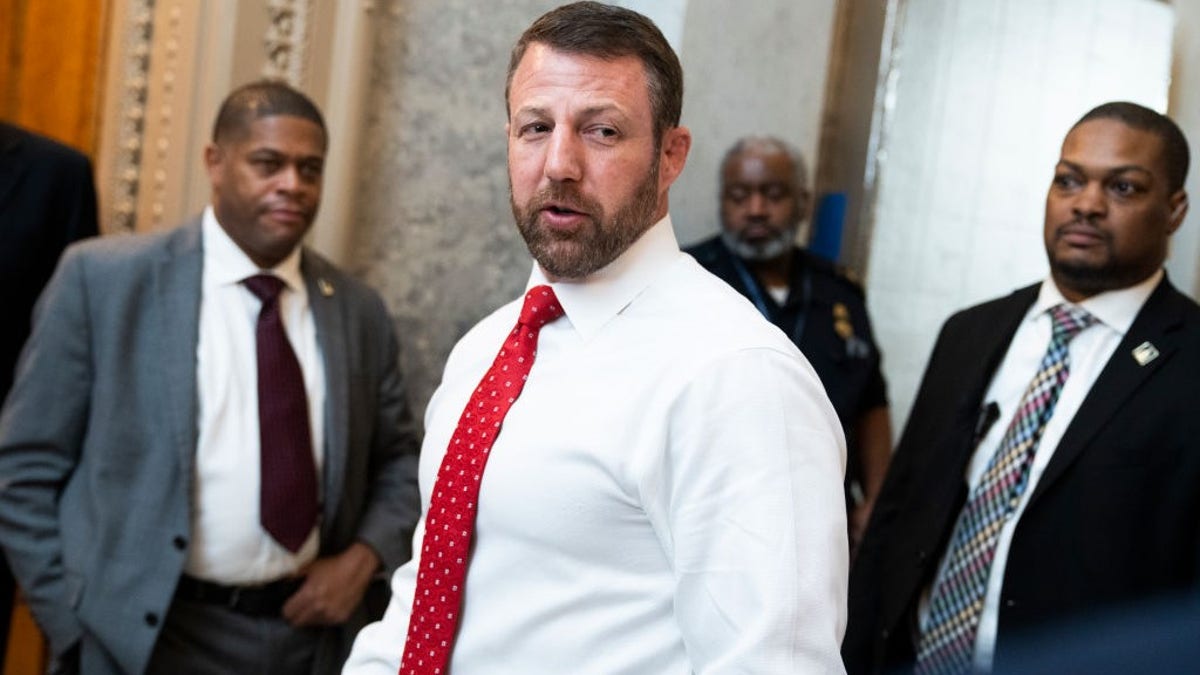
Then-Sen.-elect, Markwayne Mullin, R-Okla. is seen in the U.S. Capitol on Tuesday, November 15, 2022. (Tom Williams/CQ-Roll Call, Inc via Getty Images)
On Mullin’s website, he states, «We are a nation of laws, and those laws must be upheld.»
«We must ensure our immigration laws are enforced, bring back the Remain in Mexico policy, finish building the wall, and end the liberal incentives that are fueling the worst border crisis in American history,» Mullin’s website reads.
Mullin has harshly criticized Democrats for moving to defund DHS, saying, «If we defund the Department of Homeland Security, they do a lot more than arrest illegals. You walk through the airport, they’re providing security. The Department of Homeland Security is there for a reason … They protect us from threats at home and abroad, around the United States and across the world.»
CLICK HERE TO DOWNLOAD THE FOX NEWS APP
After the lapse in DHS funding, Mullin slammed the Democrats for «political theater,» saying he was focused on restoring the funding.
When asked if there were any lessons Mullin had learned from her tumultuous tenure atop the agency, he noted that he and Noem were close friends, but that he had not yet had time to call her yet after receiving the news.
«Our families are friends. She was tasked to do a very difficult job. And I think she has, she has performed the best she can do,» Mullin said.
«Is there always lessons that can be learned? You know, listen, my wife and I, we have, over the years, we have been fortunate enough to purchase companies and grow our companies, and every day there’s something you can do better,» he continued. «And so, I think there’s, there’s an opportunity to build off successes, and there’s also opportunities to build off things that maybe didn’t go quite as planned.»
Mullin said he and Trump are «great friends» and «I look forward to working for him on his cabinet.» He noted, «Of course, we still have this whole thing called confirmation, and we’re going to get started on that right away.»
homeland security,immigration,border security,kristi noem,donald trump,enforcement,illegal immigrants

«San Cupertino»: Natalie Weber descubrió que su hija le reza a un santo muy efectivo y ahora todos quieren saber quién es

De cuánto son las Asignaciones Familiares de ANSES en marzo 2026

La imagen de Franco Colapinto tras las prácticas de Fórmula 1 que generó preocupación: “Tuve un pequeño problema en el ojo”

Juan Bautista Mahiques designó al abogado Alejandro Ramírez como nuevo titular de la IGJ
Panorama Internacional: Guerra contra Irán, sacrificando al amigo americano

Inversiones en tiempos de guerra: fintech revela CEDEAR para blindarse ante crisis en Medio Oriente

Puertas adentro, Villarruel explotó: «El esfuerzo no lo hizo la política» y demolió el relato económico de Milei

Pampita se mudó a un castillo francés de detalles alucinantes: «1000 metros, 14 ambientes, vale 11 millones de dólares»

El drama que vive Oriana Sabatini a horas del nacimiento de su hija con Paulo Dybala: se complicó la salud de su abuela de 90 años

El hijo adoptivo de José María Muscari tomó una tajante decisión de vida a los 18 años

 CHIMENTOS2 días ago
El hijo adoptivo de José María Muscari tomó una tajante decisión de vida a los 18 años
- CHIMENTOS2 días ago
¡Interna total! Pablo Layus explotó y blanqueó quiénes son los que arruinan Intrusos: «Te matan»
- CHIMENTOS3 días ago
Ángel de Brito contó la oscura verdad de Jorge Rial para no ir a LAM: “Es un…”